Why Your Body Scars, and Where Beta-Caryophyllene (BCP) Fits In
New research is getting closer to scar-free healing. Here's what it found, and why the CB2 receptor keeps showing up in the story.
Here's something wild. Before you were born, you could heal a cut with no scar at all. The skin just grew back, like it was never hurt.
Then, somewhere along the way, that ability switched off. Now every deep cut, burn, or surgery leaves a mark.
Scientists have been chasing that "off switch" for about 40 years. A new feature in BBC Science Focus Magazine (October 2026) says they're getting close. Stanford plastic surgeon Dr. Michael Longaker, one of the top names in scar research, put it simply: we're standing at a threshold.1
So what does this have to do with beta-caryophyllene (BCP), the plant compound in Cannanda CB2 oil? More than you might think. Let's walk through it.
- Scars and fibrosis happen when repair cells lay down too much collagen.
- Three big drivers: inflammation, a signal called TGF-β, and tension on the wound.
- In animal studies, BCP calmed the first two and cut collagen buildup in the heart and liver, mostly through CB2.
- No BCP study has looked at tension yet. That's the open question.
Scars and Fibrosis: Same Problem, Different Place
When you get hurt, your body sends in a cleanup crew and a repair crew.
- First, the clot. Your blood plugs the hole, and later it turns into a scab.
- Next, immune cells. They rush in to fight germs and clear out damaged tissue.
- Then, fibroblasts. These are your repair cells. They lay down collagen, a strong protein, to patch the gap.
Normal skin has collagen woven loosely, like a basket. Scar tissue has it packed in tight, thick bundles. That's why scars look and feel different. They're never quite as strong as the skin they replaced, either.1
Now here's the bigger picture. When this same over-patching happens inside your body, doctors call it fibrosis. It can show up in the liver, heart, lungs, kidneys, and gut. Some researchers estimate that close to 45% of deaths in developed countries are linked to fibrosis in some form.2 So this isn't just about how your skin looks. It's about how your organs work.
The Three Big Drivers of Scarring
Scientists now think there isn't just one scar switch. There are several. As Bristol cell biologist Prof. Paul Martin told BBC Science Focus, it looks like there are a few "buttons" working together.1 Three of them matter most for this story.
1. Angry Immune Cells
Immune cells called macrophages tell fibroblasts to make a scar. Mice bred without these immune cells healed with no scars at all.
2. The TGF-β Signal
TGF-β is a messenger that wakes up fibroblasts and tells them to pump out collagen. It's been a top scar target for years.
3. Tension
When a wound gets pulled tight, fibroblasts feel that force. The pull itself tells them to lay down thick, scar-style collagen.
The Timing Clue
Immune cells start showing up at wounds in the womb right around the time scarring begins. That's not a coincidence.
Let's look at that third one for a second, because it's the newest and most exciting piece.
Why tension matters so much
Early in pregnancy, a baby's skin is soft and gel-like. Later, it gets tight. Dr. Longaker always had a hunch that this change was part of why scarring starts.1
He was right. Human skin is tight, more like a pig's than a dog's or cat's. When a wound gets pulled, repair cells sense that force and switch into scar mode. In mice and pigs, his team blocked that tension signal and got wounds to heal with normal skin, hair follicles, sweat glands and all.1 A human trial is now being planned.
Where BCP Comes In
Beta-caryophyllene is a natural compound found in black pepper, cloves, rosemary, and hemp. It's special because it acts on your CB2 receptor, a part of your endocannabinoid system that helps keep your body in balance, or homeostasis.6
Here's the key part. CB2 receptors sit mostly on immune cells. That's the exact spot where the scar story starts. So it makes sense to ask: can BCP calm the early steps that lead to fibrosis?
Researchers have tested this in animals. Here's what they found.
BCP and the heart
- In diabetic mice, BCP lowered TGF-β and other fibrosis markers in the heart.
- It also reduced collagen buildup in heart tissue.
- When researchers blocked CB2 first, the benefit went away. That points to CB2 as the main pathway.3
BCP and the liver
- In rats with chemical liver damage, BCP given before the damage protected against injury, inflammation, and fibrosis. Again, blocking CB2 erased the effect.4
- In rats with blocked bile ducts, BCP cut collagen in the liver and boosted an enzyme that helps break old collagen down.5
- An earlier study found BCP's antioxidant action helped keep the liver's scar-making cells from switching on.7
BCP and skin
- Mice with skin wounds that got BCP on the skin had faster skin regrowth over the wound.
- Treated cells grew and moved faster, which helps close a wound.
- Oddly, the effect showed up only in female mice. The gene changes also suggested BCP works through more than just CB2.8
Across these studies, BCP seems to work on drivers #1 and #2: it calms inflammation and turns down TGF-β. Those are two of the main buttons scar researchers have been trying to press for decades.
The Missing Piece: Tension
Now for the honest part. No BCP study has looked at tension yet.
That matters, because tension is one of the biggest new clues in scar research. It's like this: if scarring has three doors, BCP studies have only knocked on two of them.
What if calming inflammation and TGF-β early on also changes how repair cells respond to pull and stretch later? Nobody knows yet. But it's a question worth asking, and we hope researchers test it soon.
Also keep in mind that faster healing and less scarring aren't the same thing. The skin study measured how quickly wounds closed. It didn't measure how much scar was left behind.
What This Means for You
You can't stop your body from scarring. Nobody can, at least not yet. But you can support the systems that help it heal well.
- Keep inflammation in check. Sleep, movement, and a whole-food diet all help your body stay balanced.
- Look after your gut and liver. These organs are on the front line of fibrosis research for a reason.
- Support your CB2 system. BCP is one of the few natural compounds known to act directly on CB2 receptors.
- Care for wounds and surgical sites. Follow your doctor's advice, and ask about ways to reduce tension on healing skin.
Scar research is moving fast, and the CB2 receptor keeps popping up in the conversation. We think that's worth paying attention to. And if a study ever ties BCP to the tension side of scarring, you'll hear about it here first.
Support Your Body's Natural Balance
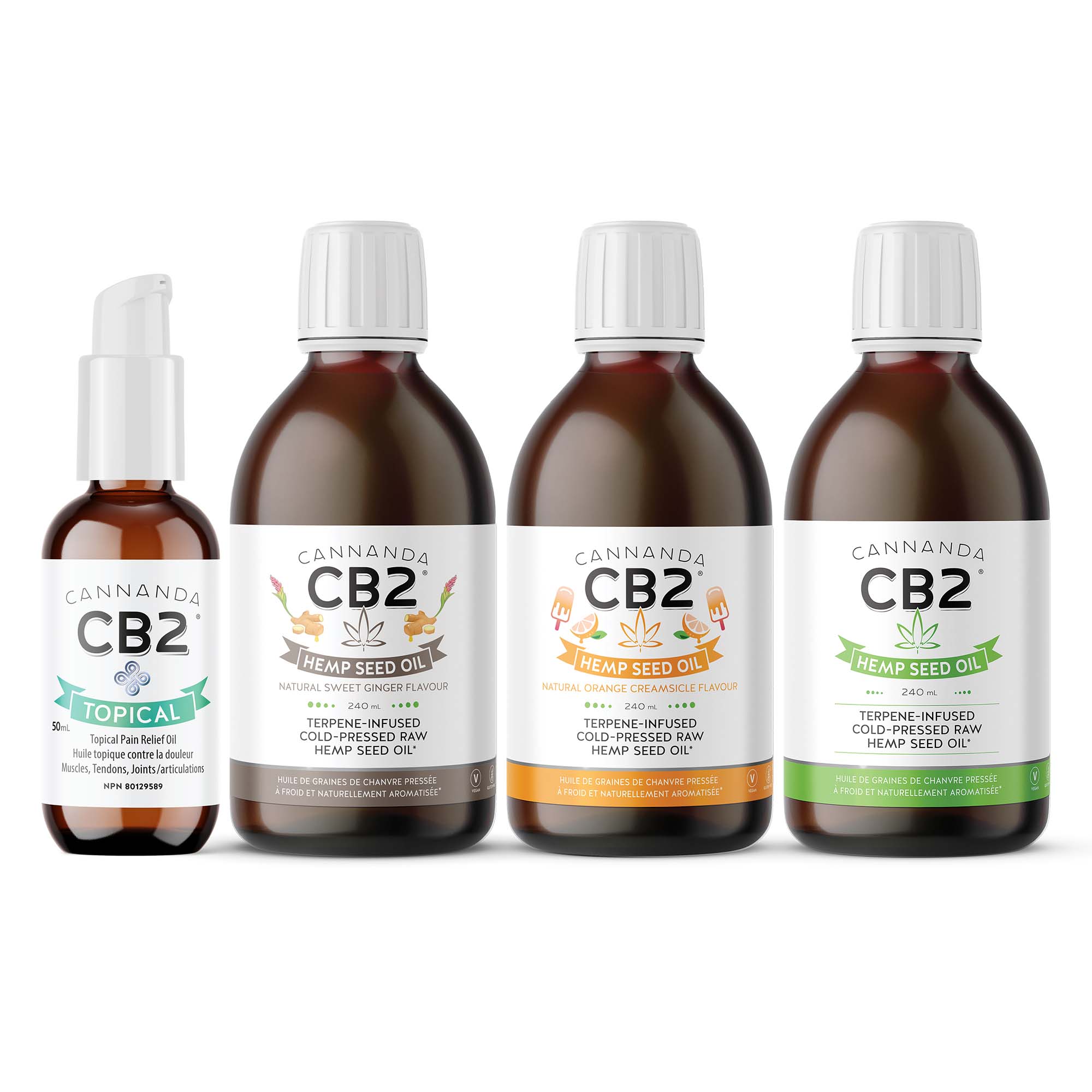
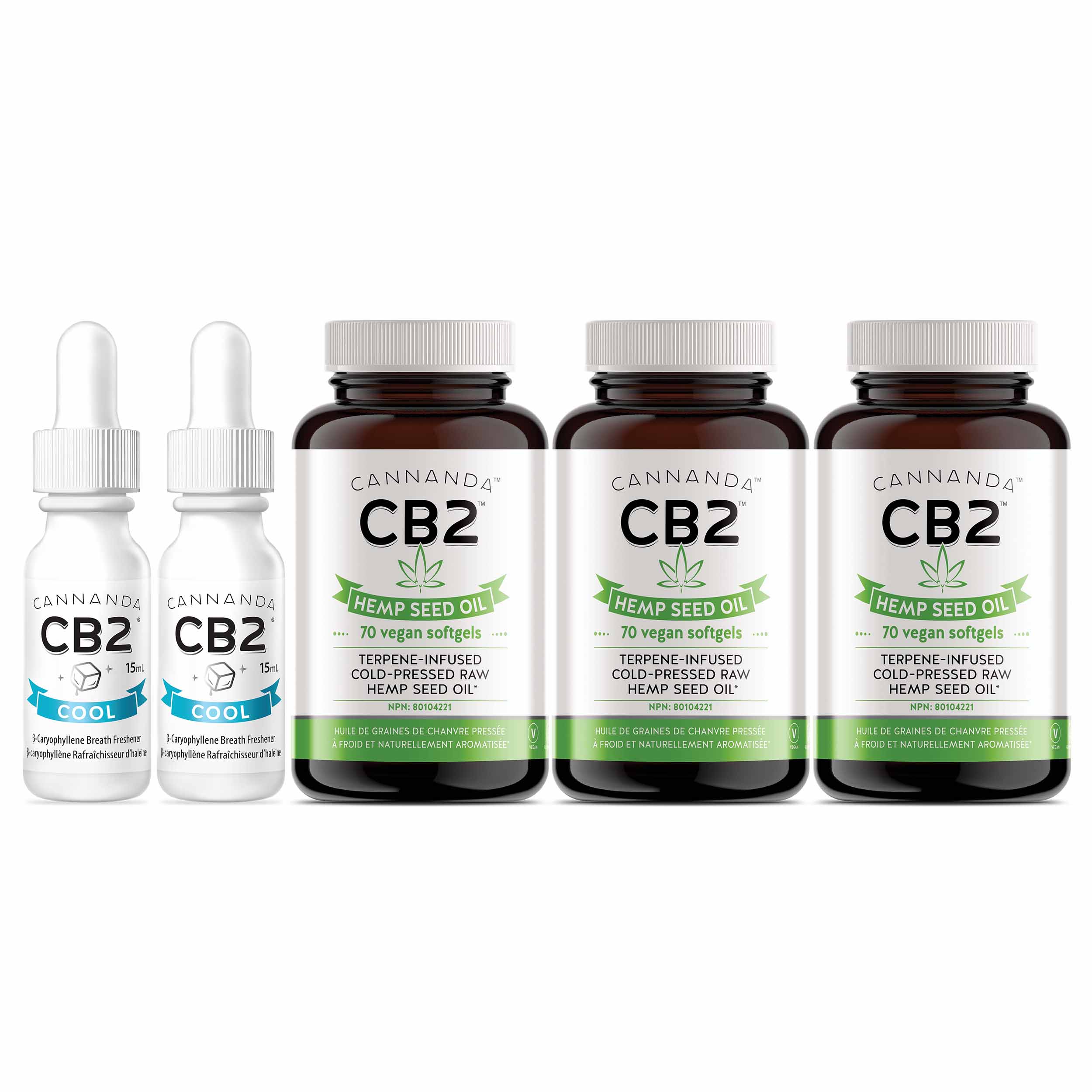
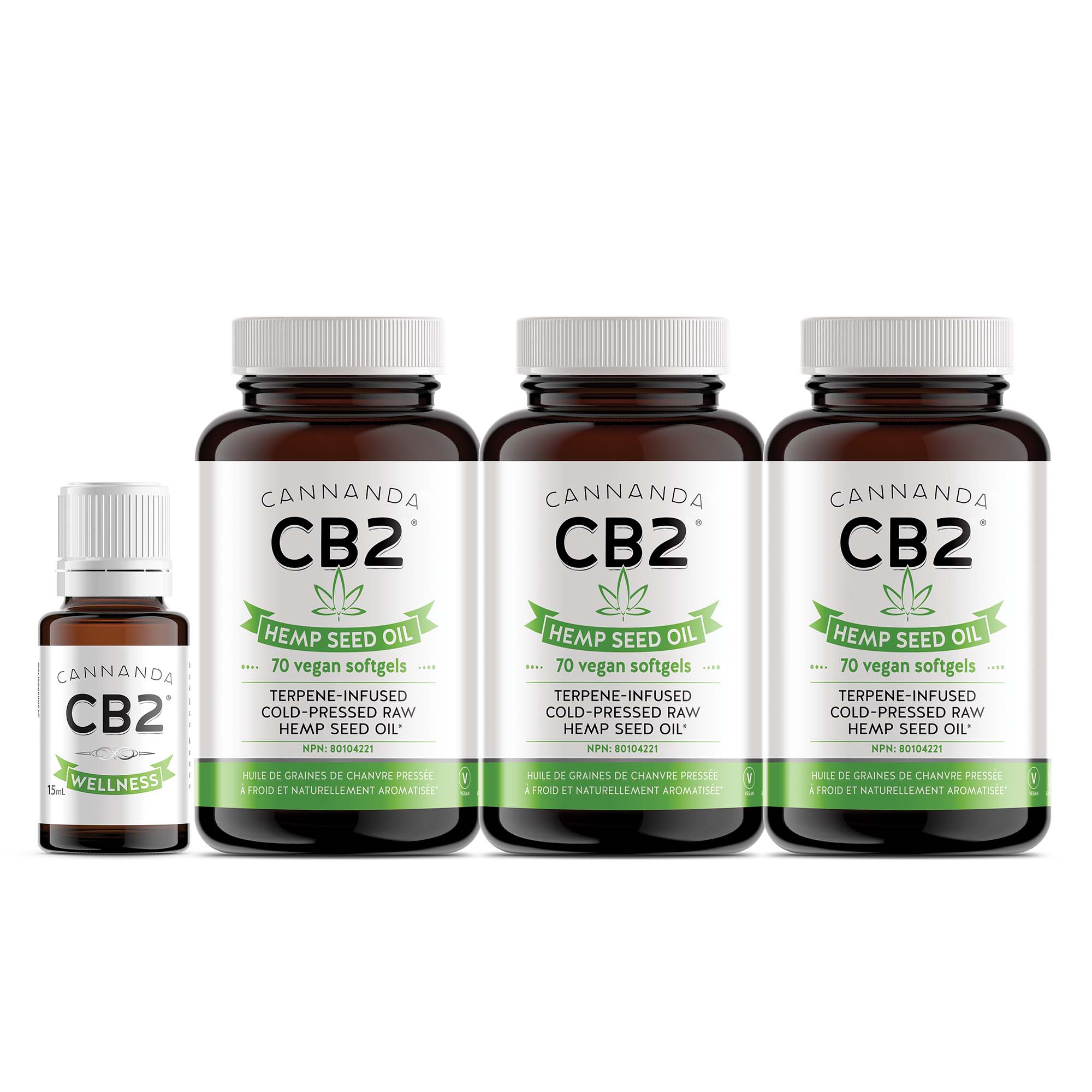
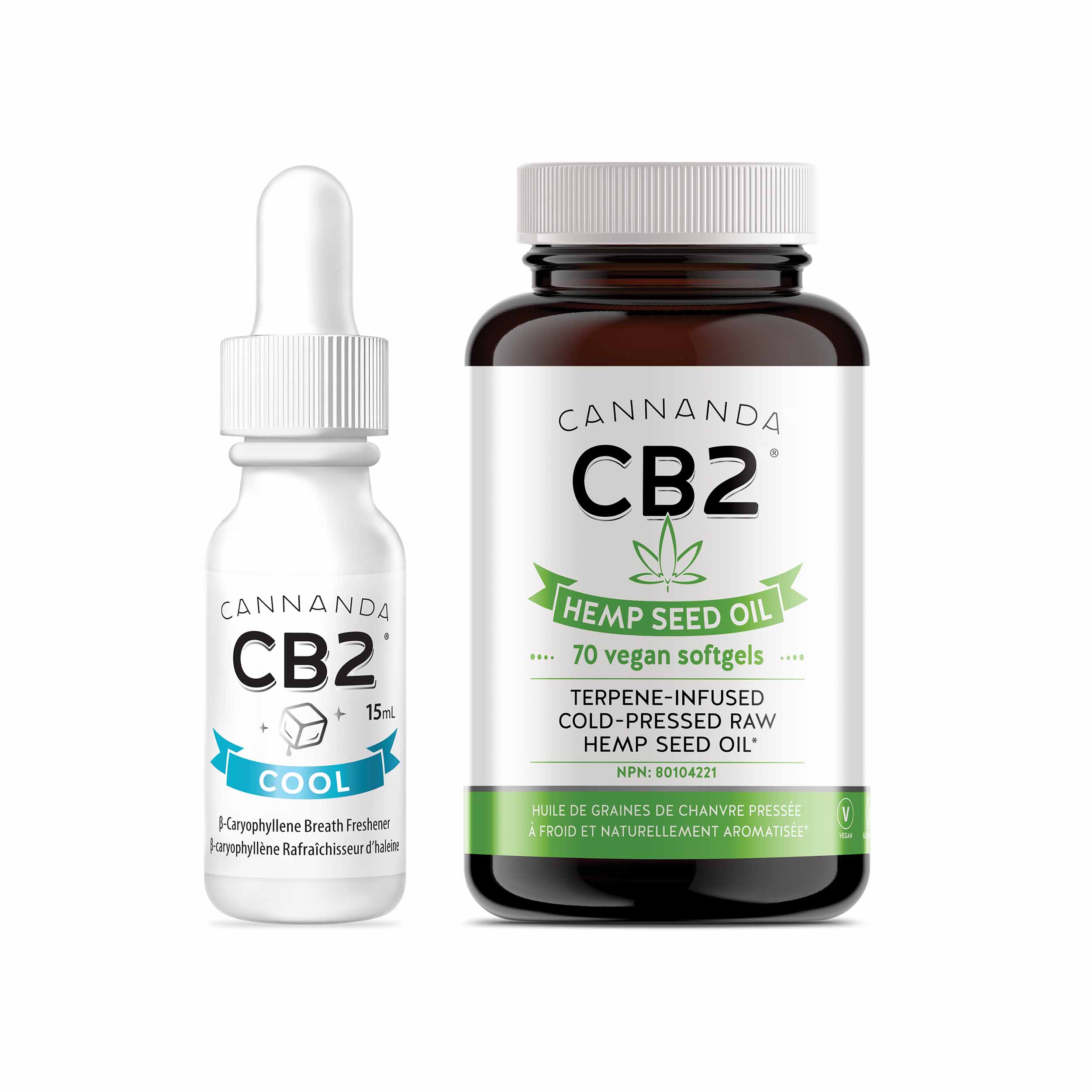
Cannanda CB2 oil delivers beta-caryophyllene, the plant compound that works with your CB2 receptors. Formulated by Dr. Lee Know, ND, and made in Canada.
Shop Cannanda CB2 OilReferences
- Bennett H. 'We're standing at a threshold': A mind-blowing new discovery could unlock scar-free healing. BBC Science Focus Magazine, October 28, 2026.
- Wynn TA. Cellular and molecular mechanisms of fibrosis. Journal of Pathology, 2008;214(2):199-210.
- β-Caryophyllene, a dietary CB2 receptor selective cannabinoid mitigates myocardial fibrosis in a mice model of diabetic cardiomyopathy. Endocrine Abstracts, 2022;81:OC1.4.
- Bader Eddin L, Mahgoub A, Almarzooqi S, Adeghate E, Subramanya SB, Ojha S. β-Caryophyllene Ameliorates Thioacetamide-Induced Liver Fibrosis in Rats: A Preventative Approach. International Journal of Molecular Sciences, 2025;26(17):8493.
- Role of cannabinoid receptors in hepatic fibrosis and apoptosis associated with bile duct ligation in rats. European Journal of Pharmacology, 2014.
- Gertsch J, et al. Beta-caryophyllene is a dietary cannabinoid. Proceedings of the National Academy of Sciences, 2008;105(26):9099-9104.
- Calleja MA, et al. The antioxidant effect of β-caryophyllene protects rat liver from carbon tetrachloride-induced fibrosis by inhibiting hepatic stellate cell activation. British Journal of Nutrition, 2013.
- Koyama S, Purk A, Kaur M, et al. Beta-caryophyllene enhances wound healing through multiple routes. PLoS ONE, 2019;14(12):e0216104.