Why Beta-Caryophyllene May Help You Sleep Better: The Neuroinflammation Link
Who this is for
- You lie there for an hour or more, waiting for sleep that will not come.
- Or you fall asleep fine, then wake up at 2 or 3 in the morning and stare at the ceiling.
- You feel exhausted all day, then wide awake the second your head hits the pillow.
- Sore joints, an achy back, or nerve pain pull you out of sleep.
- You have tried melatonin and it did nothing.
- Your bloodwork came back normal and nobody can tell you why you sleep badly.
The short version
- Better sleep is one of the most common benefits our customers report from Cannanda CB2 oils, even though we never designed them as sleep products.
- BCP is not a sedative. It will not knock you out. It is non-intoxicating and contains 0% THC and 0% CBD.
- Research increasingly links low-grade neuroinflammation to poor sleep. The same inflammatory messengers that make you sleepy during an infection will fragment your sleep when they stay switched on.
- Beta-caryophyllene (BCP) activates CB2 receptors, which sit on the immune cells of your brain and body. That is the most likely reason sleep keeps coming up.
- Timing varies a lot. Some people tell us they had their best sleep in years after the very first dose. Others notice nothing for several days, then feel a shift after a week of consistent use.
Tired but wired
There is a specific kind of bad sleep that does not respond to the usual advice. You are not stressed about anything in particular. You are not drinking coffee at 4pm. You went to bed at a sensible hour. And still, your body is exhausted while your brain refuses to power down.
Then you finally drop off, and three hours later you are awake again for no reason at all.
That pattern has a name in the research literature. It is called hyperarousal, and a growing body of work points at your immune system as one of the drivers.
What may actually be keeping you awake
Here is the part most people have never heard. Two of the best known inflammatory messengers in the body, IL-1β and TNF-α, are not just markers of inflammation. They are sleep-regulating molecules in their own right.
Researchers call them somnogenic substances. A 2025 review describes how they act directly on central nervous system circuits, including the serotonin system and the machinery that decides how much sleep you need.1
That is why you sleep like a rock when you have the flu. The system is working exactly as designed.
The trouble starts when those messengers never switch off. Chronic low-grade inflammation does not give you more sleep. It gives you worse sleep, and the mechanism is now reasonably well mapped:
- IL-1β and TNF-α cross or signal across the blood-brain barrier, change how excitable your neurons are, and interfere with slow-wave (deep) sleep.2
- They act on the brain regions that keep you alert, including the hypothalamus and the locus coeruleus, making those neurons more excitable and activating microglia, the brain's own immune cells.3
- Inflammasome-driven IL-1β release also dampens GABA signalling, your brain's main calming system. Researchers describe this as a hallmark of insomnia and hyperarousal.4
And it feeds itself. Broken sleep drives more inflammation. More inflammation breaks sleep further. Both clinical and preclinical work describes a self-reinforcing cycle rather than a one-way street.1
If that loop is what is keeping you up, a sedative does not touch it. You need something that lowers the signal.
Why melatonin and sleeping pills (sedatives) often fail
Melatonin is a timing signal, not a sedative. It tells your body what time it thinks it is. That is genuinely useful for jet lag or shift work, but does very little for a nervous system stuck in a state of alert.
Sedatives create sedation, which is not the same thing as restorative sleep. They are also well known for next-day grogginess, tolerance, and dependence with regular use. Many people end up trading one problem for another.
Neither approach goes anywhere near the inflammatory loop.
What may help, and why
Beta-caryophyllene (BCP)
BCP is a food-grade terpene found in black pepper, cloves, and hops. It is the only known dietary compound that activates your CB2 receptors, and it does so selectively, with essentially no activity at the CB1 receptors responsible for intoxication.5
That selectivity matters here, because CB2 receptors sit on microglia, the very cells at the centre of the sleep and inflammation loop described above.
BCP also reduces NF-κB signalling and activates PPAR-γ, which are the same pathways that generate the cytokines involved in fragmented sleep.9 In rats, its calming effects were shown to run through both CB2 and PPAR-γ.10
Put together, that is a coherent explanation for what we hear from customers: not sedation, but a nervous system that stops running hot.
Magnesium glycinate
Magnesium supports normal GABA signalling, the same calming system that inflammation dampens. Glycinate is the gentler form on your stomach. Many people are running low without knowing it.
Saffron extract
One of the better-supported botanicals here. In a randomized trial of 165 adults with moderate insomnia, saffron extract improved sleep quality scores and lowered perceived stress compared with placebo.11
Light and temperature
Boring, free, and genuinely effective. Get bright light in your eyes within an hour of waking. Keep your bedroom cool, around 18°C. Your core temperature has to drop for sleep to start properly.
What the science does not say yet
- Nobody has run a trial of BCP on its own with sleep as the outcome. The research we have looks at the mechanism, not the end result.
- Most of the mechanism work is in animals. Animal findings point a direction. They do not prove a human outcome.
What we can say is that the mechanism is plausible, the supporting research is real, and better sleep is one of the most frequent reports our customers write in to tell us about.
How to take it
Our two recommendations
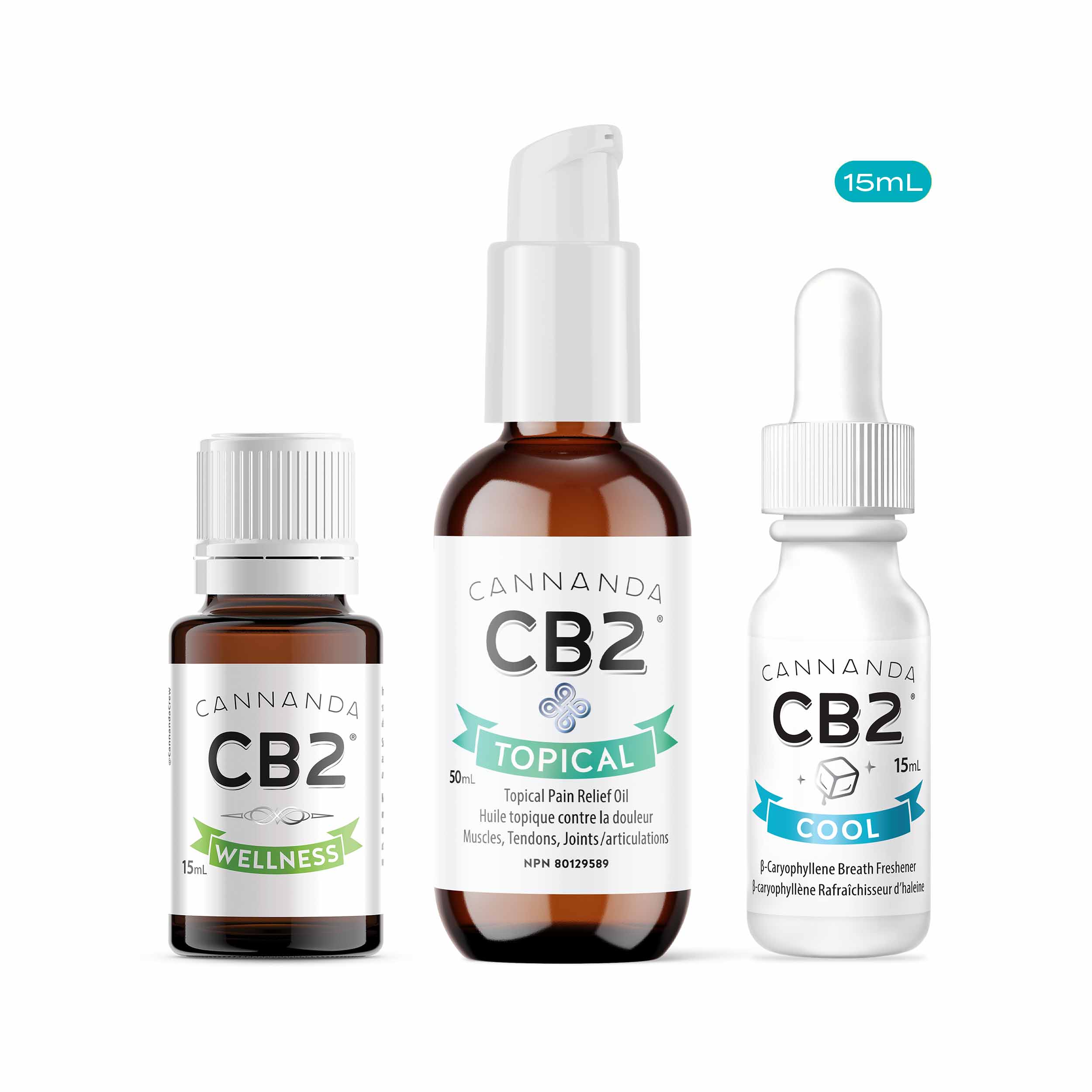
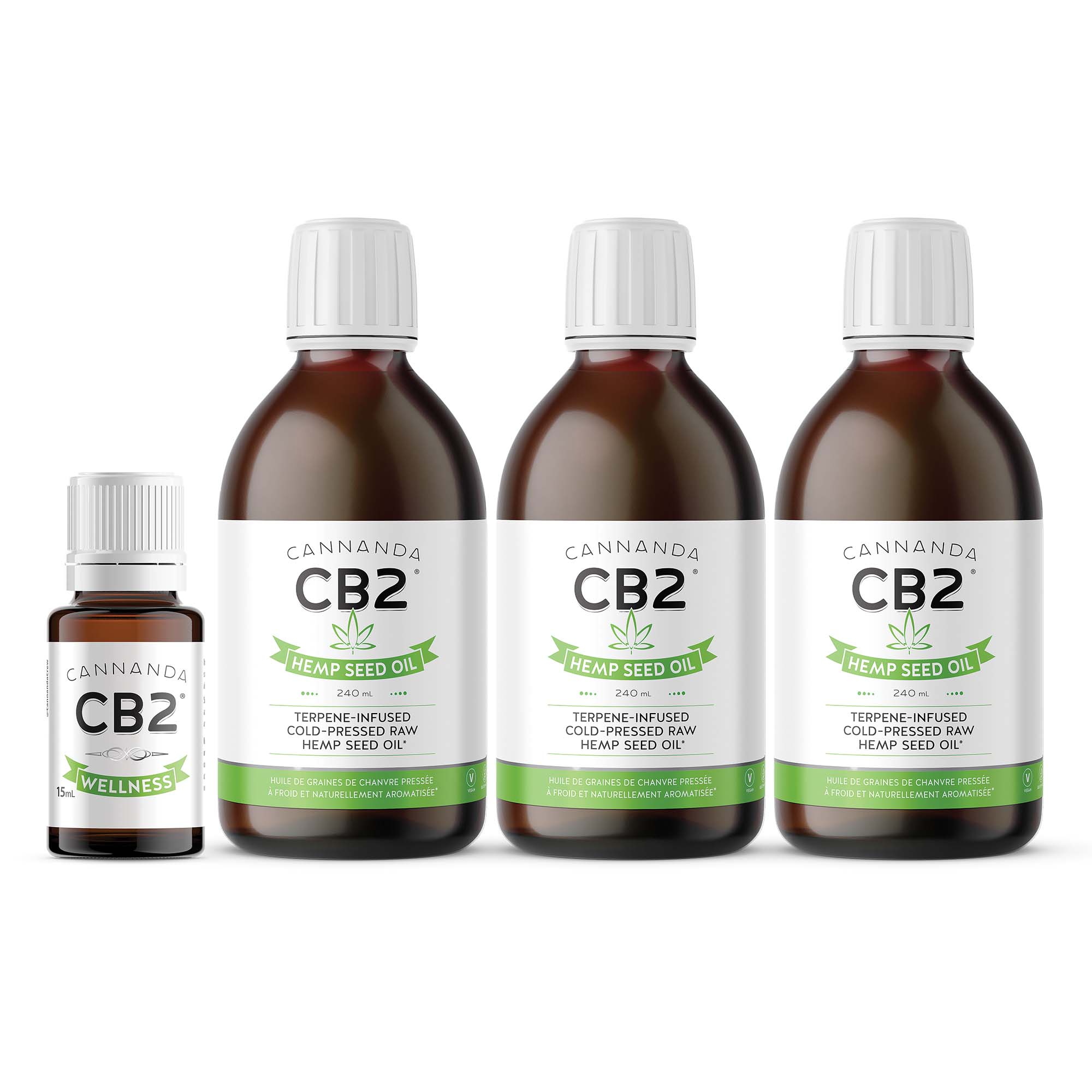
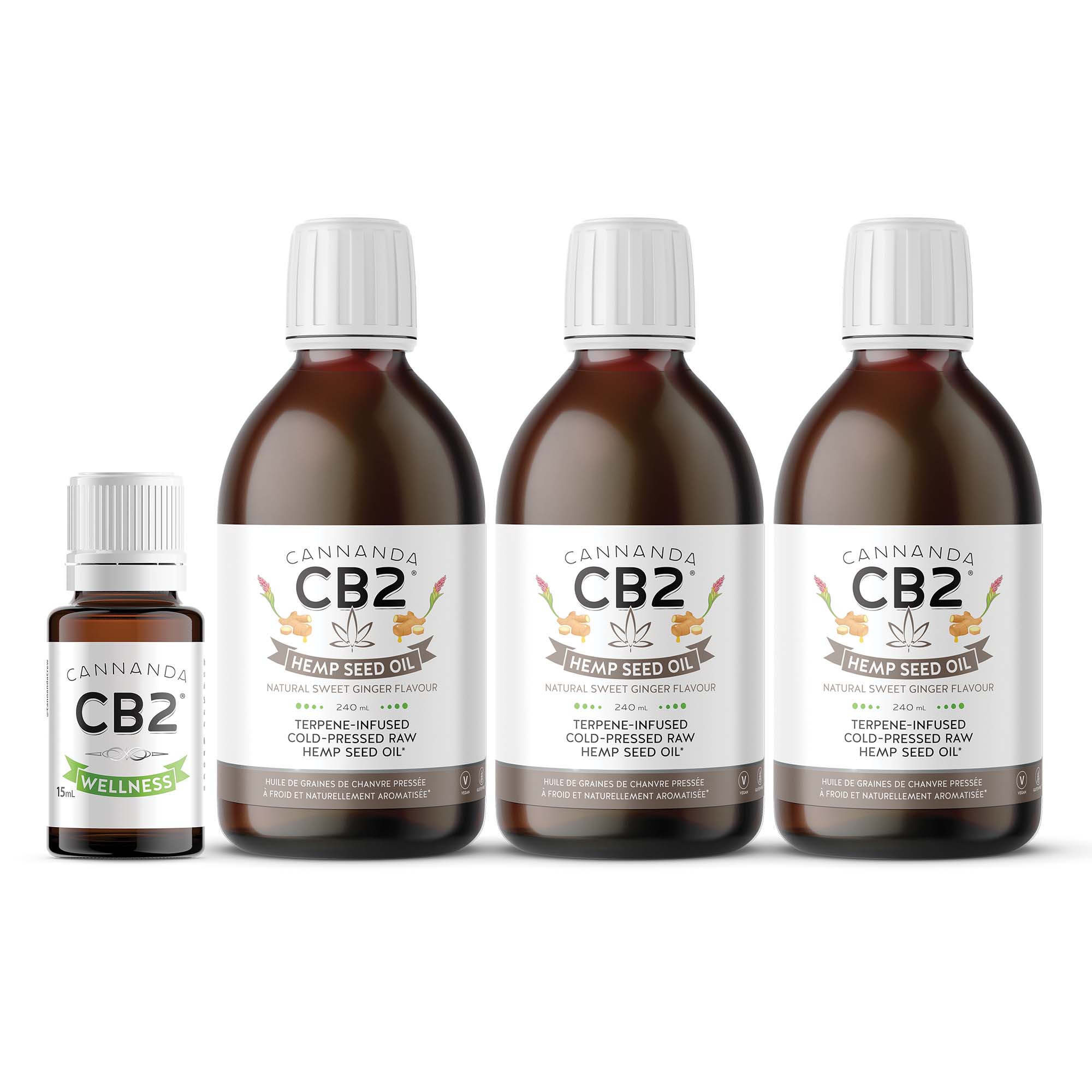
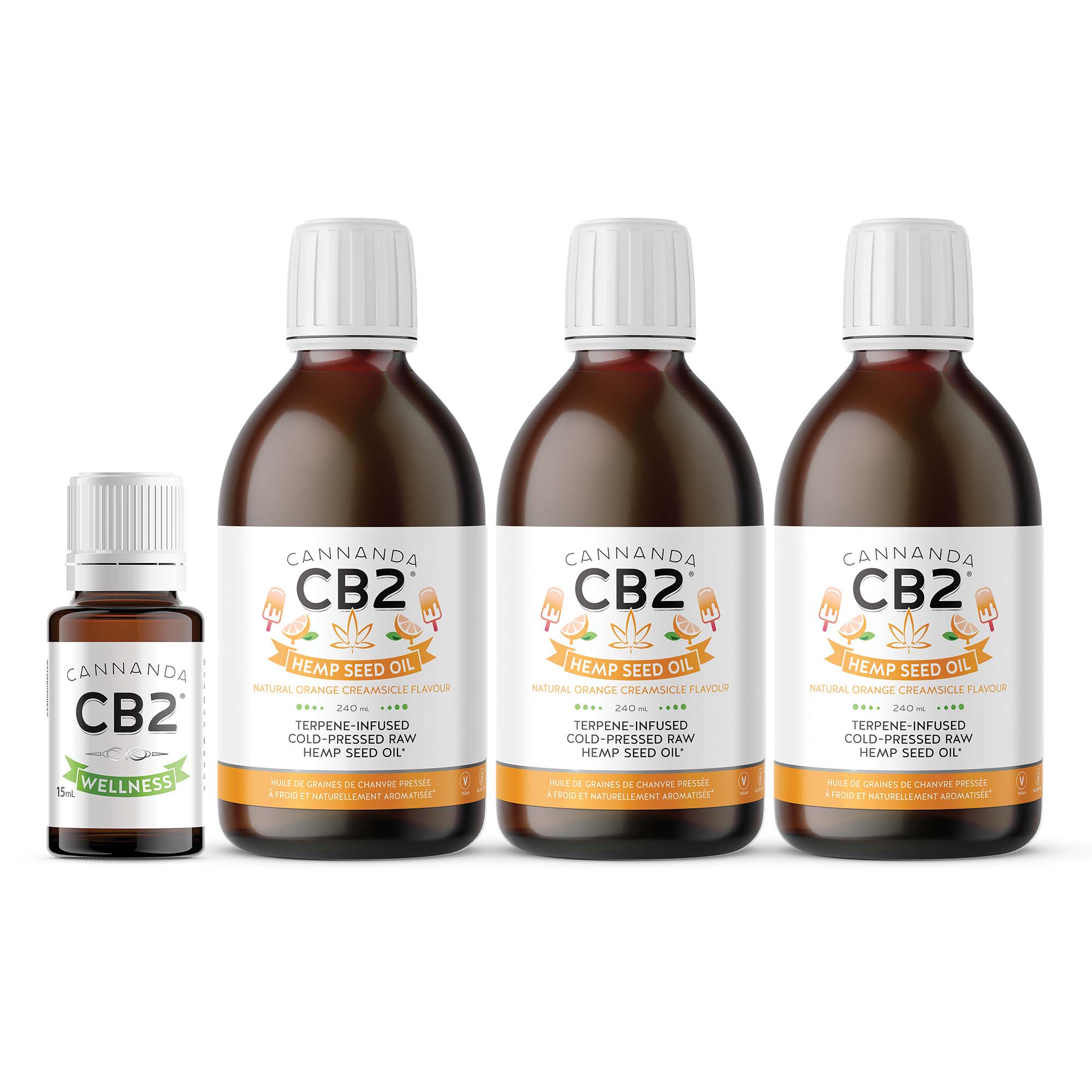
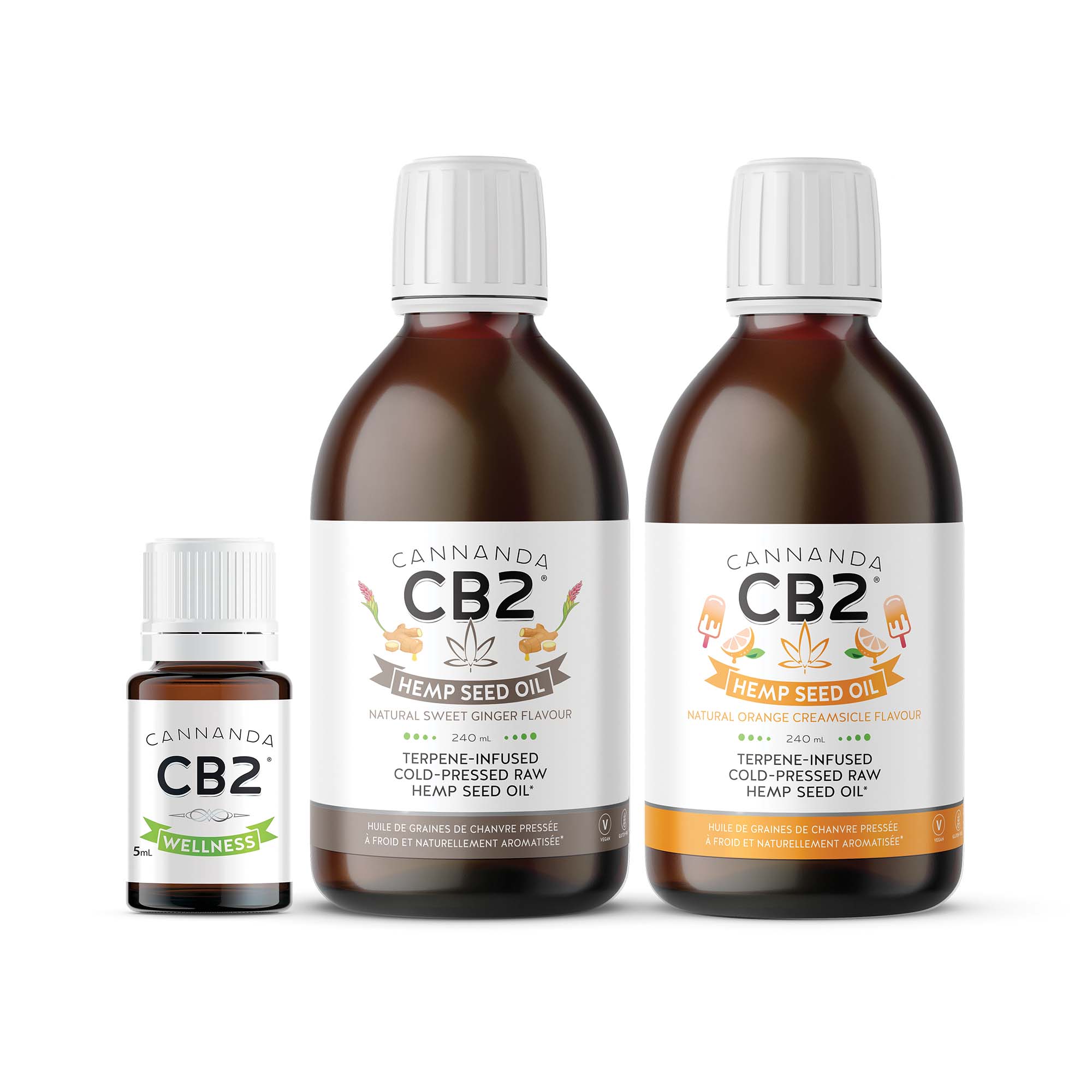
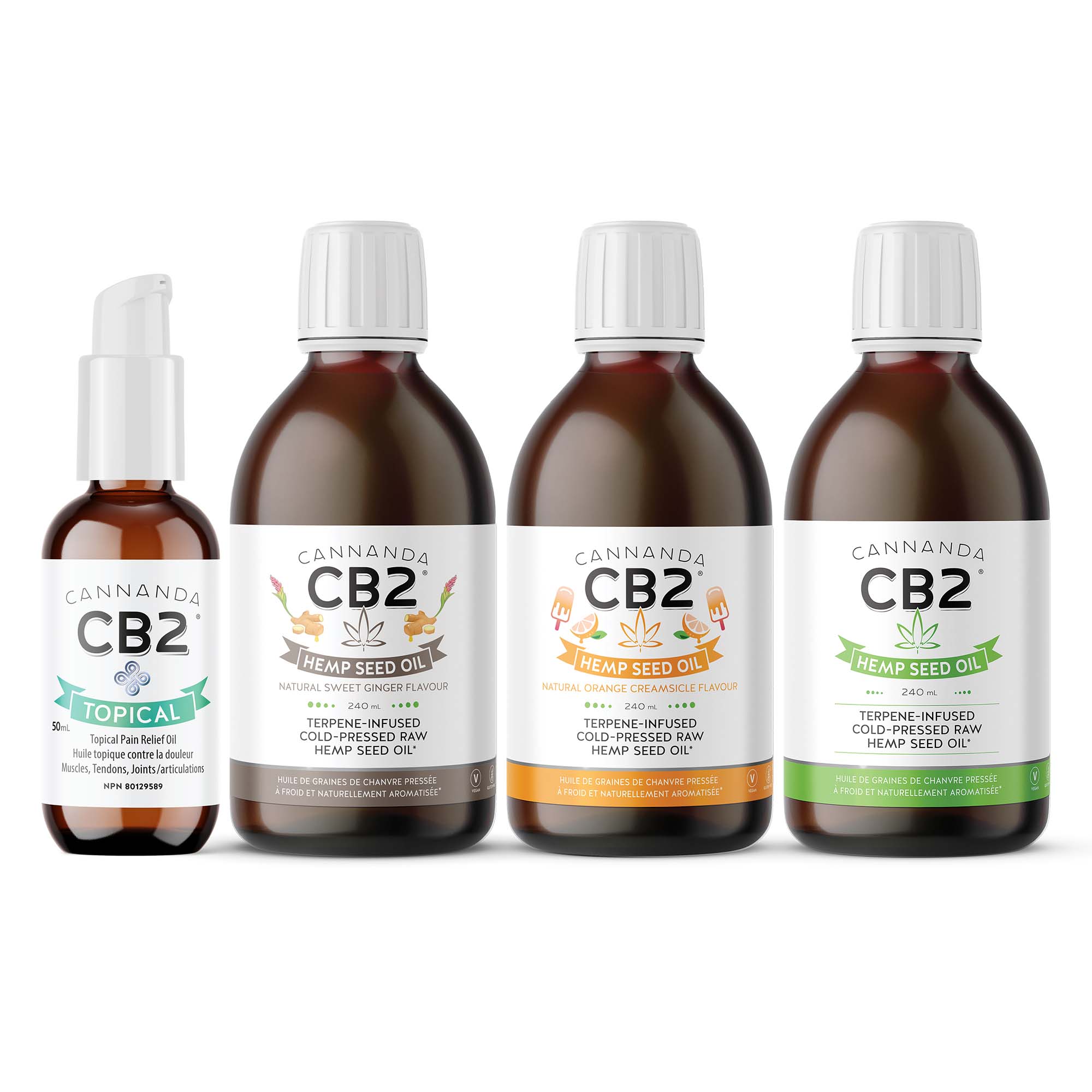
CB2 Hemp Seed Oil, taken immediately after dinner. BCP is fat-soluble, so taking it right after a meal helps absorption. Dinner also puts it in your system ahead of the evening wind-down.
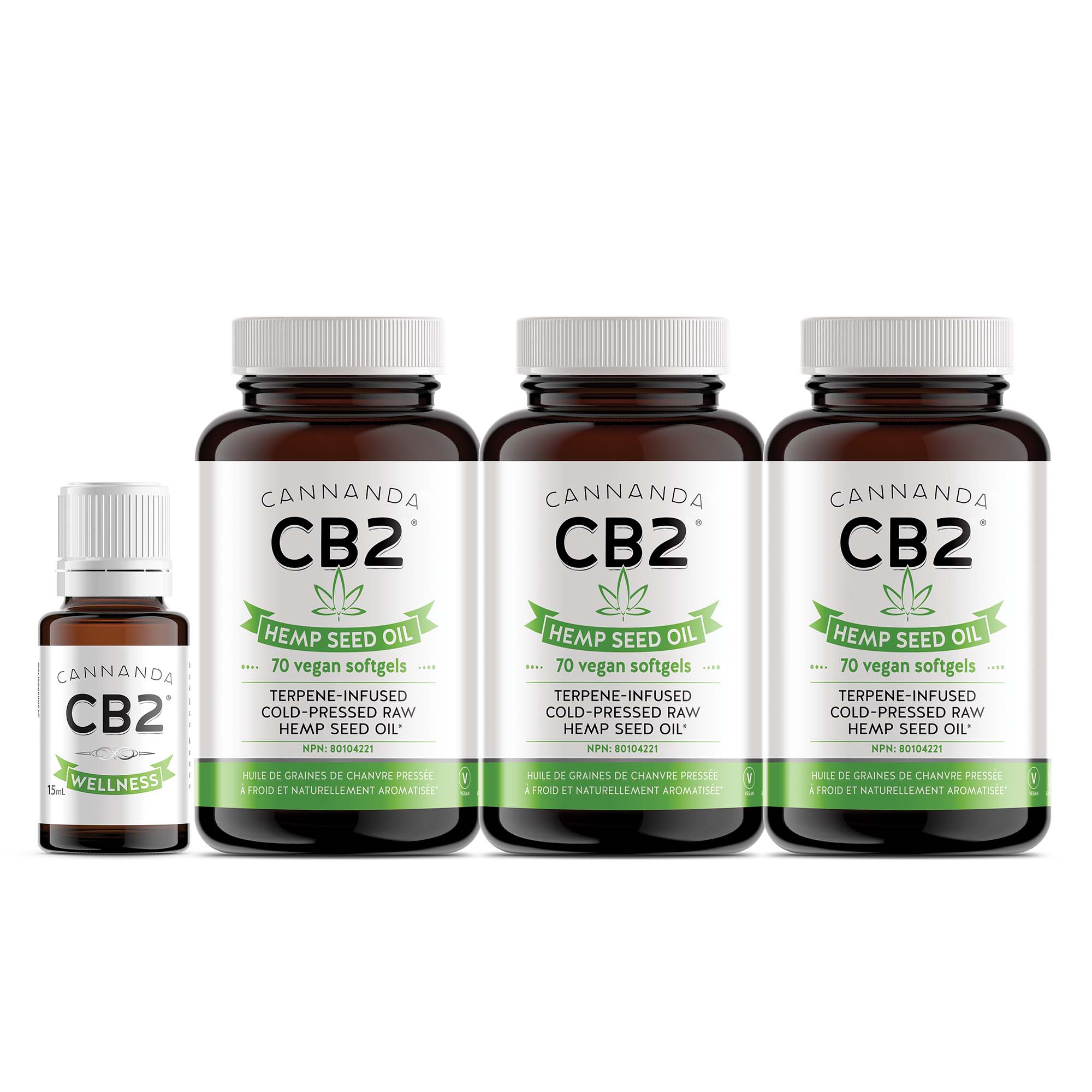
CB2 Wellness, taken sublingually just before bed. Hold it under your tongue. This route is faster, which suits people whose main problem is switching off at bedtime.
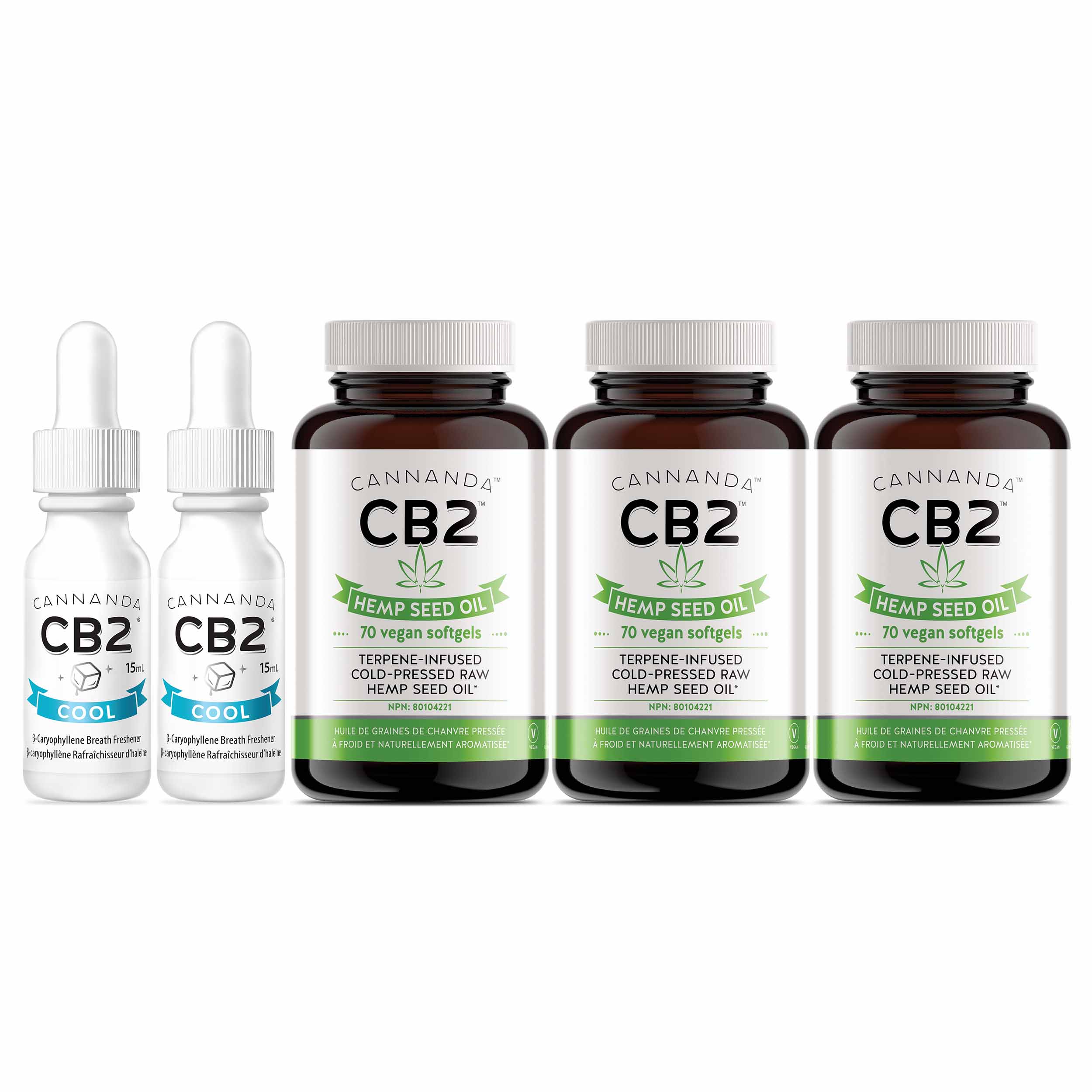
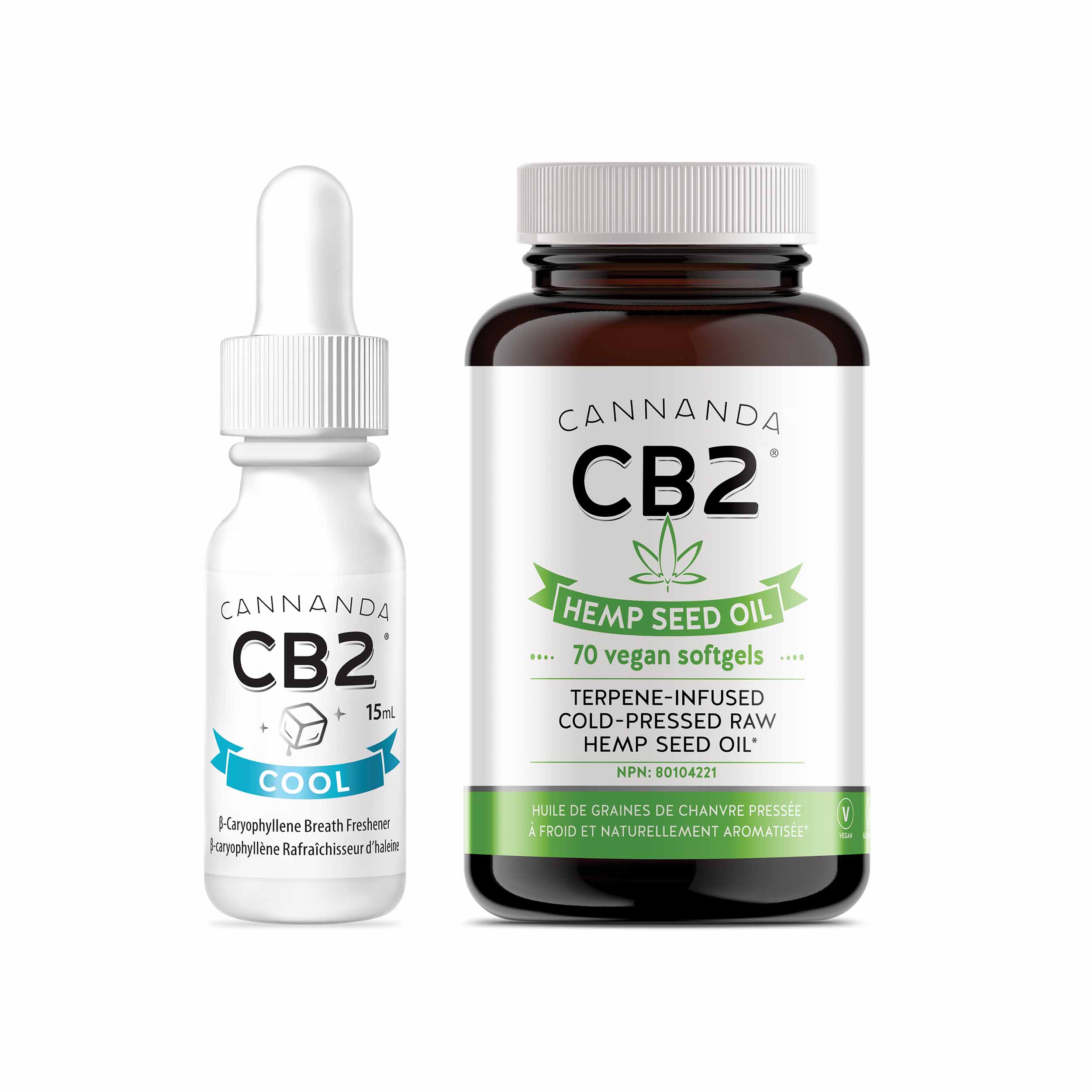
You can use either one. Many people use both, and you can find them bundled together at a discounted price: Bedtime Bundle
What to expect, and when
| Timeframe | What people commonly report |
|---|---|
| First night | A meaningful number of people tell us they slept better than they have in years, right away. If that is you, great. It is more common than you would expect. |
| Nights 2 to 7 | Nothing dramatic for many people. This is normal. Do not quit here. |
| Week 1 to 2 | The more typical pattern: falling asleep gets easier, and middle-of-the-night waking gets less frequent. |
| Week 3 and beyond | If joint or nerve discomfort was waking you, this is usually when the two improvements start reinforcing each other. |
Give it two weeks before you judge it. If the mechanism really is about lowering inflammatory tone, a slower build is exactly what you should expect. A product that works on night one for everybody is usually a sedative.
One more honest note: a small number of people find BCP makes them feel more alert rather than more settled. If that is you, move your dose to the morning instead.
Ready to try it?
Cannanda CB2 products are built around beta-caryophyllene, are non-intoxicating, and contain 0% THC and 0% CBD. Over 95% of our raw materials are Canadian sourced.
Frequently asked questions
- Will CB2 oil make me drowsy?
- No. BCP is not a sedative and does not cause drowsiness the way a sleep aid does. People describe it as feeling settled rather than sleepy. That is why it is safe to take after dinner rather than only at bedtime.
- Is beta-caryophyllene the same as CBD?
- No. CBD is a cannabinoid extracted from hemp. BCP is a terpene found in everyday foods like black pepper and cloves. Our products contain 0% CBD and 0% THC. BCP works by activating CB2 receptors directly, which CBD does not do in the same way.
- Will it make me feel high?
- No. BCP is non-intoxicating. It binds to CB2 receptors, not the CB1 receptors in the brain that cause intoxication.
- Why do some people notice it the first night and others take a week?
- We do not know for certain. The most likely explanation is that if discomfort or an overactive stress response is the main thing waking you, you may feel a change quickly. If the driver is longer-standing inflammatory signalling, it takes time for that to settle.
- Can I take it with melatonin or magnesium?
- People commonly do. They work through completely different pathways. If you take a medication with a narrow therapeutic window, such as warfarin, check with your doctor first.
- Should I take CB2 Hemp Seed Oil or CB2 Wellness?
- If your problem is waking through the night, start with CB2 Hemp Seed Oil after dinner. If your problem is switching your brain off at bedtime, start with CB2 Wellness sublingually before bed. Plenty of people use both.
- Why after dinner and not at bedtime?
- BCP is fat-soluble, so food helps you absorb it. Taking it after your evening meal gets it working before you start winding down.
- Is there proof this works for sleep?
- No. There is no clinical trial of BCP on its own using sleep as an outcome, and we will not pretend otherwise. What exists is solid mechanism research connecting CB2 activation to lower inflammatory signalling, plus a large volume of reported experience from our customers.
- What if it does not work for me?
- Give it two full weeks first. If there is no change after that, sleep may not be your issue to solve this way, and it is worth talking to a healthcare professional about what else could be going on.
- Can I take it long term?
- BCP is a food-grade compound that you already eat in small amounts in everyday spices. Many of our customers take it daily on an ongoing basis.
References
- IL-1β and TNF-α driven sleep alterations: neuroimmune mechanisms and behavioral implications. Brain, Behavior and Immunity Health, 2025. PMC12661308
- Microbiota-gut-brain axis pathogenesis and targeted therapeutics in sleep disorders. Frontiers in Neurology, 2025. doi:10.3389/fneur.2025.1721606
- Inflammatory cytokine-mediated interactions between pain and insomnia: mechanisms and therapeutic implications. PMC13526351
- The relationship between sleep and innate immunity. PMC11472141
- Gertsch J, et al. Beta-caryophyllene is a dietary cannabinoid. PNAS, 2008. doi:10.1073/pnas.0803601105
- Alberti TB, et al. (−)-β-Caryophyllene, a CB2 receptor-selective phytocannabinoid, suppresses motor paralysis and neuroinflammation in a murine model of multiple sclerosis. PMC5412277
- β-Caryophyllene, a CB2-receptor-selective phytocannabinoid, suppresses mechanical allodynia in a mouse model of antiretroviral-induced neuropathic pain. PMC6983198
- β-Caryophyllene prevents cognitive impairment in mice following acute sleep deprivation by alleviating hippocampal structural and functional alterations. Neuropharmacology, 2025.
- Irrera N, et al. β-Caryophyllene inhibits cell proliferation through a direct modulation of CB2 receptors in glioblastoma cells. Cancers, 2020. doi:10.3390/cancers12041038
- Youssef DA, et al. Beta-caryophyllene alleviates diet-induced neurobehavioral changes in rats: the role of CB2 and PPAR-γ receptors. Biomedicine & Pharmacotherapy, 2019. PMID: 30469079
- Saffron extract for improving sleep quality in adults with moderate insomnia, randomized controlled trial, n=165.