Beta-Caryophyllene for Alcohol Cravings and Recovery: What the Research Shows
How BCP's CB2 receptor activation may reduce the desire to drink, and help the body repair from alcohol's damage

This article is for people looking for natural ways to support the reduction of alcohol cravings, or for those in recovery who want to help their body heal from alcohol's effects on the liver, gut, brain, and cardiovascular system. It's also relevant for family members or healthcare practitioners researching natural supportive options. BCP is a supportive tool, not a replacement for professional care, and this article is written with that framing throughout.
Beta-caryophyllene (BCP), the active compound in Cannanda CB2 oil, may support alcohol craving reduction and recovery through several well-researched mechanisms:
- Reduces voluntary alcohol consumption: published research shows BCP significantly decreases alcohol intake in animal models
- Attenuates the reward effect of alcohol: BCP modulates the neural circuits that make alcohol feel rewarding, potentially reducing the drive to drink
- Reduces anxiety and stress: two of the most common triggers for cravings and relapse
- Supports repair of alcohol-damaged organs: liver, gut lining, brain, and cardiovascular system all show benefit from BCP's anti-inflammatory and antioxidant actions
BCP works best as a complement to professional support, not a replacement for it. If alcohol use is affecting your life, please also reach out to a healthcare provider or support service.
Why Natural Support for Alcohol Cravings Matters
Alcohol use disorder affects millions of people worldwide, and the path to reducing or stopping drinking is rarely straightforward. Most people aren't looking to replace professional support, they're looking for tools that help make the journey a little easier. Something that takes the edge off cravings, reduces the anxiety that drives them, and helps the body recover from damage already done.
That's where beta-caryophyllene comes in. BCP is a food-grade terpene and the only dietary compound known to directly activate CB2 receptors in the endocannabinoid system. CB2 receptor activation influences inflammation, immune response, pain, and, increasingly well-documented, the neural circuits involved in addiction and reward. The research on BCP and alcohol is still building, but what's already published is compelling.
Understanding How BCP Works
Beta-caryophyllene (BCP) is a natural compound found in black pepper, cloves, oregano, and many other plants. It selectively binds to CB2 receptors, which are found throughout the immune system, peripheral tissues, and importantly for this topic, in regions of the brain involved in stress response and reward processing. Unlike THC, BCP produces no intoxication. It activates CB2, not CB1.
This selective CB2 activation is what makes BCP relevant to alcohol cravings. The endocannabinoid system plays a documented role in addiction: it modulates the brain's reward circuitry, stress response, and impulse control. BCP's ability to interact with this system through CB2 receptors without causing psychoactive effects makes it a genuinely interesting natural support option.
What the Research Shows: Alcohol Cravings and Consumption
Reduced Voluntary Alcohol Intake
A study published in Pharmacology Biochemistry and Behavior (PubMed ID: 24999220) found that BCP administration significantly decreased voluntary alcohol consumption in animal models. Animals given BCP drank meaningfully less alcohol than control animals, not because they were sedated or unable to drink, but because the drive to drink was reduced.
Attenuation of Alcohol's Reward Effect
The same research found that BCP attenuated ethanol-induced conditioned place preference, a standard measure of how rewarding a substance feels. In plain terms: alcohol felt less rewarding to animals treated with BCP. This is a significant finding because much of what drives continued drinking isn't just habit, it's the brain's memory of how rewarding alcohol feels. If that reward signal is quieter, the pull toward drinking weakens.
A 2021 review published in Biomolecules (MDPI) documented BCP's role in modulating reward pathways relevant to substance use disorders. The review identified CB2 receptor activation as a promising target for addiction management, an area of growing interest in neuroscience given CB2 receptors' role in dopamine signalling and stress response without the risks associated with CB1 agonism.
Anxiety and Stress Reduction
For many people, alcohol cravings are closely tied to anxiety and stress: drinking becomes a way to cope with emotional discomfort. BCP's well-documented anxiolytic (anxiety-reducing) properties via CB2 receptor modulation address this underlying driver directly. By helping regulate the stress response, BCP may reduce one of the most common triggers for cravings and relapse.
This overlap is part of what makes BCP particularly relevant for alcohol craving support. It's not just acting on one pathway, it's supporting both the reward circuit and the anxiety circuit that feed craving behavior.
Anti-Inflammatory Effects on the Brain
Chronic alcohol use causes significant neuroinflammation (inflammation in brain tissue) that contributes to cognitive decline, mood dysregulation, and impaired impulse control. BCP's CB2-mediated anti-inflammatory action directly counters neuroinflammation, supporting the brain environment needed for clearer thinking and better self-regulation. (Frontiers in Pharmacology)
How BCP Helps Repair the Body from Alcohol's Damage
Even for people who have already reduced or stopped drinking, alcohol leaves behind a trail of damage across multiple organ systems. BCP's anti-inflammatory and antioxidant properties are relevant to all of them.
Alcohol damages the liver through inflammation and oxidative stress, leading to fatty liver disease and, in severe cases, cirrhosis. A study in Scientific Reports (2021) found BCP reduced liver inflammation and oxidative stress and promoted liver regeneration. Its antioxidant properties help protect remaining liver cells from further damage.
Alcohol disrupts the gut microbiome and compromises the intestinal lining, leading to leaky gut syndrome and systemic inflammation that worsens whole-body health. BCP has been shown to reduce gut inflammation and support intestinal barrier integrity. (PubMed)
Chronic alcohol use impairs cognitive function and drives neuroinflammation. BCP exhibits neuroprotective properties, reducing oxidative stress in brain tissue and associated with improvements in memory and cognitive performance in preclinical models. (PubMed)
Alcohol abuse is linked to elevated blood pressure and increased cardiovascular disease risk. BCP may help reduce blood pressure, inflammation, and oxidative stress in the cardiovascular system, supporting overall heart health as the body recovers. (PubMed)
User Experiences
Many users of Cannanda CB2 oil have reported a noticeable reduction in their desire to consume alcohol after incorporating the product into their daily routine, often as a pleasant and unexpected effect while using it primarily for pain, anxiety, or sleep. These experiences align with what the research on BCP's reward-modulating and anxiety-reducing properties would predict.
Individual responses vary, as they do with any natural health product. Some people notice a meaningful shift in cravings within the first week. Others find the effect builds gradually over 2–4 weeks of consistent use, which is consistent with BCP's mechanism: it works on inflammation and receptor-level regulation rather than producing an immediate pharmacological effect.
How to Use CB2 Oil for Craving Support and Recovery
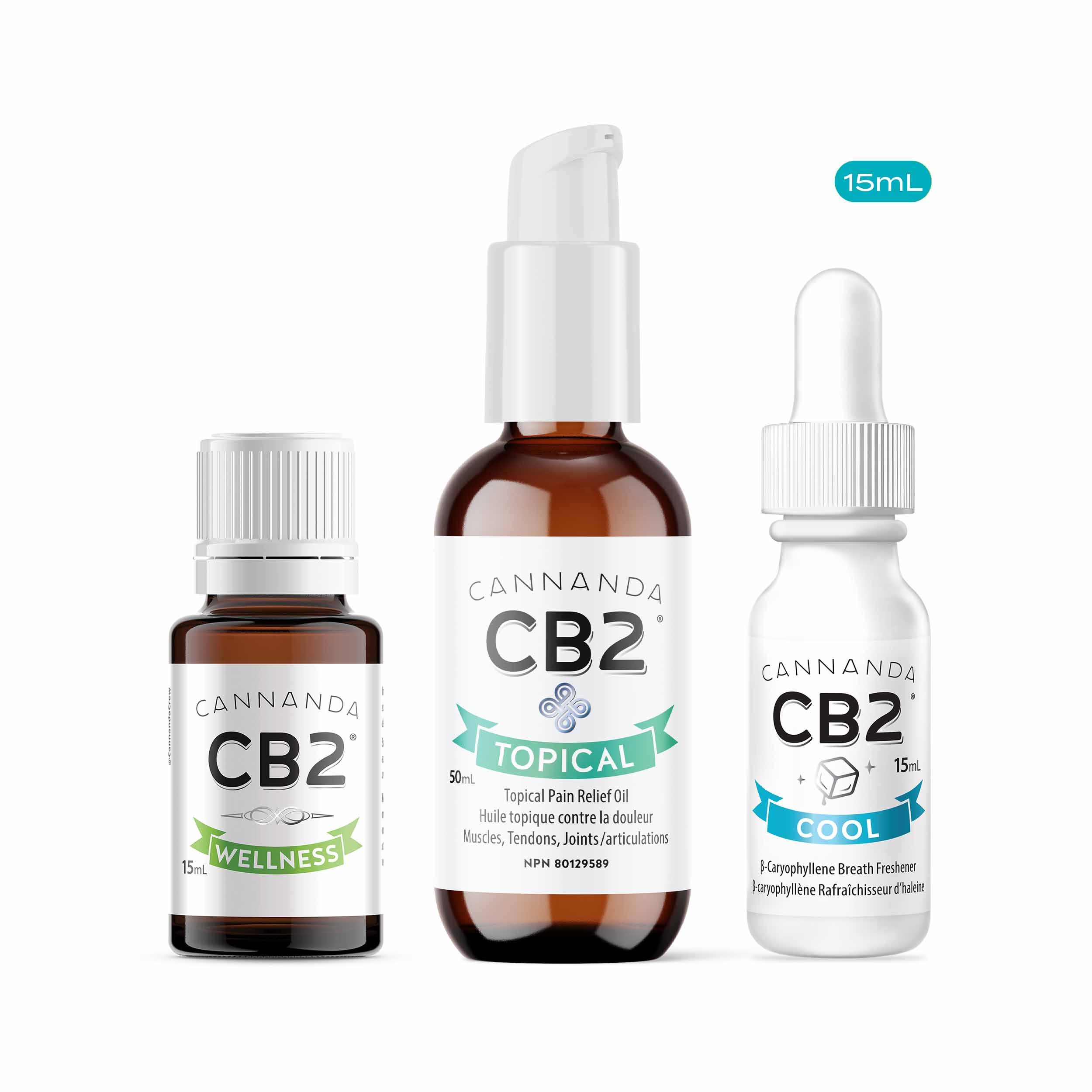
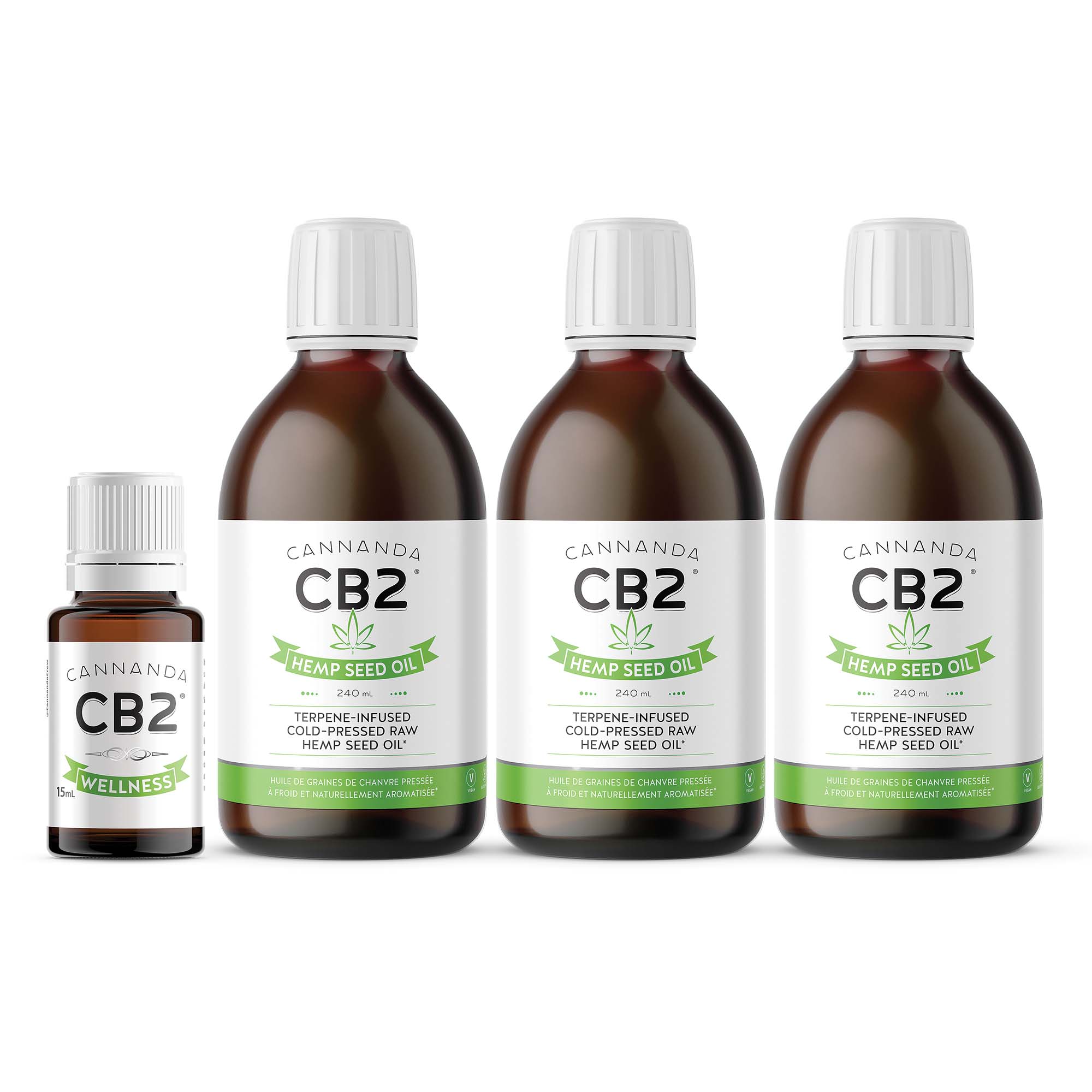
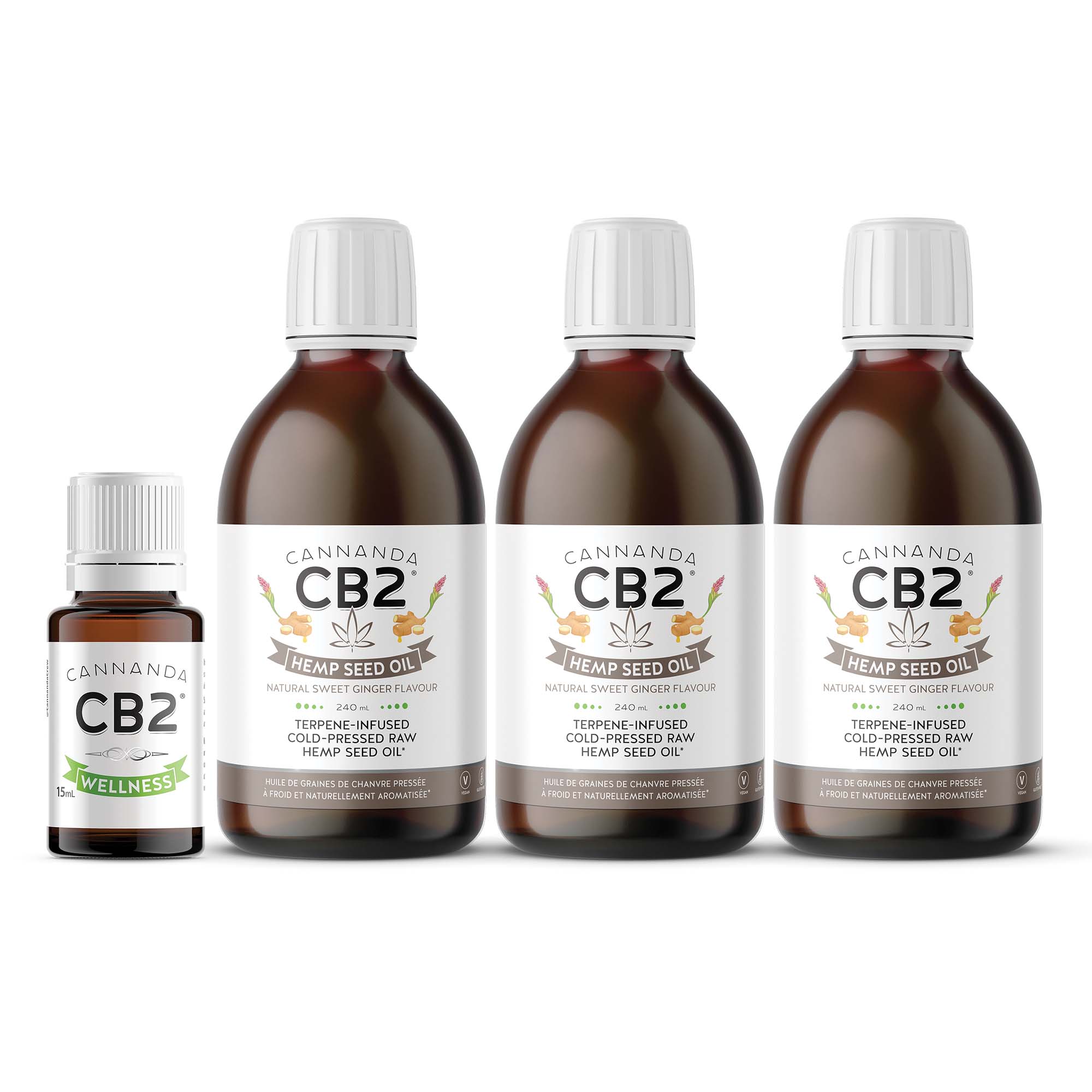
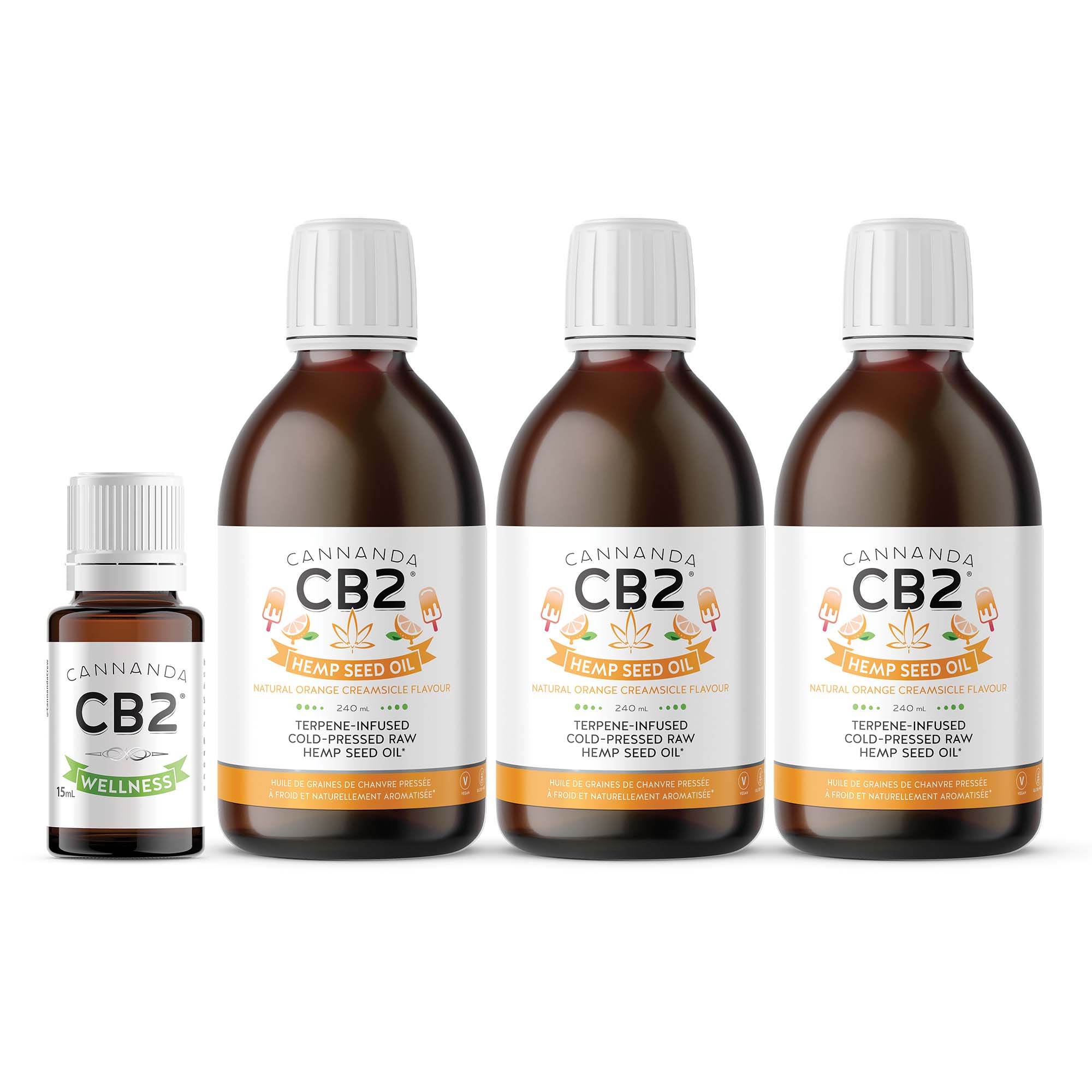
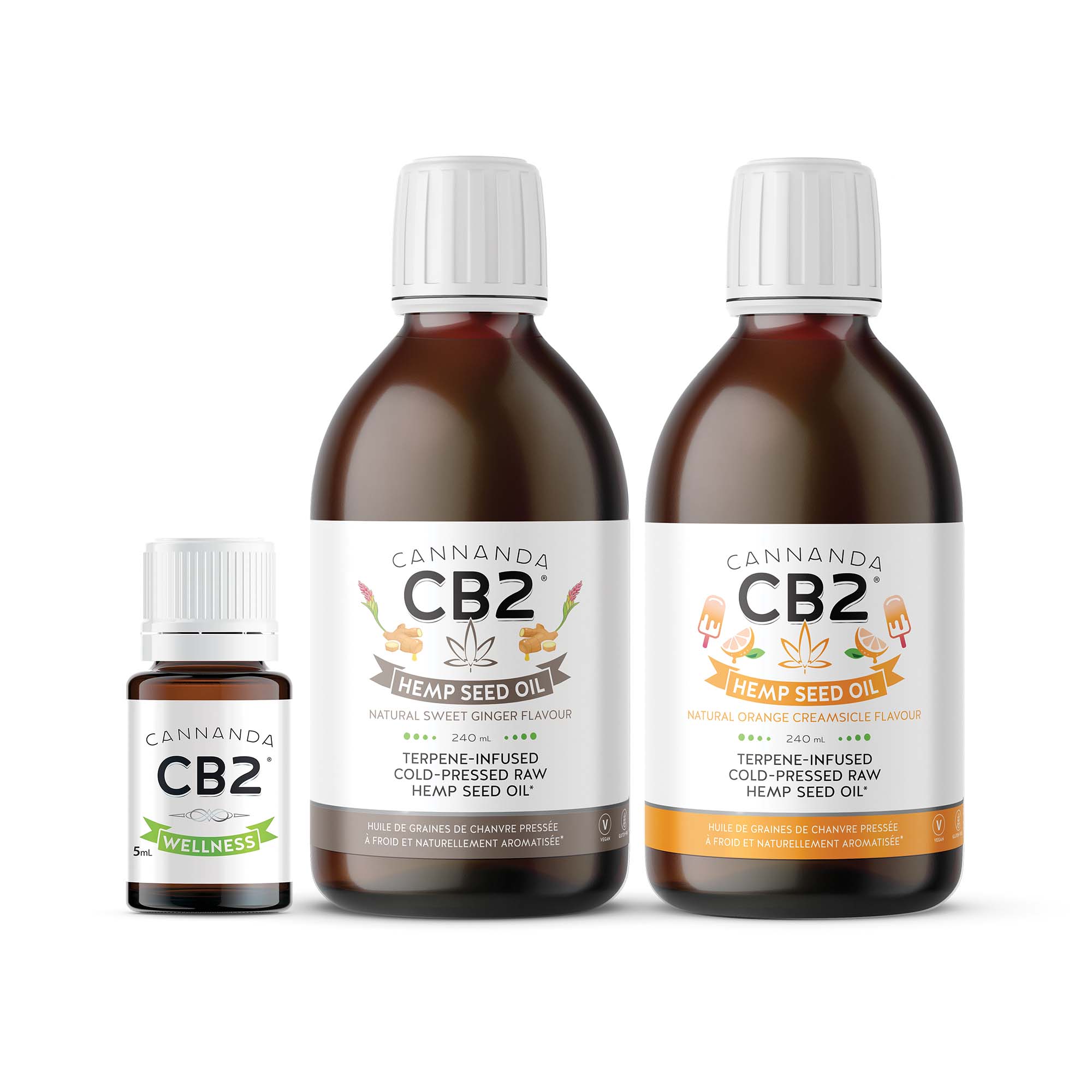
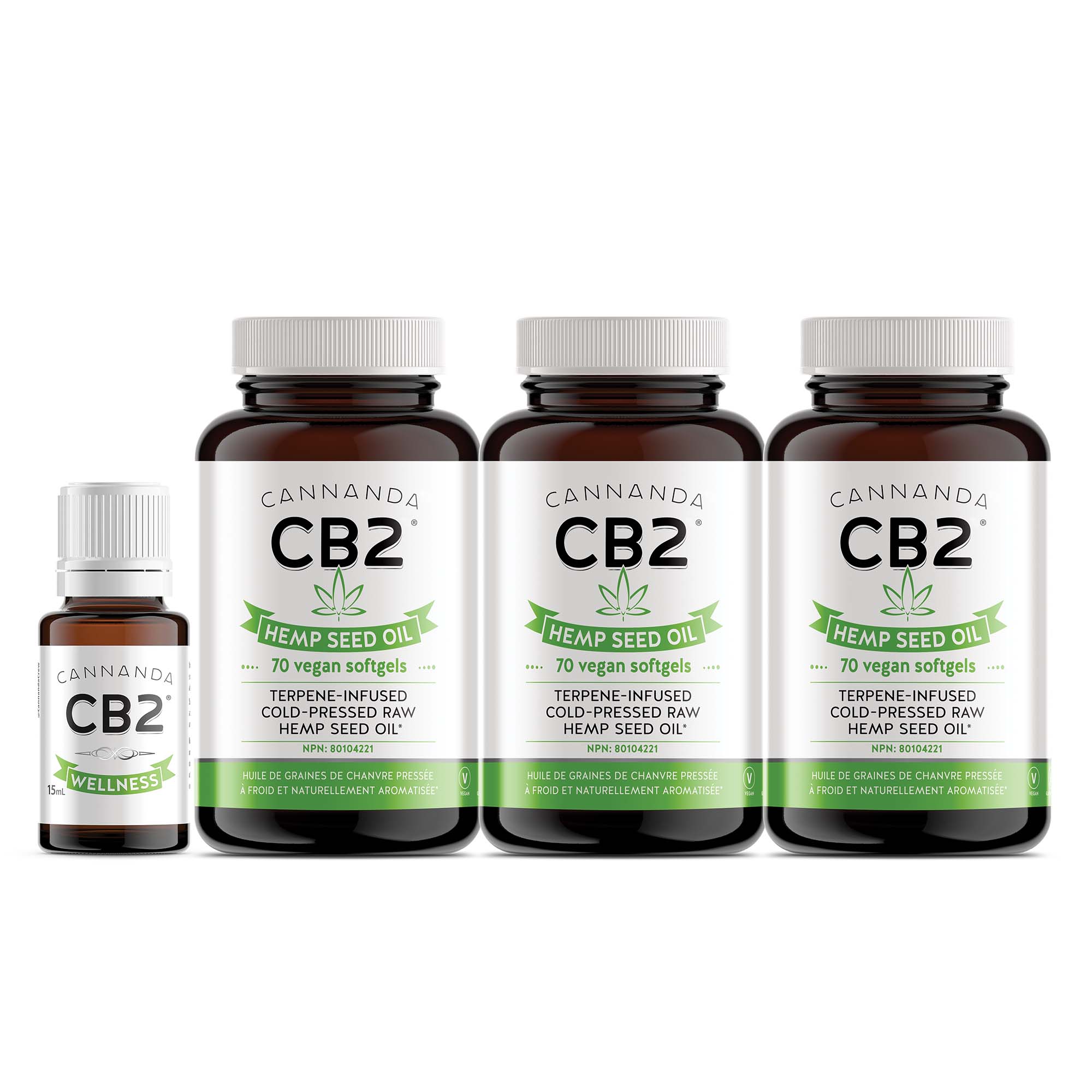
- CB2 Wellness: the most versatile option for this use case. Can be taken sublingually (under the tongue) for daily maintenance, and used via inhalation for fast-acting support during intense craving moments. Inhalation onset is 30–60 seconds, which can be useful when a craving hits suddenly.
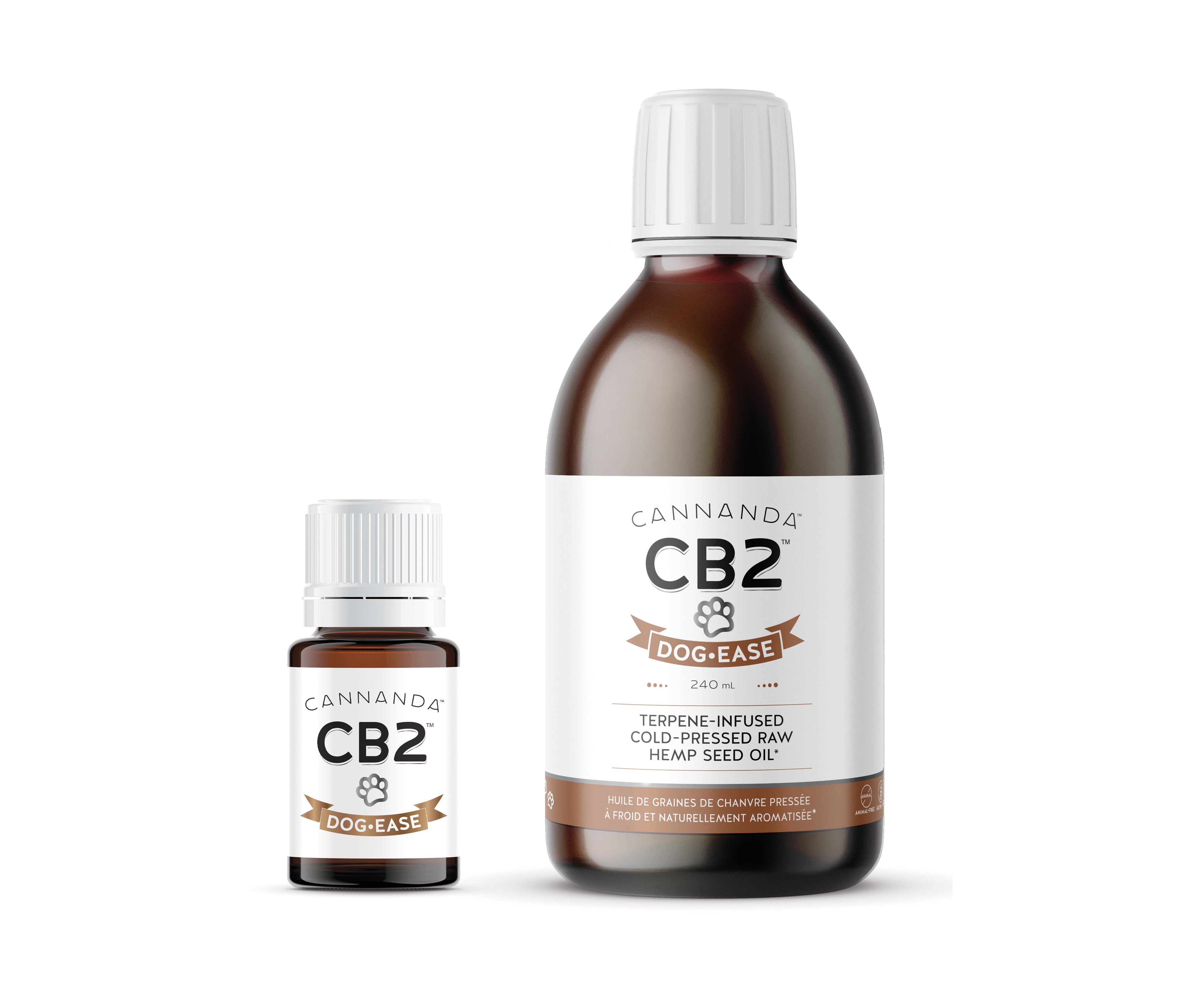
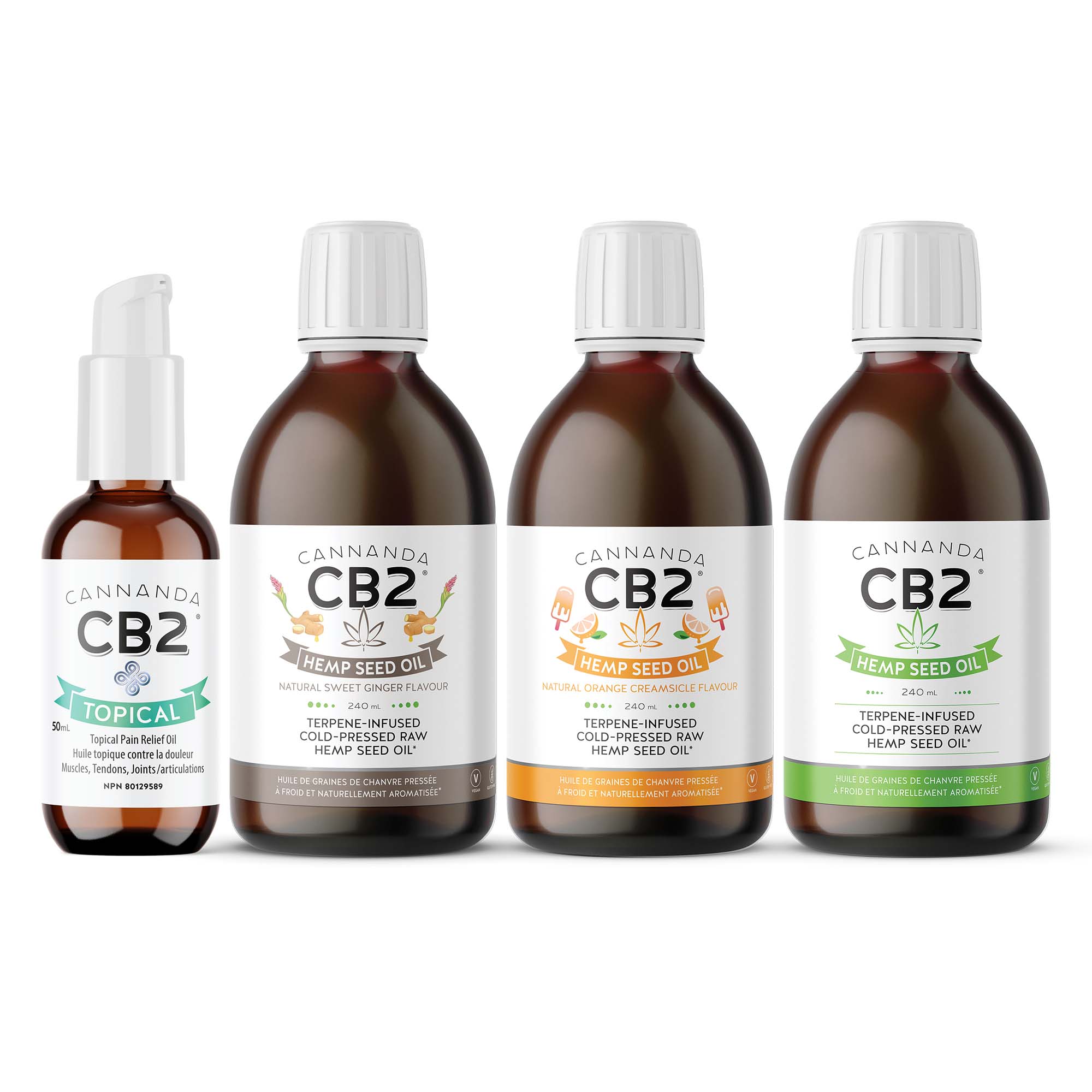
- CB2 Hemp Seed Oil: combines BCP with the omega-3 and omega-6 fatty acids of hemp seed oil. The omega fatty acids also support liver health and neurological repair, making this a good choice if body repair is a priority alongside craving support.
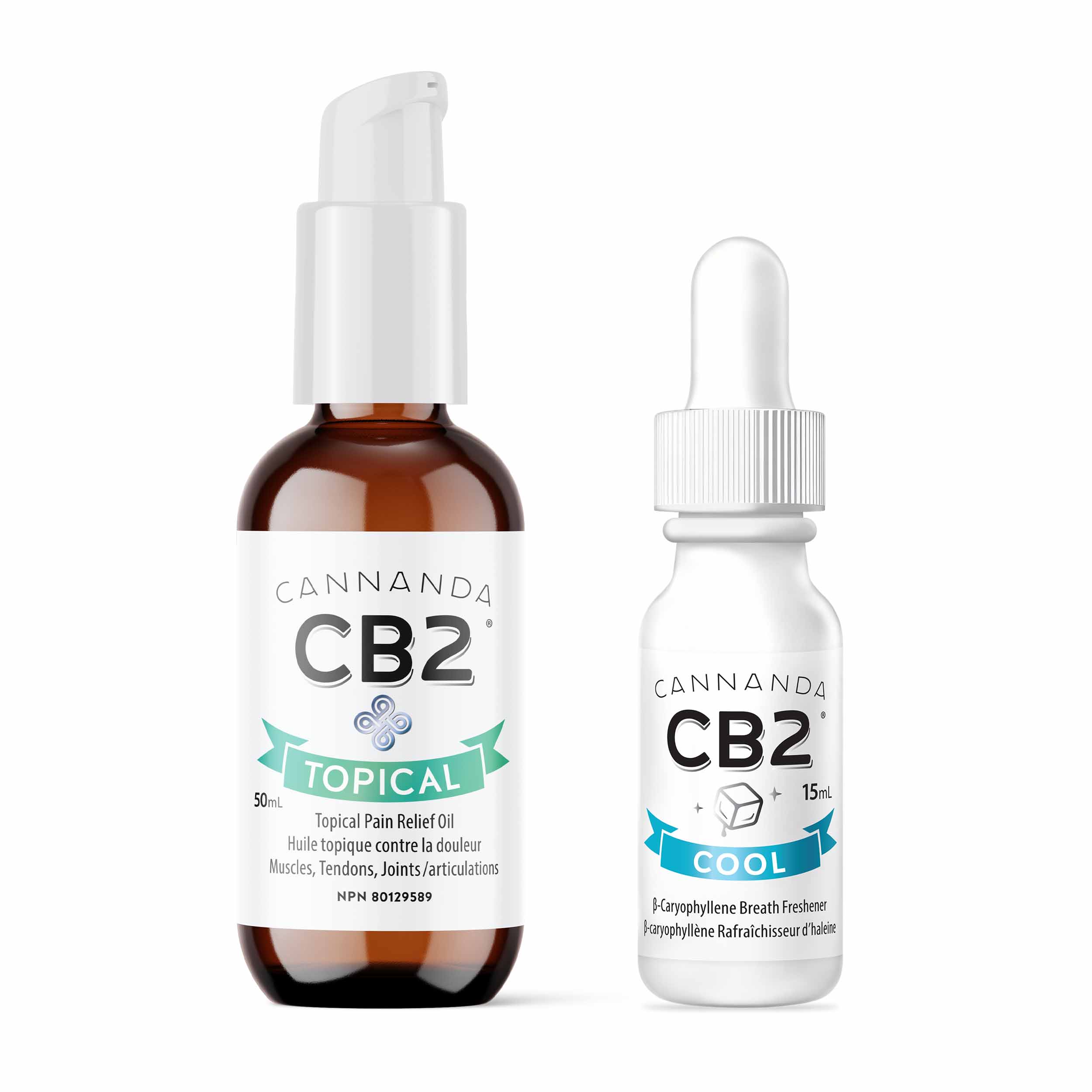
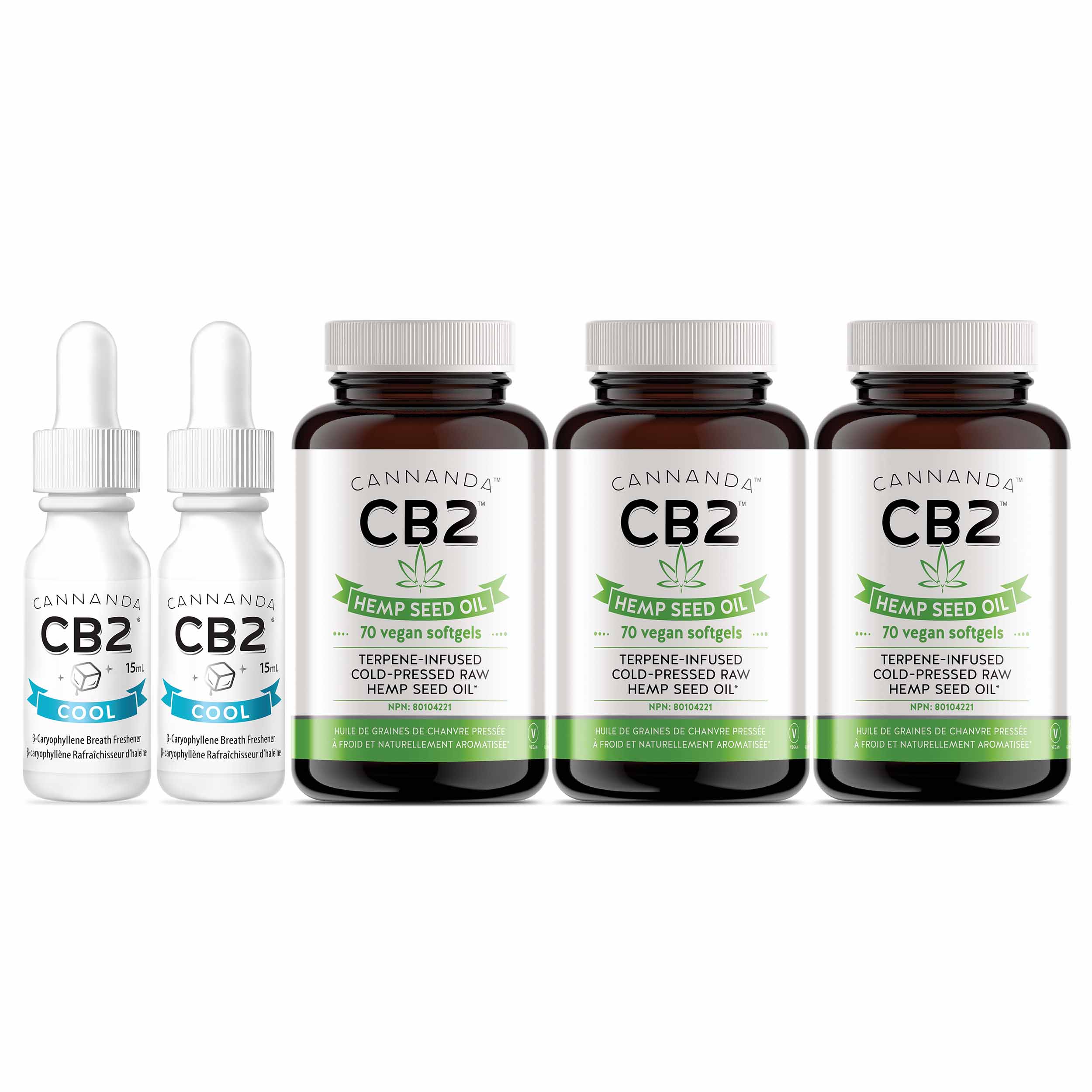
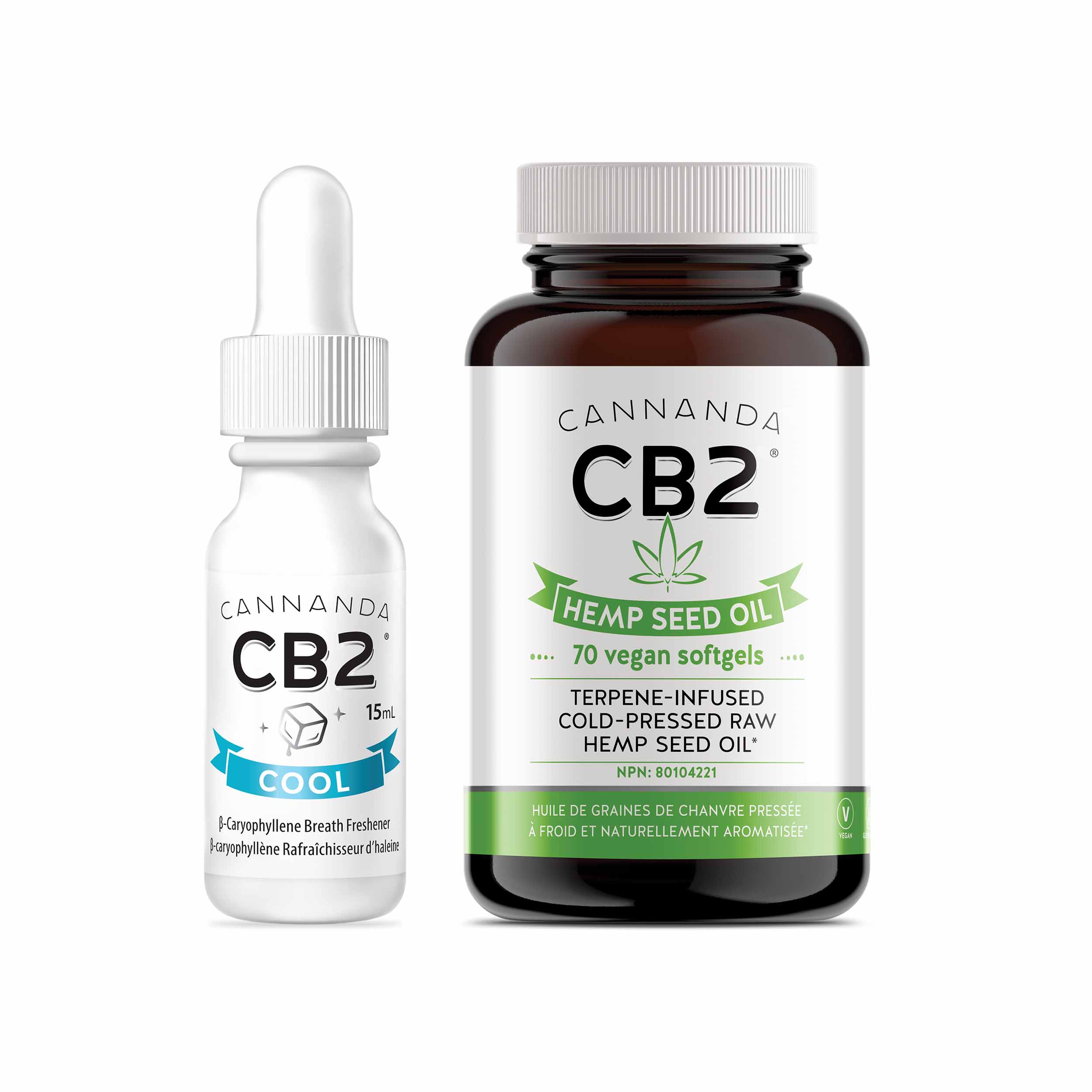
- CB2 Cool: sublingual drops, good for people who want fast-acting absorption without the inhalation method. Hold under tongue for 30–60 seconds before swallowing.
- CB2 Softgels: the easiest format for consistent daily use. Less suitable for acute craving moments (slower onset), but good for building a stable daily baseline.
Start with the recommended dose on the label (typically 60–120 mg BCP per day). Give it at least 2–4 weeks of consistent daily use before assessing whether it's working. For full dosing guidance see our BCP dosing guide.
CB2 oil is a supportive wellness tool, it's not a treatment for alcohol use disorder and it's not a replacement for professional care. If alcohol is significantly affecting your life, your relationships, or your health, please reach out to a healthcare provider, counsellor, or addiction support service. In Canada, you can call the CAMH Drug and Alcohol Helpline: 1-800-463-6273. In the US, the SAMHSA National Helpline: 1-800-662-4357 is available 24/7, free, and confidential. BCP can be a helpful part of your toolkit, but it works best alongside human support, not instead of it.
Frequently Asked Questions
How does beta-caryophyllene reduce alcohol cravings?
BCP selectively activates CB2 receptors, which modulate neural circuits associated with reward and addiction. Research shows BCP significantly reduces voluntary alcohol consumption and attenuates how rewarding alcohol feels, meaning it may reduce both the habit and the biological pull toward drinking. It also reduces anxiety and stress, which are among the most common craving triggers.
Is there scientific evidence supporting BCP's role in reducing alcohol consumption?
Yes. A study in Pharmacology Biochemistry and Behavior (PubMed ID: 24999220) found BCP significantly decreased voluntary alcohol intake and attenuated ethanol-induced conditioned place preference in mice. A 2021 review in Biomolecules also documented BCP's role in modulating reward pathways relevant to substance use disorders.
Can BCP help repair liver damage from alcohol?
Research suggests BCP supports liver repair through anti-inflammatory and antioxidant mechanisms. A study in Scientific Reports (2021) found BCP reduced liver inflammation and oxidative stress and promoted liver regeneration. Its antioxidant properties also help protect liver cells from ongoing damage.
Can BCP help with gut health after heavy drinking?
Yes. Alcohol disrupts the gut microbiome and compromises intestinal barrier integrity, contributing to leaky gut and systemic inflammation. BCP has been shown to reduce gut inflammation and support intestinal barrier function, which may help restore gut health during recovery.
Does BCP protect the brain from alcohol-related damage?
Research suggests BCP has neuroprotective properties, reducing neuroinflammation and oxidative stress in brain tissue, and associated with improvements in memory and cognitive performance in preclinical models. Chronic alcohol use is a major driver of neuroinflammation, so BCP's CB2-mediated anti-inflammatory action is directly relevant to brain recovery.
Is CB2 oil a replacement for professional addiction treatment?
No. CB2 oil is a supportive wellness tool, not a treatment for alcohol use disorder. Professional support (whether from a doctor, counsellor, or peer support program) is important for anyone whose drinking is significantly affecting their life. BCP can be a helpful part of the picture alongside that care. In Canada: CAMH Helpline 1-800-463-6273. In the US: SAMHSA Helpline 1-800-662-4357.
How should I use CB2 oil to support alcohol craving reduction?
Start with the recommended label dose (typically 60–120 mg BCP per day). Sublingual use (drops held under the tongue for 30–60 seconds) works faster than swallowing, which can help with acute cravings. CB2 Wellness inhalation offers the fastest onset (30–60 seconds) for intense craving moments. Consistent daily use over 2–4 weeks builds the most stable baseline effect.
Does BCP interact with medications used in addiction treatment?
At Cannanda's recommended doses, no adverse interactions with common medications have been identified for BCP. One exception: if you're on a medication with a narrow therapeutic window, talk to your doctor before starting BCP. If you're taking medications specifically for alcohol use disorder such as naltrexone or acamprosate, let your prescribing doctor know before adding any new supplement.
Which CB2 oil product is best for alcohol craving support?
CB2 Wellness is generally the best starting point, and it can be used sublingually daily and inhaled for fast-acting support during acute cravings. CB2 Hemp Seed Oil is a good choice if body repair (liver, gut) is also a priority, as the omega fatty acids in hemp seed oil provide additional recovery support.