Does CB2 Oil Show Up on a Drug Test? What You Need to Know
The short answer: no. Here's the complete answer: why CB2 oil is genuinely THC-free, why CBD is not, and what that means if your job, sport, or livelihood depends on a clean test.
You're subject to drug testing (at work, in sport, or as a condition of employment or licensing) and want to know with certainty whether CB2 Wellness or CB2 Cool will affect your result. This article gives you a complete, specific answer with the reasoning behind it.
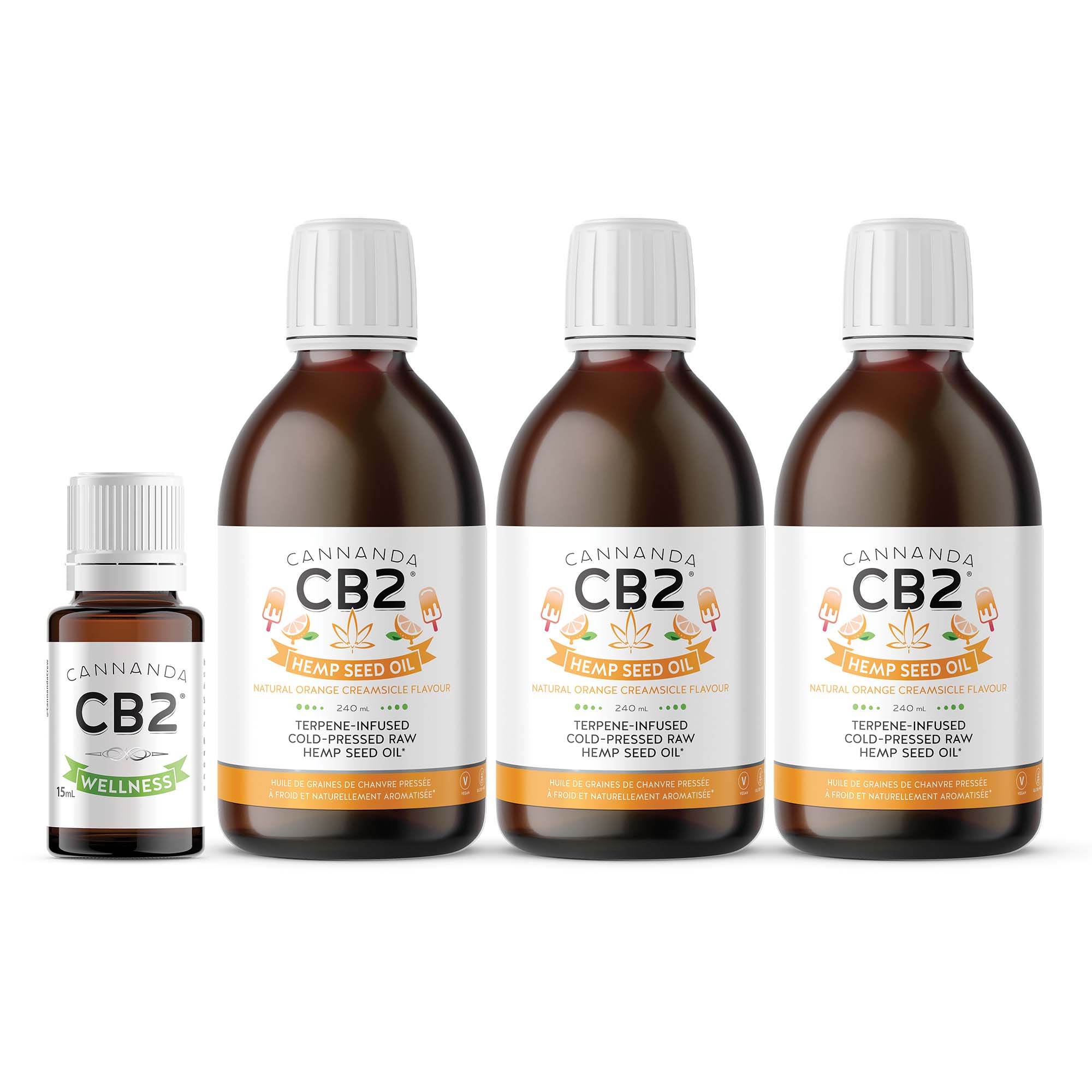
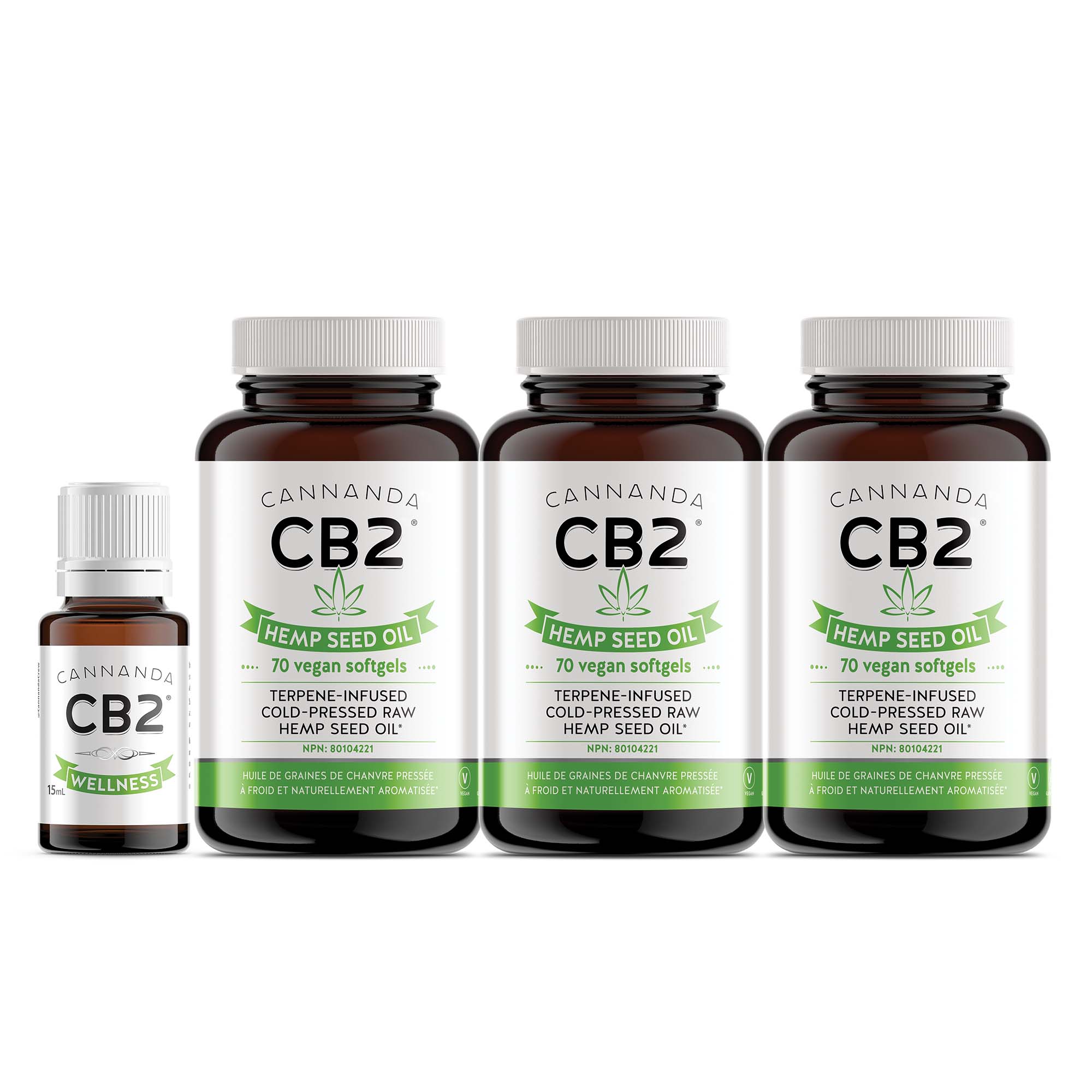
CB2 Wellness and CB2 Cool contain zero THC, not trace amounts, not below detectable limits, actually zero. The terpenes, including beta-caryophyllene (BCP), come from non-cannabis plants through steam distillation. There is no step in production where THC could enter the product. CB2 oil is safe for WADA-governed athletes, all standard workplace drug testing, and any other context where a clean result is required. CBD, by contrast, carries real drug test risk — from both THC contamination and CBD degradation into banned substances.
If you're subject to drug testing at work, in sports, or anywhere else, this question matters. The answer for CB2 Wellness and CB2 Cool is clear: no, CB2 oil does not show up on a drug test. Here's exactly why, including the part that most people miss about why CBD is different.
What drug tests actually look for
Understanding why CB2 oil is safe starts with understanding what drug tests actually measure. Standard cannabis drug tests do not test for the presence of any cannabis plant compound. They test for one specific thing: THC metabolites, specifically 11-nor-9-carboxy-THC (THC-COOH), the breakdown product your body creates when it processes THC.
Target: THC-COOH
Most common. Screening threshold typically 50 ng/mL; confirmation at 15 ng/mL. Detects past use, not current impairment.
Target: Active THC and THC-COOH
Used in roadside and post-incident testing. Shorter detection window than urine. Reflects more recent use.
Target: Active THC
Increasingly common for roadside and workplace testing. Short detection window of hours to 1–2 days.
Target: THC-COOH in hair shaft
Long detection window of up to 90 days. Used for pre-employment and court-ordered testing.
None of these tests detect terpenes. None of them detect beta-caryophyllene. They look for THC and THC metabolites only. If there is no THC in a product, there is nothing to metabolize, and there is nothing to detect.
Why CB2 oil is genuinely THC-free
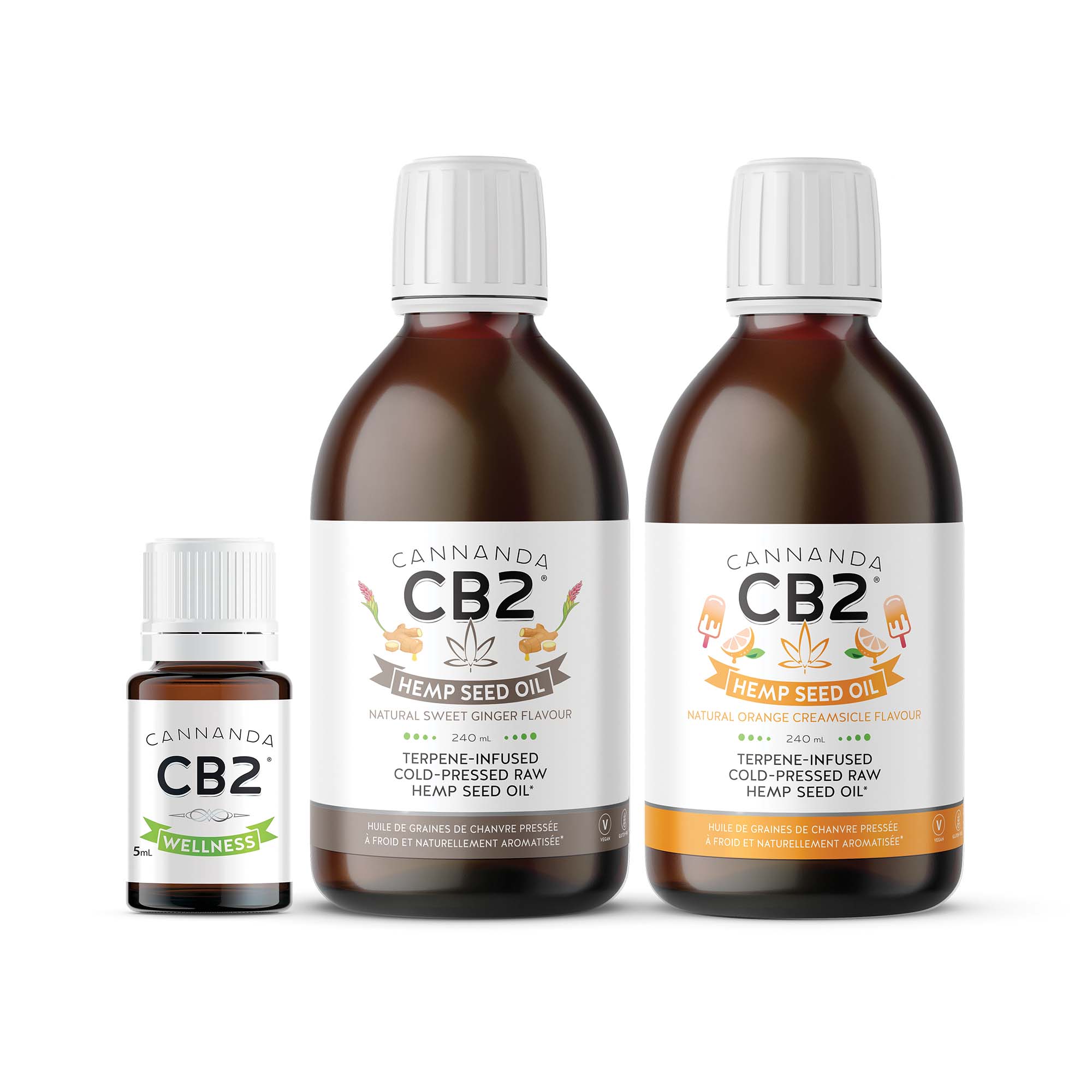
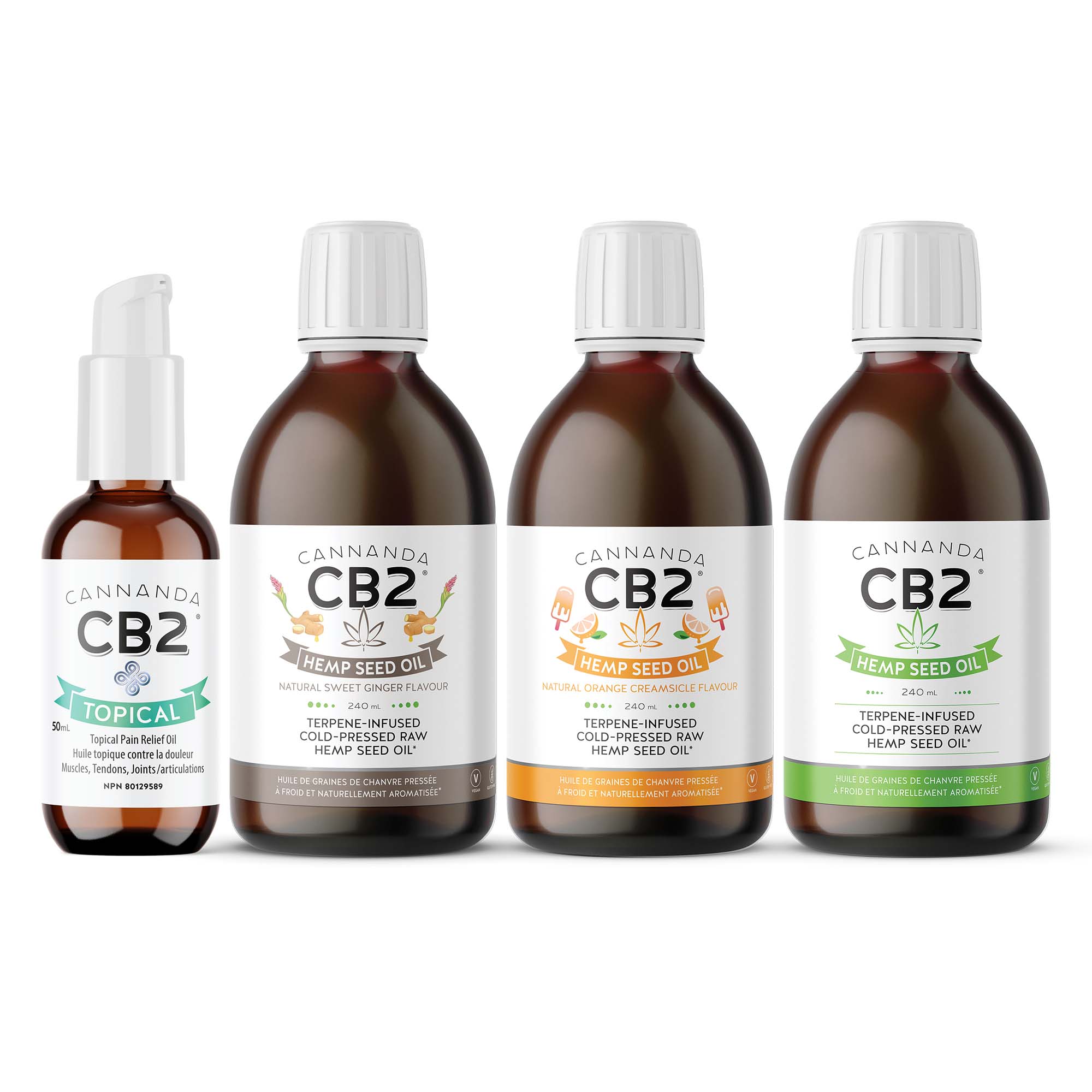
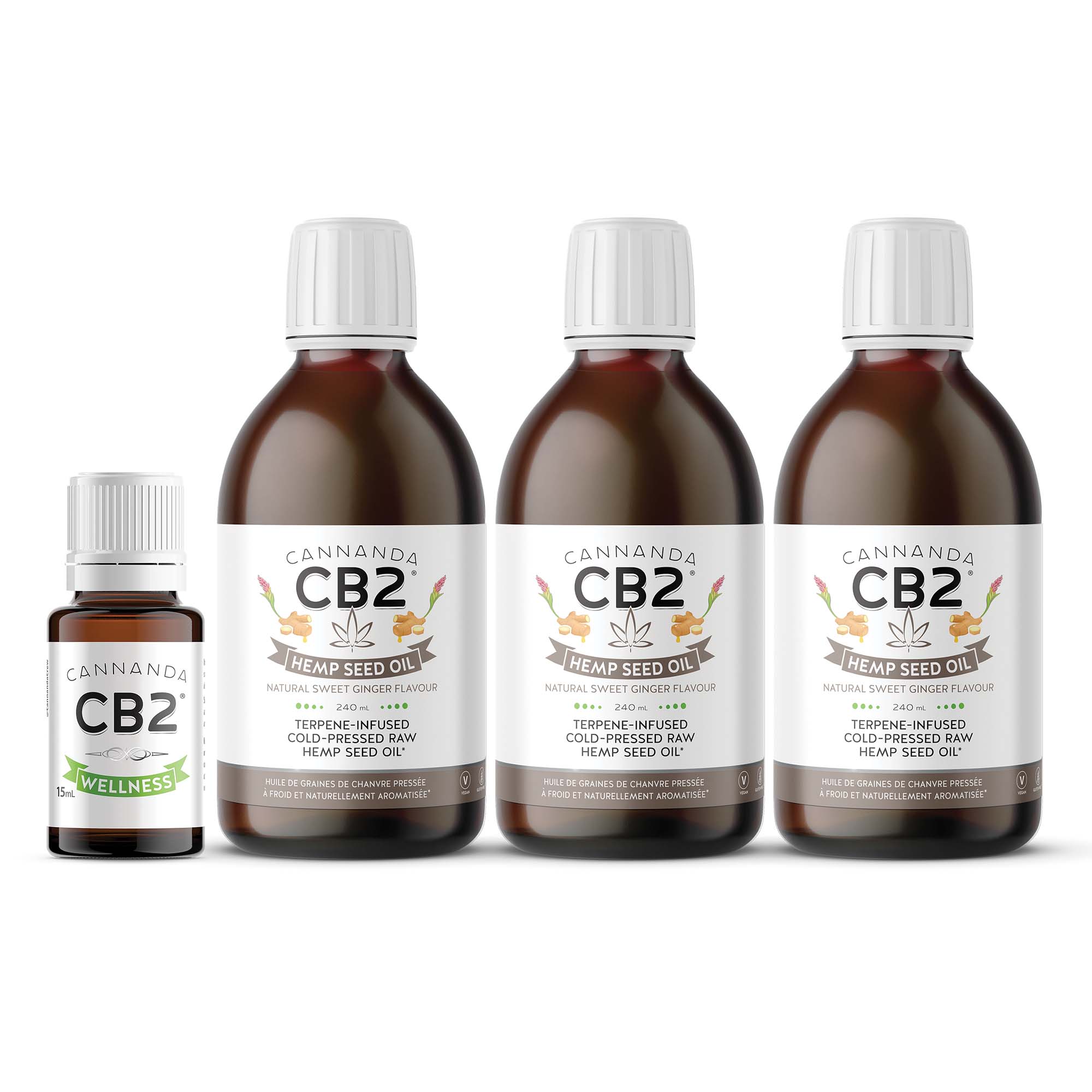
CB2 Wellness and CB2 Cool contain zero THC. Not "below the legal limit." Not "non-detectable trace amounts." Actually zero, because there is no step in the production process where THC could enter the product. The terpenes are sourced from non-cannabis plants. The carrier oils are coconut-derived MCT oil (CB2 Cool) or hemp seed oil (CB2 Hemp Seed Oil). Neither source contains THC.
No carrier oil. The terpene blend, including BCP, is sourced entirely from non-cannabis plants (oranges, pine, clove, sage, copaiba balsam) through steam distillation. No cannabis plant material is used at any stage. Zero THC. Zero CBD. Zero cannabinoids of any kind.
Carrier oil: MCT oil derived from organic coconuts. No cannabis connection whatsoever. Terpenes sourced from non-cannabis plants. Zero THC. Zero CBD. Zero cannabinoids.
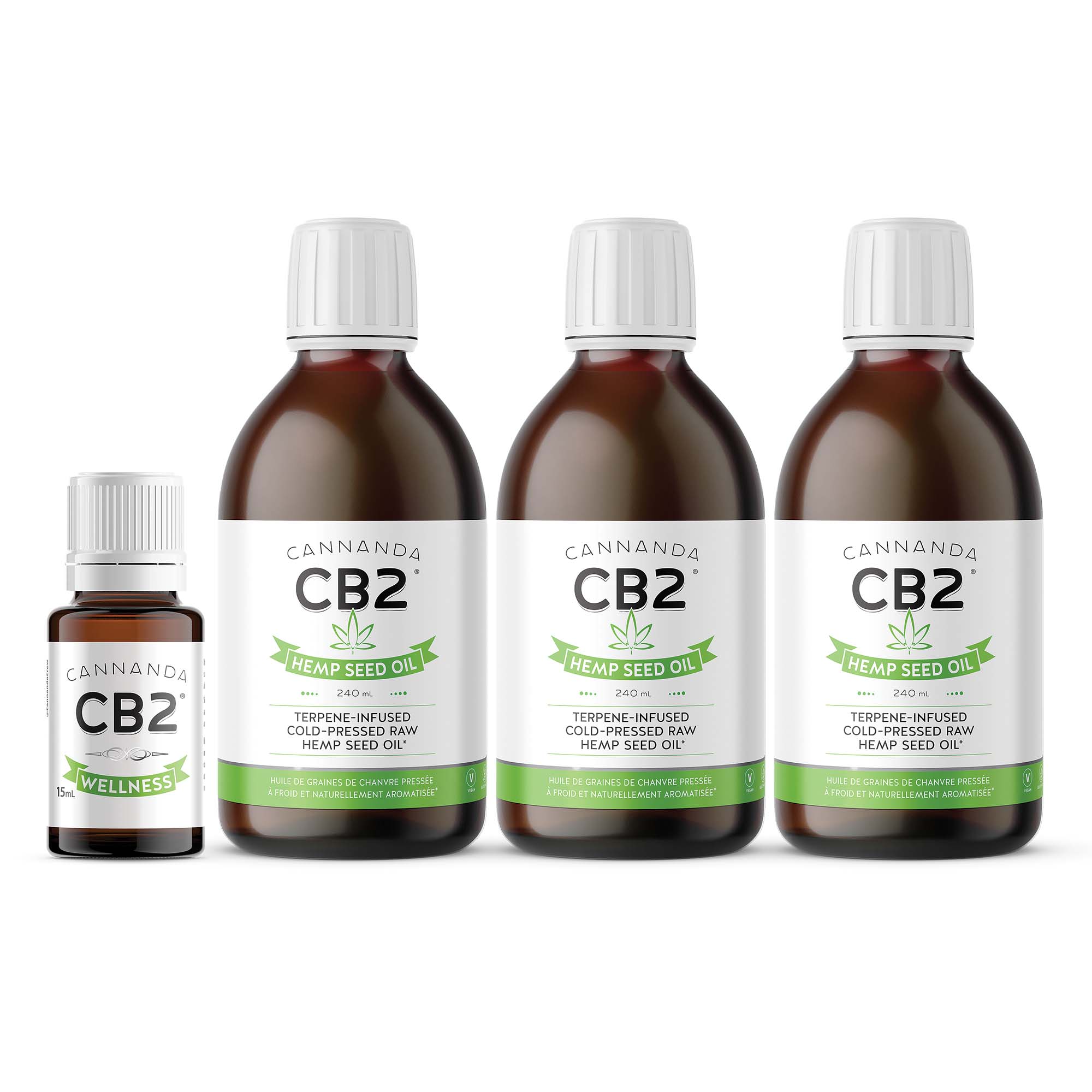
Carrier oil: hemp seed oil from hemp seeds, not from the flowers, leaves, or stalks where cannabinoids are produced. Hemp seeds naturally contain less than 10 ppm THC, far below any drug test threshold. This is why hemp seed oil has been sold freely as a food product worldwide for decades. The terpene blend is again sourced from non-cannabis plants. THC content: less than 10 ppm, well below any drug test threshold.
The CBD problem: and why CB2 avoids it
CBD oil is fundamentally different in its drug test risk profile, for two reasons that most CBD users don't know about.
- Extracted from cannabis flowers containing THC
- Widespread labeling inaccuracy; many "THC-free" products contain undisclosed THC
- CBD itself degrades over time into delta-9 THC and delta-8 THC
- Even a verified pure CBD product can eventually produce positive test results
- Athletes and employees have lost positions from "THC-free" CBD products
- Terpenes sourced from non-cannabis plants, no cannabis in supply chain
- Zero THC in product: not a labeling question, a sourcing fact
- BCP is a terpene, not a cannabinoid; does not degrade into any banned substance
- No pathway by which a positive test could result
- Safe for WADA athletes, all workplace testing programs
Pure CBD is not chemically stable. Over time (and more rapidly under heat, light, or acidic conditions) CBD converts into delta-9 THC and delta-8 THC through a process called isomerization. This means that even a rigorously tested, verified THC-free CBD product purchased today can degrade into THC-containing material before it's consumed.
There are documented cases of athletes testing positive for banned substances from CBD products that were independently verified THC-free at the time of manufacture. Beta-caryophyllene has no such degradation pathway. BCP is a sesquiterpene that does not convert into THC, CBD, or any other prohibited substance regardless of storage conditions or time.
Safe for athletes
CB2 oil is safe for use by athletes subject to anti-doping testing under any governing body.
- WADA tests for THC and synthetic cannabinoids that activate CB1 receptors. BCP activates CB2 receptors, not CB1, and is a naturally occurring food compound.
- BCP is not classified as a cannabinoid in any regulatory or pharmacological sense; it is a dietary terpene with GRAS food-ingredient status.
- BCP does not appear on the WADA Prohibited List, the USADA Prohibited List, or any sport-specific anti-doping code.
- Cannanda CB2 oil contains zero THC and zero CBD, eliminating the contamination risk that has ended careers for athletes using CBD products.

Safe for workplace drug testing
Whether you're subject to random or scheduled drug screening, CB2 oil will not trigger a positive result for any commonly tested substance. The following professions can use CB2 oil without concern:
The bottom line: CB2 oil contains zero THC, is made from non-cannabis terpene sources and hemp seed oil, and cannot cause a positive drug test for cannabis or any other substance. If drug testing is a factor in your life, CB2 oil is the safe choice, not despite its health benefits but alongside them.
The natural supplement you can take without worrying about your next test
Zero THC. Zero CBD. Non-intoxicating terpenes from food plants. GRAS-status ingredients. Safe for athletes, employees, pilots, and every drug-tested professional.
Frequently Asked Questions
Does CB2 oil show up on a drug test?
No. Cannanda CB2 Wellness and CB2 Cool do not show up on any standard drug test. Drug tests for cannabis look for THC-COOH (the metabolite produced when the body processes THC). CB2 Wellness and CB2 Cool contain zero THC. The terpenes including BCP are sourced from non-cannabis plants through steam distillation. There is no step in production where THC could enter the product.
Does CB2 Hemp Seed Oil show up on a drug test?
No. CB2 Hemp Seed Oil uses hemp seed oil as its carrier, which comes from hemp seeds, not from the flowers, leaves, or stalks where cannabinoids like THC are produced. Hemp seeds naturally contain less than 10 ppm THC, far below any drug test threshold. The terpene blend in CB2 Hemp Seed Oil is sourced from non-cannabis plants.
Is CB2 oil safe for WADA-tested athletes?
Yes. WADA tests for THC and synthetic cannabinoids that activate CB1 receptors. BCP activates CB2 receptors, not CB1, and is a naturally occurring food compound that has never appeared on any WADA prohibited list. Cannanda CB2 oil contains zero THC and zero CBD, eliminating both the contamination risk and the degradation risk that has caused positive tests for athletes using CBD products.
Why is CBD risky for drug tests but CB2 oil is not?
Two reasons. First, CBD products frequently contain undisclosed THC from the cannabis supply chain; a 2017 JAMA study found that 21% of tested CBD products contained detectable THC despite being marketed as THC-free. Second, pure CBD degrades over time into delta-9 THC and delta-8 THC. Even a verified THC-free CBD product can cause a positive test result. CB2 oil avoids both problems: terpenes come from non-cannabis plants, and BCP does not degrade into any prohibited substance.
What does a drug test actually look for?
Standard cannabis drug tests look for THC-COOH (11-nor-9-carboxy-THC), the metabolite the body produces when it processes THC. Urine tests screen at 50 ng/mL and confirm at 15 ng/mL. Blood tests look for active THC. Saliva tests detect active THC over a shorter window. Hair tests detect THC-COOH over up to 90 days. None of these tests detect beta-caryophyllene or any other terpene in Cannanda CB2 oil.
Is CB2 oil safe for truck drivers, pilots, healthcare workers, and other tested professions?
Yes. CB2 oil will not trigger a positive result for any commonly tested substance in any standard occupational drug screening program. Whether the test is urine, blood, saliva, or hair, and whether scheduled or random, CB2 oil poses no risk. This applies to all professions subject to workplace drug testing including transportation, healthcare, aviation, law enforcement, construction, and education.
Does CB2 Cool show up on a drug test?
No. CB2 Cool's carrier is MCT oil derived from organic coconuts, with no connection to any cannabis source. Its terpene blend is sourced from non-cannabis plants. There is no THC or any other prohibited substance in CB2 Cool. It is safe for drug-tested athletes and employees.
References
- Bonn-Miller MO, et al. (2017). Labeling Accuracy of Cannabidiol Extracts Sold Online. JAMA, 318(17), 1708–1709.
- Gertsch J, et al. (2008). Beta-caryophyllene is a dietary cannabinoid. PNAS, 105(26), 9099–9104.
- World Anti-Doping Agency (WADA). Prohibited List (current year). https://www.wada-ama.org/en/prohibited-list
- Citti C, et al. (2018). A novel phytocannabinoid isolated from Cannabis sativa L. with an in vivo cannabimimetic activity higher than delta-9-tetrahydrocannabinol: Delta-9-tetrahydrocannabiphorol. Scientific Reports, 9, 20335. (CBD isomerization and degradation.)