Eczema and Skin Inflammation: The CB2 Connection You Haven't Heard About
Your skin has its own endocannabinoid system, and CB2 receptors are everywhere in it. Here's what BCP does that topical steroids can't.
This article is for educational purposes. Eczema and inflammatory skin conditions require proper diagnosis and management. Nothing here constitutes medical advice or replaces guidance from your dermatologist or healthcare provider. Do not discontinue prescription treatments without medical supervision.
You're dealing with eczema, psoriasis, rosacea, or persistent skin inflammation. You've used topical steroids and know their limitations. You want to understand the science behind CB2 receptor activation in skin (including the wound healing and scar reduction research that most people haven't seen) and what a natural approach actually looks like in practice.
Your skin is loaded with CB2 receptors — on immune cells, keratinocytes, and sebum-producing cells. Beta-caryophyllene (BCP) activates them, addressing eczema's overactive immune response without skin thinning or rebound flares. But the CB2-skin connection goes further than inflammation: peer-reviewed research shows BCP accelerates wound healing (2.5× faster keratinocyte migration), improves collagen formation, and reduces scar tissue development. This makes it relevant not just during flares, but for helping skin recover more completely between them. Available orally for systemic immune support and topically for direct local application.
Your skin is not just a passive barrier. It has its own immune system, its own nervous system connections, and its own endocannabinoid system. CB2 receptors are expressed throughout the layers of your skin, and when this system isn't functioning properly, inflammatory skin conditions like eczema, psoriasis, and contact dermatitis are more likely to develop and harder to control.
Most people are familiar with the pain and anti-anxiety applications of beta-caryophyllene (BCP). Far fewer know that the skin is one of the most CB2-receptor-dense environments in the body, and that several peer-reviewed studies have now documented BCP's effects on wound healing, collagen formation, and scar reduction that make it relevant far beyond inflammation control alone.
The skin endocannabinoid system — why CB2 receptors are everywhere in your skin
CB2 receptors in the skin are not incidental. They are part of a dedicated regulatory network that controls how skin tissue responds to injury, infection, immune challenges, and the need for repair. The key cell types expressing CB2 receptors in the skin are:
The cells forming the skin's outer layer. CB2 activation regulates their proliferation, migration during wound repair, and their inflammatory signalling.
Mast cells, T lymphocytes, dendritic cells, and macrophages all express CB2 receptors. Activation modulates the immune response that drives skin inflammation.
The cells that produce sebum (skin oil). CB2 activation influences sebum production, relevant to acne and skin barrier health.
Together, the skin ECS regulates inflammatory responses, immune cell activity, cell proliferation, barrier integrity, and wound repair. When this system is dysregulated (whether through genetic factors, environmental triggers, or immune dysfunction) chronic inflammatory skin conditions develop and persist.
Skin conditions where CB2 receptor activation is relevant
Driven by an overactive Th2 immune response in skin tissue, causing a cycle of barrier dysfunction, immune activation, inflammation, and itch. CB2 activation reduces the immune cell infiltration and pro-inflammatory cytokine production driving flares. Research confirms CB2 activation significantly reduced skin inflammation in atopic dermatitis-like models.
Involves overactive Th17 and Th1 immune responses driving excessive keratinocyte proliferation (the characteristic thick, scaling plaques). CB2 activation modulates T-cell activity and inflammatory cytokine production relevant to psoriasis pathology. CB2 receptors also directly regulate keratinocyte proliferation, making them directly implicated in psoriasis's core mechanism.
Driven in part by dysregulated innate immune activation and neurogenic inflammation in facial skin (mast cells and innate immune cells are hyperactivated). CB2 activation on dermal mast cells and immune cells reduces the overactive innate immune response, and BCP's anti-inflammatory effects on vascular tissue are relevant to rosacea's vascular flushing component.
A Science (2007) study by Karsak et al. (one of the landmark papers in skin ECS research) specifically tested CB2 activation in contact dermatitis models and found that attenuation of allergic contact dermatitis through the endocannabinoid system was mediated by both CB1 and CB2 receptors. CB2 activation significantly reduced immune cell infiltration and inflammatory response.
Why topical steroids are a poor long-term solution
| Factor | Topical corticosteroids | BCP (CB2 oil) |
|---|---|---|
| Mechanism | Broad immune suppression in skin | Targeted CB2 receptor modulation |
| Skin thinning (atrophy) | Yes — with repeated use | No — supports tissue integrity |
| Rebound flares on stopping | Yes — common | No rebound effect |
| Impairs wound healing | Yes — suppresses repair mechanisms | No — accelerates healing |
| Safe for long-term daily use | No — facial/sensitive skin especially | Yes — GRAS-status ingredients |
| Supports skin barrier repair | No — can worsen barrier function | Yes — supports re-epithelialization |
| Addresses systemic immune driver | No — local only | Yes (oral) — systemic immune modulation |
Topical steroids suppress the immune response in skin broadly, which controls inflammation in the short term but does nothing for the systemic immune dysregulation driving eczema. With repeated use, they thin the skin, impair the barrier function they're meant to protect, and cause rebound flares when stopped. For a condition that requires long-term management, this profile is fundamentally incompatible with skin health. BCP's mechanism is different in every dimension that matters.
BCP and skin inflammation — what the research shows
Mechanism
BCP activates CB2 receptors on dermal immune cells (mast cells, T cells, macrophages) and keratinocytes, suppressing pro-inflammatory cytokine production (TNF-α, IL-1β, IL-6, IFN-γ), reducing mast cell degranulation, and modulating T-cell polarization away from the Th2 response driving eczema. This is not immune suppression, it is immune modulation (shifting overactive immune activity toward balance without shutting down normal immune defences).
Studies
What this means for eczema
Eczema is driven by immune overactivation--specifically an overactive Th2 response that triggers mast cell and eosinophil activation, histamine release, and the inflammatory cascade producing redness, itch, and swelling. CB2 activation reduces this immune overactivation at its source. Oral CB2 oil provides systemic immune modulation, addressing the whole-body immune dysregulation that drives eczema, not just local skin symptoms.
BCP and skin healing — the research most people haven't seen
Most discussions of BCP focus on pain and inflammation. The wound healing research is less well-known, but it's among the most compelling in the entire BCP literature, with direct implications for chronic skin conditions like eczema where the skin's repair cycle is perpetually compromised.
To understand why it matters, here are the four phases of wound healing and where BCP acts in each:
What happens in wound healing
When skin is damaged--from a cut, burn, surgical incision, or chronic breakdown from conditions like eczema--the body initiates a repair process moving through four overlapping phases: hemostasis, inflammation, cell proliferation, and tissue remodeling. BCP positively influences several stages simultaneously. Chronic inflammation is one of the main reasons wounds heal slowly or incompletely, and it's exactly what eczema patients deal with on an ongoing basis.
Studies
Why collagen quality matters
Collagen is the structural backbone of skin. When healing from a wound, the body lays down new collagen to rebuild damaged tissue. How well and how quickly this happens determines both how skin looks and how it functions after healing. Poorly organized or inadequate collagen leads to weaker skin and more visible scarring.
What BCP does
In the 2022 rat wound model study (Gushiken et al.), BCP treatment significantly increased collagen content in healing wounds as measured by Masson's trichrome staining. Enhanced re-epithelialization was confirmed through increased expression of laminin-γ2 and desmoglein-3, two proteins involved in skin structural integrity and cell adhesion. BCP doesn't just speed up wound closure; it supports the actual rebuilding of the skin's structural layers.
The PLoS ONE study added a further mechanistic layer: BCP upregulated genes involved in platelet-derived growth factor receptor (PDGFR) signalling in wound tissue. PDGF stimulates fibroblasts to produce fibronectin, collagen, and other extracellular matrix components during wound remodeling--so BCP's effect on this pathway directly supports the collagen-building phase of repair with better organized, better quality matrix.
How scarring happens — and why BCP helps
Scarring occurs when the wound healing process overshoots: too much fibrosis, too much collagen in disorganized patterns, and excessive conversion of fibroblasts into myofibroblasts (the cells that drive scar tissue formation). The inflammatory environment is the key variable: high inflammation favors fibrotic, scar-forming repair; controlled, well-resolved inflammation favors organized, functional repair.
The PLoS ONE researchers noted that BCP's suppression of early inflammatory signals, combined with its upregulation of genes related to embryonic-type growth patterns, would likely reduce scar formation. Embryonic skin heals without scarring, largely because the inflammatory environment in embryonic tissue is fundamentally different from adult tissue. BCP appears to shift the healing environment back toward that embryonic pattern: less destructive inflammation, more organized tissue regeneration.
What this means specifically for eczema
For people managing eczema, this research is relevant on multiple levels simultaneously. Eczema doesn't just cause inflammation in intact skin--the chronic scratching, barrier breakdown, and repeated flares create ongoing micro-damage that needs to heal. If the skin's repair process is perpetually compromised by persistent inflammation, you end up in a cycle where skin never fully recovers between flares, becoming thinner and more vulnerable with each episode.
BCP addresses this from both ends: it helps control the inflammatory response that drives flares in the first place, and it supports the repair mechanisms that help skin recover after damage. The combination of faster re-epithelialization, better collagen support, and reduced fibrosis means skin can rebuild more completely and more cleanly between flares with less chronic damage accumulating over time.
Compared to topical steroids, which suppress healing mechanisms alongside inflammation and thin the very skin that needs protecting, BCP supports skin healing rather than suppressing it.
Oral vs topical — which and when
Best for: systemic immune modulation, addressing the whole-body immune dysregulation that drives eczema and other inflammatory skin conditions at their source.
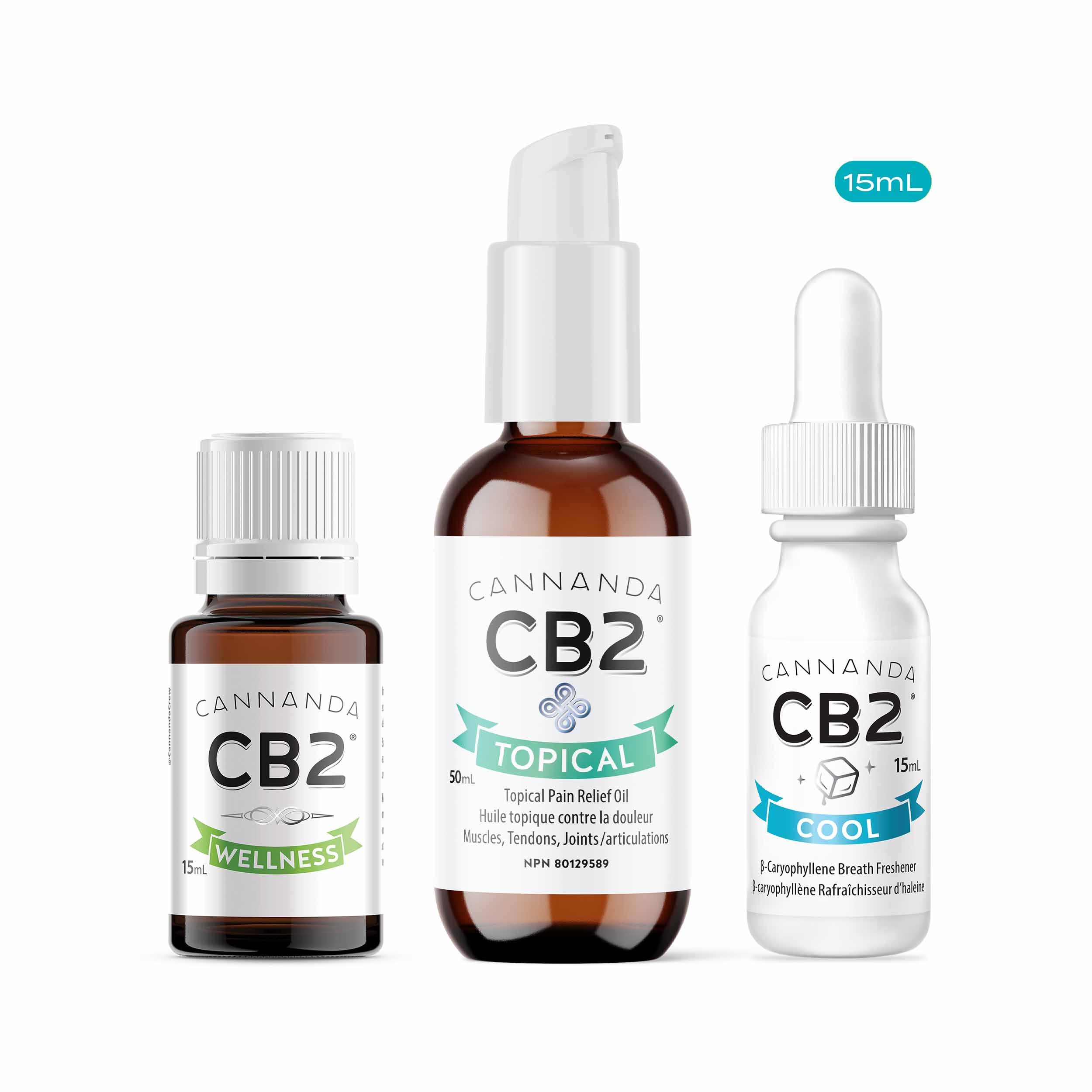
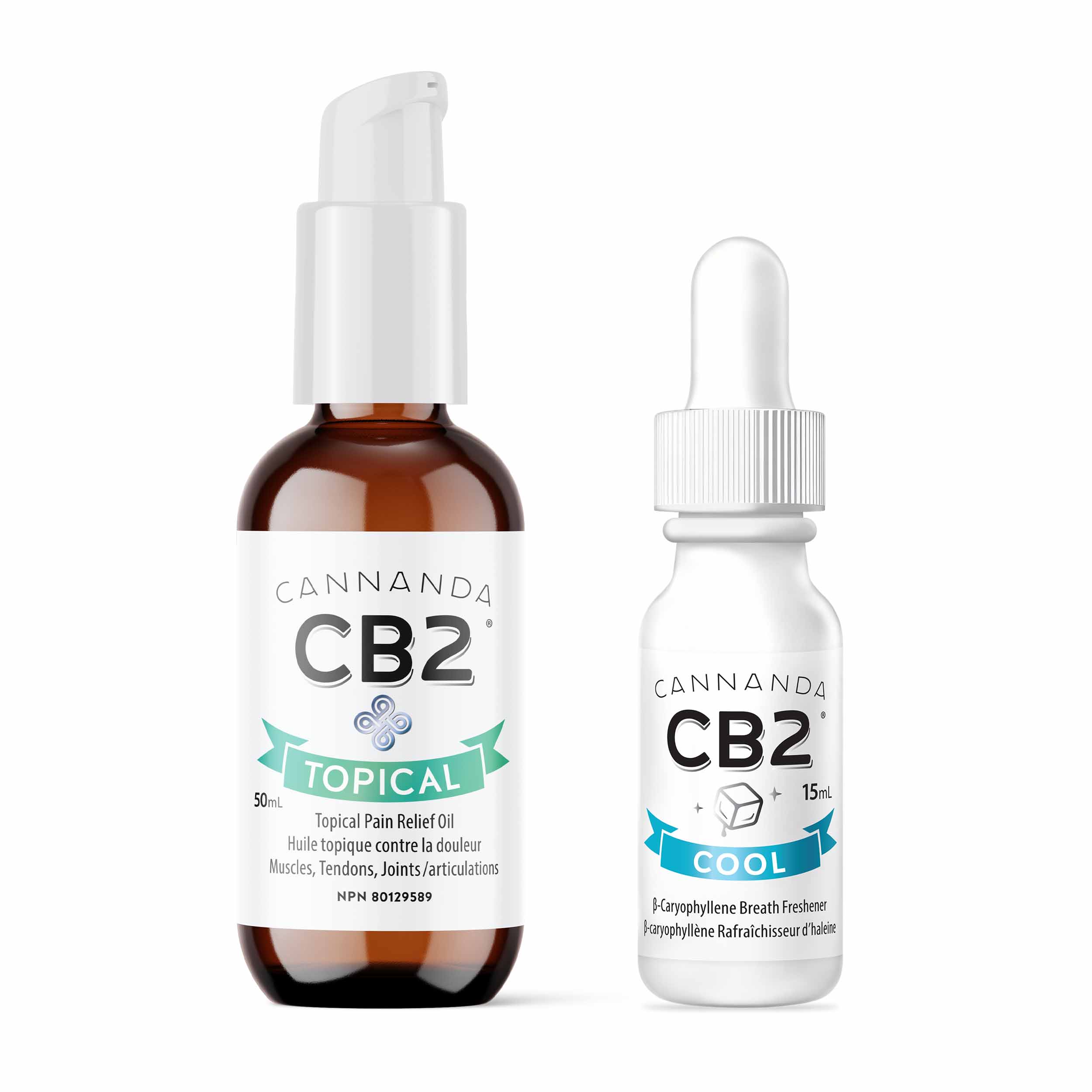
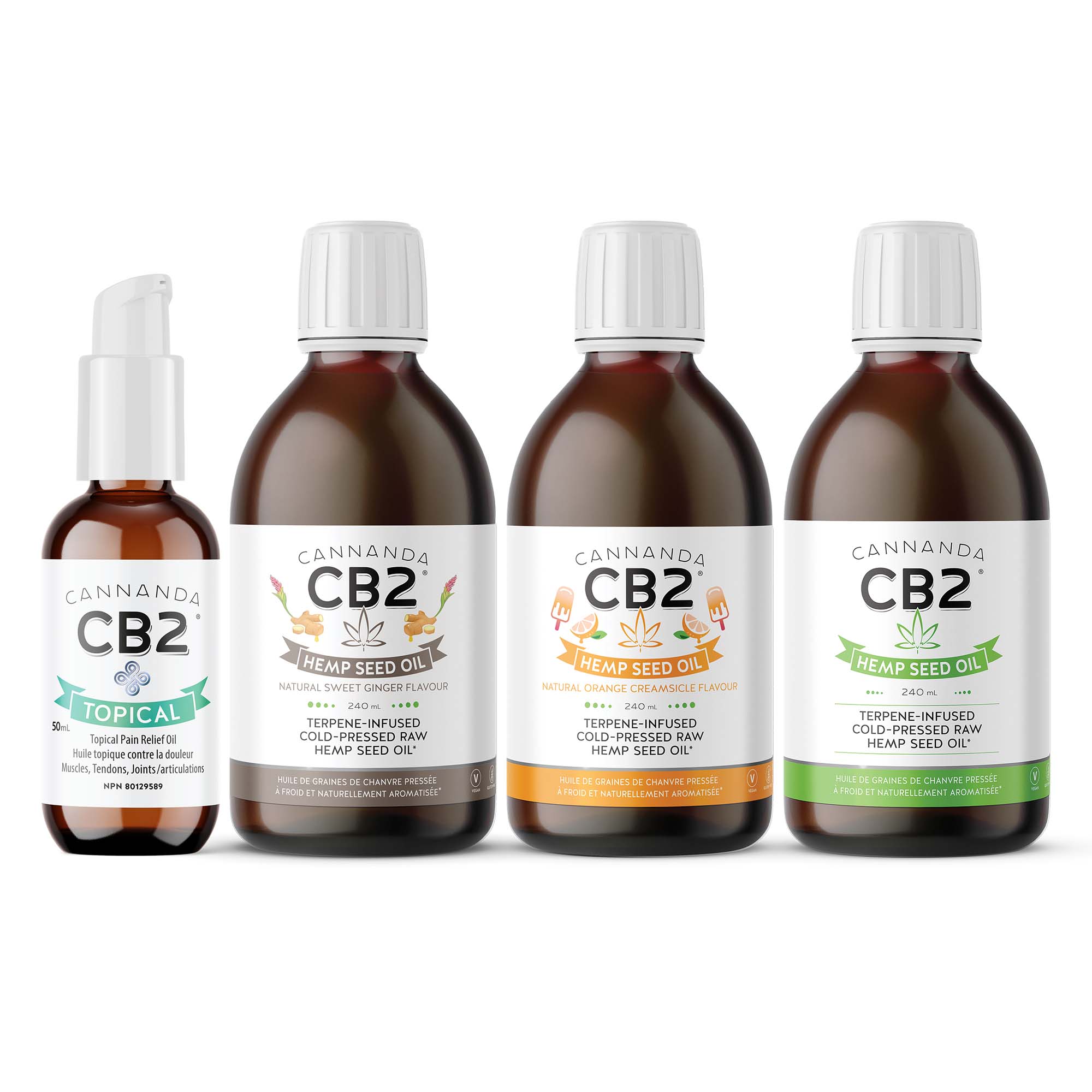
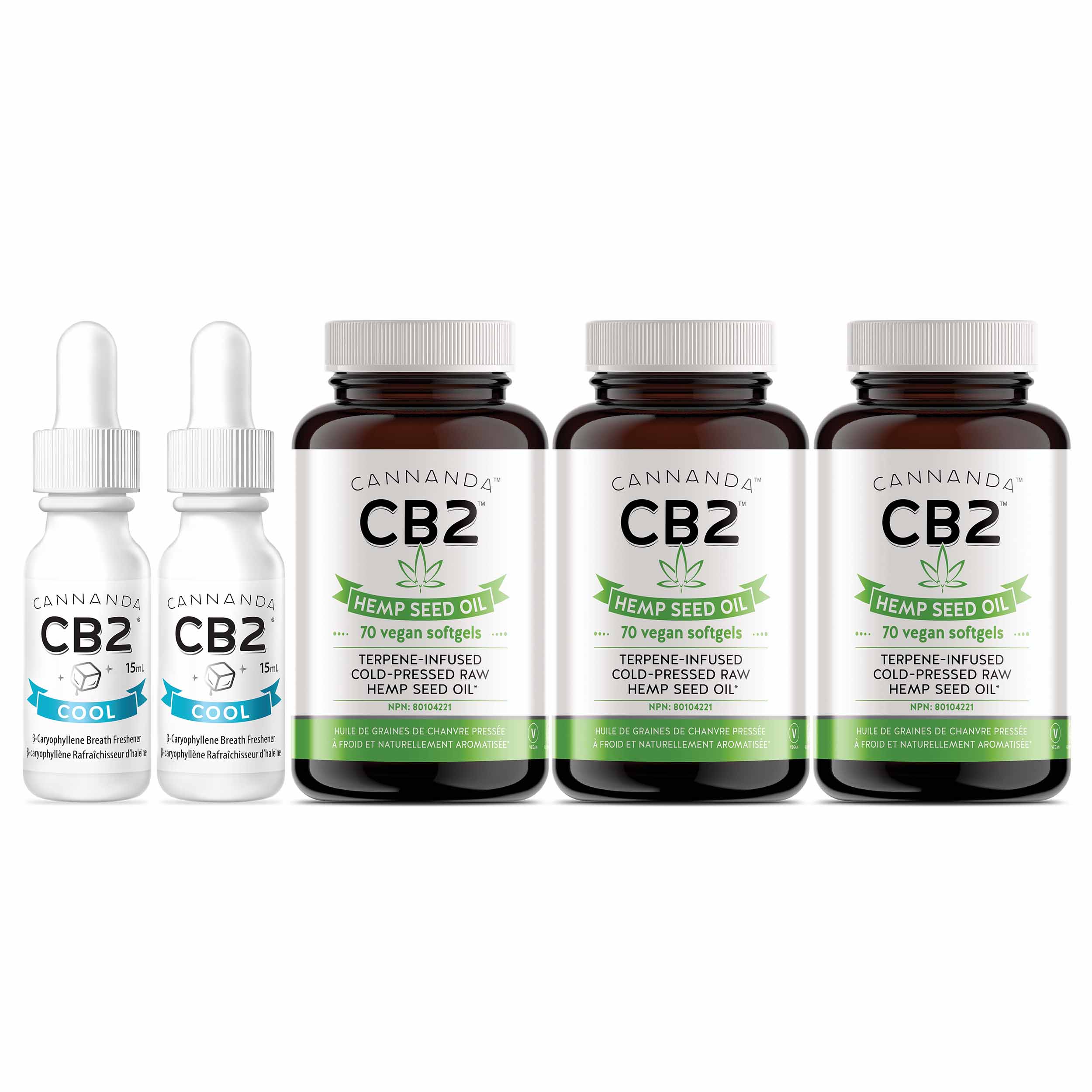
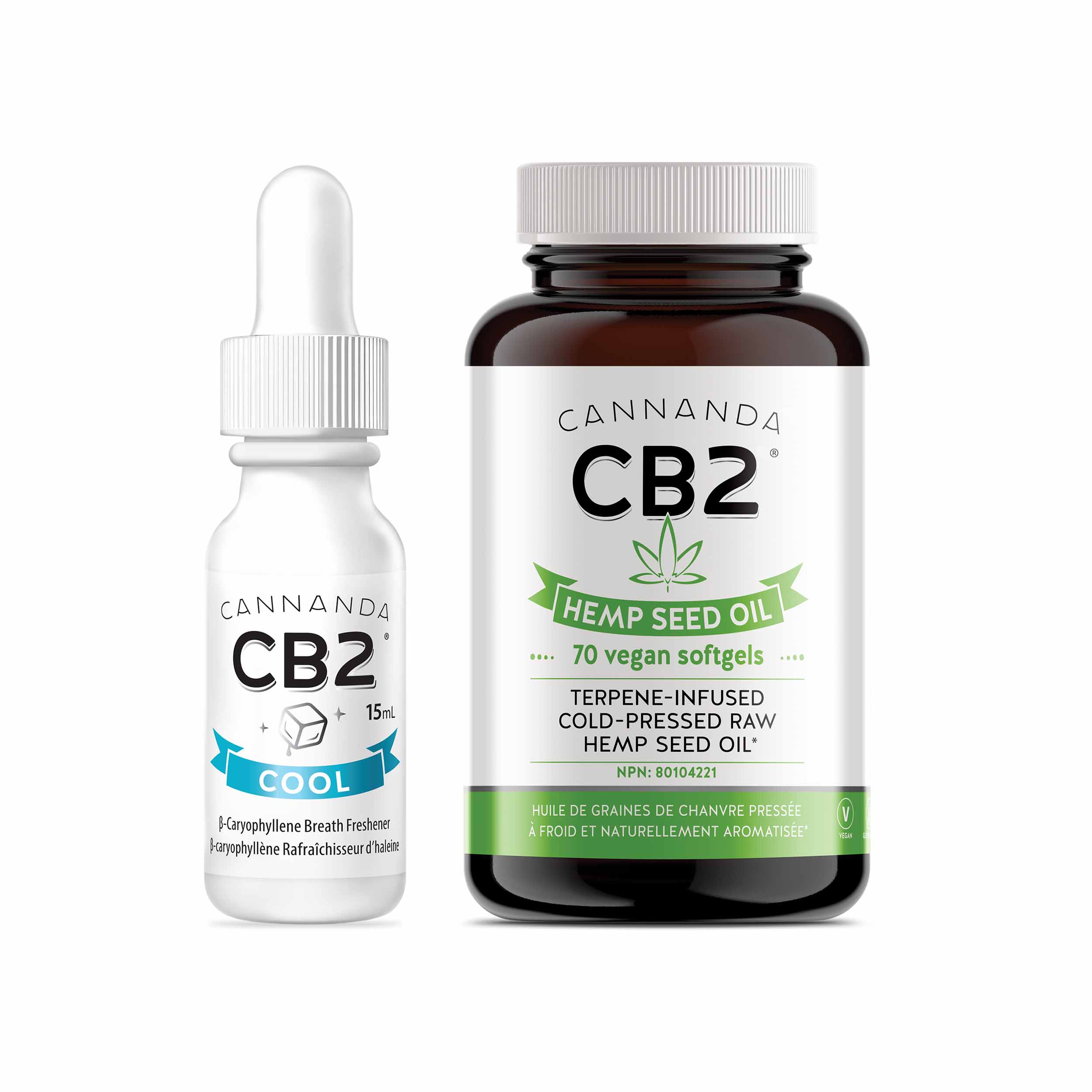
CB2 Hemp Seed Oil delivers BCP alongside omega-3 and omega-6 fatty acids that support skin barrier lipids and anti-inflammatory prostaglandins. Available in original, Sweet Ginger, Orange Creamsicle, and as vegan softgels. CB2 Cool drops are a convenient lower-dose entry point.
Best for: direct local application to active flares, delivering BCP's anti-inflammatory and pro-healing effects to the specific affected area, including the skin repair benefits documented in the wound healing studies.
CB2 Topical Oil is a clean, fast-absorbing liquid topical that brings anti-inflammatory and immune-modulating activity directly to the skin surface. No skin thinning. No rebound. Suitable for sensitive areas (but do not apply to broken skin).
Many people with eczema find the combination most effective: oral CB2 oil daily for systemic immune balance and prevention, topical CB2 oil applied to active flares for localized anti-inflammatory and healing support.
Support your skin from the inside and outside
CB2 receptor activation for skin health. No thinning. No rebound. Safe for daily long-term use.
Frequently Asked Questions
Can CB2 oil help with eczema?
The mechanisms are directly relevant. CB2 receptors are expressed on immune cells and keratinocytes in the skin. BCP activates these receptors, reducing the overactive Th2 immune response driving eczema inflammation. Research has shown CB2 activation reduces skin inflammation and immune cell infiltration in atopic dermatitis-like conditions. Oral CB2 oil supports systemic immune modulation; topical BCP provides local anti-inflammatory support. Unlike topical steroids, BCP does not thin the skin, cause rebound flares, or impair healing.
Why does skin have CB2 receptors?
The skin has its own endocannabinoid system. CB2 receptors are expressed on keratinocytes (outer skin cells), immune cells in the dermis (mast cells, T cells, dendritic cells), and sebocytes (sebum-producing cells). The skin ECS regulates inflammatory responses, immune cell activity, cell proliferation, barrier integrity, sebum production, and wound repair. When this system is dysregulated, inflammatory conditions including eczema, psoriasis, and contact dermatitis are more likely to develop or persist.
How does BCP compare to topical steroids for eczema?
Topical corticosteroids broadly suppress the immune response in skin--effective short-term but causing skin thinning with repeated use, rebound flares when discontinued, and impaired barrier and healing mechanisms. BCP activates CB2 receptors more selectively, reducing the immune dysregulation driving eczema without suppressing healing. It is safe for long-term daily use without skin thinning or barrier damage.
Does BCP help wounds heal faster?
Yes. A 2022 study in Oxidative Medicine and Cellular Longevity found topical BCP significantly increased wound contraction, elevated anti-inflammatory IL-10, and decreased TNF-α, IFN-γ, IL-1β, and IL-6. A 2019 PLoS ONE study (Indiana University) found BCP led to 2.5× higher keratinocyte migration, 2.1× higher fibroblast chemotactic response, enhanced re-epithelialization, and upregulation of hair follicle stem cell markers (all CB2-receptor-dependent effects).
Can BCP reduce scarring?
Yes. Research in the European Journal of Pharmacology found that CB2 activation attenuated fibroblast accumulation at wound sites, reduced fibroblast-to-myofibroblast transformation (the key driver of scar tissue), and decreased pro-collagen I expression, the precursor to fibrotic scar-type collagen. BCP appears to shift healing toward more organized repair--the PLoS ONE researchers noted this resembled the embryonic healing pattern, which is associated with scarless repair.
Should I use CB2 oil topically or orally for eczema?
Both have different and complementary roles. Oral CB2 oil provides systemic immune modulation, addressing eczema's underlying whole-body immune dysregulation. Topical CB2 oil delivers anti-inflammatory and pro-healing BCP directly to affected skin for localized support during active flares. Many people with eczema find the combination most effective: oral for prevention and systemic balance, topical for active areas.
Can BCP help with psoriasis?
The mechanisms are relevant to psoriasis. Psoriasis involves overactive Th17 and Th1 immune responses driving excessive keratinocyte proliferation. CB2 receptor activation modulates T-cell activity, inflammatory cytokine production, and keratinocyte proliferation, all central to psoriasis pathology. The Karsak 2007 Science study found CB2 activation reduced immune cell infiltration in dermatitis models broadly. Psoriasis-specific BCP trials are not yet published, but the shared immune mechanisms make it a rational extension.
Is topical BCP safe for sensitive or damaged skin?
Yes. BCP has GRAS food-ingredient status and a strong tissue-protective profile. It does not thin the skin, impair barrier function, or cause rebound inflammation. Cannanda CB2 Topical Oil is free from major allergens and suitable for sensitive skin. The pro-healing mechanisms documented in wound research (improved re-epithelialization, collagen support, reduced fibrosis) are particularly beneficial for compromised or repeatedly damaged skin.
What are the four phases of wound healing and how does BCP affect each?
The four phases are: (1) Hemostasis: BCP supports the transition to repair phase; (2) Inflammation: BCP reduces excessive cytokines while preserving necessary early inflammation, creating a better repair environment; (3) Proliferation: BCP increases keratinocyte migration 2.5× and fibroblast chemotaxis 2.1×, accelerating re-epithelialization; (4) Remodeling: BCP reduces fibroblast-to-myofibroblast transformation and pro-collagen I expression, supporting organized collagen deposition over scar-forming fibrotic tissue.
References
- Karsak M, et al. (2007). Attenuation of allergic contact dermatitis through the endocannabinoid system. Science, 316(5830), 1494–1497.
- Oka S, et al. (2006). Involvement of the cannabinoid CB2 receptor and its endogenous ligand 2-arachidonoylglycerol in oxazolone-induced contact dermatitis in mice. Journal of Immunology, 177(12), 8796–8805.
- Francomano F, et al. (2019). β-Caryophyllene: a sesquiterpene with countless biological properties. Applied Sciences, 9(24), 5420.
- Gushiken LFS, et al. (2022). Beta-caryophyllene as an antioxidant, anti-inflammatory and re-epithelialization activities in a rat skin wound excision model. Oxidative Medicine and Cellular Longevity, 2022, 9004014.
- Koyama S, et al. (2019). Beta-caryophyllene enhances wound healing through multiple routes. PLoS ONE, 14(12), e0216104.
- Wang LL, et al. (2016). Pharmacological activation of cannabinoid 2 receptor attenuates inflammation, fibrogenesis, and promotes re-epithelialization during skin wound healing. European Journal of Pharmacology, 786, 128–136.
- Tóth KF, et al. (2019). Cannabinoid signaling in the skin: therapeutic potential of the "C(ut)annabinoid" system. Molecules, 24(5), 918. (Comprehensive skin ECS review.)