Cannanda — Educational Series

They Found a New Organ in 2018. Almost Nobody Noticed. Here's Why It Changes Everything About BCP.

How beta-caryophyllene supports the hidden fluid network your cells actually live in, and why that matters for everything from joint pain to immune health.

In January 2018, a gastroenterologist named Petros Benias was doing a routine procedure, guiding a tiny camera through a patient's bile duct, when he saw something that stopped him cold.

The tissue lining the duct didn't look like anything in the textbooks. It wasn't the dense, packed connective tissue he'd been trained to expect. Under the high-resolution probe he was using, the tissue looked more like a honeycomb. Or a sponge. A network of fluid-filled cavities held open by arching beams of collagen, glistening and alive, moving slightly with the pulse of nearby blood vessels.

He called over a colleague. Then another. They stared at it for a while.

"What is that?" someone asked.

Nobody had a good answer.

Why Scientists Missed It for So Long

Here's the thing about medical histology, the science of studying tissue under a microscope: Before you look at tissue, you have to prepare it. That means slicing it thin, mounting it on a glass slide, and staining it with dyes so the structures show up clearly.

But first, you drain all the fluid out.

That step, standard practice for over a century, was quietly destroying the very structure researchers were trying to study. The fluid-filled spaces collapsed. The collagen mesh went flat. What had been an open, three-dimensional network of living tissue became a dense, compressed smear that looked like nothing special.

For over a hundred years, scientists looked at the dried-out, flattened ghost of a structure and concluded: just connective tissue. Move on.

What Benias and his colleagues saw in living tissue (using a technique called confocal laser endomicroscopy that captures images without first destroying the sample) was completely different. When the fluid was still in there, the interstitium wasn't dense at all. It was open. Spacious. Architectural.

Their paper, published in Scientific Reports in March 2018, made a bold claim: this fluid-filled network, found under your skin, lining your gut, surrounding your lungs, wrapped around your muscles and blood vessels, was large enough and structurally consistent enough to be classified as an organ. Possibly the body's largest organ by volume, containing roughly 10 litres of fluid in an adult.

The press went mildly wild for a week. Then moved on to other things.

Which is a shame. Because what the interstitium actually does, and what happens when it breaks down, turns out to be one of the most important health stories hiding in plain sight.

Your Body's Internal Ocean

Think about the geography of your body for a second.

You have cells. You have blood vessels. And between them? That's where the interstitium lives.

It's the space your cells actually exist in. Not inside the bloodstream, not tucked inside the cells themselves, but the fluid-filled connective tissue environment that surrounds every cell in your body. Your cells don't swim in blood. They swim in interstitial fluid, pulling nutrients from it and dumping waste into it.

The structure itself is made of collagen and elastin beams (stiff enough to hold the fluid compartments open even under the pressure of movement) filled with a gel-like fluid rich in hyaluronic acid (HA) — a molecule that gives the fluid its viscosity, helps cells signal each other, and binds enormous amounts of water.

This isn't passive plumbing. It's an active, living environment that plays a direct role in how every cell in your body gets what it needs and gets rid of what it doesn't.

How Fluid Gets In, Moves Through, and Gets Out

At every capillary bed in your body, two forces are in constant competition.

Blood pressure pushes fluid outward through the capillary wall, a force called hydrostatic pressure. Proteins in the blood (mainly albumin) pull fluid back inward, a force called oncotic pressure. At the arterial end of the capillary, where blood pressure is highest, hydrostatic pressure wins and fluid leaks out into the surrounding interstitial space. Oxygen, glucose, amino acids, and other nutrients go with it.

At the venous end, as pressure drops, oncotic pressure wins and roughly 90% of that fluid gets pulled back into the bloodstream.

The remaining 10% enters a completely separate drainage system: the lymphatic network. Tiny open-ended lymphatic capillaries scattered throughout the interstitium collect this leftover fluid. Every time you move — a breath, a muscle contraction, a step — the mechanical pressure on the surrounding tissue opens small flaps in the lymphatic capillary walls, drawing fluid in. One-way valves inside the larger lymphatic vessels push it forward, through lymph nodes where immune cells screen for pathogens, and eventually back into the bloodstream via the thoracic duct under your collarbone.

The whole system is a loop: blood capillary → interstitial space → lymphatic capillary → lymph nodes → back to blood. Running continuously. Every minute of your life.

When that loop works well, your cells are bathed in a clean, nutrient-rich environment, waste gets cleared efficiently, and the collagen-HA scaffold of the interstitium stays open, hydrated, and compliant.

When it doesn't work well — that's where the story gets interesting.

What Goes Wrong (And Why You Feel It)

The interstitium has four main failure modes. And every one of them is driven by something you've probably heard a lot about: chronic inflammation.

1. The capillaries start leaking. Inflammatory signals (specifically cytokines like TNF-α, IL-1β, and IL-6) loosen the tight junctions between the cells lining capillary walls. Fluid floods into the interstitium faster than the lymphatic system can drain it. The result is edema: swelling, puffiness, that heavy, achy feeling in inflamed tissue.

2. The hyaluronic acid gets destroyed. Reactive oxygen species (ROS) generated by chronic inflammation fragment HA molecules. MMPs (matrix metalloproteinases) — enzymes whose production is driven by inflammatory signaling — chew through HA, collagen, and elastin. The structural scaffold of the interstitium starts to deteriorate.

3. Mast cells go haywire. Mast cells are the most abundant immune cell in loose connective tissue. They live right inside the interstitium, loaded with histamine, tryptase, and other inflammatory mediators. In chronically inflamed tissue, they become hyperactivated, dumping their contents repeatedly and making the whole environment more permeable, more inflamed, and harder to heal.

4. Fibroblasts go into overdrive. Chronic inflammation triggers TGF-β1, which tells fibroblasts to transform into myofibroblasts and start producing excessive, disorganized collagen. Over time, the interstitium gets stiff, dense, and fibrotic. Fluid flow slows. The whole environment becomes less functional.

You feel all four of these things. Joint stiffness in the morning. Tissue that stays swollen and tender long after an injury. Chronic low-grade pain that never quite resolves. The heavy, inflamed feeling that comes with autoimmune flares. A lot of what we call "systemic inflammation" is, at least in part, an interstitial story.

Here's Where Beta-Caryophyllene Comes In

Beta-caryophyllene (BCP) is a terpene found in black pepper, cloves, copaiba, and a handful of other plants. It's been studied for years for its anti-inflammatory and analgesic effects. But there's something specific about how it works that makes it particularly relevant here.

In 2008, a team of researchers led by Jürg Gertsch published a landmark paper in PNAS showing that BCP is a selective agonist of the CB2 receptor — the same receptor that the body's own anti-inflammatory signaling molecule, 2-arachidonoylglycerol (2-AG), uses to regulate immune cell behaviour in connective tissue.

That last sentence is worth sitting with.

Your body already has a built-in system for keeping connective tissue inflammation in check. It's called the endocannabinoid system, and 2-AG is the molecule your body releases to tell immune cells in connective tissue to calm down. BCP activates the same receptor. It's not introducing a foreign mechanism into the body, it's supporting one that's already there, using a plant compound that fits the same biological key.

CB2 receptors are found on macrophages, mast cells, T cells, and fibroblasts — exactly the cell types that govern interstitial health. And BCP's effects on those cells map directly onto the four interstitial failure modes described above.

The Six Pathways

Based on BCP's known CB2 mechanisms in the cell types present in interstitial tissue — ranked by strength of evidence

Pathway 1 — Strongest Evidence

Mast Cell Inhibition → Less Fluid Flooding the Interstitium

CB2 receptors sit on mast cells. When BCP activates those receptors, it inhibits the degranulation response — the dump of histamine and tryptase that blows open capillary walls and floods the interstitium with excess fluid.

Less mast cell activation means tighter capillary junctions. Tighter junctions mean less leakage. Less leakage means the interstitium stays closer to its healthy fluid balance instead of getting progressively overwhelmed.

This is the most direct and best-evidenced mechanism connecting BCP to interstitial health. If you want to understand why BCP might reduce swelling, stiffness, and that chronic puffy heaviness in inflamed tissue, start here.
Mechanism Chain BCP → CB2 on mast cells → blocked degranulation → less histamine and tryptase → tighter capillary junctions → reduced interstitial fluid accumulation

Pathway 2 — Strong Evidence

Macrophage Polarization → Reduced Cytokine-Driven Leakage

The interstitium is patrolled by tissue-resident macrophages. CB2 activation pushes them from M1 (inflammatory) to M2 (anti-inflammatory) mode. In M2 mode, macrophages reduce their output of TNF-α, IL-1β, and IL-6, and shift toward tissue repair and resolution signaling.

Fewer inflammatory cytokines in the interstitial environment means less NF-κB activation downstream, less vascular permeability, and a tissue environment that's more supportive of healing and less supportive of chronic inflammation.

Mechanism Chain BCP → CB2 on macrophages → M2 polarization → ↓ TNF-α, IL-1β, IL-6 → reduced NF-κB activation → tighter capillary walls

Pathway 3 — Strong Evidence

MMP Inhibition → The Scaffold Stays Intact

BCP suppresses NF-κB, the master regulator of the inflammatory gene program. One of the genes NF-κB turns on is matrix metalloproteinase (MMP) production, the enzymes that break down collagen and hyaluronic acid in the interstitium.

When NF-κB is quieter, MMP expression drops. The collagen beams and HA that give the interstitium its structure stay intact instead of getting enzymatically degraded. The fluid compartments stay open. The tissue keeps its architecture.

Mechanism Chain BCP → ↓ NF-κB → ↓ MMP-1, MMP-3, MMP-9 → preserved collagen, elastin, and hyaluronic acid in the interstitium

Pathway 4 — Strong Evidence

Antioxidant Protection via Nrf2 → The Interstitium Doesn't Get Oxidized Away

BCP activates Nrf2, the body's master antioxidant transcription factor. Nrf2 turns on the genes for superoxide dismutase, catalase, and glutathione — the three main enzymes that neutralize reactive oxygen species.

This matters specifically for hyaluronic acid, which is unusually vulnerable to oxidative fragmentation. When ROS levels are chronically elevated in the interstitial environment, HA gets broken into smaller and smaller pieces. Short-chain HA actually becomes pro-inflammatory in its own right, creating a feedback loop that worsens the environment. BCP's antioxidant activity helps break that loop.

Mechanism Chain BCP → Nrf2 activation → ↑ antioxidant enzymes → ↓ ROS → protection of HA and collagen from oxidative fragmentation

Pathway 5 — Moderate Evidence

Anti-Fibrotic Effect → The Tissue Stays Compliant

CB2 activation reduces TGF-β1 signaling, which blunts the transformation of fibroblasts into myofibroblasts. This mechanism has been demonstrated in lung, liver, and kidney fibrosis models, and it's consistent across tissue types because fibroblasts express CB2 receptors regardless of what organ they're in.

In the context of the interstitium, this means BCP may help prevent the chronic stiffening and fibrotic thickening that comes from sustained inflammatory injury, keeping the tissue pliable, fluid-permeable, and functional over time.

Mechanism Chain BCP → CB2 on fibroblasts → ↓ TGF-β1 signaling → less myofibroblast activation → less pathological collagen deposition

Pathway 6 — Emerging Evidence

Lymphatic CB2 Modulation → Better Drainage

CB2 receptors are expressed on lymphatic endothelial cells — the cells lining the lymphatic capillaries that drain the interstitium. The research on what BCP specifically does to these cells is early, but the receptors are there. If BCP modulates lymphatic vessel tone or permeability through those CB2 receptors, it could enhance the interstitium's ability to drain accumulated fluid and immune debris.

Admittedly, this is the least-established pathway on the list, but it's mechanistically grounded in a way that makes it worth watching as the research develops.

Mechanism Chain BCP → CB2 on lymphatic endothelial cells → potential modulation of lymphatic vessel function → improved interstitial fluid clearance

Why This Is Bigger Than "Anti-Inflammatory"

Here's the part that most BCP discussions miss.

The interstitium touches every cell in your body. It's the medium through which nutrients arrive, waste leaves, and immune signals travel. Every organ is bathed in it. Every joint is lubricated by its relationship with it. Every nerve ending in peripheral tissue is embedded in it.

When the interstitium is chronically inflamed, the consequences aren't just local. Immune mediators (prostaglandins, bradykinin, cytokines) that accumulate in the interstitial space sensitize nearby pain receptors. That peripheral sensitization feeds back into the central nervous system and amplifies pain signaling across the whole body. This is one of the proposed mechanisms behind the widespread, diffuse pain that characterizes conditions like fibromyalgia and chronic neuropathic pain.

BCP reducing interstitial inflammation isn't just a tissue-level effect. It may be reducing the peripheral sensitization input that drives ongoing pain. That's not a side benefit. That might be the mechanism.

When you take a step back, the picture looks like this: BCP activates CB2 receptors on the immune cells that live in the interstitium. Those cells are the exact cells responsible for the four main ways the interstitium breaks down under chronic inflammatory stress. BCP quiets mast cells, rebalances macrophages, reduces the enzymes that destroy the structural scaffold, protects the key molecules in the interstitium from oxidative damage, and may slow the fibrotic stiffening that impairs interstitial function over time.

And because the interstitium is everywhere — connected to every tissue, every organ, every cell — those effects don't stay local. They ripple.

The Candid Caveat (And Why It Actually Strengthens the Case)

No one has published a study specifically on BCP and the interstitium. The interstitium as a recognized organ is only seven years old. The research connecting CB2 pharmacology to interstitial biology is inferred from what we know about BCP's effects on the cell types and signaling pathways involved.

That's not a weakness. That's how mechanistic science works. The case for aspirin protecting against cardiovascular events was built on mechanistic inference for decades before the clinical trials caught up. The mechanisms here are real, the cell types are documented, and the logic is sound.

What BCP offers isn't a shortcut or a silver bullet. It's a plant-derived molecule that works with a biological system your body already has: the endocannabinoid system's CB2 pathway. The end result? Support for the health of the connective tissue environment your cells live in.

If you want to support your joints, your immune function, your pain response, your recovery from exercise, or your long-term tissue health, start healing the organ that connects all of those things.

The interstitium. The hidden ocean that was always there.

And BCP might be exactly what it needs.

Cannanda CB2 Oil

Ready to support your interstitium?

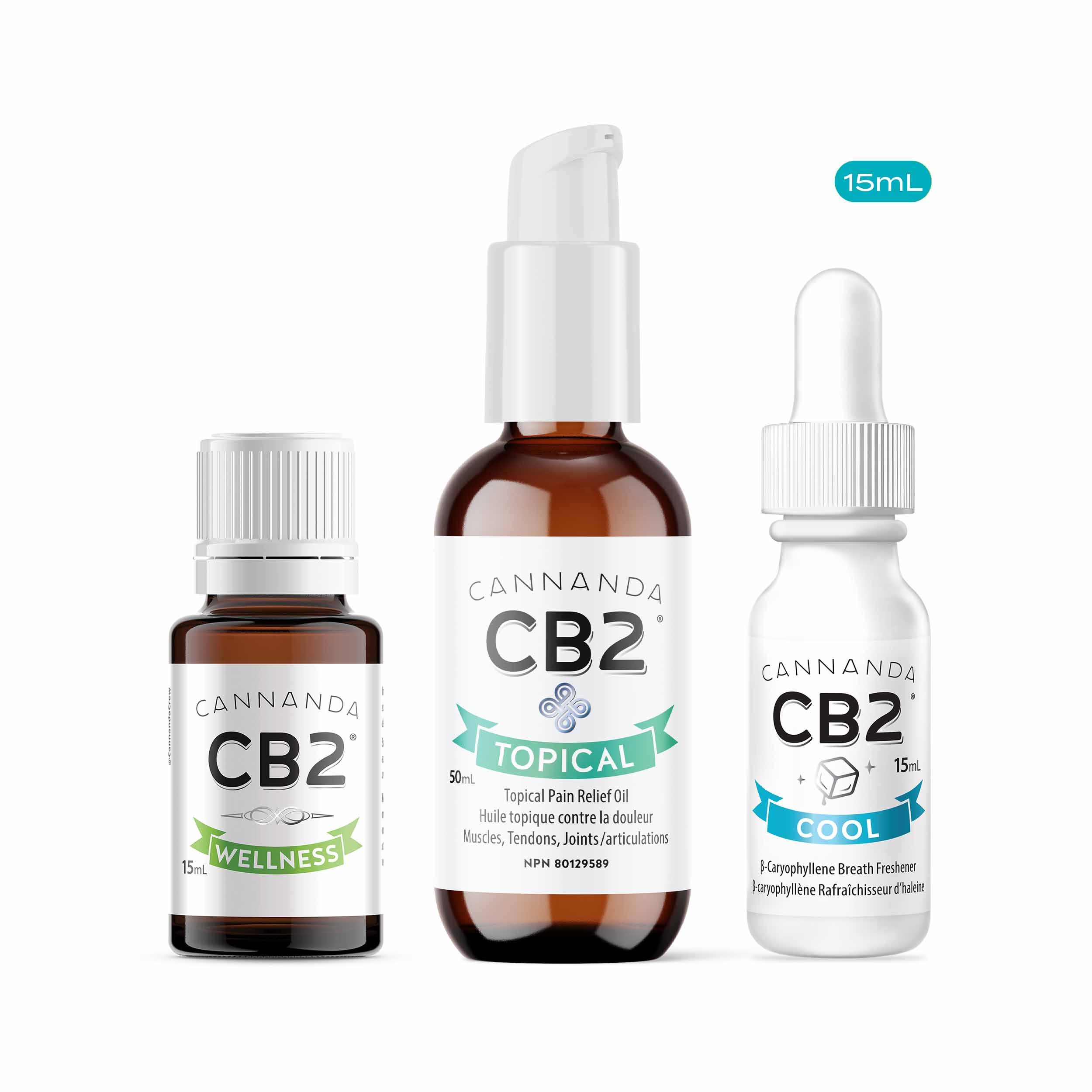
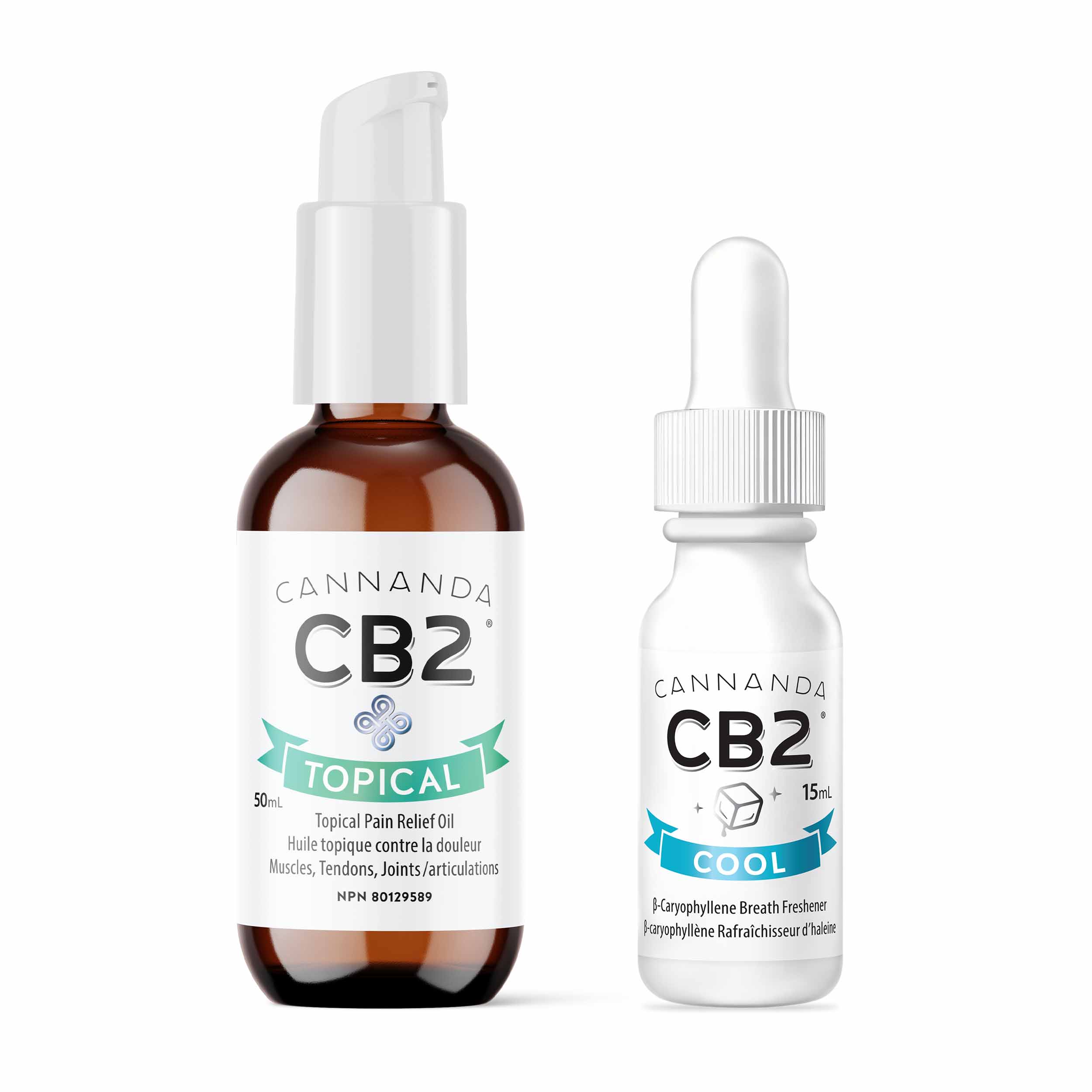
Cannanda CB2 oil is physician-formulated, 0% THC, 0% CBD, and the original source of beta-caryophyllene for wellness. Canadian-made. Multi-award-winning.

Shop CB2 Oil →

Frequently Asked Questions

Everything you need to know about BCP, the interstitium, and Cannanda CB2 oil

What is the interstitium and why does it matter?

The interstitium is a fluid-filled network of connective tissue that surrounds every cell, organ, and blood vessel in your body. It was formally identified as a distinct organ in 2018 after researchers used a new imaging technique that could capture tissue without draining the fluid first. It matters because it's the environment your cells actually live in — the medium through which nutrients arrive, waste gets removed, and immune signals travel. When it's healthy, everything downstream tends to work better. When it's chronically inflamed, you feel it across your whole body.

What is beta-caryophyllene (BCP)?

BCP is a natural terpene found in black pepper, cloves, copaiba, and other plants. It's classified as food-safe (GRAS status in the US) and is the active ingredient in Cannanda CB2 oil. What makes it scientifically interesting is that it's the only known dietary compound that selectively activates CB2 receptors — the same receptors the body uses through its own endocannabinoid system to regulate inflammation in connective tissue.

How does BCP relate to the CB2 receptor?

CB2 receptors are found on immune cells throughout the body, with especially high density in connective tissue. Your body produces a molecule called 2-AG to activate those receptors as part of its natural anti-inflammatory response. BCP activates the same receptor through the same pathway. It's not introducing a foreign mechanism — it's supporting one your body already relies on.

Has BCP been directly studied in the interstitium?

Not yet. The interstitium as a recognized organ is only seven years old, and no published research has studied BCP's effects in interstitial tissue specifically. The six pathways described in this article are inferred from BCP's well-documented effects on the cell types — mast cells, macrophages, fibroblasts, and lymphatic endothelial cells — that are known to reside in and govern the interstitium. This kind of mechanistic inference is standard in science and often precedes direct clinical research by years.

What are the six ways BCP may support the interstitium?

Based on its known CB2 mechanisms, BCP may support the interstitium by: (1) inhibiting mast cell degranulation, which reduces fluid flooding; (2) shifting macrophages toward anti-inflammatory M2 mode, reducing cytokine-driven leakage; (3) suppressing NF-κB and MMP production, which protects the collagen and hyaluronic acid scaffold; (4) activating Nrf2, which reduces the oxidative damage that fragments hyaluronic acid; (5) reducing TGF-β1 signaling in fibroblasts, which may slow fibrotic stiffening; and (6) potentially modulating lymphatic drainage through CB2 receptors on lymphatic endothelial cells.

Why does interstitial inflammation cause pain beyond the local area?

Inflammatory mediators that build up in the interstitial space — including prostaglandins, bradykinin, and cytokines — sensitize nearby nerve endings. This is called peripheral sensitization. Those sensitized pain signals feed into the central nervous system, which can amplify them into widespread, chronic pain that goes well beyond the original site of inflammation. This is one of the proposed mechanisms behind conditions like fibromyalgia and chronic neuropathic pain. By reducing interstitial inflammation, BCP may help interrupt that cycle at its source.

Is BCP the same as CBD?

No. BCP and CBD are completely different molecules. BCP is a terpene, CBD is a cannabinoid. BCP contains no THC, no CBD, and no cannabis-derived compounds. It is food-grade, sourced from plants like black pepper and cloves, and works specifically through the CB2 receptor without any psychoactive effects. Cannanda CB2 oil is 0% THC and 0% CBD.
Lee K