Are Seed Oils Harmful or Healthy? It Depends Entirely on How They're Made
The debate has the question wrong. Processing is the variable that matters, not whether an oil comes from a seed.
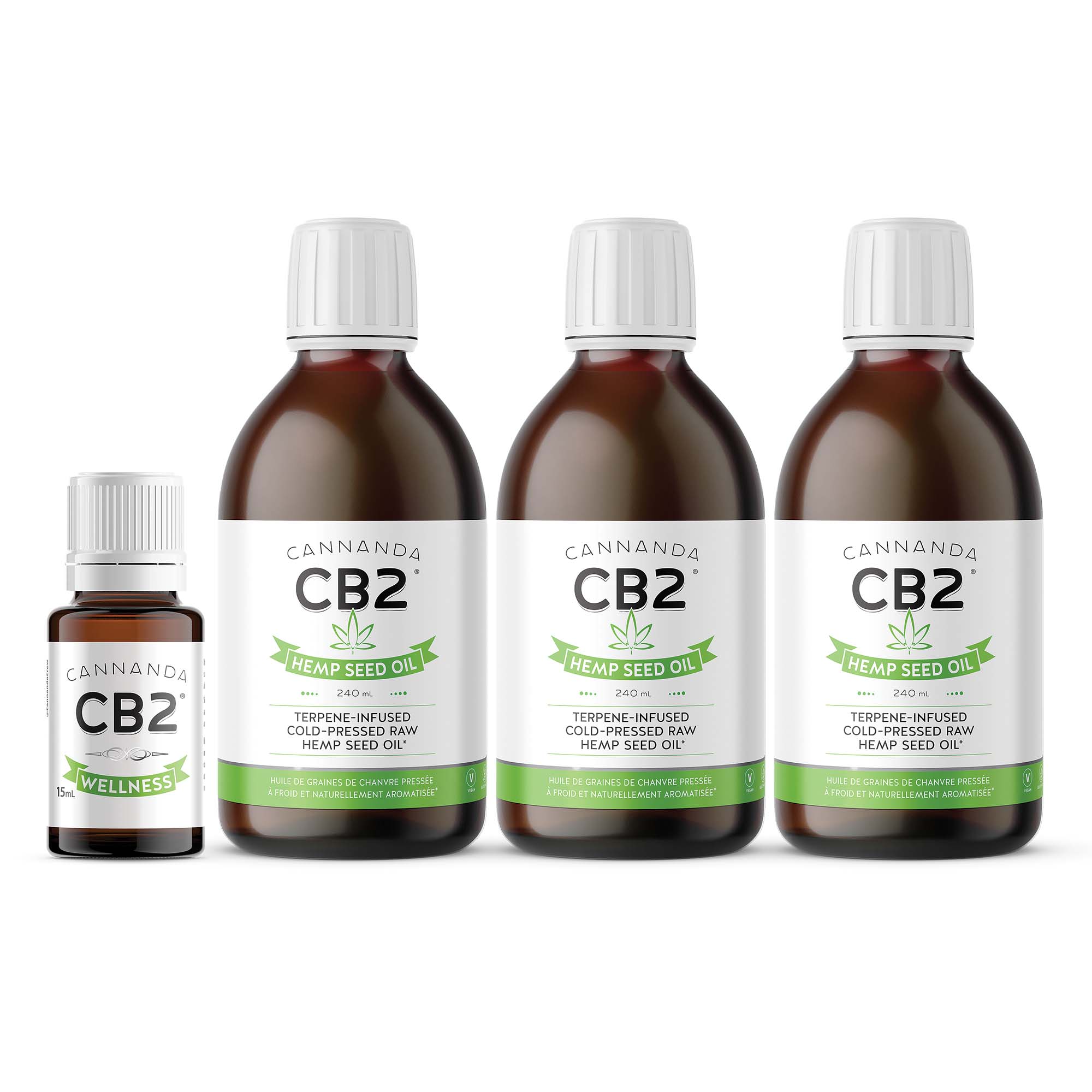
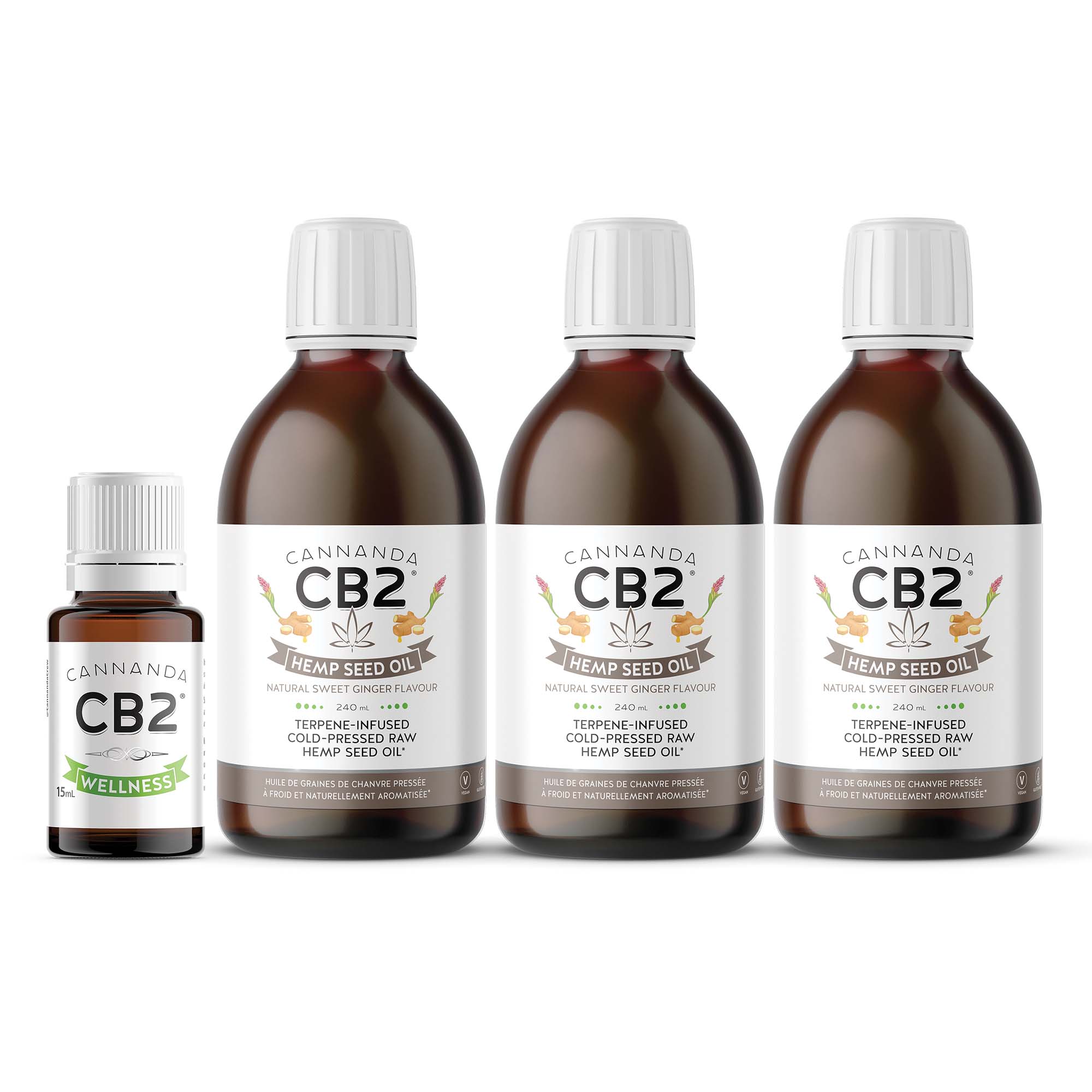
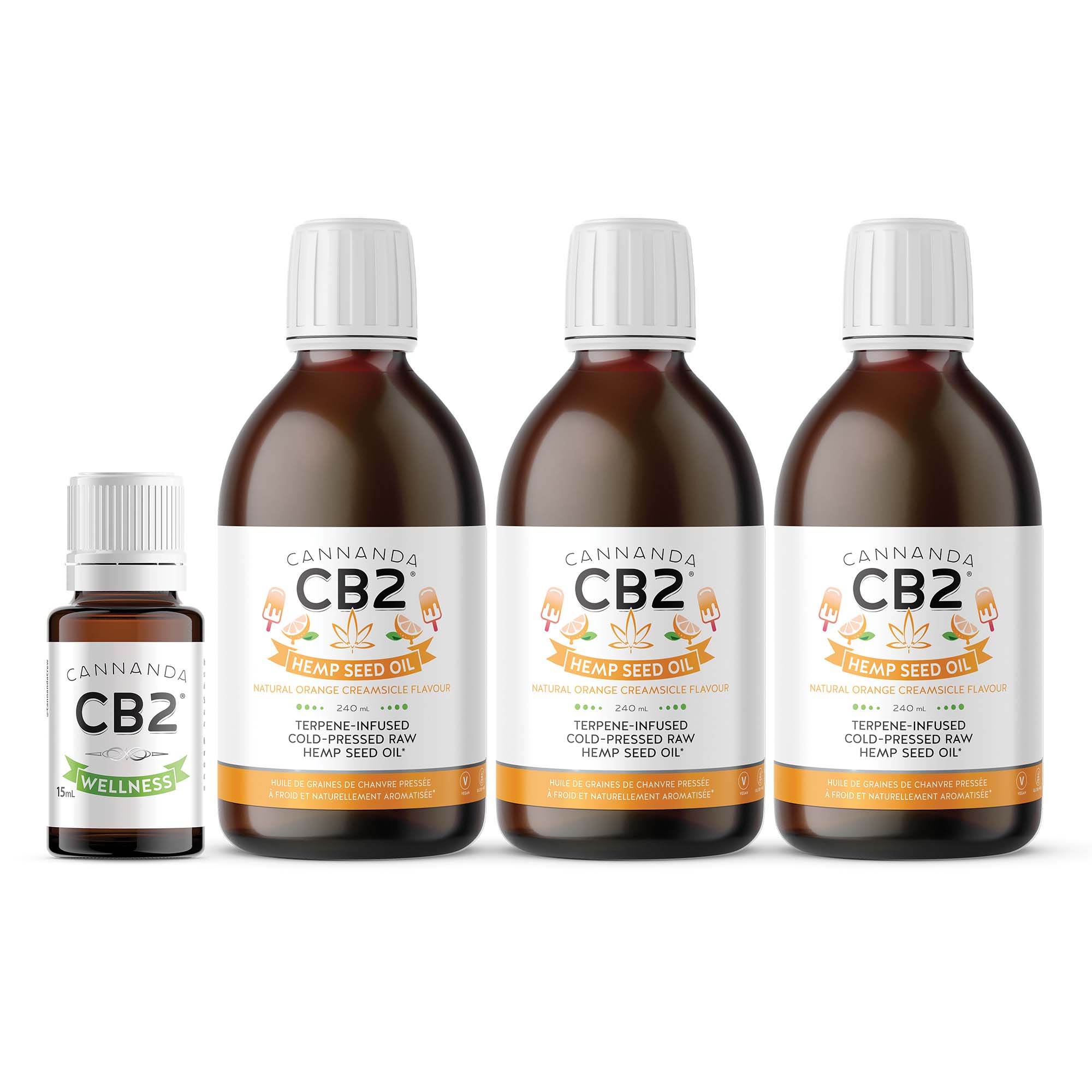
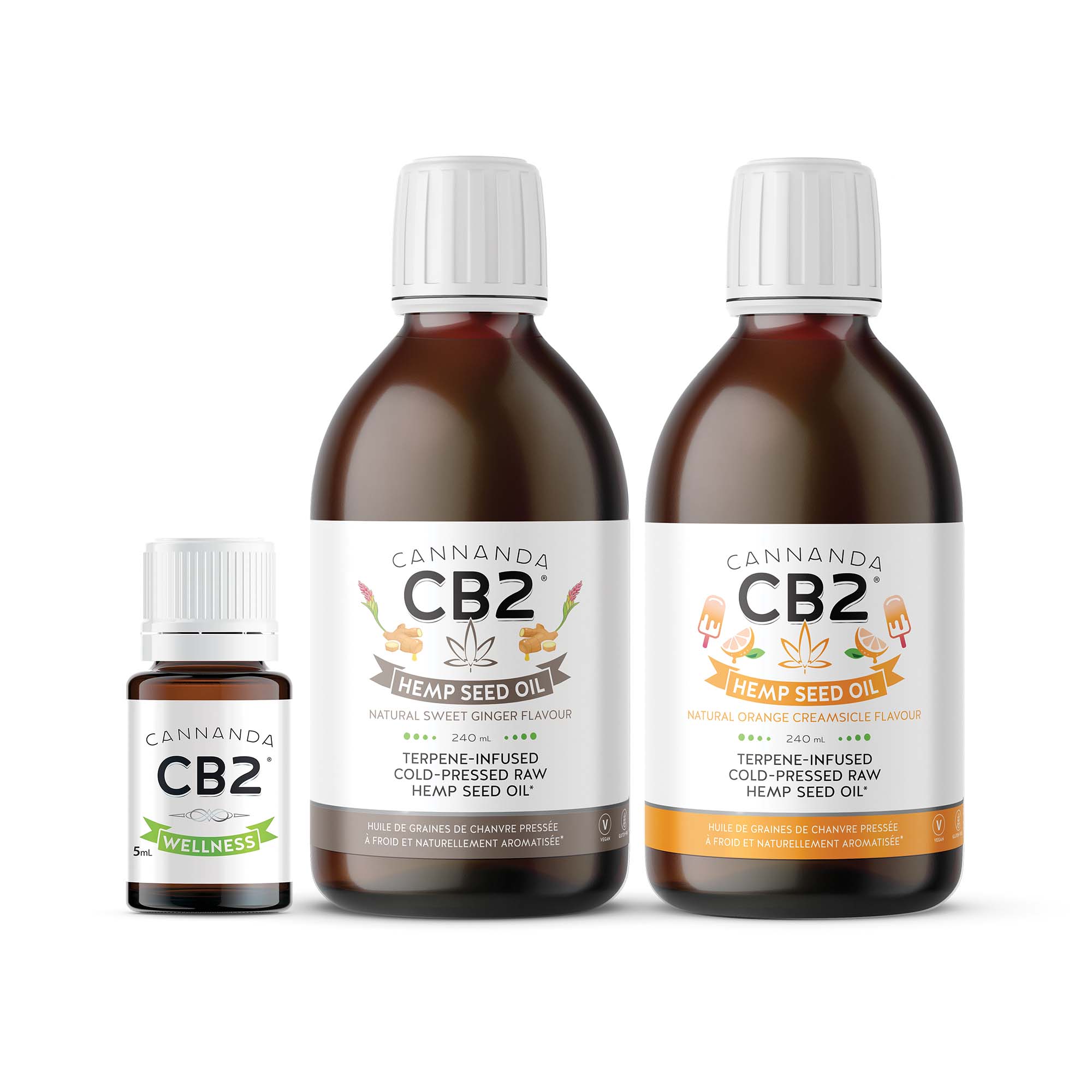
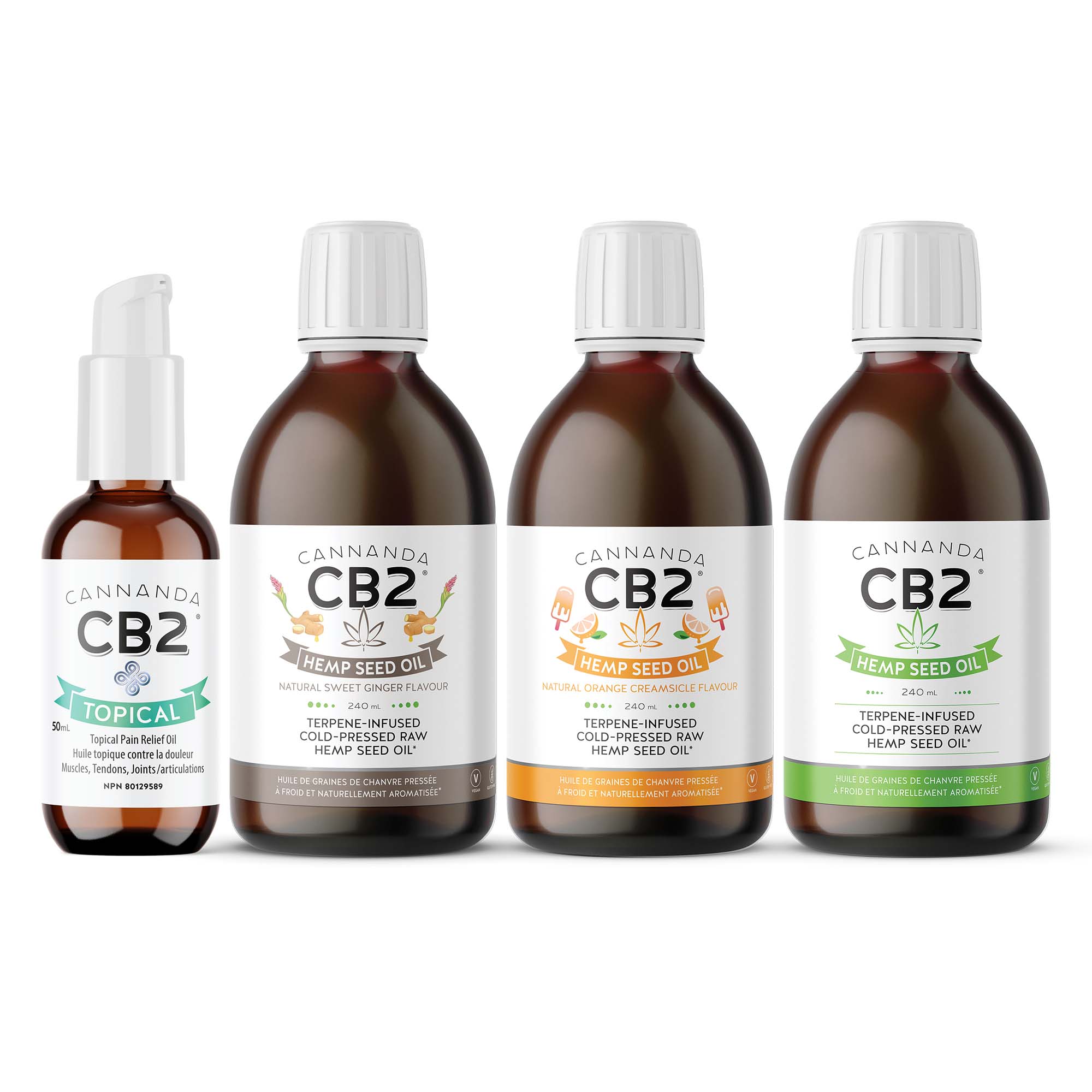
Not all seed oils are equal, and the difference isn't the source, it's the processing. Industrially refined seed oils (canola, soybean, cottonseed) are made using hexane extraction, high-heat oxidation, and chemical deodorizing — producing oils with oxidized fatty acids and potential chemical residues. Cold-pressed, solvent-free hemp seed oil, stored in amber glass, is nutritionally rich, stable, and genuinely healthy. Cannanda CB2 Hemp Seed Oil is the latter, and stability testing confirms minimal oxidation even after three years at room temperature.
The seed oil debate — what's actually being argued
The phrase "seed oils are bad" has become popular in health and wellness circles, often alongside claims that these oils are inflammatory, toxic, or responsible for chronic disease. Like many sweeping statements in nutrition, it captures something real while missing important nuance. The concern is largely valid, but it applies specifically to industrially processed seed oils, not seed-derived oils as a category.
Sesame oil is pressed from the seed of the olive fruit. Coconut oil comes from the coconut seed. Flaxseed oil is exactly what it sounds like. None of these are what critics mean when they say "seed oils are bad." What they mean is: canola, soybean, cottonseed, corn, and sunflower. Those highly refined, industrially processed vegetable oils that dominate supermarket shelves and restaurant kitchens.
The distinction matters because the processing is the problem, not the seed. And once you understand the industrial refining process, the concern makes perfect sense.
How industrial seed oil is actually made — and why it's problematic
Most industrial seed oils are not pressed, they're extracted using hexane, a petroleum-derived organic solvent that is neurotoxic. Hexane maximizes oil yield from the seed material but leaves residues that must be removed.
The hexane is removed by heating the oil, but the high temperatures oxidize the polyunsaturated fatty acids in the oil, creating rancid, pro-inflammatory oxidized lipids. The oil smells bad at this point.
Sodium hydroxide, a known carcinogen, is added to neutralize the rancid odor from fatty acid oxidation. The oil now smells neutral but contains oxidized fatty acids and potential chemical residues.
The oil is bleached to achieve a consistent, marketable color. This adds another chemical processing step. The result is visually clean but nutritionally compromised.
Finally, the oil is packaged in clear plastic, which allows continued light-driven oxidation on the shelf, while plastic chemicals leach into the oil over time. By the time you consume it, oxidation is ongoing.
This is the product that critics legitimately identify as harmful. The oxidized fatty acids it contains are pro-inflammatory. The chemical residues are undesirable. The plastic packaging continues the damage. It is reasonable to avoid this product.
How Cannanda CB2 Hemp Seed Oil is made — the opposite approach
Hemp seeds are cold-pressed using mechanical pressure. No solvents, no hexane, no processing aids. The oil is extracted purely physically, preserving all nutrients in their natural state.
The raw oil is refined only through micron filtering, another physical process, to achieve clarity and consistent texture without any chemical treatment. No high heat, no solvents.
Cannanda's proprietary BCP terpene blend (itself extracted by steam distillation using only water as the "solvent") is added to the hemp seed oil, maximizing the health attributes of the final product.
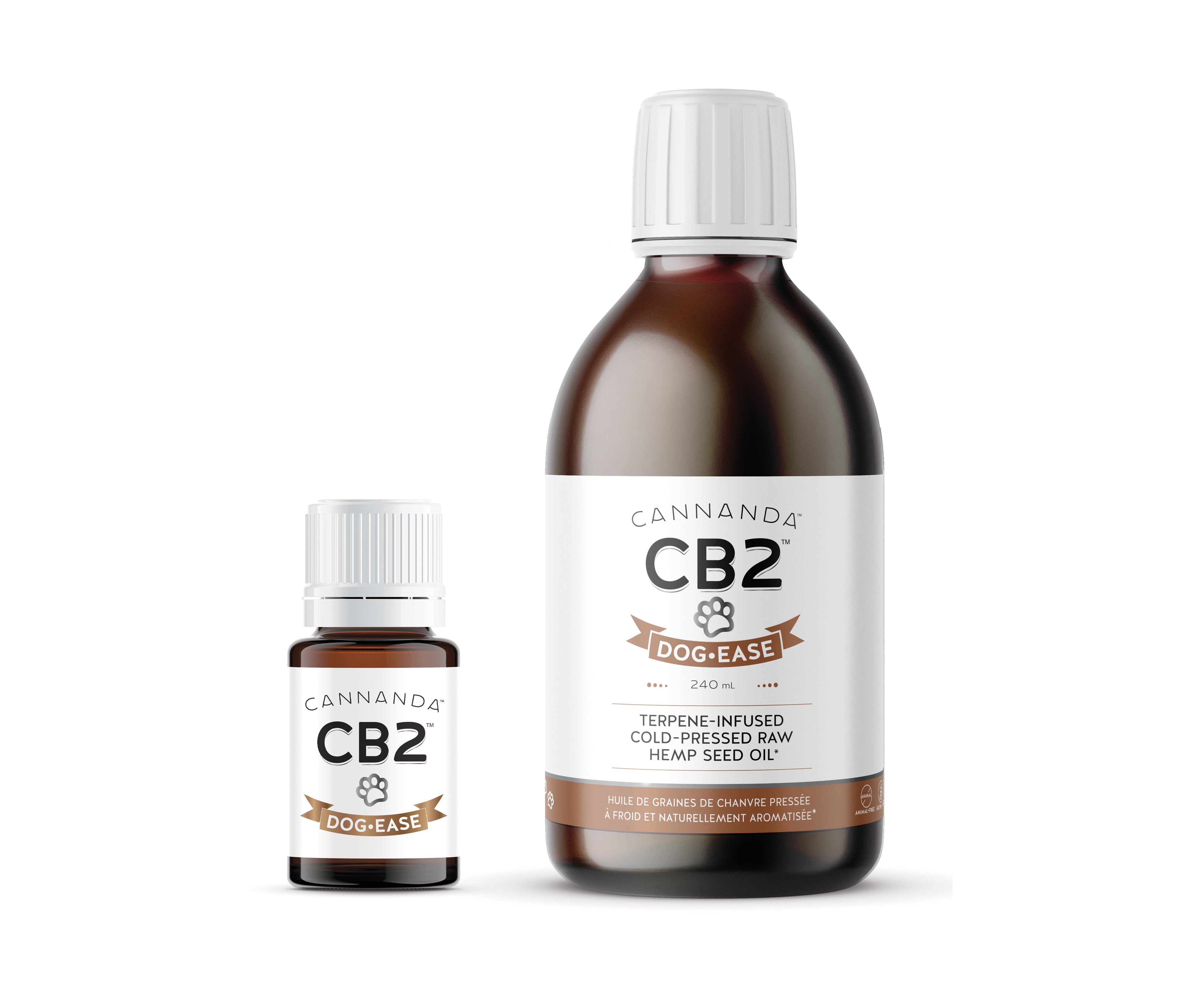
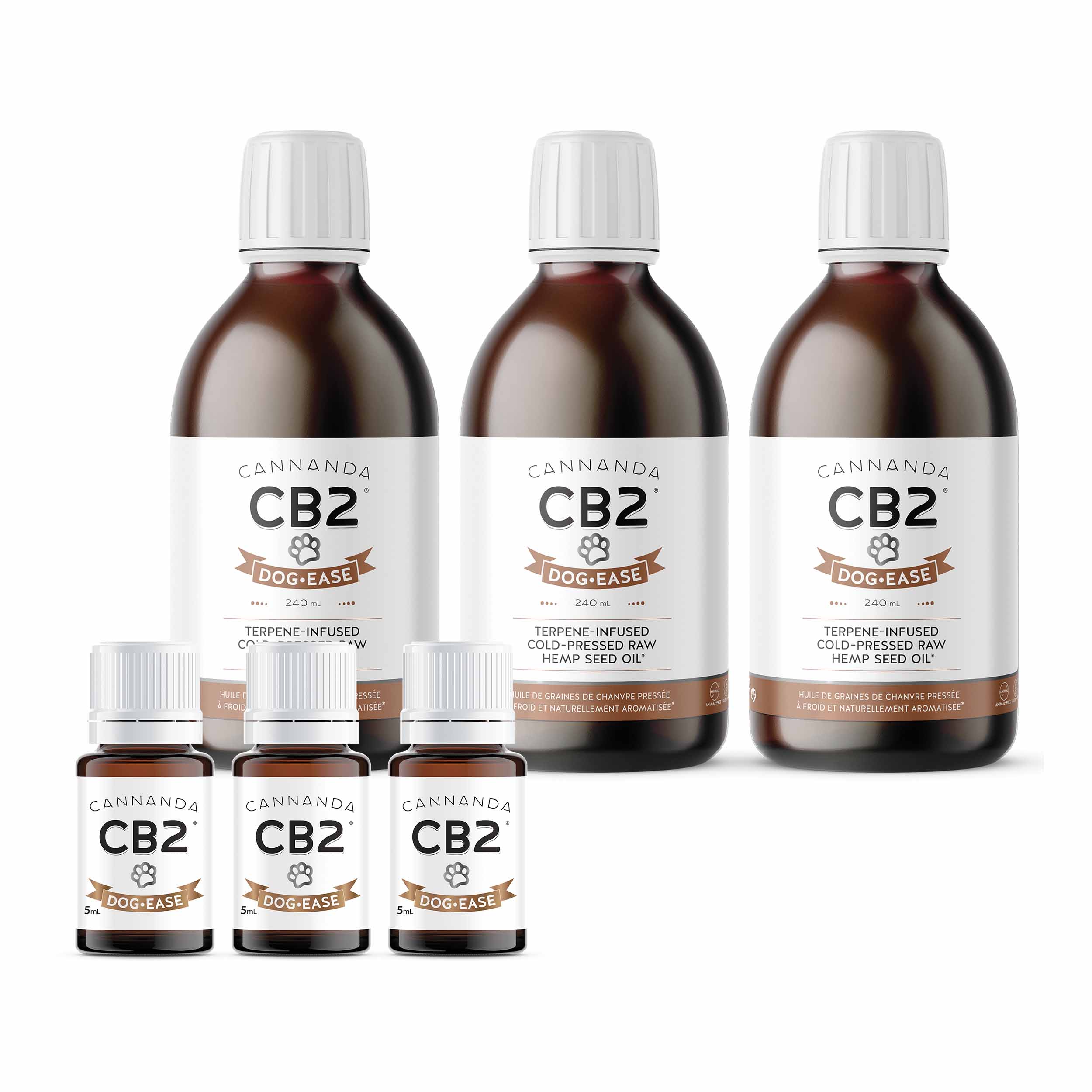
The finished oil is bottled in amber glass, blocking harmful light frequencies that drive oxidation, allowing no oxygen transfer, and containing no chemicals that could leach into the oil. Freshness is sealed in and maintained.
Industrial canola oil vs Cannanda CB2 Hemp Seed Oil
| Factor | Industrial canola oil | Cannanda CB2 Hemp Seed Oil |
|---|---|---|
| Extraction method | Hexane solvent | Cold-pressed, physical only |
| Processing agents | Hexane, NaOH, bleach | None — water only (steam distillation) |
| Fatty acid oxidation | Yes — high-heat processing | No — cold pressing preserves integrity |
| Solvent residues | Possible — not required to disclose | None |
| Packaging | Clear plastic | Amber glass |
| Omega-3:6 ratio | Poor — high omega-6, low omega-3 | Optimal — 1:3 omega-3:6 ratio |
| Contains GLA | No | Yes — anti-inflammatory omega-6 |
| Contains BCP | No | Yes — CB2 receptor activation |
| Shelf stability (unopened) | Continued oxidation from light | Minimal oxidation after 3 years |
Hemp seed oil's nutritional profile — what makes it worth choosing
Beyond the processing advantage, hemp seed oil has a nutritional profile that stands out among plant-based oils:
- Optimal omega-3:6 ratio — an approximately 1:3 ratio, which is close to the ratio health authorities recommend for anti-inflammatory balance.
- GLA (gamma-linolenic acid) — an omega-6 fatty acid with anti-inflammatory rather than pro-inflammatory effects. GLA is the same compound sought in evening primrose oil and borage oil for hormonal health. Cannanda CB2 Hemp Seed Oil provides as much GLA per serving as evening primrose oil.
- SDA (stearidonic acid) — a rare plant-based omega-3 precursor that converts more efficiently to EPA than ALA (the omega-3 in flaxseed oil).
- Polyphenols, phytosterols, and tocopherols — antioxidant compounds that support cardiovascular health and reduce oxidative stress.
- Beta-caryophyllene (in Cannanda CB2 Hemp Seed Oil) — the CB2 receptor-activating terpene that makes Cannanda's hemp seed oil a functional supplement, not just a dietary fat.
A seed oil that's genuinely good for you
Cold-pressed. Solvent-free. Amber glass. Three-year stability. Plus BCP for CB2 receptor activation.
Shop CB2 Hemp Seed OilFrequently Asked Questions
Are all seed oils bad for you?
No. The seed oil controversy is about industrial processing, not seed oils as a category. Minimally processed, cold-pressed seed oils with healthy fatty acid profiles — hemp seed oil, flaxseed oil, coconut oil — are genuinely healthy. Industrially refined seed oils processed with hexane, sodium hydroxide, and bleaching are the problem. Processing matters more than source.
Why is industrial canola oil problematic?
Industrial canola production involves hexane extraction (a neurotoxin), high-temperature processing to remove hexane (which oxidizes fatty acids), deodorizing with sodium hydroxide (a known carcinogen), and bleaching. The result contains oxidized fatty acids and potential chemical residues, packaged in clear plastic that continues oxidation on the shelf.
Why is hemp seed oil a healthier option?
Hemp seed oil has an ideal omega-3:6 ratio, GLA (an anti-inflammatory omega-6 rare in other plant oils), and SDA omega-3. When cold-pressed without solvents and stored in amber glass, it retains all nutritional benefits and remains stable. Cannanda CB2 Hemp Seed Oil adds BCP for CB2 receptor activation, making it a complete functional supplement.
Why does Cannanda use amber glass bottles?
Oils oxidize when exposed to light and oxygen. Clear plastic allows light penetration and oxygen transfer, while plastic chemicals can leach into the oil. Amber glass blocks harmful light, allows no oxygen transfer, and contains nothing that leaches into the oil — preserving freshness from production to consumption.
How long does Cannanda CB2 Hemp Seed Oil stay fresh?
Rigorous stability tests show minimal oxidation in an unopened bottle after three years at room temperature. This reflects cold-pressing, solvent-free processing, and amber glass packaging working together. Once opened, store away from direct light and heat for best results.