Natural Relief for IBS: Working With Your Gut, Not Against It
How beta-caryophyllene activates the gut's CB2 receptors to reduce inflammation, regulate motility, relieve visceral pain, and support gut barrier integrity — plus a complete natural strategy for IBS.
This article is for educational purposes. IBS has many presentations and potential underlying causes. Nothing here constitutes medical advice or replaces a diagnosis and treatment plan from your healthcare provider. Always discuss new supplements with your doctor before adding them to your IBS management plan.
You've been diagnosed with IBS — or you strongly suspect you have it. Conventional approaches (antispasmodics, laxatives, antidepressants, dietary changes) have helped partially or not at all. You want to understand what's actually happening in your gut and what the science says about natural approaches that address the underlying biology rather than just managing symptoms.
IBS involves endocannabinoid system dysregulation in the gut — and the gut is one of the most CB2-receptor-dense environments in the body. Beta-caryophyllene (BCP) directly activates those CB2 receptors, reducing gut inflammation, regulating motility, relieving visceral pain, protecting the gut lining, and supporting the ECS balance that some researchers propose is deficient in IBS. Combined with a layered strategy including the low-FODMAP diet, strain-specific probiotics, and gut-brain axis support, CB2 oil offers a natural approach that targets IBS biology rather than masking symptoms.
Irritable bowel syndrome (IBS) affects up to 15% of the global population, making it one of the most common gastrointestinal disorders worldwide. It's characterized by abdominal pain, bloating, and altered bowel habits — diarrhea, constipation, or both. Conventional treatments are genuinely limited: antispasmodics, fiber supplements, low-FODMAP diets, and sometimes antidepressants. Many people find these only partially helpful, because they don't address the underlying mechanisms driving their symptoms.
Understanding those mechanisms — and targeting them directly — is the key to meaningful, sustained IBS relief. This article walks through the biology of IBS, why conventional approaches often fall short, and what a comprehensive natural strategy looks like. Central to that strategy is beta-caryophyllene (BCP) and its interaction with the endocannabinoid system in your gut.
Understanding IBS: more than just a sensitive stomach
IBS is a functional gastrointestinal disorder — meaning the structure of the gut looks normal on investigation, but the way it functions is abnormal. It presents in three main subtypes:
Frequent loose stools, urgency, and cramping. Gut moves too fast. Most common in younger adults.
Infrequent, hard stools with bloating and abdominal discomfort. Gut moves too slowly.
Alternating diarrhea and constipation. Often the most frustrating to manage with conventional approaches.
What all three subtypes share is visceral hypersensitivity — the gut becomes abnormally sensitive to normal stimuli like gas, movement, and pressure, interpreting them as pain. Most IBS sufferers also have altered gut motility, low-grade gut inflammation, disrupted gut barrier function (sometimes called "leaky gut"), and a dysregulated gut-brain axis that amplifies gut sensations into whole-body symptoms including fatigue, anxiety, and brain fog.
The gut has its own nervous system — the enteric nervous system — which contains more neurons than the spinal cord and communicates continuously with the brain via the vagus nerve. Psychological stress activates the hypothalamic-pituitary-adrenal (HPA) axis, releasing cortisol and activating the sympathetic nervous system. Both increase gut permeability, alter motility, amplify visceral pain signals, and promote inflammatory activity in gut tissue. This is the biological reason IBS flares reliably during periods of stress — and why stress management is a legitimate therapeutic tool, not just lifestyle advice.
Why conventional treatments often fall short
| Treatment | The problem | What's missing |
|---|---|---|
| Antispasmodics | Only masks cramping; no anti-inflammatory effect | Doesn't address gut inflammation or hypersensitivity |
| Antidepressants (low-dose) | Broad CNS effects; side effect burden | Doesn't target gut ECS; affects whole nervous system |
| Loperamide (IBS-D) | Controls diarrhea only; doesn't address pain | No effect on inflammation or visceral hypersensitivity |
| Laxatives (IBS-C) | Manages constipation symptomatically | No effect on underlying motility dysregulation |
| Low-FODMAP diet | Highly restrictive; ~20-50% don't respond | Manages dietary triggers only; not a cure |
| NSAIDs (for pain) | Damage the gut lining; worsen leaky gut | Actively counterproductive for gut health |
The common thread is that conventional treatments address individual symptoms without targeting the underlying biological dysfunction. The endocannabinoid system offers a different approach — one that regulates multiple IBS mechanisms simultaneously from a single pathway.
Why the endocannabinoid system matters for IBS
Your gut is one of the most CB2-receptor-dense environments in your entire body. This isn't a coincidence — the endocannabinoid system in the gut plays a fundamental role in regulating everything that goes wrong in IBS:
The ECS regulates how quickly contents move through the intestines. CB2 receptor activation slows motility — directly relevant to IBS-D (diarrhea-predominant IBS) where the gut moves too fast.
CB2 receptors in gut-associated immune tissue regulate the production of pro-inflammatory cytokines. Low-grade gut inflammation is now recognized as a consistent feature of IBS, even when clinical inflammation tests appear normal.
The ECS regulates the tight junctions between intestinal cells that keep gut contents from leaking into the bloodstream. CB2 activation supports barrier integrity — addressing what is commonly described as "leaky gut."
CB2 receptors in the enteric nervous system and spinal pain pathways modulate visceral hypersensitivity — the hallmark amplified pain response of IBS. Activation reduces the exaggerated pain signalling that makes normal gut sensations feel agonizing.
CB2 receptors help calibrate gut immune activity — preventing both underactivity (vulnerability to infection) and overactivity (the immune-driven inflammation increasingly associated with IBS pathology).
Researcher Ethan Russo has proposed the theory of clinical endocannabinoid deficiency (CECD) — the idea that insufficient endocannabinoid tone underlies a cluster of conditions including IBS, fibromyalgia, and migraine. In this framework, supporting ECS function through CB2 receptor activation isn't treating a symptom — it's addressing a root-level regulatory failure.
How BCP supports gut health — five mechanisms
Beta-caryophyllene (BCP) is a dietary terpene found in black pepper, cloves, and hemp. It is a selective CB2 receptor agonist — the first dietary compound identified to directly activate the endocannabinoid system. In the gut context, this selectivity is particularly valuable: activating CB2 without CB1 means no intoxication, no impaired motility from CB1 effects, and no appetite stimulation.
Mechanism
BCP activates CB2 receptors in gut-associated immune cells, reducing the production of pro-inflammatory cytokines (TNF-α, IL-1β, IL-6) and suppressing NF-κB activation. This reduces the low-grade gut inflammation that underlies IBS pathology — even when standard inflammatory markers don't flag it on routine tests.
Studies
Mechanism
BCP has direct gastroprotective effects — it actively protects the stomach and intestinal lining from damage. This is the opposite of what NSAIDs do. For people with IBS who have been relying on ibuprofen or aspirin for pain, this distinction is important: every NSAID dose is eroding the gut lining BCP helps protect.
Studies
This gastroprotective property is also why CB2 oil is well-tolerated in the gut even at therapeutic doses — unlike many conventional pain and anti-inflammatory medications.
Mechanism
CB2 receptors in the enteric nervous system regulate how fast or slow contents move through the intestines. CB2 receptor activation has a generally slowing effect on gut transit — most directly beneficial for IBS-D (diarrhea-predominant) where gut contents move too quickly. For IBS-C and IBS-M, BCP's value is more in reducing inflammation and visceral pain than in directly affecting transit speed.
Crucially, BCP's effect on motility is a modulating one — supporting the ECS's natural regulatory role — rather than the blunt pharmacological suppression of antidiarrheal drugs like loperamide that don't address the underlying cause.
Mechanism
Visceral hypersensitivity is arguably the defining feature of IBS — the gut becomes pathologically sensitive, registering normal sensations (gas, movement, stool) as pain. CB2 receptors are expressed throughout the enteric nervous system and in the spinal pathways that transmit gut pain signals to the brain. BCP's activation of these receptors reduces the sensitized pain signalling characteristic of IBS.
Research across multiple pain models confirms BCP's visceral and neuropathic analgesic effects are CB2-receptor-dependent and develop without tolerance over prolonged use. This means people can use it long-term — as needed for a chronic condition like IBS — without losing efficacy.
Mechanism
The gut lining is a single-cell-thick barrier that must selectively allow nutrients through while blocking pathogens and toxins. In IBS, this barrier becomes compromised — tight junctions between cells loosen, allowing gut contents to interact with immune tissue in ways that trigger inflammatory responses and worsen symptoms. This is the biological basis of "leaky gut," and it's increasingly recognized as a significant feature of IBS pathology rather than a fringe concept.
CB2 receptor activation supports tight junction integrity through its anti-inflammatory effects and its direct influence on intestinal epithelial cell function. The studies on BCP in colitis models — where colonic damage scores and barrier function markers both improved — demonstrate this protective effect on gut architecture.
A comprehensive natural strategy for IBS
BCP and CB2 receptor support are most effective as part of a layered approach. Here are the other natural interventions with meaningful evidence, alongside how they work with BCP:
The low-FODMAP approach restricts fermentable carbohydrates that are poorly absorbed in the small intestine and rapidly fermented by gut bacteria — generating gas, bloating, and triggering motility changes in sensitive people. Meta-analyses consistently show it improves symptoms in the majority of IBS patients who follow it correctly.
The key caveat: it should be done in phases with professional guidance. The strict elimination phase is temporary — the goal is systematic reintroduction to identify your specific triggers, not lifelong restriction of all FODMAPs. Many people mistakenly stay in the elimination phase indefinitely, which can compromise gut microbiome diversity over time.
Works with BCP because: low-FODMAP reduces dietary triggers while BCP reduces the underlying gut inflammation and hypersensitivity that makes those triggers so disruptive. Together they address the environment and the biological sensitivity simultaneously.
Not all probiotics help IBS — and some can worsen symptoms. The evidence is strain-specific, not category-wide. Strains with the strongest IBS data include Bifidobacterium infantis 35624 (reduces pain and bloating), Lactobacillus rhamnosus GG (IBS-D), Saccharomyces boulardii (IBS-D and antibiotic-associated diarrhea), and VSL#3 multi-strain blend (broader IBS benefit). Generic "probiotic supplements" without identified strains have weak evidence.
Works with BCP because: probiotics address gut microbiome composition while BCP addresses gut immune and inflammatory tone. A healthier microbiome produces fewer inflammatory metabolites; BCP makes the gut tissue less reactive to those that remain.
Enteric-coated peppermint oil is one of the better-evidenced natural antispasmodics for IBS. The menthol in peppermint oil relaxes smooth muscle in the gut wall through calcium channel blockade, reducing cramping and spasm. Several meta-analyses have found it superior to placebo for global IBS symptom relief. Enteric-coating is important — non-enteric versions release in the stomach and cause heartburn rather than reaching the intestines where the effect is needed.
Works with BCP because: peppermint oil addresses smooth muscle spasm (the cramping component) while BCP addresses inflammation and pain hypersensitivity. Complementary mechanisms for different aspects of IBS discomfort.
Gut-directed hypnotherapy has the most consistent evidence for IBS of any psychological intervention — multiple RCTs show meaningful, durable symptom improvement. Cognitive behavioral therapy (CBT) adapted for IBS has similar evidence. Both work by modulating the brain-to-gut signalling that amplifies gut sensitivity and motility disruption. Mindfulness-based stress reduction (MBSR) has also shown benefit in IBS research.
BCP's anxiolytic effects through CB2 receptor activation support this approach from the physiological side — reducing the stress-mediated neuroinflammation and HPA axis overactivation that worsen gut symptoms. Improved sleep with consistent BCP use also reduces the cortisol load that stresses the gut-brain axis overnight.
Soluble fibre (psyllium husk is the best-studied) improves stool consistency and frequency in IBS-C and shows some benefit in IBS-D by absorbing excess water. It should be added gradually to avoid worsening bloating, and is more relevant for IBS-C and IBS-M than IBS-D. Insoluble fibre (wheat bran) can worsen IBS symptoms for many people and should generally be avoided.
BCP vs CBD for IBS — an important distinction
People often assume CBD oil and CB2 oil work the same way for gut health. They don't. BCP directly activates CB2 receptors in gut tissue — the specific receptors most relevant to IBS pathology. CBD does not directly activate CB2 receptors; its ECS effects are indirect and work through different mechanisms. BCP also has no CYP450 drug interactions (CBD does), GRAS food-ingredient status (CBD's was revoked), and no THC contamination risk. For a full comparison see our CB2 oil vs CBD oil guide.
Which Cannanda product for IBS
Two formats are most relevant for IBS specifically:
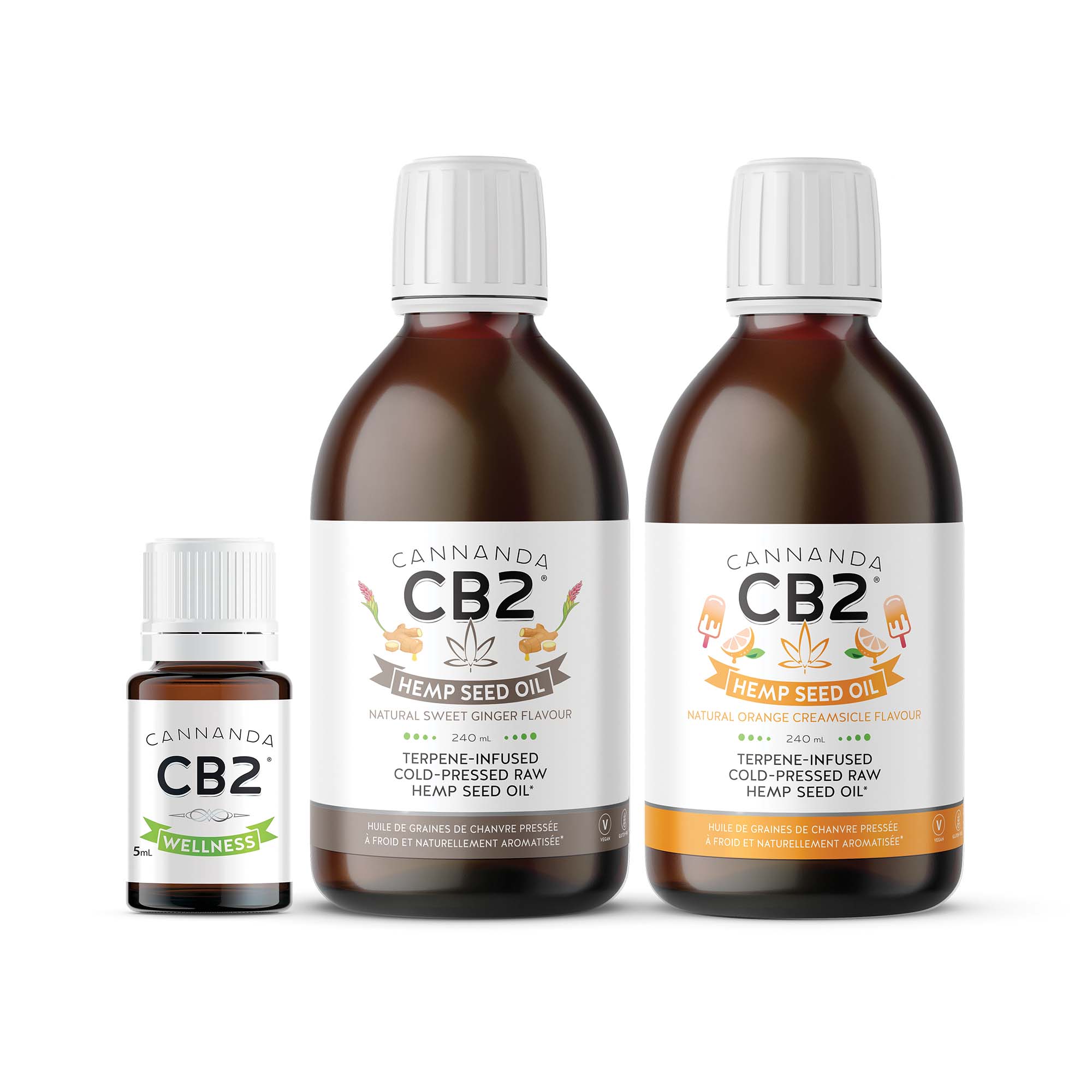
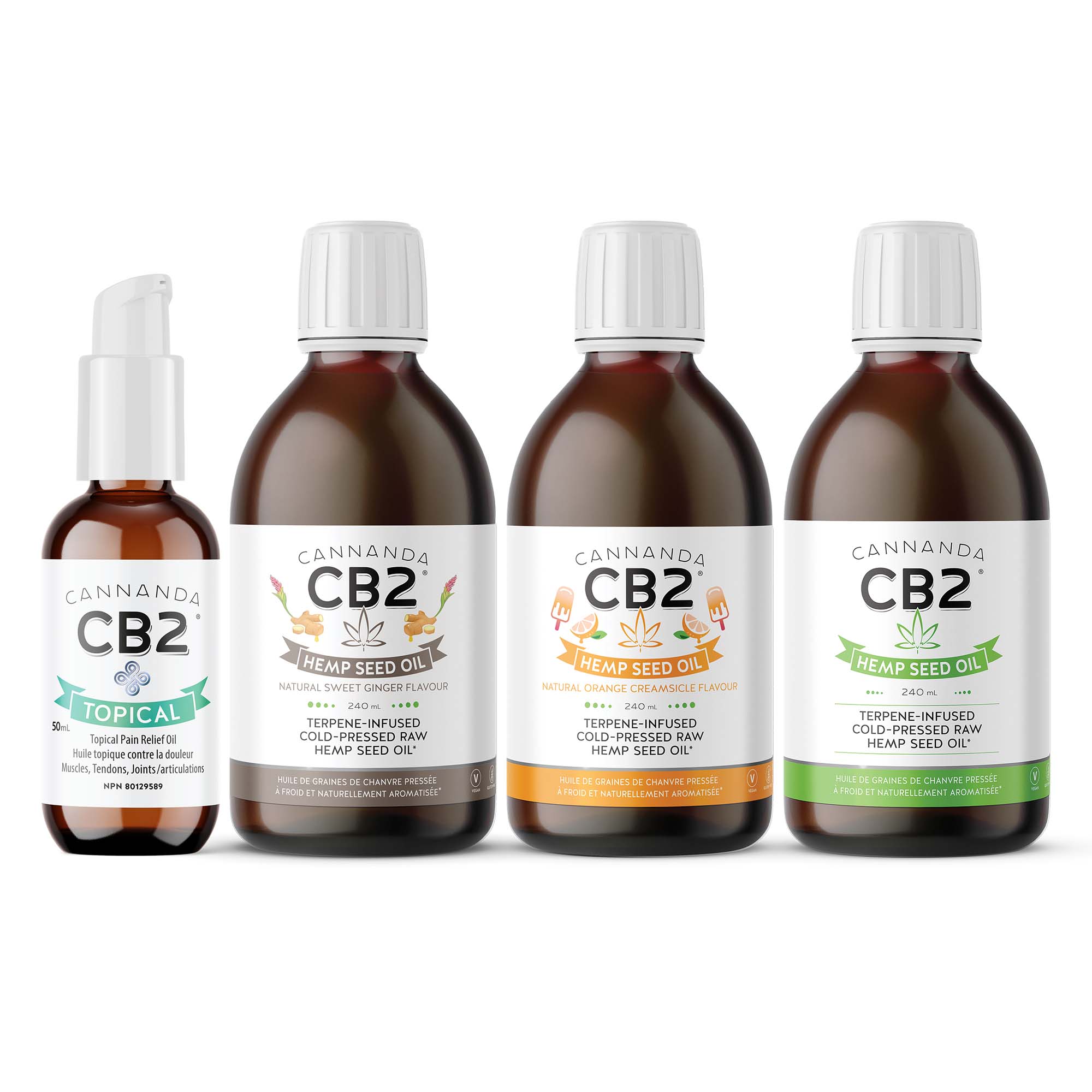
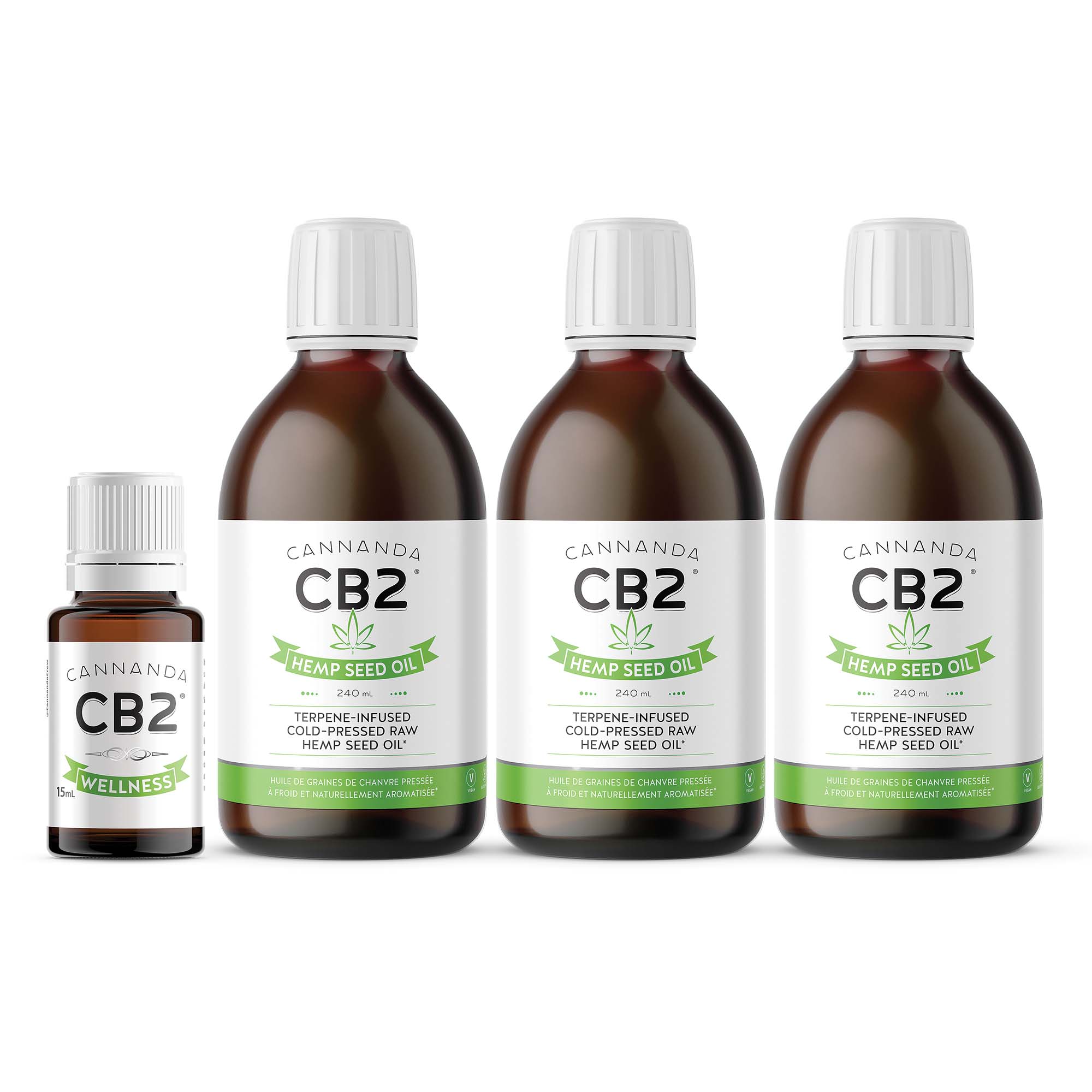
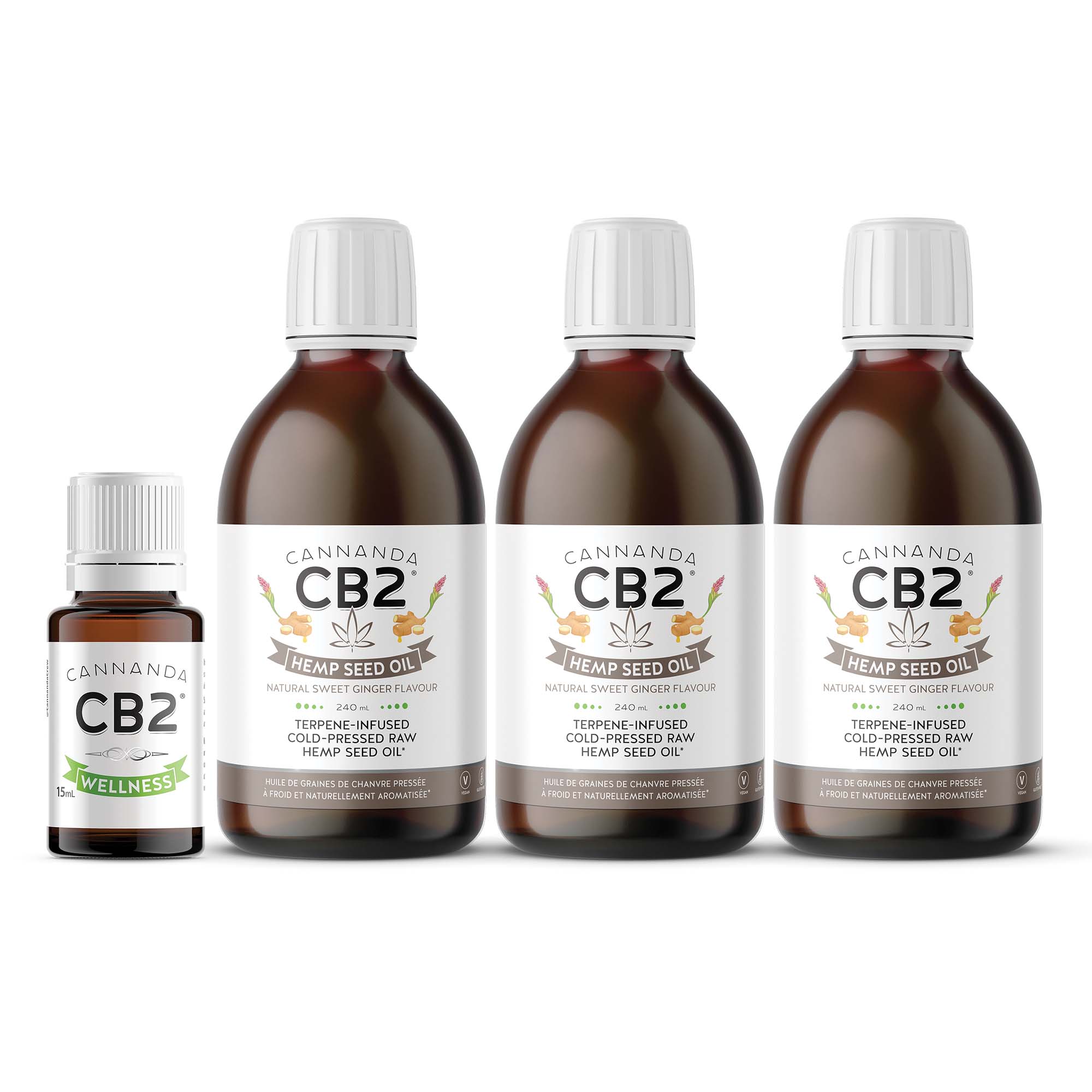
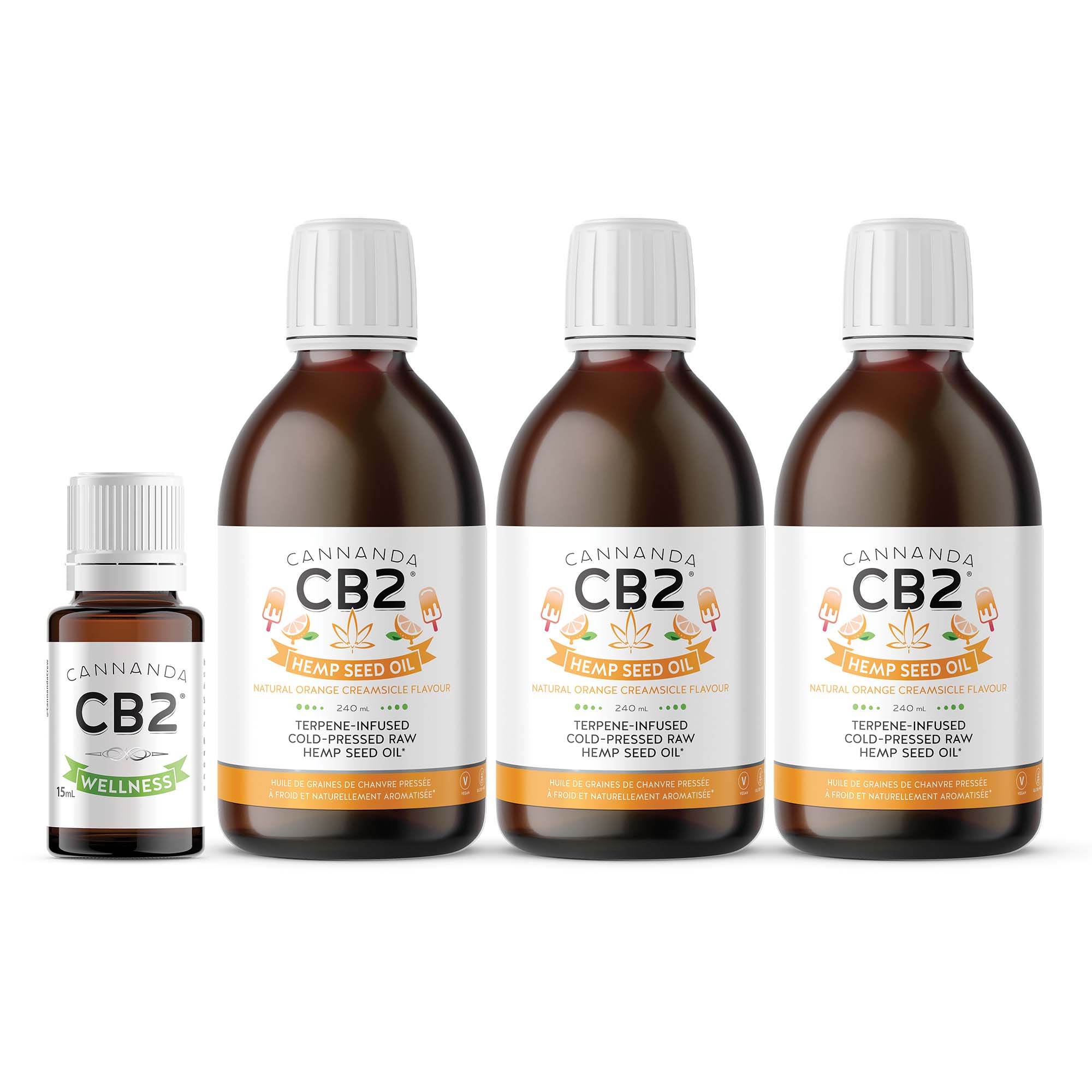
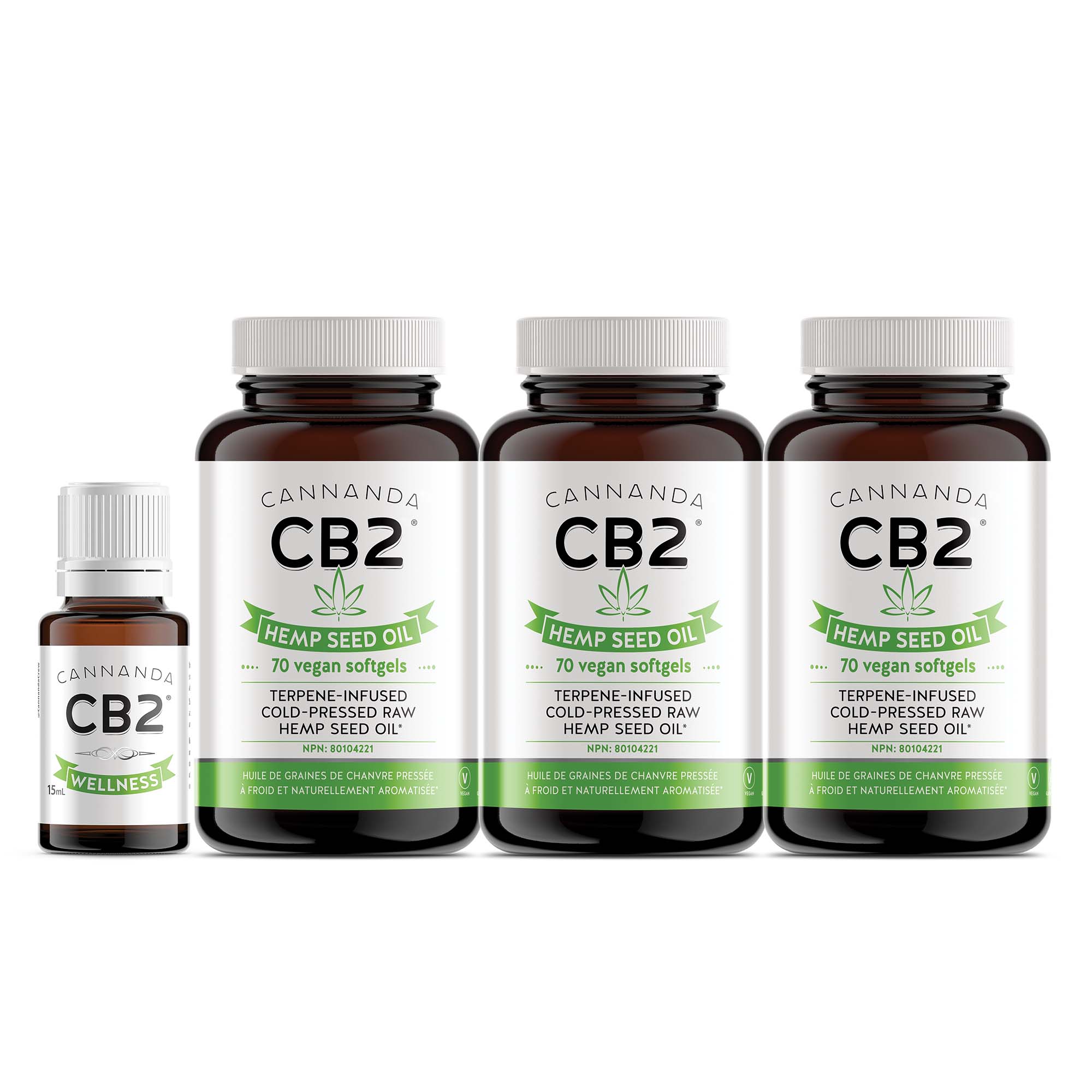
- CB2 Hemp Seed Oil — BCP delivered in organic hemp seed oil provides sustained release through digestion, with the hemp seed oil itself contributing anti-inflammatory omega-3 and omega-6 fatty acids that support endocannabinoid production in gut tissue. Taking it with meals means BCP reaches the gut in the presence of dietary fat, which maximizes absorption. Available in original, Sweet Ginger, and Orange Creamsicle flavours, and as vegan softgels.
- CB2 Wellness — concentrated BCP terpene blend for sublingual use. Faster onset makes it useful for acute flares — take sublingually at the first sign of cramping or discomfort for faster action than the oil-with-meal approach.
- CB2 Cool — oral drops format, convenient for daily maintenance dosing.
Many people with IBS use CB2 Hemp Seed Oil at meals for daily background support and keep CB2 Wellness on hand for acute flares.
A practical protocol for IBS management
Take CB2 Hemp Seed Oil with each meal for sustained gut CB2 receptor support throughout the day. Start at Cannanda's recommended dose and give it 2–4 weeks of consistent use before assessing results. Gut inflammation takes time to reduce.
Work with a dietitian to run a proper low-FODMAP elimination and reintroduction protocol. This identifies your specific dietary triggers — which are often more individual than most people expect. Don't rely on generic "IBS diet" lists; identify your personal triggers through systematic reintroduction.
Choose based on your IBS subtype. Bifidobacterium infantis 35624 for general IBS pain and bloating; Lactobacillus rhamnosus GG or S. boulardii for IBS-D. Give it 8 weeks to assess benefit — probiotic effects develop slowly.
Some form of stress management practice is not optional for IBS — the gut-brain connection is too fundamental. Gut-directed hypnotherapy apps and programs are available and evidence-based. At minimum, consistent sleep and daily movement reduce the cortisol load that chronically stresses gut function.
Keep sublingual CB2 Wellness available for acute symptom flares. The sublingual route absorbs faster than the digestive route — useful when you need faster-acting support for cramping or discomfort.
IBS is a chronic condition involving established gut inflammation and neural sensitization. These patterns take weeks to months to shift meaningfully. Consistency across all elements of the protocol matters more than any single intervention. Track your symptoms — a symptom diary helps identify patterns and measure progress objectively.
Work with your gut, not against it
Direct CB2 receptor activation in the gut. Anti-inflammatory, gastroprotective, no drug interactions. Made by the company that invented CB2 oil.
Shop CB2 Hemp Seed OilFrequently Asked Questions
Can CB2 oil help with IBS?
The mechanisms are directly relevant. CB2 receptors are highly concentrated in the gut's immune and nervous tissue. Beta-caryophyllene in Cannanda CB2 oil activates these receptors, reducing gut inflammation, regulating motility, relieving visceral pain, and supporting gut barrier integrity — all dysfunctions central to IBS. Cannanda does not make approved disease claims for IBS, but the underlying biology is a strong mechanistic fit, and many people with IBS use CB2 oil on this basis.
What is clinical endocannabinoid deficiency and how does it relate to IBS?
Clinical endocannabinoid deficiency (CECD) is a theory proposed by researcher Ethan Russo suggesting that insufficient endocannabinoid tone underlies several conditions including IBS, fibromyalgia, and migraine. The endocannabinoid system normally maintains gut homeostasis — regulating pain, motility, inflammation, and barrier function — and CECD proposes that deficiency in this system allows these functions to become dysregulated. Supporting ECS tone through CB2 receptor activation with BCP is a rational response to this proposed deficiency.
Is BCP the same as CBD for gut health?
No. Beta-caryophyllene and CBD are fundamentally different. BCP directly activates CB2 receptors in the gut — the receptors most relevant to gut inflammation, motility, and pain. CBD does not directly activate CB2 receptors. BCP also has FDA GRAS food-ingredient status, no CYP450 drug interactions, and no THC contamination risk. For a full comparison see our CB2 vs CBD guide.
Does BCP help with IBS diarrhea or IBS constipation?
CB2 receptor activation tends to reduce gut motility — slowing transit time — which is most directly relevant to IBS-D where the gut moves too fast. For IBS-C, BCP's value is more in reducing gut inflammation, visceral pain, and bloating. For mixed IBS (IBS-M), its anti-inflammatory and pain-modulating effects are beneficial regardless of the predominant bowel pattern.
What is the low-FODMAP diet and should I try it for IBS?
The low-FODMAP diet restricts fermentable carbohydrates that are poorly absorbed in the small intestine and rapidly fermented by gut bacteria, causing gas, bloating, and altered motility in sensitive individuals. Meta-analyses show it improves IBS symptoms in approximately 50–80% of patients who follow it correctly. It is best done with a dietitian and involves a strict elimination phase followed by careful reintroduction to identify specific personal triggers. It is not a permanent way of eating — the goal is to identify your triggers, not restrict forever.
Is Cannanda CB2 oil safe for people on IBS medications?
CB2 oil has no documented adverse drug interactions at Cannanda's recommended doses. Unlike CBD, it is not metabolized through the CYP450 enzyme pathway. This makes it safe alongside antispasmodics, antidepressants used for IBS (amitriptyline, duloxetine), loperamide, and other common IBS treatments. Always inform your healthcare provider about supplements you're taking.
What is visceral hypersensitivity and how does BCP address it?
Visceral hypersensitivity is a defining feature of IBS — the gut becomes abnormally sensitive to normal stimuli like gas, stool, and movement, interpreting them as pain. CB2 receptors are expressed in the enteric nervous system and spinal cord pathways that transmit gut pain signals. BCP's activation of these receptors reduces the amplified pain signalling associated with visceral hypersensitivity, helping restore more normal pain thresholds in the gut.
What probiotics are best for IBS?
Probiotic evidence for IBS is strain-specific. Strains with the strongest evidence include Bifidobacterium infantis 35624 (pain and bloating), Lactobacillus rhamnosus GG (IBS-D), Saccharomyces boulardii (IBS-D), and VSL#3 multi-strain blend (broader IBS). Generic probiotic supplements without identified strains have weak evidence and may not help. Work with a healthcare provider to match the strain to your IBS subtype.
Why does stress make IBS worse?
The gut-brain axis connects the central nervous system and the gut's own enteric nervous system. Psychological stress activates the HPA axis, increasing cortisol and sympathetic nervous system tone — both of which alter gut motility, increase gut permeability, amplify visceral pain sensitivity, and promote gut inflammation. This is why IBS flares reliably during stressful periods, and why stress management techniques including gut-directed hypnotherapy have genuine clinical evidence for IBS symptom relief.
References
- Cho JY, et al. (2007). Inhibitory effects of beta-caryophyllene on LPS-induced inflammatory response in vascular endothelial cells. Life Sciences, 80(10), 932–939.
- Bento AF, et al. (2011). β-Caryophyllene inhibits dextran sulfate sodium-induced colitis in mice through CB2 receptor activation and PPARγ pathway. American Journal of Pathology, 178(3), 1153–1166.
- Russo EB. (2016). Clinical endocannabinoid deficiency reconsidered: current research supports the theory in migraine, fibromyalgia, irritable bowel, and other treatment-resistant syndromes. Cannabis and Cannabinoid Research, 1(1), 154–165.
- Tambe Y, et al. (1996). Gastric cytoprotection of the non-steroidal anti-inflammatory sesquiterpene, β-caryophyllene. Planta Medica, 62(5), 469–470.
- Ibrahim MM, et al. (2005). Activation of CB2 cannabinoid receptors inhibits inflammation and pain without producing tolerance. European Journal of Pharmacology, 521(1–3), 172–182.
- Gertsch J, et al. (2008). Beta-caryophyllene is a dietary cannabinoid. PNAS, 105(26), 9099–9104.
- Stasi C, et al. (2019). Evidence-based approaches to the management of irritable bowel syndrome. Gastroenterology Research and Practice, 2019, 3416498.
- Gibson PR, & Shepherd SJ. (2010). Evidence-based dietary management of functional gastrointestinal symptoms: the FODMAP approach. Journal of Gastroenterology and Hepatology, 25(2), 252–258.
- Ford AC, et al. (2018). American College of Gastroenterology monograph on management of irritable bowel syndrome. American Journal of Gastroenterology, 113(Suppl 2), 1–18.