Is Beta-Caryophyllene a Cannabinoid? Classification Explained
The answer is genuinely interesting: BCP is both a terpene and a cannabinoid simultaneously, the only compound in history to hold that distinction.
You've seen BCP described as both a terpene and a cannabinoid and you want to understand why both descriptions are accurate, and what that means practically. This article explains the classification, the 2008 discovery that changed how we understand the endocannabinoid system, and how BCP compares to THC, CBD, and the endocannabinoids your body makes itself.
BCP is a terpene by chemical structure and a cannabinoid by function. In 2008, researchers discovered that BCP selectively activates CB2 receptors (the same receptor site where THC binds), making it the world's first identified dietary cannabinoid. Unlike THC (intoxicating, activates CB1 and CB2) and CBD (doesn't directly activate any cannabinoid receptor), BCP is CB2-selective, non-intoxicating, has no drug interactions at recommended doses (with an exception for those on medications with a narrow therapeutic window), and is not regulated as a cannabis product anywhere. You've been consuming it in black pepper and cloves your entire life.
This is one of the most common questions people ask about beta-caryophyllene (BCP), and the answer is genuinely interesting: it's both a terpene AND a cannabinoid. That makes it unique in all of nature, and it reframes what the endocannabinoid system actually is and how it was always meant to be supported.
What "cannabinoid" actually means
The definition of cannabinoid has evolved as the science has. Originally, it referred narrowly to compounds from the cannabis plant that interact with cannabinoid receptors: THC, CBD, CBN, CBG. These are phytocannabinoids: plant-derived (phyto) compounds that activate the cannabinoid receptor system.
Then the definition expanded in two directions. Scientists discovered that your body makes its own cannabinoid-like compounds (endocannabinoids like anandamide and 2-AG) that activate the same receptors. And synthetic compounds were developed that also interact with these receptors.
So the working definition broadened to what it is today: any compound, natural or synthetic, that activates CB1 and/or CB2 receptors in the endocannabinoid system. Source doesn't matter. Chemistry class doesn't matter. What matters is whether the compound activates a cannabinoid receptor.
Where BCP fits in: the 2008 discovery
BCP is, structurally, a terpene. Specifically, it's a bicyclic sesquiterpene, a class of aromatic compounds found in plant essential oils. It gives black pepper its spicy kick and contributes to the aroma of cloves, rosemary, and dozens of other plants. Terpenes and cannabinoids are chemically distinct compound classes, and BCP had always been categorized firmly as a terpene.
Then in 2008, researchers at ETH Zurich discovered something nobody expected.
By the functional definition, that makes BCP a cannabinoid. It activates a cannabinoid receptor. It triggers cannabinoid-receptor-mediated effects. And because it comes from foods humans have eaten throughout history, it earns the "dietary" designation that makes it categorically different from every other known cannabinoid.
The "dietary" part is the most important word
The dietary designation does a lot of work. Unlike THC or CBD, which come from specialized cannabis flowers and require cultivation and extraction, BCP is found in everyday foods: black pepper, oregano, cinnamon, cloves, basil, rosemary. You eat it with every spiced meal.
This means BCP is a cannabinoid that's always been part of the normal human diet. The endocannabinoid system didn't evolve in isolation waiting for someone to discover cannabis. It co-evolved alongside a diet rich in terpenes, including the dietary cannabinoid BCP. Supporting your endocannabinoid system with BCP isn't a pharmaceutical intervention; it's restoring a nutritional relationship that predates recorded history.
How BCP compares to other cannabinoids
| Property | THC | CBD | BCP (dietary cannabinoid) |
|---|---|---|---|
| Chemical class | Phytocannabinoid | Phytocannabinoid | Terpene (sesquiterpene) AND dietary cannabinoid |
| Source | Cannabis flowers | Cannabis flowers | Black pepper, cloves, food plants |
| CB1 receptor activation | Yes; causes intoxication | No direct activation | No; zero intoxicating effects |
| CB2 receptor activation | Yes, non-selective | No direct activation | Yes, direct and selective |
| Drug interactions | Numerous | Inhibits CYP450 enzymes; interacts with many medications | None known at recommended doses* |
| Drug test risk | High | Real risk (contamination + CBD can degrade to THC) | None; zero THC, zero CBD |
| Regulatory status | Controlled substance in most jurisdictions | Varies by country; restricted in many | GRAS food ingredient; legal worldwide |
| In everyday diet | No | No | Yes: black pepper, cloves, basil, oregano |
*Except for those on a medication with a narrow therapeutic window, who should talk to a doctor before starting.
Why this classification matters for how you think about the ECS
Understanding that BCP is a dietary cannabinoid reframes the endocannabinoid system entirely. It's not a system that evolved to respond to cannabis; that would be a strange evolutionary story. It's a master regulatory system that responds to dietary compounds your body encounters through normal food, exercise, and living. Cannabis happens to contain some of those compounds at high concentrations, which is why it has such pronounced effects. But the system doesn't depend on cannabis.
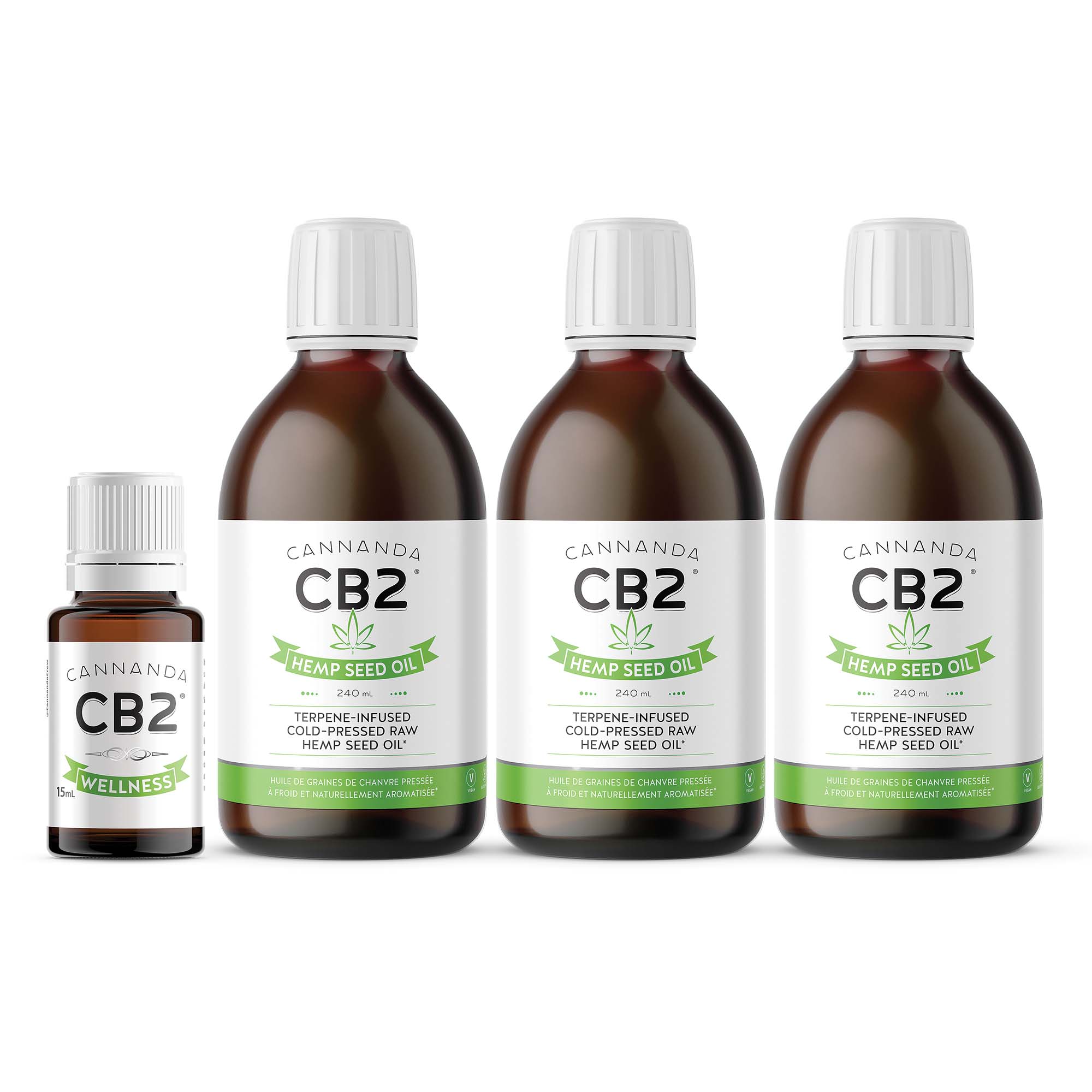
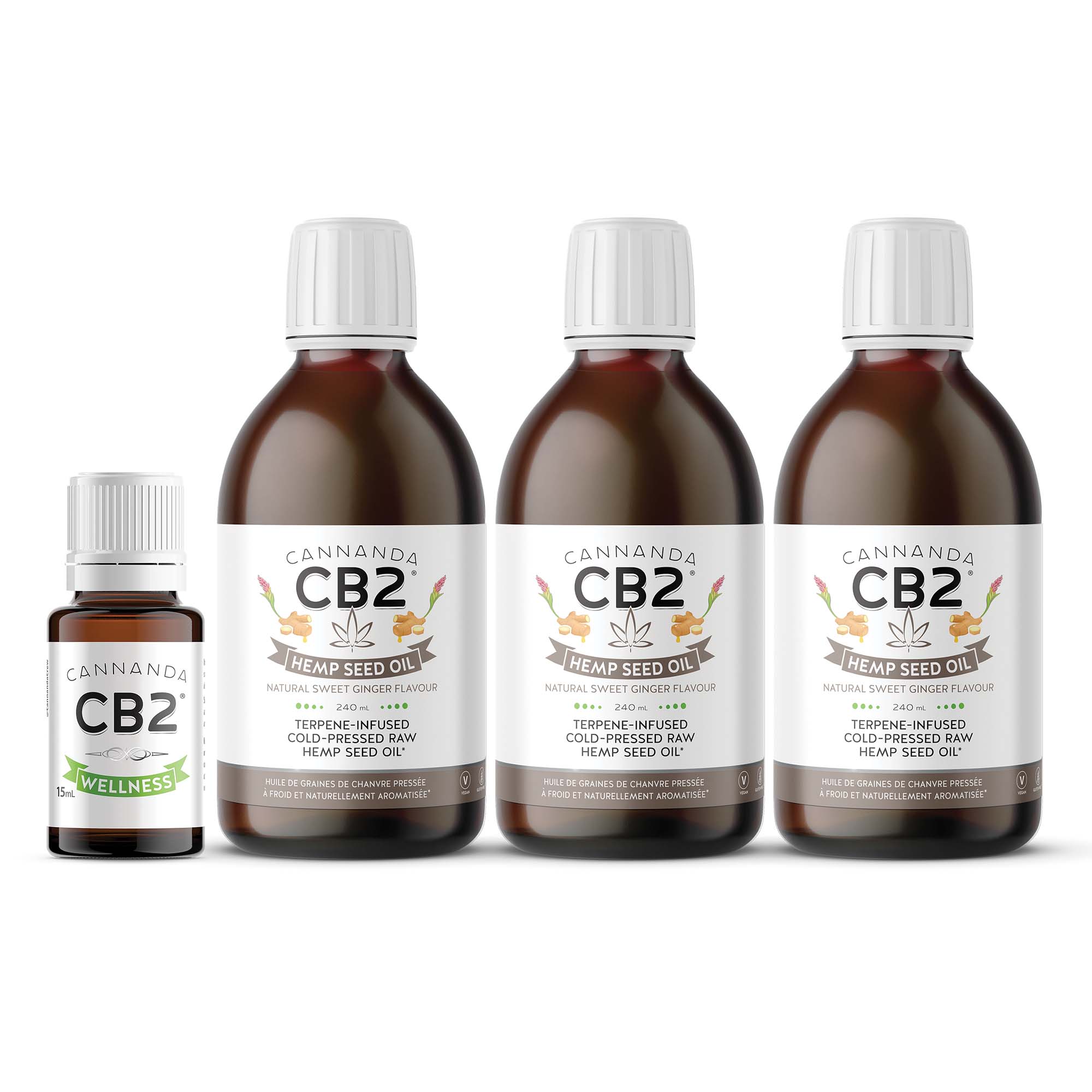
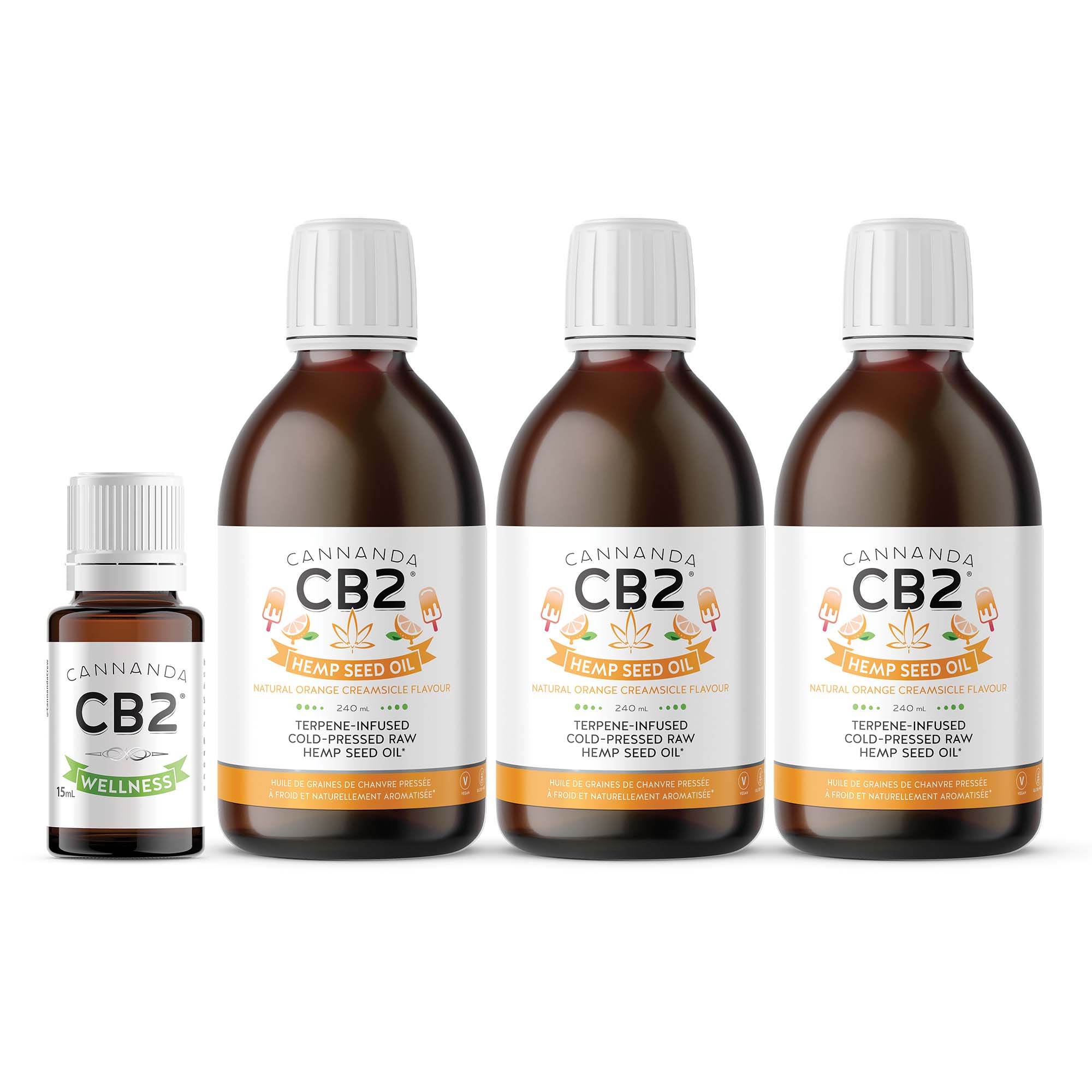
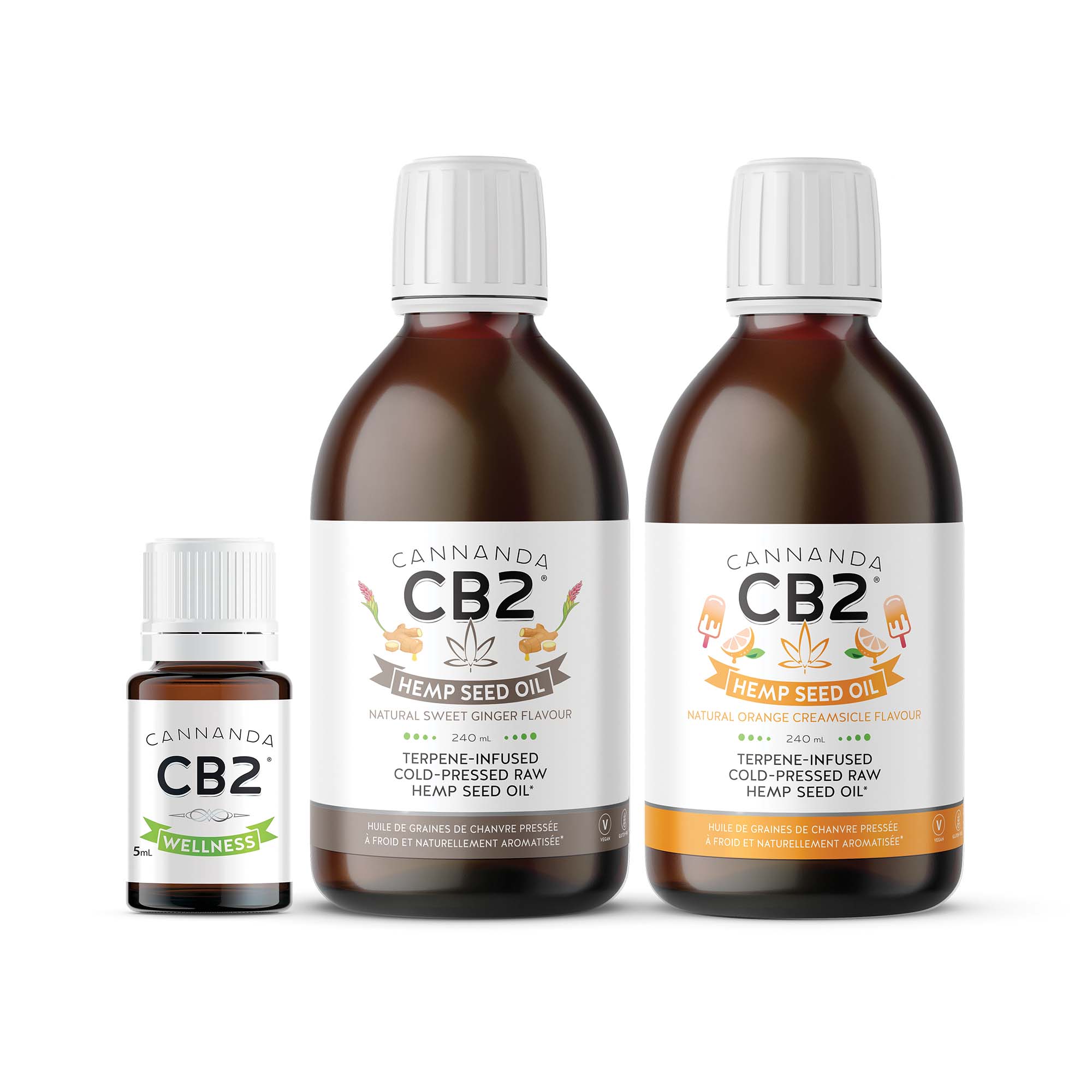
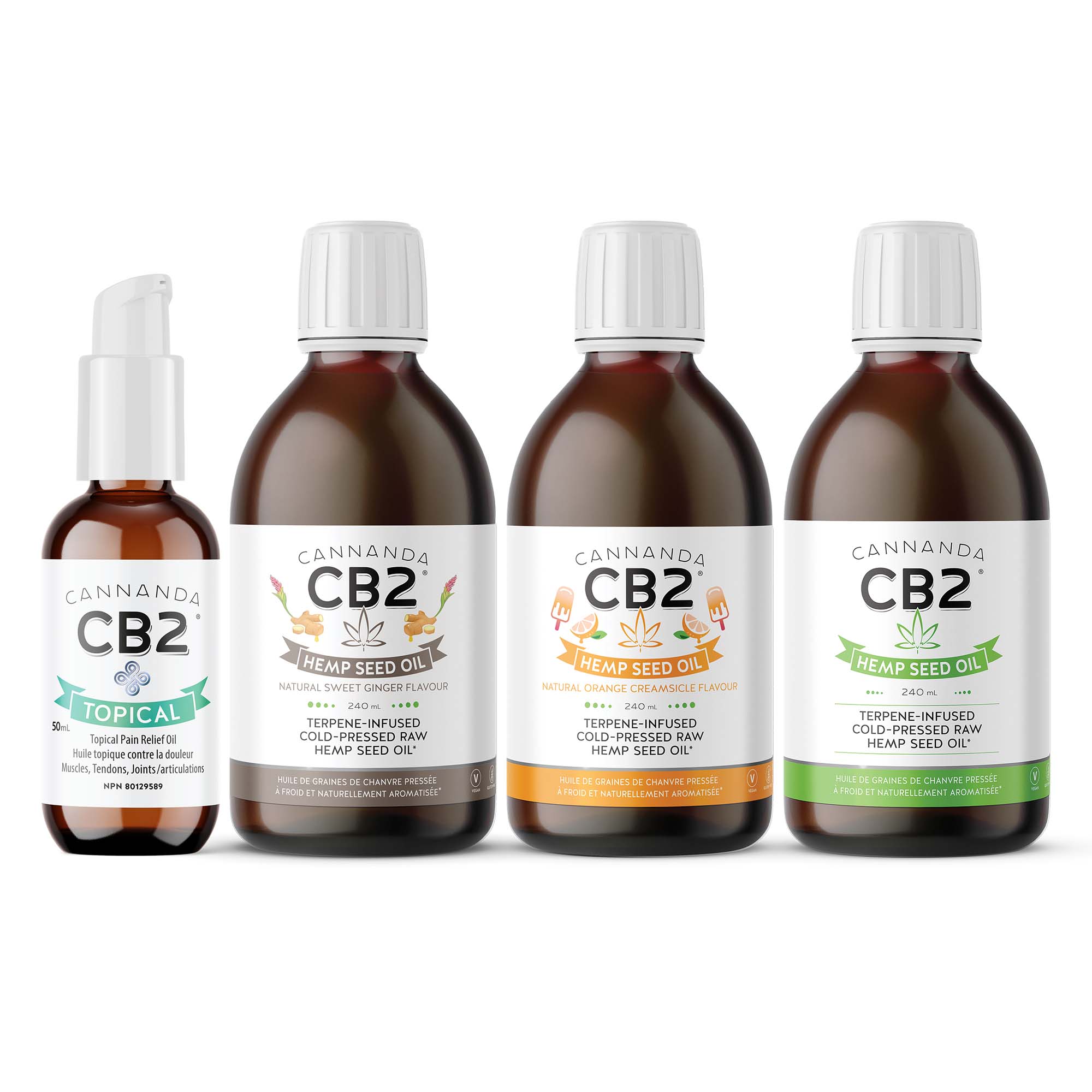
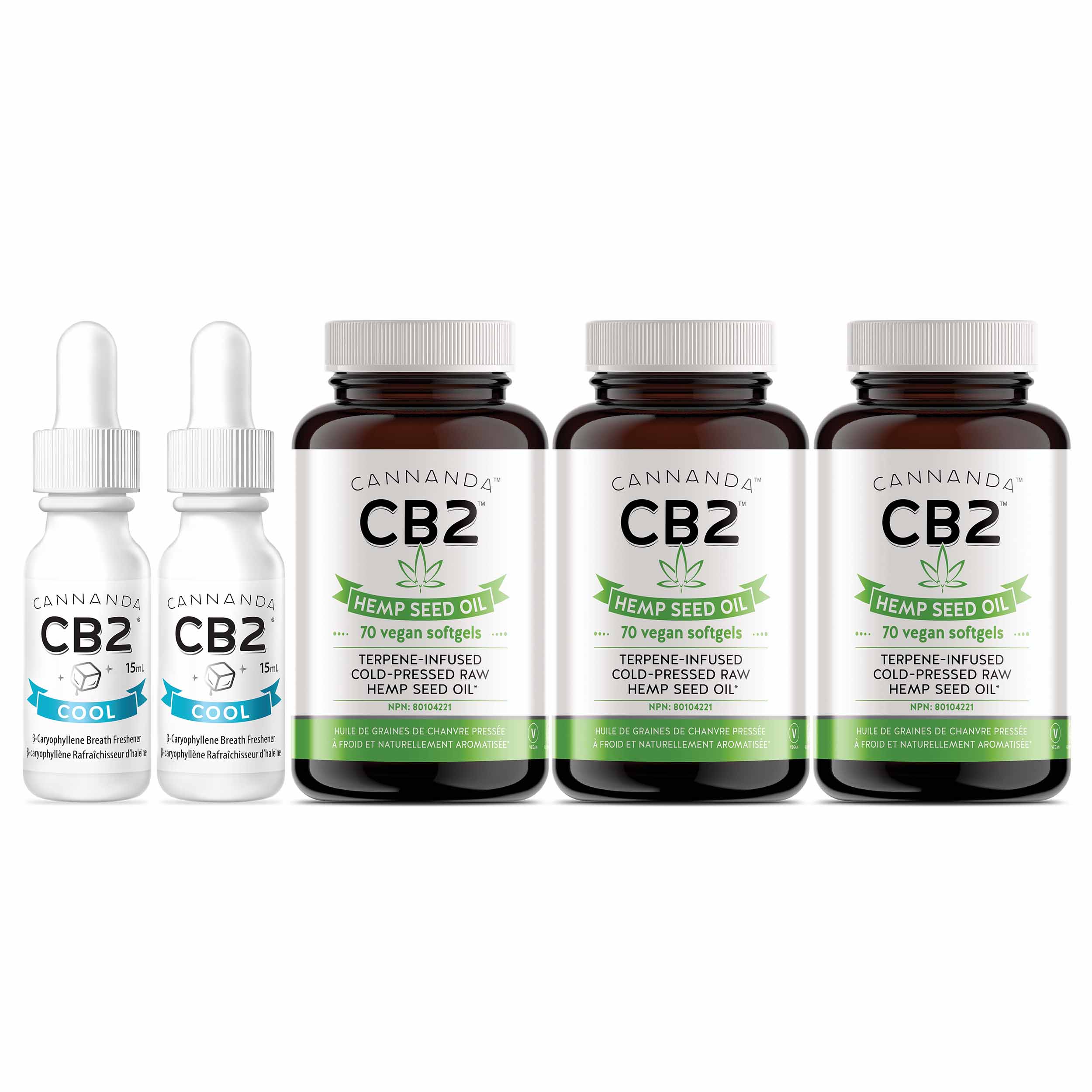
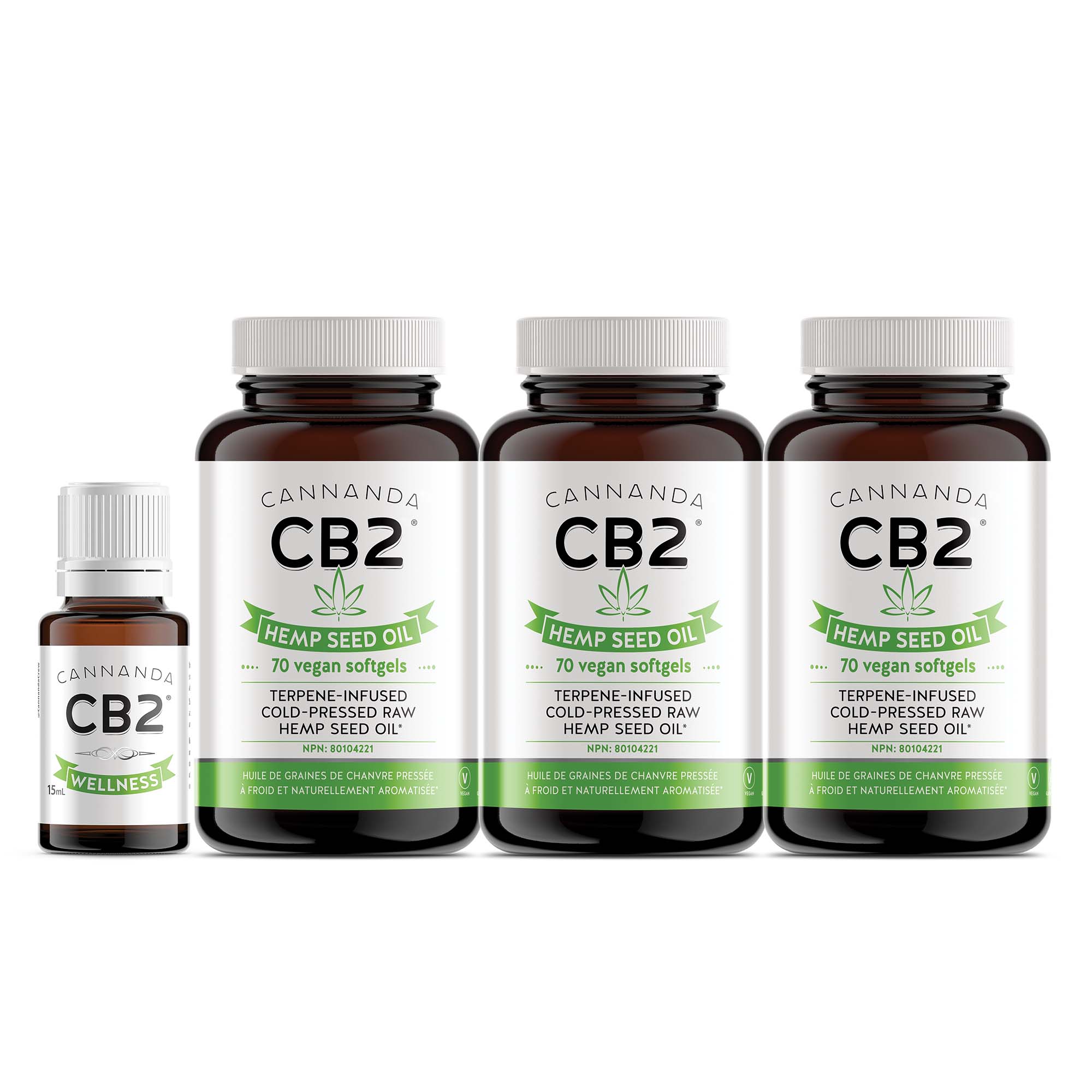
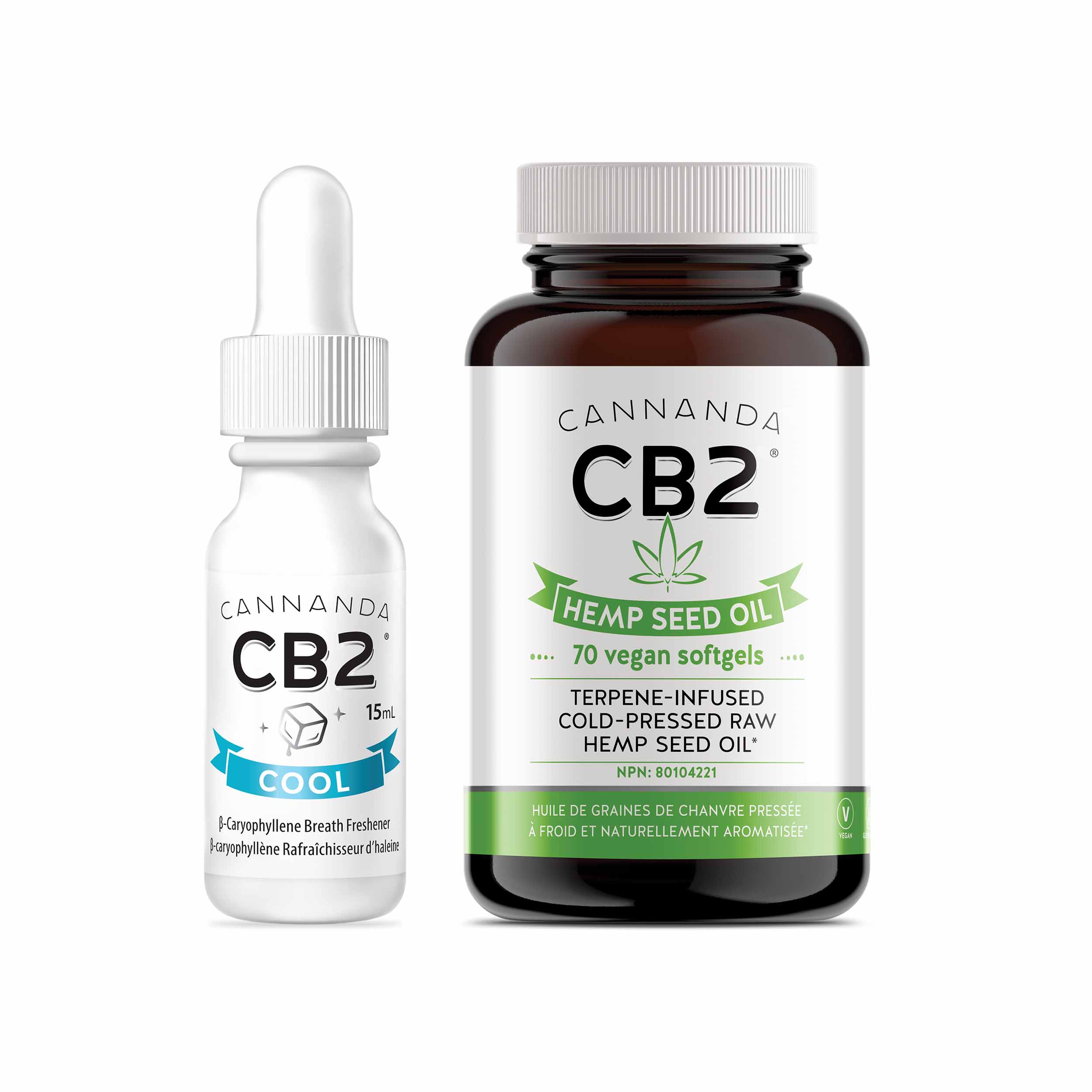
You can support your endocannabinoid system and whole-body homeostasis through the dietary cannabinoid your body has been expecting all along, concentrated in a form that makes the intake meaningful rather than incidental. That's what Cannanda CB2 oil provides.
The bottom line: Beta-caryophyllene is the only known terpene that directly activates cannabinoid receptors, making it the world's first identified dietary cannabinoid. It's a terpene by chemical structure and a cannabinoid by function. It selectively activates CB2 receptors through the same binding site as THC, produces anti-inflammatory and immune-modulating benefits, and does all of this without intoxicating effects, without the drug interactions or legal complications that come with cannabis-derived products (aside from the narrow therapeutic window exception noted above), because it comes from black pepper, not cannabis flowers.
The world's only dietary cannabinoid, concentrated
Direct CB2 activation. Non-intoxicating. GRAS food status. No drug interactions. No cannabis regulation. Physician-formulated.
Frequently Asked Questions
Is beta-caryophyllene a cannabinoid?
Yes, by the functional definition. The modern definition of cannabinoid is any compound that activates CB1 and/or CB2 receptors. BCP selectively activates CB2 receptors, triggering the same intracellular signaling cascade as other CB2 agonists. The researchers who discovered this in 2008 titled their PNAS paper "Beta-caryophyllene is a dietary cannabinoid." BCP is also a terpene by chemical structure. It's both simultaneously, which is unique among all known compounds.
What makes BCP a "dietary" cannabinoid?
The dietary designation reflects BCP's source: everyday foods. Black pepper, cloves, oregano, cinnamon, rosemary; BCP is found in all of these and has been part of the human diet for all of history. Unlike THC and CBD, which require specialized cannabis cultivation and extraction, BCP is a normal component of a spiced diet. It has FDA GRAS status and is approved as a food flavoring additive worldwide.
How does BCP compare to THC and CBD?
THC activates both CB1 (producing intoxication) and CB2 receptors. CBD does not directly activate either cannabinoid receptor. BCP activates only CB2 receptors, producing anti-inflammatory and immune-modulating effects without any intoxicating effects. BCP also has no known drug interactions at recommended doses (unlike CBD, which inhibits CYP450 liver enzymes), contains zero THC, and is safe for drug-tested athletes and most people on medications. One exception: if you're on a medication with a narrow therapeutic window, talk to your doctor before starting BCP.
Is beta-caryophyllene regulated as a cannabis product?
No. BCP is sourced from non-cannabis plants and is not subject to cannabis regulations in any jurisdiction. Cannanda CB2 oil products are sold legally in health food stores, pharmacies, and online without requiring a cannabis license or prescription. They can be shipped internationally and traveled with without cannabis-related legal concern.
Who discovered that BCP activates CB2 receptors?
Researchers led by Jürg Gertsch at ETH Zurich published the discovery in PNAS in 2008 (Gertsch J, et al., "Beta-caryophyllene is a dietary cannabinoid," PNAS, 105(26):9099-9104). The research demonstrated that BCP binds at the CP55,940 binding site on CB2 receptors (the same site where THC binds) and triggers the CB2 signaling cascade. It was identified as a dietary cannabinoid because it is consumed as part of a normal human diet.
References
- Gertsch J, Leonti M, Raduner S, et al. (2008). Beta-caryophyllene is a dietary cannabinoid. PNAS, 105(26), 9099–9104. https://doi.org/10.1073/pnas.0803601105
- Francomano F, et al. (2019). β-Caryophyllene: A sesquiterpene with countless biological properties. Applied Sciences, 9(24), 5420.
- Sharma C, et al. (2016). Polypharmacological properties and therapeutic potential of β-Caryophyllene. Current Pharmaceutical Design, 22(21), 3237–3264.