Understanding Homeostasis: Optimize Balance With Cannanda CB2 Oil
When your body is in balance, everything works. When it isn't, nothing does, all at once. Here's why that's true, and what a single daily supplement can do about all of it.
You want to understand why CB2 oil seems to help such a wide range of different things: pain, sleep, mood, digestion, energy, immune function. And you want a practical answer, not just a biology lecture. This article is that answer. For the biology in depth, see the companion endocannabinoid system explainer.
BCP doesn't treat many different conditions. It supports the one regulatory system (the endocannabinoid system) responsible for maintaining balance across all of them. When that system is depleted by chronic stress, poor sleep, and inflammation, every body function suffers simultaneously. Supporting it with BCP restores the body's own self-regulatory capacity. That's why one supplement can address so many things at once, and why consistency matters far more than dose size.
Achieving and maintaining balance within your body, also known as homeostasis, is the foundation of all health. Think of it as your body's internal thermostat, managing thousands of parameters at once: body temperature, blood glucose, hormone levels, immune activity, inflammation, mood chemistry, and much more. When this system is working, you feel it. When it isn't, you feel that too.
What most people miss is the answer to a basic question: who runs the thermostat? The answer is the endocannabinoid system (ECS), and beta-caryophyllene (BCP) in Cannanda CB2 oil is the most direct dietary tool for supporting it.
What homeostasis actually feels like, in both directions
Homeostasis is abstract until you translate it into lived experience. Here's what adequate body balance looks and feels like day to day, versus what its disruption typically produces.
You wake up rested. Your energy is stable through the day without relying on caffeine. Your mood is even: responsive to stress, not reactive. You digest food comfortably. Your body recovers quickly from illness and exercise. Your thinking is clear. You feel, in the most literal sense, balanced.
Fatigue that sleep doesn't fix. Brain fog that makes simple tasks feel hard. Mood that swings disproportionately to life events. Digestive complaints that come and go without clear cause. Slow recovery from illness and exercise. Inflammation that flares under stress. A persistent sense of the body working against itself.
Notice that disrupted homeostasis doesn't produce one problem; it produces many overlapping problems at once. That's not a coincidence. It's the defining signature of a system-level regulatory failure, not an organ-level disease. And it's why restoring homeostasis through ECS support tends to improve multiple symptoms simultaneously, rather than addressing them one at a time.
The hidden cost of compensation
When the body's homeostatic system is under strain, it compensates, but compensation has a cost. The body has a finite budget of regulatory resources: hormones, immune mediators, neurotransmitter precursors, and cellular energy. When one system goes out of balance, the body redirects resources to correct it. This means those resources are unavailable for everything else.
Chronic stress, for example, sustains elevated cortisol output. That cortisol suppresses immune function (less defense against infection), impairs hippocampal function (memory and mood), disrupts sleep onset (less overnight repair), and reduces serotonin synthesis (lower mood baseline). Each of these feels like a separate problem. They're not. They're the downstream cost of the body compensating for HPA axis dysregulation.
Supporting homeostasis through the ECS doesn't patch each of these downstream symptoms individually. It restores the regulatory capacity at the level where the compensation was needed in the first place, which is why the symptoms resolve together, not sequentially.
Why a single supplement helps so many things
BCP doesn't treat many conditions. It supports the one regulatory system responsible for all of them.
The endocannabinoid system governs homeostasis across immune function, inflammation, pain perception, mood, sleep, gut-brain axis signaling, bone metabolism, and cardiovascular regulation. When you support ECS function with BCP, you're not giving the body multiple drugs with multiple targets. You're restoring the master regulatory network that coordinates all of those systems at once.
This is why consistent CB2 oil users often report improvements across joint pain, sleep quality, stress resilience, digestive comfort, and energy, simultaneously, with a single daily supplement. It's not that BCP is doing all of those jobs directly. It's that the ECS was always doing those jobs, and BCP helps it do them better. The research on CB2 receptor activation supports this broad regulatory role.
Homeostasis, aging, and why ECS tone declines over time
ECS tone does not remain constant through life. It declines with age, and the consequences of that decline track closely with what most people attribute simply to "getting older."
Supporting ECS function with BCP as a daily practice is as meaningful for a healthy 55-year-old as it is for someone managing a chronic condition. In both cases, the ECS is operating below its optimal baseline: in one person, because of disease; in the other, because of time. Both benefit from restoring regulatory capacity.
Who benefits: it's not just people with health conditions
This is perhaps the most important reframe for how people think about CB2 oil. The ECS is not a disease-treatment system. It is a foundational regulatory network that operates continuously in all vertebrates, healthy and sick alike. Supporting it is maintenance, not medicine.
The dose-response nuance: more is not always better
Why optimal daily dosing outperforms high dosing
BCP has a non-linear dose-response relationship that most supplements don't exhibit. At optimal concentrations (typically 60–120 mg/day), BCP directly activates CB2 receptors and produces its well-characterized homeostatic benefits.
At concentrations significantly above this range (above approximately 200–250 mg/day), BCP can activate sphingomyelinase, producing ceramide, a lipid signaling molecule that counteracts some of the CB2-mediated regulatory benefits. The dose curve inverts. More BCP produces less benefit, not more.
This is why Cannanda recommends starting at a moderate dose and maintaining it consistently rather than maximizing quantity. Consistent daily activation at the right dose builds ECS tone progressively over 2–4 weeks. High intermittent doses do not produce the same cumulative result. See the complete dosing guide for product-specific recommendations.
A practical daily protocol for homeostatic support
Why choose Cannanda CB2 oil
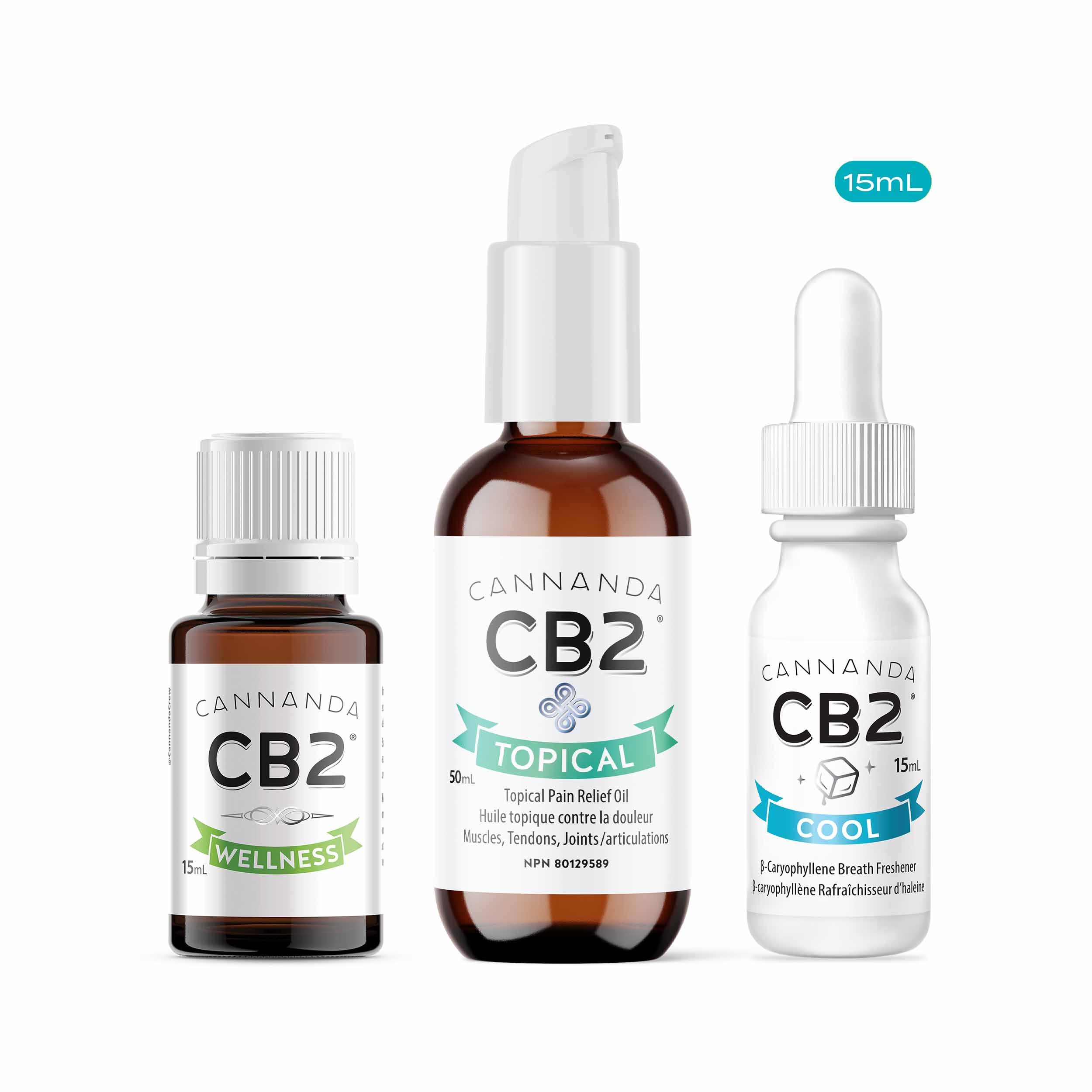
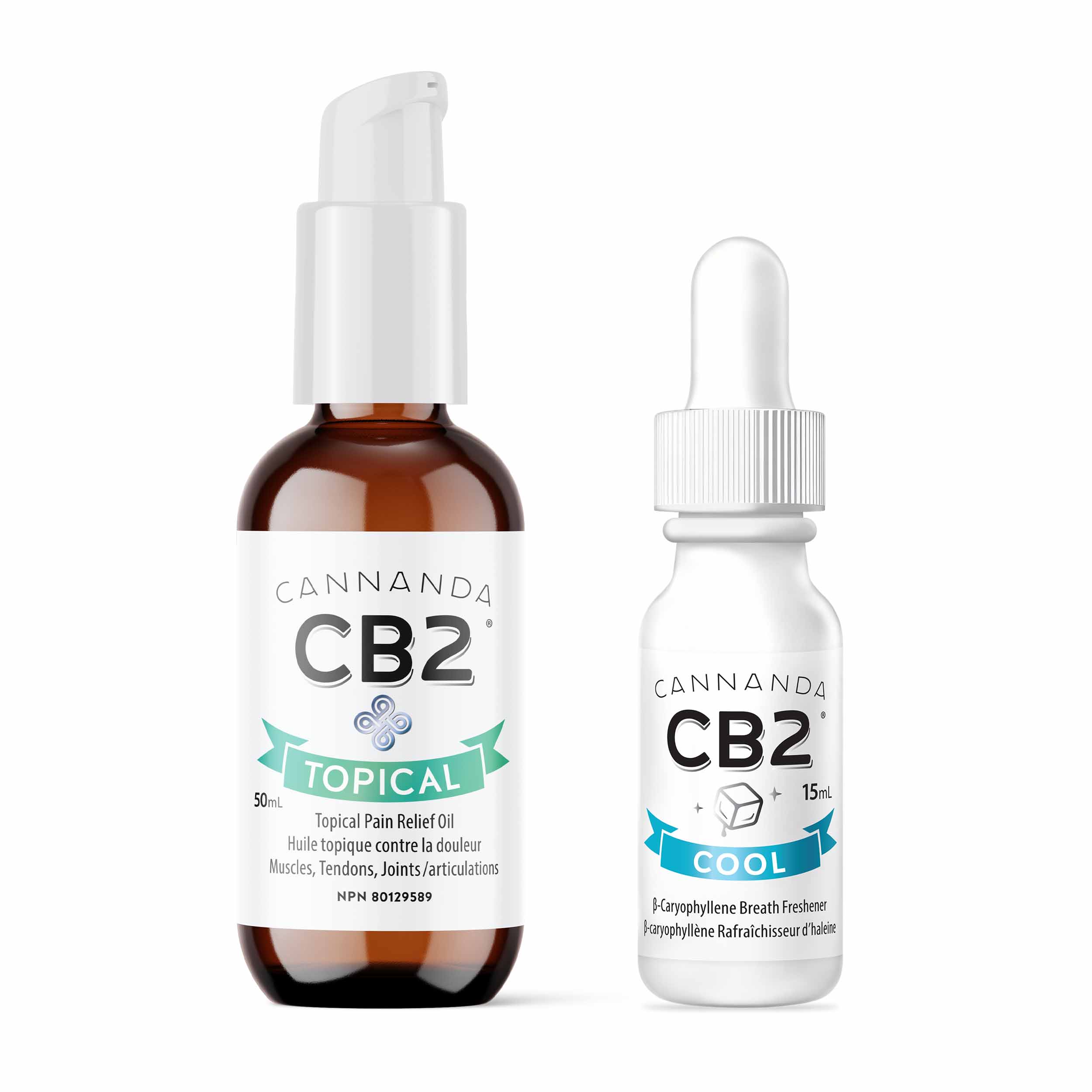
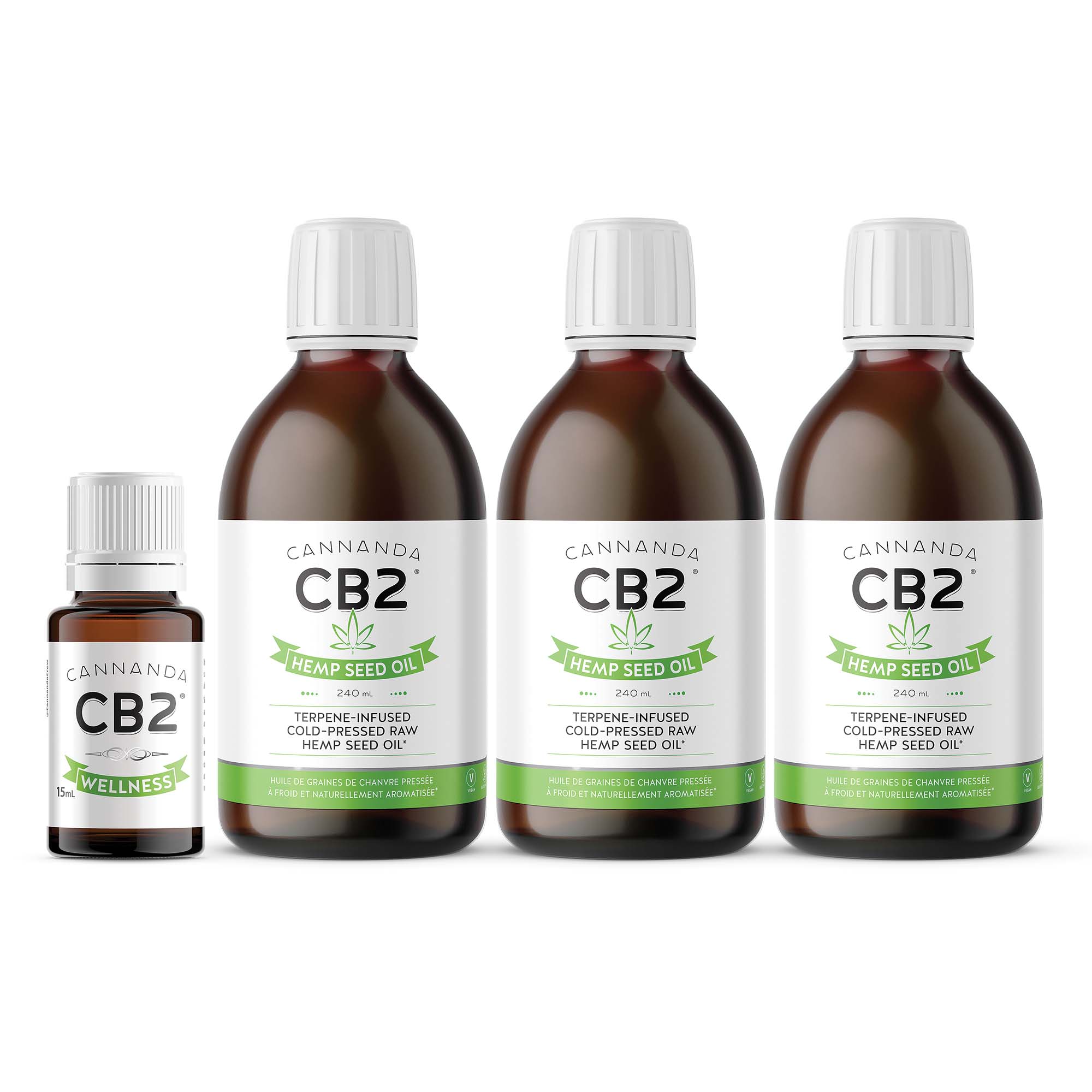
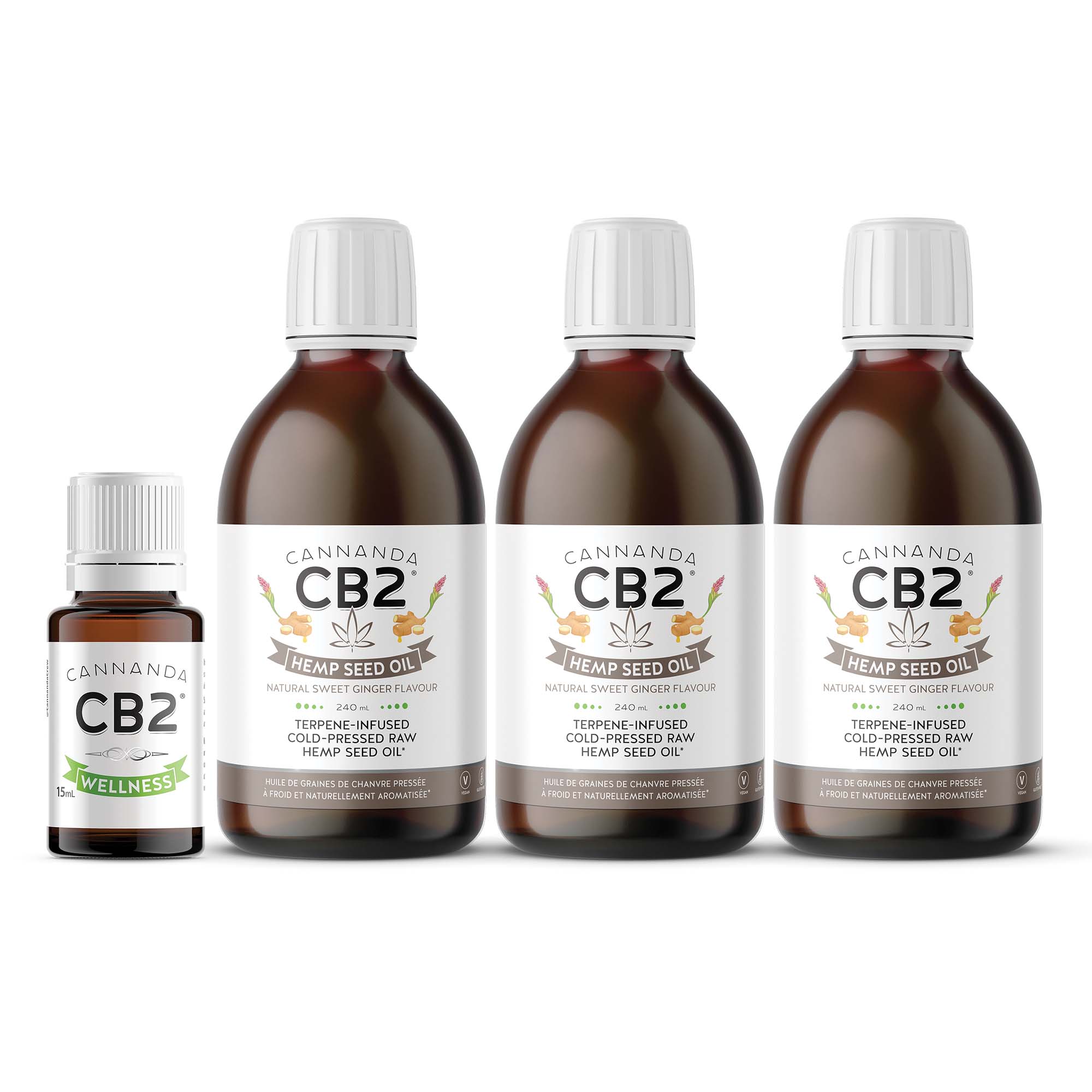
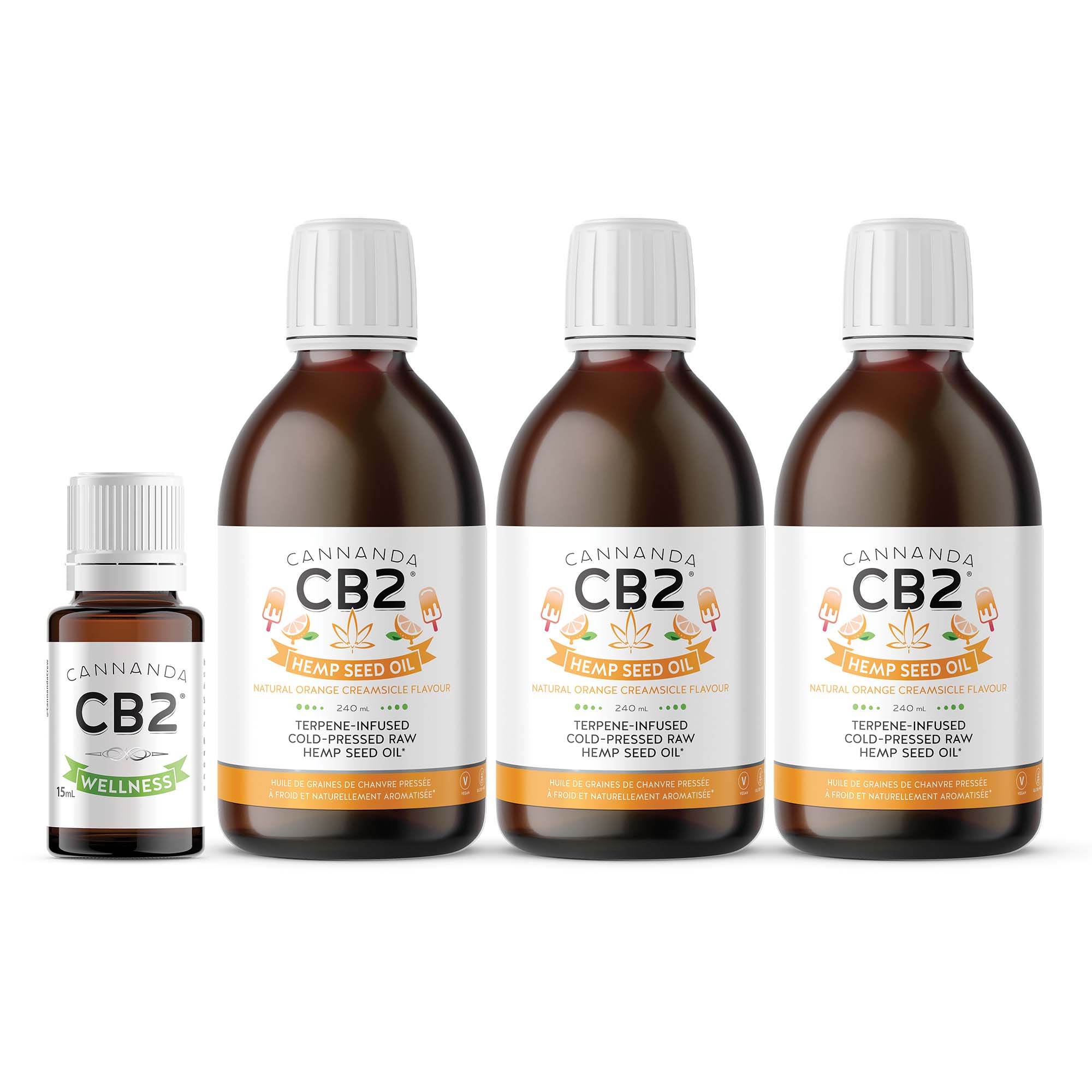
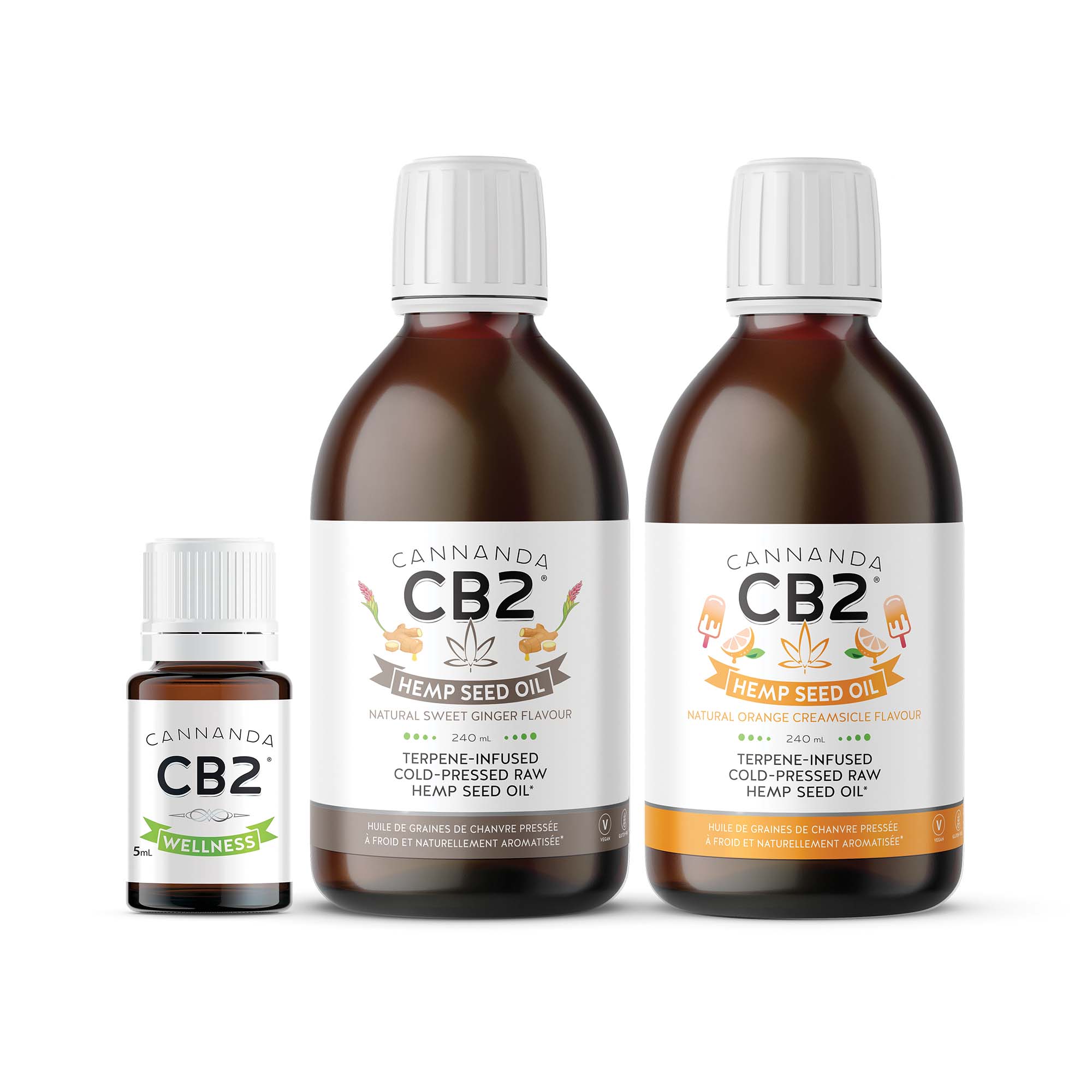
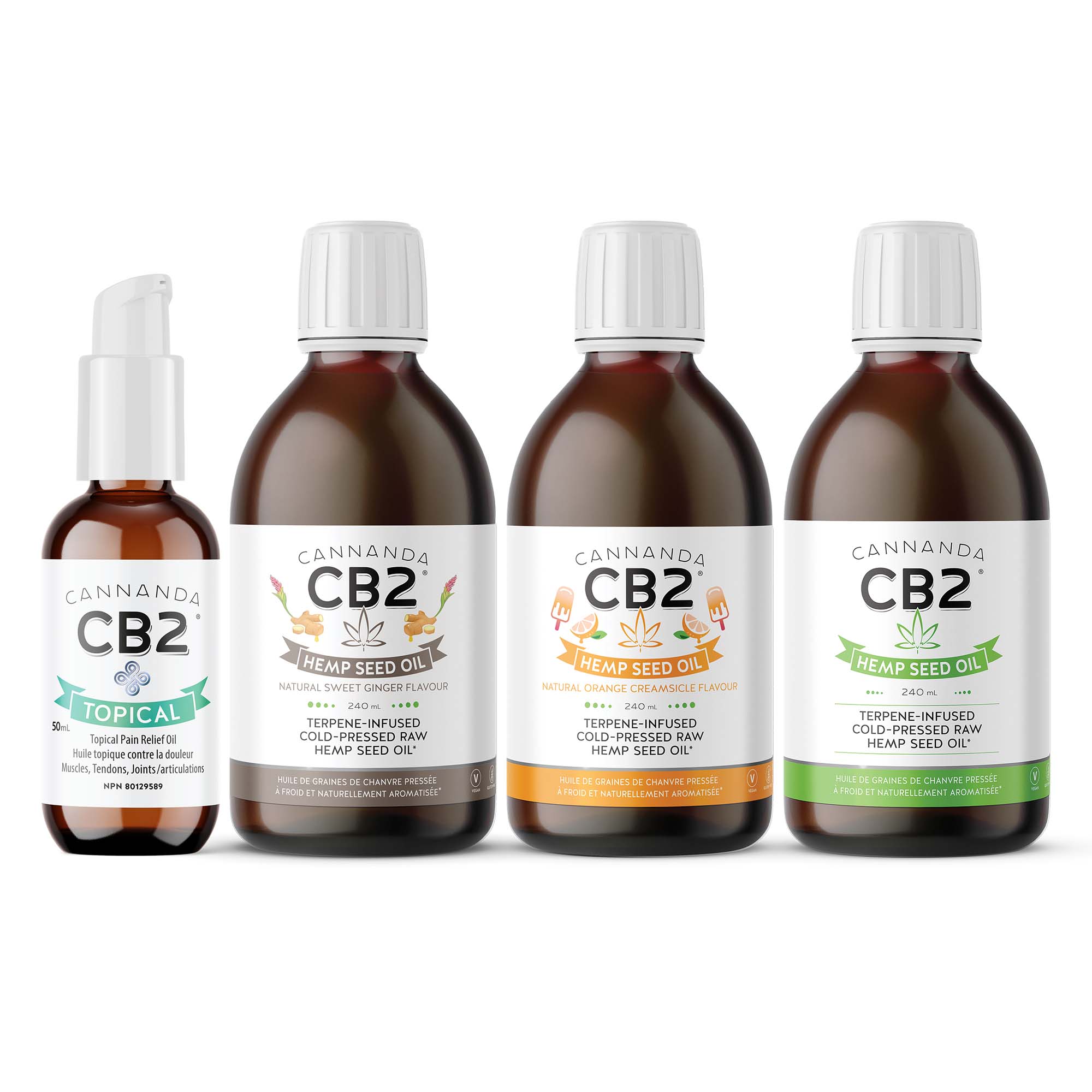
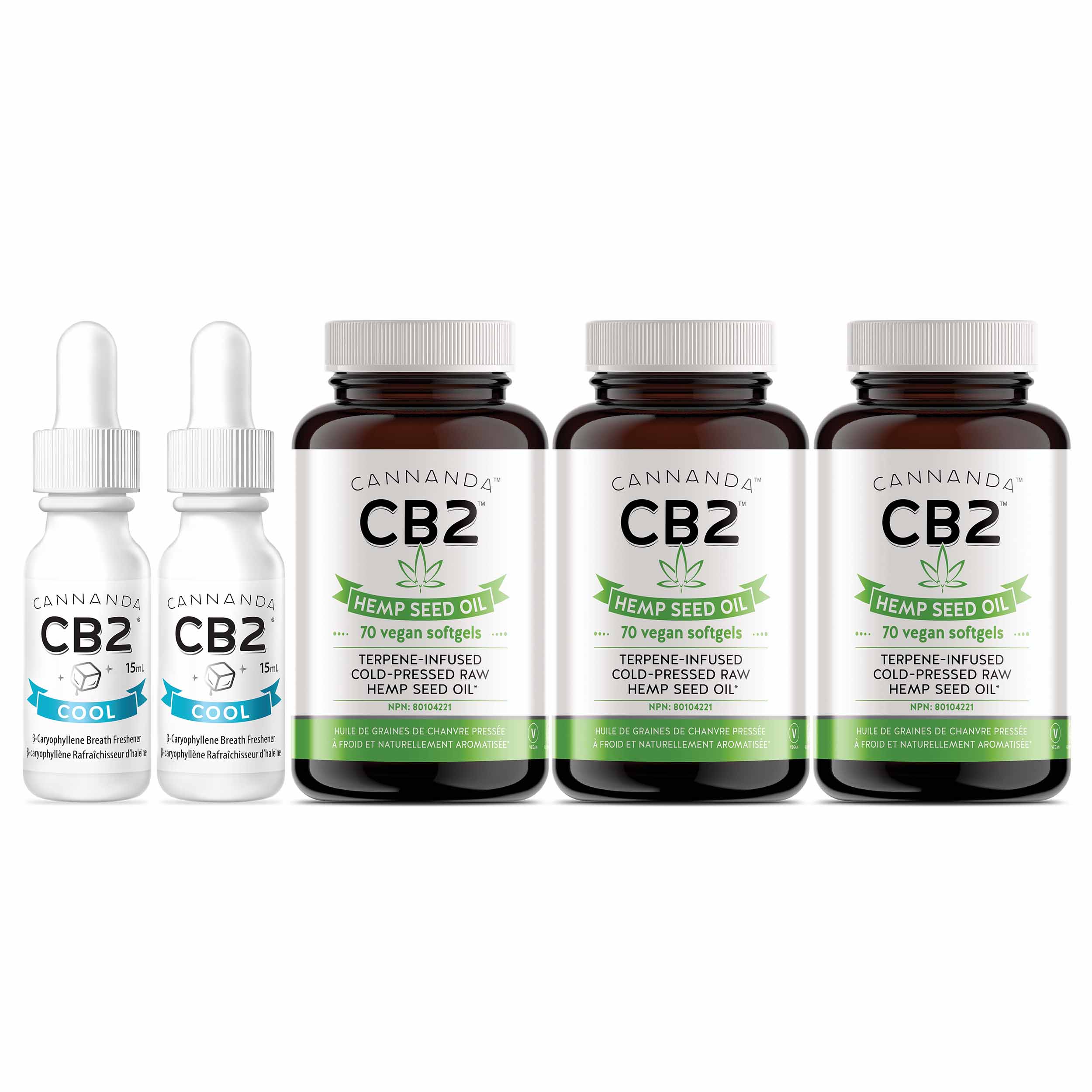
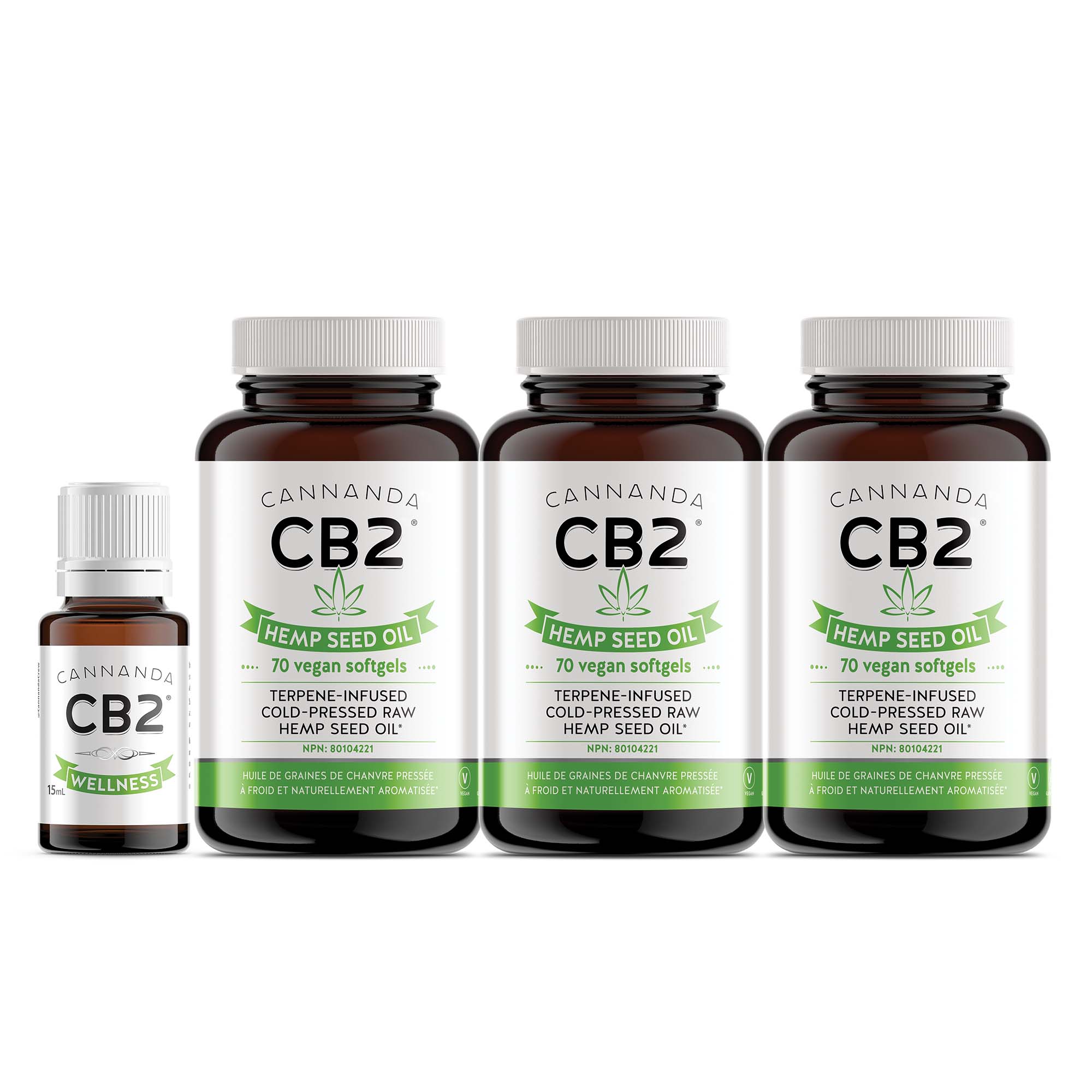
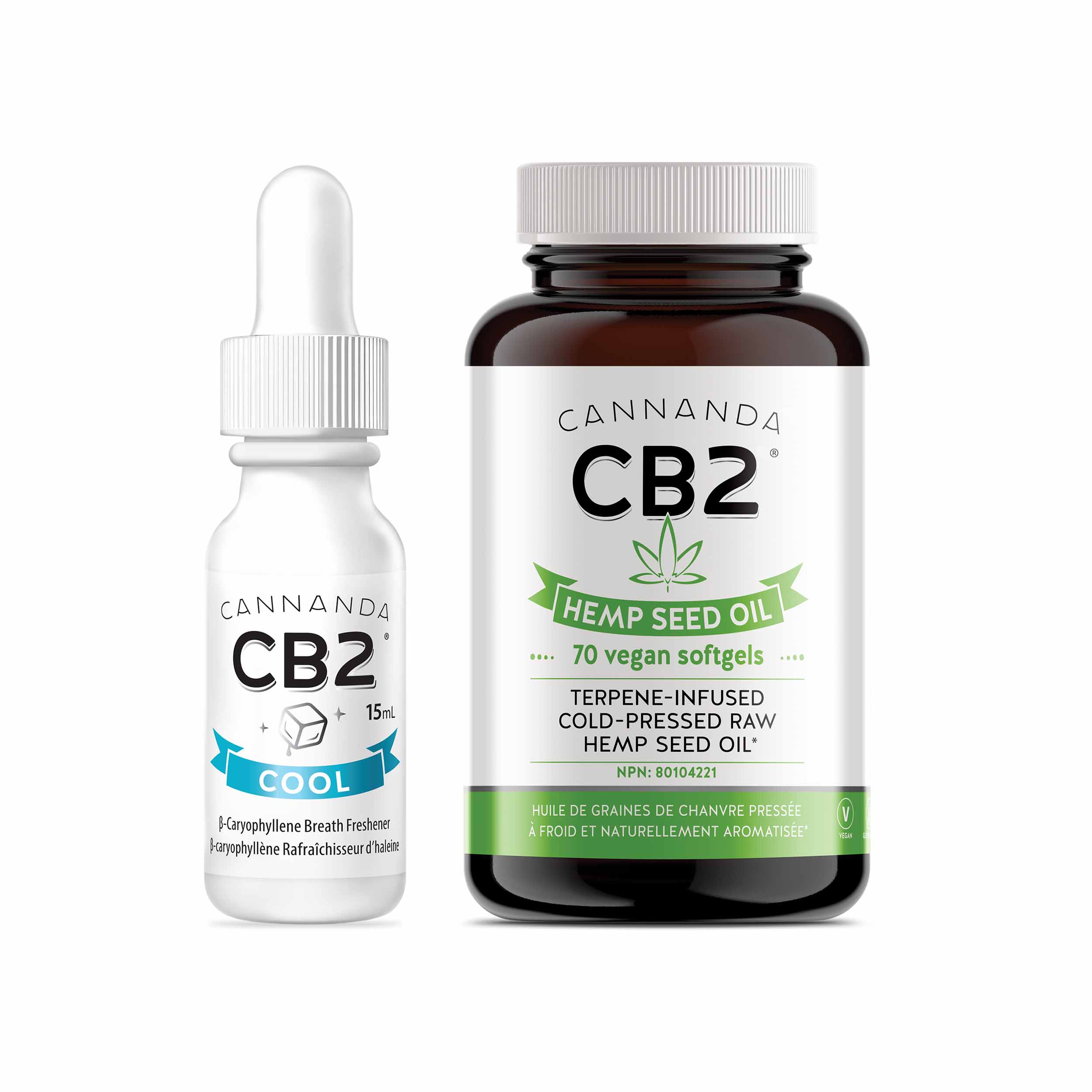
Not all CB2 products are created equal. Cannanda CB2 oil is the original, the category inventor, and the world's best-selling BCP supplement. It is crafted with a commitment to quality and efficacy, featuring BCP in a proprietary blend of complementary terpenes. All ingredients are physically extracted (cold-pressed) or steam-distilled, with no chemical solvents or processing aids. Every batch is third-party tested to be free from yeast, mold, solvents, pesticides, and heavy metals. Over 95% of raw materials are Canadian-sourced.
Restore your body's ability to balance itself
Direct CB2 receptor activation. GRAS food-ingredient status. No drug interactions. Safe for daily use by anyone. Physician-formulated. The world's original CB2 oil.
Key takeaways
Frequently Asked Questions
What is homeostasis and why does it matter?
Homeostasis is the body's ability to maintain a stable internal environment despite external changes. When it works well, you have energy, clear thinking, good mood, and resilient recovery. When it's chronically disrupted, the result is fatigue that sleep doesn't fix, brain fog, mood instability, poor recovery, and eventually chronic disease.
Why does one supplement (BCP) help so many different conditions?
BCP doesn't treat many conditions; it supports the single regulatory system (the ECS) responsible for maintaining balance across all of them simultaneously. Pain, sleep, mood, digestion, immunity, and energy all share a common regulatory foundation in the ECS. Supporting ECS function improves all of them because they share the same system, not because BCP is a multi-drug.
What does disrupted homeostasis actually feel like?
Disrupted homeostasis typically manifests as overlapping symptoms: fatigue that rest doesn't resolve, brain fog, mood instability and heightened stress reactivity, poor sleep quality despite adequate duration, slow recovery from illness or exercise, digestive irregularity, and inflammatory pain that fluctuates with stress. These symptoms share a common root in ECS dysregulation rather than being separate unrelated problems.
Does everyone need to support their homeostasis, or just people with health conditions?
Everyone benefits from supporting ECS tone and homeostasis, not just those with diagnosed conditions. The ECS is depleted by chronic stress, poor sleep, inflammatory diet, and aging, conditions that affect essentially everyone. Preventive daily ECS support with BCP maintains the body's self-regulatory capacity before problems develop, just as exercise, sleep, and omega-3 fatty acids benefit everyone regardless of disease status.
What is the recommended dose of BCP for homeostatic support?
The recommended range is 60–120 mg BCP per day for most people, split between morning and evening. BCP has a non-linear dose-response relationship: at concentrations above approximately 200–250 mg/day, sphingomyelinase activation produces ceramide, counteracting some CB2-mediated benefits. Consistency at a moderate dose outperforms intermittent high dosing.
How long does it take to notice the effects of CB2 oil on homeostasis?
Some people notice acute effects within the first few days: reduced stress reactivity, improved mood stability, better sleep onset. Deeper homeostatic improvements (sustained energy, reduced baseline inflammation, improved recovery) build over 2–4 weeks of consistent daily use as ECS tone is progressively restored. Consistency matters far more than dose level.
Can I use CB2 oil alongside my existing medications?
Yes. Unlike CBD, BCP does not significantly inhibit CYP450 liver enzymes at recommended doses and has no known drug interactions (one exception: consult your doctor prior to using CB2 oil if taking any medication with a narrow therapeutic window). It can be taken alongside most prescription medications without altering their blood levels or effectiveness. BCP's homeostatic support can also enhance the effectiveness of other treatments by improving the body's internal regulatory environment.