

The supplement stack in one bottle: why CB2 Hemp Seed Oil's GLA, omega-3s, and BCP together deliver more than evening primrose, fish oil, and CBD oil separately.
This article is for educational purposes. Always consult your healthcare provider before changing or adding supplements, particularly if you are managing health conditions or taking prescription medications.
You're in perimenopause or menopause and already taking supplements for your symptoms, evening primrose oil, fish oil, maybe CBD. You want to understand what Cannanda CB2 Hemp Seed Oil actually provides nutritionally, how it compares to what you're already taking, and whether it could simplify your supplement routine while delivering more of what matters.
After 40, your body converts less dietary fat to GLA, the anti-inflammatory omega-6 fatty acid that drives the benefits of evening primrose oil and borage oil. Direct dietary GLA becomes more important, not less, as you age through menopause. Cannanda CB2 Hemp Seed Oil provides GLA comparable to evening primrose oil, plus omega-3 fatty acids (which EPO lacks entirely), vitamin E and phytosterols for cardiovascular and skin health, and BCP for CB2 receptor activation. It's a genuine supplement consolidation: one product doing the work of three.
Most women navigating perimenopause and menopause end up building a supplement stack, evening primrose for GLA, fish oil for omega-3s, maybe CBD for mood and sleep. The problem isn't the intent; it's the redundancy, the cost, and the gaps between what these products individually offer. Cannanda CB2 Hemp Seed Oil was not designed specifically as a menopause supplement, but its nutritional profile happens to align remarkably well with what menopausal women actually need from a supplement. This article explains why, starting with the fatty acid that most women in menopause haven't heard of: GLA.
Why GLA specifically matters after 40, and gets harder to make
Gamma-linolenic acid (GLA) is an omega-6 fatty acid that sits at the intersection of multiple processes menopausal women care about: inflammation control, hormonal balance, skin barrier function, hair and nail health, and prostaglandin production. Women have been supplementing with GLA through evening primrose oil and borage oil for decades because it works.
But here's the metabolic detail that most supplement labels don't mention: GLA is not an essential fatty acid you must get from food. Your body is supposed to make it, by converting linoleic acid (an omega-6 found in virtually every vegetable oil) to GLA through an enzyme called delta-6 desaturase. The problem is that this enzyme's activity declines with age.
The delta-6 desaturase bottleneck: why age makes GLA supplementation more important
Linoleic acid (LA)→delta-6 desaturase enzyme→GLA→DGLA→Anti-inflammatory prostaglandin E1 (PGE1)
By the time women reach their mid-40s and 50s, delta-6 desaturase activity has declined significantly, meaning the same intake of linoleic acid produces less GLA. This is compounded by stress (which further suppresses delta-6 desaturase), alcohol, ageing-related metabolic changes, and the inflammatory state of menopause itself. The result: women most in need of GLA are least able to synthesize it from their diet. Direct GLA sources become essential.
This is exactly why evening primrose oil became a staple recommendation for perimenopausal and menopausal women, and why CB2 Hemp Seed Oil, which provides comparable GLA alongside its other benefits, is such a compelling option for this life stage.
What GLA actually does for menopausal women
GLA serves as a precursor to prostaglandin E1 (PGE1), an anti-inflammatory prostaglandin that modulates hormonal fluctuations. Higher PGE1 activity is associated with reduced hot flash frequency and intensity. GLA also directly reduces the inflammatory state in hypothalamic tissue that contributes to thermoregulatory dysregulation.
GLA reduces the pro-inflammatory arachidonic acid pathway that drives joint inflammation, the same pathway implicated in the joint pain that often appears as the first perimenopausal symptom, sometimes years before hot flashes. Unlike omega-3s which primarily produce anti-inflammatory compounds, GLA works through the prostaglandin pathway independently.
Declining oestrogen reduces sebum production and impairs the skin's moisture barrier, causing the dryness, thinning, and dull complexion of menopause. GLA is a structural component of skin cell membranes and supports barrier integrity. Studies consistently show GLA supplementation improves skin hydration, elasticity, and transepidermal water loss.
Hair thinning during menopause is driven partly by declining sebum production from the scalp's sebaceous glands, which depend on the same GLA/DGLA fatty acid pathway for healthy function. GLA and the omega-3 fatty acids in hemp seed oil together support sebaceous gland health and follicle nutrition, contributing to healthier hair growth and reduced thinning.
After menopause, cardiovascular risk rises sharply as oestrogen's cardioprotective effects are lost. GLA's prostaglandin E1 production reduces platelet aggregation and supports healthy vascular function. Combined with hemp seed oil's omega-3 content and phytosterols (which support healthy cholesterol), CB2 Hemp Seed Oil addresses the cardiovascular nutritional needs that intensify post-menopause.
Vaginal dryness and atrophy in menopause is driven by oestrogen withdrawal's effect on epithelial tissue. The omega-6 fatty acids, including GLA, that form healthy cell membranes support epithelial tissue integrity systemically, including mucosal surfaces. While topical oestrogen remains the gold-standard for severe vaginal atrophy, nutritional fatty acid support contributes to overall epithelial health.
The complete nutritional profile of CB2 Hemp Seed Oil
Anti-inflammatory omega-6. Precursor to PGE1 prostaglandin. The same fatty acid sought in evening primrose and borage oil, at comparable serving-size amounts.
Alpha-linolenic acid and stearidonic acid (SDA, a more bioavailable omega-3 precursor than ALA). Anti-inflammatory, cardiovascular-protective. Absent in EPO.
The active CB2 receptor agonist. Reduces neuroinflammation, supports mood and sleep, relieves joint pain. Not present in any other oil supplement.
Antioxidant protection for skin and cell membranes. Particularly relevant post-menopause when oxidative stress increases with loss of oestrogen's antioxidant effects.
Plant sterols that compete with cholesterol absorption in the gut. Directly relevant to the cardiovascular risk management that becomes important post-menopause.
Additional antioxidant and anti-inflammatory compounds preserved by cold-press extraction. Contribute to the oil's exceptional stability and broad health-supporting properties.
How CB2 Hemp Seed Oil compares to common menopause supplements
| Supplement | GLA | Omega-3 | BCP (CB2 activation) | Vitamin E | Phytosterols | CB2 Hemp Seed Oil |
|---|---|---|---|---|---|---|
| Evening primrose oil | ✓ | ✗ | ✗ | Trace | ✗ | Partially replaces |
| Borage oil | ✓ (more) | ✗ | ✗ | Trace | ✗ | Partially replaces |
| Fish oil | ✗ | ✓ EPA/DHA | ✗ | ✗ | ✗ | Partial supplement (ALA/SDA) |
| Flaxseed oil | ✗ | ✓ ALA | ✗ | ✗ | ✗ | Partially replaces |
| CBD oil | ✗ | ✗ | Indirect only | ✗ | ✗ | Fully replaces (and improves) |
| CB2 Hemp Seed Oil | ✓ | ✓ ALA/SDA | ✓ Direct CB2 | ✓ | ✓ | The complete picture |
Note on fish oil: Fish oil's EPA and DHA provide strong cardiovascular and anti-inflammatory benefits that hemp seed oil's ALA and SDA only partially replicate, EPA and DHA are not found in plant sources. Women with significant cardiovascular risk post-menopause may benefit from maintaining fish oil (or algae-based DHA) alongside CB2 Hemp Seed Oil rather than replacing it entirely.
The body changes that menopause drives, and the nutritional responses
How to use CB2 Hemp Seed Oil for menopause support
Taking CB2 Hemp Seed Oil with meals maximizes absorption of its fat-soluble components, BCP, vitamin E, phytosterols, and all the fatty acids. Starting with 1 tablespoon and increasing to 2 tablespoons once or twice daily is the typical approach. The oil can be drizzled on food, added to smoothies, or taken directly off the spoon.
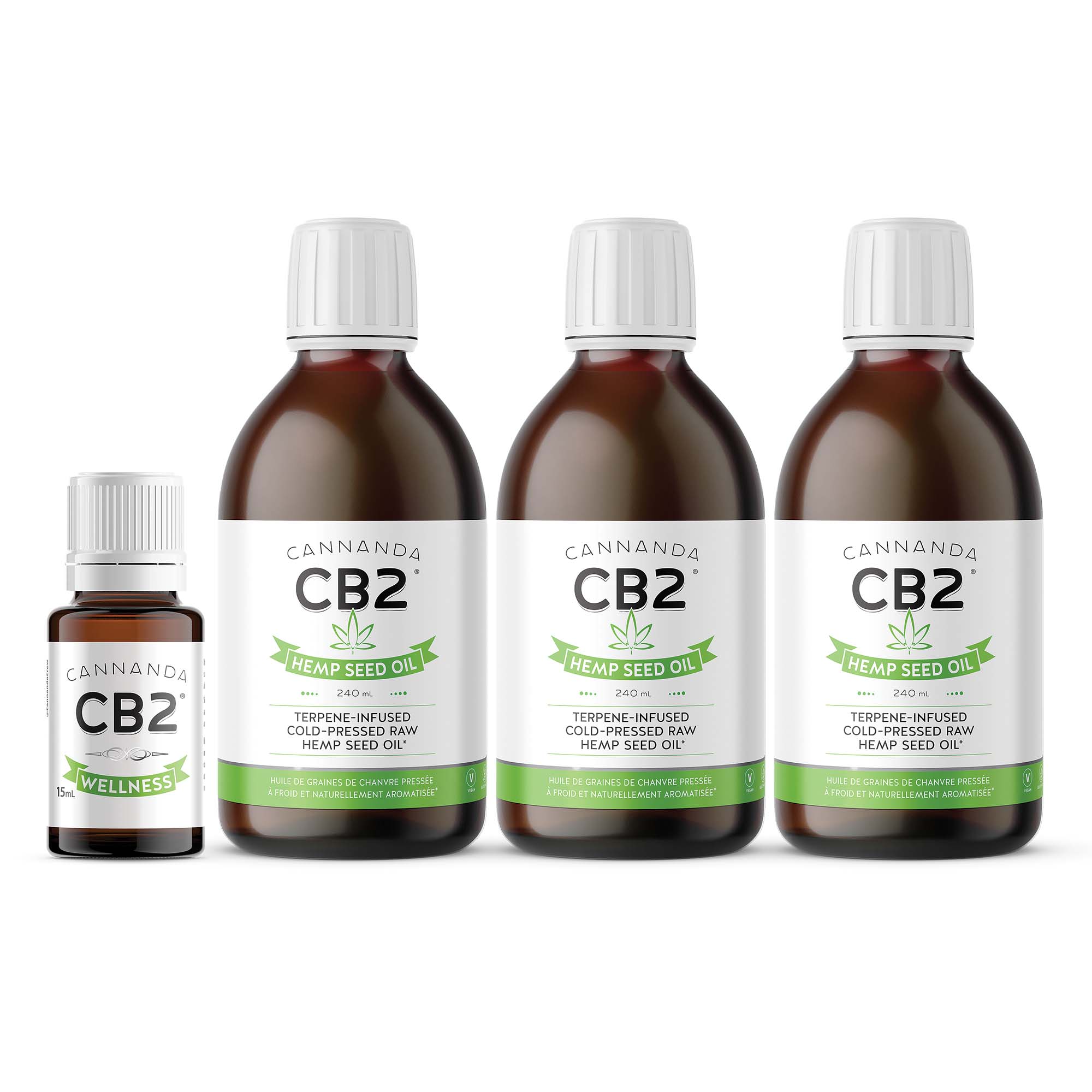
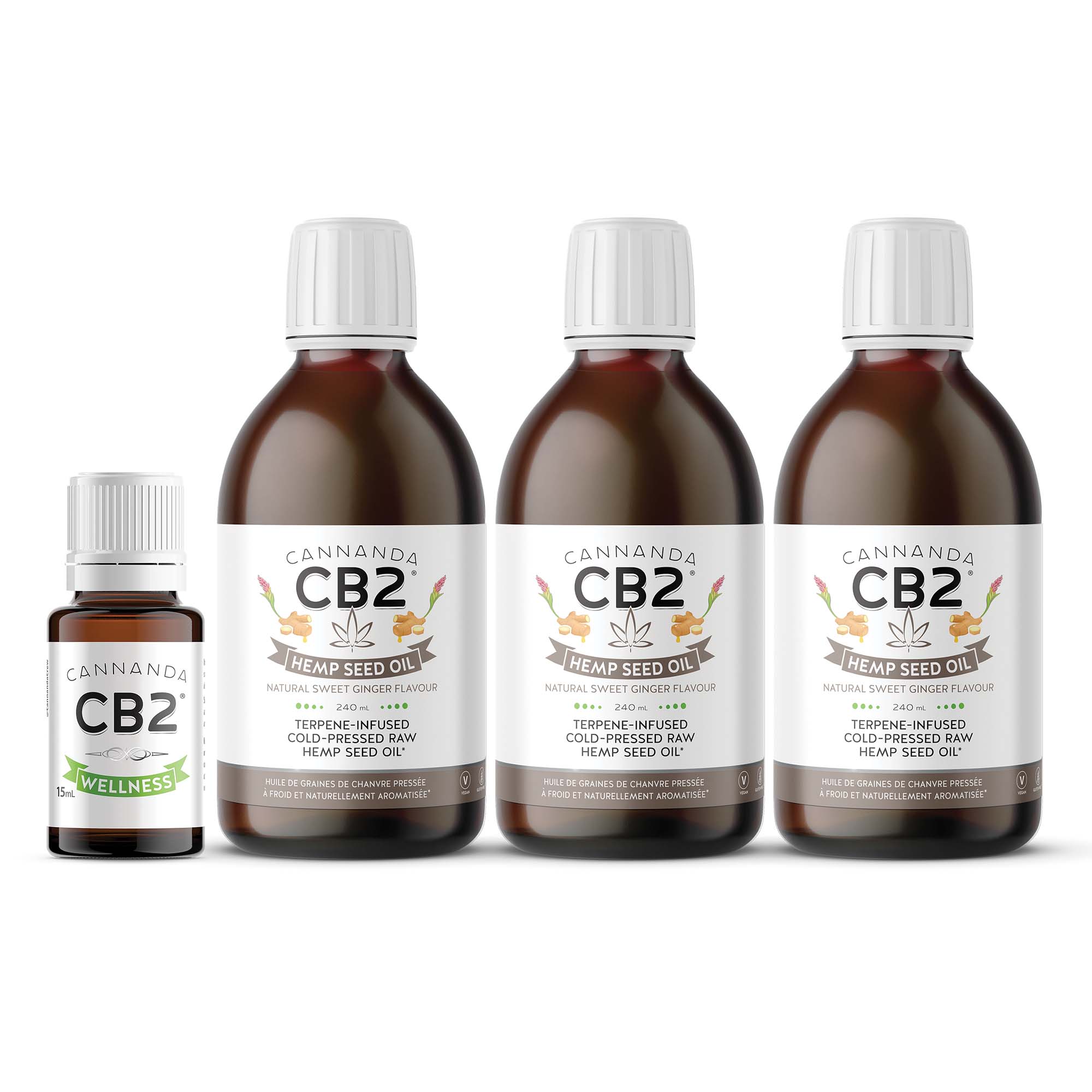
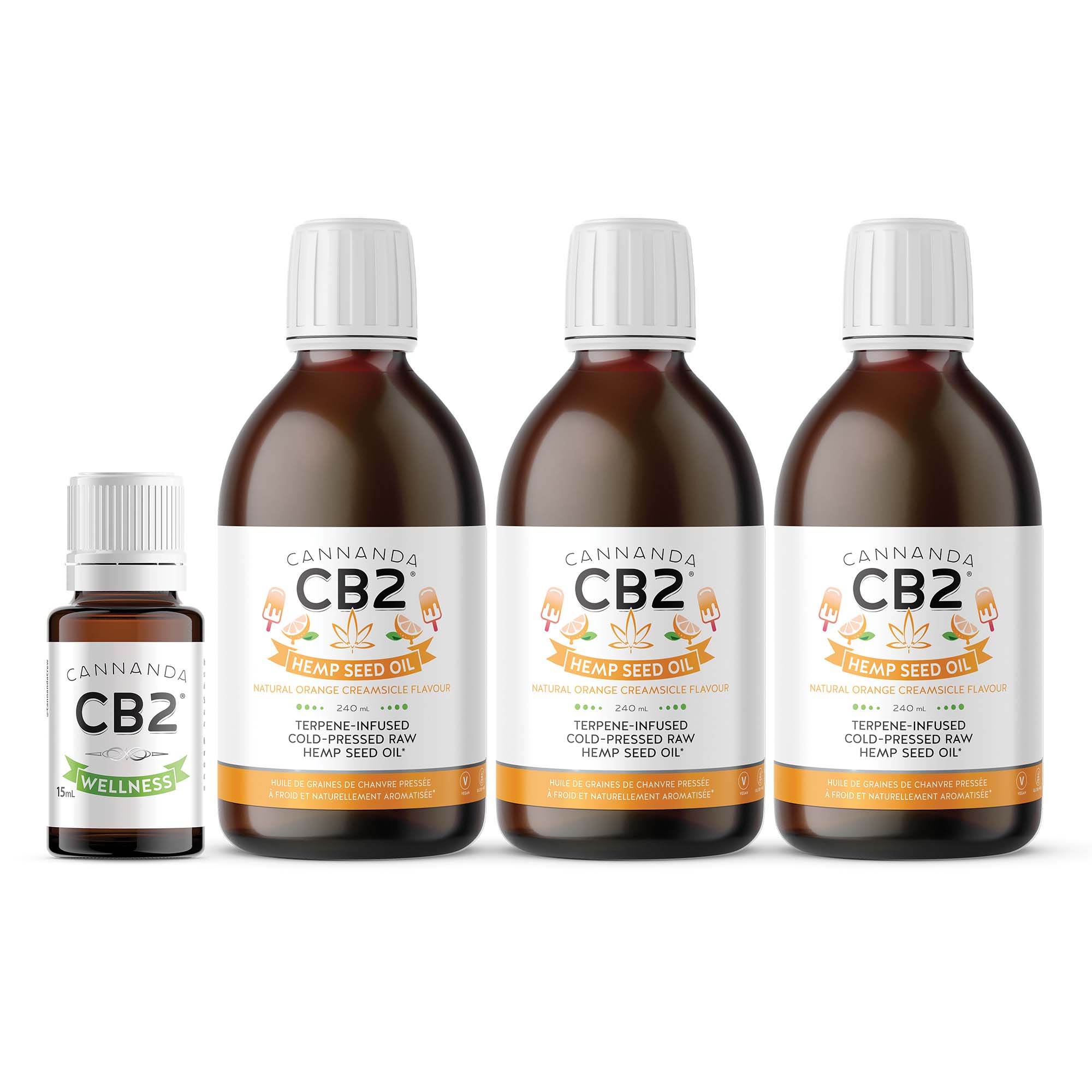
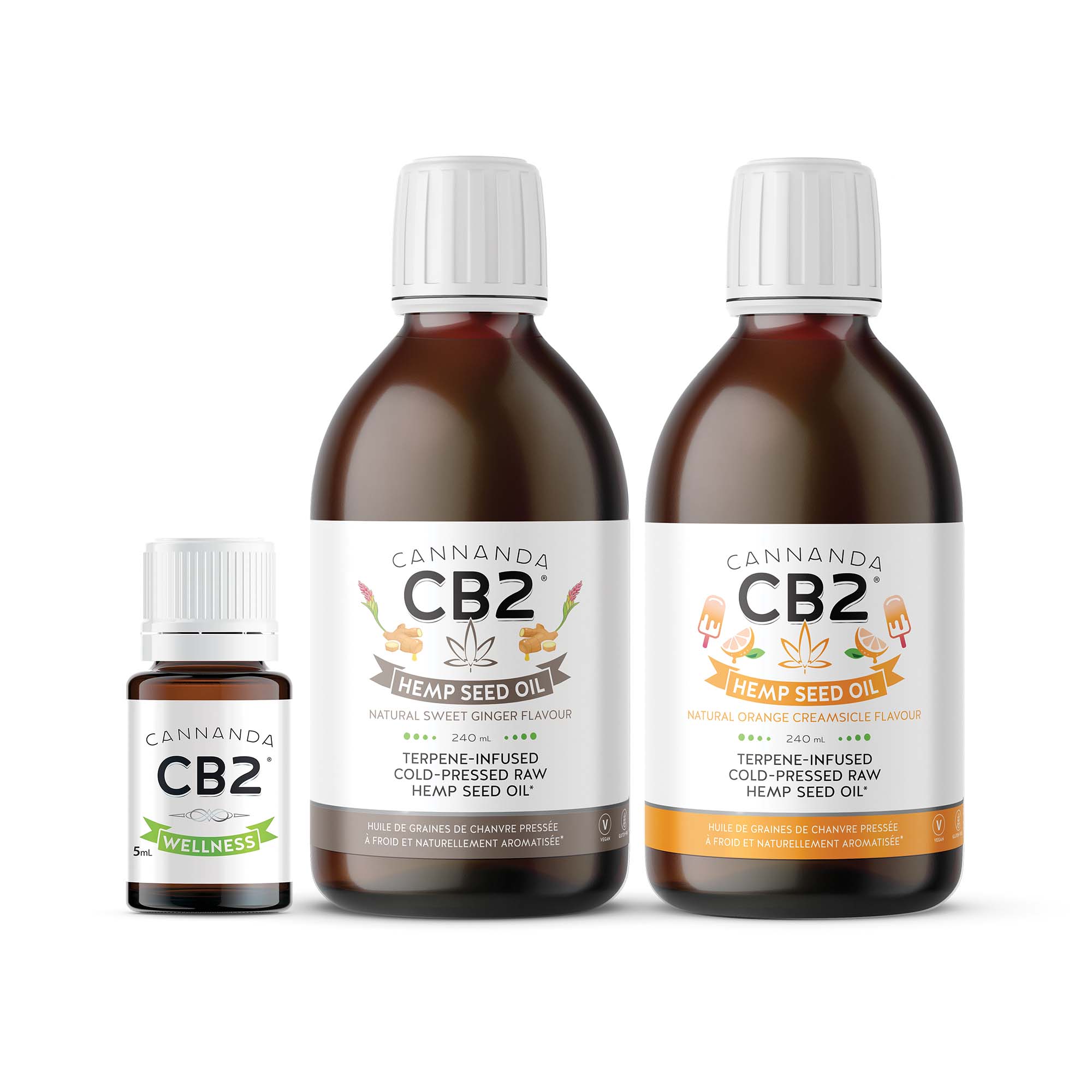
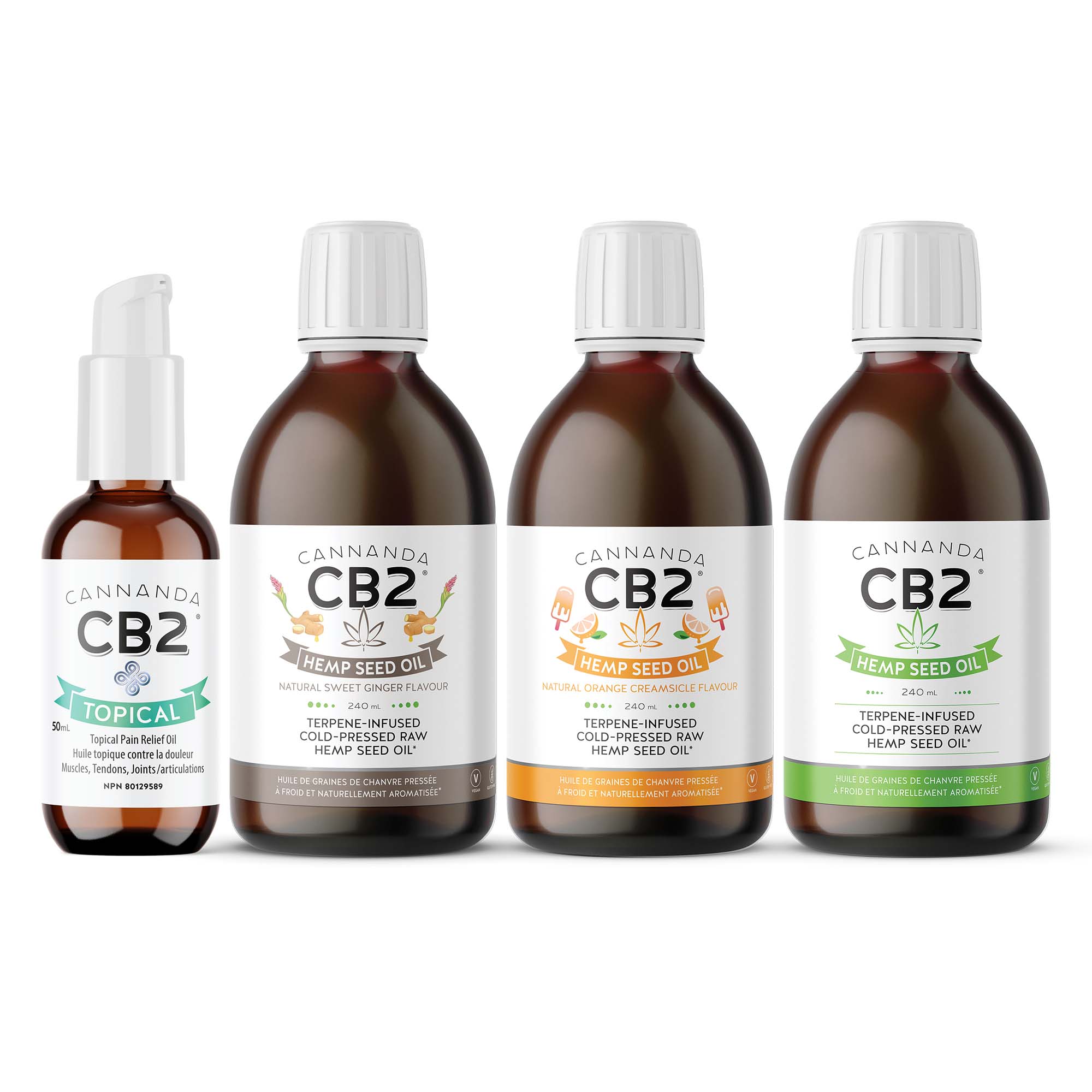
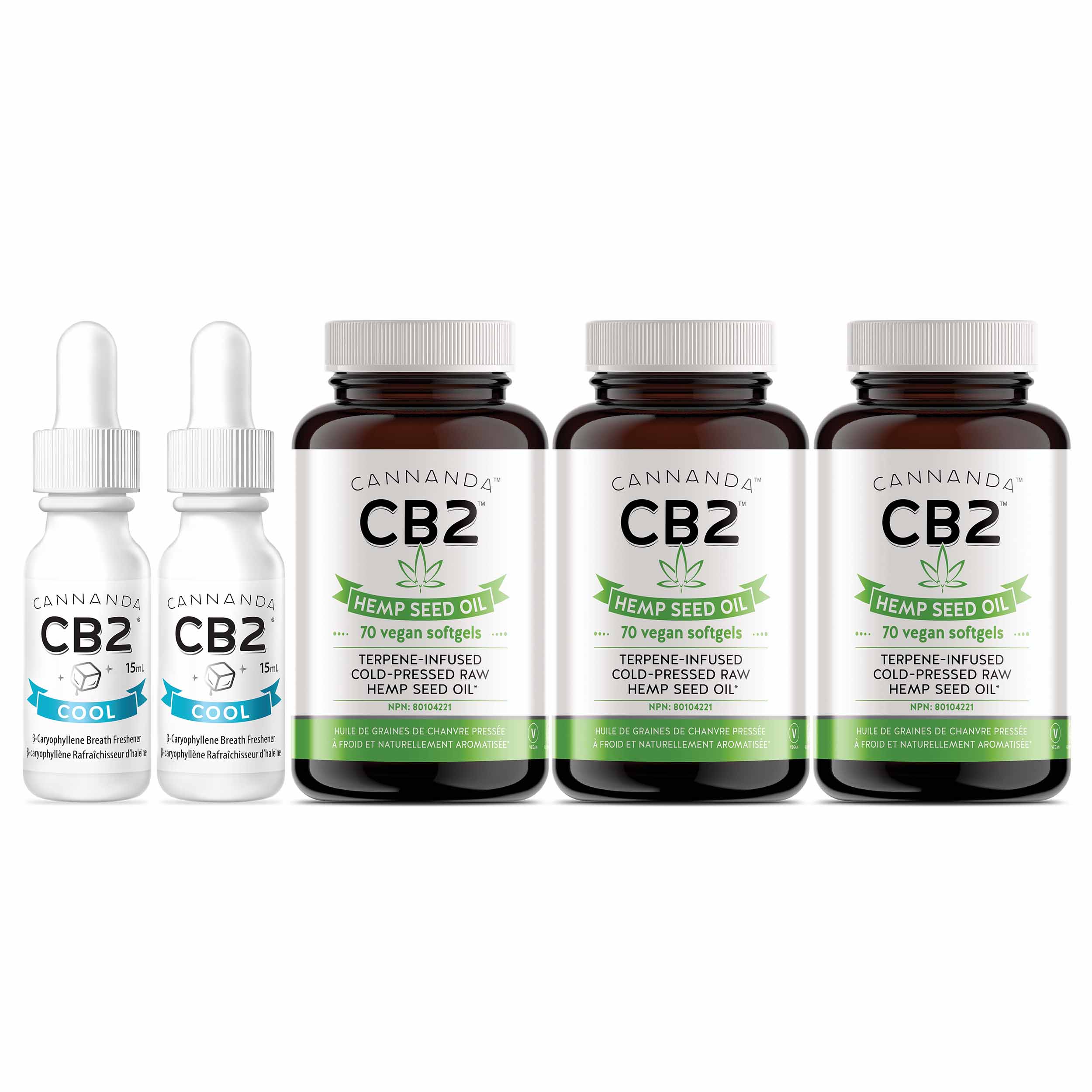
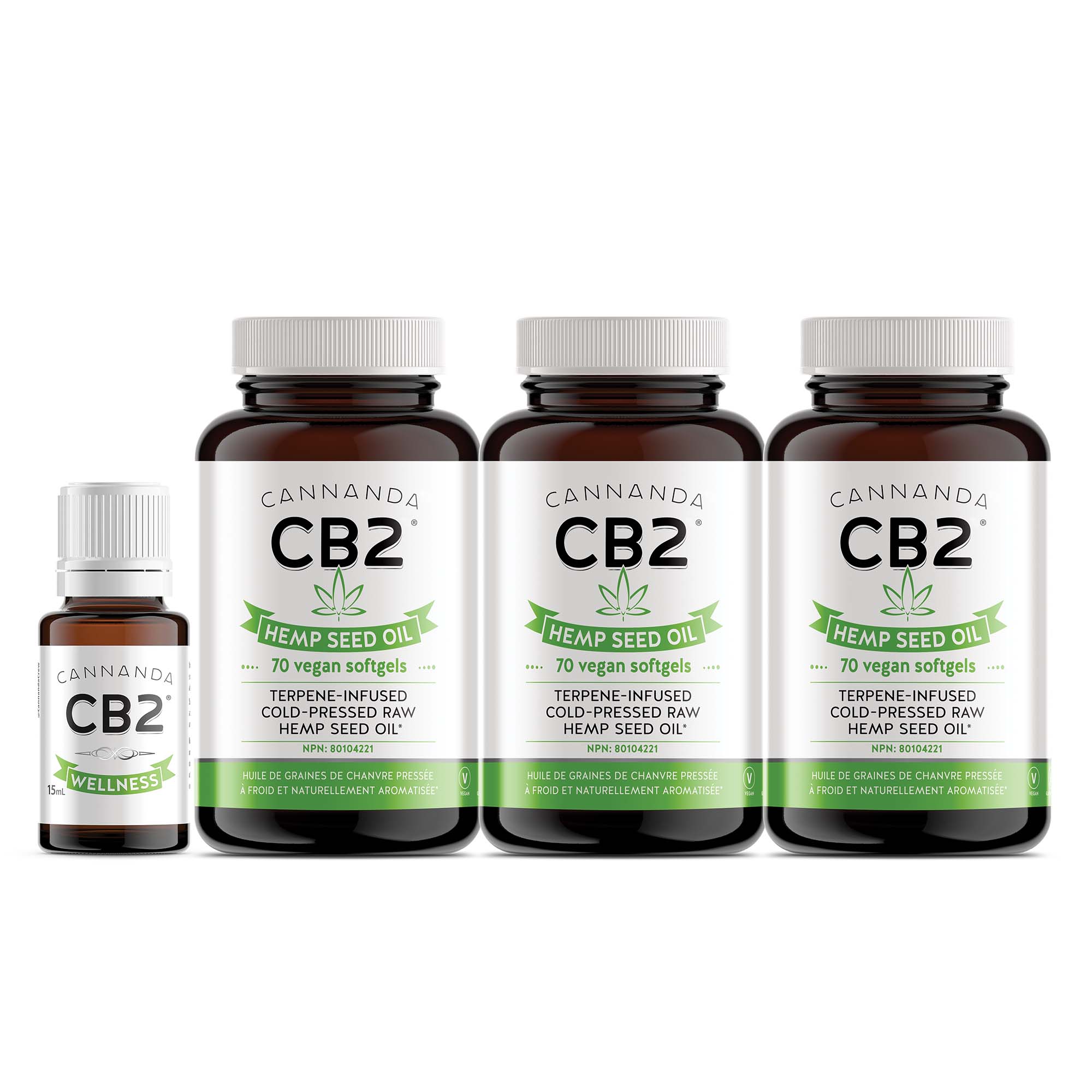
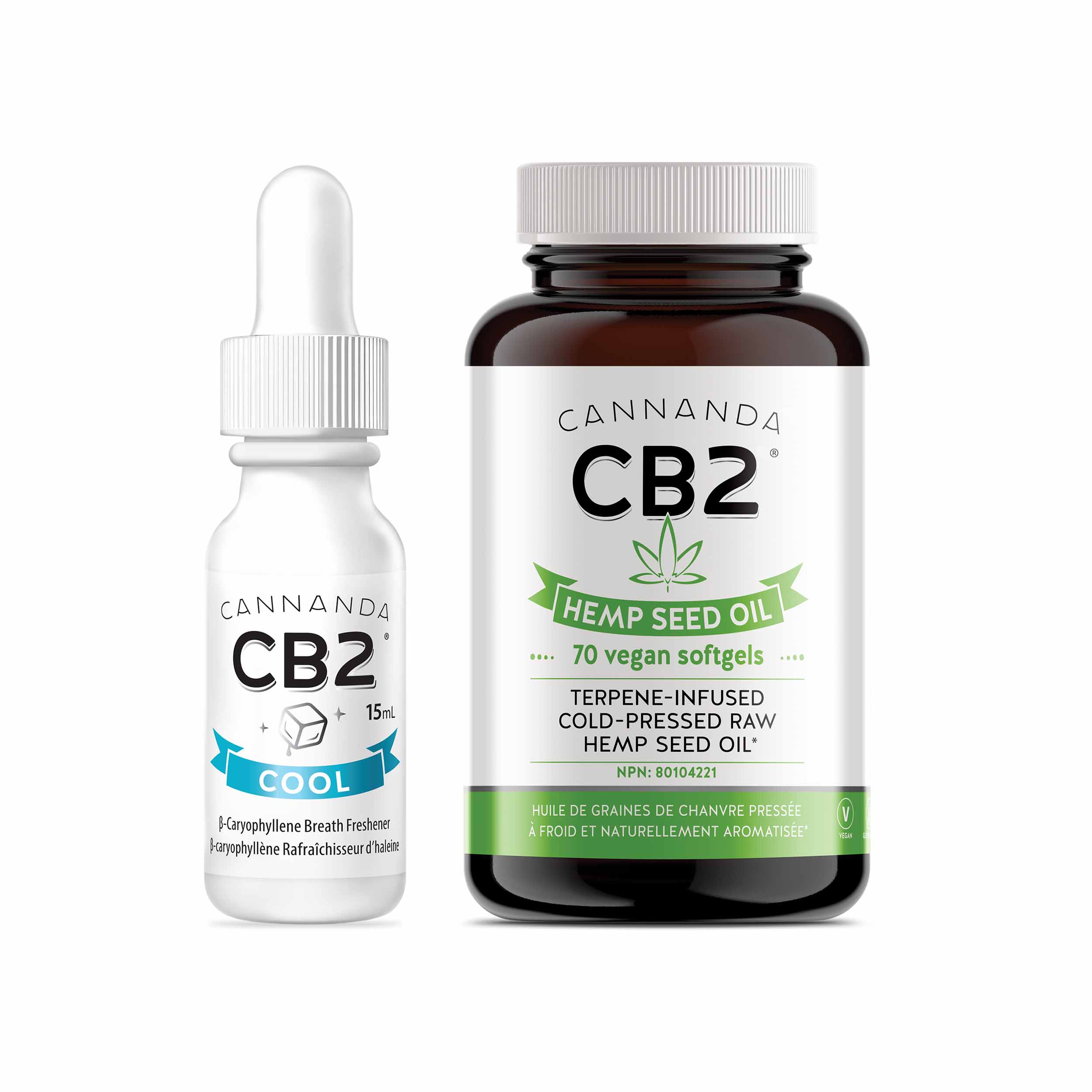
Vegan softgels deliver the same CB2 Hemp Seed Oil in capsule form, convenient for travel, work, or anyone who prefers capsules to oil. Flavoured oil options (Sweet Ginger, Orange Creamsicle) make the oil easier to take directly for those who find the natural hemp flavour challenging.
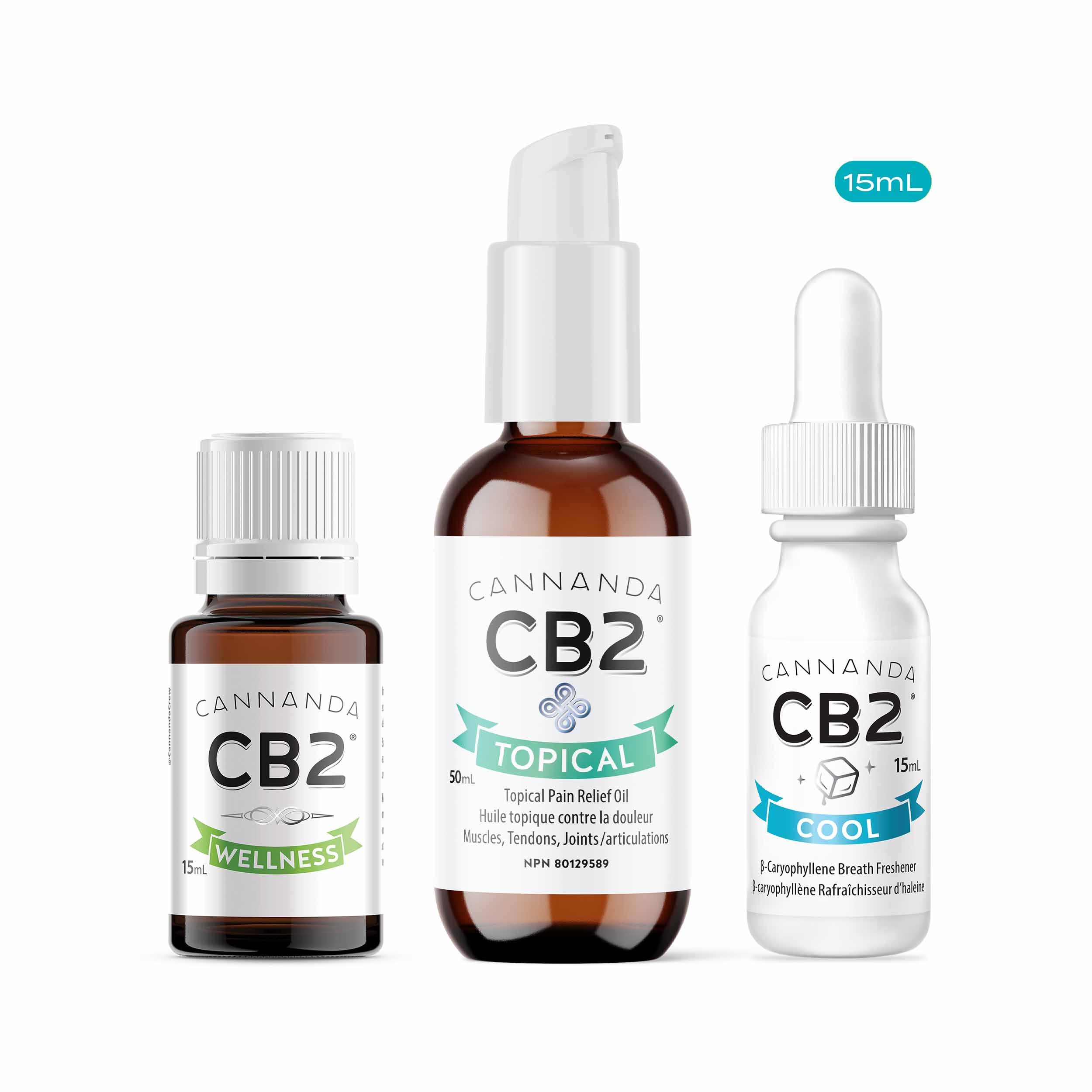
CB2 Wellness taken sublingually provides concentrated BCP with faster onset, useful for acute moments (a bad hot flash day, sleep difficulty, or an anxiety spike) when you need more targeted CB2 receptor support than the hemp seed oil's sustained-release delivery provides.
Fatty acid repletion takes time. GLA levels in cell membranes take several weeks to reach therapeutic concentrations with daily supplementation. Some women notice improvements quickly (especially sleep and joint pain); the full benefit of the GLA component for skin, hair, and hormonal balance typically becomes clear after 4–6 weeks of consistent daily use.
A common question from menopausal women: can I use CB2 oil alongside my statin medication? The answer is yes, for most people. Cannanda CB2 oil has no known adverse drug interactions with statins or other cardiovascular medications at recommended doses. One exception: if you're on a medication with a narrow therapeutic window, talk to your doctor before starting. BCP is not metabolized through the CYP450 liver enzyme pathway, so there is no interaction with statin metabolism.
Of additional interest: BCP may help improve cholesterol profiles in some individuals. And if you are on statins, you may want to discuss CoQ10 and vitamin D3 supplementation with your healthcare provider, statins are HMG CoA reductase inhibitors, and maintaining these nutrients is often relevant when on long-term statin therapy.
One bottle. Multiple jobs. Designed for this transition.
GLA equivalent to EPO. Omega-3s for cardiovascular health. BCP for CB2 receptor activation. Vitamin E and phytosterols for skin and cholesterol. In cold-pressed organic hemp seed oil.
Frequently Asked Questions
How does CB2 Hemp Seed Oil alleviate hot flashes during menopause?
CB2 Hemp Seed Oil addresses hot flashes through two mechanisms. GLA serves as a precursor to anti-inflammatory prostaglandin E1, which modulates hormonal fluctuations and reduces inflammatory signalling in hypothalamic tissue that contributes to thermoregulatory dysregulation. BCP reduces the neuroinflammation in the hypothalamus that narrows the thermoneutral zone. Together these address both the prostaglandin and neuroinflammatory drivers of hot flashes.
How does CB2 Hemp Seed Oil compare to evening primrose oil for menopause?
CB2 Hemp Seed Oil provides GLA comparable to evening primrose oil at standard serving sizes, the same active fatty acid that makes EPO popular for menopausal symptoms. But it also delivers BCP for CB2 receptor activation, omega-3 fatty acids (which EPO lacks entirely), vitamin E, and phytosterols. Evening primrose oil provides GLA only. CB2 Hemp Seed Oil provides GLA plus a comprehensive nutritional profile plus CB2 activation, one product replacing several.
Why does GLA become more important during perimenopause and menopause?
GLA is produced in the body from linoleic acid through the delta-6 desaturase enzyme, whose activity declines with age. By the 40s and 50s, GLA production from dietary linoleic acid can be significantly reduced. This makes direct dietary GLA sources increasingly important. The combination of declining delta-6 desaturase activity, stress, and the inflammatory state of menopause means women most in need of GLA are least able to synthesize it.
Can CB2 oil help with skin and hair changes during menopause?
Yes. Declining oestrogen reduces skin sebum production and impairs the moisture barrier. GLA in CB2 Hemp Seed Oil supports skin barrier function and sebaceous gland activity. The omega-6 fatty acids maintain cell membrane fluidity critical for moisture retention. Vitamin E provides antioxidant skin protection. Hair thinning in menopause is also partly driven by changes to sebaceous gland function that GLA and omega-3 together support.
Is CB2 Hemp Seed Oil safe with statins?
Yes, for most people. Cannanda CB2 oil has no known adverse drug interactions with statins at recommended doses. One exception: if you're on a medication with a narrow therapeutic window, talk to your doctor before starting. BCP is not metabolized through the CYP450 pathway. BCP may also help improve cholesterol profiles in some individuals. If you are on statins, consider discussing CoQ10 and vitamin D3 supplementation with your healthcare provider, as statins are HMG CoA reductase inhibitors that can affect these nutrient pathways.
Does CB2 Hemp Seed Oil help with cardiovascular health during menopause?
Yes, through several mechanisms. The omega-3 fatty acids (ALA and SDA) reduce cardiovascular inflammation and support lipid profiles. GLA contributes anti-inflammatory PGE1 production and reduces platelet aggregation. The phytosterols support healthy cholesterol levels. These are particularly relevant because cardiovascular risk increases significantly after menopause as oestrogen's cardioprotective effects are lost.
Can I take CB2 Hemp Seed Oil instead of my current menopause supplements?
It can consolidate several supplements. If you are taking evening primrose oil or borage oil (for GLA), flaxseed oil (for omega-3), or CBD oil, CB2 Hemp Seed Oil may replace all of these while adding BCP activation. Women taking fish oil specifically for EPA and DHA may benefit from maintaining that alongside CB2 Hemp Seed Oil, as hemp seed oil provides ALA and SDA omega-3s rather than the longer-chain EPA and DHA. Discuss changes with your healthcare provider.
References
- Horrobin, D. F. (2000). Essential fatty acid metabolism and its modification in atopic eczema. American Journal of Clinical Nutrition, 71(1 Suppl), 367S–372S. (GLA and fatty acid metabolism.)
- Simopoulos, A. P. (2002). Omega-3 fatty acids in inflammation and autoimmune diseases. Journal of the American College of Nutrition, 21(6), 495–505.
- Chenoy, R., et al. (1994). Effect of oral gamolenic acid from evening primrose oil on menopausal flushing. British Medical Journal, 308(6927), 501–503.
- Gertsch, J., et al. (2008). Beta-caryophyllene is a dietary cannabinoid. PNAS, 105(26), 9099–9104.
- Bahi, A., et al. (2014). β-Caryophyllene produces multiple behavioral changes relevant to anxiety and depression in mice. Physiology & Behavior, 135, 119–124.
- Tarumi, W. & Shinohara, K. (2020). Olfactory exposure to β-caryophyllene increases testosterone levels in women's saliva. Sexual Medicine, 8(3), 525–531.
- Callaway, J., et al. (2005). Efficacy of dietary hempseed oil in patients with atopic dermatitis. Journal of Dermatological Treatment, 16(2), 87–94. (Hemp seed oil and skin conditions.)
- Rodriguez-Leyva, D., & Pierce, G. N. (2010). The cardiac and haemostatic effects of dietary hempseed. Nutrition & Metabolism, 7, 32.











Comments
Hi Shereen,
The answer is yes, you can use our CB2 oils with statins. When used as recommended, our products do not have any known adverse drug interactions.
Something you might be happy to know, beta-caryophyllene (BCP), the active ingredient in our CB2 line, can also help improve cholesterol profile in some individuals.
And just an FYI (since I’m not your doctor and cannot make specific recommendations), because statins are HMG CoA reductase inhibitors, you might want to consider CoQ10 and vitamin D3 supplements as well.
Let us know if you have any other questions :)
Cannanda
Hi there!
Just curious as to whether or not the CB2 has any contraindications with statins?