Clear Your Mind: How Cannanda CB2 Oil Can Help Overcome Brain Fog
Enhance mental clarity and combat brain fog naturally, the neuroinflammation connection, and why CB2 oil addresses the root cause.
You feel like your mind is stuck in a haze. Concentrating is hard work. Words escape you mid-sentence. You wake up tired and think slowly all day. You're not imagining it, and it's not just stress. This article explains what's actually driving brain fog and how Cannanda CB2 oil addresses the underlying biology.
Brain fog is usually driven by neuroinflammation, chronic low-grade inflammation in brain tissue, which most conventional approaches don't address. Beta-caryophyllene (BCP) in Cannanda CB2 oil activates CB2 receptors that reduce neuroinflammation, protect brain cells, and ease the anxiety and stress that compound cognitive impairment. High Achievers Focus works alongside it via complementary mechanisms, improving brain oxygenation and preserving acetylcholine, the neurotransmitter most critical to focus and memory. Many people notice improvement from the first dose; for established neuroinflammation, expect meaningful change over 2-4 weeks of consistent use.
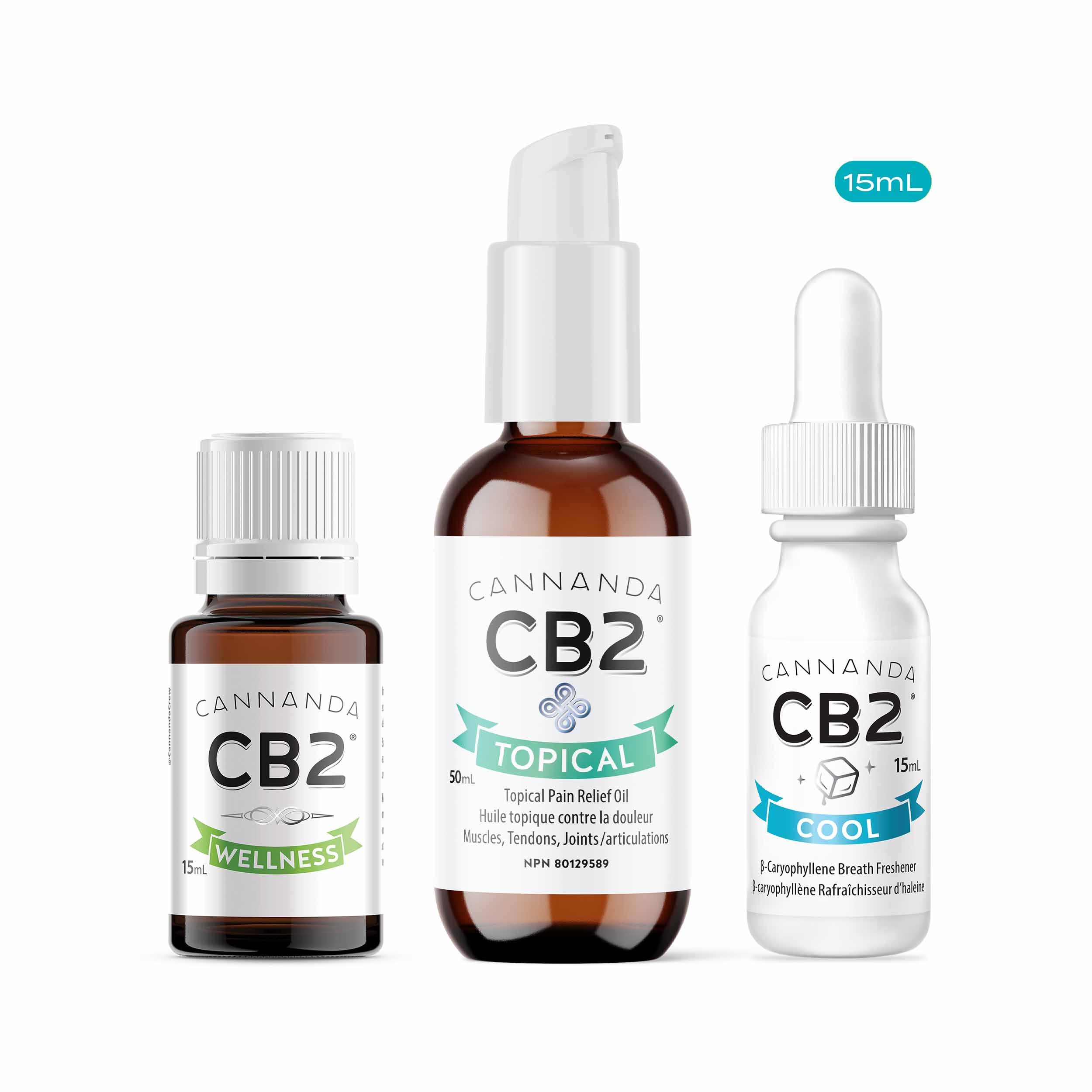
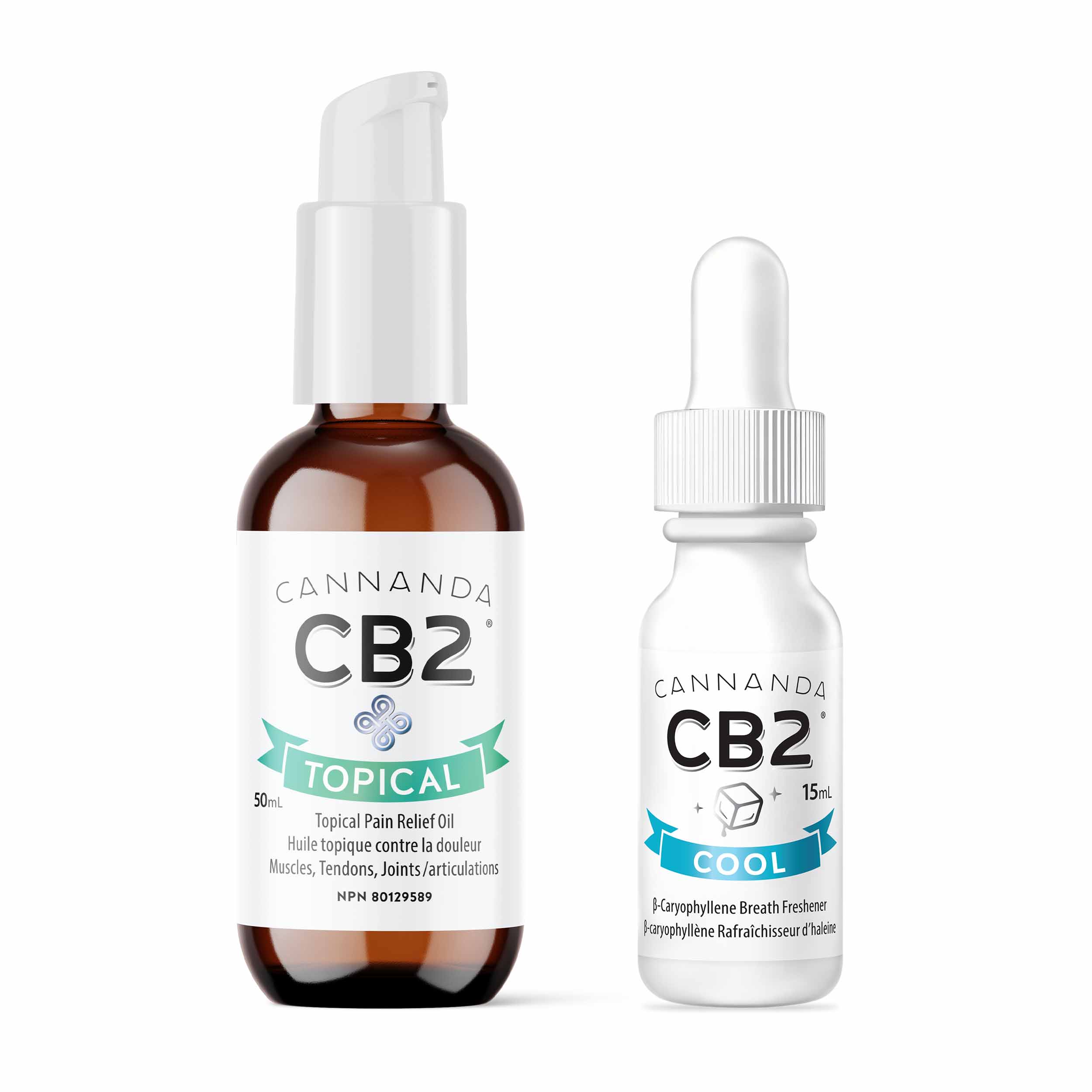
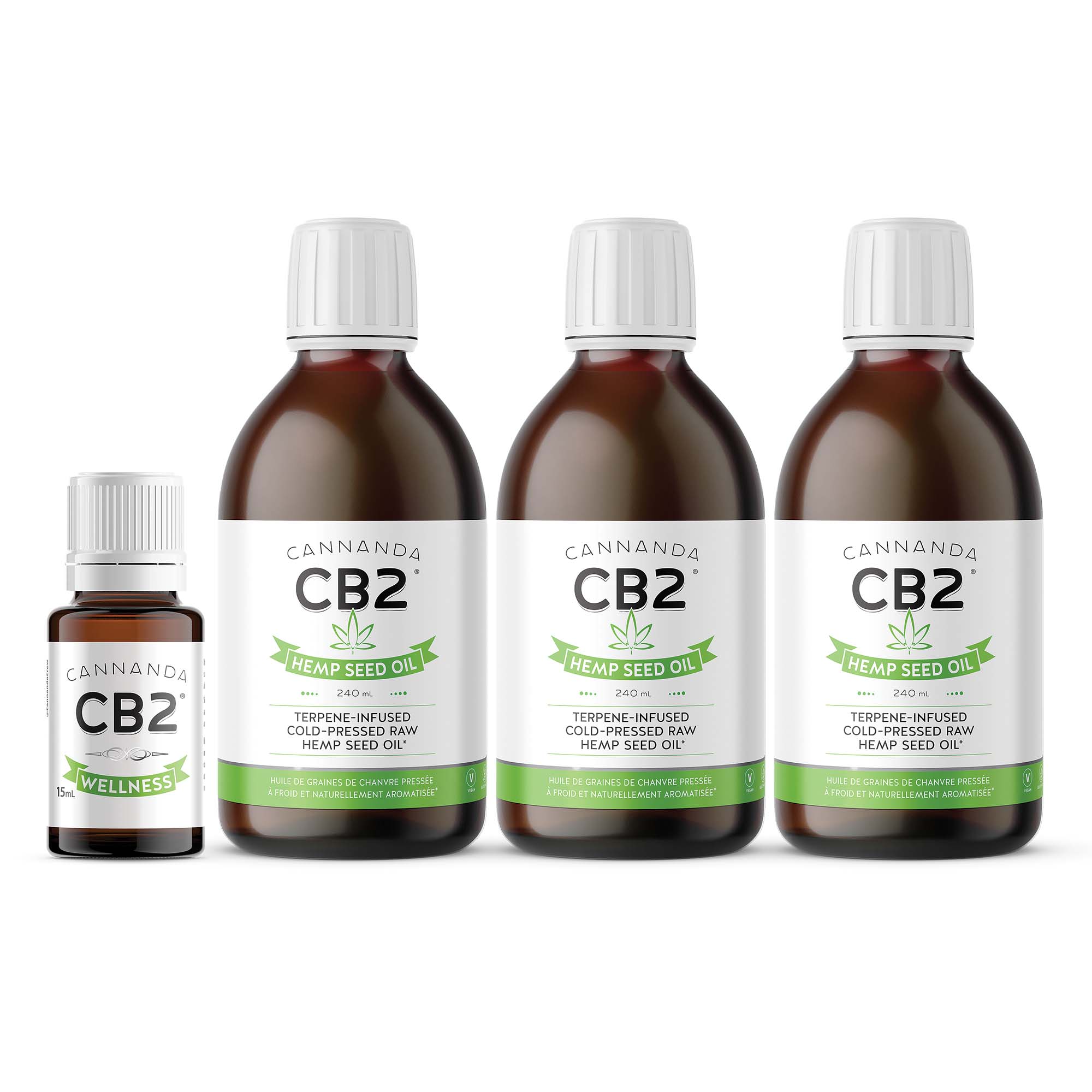
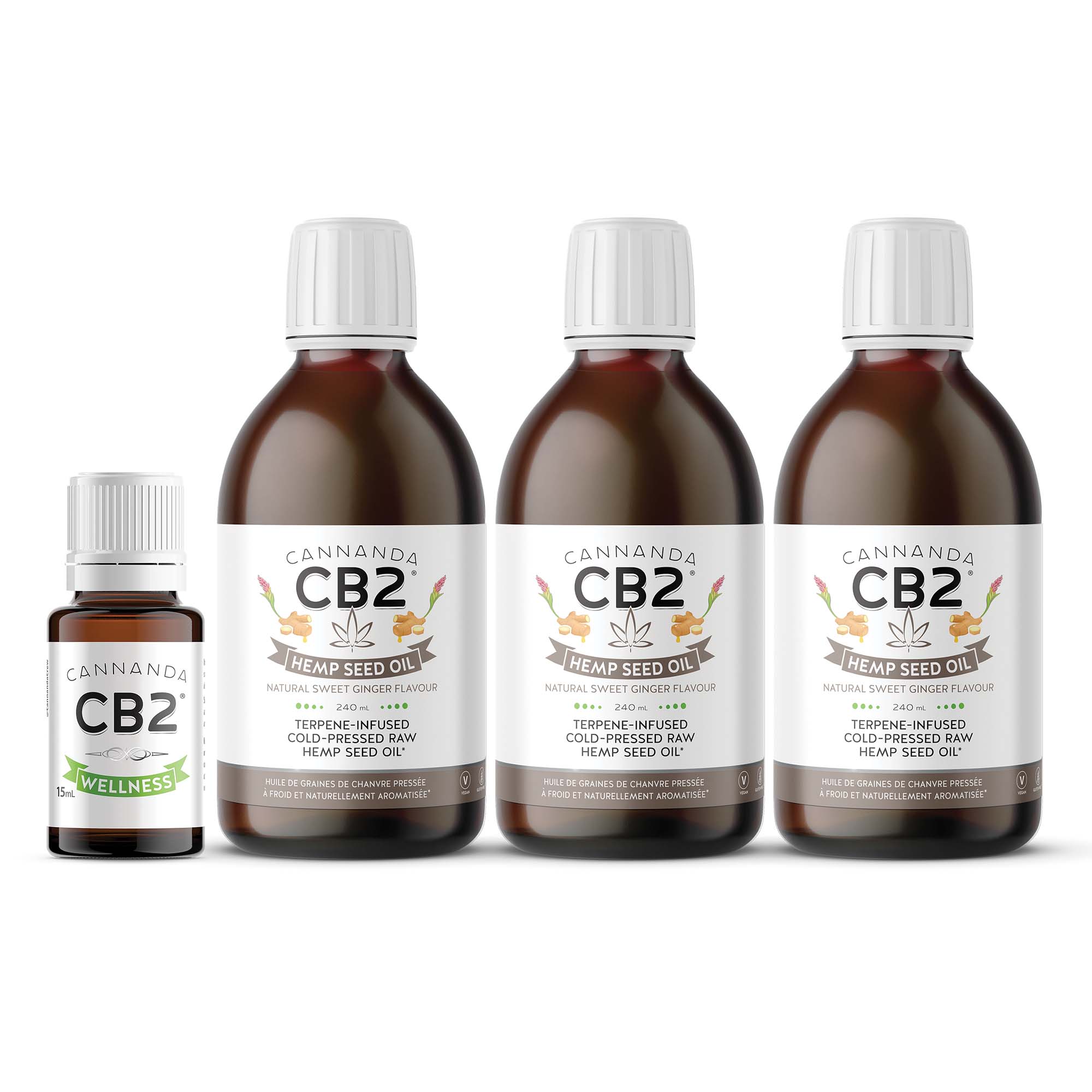
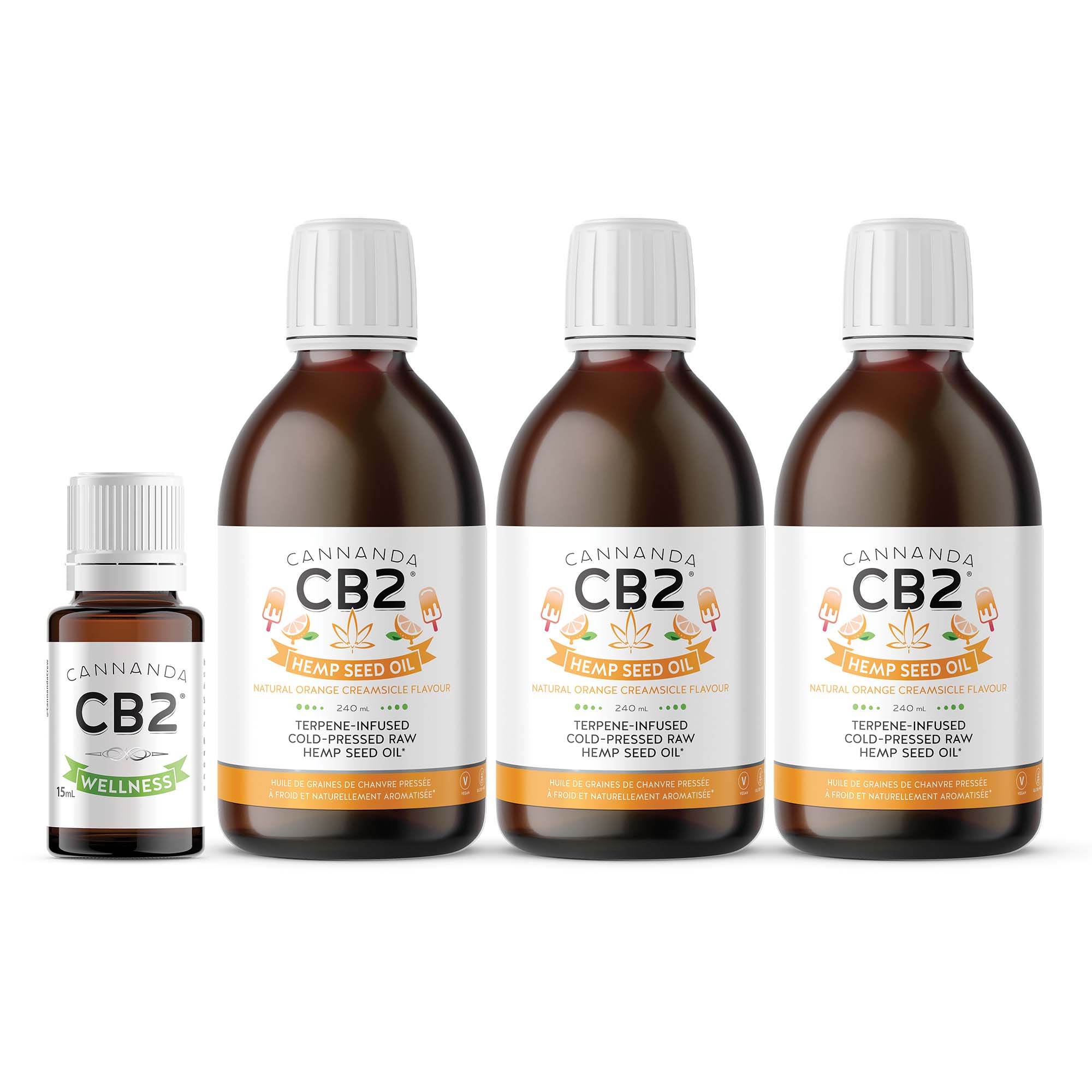
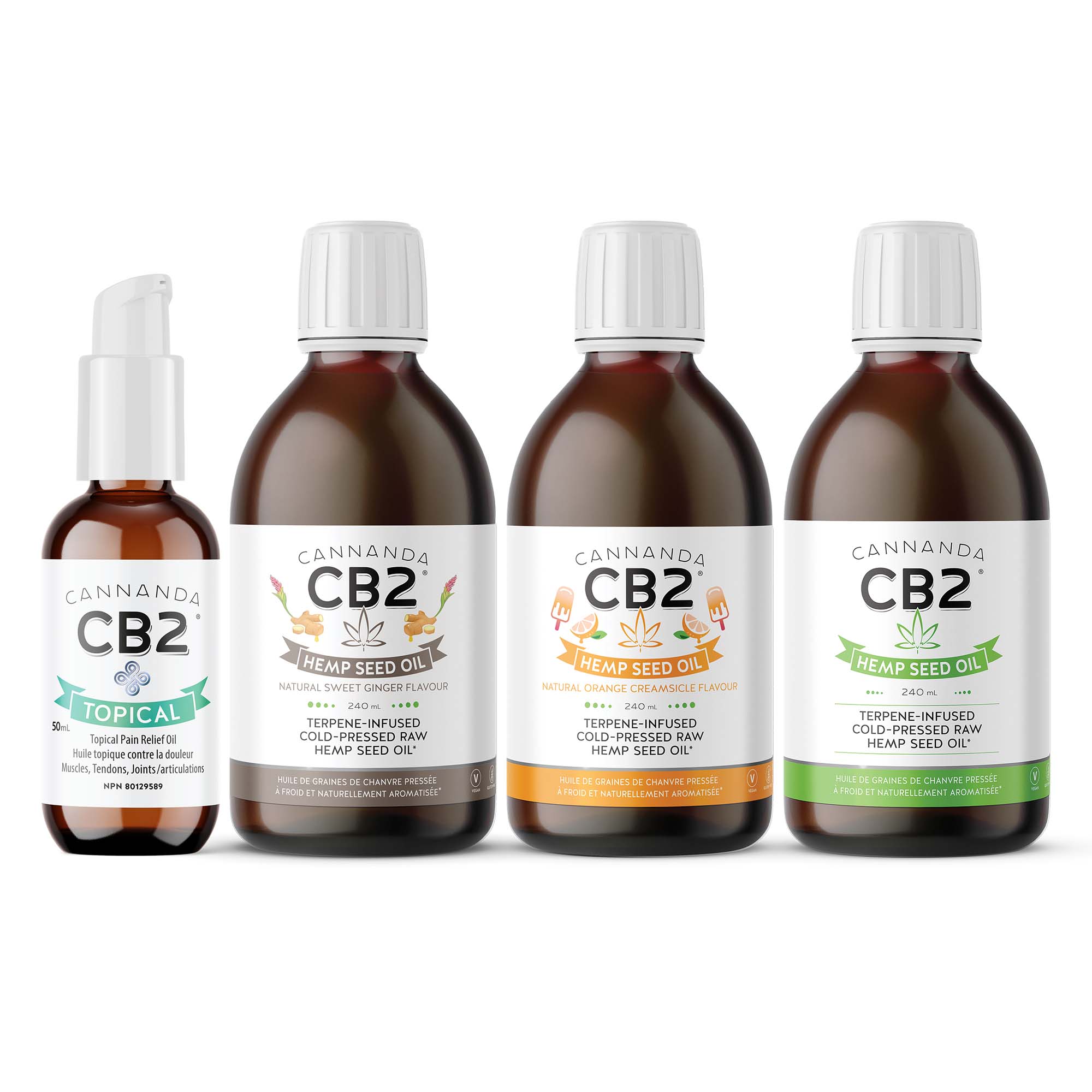
Are you feeling like your mind is stuck in a haze? Struggling to concentrate, recall information, or string a clear thought together? You might be experiencing brain fog, a frustrating condition that can seriously impact daily life. The good news is that there's a natural, well-supported approach. Cannanda CB2 oil, featuring beta-caryophyllene (BCP) as its active ingredient, targets the most significant driver of brain fog at its root. Let's walk through what's actually happening in the brain when you experience fog, and how CB2 oil can help clear it.
What is brain fog?
Brain fog is not a medical diagnosis but a colloquial term for a cluster of symptoms that affect how clearly and efficiently the brain functions. It shows up differently for different people, but the core experience is the same: your brain feels like it's operating through mud.
Brain fog is a symptom, not a disease, which means it always has an underlying driver. Identifying that driver is the key to actually resolving it rather than just pushing through it.
What causes brain fog?
Brain fog can stem from multiple interacting causes. The most common, and the one most people underestimate, is neuroinflammation.
Inflammation of the brain is now recognized as a central mechanism in brain fog across many conditions. It's the defining feature of ME/CFS, long COVID, post-viral fatigue, and fibromyalgia. When immune cells in the brain (microglia) become chronically activated, they impair neural signalling and cognitive processing, producing exactly the hazy, slow, effortful thinking that characterizes brain fog.
Sustained psychological stress elevates cortisol, which promotes neuroinflammation and disrupts prefrontal cortex function, the area responsible for executive function, working memory, and attention. Stress doesn't just make you feel foggy; it measurably impairs the neural circuits you rely on to think clearly.
Sleep is when the brain's glymphatic system clears metabolic waste, including inflammatory proteins like amyloid-beta. Disrupted sleep means this waste accumulates, worsening neuroinflammation and cognitive performance the next day. Improving sleep quality is one of the fastest ways to clear brain fog.
The brain runs almost entirely on glucose, making it acutely sensitive to blood sugar swings. High-sugar diets and insulin resistance create spikes and crashes in brain fuel delivery, directly causing fatigue, difficulty concentrating, and the afternoon mental slump many people mistake for normal tiredness.
Hormonal imbalances, including those during perimenopause, menopause, and thyroid dysfunction, frequently cause brain fog. Oestrogen, progesterone, and thyroid hormones all have direct effects on neurotransmitter activity, cerebral blood flow, and the inflammatory tone of the brain. Declining oestrogen in perimenopause is particularly associated with word-finding difficulty and memory issues.
Post-viral brain fog, whether from COVID-19, Epstein-Barr, or other viral triggers, is caused by persistent neuroinflammation following immune activation. The SARS-CoV-2 virus can directly enter brain tissue, triggering microglial activation that persists long after the acute infection resolves. This is the same neuroinflammatory mechanism BCP targets through CB2 receptor activation.
Why conventional approaches often fall short
Most conventional advice for brain fog addresses surface-level factors: drink more water, sleep more, reduce stress. All reasonable, but incomplete, particularly for people whose fog is driven by established neuroinflammation. If your microglial cells are chronically activated, telling yourself to "manage stress better" will not resolve the underlying inflammatory process.
Stimulants, caffeine, prescription medications like Adderall or modafinil, can temporarily override the cognitive symptoms, but they don't reduce neuroinflammation. They make a foggy brain work harder without addressing why it's foggy. Over time this approach can worsen the inflammatory load and deplete neural resources.
The more durable approach is reducing the neuroinflammation directly, which is exactly what CB2 receptor activation through beta-caryophyllene does.
How CB2 oil clears brain fog: three mechanisms
CB2 receptors are found in immune cells and nervous tissue throughout the body, including in the brain's microglia, the resident immune cells responsible for neuroinflammation. When CB2 receptors in microglial cells are activated, they shift from a pro-inflammatory state to an anti-inflammatory, neuroprotective one. Beta-caryophyllene (BCP) is a selective CB2 agonist, it activates CB2 receptors specifically, without producing intoxication. This makes it uniquely relevant to neuroinflammation-driven brain fog.
Mechanism
BCP has potent anti-inflammatory effects mediated through CB2 receptor activation in microglia and peripheral immune cells. It suppresses the production of pro-inflammatory cytokines (TNF-α, IL-1β, IL-6) and inhibits NF-κB activation, the master inflammatory switch. In the brain, this directly reduces the microglial hyperactivation that impairs neural signalling and produces cognitive fog.
Studies
Mechanism
Beyond reducing active inflammation, BCP has direct neuroprotective properties, it helps shield brain cells from the oxidative stress and excitotoxicity that cause long-term cognitive impairment. This is particularly relevant to post-viral brain fog, where ongoing neural damage compounds the cognitive decline over time.
Studies
These neuroprotective effects mean CB2 oil isn't just helping you feel clearer now, it's supporting the long-term health of the neural tissue you need to think with.
Mechanism
Chronic stress is both a cause of brain fog and a consequence of it, the cognitive difficulty creates more anxiety, which elevates cortisol, which promotes more neuroinflammation and poorer cognitive function. BCP breaks this cycle by modulating the endocannabinoid system's role in stress and anxiety regulation through CB2 receptor activation.
Studies
High Achievers Focus: a complementary tool for cognitive clarity
Many people use High Achievers Focus on its own for a cognitive boost, or alongside CB2 oil as a complementary approach. While CB2 oil addresses neuroinflammation, High Achievers Focus works through two fundamentally different mechanisms that together create a more complete approach to brain fog:
Alpha-pinene improves breathing and airway function, resulting in better oxygenation of the blood. Oxygen is used by the mitochondria in every cell to create energy, and at rest, the brain is the organ with the greatest energy demand. More oxygen reaching brain cells means more energy available for cognitive work.
Alpha-pinene inhibits acetylcholinesterase, the enzyme that breaks down acetylcholine. Acetylcholine is a critical neurotransmitter and an absolute requirement for normal brain function, memory formation, and focus. Preventing its breakdown is the same mechanism used by several pharmaceutical cognitive enhancers, achieved here through a natural terpene.
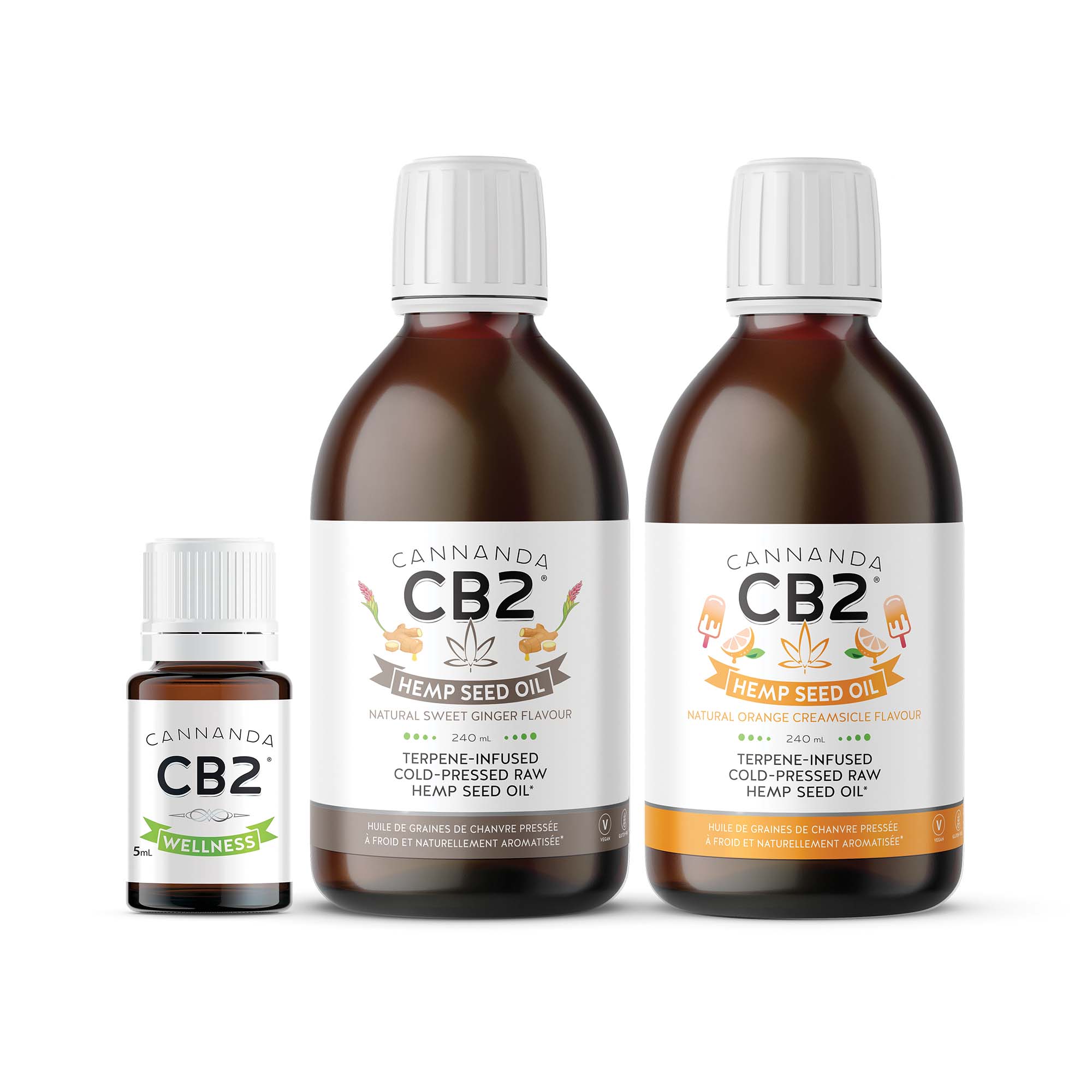
Used together, CB2 oil and High Achievers Focus address brain fog from three distinct angles simultaneously: reducing neuroinflammation, protecting brain cells, and supporting the neurochemical infrastructure of clear thinking. Many customers report the combination produces clearer results than either product alone.
How to use Cannanda products for brain fog
Follow the recommended dosage on the product label. Start lower and gradually increase. Cannanda's recommended range for CB2 oil is 60-120 mg BCP/day for most people.
Use CB2 oil daily. Many report immediate benefits from the first dose. For established neuroinflammation, meaningful improvement builds over a few weeks of consistent use.
Complement with omega-3-rich foods, regular movement, proper sleep hygiene, and blood sugar management. These address contributing causes that CB2 oil can't address alone.
Clear the fog, naturally
Anti-neuroinflammatory. Neuroprotective. Non-intoxicating. No drug interactions for most people. Two products, three mechanisms.
Frequently Asked Questions
What is brain fog?
Brain fog is a colloquial term for a cluster of symptoms affecting mental clarity, difficulty concentrating, memory problems, mental fatigue, slow thinking, word-finding difficulty, and lack of focus. It is a symptom, not a disease, which means it always has an underlying driver. The most significant driver in most cases is neuroinflammation, chronic inflammatory activity in the brain.
What causes brain fog?
Common causes include neuroinflammation (the most significant driver, a defining feature of ME/CFS, long COVID, fibromyalgia, and post-viral conditions); chronic stress; poor sleep quality; blood sugar dysregulation; hormonal changes including perimenopause, menopause, and thyroid dysfunction; and nutritional deficiencies including B12, vitamin D, and omega-3 fatty acids.
How can Cannanda CB2 oil help with brain fog?
Cannanda CB2 oil contains beta-caryophyllene (BCP), which selectively binds to CB2 receptors in the endocannabinoid system, including in the brain's microglial immune cells. This activates an anti-inflammatory cascade that reduces neuroinflammation, provides neuroprotective effects against brain cell damage, and reduces the stress and anxiety that worsen cognitive impairment. By targeting neuroinflammation directly, CB2 oil addresses the most significant root cause of brain fog rather than just masking the symptoms.
What is High Achievers Focus and how is it different from CB2 oil?
High Achievers Focus features alpha-pinene as its dominant ingredient. While CB2 oil reduces neuroinflammation through CB2 receptor activation, High Achievers Focus works through two complementary mechanisms: improving breathing and blood oxygenation (the brain's primary energy substrate), and inhibiting acetylcholinesterase to preserve acetylcholine, the neurotransmitter critical for memory and focus. The two products address brain fog from different angles and work well together.
How long does it take CB2 oil to clear brain fog?
Many people report noticing improvements from the first day or even the first dose, particularly for brain fog driven by acute inflammation or stress. For conditions with established neuroinflammation, ME/CFS, long COVID, fibromyalgia, meaningful improvement typically builds over 2 to 4 weeks of consistent daily use as the inflammatory load gradually reduces. Consistent daily use matters more than any individual dose.
Is Cannanda CB2 oil safe for daily use?
Yes. Cannanda CB2 oil uses GRAS-status (Generally Recognized As Safe) food ingredients, is non-intoxicating, contains 0% THC and 0% CBD, and has no known adverse drug interactions at recommended doses for most people. The one exception is medications with a narrow therapeutic window, where a doctor should be consulted first. It is safe for daily use without any impairment to cognition, mental state, or driving ability, in fact, reducing neuroinflammation typically improves all of these over time.
Can CB2 oil help with long COVID brain fog?
Long COVID-associated brain fog is strongly linked to persistent neuroinflammation following SARS-CoV-2 infection. Beta-caryophyllene's anti-neuroinflammatory and neuroprotective mechanisms, CB2-receptor-mediated reduction of microglial activation and pro-inflammatory cytokine production, are directly relevant to this pathology. Many long COVID patients have incorporated CB2 oil into their recovery approach on this mechanistic basis.
Can hormonal brain fog be helped with CB2 oil?
Hormonal brain fog, common in perimenopause and menopause, often has a significant neuroinflammatory component alongside the hormonal driver. BCP's anti-inflammatory effects can help reduce the neuroinflammatory aspect, and its anxiolytic properties ease the associated anxiety and mood shifts that worsen cognitive symptoms. Addressing the hormonal root cause with appropriate medical care remains important alongside any supplement.
What is acetylcholine and why does it matter for brain fog?
Acetylcholine is a critical neurotransmitter required for memory formation, sustained attention, and general cognitive function. Reduced acetylcholine activity produces exactly the symptoms of brain fog, difficulty concentrating, poor short-term memory, slow thinking. Alpha-pinene in High Achievers Focus inhibits acetylcholinesterase, the enzyme that breaks down acetylcholine, which helps preserve acetylcholine levels and support clearer cognitive function.
References
- Gertsch, J., et al. (2008). Beta-caryophyllene is a dietary cannabinoid. PNAS, 105(26), 9099-9104. https://doi.org/10.1073/pnas.0803601105
- Chun, J., et al. (2013). Cannabinoid type 2 receptor agonist beta-caryophyllene protects against cerebral ischemic injury by blocking glutamate excitotoxicity. Neuroscience Letters, 546, 34-38.
- Rom, S. & Persidsky, Y. (2013). Cannabinoid Receptor 2: Potential Role in Immunomodulation and Neuroinflammation. Journal of Neuroimmune Pharmacology, 8, 608-620.
- Bahi, A., et al. (2014). β-Caryophyllene, a CB2 receptor agonist produces multiple behavioral changes relevant to anxiety and depression in mice. Physiology & Behavior, 135, 119-124.
- Klauke, A.-L., et al. (2014). The cannabinoid CB2 receptor-selective phytocannabinoid beta-caryophyllene exerts analgesic effects in mouse models of inflammatory and neuropathic pain. European Journal of Neuropsychopharmacology, 24(4), 608-620.
- Perry, N. S., et al. (2000). In-vitro inhibition of human erythrocyte acetylcholinesterase by salvia lavandulaefolia essential oil and constituent terpenes. Journal of Pharmacy and Pharmacology, 52(7), 895-902. (Alpha-pinene acetylcholinesterase inhibition.)
- Cammarota, M., et al. (2007). Acetylcholine and memory: multiple roles in hippocampal and cortical function. Behavioural Brain Research, 183(1), 1-11.