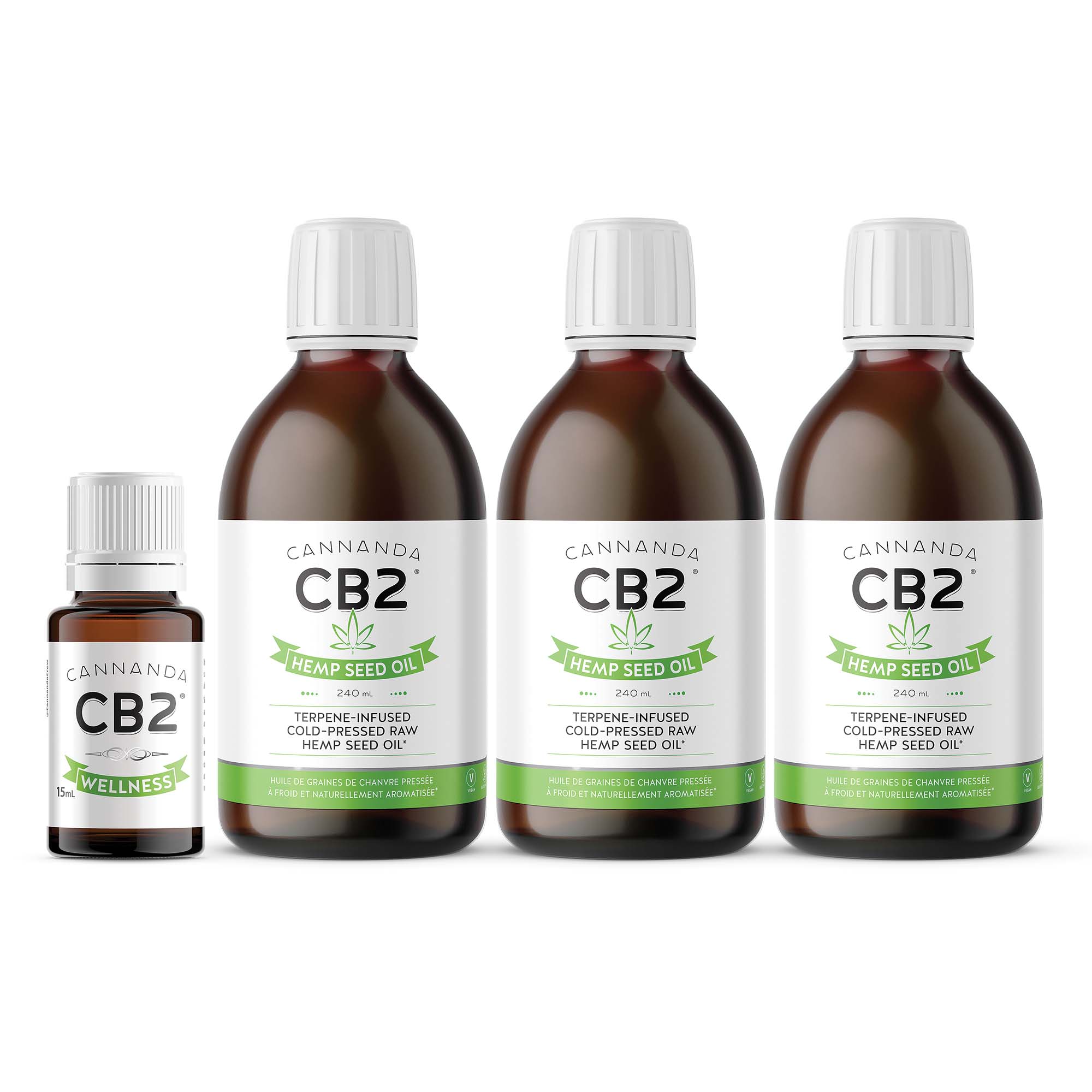
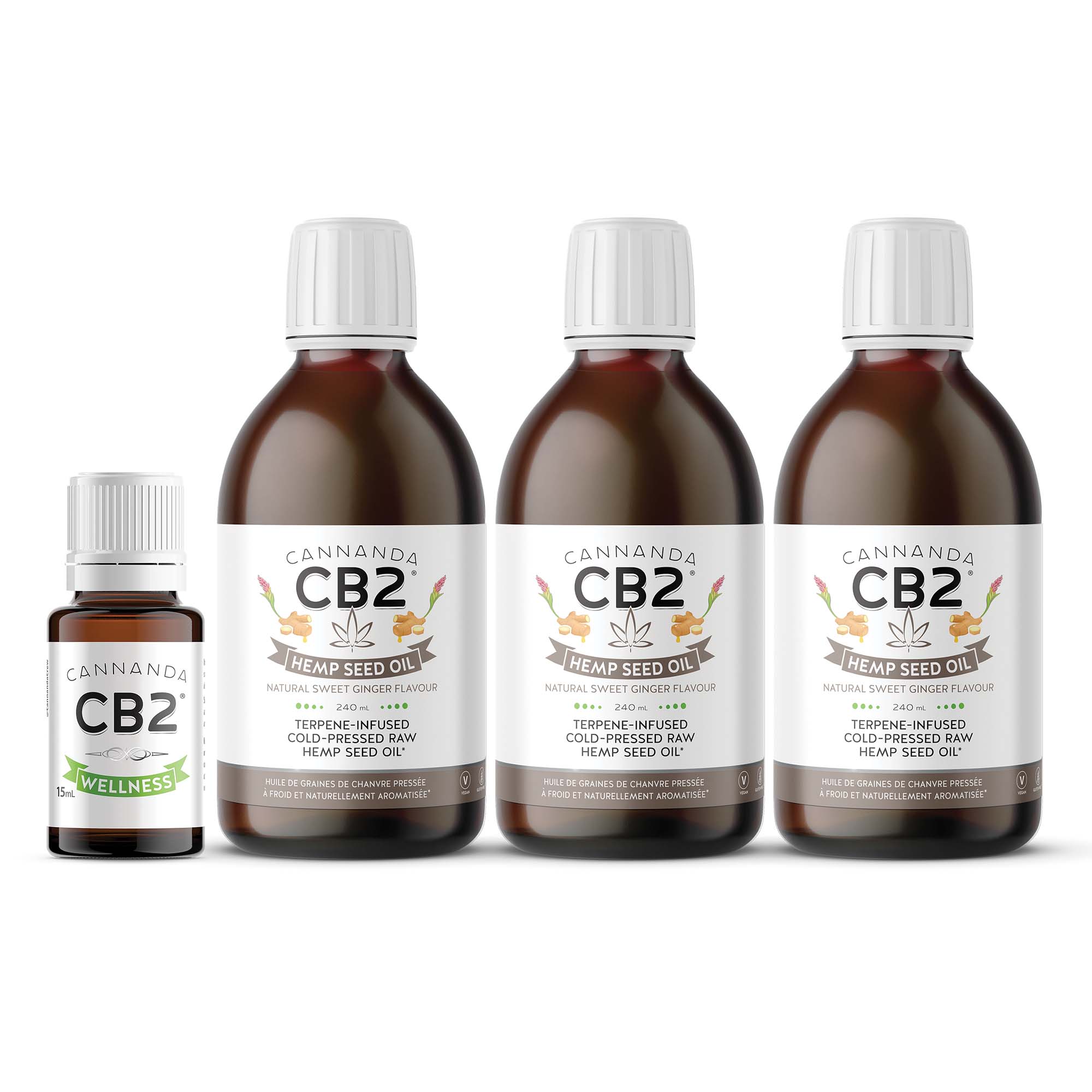
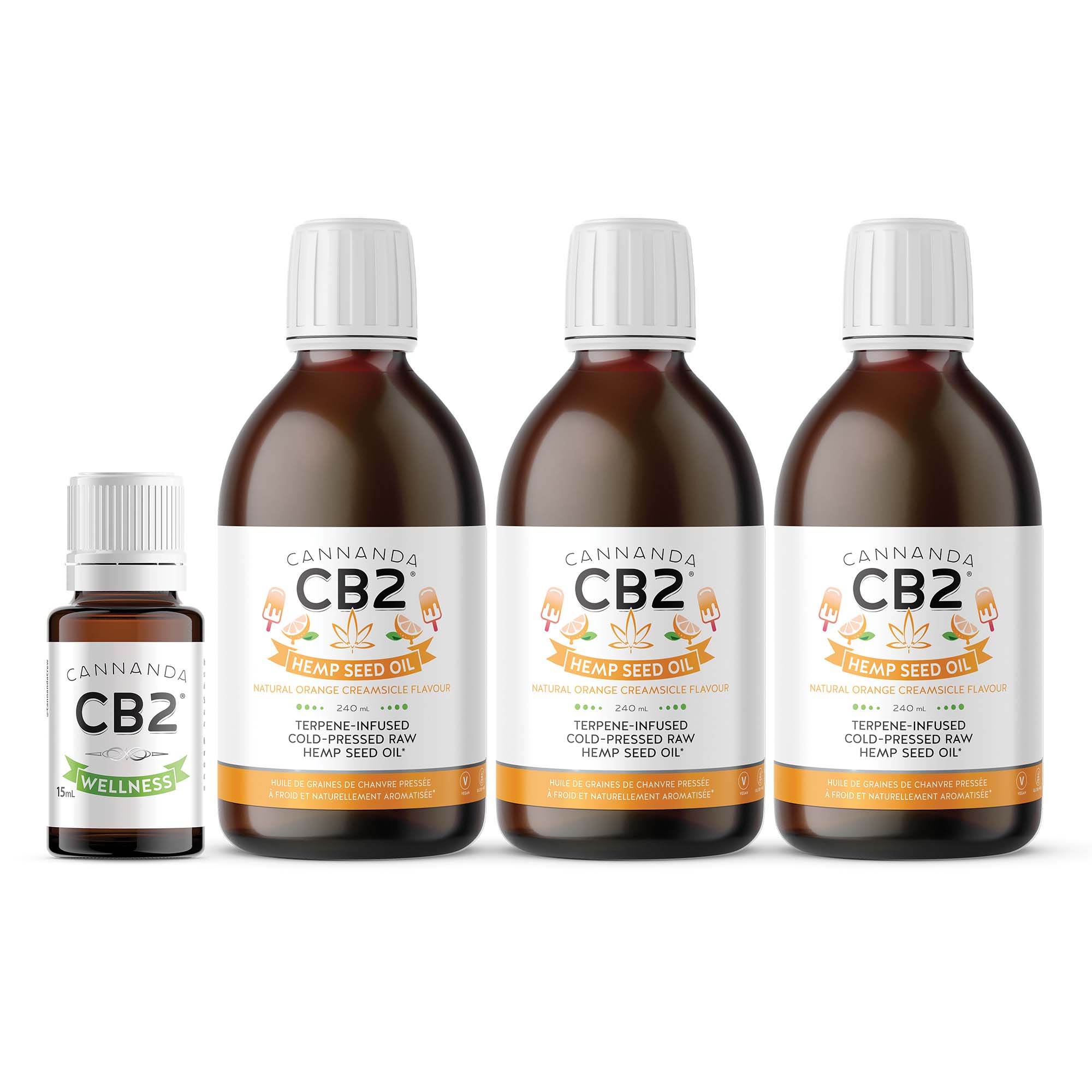
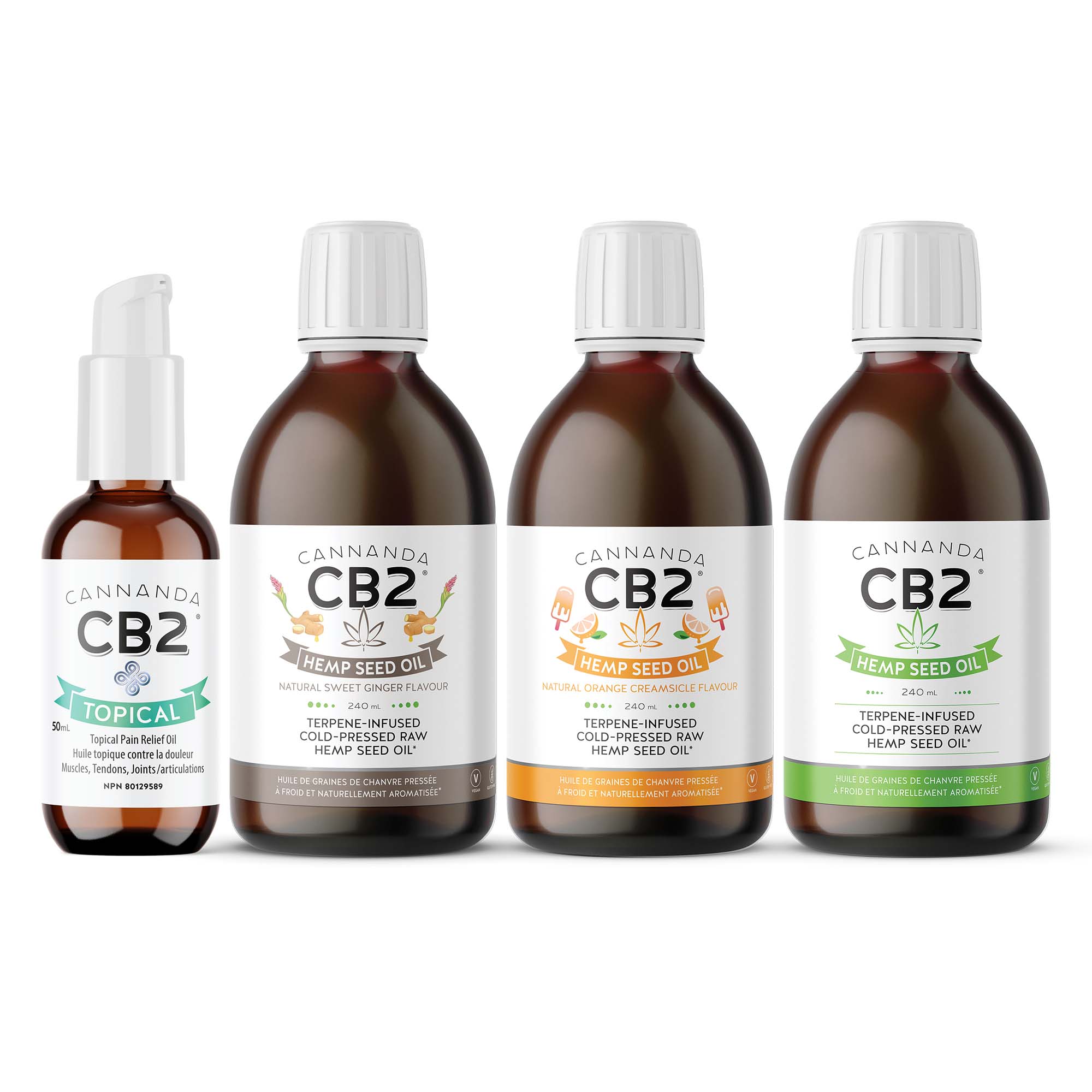
Is Cannanda CB2 Oil the Best Immune Modulator for Fibromyalgia?
Discovering the potential of beta-caryophyllene for fibromyalgia relief, and how it compares to conventional immune modulators.
This article discusses research on CB2 receptor activation and fibromyalgia. It is for educational purposes and does not constitute medical advice. Always consult your healthcare provider before changing or supplementing any treatment plan.
You're living with fibromyalgia and conventional treatments haven't given you the relief you need. You want to understand whether CB2 oil offers a scientifically grounded option, not marketing hype, and how it compares to the immune-modulating drugs your doctor may have discussed.
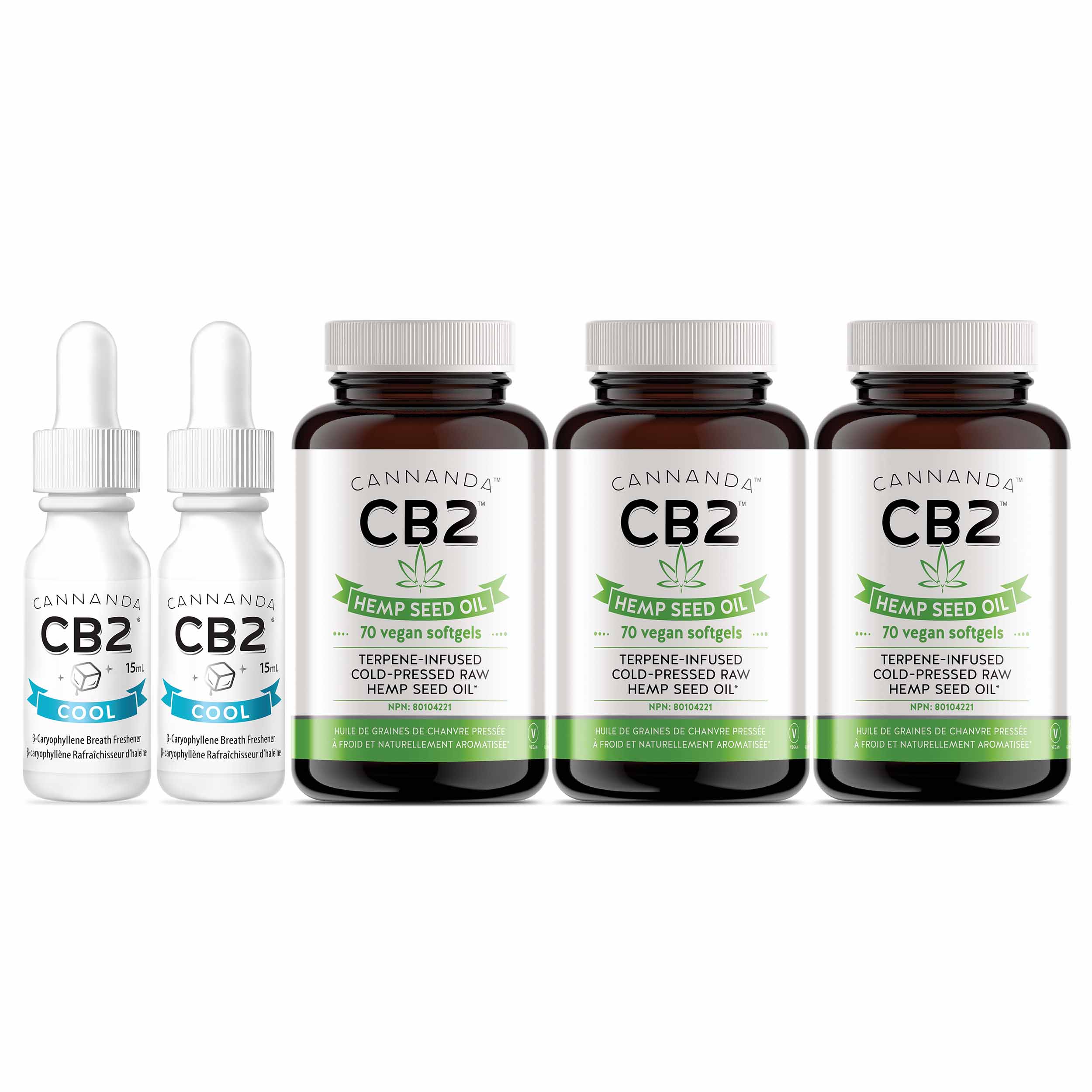
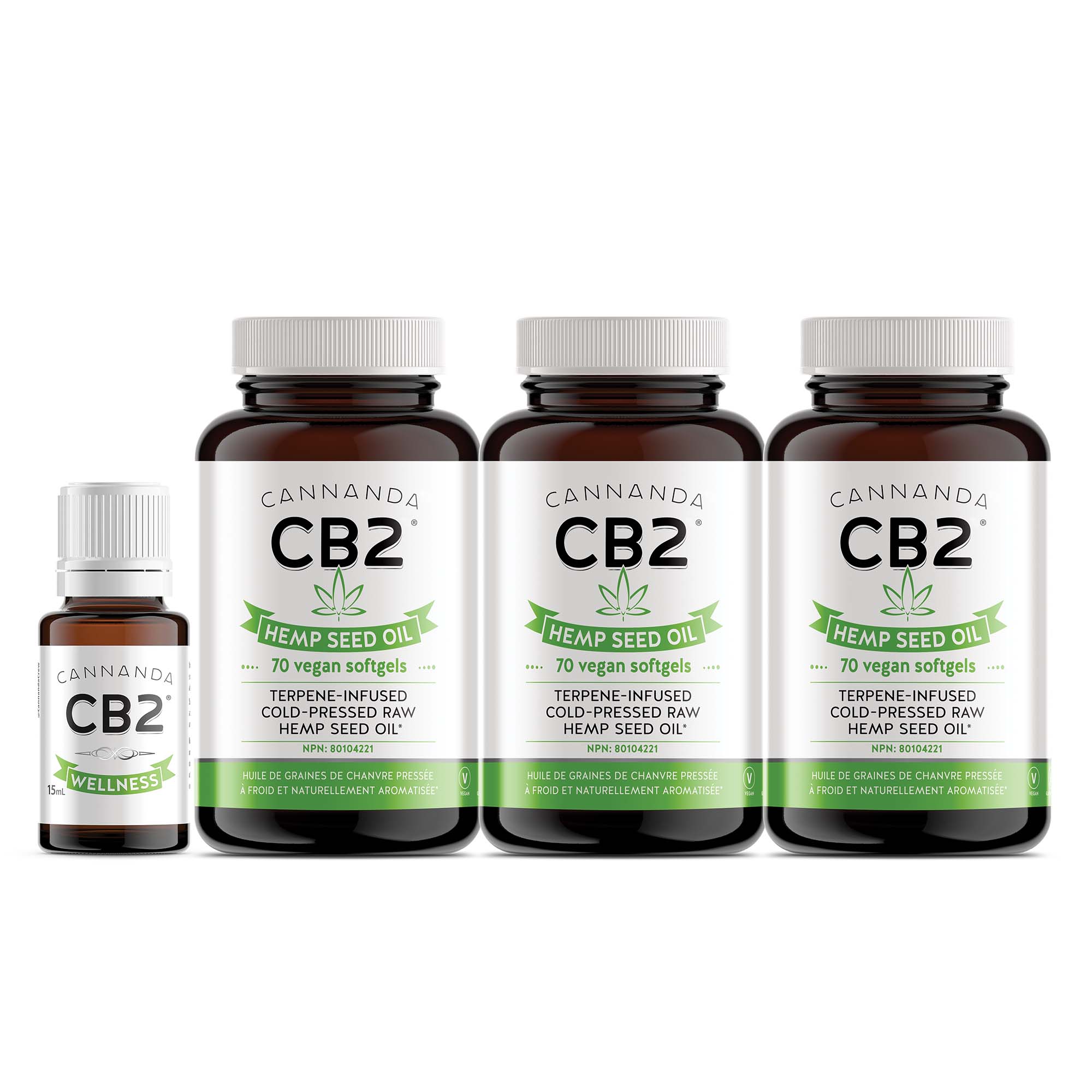
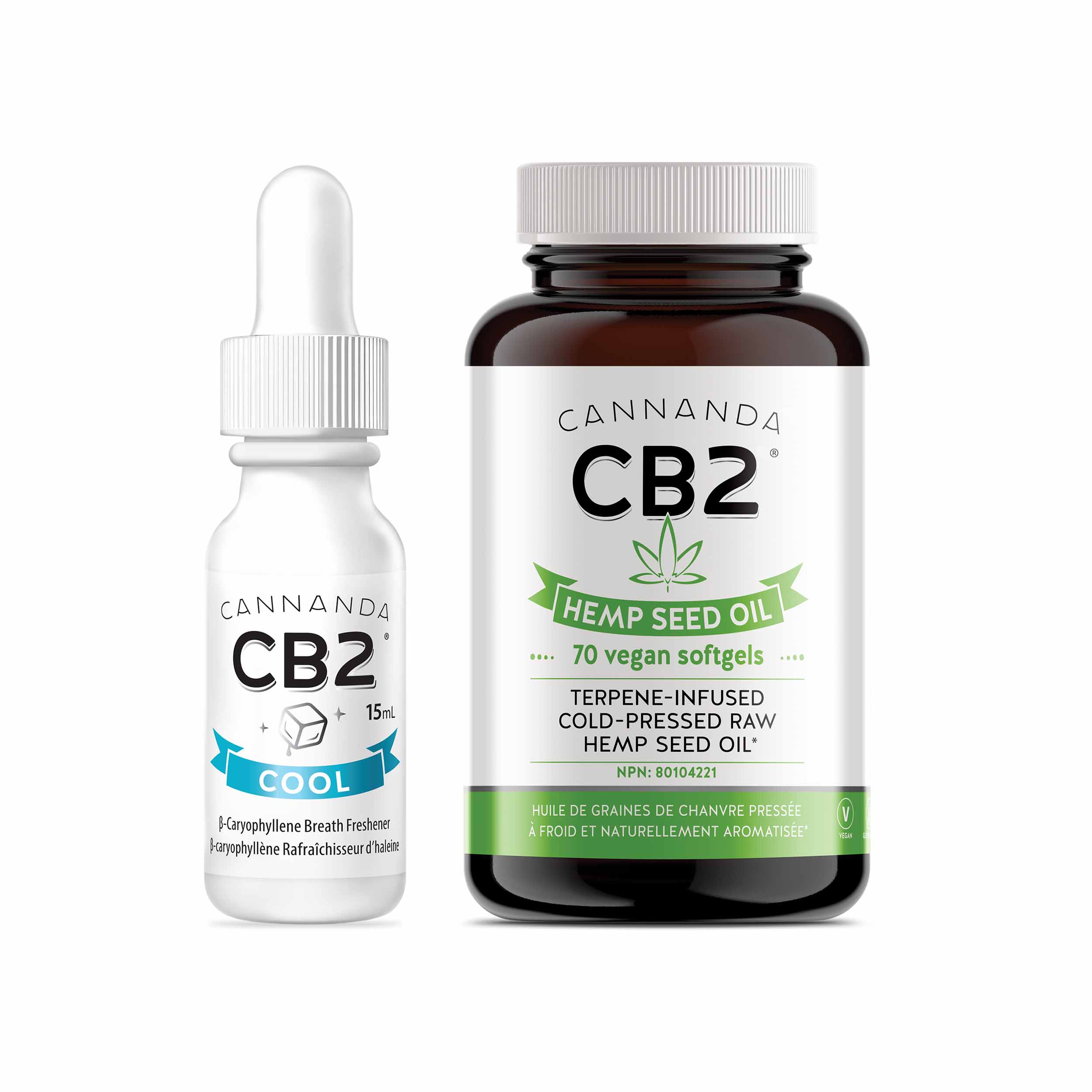
Fibromyalgia may be an autoimmune condition, and targeting the immune system represents a promising treatment direction. Cannanda CB2 oil, featuring beta-caryophyllene (BCP), directly activates CB2 receptors in immune cells, offering targeted immune modulation without the serious side effects of corticosteroids, methotrexate, or biologics. It has no adverse drug interactions at recommended doses (aside from an exception for those on medications with a narrow therapeutic window), can complement existing pain medications, and has a reported 60–70% efficacy rate. Available as oils, flavoured oils, and vegan softgels.
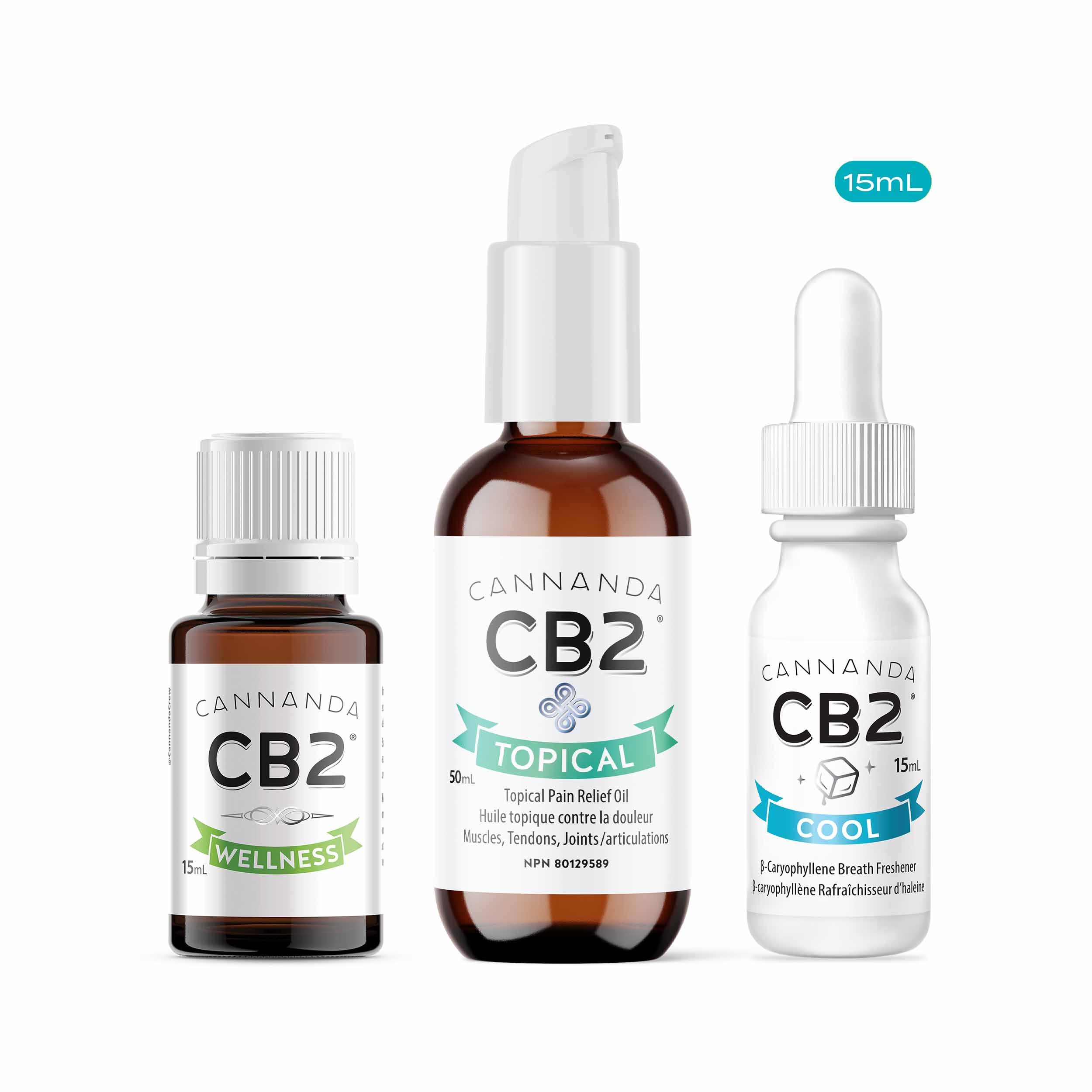
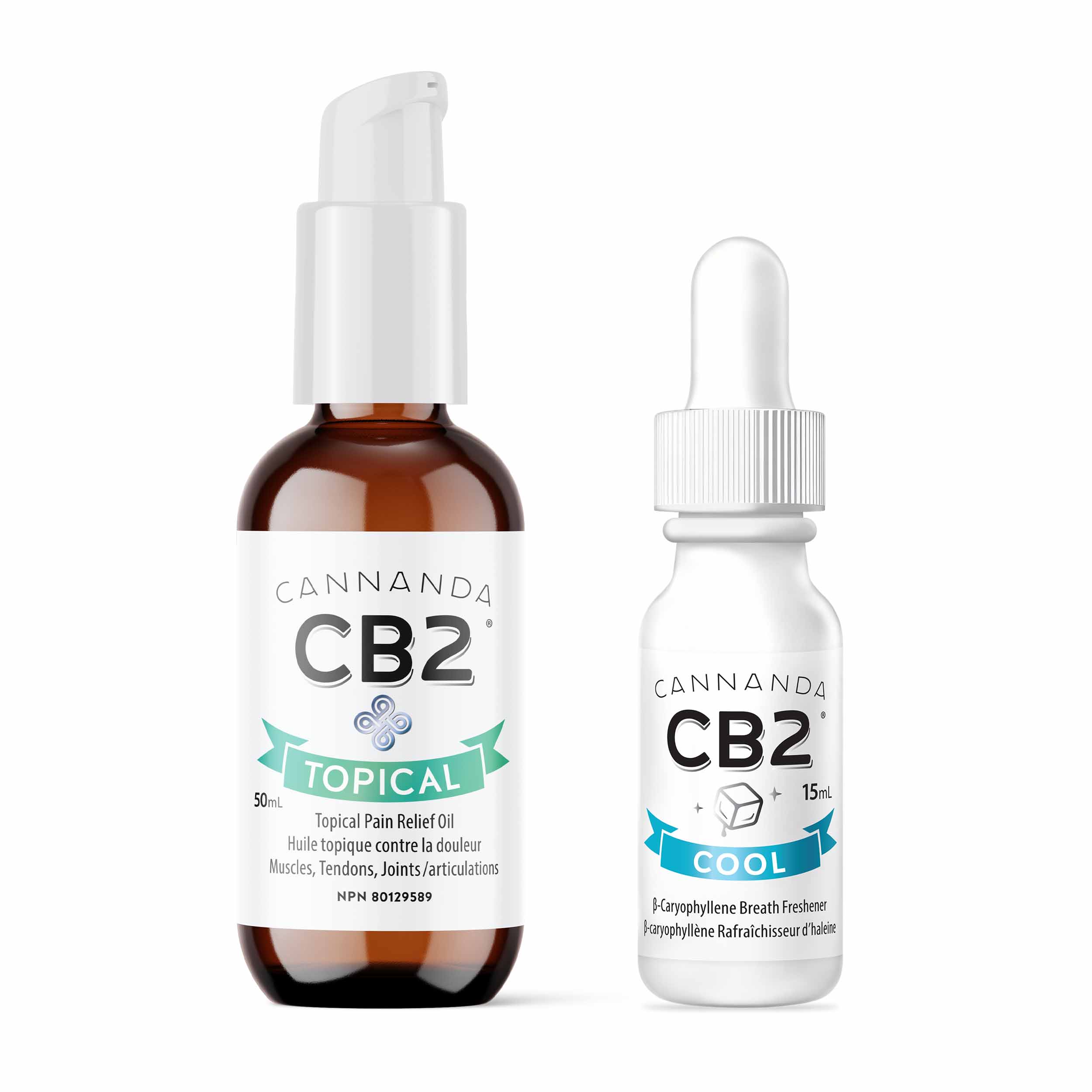
Living with fibromyalgia can be incredibly challenging. Chronic pain, fatigue, and a host of other symptoms often make daily life a struggle. Recent research suggests that fibromyalgia may be an autoimmune condition, sparking interest in immune modulators as potential treatments. Among these, beta-caryophyllene (BCP), the active ingredient in Cannanda CB2 oil, stands out.
Understanding fibromyalgia and its autoimmune connection
Fibromyalgia presents with a characteristic cluster of symptoms that significantly impair quality of life:
Persistent musculoskeletal pain affecting multiple body regions, often described as aching, burning, or shooting sensations.
Persistent exhaustion that doesn't resolve with rest, often accompanied by non-restorative sleep and frequent awakenings.
Cognitive difficulties including memory problems, difficulty concentrating, and mental confusion, directly linked to neuroinflammation.
Emerging research shows abnormal immune cell activity, elevated pro-inflammatory cytokines, and autoantibodies in fibromyalgia patients.
This immune component is the critical piece. It means fibromyalgia is increasingly being treated not just as a pain condition, but as a disorder of immune regulation, opening the door to immune-modulating treatments. Targeting the endocannabinoid system through CB2 receptor activation is a mechanistically rational approach to this immune dysregulation.
Beta-caryophyllene: the powerhouse in Cannanda CB2 oil
Beta-caryophyllene (BCP) is a dietary cannabinoid found in various plants including cloves, black pepper, oregano, and rosemary. It is renowned for its ability to bind to the CB2 receptor, part of the endocannabinoid system, which plays a significant role in regulating immune function and inflammation.
BCP selectively binds to CB2 receptors, which are primarily found in immune cells and peripheral tissues. This binding triggers an anti-inflammatory cascade: reducing pro-inflammatory cytokines (TNF-α, IL-1β, IL-6), enhancing regulatory T-cell activity, and modulating innate immune responses. Because BCP is selective for CB2, not CB1, it produces no intoxication and no impairment. Its benefits are anti-inflammatory and immune-modulating, not psychoactive.
Comparing CB2 oil to conventional immune modulators
Before examining CB2 oil's advantages, it's important to understand what you're comparing it to. Conventional immune modulators used for fibromyalgia come with serious limitation profiles:
Effective at reducing inflammation and immune response, but long-term use leads to serious consequences: osteoporosis, weight gain, adrenal suppression, elevated blood sugar, and increased infection risk.
Used in autoimmune diseases for immune-suppressing effects. Can cause liver damage, lung disease, and severe infections with prolonged use. Requires regular monitoring.
Target specific parts of the immune system. Effective but expensive, associated with serious infection risk, and some patients develop antibodies that neutralize the treatment over time.
Natural alternatives
Anti-inflammatory and antioxidant properties, but poor bioavailability limits practical effectiveness. Does not directly activate CB2 receptors.
Anti-inflammatory with cardiovascular and joint benefits. Requires high doses for significant effect and can cause GI upset. Does not target CB2 receptors specifically.
Why Cannanda CB2 oil
- Fewer side effects: Unlike corticosteroids and methotrexate, BCP has a favourable safety profile with minimal side effects. It also has no known adverse drug interactions at recommended doses (with an exception for those on medications with a narrow therapeutic window) and can be used alongside other pain medications, often allowing for reduced dosages while maintaining pain relief.
- Targeted immune modulation: BCP specifically targets CB2 receptors without broadly suppressing the immune system, reducing the risk of infections that comes with conventional immune suppressants.
- Natural, plant-based approach: A non-pharmaceutical option that can be easily integrated into a holistic health regimen since it’s compatible with dietary choices, physical therapy, and stress management.
Scientific evidence supporting CB2 oil for fibromyalgia
Practical tips for using Cannanda CB2 oil for fibromyalgia
- Dosage: Follow the recommended dosage for each product as outlined on the Cannanda CB2 product pages. Start with a lower dose and gradually increase as needed over 1–2 weeks.
- Consistency: Regular daily use is key. CB2 receptor activation builds sustained anti-inflammatory effects over time so incorporate it into your daily routine.
- Complementary approaches: Combine with other lifestyle changes including a healthy diet, regular physical movement within tolerance limits, and stress management techniques. Fibromyalgia patients have found particular benefit combining oral CB2 oil with topical application to the most painful areas.
Key takeaways
- Benefit
- ✓Natural and non-intoxicating: safe for daily use without altering mental state
- ✓Targeted immune modulation: directly activates CB2 receptors in immune tissue; addresses fibromyalgia's suspected autoimmune root
- ✓Fewer side effects: no bone loss, liver damage, or infection risk compared to corticosteroids and methotrexate
- ✓No drug interactions at recommended doses: can be used alongside existing fibromyalgia medications; may allow dose reduction (exception: narrow therapeutic window medications, check with your doctor first)
- ✓Scientific backing: anti-inflammatory, analgesic, and neuroprotective effects supported by peer-reviewed studies
- ✓Multiple formats: available as oils, flavoured oils, and softgels for easy daily integration
Given the current understanding of fibromyalgia as potentially autoimmune in nature, targeting the immune system with modulators like beta-caryophyllene presents a promising approach. Cannanda CB2 oil, with its potent anti-inflammatory and immune-modulating effects, offers a natural, safer alternative to traditional immune suppressants. While more research is needed, existing studies and thousands of anecdotal reports suggest that Cannanda CB2 oil could be a valuable tool in managing fibromyalgia symptoms. Always consult with a healthcare professional before starting any new supplement.
A natural, targeted option for fibromyalgia
Non-intoxicating. No drug interactions. Physician-formulated. Free trial available for fibromyalgia patients.
Shop CB2 Oil for FibromyalgiaFrequently Asked Questions
What is Cannanda CB2 oil?
Cannanda CB2 oil is a natural supplement featuring beta-caryophyllene (BCP), a terpene that selectively binds to CB2 receptors in the endocannabinoid system. This interaction helps modulate immune responses and reduce inflammation, potentially offering relief for fibromyalgia symptoms. It contains 0% THC, 0% CBD, uses GRAS-status food ingredients, and has no known adverse drug interactions at recommended doses. One exception: if you're on a medication with a narrow therapeutic window, talk to your doctor before starting.
How does CB2 oil support immune function in fibromyalgia?
Fibromyalgia is increasingly considered to have an autoimmune-like component, characterized by chronic pain, fatigue, and cognitive difficulties. BCP's activation of CB2 receptors plays a significant role in regulating immune function and inflammation, addressing the underlying immune dysregulation associated with fibromyalgia. Unlike corticosteroids or methotrexate, CB2 receptor activation provides targeted immune modulation without broadly suppressing immune defences.
Is CB2 oil effective for fibromyalgia relief?
While individual responses vary, studies suggest BCP's anti-inflammatory and analgesic properties can help alleviate pain and discomfort associated with fibromyalgia. Cannanda reports a 60–70% efficacy rate across its customer base, compared to CBD's estimated 33%. Incorporating CB2 oil into a comprehensive wellness plan, alongside appropriate physical activity and diet, may support meaningful symptom management.
How should I use CB2 oil for fibromyalgia?
Follow the recommended dosage on the product label. Start low and gradually increase. Consistent daily use is key, incorporate it into your routine for sustained benefits. Combine with lifestyle changes within your tolerance limits. Consult with a healthcare professional before starting any new supplement regimen, particularly if you are on medications.
Are there any side effects of using CB2 oil?
CB2 oil is generally well-tolerated and has no known adverse drug interactions when used as recommended. One exception: if you're on a medication with a narrow therapeutic window, talk to your doctor before starting. It is not metabolized through the CYP450 liver enzyme pathway, making it compatible with most fibromyalgia medications. Individual reactions may vary so monitor your body's response and consult a healthcare provider if you have concerns.
How does CB2 oil compare to corticosteroids or methotrexate for fibromyalgia?
Conventional immune modulators like corticosteroids and methotrexate broadly suppress immune function, which carries significant risks including bone loss, liver damage, and increased infection susceptibility. CB2 oil works through a fundamentally different mechanism, selectively activating CB2 receptors to modulate immune responses without general suppression. It targets the inflammatory pathways relevant to fibromyalgia without the risks of systemic immune suppression.
Can CB2 oil help with fibro fog?
There is a plausible mechanism. Research shows BCP provided neuroprotective effects in models of neuroinflammation and neurodegeneration (Chun et al., 2013). Neuroinflammation is increasingly recognized as a contributor to fibro fog. By reducing neuroinflammation through CB2 receptor activation, BCP may help address the cognitive symptoms that often accompany fibromyalgia.
References
- Gertsch, J., et al. (2008). Beta-caryophyllene is a dietary cannabinoid. PNAS, 105(26), 9099–9104.
- Ibrahim, M. M., et al. (2005). Activation of CB2 cannabinoid receptors by beta-caryophyllene inhibits inflammation and pain in the chronic model of arthritis. Journal of Pharmacology and Experimental Therapeutics, 314(2), 776–784.
- Klauke, A.-L., et al. (2014). Beta-caryophyllene exerts analgesic effects in mouse models of inflammatory and neuropathic pain. European Journal of Neuropsychopharmacology, 24(4), 608–620.
- Chun, J., et al. (2013). Cannabinoid type 2 receptor agonist beta-caryophyllene protects against cerebral ischemic injury by blocking glutamate excitotoxicity. Neuroscience Letters, 546, 34–38.
- Rom, S. & Persidsky, Y. (2013). Cannabinoid Receptor 2: Potential Role in Immunomodulation and Neuroinflammation. Journal of Neuroimmune Pharmacology, 8, 608–620.