How Beta-Caryophyllene (BCP) Supports Mental Health, Anxiety, and Stress Relief
The connection between neuroinflammation and anxiety is the scientific insight that makes BCP uniquely relevant, and why it works without the side effects or drug interactions of conventional options.
This article is for educational purposes. Nothing here constitutes medical advice or replaces the guidance of a mental health professional. If you are experiencing significant anxiety, depression, or other mental health concerns, please work with a qualified healthcare provider. BCP is a natural supplement that may support mental wellness; it is not a treatment for diagnosed mental health conditions.
You're dealing with the stress and anxiety of modern life, or you know someone who is, and you want to understand whether BCP is a genuinely science-backed option or just marketing language. You may already be on medication and want to know whether BCP is safe alongside it. This article covers the actual biology, the actual research, and the practical protocol.
Anxiety and stress have a neuroinflammatory component that conventional treatments rarely address. Beta-caryophyllene (BCP) activates CB2 receptors to reduce this neuroinflammation, supports HPA axis regulation, and has documented anxiolytic and antidepressant-like effects in peer-reviewed research. Critically, it has no drug interactions with SSRIs, antidepressants, or benzodiazepines at recommended doses, unlike CBD. It works without sedation, impaired cognition, or dependency. Sublingual and aromatic inhalation routes provide fast relief; daily use builds sustained resilience.
Anxiety and stress have become defining features of modern life. What used to be an acute survival response has become, for many people, a chronic background state — a persistent hum of tension, worry, and overwhelm that affects sleep, relationships, physical health, and quality of life. Conventional treatments help some people meaningfully, but they come with real tradeoffs: side effects, drug interactions, dependency risks, and the reality that they don't work for everyone.
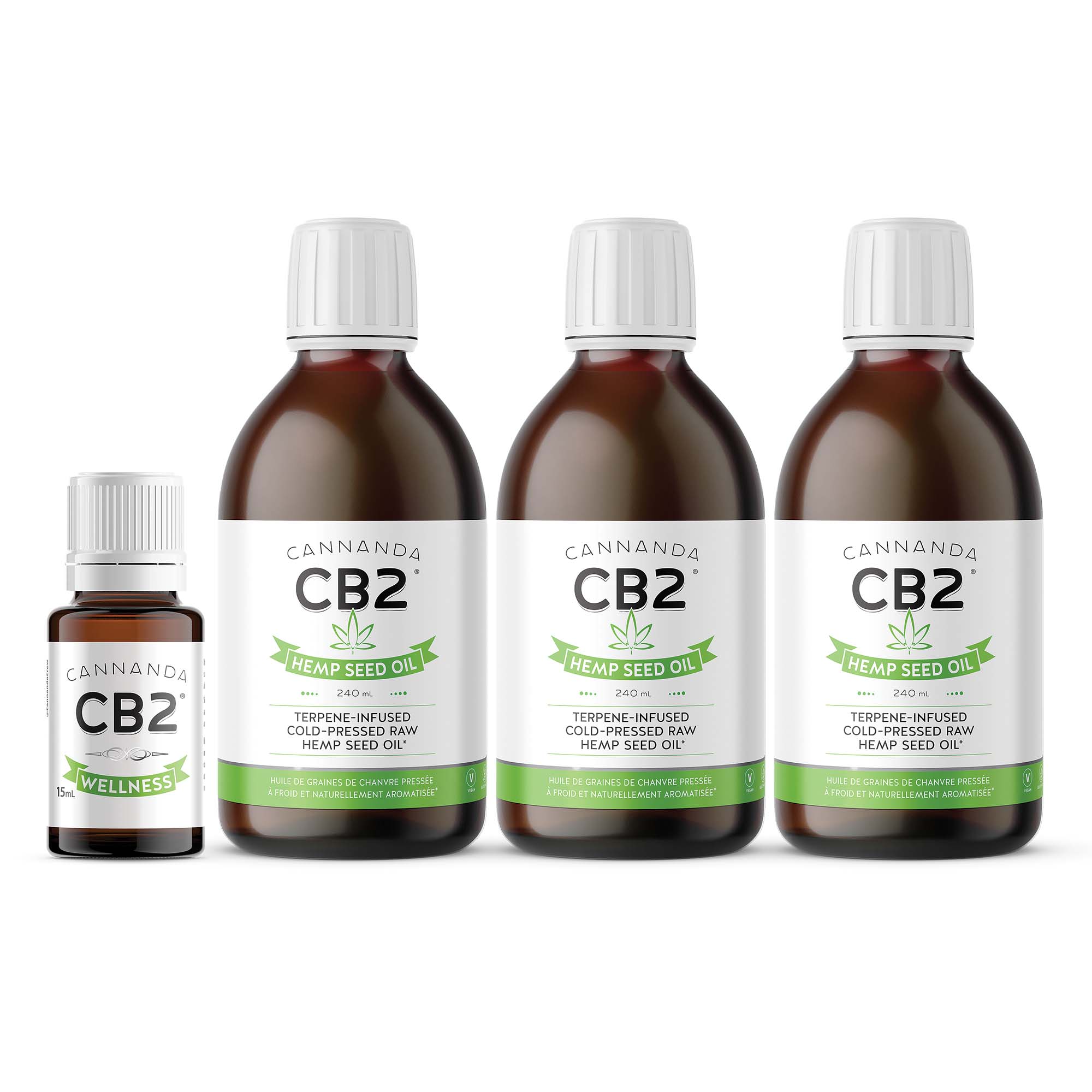
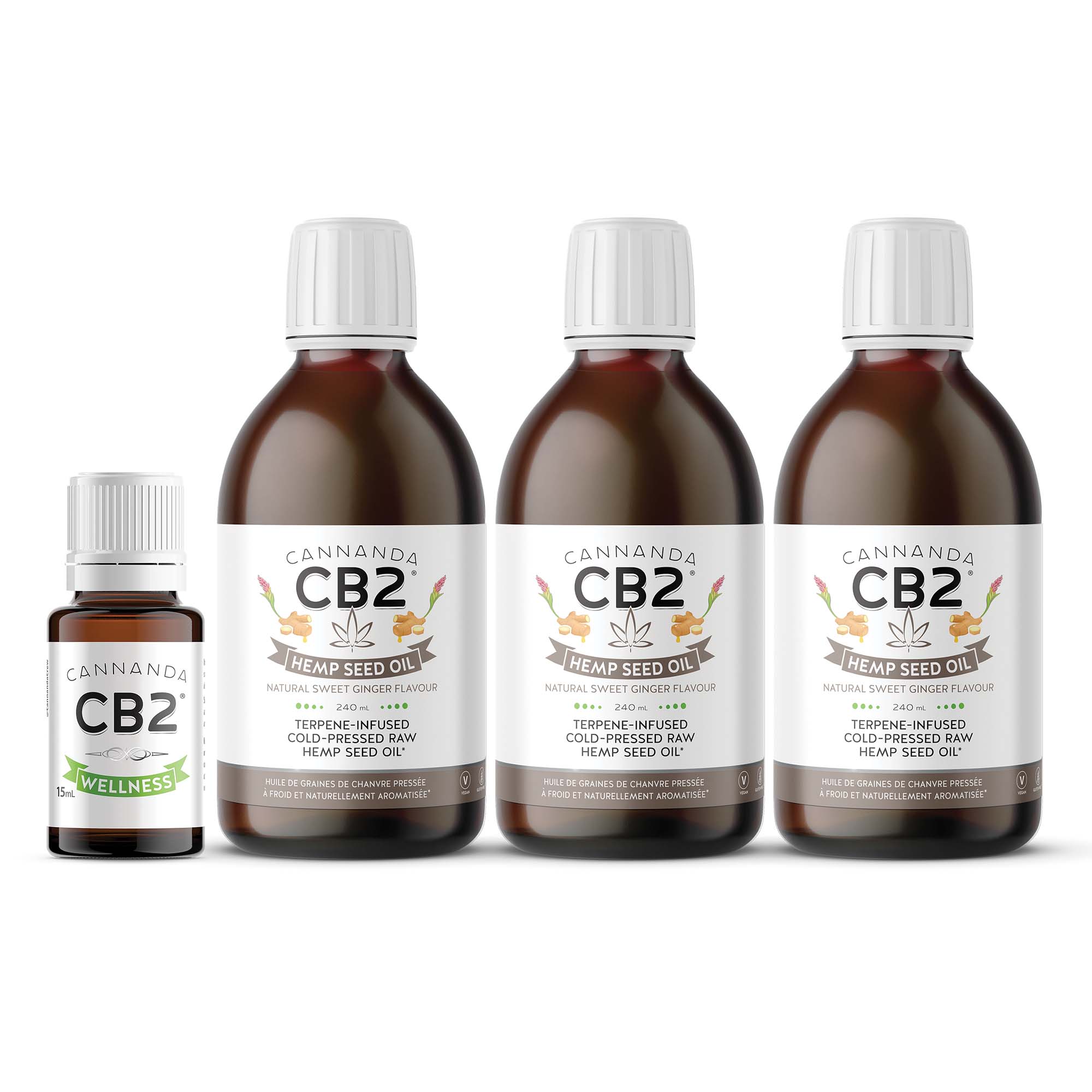
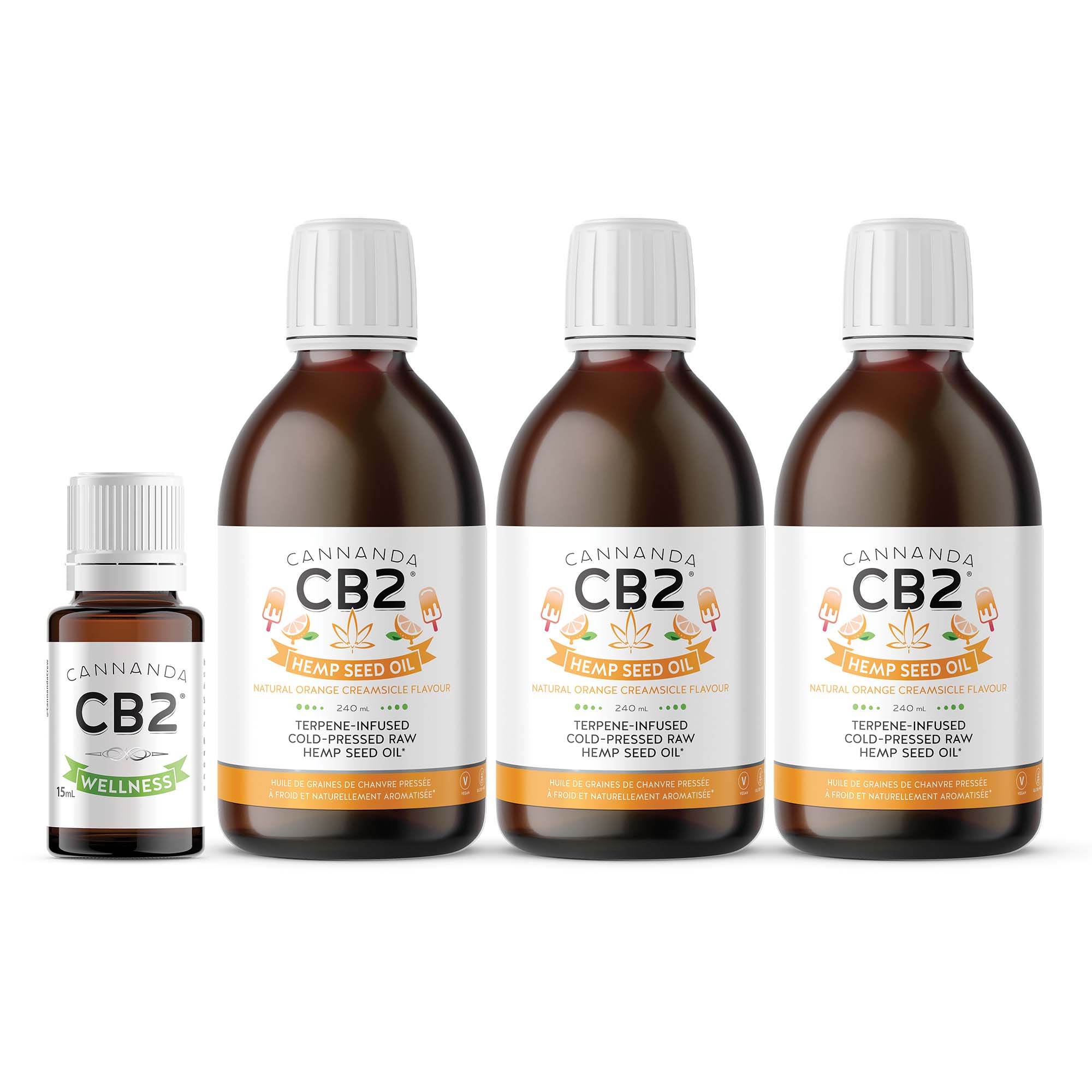
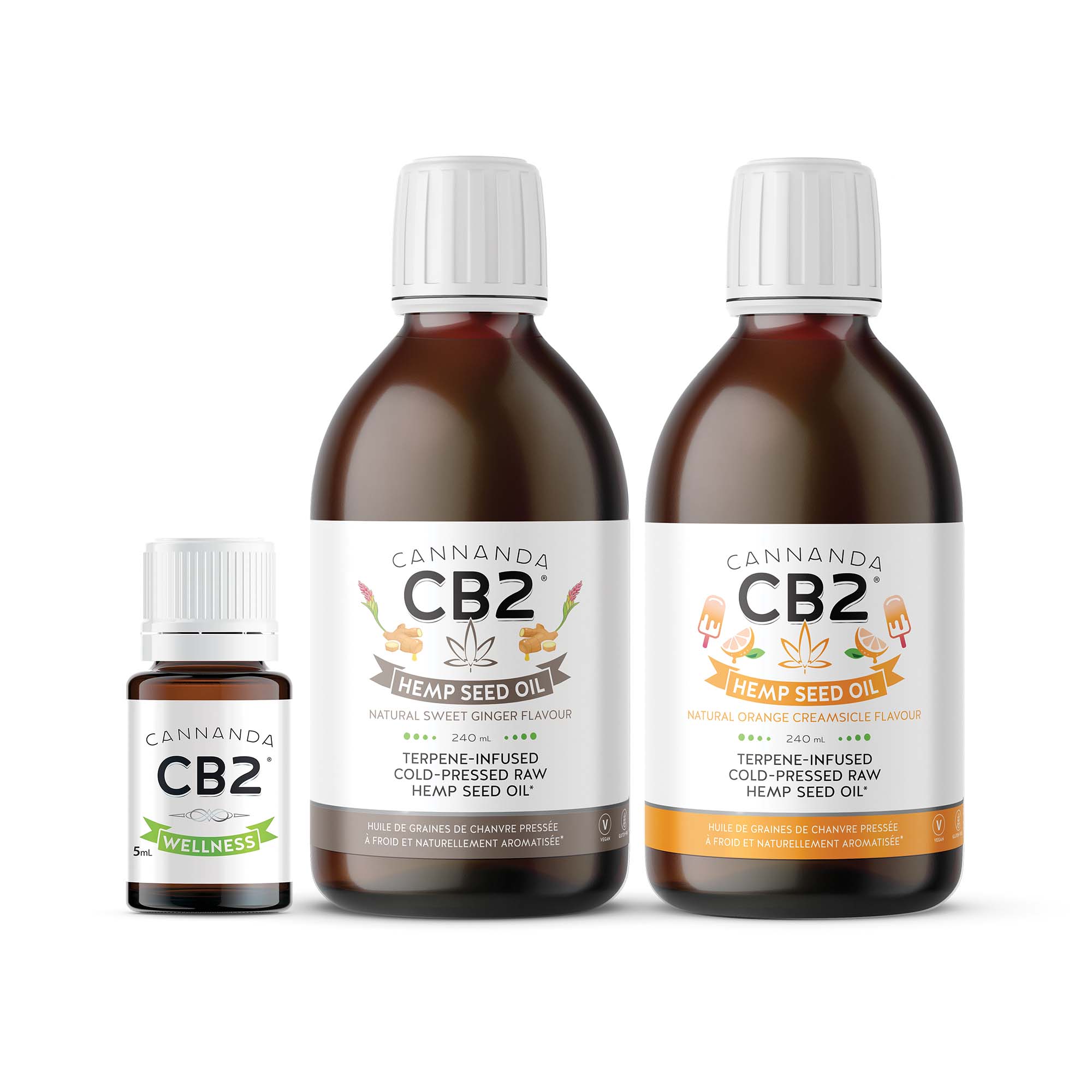
Beta-caryophyllene (BCP), the active ingredient in Cannanda CB2 oil, works differently from any pharmaceutical option. It doesn't manipulate serotonin receptors, doesn't sedate, and doesn't interact with most psychiatric medications. It addresses the neuroinflammatory and endocannabinoid system roots of anxiety and stress through a mechanism that's both well-understood and genuinely distinct from everything else currently available.
Understanding anxiety and stress — what's actually happening in the body
Anxiety and stress are natural responses to threatening situations. The problem arises when these responses become chronic, locked on when no genuine threat is present, driven by a nervous system that has lost its ability to distinguish real danger from habitual hyperactivation.
Common triggers
- Work pressure: High demands, tight deadlines, performance expectations, and job insecurity
- Personal life: Relationship strain, financial pressure, family responsibilities, and life transitions
- Health concerns: Chronic illness, pain conditions, and ongoing medical management
- Environmental and social factors: Information overload, social comparison, noise, and environmental stressors
- Physiological factors: Poor sleep, nutritional deficiencies, gut health, and inflammation
What anxiety and stress look like
- Persistent worry or fear
- Irritability and low frustration tolerance
- Feelings of overwhelm
- Difficulty feeling calm
- Low mood or hopelessness
- Headaches and muscle tension
- Fatigue despite adequate sleep
- Digestive disruption
- Chest tightness or rapid heartbeat
- Elevated cortisol
- Restlessness and difficulty concentrating
- Sleep disruption
- Social withdrawal
- Avoidance of triggering situations
- Increased use of alcohol or stimulants
The neuroinflammation connection — the root cause conventional treatments often miss
Research over the past two decades has established a bidirectional relationship between inflammation and mental health. Pro-inflammatory cytokines (TNF-α, IL-6, IL-1β) don't just affect physical tissue, they directly interfere with neurotransmitter synthesis and metabolism in the brain. Elevated inflammatory markers reduce serotonin synthesis, impair dopamine signalling, and lower GABA activity (the three neurotransmitter systems most directly involved in mood regulation and anxiety).
This is why many people with chronic anxiety and depression have measurably elevated inflammatory markers, and why anti-inflammatory approaches can improve mood independently of serotonin-targeted medications. It's also why chronic stress worsens anxiety in a feed-forward loop: stress drives inflammation, inflammation worsens mood, poor mood increases stress reactivity. BCP activates CB2 receptors to interrupt this cycle directly by reducing the neuroinflammatory load that is sustaining it.
Conventional treatments — what they do and where they fall short
How BCP addresses anxiety and stress — five mechanisms
The mechanism
BCP activates CB2 receptors on brain microglia and peripheral immune cells, shifting them from pro-inflammatory M1 activity to anti-inflammatory M2 activity. This reduces the production of TNF-α, IL-6, and IL-1β (the cytokines that directly suppress serotonin, dopamine, and GABA synthesis). By reducing neuroinflammation, BCP removes a physiological driver of anxiety that most conventional treatments leave completely unaddressed.
What the HPA axis is and why it matters
The hypothalamic-pituitary-adrenal (HPA) axis is your body's primary stress response system. When perceived threat activates the hypothalamus, a cascade of hormonal signals ends with the adrenal glands releasing cortisol (the primary stress hormone). In acute situations, this is appropriate and protective. In chronic anxiety and stress, the HPA axis becomes dysregulated: cortisol stays elevated, the system loses sensitivity, and the body exists in a state of chronic physiological stress arousal that feels like background anxiety.
How BCP helps
CB2 receptors are expressed in HPA axis-related tissues. BCP's CB2 activation supports more appropriate HPA axis regulation, dampening the excessive cortisol output that keeps the nervous system hyperactivated. Reducing cortisol chronically elevated by a dysregulated stress response addresses the physiological substrate of anxiety rather than just masking symptoms.
The ECS and emotional regulation
The endocannabinoid system (ECS) is the body's master regulatory system for homeostasis, including emotional homeostasis. The ECS directly regulates the fear extinction process (the brain's ability to learn that something is no longer dangerous), stress resilience, and emotional reactivity. People with anxiety disorders often show measurable endocannabinoid deficiency, including lower levels of anandamide and 2-AG, and reduced CB receptor sensitivity.
How BCP helps
BCP activates CB2 receptors directly, supporting ECS tone in peripheral and immune tissues. The 2024 Keck et al. finding that BCP also inhibits MAGL (the enzyme that breaks down 2-AG, the body's most abundant endocannabinoid) means it simultaneously raises endogenous 2-AG levels, supporting ECS function from two directions at once. A better-functioning ECS means a more resilient, less reactive nervous system baseline.
Why sleep and anxiety are inseparable
Anxiety disrupts sleep, and poor sleep amplifies anxiety, a bidirectional relationship that can make both progressively worse over months. Specifically: anxiety raises cortisol and activates the sympathetic nervous system at bedtime, preventing the parasympathetic shift needed for sleep onset. Sleep deprivation then elevates amygdala reactivity, reduces prefrontal cortex control over emotional responses, and raises inflammatory markers, all of which worsen anxiety the following day.
How BCP helps
BCP supports sleep quality through CB2-mediated ECS regulation of sleep-wake cycles, its anxiolytic effects reducing the mental hyperarousal preventing sleep onset, and its anti-inflammatory effects reducing the inflammatory activation that disrupts sleep architecture. Many people report that improved sleep is one of the first and most appreciated benefits of consistent CB2 oil use, and that this sleep improvement then feeds back into meaningfully reduced daytime anxiety.
The metabolic-mental health connection
PPAR-gamma (Peroxisome Proliferator-Activated Receptor Gamma) is a nuclear receptor that regulates inflammation, glucose metabolism, and adipogenesis. There is an established connection between metabolic dysregulation (insulin resistance, poor blood glucose control) and both anxiety and depression. Blood glucose fluctuations directly affect mood stability and stress reactivity. Chronic inflammation, which PPAR-gamma activation reduces, is also independently linked to both conditions.
How BCP helps
Beyond CB2 receptor activation, BCP activates PPAR-gamma, providing anti-inflammatory and metabolic-stabilizing effects through a second independent pathway. Stable blood glucose, reduced systemic inflammation, and the downstream PPAR-gamma effects on fat metabolism and cardiovascular health all contribute to a physiological environment more conducive to emotional stability. This dual CB2/PPAR-gamma mechanism makes BCP genuinely multi-target in ways that matter for mental health.
BCP vs CBD for anxiety — a critical comparison
CBD is widely marketed for anxiety. Many people use it for exactly this purpose. The comparison with BCP is important, particularly for people on psychiatric medications.
| Factor | CBD for anxiety | BCP for anxiety |
|---|---|---|
| Mechanism | Multiple receptors including CB1, serotonin 5-HT1A, TRP channels | CB2 selective + PPAR-gamma + MAGL inhibition (raises 2-AG) |
| Interaction with SSRIs | Yes — CYP3A4/CYP2D6 inhibition raises SSRI blood levels | None at recommended doses |
| Interaction with benzodiazepines | Yes — CYP3A4 inhibition affects benzodiazepine metabolism | None at recommended doses |
| Sedation risk | Yes at higher doses | None documented |
| Cognitive impairment | Possible at higher doses | None documented |
| GRAS food ingredient status | No — revoked by US FDA | Yes — FDA and EFSA approved |
| Reported efficacy rate | ~33% | 60–70% |
| Addresses neuroinflammation | Some anti-inflammatory effects | Direct CB2-mediated neuroinflammation reduction |
The drug interaction difference is particularly significant. Many people seeking natural anxiety support are already on SSRIs, SNRIs, or occasionally benzodiazepines. CBD's CYP450 inhibition raises blood levels of these medications unpredictably. BCP has no such interaction at recommended doses, making it the significantly safer option for anyone on psychiatric medications who wants natural complementary support.
The aromatic route — fast-acting relief for acute stress
Oral BCP, whether sublingual drops or oil, provides sustained relief that builds over weeks of consistent use. But for acute stress (an argument, a difficult conversation, a moment of panic), you need something that works in minutes, not days. The aromatic inhalation route delivers exactly this.
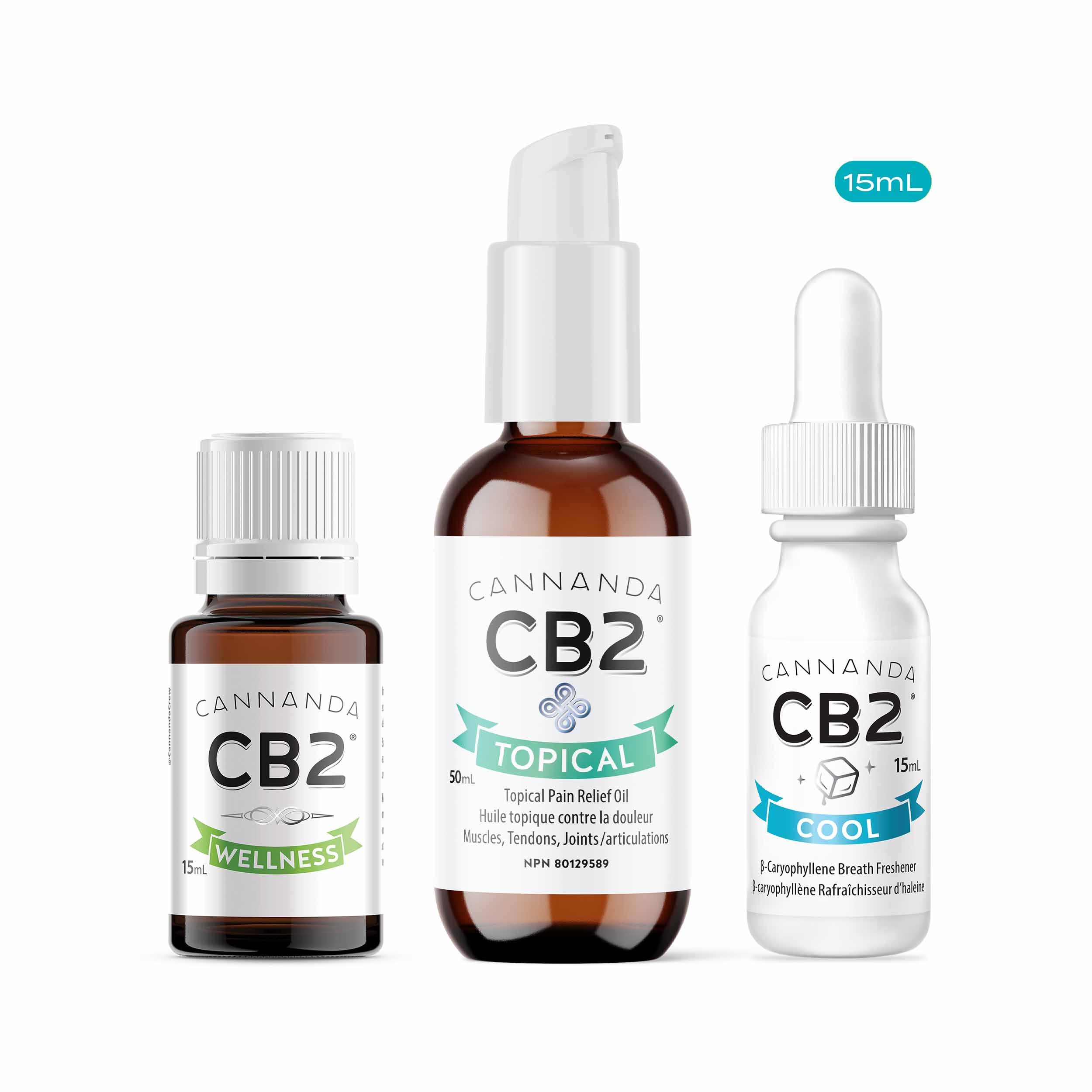
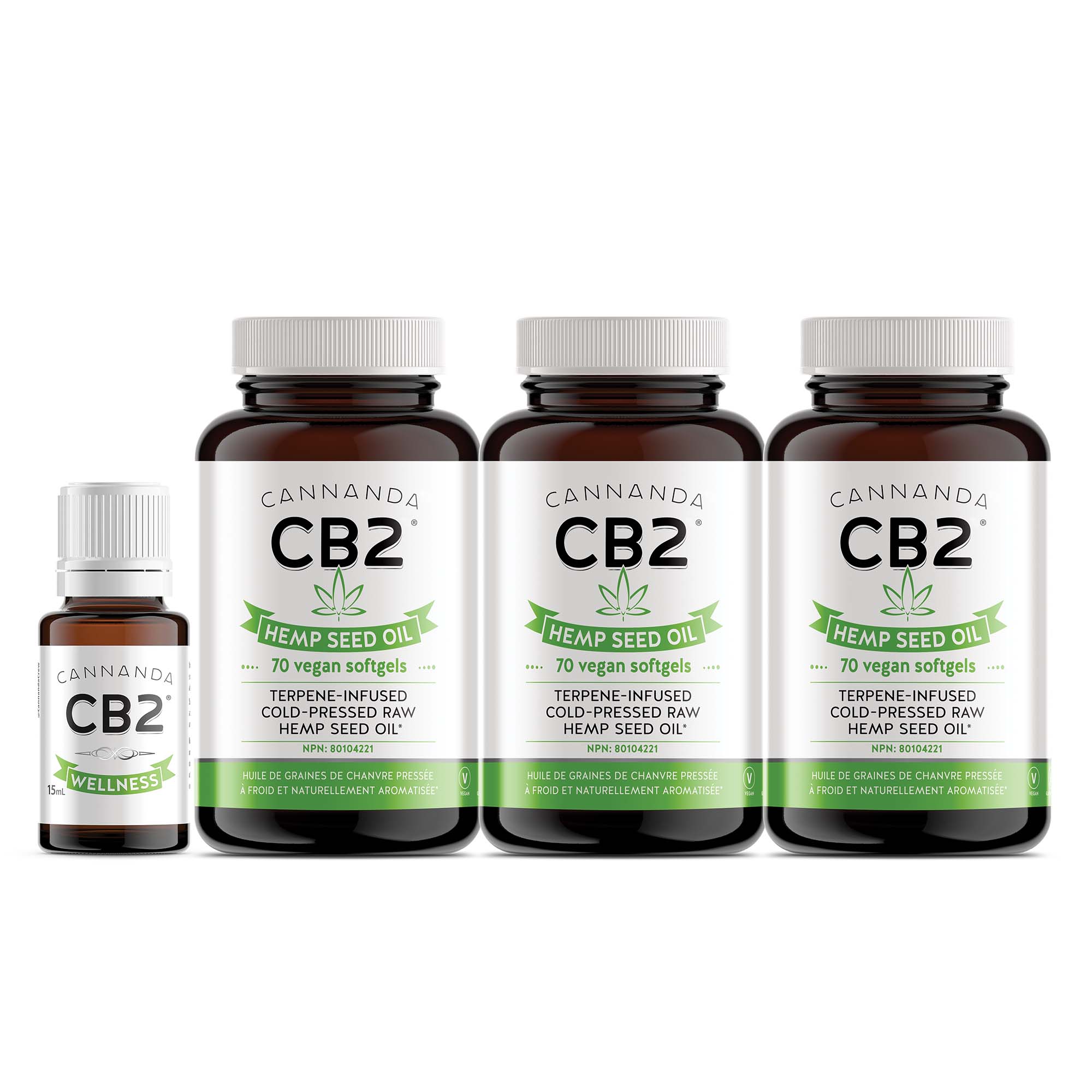
When you inhale CB2 Wellness drops directly (a few drops placed on the inside of the wrist or palms and slowly inhaled through the nose), the terpene molecules travel through the olfactory epithelium and along the olfactory nerve directly into the limbic system, the brain's emotional regulation centre. This bypasses digestion entirely. The calming effect can be felt within minutes.
This is also the route studied by Tarumi & Shinohara (2020) in their research on BCP's olfactory effects, and by research on terpene aromatherapy more broadly. The olfactory-limbic connection is one of the most direct routes to emotional regulation available in nature. A few drops, a slow breath, and 2–3 minutes of intentional inhalation.
A practical protocol for anxiety and stress support
1–2 tablespoons of CB2 Hemp Seed Oil with food starts the day with sustained BCP for CB2 receptor activation throughout the day. The hemp seed oil's omega-3 fatty acids provide additional anti-inflammatory support. Consistent daily use over 2–4 weeks builds the cumulative neuroinflammation-reducing effect that underlies sustained anxiety relief.
CB2 Wellness drops held under the tongue for 60 seconds before swallowing, taken at bedtime, support sleep onset by calming the mental hyperarousal that prevents rest. The sublingual route provides faster absorption than oil taken with food. Many people find this the single most immediately noticeable benefit.
Keep CB2 Wellness accessible (pocket, handbag, desk drawer). When a stressful moment hits: place a few drops on the inside of your wrist, hold your wrist near your nose, and inhale slowly through the nose for 2–3 minutes. The olfactory-limbic route provides the fastest onset, most people notice a calming effect within seconds to minutes.
BCP complements, not replaces, therapy, medication, exercise, and mindfulness. It removes a physiological barrier (the chronic neuroinflammation and HPA dysregulation) that makes other approaches harder to sustain. Once the baseline inflammatory state is reduced, exercise feels more manageable, sleep improves, and the work of therapy becomes less effortful. Stack them, don't choose between them.
Some people notice acute effects within days, particularly sleep improvement and reduced physical stress symptoms. The full anti-neuroinflammatory benefit builds over 2–4 weeks of consistent daily use. The inflammatory state underlying chronic anxiety took time to develop and takes time to shift. Cannanda's recommended range is 60–120 mg BCP/day; starting at the lower end and assessing after 2 weeks before increasing is a sensible approach.
Natural calm backed by real science
CB2 receptor activation. Neuroinflammation reduction. No drug interactions. No sedation. Non-intoxicating. Physician-formulated. Money-back guaranteed.
Frequently Asked Questions
How does BCP help with anxiety?
BCP activates CB2 receptors to reduce the neuroinflammation that drives anxiety by suppressing serotonin, dopamine, and GABA synthesis. It also supports HPA axis regulation, reducing the chronic cortisol output that keeps the nervous system hyperactivated. Research confirms CB2-dependent anxiolytic effects (when CB2 receptors are blocked, BCP's calming effects disappear). It works without sedation or cognitive impairment.
Is BCP safe to take with antidepressants or anti-anxiety medications?
BCP has no documented adverse drug interactions with SSRIs, SNRIs, benzodiazepines, or other psychiatric medications at recommended doses. Unlike CBD, which inhibits CYP450 enzymes that metabolize most psychiatric medications, BCP does not affect these pathways at supplement doses. This makes it compatible with existing treatment and particularly relevant for people who want natural support alongside medication.
How quickly does BCP work for anxiety and stress?
Route matters. Sublingual CB2 Wellness drops provide faster onset than oil mixed into food. Direct aromatic inhalation (inhaling CB2 Wellness drops through the nose) provides the fastest onset, delivering terpenes to the limbic system via the olfactory pathway within minutes. For ongoing anxiety, consistent daily use over 2–4 weeks provides sustained benefit as neuroinflammation gradually reduces.
What is the connection between neuroinflammation and anxiety?
Pro-inflammatory cytokines (TNF-α, IL-6, IL-1β) directly interfere with serotonin, dopamine, and GABA synthesis and metabolism. In many people with anxiety and depression, inflammatory markers are measurably elevated. Stress drives inflammation, inflammation worsens mood, poor mood increases stress reactivity. BCP activates CB2 receptors to interrupt this feed-forward cycle by reducing the neuroinflammatory load sustaining it.
Does BCP help with depression as well as anxiety?
Yes. The Bahi et al. 2014 study documented both anxiolytic and antidepressant-like effects from BCP through CB2 receptor activation. Both were reversed by a CB2 antagonist, confirming the mechanism. This makes BCP relevant to the anxiety-depression comorbidity affecting most people with either condition, addressing both through a shared neuroinflammatory mechanism rather than targeting them separately.
Is BCP better than CBD for anxiety?
For many people, particularly those on psychiatric medications, BCP has a meaningful advantage. CBD inhibits CYP450 enzymes that metabolize SSRIs, SNRIs, and benzodiazepines, creating drug interaction risk. BCP has no such interactions. BCP also has FDA GRAS food-ingredient status (CBD's was revoked), no sedation risk, and a reported 60–70% efficacy rate compared to CBD's ~33%.
What is the HPA axis and how does BCP affect it?
The HPA (hypothalamic-pituitary-adrenal) axis is the body's primary stress response system, responsible for cortisol production. In chronic anxiety, this axis is dysregulated, which produces excess cortisol that maintains nervous system hyperactivation. CB2 receptor activation modulates HPA axis activity, supporting more appropriate cortisol regulation and reducing the chronic physiological stress arousal that underlies persistent anxiety.
Can I use CB2 oil alongside therapy and lifestyle changes?
Yes, and this is likely the most effective approach. CB2 oil addresses the neuroinflammatory and ECS-regulation dimensions of anxiety. Therapy addresses thought patterns and behavioural responses. Lifestyle factors (exercise, sleep, diet) address the inputs that drive or reduce neuroinflammation. These work through different mechanisms and complement each other. CB2 oil reduces the physiological barrier that makes lifestyle change and therapy harder to sustain when the nervous system is chronically dysregulated.
How do I use CB2 oil for acute stress vs ongoing anxiety?
For acute stress, direct aromatic inhalation of CB2 Wellness is fastest (a few drops on the wrist or palms, inhaled slowly through the nose for at least a minute). The olfactory-limbic route delivers BCP to the brain within minutes. For ongoing anxiety, daily CB2 Hemp Seed Oil with meals plus sublingual CB2 Wellness at bedtime builds sustained relief over 2–4 weeks. Many people use both approaches, using the daily oil for background support and sublingual or aromatic Wellness for acute moments.
References
- Bahi A, et al. (2014). β-Caryophyllene, a CB2 receptor agonist produces multiple behavioral changes relevant to anxiety and depression in mice. Physiology & Behavior, 135, 119–124.
- Scandiffio R, et al. (2024). β-Caryophyllene, a CB2 Receptor Selective Agonist, in Emotional and Cognitive Disorders: A Systematic Review. Frontiers in Psychiatry, 15.
- Keck J, et al. (Todorovic lab, University of Colorado). (2024). β-Caryophyllene inhibits monoacylglycerol lipase activity and increases 2-arachidonoyl glycerol levels in vivo. Molecular Pharmacology, 105(2), 75. https://doi.org/10.1124/molpharm.123.000668
- Gertsch J, et al. (2008). Beta-caryophyllene is a dietary cannabinoid. PNAS, 105(26), 9099–9104. https://doi.org/10.1073/pnas.0803601105
- Raison CL & Miller AH. (2011). Is depression an inflammatory disorder? Current Psychiatry Reports, 13(6), 467–475. (Neuroinflammation and mood.)
- Tarumi W & Shinohara K. (2020). Olfactory exposure to β-caryophyllene increases testosterone levels in women's saliva. Sexual Medicine, 8(3), 525–531. (Olfactory BCP route.)
- Russo EB. (2016). Clinical endocannabinoid deficiency reconsidered: current research supports the theory in migraine, fibromyalgia, irritable bowel, and other treatment-resistant syndromes. Cannabis and Cannabinoid Research, 1(1), 154–165.