Beta-Caryophyllene for Blood Sugar: Natural Support for Pre-Diabetes and Metabolic Health
How BCP enhances insulin secretion, improves glucose uptake in muscle, and reduces the inflammation driving insulin resistance
This article is for you if you're managing pre-diabetes, type 2 diabetes, or metabolic syndrome and looking for natural ways to support blood sugar balance alongside your existing approach. It's also relevant if you experience blood sugar spikes after meals, persistent sugar cravings, energy crashes, or fatigue linked to blood sugar fluctuations. If you're currently on medications like metformin, read the safety section before starting BCP.
Beta-caryophyllene (BCP), the active compound in Cannanda CB2 oil, supports blood sugar balance through four well-documented mechanisms:
- Enhances insulin sensitivity: BCP activates CB2 and PPAR-gamma receptors, improving the body's response to insulin
- Improves glucose uptake in muscle: via GLUT4 translocation, the same pathway targeted by exercise and some diabetes medications
- Reduces inflammation: chronic inflammation drives insulin resistance; BCP's CB2 activation directly counters it
- Regulates appetite and cravings: supports the body's natural satiety signals, helping reduce overeating that spikes blood sugar
In animal models, oral BCP lowered blood glucose, raised insulin levels, and normalized key metabolic enzyme activity. Human trials are limited but ongoing. At Cannanda's recommended doses, no adverse interactions with common diabetes medications have been identified. One exception: if you're on a medication with a narrow therapeutic window, talk to your doctor before starting.
Why Blood Sugar Balance Is So Hard to Maintain
If you've been told your blood sugar is "a little high," or you're managing pre-diabetes or type 2 diabetes, you already know how frustrating it is. The standard advice (eat less, move more, reduce stress) is correct but incomplete. For many people, blood sugar dysregulation has a significant inflammatory and metabolic component that diet and exercise alone don't fully address.
Chronic low-grade inflammation impairs insulin receptor function. Mitochondrial dysfunction affects how cells use glucose. Fat accumulation in the liver and muscle disrupts insulin signaling. These are physiological problems, and they respond to physiological interventions, including, it turns out, specific natural compounds that work on the right pathways.
That's the case for beta-caryophyllene. It's not a blood sugar drug. It doesn't replace medication, dietary changes, or exercise. But the mechanisms through which it works are directly relevant to blood sugar regulation, and the research is specific enough to be worth taking seriously.
What is Beta-Caryophyllene?
Beta-caryophyllene (BCP) is a food-grade terpene found in black pepper, cloves, oregano, hemp, and other plants. You've been consuming it for your whole life in small amounts through food. What makes it pharmacologically interesting is that it's the only dietary compound known to directly activate CB2 receptors in the endocannabinoid system, and it also activates PPAR-gamma receptors, which are directly involved in glucose and fat metabolism.
Both of these receptor pathways matter for blood sugar. Here's how each one contributes.
The Four Mechanisms Behind BCP's Blood Sugar Support
1. Enhanced Insulin Sensitivity via CB2 and PPAR-Gamma Activation
Insulin sensitivity describes how effectively your cells respond to insulin's signal to take up glucose from the blood. When sensitivity is low (a state called insulin resistance) the pancreas has to produce more and more insulin to get the same effect. Eventually it can't keep up, and blood sugar stays chronically elevated.
BCP improves insulin sensitivity through two receptor pathways. CB2 receptor activation modulates the inflammatory environment that impairs insulin signaling. PPAR-gamma activation directly improves glucose disposal at the cellular level, which is the same receptor targeted by a class of diabetes medications called thiazolidinediones, and work these specifically by activating PPAR-gamma. BCP does this naturally, without the side effects associated with those drugs (Pereira et al., 2019).
BCP activates CB2 receptors to significantly improve glucose-stimulated insulin secretion (GSIS) in pancreatic beta-cells by upregulating key G-proteins (Arf6, Rac1, and Cdc42), which are essential for insulin vesicle trafficking. In plain English: BCP helps beta-cells detect rising blood sugar and release insulin more effectively in response. When CB2 was blocked in the same experiments, the effect disappeared, confirming that this mechanism is CB2-dependent.
2. Improved Glucose Uptake in Skeletal Muscle (GLUT4)
Skeletal muscle is responsible for roughly 80% of the glucose clearance after a meal. It does this by moving a glucose transporter protein called GLUT4 to the surface of muscle cells, where it captures glucose from the bloodstream and pulls it inside to be used for energy. This process is triggered by insulin, but in people with insulin resistance, it's sluggish.
Exercise is the best-known way to stimulate GLUT4 translocation independently of insulin. BCP appears to work through a similar, complementary pathway. Research has shown that BCP enhances GLUT4 translocation, glycolytic activity, oxidative metabolism, and ATP production in muscle cells through a CB2-dependent mechanism, making it genuinely relevant to post-meal blood sugar management, not just background metabolic health.
3. Reduced Inflammation Driving Insulin Resistance
Chronic low-grade inflammation is one of the primary drivers of insulin resistance. Inflammatory cytokines (particularly TNF-alpha and IL-6) directly interfere with insulin receptor signaling. They essentially block the message insulin is trying to send to the cell. As long as inflammation is elevated, insulin resistance tends to persist regardless of other interventions.
BCP is a well-established anti-inflammatory compound via its CB2 receptor activity. In diabetic animal models, BCP significantly reduced both TNF-alpha and IL-6, while simultaneously boosting antioxidant enzyme activity. This creates a more favourable cellular environment for insulin signaling, removing one of the main barriers to blood sugar balance.
4. Appetite and Craving Regulation
Managing what you eat is fundamental to blood sugar control, but it's not purely a willpower issue. The endocannabinoid system plays a direct role in hunger signaling, reward responses to food, and cravings. CB2 receptor modulation through BCP may help normalize appetite signals and reduce the drive toward high-sugar, high-glycaemic foods that cause rapid blood sugar spikes.
This connects to the broader weight management picture covered in our BCP and weight management article. The same mechanisms that support healthy weight also support healthier blood sugar patterns, and they reinforce each other.
What Animal Studies Show, and What They Don't
In diabetic rats given oral BCP supplementation, researchers documented:
- Lowered blood glucose levels and elevated insulin levels
- Normalized activity of key glucose metabolism enzymes: hexokinase, pyruvate kinase, G6PDH, gluconeogenic enzymes, glycogen synthase, and phosphorylase
- Reduced abnormal glycoprotein markers in liver and kidney tissue
- Significant reduction in oxidative damage markers (malondialdehyde) and inflammatory cytokines (TNF-alpha, IL-6)
- Increased activity of protective antioxidant enzymes
These findings are meaningful because they show BCP acting on multiple steps of glucose metabolism simultaneously, not just one pathway in isolation.
It's worth being clear about the limits of this evidence. Animal studies are not the same as human clinical trials. Metabolic responses can differ between species, and dose translation from rodent to human requires careful calculation (our dosing guide covers this in detail). Human trials on BCP and blood sugar are limited but ongoing.
What the preclinical evidence does tell us is that the mechanisms are real, specific, and work through receptor pathways that are well-established in human physiology. This is a meaningful distinction: BCP isn't working through some vague "antioxidant" effect, it's activating specific receptors (CB2, PPAR-gamma) that directly regulate insulin function and glucose disposal.
BCP Compared to Common Blood Sugar Medications
| Mechanism | Metformin | Thiazolidinediones | Beta-Caryophyllene (BCP) |
|---|---|---|---|
| Reduces liver glucose production | Yes (primary mechanism) | Indirect | Via PPAR-gamma and glycogen enzyme normalization |
| PPAR-gamma activation | No | Yes (primary mechanism) | Yes |
| GLUT4 / muscle glucose uptake | Indirect | Yes | Yes (CB2-dependent) |
| Anti-inflammatory | Some evidence | Some evidence | Strong (CB2 mechanism) |
| Prescription required | Yes | Yes | No |
| Common side effects | GI upset, B12 depletion | Weight gain, fluid retention, fracture risk | Excellent safety profile, well-tolerated |
| Human clinical trials | Extensive | Extensive | Limited (preclinical evidence strong) |
BCP is not a replacement for diabetes medications. For anyone managing diagnosed diabetes, medication decisions should be made with a healthcare provider. What this comparison shows is that BCP works through pathways that are pharmaceutically validated. It's just doing it naturally, without a prescription, and without the side effect profile of the drug equivalents.
Using CB2 Oil for Blood Sugar Support
A few practical notes:
- Daily use is more effective than occasional dosing. BCP's effects on inflammation, PPAR-gamma activation, and insulin sensitivity build over time. Daily supplementation gives you a stable foundation.
- Before meals may help with post-meal spikes. Taking CB2 oil 15–30 minutes before eating, using sublingual delivery (under the tongue), may assist with appetite regulation and support glucose management around mealtimes.
- Take with a fat-containing meal if swallowing. BCP is fat-soluble, so bile and lipases released during fat digestion significantly improve absorption. If you're taking it sublingually, this matters less.
- Pair with a healthy diet and movement. BCP supports the same metabolic pathways that diet and exercise work on, and the combination is more effective than any one approach alone.
- See the full dosing guide for dose ranges by goal and body weight: How Much BCP Should You Actually Take?
At Cannanda's recommended doses, no adverse interactions with metformin or common diabetes medications have been identified. However, because BCP may support blood sugar balance through complementary pathways, it's possible that combining BCP with blood sugar medications could have an additive effect. If you're on medication that directly lowers blood sugar, monitor your levels when starting BCP and let your healthcare provider know. This is just a precaution, not a contraindication.
One exception: if you're on a medication with a narrow therapeutic window (one where the difference between an effective dose and a harmful one is small), don't start BCP without talking to your doctor first.
Which CB2 Oil Product Is Best for Blood Sugar Support?
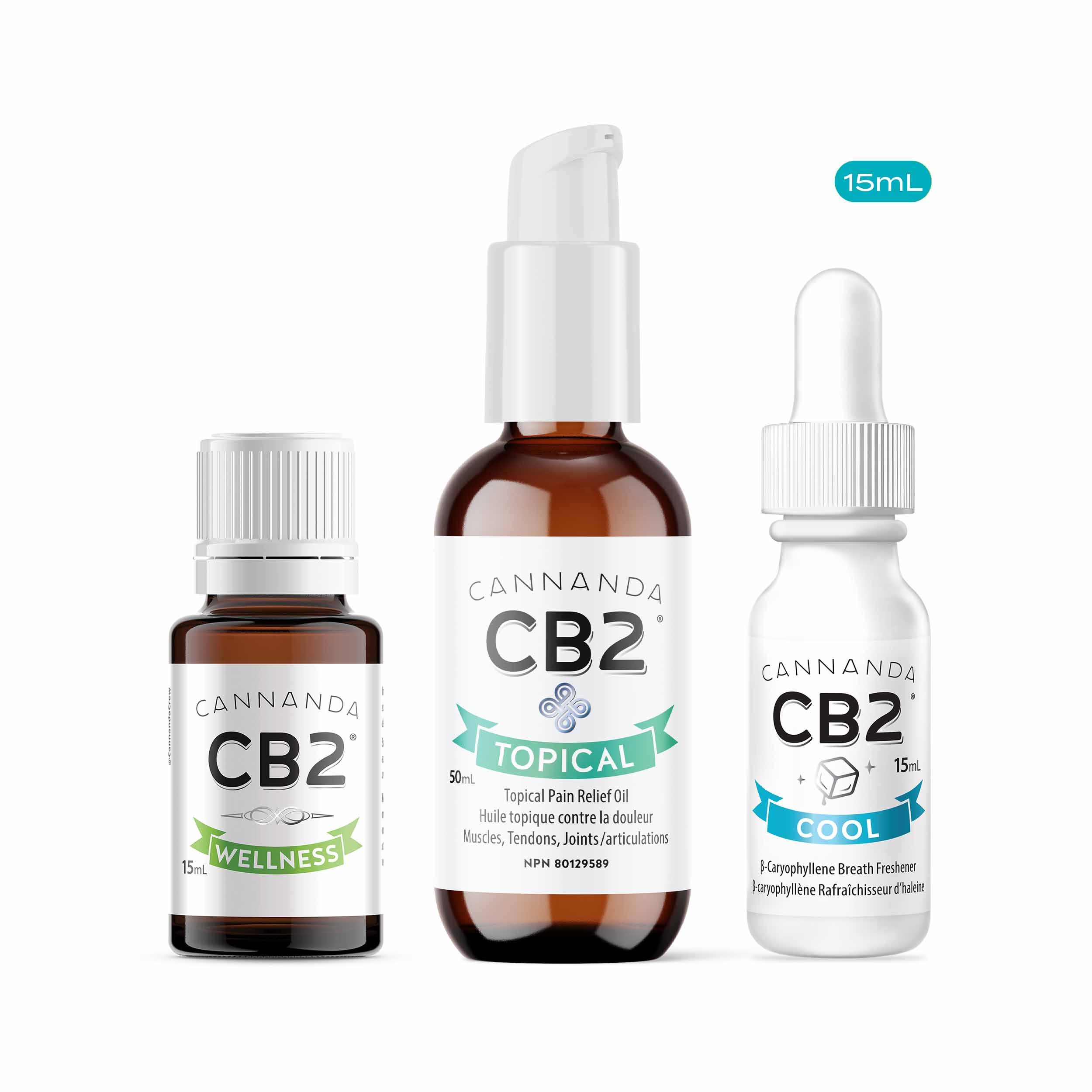
Any Cannanda CB2 product delivers BCP, the active compound behind blood sugar support. The difference is format and what else comes with it:
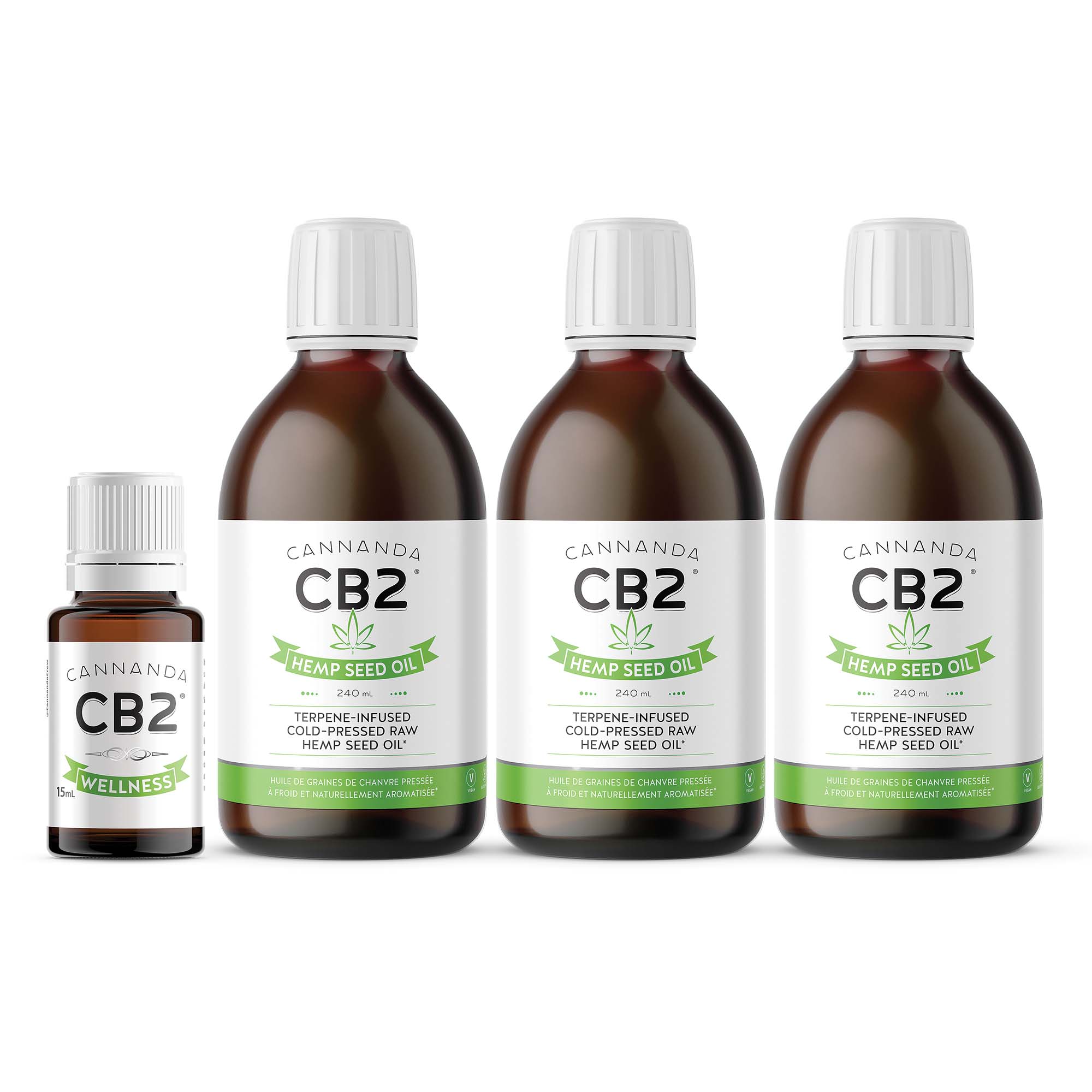
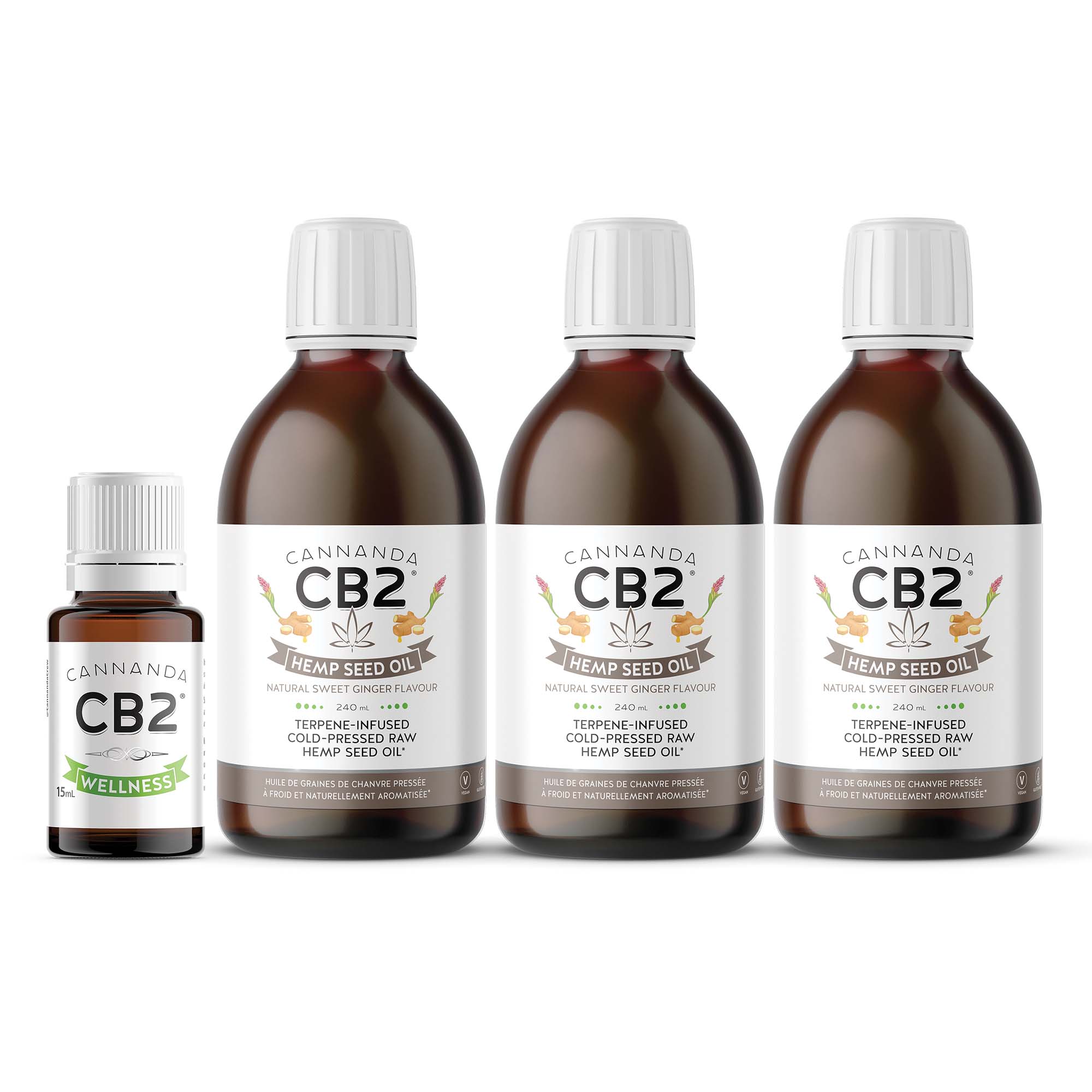
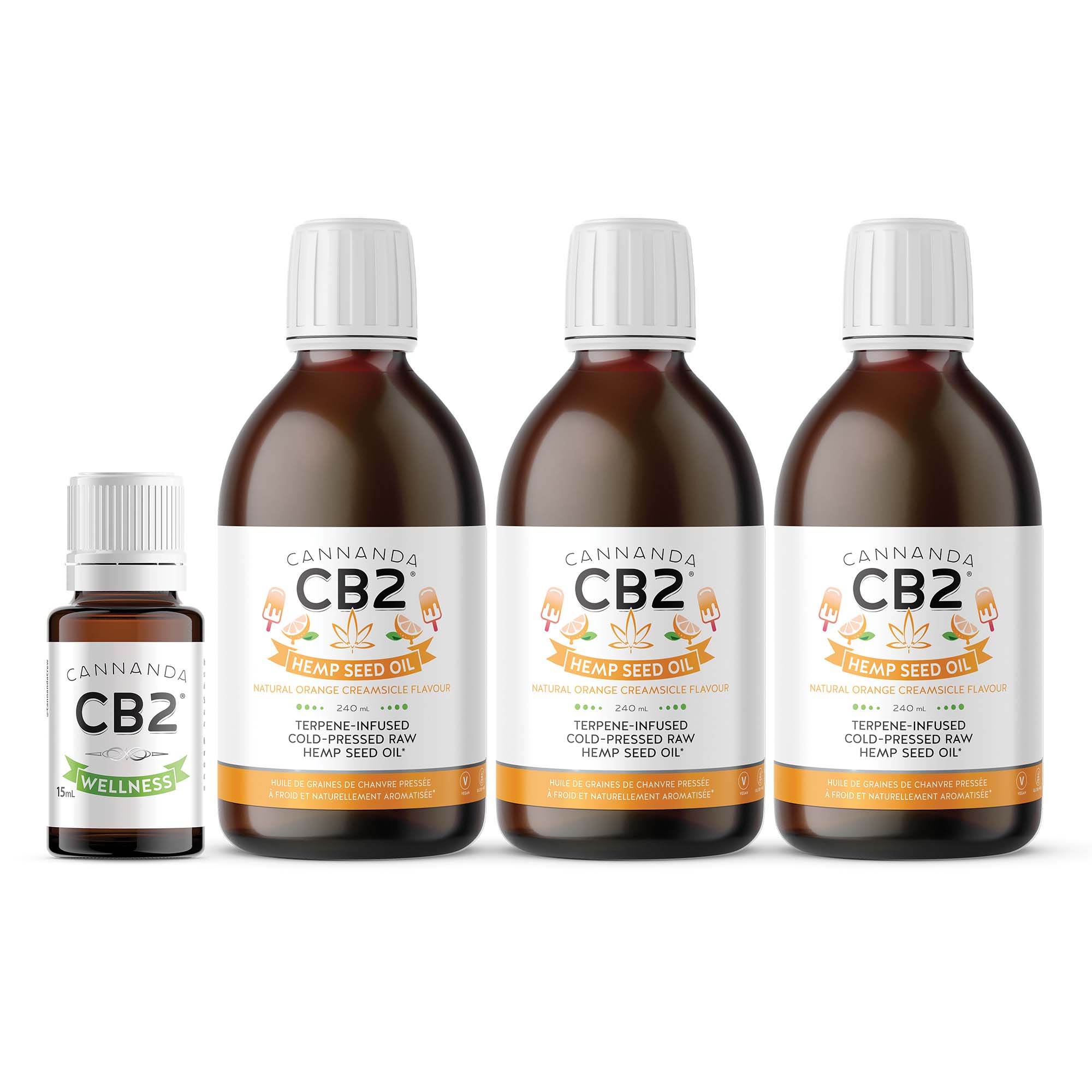
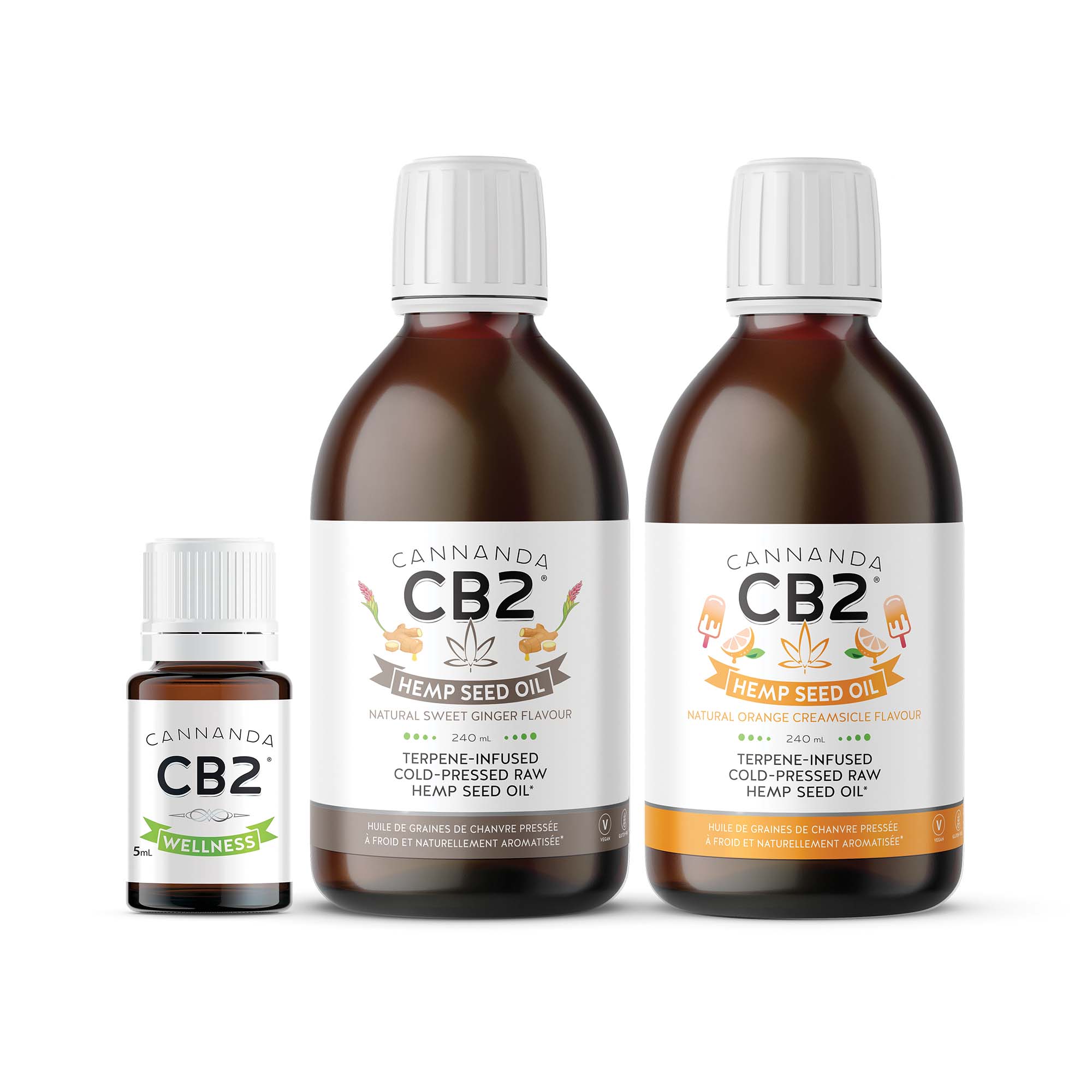
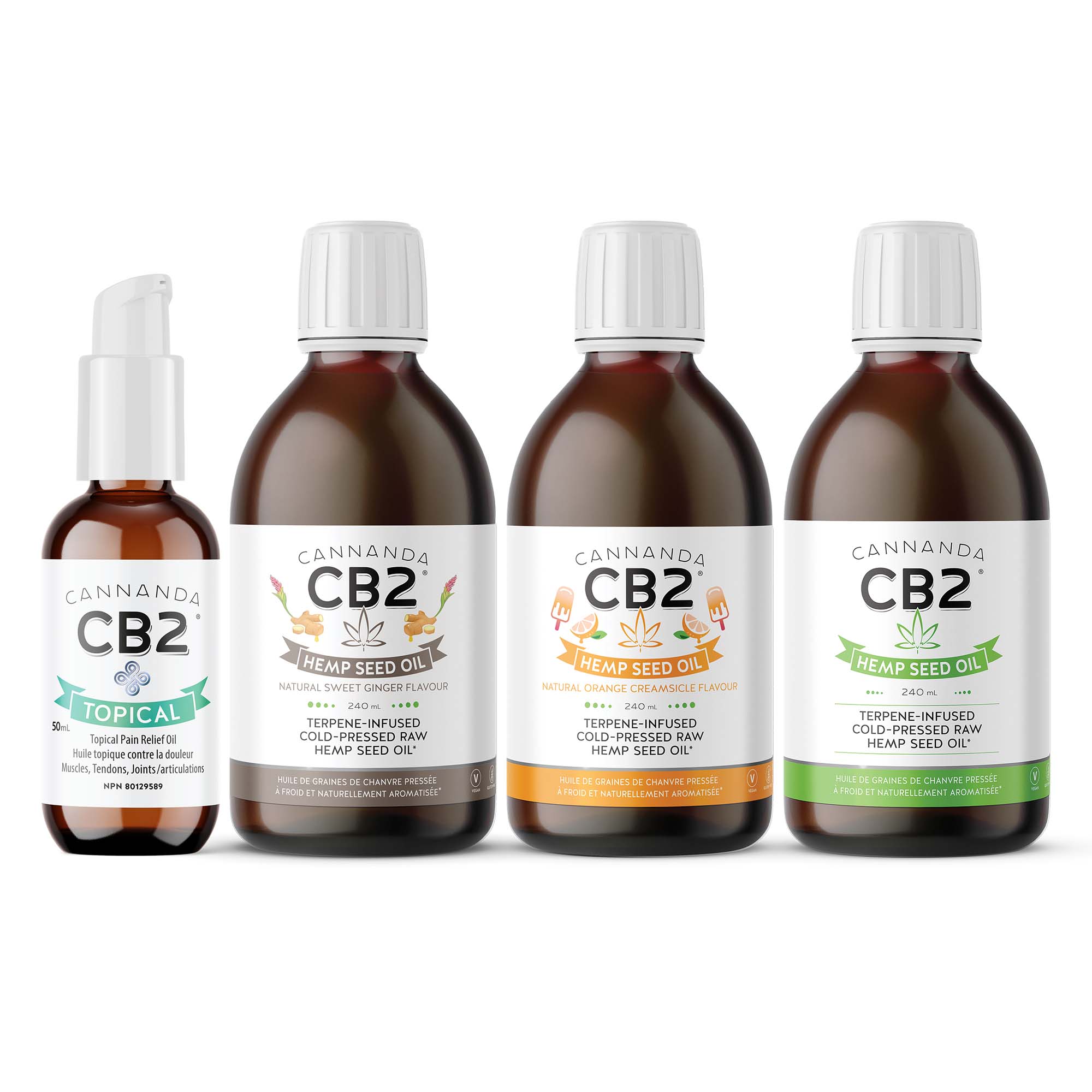
- CB2 Hemp Seed Oil: BCP plus the omega-3 and omega-6 fatty acids from organic hemp seed oil, which also support metabolic health and reduce inflammation. A good choice if you want both effects in one product.
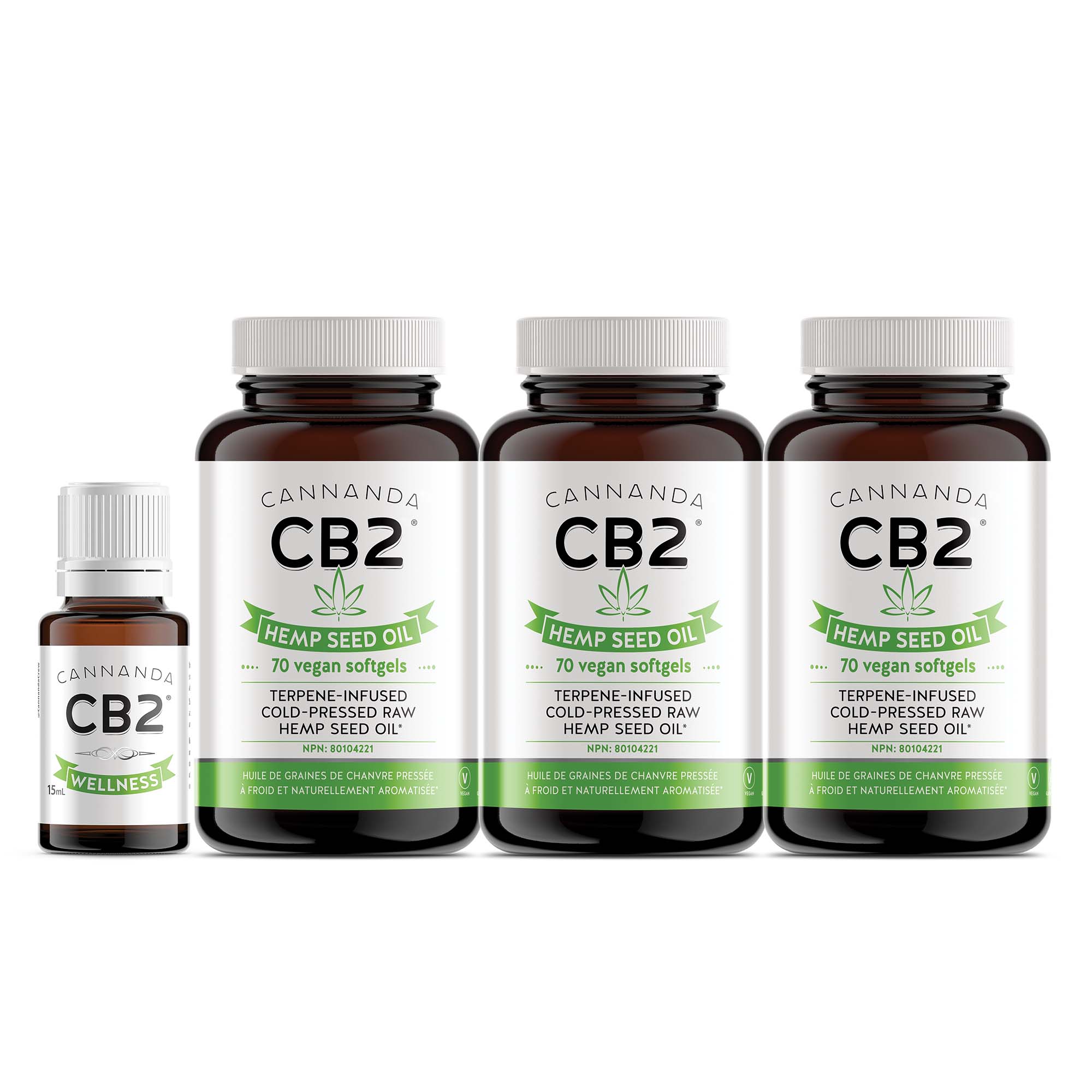
- CB2 Wellness: the most concentrated BCP option. Good if you want to control dosing precisely or use sublingually before meals without extra calories from oil.
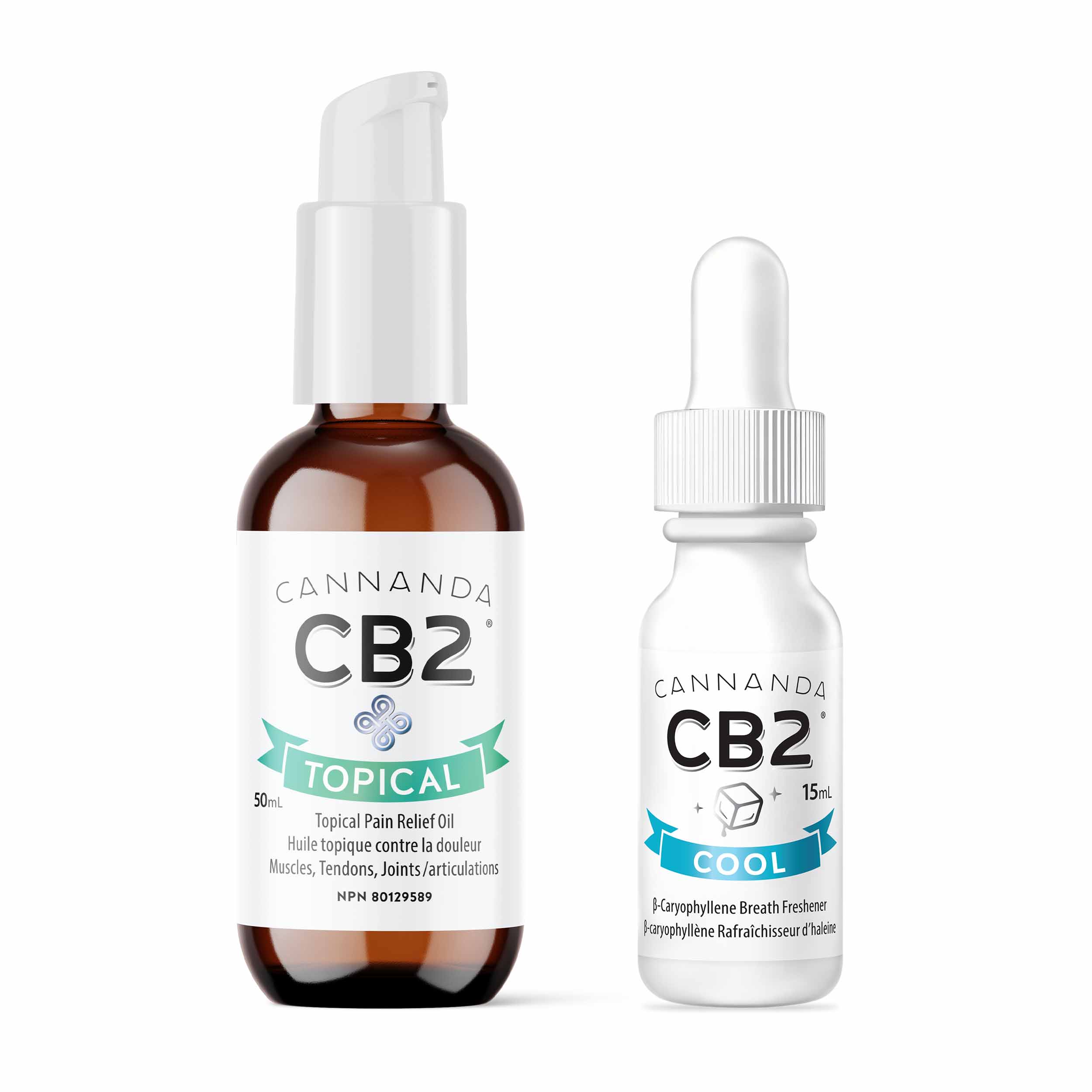
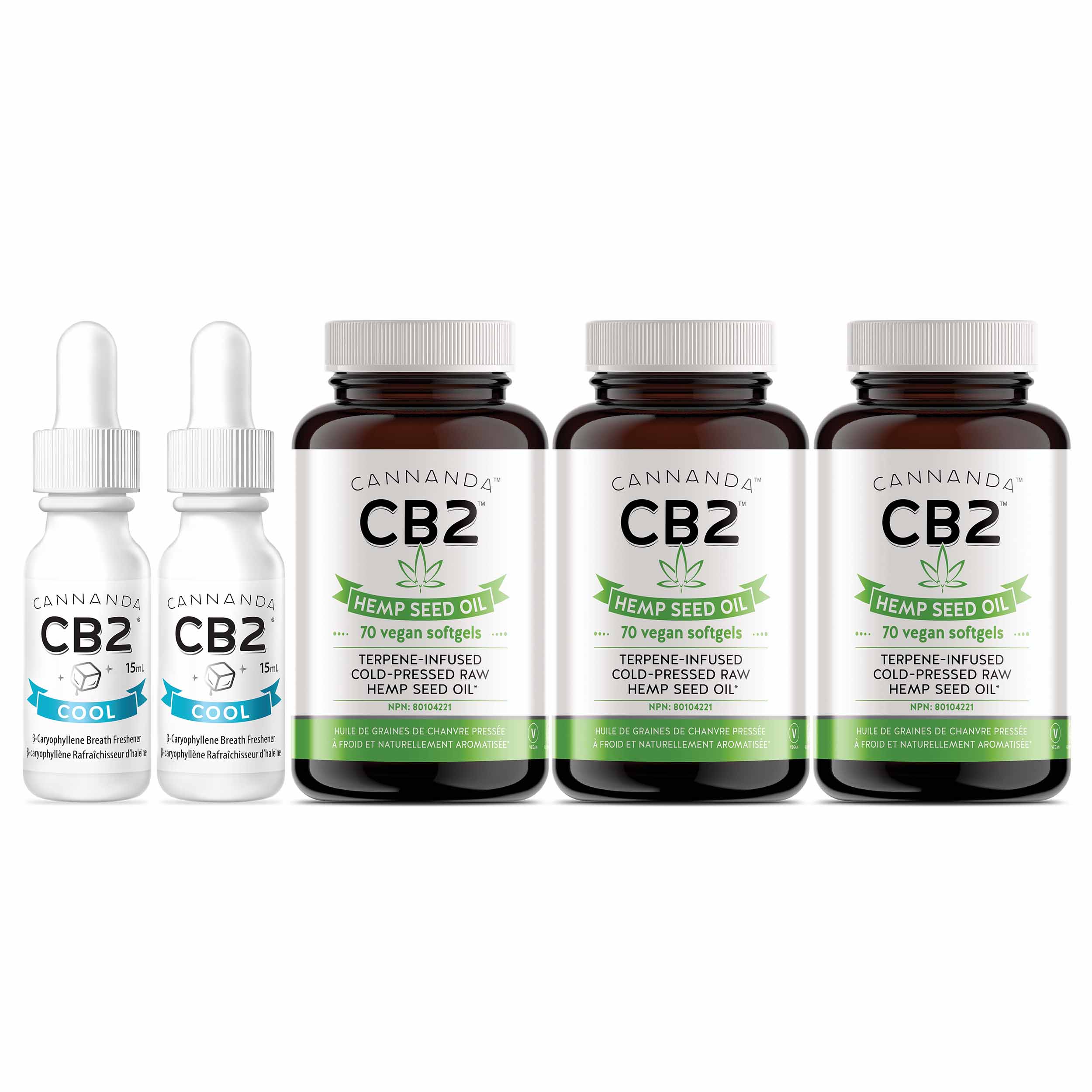
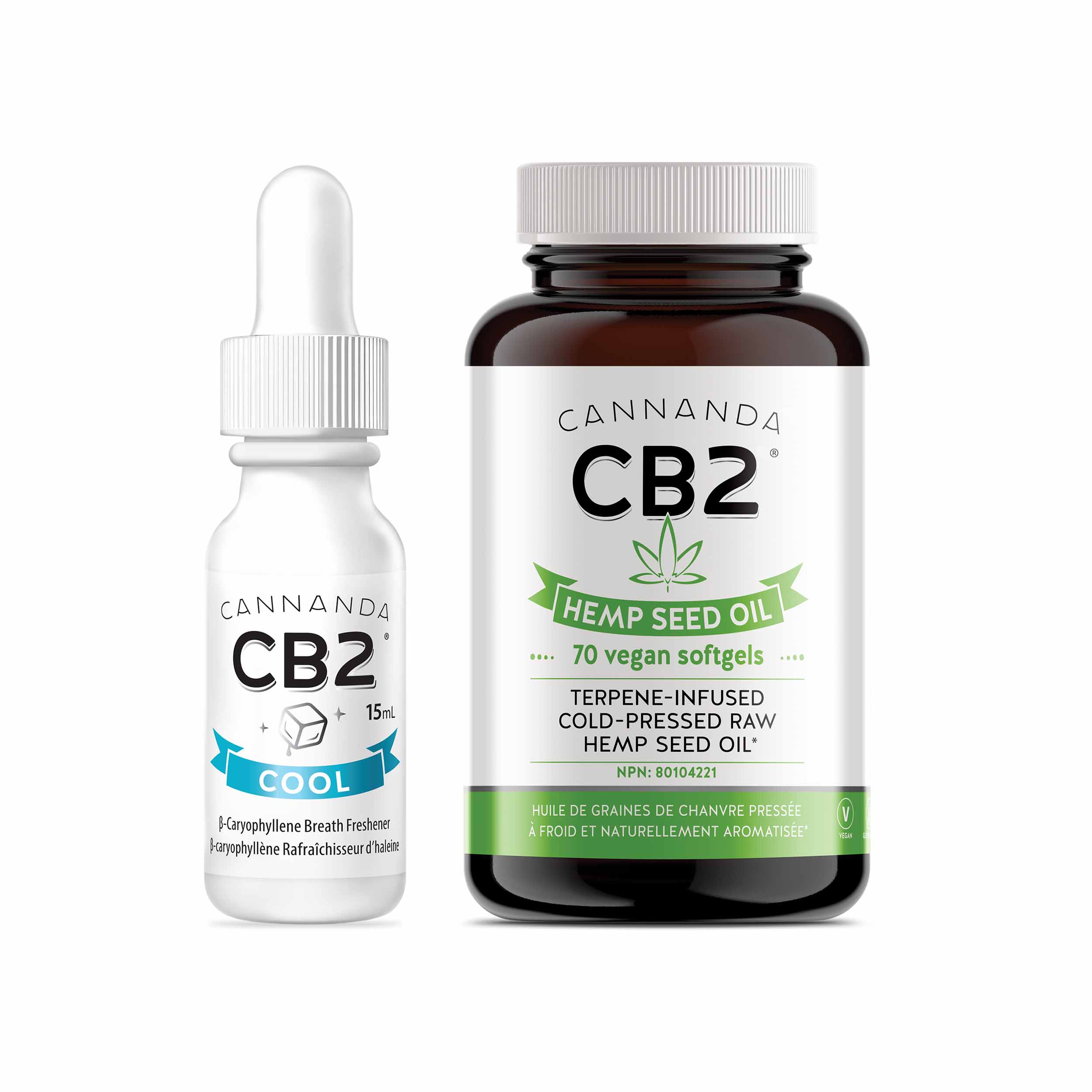
- CB2 Cool: sublingual drops, lower concentration per drop than CB2 Wellness. Easy to use before meals for fast-acting support.
- CB2 Hemp Seed Oil Vegan Softgels: the most convenient format for a consistent daily routine. Take them with a fat-containing meal for best absorption.
Frequently Asked Questions
Can beta-caryophyllene help lower blood sugar?
Preclinical research shows BCP supports blood sugar balance through multiple mechanisms: enhancing insulin sensitivity, improving glucose uptake in muscle via GLUT4 translocation, reducing inflammation linked to insulin resistance, and modulating appetite. In diabetic animal models, oral BCP supplementation lowered blood glucose and raised insulin levels while normalizing key metabolic enzymes. Human clinical trials are still limited, but the mechanistic evidence is compelling.
Is CB2 oil safe for people with diabetes or pre-diabetes?
Beta-caryophyllene has an excellent safety profile. It's a food-grade terpene with FDA GRAS status found in everyday foods like black pepper and cloves. At Cannanda's recommended doses, there are no known adverse interactions. One exception: if you're on a medication with a narrow therapeutic window, talk to your doctor before starting. If you're on medications that directly affect blood sugar, talk to your healthcare provider before starting, as BCP may complement their effects.
Can I take CB2 oil with metformin or other diabetes medications?
At Cannanda's recommended doses, no adverse interactions with metformin or common diabetes medications have been identified. Because BCP supports blood sugar through complementary pathways, the combination could lower blood sugar more than either alone, so monitor your levels and let your healthcare provider know you're adding BCP to your routine. One exception: if your medication has a narrow therapeutic window, don't start BCP without talking to your doctor first.
How does beta-caryophyllene enhance insulin function?
BCP activates CB2 receptors to improve glucose-stimulated insulin secretion (GSIS) in pancreatic beta-cells by upregulating key G-proteins (Arf6, Rac1, Cdc42) essential for insulin vesicle trafficking. It also activates PPAR-gamma receptors, which improve insulin sensitivity at the cellular level, the same receptor pathway targeted by thiazolidinedione diabetes medications.
Can BCP improve glucose uptake in muscles?
Yes. BCP has been shown to enhance glucose uptake, GLUT4 translocation, glycolytic and oxidative pathways, and ATP production in muscle cells through a CB2-dependent mechanism. GLUT4 is the primary glucose transporter in skeletal muscle. Getting more of it to the cell surface is one of the most effective ways to improve blood sugar clearance after meals.
Does BCP reduce oxidative stress linked to blood sugar problems?
Yes. In diabetic models, BCP significantly reduced oxidative damage markers (malondialdehyde) and inflammatory cytokines (TNF-alpha, IL-6), while boosting antioxidant enzymes. This protects insulin-producing beta-cells and addresses one of the key pathways through which chronic high blood sugar causes organ damage over time.
How much BCP should I take for blood sugar support?
Cannanda's standard recommendation is up to 120 mg of BCP per day. For blood sugar support specifically, taking CB2 oil before meals, ideally sublingually, may help manage post-meal glucose spikes. See our full BCP dosing guide for a breakdown by goal and body weight.
Which CB2 oil product is best for blood sugar management?
Any CB2 product delivers BCP. CB2 Hemp Seed Oil combines BCP with omega fatty acids that also support metabolic health. CB2 Wellness or CB2 Cool are good options if you prefer to use it sublingually before meals without additional oil calories.
Is there solid scientific backing for BCP's role in blood sugar management?
Multiple preclinical in vitro and animal studies consistently support BCP's role in regulating glucose metabolism, including insulin secretion, glucose uptake, and countering oxidative stress. A key reference is Pereira et al. (2019), which documented BCP's effects on GSIS in pancreatic beta-cells. The mechanistic picture from preclinical research is strong. See more on the research behind BCP and blood sugar.