

Natural Approaches to Nerve Pain and Neuropathy: What the Science Shows
Neuropathic pain is one of the hardest conditions to treat. Conventional medications often blunt the signal without touching the cause. Here's what the evidence says about natural approaches, and where CB2 receptor activation fits in.
This article is for educational purposes. Neuropathy has many causes and presentations. Nothing here constitutes medical advice or replaces a diagnosis and treatment plan from your healthcare provider. Always consult your doctor before changing or supplementing any treatment for nerve pain.
You're living with nerve pain, burning feet, tingling hands, shooting sensations, or that deep aching numbness that doesn't respond well to regular pain medication. You may have tried gabapentin or pregabalin and found the side effects unacceptable, or the relief incomplete. This article covers what the research actually shows about natural approaches, with an honest look at where each one stands.
Neuropathic pain is driven largely by neuroinflammation (chronic inflammatory activity in and around nerve tissue), which most conventional medications don't address at all. Natural approaches with the best evidence include: beta-caryophyllene (BCP) via CB2 receptor activation (multiple peer-reviewed studies confirming neuropathic pain reduction); alpha-lipoic acid (well-studied for diabetic neuropathy); B vitamins (essential for nerve repair and myelin maintenance); and vitamin D (deficiency linked to increased neuropathic pain). BCP stands out because it targets the neuroinflammatory mechanism directly, has no drug interactions at recommended doses (with one exception for those on medications with a narrow therapeutic window), and can be used alongside conventional treatment.
Peripheral neuropathy affects an estimated 20 million Americans and is one of the most undertreated pain conditions in conventional medicine. The problem isn't lack of effort, it's that the most widely used medications (gabapentin, pregabalin, duloxetine) work by suppressing nerve signalling broadly rather than addressing the underlying damage. They reduce how loudly the nerve shouts, but they don't stop the fire that's burning the nerve in the first place.
That fire is neuroinflammation. In most types of neuropathy, whether driven by diabetes, chemotherapy, autoimmune conditions, or injury, the common thread is chronic inflammatory activity in and around nerve tissue. Pro-inflammatory cytokines like TNF-α, IL-1β, and IL-6 damage the myelin sheath, disrupt nerve conduction, sensitize pain receptors, and create the burning, tingling, shooting sensations people describe. Natural approaches that target this mechanism have meaningfully different potential than approaches that just mask pain signals.
What neuropathic pain actually is
Normal pain is a warning signal. You touch something hot, nociceptors fire, you pull your hand away. Neuropathic pain is different: it arises from damage or dysfunction within the nervous system itself. The nerve becomes the source of the pain signal rather than the carrier of it. This is why neuropathic pain often persists long after the original injury or trigger has resolved, and why it responds poorly to standard analgesics like NSAIDs or acetaminophen that work on inflammatory tissue but not on nerve signalling.
Common neuropathic presentations include burning or electric pain, pins and needles, numbness or loss of sensation, allodynia (pain from normally non-painful contact like bedsheets), and hyperalgesia (exaggerated pain from mild stimuli). It commonly affects the feet and hands first, which is why "burning feet" is one of the most searched neuropathy symptoms.
The most common types of neuropathy
The most common type. Affects up to 50% of people with diabetes over time. Chronically elevated blood sugar generates oxidative stress and inflammation that progressively damage the small blood vessels supplying peripheral nerves, causing a classic "glove and stocking" pattern of numbness and burning.
A side effect of certain chemotherapy drugs (especially platinum-based and taxane agents) that directly damage peripheral nerves. Often begins during treatment and may persist for months or years after completion.
Nerve pain that persists after a shingles (herpes zoster) outbreak. The varicella-zoster virus damages sensory nerve fibres, causing persistent burning pain, hypersensitivity, and allodynia in the affected area.
Can be caused by the HIV virus itself or by certain antiretroviral medications. Characterized by painful tingling, burning, and numbness, often in the feet. One of the most studied applications for beta-caryophyllene specifically.
A significant proportion of peripheral neuropathy cases have no identifiable cause. Often presents in older adults. Low-grade chronic inflammation and nutritional deficiencies (particularly B12) are suspected contributors in many cases.
Why conventional medications often fall short
Gabapentin and pregabalin (the most prescribed neuropathy medications) work by binding to calcium channels in the nervous system and reducing overall nerve excitability. They can reduce pain scores, but they don't address the underlying neuroinflammation and they carry a significant side effect burden: sedation, cognitive blunting, dizziness, weight gain, peripheral edema, and, increasingly recognized, dependency and withdrawal issues with long-term use.
Duloxetine and tricyclic antidepressants work through serotonin and norepinephrine reuptake inhibition, broadly modulating pain pathways. Again, useful but blunt instruments that don't touch the inflammatory process driving nerve damage.
The practical result is that many people with neuropathy end up on these medications for years, experiencing partial relief while tolerating significant side effects, or discontinuing them because the side effects outweigh the benefit, and returning to unmanaged pain. This is the gap that natural approaches with anti-neuroinflammatory mechanisms are positioned to fill.
| Targets neuroinflammation | No, masks pain signalling | Yes, directly via CB2 activation |
| Tolerance / dependency risk | Yes (gabapentin, pregabalin) | No tolerance development documented |
| Cognitive side effects | Common (sedation, fog) | None |
| Drug interactions | Yes, multiple | None documented for BCP at recommended doses* |
| Supports nerve repair | No | Potential, reduces damage drivers |
| Safe for long-term daily use | Concerns with prolonged use | Yes, GRAS-status ingredients |
*Except for those on a medication with a narrow therapeutic window, who should talk to a doctor before starting.
Natural approaches with meaningful research support
How it works
Beta-caryophyllene is a dietary terpene found in black pepper, cloves, and hemp. It is a selective CB2 receptor agonist, meaning it binds directly to CB2 receptors in the endocannabinoid system, triggering an anti-inflammatory cascade that reduces the neuroinflammation driving neuropathic pain. CB2 receptors are expressed in peripheral nerve tissue, immune cells, and spinal cord microglia, all sites relevant to neuropathic pain processing. Because BCP only activates CB2 (not CB1), it produces no psychoactive effects, no sedation, and no impairment.
What the research shows
The evidence base for BCP in neuropathic pain is notably strong for a natural compound, with multiple independent peer-reviewed studies across different neuropathy models:
Bottom line for neuropathy
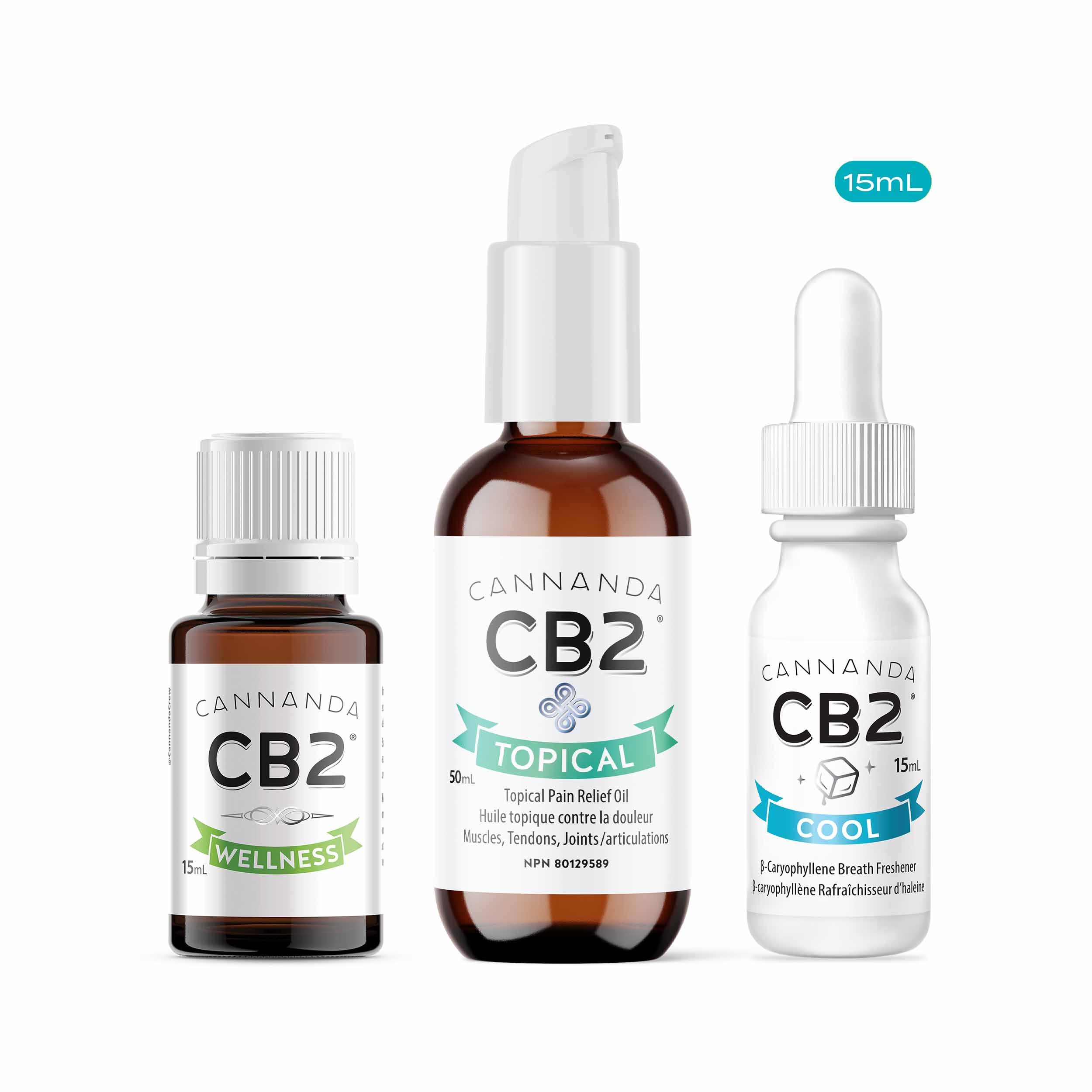
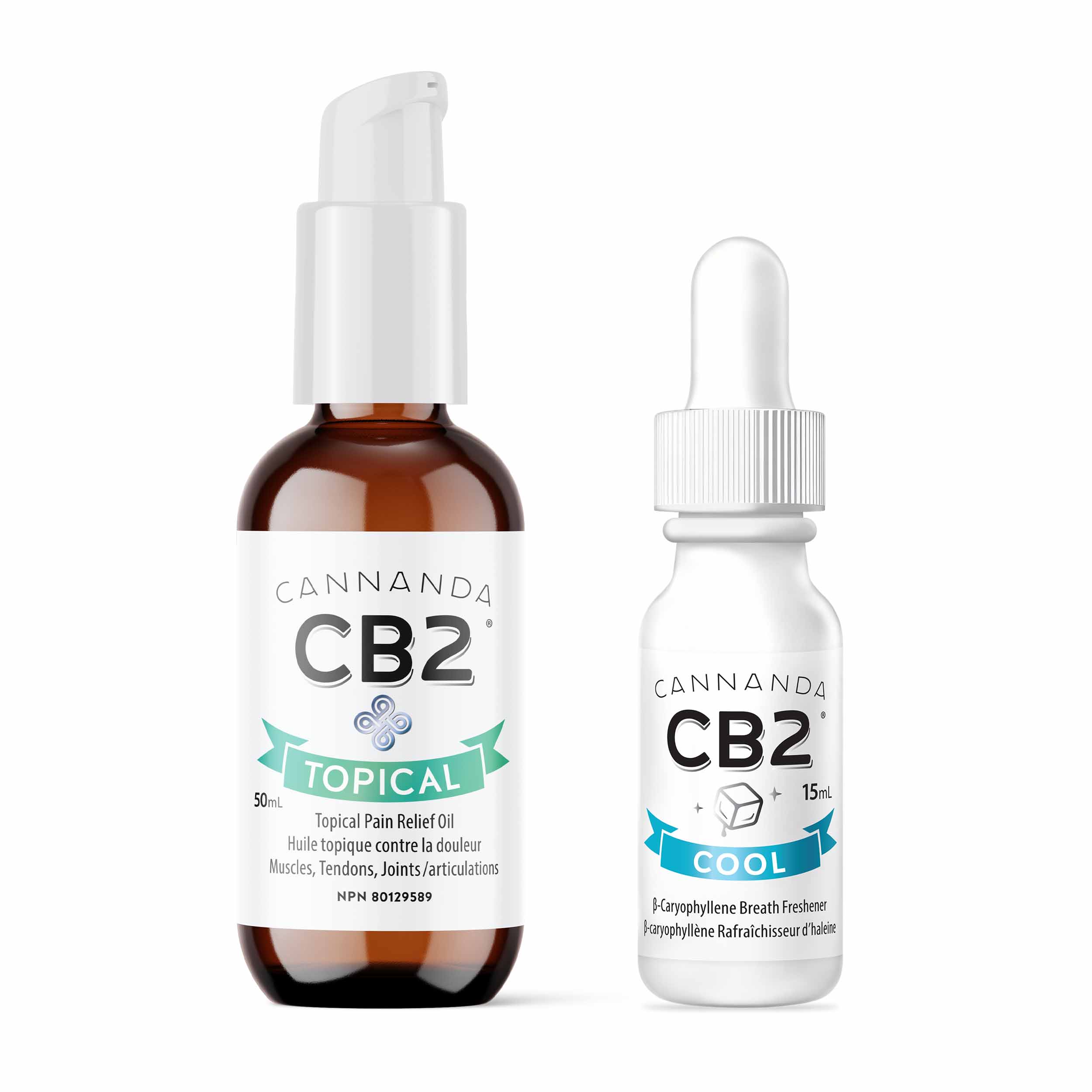
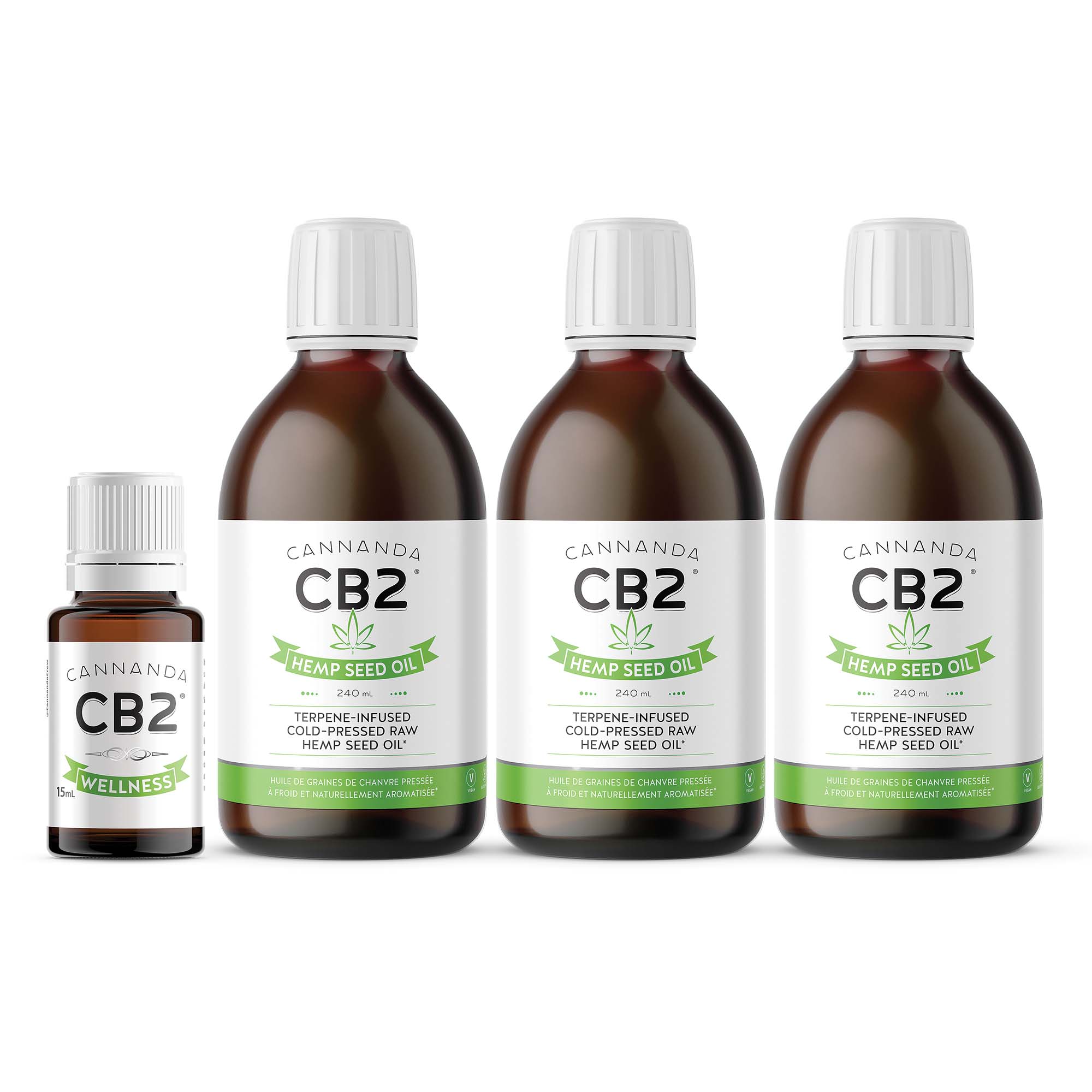
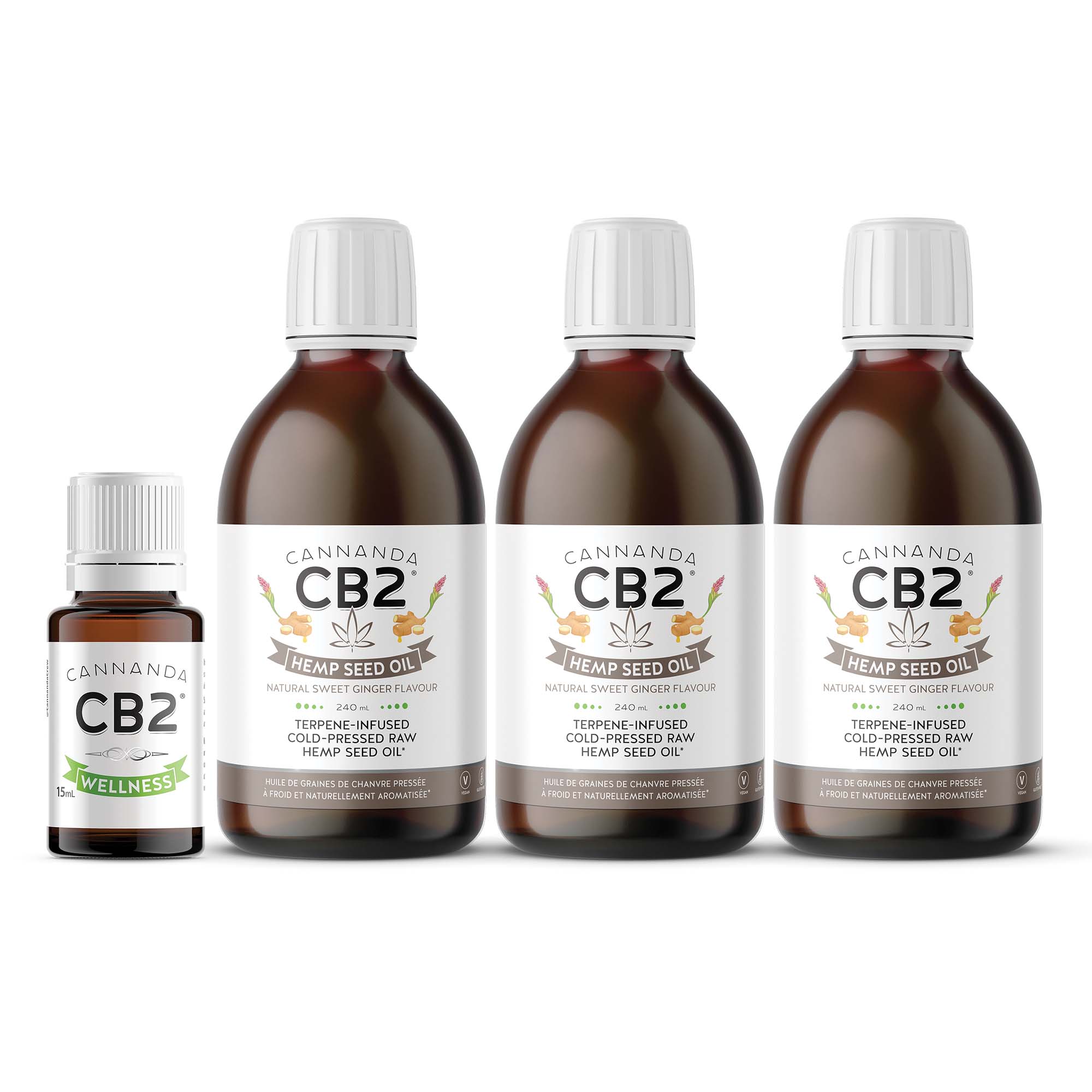
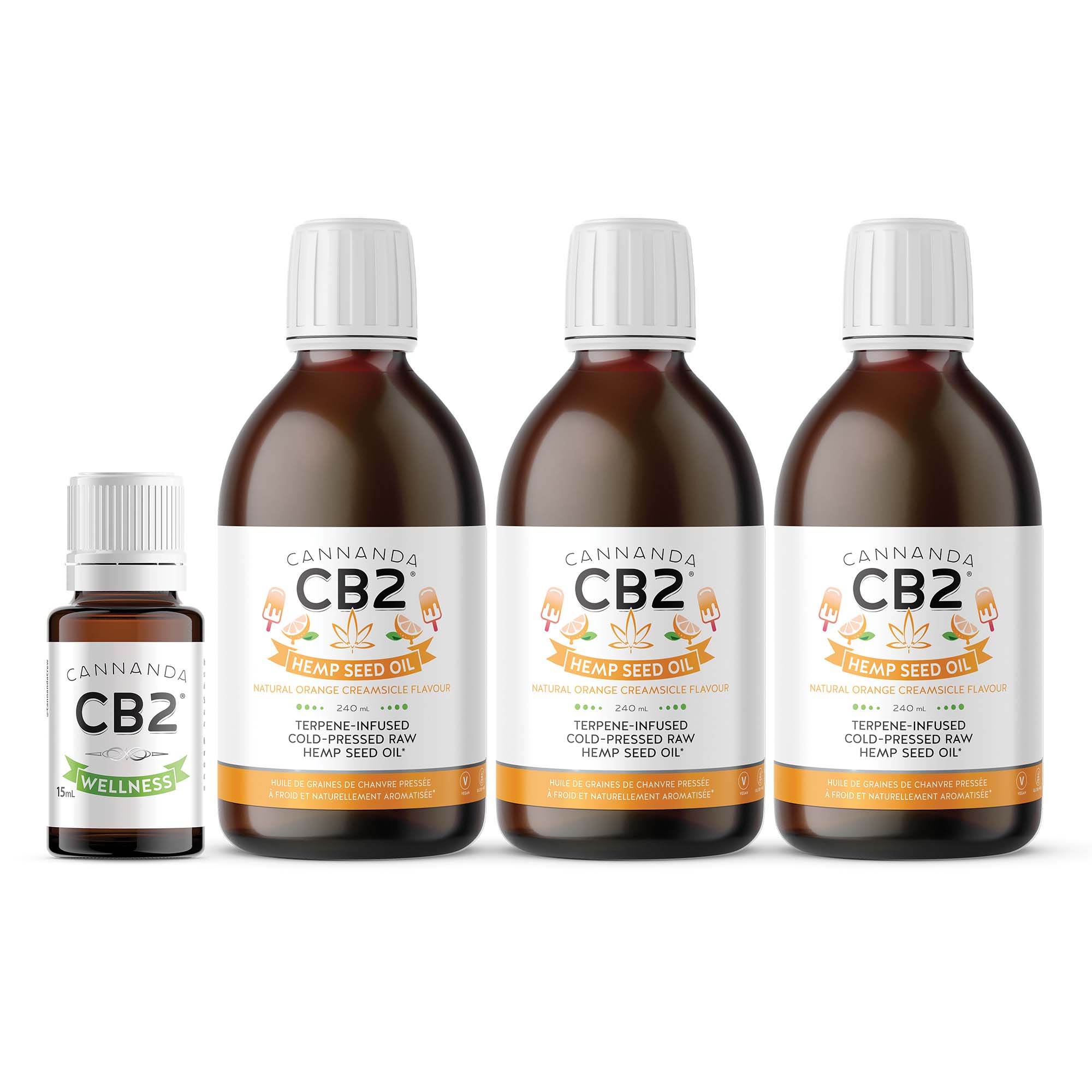
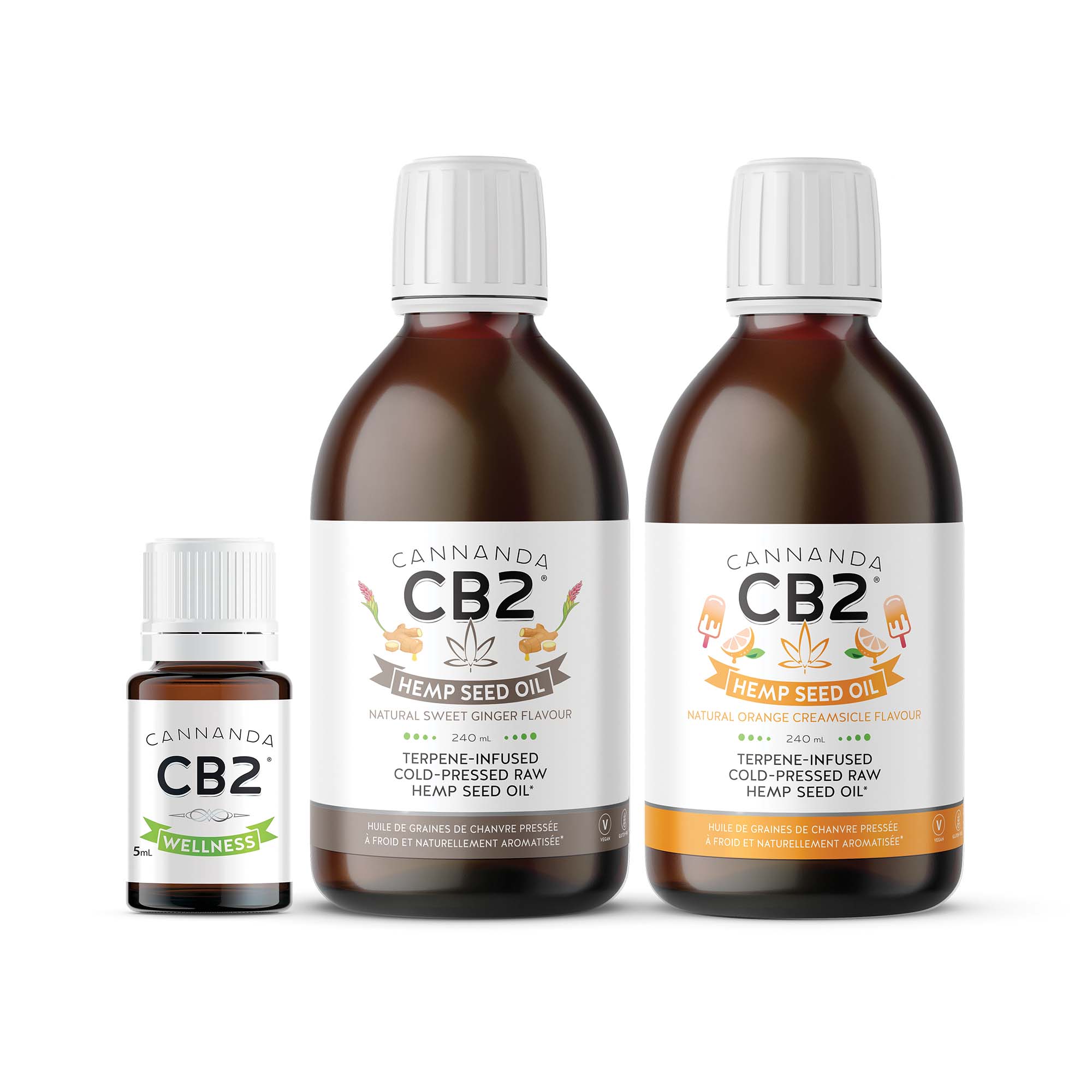
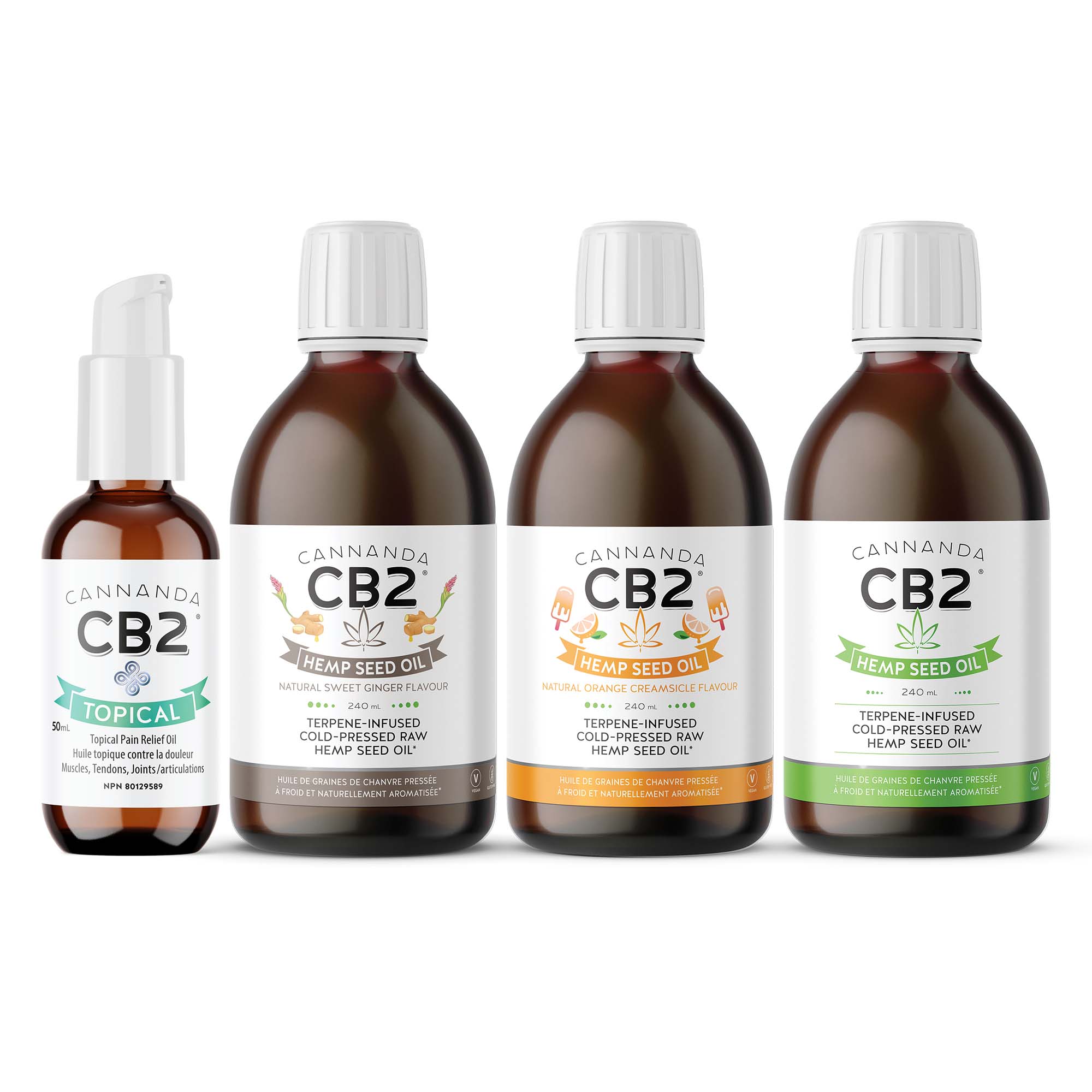
BCP is one of the few natural compounds with peer-reviewed evidence specifically in neuropathic pain models, not just general pain. The CB2 mechanism is directly relevant to the neuroinflammatory pathology of neuropathy, making it a mechanistically sound choice rather than a speculative one. For people who have tried and failed gabapentin or pregabalin, or are looking for a non-sedating complement to conventional treatment, Cannanda CB2 oil represents a well-supported option. The CB2 Topical Oil may also be relevant for people with localized nerve pain in accessible areas like the feet or hands.
How it works
Alpha-lipoic acid is a powerful antioxidant with a unique advantage over most antioxidants: it's both water-soluble and fat-soluble, which means it can penetrate cell membranes and act inside mitochondria, the organelles most affected by oxidative stress in diabetic neuropathy. ALA neutralizes reactive oxygen species that damage myelin sheaths and nerve cell membranes, and it can regenerate other antioxidants including vitamins C and E and glutathione.
What the research shows
ALA has more clinical trial data in neuropathy than almost any other natural compound, primarily in diabetic peripheral neuropathy. Multiple randomized controlled trials have shown significant reductions in burning pain, numbness, and tingling with ALA supplementation. The SYDNEY 2 trial found oral ALA (600mg/day) significantly improved total symptom scores compared to placebo over five weeks. ALA is formally approved as a medical treatment for diabetic neuropathy in Germany. For non-diabetic neuropathy the evidence base is thinner, but the mechanism, reducing oxidative nerve damage, is broadly relevant.
Synergy with BCP
ALA and BCP address neuropathy through complementary pathways: ALA targets oxidative stress within nerve cells, while BCP targets the inflammatory signalling that drives ongoing nerve damage from the immune side. Using both together addresses two major drivers of neuropathy simultaneously, a rational combination for people with moderate to severe symptoms.
Why B vitamins matter for nerve pain
B vitamins aren't optional extras for nerve health, several are structurally essential for how nerves function and maintain themselves. Deficiencies in key B vitamins are a direct, reversible cause of neuropathy in a significant number of cases, which is why ruling out deficiency is a critical first step before assuming neuropathy has another cause.
The key three
Vitamin B12 (cobalamin) is required for myelin sheath synthesis, the insulating layer around nerve fibres that allows them to conduct signals properly. B12 deficiency neuropathy is common and frequently missed. It's particularly prevalent in people over 50 (reduced absorption with age), vegetarians and vegans (B12 is found almost exclusively in animal products), and people taking metformin long-term (metformin impairs B12 absorption). Symptoms closely mirror diabetic neuropathy, including burning feet, numbness, and balance problems. Methylcobalamin (the active form) is better absorbed than cyanocobalamin for neurological applications.
Vitamin B1 (thiamine) is required for nerve energy metabolism. Thiamine deficiency causes peripheral neuropathy (as in the classic presentation of beri-beri), and subclinical insufficiency is underappreciated as a contributor to neuropathic symptoms. Benfotiamine, a fat-soluble form of B1, has shown benefit in diabetic neuropathy clinical trials; it penetrates nerve cell membranes better than standard thiamine.
Vitamin B6 (pyridoxine) supports neurotransmitter synthesis and nerve signalling. B6 deficiency causes peripheral neuropathy, but so does excess supplementation above approximately 200mg/day. At therapeutic doses (below 100mg/day), B6 is beneficial and safe.
How it works
Vitamin D receptors are found throughout the nervous system, including in peripheral sensory nerves. Vitamin D plays roles in nerve growth factor regulation, modulation of inflammatory cytokines, and the regulation of pain-relevant ion channels. Deficiency disrupts all of these functions. Vitamin D deficiency is extremely common, estimated to affect 40–60% of adults in northern climates, and is consistently associated with increased pain sensitivity, lower pain thresholds, and worse neuropathic symptom scores.
What the research shows
Several observational studies have found strong correlations between low vitamin D levels and neuropathic pain severity. Randomized trials in diabetic neuropathy have shown that supplementing deficient patients to adequate 25(OH)D levels (above 50 nmol/L) significantly reduces neuropathic pain scores compared to placebo. Vitamin D is inexpensive, safe in recommended doses, and easy to test, making it one of the highest-value things to check and correct if you're dealing with chronic nerve pain.
How it works
Acetyl-L-carnitine (ALC) is an antioxidant involved in cellular energy production and nerve cell metabolism. Unlike most approaches that focus on pain signal suppression, ALC has documented neurotrophic effects: it can support nerve fibre regeneration. It works partly by increasing nerve growth factor (NGF) levels in nerve tissue, supporting both the maintenance of existing nerve fibres and the regeneration of damaged ones.
What the research shows
Multiple clinical trials in peripheral neuropathy, including chemotherapy-induced and diabetic neuropathy, have found that ALC supplementation reduces pain scores, improves sensory symptoms, and produces measurable improvements on nerve conduction tests. A notable meta-analysis found ALC significantly reduced pain scores compared to placebo across randomized controlled trials in painful neuropathy. The regenerative potential, not just symptom management, makes ALC a unique tool in the natural neuropathy toolkit.
For diabetic neuropathy, blood sugar control is the single most important intervention. Reducing HbA1c reduces the glycemic damage that drives ongoing nerve injury. Every other intervention (BCP, ALA, B12) works better if the underlying driver is controlled.
Regular aerobic exercise improves circulation to peripheral nerves, reduces blood sugar, reduces systemic inflammation, and has been shown in clinical research to actually improve nerve fibre density in people with neuropathy. This is one of the few interventions with evidence of genuine nerve repair, not just symptom relief. Even modest amounts, 30 minutes of walking most days, produce measurable benefit in peripheral neuropathy studies.
Alcohol cessation is critical for alcohol-related neuropathy, and should be considered even in "light" drinkers with idiopathic neuropathy, since alcohol is directly neurotoxic in a dose-dependent manner. For people on metformin, B12 testing and supplementation should be a standard part of management given the well-documented absorption interference.
Putting it together: a practical protocol for nerve pain support
The most effective approach to nerve pain combines interventions that address different parts of the problem simultaneously. Here's how the pieces fit:
- Foundation: Address any identified deficiencies first, B12, vitamin D, blood sugar. These are prerequisite steps, not optional add-ons. Many people see meaningful improvement just from correcting a B12 deficiency they didn't know they had.
- Anti-neuroinflammatory support: Cannanda CB2 oil daily, targeting the inflammatory mechanism that drives ongoing nerve damage. If you have localized nerve pain in the feet or hands, the CB2 Topical Oil applied directly to the affected area can complement oral use.
- Antioxidant nerve protection: Alpha-lipoic acid (particularly relevant for diabetic neuropathy) and/or acetyl-L-carnitine (relevant if nerve regeneration support is a priority).
- Movement: Consistent low-impact aerobic activity to improve peripheral circulation and reduce systemic inflammation.
- Expectations: Neuropathy involves structural nerve damage that took time to develop. Natural approaches that reduce inflammation and support repair work over weeks and months, not days. Consistency matters more than any single dose.
One practical advantage of Cannanda CB2 oil in a neuropathy context is its clean drug interaction profile. It contains no cannabinoids and is not metabolized through the CYP450 liver enzyme pathway, so for most medications it doesn't interfere with gabapentin, pregabalin, duloxetine, or other commonly prescribed neuropathy medications. One exception: if you're on a medication with a narrow therapeutic window, talk to your doctor before starting. This makes it genuinely usable as a complement to conventional treatment rather than a replacement that requires medication changes.
Start with the science-backed option
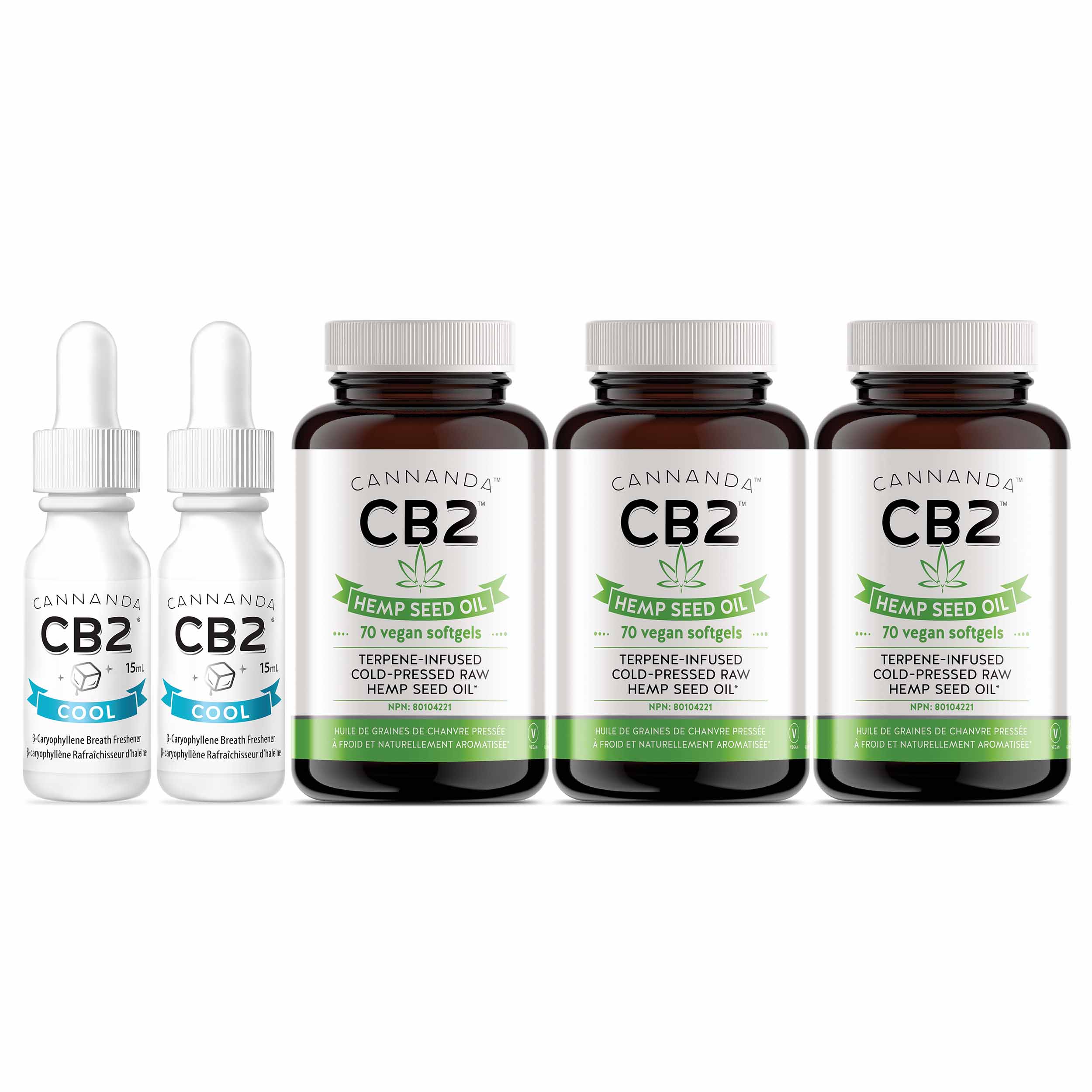
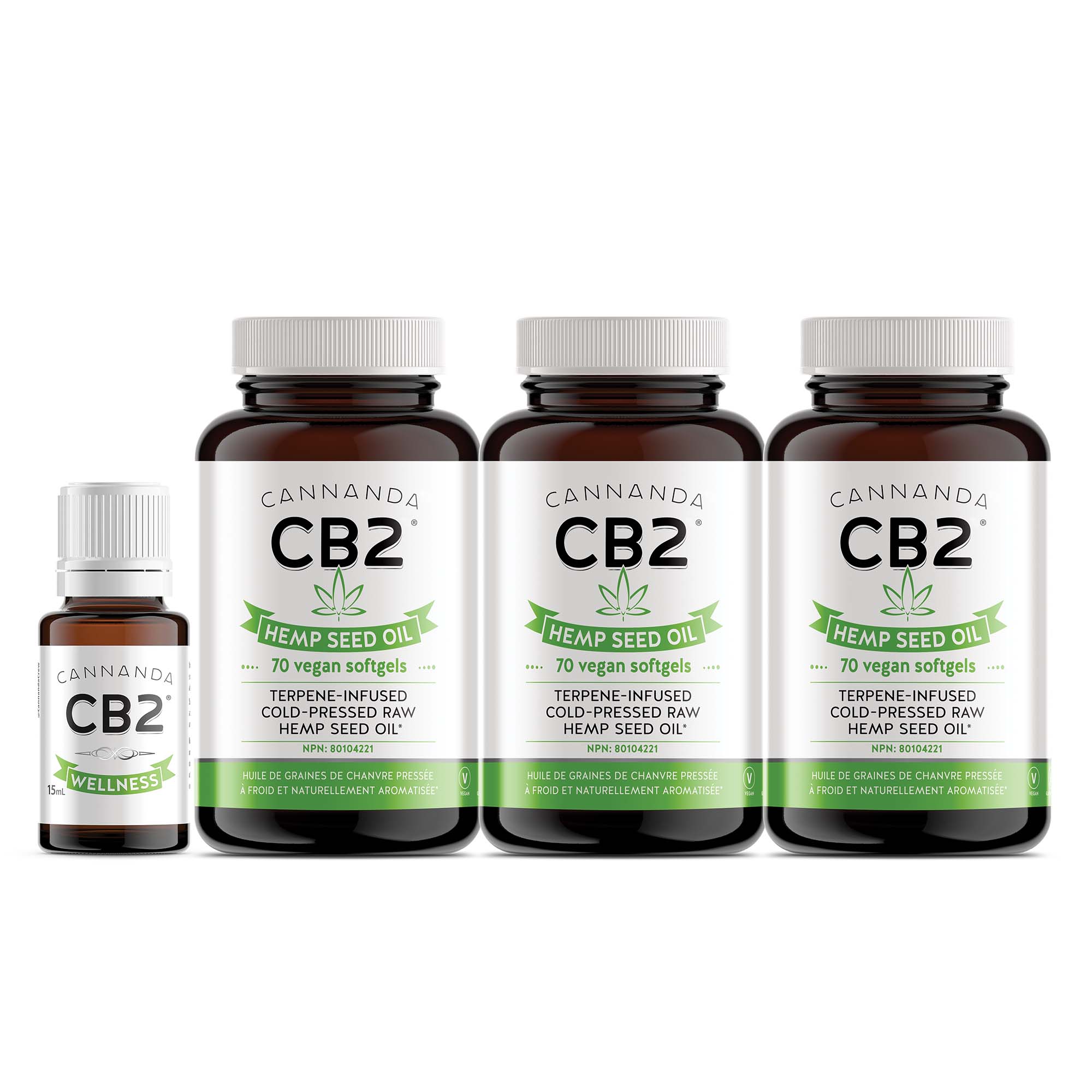
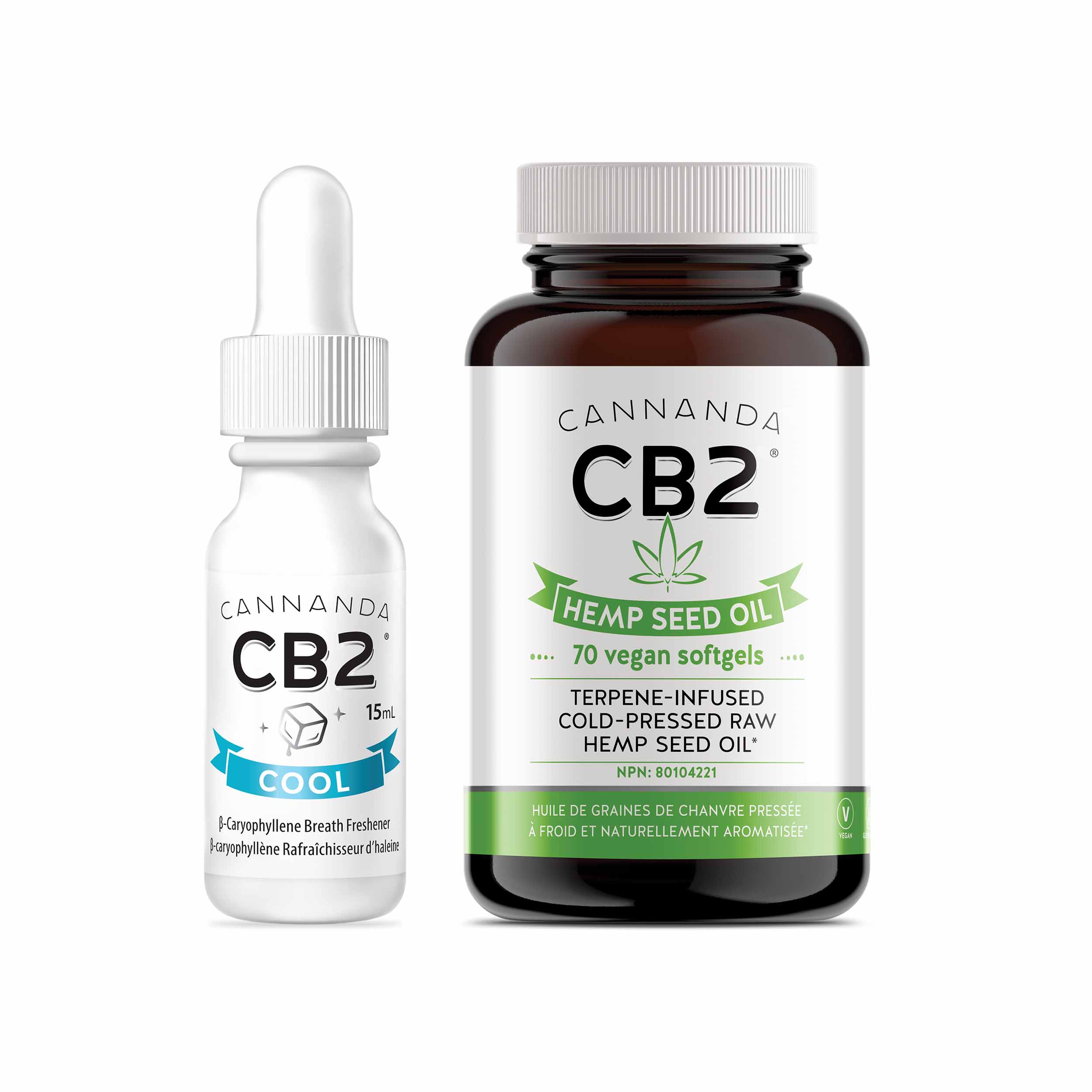
CB2 oil for nerve pain. Physician-formulated, GRAS-status, no drug interactions. Available in oral drops and topical.
Shop Cannanda CB2 OilFrequently Asked Questions
Can beta-caryophyllene help with nerve pain?
Yes. Multiple peer-reviewed studies confirm that beta-caryophyllene (BCP) reduces neuropathic pain through CB2 receptor activation. A 2014 study found oral BCP significantly reduced both inflammatory and neuropathic pain in animal models, with no tolerance development. A 2019 study confirmed BCP suppressed mechanical allodynia in HIV-associated neuropathy. A 2025 study confirmed BCP dose-dependently reduced diabetic peripheral neuropathy pain via CB2 activation, also reducing inflammatory cytokines and oxidative stress.
What causes neuropathic pain?
Neuropathic pain arises from damage or dysfunction in the nervous system itself, rather than from tissue injury. Common causes include diabetes (diabetic peripheral neuropathy), chemotherapy drugs, HIV and antiretroviral medications, shingles (postherpetic neuralgia), physical nerve injury or compression, autoimmune conditions, and idiopathic causes. The common thread in most types of neuropathy is neuroinflammation, chronic inflammatory signalling in and around nerve tissue.
How do CB2 receptors help with nerve pain?
CB2 receptors are expressed in immune cells and peripheral nervous system tissue. When activated, they reduce neuroinflammation by suppressing pro-inflammatory cytokines (TNF-α, IL-1β, IL-6), reduce oxidative stress in nerve tissue, and modulate pain signalling pathways that cause allodynia and hyperalgesia. Because CB2 receptors are not expressed in the brain's reward centres the way CB1 receptors are, activating them produces no intoxication or psychoactive effects.
Is alpha-lipoic acid good for neuropathy?
Alpha-lipoic acid (ALA) is one of the most studied natural supplements for neuropathy, particularly diabetic neuropathy. As both a water-soluble and fat-soluble antioxidant, ALA penetrates nerve cell membranes and reduces oxidative stress that drives nerve damage. Multiple clinical trials show ALA reduces neuropathic symptoms including burning pain, numbness, and tingling. It is approved for diabetic neuropathy treatment in Germany. ALA and BCP are complementary: ALA addresses oxidative stress inside nerve cells while BCP addresses the inflammatory signalling from the immune side.
What vitamins help with nerve pain?
B vitamins are most directly essential for nerve function. Vitamin B12 is required for myelin sheath synthesis; B12 deficiency is a direct cause of neuropathy and is frequently missed, especially in people over 50, vegetarians/vegans, and people on metformin. Vitamin B1 (especially benfotiamine) supports nerve energy metabolism and has clinical evidence in diabetic neuropathy. Vitamin B6 supports neurotransmitter synthesis at therapeutic doses. Vitamin D deficiency is also strongly linked to increased neuropathic pain, and supplementing to adequate levels has shown benefit in clinical trials.
Does CB2 oil help diabetic neuropathy?
Research is very promising. A 2025 peer-reviewed study confirmed that beta-caryophyllene dose-dependently alleviated pain in a diabetic peripheral neuropathy mouse model via CB2 receptor activation, significantly reducing TNF-α, IL-1β, IL-6 and oxidative stress markers while restoring antioxidant activity. These are the exact mechanisms driving diabetic neuropathy progression. Cannanda does not make an approved health claim for diabetic neuropathy, but the mechanism is directly relevant and many people with diabetes-related nerve pain use CB2 oil based on this research.
Why do conventional neuropathy medications often fail?
Conventional medications like gabapentin and pregabalin suppress nerve signalling broadly rather than addressing the neuroinflammation that causes and perpetuates nerve damage. They reduce how loudly the nerve signals pain, but don't stop the inflammatory process burning the nerve. They also carry significant side effect burdens, sedation, cognitive blunting, weight gain, and with long-term use, dependency. Natural approaches like BCP that target neuroinflammation through CB2 receptors address the root cause rather than masking the signal.
Is CB2 oil safe to take alongside neuropathy medications?
CB2 oil has no documented adverse drug interactions at Cannanda's recommended doses. One exception: if you're on a medication with a narrow therapeutic window, talk to your doctor before starting. Unlike CBD, it is not metabolized through the CYP450 liver enzyme pathway that processes most medications including gabapentin and duloxetine. This makes it genuinely usable alongside conventional neuropathy treatment. Always discuss adding any supplement with your healthcare provider if you're on prescription medications.
How long does it take for natural approaches to work for nerve pain?
Neuropathic pain is driven by chronic neuroinflammation that took time to develop. Some people notice improvement within 2 to 4 weeks of consistent BCP use. For conditions involving significant underlying nerve damage, the timeline may be longer as the body gradually reduces inflammatory load and supports repair. Consistency, daily use, matters more than timing or dose timing for long-term results. Topical CB2 oil applied directly to the affected area (e.g. feet) may offer faster localized relief while the systemic effect builds.
References
- Klauke, A.-L., Racz, I., Pradier, B., Markert, A., Zimmer, A. M., Gertsch, J., & Zimmer, A. (2014). The cannabinoid CB2 receptor-selective phytocannabinoid beta-caryophyllene exerts analgesic effects in mouse models of inflammatory and neuropathic pain. European Neuropsychopharmacology, 24(4), 608–620.
- Aly, E., Khajah, M. A., & Masocha, W. (2019). β-Caryophyllene, a CB2-receptor-selective phytocannabinoid, suppresses mechanical allodynia in a mouse model of antiretroviral-induced neuropathic pain. Molecules, 25(1), 106. https://doi.org/10.3390/molecules25010106
- Bagher, A. M. (2025). Intraplantar β-caryophyllene alleviates pain and inflammation in STZ-induced diabetic peripheral neuropathy via CB2 receptor activation. International Journal of Molecular Sciences, 26(9), 4430. https://doi.org/10.3390/ijms26094430
- Gertsch, J., Leonti, M., Raduner, S., Racz, I., Chen, J. Z., Xie, X. Q., ... & Zimmer, A. (2008). Beta-caryophyllene is a dietary cannabinoid. PNAS, 105(26), 9099–9104.
- Ziegler, D., Ametov, A., Barinov, A., Dyck, P. J., Gurieva, I., Low, P. A., ... & Samigullin, R. (2006). Oral treatment with alpha-lipoic acid improves symptomatic diabetic polyneuropathy: the SYDNEY 2 trial. Diabetes Care, 29(11), 2365–2370.
- Sima, A. A., Calvani, M., Mehra, M., Amato, A., & Acetyl-L-Carnitine Study Group. (2005). Acetyl-L-carnitine improves pain, nerve regeneration, and vibratory perception in patients with chronic diabetic neuropathy. Diabetes Care, 28(1), 89–94.
- Shillo, P., Selvarajah, D., Greig, M., Rao, G., & Tesfaye, S. (2019). Reduced vitamin D levels in painful diabetic peripheral neuropathy. Diabetic Medicine, 36(1), 44–51.
- Smith, A. G., Russell, J., Feldman, E. L., Goldstein, J., Peltier, A., Smith, S., ... & Singleton, J. R. (2006). Lifestyle intervention for pre-diabetic neuropathy. Diabetes Care, 29(6), 1294–1299.













Comments
This is an incredibly well-structured breakdown of the underlying science governing nerve paths and neuropathic signaling. Looking at the molecular and receptor levels provides vital clarity for alternative recovery strategies.
From a strict biomechanical and physiological standpoint, it is also essential to evaluate the physical macro-environment surrounding these hypersensitive nerve roots—specifically the impact of micro-circulatory fluid stagnation. When peripheral nerve pathways or local joint capsules experience trauma or cellular stress, the body’s natural defense mechanism is to rush inflammatory fluids to the localized area to isolate the restriction. However, during rest or sleep, systemic circulation drops naturally. This causes those dense, protein-rich cellular fluids to pool and thicken right inside the narrow tissue spaces, creating a pressurized biological “traffic jam” that physically compresses the nerve structures, intensifying burning, numbness, or shooting pain.
While modulating nerve pathways is an excellent tool, true structural comfort requires active lymphatic flushing and localized vasodilation to physically move that stagnant fluid pooling out of the compressed tissue space. At The Healing Home, we bypass mass-market warehouse supplement pipelines. Instead, we focus entirely on engineering raw, small-batch botanical concentrates designed to preserve living plant enzymes that actively assist the body’s natural tissue-clearing mechanisms. For those interested in studying the physical fluid dynamics of deep nerve and joint recovery, we have outlined our full protocol blueprints at reliefhome.carrd.co. Thank you for elevating the scientific discourse around alternative nerve care!