Glucosamine and Dementia: Why CB2 Oil Is Worth a Look for Joint Pain Relief
Who this is for
- You take glucosamine for sore joints.
- You, or a parent, have memory slips, mild cognitive impairment (MCI), or dementia.
- You want natural joint pain relief that works a different way.
The short version
- A 2026 University of Florida study linked glucosamine to a 25% higher chance of going from MCI to dementia. In people who already had dementia, it was linked to a 25% higher risk of death.
- Glucosamine's record for joint pain was already weak.
- Beta-caryophyllene (BCP), the active in Cannanda CB2 oil, is a terpene, not a sugar. It works through your CB2 receptors.
- In animal models of dementia and Alzheimer's disease, BCP supported memory.
You take glucosamine to look after your knees. You never thought it could matter to your brain. Then this headline pops up: "Common Joint Supplement Linked to 25% Higher Dementia Risk."
That's scary. So let's slow down. Here's what the study found, what it didn't find, and why CB2 oil is worth a look if you want joint comfort without that question mark.
What the glucosamine and dementia study found
The study: Hawkinson and team, Nature Metabolism, June 2026. Dr. Ramon Sun's lab at the University of Florida led it.1,2
- The team read health records from 2012 to 2024.
- They found 41,884 people with MCI and 24,481 people with Alzheimer's disease or a related dementia. About 8% took glucosamine.
- People with MCI who took glucosamine were 25% more likely to move on to dementia.
- People with dementia who took glucosamine had a 25% higher risk of death.
Why would a joint pill touch your brain? Glucosamine is an amino sugar. It crosses into the brain. Once it's there, your cells can use it for a job called glycosylation. That means sticking tiny sugar tags onto proteins.
You need some sugar tags. But the team found that brains with Alzheimer's disease had far too many. They call this hyperglycosylation. When they gave glucosamine to mice bred to model Alzheimer's disease, the sugar tags went up and memory got worse. When they slowed that pathway down, memory got better.
What the study did not show
Be fair to glucosamine here. The study has real limits.
- It's a link, not a cause. The human part used health records. It was not a trial.
- It did not study healthy memory.
So the worry is strongest if memory problems are already there. The researchers want a proper human trial to settle it.
Glucosamine was never a sure thing for joint pain
Here's the part most people miss. Glucosamine didn't have a strong record to begin with.
- The big GAIT trial tested it in 1,583 people with knee osteoarthritis. Glucosamine did not beat a placebo for pain in the overall group.5
- The 2019 guideline from the American College of Rheumatology and the Arthritis Foundation strongly recommends against glucosamine for osteoarthritis of the knee, hip, and hand.6
So you may be carrying a brain question for a joint benefit that was shaky all along. That's a fair reason to look at other options.
Natural options for joint pain relief that work a different way
1Beta-caryophyllene (BCP), the CB2 oil terpene
Small human studyAnimal studiesBCP is a natural terpene. You already eat a little of it in black pepper and cloves. It's a food compound that activates CB2 receptors, part of your endocannabinoid system.7 That system helps your body keep its balance, which scientists call homeostasis. BCP is non-intoxicating.
BCP is not a sugar. Your body does not use it to build those sugar tags.
In animals: In a rat model of osteoarthritis, BCP eased pain signs and slowed cartilage wear. The effect did not fade with long use.8
In people: In a 45-day study of 38 adults with knee osteoarthritis, hemp seed oil with terpenes (including BCP) and ginger did better for pain and joint function than hemp seed oil alone.9 It was a small study, but promising study.
2Movement, strength, and tai chi
Guideline backedThe same guideline that says no to glucosamine strongly recommends exercise. It also strongly recommends tai chi for knees and hips.6 Walk. Build your leg muscles. Strong muscles take load off the joint.
3A healthy weight
Guideline backedIf you carry extra weight, losing some is strongly recommended for knee and hip osteoarthritis.6 Less weight means less load on every step.
BCP and brain health: what dementia and Alzheimer's research shows
This is where BCP gets interesting next to glucosamine. Scientists have tested BCP in animal models of dementia and Alzheimer's disease.
- Alzheimer's-model mice. Oral BCP prevented memory decline. The mice had less amyloid build-up and calmer brain immune cells. It worked through CB2 receptors and a pathway called PPAR-gamma.10
- Rats with vascular dementia. A BCP complex improved learning and memory and helped blood flow in the brain. It worked through CB2 receptors.11
- Rats with dementia driven by brain inflammation. Oral BCP protected memory. It did not help in a second model driven by aging mitochondria.12
- A small human pilot. A U.S. patent describes an 8-week study of 52 adults aged 60 to 80 who worried about their memory. None had MCI or dementia. They took 90 mg or 180 mg of BCP a day. The 180 mg group's score for everyday thinking slips improved by 30%. The 90 mg group improved by 16% (not statistically significant). Just note, there was no placebo group.13
Keep this straight. These are animal studies and one small human pilot study with no placebo. No human trial shows that BCP treats or prevents dementia or Alzheimer's disease, yet.
Still, look at the mouse research side by side. In Alzheimer's-model mice, glucosamine made memory worse and BCP protected it. Those were different studies with different mice, so it's not a head-to-head test. But it's a real contrast.
How to switch from glucosamine to CB2 oil
- Talk to your doctor or pharmacist first. Bring the study. This matters most if MCI or dementia is in the picture.
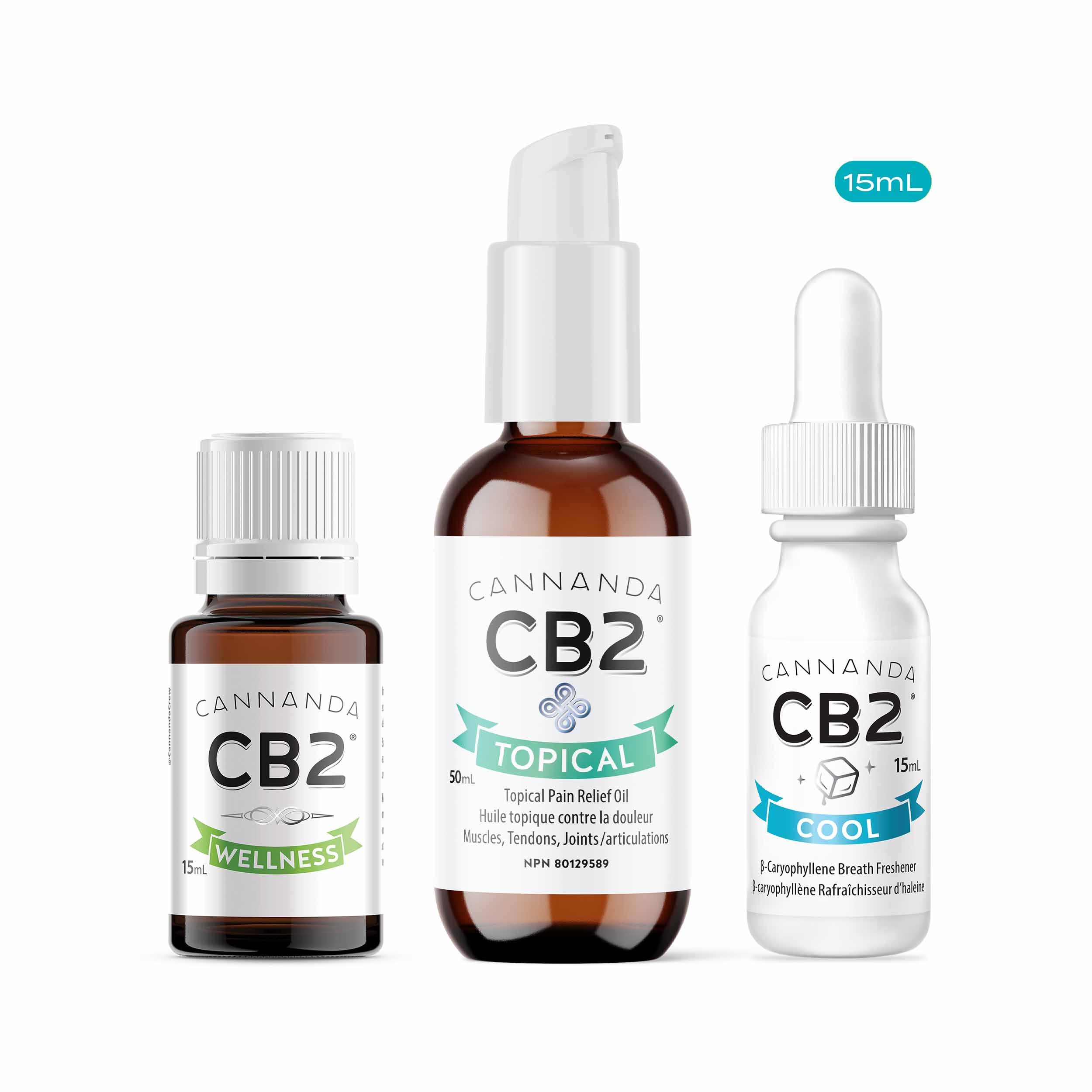
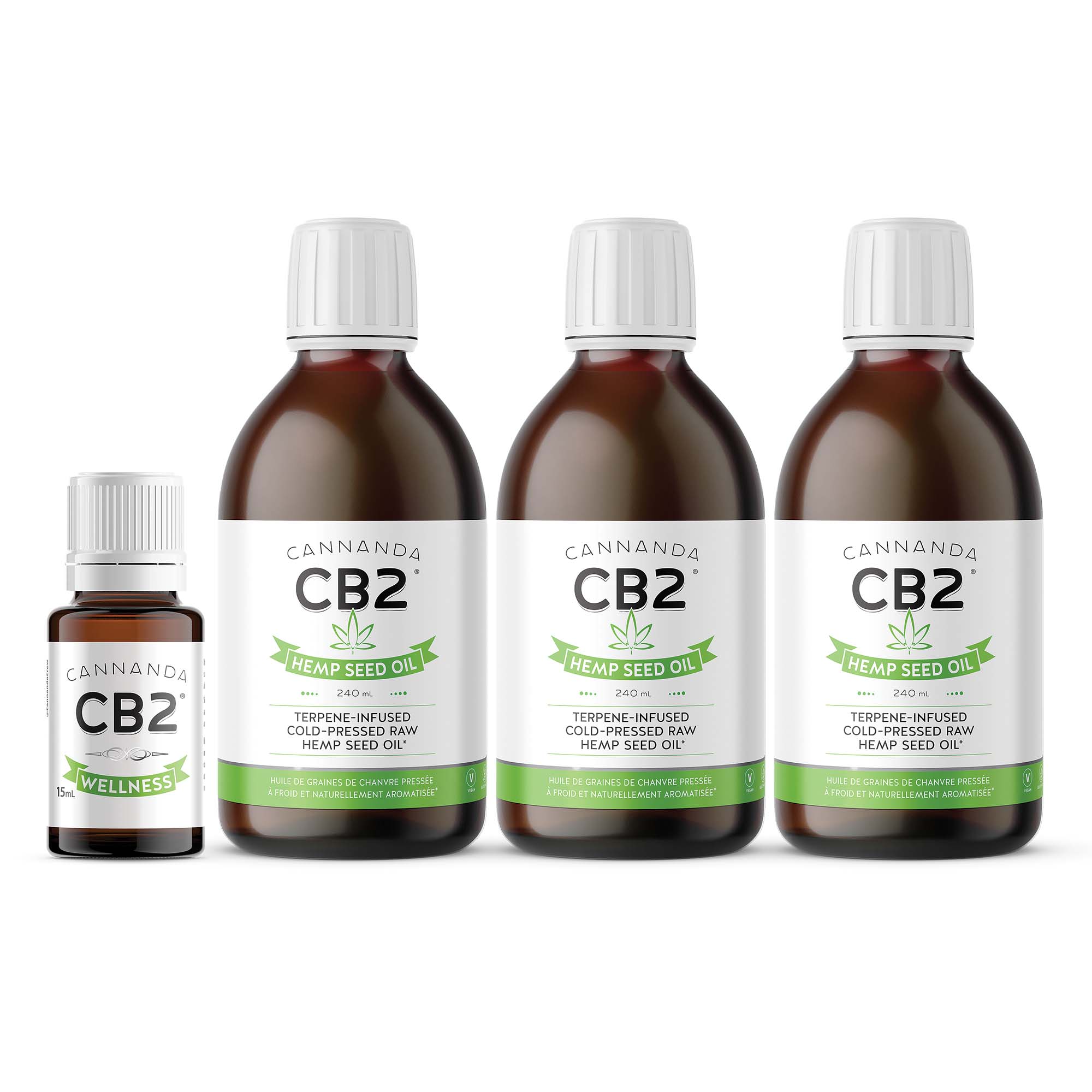
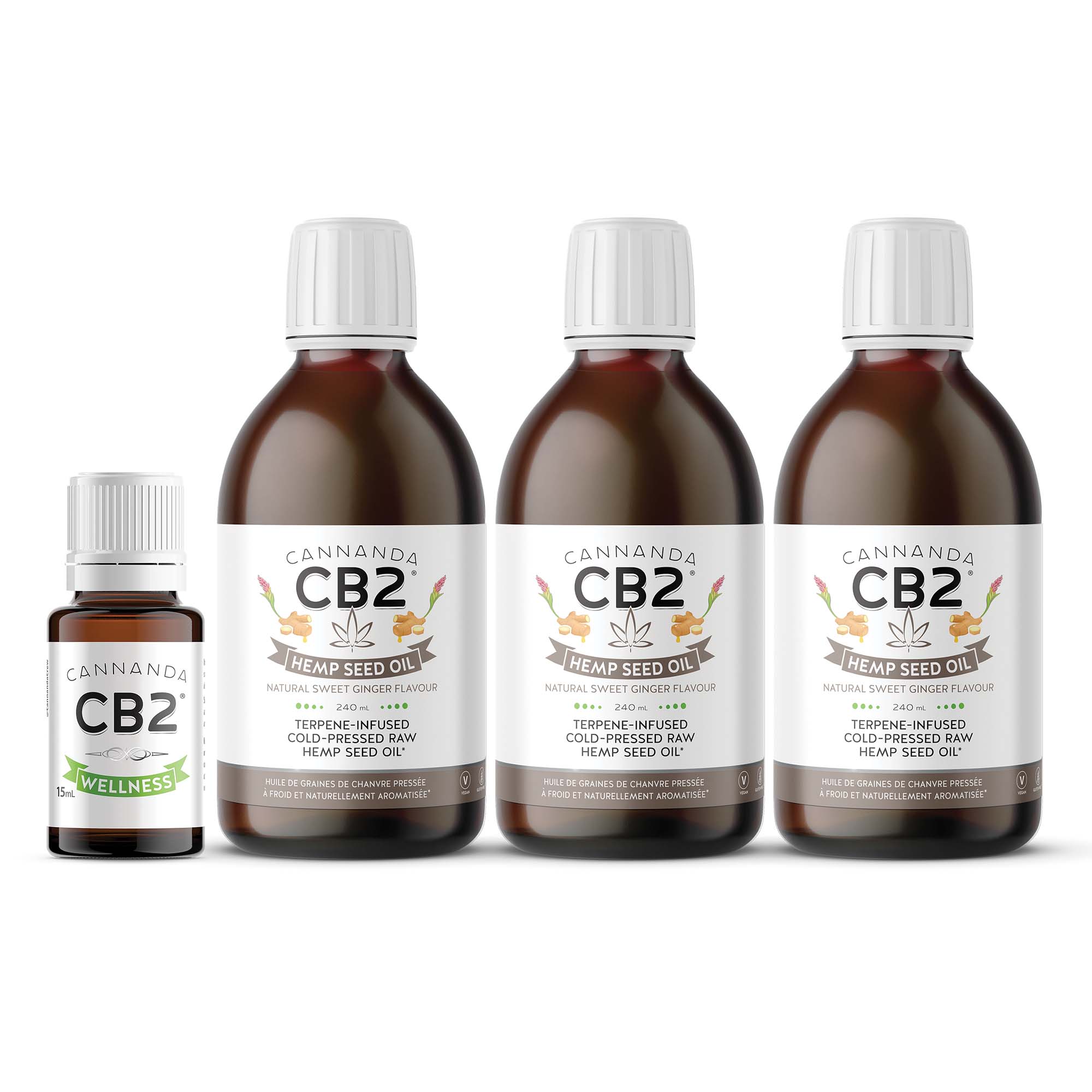
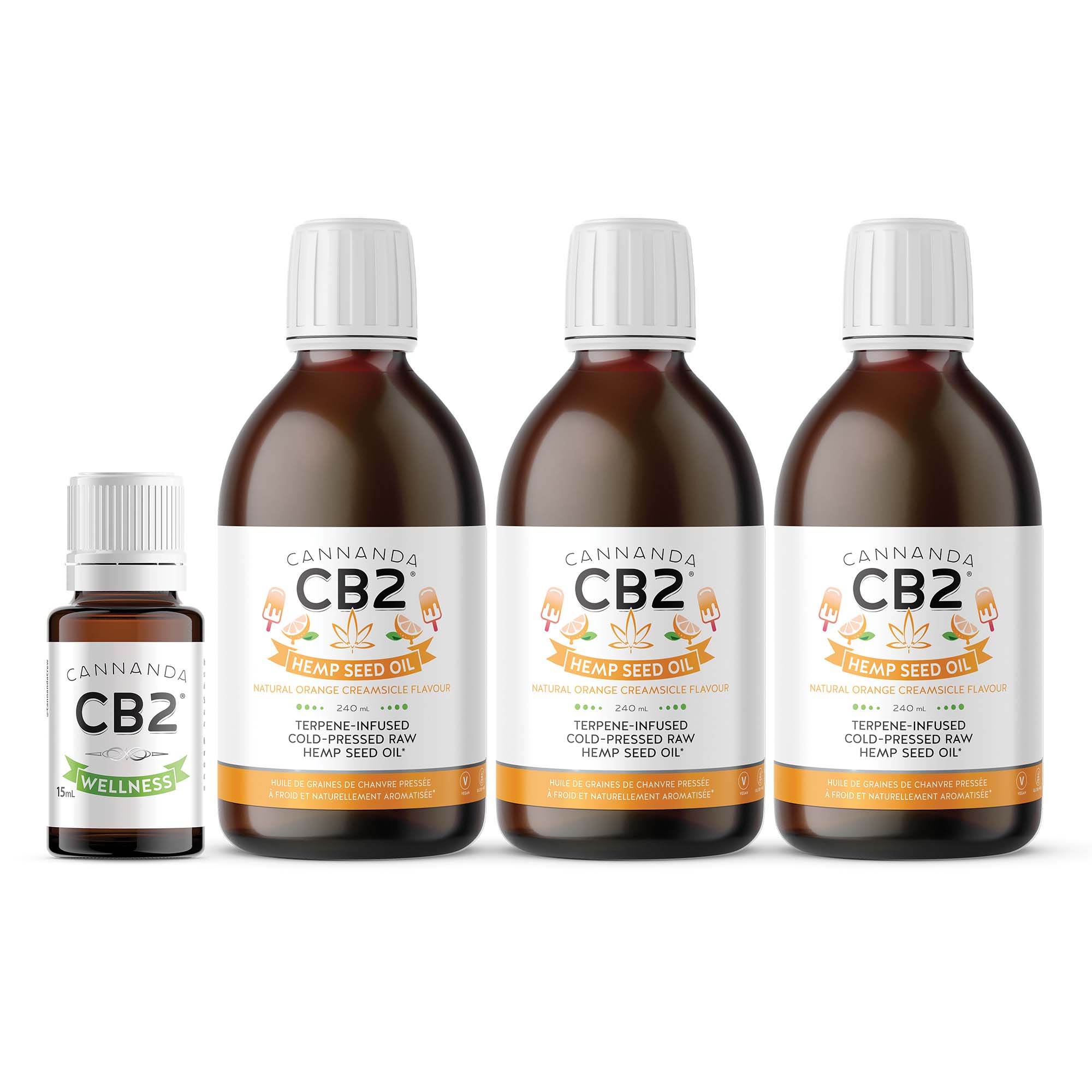
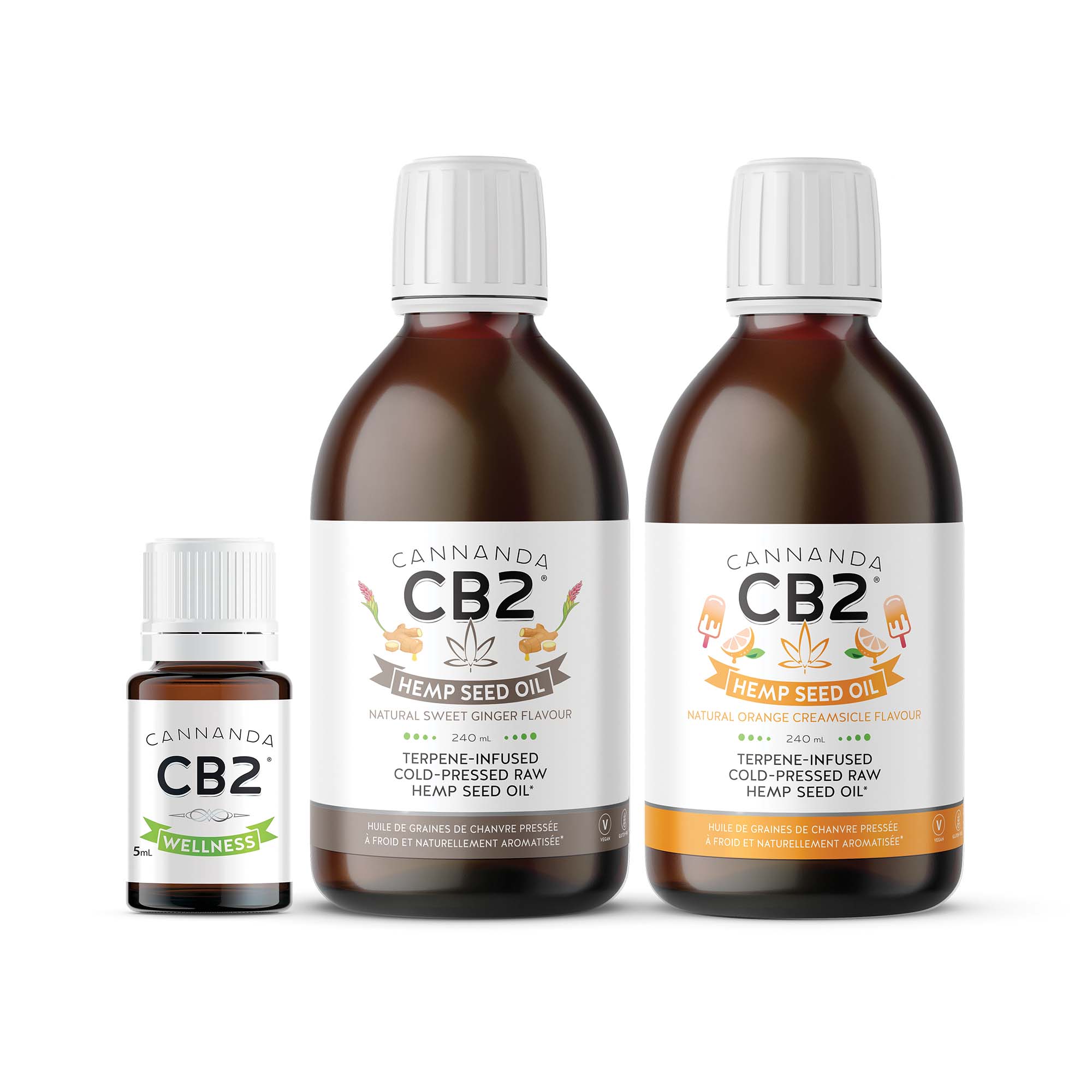
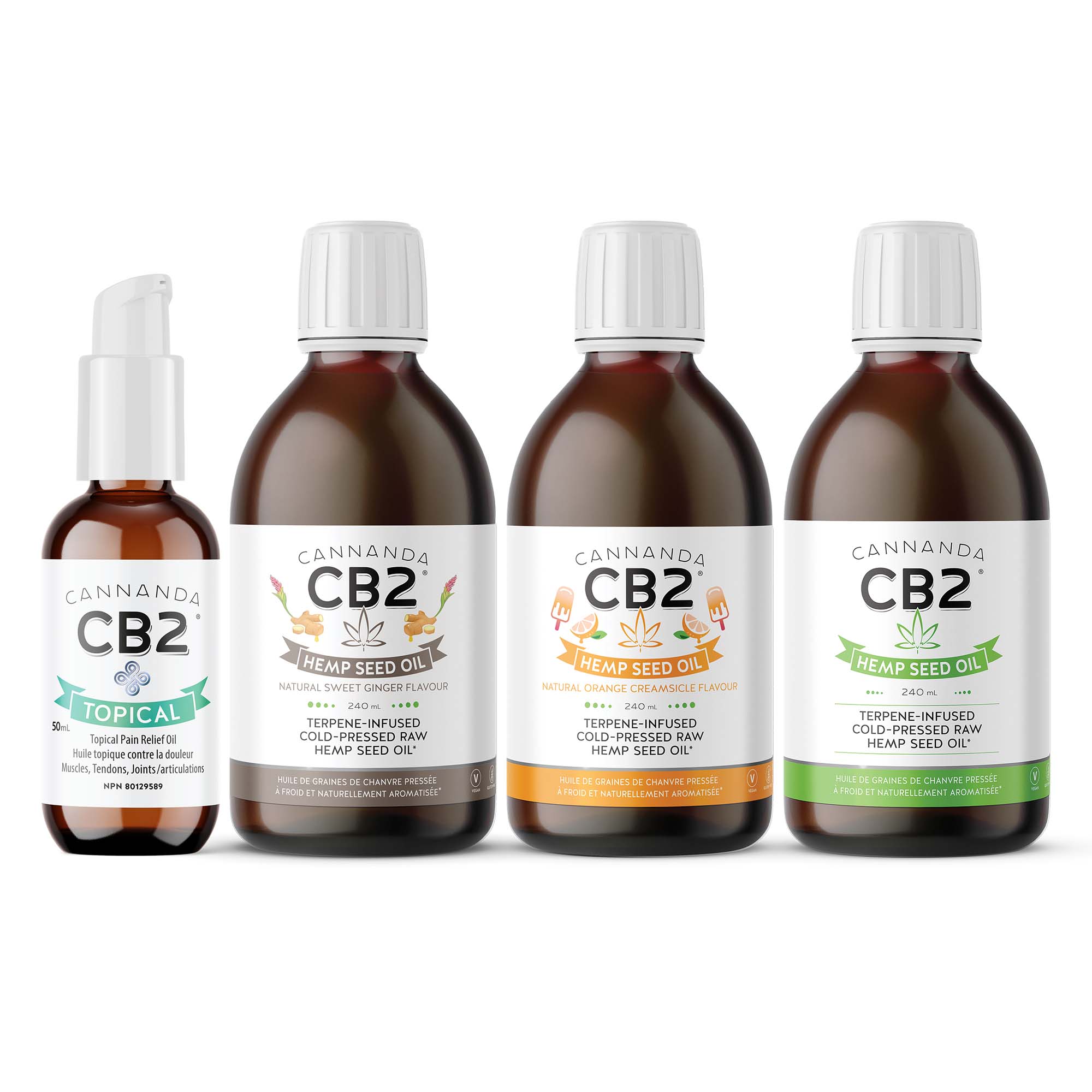
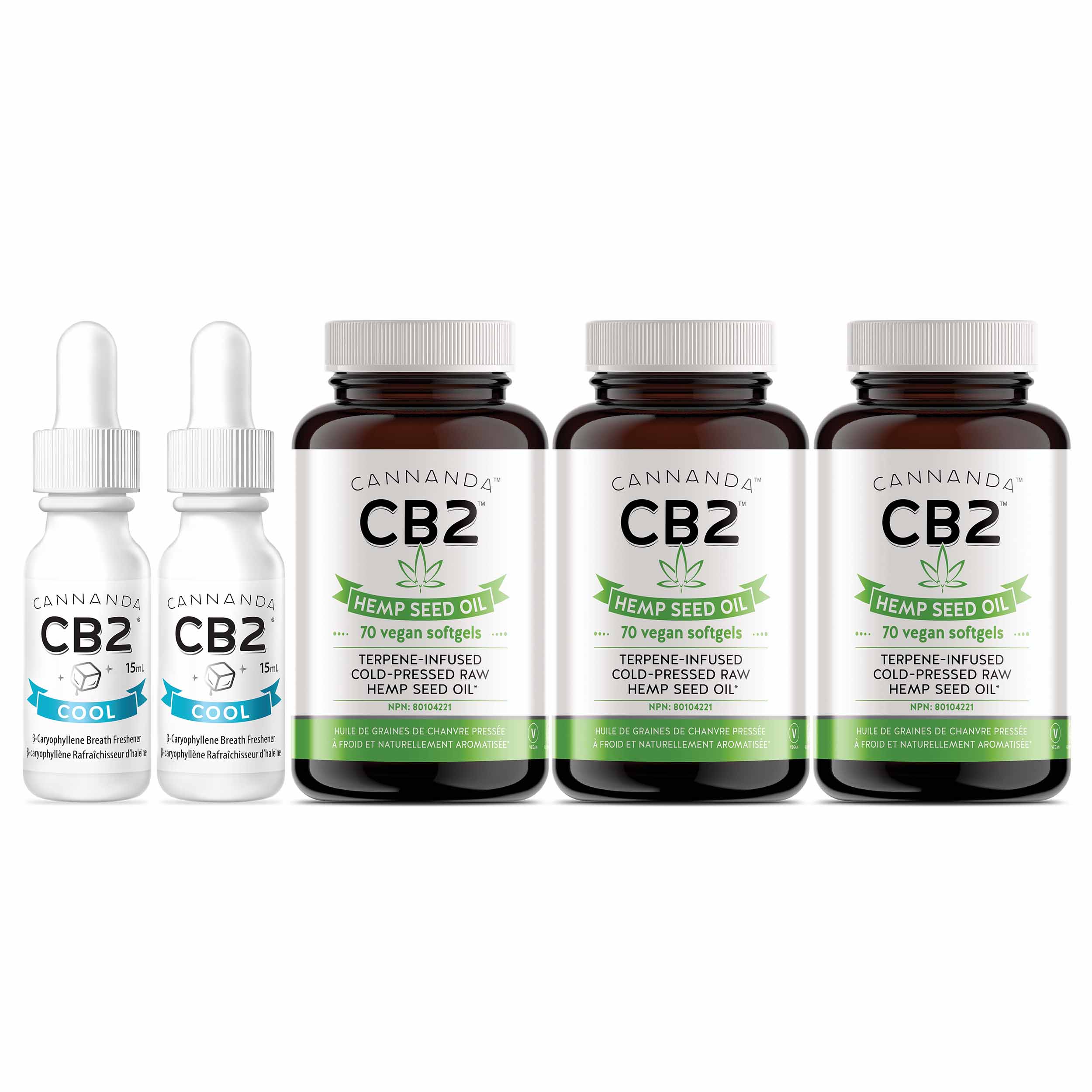
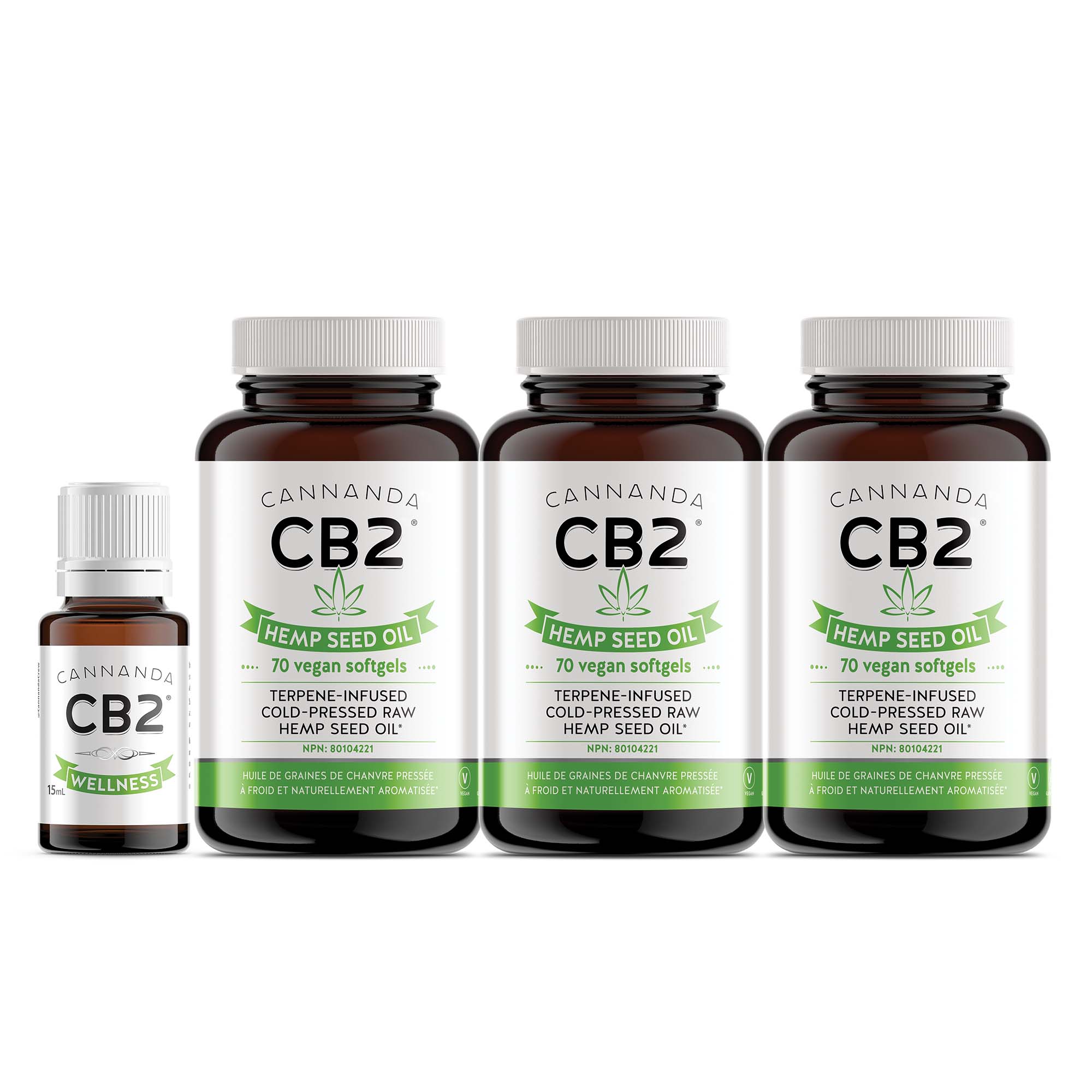
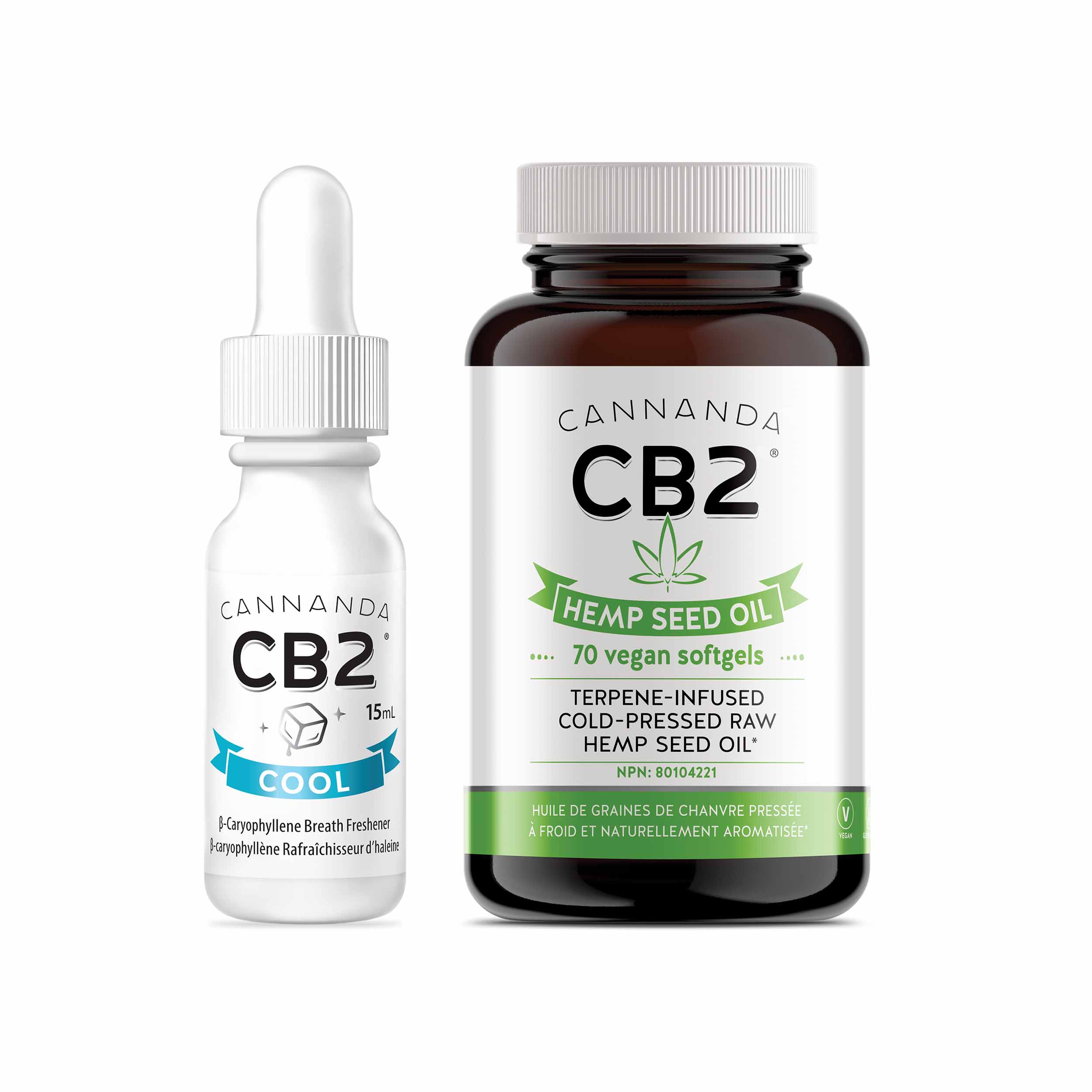
- Pick your CB2 oil. Cannanda CB2 Hemp Seed Oil blends BCP into Canadian, cold-pressed, organic hemp seed oil. It comes in liquid or softgel format. It has 0% THC and 0% CBD.
- Take it every day. Follow the label. Many people take it right after dinner.
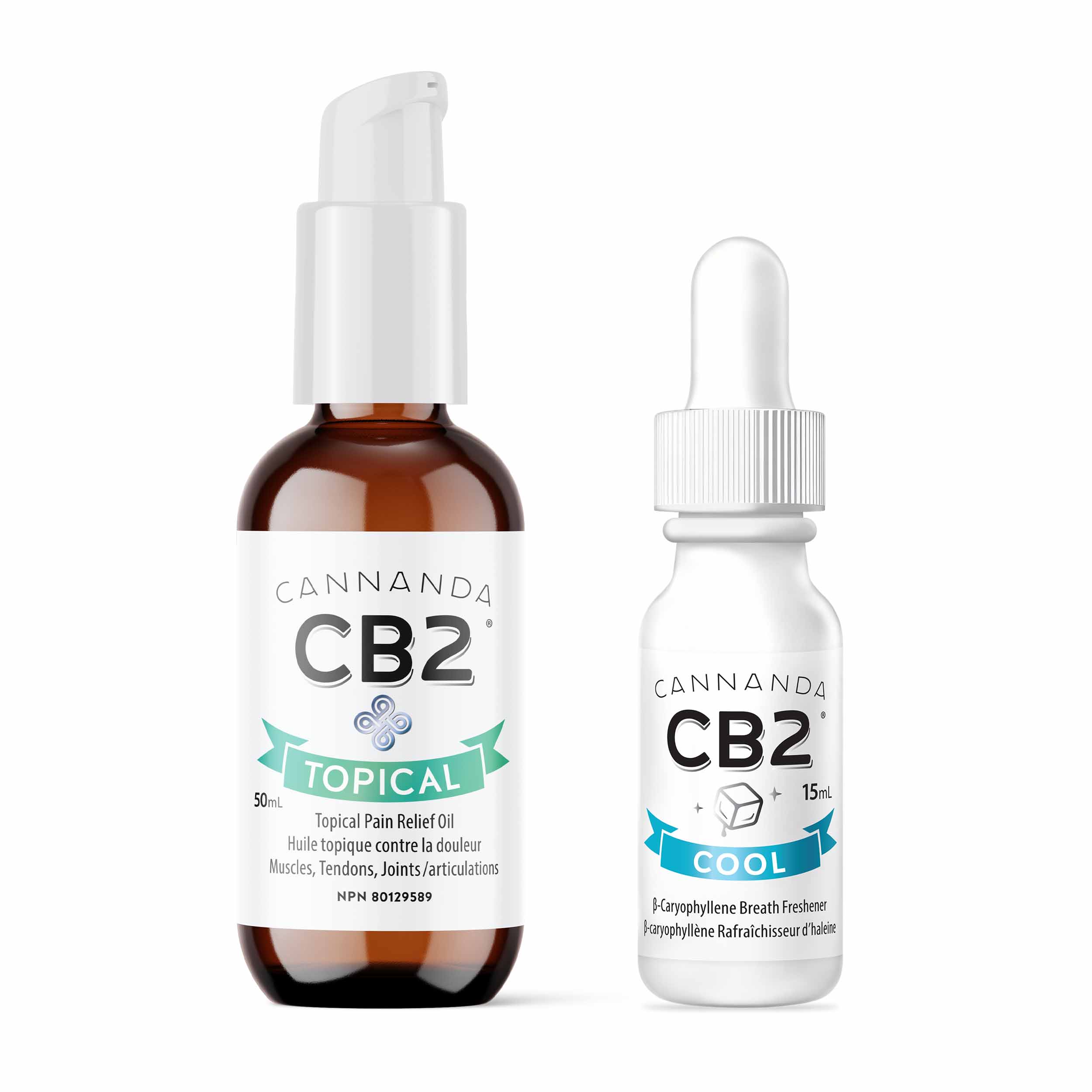
- Add CB2 Topical where it's sore. The formula is 100% food-grade.
- Keep moving and give it time. Write down how your joints feel each week.
Cannanda CB2 oil: joint comfort that works through your CB2 receptors
Cannanda created the CB2 oil category. Our oils feature beta-caryophyllene (BCP), a non-intoxicating terpene that may help support joint comfort and whole-body balance. No glucosamine. No THC. No CBD.
Shop Cannanda CB2 oilGlucosamine, dementia, and CB2 oil: your questions answered
- Does glucosamine cause dementia?
- No one has proven that. A 2026 University of Florida study found a link between glucosamine and faster decline in people who already had mild cognitive impairment or dementia. It did not study people with healthy memory, and a link is not proof of cause.
- Should I stop taking glucosamine?
- Talk to your doctor or pharmacist before you change anything. If you or a loved one has memory problems, this study is a good reason to ask that question sooner than later.
- Does glucosamine work for joint pain?
- The evidence is weak. In the large GAIT trial, glucosamine did not beat a placebo for knee pain in the overall group. A 2019 guideline from the American College of Rheumatology recommends against it for osteoarthritis of the knee, hip, and hand.
- What is CB2 oil?
- CB2 oil is Cannanda's name for its beta-caryophyllene (BCP) products. BCP is a natural terpene found in black pepper and cloves. It activates CB2 receptors, which are part of your endocannabinoid system and help your body stay in balance.
- Is BCP the same kind of thing as glucosamine?
- No. Glucosamine is an amino sugar that your body can use to build sugar tags on proteins. BCP is a terpene, not a sugar. It works by activating CB2 receptors.
- Can CB2 oil treat or prevent dementia or Alzheimer's disease?
- No. We don't make that claim. BCP has supported memory in animal models of dementia and Alzheimer's disease, and one small human pilot looked at everyday thinking. There are multiple testimonials and anecdotes from some using Cannanda CB2 oils, but no human trial has shown that BCP treats or prevents either condition.
- Will CB2 oil make me feel high?
- No. BCP is non-intoxicating. Cannanda CB2 Hemp Seed Oil has 0% THC and 0% CBD.
- Can I take CB2 oil with my medications?
- BCP has no known adverse drug interactions. However, if you take a medication with a narrow therapeutic window, such as warfarin, talk to your doctor before you use it.
References
- Hawkinson TR, Liu Z, Ribas RA, et al. Hyperglycosylation is a metabolic driver of Alzheimer's disease. Nat Metab. 2026;8(6):1410-1425. doi:10.1038/s42255-026-01538-4
- Uwaoma P. Common Joint Supplement Linked to 25% Higher Dementia Risk. Men's Journal. October 5, 2026. mensjournal.com
- Zheng J, et al. Association of regular glucosamine use with incident dementia: evidence from a longitudinal cohort and Mendelian randomization study. BMC Med. 2023;21. doi:10.1186/s12916-023-02816-8
- medRxiv preprint, July 2026 (not peer reviewed). doi:10.64898/2026.07.23.26358748
- Clegg DO, Reda DJ, Harris CL, et al. Glucosamine, chondroitin sulfate, and the two in combination for painful knee osteoarthritis. N Engl J Med. 2006;354(8):795-808. doi:10.1056/NEJMoa052771
- Kolasinski SL, Neogi T, Hochberg MC, et al. 2019 American College of Rheumatology/Arthritis Foundation guideline for the management of osteoarthritis of the hand, hip, and knee. Arthritis Care Res. 2020;72(2):149-162. doi:10.1002/acr.24131
- Gertsch J, Leonti M, Raduner S, et al. Beta-caryophyllene is a dietary cannabinoid. Proc Natl Acad Sci USA. 2008;105(26):9099-9104. doi:10.1073/pnas.0803601105
- Mlost J, Kac P, Kędziora M, et al. Antinociceptive and chondroprotective effects of prolonged β-caryophyllene treatment in the animal model of osteoarthritis: focus on tolerance development. Neuropharmacology. 2022;204:108908. doi:10.1016/j.neuropharm.2021.108908
- Farì G, Megna M, Scacco S, et al. Hemp seed oil in association with β-caryophyllene, myrcene and ginger extract as a nutraceutical integration in knee osteoarthritis: a double-blind prospective case-control study. Medicina. 2023;59(2):191. doi:10.3390/medicina59020191
- Cheng Y, Dong Z, Liu S. β-Caryophyllene ameliorates the Alzheimer-like phenotype in APP/PS1 mice through CB2 receptor activation and the PPARγ pathway. Pharmacology. 2014;94(1-2):1-12. doi:10.1159/000362689
- Lou J, Teng Z, Zhang L, et al. β-Caryophyllene/hydroxypropyl-β-cyclodextrin inclusion complex improves cognitive deficits in rats with vascular dementia through the cannabinoid receptor type 2-mediated pathway. Front Pharmacol. 2017;8:2. doi:10.3389/fphar.2017.00002
- Kanojia U, Chaturbhuj SG, Sankhe R, et al. Beta-caryophyllene, a CB2R selective agonist, protects against cognitive impairment caused by neuro-inflammation and not in dementia due to ageing induced by mitochondrial dysfunction. CNS Neurol Disord Drug Targets. 2021;20(10). doi:10.2174/1871527320666210202121103
- Marsland CH, Bell S. Orally administrated therapeutic for treating mild cognitive impairment (MCI) and improving human cognitive function. US Patent 11,911,346 B2. Granted February 27, 2024. patents.google.com