Liver Support 101: What BCP, Milk Thistle, and NAC Actually Do
A plain-English look at how your liver detoxes itself, why that system gets overwhelmed, and what more than a dozen studies say about supporting it naturally.
Who this is for
You're here for one of a few reasons. Maybe you searched "how to detox your liver" and got tired of vague answers. Maybe you already take milk thistle or NAC and want to know if there's anything else worth adding. Or maybe you read about a new study on beta-caryophyllene (BCP) and lead exposure and want the plain-language version. This article covers all three.
TL;DR
- Your liver runs a two-step detox system (Phase I and Phase II) around the clock. It doesn't need "cleansing," but it does need support when the load gets heavy.
- Milk thistle (silymarin) and NAC have the longest track record for liver support, working mainly through antioxidant defense and glutathione supply.
- BCP, the terpene found in Cannanda's CB2 oils, has now been studied in at least ten preclinical liver-injury models, including heavy metal exposure, alcohol, medications, and fatty liver.
- One study combined BCP with silymarin directly and found the pair worked better together than either one alone.
- All of this evidence is preclinical (animal and cell-based). Nothing here replaces medical care for a diagnosed liver condition.
Your liver does something like 500 different jobs, and it does almost all of them without you noticing. It's only when something goes wrong, a blood test comes back with elevated ALT, a scan shows fat where it shouldn't be, that most people stop and think about what's actually happening in there. So let's talk about what's happening in there, and what the research says about giving your liver a hand.
What Your Liver Is Actually Doing All Day
Every medication you take, every drink you have, every bit of processed food, air pollution, or heavy metal trace you're exposed to has to go through your liver before your body can get rid of it. The liver handles this in two stages, and understanding them makes everything else in this article click into place.
Phase I: Functionalization
A family of enzymes called cytochrome P450 chemically alters toxins, drugs, and hormones so they can eventually be removed. The catch: this step often makes the substance more reactive before it gets safer, which is why Phase I on its own can generate free radicals and oxidative stress.
Phase II: Conjugation
Transferase enzymes attach the Phase I byproducts to molecules like glutathione, making them water-soluble so they can be flushed out through bile or urine. Glutathione is the liver's main workhorse here, and it's exactly what NAC and milk thistle are best known for supporting.
Here's the part that gets left out of most "detox" content: if Phase I runs faster than Phase II can keep up, those reactive intermediates pile up and start damaging liver cells instead of leaving the body. That mismatch, more Phase I activity than Phase II can clear, is a big part of why oxidative stress builds up in the liver in the first place.
What Actually Overloads This System
The liver is built to handle a normal load. Trouble starts when the input outpaces what Phase I and Phase II can clear. Some of the most-studied stressors:
When any of these stressors overwhelm the liver's defenses, three things tend to happen together: oxidative stress rises (measured as MDA, a marker of cell membrane damage), inflammatory signaling kicks in (cytokines like TNF-α and IL-6 climb), and liver cells start dying off faster than they should through a process called apoptosis. Nearly every hepatoprotective study measures exactly these three things, and it's exactly what the newest BCP research below is built around.
Does "Liver Detox" Actually Mean Anything?
Short answer: the marketing version doesn't, but the biology behind it does. Your liver isn't sitting around waiting to be "flushed" by a tea or a 7-day cleanse. It's running Phase I and Phase II continuously, whether you take a supplement or not. What research-backed ingredients can actually do is support the raw materials and defenses that system relies on, more antioxidant capacity, more glutathione, calmer inflammatory signaling, so the liver can keep up when the load is heavy.
That's the honest framing for everything below. None of these ingredients "detox" your liver in the way a juice cleanse promises. What they do is measurably support the liver's own machinery, and that's actually the more interesting story.
How the Main Options Stack Up
Milk thistle and NAC are the two most established names in liver support. BCP is the newer entrant, but it's been through more preclinical liver-injury models in the last three years than either of the other two saw in over a decade. Here's how their mechanisms compare:
| Mechanism | BCP | Milk Thistle | NAC | Dandelion Root |
|---|---|---|---|---|
| Antioxidant activity | ✓ Direct | ✓ Strong | ✓ Indirect | ~ Mild |
| Supports Phase II / glutathione | ~ Emerging | ✓ Boosts GST enzyme activity | ✓ Direct glutathione precursor | — |
| Anti-inflammatory (TNF-α, IL-6) | ✓ Well documented | ~ Some | ~ Some | — |
| Receptor-level pathway (CB2 / Nrf2-HO-1) | ✓ CB2 + Nrf2/HO-1 | ~ Nrf2 support | — | — |
| Supports bile flow | — | ~ Some | — | ✓ Primary mechanism |
| Evidence base | Preclinical, growing fast | Preclinical + some clinical | Preclinical + clinical (acetaminophen overdose protocol) | Traditional use, limited trials |
Table reflects mechanisms studied in preclinical and clinical research to date. No single ingredient covers every pathway, which is exactly why they're often studied together.
The Research on Each Option
Beta-Caryophyllene (BCP)
BCP is a naturally occurring terpene found in black pepper, cloves, cannabis, and other plants. It's food-grade, non-intoxicating, and works by activating CB2 receptors, part of your endocannabinoid system, along with the Nrf2/HO-1 antioxidant pathway. Over the last decade, and especially the last three years, researchers have tested it against nearly every major type of liver injury.
Milk Thistle (Silymarin)
Milk thistle has been used for liver support for over 2,000 years, and modern research has identified silybin as its main active compound. Silymarin works as a direct antioxidant, stabilizes liver cell membranes against toxin entry, and increases the activity of glutathione S-transferase, a key Phase II detox enzyme. Some human trials in people with existing liver disease have shown improved liver enzymes and slower disease progression, though it appears to work best started early, before significant scarring has occurred.
NAC (N-Acetylcysteine)
NAC is the one item on this list with a genuinely well-established clinical use: it's the standard emergency treatment for acetaminophen overdose, given intravenously to rapidly replenish glutathione before it's fully depleted. Outside of that emergency setting, NAC supplies cysteine, the building block your liver needs to manufacture its own glutathione, supporting Phase II detoxification more broadly.
Dandelion Root
Dandelion root's traditional reputation for liver support centers on bile flow, it's thought to support the movement of bile from the liver to the gut, which is part of how the body eliminates conjugated toxins after Phase II. The clinical trial evidence here is thinner than for milk thistle or NAC, but it's often paired with them for this complementary mechanism.
The Study That Ties It All Together
Here's the piece of research that matters most if you're trying to decide between these options: a 2016 study didn't just test BCP or silymarin separately, it tested them together against ketoprofen-induced liver injury in rats.
BCP alone improved liver enzymes and antioxidant capacity. Silymarin alone did too. But the group that received both together saw liver markers restored to nearly normal levels, outperforming either ingredient on its own.[5] It's a small preclinical study, not a green light to self-treat liver disease, but it's a genuinely useful data point if you're already taking milk thistle and wondering whether adding BCP makes sense.
How People Combine These in Practice
A general framework, not a prescription
Many people take their CB2 oil (BCP) with breakfast, alongside food that contains some fat to support absorption of the terpene.
Milk thistle and NAC are commonly taken with food to reduce the mild stomach upset some people report on an empty stomach.
The research above studied consistent daily use over weeks, not one-off dosing. Liver support, like most structure-function supplementation, works cumulatively rather than acutely.
No supplement outperforms the basics: limiting alcohol, moderating processed food and added sugar, staying current on any medications that affect the liver, and getting bloodwork done if you have risk factors.
Follow label directions on any product you use, and check with your doctor before combining supplements if you take prescription medication, since some liver-support ingredients can affect how drugs are metabolized.
Where CB2 Oil Fits In
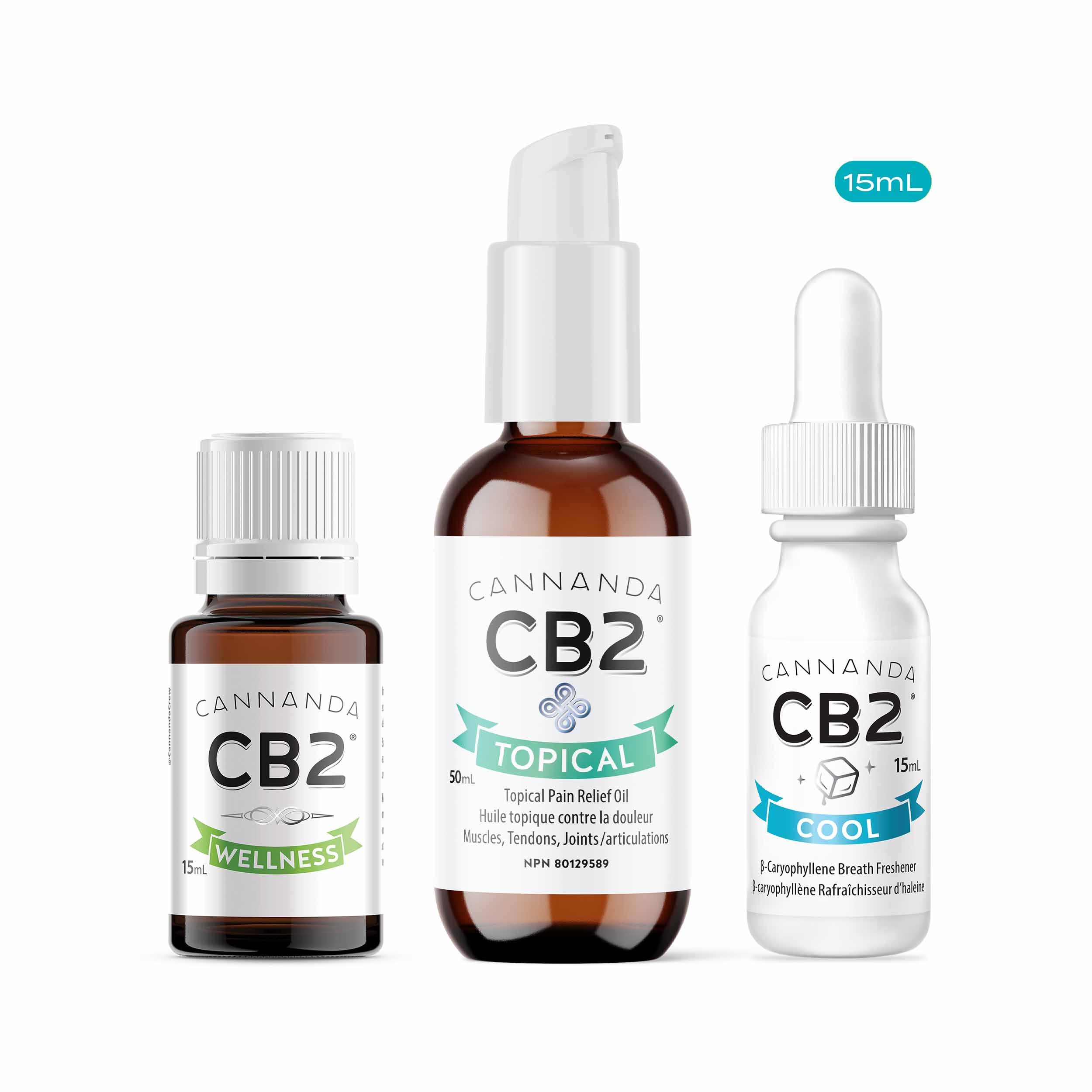
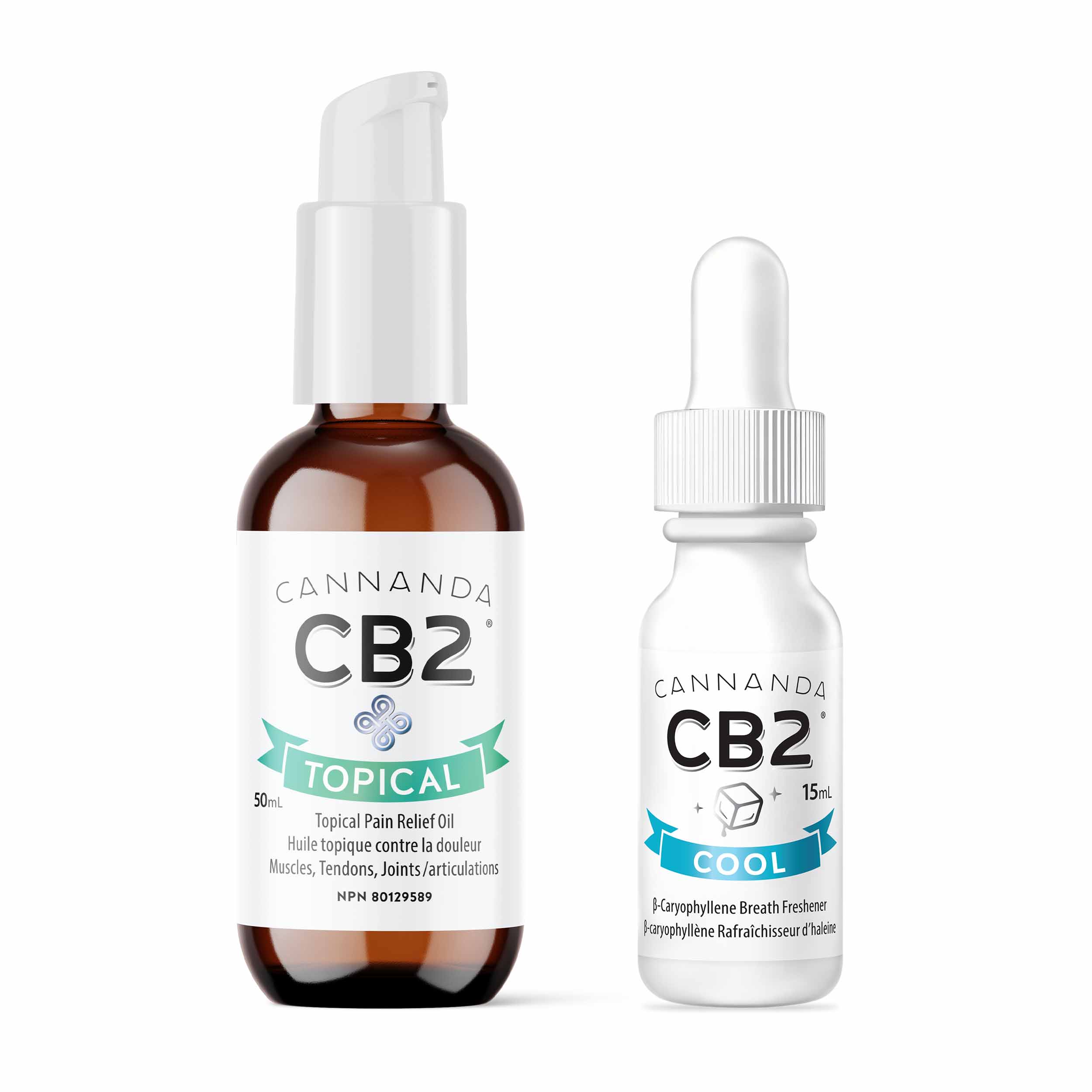
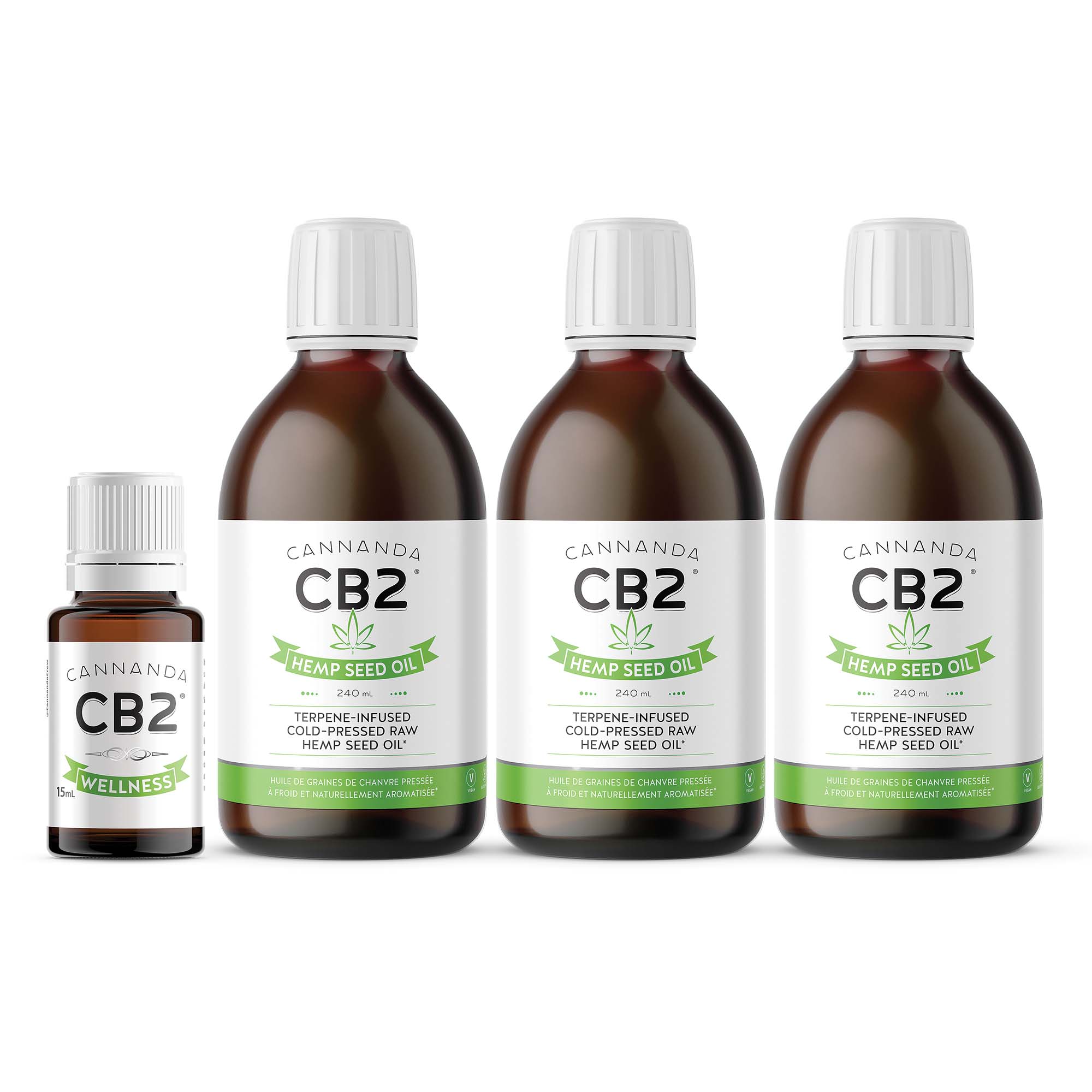
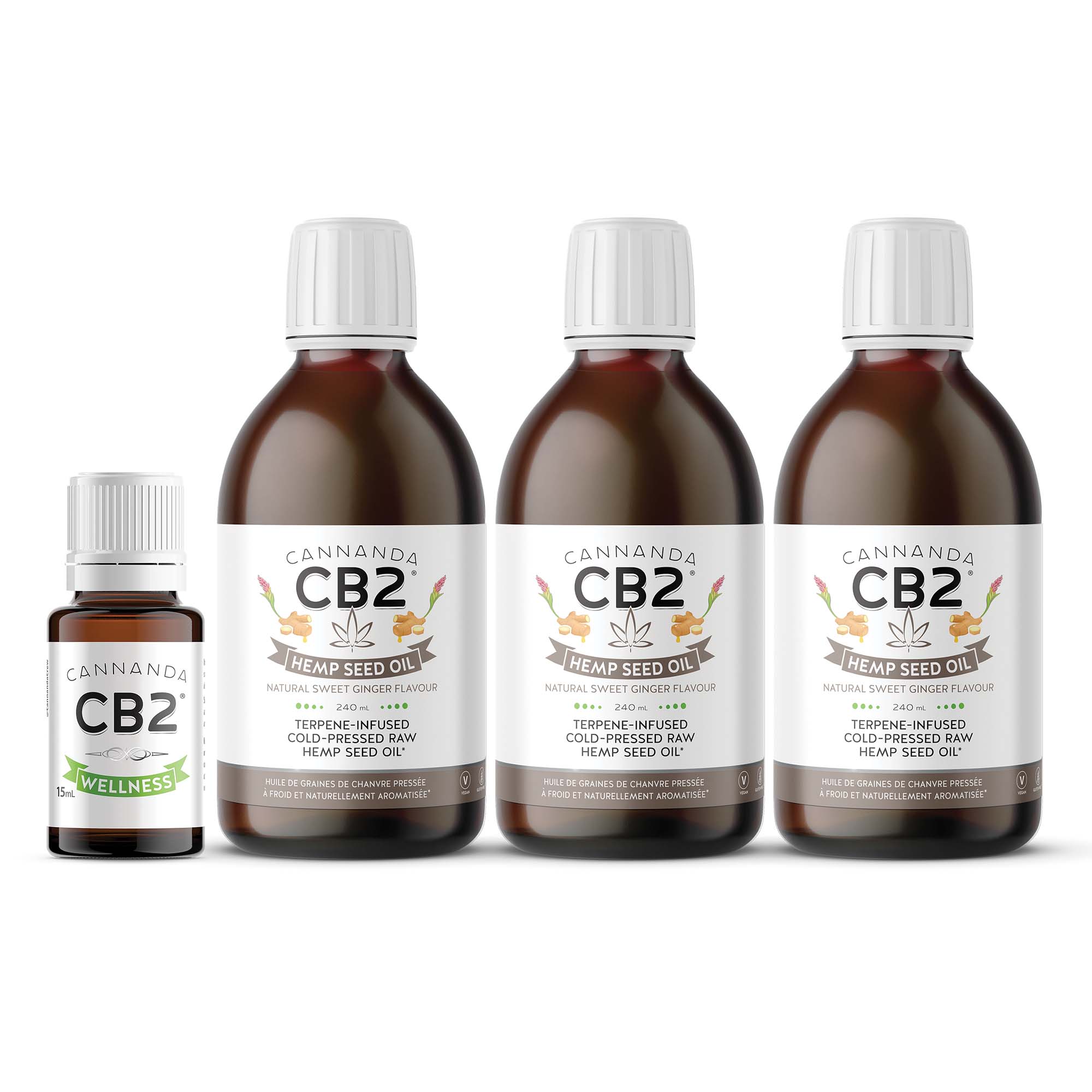
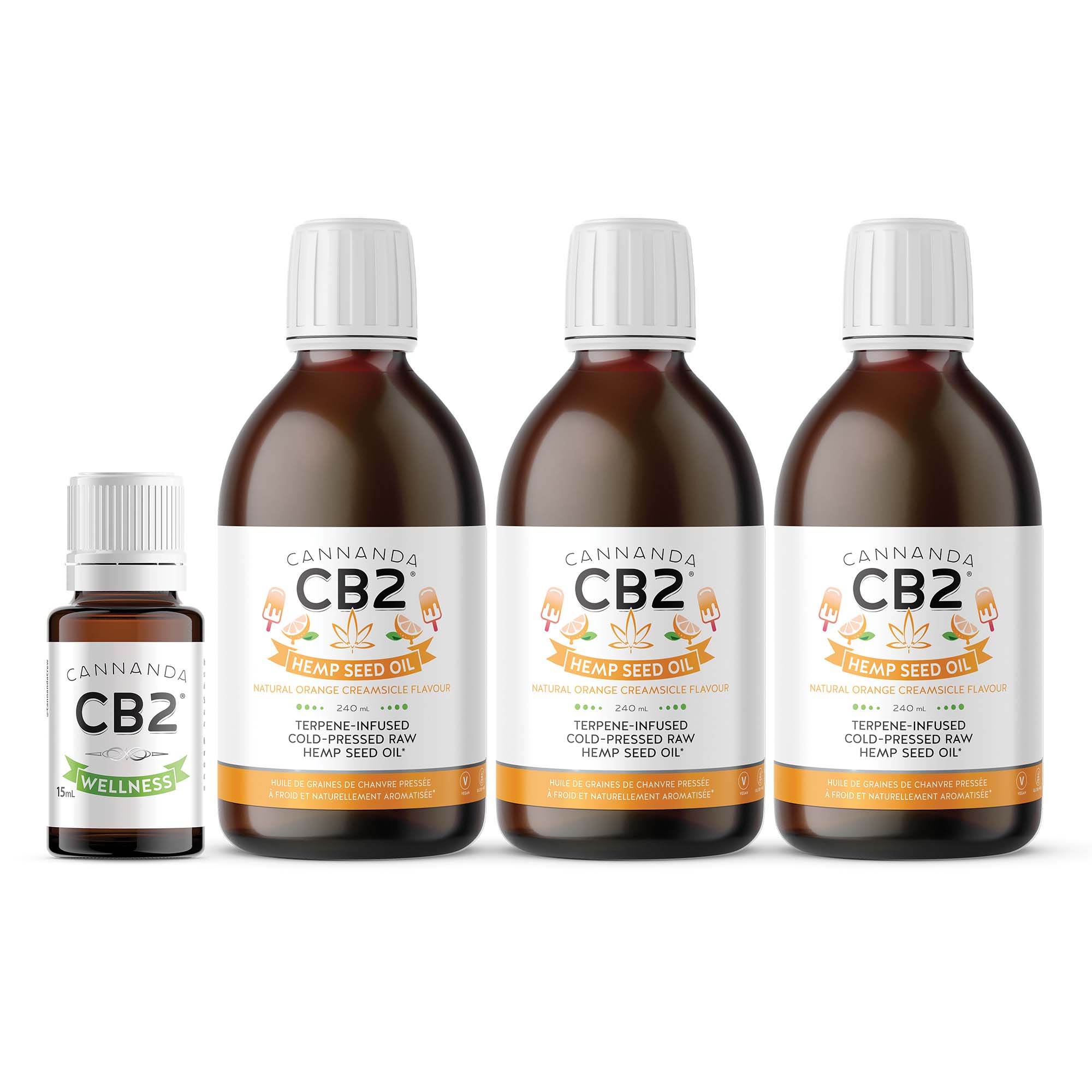
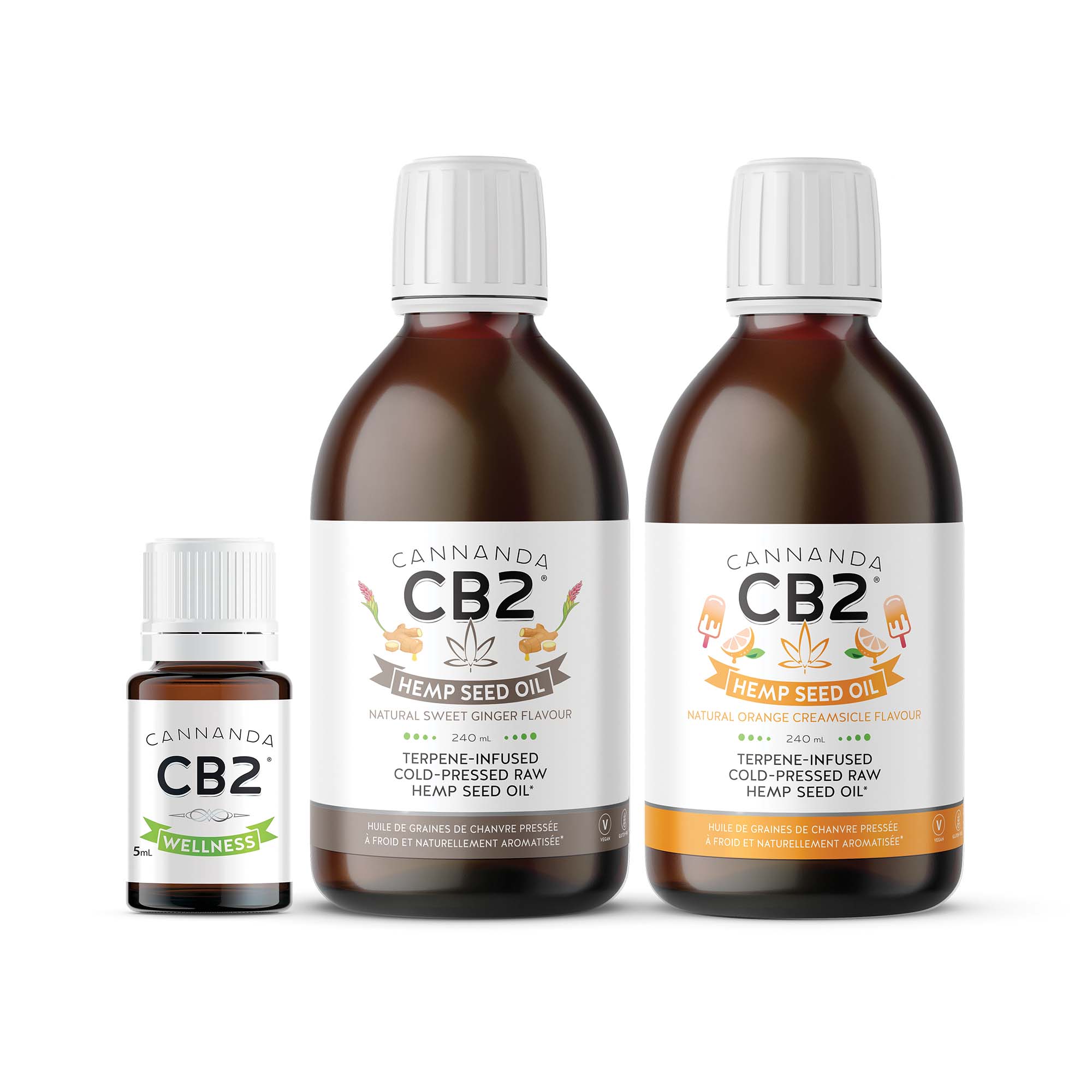
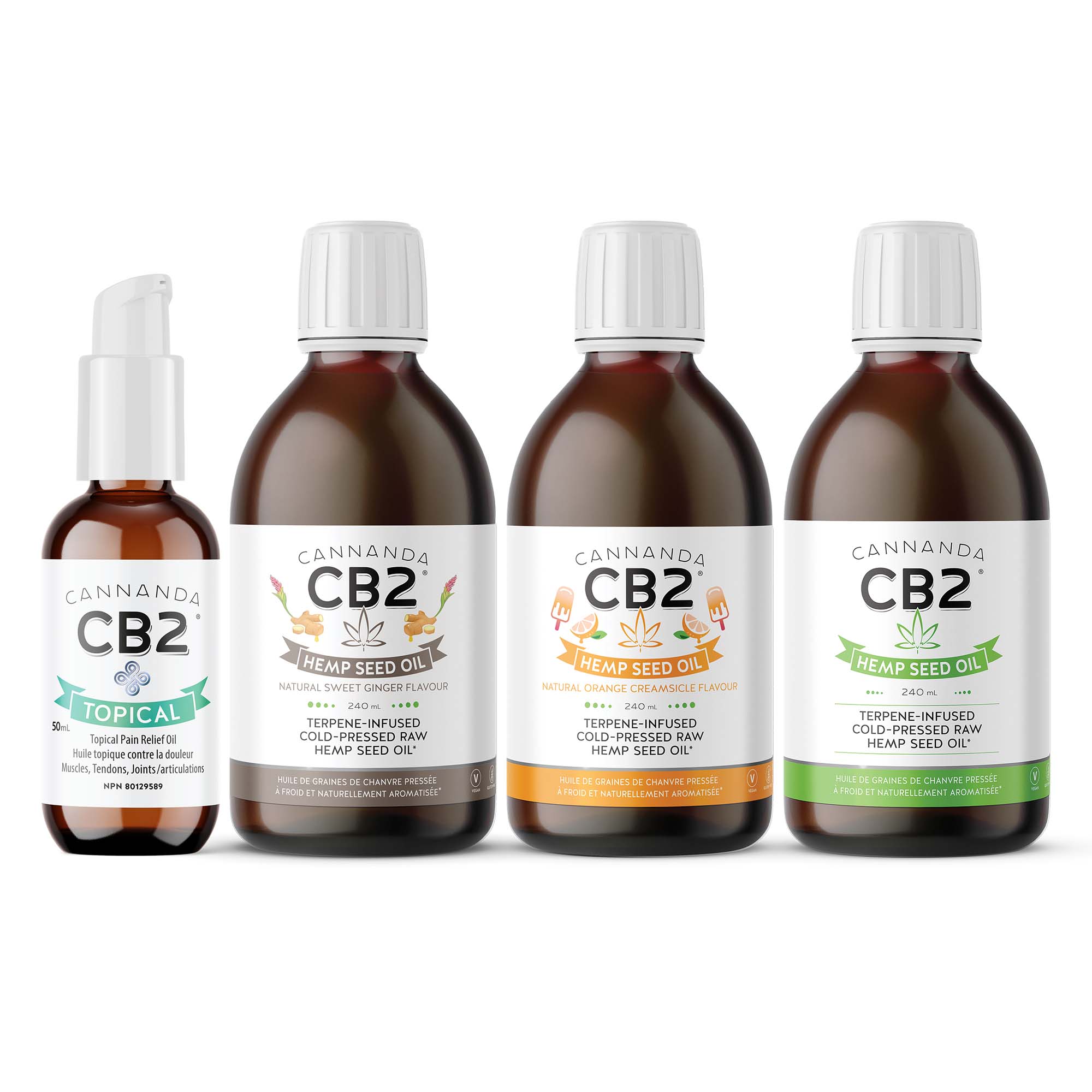
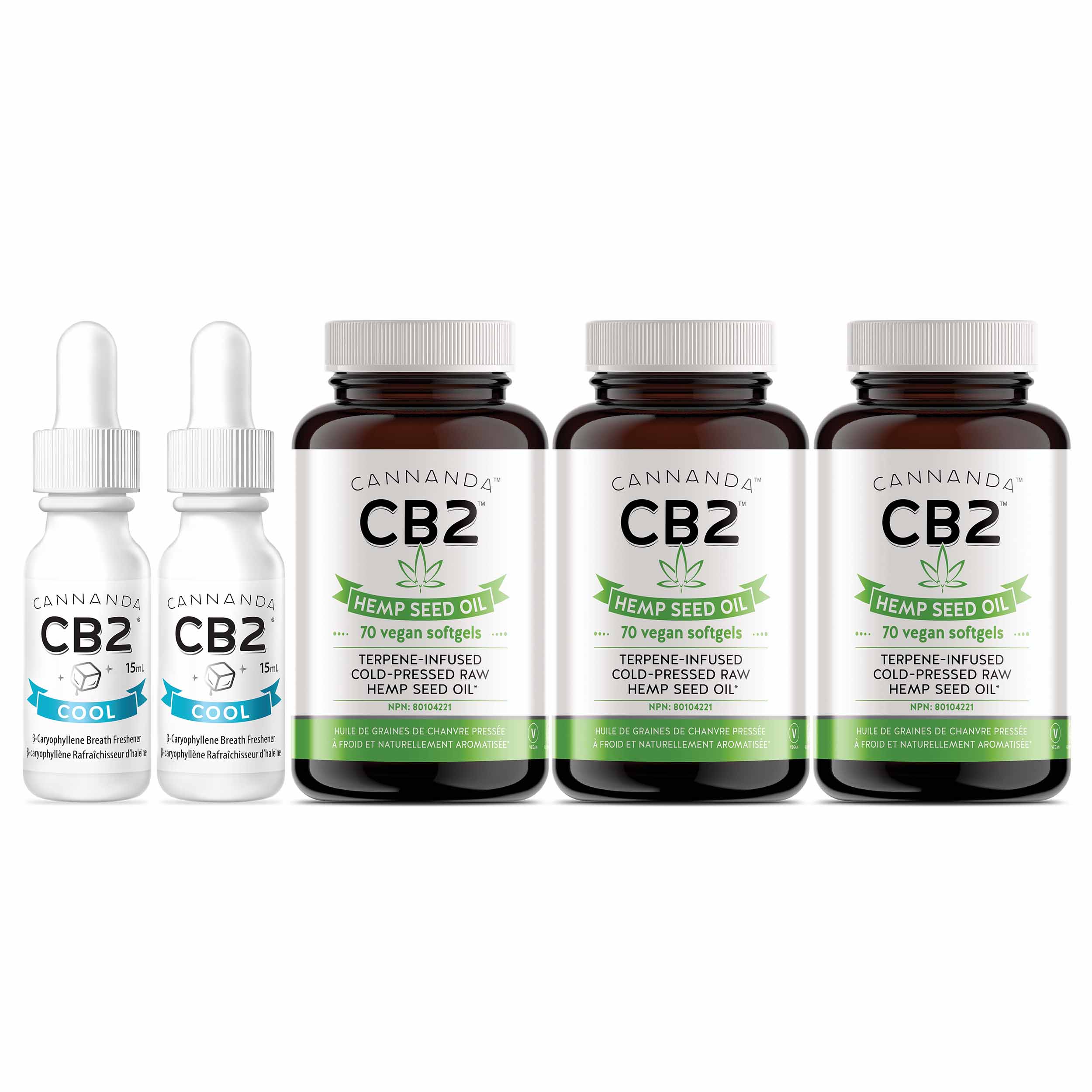
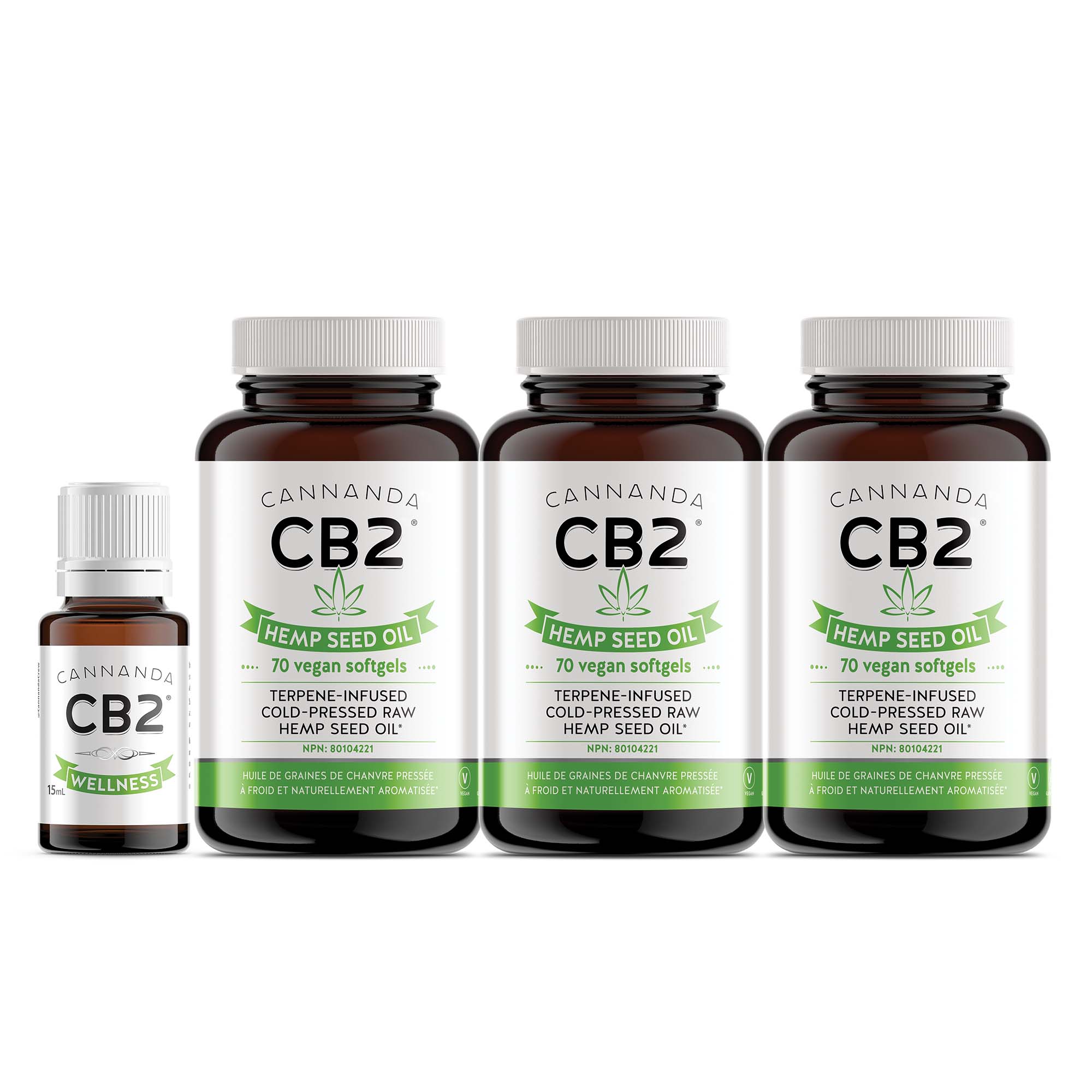
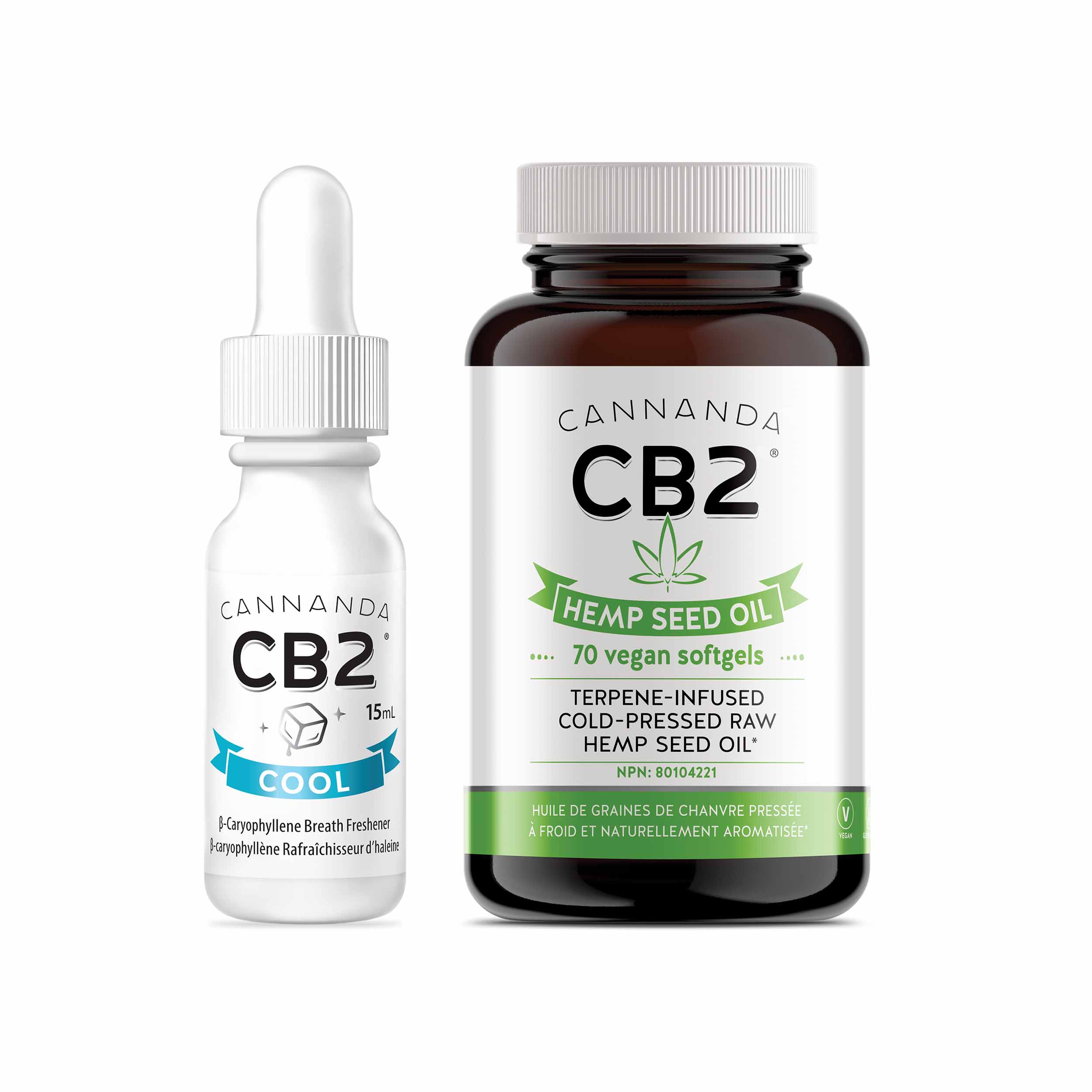
Cannanda CB2 oils deliver naturally sourced, food-grade BCP, the same compound studied in the research above, in a daily oral format. Every batch is GMP-certified, third-party tested, and made with over 95% Canadian-sourced ingredients. The Cannanda CB2®registered trademark ensures you're getting the original authentic formulation, not a synthetic isolate or a copycat CB2 product using the "CB2" name without the quality and research behind it.
CB2 Wellness Oil
Daily BCP oil for whole-body endocannabinoid support, including the CB2 receptor pathways studied in liver research.
Shop CB2 Wellness OilCB2 Softgels
The same BCP formulation in a convenient, travel-friendly capsule for consistent daily use.
Shop CB2 SoftgelsCurious how BCP fits your routine?
Explore the science-backed BCP oils behind Cannanda CB2® and see which format works best for you.
Explore CB2 OilsFrequently Asked Questions
- Does the liver actually need "detoxing"?
- Not in the way it's usually marketed. Your liver runs Phase I and Phase II detoxification continuously on its own. What actually helps is supporting the raw materials and antioxidant defenses that system depends on, especially when you're dealing with a heavier-than-normal toxin load, rather than trying to "flush" it with a short-term cleanse.
- What's the difference between Phase I and Phase II liver detox?
- Phase I uses cytochrome P450 enzymes to chemically modify toxins, which can temporarily make them more reactive. Phase II then attaches those modified toxins to molecules like glutathione so they become water-soluble and can be excreted through bile or urine. Supporting both phases together matters more than boosting either one alone.
- Is BCP better than milk thistle for liver health?
- They're not directly competing, they work through different mechanisms. Milk thistle has more human clinical data and stronger Phase II enzyme support. BCP has a broader anti-inflammatory profile and its own receptor pathway (CB2). A 2016 study found the combination of BCP and silymarin outperformed either one alone.
- Can I take BCP with NAC or milk thistle?
- There's no documented interaction between BCP and either NAC or milk thistle, and the mechanisms are complementary rather than redundant. As with combining any supplements, check with your doctor first, especially if you take prescription medication.
- Is there human research on BCP and liver health?
- Not yet. The research to date is preclinical, meaning it's been conducted in rodent models and isolated human liver cells. The findings have been consistent across more than ten independent studies and multiple injury models, which is a meaningful signal, but human clinical trials haven't been completed.
- Can BCP help with fatty liver (NAFLD)?
- Preclinical studies in fat-loaded human liver cells and in mouse models of alcohol-related fatty liver found that BCP reduced fat accumulation and inflammation through CB2 and PPAR receptor pathways. This is encouraging early-stage research, not a treatment claim, and it hasn't been tested in people with diagnosed NAFLD.
- Is BCP safe? Will it get me high?
- BCP is non-intoxicating. It's a food-grade dietary terpene found naturally in black pepper, cloves, and other common plants, and it's approved as a food additive. It works through the CB2 receptor pathway, which is not associated with the intoxicating effects linked to CB1 receptors.
- How long does it take to notice liver support benefits?
- Most of the research cited here studied consistent daily use over several weeks rather than a single dose. Liver support ingredients tend to work cumulatively, gradually supporting antioxidant defenses and calming inflammatory signaling, rather than producing an immediate, noticeable effect.
- What lifestyle factors matter most for liver health?
- Limiting alcohol, moderating processed food and added sugar, maintaining a healthy weight, and staying current on medications that affect the liver all matter more than any single supplement. Supplements like BCP, milk thistle, and NAC work best as support for those foundational habits, not a replacement for them.
- Should I see a doctor instead of taking supplements?
- If you have elevated liver enzymes on bloodwork, a diagnosed liver condition, jaundice, unexplained fatigue, or abdominal pain, see a doctor before trying to address it with supplements. These ingredients are studied as supportive tools, not as treatments for existing liver disease.
References
- Recent preclinical study (2026) evaluating β-caryophyllene against lead acetate-induced hepatotoxicity in Sprague-Dawley rats, examining Nrf2/HO-1, Sirt1/Keap1, and PI3K/AKT/mTOR signaling.
- Mechanistic insights into the mitigating role of beta-caryophyllene on cadmium-induced liver injury. Kafkas Univ Vet Fak Derg, 2025.
- Cho, H.I. et al. (2015). β-Caryophyllene alleviates D-galactosamine and lipopolysaccharide-induced hepatic injury through suppression of the TLR4 and RAGE signaling pathways. European Journal of Pharmacology, 764, 613–621. doi.org/10.1016/j.ejphar.2015.08.001
- Calleja, M.A. et al. (2013). The antioxidant effect of β-caryophyllene protects rat liver from carbon tetrachloride-induced fibrosis by inhibiting hepatic stellate cell activation. British Journal of Nutrition, 109(3), 394–401. doi.org/10.1017/S0007114512001298
- Kelany, M.E. & Abdallah, M.A. (2016). Protective effects of combined β-caryophyllene and silymarin against ketoprofen-induced hepatotoxicity in rats. Canadian Journal of Physiology and Pharmacology, 94(7), 739–744. doi.org/10.1139/cjpp-2015-0607
- Bader Eddin, L. et al. (2025). β-Caryophyllene Ameliorates Thioacetamide-Induced Liver Fibrosis in Rats: A Preventative Approach. International Journal of Molecular Sciences, 26(17), 8493. doi.org/10.3390/ijms26178493
- Beta-Caryophyllene Modifies Intracellular Lipid Composition in a Cell Model of Hepatic Steatosis by Acting through CB2 and PPAR Receptors. International Journal of Molecular Sciences, 24, 6060 (2023). doi.org/10.3390/ijms24076060
- Varga, Z.V. et al. (2018). β-Caryophyllene protects against alcoholic steatohepatitis by attenuating inflammation and metabolic dysregulation in mice. British Journal of Pharmacology, 175(2), 320–334. doi.org/10.1111/bph.13722
- Abdelmaaboud, R. et al. (2026). Hepatoprotective Effects of β-Caryophyllene and Full-Spectrum Cannabis Extract Against Paracetamol-Induced Liver Injury in Mice. Libyan Journal of Medical and Applied Sciences, 4(2), 70–83. doi.org/10.64943/ljmas.2026.040208
- Bader Eddin, L. et al. (2026). Pharmacological, Molecular Mechanisms, and Therapeutic Potential of β-Caryophyllene and β-Caryophyllene-Rich Plants in Liver Diseases. The FASEB Journal. doi.org/10.1096/fj.202502436R