How Beta-Caryophyllene (BCP) Supports Weight Management and Metabolism
Five science-backed mechanisms connecting CB2 receptor activation to appetite control, fat burning, and metabolic balance.
You're working on your weight and want to understand whether CB2 oil could actually help, not through hype, but through real biology. This article breaks down the five specific mechanisms by which beta-caryophyllene supports metabolism, appetite, and fat burning, and explains what the research behind each one actually says.
Beta-caryophyllene (BCP) supports weight management through five distinct pathways: it regulates appetite and cravings via CB2 receptors, supports a balanced metabolism through the endocannabinoid system, reduces obesity-associated inflammation, promotes fat oxidation, and activates PPAR receptors involved in glucose and lipid control. Animal research shows BCP supplementation on a high-fat diet improved weight, glucose tolerance, insulin sensitivity, triglycerides, and liver health. It's a non-stimulant, GRAS-status approach to metabolic support with a clean drug interaction profile for most people, not a magic pill, but a meaningful addition to a healthy lifestyle.
Most natural weight management products work by either suppressing appetite with stimulants or blocking fat absorption with inhibitors. Beta-caryophyllene works differently. It doesn't stimulate the central nervous system or interfere with digestion. Instead, it targets the endocannabinoid system, the biological network that regulates energy balance, appetite, fat metabolism, and inflammation at a systems level.
That's a more fundamental approach. The endocannabinoid system doesn't just influence whether you feel hungry. It regulates how efficiently your cells use energy, how your body decides to store versus burn fat, and how much chronic inflammation, a major driver of insulin resistance and metabolic dysfunction, is circulating in your tissues. BCP, as a selective CB2 receptor agonist, influences all of these. Here are the five mechanisms that matter most.
The endocannabinoid system (ECS) is one of the body's master regulatory networks. It maintains homeostasis, balance, across metabolism, immune function, pain, mood, and sleep. CB2 receptors, one of the ECS's two main receptor types, are concentrated in immune and peripheral tissues and are particularly relevant to metabolic health. Beta-caryophyllene (BCP) is a selective CB2 agonist, it activates CB2 receptors specifically, without touching CB1 (which is associated with appetite-stimulating psychoactive effects). BCP also activates PPAR-alpha and PPAR-gamma receptors, giving it a dual mechanism in metabolic regulation.
Five ways BCP supports weight management
- Impact on appetite signals
- BCP interacts with CB2 receptors in the endocannabinoid system, which plays a central role in appetite regulation. Critically, CB2 activation is not the same as CB1 activation, CB1 is the receptor responsible for cannabis-induced appetite stimulation. BCP doesn't touch CB1, so it supports appetite balance without triggering the munchies.
- Reduced cravings
- CB2 receptor activation can help modulate cravings and hunger signals, assisting with appetite control, which is essential for any weight management effort. Numerous studies have shown BCP's therapeutic potential for food addiction through reward pathway modulation. Research by Kluger et al. (2019) specifically highlights this craving-reduction mechanism, suggesting BCP may help break compulsive eating cycles rather than just blunting hunger.
- ECS and metabolic function
- The endocannabinoid system helps regulate metabolic processes including energy storage, fat metabolism, and thermogenesis. An overactive ECS, often seen in obesity, shifts the body toward energy storage and impairs fat burning. Rebalancing ECS tone is one of the core targets of metabolic medicine.
- BCP for a balanced metabolism
- By supporting healthy ECS function through CB2 activation, BCP helps shift the body's energy balance toward burning calories efficiently rather than storing them as fat. Animal studies on high-fat diets confirm that BCP supplementation significantly improved metabolic outcomes, including reductions in body weight gain, triglycerides, and improvements in liver health, compared to unsupplemented controls on the same diet.
- Chronic inflammation and weight gain
- Obesity is a pro-inflammatory state. Excess fat tissue, particularly visceral fat around the organs, secretes inflammatory cytokines that worsen insulin resistance, impair fat burning, and make it physiologically harder to lose weight. This creates a feedback loop: more fat leads to more inflammation, which makes losing that fat harder.
- Anti-obesity benefits of BCP
- BCP's potent anti-inflammatory effects, mediated through CB2 receptor activation and NF-κB pathway suppression, directly interrupt this cycle. By reducing inflammatory signalling in adipose tissue and metabolic organs, BCP helps restore the body's ability to respond to insulin and burn fat normally. Numerous studies have demonstrated BCP's direct anti-obesity effects in animal models, and the clinical anecdotes from Cannanda's customer base reinforce what the research predicts.
- Fat burning and energy use
- Fat oxidation, the process of breaking down stored fat and using it as fuel, is how the body actually loses body fat. Many metabolic conditions, including insulin resistance and chronic inflammation, impair this process, causing the body to preferentially burn sugar and spare fat even when energy is available.
- Boosted calorie burn
- BCP has been found to promote fat oxidation, helping the body preferentially use stored fat as energy. In animal studies, BCP supplementation decreased fat accumulation, reduced liver steatosis (fatty liver), and lowered body fat percentages. The mechanism appears to involve activation of SIRT1/PGC-1α/PPARγ and AMPK pathways, molecular switches that stimulate mitochondrial fat burning and are linked to circadian rhythm and cholesterol metabolism. Combining BCP with regular physical activity may enhance these fat-oxidation effects further.
- PPAR-alpha and PPAR-gamma
- Peroxisome proliferator-activated receptors (PPAR-alpha and PPAR-gamma) are nuclear receptors that act as master regulators of fat burning and glucose metabolism. PPAR-alpha activation promotes fatty acid oxidation and energy expenditure. PPAR-gamma activation improves insulin sensitivity and glucose uptake in peripheral tissues. Many diabetes and metabolic medications work by targeting these receptors.
- BCP for balanced blood sugar
- Exciting research has shown that BCP doesn't only act on CB2 receptors, it also activates PPAR-alpha and PPAR-gamma. This dual mechanism means BCP's metabolic benefits extend far beyond anti-inflammatory effects. BCP supplementation in high-fat diet animal models improved glucose tolerance and modulated key metabolic hormones including leptin (which regulates hunger) and adiponectin (which regulates insulin sensitivity and fat burning). This makes BCP a uniquely multi-targeted metabolic support compound. For a deeper dive into the blood sugar angle specifically, see our article on CB2 oil and blood sugar control.
How to use Cannanda CB2 oil for weight management support
Regular daily use builds consistent CB2 receptor support for metabolism, appetite balance, and inflammation control, effects that compound over time.
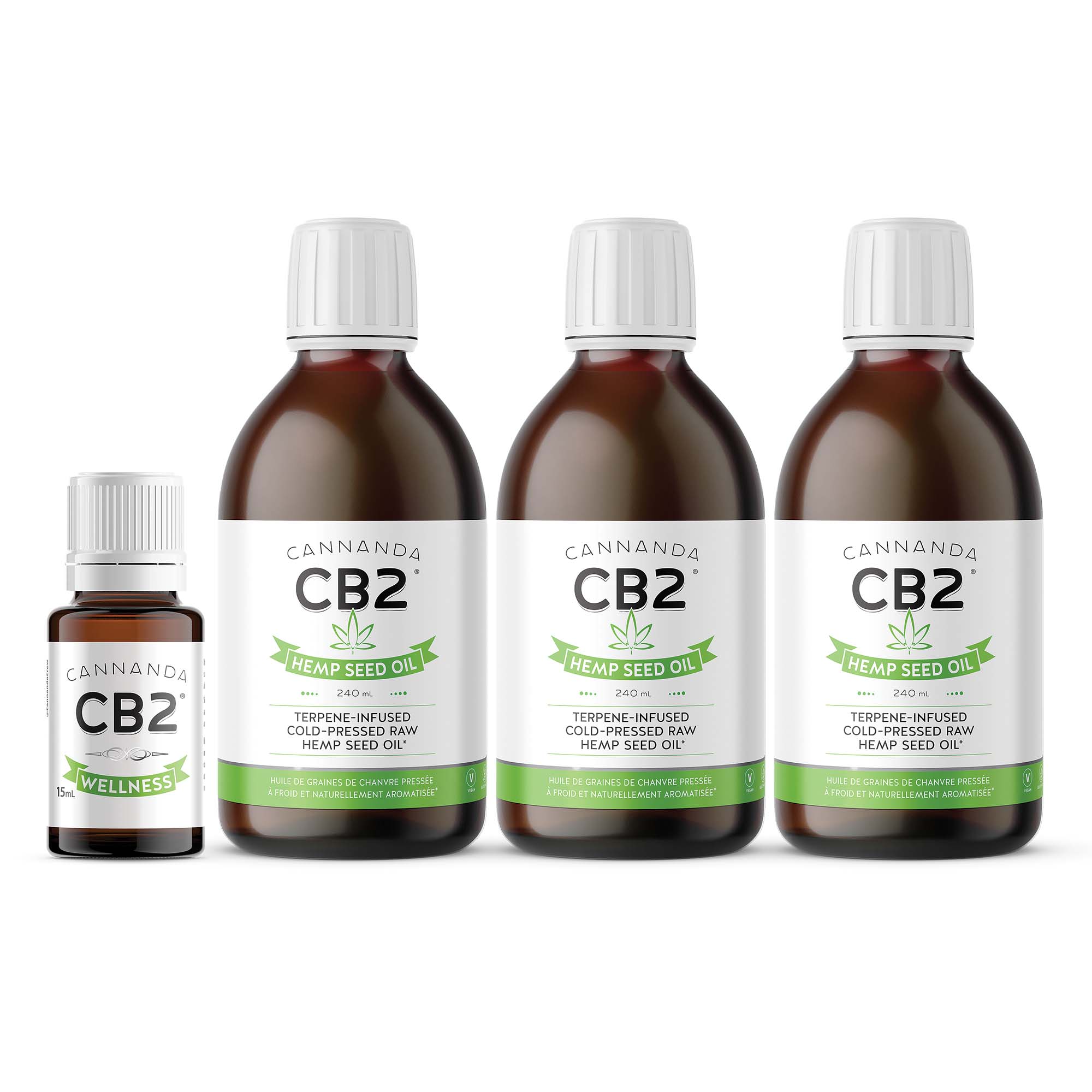
Taking CB2 Hemp Seed Oil with meals may help regulate hunger signals and reduce cravings around eating, supporting better portion control naturally.
Physical activity and CB2 oil work synergistically, BCP may enhance the body's ability to use fat for energy during and after exercise, amplifying the metabolic benefits of movement.
Why choose Cannanda CB2 oil
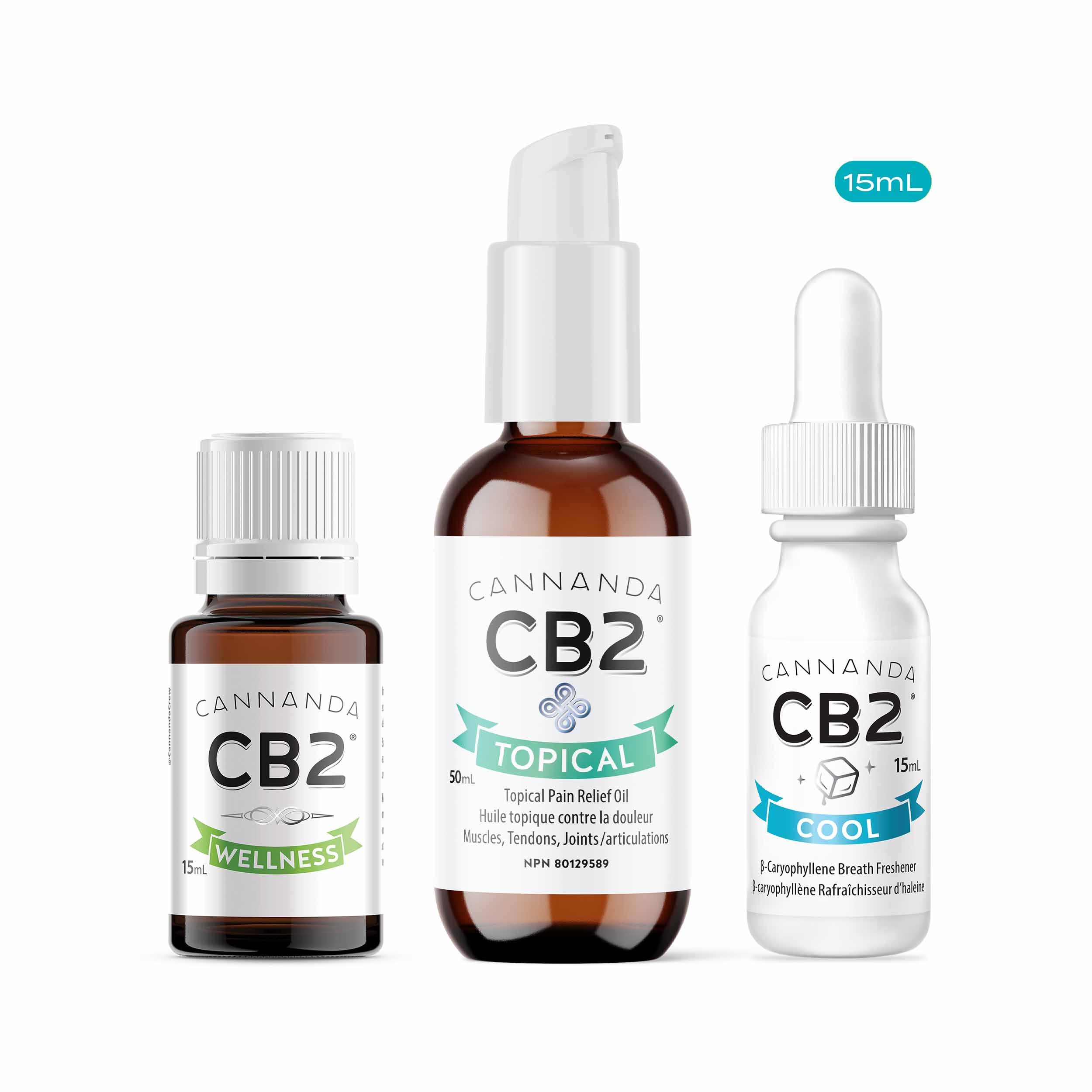
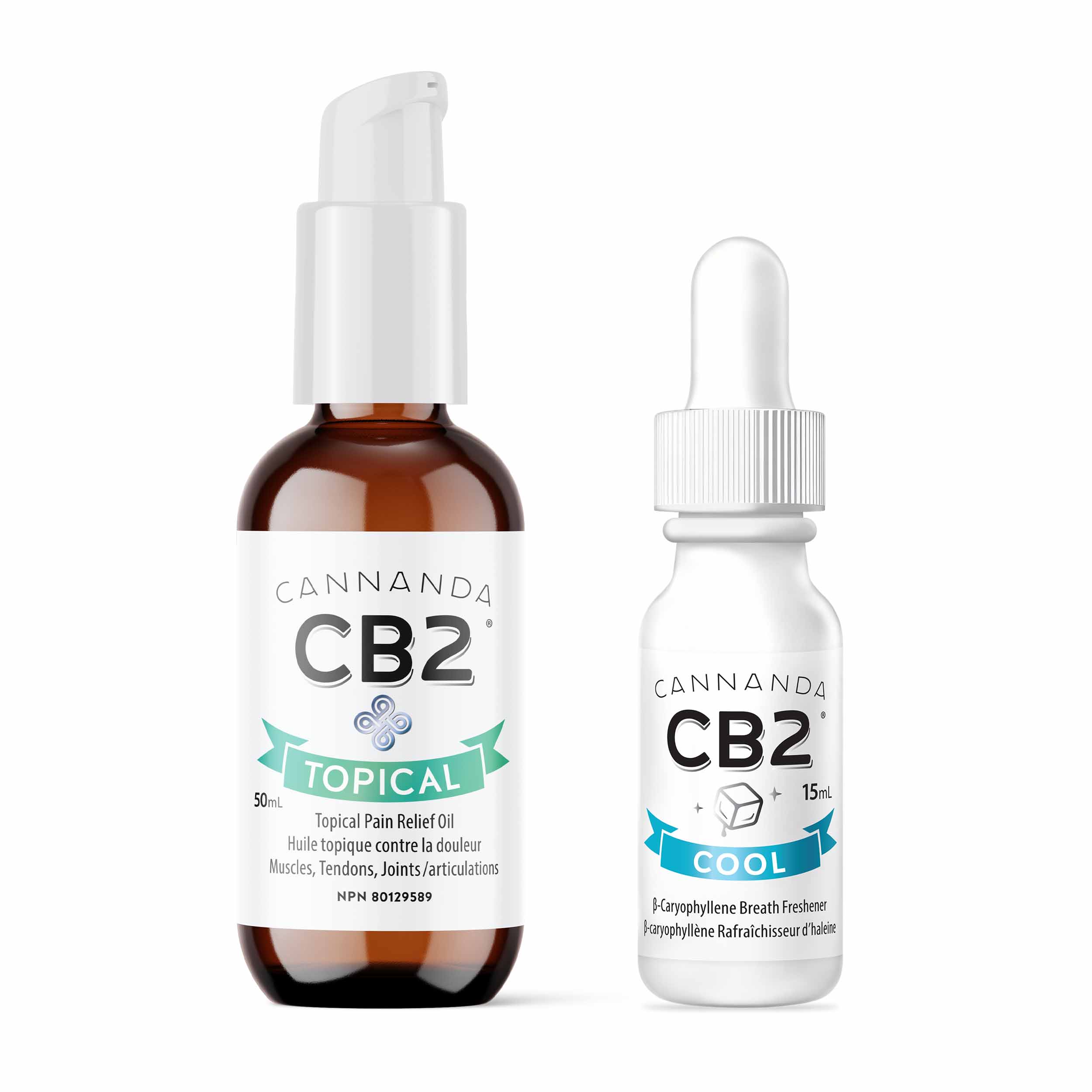
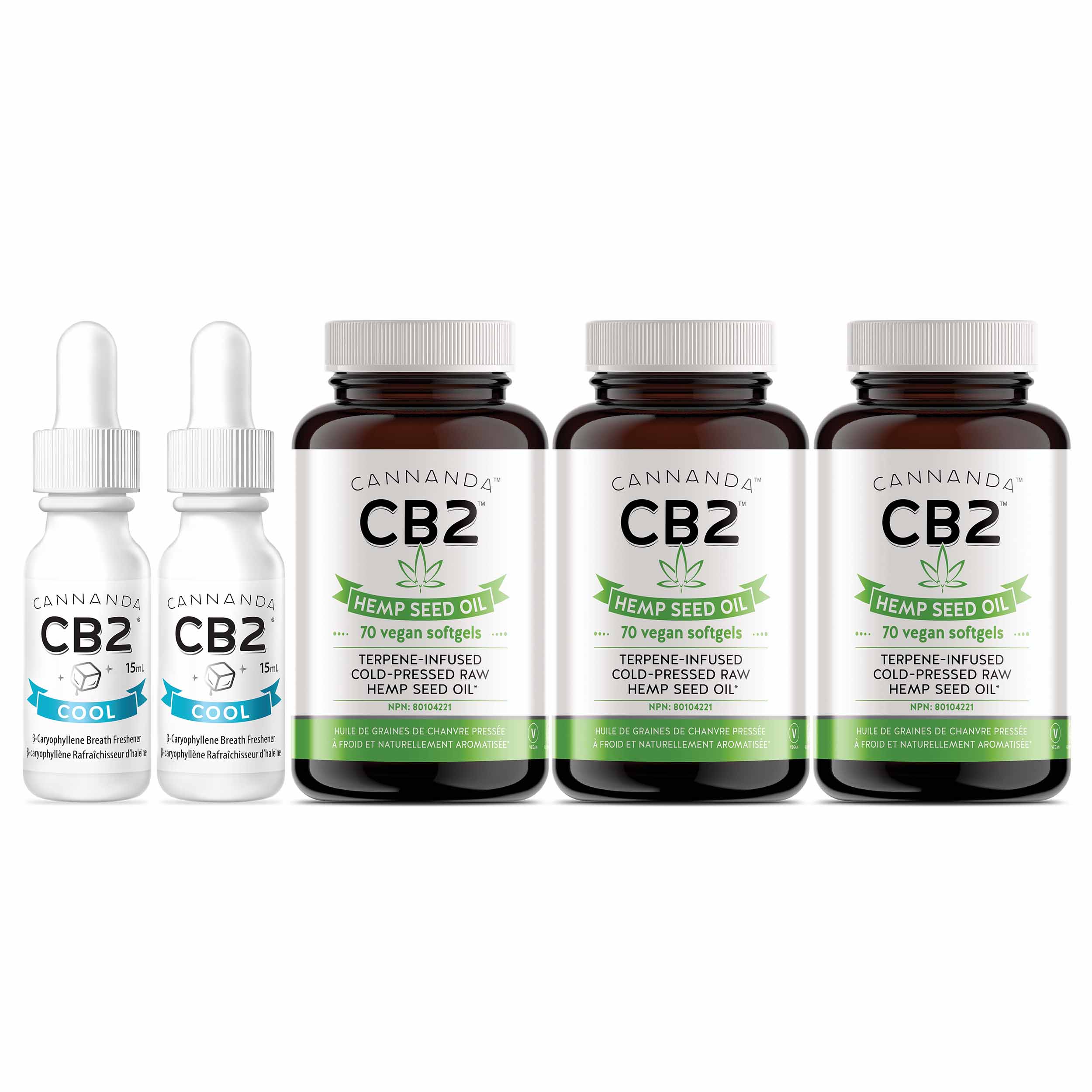
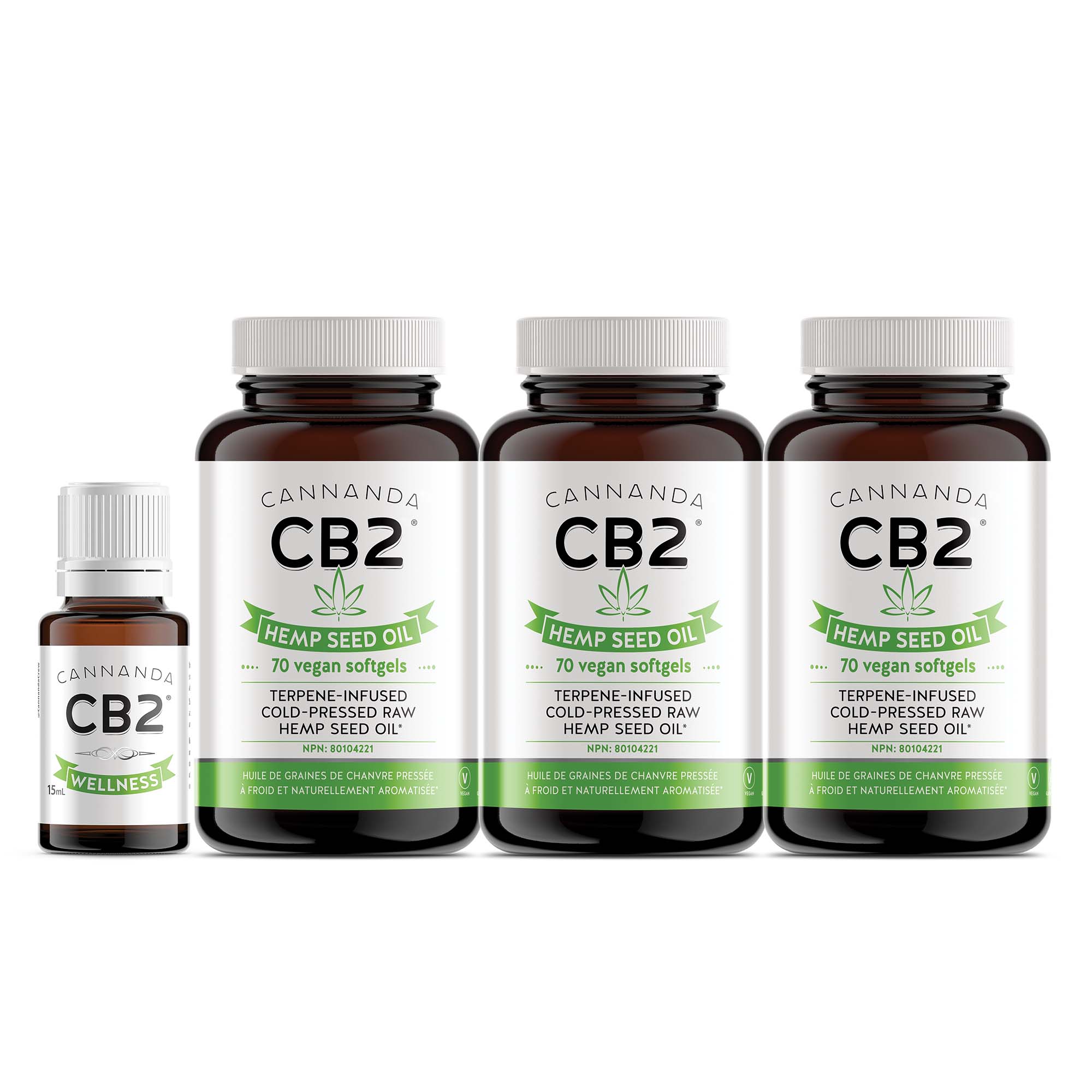
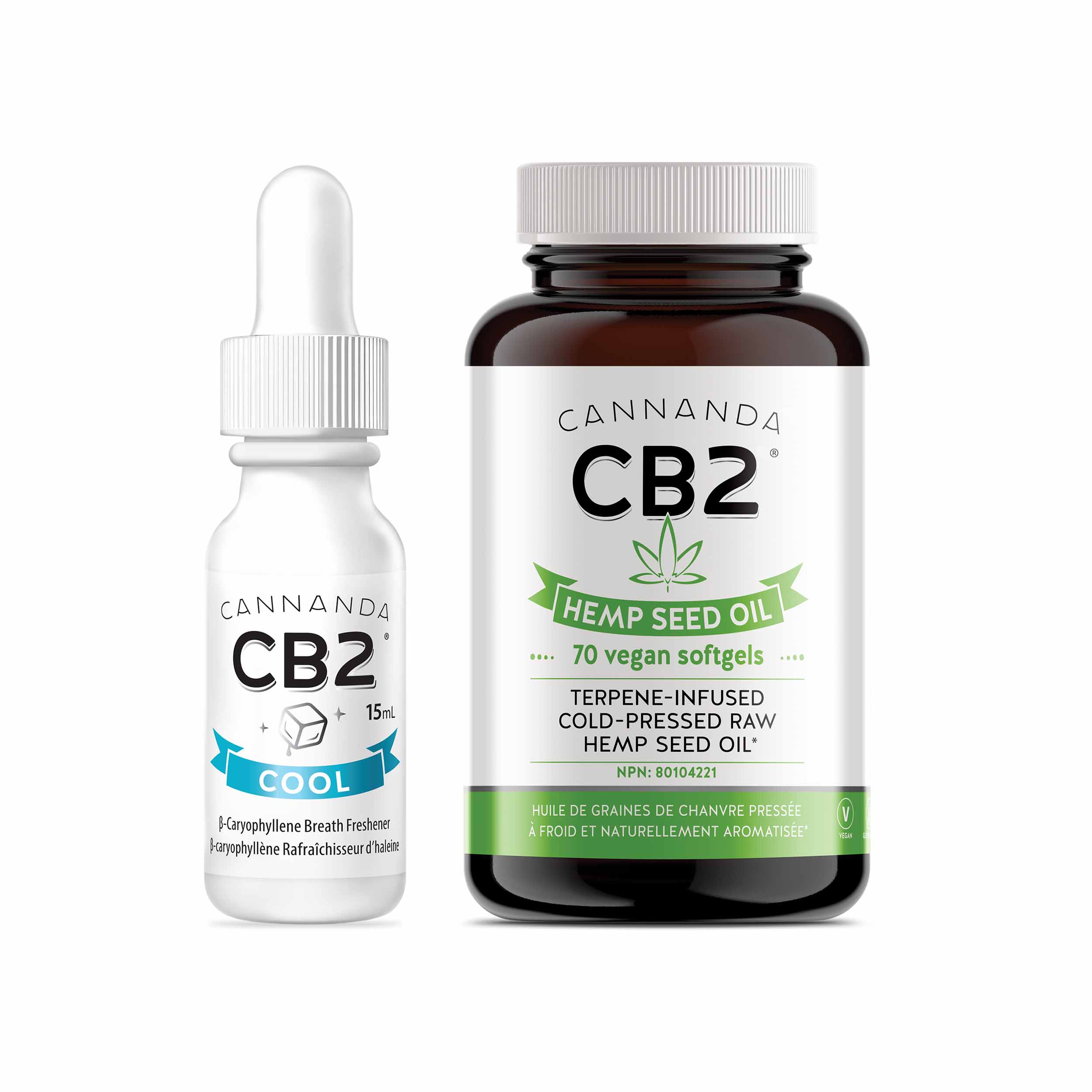
Cannanda CB2 oil offers a potent natural source of beta-caryophyllene, formulated to specifically activate CB2 receptors and PPAR pathways to support metabolic health. A few things that set it apart from other approaches to weight support:
- Not a stimulant. No caffeine, no ephedrine-like compounds. BCP works by supporting the body's own metabolic regulation, not by forcing a short-term result that fades with tolerance.
- GRAS-status ingredients. Every ingredient in Cannanda CB2 oil carries FDA Generally Recognized As Safe status as a food ingredient. It's as safe as the spices in your kitchen.
- No drug interactions for most people. Unlike many weight management supplements, CB2 oil has no known adverse drug interactions at recommended doses, making it suitable for people on multiple medications. The one exception is medications with a narrow therapeutic window, where you should check with your doctor before adding BCP.
- 0% THC, 0% CBD. No cannabinoids, no drug test risk, legal to travel with anywhere.
- Multi-targeted mechanism. CB2 receptor activation + PPAR activation + anti-inflammatory action = three overlapping pathways addressing the biology of metabolic dysfunction simultaneously.
Key takeaways
- MechanismWhat BCP does
- ✓Appetite control: regulates hunger signals and reduces cravings via CB2 receptor activation; therapeutic potential for food addiction documented in research.
- ✓Balanced metabolism: supports efficient calorie burning over fat storage by rebalancing endocannabinoid system tone.
- ✓Anti-obesity inflammation: breaks the fat-inflammation feedback loop through CB2-mediated NF-κB suppression, improving metabolic resilience.
- ✓Fat oxidation: promotes use of stored fat as fuel via SIRT1/PGC-1α/PPARγ and AMPK pathway activation; decreased fat accumulation confirmed in animal studies.
- ✓Blood sugar control: activates PPAR-alpha and PPAR-gamma receptors to improve glucose uptake and insulin sensitivity, modulating leptin and adiponectin.
Incorporating Cannanda CB2 oil into your wellness routine is an easy, natural way to support weight management goals. With beta-caryophyllene's ability to balance appetite, support fat metabolism, reduce inflammation, and improve glucose handling, it addresses the underlying biology of weight management, not just the symptoms.
Support your metabolism naturally
Physician-formulated. GRAS-status ingredients. Five metabolic pathways. No stimulants, no drug interactions for most people.
Shop CB2 Oil for Metabolic SupportFrequently Asked Questions
How does beta-caryophyllene reduce body weight and improve metabolic health?
BCP supplementation in obese mice on a high-fat diet significantly improved weight gain, glucose tolerance, insulin sensitivity, triglycerides, and liver health. It also modulated key metabolic hormones including leptin and adiponectin, and reduced inflammatory markers. These effects appear to be driven by CB2 receptor activation and PPAR receptor engagement working together across multiple metabolic pathways.
Can CB2 oil reduce fat accumulation and improve lipid metabolism?
Yes. In animal studies, BCP decreased fat accumulation, reduced liver steatosis (fatty liver), and lowered body fat percentages. The mechanisms appear to involve activation of the CNR2 (CB2) receptor, the SIRT1/PGC-1α/PPARγ pathway, and AMPK, all pathways linked to circadian rhythm regulation and cholesterol metabolism.
Does beta-caryophyllene help control appetite and food cravings?
Yes. BCP interacts with CB2 receptors in the endocannabinoid system, which plays a role in appetite regulation and reward signalling. CB2 receptor activation can help modulate hunger signals and reduce cravings. Numerous studies have also shown BCP's therapeutic potential for food addiction through these same pathways, targeting the compulsive craving cycle, not just blunting hunger.
How does beta-caryophyllene support calorie burning and glucose metabolism?
BCP promotes a balanced metabolism by enhancing glucose uptake, stimulating fat oxidation, and supporting efficient energy use. These effects come partly from its actions on CB2 receptors within the endocannabinoid system and partly from its activation of PPAR-alpha and PPAR-gamma receptors, key regulators of both glucose and lipid metabolism.
Does beta-caryophyllene reduce inflammation linked to obesity?
Absolutely. Obesity-associated chronic inflammation creates a feedback loop that worsens insulin resistance and makes weight management harder. BCP's anti-inflammatory actions, mediated through CB2 receptor activation and NF-κB pathway suppression, help break this cycle, reducing inflammatory signalling in adipose tissue and other metabolic organs and promoting better metabolic homeostasis.
What are PPAR receptors and why do they matter for weight management?
PPAR stands for peroxisome proliferator-activated receptors. PPAR-alpha and PPAR-gamma are nuclear receptors that act as master regulators of fat burning, glucose uptake, and lipid storage. PPAR-alpha activation promotes fat oxidation; PPAR-gamma activation improves insulin sensitivity. BCP has been shown to activate both, which means its metabolic benefits extend well beyond the anti-inflammatory effects of CB2 receptor activation alone.
How should I take CB2 oil for weight management support?
Regular daily use builds consistent metabolic support over time. Taking it with meals may help regulate hunger signals around eating. Combining it with physical activity may enhance the body's ability to use fat as fuel. CB2 oil works best as part of a broader healthy lifestyle, it addresses the underlying biology of metabolic dysfunction, not just one symptom.
Is beta-caryophyllene safe to take for weight management?
Yes. All ingredients in Cannanda CB2 oil carry FDA GRAS status as food ingredients. BCP has no known adverse drug interactions at recommended doses, with one exception: medications with a narrow therapeutic window, where you should check with your doctor first. It contains 0% THC and 0% CBD, and does not produce intoxication or impairment. It is safe for daily long-term use and, unlike stimulant-based weight supplements, CB2 receptors don't build tolerance the way CB1 receptors do.
How is CB2 oil different from weight loss supplements?
CB2 oil is not a stimulant-based product. It doesn't suppress appetite through caffeine or ephedrine-like compounds, and it doesn't block fat absorption. Instead, it works by supporting the endocannabinoid system's natural role in energy balance, appetite regulation, fat metabolism, and inflammation control, addressing underlying biology rather than forcing a short-term result. This makes it suitable for long-term daily use without the tolerance, dependency, or cardiovascular concerns that come with stimulant-based approaches.