Beta-Caryophyllene and the Vagus Nerve: The Calm Connection You've Been Missing
Your vagus nerve is the calm switch running through your whole body. New research shows BCP might be flipping it in ways nobody's talking about yet.
Your vagus nerve is the biggest communication line in your body. It runs from your brainstem, down through your neck and chest, all the way into your gut. And it doesn't just telling your organs what to do, it's listening. Constantly. To inflammation, to your gut bacteria, to stress hormones, to everything going on beneath the surface.
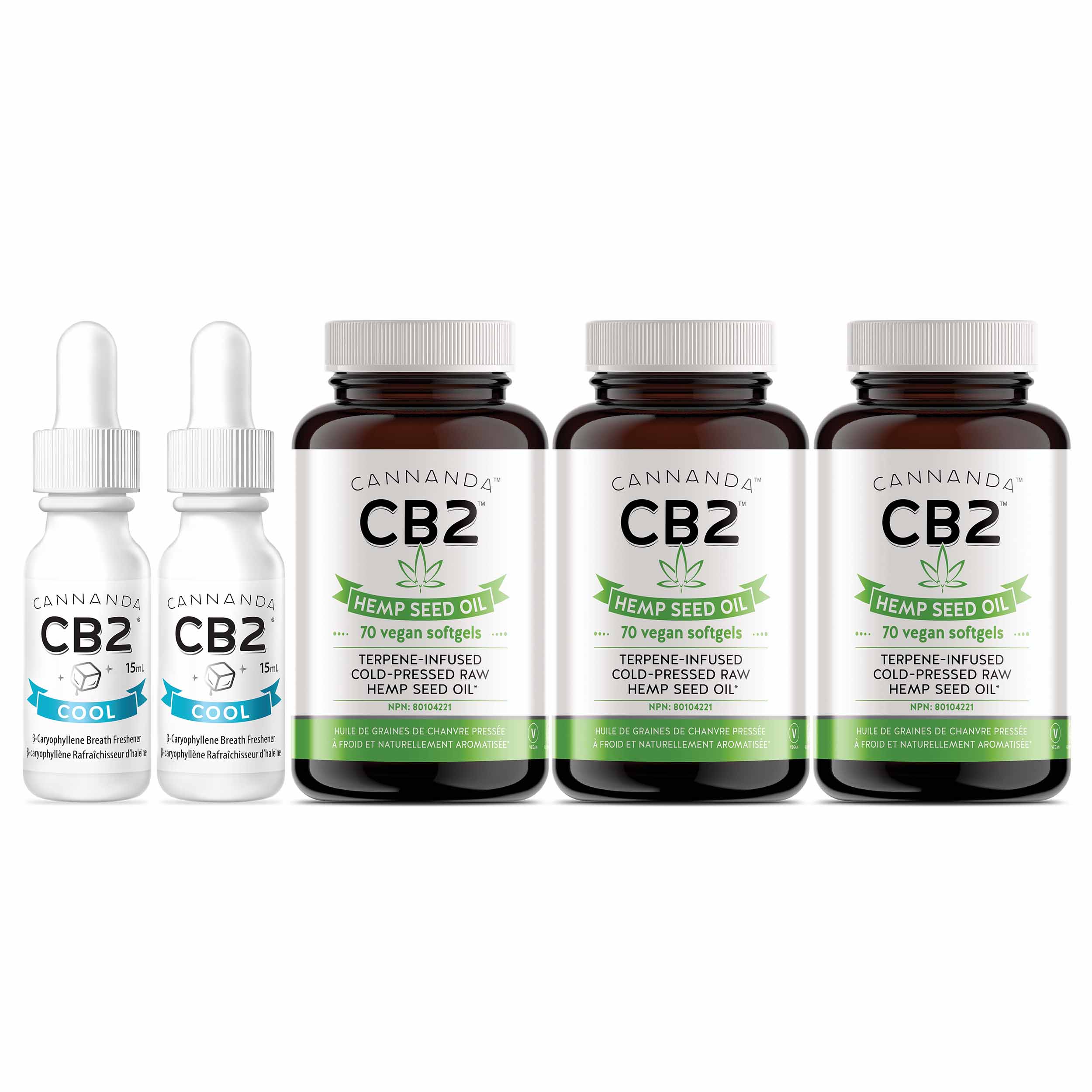
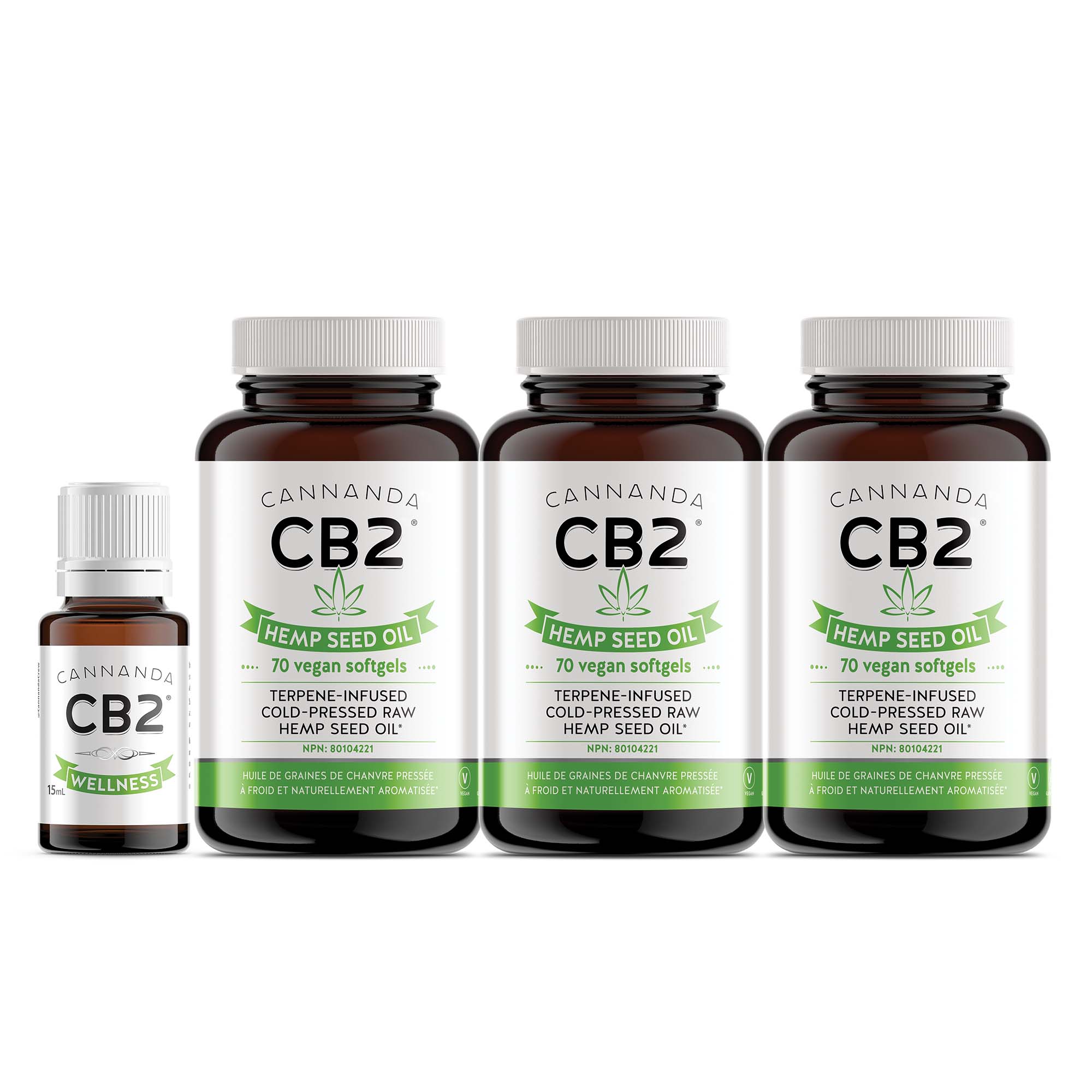
Beta-caryophyllene (BCP), the compound behind Cannanda CB2® oils, talks directly to your body's inflammation control system. And when you line up what BCP does with what the vagus nerve is built to sense, the overlap is hard to miss.
Your Body Already Built the Wiring
BCP works by activating CB2 receptors. That single action turns down key inflammatory messengers like IL-1β, IL-6, and TNF-α, and quiets a pathway called TLR4, one of your immune system's main alarm switches.
Scientists have found TLR4 receptors sits directly on vagal nerve fibres in the gut. Those fibres are wired to catch inflammatory signals and report them straight to your brainstem, shaping your mood, your stress response, and how your body handles the next challenge that comes along.
So picture it this way: BCP turns the inflammatory noise down. The vagus nerve is the microphone built to pick that noise up. Even before a single study connects the two directly, that's a wiring diagram worth paying attention to.
"The vagus nerve spends its whole life listening for inflammation. BCP might be one of the few natural compounds already speaking its language."
Four Angles Pointing the Same Direction
The CB2 Receptor Angle
Cannabinoid receptors sit right on the nerve fibers that feed into the vagus nerve's control tower, the nodose ganglia. BCP's favorite receptor may already live in that exact neighborhood.
The Gut-Brain Serotonin Angle
Most of your serotonin is made in your gut and talks to your brain through the vagus nerve. BCP's calming, mood-supporting effects likely ride this same highway.
The TRPV1 Connection
BCP also acts on TRPV1 receptors, found on sensory nerves, including branches of the vagus nerve. Another door BCP may already be knocking on.
The Inhalation Angle
The receptors that respond to inhaled terpenes in your nose match the ones lining your gut. Breathing in a BCP-rich oil might tap the same pathway as taking it internally.
What This Could Mean for You
If you're already big on vagal health, breathwork, cold exposure, humming, all of it, this is the missing piece you've been looking for. A natural CB2-activating compound that calms the exact kind of inflammatory chatter your vagus nerve is built to detect, working alongside the habits you're already building.
This is exactly the kind of connection Cannanda was built to explore first. While the rest of the wellness world is still catching up on basic CB2 science, our formulations are already built around getting BCP to the places in your body where it can do the most good.
Ready to Support Your Body's Calm Network?
Cannanda CB2® Oil delivers BCP right where your endocannabinoid system can use it most.
Shop CB2 OilReferences
- Accurate Clinic. Terpenes: Caryophyllene (β-Caryophyllene). Accurate Education.
- Fedorova V, et al. Vagal sensory neurons and gut-brain signaling. National Institutes of Health, PMC.
- Bonaz B, Bazin T, Pellissier S. The Vagus Nerve at the Interface of the Microbiota-Gut-Brain Axis.
- Interaction of the Vagus Nerve and Serotonin in the Gut-Brain Axis. International Journal of Molecular Sciences, 2025.
- Peripheral CB1R inhibition modulates food intake and metabolic efficiency in obesity independently of the gut-brain vagal axis. bioRxiv, 2025.
- CB1 receptors on a subset of vagal afferent neurons modulate voluntary ethanol intake in mice. PMC.
- Bahi A, et al. β-Caryophyllene, a CB2 receptor agonist produces multiple behavioral changes relevant to anxiety and depression in mice. Physiology & Behavior, 2014.
- Vagus Nerve as Modulator of the Brain-Gut Axis in Psychiatric and Inflammatory Disorders. PMC.