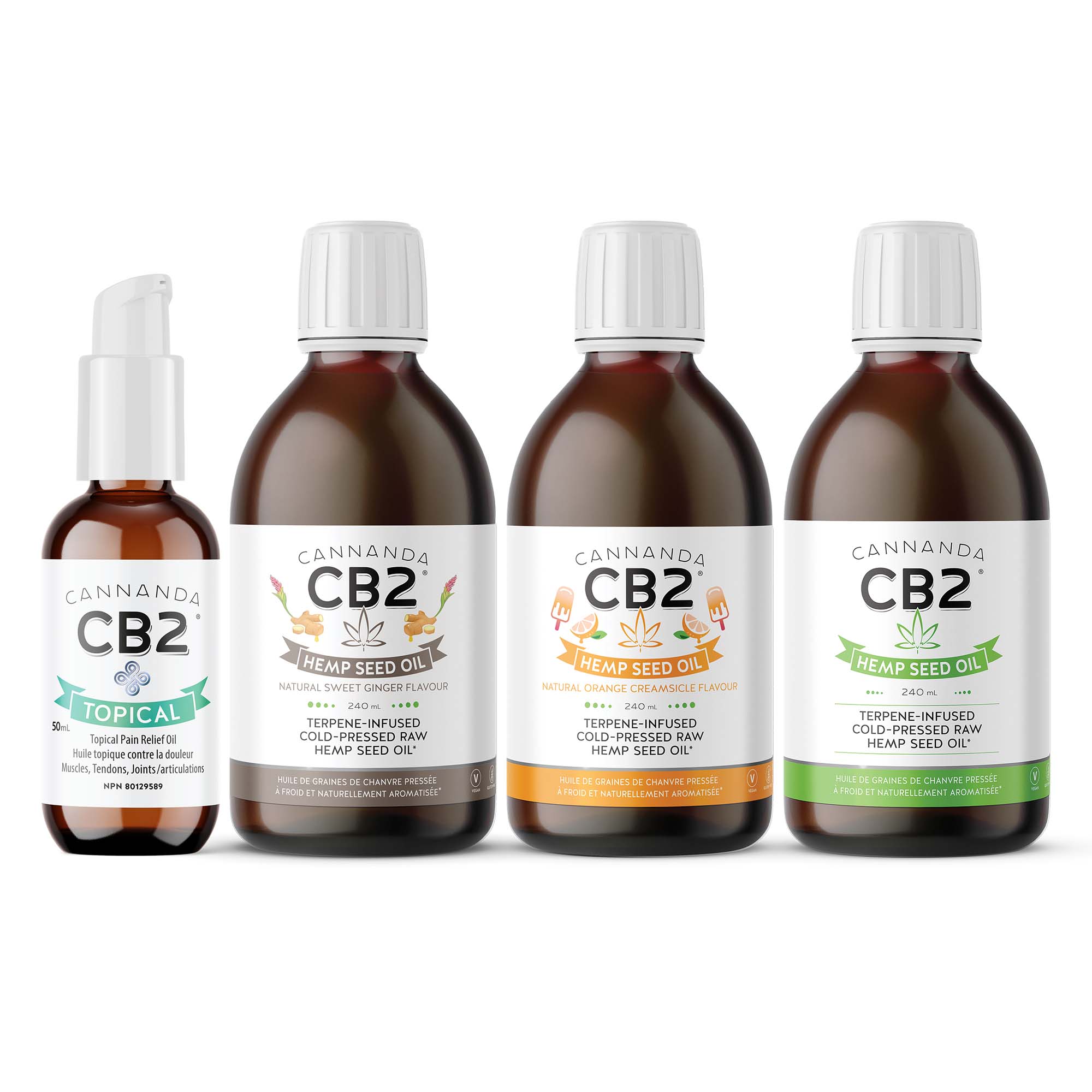
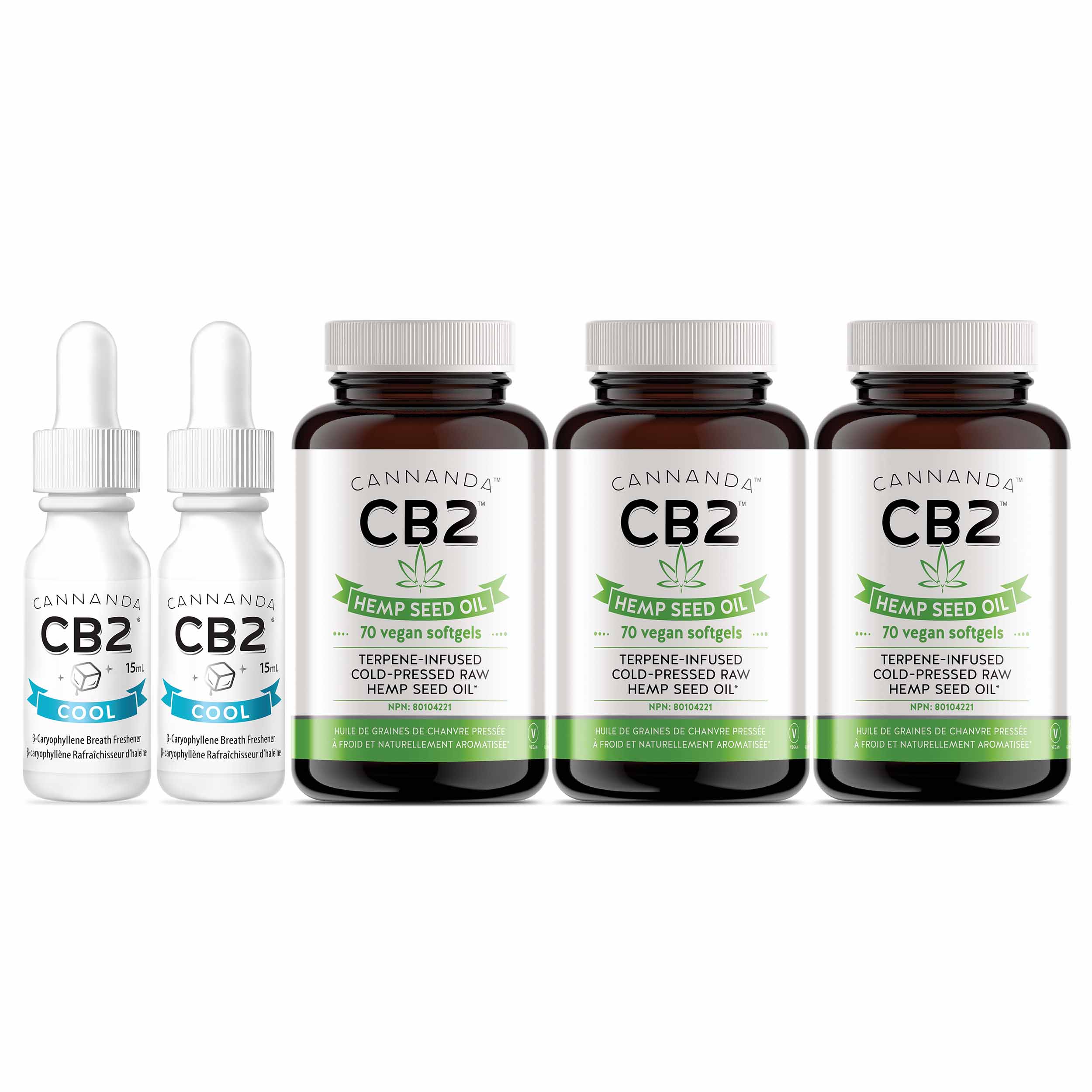
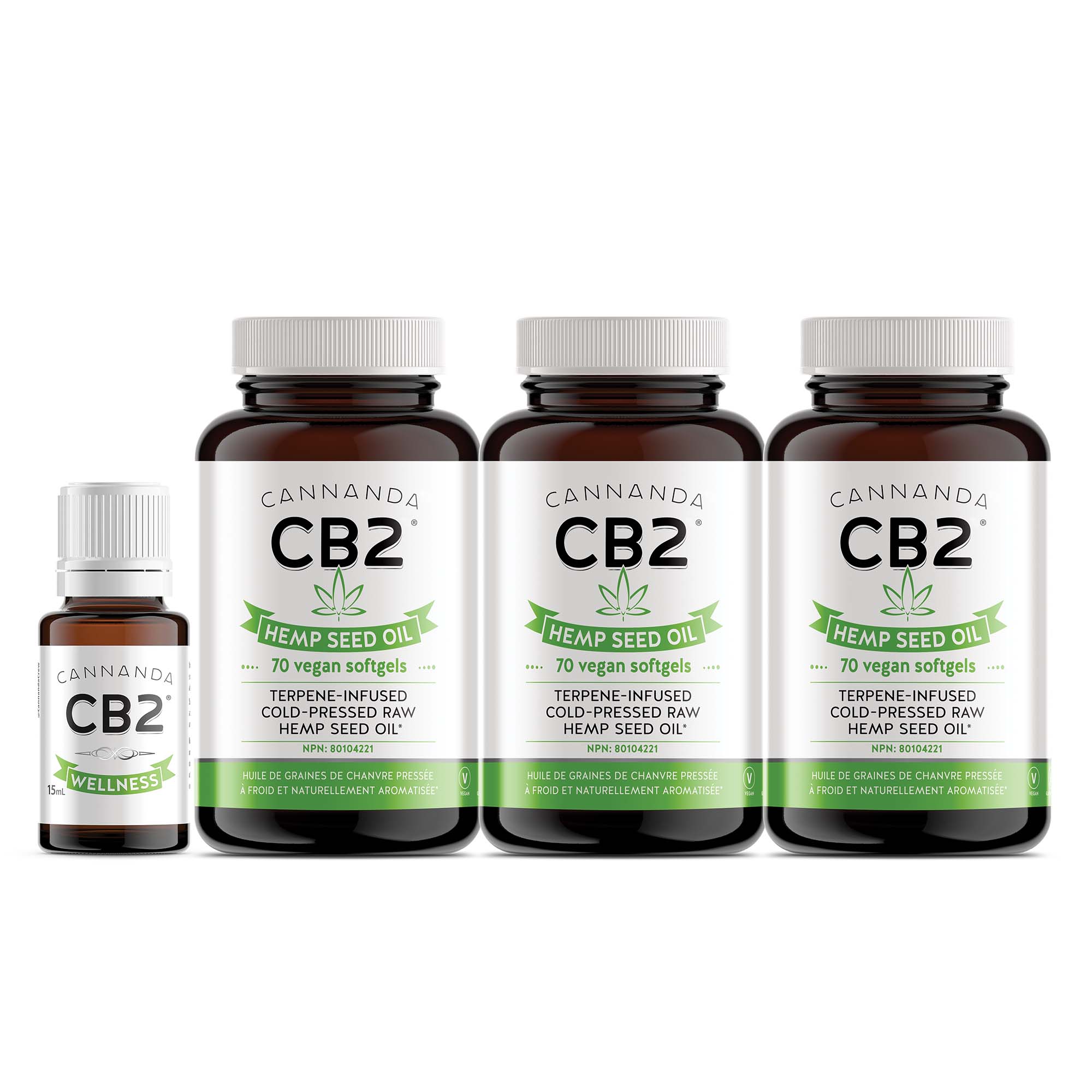
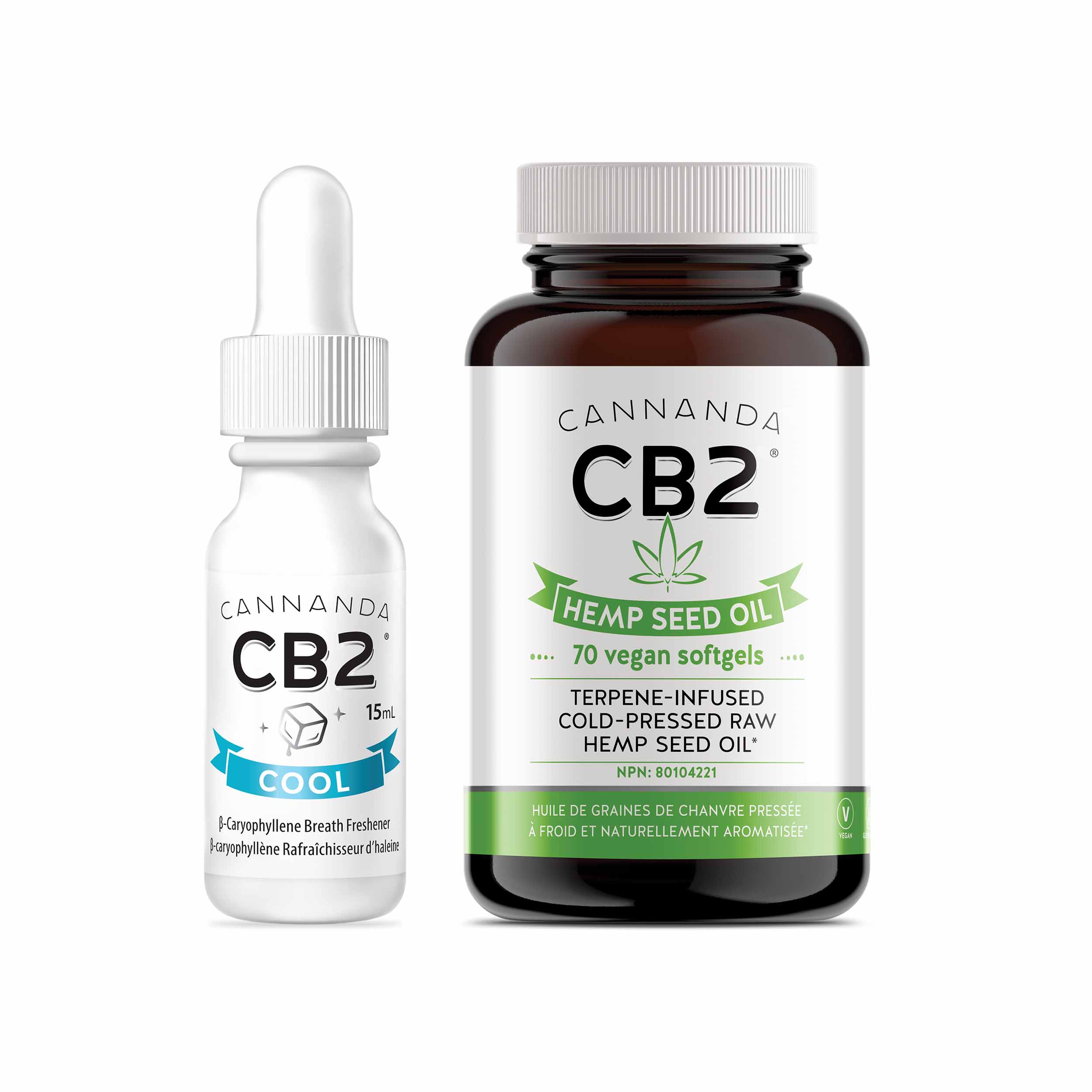
Brain Fog? How Cannanda CB2 Oil Clears the Mental Haze Naturally
Caffeine masks the symptom. CB2 oil targets the cause: the neuroinflammation, cortisol dysregulation, and poor sleep that generate brain fog in the first place.
You know the feeling: your thoughts feel slow, your concentration drifts, you're reading the same sentence for the third time. Brain fog is one of the most common and least addressed complaints in modern health. This article explains what's actually driving it, why caffeine makes it worse in the long run, and how Cannanda CB2 oil addresses the root causes rather than patching over them.
Brain fog is not just tiredness. It is driven by neuroinflammation, cortisol dysregulation, disrupted sleep, and gut-brain axis disruption. Beta-caryophyllene (BCP) in Cannanda CB2 oil activates CB2 receptors on brain microglia to reduce this neuroinflammatory root cause, while supporting cortisol regulation and sleep quality simultaneously. High Achievers Focus adds alpha-pinene's acetylcholinesterase inhibition, preserving the neurotransmitter most critical for memory and focus. Together: the "calm but focused" mental state without caffeine's jitters or crash.
One of the most remarkable properties of Cannanda CB2 oil is its ability to promote clarity and calm, without drowsiness, without intoxication, and without the jittery edge of stimulants. Much like how certain teas can boost alertness while keeping you relaxed, CB2 oil produces a "relaxed but sharp" mental state by activating the CB2 receptors of the endocannabinoid system, without any impact on CB1, the receptor responsible for THC's intoxicating effects.
But to understand why it works, you first need to understand what brain fog actually is, because the mainstream answer (you're tired, drink more coffee) is both incomplete and counterproductive.
What brain fog actually is
Brain fog is not a medical diagnosis. It's a description of a cognitive state: slow thinking, impaired concentration, poor working memory, word-finding difficulty, and a general sense that your mind is operating through mud. It's not the same as normal fatigue after a hard day. It persists through rest, resists caffeine, and often accompanies physical symptoms like headaches, low energy, and mood instability.
What unites all these experiences is the underlying biology: brain fog is typically a symptom of one or more physiological processes that are impairing neural signalling efficiency. The most common of those processes are neuroinflammation, cortisol dysregulation, poor sleep, and gut-brain axis disruption. Understanding which of these is driving your fog is the key to addressing it, and all four respond to CB2 receptor activation.
The root causes of brain fog
The most common and least recognized driver. Overactivated microglia release cytokines (TNF-α, IL-1β, IL-6) that directly impair neural transmission and neurotransmitter synthesis. Chronic stress, ultra-processed food, infections, and poor sleep all drive neuroinflammation. See: BCP and brain neuroprotection.
Chronic stress locks the HPA axis in a state of cortisol overproduction. Elevated cortisol impairs hippocampal function (critical for memory), suppresses BDNF (the brain's neuronal growth factor), and disrupts serotonin and dopamine signalling. See: BCP for mental health and stress.
The brain's glymphatic system, which clears metabolic waste including amyloid-beta, operates almost exclusively during deep sleep. Chronic sleep deprivation impairs this clearance cycle, allowing cognitive-impairing waste products to accumulate. See: BCP for sleep quality.
The gut produces approximately 90% of the body's serotonin and communicates with the brain via the vagus nerve. Dysbiosis, intestinal inflammation, and gut permeability directly affect mood and cognitive clarity. See: BCP for IBS and gut health.
Long-COVID brain fog is driven by persistent microglial activation following SARS-CoV-2 infection. This is neuroinflammation sustained by an ongoing immune response rather than resolved infection, a particularly difficult form because it doesn't respond to lifestyle changes alone.
Acetylcholine is the neurotransmitter of memory, attention, and executive function. It is depleted by chronic stress, poor sleep, and aging. Low acetylcholine is the same neurochemical deficit that defines early Alzheimer's, and its sub-clinical depletion is a major contributor to everyday brain fog.
How BCP addresses brain fog: the mechanisms
BCP activates CB2 receptors on brain microglia, the brain's resident immune cells, shifting them from an overactivated, pro-inflammatory M1 state to a neuroprotective M2 state. This reduces the production of TNF-α, IL-1β, and IL-6: the exact cytokines that impair serotonin synthesis, suppress dopamine signalling, and reduce neural transmission efficiency. By addressing neuroinflammation directly, BCP removes the physiological barrier to clear thinking rather than simply stimulating through it.
This is the mechanism that explains why users consistently describe CB2 oil's cognitive effect as qualitatively different from caffeine or other stimulants: it's not pushing the brain harder against resistance; it's reducing the resistance itself.
BCP's CB2 receptor activation supports balance in the body and mind by modulating HPA axis activity. It helps reduce the chronic cortisol elevation that impairs hippocampal function, suppresses memory consolidation, and keeps the nervous system in a state of "fight or flight" that is fundamentally incompatible with focused cognitive work. As cortisol normalizes, the shift from "fight or flight" to "rest and recover" creates the conditions for genuine cognitive clarity.
BCP's interaction with the endocannabinoid system also promotes the release of mood-stabilizing neurotransmitters including serotonin and dopamine, supporting the neurochemical environment that makes focused, productive mental states possible. The result many users describe as being "calm but focused" is this combination: reduced cortisol, restored neurotransmitter balance, and reduced neuroinflammatory interference with neural signalling.
The brain's glymphatic waste clearance system runs almost exclusively during deep sleep, washing out metabolic waste products including amyloid-beta, tau protein, and other cognitive-impairing compounds. When sleep is fragmented or non-restorative, this clearance fails. The next-day brain fog isn't just fatigue; it's the literal accumulation of cleared waste that should have been removed overnight.
BCP supports sleep quality through CB2-mediated ECS regulation of sleep-wake cycles, its cortisol-lowering effects reducing the mental hyperarousal that prevents sleep onset, and its anti-inflammatory action reducing the pain and discomfort that cause nighttime waking. Better sleep architecture means better overnight brain cleaning, and meaningfully clearer thinking the following day.
The gut produces approximately 90% of the body's serotonin. It communicates with the brain via the vagus nerve in a bidirectional signalling loop: gut inflammation affects mood and cognition directly, and stress-driven brain states affect gut function in return. When gut ECS function is disrupted, through dysbiosis, inflammatory diet, or intestinal permeability, the resulting serotonin dysregulation and vagus nerve signalling impairment contribute meaningfully to brain fog.
CB2 receptors are highly concentrated in gut tissue. BCP's activation of these receptors reduces gut inflammation, supports intestinal barrier integrity, and normalizes gut immune activity, all of which improve the gut-brain signalling that supports cognitive clarity. Many people with chronic brain fog and digestive symptoms find both improve simultaneously with consistent CB2 oil use, precisely because they share a common root cause.
CB2 oil vs caffeine: why one works and the other doesn't
- Blocks adenosine receptors to mask fatigue
- Does not address neuroinflammation
- Raises cortisol, worsening the root cause
- Produces jitteriness and anxiety at higher doses
- Rebound fatigue when it wears off
- Disrupts sleep quality, perpetuating the fog
- Tolerance develops; diminishing returns
- Reduces neuroinflammation at the root
- Lowers cortisol, addressing HPA dysregulation
- Supports neurotransmitter balance (serotonin, dopamine)
- No jitteriness, promotes calm, focused alertness
- No crash; effects build and sustain with daily use
- Improves sleep quality, reducing next-day fog
- No tolerance; effects remain consistent or improve
The fastest route to clarity: aromatic inhalation
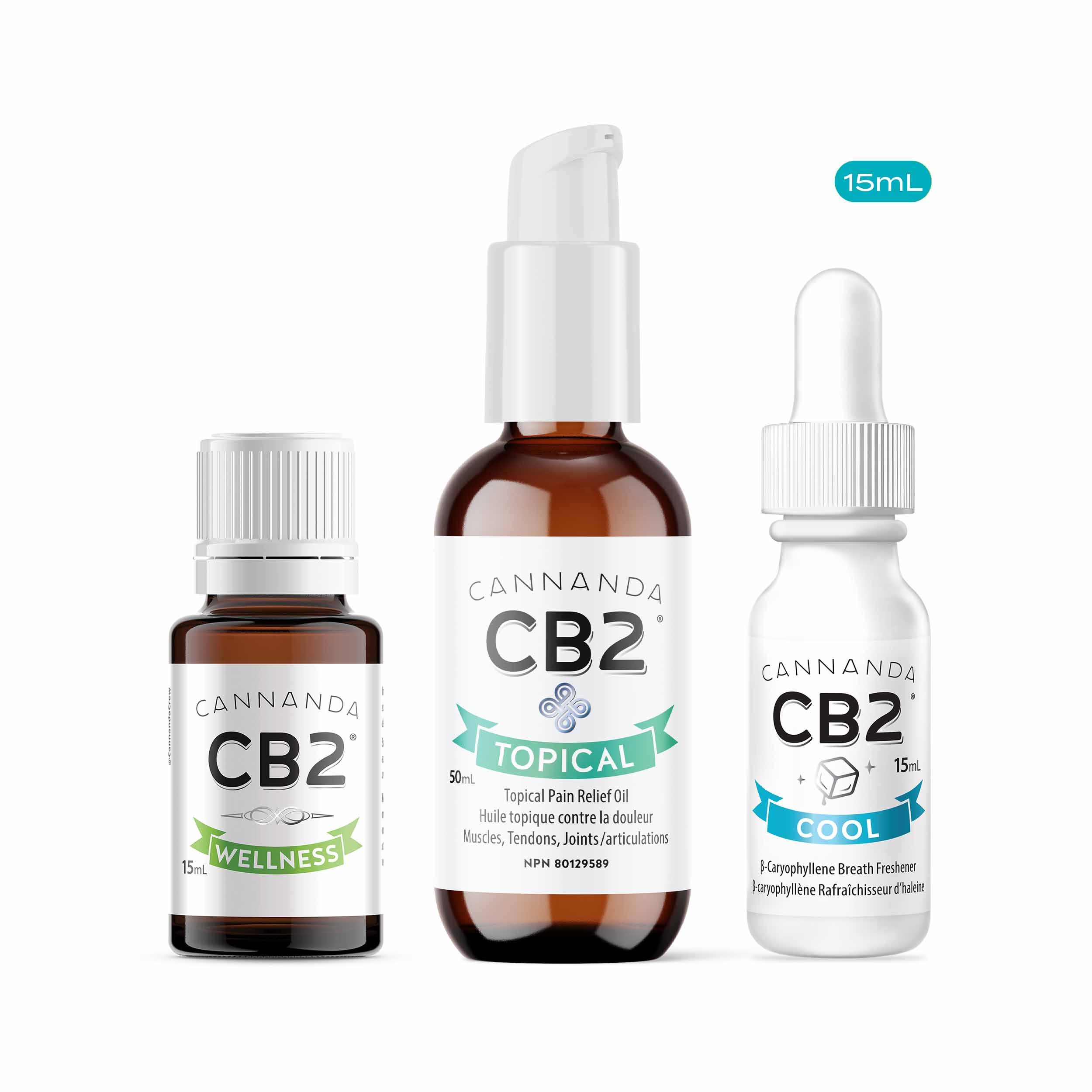
When you inhale CB2 Wellness drops directly (a few drops on the inside of the wrist, held close to the nose and inhaled slowly through the nostrils), the terpene molecules travel through the olfactory epithelium along the olfactory nerve directly into the limbic system and related brain structures. This bypasses digestion entirely.
Many users report feeling noticeably calmer and clearer within seconds to minutes of direct inhalation. This is not placebo: the olfactory-brain pathway is one of the fastest and most direct routes to the central nervous system available in nature, which is why aromatherapy has documented physiological effects that other routes cannot replicate at equivalent doses. Critically, these effects do not impair cognitive performance. The state is sharper, not slower, making it ideal for use before a demanding meeting, exam, presentation, or creative session.
For the acute moments, a foggy morning, a 2pm slump, or a high-pressure situation, direct inhalation is the fastest tool available. For the deeper, cumulative neuroinflammatory root causes, daily oral use over weeks is what produces lasting change.
The acetylcholine advantage: High Achievers Focus
CB2 oil addresses the inflammatory and hormonal causes of brain fog. But there's a sixth cause the main mechanisms don't directly target: acetylcholine deficiency. Acetylcholine is the neurotransmitter of memory, attention, learning, and executive function. It is depleted by chronic stress, poor sleep, and aging, and its deficiency is the primary neurochemical signature of early Alzheimer's disease.
Alpha-pinene, the active ingredient in Cannanda High Achievers Focus, inhibits acetylcholinesterase, the enzyme that breaks down acetylcholine. By slowing this breakdown, alpha-pinene preserves higher acetylcholine levels in the synaptic cleft. This is the same mechanism used by donepezil (Aricept), rivastigmine (Exelon), and galantamine (Razadyne), the three most prescribed Alzheimer's medications globally, but in a naturally occurring food terpene.
For everyday brain fog, the practical result is improved working memory, sharper attention, faster word retrieval, and better executive function. Used alongside CB2 oil, the two products address brain fog from completely different and complementary angles: CB2 oil clears the inflammatory interference; High Achievers Focus sharpens the neurochemical transmission once that interference is reduced.
Who should try CB2 oil for brain fog
While CB2 oil is well-tolerated by most, always consult your healthcare provider if you are pregnant or breastfeeding before starting any new supplement.
Avoid copaiba essential oil and any counterfeit "CB2" oils that are not authentic Cannanda products. Independent testing has found fake CB2 oils contaminated with heavy metals, pesticide residues, and residual solvents from toxic extraction processes. Many counterfeit products are not safe for human consumption. Cannanda's products are designed specifically for safe internal use with every batch third-party tested.
A practical protocol for brain fog
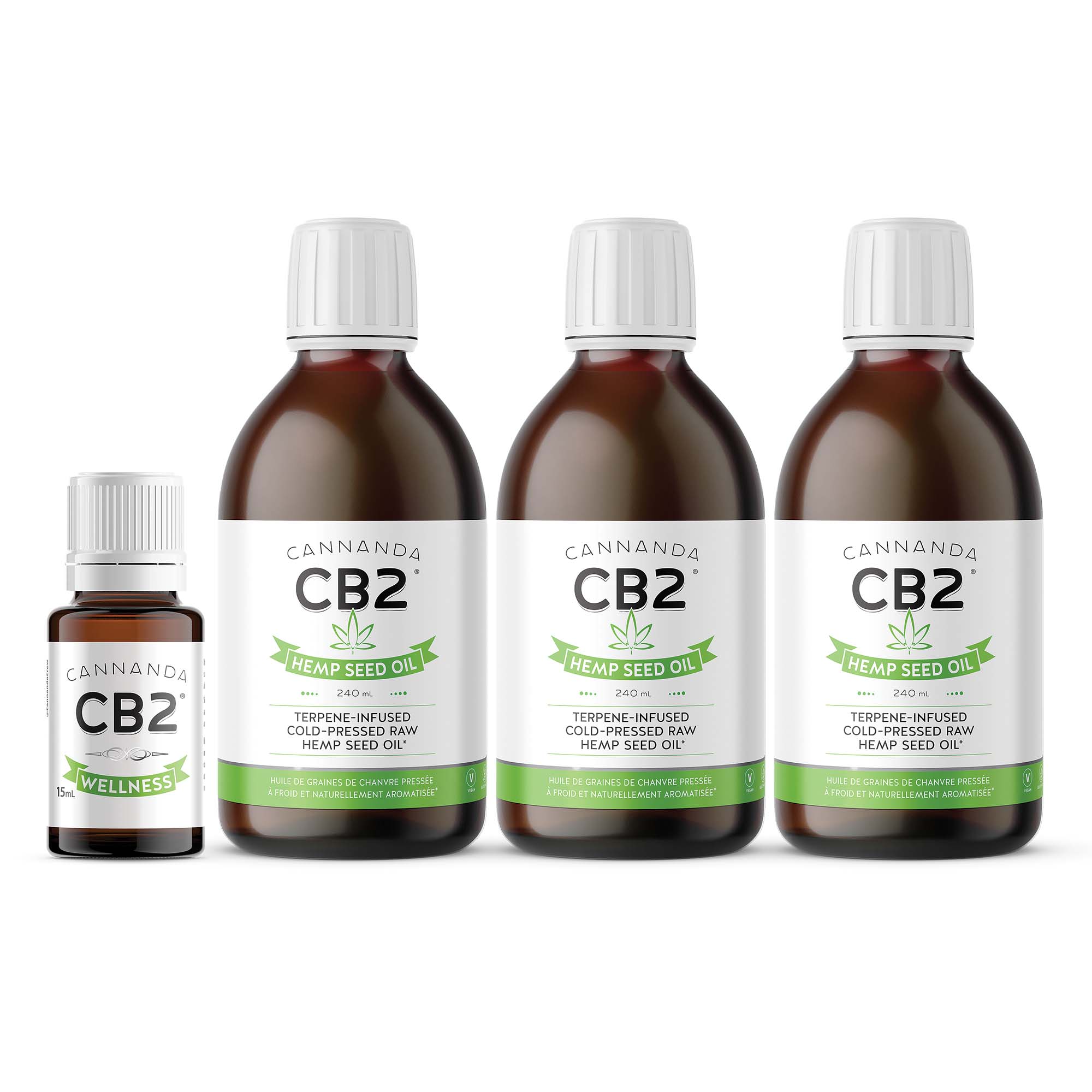
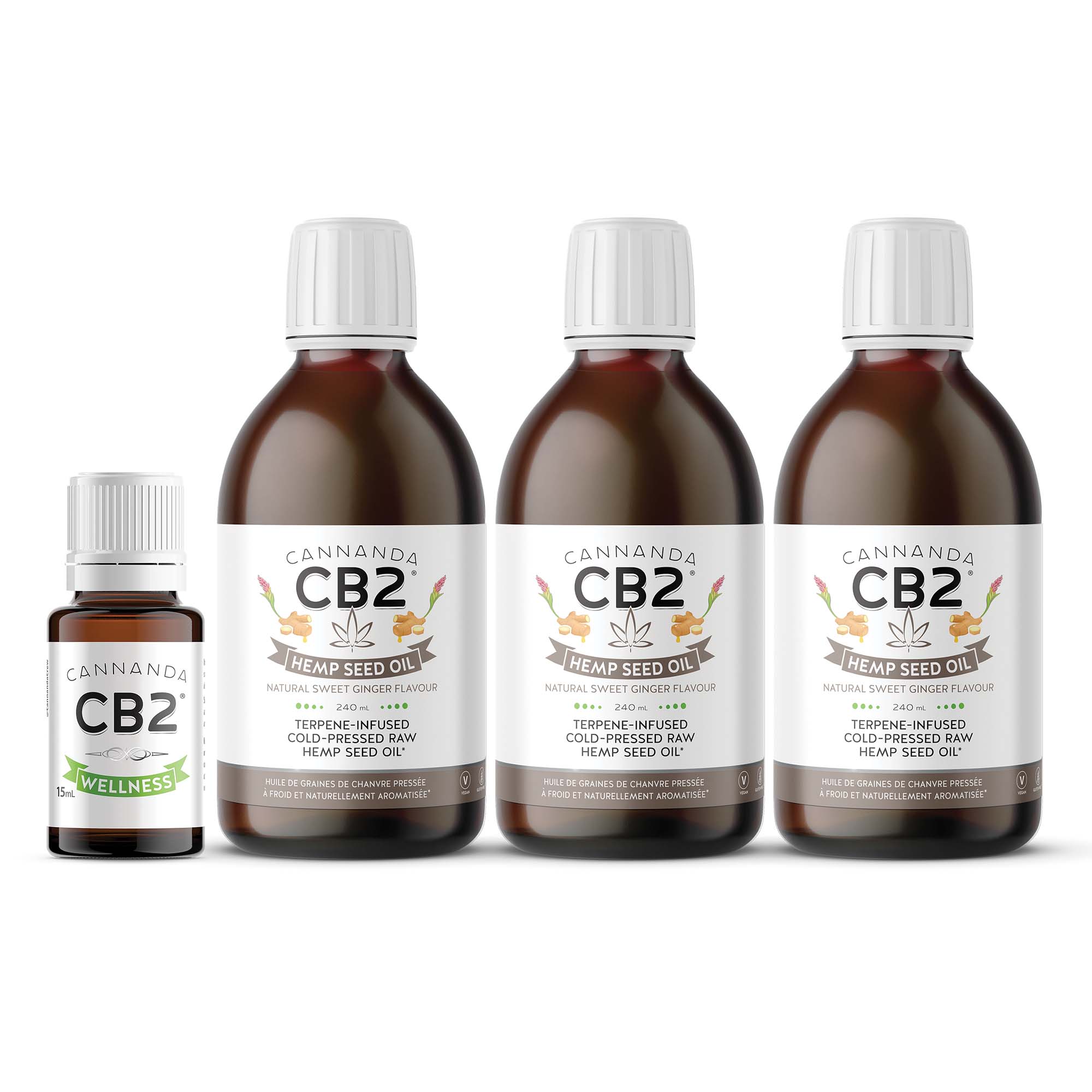
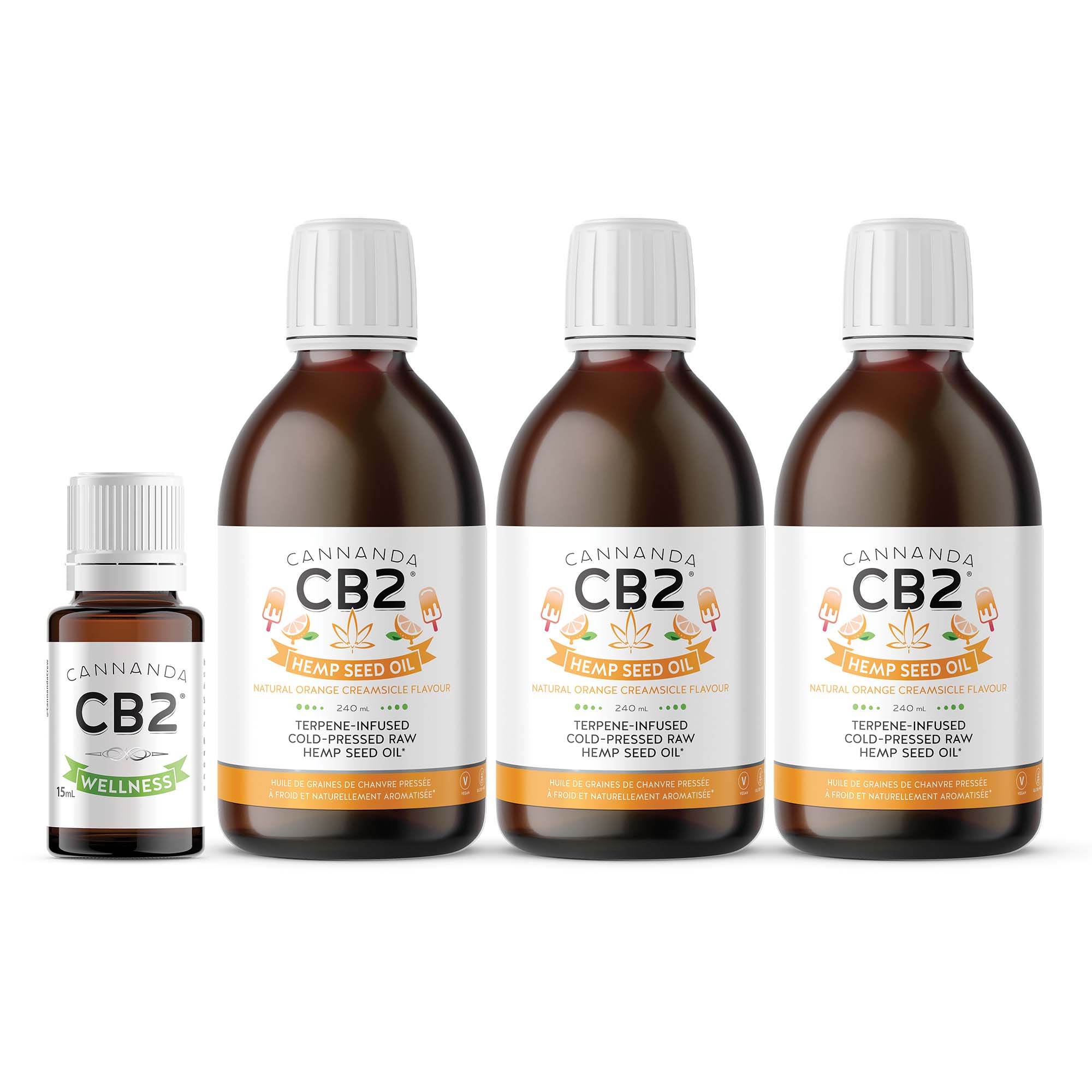
Starting the day with CB2 Hemp Seed Oil mixed into food provides sustained BCP throughout the day for ongoing neuroinflammation reduction. The hemp seed oil's omega-3 fatty acids add anti-neuroinflammatory support independently. This is the "background maintenance" dose that builds cumulative benefit over 2–4 weeks.
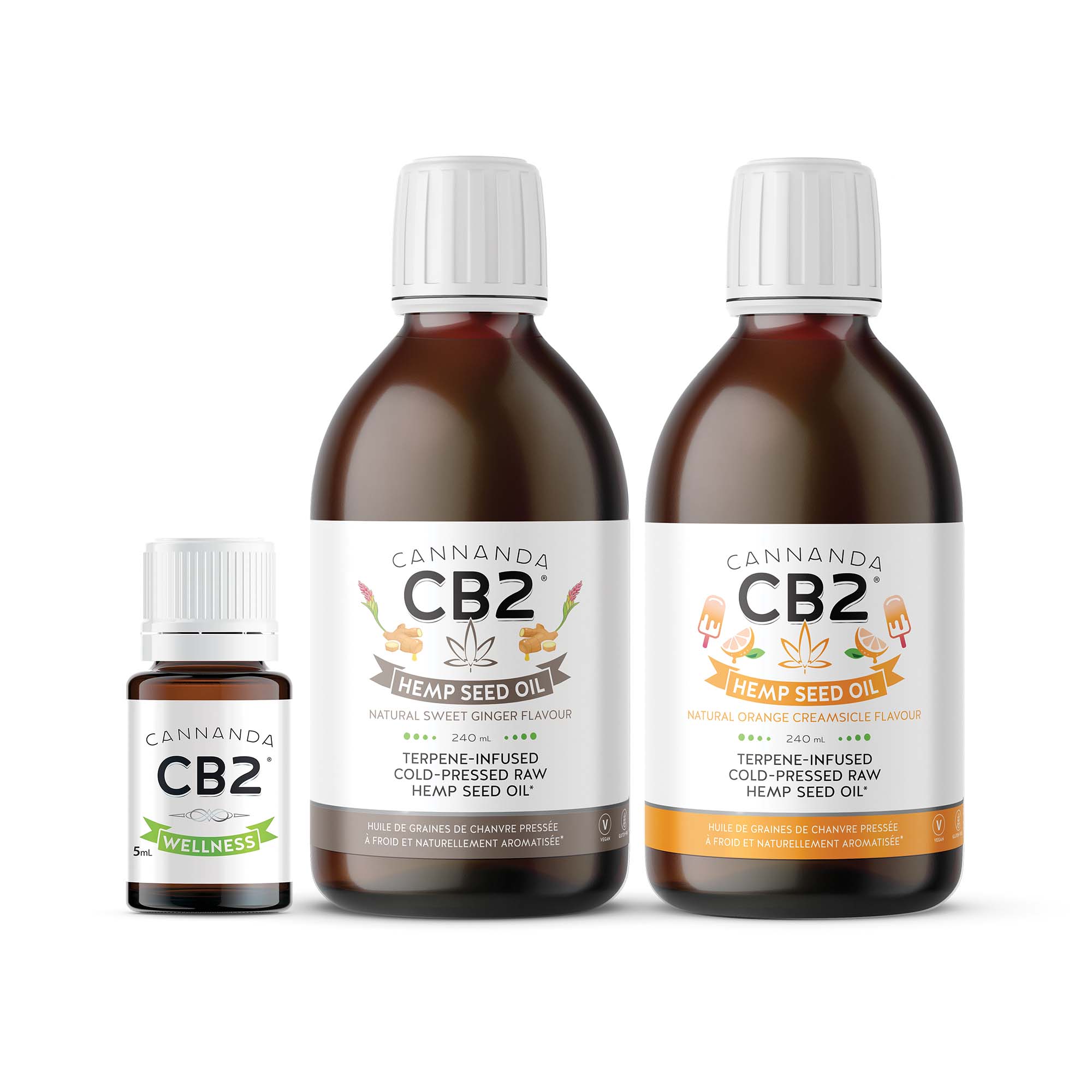
Keep CB2 Wellness accessible at your desk, in your bag, or in your car. Place a few drops on the inside of your wrist and inhale slowly through the nose for 60–90 seconds. Most users notice the "calm but focused" shift within minutes. No crash follows. This is the acute protocol for brain fog moments.
A few drops of High Achievers Focus sublingually, or diffused aromatically during focused work, provides alpha-pinene's acetylcholinesterase inhibition for improved working memory and attention. Can be used alongside CB2 Wellness, the two mechanisms are completely non-overlapping and additive.
Sublingual CB2 Wellness 30–60 minutes before bed supports sleep onset by calming the cortisol and mental arousal that prevent restful sleep. Better sleep architecture means the glymphatic system clears more waste overnight, producing noticeably clearer thinking the following morning.
Some effects (calm focus, reduced stress reactivity) are often noticed within the first few days of use. The deeper neuroinflammatory root causes of chronic brain fog take time to shift, typically 2–4 weeks of consistent daily use for the sustained improvement to become clear. Cannanda's recommended range is 60–120 mg BCP per day; see the complete dosing guide for details.
Calm. Focused. Clear. Without the crash.
CB2 receptor activation for neuroinflammation. Acetylcholinesterase inhibition for sharper thinking. Non-intoxicating. No drug interactions. GRAS-status ingredients.
Frequently Asked Questions
What is Cannanda CB2 Oil?
Cannanda CB2 Oil is a non-cannabis, non-hemp essential oil blend containing beta-caryophyllene (BCP), a natural dietary terpene found in black pepper, cloves, rosemary, and hemp. BCP selectively activates CB2 receptors in the endocannabinoid system, regulating inflammation, immune response, pain perception, and mood. Unlike THC, BCP does not affect CB1 receptors, providing therapeutic effects without intoxication or cognitive impairment.
How does CB2 oil help with brain fog?
Brain fog is primarily driven by neuroinflammation, overactivated microglia producing cytokines that impair neural signalling and neurotransmitter synthesis. BCP activates CB2 receptors on brain microglia, shifting them to a neuroprotective state. This reduces the neuroinflammatory load directly impairing cognitive clarity. BCP also supports HPA axis regulation (reducing cortisol), improves sleep quality through ECS modulation, and supports gut-brain axis health, addressing the four most common root causes of brain fog simultaneously.
How quickly does CB2 oil work for brain fog?
Route matters. Direct aromatic inhalation delivers terpenes to the limbic system via the olfactory pathway within minutes, many users report improved mental clarity and calm focus within seconds to minutes. Sublingual drops are faster than oil taken with food. For the deeper neuroinflammatory root causes of chronic brain fog, consistent daily use over 2–4 weeks produces the most sustained improvement.
What is the difference between CB2 oil and caffeine for brain fog?
Caffeine blocks adenosine receptors to temporarily mask fatigue while actually raising cortisol (worsening the root cause) and disrupting sleep quality. BCP reduces the neuroinflammation and cortisol dysregulation generating brain fog in the first place. The result is a "calm but focused" mental state without jitteriness or crash. Unlike caffeine, which produces tolerance and diminishing returns, BCP's effects remain consistent or improve with consistent daily use.
What is High Achievers Focus and how does it help brain fog?
High Achievers Focus features alpha-pinene, which inhibits acetylcholinesterase, the enzyme that breaks down acetylcholine, the primary neurotransmitter for memory, attention, and executive function. By slowing acetylcholine breakdown, alpha-pinene preserves higher levels critical for cognitive clarity. This is the same mechanism used by leading Alzheimer's medications (donepezil, rivastigmine). Combined with CB2 oil's neuroinflammation reduction, the two products address brain fog through completely different, complementary pathways.
What are the benefits of Cannanda CB2 Oil?
Cannanda CB2 Oil reduces neuroinflammation and the symptoms of stress and anxiety by calming overactive nervous system signals; boosts cognitive function by supporting neurotransmitter balance; improves sleep quality by supporting parasympathetic activity; has anti-inflammatory and antioxidant properties relevant to chronic inflammation; supports immune health especially under stress; helps protect against neurodegeneration by reducing oxidative stress in brain tissue; helps regulate appetite and weight by influencing satiety signals; and supports heart health by supporting healthy blood pressure in stressed individuals.
Is CB2 oil safe to use daily?
Yes. Beta-caryophyllene has FDA GRAS (Generally Recognized As Safe) food-ingredient status. It is non-intoxicating and does not produce a high. It has 28-day and 90-day toxicity studies showing no adverse effects at any dose tested, and no known drug interactions at recommended doses, unlike CBD, which inhibits CYP450 liver enzymes that metabolize most medications. One exception: if you're on a medication with a narrow therapeutic window, talk to your doctor before starting. Daily use is both safe and recommended for best results.
Is CB2 oil safe for athletes who are drug tested?
Yes. Cannanda CB2 oil contains 0% THC and 0% CBD. It is a pure terpene-based product with no cannabinoids and no substances banned under WADA or any sport-specific anti-doping codes. Safe for competitive athletes subject to drug testing.
References
- Gertsch J, et al. (2008). Beta-caryophyllene is a dietary cannabinoid. PNAS, 105(26), 9099–9104.
- Bahi A, et al. (2014). β-Caryophyllene produces multiple behavioral changes relevant to anxiety and depression in mice. Physiology & Behavior, 135, 119–124.
- Scandiffio R, et al. (2024). β-Caryophyllene, a CB2 Receptor Selective Agonist, in Emotional and Cognitive Disorders. Frontiers in Psychiatry, 15.
- Perry NS, et al. (2000). In-vitro inhibition of human erythrocyte acetylcholinesterase by salvia lavandulaefolia essential oil and constituent terpenes. Journal of Pharmacy and Pharmacology, 52(7), 895–902. (Alpha-pinene acetylcholinesterase inhibition.)
- Askari VR & Shafiee-Nick R. (2019). The protective effects of β-caryophyllene on LPS-induced primary microglia M1/M2 imbalance. Life Sciences, 219, 40–73.
- Raison CL & Miller AH. (2011). Is depression an inflammatory disorder? Current Psychiatry Reports, 13(6), 467–475. (Neuroinflammation and cognition.)