Exploring the Neuroprotective Benefits of Beta-Caryophyllene and CB2 Activation in Seizures and Brain Health
When it comes to natural compounds studied for brain health, beta-caryophyllene (BCP) is gaining serious attention. Found in black pepper, cloves, rosemary, and cannabis, it works by activating the CB2 receptor, part of the body's endocannabinoid system. Unlike THC, BCP is selective for CB2 rather than CB1, so it doesn't produce a high. Animal research is showing that CB2 activation may still have a meaningful effect on brain health, particularly around seizure activity, oxidative stress, neuroinflammation, and memory.

Unlike THC, which activates CB1 receptors in the brain and can cause a high, BCP is selective for the CB2 receptor, found mostly outside the brain, especially in the immune system. Here's where it gets interesting: research is showing that CB2 activation can still have a notable effect on brain health, especially around seizures, oxidative stress, neurotoxicity, and memory or learning. Here's what the research shows, broken down in simpler terms.
Four Areas of Preclinical Research
Seizure Support Without the High
Several animal studies have shown that BCP may help reduce the frequency and severity of seizures. In one study with rats experiencing status epilepticus, BCP not only reduced how often seizures occurred, but also protected the blood-brain barrier, a crucial filter that keeps harmful substances out of the brain. In other research, BCP helped reduce seizure severity in mice by lowering oxidative stress. Even more notable, when BCP was combined with a commonly used anti-seizure drug (pregabalin), it worked even better: seizures were less intense and started later than in animals that didn't receive BCP.
Natural Protection Against Oxidative Stress
Oxidative stress is what happens when harmful molecules called free radicals build up in the body and start damaging cells, including brain cells. It's been linked to aging, memory loss, and neurological disease. BCP seems to help by reducing lipid peroxidation, a key marker of oxidative damage in the brain, essentially helping to slow the "rusting" of brain tissue. This antioxidant activity is a big part of why researchers believe BCP could be neuroprotective, meaning it helps protect the brain from damage.
Combating Neurotoxicity and Inflammation
Neurotoxicity refers to things that damage the brain's cells, whether from toxins, inflammation, or disease. BCP shows promise here too. Thanks to its anti-inflammatory and antioxidant action, it reduces glial reactivity (a sign of brain inflammation) and protects mitochondria, the energy producers inside our cells. In models of Dravet Syndrome, a severe form of epilepsy in children, BCP has been shown to reduce inflammation and improve brain function in experimental settings.
Boosting Memory and Cognitive Function
BCP may also help support learning and memory. In one common lab test (the Morris water maze), mice given BCP did better at remembering where to go, showing improved spatial memory. In a Dravet Syndrome model, BCP helped correct memory and behavior problems while also lowering inflammation in the brain.
The Bottom Line
Beta-caryophyllene is more than a pleasant-smelling compound in your spice rack. Its ability to activate CB2 receptors without the intoxicating effects of THC makes it a promising natural compound to study further. Research, while still mostly in early animal-model stages, is showing that BCP may help support the brain against seizure activity, oxidative damage, inflammation, and memory challenges.
As more research unfolds, beta-caryophyllene could become one of the more interesting natural compounds for supporting long-term brain and neurological health.
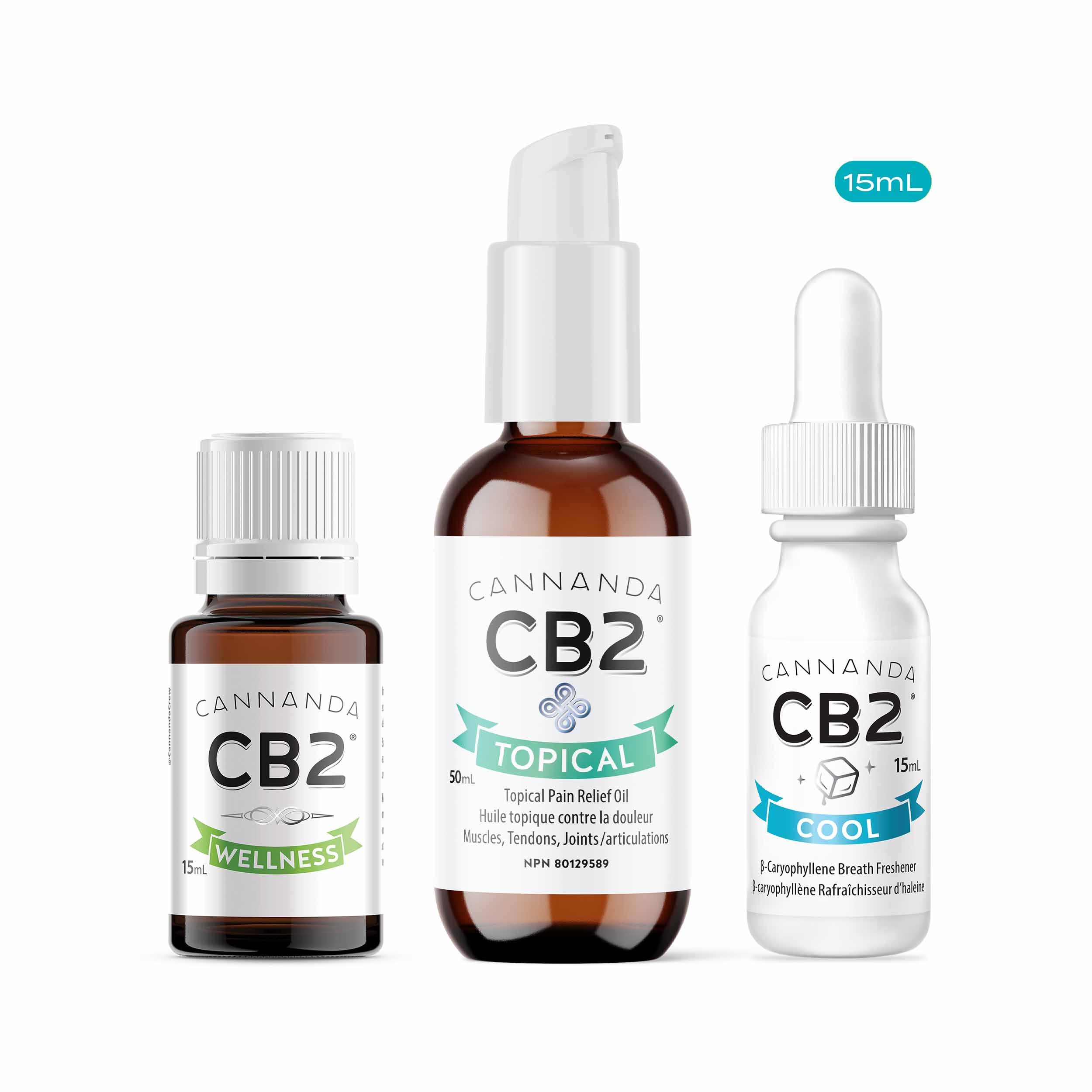
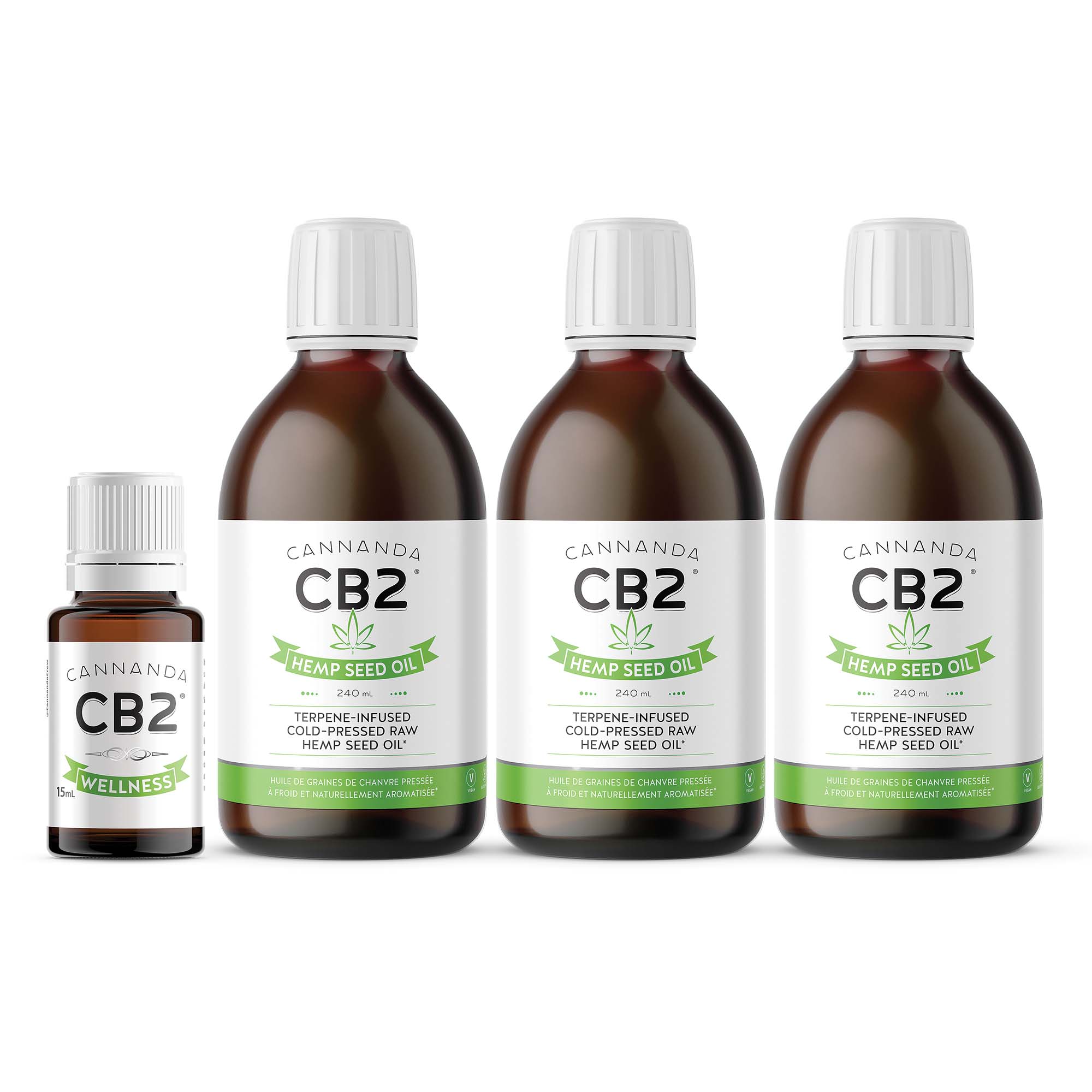
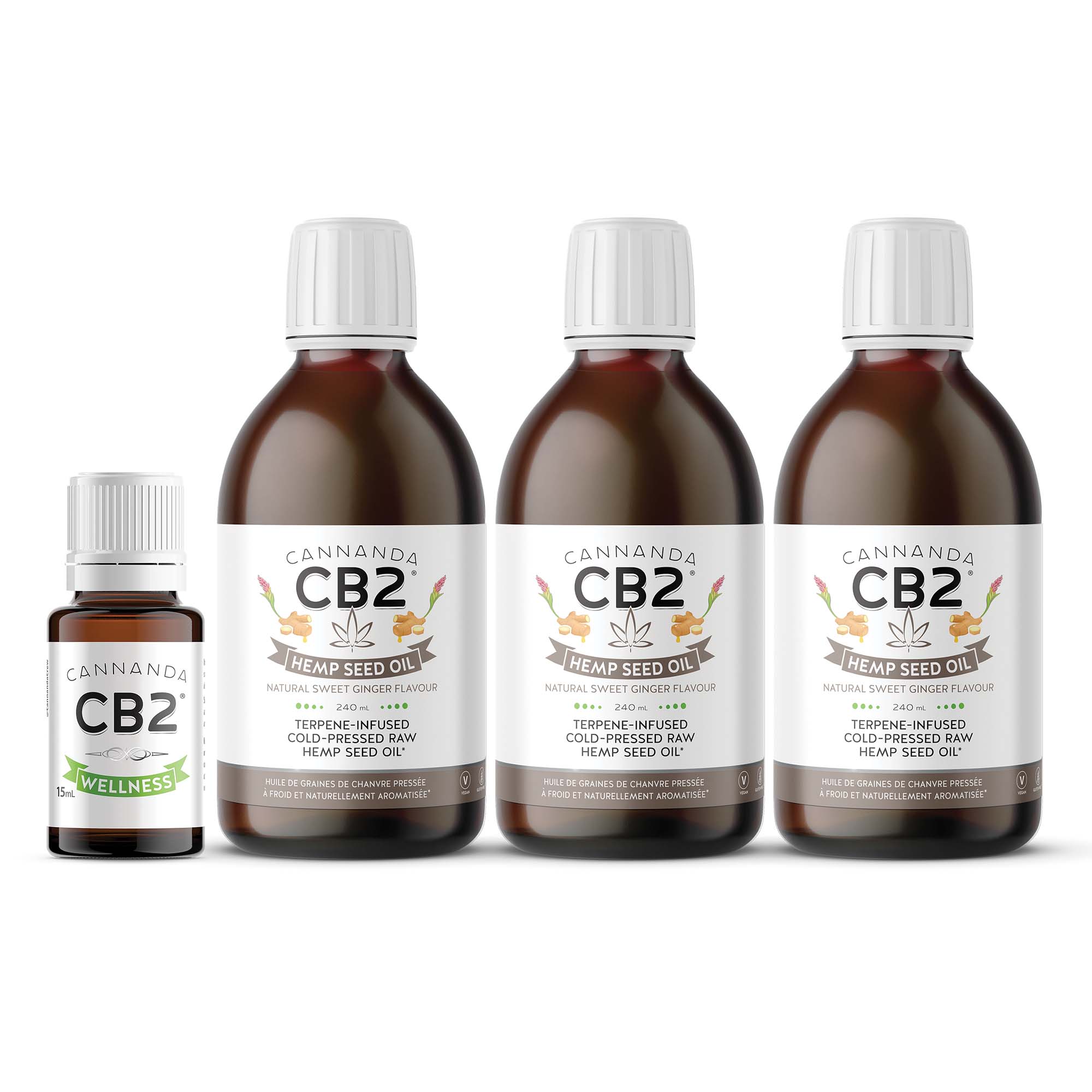
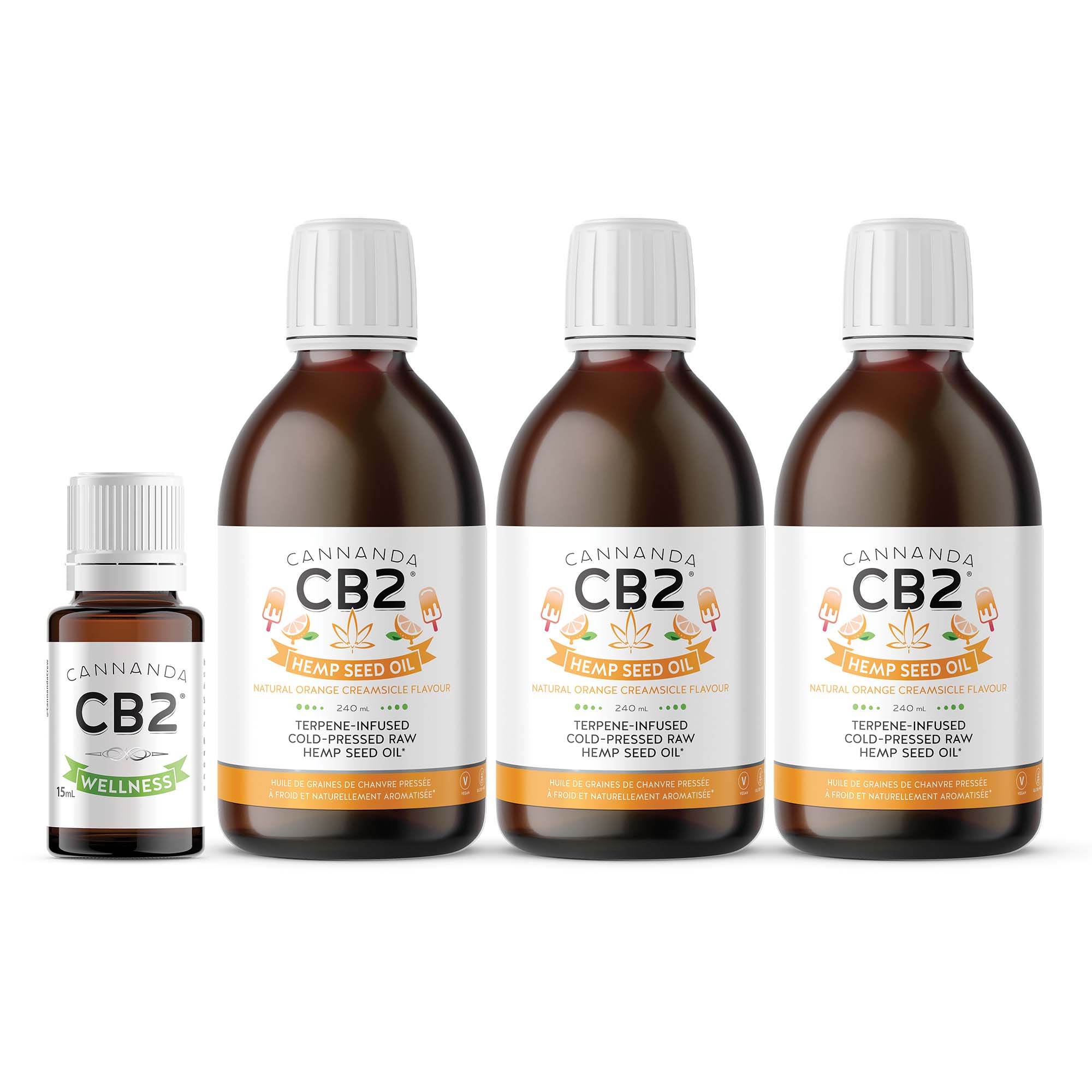
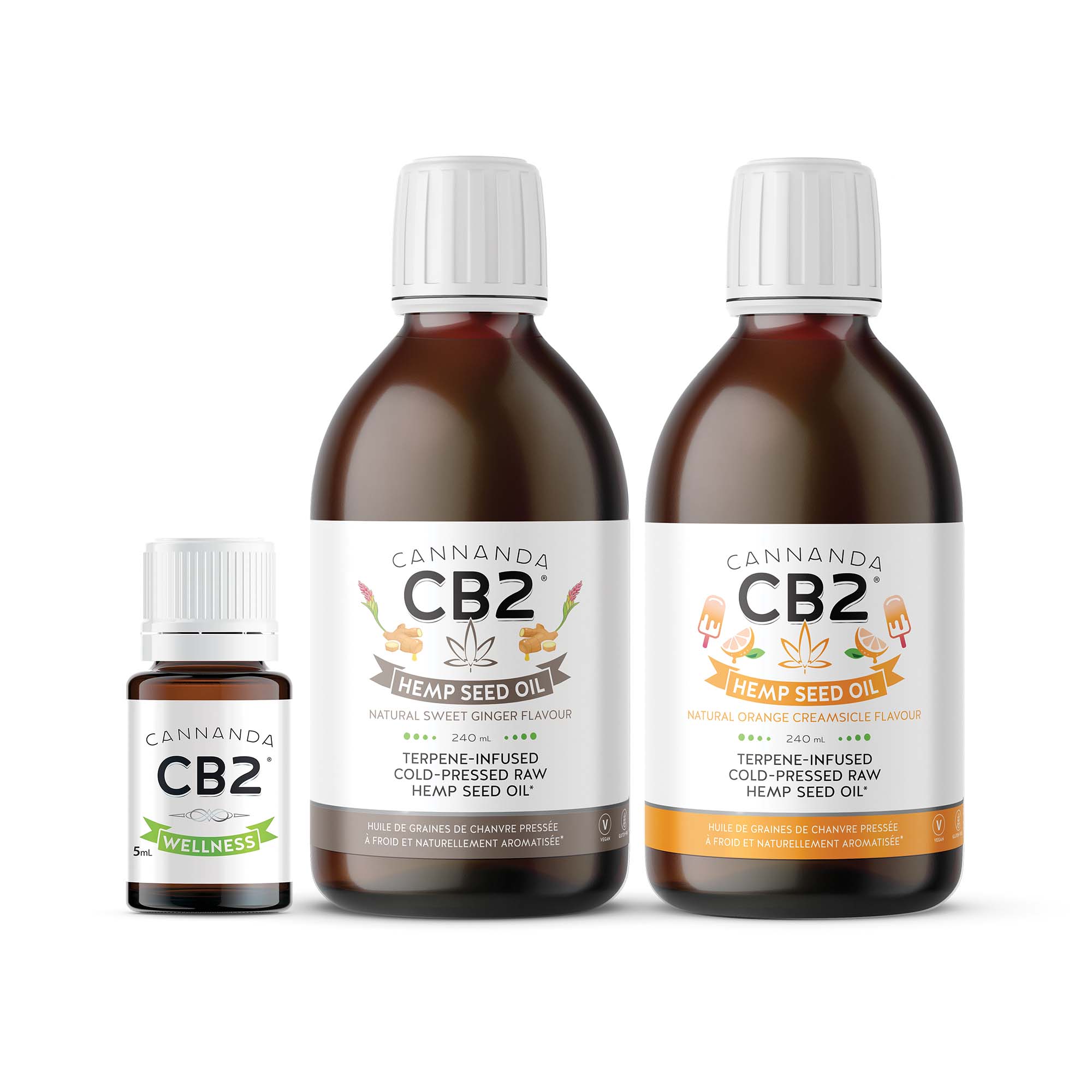
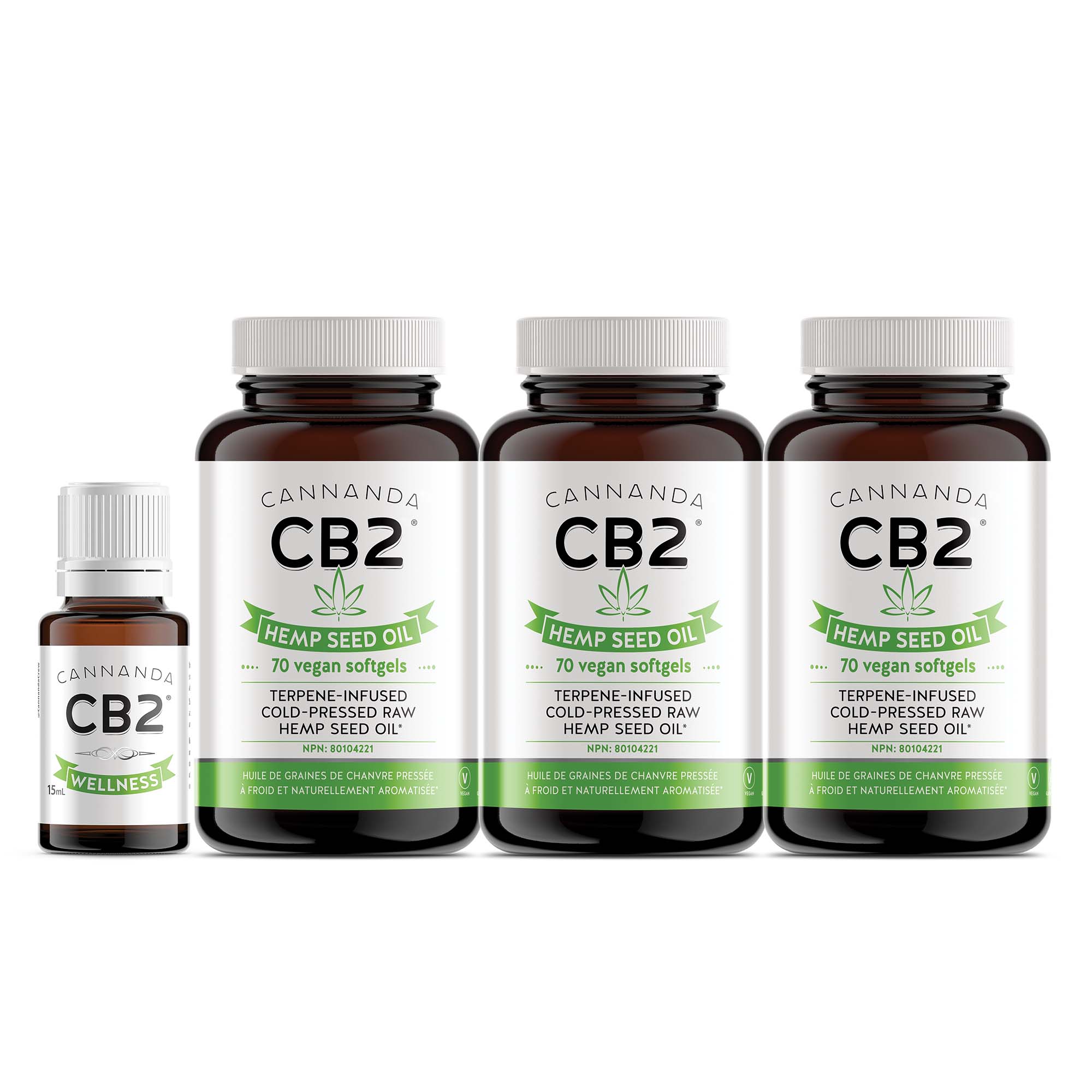
CB2 Wellness
A concentrated beta-caryophyllene terpene blend, non-intoxicating and formulated for whole-body CB2 receptor support.
Shop Cannanda CB2 OilsFrequently Asked Questions
- What is beta-caryophyllene (BCP)?
- Beta-caryophyllene is a natural compound found in plants like black pepper, cloves, and cannabis. It selectively activates CB2 receptors, which are primarily located in the immune system but also present in the brain, particularly on microglia. Unlike THC, BCP does not produce a "high" and is being studied for its neuroprotective effects.
- How does BCP affect seizures?
- Research indicates that BCP can reduce the frequency and severity of seizures in animal studies. BCP treatment led to fewer short-term recurrent seizures following status epilepticus and reduced seizure severity in models induced by pentylenetetrazol (PTZ). It also helped protect the blood-brain barrier, which is important for maintaining brain health.
- Does BCP have antioxidant properties?
- Yes, BCP exhibits antioxidant effects by reducing oxidative stress in the brain. It helps decrease lipid peroxidation, a marker of oxidative damage, protecting brain cells from free radical-induced injury.
- How does CB2 activation contribute to brain health?
- CB2 receptor activation plays a role in modulating inflammation and immune responses in the brain. While CB2 receptors are less abundant in the brain than CB1 receptors, they're expressed on microglia and certain neurons, and up-regulated when neurons face inflammation or a biological challenge, suggesting a functional role in central nervous system health.
- Is BCP safe for human use?
- BCP is generally considered safe when used appropriately. It's non-intoxicating and does not produce psychoactive effects. At recommended doses it doesn't appear to interact with medications the way CBD sometimes can. The one exception is medications with a narrow therapeutic window, including certain anti-seizure medications. If that applies to you, talk to your doctor before starting BCP.
- Can BCP replace my prescribed anti-seizure medication?
- No. This research is preclinical and BCP is a natural health product, not a drug. It should never be used as a substitute for prescribed seizure treatment. Any changes to a seizure management plan should be made with a neurologist.
Support Brain Health the Natural Way
CB2 Wellness is formulated around a single, well-studied mechanism: selective CB2 receptor activation.
Shop Cannanda CB2 OilsReferences
- Gertsch J, Leonti M, Raduner S, et al. Beta-caryophyllene is a dietary cannabinoid. Proc Natl Acad Sci USA. 2008;105(26):9099-9104. DOI: 10.1073/pnas.0803601105
- Studies on BCP and status epilepticus, blood-brain barrier protection, and seizure severity in animal models. PubMed 35300975
- CB2 receptor expression on microglia and central nervous system function. Cannabinoid receptor 2 overview
- Klauke AL, Racz I, Pradier B, et al. The cannabinoid CB2 receptor-selective phytocannabinoid beta-caryophyllene exerts analgesic effects in mouse models of inflammatory and neuropathic pain. Eur Neuropsychopharmacol. 2014;24(4):608-620. DOI: 10.1016/j.euroneuro.2013.10.008