- Women recently diagnosed with PCOS or PMOS, or waiting on a diagnosis
- Anyone managing PMOS-related symptoms — irregular cycles, acne, weight, mood, or fatigue
- People looking for natural options that work alongside (not instead of) medical care
- Anyone who wants to understand how BCP and hemp seed oil fit into a PMOS protocol
- We wrote this article because women have been telling us Cannanda CB2 oils are helping with their PCOS symptoms. The PMOS rename gave us the right moment to dig into the science and explain why that might be.
- PCOS was officially renamed PMOS (Polyendocrine Metabolic Ovarian Syndrome) on May 12, 2026, to reflect that it's a complex, full-body condition, not just a reproductive one.
- PMOS involves chronic hormonal disruption, insulin resistance, systemic low-grade inflammation, skin issues, and mental health burden, all interconnected.
- Beta-caryophyllene (BCP) is a food-grade terpene that activates CB2 receptors and PPAR-γ, both directly relevant to the core drivers of PMOS.
- Research shows BCP may support insulin sensitivity, healthy inflammation response, mood, and skin health, all areas PMOS affects.
- This article covers 10 natural approaches and 5 conventional treatments, with a side-by-side comparison chart for every option.
PCOS Was Just Renamed. Here's What PMOS Really Is — and a Complete Guide to Natural and Conventional Approaches
Over the past few years, we've been hearing from women managing PCOS that Cannanda CB2 oils seem to be helping them. Better energy, reduced pain, improved mood, clearer skin. The specifics vary, but the pattern kept showing up. Rather than accepting those reports at face value, we wanted to understand the science behind why that might be.
The answer involves the endocannabinoid system, inflammatory signaling, insulin metabolism, and a set of biological pathways that sit right at the center of what PCOS actually is. When PCOS was officially renamed PMOS on May 12, 2026, it added even more context for why BCP is worth taking seriously for this condition.1
The rename, from Polycystic Ovary Syndrome to Polyendocrine Metabolic Ovarian Syndrome, reflects how medicine now officially understands this condition. PMOS is not primarily a reproductive disorder with some metabolic side effects. It's a complex, multi-system condition involving chronic inflammation, insulin resistance, and hormonal imbalance across multiple systems, including the endocannabinoid system that BCP works through.
This article maps that out: what PMOS actually is, what's driving it at a biological level, why BCP may be providing support for some of the women sharing their experiences with us, and a complete breakdown of every well-supported natural and conventional approach with a side-by-side comparison chart.
What PMOS Really Is
The rename from PCOS to PMOS was the result of an 11-year global effort involving about 22,000 people: doctors, researchers, patients, and advocacy organizations worldwide. It's been called the most extensive disease-renaming process in medical history.2
The old name had two core problems. First, the "cysts" it referenced aren't actually pathological cysts, and not all women with the condition have visible ovarian cysts. Second, calling it a "syndrome" of the ovary buried the real picture: this is a condition rooted in hormonal and metabolic dysfunction affecting the entire body.1
The new name (Polyendocrine Metabolic Ovarian Syndrome) builds in three things the old name ignored: the multiple hormones involved, the metabolic dimension, and the distinction between "ovarian involvement" vs. "a disease of the ovaries." An estimated 70% of the 170+ million women affected worldwide don't know they have it, partly because the old name pointed clinicians toward looking for cysts.2
Elevated androgens (testosterone, androstenedione) disrupt ovulation, drive acne and unwanted hair growth, and dysregulate other hormones throughout the endocrine system.
Most people with PMOS have some degree of insulin resistance, which drives weight gain, fatigue, and worsens androgen overproduction (a reinforcing cycle).
Elevated cholesterol, vascular inflammation, and metabolic dysfunction significantly increase long-term cardiovascular risk, one of the most underappreciated features of PMOS.
Anxiety and depression are significantly more prevalent in people with PMOS — not just as a reaction to symptoms, but as part of the underlying neuroinflammatory picture.
Excess androgens drive sebum overproduction, acne, and hirsutism. Inflammatory skin conditions like eczema are also more common.
An estimated 70% of people with PMOS don't know they have it, partly because the old name led clinicians to look for cysts, and miss the metabolic and hormonal markers.
The Inflammatory Driver That Connects Everything
The official PMOS rename emphasizes the hormonal and metabolic dimensions. But to understand why those features persist, you need to look at what's driving them. The peer-reviewed literature consistently points to one underlying mechanism: chronic low-grade systemic inflammation.
This isn't a peripheral feature. Multiple peer-reviewed journals identify chronic low-grade inflammation as a central pathological driver in PMOS. Inflammatory markers (CRP, TNF-α, IL-6, and IL-18) are consistently elevated in women with PMOS compared to age- and BMI-matched controls.3
The key molecular pathway is NF-κB, a protein complex that acts as a master switch for inflammatory signaling. When NF-κB is chronically activated (as it is in PMOS), it drives pro-inflammatory cytokines that amplify insulin resistance, increase androgen production in ovarian theca cells, and disrupt normal follicular development.5 This is a loop: inflammation worsens androgens, androgens worsen inflammation, insulin resistance amplifies both.
Any natural approach that meaningfully calms this inflammatory state has the potential to benefit multiple features of PMOS at once. That's exactly where BCP becomes compelling.
Why No Single Approach Is Enough
PMOS is multi-system by definition. Addressing one lever (insulin, androgens, or inflammation) while leaving the others untouched rarely changes the underlying trajectory. That's true whether you're using natural approaches or conventional medicine. The hormonal dysfunction, metabolic dysfunction, inflammatory state, and psychological burden are all connected and mutually reinforcing.
The following sections walk through what's available in both categories: natural approaches with the strongest evidence base for PMOS, followed by a clear-eyed summary of conventional treatments. A comprehensive comparison chart maps everything side by side so you can see exactly what each option addresses.
Natural Approaches Worth Knowing About
The following 10 options have the strongest research relevance to PMOS among natural health approaches. BCP receives the most detailed treatment because its mechanisms align most directly with the condition's , but every option here is included because it has genuine, defensible science behind it.
Beta-Caryophyllene (BCP) — The Multi-Target Terpene
CB2 Agonist PPAR-γ Activator NF-κB Suppressor Food-Grade 0% THC / 0% CBD Non-IntoxicatingBeta-caryophyllene is a bicyclic sesquiterpene found in black pepper, cloves, copaiba, and other food plants. What makes it unique is that it's the only known food-derived compound that selectively activates CB2 receptors in the endocannabinoid system (a discovery published in PNAS by Gertsch et al. in 2008).6 CB2 receptors are the endocannabinoid system's anti-inflammatory arm. Activating them calms inflammatory signaling, modulates immune response, and influences metabolic pathways, without any intoxicating effect.
- Suppresses NF-κB: BCP directly downregulates the master inflammatory switch driving chronic inflammation in PMOS, significantly reducing TNF-α, IL-6, and IL-1β, the same cytokines elevated in PMOS.7,8
- Improves insulin resistance via CB2 + PPAR-γ: In animal models of diet-induced metabolic disruption, BCP improved glycemic parameters, reduced insulin resistance, and normalized metabolic markers through CB2 and PPAR-γ activation.9
- Improves lipid profile and vascular health: BCP improved dyslipidemia and reduced vascular inflammation through CB2 and PPAR-γ, outperforming pioglitazone (a common insulin-sensitizing drug) on anti-inflammatory and anti-atherosclerotic measures in one study.10
- PPAR-γ in the ovary: PPAR-γ is expressed in ovarian granulosa cells and directly regulates steroidogenesis and follicular development.11 In PCOS animal models, NF-κB inhibition (the same pathway BCP suppresses) has been associated with reduced testosterone.12
- Reduces anxiety and supports mood: BCP's CB2 activation produces anxiolytic and antidepressant effects through upregulation of BDNF and reduction of neuroinflammation.13
- Supports skin health: A comprehensive 2025 review confirmed that BCP as a CB2 agonist consistently suppresses NF-κB in the skin and has shown benefits for atopic dermatitis, psoriasis, and acne.14
Hemp Seed Oil — GLA and the Hormonal Fatty Acid
GLA Source Omega 3:6 Balance 0% THC / 0% CBDHemp seed oil (pressed from hemp seeds, not flowers) contains no THC and no CBD. Its nutritional relevance to PMOS comes from gamma-linolenic acid (GLA), an omega-6 fatty acid that serves as a precursor to Prostaglandin E1, a compound that helps modulate prolactin effects and supports healthy inflammation in hormonal tissue.15 Clinical data shows GLA reduces PMS symptoms including mood swings, breast tenderness, and cramping.16 Hemp seed oil also provides an optimal 3:1 omega-6:omega-3 ratio supporting cardiovascular health and healthy systemic inflammation. When paired with BCP, it adds a complementary fatty acid layer alongside BCP's receptor-level signaling.
Myo-Inositol — The Most Studied Natural Option for PMOS
Multiple RCTs Insulin Sensitivity FertilityMyo-inositol has the deepest clinical evidence base of any natural supplement for PCOS/PMOS. It plays a direct role in insulin signaling and multiple RCTs and meta-analyses have shown it improves insulin sensitivity, reduces androgen levels, helps restore ovulatory cycles, and improves fertility outcomes including IVF success rates. The 40:1 myo-inositol to D-chiro-inositol ratio mimics the body's natural ratio and performs best in clinical settings. For women managing fertility as well as metabolic symptoms, this is a first-line natural option.
Note: Cannanda does not currently carry myo-inositol. It's included here because this is a comprehensive resource, not just a product guide.
Berberine — The Metabolic Plant Compound
Insulin Resistance AMPK Activator LipidsBerberine is a plant alkaloid that activates AMPK, a metabolic regulator involved in glucose and lipid metabolism. Some clinical trials have shown it is comparable to metformin for improving insulin resistance and lipid profiles in women with PCOS, with better GI tolerability in some patients. It also has modest anti-inflammatory activity via NF-κB suppression. For women with significant insulin resistance who want a non-prescription metabolic option, berberine has a strong case.
Note: Cannanda does not currently carry berberine. Included for completeness.
N-Acetyl Cysteine (NAC) — The Antioxidant with Testosterone Data
Meta-analysis Evidence Antioxidant TestosteroneNAC is an acetylated form of the amino acid L-cysteine and a key precursor to glutathione, the body's primary antioxidant. In PMOS, oxidative stress is chronically elevated and directly worsens insulin resistance and androgen production. NAC targets this mechanism. A meta-analysis of 18 RCTs involving over 2,000 women with PCOS found NAC significantly reduced total testosterone and had positive effects on reproductive outcomes. A separate meta-analysis found NAC improved pregnancy rate versus placebo (OR 3.97) and reduced fasting insulin. In head-to-head studies, it performed comparably to metformin on metabolic parameters with fewer gastrointestinal side effects.17 Widely available, inexpensive, well-tolerated. Studied dose: 1.2–1.8 g/day.
Spearmint Tea — The Anti-Androgen You Drink
RCT Evidence Anti-Androgenic TestosteroneSpearmint is one of the few herbal interventions for PMOS with genuine RCT data. A 2010 RCT of 42 women found two cups of spearmint tea daily for 30 days produced significant reductions in free and total testosterone. A 2024 RCT in the Journal of the Academy of Nutrition and Dietetics (150 participants, 12 weeks) confirmed a statistically significant trend in androgen modulation in PCOS patients.18 Spearmint appears to work by inhibiting 5-alpha reductase and reducing adrenal androgen production, not just masking symptoms. Effect size is modest compared to pharmaceutical anti-androgens. Visible hair changes require 3–6 months of consistent use. Best suited for androgen-driven symptoms (acne, hirsutism); less useful for insulin resistance as a standalone.
Omega-3 Fatty Acids (EPA/DHA) — Inflammation and Cardiovascular
Strong Cardiovascular Evidence EPA / DHA InflammationOmega-3 fatty acids (EPA and DHA from marine sources) have well-established roles in reducing systemic inflammation, lowering triglycerides, and supporting cardiovascular , all areas of genuine concern in PMOS. Multiple meta-analyses show omega-3 supplementation reduces triglycerides, total cholesterol, and LDL while improving insulin sensitivity markers in women with PCOS. Emerging evidence also supports mood benefits, with EPA showing antidepressant , which is directly relevant given the elevated anxiety and depression burden in PMOS.
Important: Plant-based ALA (flaxseed, chia, hemp) does not effectively provide EPA and DHA. Effective omega-3 support for PMOS requires marine-sourced EPA/DHA (fish oil or algal oil for vegans).
Magnesium — The Deficiency Most PMOS Patients Have
Widely Deficient in PMOS Insulin Sensitivity MoodMagnesium deficiency is significantly more common in women with PCOS than in the general population, and lower magnesium is associated with worse insulin resistance, higher androgen levels, and more pronounced psychological symptoms. Supplementation in magnesium-deficient PCOS patients improves insulin sensitivity, reduces CRP, and supports mood and sleep quality. Magnesium plays a role in over 300 enzymatic reactions including glucose metabolism and steroid hormone synthesis. It's one of the most cost-effective and broadly beneficial additions to any PMOS protocol because it addresses a common underlying deficiency. Use magnesium glycinate or bisglycinate for best absorption and . Oxide forms are poorly absorbed.
Vitamin D — Fix the Deficiency First
65–85% of PMOS Patients Deficient Insulin AndrogensVitamin D acts more like a hormone than a vitamin: it regulates insulin secretion, modulates immune function, and plays a role in ovarian follicular development. Deficiency is extremely prevalent ; studies find 65–85% of women with the condition have insufficient levels. Multiple RCTs show that supplementation in deficient women with PCOS improves insulin sensitivity, reduces testosterone, improves menstrual regularity, and reduces inflammatory markers. The effect is strongest in those who were actually deficient, making testing before supplementing worthwhile. Therapeutic doses for correcting deficiency (typically 2,000–5,000 IU daily) should be guided by a healthcare provider.
Zinc — Androgen Metabolism and Skin
5-Alpha Reductase Inhibitor Acne RCTs HirsutismZinc inhibits 5-alpha reductase, the enzyme that converts testosterone into its more potent form, DHT, which is the primary driver of acne, hirsutism, and androgenic hair loss. RCTs have shown zinc supplementation reduces free and total testosterone, improves hirsutism scores, and reduces inflammatory acne in women with PCOS. Mild zinc deficiency is relatively common in PMOS. Studied dose: 25–50 mg elemental zinc daily. Take with food to reduce nausea. Long-term high-dose zinc depletes copper, so pair with 1–2 mg copper for extended use.
Conventional Treatments for PMOS
Conventional medicine has real tools for PMOS and working with a qualified healthcare provider matters. These five options represent the current standard-of-care landscape. Each one is presented : what it does well and where it falls short.
Oral Contraceptives (Combined Pill)
What it does: The combined pill suppresses LH and reduces ovarian androgen production. The synthetic estrogen increases sex hormone binding globulin (SHBG), which binds and inactivates free testosterone. This produces meaningful reductions in acne, hirsutism, and cycle irregularity.
What it doesn't do: OCPs don't address insulin resistance, inflammation, or the underlying metabolic dysfunction driving PMOS. They suppress symptoms while you're taking them. When you stop, symptoms typically return. Not appropriate for women trying to conceive.
Limitations: Mood changes, reduced libido, blood clot risk (particularly with certain formulations), and contraindication in smokers over 35 or those with migraine with aura.
Metformin
What it does: Metformin reduces hepatic glucose production and improves peripheral insulin sensitivity via AMPK activation. Reducing insulin resistance secondarily lowers androgen production, can restore more regular ovulation, and reduces long-term diabetes risk. It has decades of safe use in PCOS.
What it doesn't do: Metformin is a metabolic drug; it doesn't address inflammation, mood, or skin directly. Compared to inositol in some trials, its effect on fertility outcomes has been modest.
Limitations: GI side effects are common (nausea, diarrhea). Extended-release formulations reduce this. Long-term use depletes vitamin B12; monitoring is recommended.
Anti-Androgens (Spironolactone, Bicalutamide)
What it does: Spironolactone blocks androgen receptors and reduces adrenal androgen production, directly addressing hirsutism, acne, and androgenic hair loss. Bicalutamide is a newer anti-androgen used off-label in PMOS with a better side effect profile than spironolactone in some patients and growing clinical evidence.
What it doesn't do: Anti-androgens address the expression of androgen excess, not the metabolic and inflammatory drivers behind it. Symptoms return when stopped. Not appropriate for women trying to conceive.
Limitations: Spironolactone requires reliable contraception (teratogenic) and can cause dizziness, breast tenderness, and potassium retention. Regular electrolyte monitoring required.
Letrozole and Clomiphene — Ovulation Induction
What it does: Letrozole (aromatase inhibitor) and clomiphene (SERM) are first-line medications for inducing ovulation in women with PMOS trying to conceive. Letrozole has largely replaced clomiphene as the preferred agent, with higher live birth rates in most PCOS trials. Both work by temporarily disrupting estrogen feedback to the pituitary, triggering FSH release and stimulating follicular development.
What it doesn't do: These are fertility treatments, not ongoing PMOS management tools. They don't address insulin resistance, inflammation, or long-term health outcomes.
Limitations: Multiple pregnancy risk. Requires monitoring by a reproductive specialist. Clomiphene can thin the endometrial lining. Letrozole is off-label for fertility in some jurisdictions.
GLP-1 Receptor Agonists (Semaglutide, Liraglutide)
What it does: GLP-1 receptor agonists (Ozempic/Wegovy brand semaglutide; Victoza/Saxenda brand liraglutide) are emerging as a meaningful option for PMOS patients with significant metabolic burden. A 2024 meta-analysis of RCTs found GLP-1 agonists in PCOS women with obesity significantly reduced BMI, waist circumference, triglycerides, and total testosterone. A prospective RCT found semaglutide combined with metformin outperformed metformin alone on weight loss, insulin resistance, inflammatory markers, menstrual regularity, and natural pregnancy rates.19
What it doesn't do: Most relevant for PMOS patients with significant obesity or metabolic syndrome. Their role in lean PMOS is less clear. Not indicated specifically for PMOS in Canada; access depends on qualifying BMI criteria and insurer coverage.
Limitations: Nausea and GI side effects especially when starting. High cost. Requires 2-month washout before attempting conception. Weight typically returns when stopped without lasting lifestyle changes.
PMOS Treatment Comparison: 15 Options Side by Side
This chart maps every approach covered in this article against the key features of PMOS. Use it to understand what each option addresses, where the evidence is strongest, and what the honest limitations are. It's a starting point for a conversation with your healthcare provider, not a replacement for one.
| Option | Insulin Resistance | Androgen Excess | Inflammation | Mood / Anxiety | Skin / Hair | Weight | Cycles / Fertility | Cardiovascular | Evidence Level | Rx? | Key Limitations |
|---|---|---|---|---|---|---|---|---|---|---|---|
| Natural Approaches | |||||||||||
| Beta-Caryophyllene (BCP) Natural |
⬤ | ⚪ | ⬤ | ⬤ | ⬤ | ⬤ | ⚪ | ⬤ | Preclinical + Mechanistic | No | No significant known side effects; no human PMOS trials yet |
| Hemp Seed Oil (GLA) Natural |
⚪ | ⚪ | ⬤ | ⚪ | ⬤ | ⚪ | ⚪ | ⬤ | Limited RCTs (GLA/PMS) | No | Very well tolerated; calorie-dense |
| Myo-Inositol Natural |
⬤⬤ | ⬤⬤ | ⚪ | ⬤ | ⬤ | ⬤ | ⬤⬤ | ⬤ | No | Mild GI at high doses; use 40:1 myo:D-chiro ratio | |
| Berberine Natural |
⬤⬤ | ⬤ | ⬤ | — | ⚪ | ⬤⬤ | ⬤ | ⬤ | RCTs (metformin-comparable) | No | GI side effects; avoid in pregnancy |
| N-Acetyl Cysteine (NAC) Natural |
⬤⬤ | ⬤⬤ | ⬤ | ⚪ | ⬤ | ⚪ | ⬤⬤ | ⚪ | No | Generally safe; affordable; 1.2–1.8 g/day | |
| Spearmint Tea Natural |
— | ⬤ | ⚪ | — | ⬤ | — | ⚪ | — | RCTs (small; modest effect) | No | Very safe; slow-acting (3–6 months for hair changes) |
| Omega-3 (EPA/DHA) Natural |
⬤ | ⚪ | ⬤⬤ | ⬤ | ⚪ | ⚪ | ⚪ | ⬤⬤ | No | Plant-source ALA doesn't provide EPA/DHA; fish burp; clotting at high dose | |
| Magnesium Natural |
⬤ | ⚪ | ⬤ | ⬤ | ⚪ | ⚪ | ⚪ | ⬤ | RCTs (in deficient populations) | No | Laxative at high doses; use glycinate form |
| Vitamin D Natural |
⬤ | ⬤ | ⬤ | ⬤ | ⚪ | ⚪ | ⬤ | ⚪ | RCTs (benefit strongest when deficient) | No | Test before supplementing; 65–85% of PMOS patients are deficient |
| Zinc Natural |
⚪ | ⬤ | ⬤ | ⚪ | ⬤⬤ | — | ⚪ | ⚪ | RCTs (acne, hirsutism, testosterone) | No | Take with food; pair with copper for long-term use |
| Conventional Treatments (Prescription) | |||||||||||
| Oral Contraceptive Pill Prescription |
— | ⬤⬤ | — | ⬤ | ⬤⬤ | — | — | — | Yes | Symptoms return on stopping; mood effects; blood clot risk; no metabolic benefit | |
| Metformin Prescription |
⬤⬤ | ⬤ | ⚪ | — | ⚪ | ⬤ | ⬤ | ⬤ | Yes | GI side effects; B12 depletion long-term | |
| Anti-Androgens (Spiro/Bicalutamide) Prescription |
— | ⬤⬤ | — | — | ⬤⬤ | — | — | — | RCTs (hirsutism, acne) | Yes | Requires contraception; electrolyte monitoring; symptoms return when stopped |
| GLP-1 Agonists (Semaglutide) Prescription |
⬤⬤ | ⬤ | ⬤ | — | ⚪ | ⬤⬤ | ⬤ | ⬤ | Growing RCT evidence (PCOS + obesity) | Yes | Nausea; high cost; 2-month washout pre-conception; weight returns if stopped |
| Letrozole / Clomiphene Prescription |
— | — | — | — | — | — | ⬤⬤ | — | Yes | Fertility use only; multiple pregnancy risk; requires specialist monitoring | |
Evidence legend: ⬤⬤ = strong (multiple RCTs or systematic review/meta-analysis) | ⬤ = some (limited RCTs or strong preclinical) | ⚪ = indirect/mechanistic | — = not a primary target.
This chart is for educational purposes only. Evidence quality and clinical applicability vary. No single approach addresses all features of PMOS. Always work with a healthcare provider familiar with your individual presentation.
A Practical Daily Protocol
Natural support for PMOS works best as a consistent daily practice. Here's a straightforward protocol built around BCP and , the two products with the most relevant mechanisms available through Cannanda.
-
Morning: CB2 Wellness (BCP) Take your daily dose of CB2 Wellness in the morning. Consistency matters more than timing. BCP needs to build a consistent pattern of CB2 receptor engagement. Intermittent use limits effectiveness. Aim for 60–120 mg BCP per day as a starting point.
-
With a meal: CB2 Hemp Seed Oil Take CB2 Hemp Seed Oil with a meal that contains some fat to support GLA absorption. Taking it consistently with meals makes the habit easier to maintain.
-
Consider the chart above If insulin resistance or fertility is a primary concern, the chart shows that myo-inositol and NAC have the deepest RCT evidence for those outcomes. BCP and hemp seed oil address different parts of the picture. Many people use a combination approach, and always let your healthcare provider know what you're taking.
-
Give it 4–6 weeks Natural compounds working through metabolic and inflammatory pathways don't produce overnight changes. Track 2–3 specific symptoms you care about to get a clear read on what's shifting.
The Hormone Balance Bundle
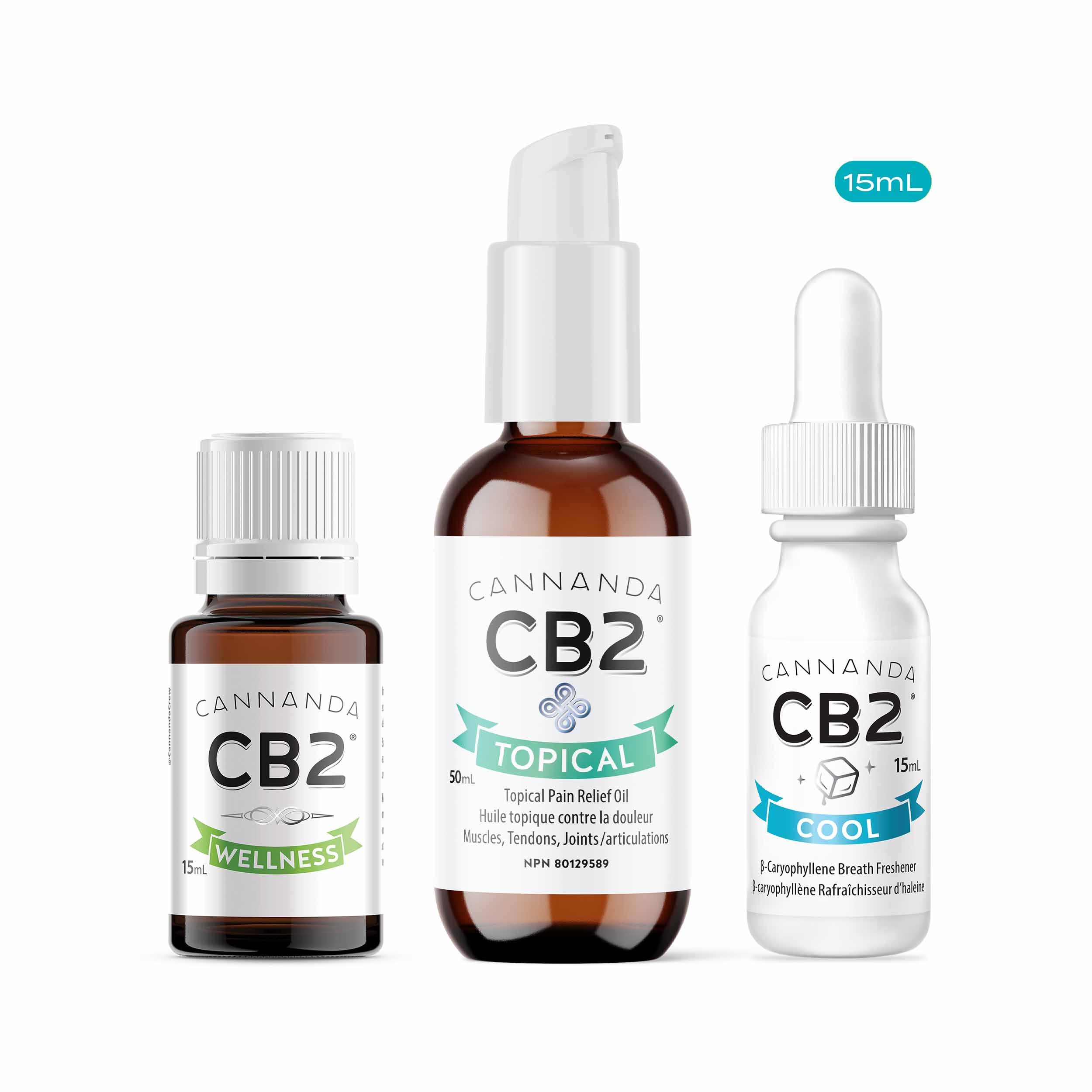
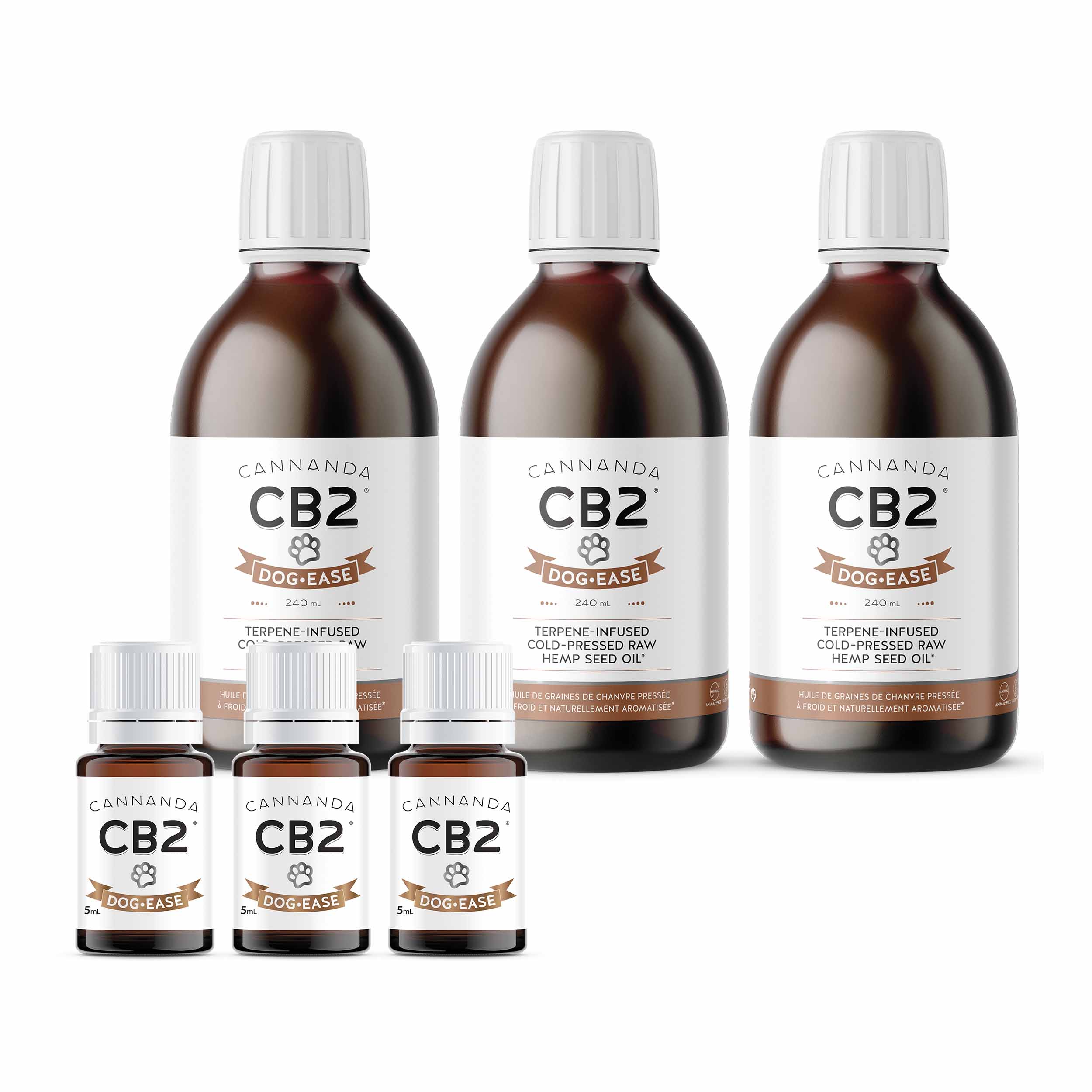
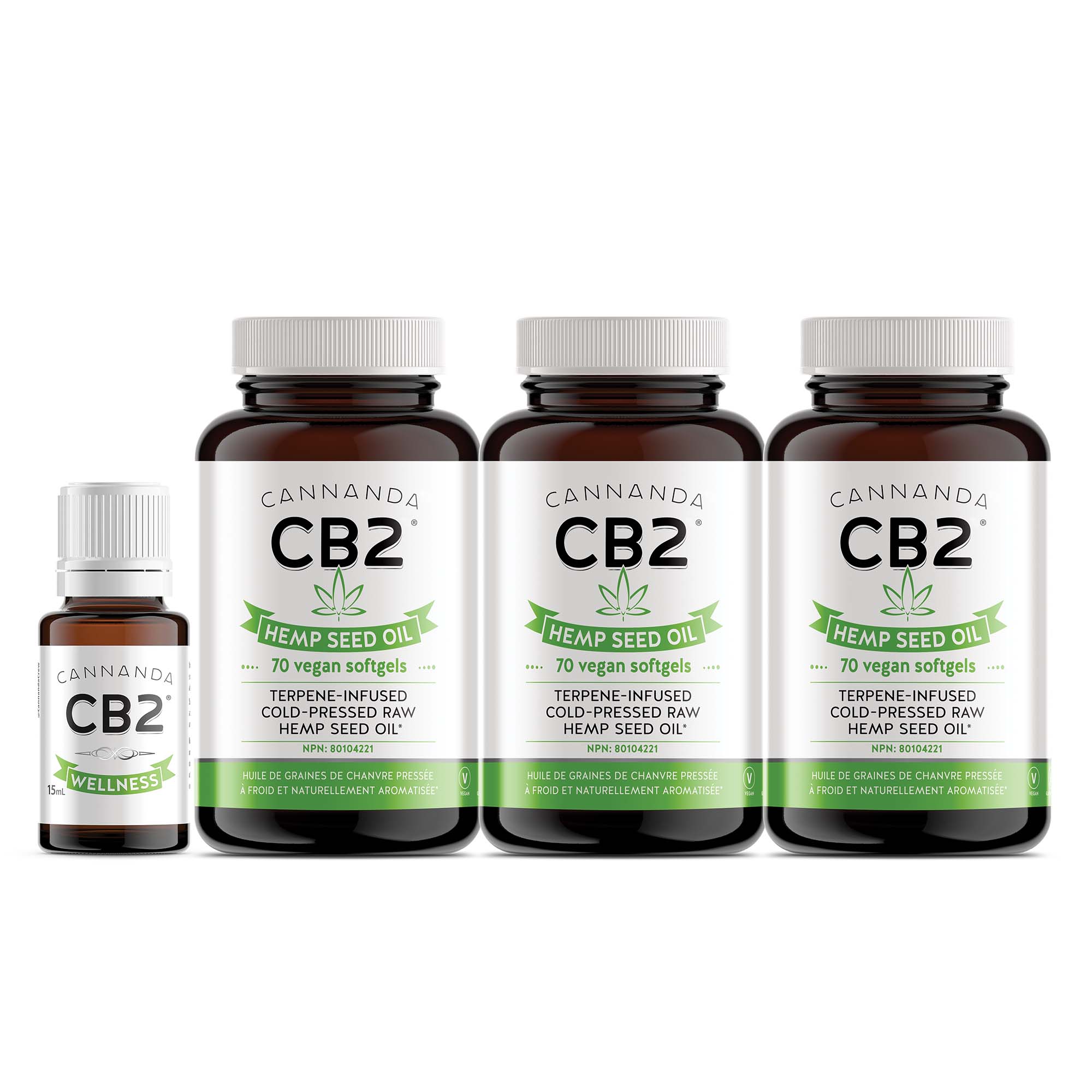
The Hormone Balance Bundle pairs CB2 Wellness (concentrated BCP terpene blend) and CB2 Hemp Seed Oil in one bundle. BCP for CB2 receptor activation, NF-κB balance, and metabolic support. Hemp seed oil for GLA, optimal omega fatty acid balance, and hormonal health. Both physician-formulated by Dr. Lee Know, ND. Health Canada-licensed. 0% THC, 0% CBD. Non-intoxicating.
Frequently Asked Questions
- What is the difference between PCOS and PMOS?
- PMOS is the new official name for what was previously called PCOS, updated in May 2026 and published in The Lancet. The condition itself hasn't changed. The name was updated to reflect that this is a full-body hormonal and metabolic condition, not primarily a disorder of ovarian cysts. Both terms will be in circulation during a 3-year transition period.
- Does BCP directly lower testosterone or androgens in PMOS?
- There is no direct clinical trial showing BCP lowers androgens in humans with PMOS. The connection is mechanistic: BCP suppresses NF-κB, a pathway that research shows directly stimulates androgen production in ovarian theca cells. BCP also activates PPAR-γ, which is expressed in ovarian granulosa cells and regulates steroidogenesis. In PCOS animal models, NF-κB inhibition has been associated with reduced testosterone. This is a plausible, science-grounded indirect pathway, not a direct anti-androgen effect.
- Is BCP the same as CBD?
- No. BCP is a terpene from food plants like black pepper and cloves. CBD is a cannabinoid from cannabis. They are chemically distinct with different mechanisms and different legal classifications. BCP is legal everywhere, non-intoxicating, and requires no prescription. Cannanda was the first company to commercialize BCP as a standalone dietary supplement and holds the registered CB2® trademark in Canada.
- Will CB2 oil show up on a drug test?
- No. Drug tests screen for THC metabolites. CB2 Wellness contains no THC, no CBD, and no cannabinoids. Beta-caryophyllene is a terpene and does not cause a positive drug test result.
- How long before I notice a difference with BCP?
- Natural compounds working through metabolic and inflammatory pathways typically need 4–8 weeks of consistent daily use before meaningful changes are noticeable. Track 2–3 specific symptoms to get a clear read on what's shifting.
- Can I take the Hormone Balance Bundle alongside my prescription medications?
- For the vast majority of people, BCP and hemp seed oil are compatible with standard PMOS medications including oral contraceptives, metformin, and spironolactone. BCP has no known significant drug-drug interactions at supplemental doses. That said, always let your prescribing physician or pharmacist know what you're taking, especially if you're on anticoagulants, as high-dose omega fatty acids may have mild effects on clotting.
- Should I use natural approaches instead of my doctor's treatment?
- No, and this article isn't suggesting that. Natural and conventional approaches are not either/or. The comparison chart shows that conventional treatments like OCPs and anti-androgens have the strongest RCT evidence for some outcomes (androgen management, acne) that most natural options don't match. Natural options like myo-inositol, NAC, and BCP address different parts of the picture, particularly the metabolic and inflammatory drivers that prescription symptom-management drugs don't touch. The ideal approach is usually a combination, guided by your healthcare provider.
- How does berberine compare to metformin for PMOS?
- Some head-to-head clinical trials have shown berberine is comparable to metformin for improving insulin resistance, fasting glucose, and lipid profiles in women with PCOS. Berberine also has some evidence for reducing androgens. Its main advantages over metformin are that it's available without a prescription and appears to have slightly better GI tolerability in some patients. Metformin has a much longer safety record and is the established standard of care. For women who want a non-prescription metabolic support option, berberine has a solid evidence base.
- Which natural option has the best evidence overall?
- Looking at the comparison chart, myo-inositol and NAC have the deepest human clinical trial evidence for PMOS specifically (multiple RCTs and meta-analyses). For women primarily managing acne or hirsutism, zinc and spearmint tea also have direct RCT support. BCP has strong mechanistic and preclinical support but no PMOS-specific clinical trials yet. The best evidence-based natural protocol for PMOS typically starts with addressing any deficiencies (vitamin D, magnesium), adds myo-inositol for insulin and fertility, and then layers in targeted options based on your specific symptom picture.
- What makes CB2 Hemp Seed Oil different from regular hemp seed oil?
- CB2 Hemp Seed Oil is a Health Canada-licensed natural health product, physician-formulated by Dr. Lee Know, ND. It's produced to health product quality standards (not food-grade standards), meaning it's tested for purity, potency, and consistency. It contains 0% THC and 0% CBD. The GLA content and omega fatty acid profile are the key nutritional reasons it's included in the Hormone Balance Bundle specifically for hormonal health support.
References
- Teede HJ, et al. Polyendocrine metabolic ovarian syndrome, the new name for polycystic ovary syndrome: a multistep global consensus process. The Lancet. 2026. doi:10.1016/S0140-6736(26)00717-8
- Endocrine Society. Polyendocrine Metabolic Ovarian Syndrome (PMOS) is the new name for PCOS. Press release, May 12, 2026. endocrine.org
- Jasinska W, et al. Chronic Low Grade Inflammation in Pathogenesis of PCOS. Int J Mol Sci. 2021;22(7):3789. doi:10.3390/ijms22073789. PMC8038770
- Systematic Review of Inflammatory Markers in PCOS. Cureus. 2025. doi:10.7759/cureus.348946
- Liu X, et al. TLR4/NF-κB Signaling in Ovary and Inguinal Fats of PCOS. bioRxiv. 2022. doi:10.1101/2022.07.14.500077
- Gertsch J, et al. Beta-caryophyllene is a dietary cannabinoid. Proc Natl Acad Sci USA. 2008;105(26):9099–9104. doi:10.1073/pnas.0803601105
- BCP downregulates inflammatory cytokines via NF-κB in mice. PubMed. PMID:38512033
- Yang Y, et al. BCP inhibits NLRP3 and NF-κB in gouty arthritis. Front Pharmacol. 2021;12:651305. PMC8103215
- Hashiesh HM, et al. BCP alleviates diet-induced metabolic and neurobehavioral changes via CB2 and PPAR-γ. Biomed Pharmacother. 2019;110:145–154. PMID:30469079
- Hashiesh HM, et al. BCP protects against diet-induced dyslipidemia and vascular inflammation. Chem Biol Interact. 2019;297:16–24. PMID:30343038
- Komar CM. PPARs and ovarian function — steroidogenesis, differentiation, tissue remodeling. Reprod Biol Endocrinol. 2005;3:41. PMC1266036
- Zuo T, et al. NF-κB inhibition alleviates hyperandrogenism in letrozole-induced PCOS rat model. Front Pharmacol. 2018;9:1547. PMC6328870
- Fidyt K, et al. BCP as a CB2 agonist in emotional and cognitive disorders. Front Psychiatry. 2024. PMC10970213
- Bagher AM. Topical BCP for Dermatologic Disorders. Pharmaceuticals. 2025;18(11):1605. PMC12655451
- PCOS Diva. GLA and Prostaglandin E1 in hormonal health. pcosdiva.com
- Horrobin DF. Gamma linolenic acid in the treatment of PMS. Am J Clin Nutr. 1993;57(5 Suppl):847S–852S. doi:10.1093/ajcn/57.5.847S
- Xu F, et al. NAC improves metabolic parameters in PCOS: meta-analysis of 11 RCTs (869 women). Front Nutr. 2023;10:1209614. doi:10.3389/fnut.2023.1209614
- Spearmint androgen modulation in PCOS and non-PCOS populations: 12-week RCT. J Acad Nutr Diet. 2024. doi:10.1016/j.jand.2024.00364
- GLP-1 receptor agonists in PCOS women with obesity: meta-analysis of RCTs. Obes Res Clin Pract. 2024. doi:10.1016/j.orcp.2024.1600
- PMC12504844. Dual impact of GLP-1 receptor agonists on metabolic and reproductive health in PCOS. 2025.
- Ricciardi D, et al. BCP modifies intracellular lipid composition in hepatic steatosis via CB2 and PPAR receptors. PMC. 2023. PMC10094507