Can You Travel with CB2 Oil? International Legal Guide
Zero THC. Zero CBD. No controlled substances. Here's the complete picture for international travel with Cannanda CB2 oil, plus a comparison with CBD, which is a very different story.
You travel internationally and you want to know whether your CB2 oil can come with you, without legal complications, customs delays, or hassle at the border. Short answer is yes. This article explains why, and what minimal precautions apply.
Yes, you can travel internationally with CB2 oil. It contains zero THC, zero CBD, and no controlled substances. The active ingredient, beta-caryophyllene, is a food-grade terpene present in black pepper, cloves, and hundreds of consumer products worldwide. The carrier is hemp seed oil, a widely sold food product. Neither ingredient falls under cannabis regulations in any major jurisdiction. Keep it in original packaging, follow standard liquid rules for flights, and check regulations if you're heading somewhere with unusually strict hemp laws.
One of the most stressful parts of using any hemp or cannabis-related product is figuring out whether you can take it with you when you travel. With CBD, the answer is genuinely complicated and varies significantly by country. With CB2 oil, it's much simpler, and the reason comes down to what's actually in it.
What's in CB2 oil, and what isn't
- Beta-caryophyllene (BCP): a food-grade terpene found in black pepper, cloves, oranges, pine, sage
- Hemp seed oil, from hemp seeds: a widely sold cooking oil and food supplement
- Complementary terpenes from food plants, steam-distilled
- All ingredients with FDA GRAS food-ingredient status
- Zero THC
- Zero CBD
- No cannabinoids of any kind
- No cannabis flower extracts
- Nothing that would trigger a drug detection test
- Nothing regulated under cannabis laws
Terpenes are present in countless consumer products worldwide: perfumes, foods, beverages, cleaning products, aromatherapy items. They are not controlled substances anywhere. Hemp seed oil is sold in grocery stores globally as a cooking oil and nutritional supplement. Neither ingredient raises a flag at customs in any major destination.
CB2 oil vs CBD for international travel
| Travel factor | CBD oil | CB2 oil (BCP) |
|---|---|---|
| THC content | Often contains undisclosed THC | Zero THC, not "trace amounts," actually zero |
| Cannabinoid content | CBD is a cannabinoid, regulated as such in many countries | No cannabinoids; BCP is a terpene |
| Legal status by country | Varies widely: legal in some, restricted in others, banned in a few | No country regulates food-grade terpenes or hemp seed oil as controlled substances |
| Drug test risk at customs | Real risk from THC contamination or CBD degradation into THC | No risk; nothing triggers any drug test |
| Crossing international borders | Legal gray area; risk of confiscation or legal consequences in strict jurisdictions | No legal issues in virtually all destinations |
| Customs explanation required | May need to explain or justify; carries inherent risk | Food-grade terpene supplement; simple factual explanation available |
For a deeper look at why CBD carries drug test risk (both from contamination and from CBD degrading into THC over time), see the complete CB2 oil drug test guide. For the 9-reason full comparison of CB2 oil vs CBD across safety, bioavailability, and drug interactions, see that dedicated article.
About hemp seed oil at borders
CB2 Hemp Seed Oil uses hemp seed oil as its carrier, and this occasionally raises questions. The key fact is that hemp seed oil comes from the seeds of the hemp plant, which contain no cannabinoids. It is sold in grocery stores worldwide as a cooking oil and nutritional supplement; you can find it in Whole Foods, Walmart, and most health food stores globally.
A small number of countries restrict hemp-derived products broadly, regardless of whether they contain cannabinoids. This is the one exception worth knowing about. If you're heading somewhere with blanket restrictions on anything labeled "hemp," it's worth a quick local regulation check before you pack.
Where you're clear vs where to double-check
In practice, the vast majority of travelers in the "check first" category will find that hemp seed oil as a food product is explicitly permitted. The concern is specifically about jurisdictions with very broadly worded hemp restrictions where even food-grade products may technically require verification. When in doubt, a quick check of your destination country's regulations on "hemp seed oil" will give you a clear answer within minutes.
Practical travel tips
What to say if a customs officer asks
This is rare, but if it happens, here's what's accurate and simple:
"It's a terpene supplement made from food-grade plant extracts. The active ingredient is beta-caryophyllene, which is found in black pepper and cloves. The carrier is hemp seed oil, which is a food product. It contains no THC, no CBD, and no cannabinoids of any kind (it says so right on the label)."
That's all you need. The Cannanda label will confirm it. If the officer wants to verify, the GRAS status of the ingredients and the product's Health Canada NPN registration provide additional documentation of its food-supplement classification.
The best travel formats
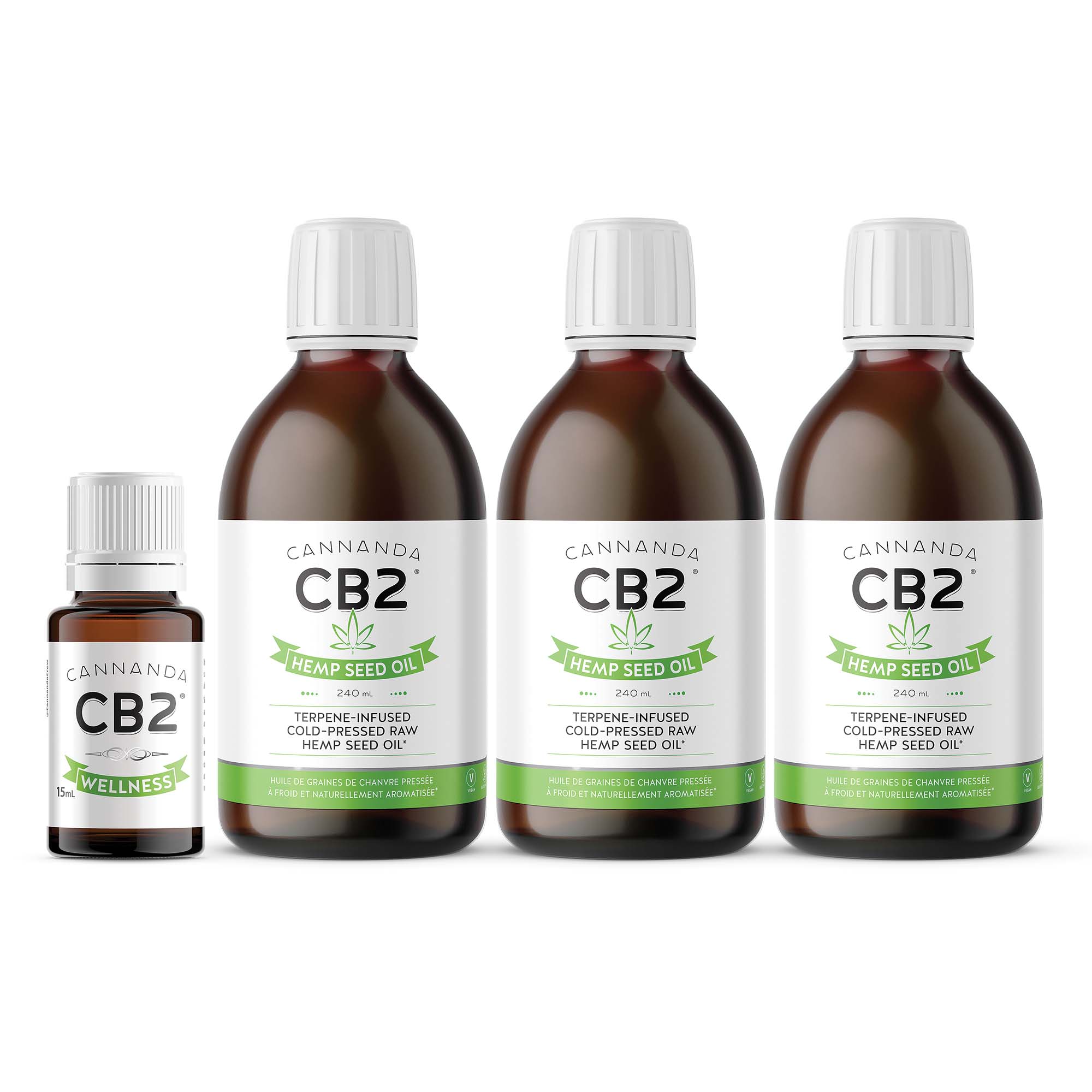
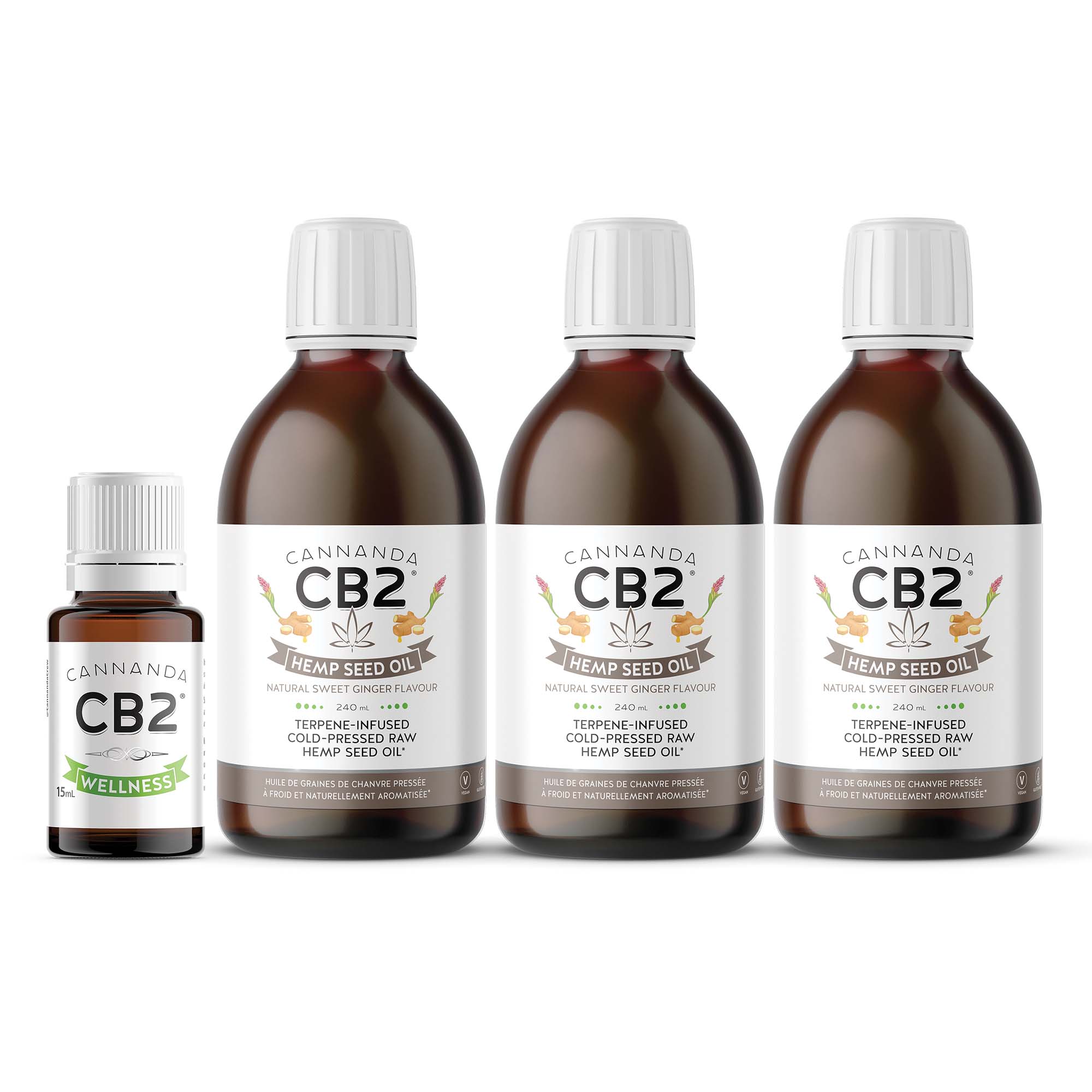
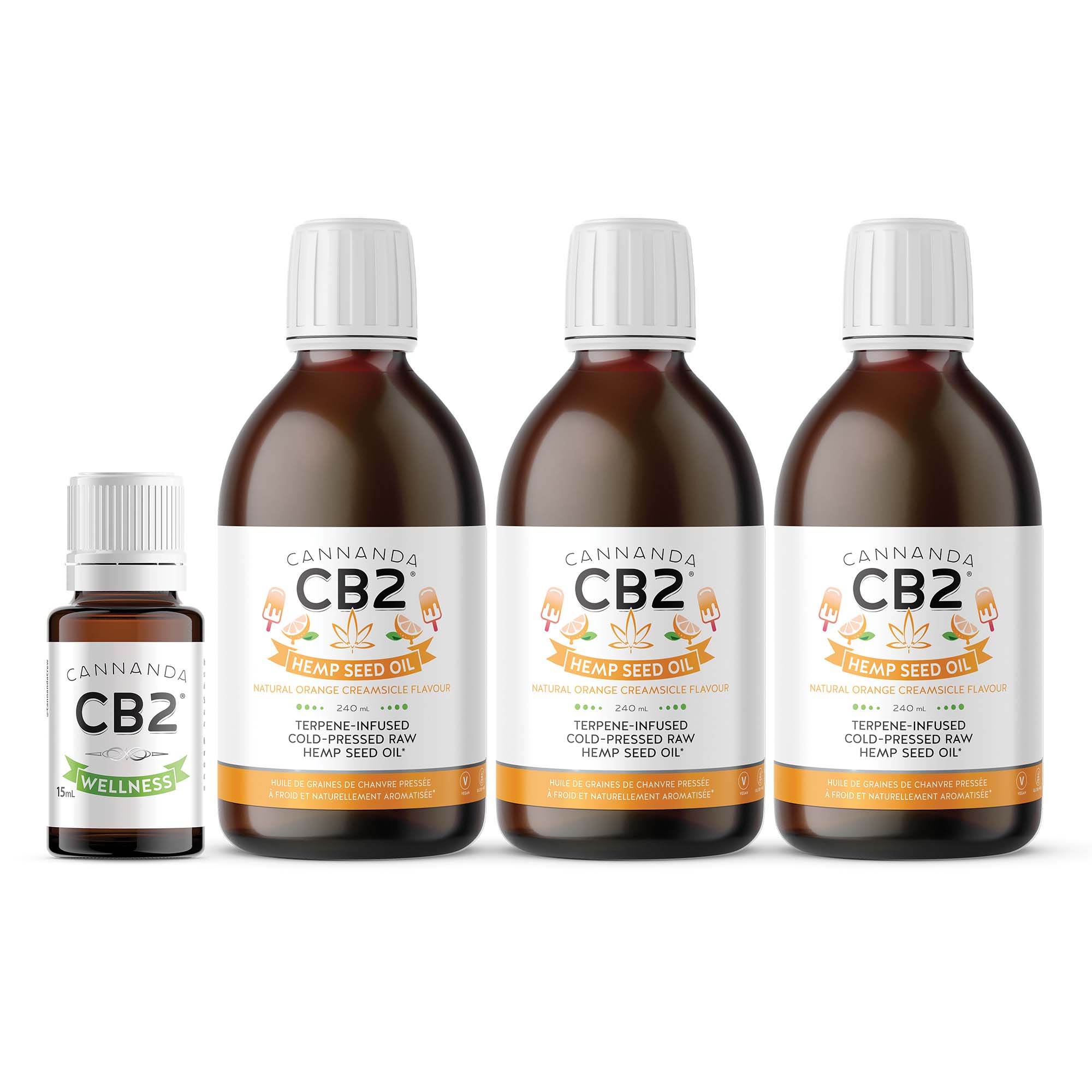
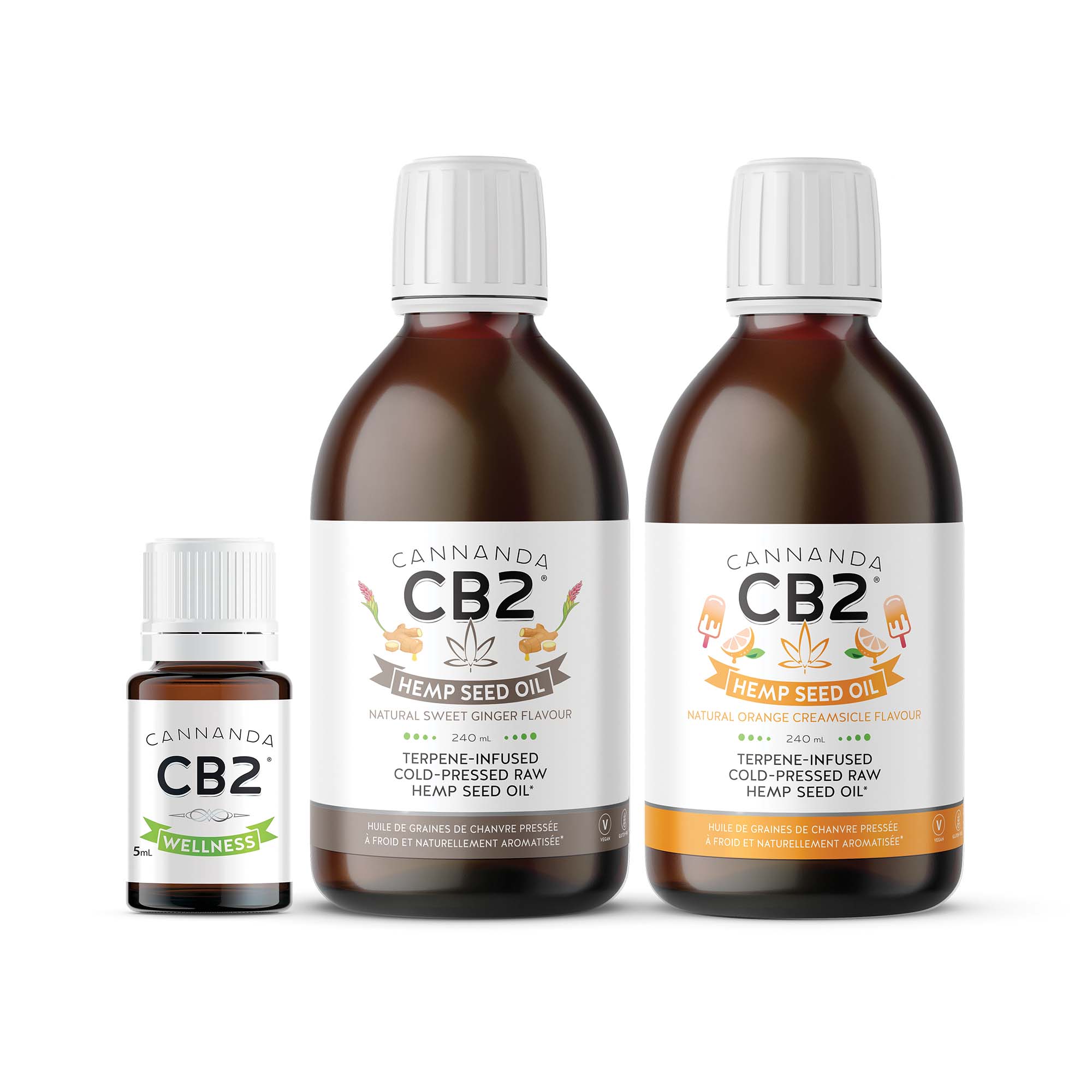
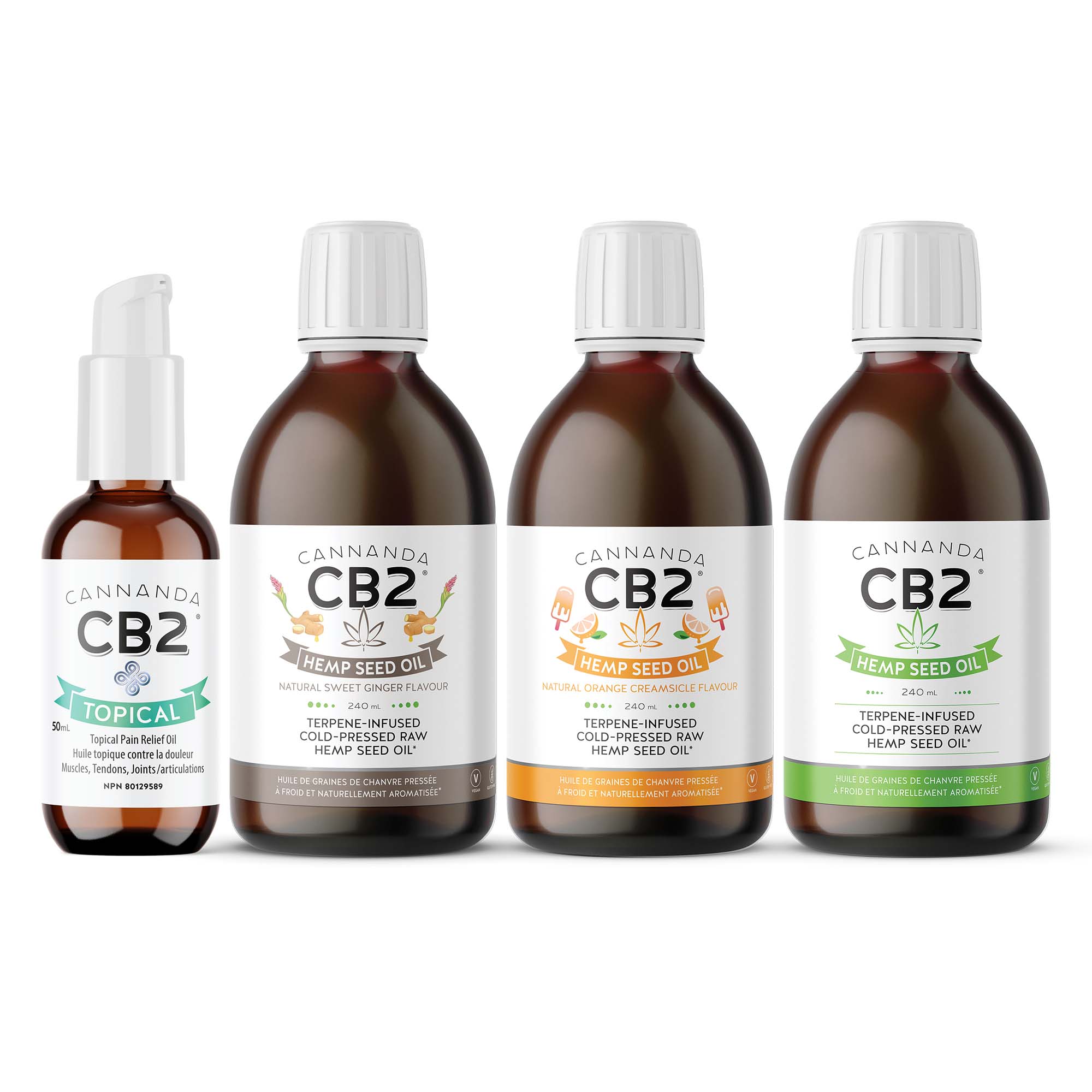
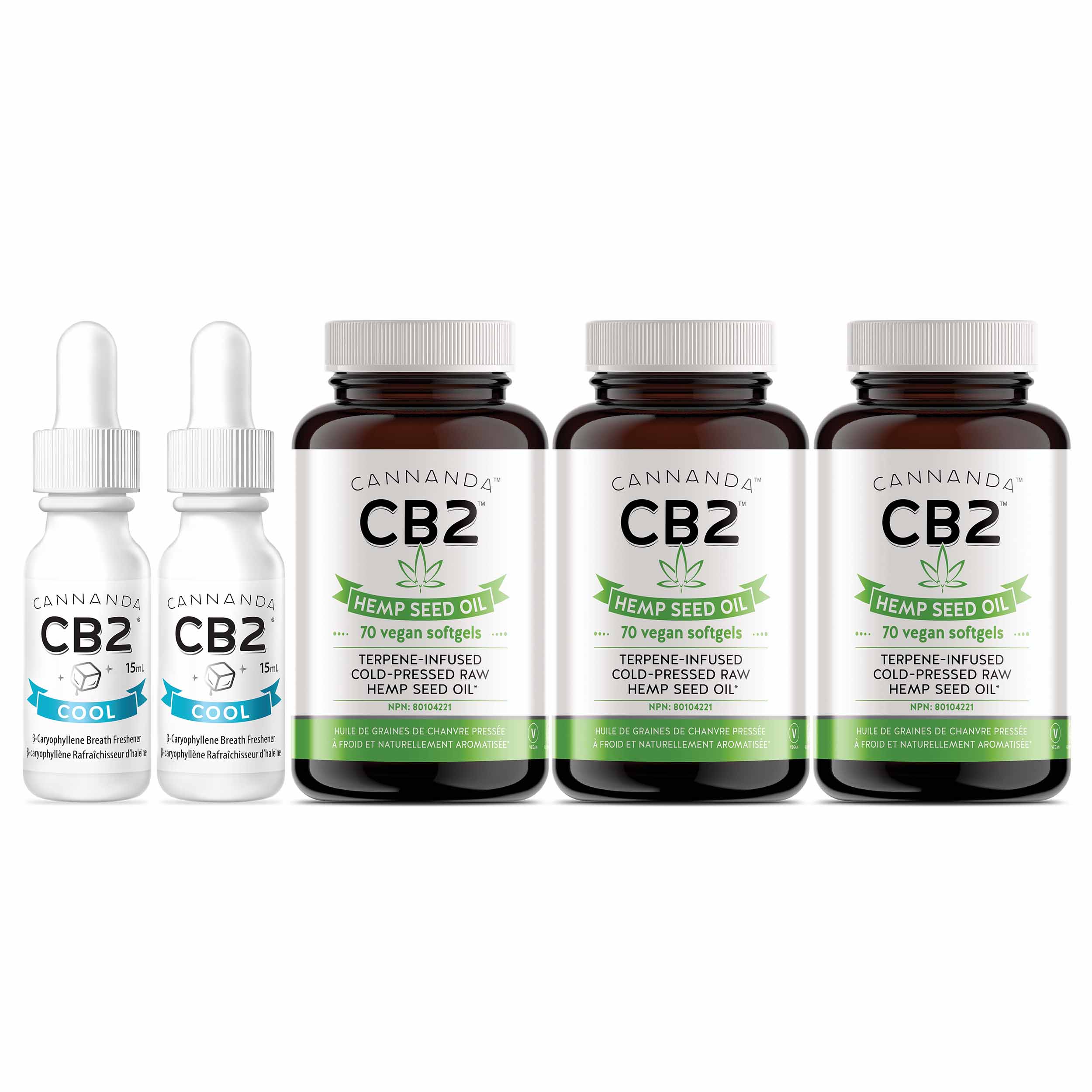
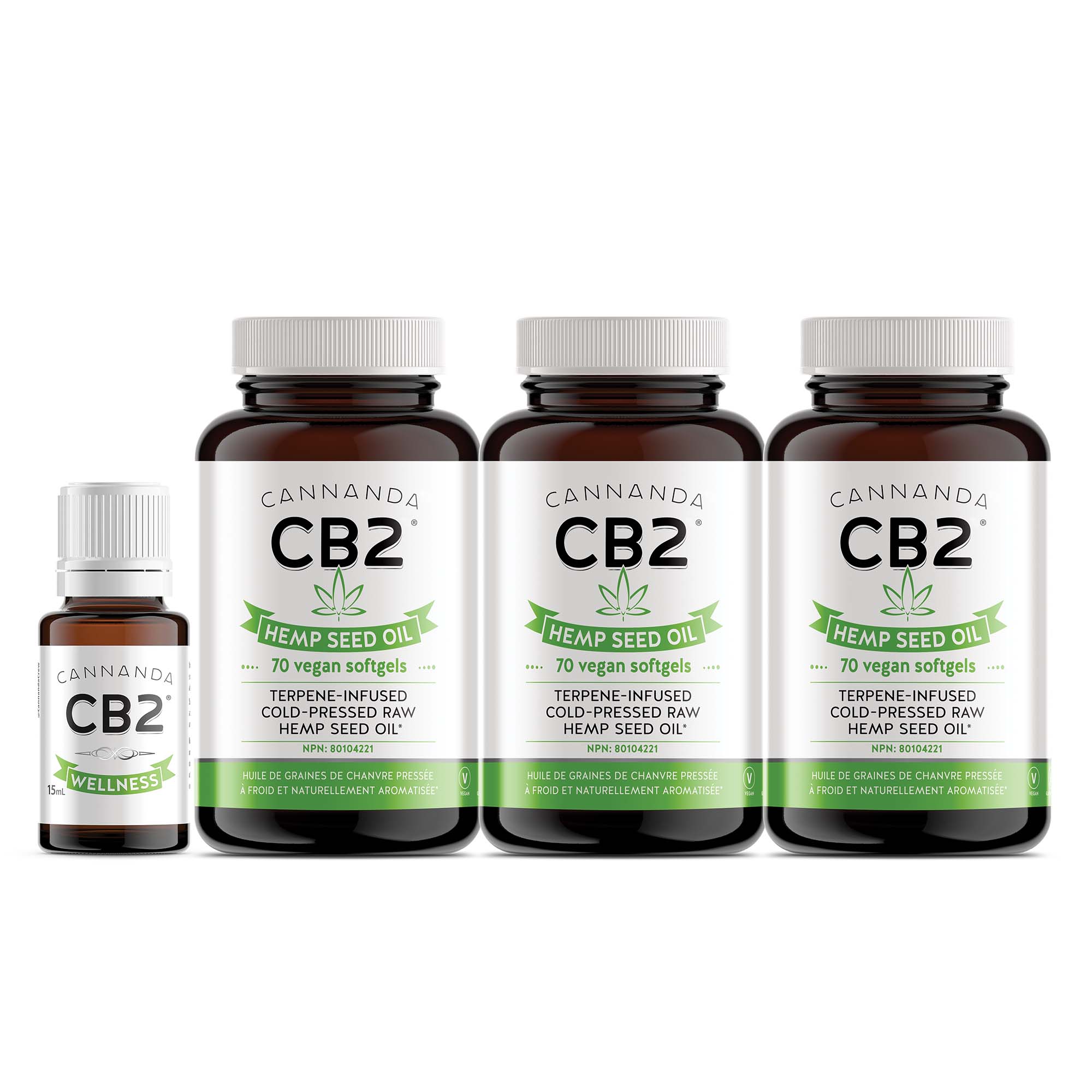
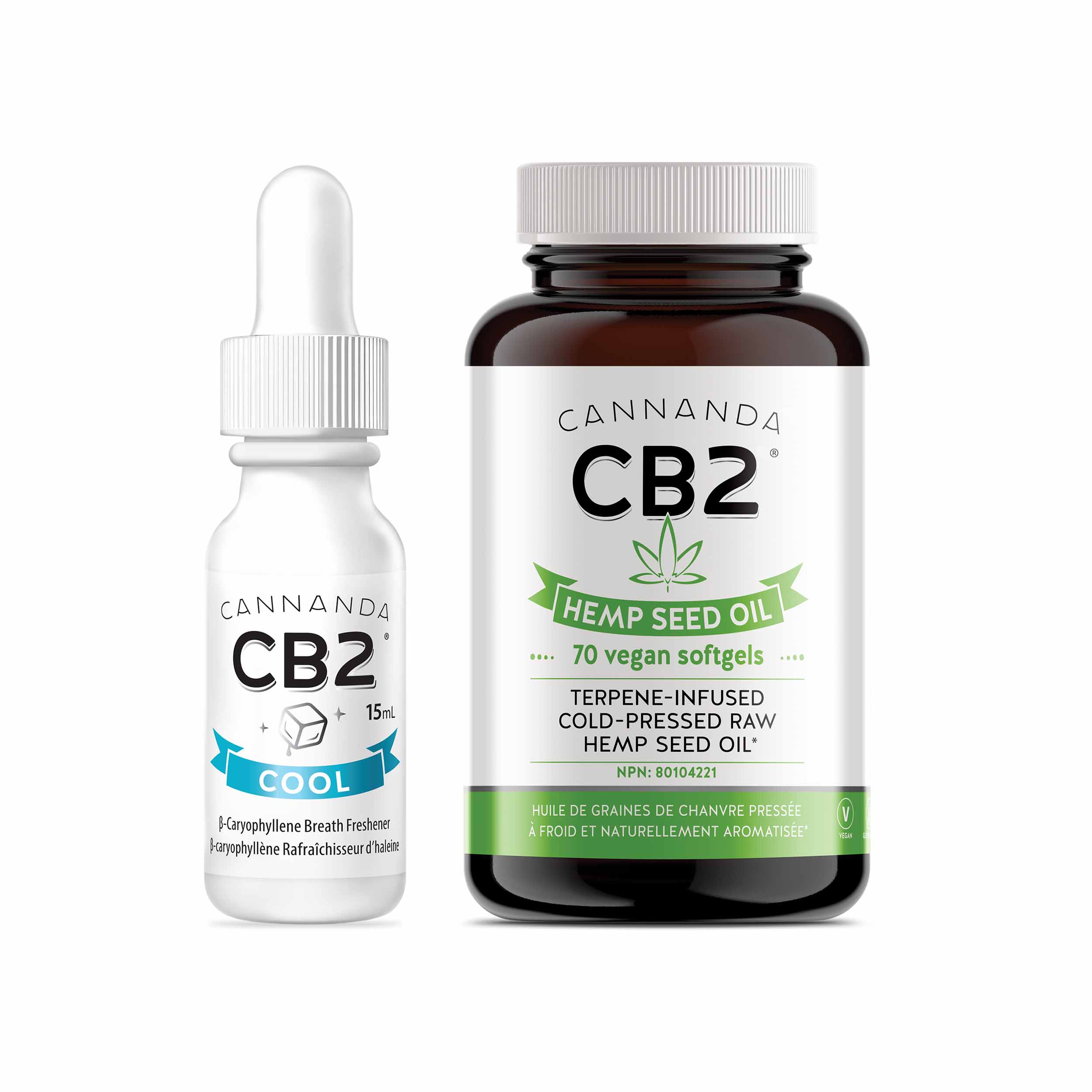
This guide applies specifically to genuine Cannanda CB2 oil products, which are third-party tested and certified to contain zero THC and zero CBD. Counterfeit or copycat CB2 oils sold by other brands (particularly in Australia) have been found contaminated with heavy metals and solvents, and cannot be relied upon for the same assurances. A growing number of CBD or cannabis brands are also staring to leverage the goodwill in the "CB2" name and using it on CBD and cannabis products, a dangerous situation that can result in life in prison in some jurisdictions. Always look for the registered Cannanda CB2® trademark before purchasing, especially online.
Take your wellness with you, anywhere in the world
Zero THC. Zero CBD. No controlled substances. Legal in virtually every country. Multiple travel-friendly formats available.
Frequently Asked Questions
Is CB2 oil legal to take on international flights?
Yes, in the vast majority of countries. CB2 oil contains zero THC, zero CBD, and no controlled substances. The active ingredient is a food-grade terpene found in black pepper and cloves. The carrier is hemp seed oil, a widely sold food product. Standard airline liquid rules apply for carry-on (100ml/3.4oz per container, in a clear bag).
Why is CB2 oil easier to travel with than CBD?
CBD is a cannabinoid extracted from cannabis flowers. Its legal status varies between countries, and many CBD products contain undisclosed THC. CB2 oil contains no cannabinoids of any kind; the active ingredient BCP is a terpene (the same family as compounds in black pepper), and the carrier is hemp seed oil, a food product. No country regulates terpenes or hemp seed oil as controlled substances.
Will CB2 oil trigger a positive drug test at customs?
No. Drug tests look for THC and other controlled substances. CB2 oil contains zero THC and zero CBD. BCP is a terpene, not a cannabinoid, and is not tested for anywhere. For employment and sport drug testing, see the CB2 oil drug test guide.
Are there any countries where I should not take CB2 oil?
A small number of countries restrict hemp-derived products broadly regardless of THC content. This includes some countries in Southeast Asia and the Arabian Peninsula where even hemp seed oil (a food product) may be restricted. In the vast majority of destinations including North America, Europe, Australia, Japan, South Korea, and most of South America, CB2 oil presents no legal issues.
Can I take CB2 oil in carry-on luggage?
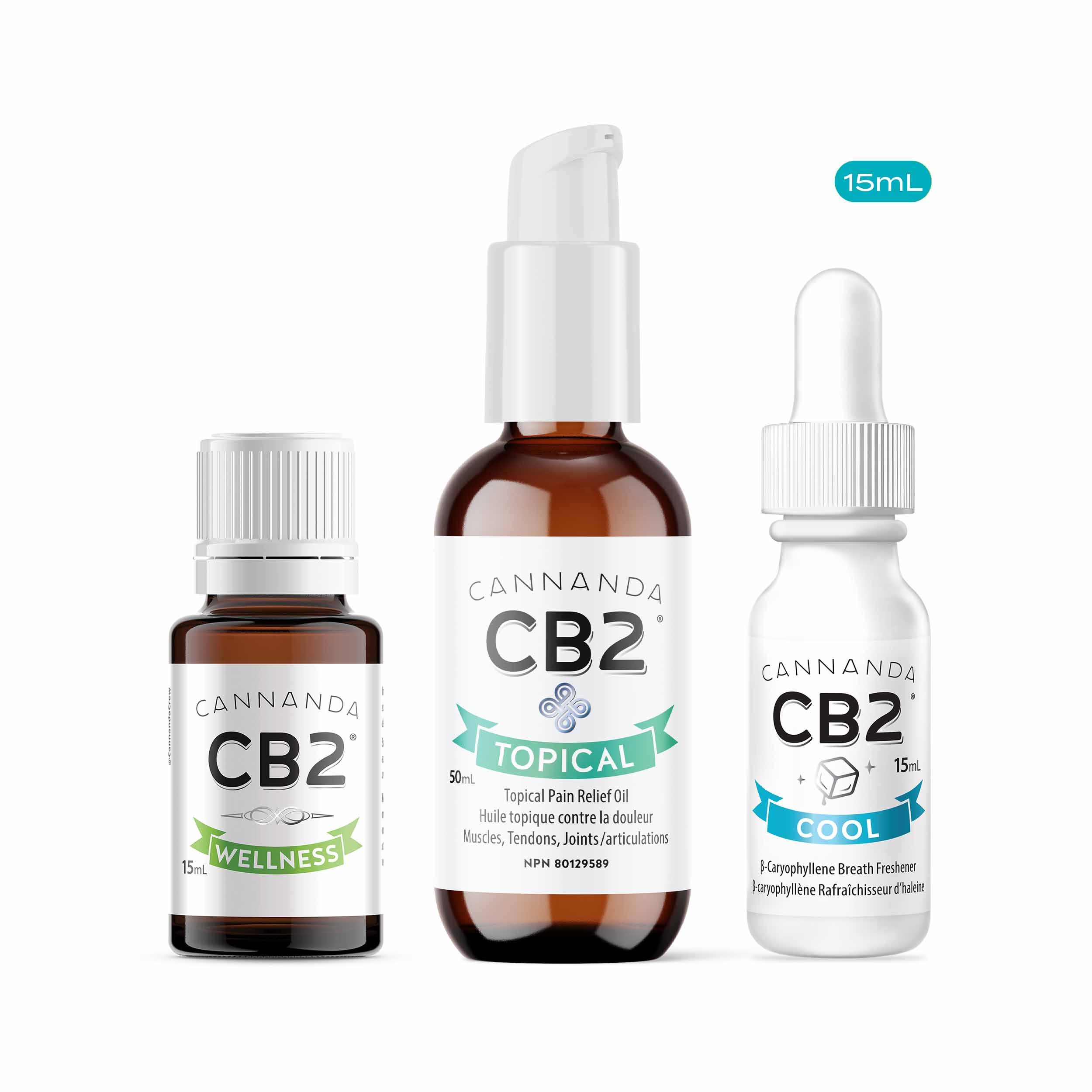
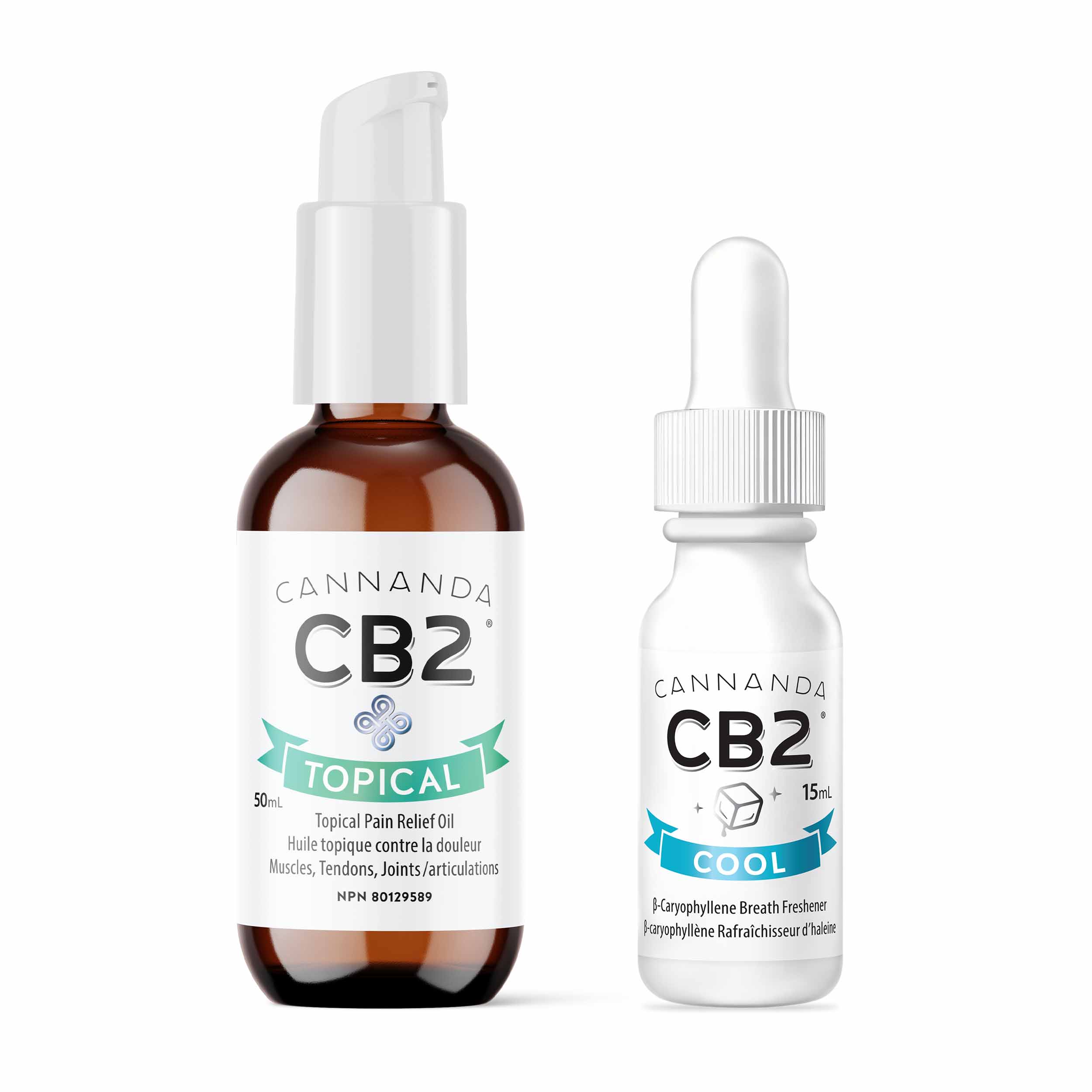
Yes, subject to standard liquid rules. Most CB2 oil bottles are 30ml or 60ml, within the 100ml per-container limit. Include it in your clear liquid bag. Alternatively, pack in checked luggage where liquid limits don't apply. CB2 Hemp Seed Oil Softgels avoid liquid restrictions entirely and are the most convenient travel format.
What if a customs officer asks about CB2 oil?
Keep the product in its original Cannanda packaging, which clearly shows it is a terpene-based natural health supplement. If asked, explain it is a food-grade terpene supplement made from non-cannabis plants; no THC, no CBD, no cannabinoids. The key facts are on the label. The product holds a Health Canada Natural Product Number (NPN) as additional documentation of its food-supplement classification.
References
- FDA Code of Federal Regulations, Title 21, Section 172.515: beta-caryophyllene GRAS status as a food flavoring substance.
- Health Canada Natural Product Number (NPN) registration for Cannanda CB2 oil products.
- Cannanda product formulation and third-party testing specifications confirming zero THC and zero CBD content.