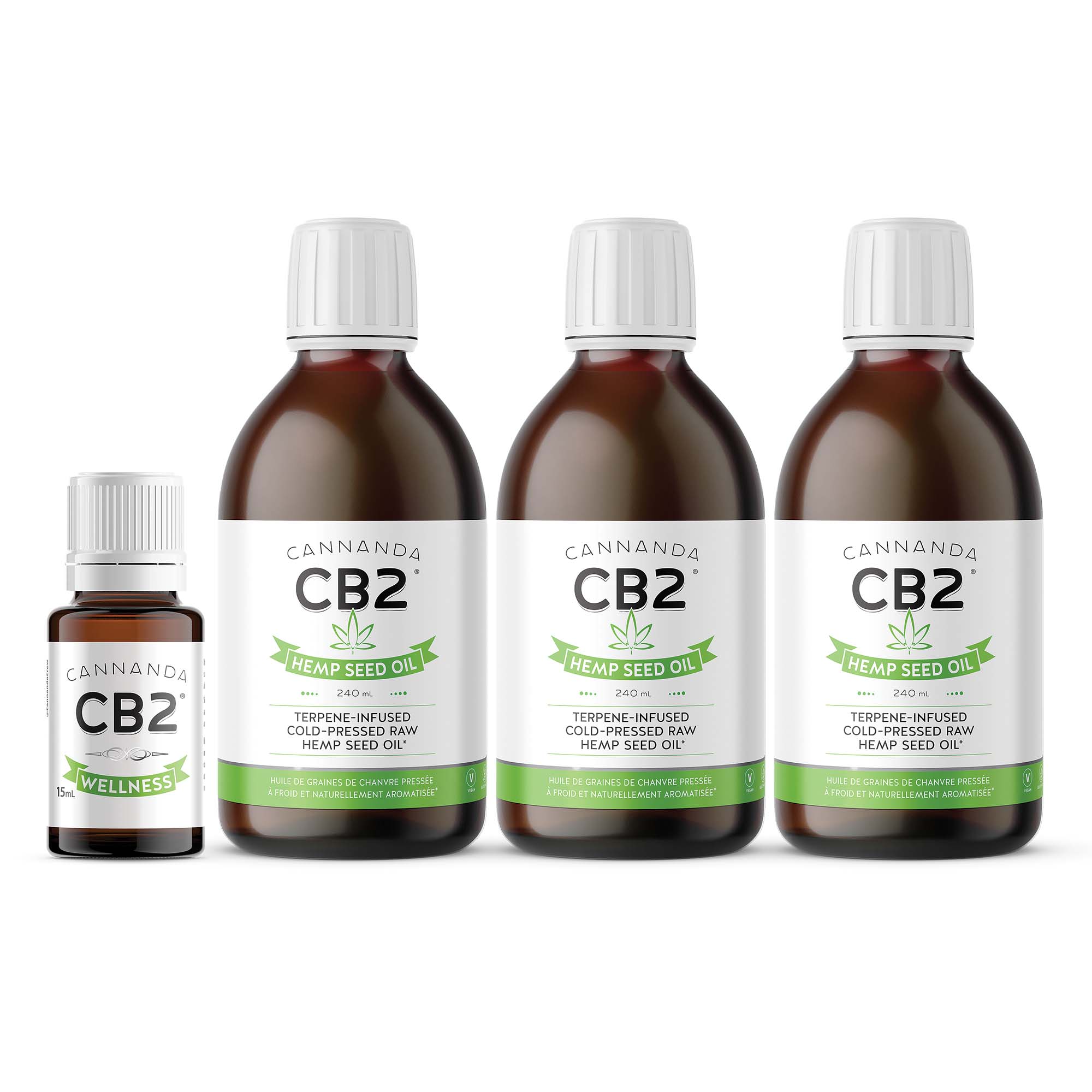
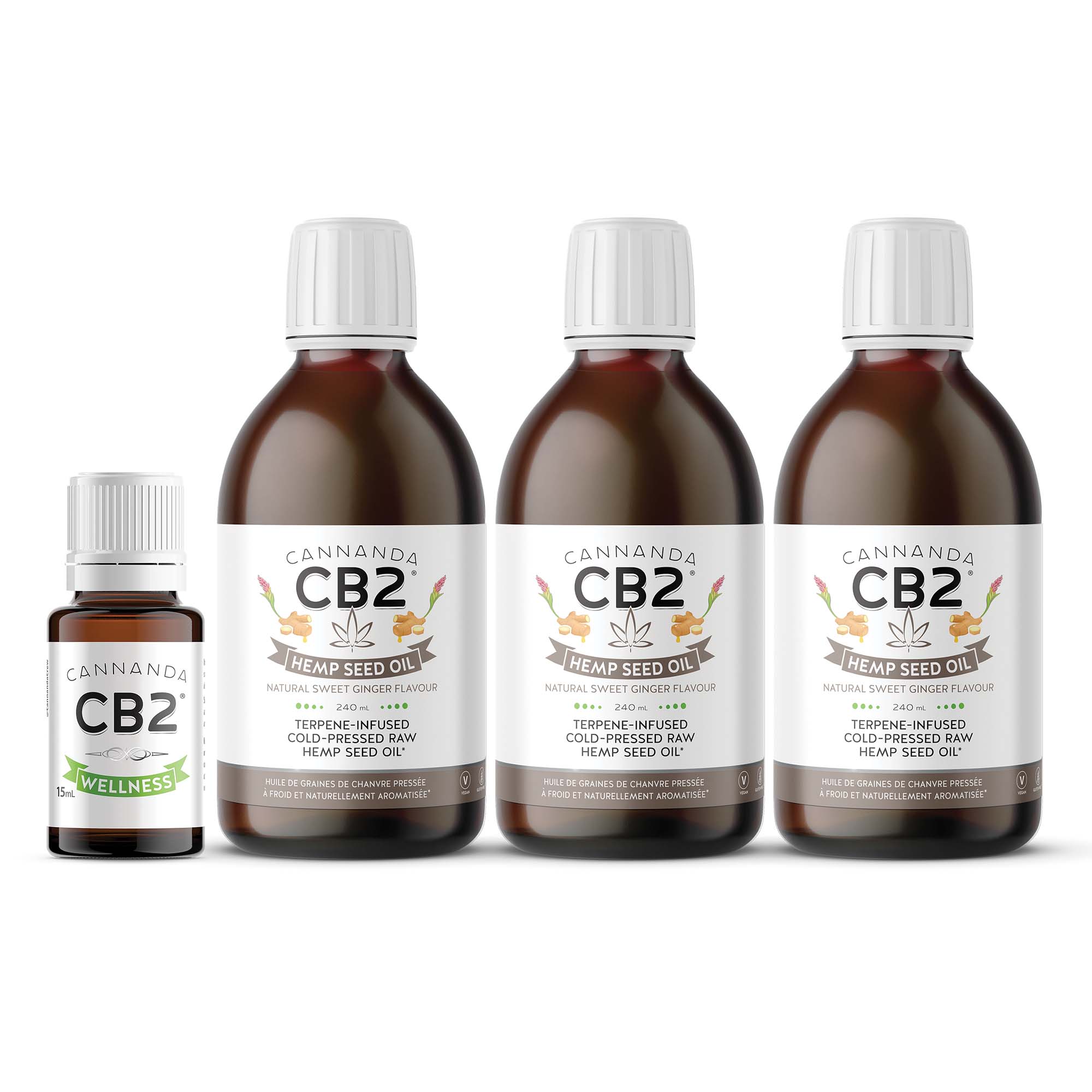
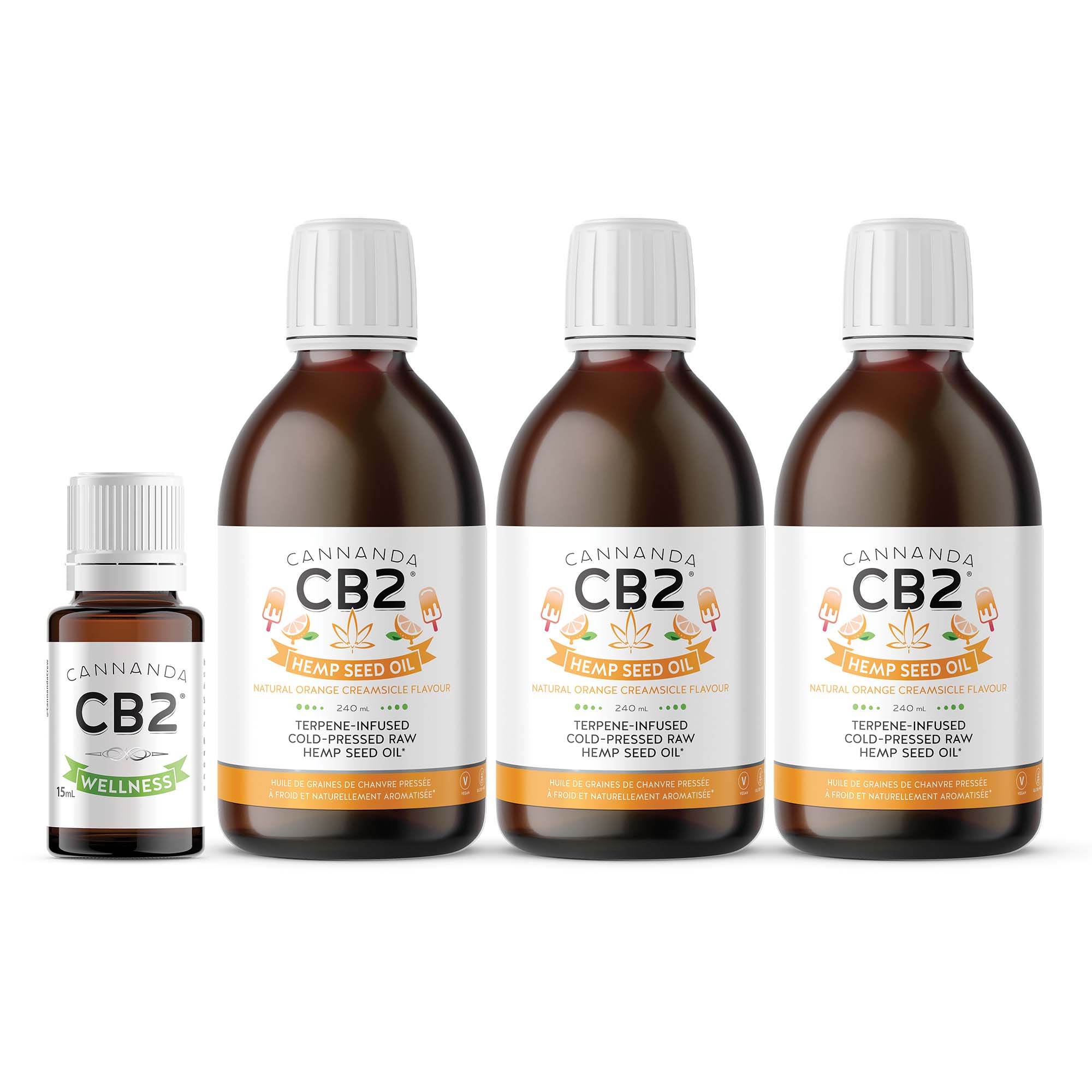
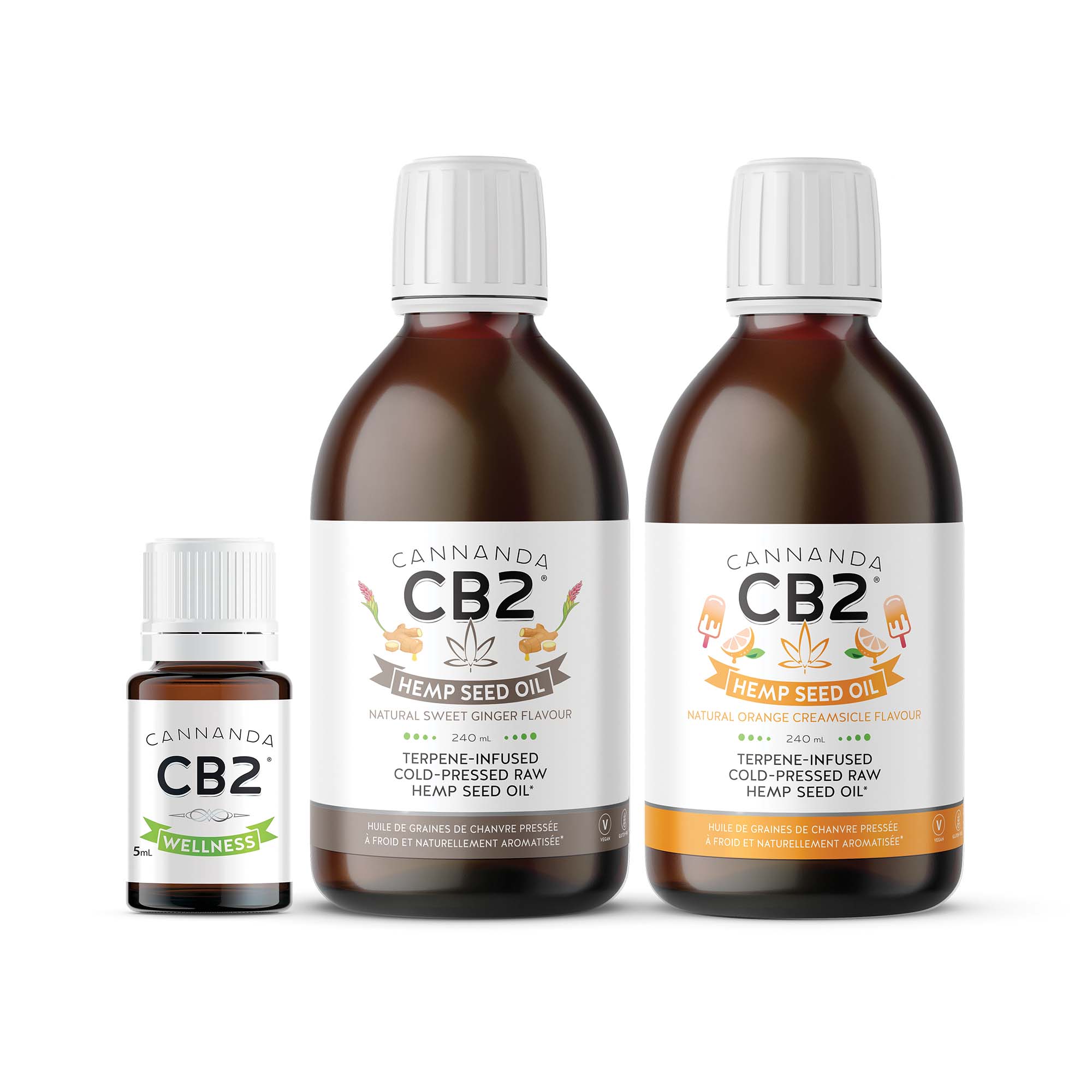
9 Reasons Why CBD Isn't Right for You: The Case for Cannanda CB2 Oil
CBD has earned a lot of attention, but it also has real, documented limitations. Here are the nine specific reasons BCP in CB2 oil is the better choice.
By Dr. Lee Know, ND·Founder, Cannanda·Updated June 2026
Who this is for
You've looked into CBD as a natural health option and you want to understand why CB2 oil is a better choice for many people, specifically what the documented limitations of CBD are and how BCP avoids them. This isn't marketing: the CBD limitations listed here are based on regulatory decisions, peer-reviewed research, and clinical pharmacology.
TL;DR
CBD has real documented problems: its GRAS status was revoked by the US FDA, it inhibits the liver enzymes that metabolize most medications, it carries drug test risk from both contamination and degradation, it has poor oral bioavailability, and it is not legally approved for dogs in any regulated market. BCP in Cannanda CB2 oil avoids every one of these limitations while directly activating CB2 receptors for pain, inflammation, stress, sleep, and overall ECS support.
In recent years, CBD (cannabidiol) has gained widespread popularity for its potential health benefits. It's worth understanding, though, that CBD has specific, documented limitations that affect a significant proportion of people who might consider using it. Cannanda CB2 oil, based on beta-caryophyllene (BCP), avoids all of them while offering comparable and often superior endocannabinoid system support. Here are the nine specific reasons to choose CB2 oil over CBD.
🎯
Direct CB2 receptor activation
🐾
Health Canada-approved for dogs
✈️
Legal for international travel
BCP advantage
Beta-caryophyllene is the only known dietary compound to directly and selectively activate CB2 receptors. This direct agonism produces reliable, targeted effects on inflammation, pain, immune modulation, and ECS homeostasis.
CBD limitation
CBD does not directly activate CB1 or CB2 receptors. It influences the endocannabinoid system through indirect mechanisms (FAAH inhibition, allosteric modulation) that are less predictable and less targeted than direct receptor agonism.
CBD is often marketed as a cannabinoid receptor activator, but it isn't. BCP is the only common dietary compound that earns that description for CB2. Direct activation produces more consistent, reliable results.
Learn how CB2 receptors work in the ECS →
BCP advantage
BCP is a small, lipophilic sesquiterpene molecule that absorbs efficiently through oral, sublingual, and aromatic routes. Higher bioavailability means more active compound reaches its target per dose, and more therapeutic effect per dollar spent.
CBD limitation
Oral CBD products often have bioavailability as low as 6%. That means 94% of what you consume may never reach your bloodstream. This is why CBD users often need large and expensive doses to experience meaningful effects.
Higher bioavailability isn't just a technical detail; it's the difference between a supplement that works at a practical serving size and one that requires consuming large quantities to feel anything.
BCP advantage
Based on Cannanda's customer experience data, CB2 oil shows a 60–70% success rate: roughly 2 in 3 users find it effective for their primary goal. This is consistent with BCP's direct CB2 receptor activation and superior bioavailability.
CBD limitation
Published data and industry surveys consistently show CBD has an effective rate of around 33%, meaning only about 1 in 3 users finds it effective. Low bioavailability and indirect receptor mechanisms are likely contributors.
If you've already tried CBD and it didn't work for you, you're in the majority. BCP works through a different mechanism and has a meaningfully higher likelihood of delivering the results you're looking for.
BCP advantage
BCP has uninterrupted FDA GRAS (Generally Recognized As Safe) food-ingredient status. It has been used as a food flavoring ingredient for decades, its safety has been independently reviewed by both the US FDA and EFSA, and its GRAS status has never been challenged.
CBD limitation
The US FDA revoked the self-affirmed GRAS status for CBD due to unresolved safety concerns, particularly regarding potential liver toxicity at higher doses and insufficient long-term human safety data. The UK FSA also re-evaluated CBD safety, questioning prolonged use at recommended doses.
GRAS status isn't just a label; it's a regulatory determination that a substance is safe for its intended use. The FDA's revocation of CBD's GRAS status is a meaningful safety signal that most CBD marketing doesn't mention.
Read the full BCP safety research →
BCP advantage
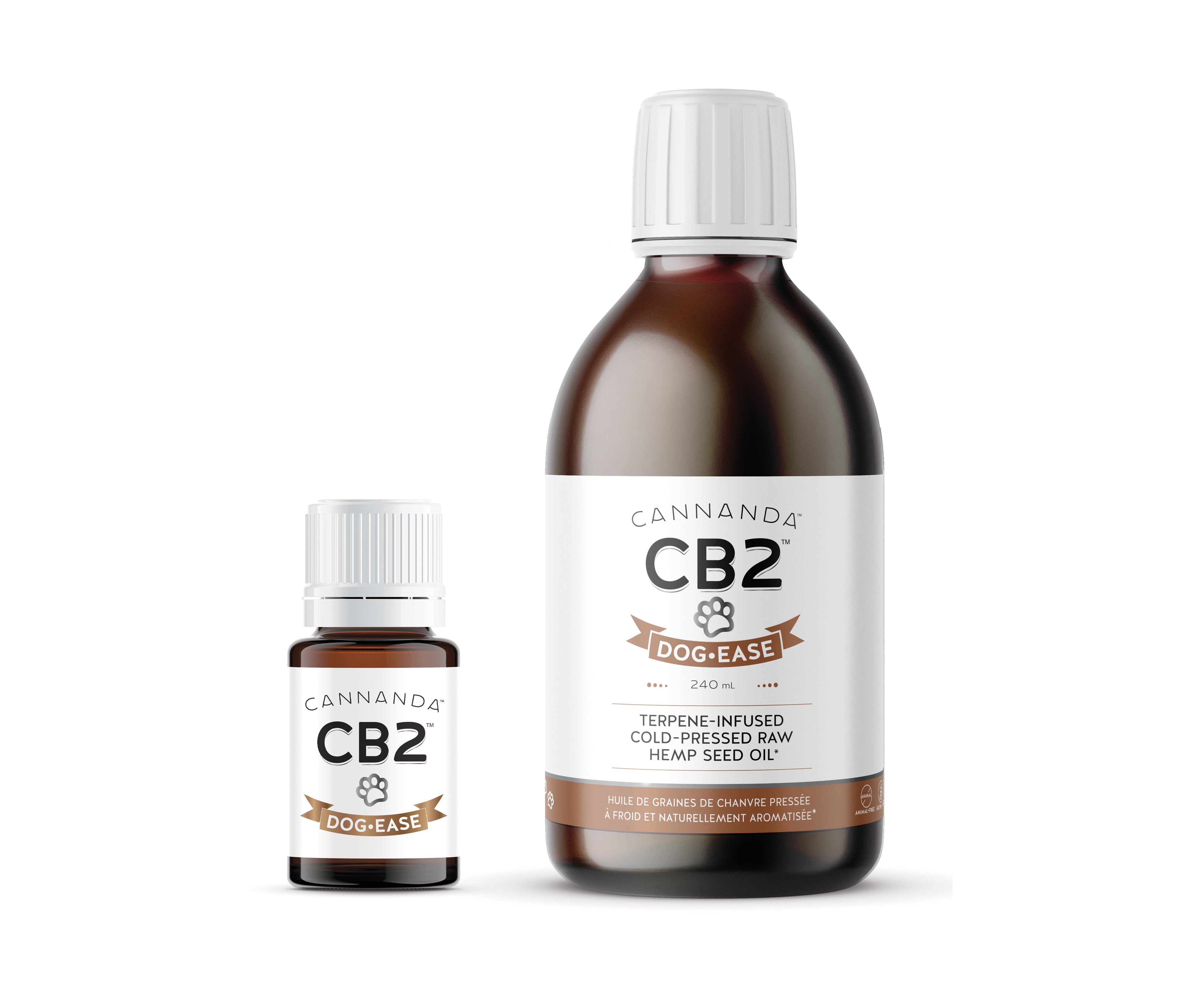
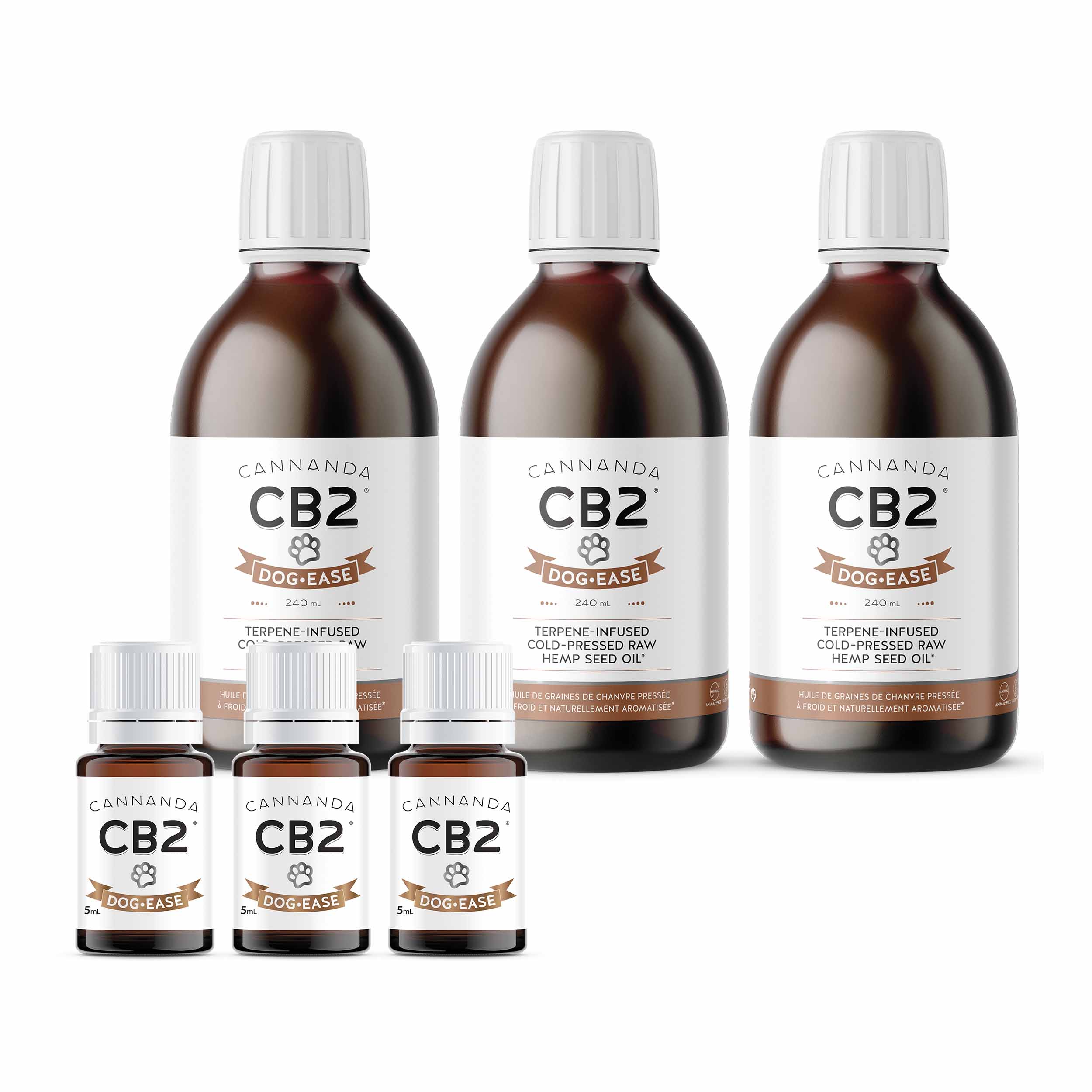
Cannanda CB2 Dog-Ease Hemp Seed Oil is approved by Health Canada as a Veterinary Health Product (VHP), the only legally approved CB2 or cannabinoid-type supplement for dogs in Canada. It supports comfort, mobility, and relief from worry and nervousness in dogs.
CBD limitation
Not a single CBD product has received Health Canada Veterinary Health Product approval for dogs. There are significant knowledge gaps in CBD safety and toxicology in dogs. Any CBD product marketed for dogs in Canada is operating outside of legal approval.
If you want to support your dog's wellbeing naturally and legally, CB2 Dog-Ease is the only option with proper regulatory approval. The Health Canada VHP designation means the product has been evaluated for safety, quality, and efficacy claims.
Read the complete guide to BCP for dogs →
BCP advantage
Cannanda CB2 oil contains zero THC. The terpenes come from non-cannabis plants through steam distillation. BCP does not degrade into any banned substance. Safe for WADA-governed athletes, all workplace drug testing, and any profession with mandatory screening.
CBD limitation
CBD carries real drug test risk through two pathways: (1) widespread THC contamination in CBD products, with a 2017 JAMA study finding 21% of tested CBD products contained detectable THC despite being marketed as THC-free; and (2) pure CBD itself degrades over time into delta-9 THC and delta-8 THC through isomerization.
Documented cases exist of athletes losing positions and employees being terminated after testing positive for THC from CBD products they believed were safe. The risk is not theoretical; it has ended careers. BCP eliminates this risk entirely.
Full drug test safety article →
BCP advantage
BCP does not significantly inhibit CYP450 liver enzymes at recommended doses. It can be taken alongside most commonly prescribed medications without altering their blood levels. One exception: if you're on a medication with a narrow therapeutic window, such as warfarin, insulin, lithium, or digoxin, talk to your doctor before starting BCP.
CBD limitation
CBD inhibits CYP3A4 and CYP2D6, the enzymes that metabolize most commonly prescribed drugs. This raises medication blood levels unpredictably, amplifying side effects and toxicity risk. The effect is similar to the grapefruit interaction that many medications warn about.
If you're taking any prescription medication, CBD's CYP450 interactions are a meaningful safety concern that most CBD marketing doesn't mention. BCP avoids this problem for most medications, though anyone on a narrow-therapeutic-window drug should still check with their doctor first.
Full drug interaction comparison →
BCP advantage
BCP is a naturally occurring food terpene, not a controlled substance under any international treaty or national law. It is present in black pepper, cloves, and dozens of other common spices consumed worldwide. No country has restricted its use or travel.
CBD limitation
CBD's legal status varies significantly between countries. It is prohibited or heavily restricted in several jurisdictions. Traveling internationally with CBD can result in confiscation at borders, significant travel delays, or serious legal consequences depending on the destination.
As global travel has resumed, this distinction matters. With CB2 oil, you take your natural health supplement with you without any legal concern. With CBD, you research every destination's laws first, and still take a risk.
BCP advantage
Cannanda CB2 oil is significantly more affordable than comparable CBD products. Cannanda has committed to keeping prices stable to ensure accessibility. BCP's higher bioavailability also means more therapeutic effect per dose, making the real cost-per-effective-dose comparison even more favorable.
CBD limitation
CBD products are often expensive, in part because CBD's poor oral bioavailability (as low as 6%) means high milligram doses are required to achieve meaningful effects. You end up paying for large amounts of CBD, most of which never reaches the bloodstream.
Affordability matters for long-term consistent use. The supplements that produce results are the ones you actually take every day. A product that's prohibitively expensive for daily use won't produce the cumulative benefits that make natural health interventions work.
Additional reasons to choose CB2 oil
Holistic health benefits beyond pain and inflammation: CB2 oil supports gut health, improves sleep quality, modulates stress response, supports cardiovascular health through PPAR activation, and provides neuroprotection. It is one of the most broadly acting natural supplements available through a single mechanism.
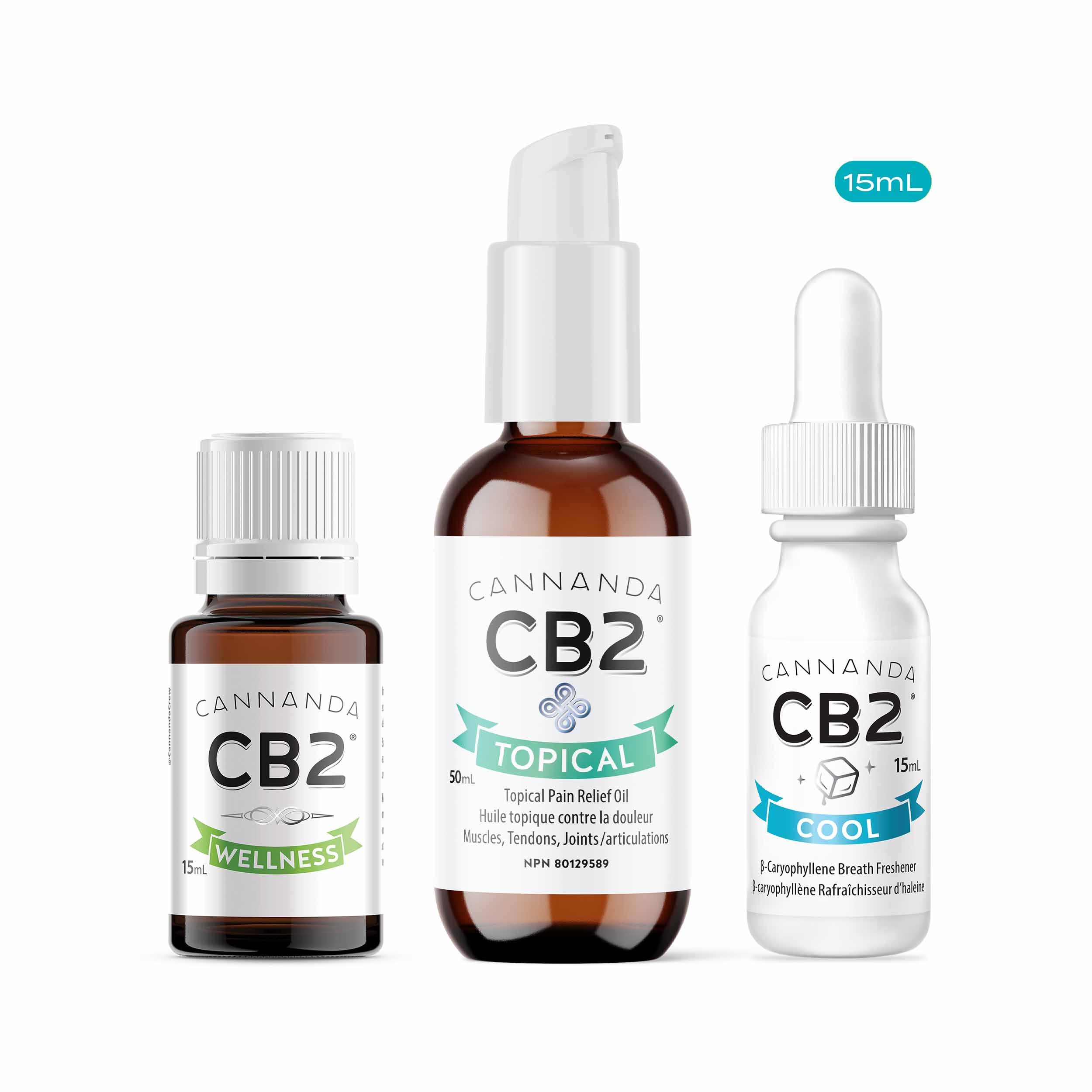
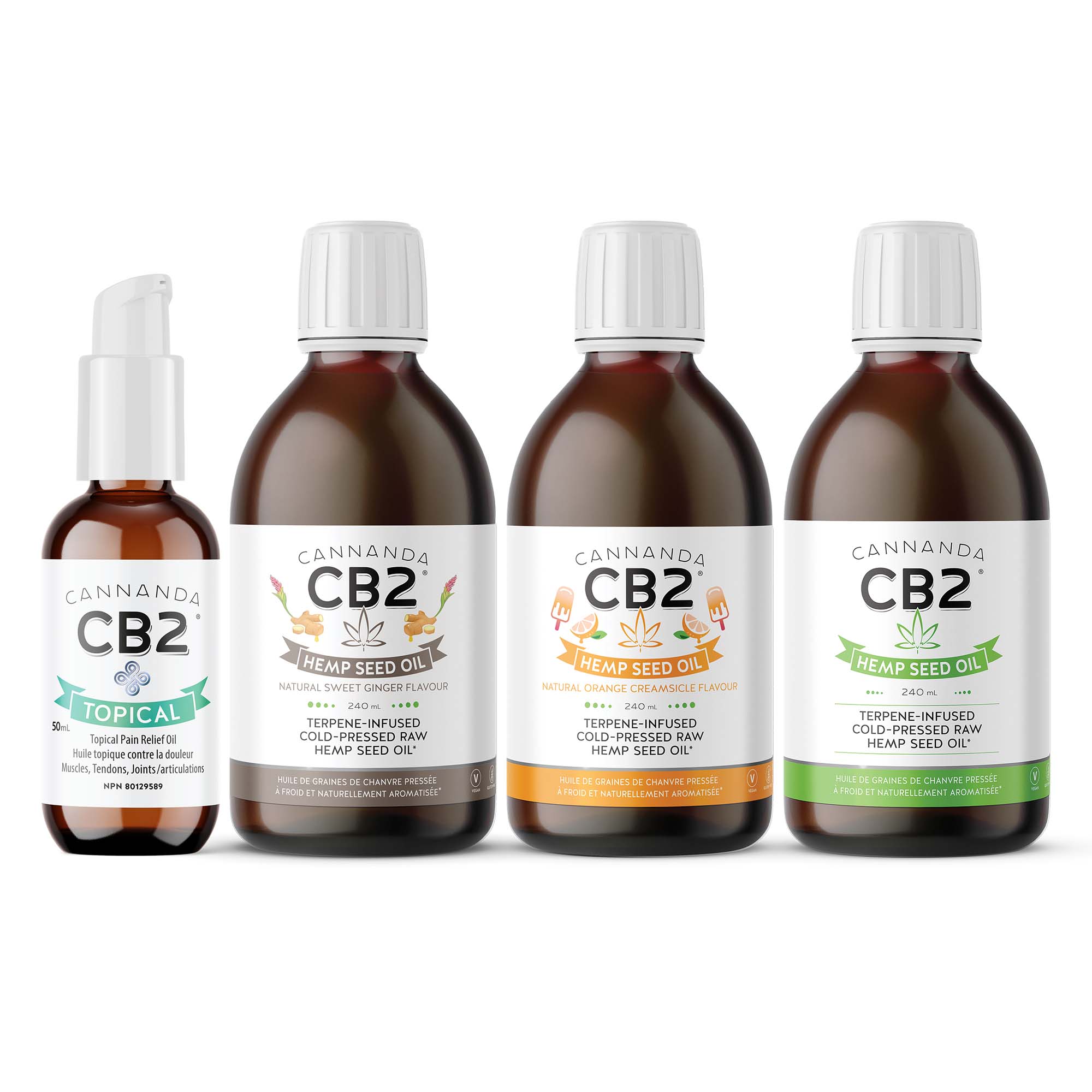
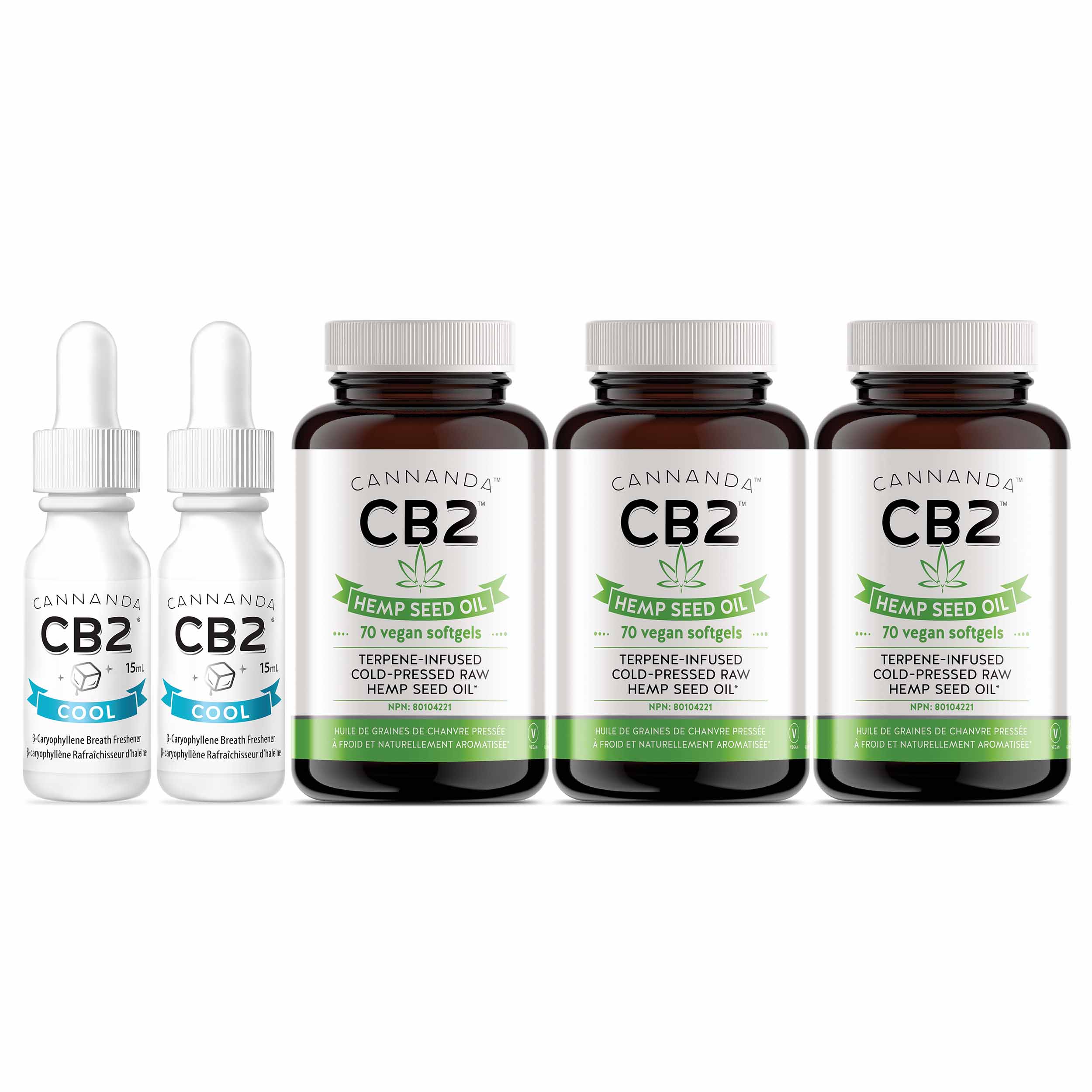
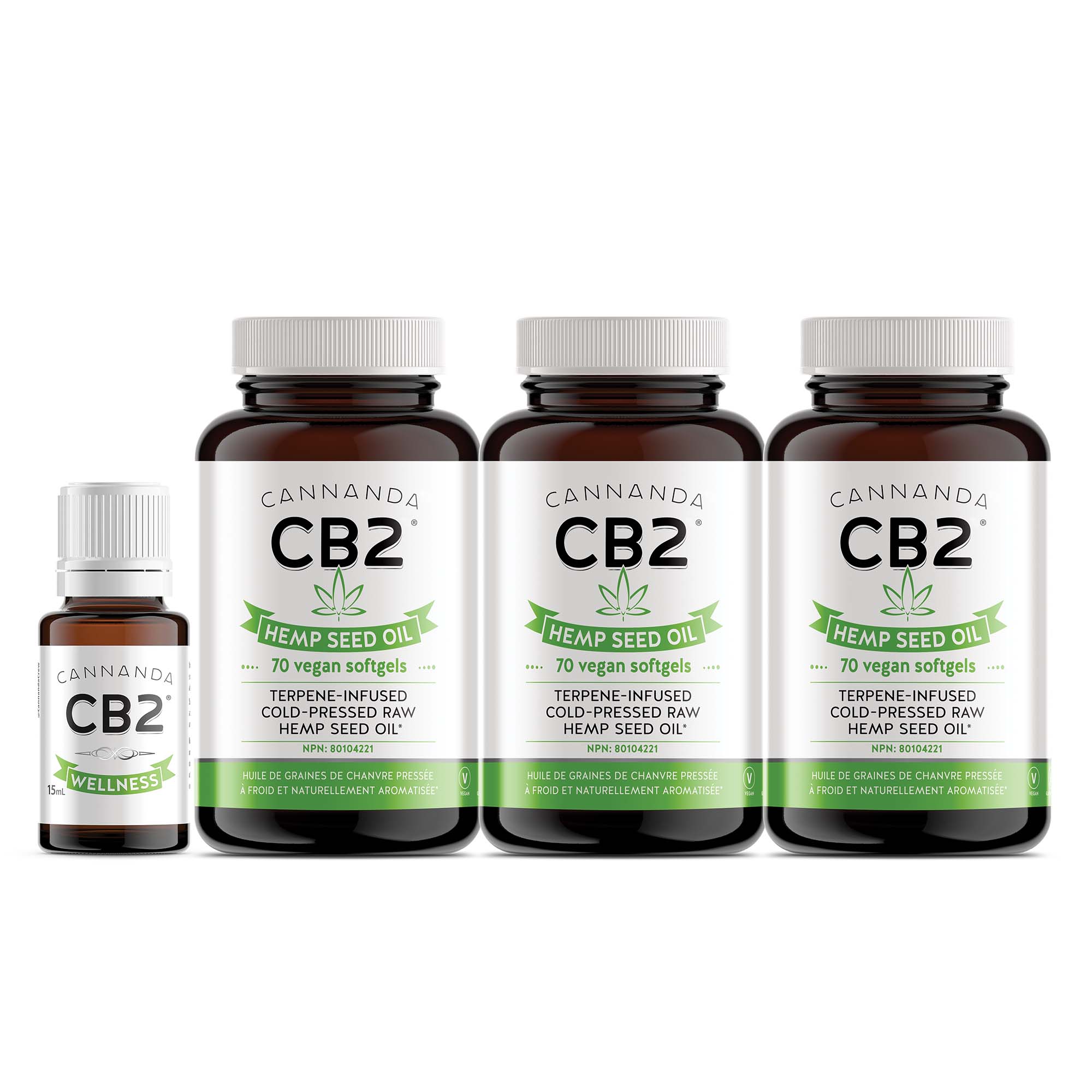
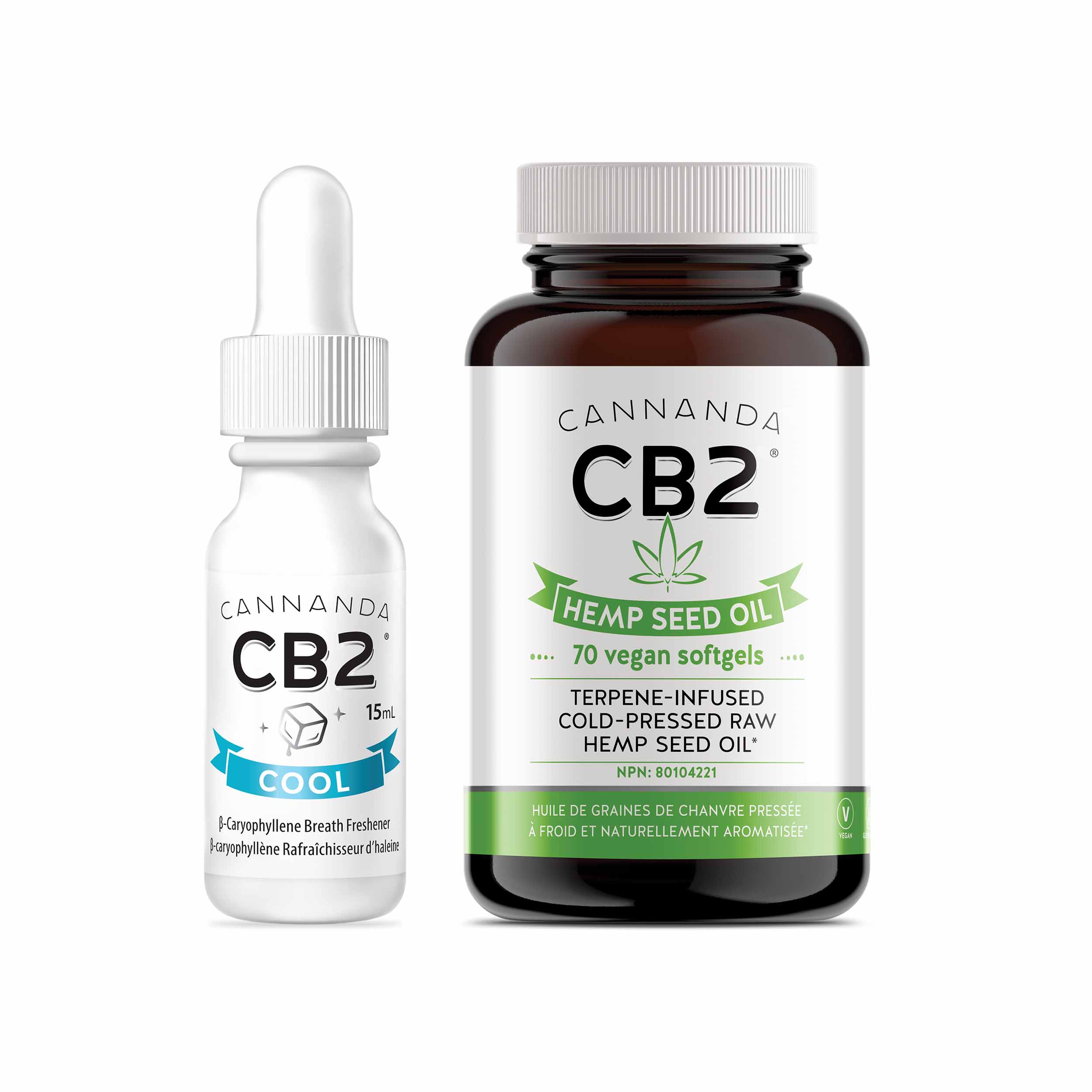
Multiple routes of administration: Cannanda CB2 Wellness can be taken sublingually for fast absorption, by direct aromatic inhalation for the fastest limbic system access, added to foods and beverages for sustained effect, or applied topically for localized joint and muscle relief. Different routes suit different needs.
Scientific backing: The benefits of beta-caryophyllene are supported by an expanding body of peer-reviewed research. The foundational 2008 PNAS paper by Gertsch et al. established BCP as a dietary cannabinoid. Subsequent research has confirmed anti-inflammatory, pain-modulating, neuroprotective, anxiolytic, bone-protective, and metabolic effects through CB2 and PPAR receptors.
One more thing: beware of counterfeit CB2 oils
⚠ Counterfeit warning: only buy authentic Cannanda CB2 oil
As Cannanda CB2 oil has grown in popularity, counterfeit and copycat products have emerged, particularly in Australia. These fake CB2 oils are not just ineffective; independent testing has found them contaminated with heavy metals, pesticide residues, and toxic solvent residues from non-food-grade extraction processes. Many are not fit for human consumption.
Authentic Cannanda CB2 oil can be identified by the registered Cannanda CB2® trademark. This trademark is legally registered and only appears on genuine Cannanda products sourced from licensed manufacturers and third-party tested for purity and potency. No other brand has the right to use it.
If you see "CB2 oil" sold at a significantly lower price from an unfamiliar seller, especially online marketplaces in Australia, treat it as a red flag. The contamination risks are real, and no savings justify consuming a product that may contain heavy metals or processing solvents. Read Cannanda's official counterfeit warning →
The ECS support CBD was supposed to be
Direct CB2 activation. No drug interactions. GRAS status intact. Safe for drug tests. Legal everywhere. Health Canada-approved for dogs. And more affordable.
Frequently Asked Questions
What is the difference between CB2 oil and CBD oil?
CB2 oil contains beta-caryophyllene (BCP), a dietary terpene that directly and selectively activates CB2 receptors. CBD is a cannabinoid that does not directly activate CB1 or CB2 receptors; it influences the ECS indirectly. BCP has better bioavailability than oral CBD, no CYP450 drug interactions for most medications, intact GRAS food-ingredient status, no drug test risk, and Health Canada-approved products for dogs. These are documented regulatory and pharmacological differences, not marketing claims.
Why did the FDA revoke CBD's GRAS status?
The US FDA revoked CBD's self-affirmed GRAS status due to unresolved safety concerns, particularly regarding potential liver toxicity at higher doses and the absence of sufficient long-term human safety data. BCP's GRAS status as a food flavoring ingredient has never been challenged and remains valid.
Does CB2 oil interact with medications?
No, not significantly. BCP does not meaningfully affect CYP450 liver enzymes at recommended doses. One exception: if you're on a medication with a narrow therapeutic window, such as warfarin, lithium, or digoxin, talk to your doctor before starting BCP. CBD, by comparison, inhibits CYP3A4 and CYP2D6, the enzymes that metabolize most commonly prescribed medications including warfarin, statins, SSRIs, benzodiazepines, and antiepileptics. This is one of the most important practical advantages of BCP over CBD for people taking prescription medications.
Will CB2 oil show up on a drug test?
No. Cannanda CB2 oil contains zero THC. The terpenes come from non-cannabis plants. CBD carries real drug test risk from both THC contamination and CBD's own degradation into delta-9 THC and delta-8 THC over time. BCP does not degrade into any banned substance.
Is CB2 oil safe for dogs?
Yes. Cannanda CB2 Dog-Ease Hemp Seed Oil is approved by Health Canada as a Veterinary Health Product, making it the only legally approved CB2 or cannabinoid-type supplement for dogs in Canada. It supports comfort, mobility, and relief from worry and nervousness. No CBD product has received equivalent Health Canada approval for dogs.
Why does CB2 oil have better bioavailability than CBD?
BCP is a small lipophilic molecule that absorbs efficiently through oral, sublingual, and aromatic routes. Oral CBD products often have bioavailability as low as 6%, meaning most of what you take never reaches the bloodstream. This directly affects how effective a supplement can be at practical serving sizes, and contributes to CBD's lower user success rate.
Is CB2 oil legal to travel with internationally?
Yes. BCP is a naturally occurring food terpene, not a controlled substance under any international treaty. CBD's legal status varies significantly between countries and traveling with CBD can result in confiscation, delays, or legal consequences in some jurisdictions.
Is CB2 oil more affordable than CBD?
Yes. Cannanda CB2 oil is significantly more affordable than comparable CBD products. Given CBD's poor oral bioavailability, much of what you pay for in a CBD product never reaches the bloodstream. BCP's higher bioavailability means more therapeutic effect per dose and a more favorable cost-per-effective-dose comparison.