- BCP doesn't boost your energy. It removes what's been draining it, specifically, chronic low-grade inflammation and oxidative stress.
- It works through four mechanisms: suppressing inflammatory cytokines, improving fat-to-fuel conversion, protecting mitochondrial function, and speeding post-exercise recovery.
- Most users notice the difference around week 2 of consistent daily use. The effect feels like less fatigue, not stimulation.
- Effective dose range: 60-120 mg/day. Non-intoxicating, food-grade, 0% THC, 0% CBD.
Why You're Always Tired (And It's Not What You Think)
If you feel tired most of the time, you've probably already done the basics. You're sleeping enough. You're drinking water. Maybe you've cut back on sugar or started exercising more. And you're still dragging through the afternoon.
The standard advice, sleep more, eat better, take B12, misses the most common underlying cause of persistent fatigue in otherwise healthy adults: chronic low-grade inflammation.
This isn't the kind of inflammation that shows up on a basic blood panel. It's a low-level, systemic state your immune system gets stuck in. It doesn't feel like being sick. It just feels like being perpetually under your best. And it's becoming increasingly common, driven by processed food, sedentary routines, chronic stress, poor sleep quality, and environmental exposures that add up quietly over time.
The connection between this kind of inflammation and fatigue is one of the most well-established (and least-talked-about) areas of modern biology. And it's exactly where beta-caryophyllene, a food-grade dietary terpene known as BCP, does something genuinely interesting.
How Inflammation Steals Your Energy
Your immune system communicates through chemical messengers called cytokines. The main ones involved in inflammation, IL-6, TNF-α, and IL-1β, do a lot of useful work. They help your body respond to injury, fight pathogens, and coordinate repair.
But they also do something else. When these cytokines are elevated, they signal your brain to slow down.
This is called sickness behavior, and it's an ancient survival mechanism. When you're sick or injured, your body wants you to rest. It makes you tired, foggy, and unmotivated on purpose, so you stop burning energy on activities and redirect it toward healing.
The problem is that when inflammation becomes chronic, even at low levels, this "slow down" signal never fully switches off. Your brain keeps receiving a quiet, persistent message that it should conserve energy. You feel it as fatigue that doesn't match your circumstances. Sleep doesn't fix it. Caffeine masks it temporarily. But the underlying signal keeps running in the background.
Why Conventional Energy Solutions Fall Short
Most popular energy solutions target symptoms without addressing this root cause:
Caffeine works by blocking adenosine receptors, the same receptors that signal sleepiness. It doesn't reduce your fatigue load. It just prevents you from feeling it temporarily. When it wears off, the adenosine that built up while you were blocking it hits all at once. That's the crash. Use caffeine long enough and your body compensates by producing more adenosine receptors, which means you need more caffeine to get the same effect.
B12 and iron help if you're actually deficient. If you're not, supplementing them does essentially nothing. Most people with chronic fatigue are not deficient in these nutrients.
Energy drinks combine caffeine with sugar and sometimes other stimulants. The short-term spike is real. The downstream effects on cortisol, insulin, and adrenal function are also real, and they tend to make the fatigue problem worse over time, not better.
None of these approaches touch the cytokine load, the mitochondrial function, or the metabolic efficiency that determine how much sustainable energy you actually have throughout the day.
Natural Approaches That Work on the Root
Several natural compounds actually address the underlying mechanisms behind fatigue rather than masking the signal. Here's how they work, ranked by the strength and specificity of their effect on the fatigue pathways discussed above.
BCP is a natural terpene found in black pepper, cloves, copaiba, rosemary, and many other plants we've been eating for thousands of years. In 2008, a landmark paper in the Proceedings of the National Academy of Sciences established that BCP is a selective agonist of the CB2 receptor, the first dietary compound shown to do this.
This matters because CB2 receptors sit at the intersection of several systems that directly govern your energy levels. Here's what happens when you activate them consistently:
Mechanism 1: Reduces the cytokines that cause fatigue
NF-κB is the master transcription factor that controls the production of inflammatory cytokines including IL-6, TNF-α, and IL-1β. CB2 receptor activation suppresses NF-κB activity. Less NF-κB activity means less cytokine production. Fewer cytokines means a quieter sickness-behavior signal in the brain. That's the fatigue dial turning down.
Mechanism 2: Improves how your cells burn fat for fuel
BCP activates PPAR-α (peroxisome proliferator-activated receptor alpha), a nuclear receptor that controls the genes responsible for breaking down fatty acids into energy. When PPAR-α is well-activated, your cells oxidize fat more efficiently. This produces more stable, consistent energy throughout the day, no glucose spike, no crash. This is almost certainly the reason people describe BCP's effect as sustained rather than stimulatory. You're not being pushed up. You're just not hitting the floor.
Mechanism 3: Protects mitochondrial function
BCP activates the Nrf2/HO-1 pathway, your body's master cellular defense system. Nrf2 activation triggers the production of antioxidant enzymes that neutralize reactive oxygen species (ROS) before they can damage cellular machinery. Mitochondria are particularly vulnerable to oxidative stress because they're the primary site of ROS production. Less oxidative damage to mitochondria means they produce ATP more efficiently. More ATP per cell means more real, physiological energy, not a perceived effect, an actual one.
Mechanism 4: Speeds up post-exercise recovery
After intense exercise, sprinting, heavy lifting, any short burst of high output, your body triggers a local inflammatory response to start tissue repair. CB2 receptors are expressed in both muscle tissue and the immune cells (particularly macrophages) that manage this process. BCP's activation of CB2 helps shift these immune cells toward a pro-resolving state more quickly. It doesn't prevent the repair inflammation from happening, you need that. It just helps it resolve faster. Less accumulated residual inflammation between efforts means you recover faster between sets, between runs, between days.
Why it takes about two weeks
BCP isn't blocking a single receptor for an immediate effect the way caffeine or NSAIDs do. It's modulating transcription factors, NF-κB, PPAR-α, Nrf2. These are upstream regulators that change how your cells behave over time. Two weeks of consistent use is roughly how long it takes for these cumulative shifts to produce a measurable reduction in circulating inflammatory markers. That timeline matches what users consistently report.
ATP, the molecule your body uses to power everything, only works when it's bound to magnesium. Every single ATP-dependent reaction in your body requires magnesium as a cofactor. Magnesium is also required for over 300 other enzymatic reactions, including those involved in energy metabolism, protein synthesis, and muscle function.
Deficiency is extremely common, estimated to affect up to half the adult population in Western countries because modern soils are depleted and magnesium is lost through stress, alcohol, and intense exercise. Even subclinical deficiency produces fatigue, muscle weakness, and poor sleep quality.
For energy support, glycinate and malate forms are most absorbable and least likely to cause GI issues. Take 200-400 mg elemental magnesium in the evening, it also supports sleep quality, which compounds the energy benefit.
CoQ10 is the electron carrier that shuttles energy through your mitochondria's electron transport chain. Without it, your cells can't efficiently convert nutrients into ATP. Your body produces CoQ10 naturally, but production declines significantly with age, and is further suppressed by statin medications, which is why fatigue is one of the most common statin side effects.
If you're over 40, have been on statins, or deal with chronic fatigue, CoQ10 is one of the most well-evidenced supplements to consider. Look for ubiquinol (the reduced, active form) rather than ubiquinone, ubiquinol is better absorbed, especially in people over 40.
Dose: 100-300 mg per day with a meal containing fat for best absorption.
If your fatigue is strongly linked to stress, ashwagandha works through a different but complementary pathway. It down-regulates the HPA axis, the hypothalamic-pituitary-adrenal stress response system. Chronic activation of this system keeps cortisol elevated, which progressively depletes energy reserves, disrupts sleep, and creates a fatigue cycle that feeds itself.
Multiple randomized controlled trials using the KSM-66 extract show significant reductions in cortisol, perceived stress, and fatigue scores compared to placebo. The effect builds over 4-8 weeks. Ashwagandha doesn't make you feel calm in an acute way, it gradually shifts your stress baseline downward.
Dose: 300-600 mg KSM-66 extract daily. Can be taken at any time, some prefer morning, others evening.
A Practical Protocol for Supporting Your Energy
These approaches work best in combination, and timing matters. Here's a simple daily structure:
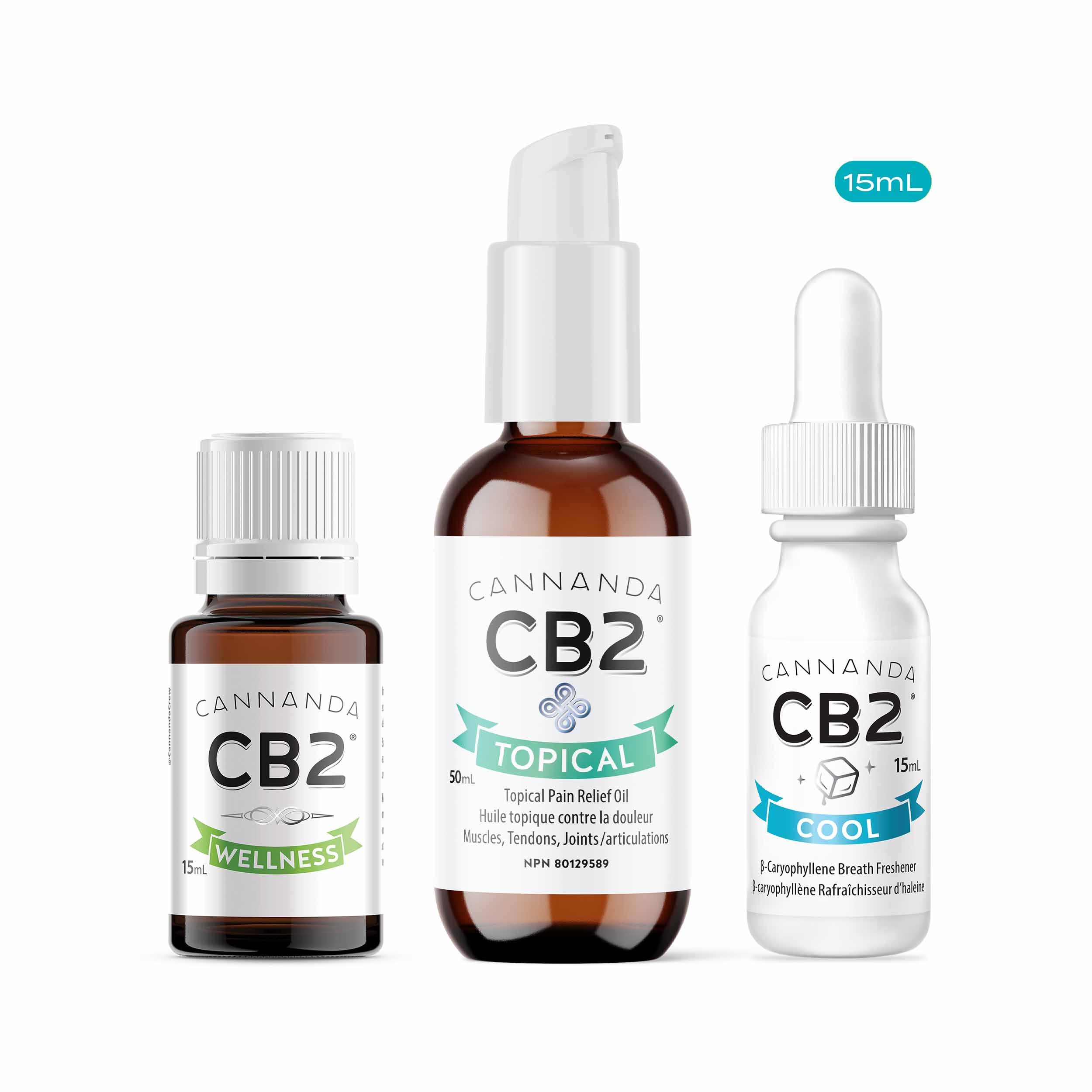
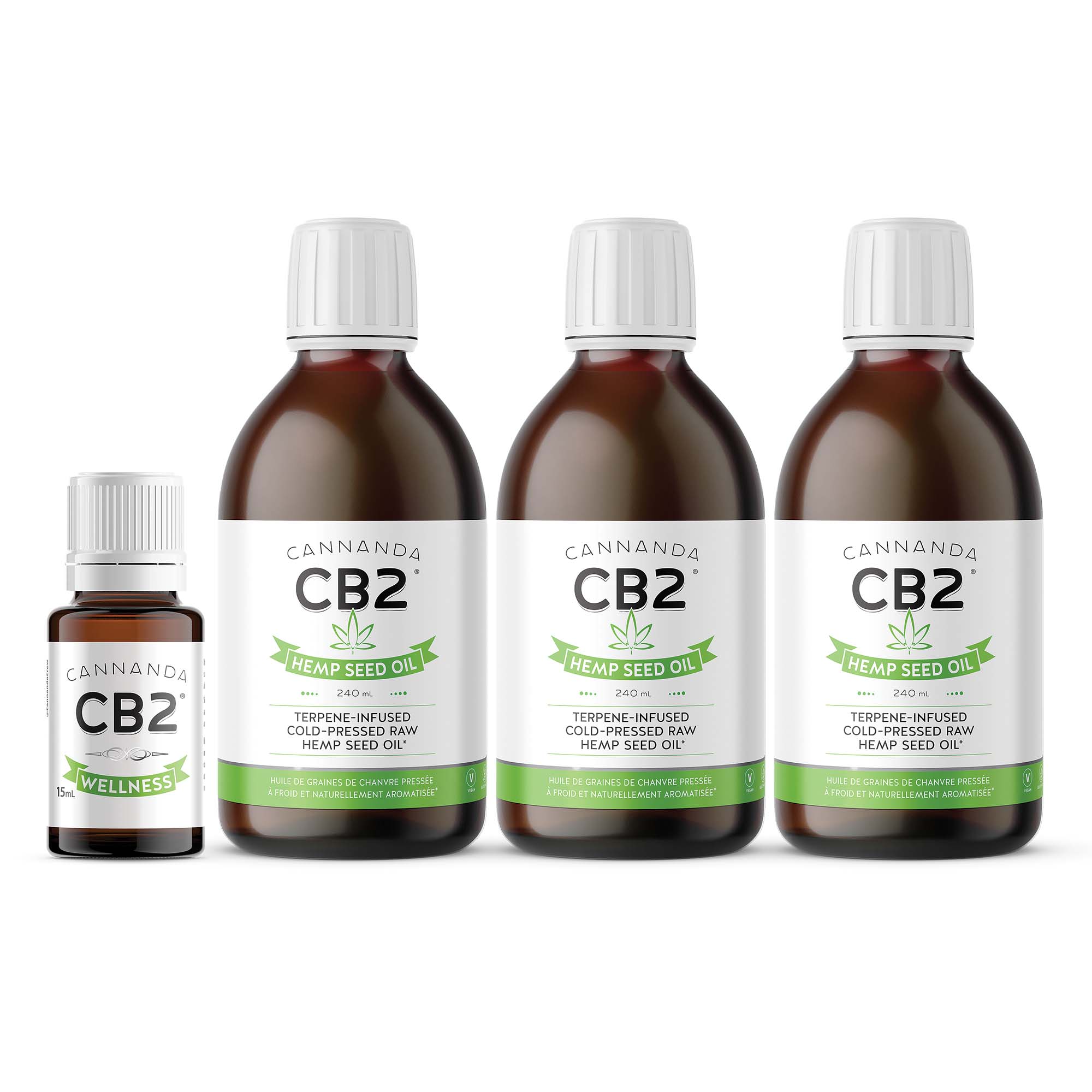
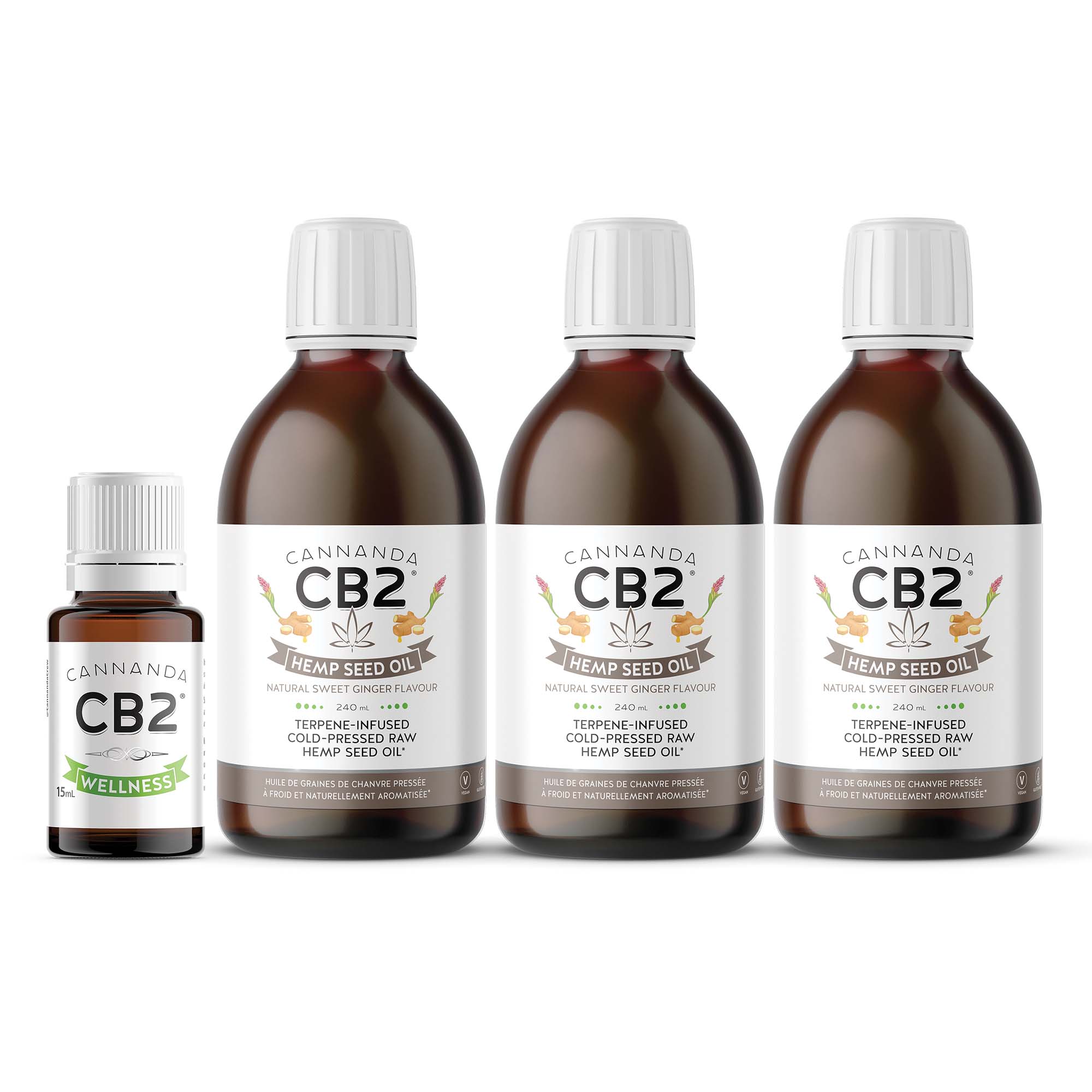
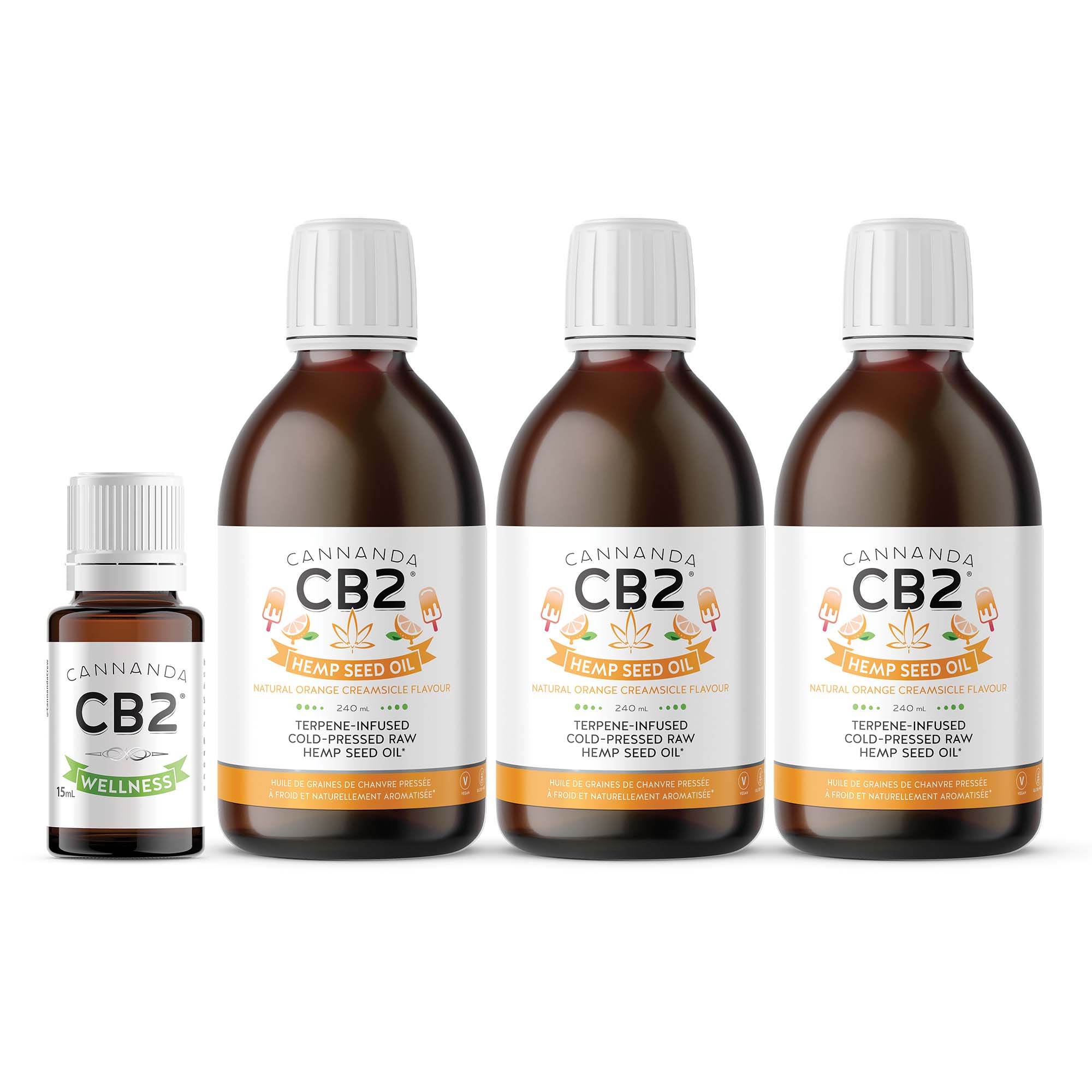
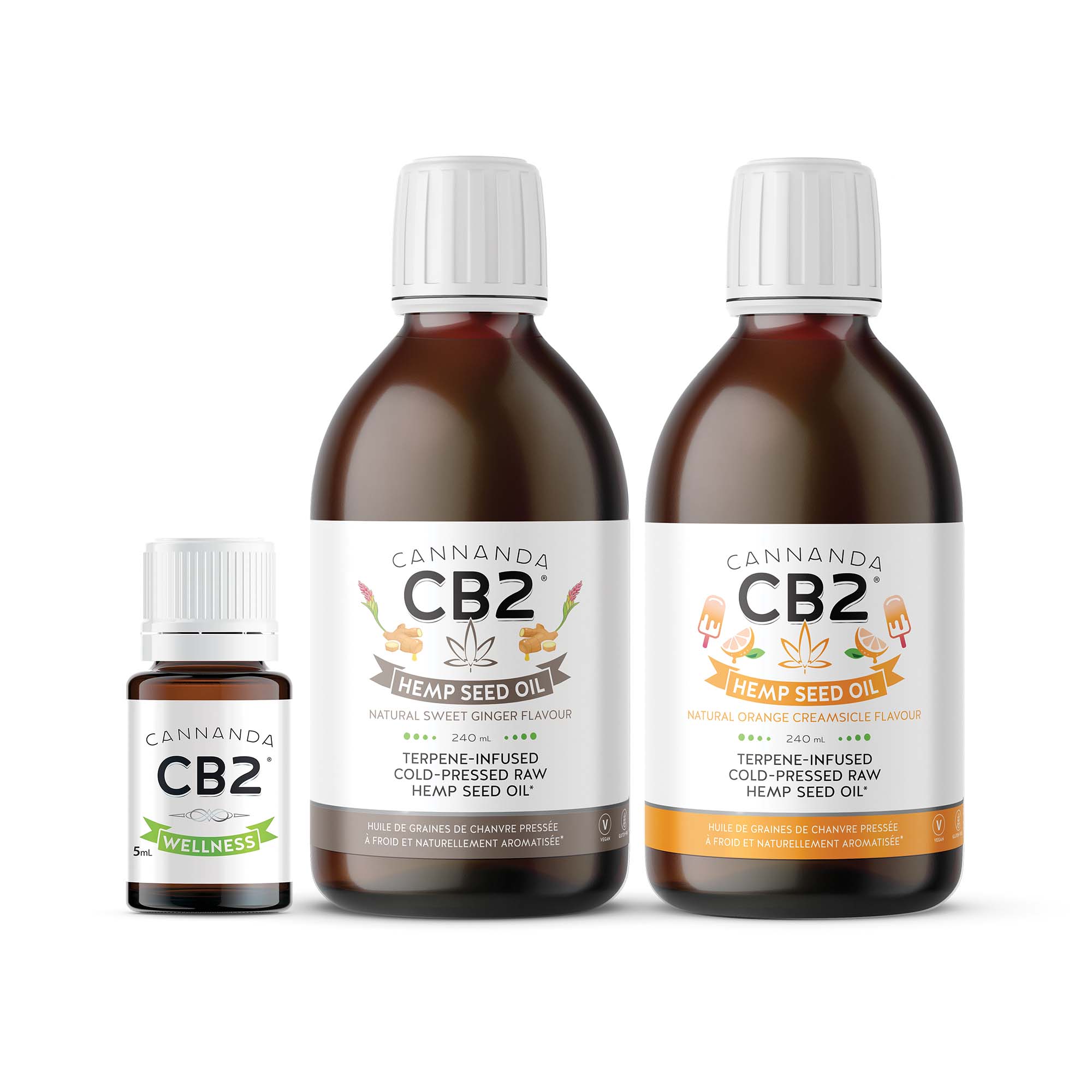
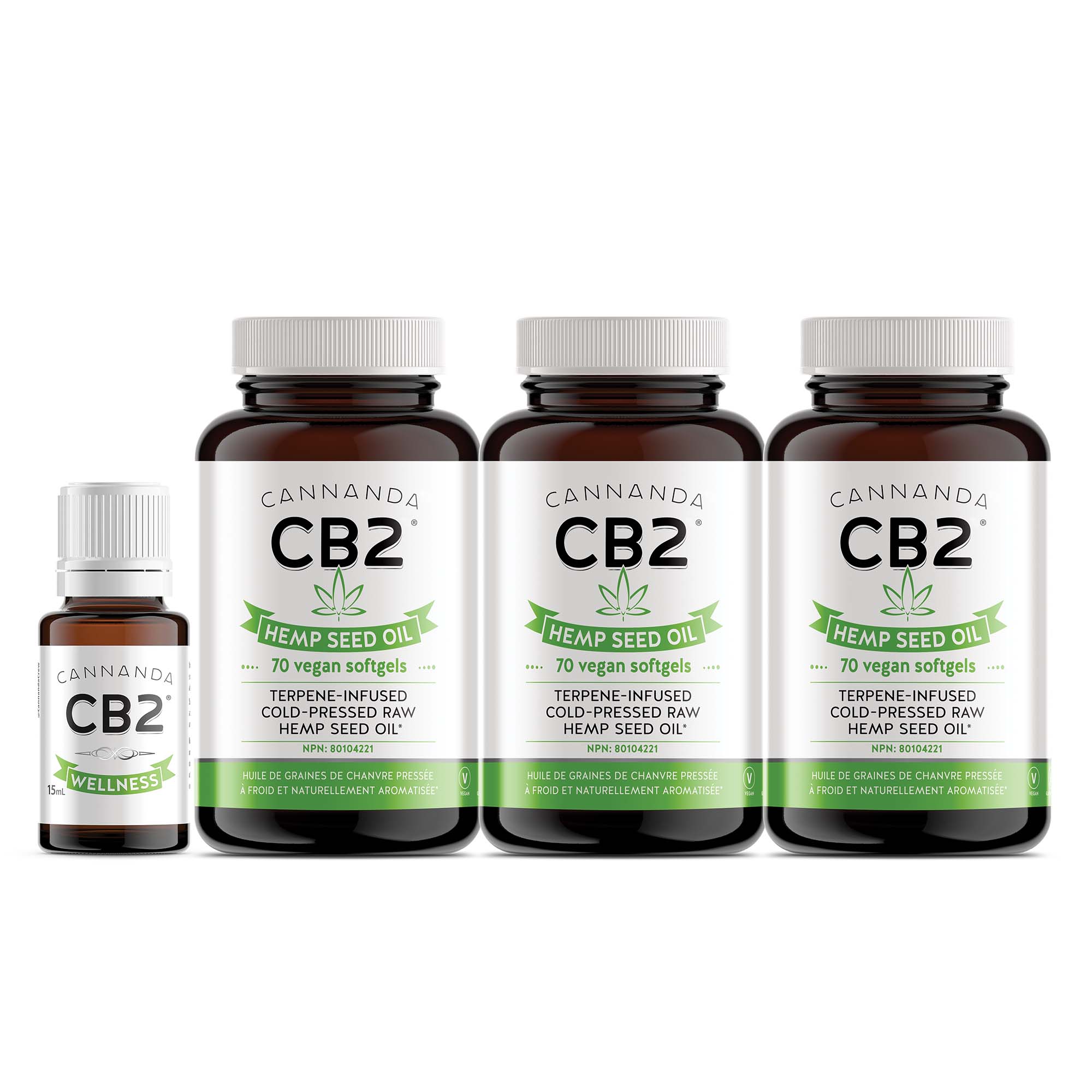
Cannanda CB2 Wellness Oil
CB2 Wellness is Cannanda's concentrated BCP terpene blend, the original CB2 oil, physician-formulated by Dr. Lee Know, ND. It's designed for people who want the full BCP dose in a convenient format that works for daily use.
- Concentrated beta-caryophyllene terpene blend
- 0% THC, 0% CBD, non-intoxicating
- Food-grade, derived from plant sources
- Health Canada-licensed natural health product
- Over 95% of raw materials sourced within Canada
The Bottom Line
Persistent fatigue in otherwise healthy adults is almost always rooted in something you can actually do something about. Chronic low-grade inflammation, the kind that doesn't show up on routine bloodwork but quietly drains your energy 24 hours a day, is one of the most common and most overlooked drivers.
BCP doesn't mask the fatigue signal. It works upstream, reducing the inflammatory processes, oxidative stress, and metabolic inefficiency that created the problem in the first place. It's slow to start and quiet when it works, which is exactly what you want from something that's actually fixing the root cause rather than pushing you through it.
Two weeks is all it usually takes to feel the difference.
Frequently Asked Questions
- Does beta-caryophyllene give you energy like caffeine?
- No. BCP doesn't stimulate your nervous system the way caffeine does. Instead, it works by reducing the inflammatory processes and oxidative stress that drain your energy in the first place. Users typically describe the effect as less fatigue rather than more energy, you feel more like yourself again, not wired. There's no spike, no crash, and no tolerance buildup.
- How long does it take for BCP to improve energy levels?
- Most people notice a meaningful difference around the two-week mark with consistent daily use. This is because BCP works by gradually shifting your baseline inflammatory tone and supporting mitochondrial function through transcription factor modulation, both cumulative processes that take time to produce measurable change. Don't judge it after three days.
- What is the connection between inflammation and fatigue?
- When your immune system produces inflammatory cytokines like IL-6, TNF-α, and IL-1β, even at low levels, these molecules signal your brain to conserve energy. This response evolved as sickness behavior to help your body heal during illness. But when inflammation becomes chronically elevated, the fatigue signal never fully switches off. You feel it as persistent low energy that doesn't respond to sleep or standard interventions.
- Is beta-caryophyllene safe to take daily?
- BCP is a food-grade compound found naturally in black pepper, cloves, rosemary, copaiba, and many other plants we eat regularly. It has an excellent safety profile, is non-intoxicating, and raises no concerns around drug testing. At supplemental doses of 60-120 mg per day, it is well-tolerated with no known toxicity in available research. As with any supplement, consult your healthcare provider if you're managing a health condition or taking medications, and check with your doctor first if you're on a medication with a narrow therapeutic window.
- What is the best dose of BCP for energy support?
- Research and user experience points to 60-120 mg per day as the effective range. BCP has an interesting dose-response curve where very high concentrations can activate a ceramide accumulation pathway that partially counteracts its own anti-inflammatory effects. The sweet spot for most people is in the 60-120 mg range. Starting at 60 mg and adjusting based on your response is a reasonable approach.
- Can BCP help with exercise recovery and energy between efforts?
- Yes, and this is one of the most commonly noticed effects among physically active users. CB2 receptors are expressed in muscle tissue and the immune cells that manage post-exercise repair. BCP activates these receptors and helps the local inflammatory response resolve more quickly after intense efforts. The result is less accumulated residual fatigue between training sessions, faster return to baseline, and more consistent energy on back-to-back workout days.
- What is PPAR-alpha and why does it matter for energy?
- PPAR-alpha is a nuclear receptor, essentially a genetic switch, that controls how well your cells burn fat for fuel. When PPAR-alpha is well-activated, your body oxidizes fatty acids more efficiently, providing more stable, sustained energy throughout the day without the glucose volatility that drives crashes. BCP activates PPAR-alpha, which is why users consistently describe the energy benefit as sustained rather than stimulatory.
- Does BCP affect mitochondria?
- Indirectly, yes. BCP activates the Nrf2/HO-1 pathway, your body's master antioxidant defense system. By reducing oxidative stress at the cellular level, it helps preserve mitochondrial membrane potential and function. Mitochondria are particularly vulnerable to ROS damage because they're the primary site of ROS production. Better mitochondrial function means more efficient ATP output, which translates directly into more cellular energy available for everything you do.
- Is CB2 oil the same as CBD oil?
- No, and this distinction matters. Cannanda CB2 oil contains beta-caryophyllene, a food-grade dietary terpene derived from plants like black pepper and cloves. It contains 0% THC and 0% CBD. Unlike CBD, BCP is a terpene, not a cannabinoid, making it legal everywhere, safe from any drug-testing concerns, and accessible without the regulatory complexity that comes with cannabis-derived products. The name CB2 refers to the receptor it activates, not its source.
- Can I take BCP with other energy supplements?
- BCP pairs well with other foundational energy-support supplements. Magnesium and CoQ10 work on complementary mitochondrial pathways, and ashwagandha addresses the cortisol and HPA axis side of fatigue that BCP doesn't directly target. There are no known adverse interactions between these compounds. As always, if you're on prescription medications or managing a chronic condition, it's worth a conversation with your healthcare provider before starting any new supplement stack, particularly if any of those medications have a narrow therapeutic window.
References
- Gertsch J, Leonti M, Raduner S, et al. Beta-caryophyllene is a dietary cannabinoid. Proc Natl Acad Sci USA. 2008;105(26):9099-9104. DOI: 10.1073/pnas.0803601105
- Dantzer R, O'Connor JC, Freund GG, Johnson RW, Kelley KW. From inflammation to sickness and depression: when the immune system subjugates the brain. Nat Rev Neurosci. 2008;9(1):46-56. DOI: 10.1038/nrn2297
- Kersten S, Desvergne B, Wahli W. Roles of PPARs in health and disease. Nature. 2000;405(6785):421-424. DOI: 10.1038/35016071
- Klauke AL, Racz I, Pradier B, et al. The cannabinoid CB2 receptor-selective phytocannabinoid beta-caryophyllene exerts analgesic effects in mouse models of inflammatory and neuropathic pain. Eur Neuropsychopharmacol. 2014;24(4):608-620. DOI: 10.1016/j.euroneuro.2013.10.008
- Bower JE, Lamkin DM. Inflammation and cancer-related fatigue: mechanisms, contributing factors, and treatment implications. Brain Behav Immun. 2013;30 Suppl:S48-57. DOI: 10.1016/j.bbi.2012.06.011
- Dinkova-Kostova AT, Abramov AY. The emerging role of Nrf2 in mitochondrial function. Free Radic Biol Med. 2015;88(Pt B):179-188. DOI: 10.1016/j.freeradbiomed.2015.04.036
- Littarru GP, Tiano L. Bioenergetic and antioxidant properties of coenzyme Q10: recent developments. Mol Biotechnol. 2007;37(1):31-37. DOI: 10.1007/s12033-007-0052-y
- Chandrasekhar K, Kapoor J, Anishetty S. A prospective, randomized double-blind, placebo-controlled study of safety and efficacy of a high-concentration full-spectrum extract of ashwagandha root in reducing stress and anxiety in adults. Indian J Psychol Med. 2012;34(3):255-262. DOI: 10.4103/0253-7176.106022