Beta-Caryophyllene and Stress Relief: Stay Calm, Stay Sharp, Naturally
The goal isn't to be sedated. It's to be calm, clear-headed, and functional even when life is demanding, and BCP is the only natural compound that reliably delivers that state.
You deal with daily stress (work pressure, demanding schedules, high-stakes situations) and want to manage it without feeling drowsy, impaired, or dependent on pharmaceuticals. You want to stay calm and sharp. This article explains how Cannanda CB2 oil's active ingredient BCP does exactly that, and how to use it practically for both acute stress moments and long-term resilience.
Daily stress has a biology: cortisol, inflammation, neurotransmitter dysregulation, physical tension. Beta-caryophyllene (BCP) activates CB2 receptors in the endocannabinoid system to address that biology directly, calming the cortisol cascade, reducing inflammatory tension, and restoring neurotransmitter balance. The result is the "relaxed but sharp" mental state that sedatives, alcohol, and most herbal supplements cannot provide. No drowsiness. No impairment. No dependency. No drug interactions. It works within minutes when inhaled directly.
In today's fast-paced world, stress is a constant challenge, impacting mental clarity, physical health, relationships, and long-term wellbeing. Most "solutions" force a trade-off: sedatives calm you down but fog your thinking; stimulants sharpen focus but worsen the underlying stress response; alcohol relaxes you temporarily but degrades sleep and amplifies anxiety the following day.
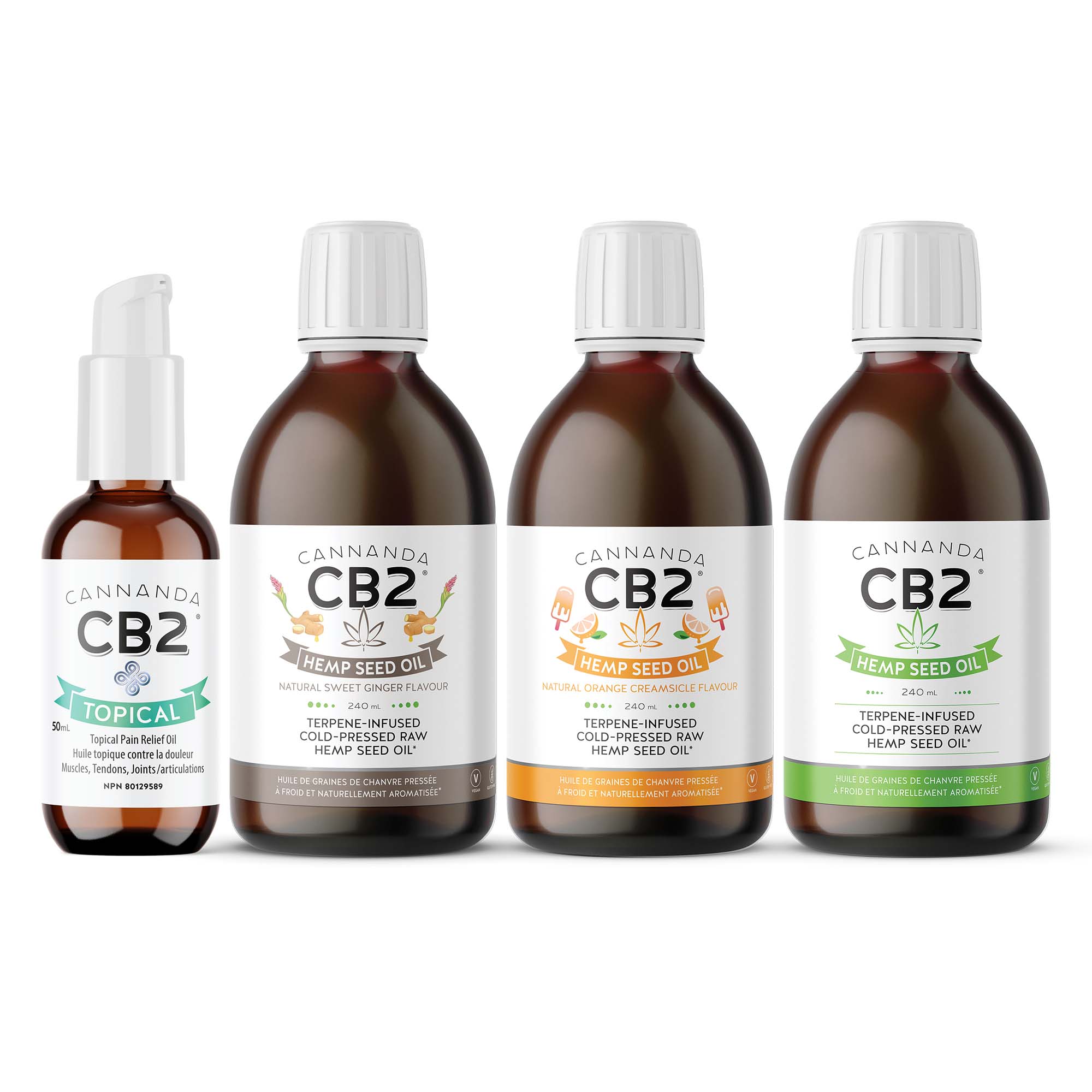
Cannanda CB2 oil offers something genuinely different: lowering the physiological stress response while keeping your mind clear and your performance intact. The active ingredient, beta-caryophyllene (BCP), is a natural dietary terpene found in black pepper, cloves, and rosemary that directly activates CB2 receptors in the endocannabinoid system, modulating the stress response at a biological level without any intoxicating effects.
What stress actually does to your body
Stress is not just a feeling. It is a full-body physiological cascade with measurable biological effects. Understanding this is key to understanding why BCP's mechanism is so well-suited to addressing it.
The HPA axis releases cortisol in response to stress. Acute cortisol is useful. Chronic cortisol elevation impairs hippocampal function, suppresses immune activity, disrupts sleep, and keeps the nervous system in a state of hyperactivation that prevents genuine rest.
Chronic stress drives systemic inflammation, driven by the same pro-inflammatory cytokines (TNF-α, IL-6) that cause physical tension, headaches, muscle tightness, and the general physical discomfort of a "stressed" body. This is why stress feels physical, not just mental.
Elevated inflammatory markers directly suppress serotonin and dopamine synthesis and impair GABA receptor sensitivity, specifically the neurotransmitters most responsible for mood stability, motivation, and emotional regulation. This is why chronic stress leads to low mood and irritability.
Elevated evening cortisol and nervous system hyperactivation prevent the parasympathetic shift needed for sleep onset. Poor sleep then worsens stress reactivity the following day, creating a cycle that compounds over weeks and months. See: BCP for sleep.
Chronic stress elevates heart rate and blood pressure through sympathetic nervous system activation. Sustained cardiovascular strain from chronic stress is a significant contributor to long-term cardiovascular risk. See: BCP and cardiovascular health.
Stress suppresses gut motility, disrupts gut microbiome balance, and impairs the gut-brain signalling that produces approximately 90% of the body's serotonin; digestive symptoms during stress (nausea, cramping, bloating) are a direct consequence of this connection. See: BCP for gut health.
How BCP addresses the stress response: the mechanisms
BCP's unique interaction with CB2 receptors helps regulate the body's stress response by modulating HPA axis activity. Specifically, CB2 activation supports more appropriate cortisol regulation, dampening the excessive and sustained cortisol output that keeps the nervous system locked in stress mode. This is not sedation; it's recalibration. The nervous system shifts from "fight or flight" toward "rest and recover" without losing cognitive function.
The endocannabinoid system is the body's master regulatory network, and the ECS directly governs stress resilience. When ECS tone is good, stress responses are proportionate and brief; when ECS tone is depleted by chronic stress, those responses become exaggerated and sustained. BCP restores ECS tone through CB2 receptor activation, making stress responses more appropriate, not absent.
Chronic stress is consistently linked to elevated inflammatory markers, and this is not coincidental; the same cytokines (TNF-α, IL-1β, IL-6) that drive physical inflammation also directly suppress serotonin and dopamine synthesis, impair GABA receptor sensitivity, and worsen stress reactivity in a feed-forward loop: stress drives inflammation, inflammation worsens mood, worse mood increases stress.
BCP is a potent anti-inflammatory agent through CB2 receptor activation, reducing the production of pro-inflammatory cytokines that create this loop. By addressing the inflammatory component of stress, BCP helps break the cycle rather than simply masking symptoms. This is why consistent daily use produces progressively better stress resilience, not just acute relief.
By supporting the endocannabinoid system and reducing neuroinflammation, BCP positively impacts mood and emotional stability through CB2-mediated pathways, without the intoxicating effects associated with CB1 receptor activation. Unlike compounds that directly manipulate serotonin receptors (SSRIs, which carry side effects and discontinuation difficulties), BCP supports the broader neuroinflammatory and ECS environment that allows normal serotonin and dopamine function to be restored.
For individuals dealing with irritability, emotional reactivity, or low mood driven by chronic stress, BCP provides a gentle, sustainable approach to emotional balance. Users consistently describe the effect as "calm but focused": clear-headed and even-keeled without any sense of being numbed or impaired.
Stress manifests physically as muscle tension, headaches, elevated heart rate, chest tightness, and general physical discomfort, all driven by the sympathetic nervous system's stress activation and the accompanying inflammation. BCP's anti-inflammatory CB2 effects address the inflammatory component of this physical tension while its HPA-modulating properties reduce the sympathetic overdrive causing it.
Critically, this physical calming occurs without the muscle relaxant or sedative effects of pharmaceuticals; BCP does not impair motor function, reaction time, or physical coordination, making it appropriate before exercise, physical performance, or any activity requiring full physical capability alongside emotional calm.
The "calm but sharp" state: what makes BCP different from sedatives
Most interventions for stress manage it through suppression: benzodiazepines enhance GABA to reduce neural excitability; alcohol depresses the central nervous system; even many herbal supplements (kava, valerian) produce their calming effects through sedative mechanisms. All of these impair cognitive function to varying degrees.
- Calm through CNS suppression
- Impair cognitive performance
- Cause drowsiness and slowed reaction time
- Unsuitable before demanding tasks
- Risk of dependency with pharmaceuticals
- Do not address root causes of stress
- Calm through ECS recalibration and inflammation reduction
- No cognitive impairment whatsoever
- No drowsiness; full alertness maintained
- Ideal before meetings, presentations, exams, travel
- Non-addictive; no withdrawal
- Addresses the cortisol and inflammatory root causes
The most consistent thing users report about CB2 oil for stress is a specific quality of mental state that doesn't quite have a name in common language: calm, but not slow; focused, but not wired; clear-headed, but not tense. It's the mental equivalent of a deep breath, and it's the result of the endocannabinoid system's homeostatic recalibration rather than chemical suppression.
This is why BCP is appropriate for use before high-performance situations where both calm and cognitive clarity are essential: presentations, negotiations, creative work, competitions, or any context where stress is counterproductive and sedation is unacceptable. It can be used during the day without any concern about impairment, by professionals, athletes, students, and parents alike.
The fastest route to calm: aromatic inhalation
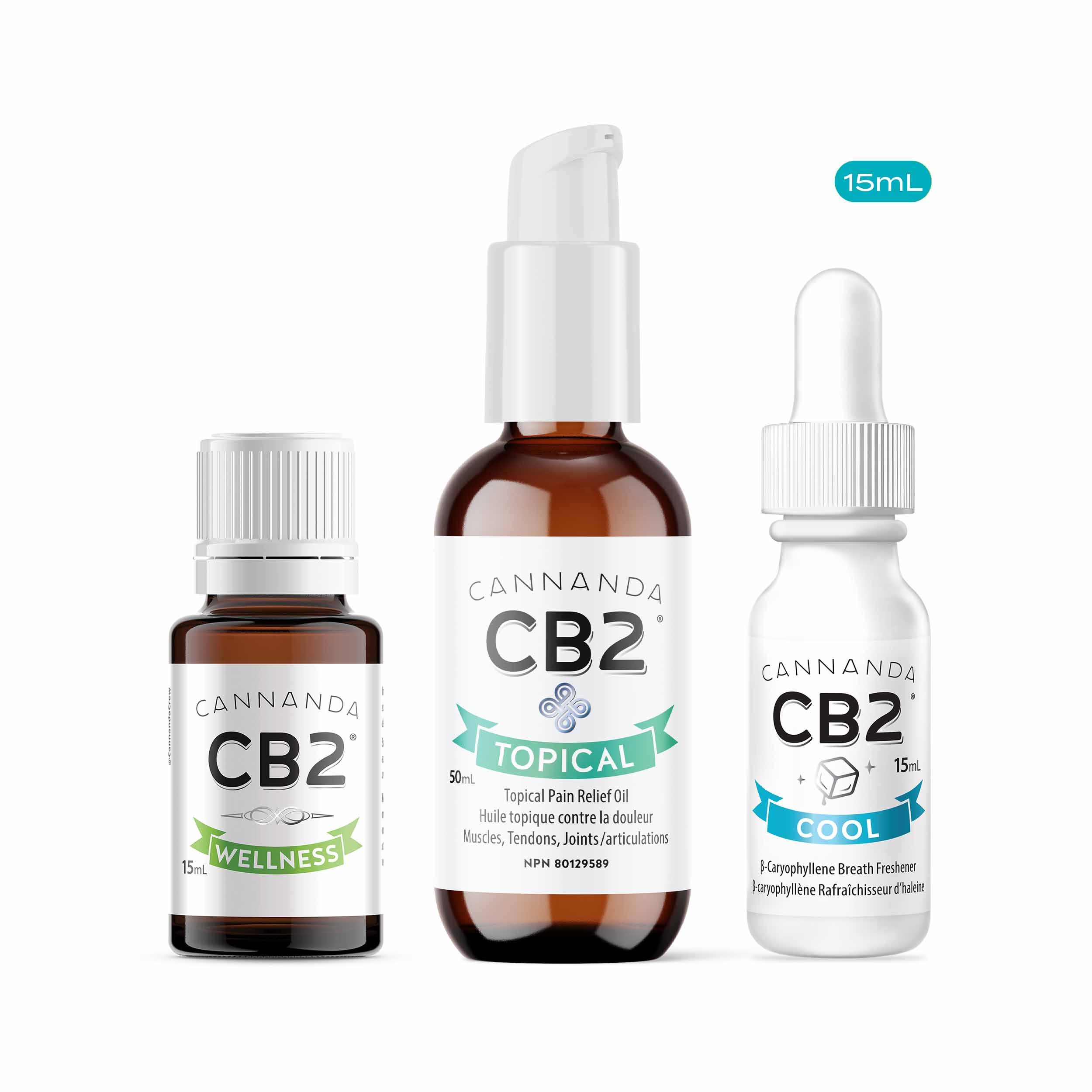
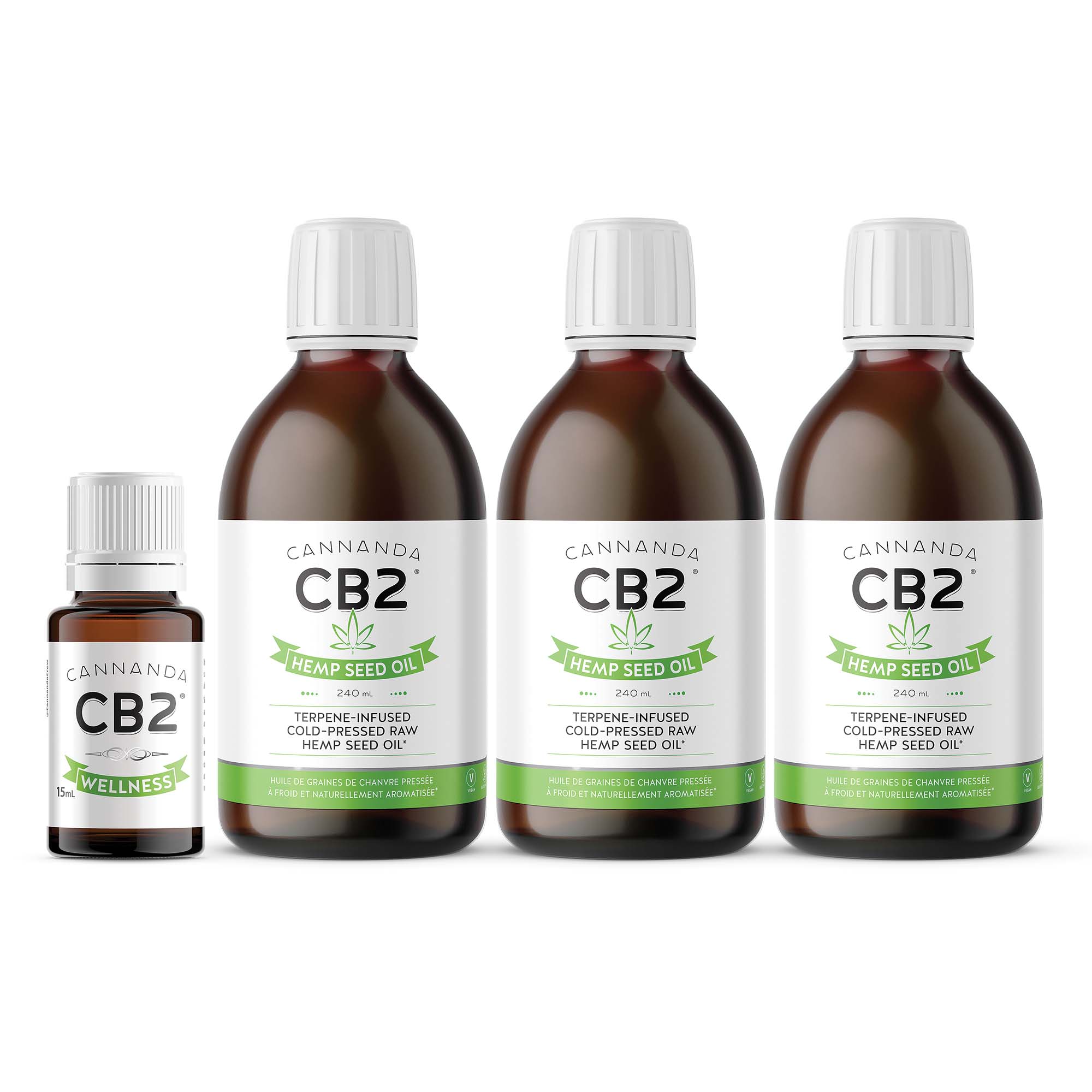
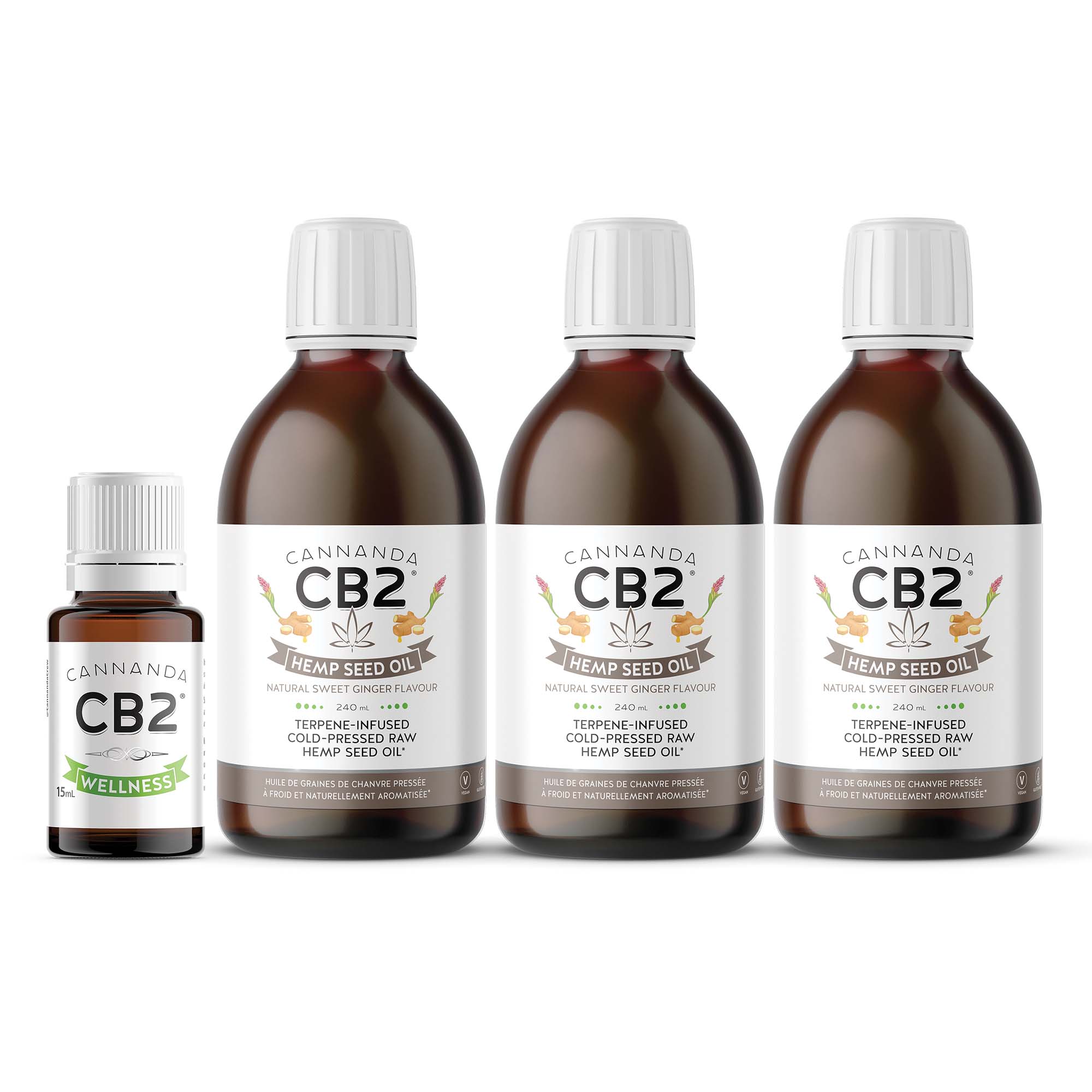
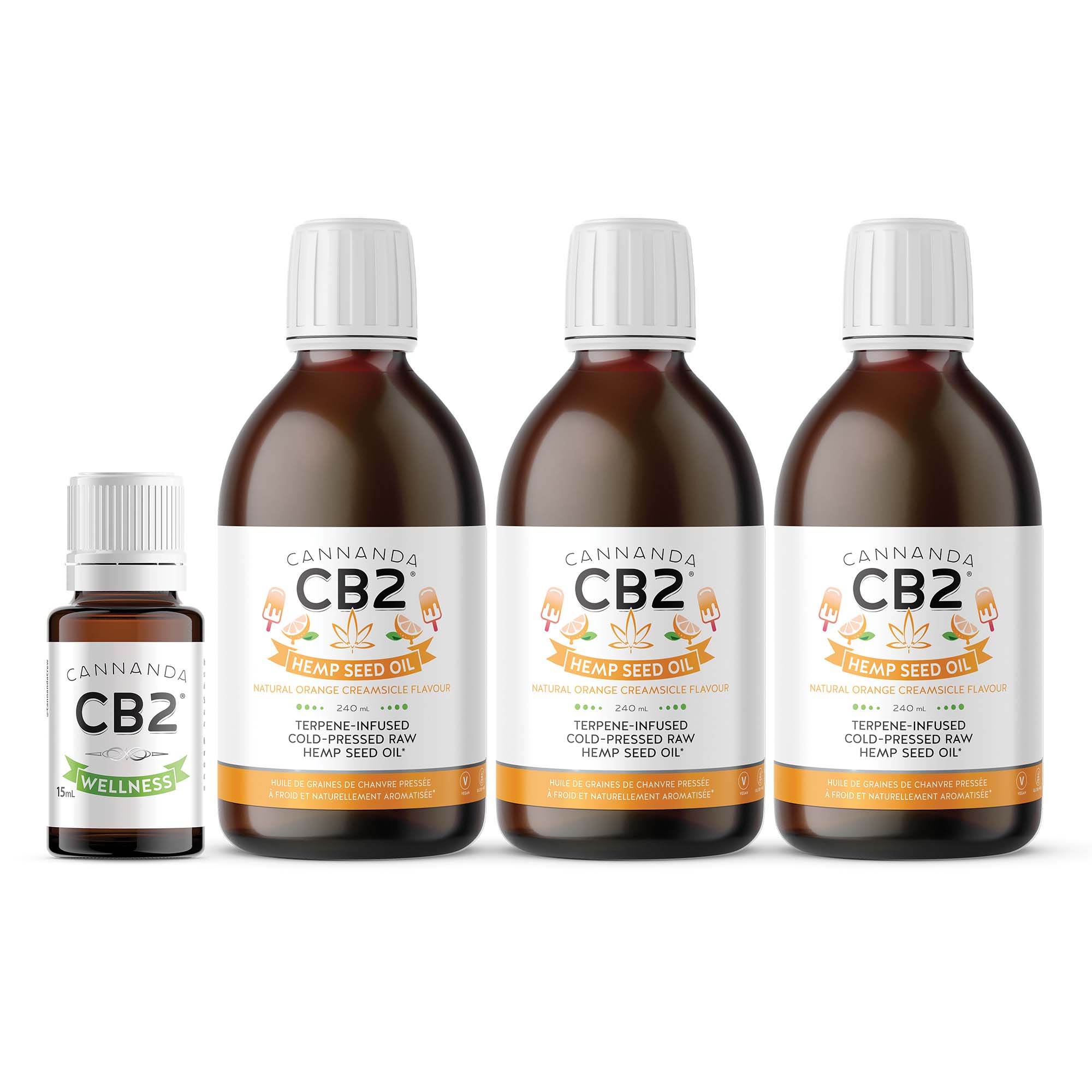
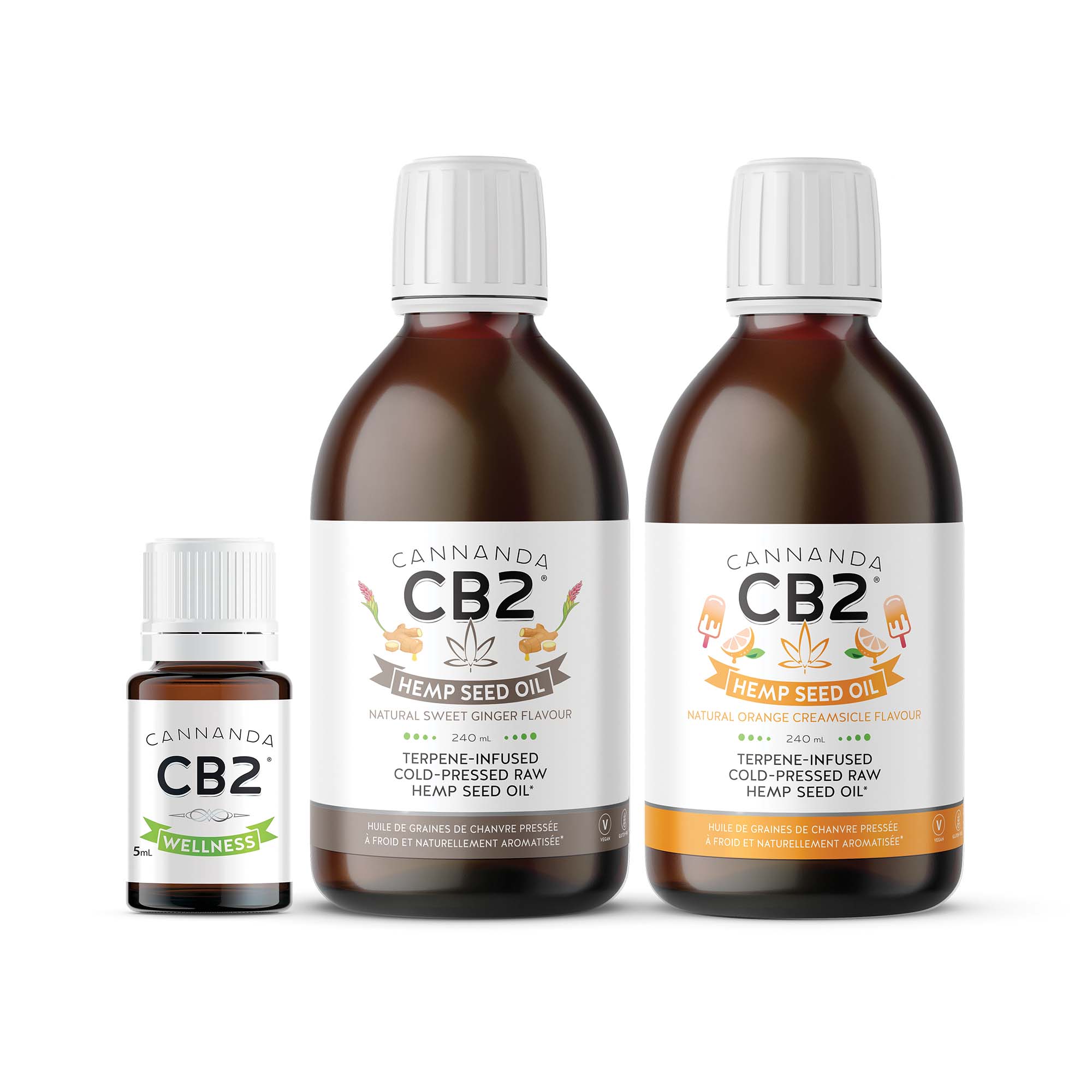
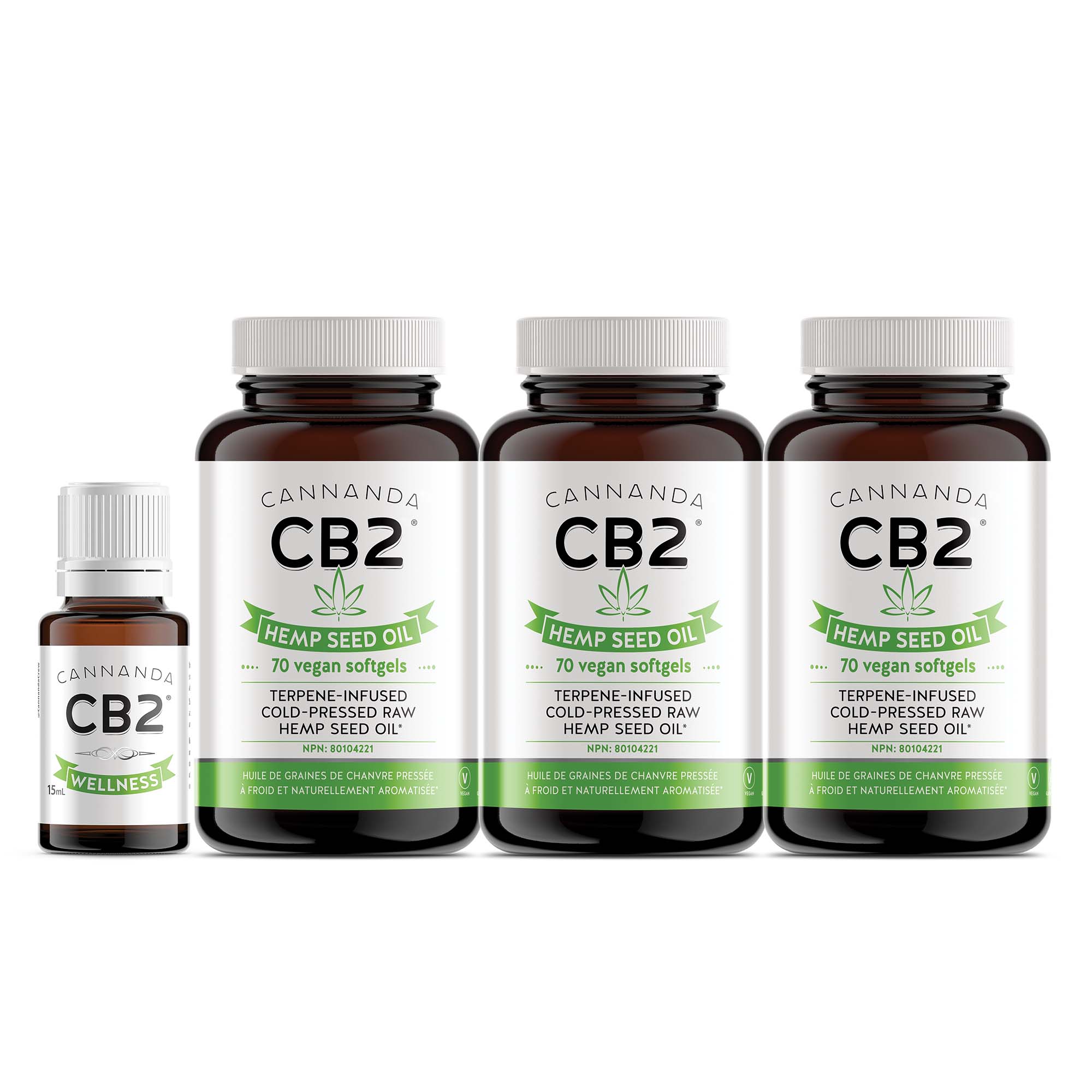
When you inhale CB2 Wellness drops directly (a few drops on the inside of the wrist, held near the nose and inhaled slowly through the nostrils for 60–90 seconds), and the terpene molecules travel through the olfactory epithelium along the olfactory nerve directly into the limbic system. This bypasses digestion entirely, delivering BCP to the brain's emotional regulation centre within minutes.
Many users report feeling noticeably calmer within seconds to minutes of direct inhalation, without any cognitive impairment. This is the acute protocol: the tool for moments of sudden stress when you need to shift your state before a presentation, a difficult conversation, or any high-pressure situation. Keep CB2 Wellness accessible and use it before the moment arrives, not after.
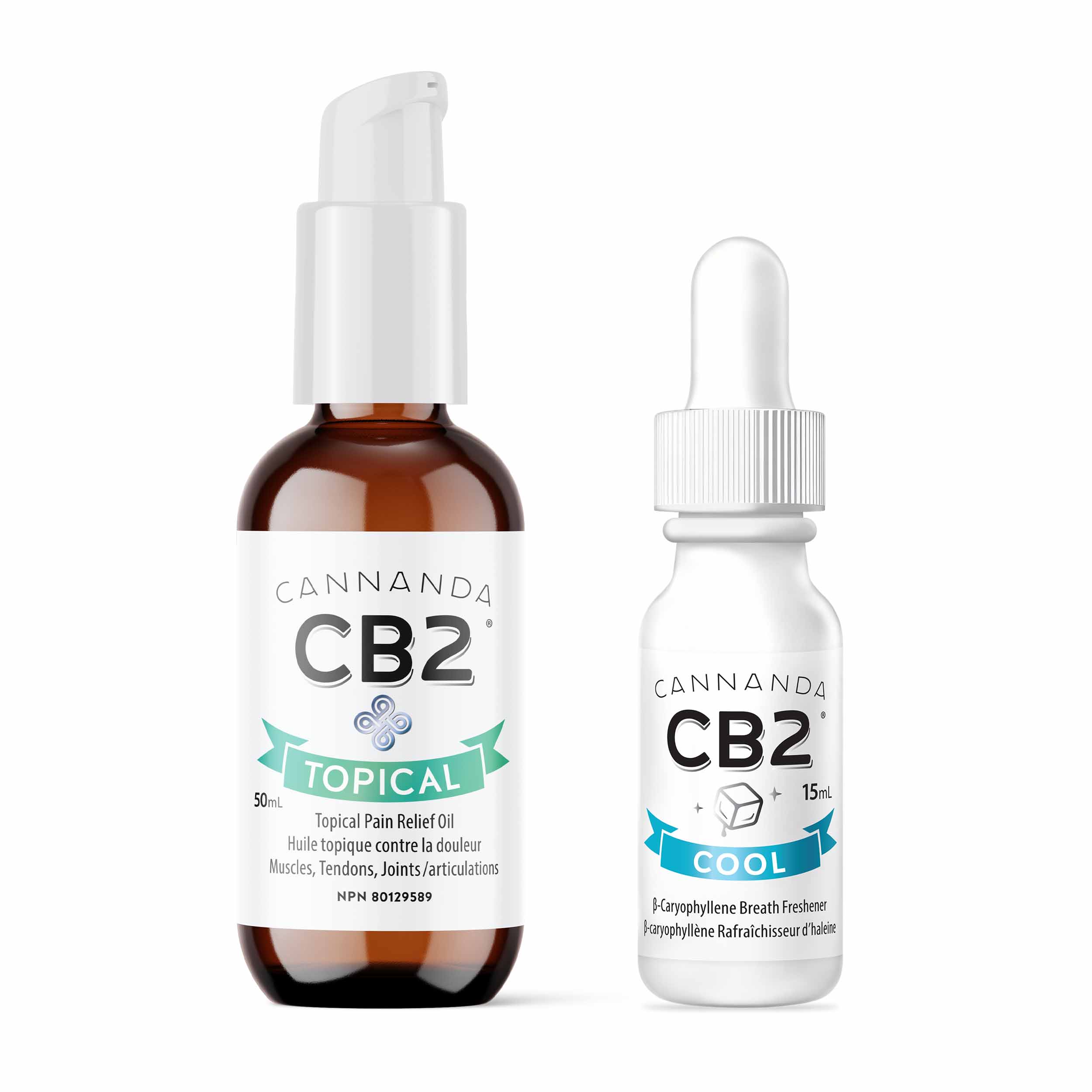
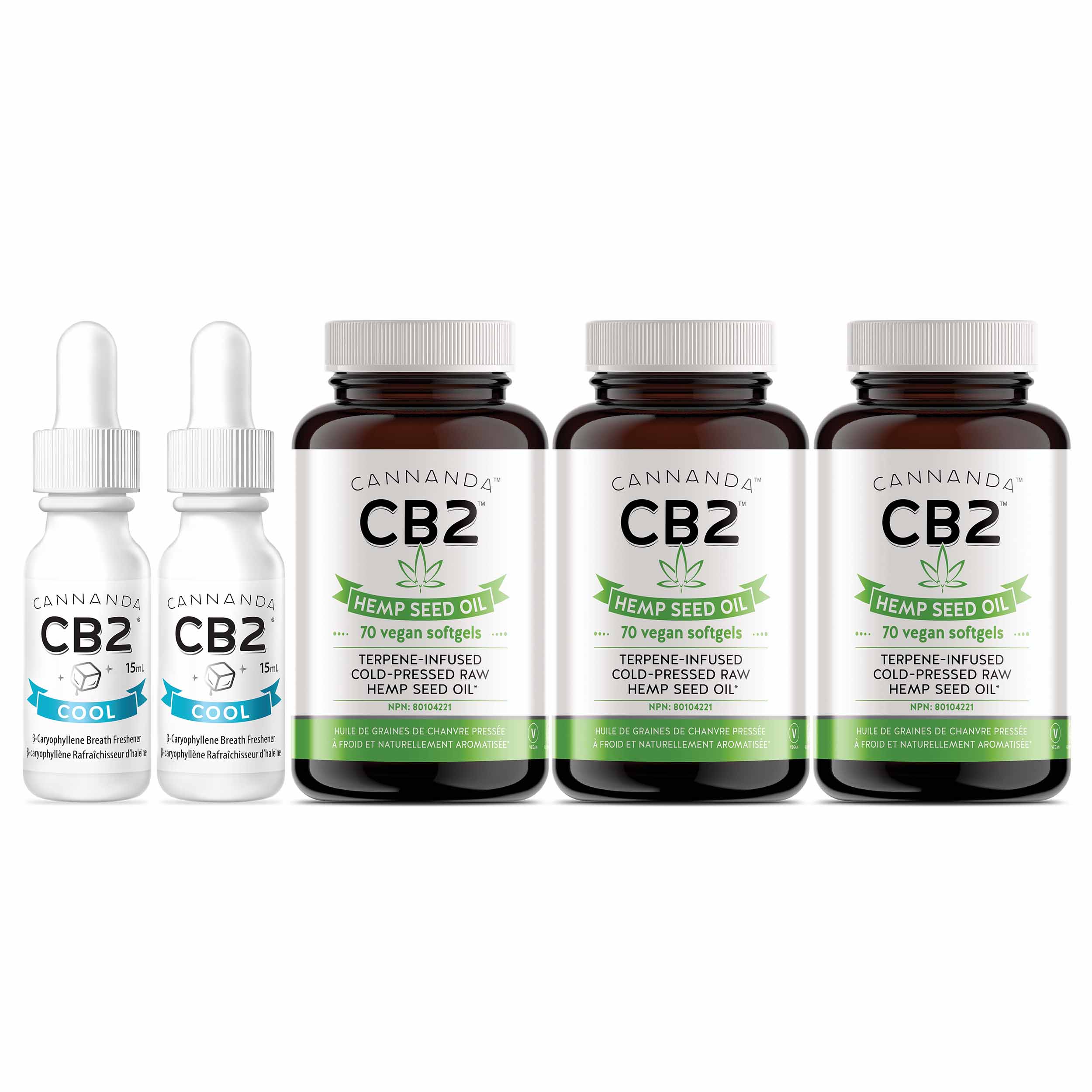
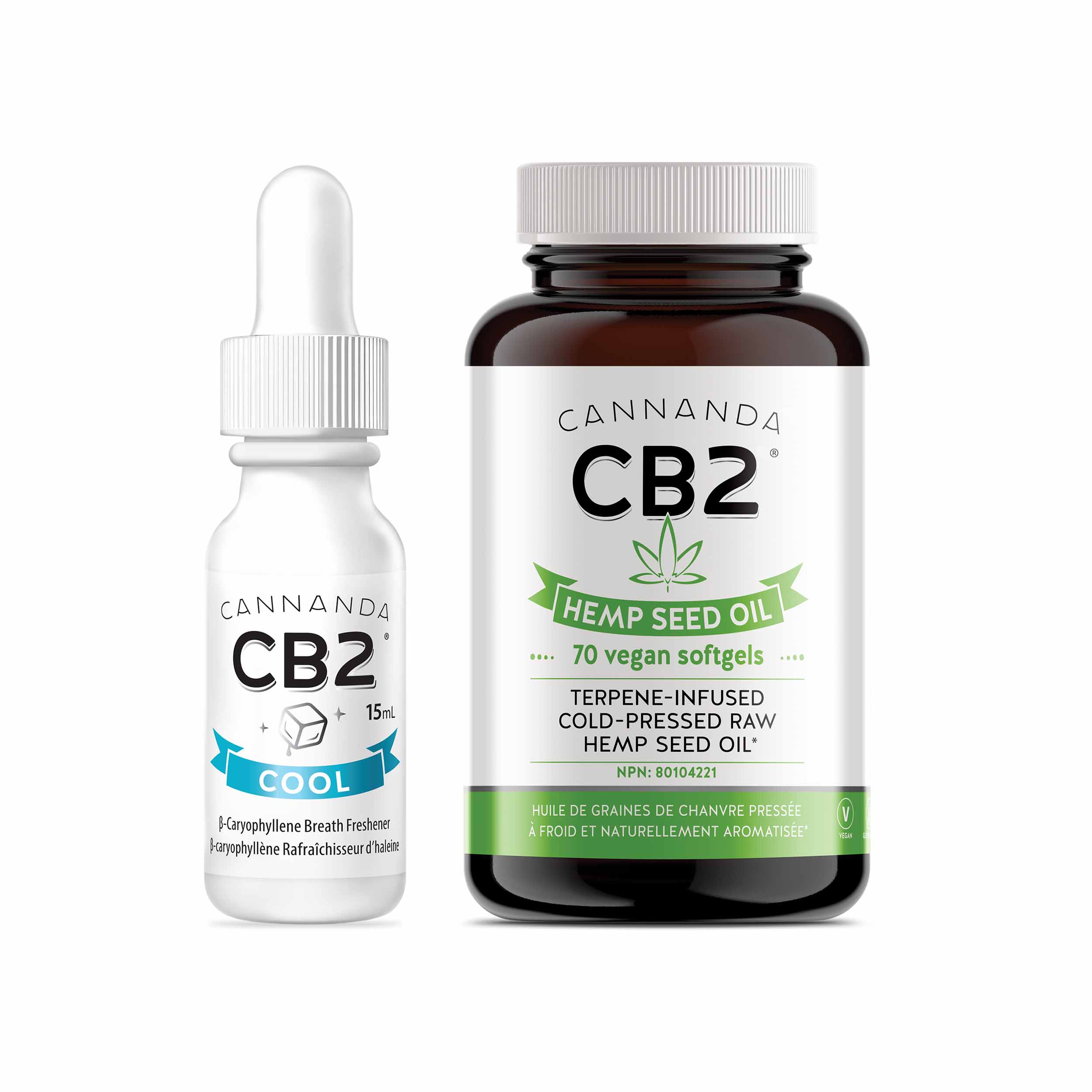
CB2 Cool is the portable option for this: a discreet BCP breath freshener that can be used anywhere, anytime, providing fast-acting BCP through the oral and olfactory routes without any preparation. Ideal for travel, meetings, or situations where discretion matters.
Who benefits most from BCP for stress relief
A practical stress management protocol
Consistency is the key to sustained stress resilience. Taking CB2 Hemp Seed Oil with breakfast and dinner provides sustained BCP for daily CB2 receptor activation. The cumulative anti-inflammatory and ECS-regulatory benefits build over 2–4 weeks of consistent use, progressively improving baseline stress resilience rather than just providing acute relief.
Keep CB2 Wellness or CB2 Cool accessible. Before anticipated stressors (a meeting, a presentation, a difficult conversation), place a few drops of CB2 Wellness on your wrist and inhale slowly for 60–90 seconds. Or use CB2 Cool for a discreet, portable option. Most users report a perceptible shift in their stress state within minutes.
CB2 Wellness taken sublingually 30–60 minutes before bed supports the cortisol reduction and parasympathetic shift needed for quality sleep. Breaking the stress-insomnia cycle is one of the most impactful things you can do for daytime stress resilience: people who sleep better are measurably less stress-reactive the following day. See: BCP for sleep.
BCP complements, not replaces, the lifestyle factors that support stress resilience: exercise (the most evidence-backed intervention for cortisol regulation and mood), breathing practices, time in nature, and adequate nutrition. BCP reduces the physiological barrier that makes these lifestyle practices harder to sustain when the nervous system is chronically dysregulated. Less stressed, more consistent. More consistent, less stressed.
Calm. Clear. Functional. No compromise.
CB2 receptor activation for stress. Non-intoxicating. No drug interactions. No drowsiness. Non-addictive. GRAS-status ingredients. Physician-formulated. Money-back guaranteed.
Frequently Asked Questions
What is beta-caryophyllene (BCP) and how does it help with stress?
Beta-caryophyllene is a natural terpene found in black pepper, cloves, and rosemary. It directly activates CB2 receptors in the endocannabinoid system, helping regulate stress responses, reduce cortisol and inflammation, and support neurotransmitter balance. The result is functional calm: clear-headed, non-drowsy, and compatible with full cognitive performance. Unlike CBD, BCP has no CYP450 drug interactions at recommended doses.
Is beta-caryophyllene safe for daily stress relief?
Yes. BCP has FDA GRAS food-ingredient status. Studies show it is non-toxic, non-addictive, and well-tolerated even at higher doses. Unlike pharmaceutical stress medications, it does not impair cognition, cause dependency, or carry withdrawal effects. It has no known drug interactions with most medications at recommended doses (exception: drugs with a very narrow therapeutic window).
How fast does beta-caryophyllene work for stress?
Route matters. Direct aromatic inhalation of CB2 Wellness delivers terpenes to the brain via the olfactory pathway within minutes. Many users report feeling noticeably calmer within seconds to minutes of inhalation. Sublingual drops are faster than oil taken with food. For sustained stress resilience, consistent daily use over 2–4 weeks builds cumulative benefit.
Does BCP make you drowsy?
No. BCP produces calm without sedation. It does not impair cognitive performance, reaction time, or coordination. It is safe to use before work, study, exercise, or any situation requiring full mental function. This is one of BCP's most important practical advantages over sedative approaches to stress management.
Can BCP help with both stress and sleep?
Yes. Stress and poor sleep are closely linked; elevated cortisol prevents sleep onset, and sleep deprivation worsens stress reactivity the following day. BCP's calming effects reduce cortisol and mental hyperarousal that prevent sleep, while CB2-mediated ECS support directly regulates sleep-wake cycles. Many users report improved sleep as one of the first benefits noticed, which then feeds back into reduced daytime stress.
What makes Cannanda CB2 oil better than other stress supplements?
Cannanda is the original inventor of CB2 oil and the world's best-selling BCP supplement. It uses a proprietary complex terpene blend, steam-distilled for purity, third-party tested every batch, with GRAS-status food ingredients and no CYP450 drug interactions. Unlike generic products, it maximizes CB2 activation for stress relief, balance, and wellness without intoxication or dependency. First-time buyers are covered by a money-back guarantee.
Does beta-caryophyllene interact with medications for stress or anxiety?
Unlike CBD, BCP has no known adverse drug interactions with antidepressants or anti-anxiety medications at recommended doses. CBD inhibits CYP450 liver enzymes that metabolize SSRIs and benzodiazepines. BCP does not affect these pathways. Always inform your healthcare provider about supplements you take alongside prescription medications.
What is CB2 Cool and how does it help with stress?
CB2 Cool is Cannanda's portable BCP breath freshener, providing fast-acting beta-caryophyllene in a convenient form that can be used anywhere: before a meeting, during travel, or in any acute stress situation. It delivers BCP through oral and olfactory routes for fast onset. Discreet, portable, no preparation required. Ideal when discretion or convenience matters.
References
- Bahi A, et al. (2014). β-Caryophyllene produces multiple behavioral changes relevant to anxiety and depression in mice. Physiology & Behavior, 135, 119–124.
- Gertsch J, et al. (2008). Beta-caryophyllene is a dietary cannabinoid. PNAS, 105(26), 9099–9104.
- Raison CL & Miller AH. (2011). Is depression an inflammatory disorder? Current Psychiatry Reports, 13(6), 467–475. (Neuroinflammation, cortisol, and mood.)
- Scandiffio R, et al. (2024). β-Caryophyllene, a CB2 Receptor Selective Agonist, in Emotional and Cognitive Disorders. Frontiers in Psychiatry, 15.
- Schmitt D, Levy R, Carroll B. (2016). Toxicological Evaluation of β-Caryophyllene Oil. International Journal of Toxicology, 35(5), 558–567. (Safety profile.)