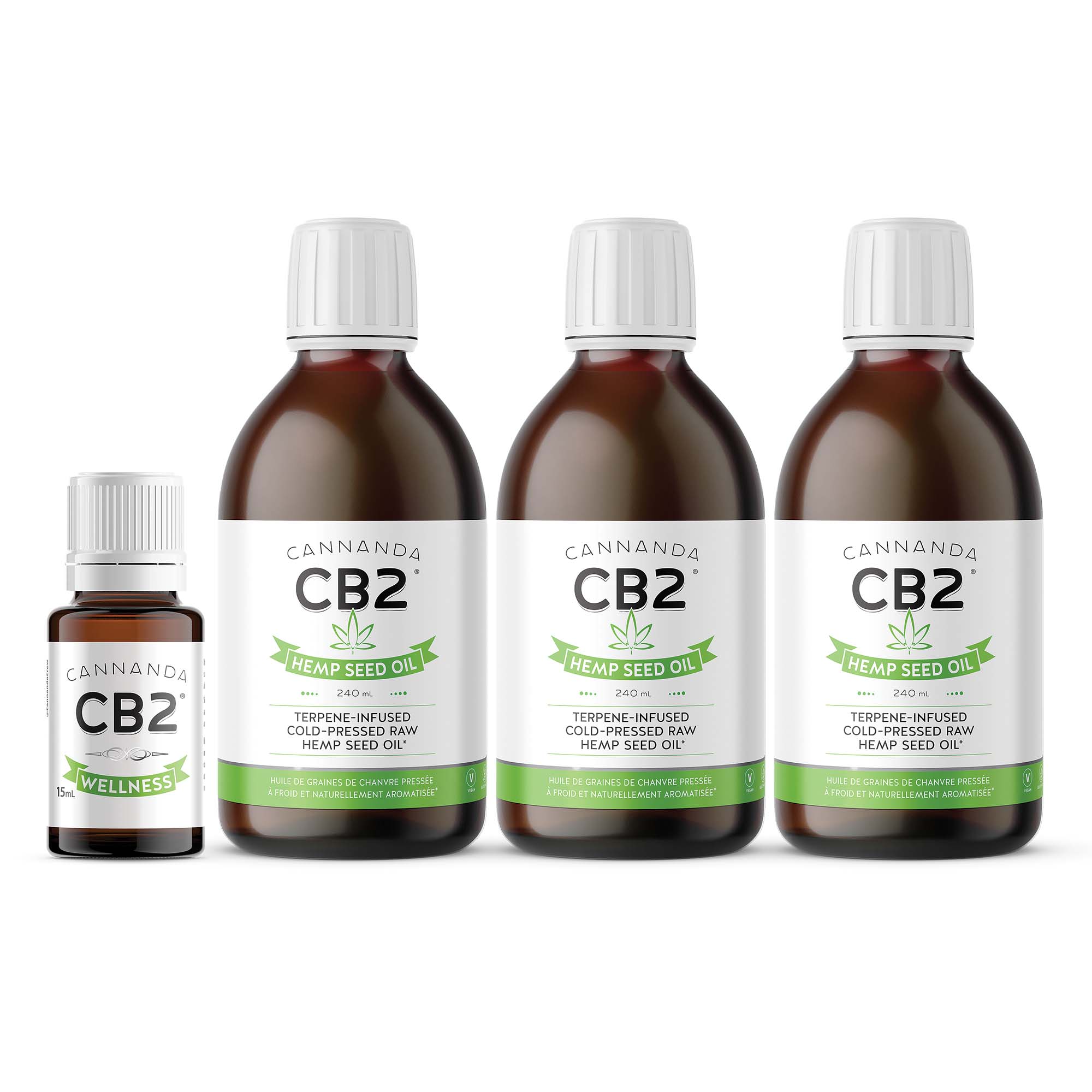
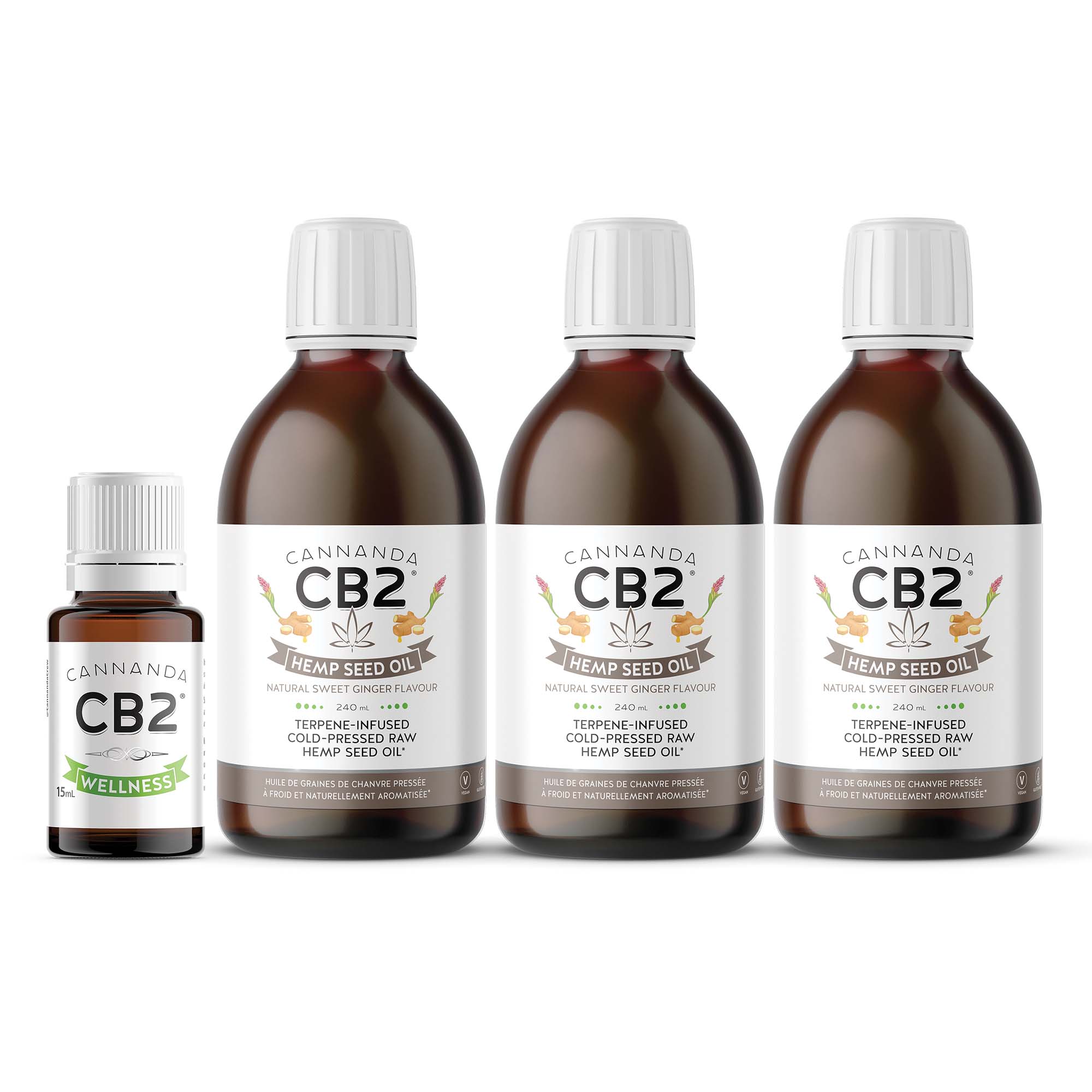
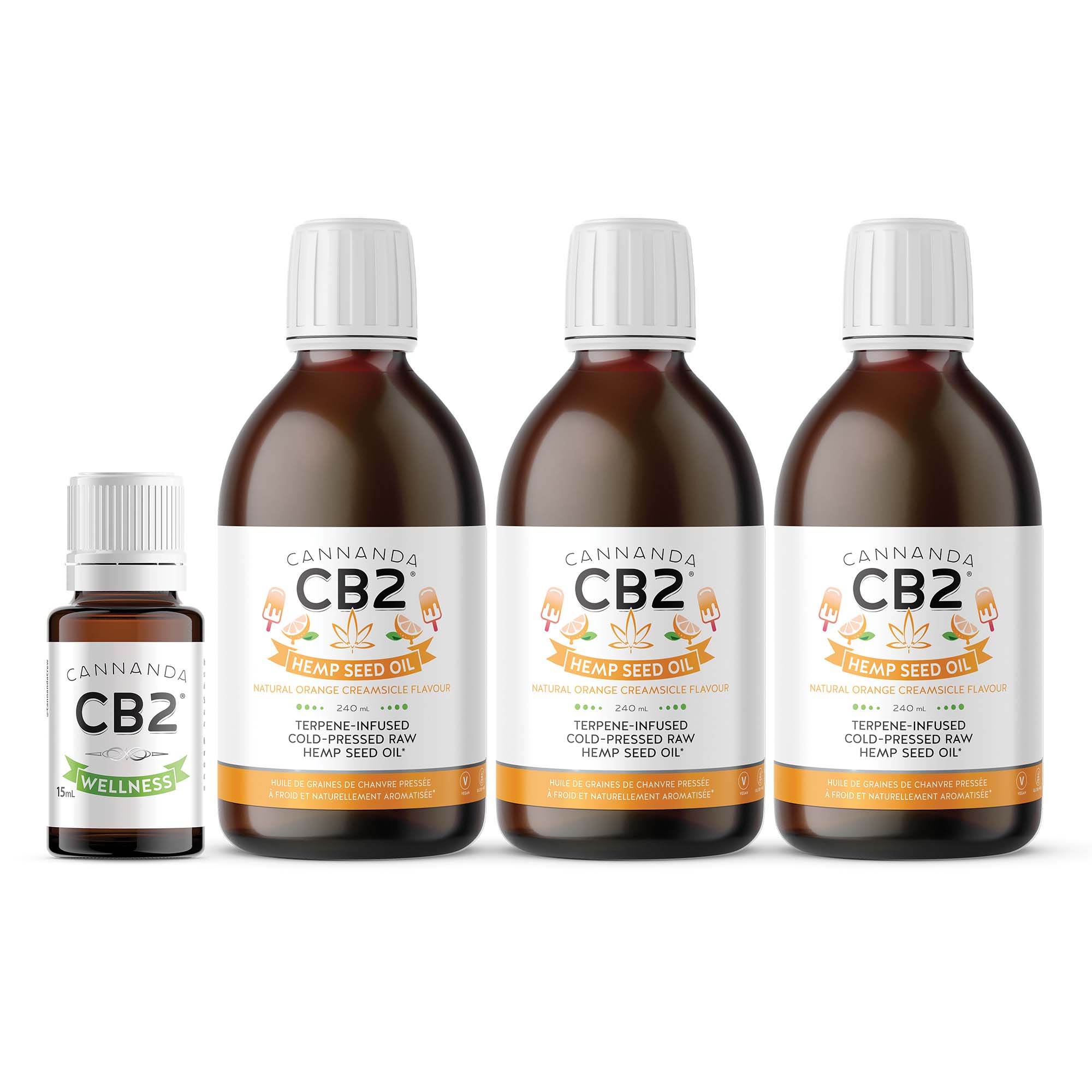
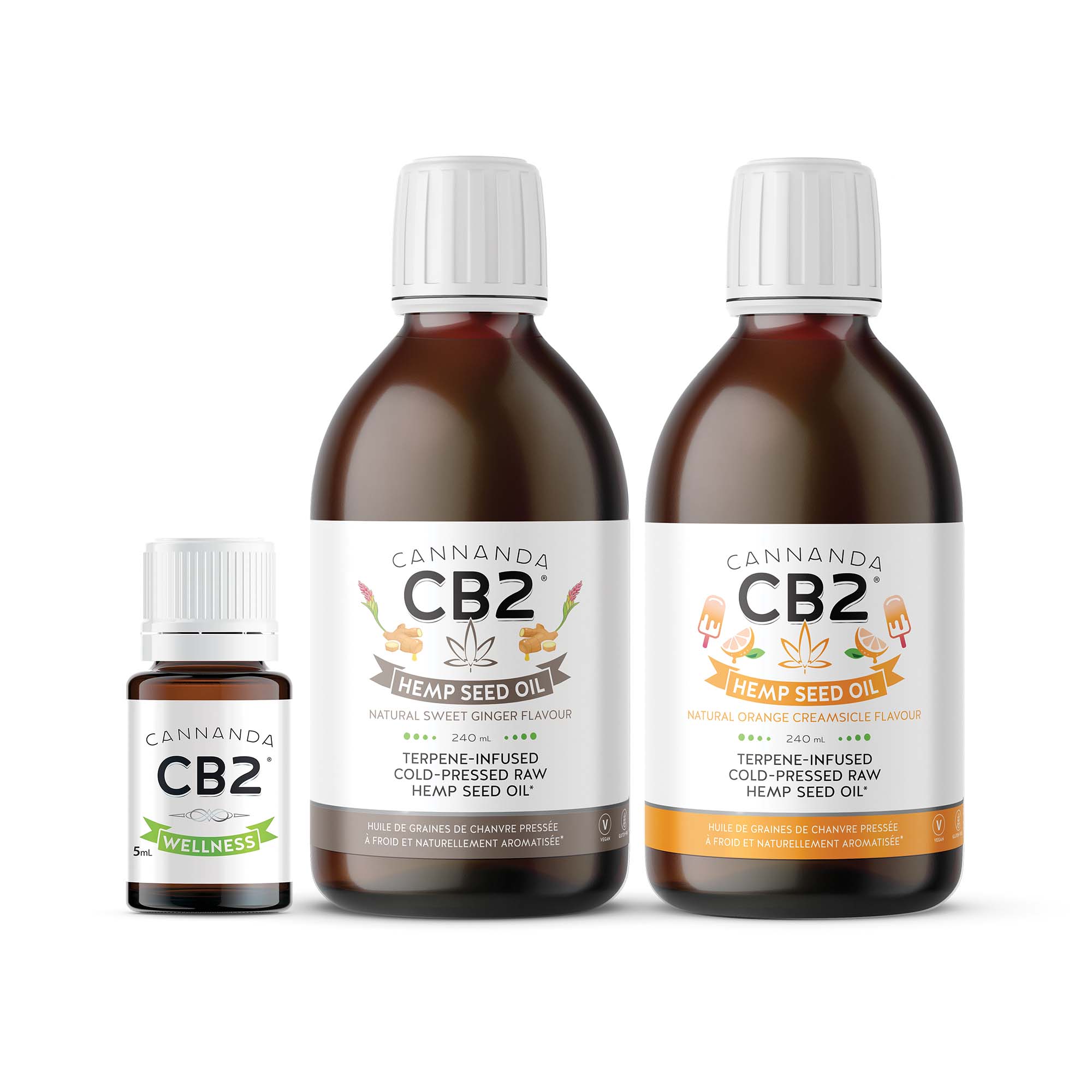
Debunking Common Misconceptions: Understanding Cannanda CB2 Oil and Beta-Caryophyllene
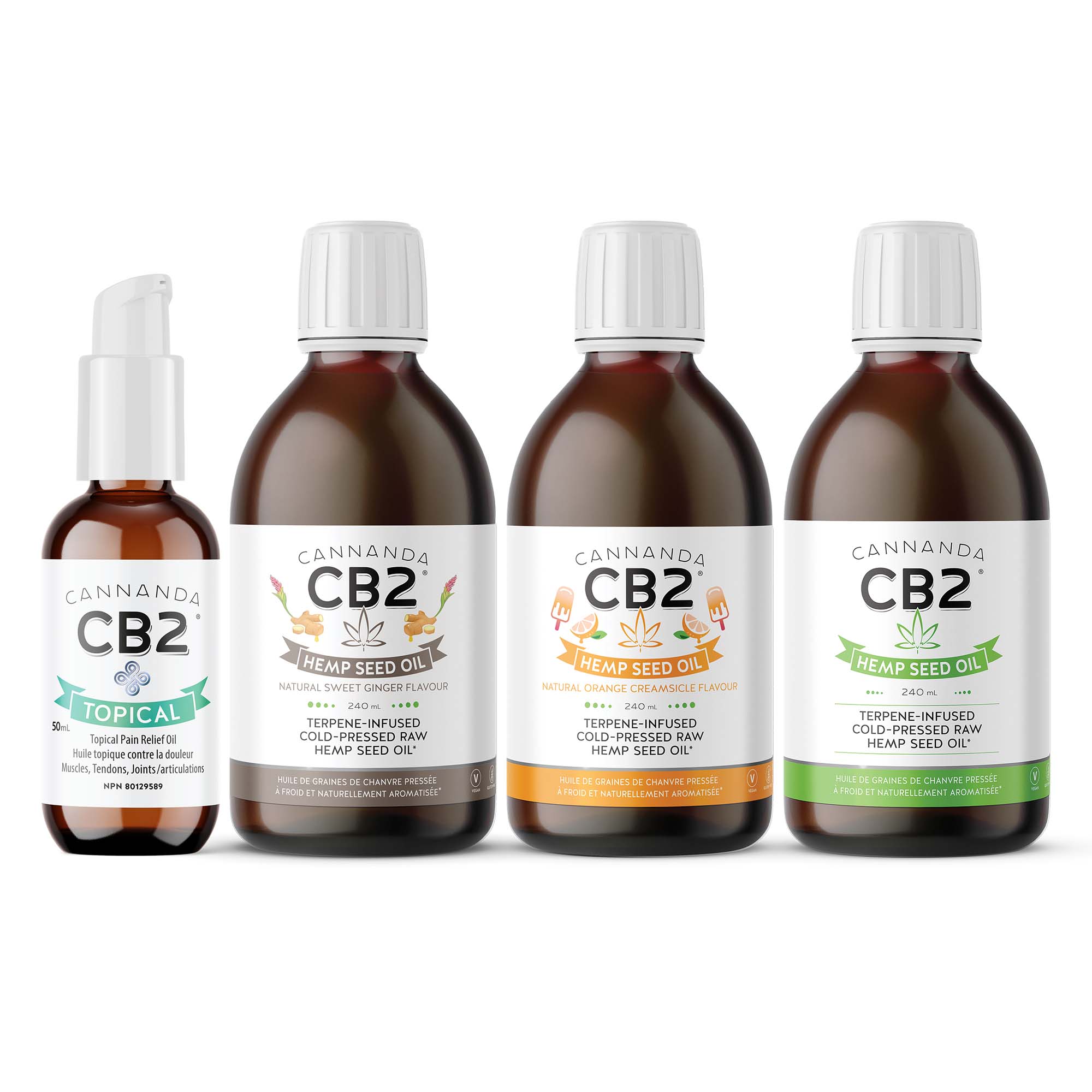
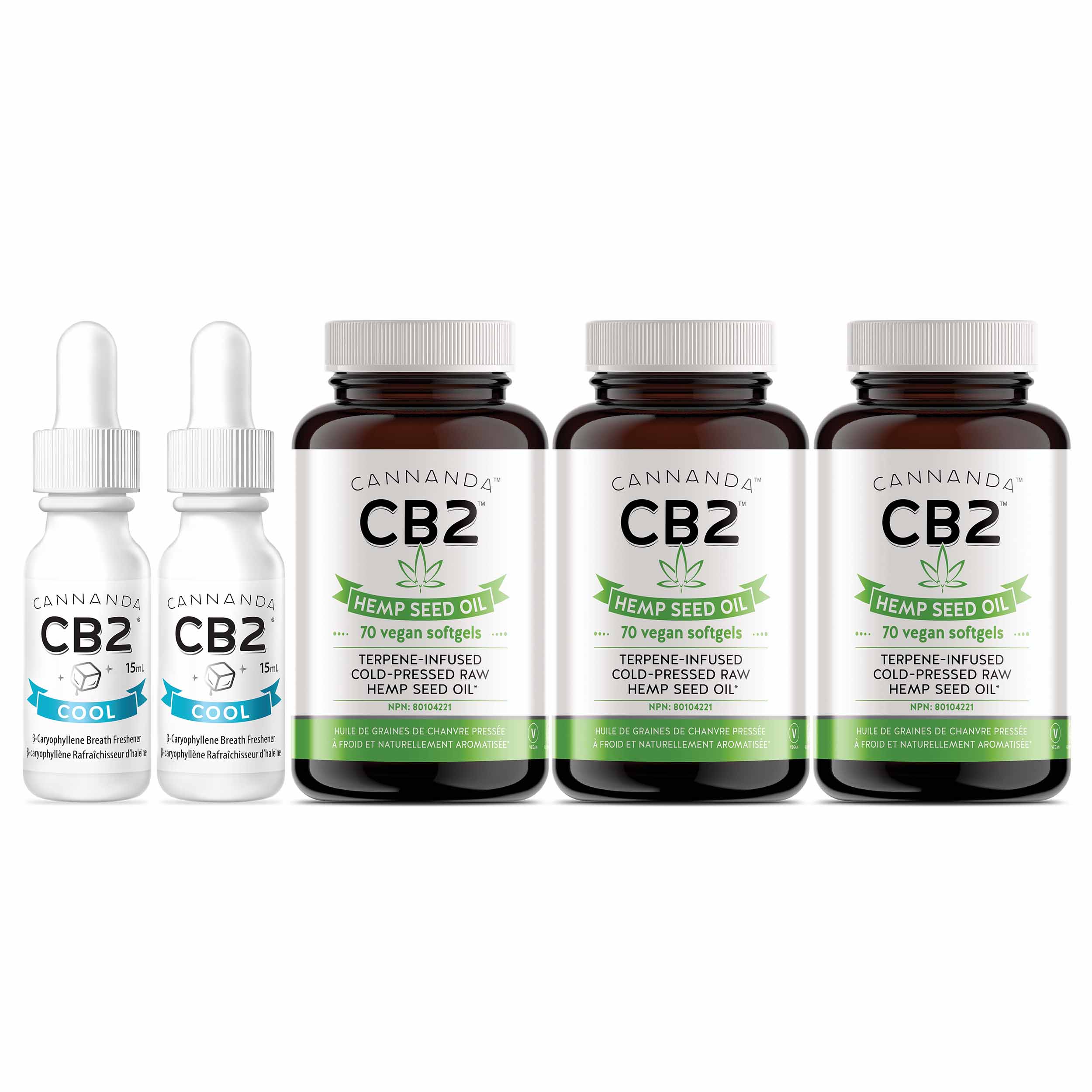
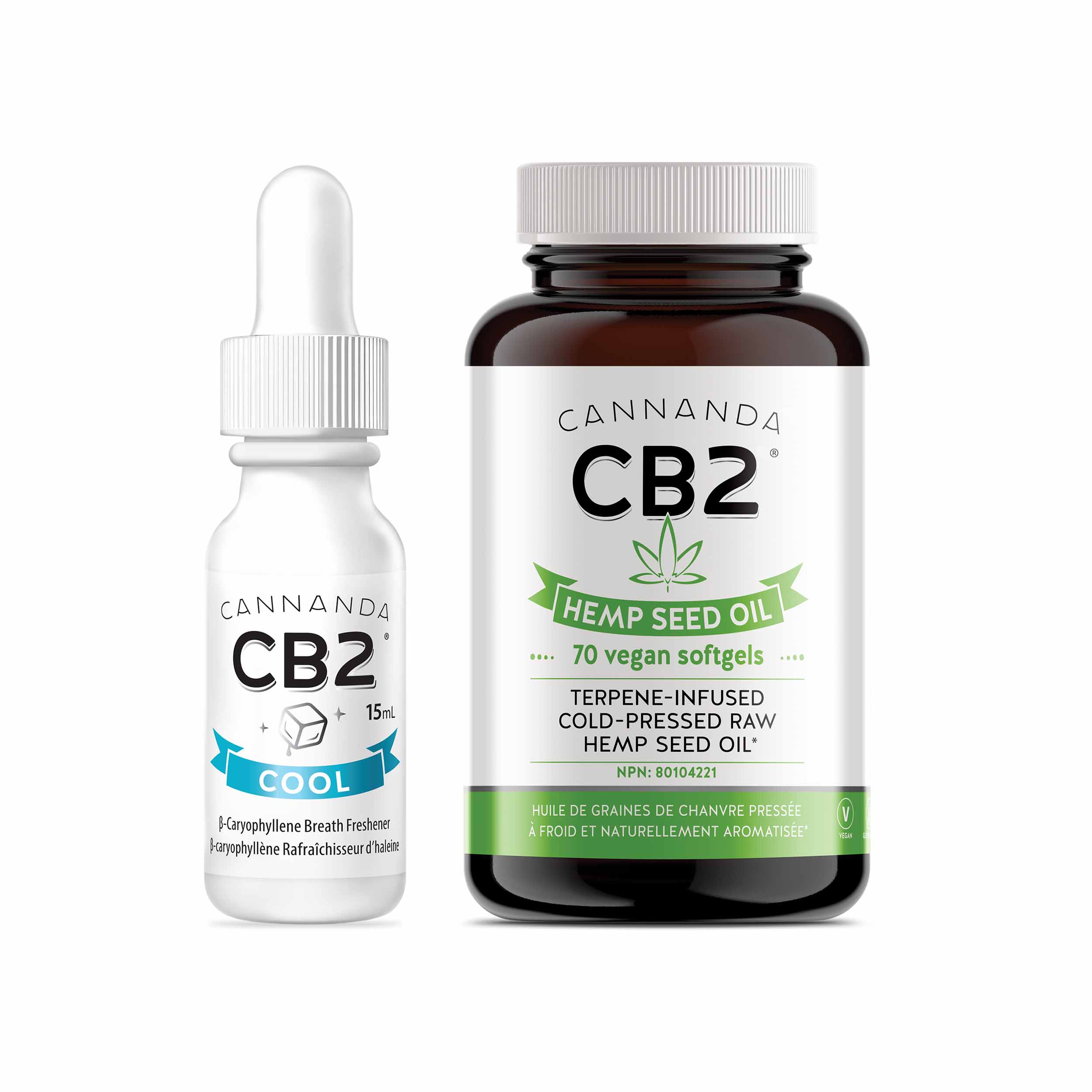
As Cannanda CB2 oil, containing beta-caryophyllene (BCP), has grown in popularity, so have the misconceptions. It isn't CBD, it can't get you high, and it does far more than manage pain. It's formulated for human use with food-grade ingredients, and it carries minimal risk of drug interactions, with one exception worth knowing if you're on certain prescription medications.

Six Myths, Set Straight
CBD and CB2 Oil Are the Same Thing
Both come from plants, but that's where the similarity ends.
The TruthCannanda CB2 oil contains beta-caryophyllene, which specifically binds to CB2 receptors in the endocannabinoid system, playing a role in immune function and inflammation. CBD does not activate either the CB1 or CB2 receptor. That difference makes BCP a more targeted option for supporting inflammation and comfort, without the receptor guesswork.
CB2 Oil Can Get You High
A fair question for anyone new to cannabis-adjacent products.
The TruthCB2 oil is non-intoxicating. Beta-caryophyllene does not interact with the brain's CB1 receptors, the ones responsible for THC's psychoactive effects. Instead, BCP selectively binds to CB2 receptors in the immune system and peripheral nervous system, offering support without any mind-altering effects.
Beta-Caryophyllene Is Only Effective for Pain Relief
Pain support gets the spotlight, but it's only part of the picture.
The TruthBeyond pain and inflammation, BCP has been studied for immune support, stress and anxiety reduction, and neuroprotective properties, helping modulate the immune system and support cognitive health by protecting brain cells.
CB2 Oil Is Not Safe for Humans
People new to cannabinoid-adjacent products often worry about the unknown.
The TruthCannanda CB2 oil is formulated specifically for human use, using food-grade beta-caryophyllene naturally found in black pepper, cloves, and rosemary. It contains 0% THC. Unlike copaiba essential oil, it doesn't contain hepatotoxic compounds that can harm the liver.
CB2 Oil Is Only Useful for People with Severe Health Issues
Some assume it only belongs in a regimen for chronic conditions.
The TruthCB2 oil can support people at every stage of health. It's helpful for chronic inflammation and pain, but it also supports everyday balance in the endocannabinoid system, helping maintain healthy inflammation levels, mobility, and stress resilience regardless of where you're starting from.
CB2 Oil Will Interfere with My Current Medications
A reasonable concern for anyone already managing a health condition.
The TruthCannanda CB2 oil carries minimal risk of drug interactions. Unlike CBD, which can interfere with several common medications, beta-caryophyllene does not share that same interaction profile when used as recommended.
The Bottom Line
As more people turn to natural options like Cannanda CB2 oil, it's worth clearing up the myths that follow it around. Understanding the actual science behind beta-caryophyllene, its range of benefits, and its safety profile puts you in a better position to decide if it's right for you.
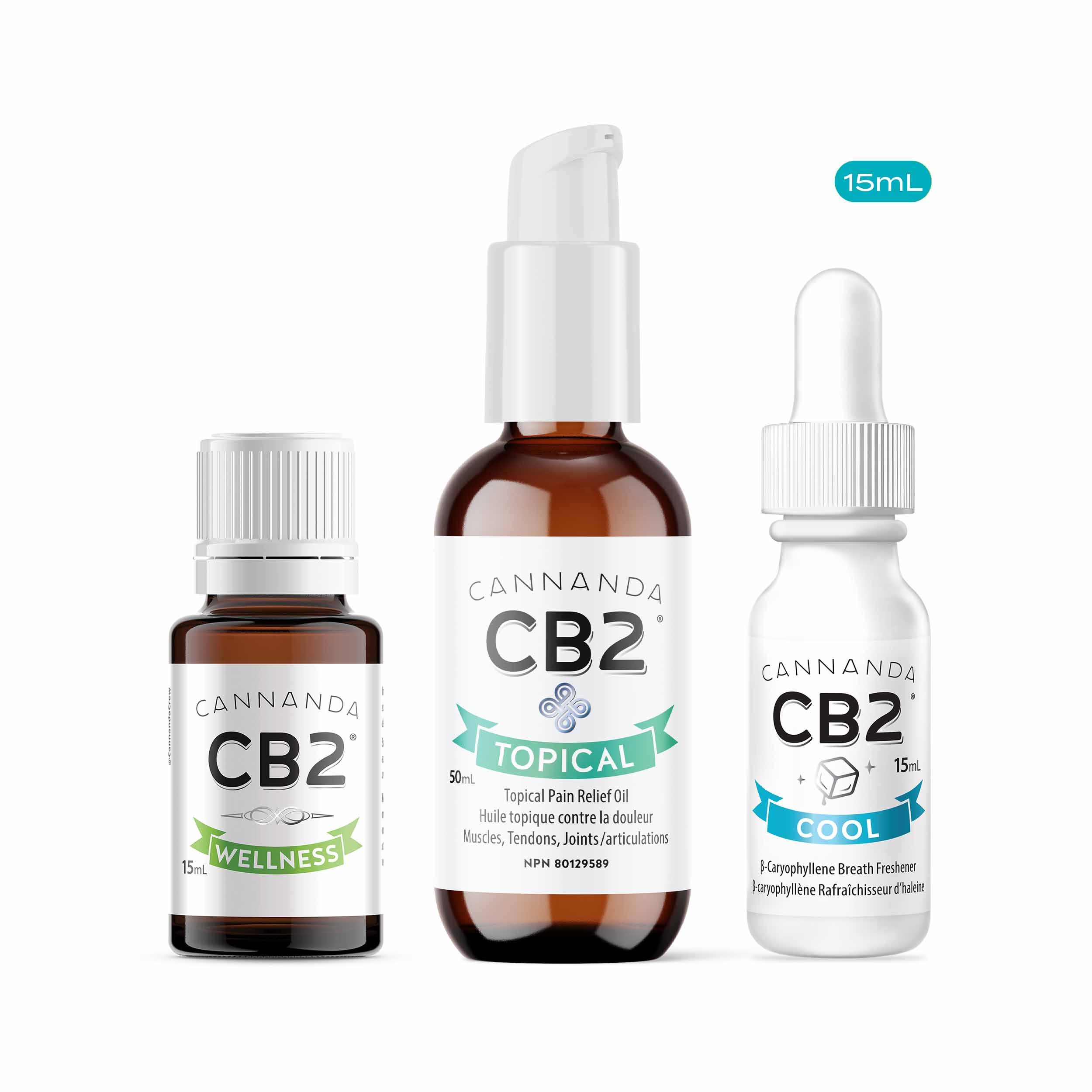
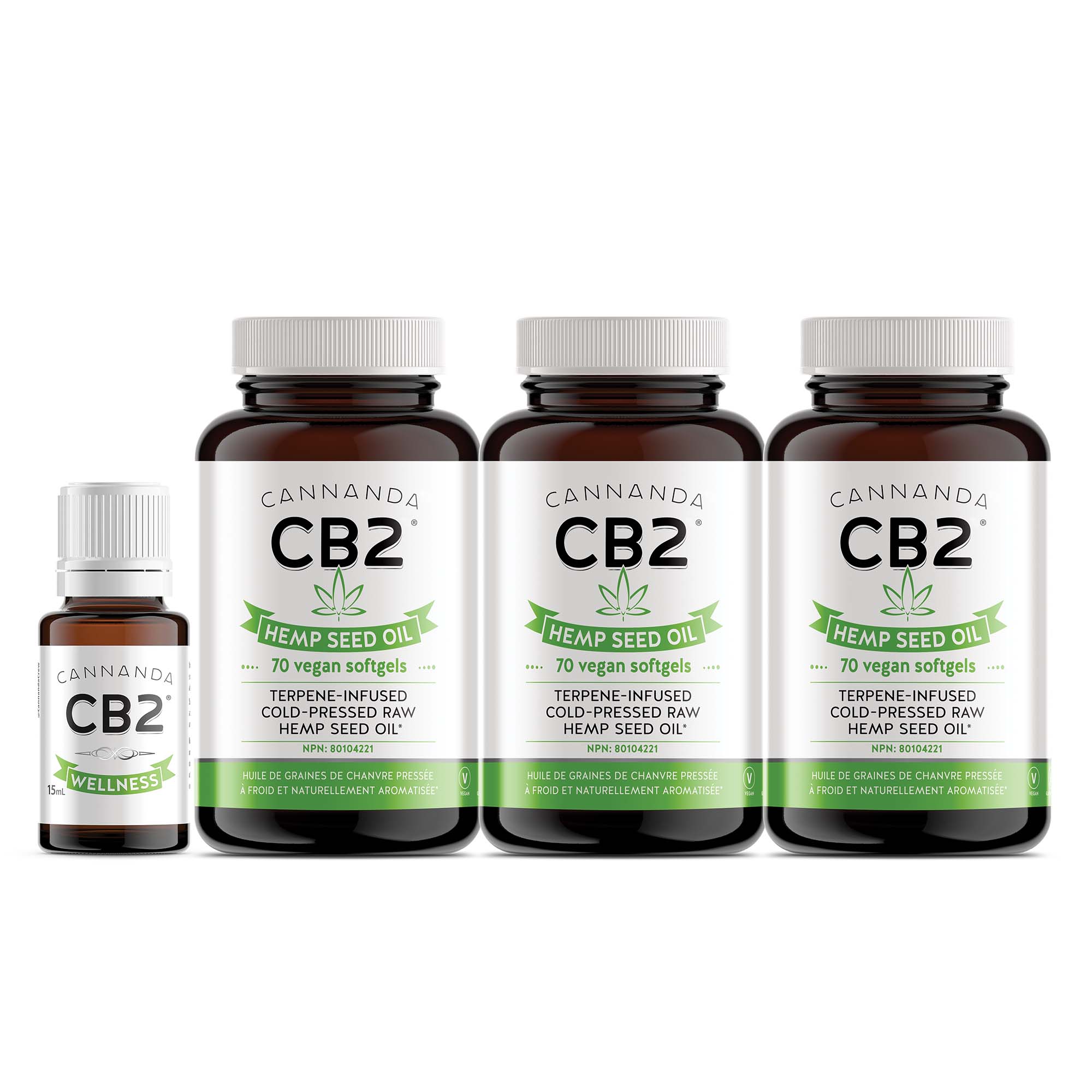
CB2 Wellness
A concentrated beta-caryophyllene terpene blend. 0% THC, 0% CBD, non-intoxicating, and formulated for whole-body CB2 receptor support.
Shop CB2 WellnessFrequently Asked Questions
- Is Cannanda CB2 Oil the same as CBD oil?
- No. Cannanda CB2 Oil contains beta-caryophyllene, which specifically targets CB2 receptors in the immune system, offering more targeted anti-inflammatory support. CBD does not interact with CB1 or CB2 receptors in the same way.
- Can CB2 Oil cause a "high"?
- No. Beta-caryophyllene in CB2 Oil selectively binds to CB2 receptors, which are not associated with the psychoactive effects of THC. CB2 Oil is non-intoxicating and will not produce a "high."
- Is beta-caryophyllene only effective for pain relief?
- No. Beyond pain and inflammation management, beta-caryophyllene offers immune support, stress and anxiety reduction, and potential neuroprotective properties.
- Is CB2 Oil safe for human use?
- Yes. Cannanda CB2 Oil is made with food-grade ingredients, is non-intoxicating, and contains 0% THC, making it suitable even for those subject to drug testing.
- Will CB2 Oil interfere with my medications?
- At recommended doses, there are no known adverse drug interactions with beta-caryophyllene. The one exception is medications with a narrow therapeutic window. If you're on one, check with your doctor before starting CB2 oil.
- Is CB2 oil the same as marijuana?
- No. CB2 oil contains 0% THC and is derived from food-grade botanical terpenes, not cannabis flower. It won't show up as a psychoactive substance and carries none of the intoxicating effects associated with marijuana.
See the Science for Yourself
CB2 Wellness is built around one well-studied mechanism: selective CB2 receptor activation.
Shop CB2 WellnessReferences
- Gertsch J, Leonti M, Raduner S, et al. Beta-caryophyllene is a dietary cannabinoid. Proc Natl Acad Sci USA. 2008;105(26):9099-9104. DOI: 10.1073/pnas.0803601105
- Klauke AL, Racz I, Pradier B, et al. The cannabinoid CB2 receptor-selective phytocannabinoid beta-caryophyllene exerts analgesic effects in mouse models of inflammatory and neuropathic pain. Eur Neuropsychopharmacol. 2014;24(4):608-620. DOI: 10.1016/j.euroneuro.2013.10.008
- Health Canada. Natural Health Products Regulations, Natural Product Number framework.