
How Much BCP Should You Actually Take?
What Animal Studies Really Say About Human Dosing
This article is for you if you already know what BCP is and want to figure out the right dose. If you're brand new to BCP, start with our "What is BCP?" page first, then come back here. This one goes deep on the dose science, which lands best once you have the basics.
Animal BCP studies use big mg/kg doses on tiny animals. You can't just multiply by your body weight to get a human dose. You need body surface area math, which gives much lower numbers. Done properly, the math suggests:
- 25–100 mg/day for general wellness and pain support
- 100–250 mg/day for mood, cognitive, and stress support
Cannanda officially recommends staying within 120 mg per day. Most customers find 60–120 mg per day is the sweet spot. Some find higher doses work better for them, and we've seen people go up to 240 mg per day with good results.
How you take it matters as much as how much. Sublingual (under the tongue) likely beats swallowing for absorption. Inhalation works fast for acute moments. Topical is great for sore spots and doesn't need to count toward your daily total. Combining routes works better than picking one.
Take oral BCP with a fat-containing meal for best absorption. Start low. Give it 2–4 weeks. BCP is FDA GRAS with a huge safety margin, so you can experiment safely within these ranges.
If you've spent any time reading about beta-caryophyllene (BCP), you've probably noticed something annoying. Almost every cool study is done on mice or rats. Almost no studies test BCP doses in real people for real conditions. So how do you go from "10 mg/kg in a mouse" to "what should I take tonight"?
The honest answer: most people get this wrong. They take the mouse dose, multiply by their body weight in kg, and call it a day. That math will lead you to a dose that's either way too high or just plain meaningless.
There's a better way. Pharmacologists have been translating animal doses to human doses for decades. It involves a bit of math, but the logic is simple once you see it. Let's walk through it together, and by the end you'll have a defensible BCP dose for most of the conditions BCP has been studied for.
Why Straight mg/kg Doesn't Work
Here's the thing about a mouse. A mouse is tiny. A mouse heart beats about 600 times a minute. A mouse burns through compounds in its blood much faster than you do. Pound for pound, a mouse runs hotter and faster than a human in almost every way.
So when a mouse takes 10 mg of BCP per kg of body weight, that mouse is processing the compound at a totally different speed than you would. If you scaled up that dose by body weight alone, your blood level of BCP would shoot way past what the mouse experienced. You'd be way overshooting the effective dose.
The fix is something called body surface area scaling. It's the standard the FDA uses when companies need to figure out a safe first dose for human trials based on animal data. The reference paper is Reagan-Shaw et al., published in FASEB Journal in 2008. It's the go-to formula.
Here's the math, made simple:
- Take the mouse dose in mg/kg and multiply by 0.081
- Take the rat dose in mg/kg and multiply by 0.162
- That gives you the human equivalent dose (HED) in mg/kg
- Multiply that by your body weight in kg to get total mg
So a 10 mg/kg mouse dose becomes 0.81 mg/kg for a human. If you weigh 60 kg (about 132 lbs), that's roughly 49 mg of BCP total. Not 600 mg, which is what straight mg/kg would give you.
This is the single most important thing to understand. Most online "dose calculators" get this wrong.
Try the math yourself with any study you've read:
BCP Animal-to-Human Dose Calculator
Translate a dose used in an animal study into the equivalent dose for a human, using body surface area scaling (Reagan-Shaw et al., 2008).
This is the dose given to the animal per kilogram of their body weight, as reported in the study.
Show the math
Three Things Specific to BCP You Need to Know
Body surface area scaling is just step one. BCP has a few quirks that change the picture.
Route of administration matters a lot. Plenty of BCP studies inject the compound straight into the abdomen of the animal. That's called intraperitoneal, or i.p. dosing. When you do that, you skip the digestive tract and the liver's first pass. You get a much higher blood level than if the same dose was swallowed. If you're translating an i.p. study to oral human dosing, you need to bump the calculated dose up a fair bit. How much depends on the formulation.
BCP doesn't absorb well in plain form. BCP is fat-soluble. Like really fat-soluble. If you swallow plain BCP on an empty stomach, almost none of it gets into your bloodstream. Studies on plain oral BCP suggest absorption sits somewhere around 1–2% in worst case. The fix is to dissolve BCP in oil (which is what Cannanda CB2 oil does) or use newer self-emulsifying systems. A 2022 study by Mödinger and colleagues showed that a self-emulsifying BCP formulation gave 3.6 times higher peak blood levels than plain BCP oil. So formulation can shift your real dose by quite a bit.
Animals metabolize BCP a little differently than humans. BCP gets broken down by liver enzymes called cytochrome P450. Rodents have a slightly different mix of these enzymes than humans do. The difference isn't huge, but it's there. For most practical purposes, the body surface area correction handles most of it.
What the Studies Actually Show
Let me walk you through the major BCP animal studies and what their doses translate to for a 60 kg adult human (about 132 lbs). If you weigh more or less, scale the number up or down from there.
Pain and Inflammation
Klauke and colleagues (2014) tested BCP in mice with inflammatory and neuropathic pain. They used 5 and 10 mg/kg by mouth. Both doses worked. The 10 mg/kg dose translated to humans is about 49 mg per day. So roughly 25–50 mg per day sits in the right range for general pain support.
It's worth flagging something here. In the foundational 2008 Gertsch study (the paper that first confirmed BCP as a dietary CB2 agonist), the lower 5 mg/kg dose actually outperformed the higher 10 mg/kg dose for anti-inflammatory effect, reducing inflammation by roughly 70% versus 50%. The authors called it unexpected at the time. As we'll see below, it wasn't a fluke.
Another study by Fiorenzani in rats used 5 and 10 mg/kg orally in olive oil for inflammatory pain. Same math, slightly different scaling for rats: about 50–100 mg per day for a human.
Inflammatory Bowel Issues (IBD, Colitis)
Bento and colleagues (2011) did the landmark study on BCP and colitis. They used 12.5, 25, and 50 mg/kg orally, twice per day, in mice. The 50 mg/kg dose worked best for both preventing colitis and treating it once it had started. Run that through the math: per dose, that's about 243 mg for a 60 kg human. Twice per day puts the high end of the study around 480 mg total.
It's worth saying clearly: that's the dose used in a clinical research model of severe colitis. It's not what we recommend, and it's not what most people need. If you're working on gut comfort or general digestive support, you'll likely see benefit at much lower daily totals. If you're dealing with a serious diagnosed gut condition, work with a healthcare professional rather than trying to replicate animal study doses on your own.
Anxiety and Depression
This one needs a careful read. Bahi and colleagues (2014) used 50 mg/kg, but they injected it, not given by mouth. The injected dose isn't directly comparable to what you'd swallow.
For oral data, look at Galdino 2012 and Oliveira 2020. They used 50, 100, and 200 mg/kg orally in mice. Effects on anxiety showed up at all three doses. The 50 mg/kg oral dose translates to about 240 mg for a 60 kg human. That's the floor of the range. Some studies needed up to 100 mg/kg (about 490 mg human equivalent) for full effect.
Cognitive Health and Brain Aging Support
Cheng and colleagues (2014) tested BCP at 48 mg/kg orally in mice bred to develop Alzheimer's-like changes. The treated mice did better on memory tests and had lower levels of the proteins that cause brain damage in Alzheimer's. Translated to humans, that's around 233 mg per day for a 60 kg adult.
A separate rat study by Lindsey-Mensah-Wilmot found that 100 mg/kg oral BCP improved memory in dementia models. For a 60 kg human, that's about 970 mg per day. That's on the high end but still well inside the safety margins.
Cholesterol and Liver Health
This one's interesting because it shows that more BCP isn't always better. Youssef and colleagues studied BCP in rats fed a high-cholesterol diet. They tested 30, 100, and 300 mg/kg orally. Here's the surprise: only the 30 mg/kg dose worked. The higher doses didn't help, and at 300 mg/kg there were no benefits at all.
For a 60 kg human, that 30 mg/kg rat dose is about 290 mg per day. The takeaway is that for cholesterol and fatty liver support, you may not need (or want) the highest dose you can get. And it turns out there's a biological reason for that pattern, which shows up across more than just this one study.
When More Isn't More: The Ceramide Mechanism
Two 2019 studies by Askari and Shafiee-Nick, published back-to-back in Life Sciences and Biochemical Pharmacology, give you the clearest explanation of why lower doses sometimes beat higher ones for BCP.
They tested BCP across a wide concentration range in two types of brain cells: primary microglia (the immune cells of the brain) and oligodendrocytes (the cells that build myelin, the protective sheath around nerve fibers). At low concentrations, BCP did exactly what you'd expect: clean CB2 receptor activation, anti-inflammatory signaling, reduced oxidative stress through the CB2/Nrf2 pathway. At middle and higher concentrations, something shifted. The higher doses activated an enzyme called sphingomyelinase, which produces ceramide, a lipid with pro-inflammatory properties. That ceramide buildup partially cancelled out the CB2 benefits and redirected signaling toward a different pathway (PPAR-γ) instead.
The microglia study concluded plainly: "the low concentration of BCP has higher selective anti-inflammatory effects rather than high levels." The oligodendrocyte study called low-concentration BCP's protective effects "promising" and explicitly superior to what they saw at higher concentrations.
This isn't a toxicity story. BCP isn't hurting cells at high concentrations. What's happening is subtler: high doses generate their own biological counterpressure. You start cancelling your own benefit before you ever reach a dose that's unsafe. The net anti-inflammatory effect actually shrinks even as the dose gets bigger.
This explains the cholesterol finding. It's consistent with Gertsch's original 2008 observation that 5 mg/kg outperformed 10 mg/kg on inflammation. And it runs through BCP research as a consistent thread: for most anti-inflammatory applications, there's a sweet spot. More doesn't keep delivering more in a straight line.
Putting It All Together
Here's a quick reference table you can use. All numbers assume a 60 kg adult and an oral lipid-based formulation (like Cannanda CB2 Hemp Seed Oil) with reasonable absorption. Scale up or down based on your body weight.
| What you're targeting | Daily dose range |
|---|---|
| General wellness, mild inflammation | 25–50 mg |
| Pain (joint, muscle, neuropathic) | 50–100 mg |
| Mood and stress support | 100–250 mg |
| Cognitive support, brain aging | 100–250 mg |
| Cholesterol and liver support | 100–300 mg |
A few things to keep in mind:
- These are starting points based on extrapolation, not prescriptions. Real human trials would shift these numbers.
- Take BCP with a meal that has some fat in it. The compound is fat-soluble, so it absorbs much better when your digestive system releases bile and lipases for fat digestion.
- Chronic, daily use usually needs lower doses than what's used to treat acute conditions in studies.
- Although there are no known adverse drug interactions when used as Cannanda recommends (up to 120 mg/day), one exception applies: if you're on a medication with a narrow therapeutic window, talk to your doctor before starting BCP at any dose. And if you're considering higher doses and you're on medications that get processed by liver enzymes (statins, blood thinners, some antidepressants), talk to your doctor before scaling up. BCP in larger amounts can affect how those drugs are broken down.
What Most People Actually Take
The dose ranges above come from animal research, translated to humans with proper math. They're a useful map of what's possible based on study evidence. But there's a real difference between what the studies test and what most people actually need day to day.
As a brand, Cannanda officially advises staying within 120 mg of BCP per day. That's our standard guidance and it's where the vast majority of our customers land. Most people find that 60–120 mg per day handles general wellness, pain support, mood support, or cognitive support nicely. They never feel a need to go higher.
That said, some people do find that higher doses work better for them. Genetics, body weight, metabolism, the specific issue they're working on, even how stressed they are can all shift how much BCP a person's body responds to. Some people land at 50 mg per day and stay there. Others find their sweet spot at 200 mg, or even a bit more.
Here's something interesting about that. In our years of customer feedback, we've seen people go up to about 240 mg per day with good results. We haven't heard from anyone going above that. And that's a quiet form of real-world validation for the animal-to-human math we walked through above. 240 mg per day is right at the upper limit of what the extrapolation predicts for mood, cognitive, and some types of pain support. The fact that real customers land exactly in that range when they need more than the average dose suggests the science is on track. Most people don't need to push that high. But for the smaller group whose biology responds best at the high end, the predicted range matches the lived experience.
If you do scale up past Cannanda's 120 mg guidance, stay reasonable. 240 mg per day looks like the practical ceiling for almost everyone. If you reach that and still don't feel much, the fix is probably not "take more." It's worth checking in with a healthcare professional to figure out what else might be going on.
The bigger point: start low. Move up only if you need to. Most people find their sweet spot well before the upper end of any of these ranges.
Translating This to Cannanda CB2 Products
Knowing you want 100 mg per day is one thing. Knowing how many drops that is on a Tuesday morning is another. Here's how the typical real-world ranges line up with the actual Cannanda product strengths.
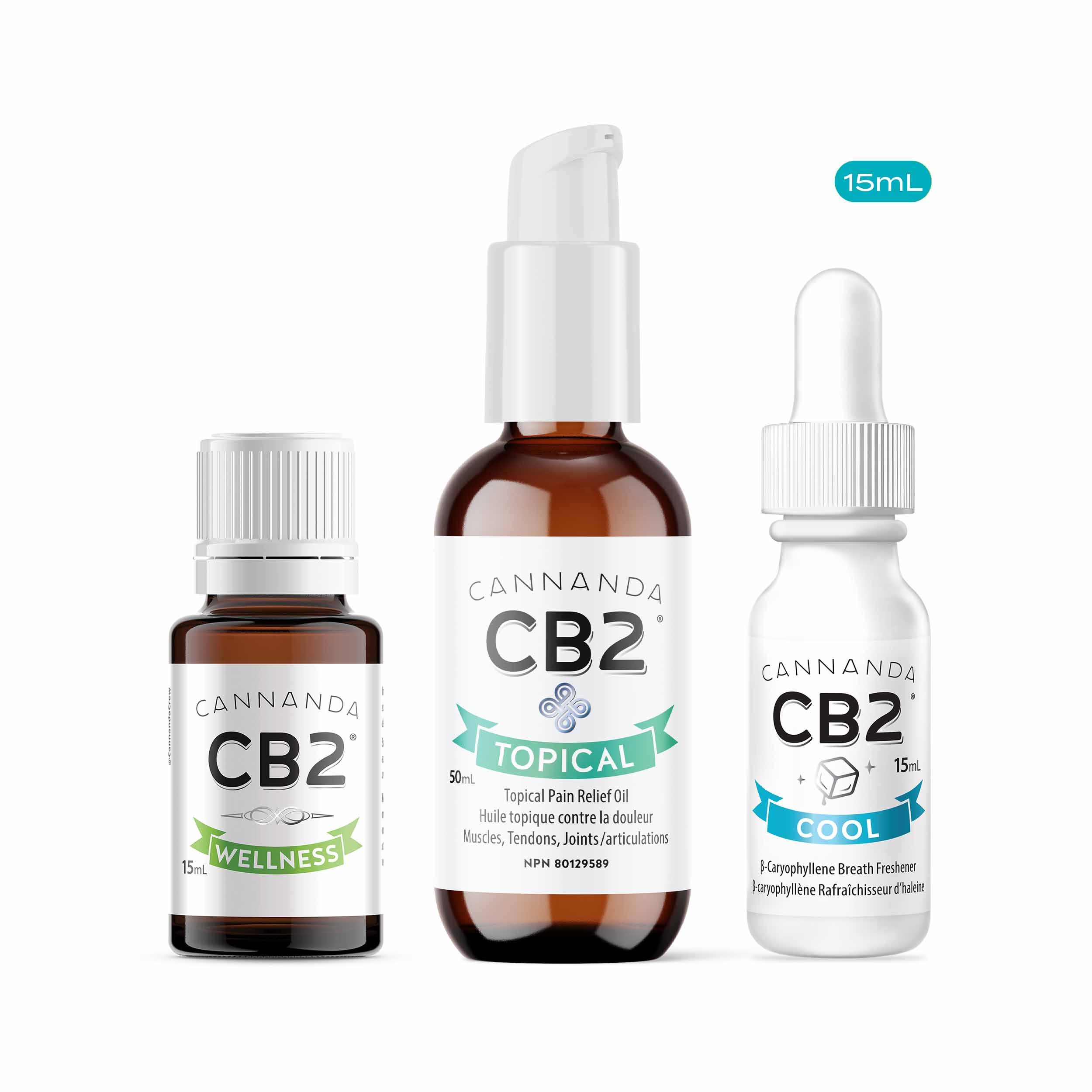
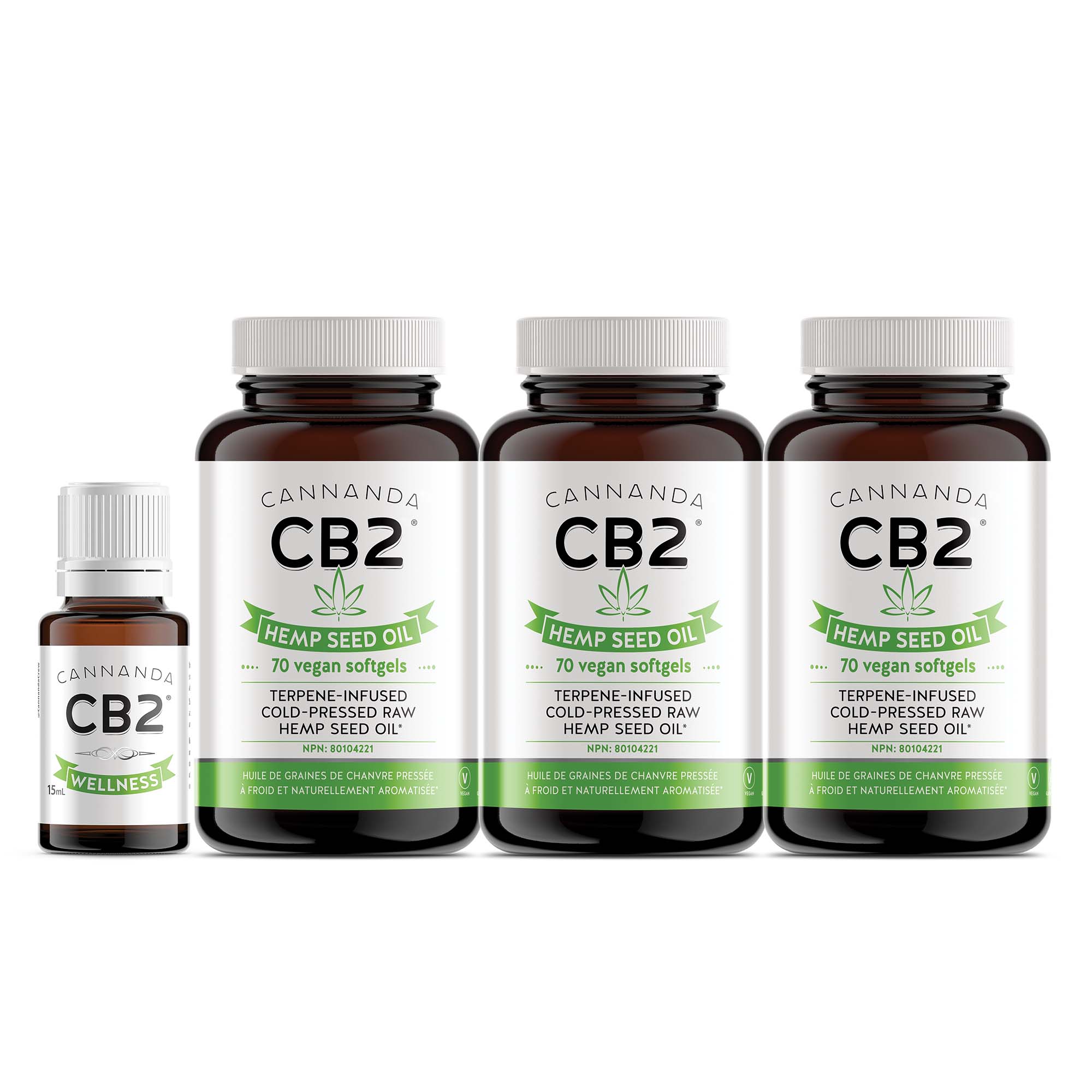
CB2 Wellness Oil (20 mg BCP per drop)
This is the workhorse for most people. The drops are concentrated, so you don't need many.
- General wellness, mild support: 1–3 drops per day (20–60 mg)
- Pain, joint, mood, or sleep support: 3–6 drops per day (60–120 mg). This is where most people land.
- More targeted support: 6–12 drops per day (120–240 mg), split between morning and evening
- Beyond that range, work with a healthcare professional
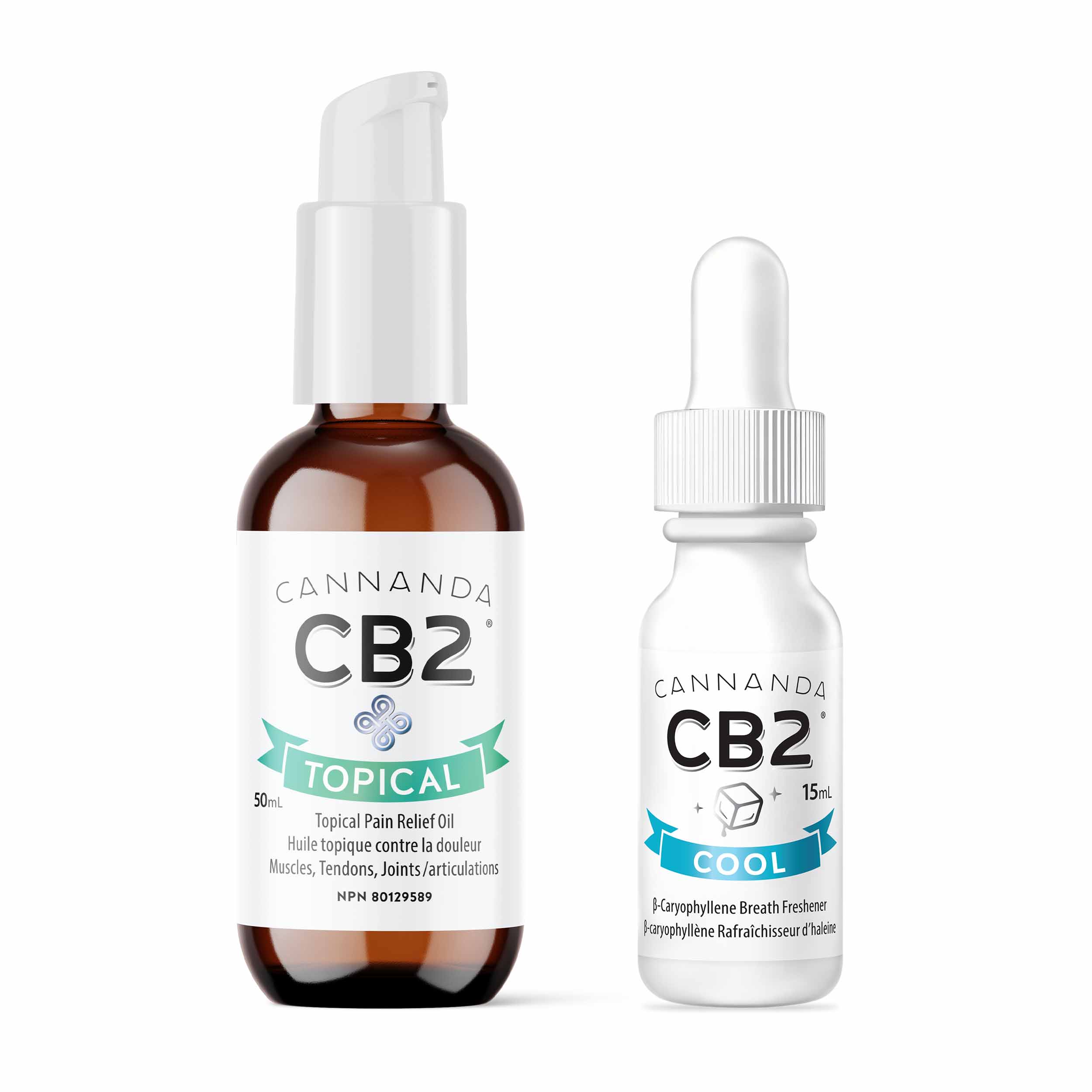
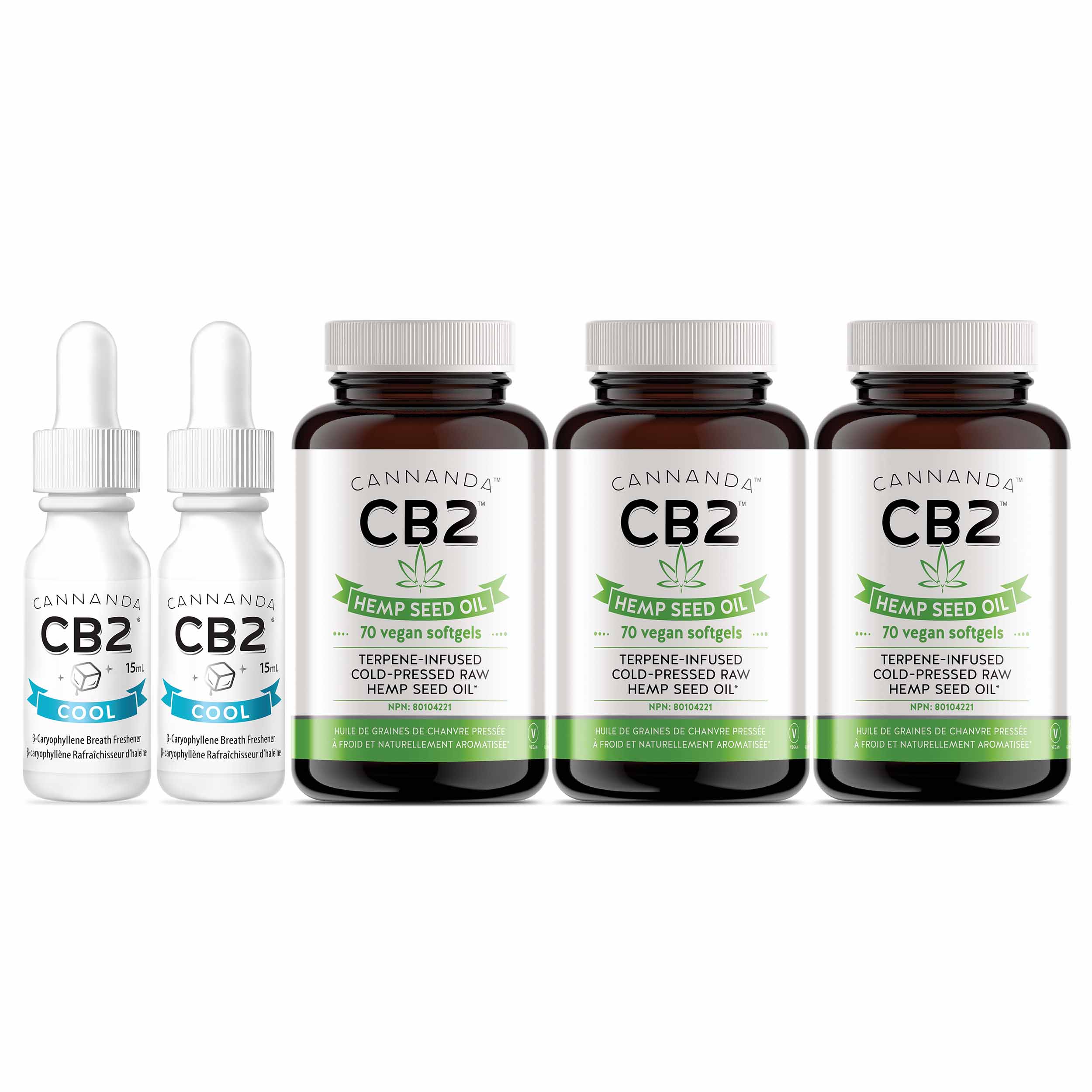
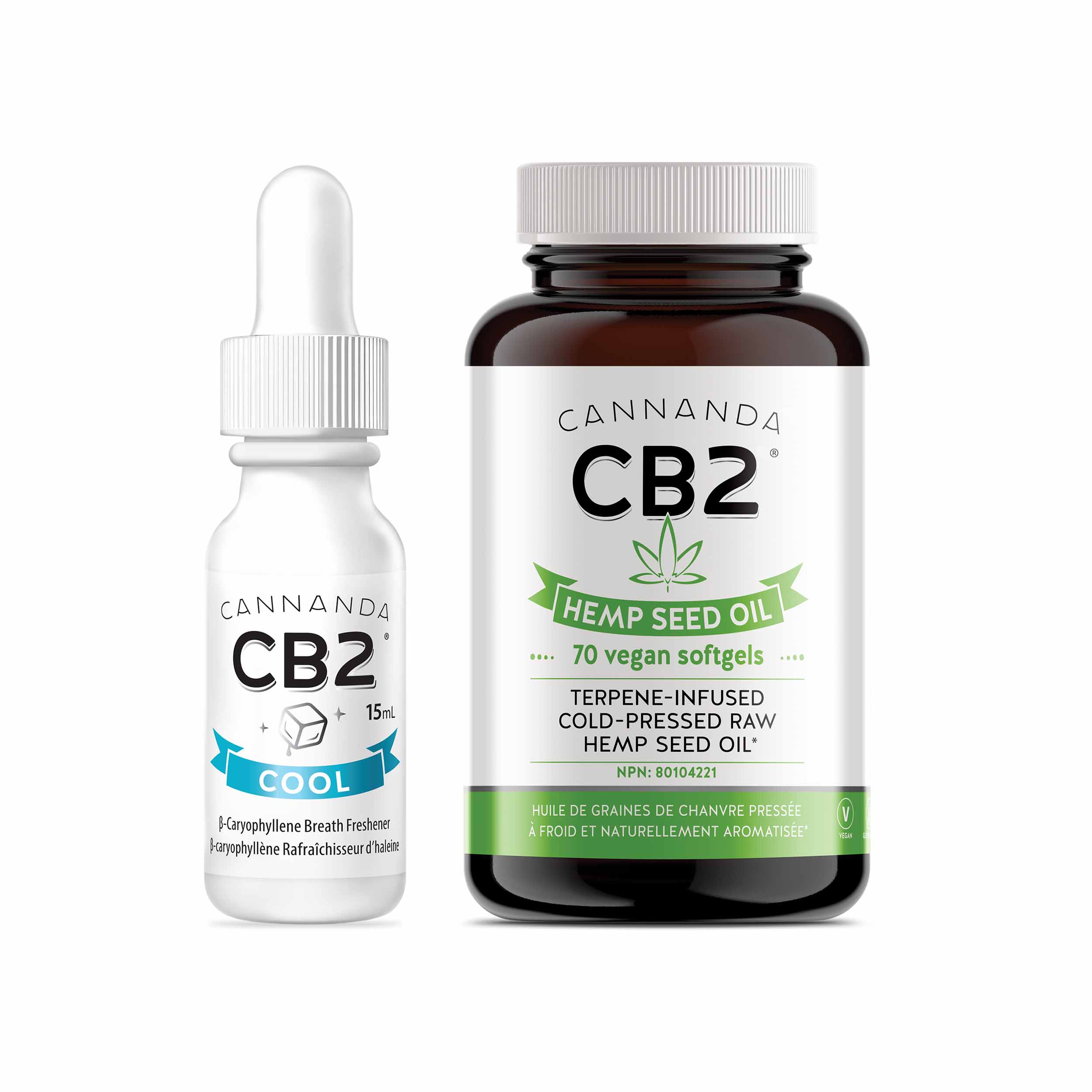
CB2 Cool Oral Drops (10 mg BCP per drop)
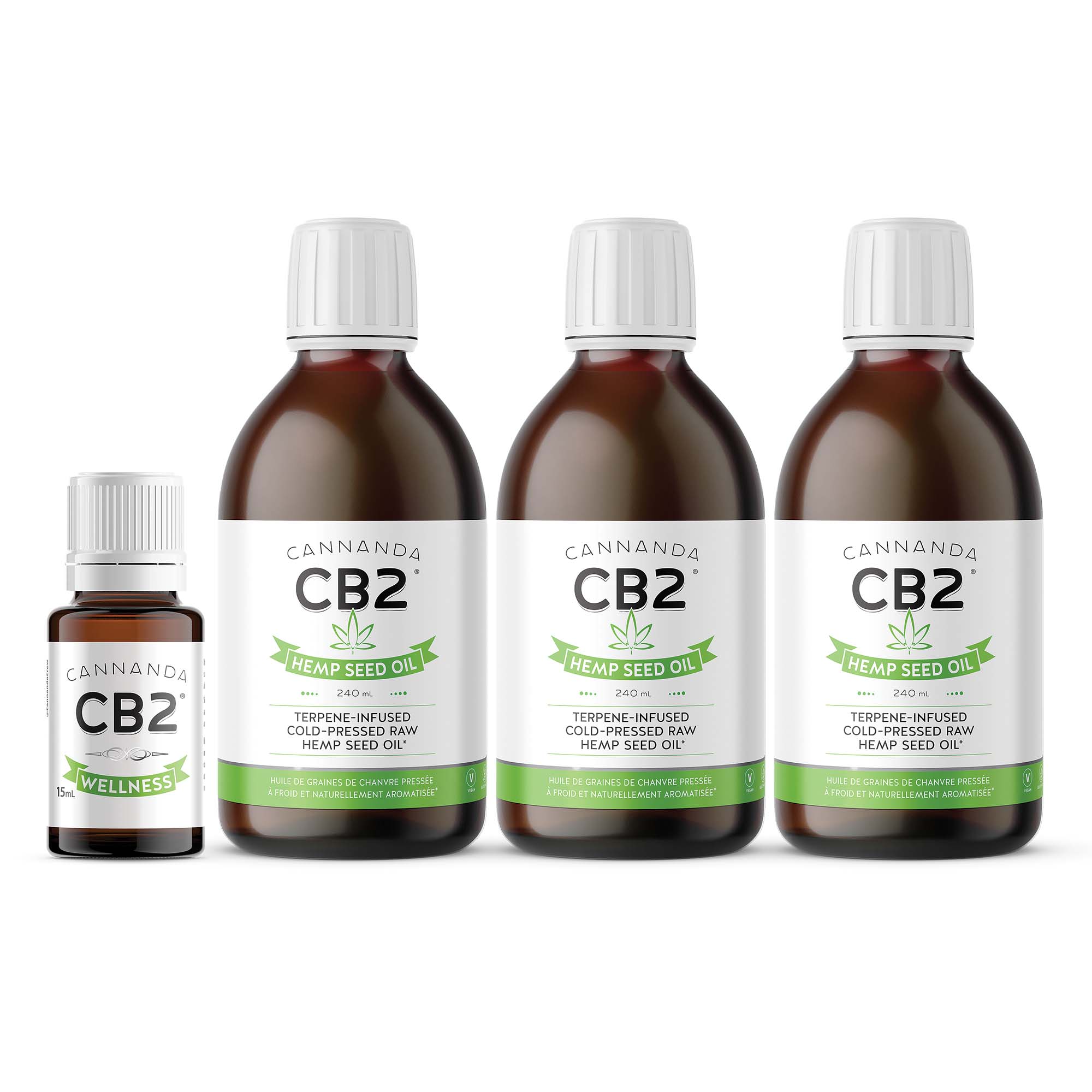
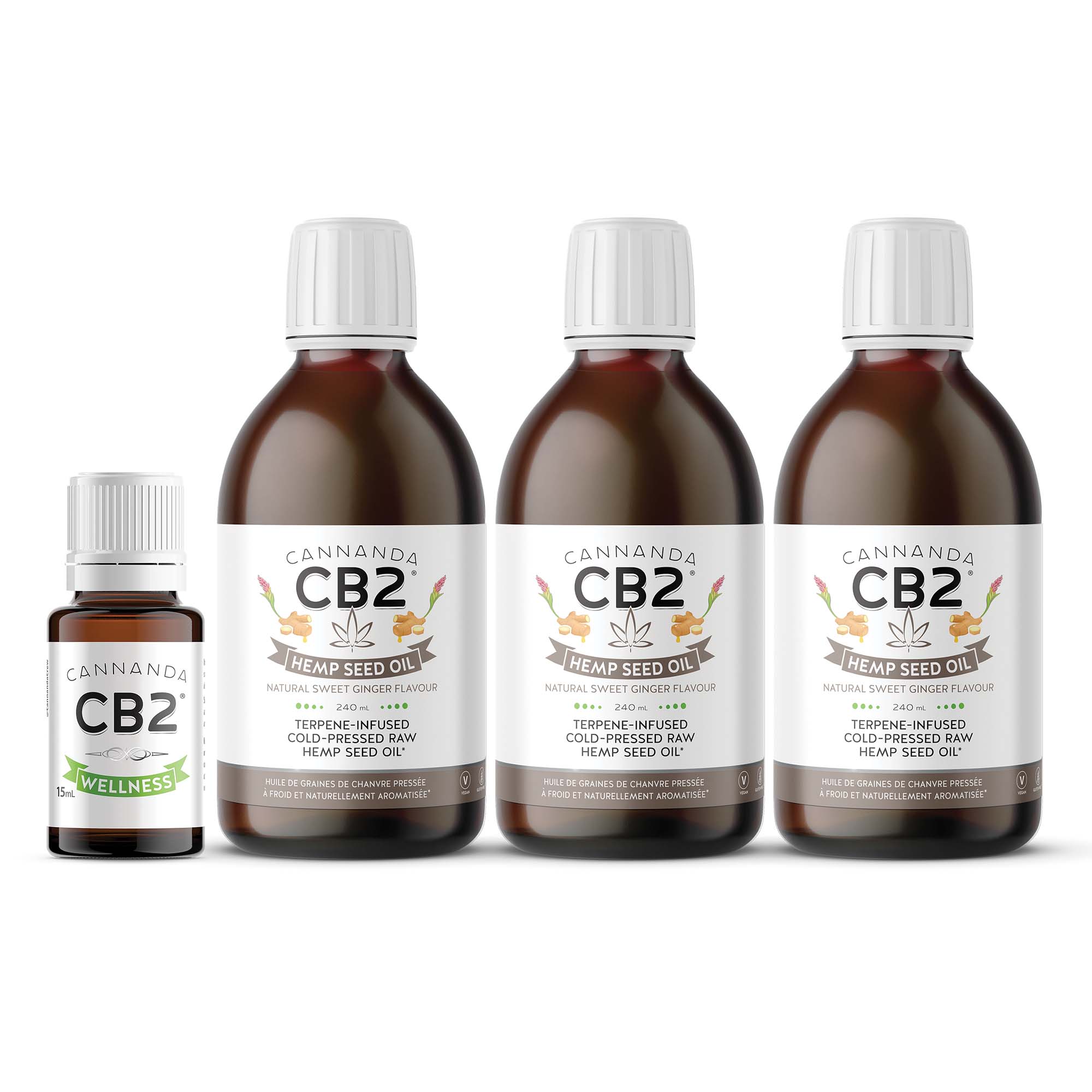
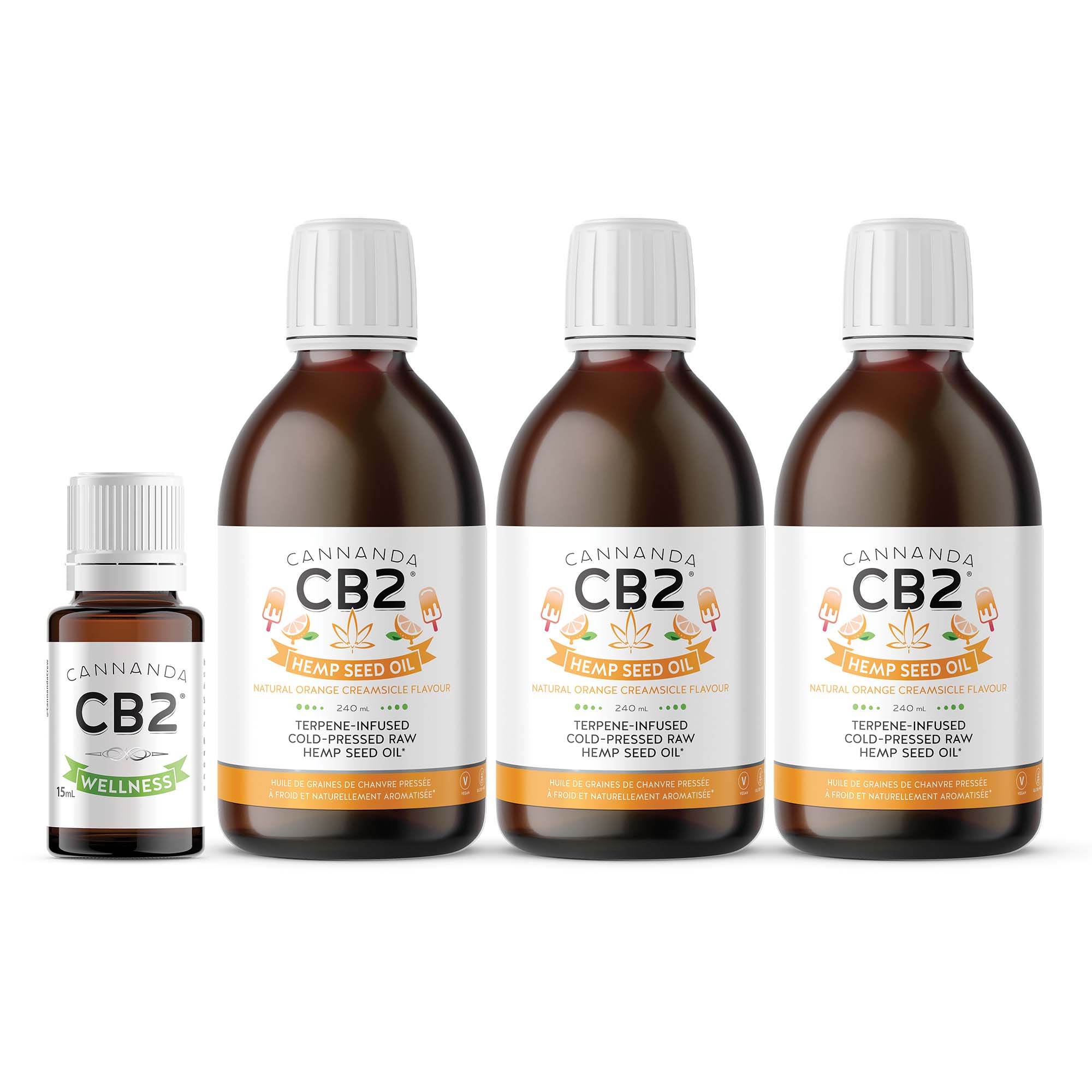
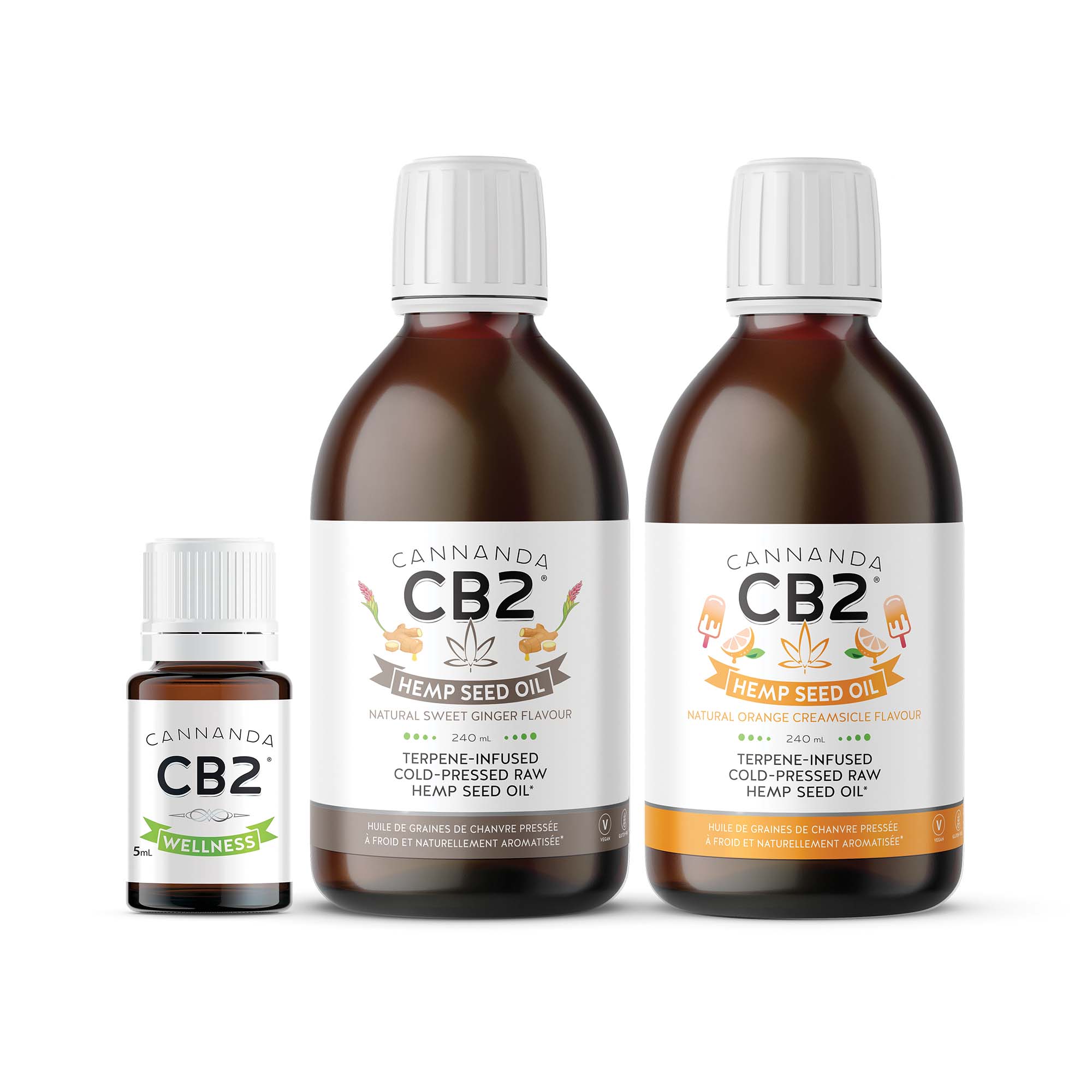
Half the BCP per drop compared to CB2 Wellness, so you'll use about double the drops. The cooling format is specifically designed for sublingual use, which likely gives you better absorption than swallowing (more on that below).
- General wellness, mild support: 2–5 drops per day (20–50 mg)
- Pain, joint, mood, or sleep support: 6–12 drops per day (60–120 mg)
- More targeted support: 12–24 drops per day (120–240 mg), split through the day
- For higher daily totals, CB2 Wellness is more practical
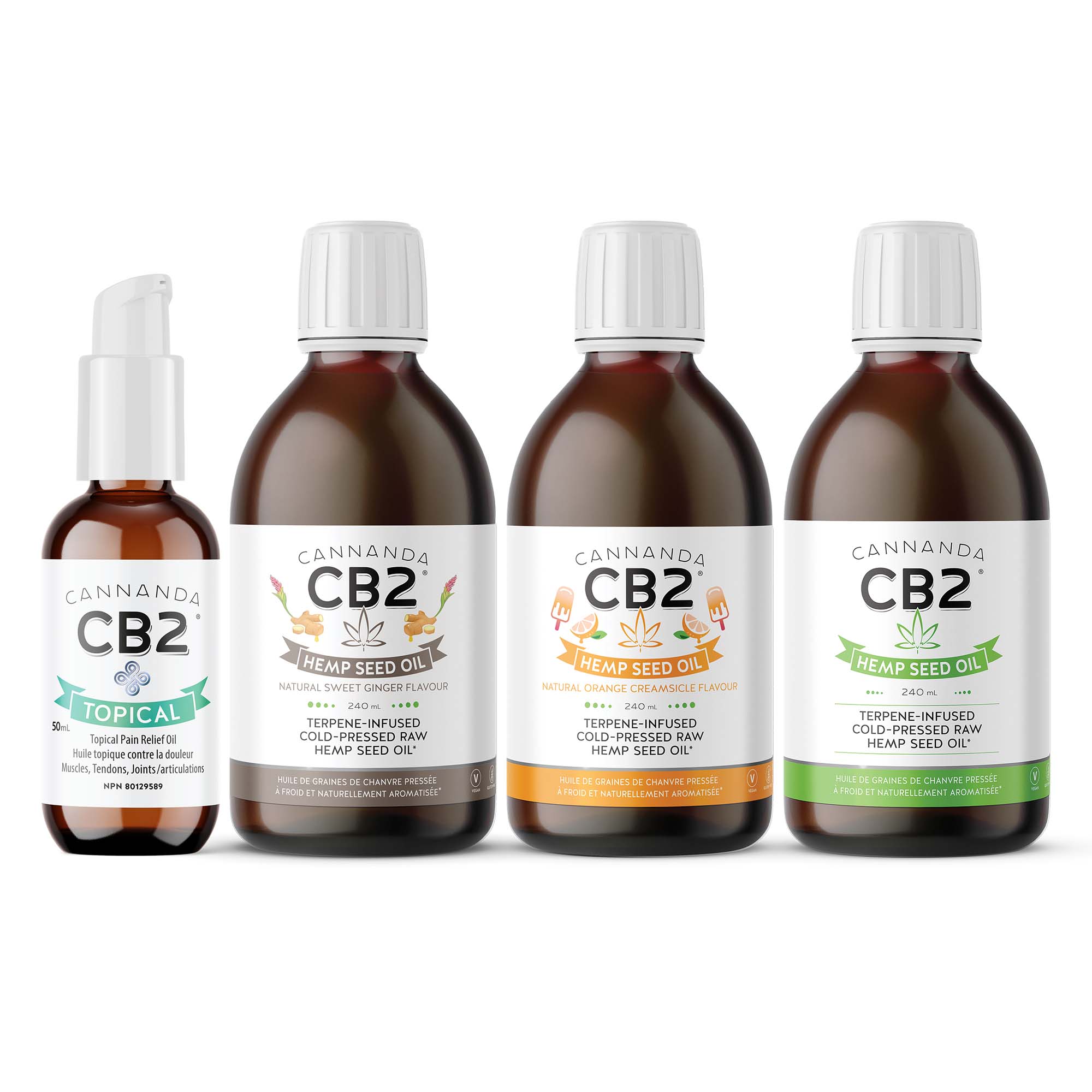
CB2 Hemp Seed Oil, Liquid (20 mg BCP per teaspoon)
This format works great if you like adding things to smoothies, salad dressings, or oatmeal. You get the BCP plus the omega-3 and omega-6 benefits of hemp seed oil.
- General wellness: 1–2 teaspoons per day (20–40 mg)
- Pain, joint, or mood support: 3–6 teaspoons per day (60–120 mg)
- For higher daily totals, CB2 Wellness drops are easier to take
CB2 Hemp Seed Oil Softgels (10 mg BCP per softgel)
The easiest option for a daily routine. You just swallow them. Great for travel and busy schedules.
- General wellness: 2–5 softgels per day (20–50 mg)
- Pain, joint, mood, or sleep support: 6–12 softgels per day (60–120 mg)
- For higher daily totals, CB2 Wellness drops are easier to take
Which Product Should You Pick?
- If you want the most flexibility, go with CB2 Wellness. The 20 mg per drop concentration lets you scale up easily if you need more. It's easy to use sublingually, and also the only option available for inhalation.
- If you want fast onset, go with CB2 Cool. Hold the drops under your tongue for about 30 seconds before swallowing.
- If you like adding things to food, go with the CB2 Hemp Seed Oil liquid. Drizzle it on meals or stir it into smoothies.
- If you want zero fuss, go with the softgels. Take them with breakfast and forget about it.
A Few Tips for Getting the Most Out of Your BCP
- Take BCP with a meal that has some fat in it. Avocado toast, eggs, nuts, full-fat yogurt, anything like that works.
- For higher daily doses, split them through the day. Half in the morning with breakfast, half in the evening with dinner. This gives you a steadier blood level instead of one big spike.
- Give it 2–4 weeks before deciding whether it's working. Even though most report noticing benefits within the first dose or first few days, BCP works on inflammation pathways that can take time to settle down.
How You Take It Matters (A Lot)
Up until now we've been talking about doses as if you swallow BCP and it all reaches your bloodstream. That's not how it works. The route you choose changes how much BCP actually gets absorbed, how fast it kicks in, and even where in your body it ends up. This part is just as important as the dose itself.
There are four practical ways to take BCP: swallow it (with or without fat), hold it under your tongue (sublingual), breathe it in (inhalation), or rub it on your skin (topical). Each one has different strengths.
Swallowing on an Empty Stomach (The Worst Option)
BCP is fat-soluble and doesn't dissolve in water. If you swallow it on an empty stomach, very little of it actually gets into your bloodstream. Studies suggest oral bioavailability of plain BCP can be under 10%, and worst case is around 1–2%. The rest gets stuck in your gut or broken down by your liver before it ever reaches the tissues that need it.
Bottom line: don't take BCP on an empty stomach. You're wasting most of it.
Swallowing With Food (Standard Option)
Adding fat changes everything. Fat in your meal triggers your digestive system to produce bile, which helps fat-soluble compounds like BCP get absorbed. Lipid-based formulations like Cannanda CB2 oils are already partly solving this problem by suspending BCP in oil, but eating fat at the same time boosts absorption further.
This is the baseline route for most people. The dose ranges throughout this article assume this approach: a lipid-suspended BCP product (like CB2 oil), taken with food that contains fat.
Sublingual (Under the Tongue): Likely the Most Efficient Daily Route
Here's a quirk of human anatomy. The tissue under your tongue is thin, well-supplied with blood vessels, and lets fat-soluble compounds slip directly into circulation. When something is absorbed sublingually, it bypasses your gut and your liver's first-pass metabolism entirely. The compound goes straight to where it can do work.
Direct sublingual pharmacokinetic studies on BCP haven't been published yet. But here's why sublingual makes sense for BCP specifically: BCP is small, neutral, and highly fat-soluble. Studies have shown it absorbs through the skin (which is harder than absorbing through mucous membranes), and it can even reach the brain after inhalation. The same properties that let BCP cross skin and the blood-brain barrier should make it cross the sublingual membrane efficiently.
So the practical takeaway: if you hold BCP oil under your tongue for 30–60 seconds before swallowing, you likely get a meaningful boost in absorption compared to just swallowing it. Faster onset, too. This is why our CB2 Cool drops are formulated for sublingual use.
How to do it right: place the drops under your tongue. Don't swallow right away. Hold them for at least 30 seconds, ideally up to 90 seconds. Then swallow what's left.
Inhalation: Fast Onset, Brain-Direct
Breathing BCP vapor in (through a diffuser, by smelling an essential oil, or via a personal aromatherapy inhaler) is a fundamentally different route. The compound enters your lungs, where it crosses into the bloodstream incredibly fast. Some of it may also travel directly from the nasal cavity to the brain through olfactory nerve pathways, bypassing the bloodstream entirely.
A 2021 study by Sato and colleagues confirmed something important: when mice inhaled volatile BCP, the compound showed up in their blood, brain, liver, and other tissues. Inhalation gets BCP into your system. It's not just a pleasant smell.
Inhalation also bypasses your digestive system and liver entirely on the first pass. The onset is fast (often within minutes), which makes it great for acute moments: a stressful meeting, a sudden anxious feeling, a flare of tension.
Real human evidence backs this up. A 2022 randomized controlled trial with 22 adults found that inhaling Copaiba essential oil (which is rich in BCP) during stressful tasks lowered anxiety scores along with measurable drops in heart rate and cortisol. That's a fast, real, measurable effect from inhalation alone.
The catch: dose is hard to measure when you inhale, and the effect doesn't last as long as oral or sublingual. Inhalation is best as a complement to a daily oral or sublingual routine, not a replacement for it.
Quick Comparison Across Routes
| Route | Bioavailability | Onset | Duration | Best for |
|---|---|---|---|---|
| Oral (no fat) | Very low (1–10%) | 1–3 hours | 4–6 hours | Avoid this route. Most BCP is wasted. |
| Oral (with fat) | Low to moderate | 1–3 hours | 6–8 hours | Steady daily baseline. Easy to dose consistently. |
| Sublingual | Higher than oral | 15–30 minutes | 4–6 hours | Daily use with better absorption. Faster onset than swallowing. |
| Inhalation | Very high to brain | 1–5 minutes | 30–90 minutes | Acute moments. Stress, anxiety, focus, sleep onset. |
| Topical | Local mainly | 10–30 minutes | 2–4 hours local | Specific spots. Joints, muscles, skin issues. |
If you've ever noticed that smoking or vaping cannabis hits faster but fades faster than an edible, you've already experienced this pharmacology. The same thing happens with BCP.
Why inhalation hits fast: Your lungs have roughly the surface area of a tennis court, packed with tiny blood vessels right at the surface. When you inhale BCP, it crosses into your blood in seconds. That blood then goes straight to your heart, and from there straight out to your brain and body. There's no liver detour like there is with swallowing, so the full dose reaches you intact and fast.
Why inhalation wears off fast: The same speed cuts both ways. Inhalation delivers a quick concentrated burst, your blood level spikes, and then your body clears it just as quickly. Within an hour or two, most of the compound has been redistributed into tissues or broken down. The brain sees less of it, and the effects fade. When you swallow something instead, it absorbs slowly over a couple of hours from your gut. Your blood level rises slowly and stays elevated longer because the gut keeps trickling in new compound while your body clears the rest. Slower on, slower off.
The simple analogy: Inhalation is like throwing kindling on a bonfire. It catches instantly, burns bright, and is gone in minutes. Swallowing is like a slow-cooker fire. It takes a while to get going, but once it's burning it holds a steady heat for hours. Same fuel, totally different burn.
This is exactly why combining routes works so well. You can't get sustained all-day coverage from inhalation, and you can't get a 5-minute kick-in from swallowing. They do different jobs.
Practical Strategy: Combine Routes
There's no single "best" route. Most people get the best results combining a couple of them:
- Daily baseline: Sublingual drops (CB2 Wellness or CB2 Cool) or ingestion/softgels with a fat-containing meal. This builds a steady CB2-active level in your body.
- Acute moments: Inhalation of CB2 Wellness for fast-acting support during stressful events, anxious moments, or sleep onset.
- Localized issues: CB2 Topical Oil (more on this below) for specific joint, muscle, or skin areas.
If you do both daily oral and occasional inhalation, you don't need to add extra dose math. Inhalation tops you up briefly during high-need moments and won't push you over a safe daily total at any reasonable usage.
Topical BCP: A Different Story Entirely
Everything above has been about getting BCP into your bloodstream. Topical use plays by different rules. When you rub BCP on your skin, most of the action happens right where you apply it. Some BCP does cross the skin and enter the bloodstream, but the bigger benefit is local: it acts on the skin itself and on the tissues just below.
What Topical BCP Does Locally
Your skin has its own endocannabinoid system. It has CB2 receptors. BCP, as a CB2-selective compound, can activate those receptors right where you apply it. Studies have shown topical BCP can:
- Reduce local inflammation in the skin and underlying tissue
- Calm itching and irritation (CB2 receptors are involved in skin pruritus signaling)
- Support faster wound healing and re-epithelialization (the skin closing back over a wound)
- Provide localized pain support for joints and muscles near the surface
A 2023 study tested a BCP-loaded topical microemulsion gel on rats with inflammatory paw swelling. The topical BCP reduced inflammation by about 91%, compared to 77% for a conventional version. Topical application can be remarkably effective when the issue is localized.
Topical Use Doesn't Need Systemic Dose Math
This is important. The dose ranges we've talked about throughout this article (25 mg, 60 mg, 120 mg, etc.) apply to oral, sublingual, and inhaled BCP. They're about getting BCP into your bloodstream.
Topical BCP works differently. You're not trying to flood your system. You're putting BCP directly where the problem is. The amount that enters your bloodstream from a normal application of CB2 Topical Oil is small. That's actually a feature, not a bug. You can use topical BCP generously on a sore knee or stiff back without worrying about adding it to your daily total.
If you're using both topical and oral BCP on the same day, you don't need to subtract anything. Treat them as separate tools doing different jobs.
When to Reach for Topical
- Sore joints: knees, wrists, ankles, fingers, elbows
- Stiff or knotted muscles: neck, shoulders, lower back, calves
- Localized skin issues: irritation, mild rashes, dry patches
- Minor wounds and scrapes (BCP supports healing)
- Post-workout recovery on specific areas
Cannanda CB2 Topical Oil
Cannanda's topical option is CB2 Topical Oil. It's a fast-absorbing oil designed to spread easily and sink in quickly, so it works well on both small spots (a sore knuckle, a tight calf) and larger areas (a stiff back, achy shoulders, the full length of a sore thigh). Apply, massage in for a minute, and let it do its work.
How to Apply Topical BCP for Best Results
- Clean and dry the area first. Skin oils and lotions can block absorption.
- Use enough to cover the area, but you don't need to slather it on. A thin to moderate layer is plenty.
- Massage it in for 30–60 seconds. The mechanical motion helps absorption and increases local circulation.
- Apply 2–3 times per day for active issues. Once per day is fine for maintenance.
- Stack it with oral or sublingual BCP for the best overall coverage. Local action plus systemic support.
How Safe Are These Doses?
This is where BCP shines compared to almost any other supplement.
The FDA classifies BCP as Generally Recognized as Safe (GRAS). It's been approved as a food additive for decades. You're already eating it. It's in black pepper, cloves, cinnamon, oregano, hops, and basil. Anyone who's seasoned a meal has consumed BCP.
The toxicology data backs this up. Rats given 700 mg/kg of BCP every day for 90 days showed no significant signs of toxicity. The lethal dose in mice is around 5,000 mg/kg. To put that in perspective, that's the equivalent of a 60 kg human eating roughly 24 grams of pure BCP in one sitting (equivalent to about 10 full 5 mL vials of CB2 Wellness all at once). You'd never come close to that with any normal supplement protocol.
So the doses we've talked about (25 mg to 240 mg per day) sit comfortably inside a huge safety margin. You'd have to take wildly more than recommended for any real concern.
The Bottom Line
You don't need to guess at BCP doses. Animal research gives us real numbers, and proper translation gives us defensible human ranges.
For most people looking for general wellness benefits, somewhere between 25 mg and 120 mg per day is a reasonable place to start. If you're targeting something more specific like mood or cognitive support, you can scale up to the 120–240 mg range based on how your body responds.
But remember: the route matters as much as the dose. Sublingual likely gives you the best absorption for daily use. Inhalation gives you fast-acting support for stressful or anxious moments. Topical handles localized issues without needing to count toward your daily total. Most people get the best results combining a couple of routes, not just picking one.
Start low. Pay attention to how you feel. If you're swallowing oral BCP, take it with food that has fat in it. Stick with it for a few weeks before deciding whether it's working. BCP isn't a fast-acting drug. It works on inflammation pathways that take time to settle down.
And keep in mind what multiple studies now show, not just the cholesterol data, but the microglia and oligodendrocyte research too: for anti-inflammatory applications, lower doses can genuinely outperform higher ones. The ceramide mechanism explains why. More BCP doesn't deliver more benefit in a straight line. Find the dose that works for you and don't chase bigger numbers just because you can.
Frequently Asked Questions
How long does it take to feel BCP's effects?
Most people notice benefits within the first week or two (and for many, from the first dose), with more meaningful effects building over 2–4 weeks of consistent use. BCP works on inflammation pathways, which take time to settle. Stick with it for at least a month before deciding whether it's working for you.
Can I take BCP with my medications?
At doses within Cannanda's recommendations, there are no known adverse drug interactions. One exception: if you're on a medication with a narrow therapeutic window, talk to your doctor before starting BCP, even at recommended doses. BCP is also processed by the same liver enzymes (cytochrome P450 family) that handle many common medications. If you're on statins, blood thinners, antidepressants, anti-seizure medications, or anything else that comes with a grapefruit warning, and you're planning on taking larger than recommended doses, talk to your healthcare provider before starting BCP. For most people on no medications, BCP is fine to use without concern.
Should I cycle BCP or take it daily?
You can take BCP every day without concern. Unlike compounds that activate CB1 receptors (like THC), BCP works on CB2 receptors, which don't down-regulate or build tolerance the same way. Many of our customers take BCP daily for years without losing the benefits.
Are there any side effects?
BCP has an excellent safety profile. The most common issue people report is mild digestive upset if taken on an empty stomach, which is usually solved by taking it with food. If you're sensitive to anything, start at the low end of the dose range and work up slowly.
Should I take a higher dose if I'm a larger person?
Yes, scaling roughly with body weight makes sense. The 60 kg (132 lb) baseline used in this article assumes an average-size adult. If you weigh significantly more, add about 1 mg per kg of additional body weight as a rough guide. So a 90 kg (200 lb) adult might aim for 60–150 mg per day instead of 60–120 mg.
What's the difference between BCP and CBD?
Both interact with the endocannabinoid system, but in different ways. CBD has a complex pharmacology and touches many receptors and enzymes. BCP is a clean, selective CB2 receptor activator. It doesn't affect CB1 (the receptor that gets you high) at all. BCP is also classified as a food ingredient with FDA GRAS status, while CBD's regulatory situation is more complicated.
Can I take BCP alongside CBD or cannabis products?
Yes. BCP works on different parts of the endocannabinoid system than CBD or THC. Many people find combining them gives broader effects than either alone. There are no known negative interactions between BCP and other cannabinoids.
Will BCP show up on a drug test?
No. BCP is a terpene, not a cannabinoid in the legal sense. It contains zero THC, and it doesn't trigger positives on standard drug screens. Our CB2 oils are 0% THC and 0% CBD.
Is BCP safe during pregnancy or breastfeeding?
There isn't enough specific safety data on BCP supplementation during pregnancy or breastfeeding to give a clear recommendation. Talk to your healthcare provider before starting BCP if you're pregnant, planning to become pregnant, or breastfeeding.
Can my dog or cat take BCP?
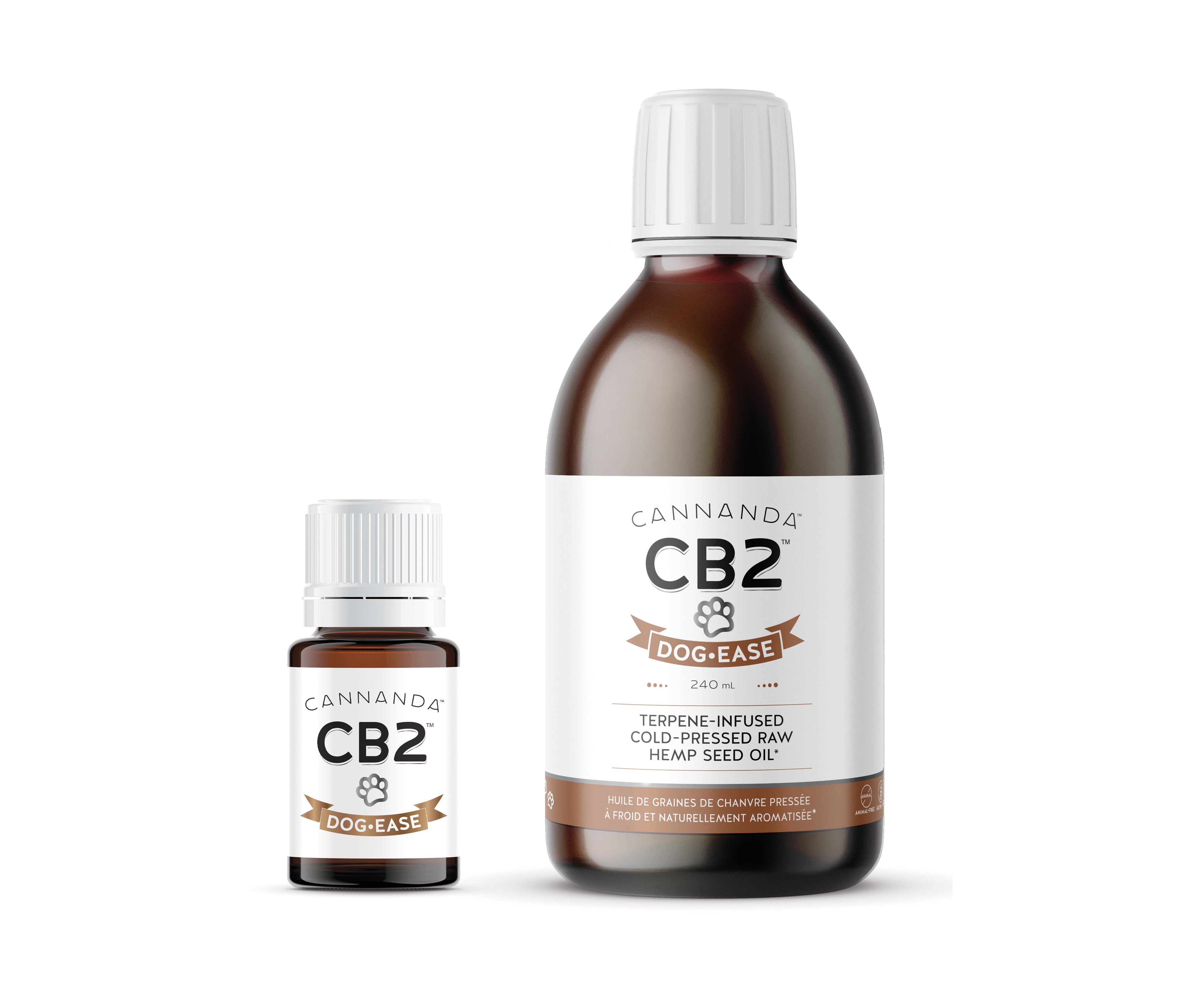
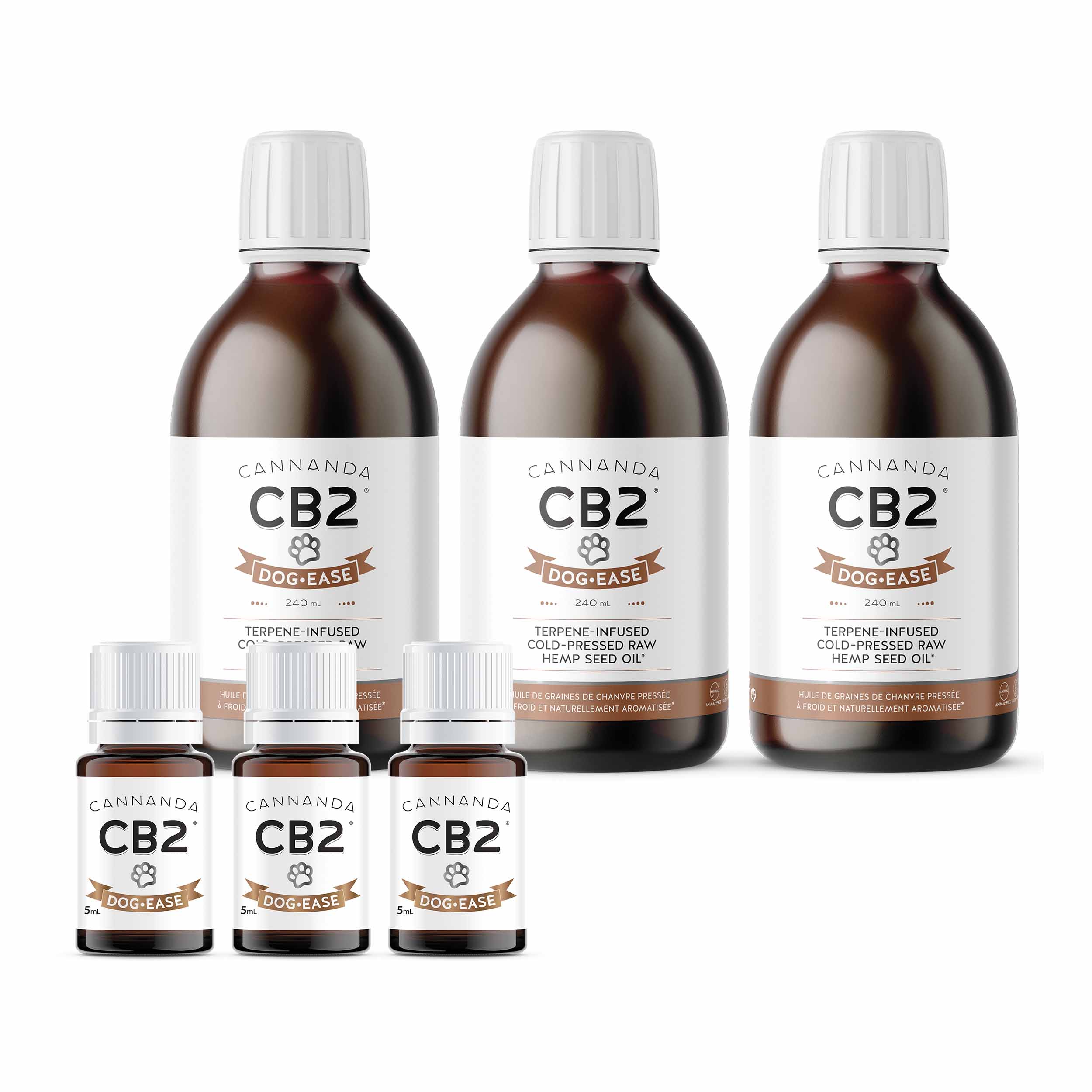
Dogs can take BCP. Cannanda makes CB2 Dog-Ease specifically labelled and dosed for canine use. For cats and other pets, do not use without contacting Cannanda for guidance first.
Is sublingual really better than just swallowing?
Probably yes for absorption, though direct sublingual BCP studies haven't been published. The reasoning: BCP is small, fat-soluble, and we know it absorbs through skin and into the brain from inhalation. The same properties that let it cross those barriers should let it cross the membrane under your tongue. By doing so, BCP enters your bloodstream directly and bypasses first-pass liver metabolism. Most people find sublingual gives them faster, more noticeable effects, even at the same dose.
If I'm using topical BCP for my knees, do I need to reduce my oral dose?
No. Topical BCP works mostly locally, where you apply it. The amount that reaches your bloodstream from normal topical use is small. Use them as separate tools: oral or sublingual BCP for whole-body support, topical BCP for specific spots. You don't need to subtract one from the other.
Does inhaled BCP count toward my daily dose?
In practical terms, no. Inhalation gives you a fast, short-acting effect. The amount you'd inhale during normal aromatherapy use is much smaller than what you'd get from a daily oral or sublingual dose. Use inhalation as a quick-acting top-up for acute moments without worrying about your daily oral total.
References
- Reagan-Shaw, S., Nihal, M., & Ahmad, N. (2008). Dose translation from animal to human studies revisited. FASEB Journal, 22(3), 659–661.
- Klauke, A.-L., et al. (2014). The cannabinoid CB2 receptor-selective phytocannabinoid beta-caryophyllene exerts analgesic effects in mouse models of inflammatory and neuropathic pain. European Neuropsychopharmacology, 24(4), 608–620.
- Bento, A. F., et al. (2011). β-Caryophyllene inhibits dextran sulfate sodium-induced colitis in mice through CB2 receptor activation and PPARγ pathway. American Journal of Pathology, 178(3), 1153–1166.
- Bahi, A., et al. (2014). β-Caryophyllene, a CB2 receptor agonist produces multiple behavioral changes relevant to anxiety and depression in mice. Physiology & Behavior, 135, 119–124.
- Cheng, Y., Dong, Z., & Liu, S. (2014). β-Caryophyllene ameliorates the Alzheimer-like phenotype in APP/PS1 mice through CB2 receptor activation and the PPARγ pathway. Pharmacology, 94(1–2), 1–12.
- Youssef, D. A., et al. (2019). Hypocholesterolemic effect of β-caryophyllene in rats fed cholesterol and fat enriched diet. Journal of Clinical Biochemistry and Nutrition.
- Mödinger, Y., et al. (2022). Enhanced oral bioavailability of β-caryophyllene in healthy subjects using the VESIsorb formulation technology. Molecules, 27(9), 2860.
- Fiorenzani, P., et al. (2020). The CB2 agonist β-caryophyllene in male and female rats exposed to a model of persistent inflammatory pain. Frontiers in Neuroscience, 14, 850.
- Gertsch, J., et al. (2008). Beta-caryophyllene is a dietary cannabinoid. PNAS, 105(26), 9099–9104.
- Askari, V. R., & Shafiee-Nick, R. (2019). The protective effects of β-caryophyllene on LPS-induced primary microglia M1/M2 imbalance: A mechanistic evaluation. Life Sciences, 219, 40–73.
- Askari, V. R., & Shafiee-Nick, R. (2019). Promising neuroprotective effects of β-caryophyllene against LPS-induced oligodendrocyte toxicity: A mechanistic study. Biochemical Pharmacology, 159, 154–171.
- Sato, S., et al. (2021). Distribution of inhaled volatile β-caryophyllene and dynamic changes of liver metabolites in mice. Scientific Reports, 11, 1728.
- Koyama, S., et al. (2019). β-Caryophyllene enhances wound healing through multiple routes. PLOS One, 14(12), e0216104.
- Pinheiro-Neto, F. R., et al. (2023). β-Caryophyllene-Loaded Microemulsion-Based Topical Hydrogel: A Promising Carrier to Enhance the Analgesic and Anti-Inflammatory Outcomes. Gels, 9(8), 671.
- Aromatherapy clinical trial (2022). Inhaled Copaiba essential oil for stress and anxiety reduction in healthy adults: a randomized controlled trial.













Comments
Goodday. May I ask what is the most drops one should ingest in a day???? I’m reading starting with 1/2 drops. But not sure if required if I can take again later or at bedtime for sleep.
Got anxious to have it come today so ordered Cannada CB2 from Amazon. I pray it is indeed your product.
If it helps I will place an order directly from you. Fingers crossed !!!!
Be Well
Jeannine
Goodday. May I ask what is the most drops one should ingest in a day???? I’m reading starting with 1/2 drops. But not sure if required if I can take again later or at bedtime for sleep.
Got anxious to have it come today so ordered Cannada CB2 from Amazon. I pray it is indeed your product.
If it helps I will place an order directly from you. Fingers crossed !!!!
Be Well
Jeannine