Is Beta-Caryophyllene a Cannabinoid? Classification Explained

This is one of the most common questions people ask about beta-caryophyllene (BCP), and the answer is genuinely interesting: it's both a terpene AND a cannabinoid. That makes it unique in all of nature.
The Traditional Definition of Cannabinoid
Traditionally, the word "cannabinoid" referred to compounds found in the cannabis plant that interact with cannabinoid receptors. THC, CBD, CBN, CBG--these are all "phytocannabinoids" because they come from a plant (phyto) and interact with the cannabinoid receptor system.
Then the definition expanded. Scientists discovered that your body makes its own cannabinoid-like compounds (endocannabinoids, like anandamide and 2-AG). And they found synthetic compounds that interact with these receptors too.
So the working definition of "cannabinoid" broadened to mean: any compound, natural or synthetic, that interacts with cannabinoid receptors (CB1 and/or CB2) in the endocannabinoid system.
Where BCP Fits In
BCP is, structurally, a terpene. Specifically, it's a bicyclic sesquiterpene, a class of aromatic compounds found in plant essential oils. It gives black pepper its spicy kick and contributes to the aroma of cloves, rosemary, and dozens of other plants.
But in 2008, researchers at ETH Zurich discovered something that nobody expected: BCP selectively binds to and activates CB2 receptors. It binds at the same site where THC binds (the CP55,940 binding site), and it triggers the same intracellular signaling cascade that other CB2 agonists trigger.
By the functional definition, that makes BCP a cannabinoid. It activates a cannabinoid receptor. It triggers cannabinoid-receptor-mediated effects. The researchers titled their landmark paper simply: "Beta-caryophyllene is a dietary cannabinoid."
The "Dietary" Part Matters
The word "dietary" is crucial. Unlike THC or CBD, which come from specialized cannabis flowers and require extraction, BCP is found in everyday foods. Black pepper. Oregano. Cinnamon. Cloves. You eat it with every spiced meal.
This means BCP is a cannabinoid that's already part of the normal human diet and has been for all of human history. It has FDA GRAS (Generally Recognized As Safe) status. It's approved as a food additive worldwide. You don't need a prescription, a dispensary, or a special license to use it.
How BCP Differs from Other Cannabinoids
There are some important differences between BCP and the cannabinoids most people know about.
BCP is CB2-selective. THC activates both CB1 and CB2 receptors (which is why it causes a "high" through CB1 receptors, but also has anti-inflammatory effects through CB2 receptors). CBD doesn't directly activate either receptor. BCP activates only CB2. This gives it anti-inflammatory and immune-modulating benefits without any intoxicating effects.
BCP is not intoxicating. Because it doesn't bind to CB1 receptors in the brain, BCP causes zero intoxication. No high, no impairment, no altered mental state.
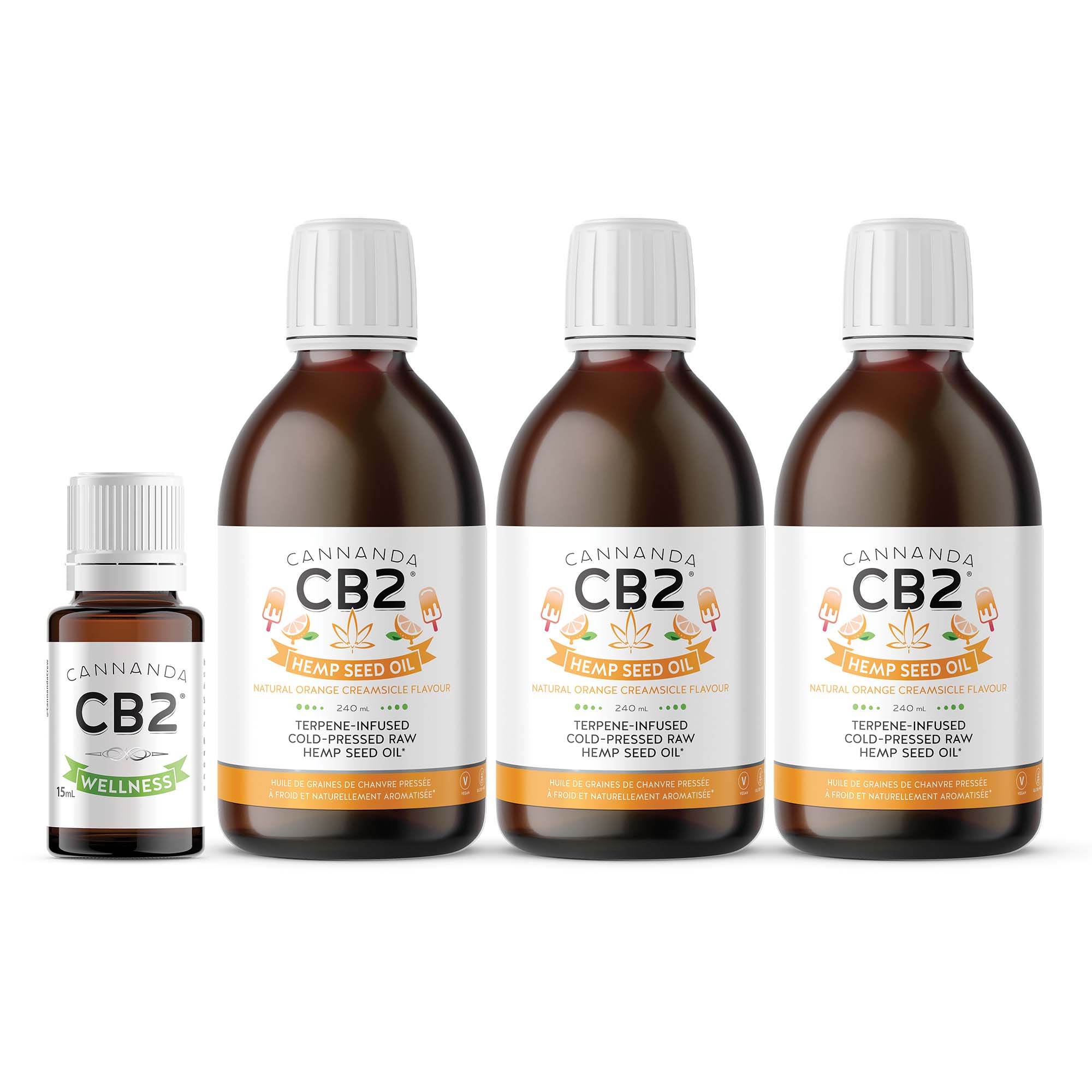
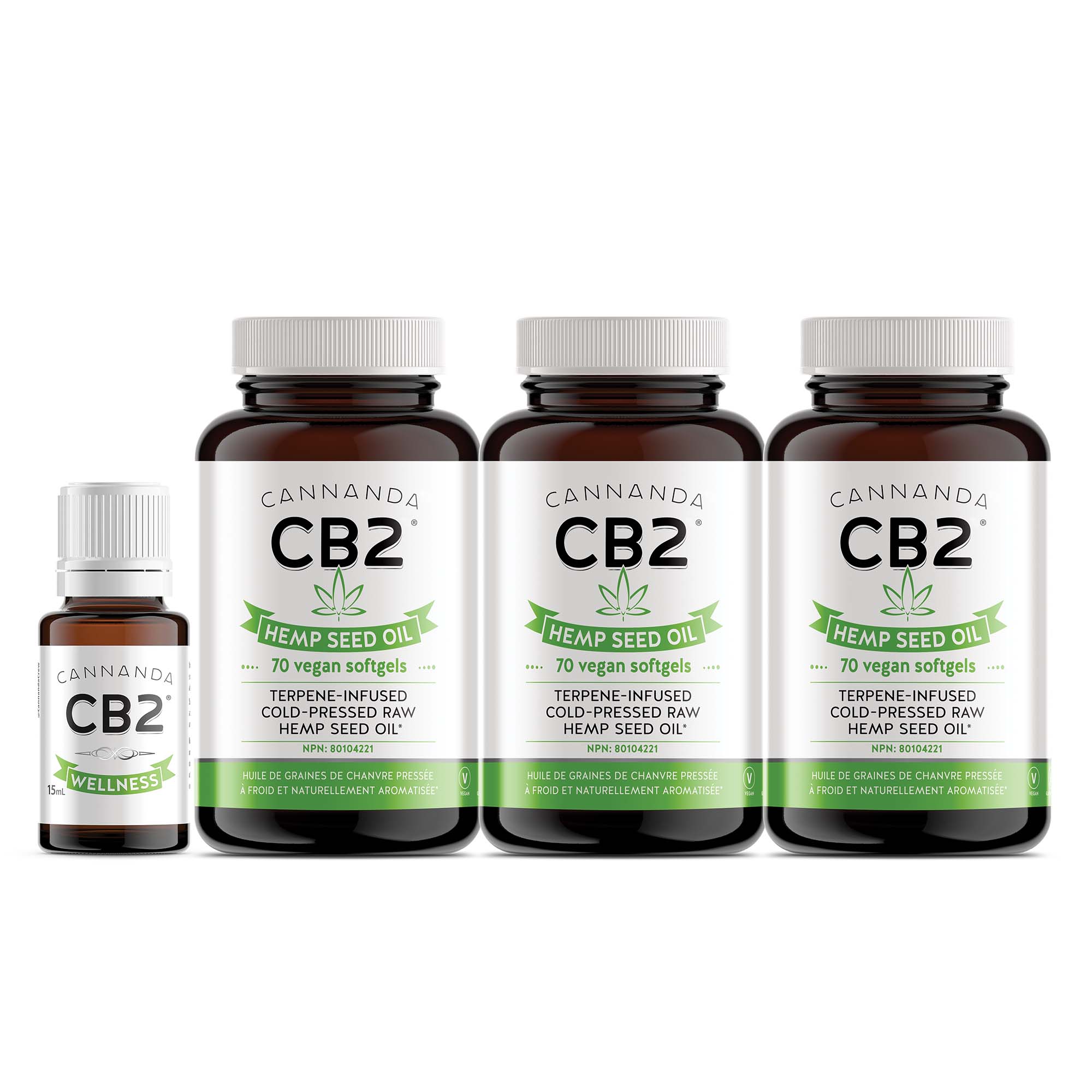
BCP is not regulated as a cannabis product. Because it's sourced from non-cannabis plants, Cannanda CB2 oil products containing BCP are not subject to cannabis regulations. They're legal everywhere, can be shipped internationally, and don't require medical authorization.
BCP has no known drug interactions at recommended doses, unlike THC (which has numerous interactions) and CBD (which inhibits key liver enzymes involved in drug metabolism).
Why This Classification Matters
Understanding that BCP is a dietary cannabinoid reframes how you think about the endocannabinoid system. It's not just something that responds to cannabis. It's a regulatory system your body uses constantly, and nature has provided dietary compounds that interact with it.
You don't need cannabis to support your endocannabinoid system. You just need the right terpenes, and BCP is the most direct, well-researched option available.
The Bottom Line
Beta-caryophyllene is the only known terpene that directly activates cannabinoid receptors, making it the world's first identified "dietary cannabinoid." It's a terpene by chemical structure and a cannabinoid by function. It selectively activates CB2 receptors, provides anti-inflammatory and immune-modulating benefits, and does all of this without intoxicating effects, drug interactions, or legal complications.
References:
- Gertsch J, et al. "Beta-caryophyllene is a dietary cannabinoid." PNAS. 2008;105(26):9099-9104.
- Francomano F, et al. "β-Caryophyllene: A Sesquiterpene with Countless Biological Properties." Applied Sciences. 2019;9(24):5420.
- Sharma C, et al. "Polypharmacological Properties and Therapeutic Potential of β-Caryophyllene." Current Pharmaceutical Design. 2016;22(21):3237-3264.