What is Hemp?
Hemp. Maybe you've seen it in a health food store or heard about it in conversations about natural wellness. But what exactly is this plant, and why does it keep coming up? This guide covers everything: what hemp is, what it's used for, how it's different from marijuana, and what science has discovered about hemp's most significant health compound that most people have never heard of.
What is Hemp?
Hemp (Cannabis sativa) is a close relative of marijuana, but with one crucial difference: THC content. THC is the psychoactive compound responsible for the marijuana "high," and hemp contains very little of it (typically less than 0.3%). That tiny amount means hemp won't cause intoxication, but it unlocks a wide world of practical and health applications.
What is Hemp Used For?
Hemp Legality in Canada and the United States
Canada: Hemp cultivation has been regulated for decades under the Industrial Hemp Regulations (IHR). Licensed growers must maintain THC below 0.3%. Hemp food products and natural health products are legally sold under Health Canada oversight.
United States: The 2018 Farm Bill made hemp federally legal, with USDA oversight and a THC limit of 0.3%. Individual states may have additional rules. Hemp-derived products including hemp seed oil are widely available.
The Three Main Forms of Hemp
Industrial Hemp
Grown for its stalks, which yield long bast fibers used in textiles, rope, and canvas. The leftover woody core (hemp hurds) can be mixed with lime to make hempcrete, an eco-friendly building material that insulates well and is fire-resistant. Hemp cellulose is also used in biodegradable bioplastics.
Hemp Seed
Hemp seeds are a genuine nutritional powerhouse. They contain all nine essential amino acids, a balanced ratio of omega-3 and omega-6 fatty acids, GLA (gamma-linolenic acid, an anti-inflammatory omega-6), stearidonic acid (a plant-based omega-3 that converts efficiently to EPA), vitamin E, magnesium, zinc, and antioxidant polyphenols. Eat them raw, add them to smoothies, sprinkle on salads, or press them into hemp seed oil.
Hemp Flower
Hemp flowers are low in THC but contain other compounds including CBD. Scientists are studying CBD for various health applications, though its legal status, drug interaction risks, and limited direct receptor activity make it a less straightforward option than many assume. More on this below.
Health Benefits of Hemp
Hemp supports health through several distinct pathways. The seeds and oil provide essential nutrition. Hemp seed oil is particularly valuable for its fatty acid profile. And hemp contains a terpene called beta-caryophyllene that represents the most significant health discovery to come out of hemp research in decades.
- Nutritional support: Hemp seeds are among the most nutritionally complete plant foods: complete protein, essential fatty acids in ideal ratios, minerals, and vitamins.
- Skin health: Hemp seed oil provides fatty acids and antioxidants that support skin hydration and may help with inflammatory skin conditions.
- Endocannabinoid system support: Beta-caryophyllene in hemp directly activates CB2 receptors, the most precise health mechanism hemp research has identified. See the section below.
Hemp's Most Significant Health Discovery: Beta-Caryophyllene
When most people think about hemp and health, they think about CBD. But here's what the science actually shows: CBD does not directly activate any cannabinoid receptor. It works through indirect mechanisms, requires cannabis licensing in many jurisdictions, and carries real drug interaction risks at higher doses.
The compound that does directly activate your body's CB2 receptors (the receptors governing inflammation, immune function, and pain) is beta-caryophyllene (BCP). It's a terpene found in hemp and in everyday foods like black pepper, cloves, and rosemary. In 2008, researchers discovered it was the only known dietary compound to directly activate CB2 receptors. They called it a dietary cannabinoid.
CB2 receptor activation through BCP reduces inflammatory cytokines (TNF-alpha, IL-1beta, IL-6), supports immune balance, modulates pain, and promotes the body's own homeostatic regulation, without intoxicating effects, without drug interactions, and with FDA GRAS food-ingredient status.
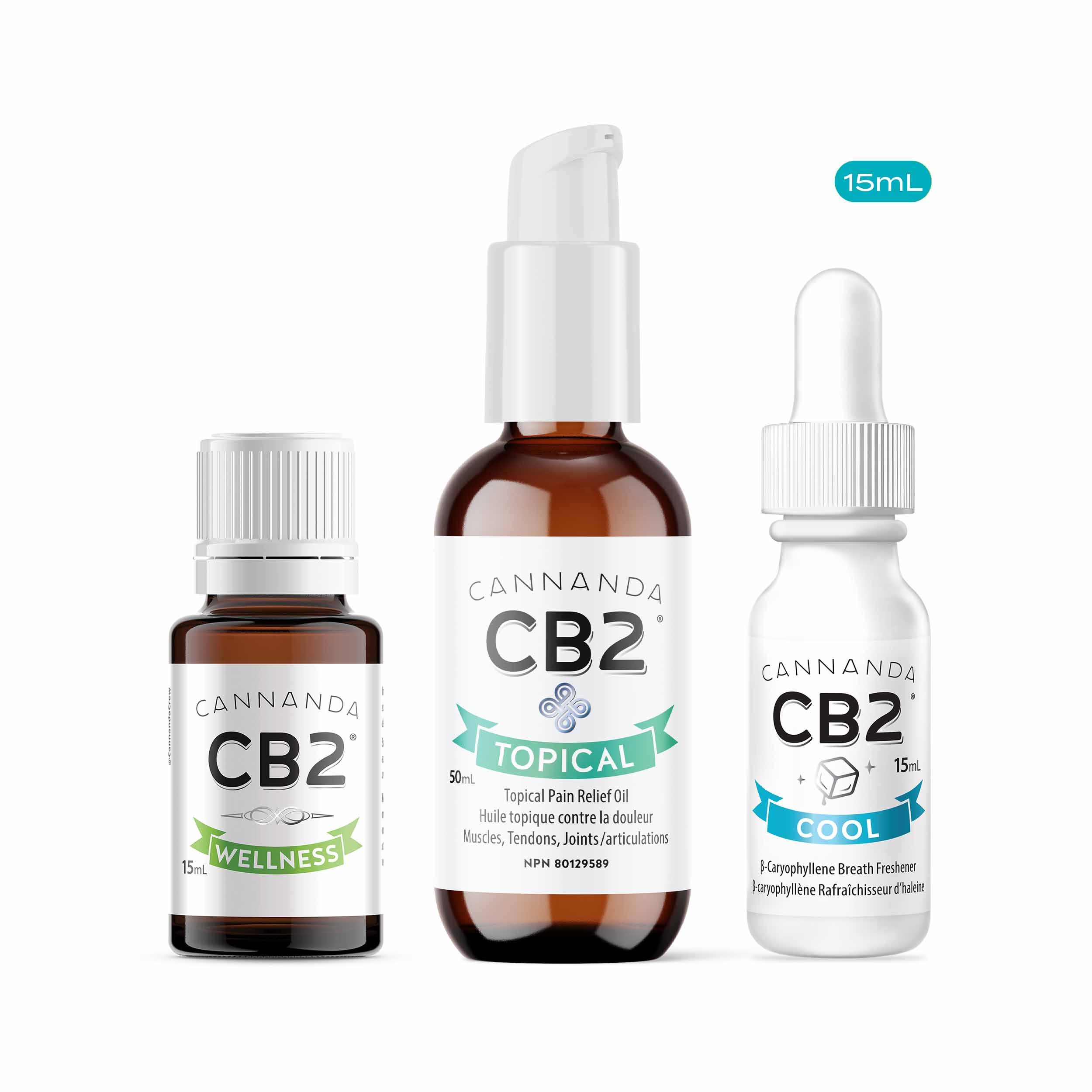
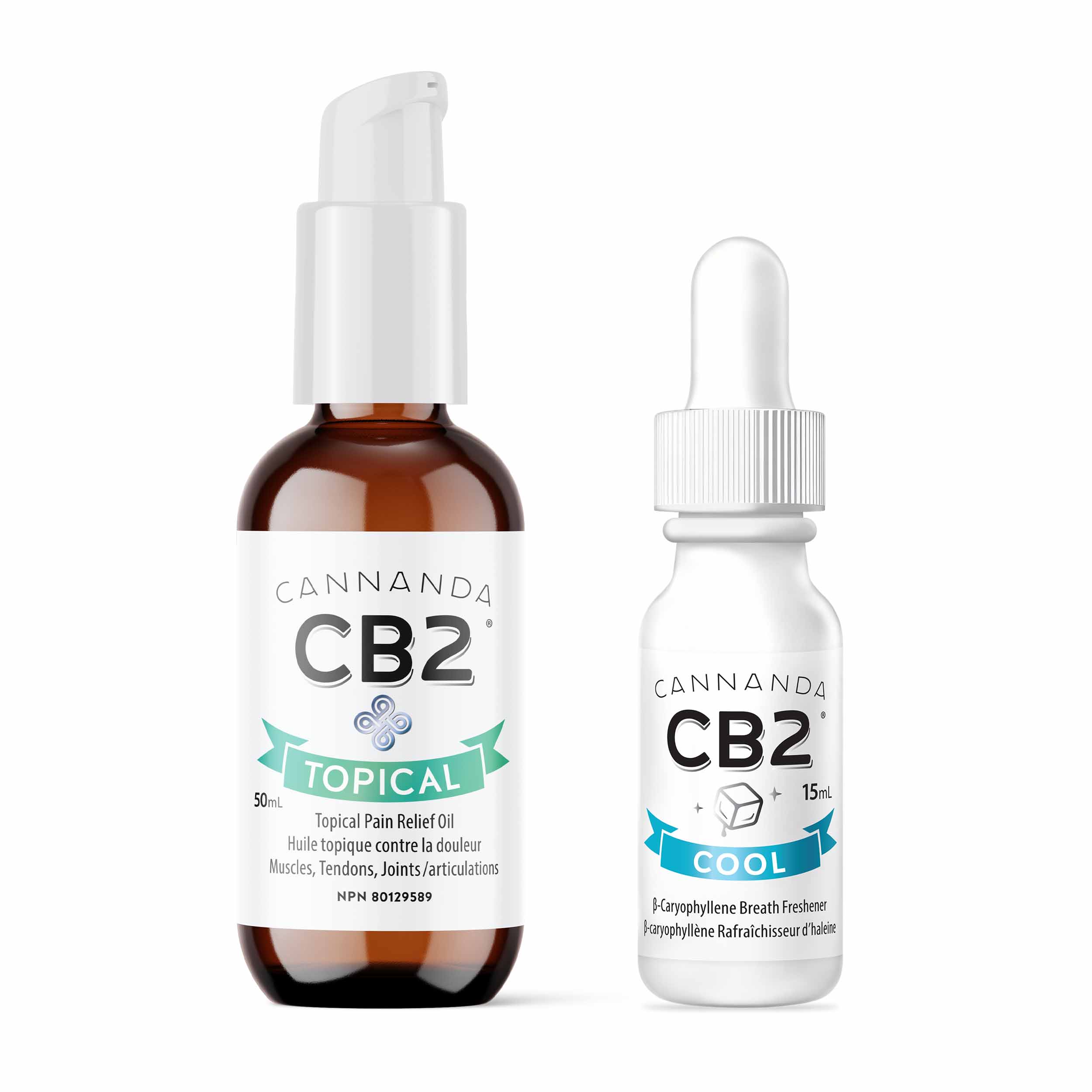
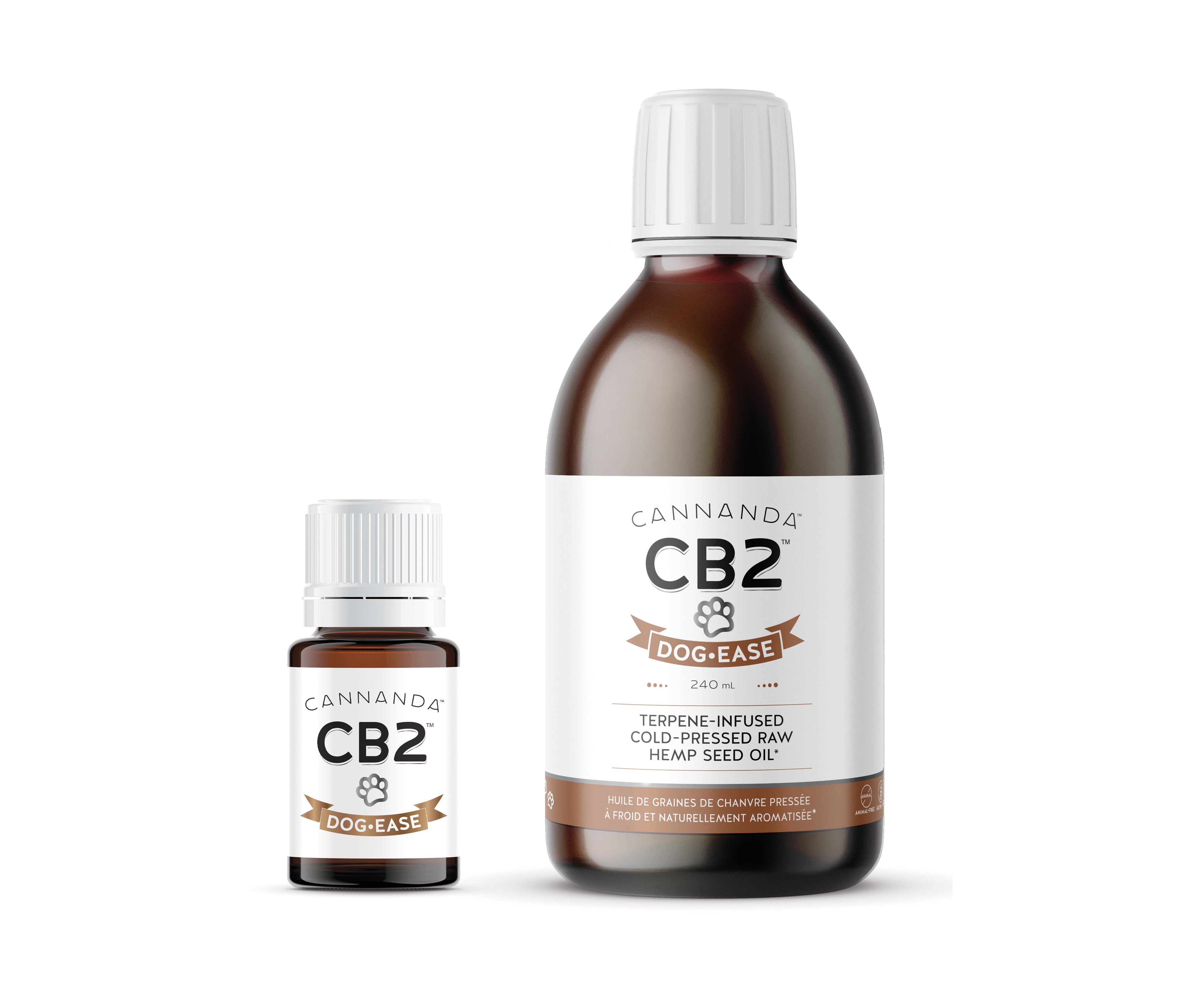
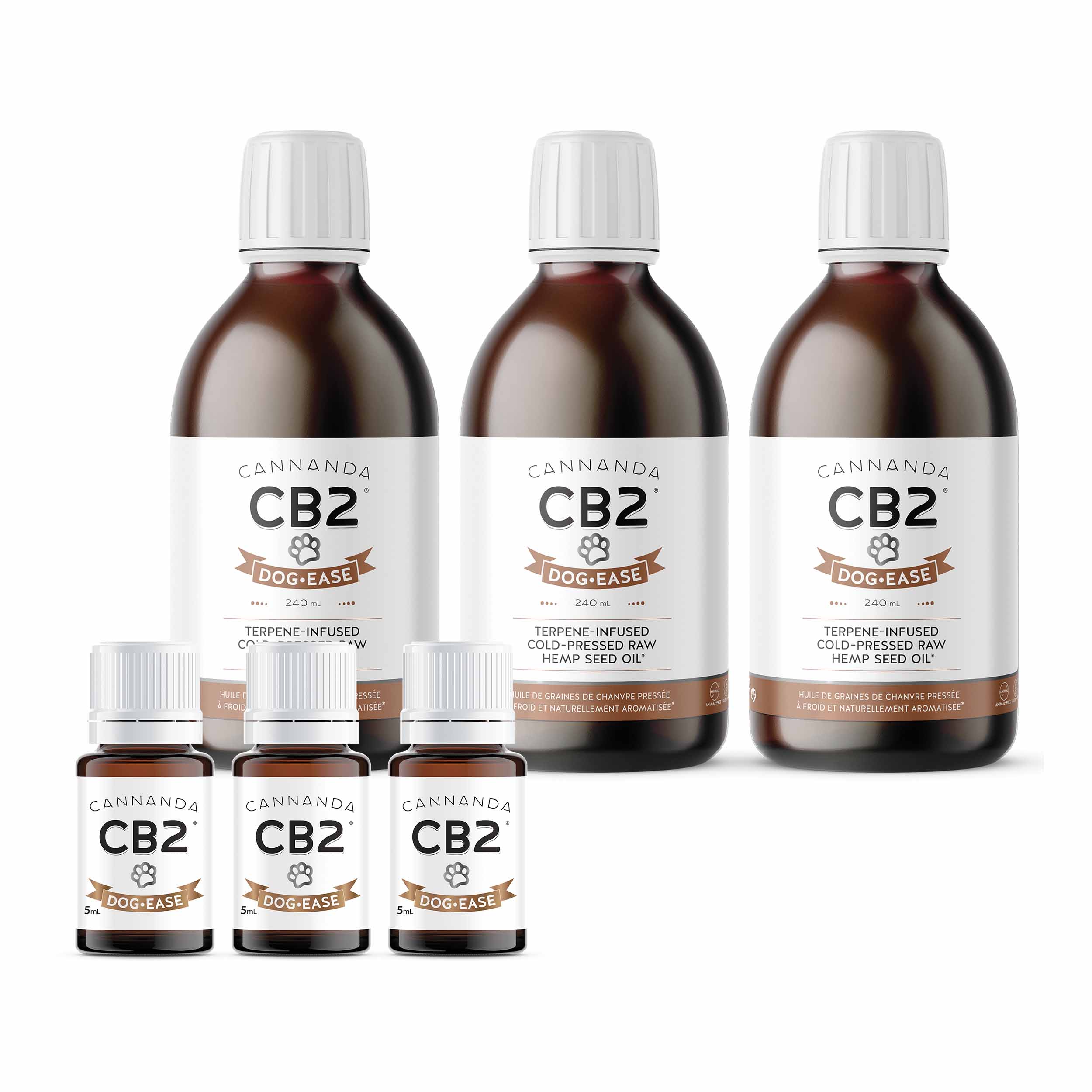
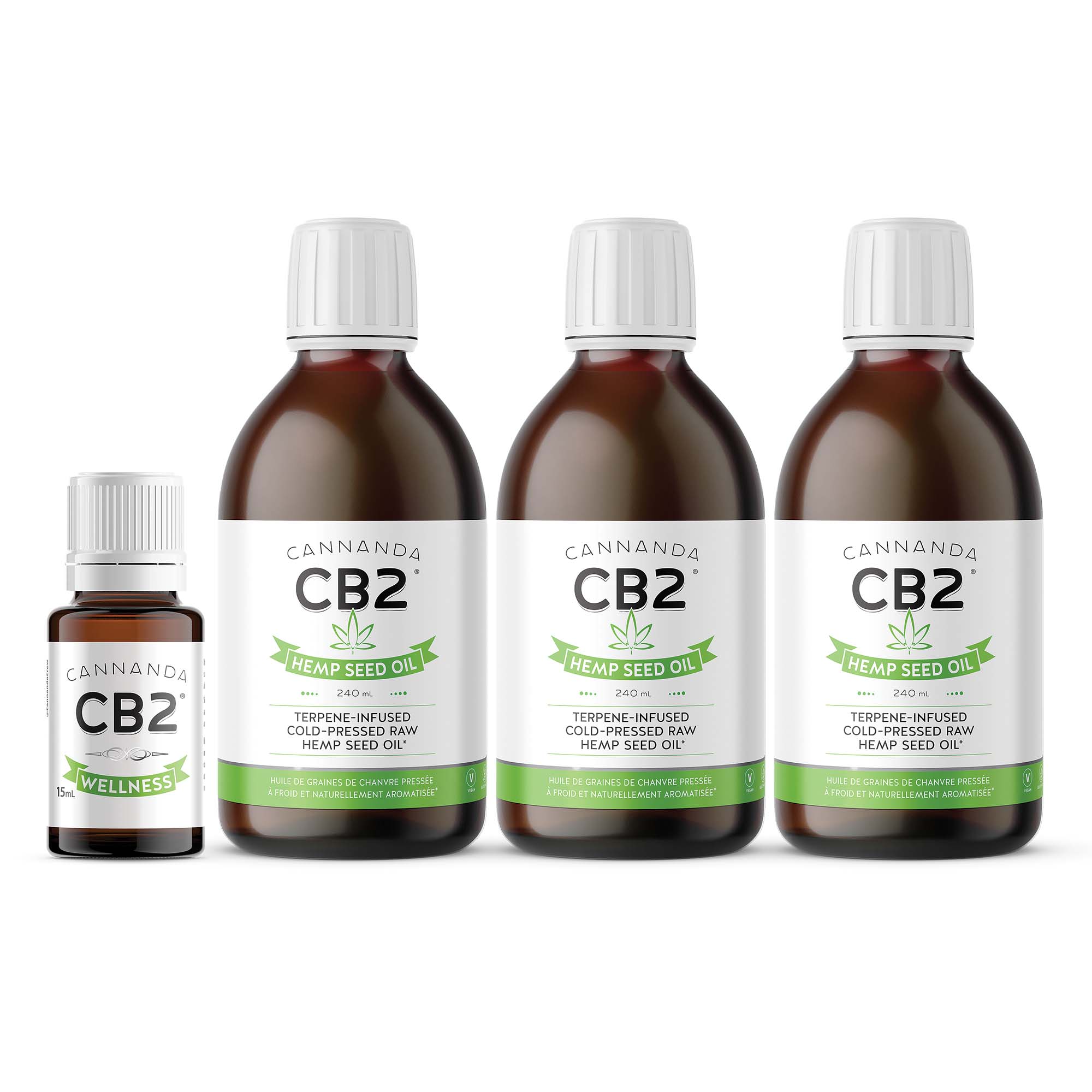
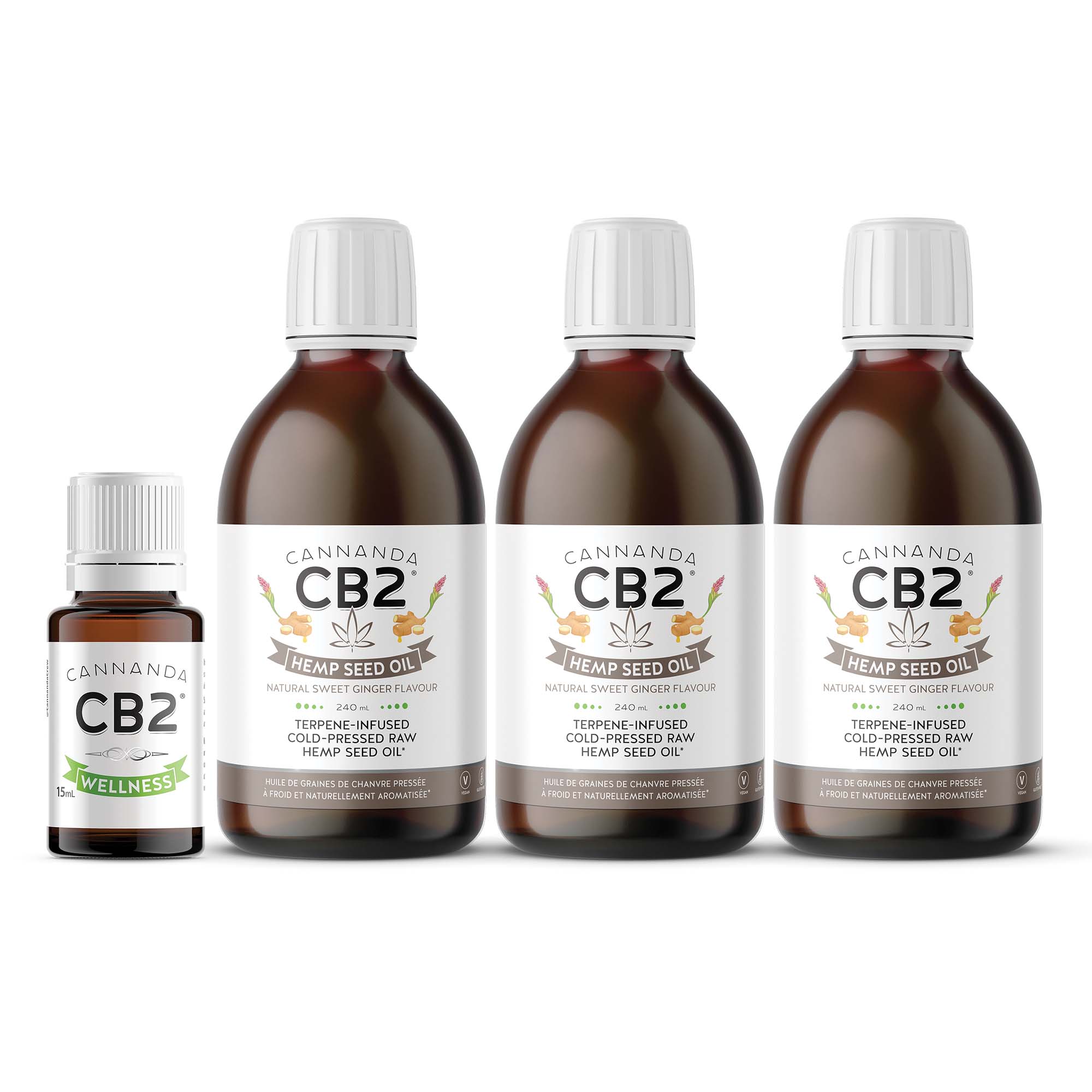
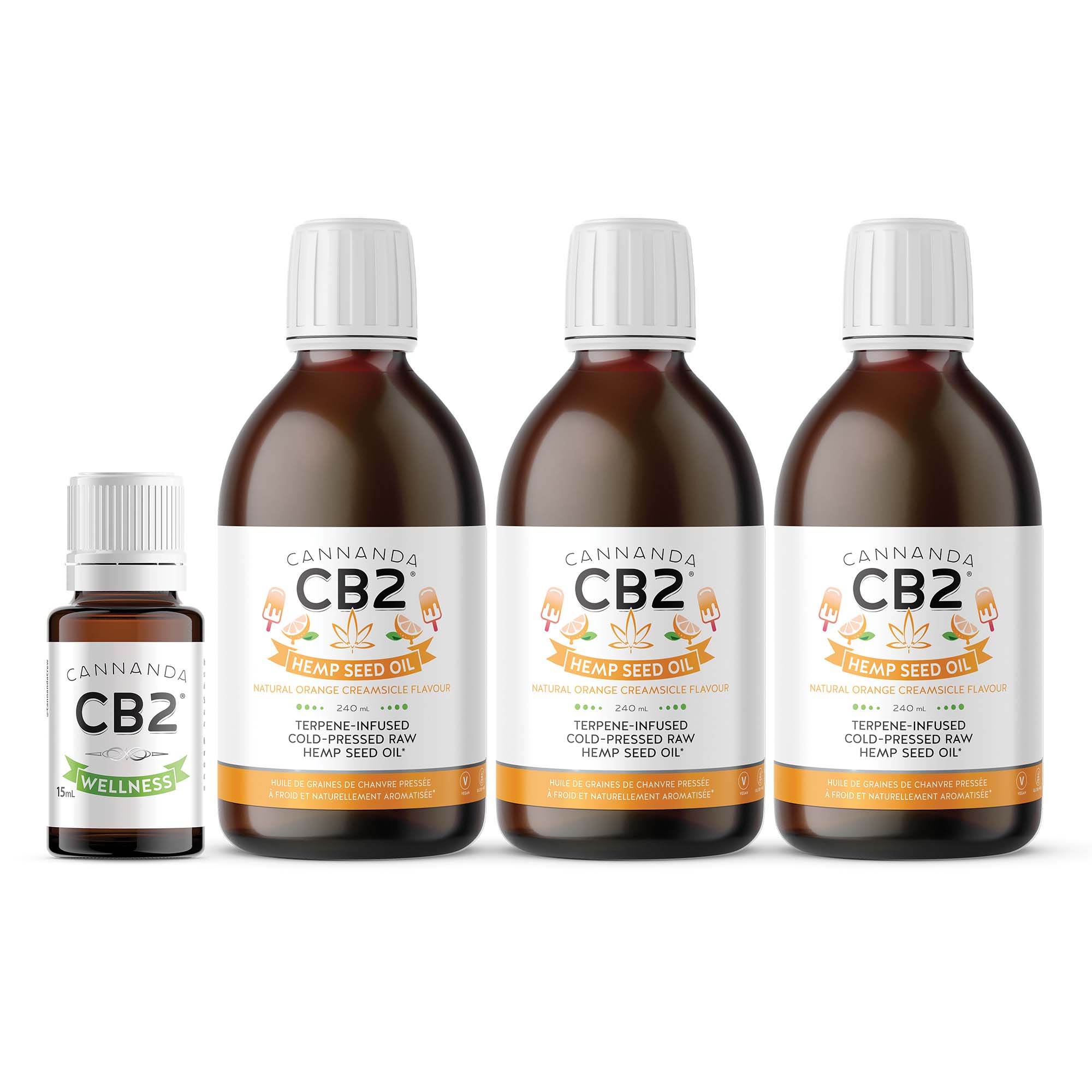
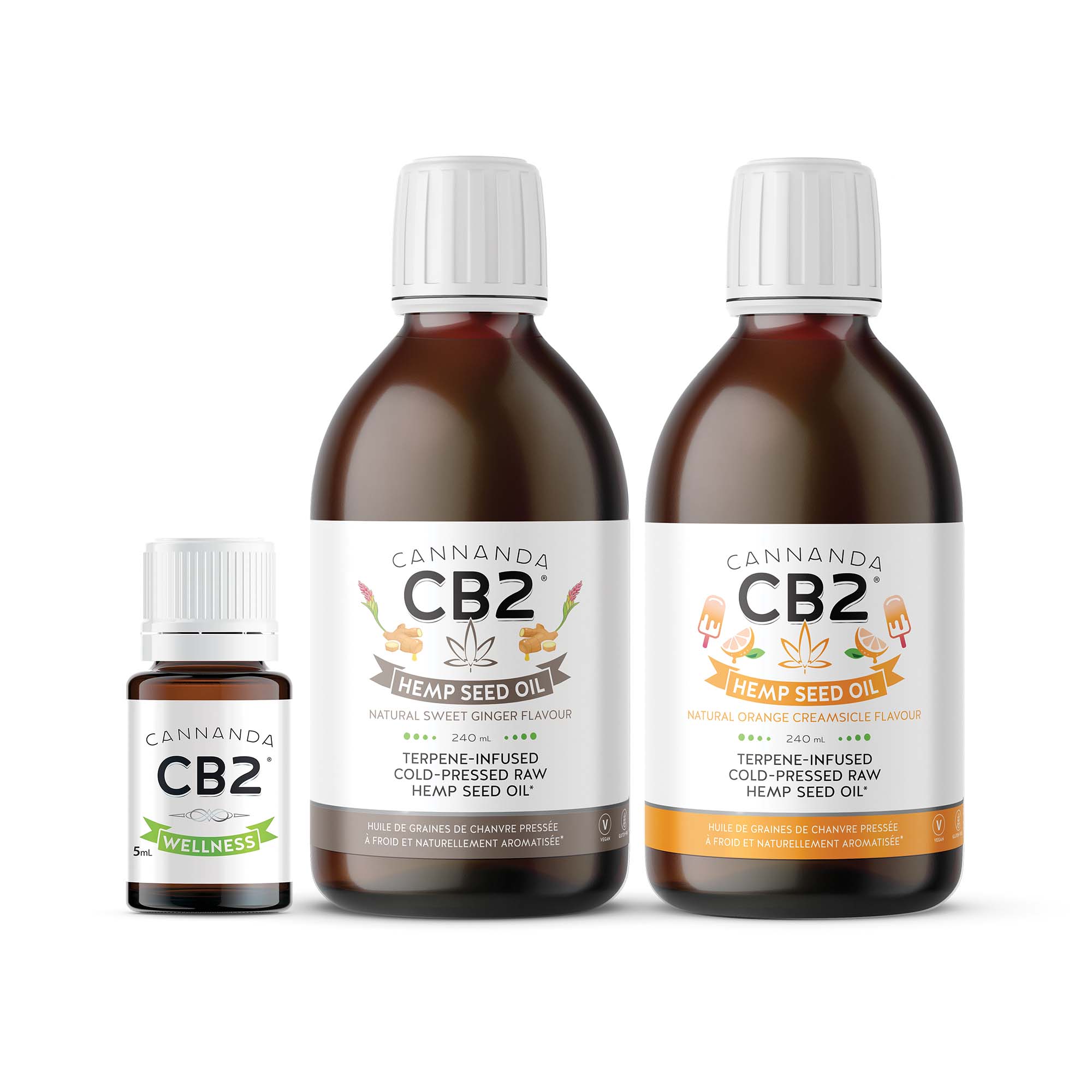
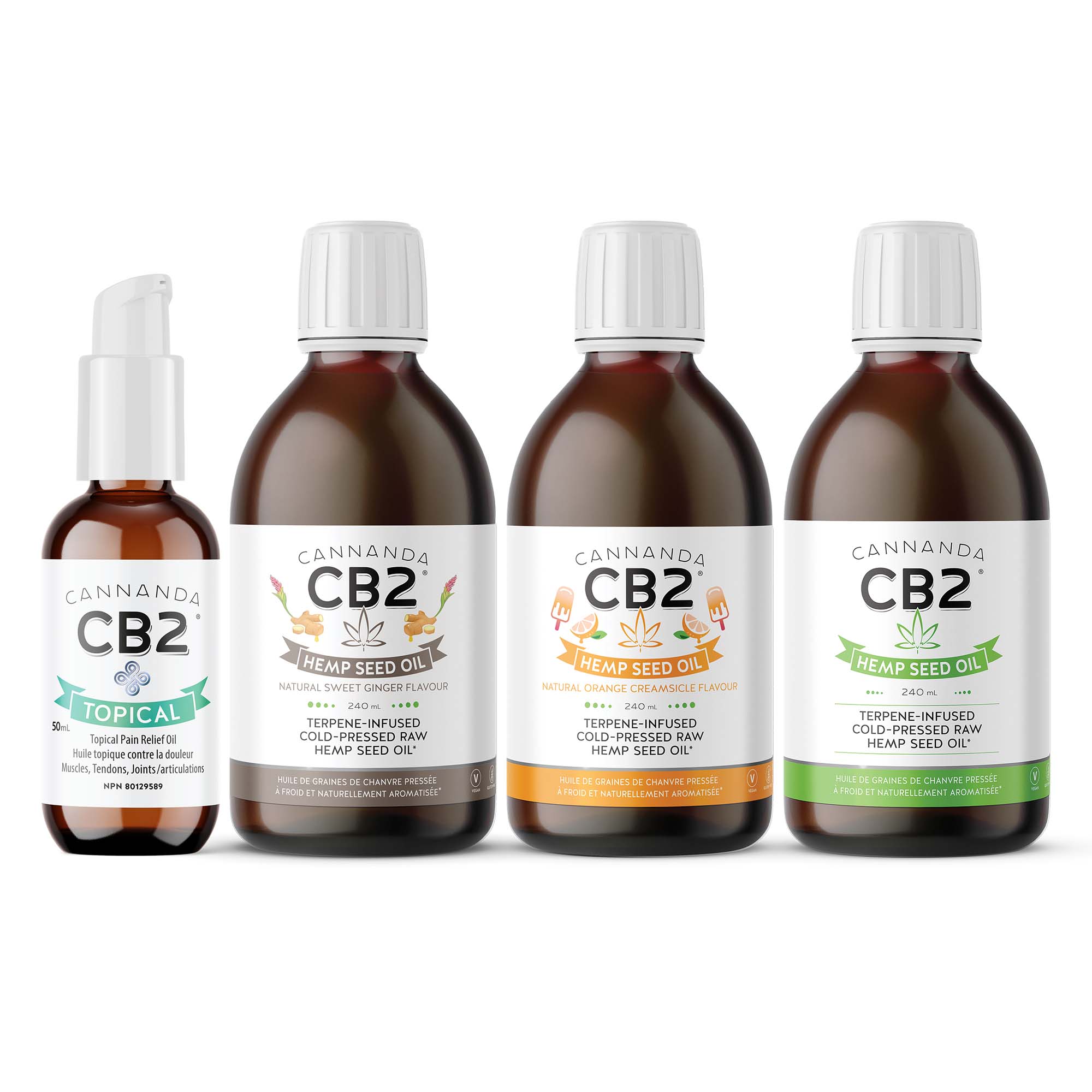
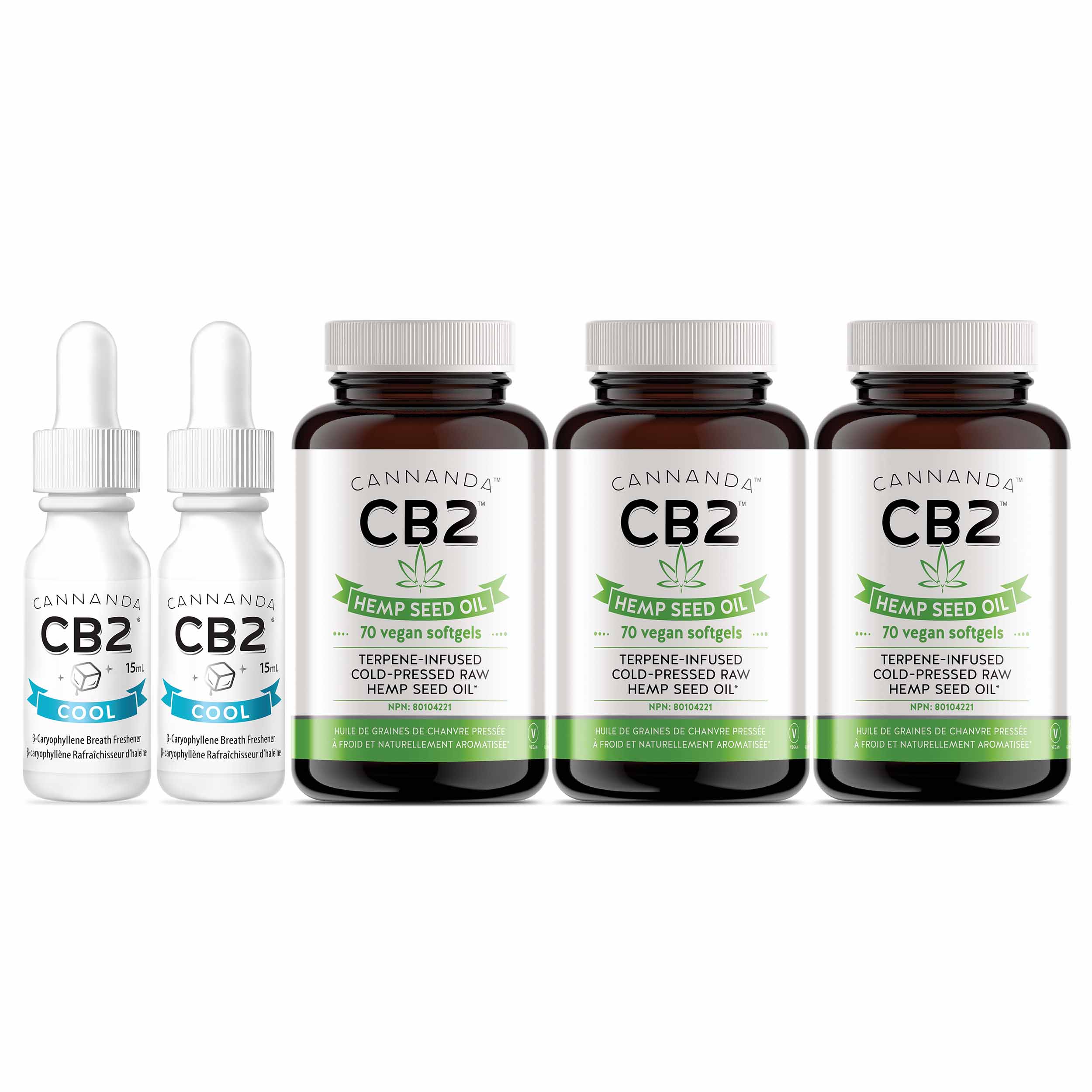
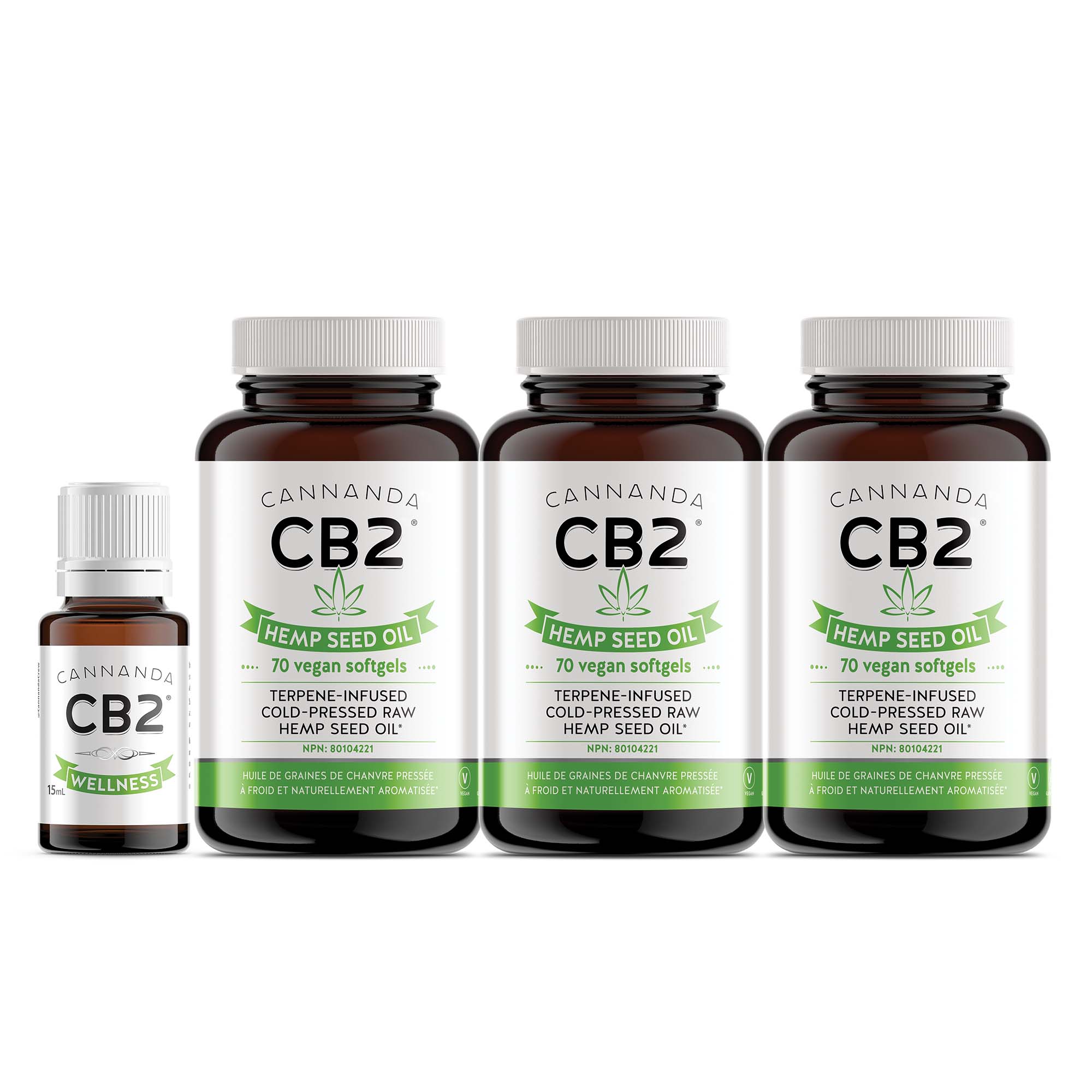
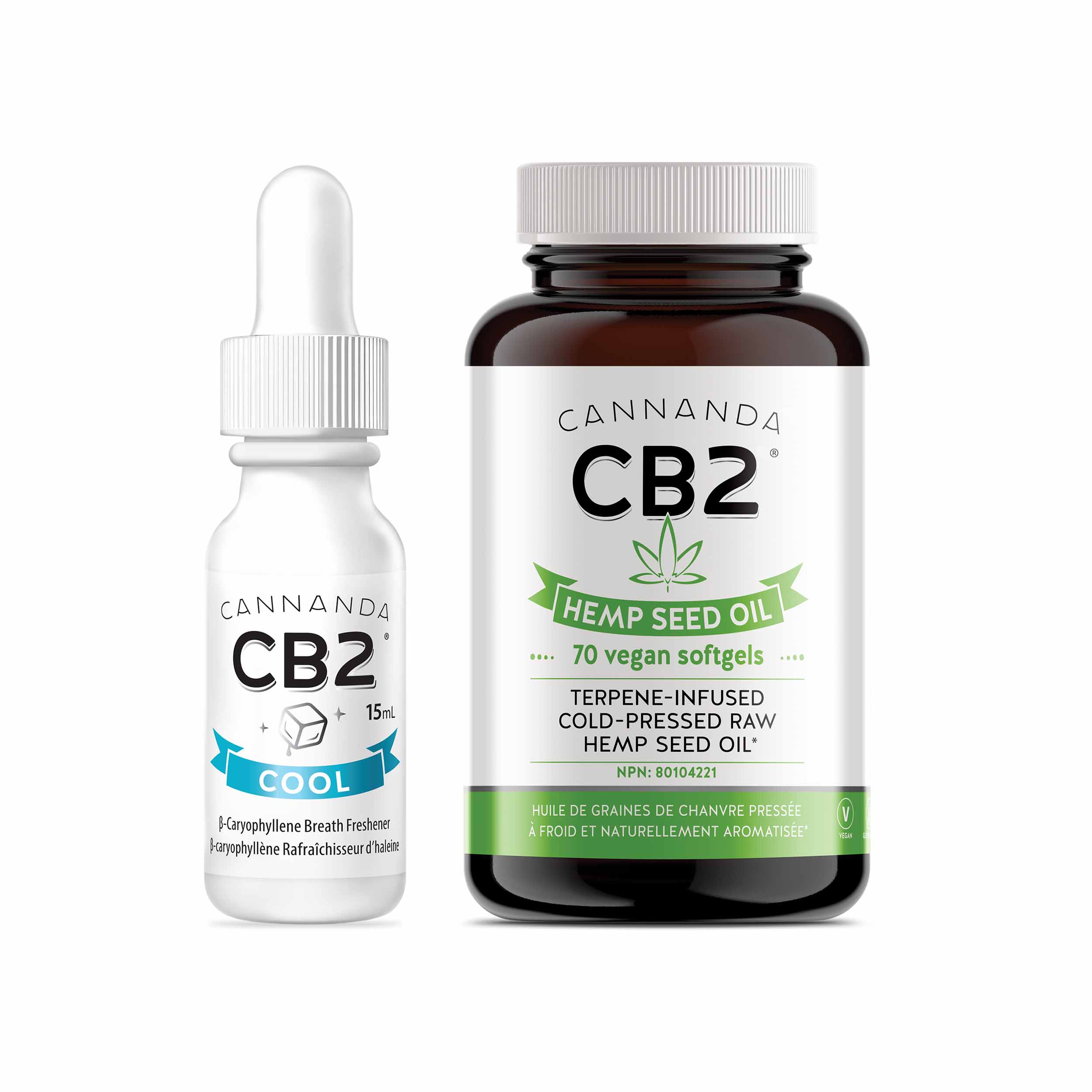
Cannanda's CB2 Hemp Seed Oil combines both dimensions of hemp's health potential in one product. You get the nutritional excellence of certified-organic cold-pressed Canadian hemp seed oil, with BCP infused into every serving to activate your CB2 receptors. It's the only hemp oil that simultaneously provides essential fatty acids, GLA, SDA, vitamin E, and direct CB2 receptor activation.
If you've been researching hemp for health reasons, BCP and CB2 receptors are where the most compelling science is. See the CB2 research for the full picture.
Hemp nutrition + CB2 receptor activation. Together.
Organic cold-pressed hemp seed oil. Beta-caryophyllene infused. Zero THC. No drug interactions. Physician-formulated. Money-back guarantee.
Hemp and Sustainability
Hemp is one of the most sustainable crops available. It requires very little water, suppresses weeds without herbicides, improves soil quality through its deep root system, and sequesters more carbon per acre than most trees. Hemp fiber is strong, durable, and biodegradable. Hempcrete provides carbon-negative building insulation. Bioplastics from hemp degrade naturally. It even supports pollinators and biodiversity on hemp farms.
Frequently Asked Questions
What is hemp used for?
Hemp has an exceptionally wide range of uses: food (seeds, milk, oil), clothing and textiles (fiber, rope, canvas), building materials (hempcrete, bioplastics), personal care (hemp seed oil in skin products), and natural health products. In natural health specifically, the most significant use is hemp seed oil and beta-caryophyllene (BCP), a hemp terpene that directly activates CB2 receptors for anti-inflammatory and immune-modulating benefits.
Is hemp the same as marijuana?
No. Both are Cannabis sativa, but hemp contains less than 0.3% THC, not enough to produce intoxicating effects. Hemp is grown for fiber, food, and health compounds, while marijuana is cultivated for its high THC content. Hemp is legal in Canada and the US.
What is the difference between CBD and BCP from hemp?
CBD is a cannabinoid extracted from hemp flowers; subject to cannabis regulations, it does not directly activate CB2 receptors. Beta-caryophyllene (BCP) is a terpene found in hemp and many other plants (black pepper, cloves). BCP directly and selectively activates CB2 receptors, has no known drug interactions at recommended doses, contains zero THC, and carries FDA GRAS food-ingredient status.
Is hemp legal in Canada?
Yes. Hemp cultivation is regulated by Health Canada under the Industrial Hemp Regulations (IHR). Licensed growers must maintain THC below 0.3%. Hemp-derived food products, hemp seed oil, and natural health products made from hemp are legally sold across Canada.
Is hemp considered a drug?
No. Hemp is legally distinct from marijuana in both Canada and the US. It contains very low THC (less than 0.3%), well below the threshold for any intoxicating effect. Hemp seed oil, hemp hearts, and BCP-based supplements are sold as food and natural health products, not drugs.