BCP Isolate vs. CB2 Oil: Why Formulation Matters More Than Purity
The case against pure isolated beta-caryophyllene, and why one popular high-BCP alternative carries a serious liver safety concern

This article is for anyone shopping for a beta-caryophyllene supplement who has encountered pure BCP isolates (often cheaper, often marketed with higher BCP percentages) or high-BCP essential oils like copaiba, and is trying to figure out whether they're a better deal than Cannanda CB2 oil. The short answer is no, and the reason why is more interesting than you'd expect.
More BCP on a label doesn't mean better results. Here's why:
- Pure BCP isolate underperforms formulated blends. A study directly comparing isolated BCP against copaiba essential oil (which can contain up to 50% BCP) found the complex oil had greater anti-inflammatory effects, even with less total BCP.
- But copaiba has a liver toxicity problem. The same study notes that copaiba contains diterpene compounds toxic to the liver. Cannanda CB2 oil captures the synergy of a complex formula using only GRAS-status food-grade ingredients, which means no liver risk.
- This pattern is universal in natural health. Boswellia, curcumin, fish oil, tomatoes, soy--in every case, the whole is more effective than the isolated part.
- CB2 oil has a ~60-70% success rate across thousands of users and has been independently selected for clinical research on ME/CFS and long COVID.
The Question That Brings People Here
As beta-caryophyllene has grown in popularity, a natural question has emerged: "If BCP is the active ingredient, why not just buy pure BCP, or get it from a high-BCP source like copaiba oil? Wouldn't that be more potent and cheaper?"
It's a fair question and a smart one. This article answers it directly, with the research that backs it up.
Cannanda CB2 oil was formulated by Dr. Lee Know, ND--the pioneering inventor of CB2 oil--as a proprietary blend of complementary terpene compounds, not as a delivery mechanism for isolated BCP. The distinction matters a lot, and it's grounded in a principle that shows up consistently across natural health research.
Why Pure Isolates Consistently Underperform Complex Formulas
The idea that a more concentrated, "purer" form of an active compound is always better is intuitive, but it's repeatedly contradicted by the evidence. This isn't a fringe observation. It's one of the most consistent findings in natural health product research.
A few well-known examples:
- Boswellia: Extracts standardized to just 20% AKBA (acetyl-11-keto-β-boswellic acid, the primary active compound) consistently outperform extracts standardized to much higher concentrations. The minor compounds in the full extract influence how AKBA is absorbed and how it interacts with target tissues.
- Curcumin: Adding turmeric essential oil back into a curcumin extract dramatically boosts bioavailability, despite the essential oil containing no curcumin itself. The companion compounds change how the active ingredient behaves in the body.
- Fish vs. EPA/DHA: Whole fish and fish oil consistently outperform isolated EPA and DHA supplements in cardiovascular research. The lipid matrix and co-occurring compounds in whole fish matter.
- Tomato paste vs. lycopene: The anti-cancer association with tomato consumption doesn't transfer cleanly to isolated lycopene supplements. Processing and co-occurring compounds affect how lycopene works.
- Tofu vs. isolated soy isoflavones: The same pattern holds: food-form soy consistently produces different results than isolated isoflavone supplements.
In every case, isolated compounds perform at a lower level than the naturally complex forms they came from. The same principle applies to beta-caryophyllene.
A published study directly compared copaiba essential oil (which can contain up to 50% BCP) against pure isolated BCP. Researchers found that copaiba essential oil had greater anti-inflammatory effects than the pure BCP isolate, despite both coming from the same source compound. The complex oil, with its full spectrum of terpene compounds, outperformed the isolated version.
This is the scientific basis for Cannanda's formulation approach: a proprietary blend of synergistic terpene compounds that enhances BCP's efficacy beyond what isolated BCP achieves alone.
The Copaiba Problem: High BCP, But a Serious Safety Concern
Copaiba oil is often marketed as a natural high-BCP supplement. And the BCP content is genuinely high — up to 50% by composition, which exceeds most commercial BCP products. This makes it look like an attractive, high-potency option.
But the same study that showed copaiba outperforming pure BCP isolate also documented something important: copaiba oil contains diterpene compounds that are toxic to the liver.
The liver-toxic diterpenes in copaiba oil are not a minor trace concern--they were noted by the researchers as a significant safety issue. For a supplement you're taking daily to support your health, any compound with documented liver toxicity is a serious red flag. Liver function is foundational to almost every aspect of metabolic and immune health. Cannanda uses only GRAS-status food-grade ingredients in all of its products, which is precisely why copaiba was never considered as a BCP source.
This is the crux of the formulation argument. Copaiba beats pure BCP isolate. But Cannanda CB2 oil is designed to capture the synergistic benefits of a complex terpene blend without the safety trade-off of copaiba. You get the performance advantage of a multi-compound formula, using only ingredients that are recognized as safe for daily consumption.
The Entourage Effect: Full Spectrum vs. Isolate
If you've ever compared full-spectrum CBD oil to CBD isolate, you've already encountered this concept. The "entourage effect" describes how the minor compounds in a complex natural formulation work together to enhance the effects of the primary active ingredient, often in ways that can't be predicted from the individual compounds alone.
BCP works the same way. The terpene compounds that accompany BCP in a well-designed formula influence how it's absorbed, how long it stays active in the body, and how effectively it interacts with CB2 and other receptors. Strip those companions away and you're left with something technically more "pure" but practically less effective.
This is why CB2 oil consistently outperforms BCP isolates in real-world use, even when the isolate contains more milligrams of BCP per dose. The number on the label isn't the whole story.
Side-by-Side: BCP Isolate vs. Copaiba vs. Cannanda CB2 Oil
| Factor | Pure BCP Isolate | Copaiba Essential Oil | Cannanda CB2 Oil |
|---|---|---|---|
| BCP content | Very high (90–99%) | High (up to 50%) | Formulation-dependent |
| Anti-inflammatory efficacy | Lower than complex formula | Better than isolate — but... | Synergistic complex blend |
| Liver safety | No known concerns | Diterpenes toxic to liver | No concerns, GRAS food-grade only |
| Entourage / synergy effect | No — single compound | Partial — but unsafe compounds | Yes, and purpose-designed |
| Physician formulated | No | No | Yes, by Dr. Lee Know, ND |
| Clinical research use | No | No | Selected for ME/CFS protocol |
| Real-world success rate | Variable, often lower | Not established | ~60-70% across users |
The Formulator Behind CB2 Oil
Third-Party Validation: Selected for Clinical Research
In addition to its customer track record, Cannanda CB2 oil has been independently validated in a way few supplements achieve. It was selected by Remission Biome, a third-party research group, as part of a clinical protocol for ME/CFS and long COVID. This was an unsolicited selection based on Cannanda's formulation quality and documented efficacy, not a paid partnership.
CB2 oil is also internationally distributed across Canada, the US, the UK, the EU, Australia, and South Korea--with thousands of positive reviews across those markets confirming its efficacy for pain, inflammation, anxiety, sleep, and cognitive support.
"For consumers seeking to buy beta-caryophyllene products, we advise opting for CB2 oil over plain BCP isolates to ensure safety, efficacy, stability, bioavailability, and unparalleled therapeutic benefits."
— Dr. Lee Know, ND, Founder and Managing Director, CannandaWhere to Buy Authentic Cannanda CB2 Oil
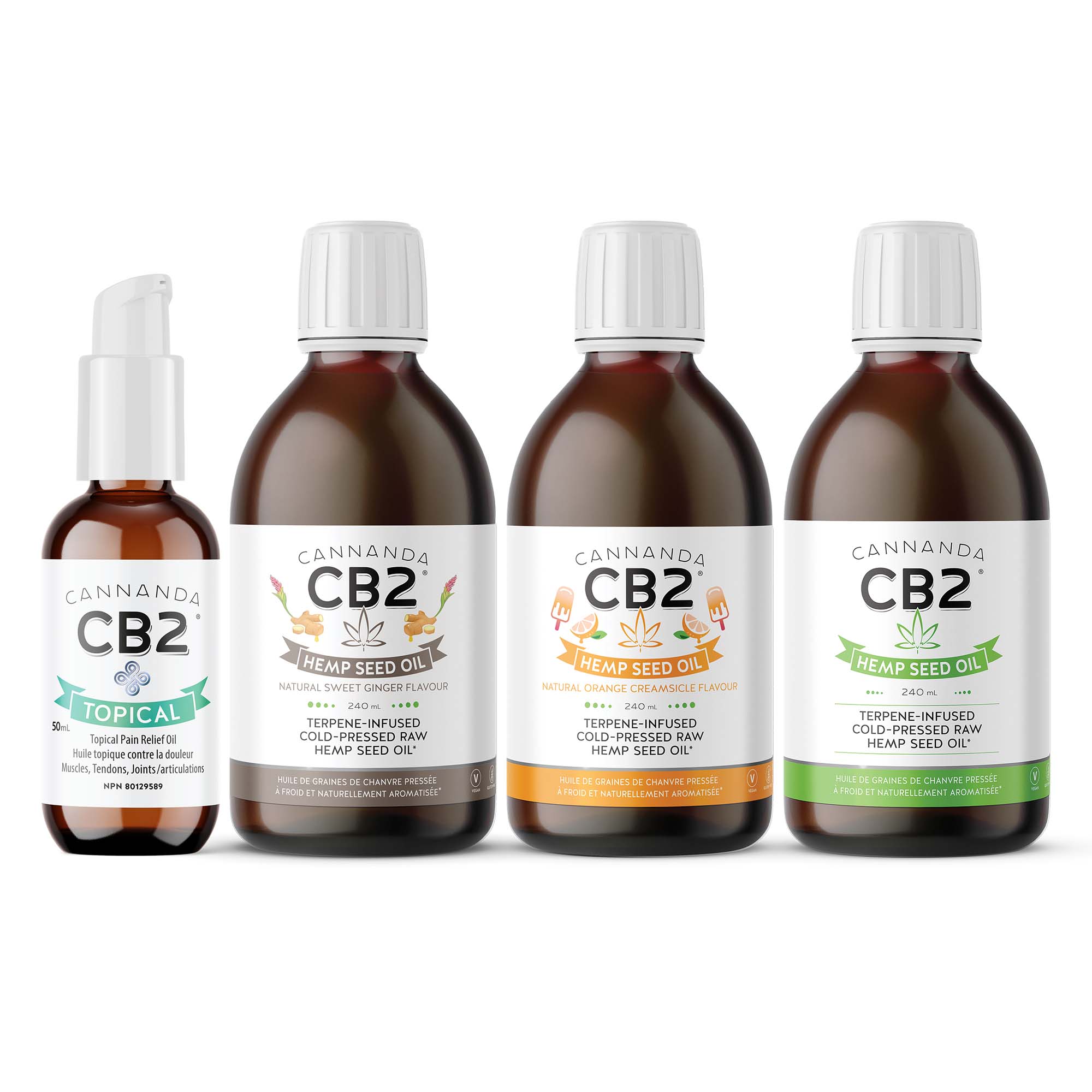
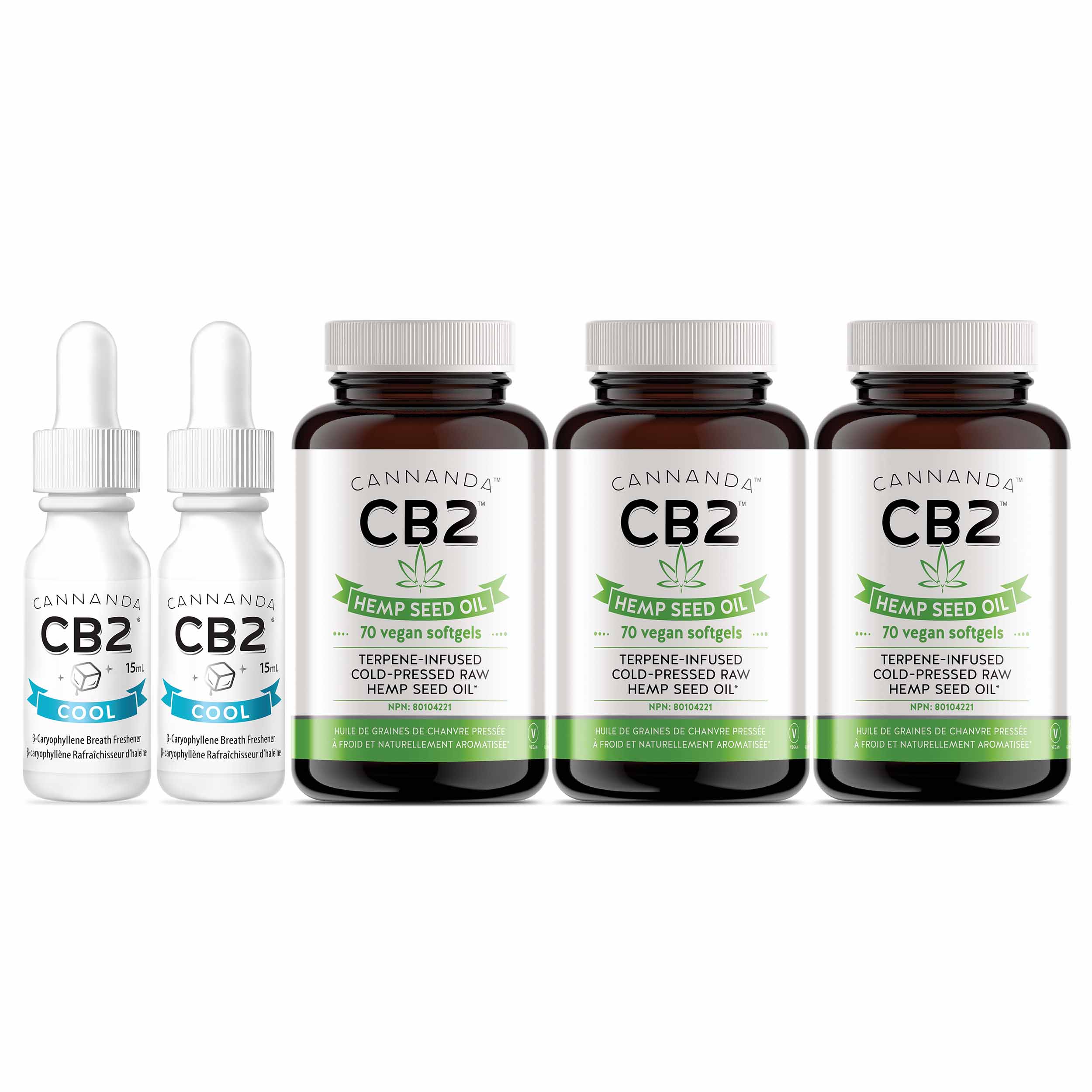
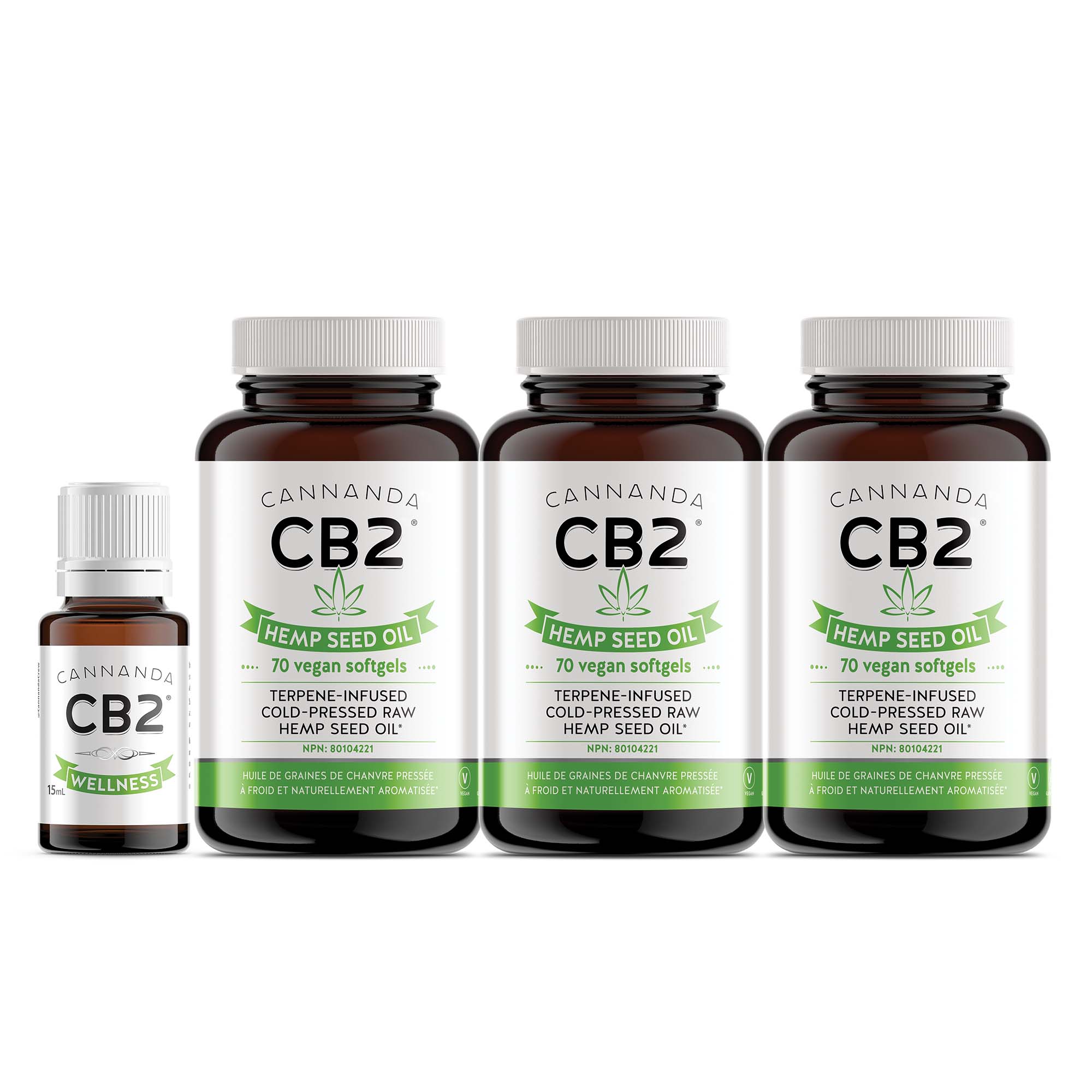
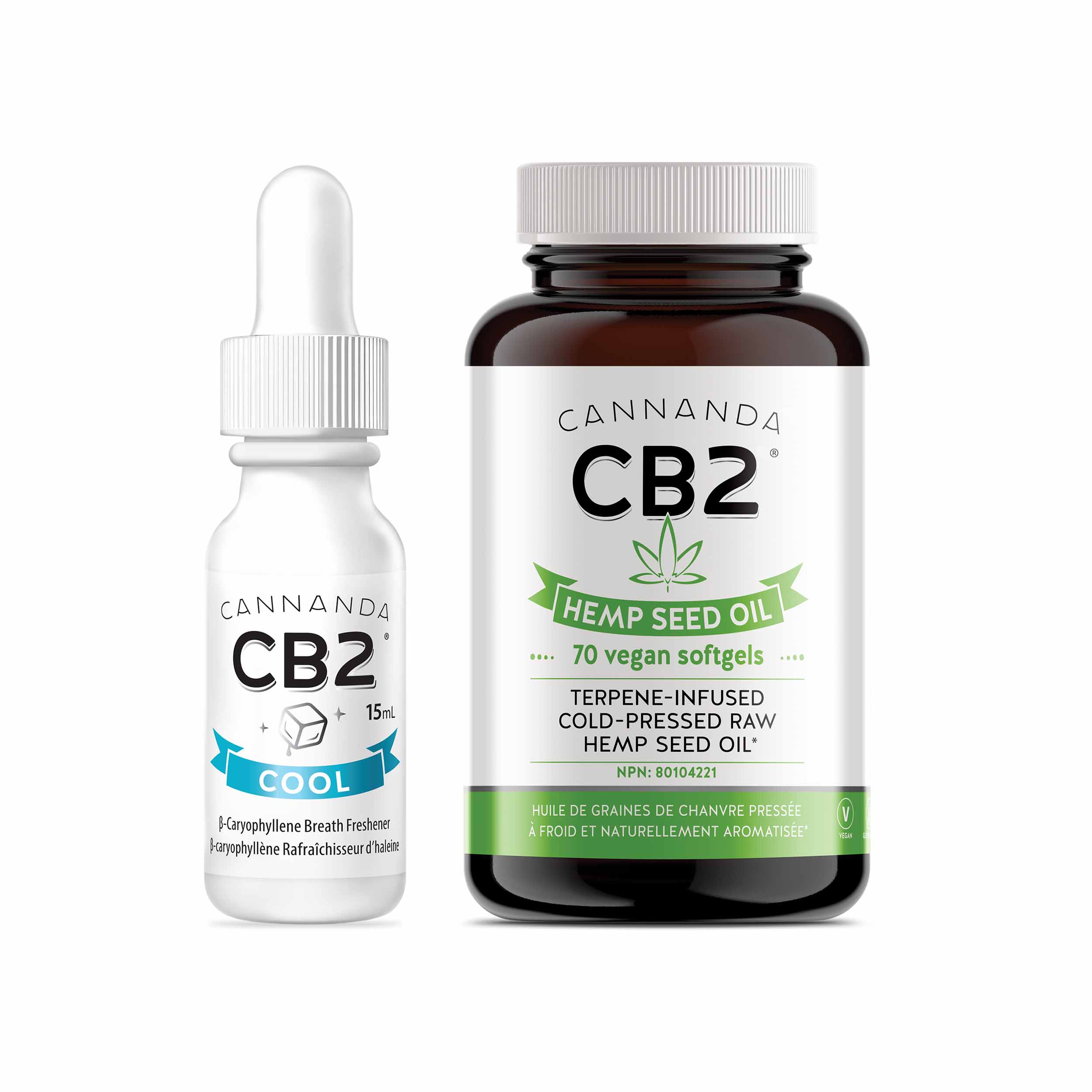
As the original and most trusted BCP supplement on the market, Cannanda CB2 oil is available through verified channels only. Look for the Cannanda CB2® registered trademark on any product you purchase.
- Canada, US, UK, and Australia: direct from Cannanda.com or CB2oil.info
- Amazon (Canada and US): authorized seller is National Naturopathic only
- Local retail: Where-to-Buy map
Frequently Asked Questions
Is pure beta-caryophyllene isolate as effective as CB2 oil?
No. Research directly comparing copaiba essential oil (up to 50% BCP) against pure isolated BCP found the complex oil had greater anti-inflammatory effects. This mirrors a consistent pattern across natural health--Boswellia, curcumin, fish oil, and others all show whole-plant or complex formulations outperforming their isolated equivalents. Isolated BCP is an impressive compound, but it performs better in a thoughtfully designed formulation.
Is copaiba oil a good source of beta-caryophyllene?
Copaiba contains high amounts of BCP and the complex oil outperforms pure BCP isolate in anti-inflammatory activity. However, copaiba also contains diterpene compounds documented as toxic to the liver. This makes it a poor choice for daily supplementation despite its high BCP content. Cannanda CB2 oil was specifically designed to capture synergistic benefits without this safety trade-off.
What is the entourage effect in BCP supplements?
The entourage effect is the way compounds in a complex natural formulation work synergistically, producing better results than any isolated compound alone. It's the same principle behind full-spectrum vs. isolate CBD products. With BCP, complementary terpene compounds in Cannanda's proprietary blend enhance efficacy beyond what pure BCP isolate achieves. The formulation is designed specifically to harness this effect using only GRAS-status food-grade ingredients.
Why does isolated BCP underperform compared to a formulated blend?
Companion compounds influence absorption, receptor binding, and downstream biological effects in ways that pure isolates can't replicate. The same is true of Boswellia AKBA, curcumin, fish-derived omega-3s, lycopene, and soy isoflavones--in every case, the isolated compound underperforms the food-form or complex extract equivalent.
What makes Cannanda CB2 oil different from other beta-caryophyllene supplements?
Three things. A proprietary synergistic formulation rather than isolated BCP. Exclusively GRAS-status food-grade ingredients (no liver-toxic compounds). And formulation by Dr. Lee Know, ND, a physician with over 15 years of natural health product development experience, whose work has been independently validated through third-party clinical research selection.
Has Cannanda CB2 oil been used in clinical research?
Yes. Cannanda CB2 oils were independently selected by Remission Biome for a clinical protocol targeting ME/CFS and long COVID. This was an unsolicited selection based specifically on formulation quality and documented efficacy.
What is the success rate of Cannanda CB2 oil?
Based on customer feedback across thousands of users worldwide, Cannanda CB2 oil has an approximate success rate of 60-70% for its primary applications including pain, inflammation, anxiety, and sleep--a rate attributed to the synergistic formulation approach rather than isolated BCP.
Is CB2 oil the same as CBD oil?
No. CB2 oil is built around beta-caryophyllene (BCP), a terpene, not a cannabinoid. BCP selectively activates CB2 receptors without affecting CB1 receptors (which produce intoxication). It contains 0% THC and 0% CBD. It's classified as a food ingredient with FDA GRAS status (a regulatory status CBD doesn't have).
Where can I buy authentic Cannanda CB2 oil?
Direct from Cannanda.com (Canada, US, UK, and Australia). On Amazon in Canada and the US, the only authorized seller is National Naturopathic. For local retail, use the Where-to-Buy map.