Why Copaiba Essential Oil Is Not a Safe Beta-Caryophyllene Supplement
Yes, it contains BCP, but it also contains liver-toxic diterpenes that absorb through your skin just as readily as through your stomach. Here's the science.
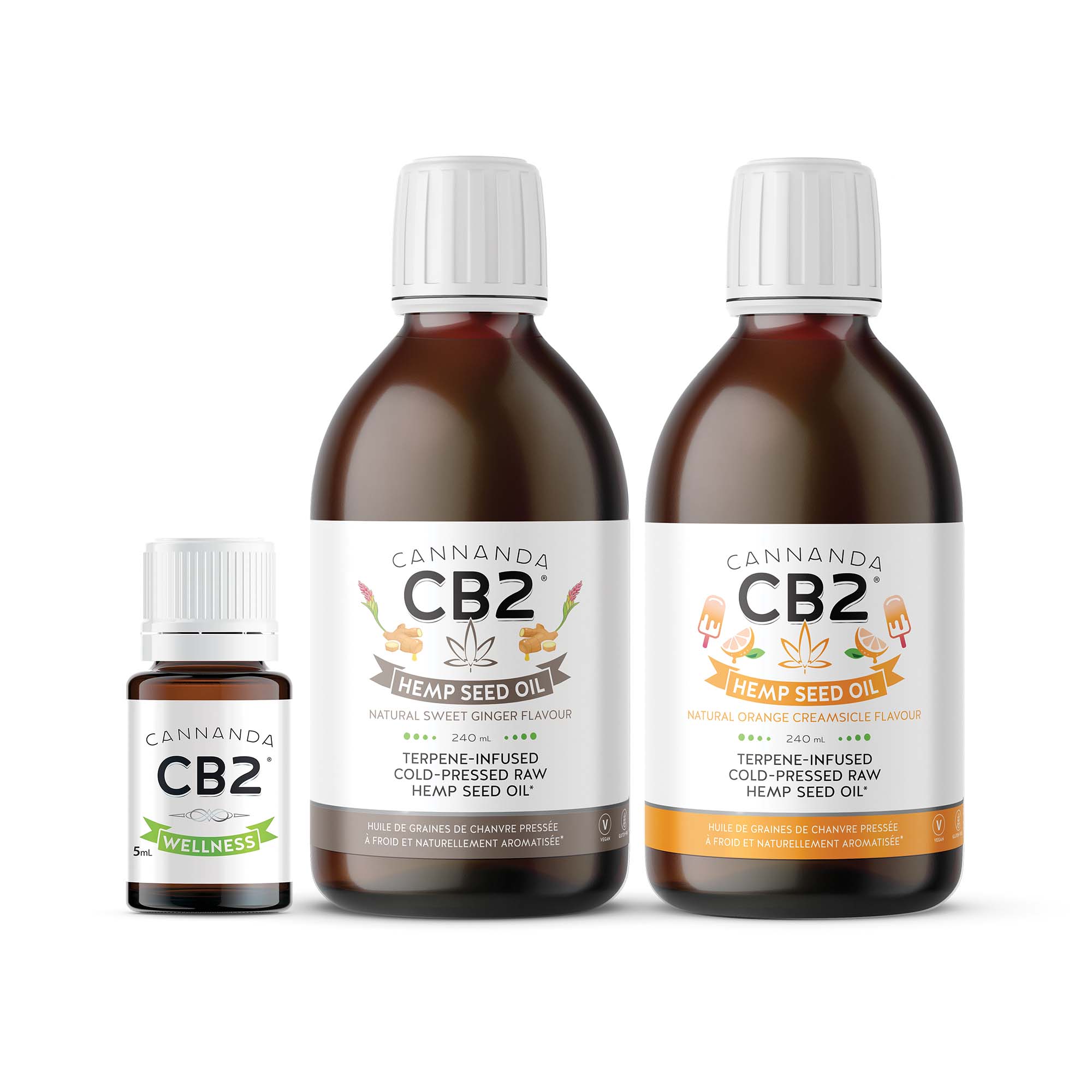
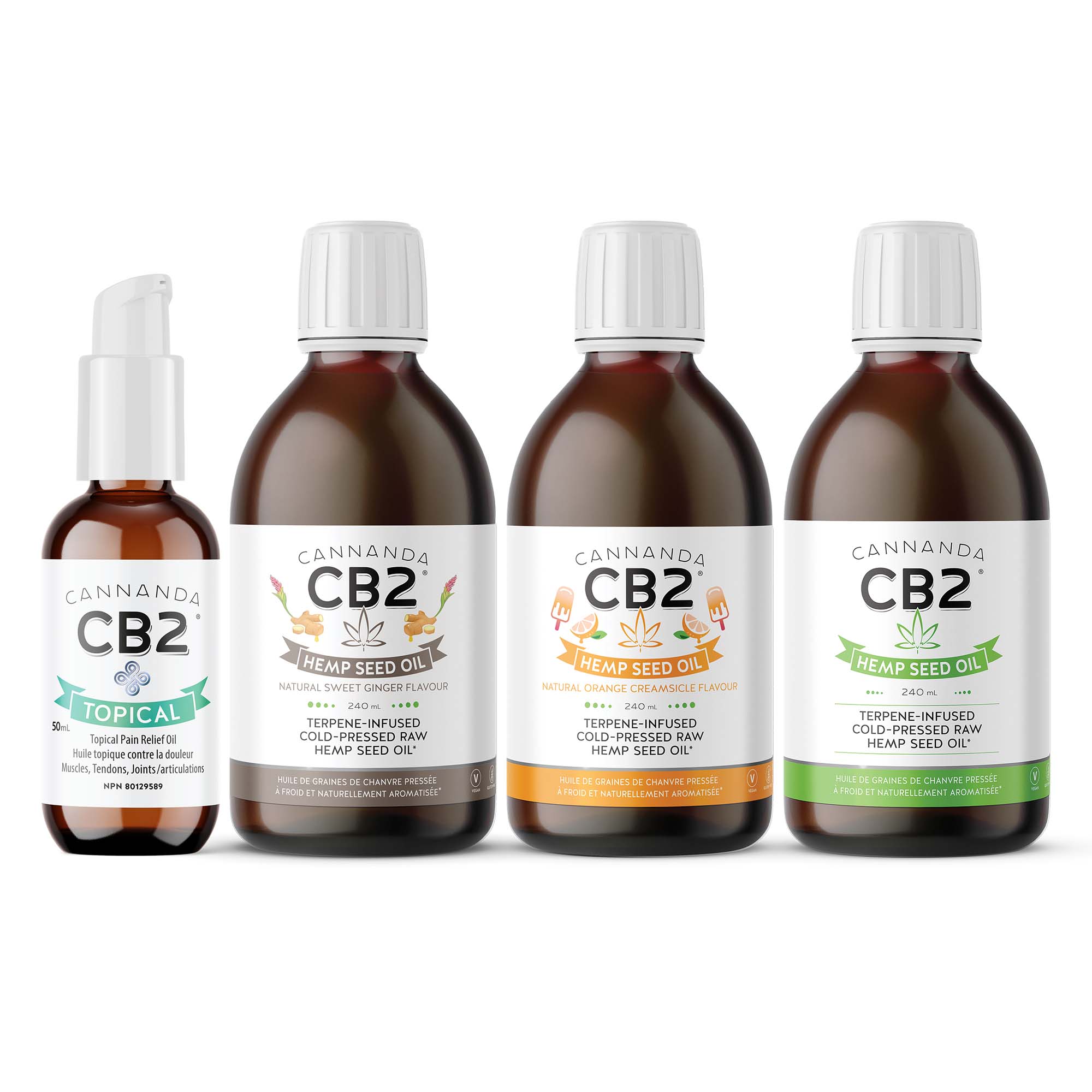
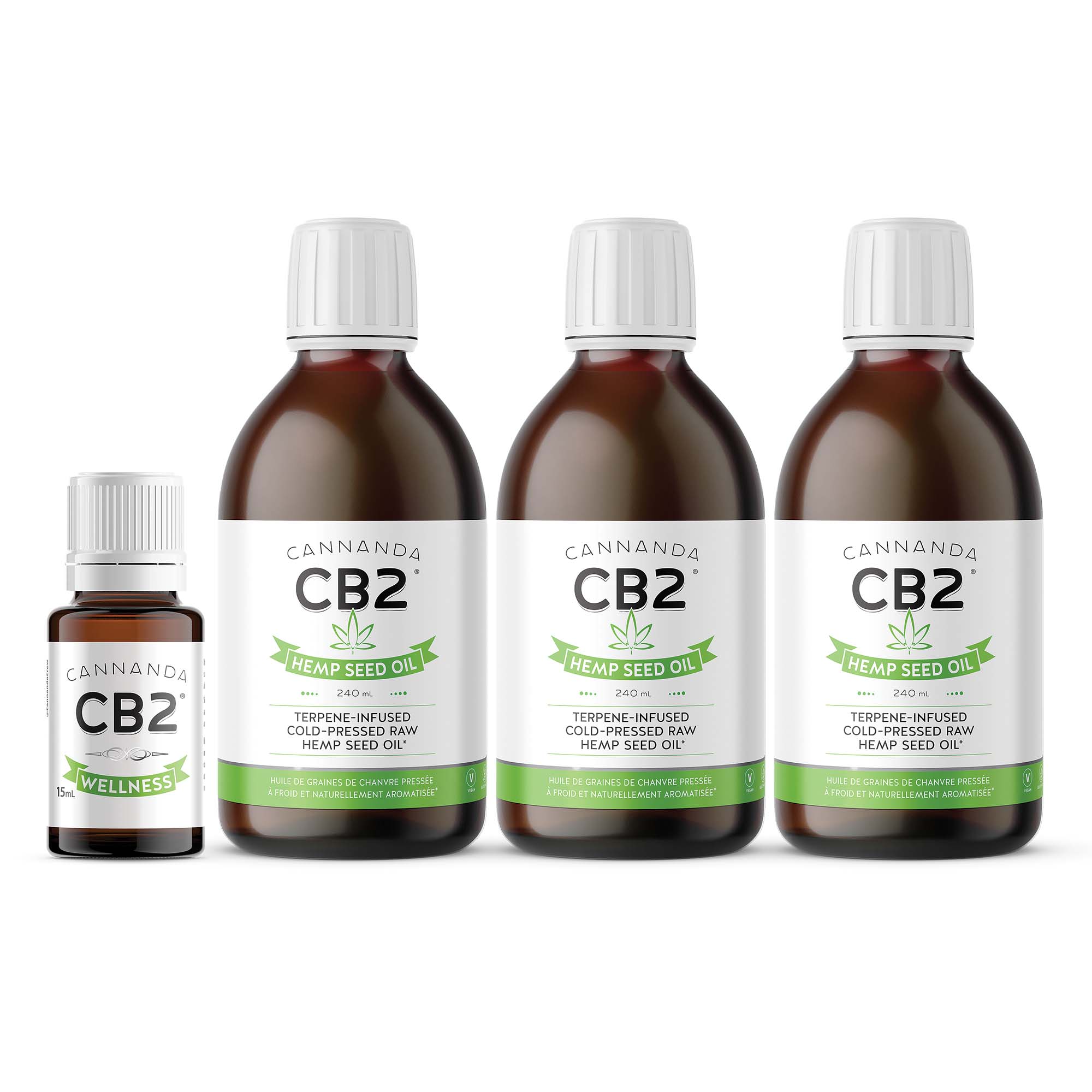
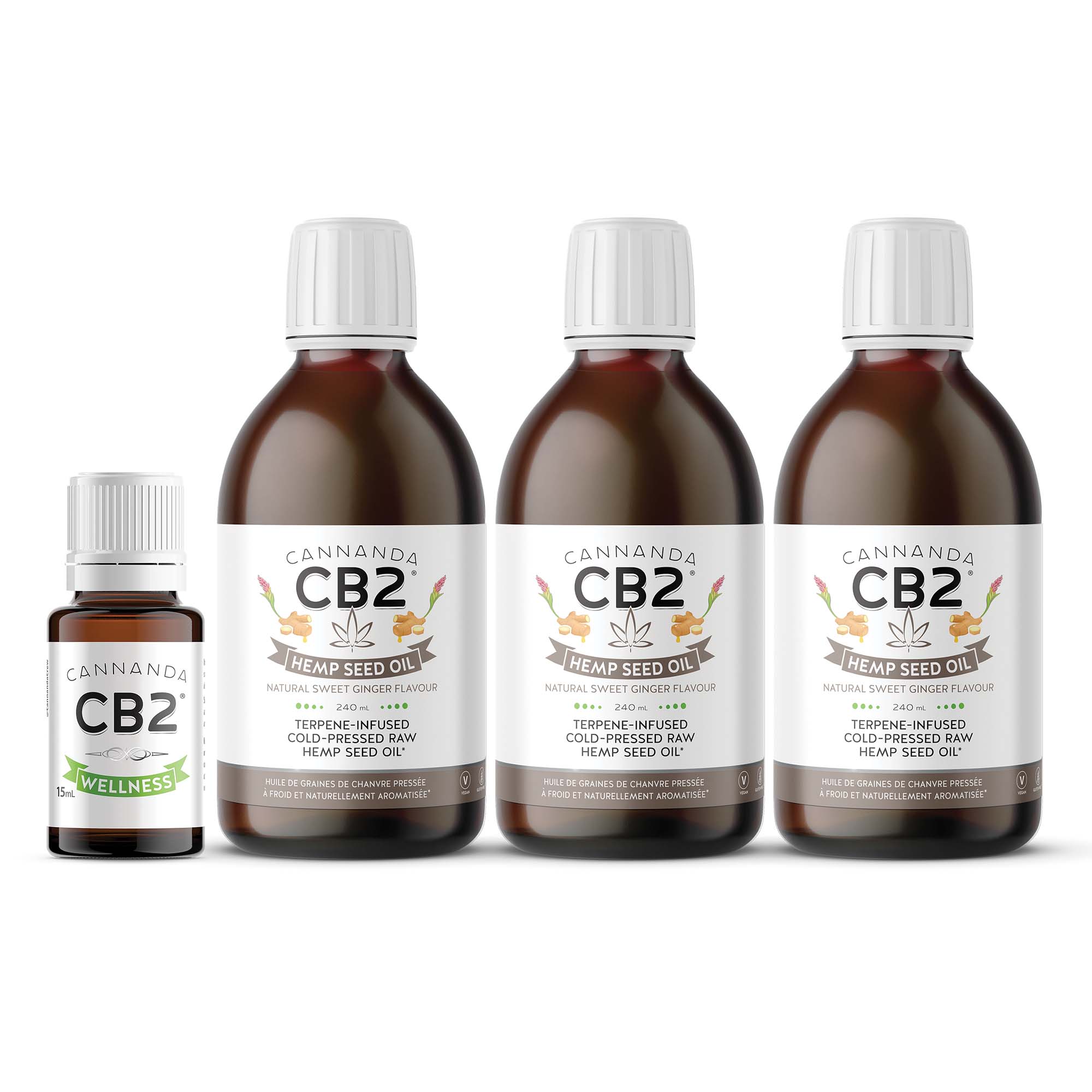
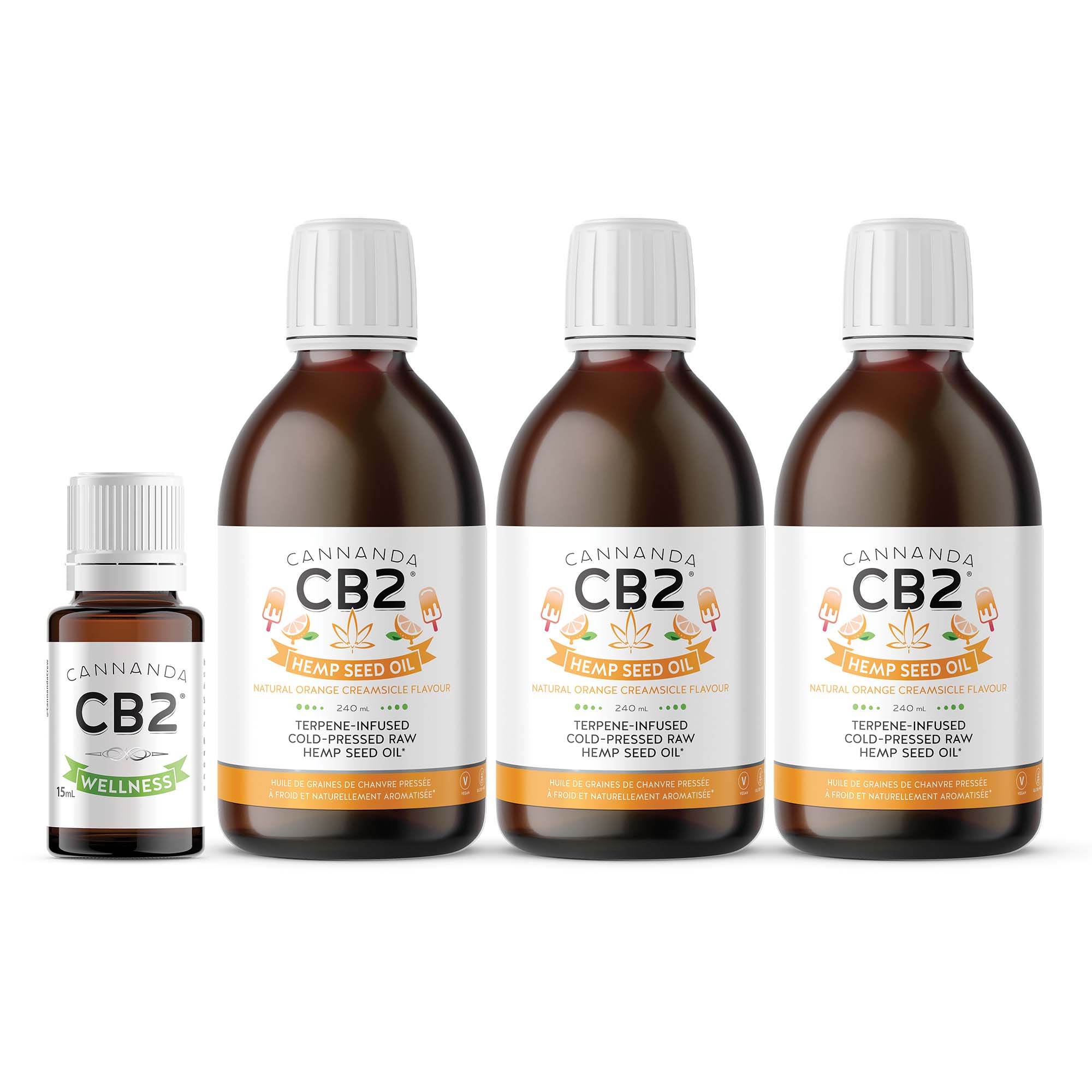
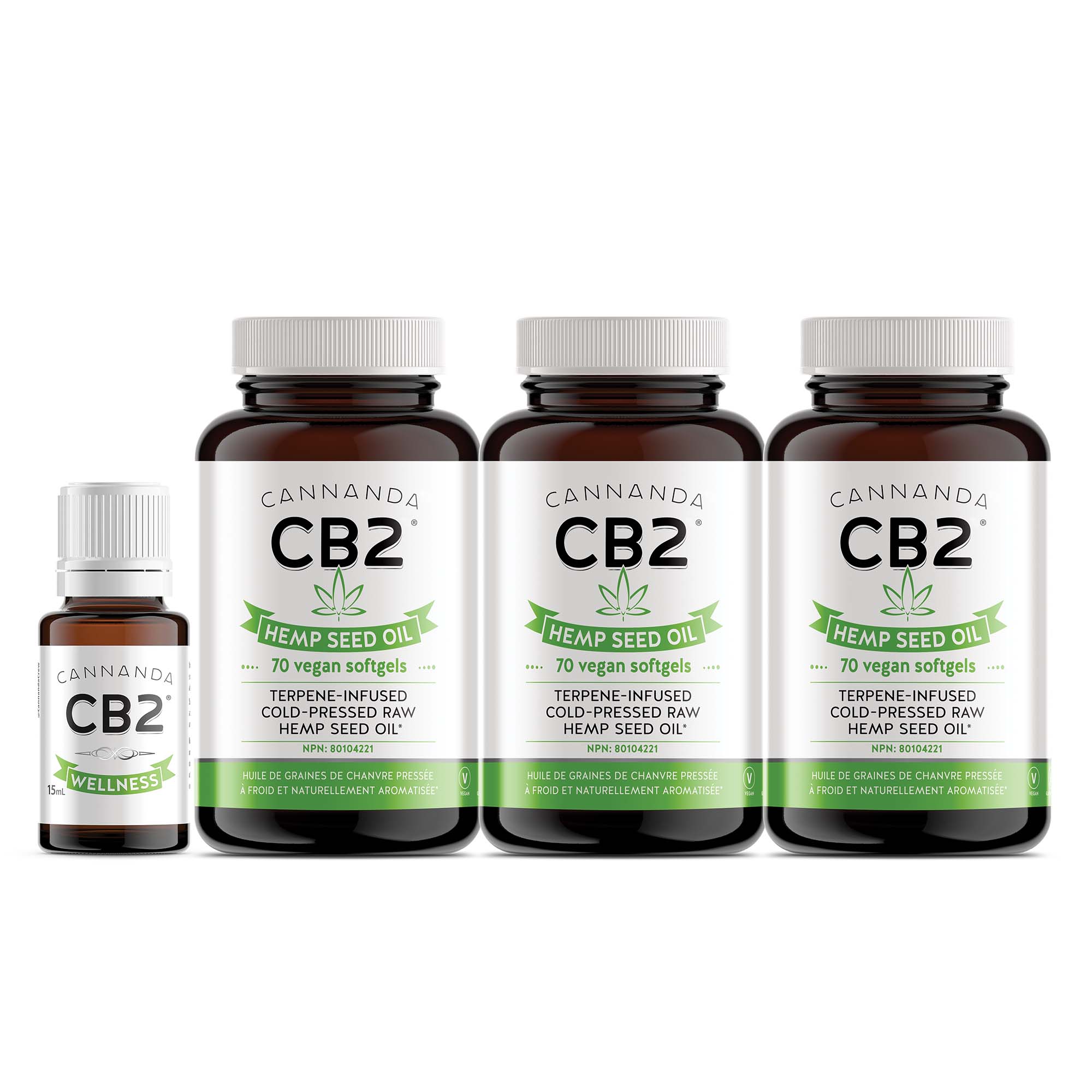
Copaiba essential oil does contain beta-caryophyllene, but it also contains hepatotoxic diterpenes that can damage your liver, whether you ingest the oil or apply it to your skin. Essential oils are concentrated extracts designed for aromatherapy, not daily therapeutic supplementation. Cannanda CB2 oil provides pure, food-grade BCP — the therapeutic compound you want — without any hepatotoxic compounds. It is GRAS-status, third-party tested, and specifically formulated for safe daily use both orally and topically.
Cannanda does not recommend ingesting copaiba essential oil, or applying it regularly to the skin, regardless of what you may have read elsewhere. The diterpene compounds in copaiba oil, including copalic acid and kaurenoic acid, are hepatotoxic and are absorbed transdermally as well as through ingestion. This is not a theoretical risk. It is a documented pharmacological property of these compounds.
Why people are turning to copaiba as a BCP source
As beta-caryophyllene (BCP) gains mainstream recognition for its health benefits, particularly its ability to directly activate CB2 receptors without intoxication, consumers are searching for affordable sources of this compound. Copaiba essential oil, derived from the resin of Copaifera trees native to South America, has been promoted in some wellness circles as a "natural BCP supplement" because it does contain meaningful amounts of beta-caryophyllene.
The appeal is understandable: copaiba is inexpensive, widely available in health food stores, and often marketed as a natural remedy with a long history of traditional use. But traditional use in aromatherapy or topical skincare preparations is fundamentally different from daily therapeutic supplementation, and the distinction is important for safety.
What copaiba essential oil actually contains
Beta-caryophyllene is a sesquiterpene — a terpene molecule containing three isoprene units (15 carbon atoms). Sesquiterpenes are generally well-tolerated and many carry GRAS food-ingredient status. BCP specifically is a food ingredient present in black pepper, cloves, and hemp.
Diterpenes are a different class entirely — larger molecules (20 carbon atoms, four isoprene units). Copaiba resin contains significant amounts of diterpenes including copalic acid, kaurenoic acid, and copaicic acid. These compounds are the source of the documented hepatotoxicity risk. You cannot separate the BCP benefit from the diterpene toxicity risk by using copaiba oil — they are co-present in every drop.
A typical copaiba essential oil composition might include 30–50% beta-caryophyllene alongside 20–40% diterpenes (with significant variability by species, origin, and extraction method). The BCP content is real. But the diterpene content is also real, and it poses a genuine liver health risk with regular use.
The two specific dangers of copaiba
⚠ Danger 1: Hepatotoxic diterpenes
Copaiba oil contains diterpenes, including copalic acid, kaurenoic acid, and related compounds, that are toxic to the liver at doses achievable through supplementation. Research has confirmed the hepatotoxic potential of these compounds. Unlike beta-caryophyllene (which has an excellent safety profile as a food ingredient), copaiba diterpenes are not cleared for internal consumption by any major food safety authority. There is no safe "daily dose" of copaiba oil for internal supplementation established in the scientific literature.
⚠ Danger 2: Your skin is a delivery system, not a barrier
Many copaiba oil users apply it topically, believing this avoids the ingestion risk. This is incorrect. The skin is highly permeable and it acts like a sponge, absorbing compounds applied to its surface directly into the bloodstream. Transdermal absorption of copaiba diterpenes is not meaningfully safer than ingesting them. If you are applying copaiba oil to your skin daily, the diterpenes are entering your body. This is the same concern that makes Cannanda's commitment to using only food-grade, GRAS-status ingredients in its CB2 Topical Oil meaningful — what goes on your skin goes into your body.
Copaiba vs Cannanda CB2 oil — a direct comparison
- Contains hepatotoxic diterpenes
- Not approved for internal use
- Skin absorption of diterpenes is a real risk
- Variable BCP content (30–50%)
- No standardized therapeutic dose
- Not third-party tested for purity
- No GRAS status for the full composition
- No diterpenes — pure BCP in food-grade carrier
- Approved for internal and topical use
- Safe for skin application — all ingredients edible
- Standardized, consistent BCP content
- Specific dosage guidelines available
- Third-party tested every batch
- All ingredients carry GRAS status
What to look for in a safe BCP supplement
- Is it formulated specifically for internal use — not an essential oil?
- Are all ingredients listed and carrying GRAS food-ingredient status?
- Is it free from diterpenes and other hepatotoxic compounds?
- Is the BCP content standardized and verified by third-party testing?
- Is it free from solvents, processing aids, heavy metals, and pesticides?
- Is it formulated by a qualified health professional?
- Does it come with a money-back guarantee?
Cannanda CB2 oil meets every one of these criteria. It is the world's leading beta-caryophyllene supplement — formulated by Dr. Lee Know, ND specifically for safe, effective daily BCP supplementation, without any of the risks associated with copaiba essential oil.
Pure BCP. No diterpenes. So clean it's edible.
Food-grade. Third-party tested. GRAS-status ingredients. The BCP you want, without the risks you don't.
Shop Cannanda CB2 OilFrequently Asked Questions
Is copaiba essential oil safe to take internally?
No. Copaiba essential oil is not approved for internal use by any major food safety authority. It contains diterpene compounds that are hepatotoxic (toxic to the liver) when ingested or absorbed through the skin. Essential oils are concentrated plant extracts designed for aromatherapy, not as daily therapeutic supplements. Cannanda does not recommend ingesting copaiba essential oil under any circumstances.
Does copaiba essential oil really contain beta-caryophyllene?
Yes, copaiba oil contains beta-caryophyllene, typically 30–50% of its composition. However, the BCP in copaiba comes packaged with hepatotoxic diterpenes. You cannot isolate the BCP benefit from the diterpene toxicity risk, they co-exist in every drop of copaiba essential oil.
Can copaiba oil be applied to the skin safely?
No. The skin is highly permeable and acts as a delivery route for compounds applied topically, including the hepatotoxic diterpenes in copaiba oil. Transdermal absorption poses the same liver toxicity risk as ingestion. Cannanda CB2 Topical Oil uses food-grade, GRAS-status ingredients safe for both topical and internal use.
What are diterpenes and why are they dangerous?
Diterpenes are terpene compounds with a larger molecular structure (20 carbons) that can be hepatotoxic at supplementation doses. They differ from sesquiterpenes like BCP, which has excellent safety and GRAS status. Copaiba's diterpenes include copalic acid and kaurenoic acid, both with documented liver toxicity.
What is the safe way to supplement with beta-caryophyllene?
Cannanda CB2 oil provides pure, food-grade beta-caryophyllene extracted via steam distillation, without any hepatotoxic diterpenes. Every ingredient carries FDA GRAS status. The product is third-party tested for purity and formulated specifically for safe daily supplementation, both orally and topically.