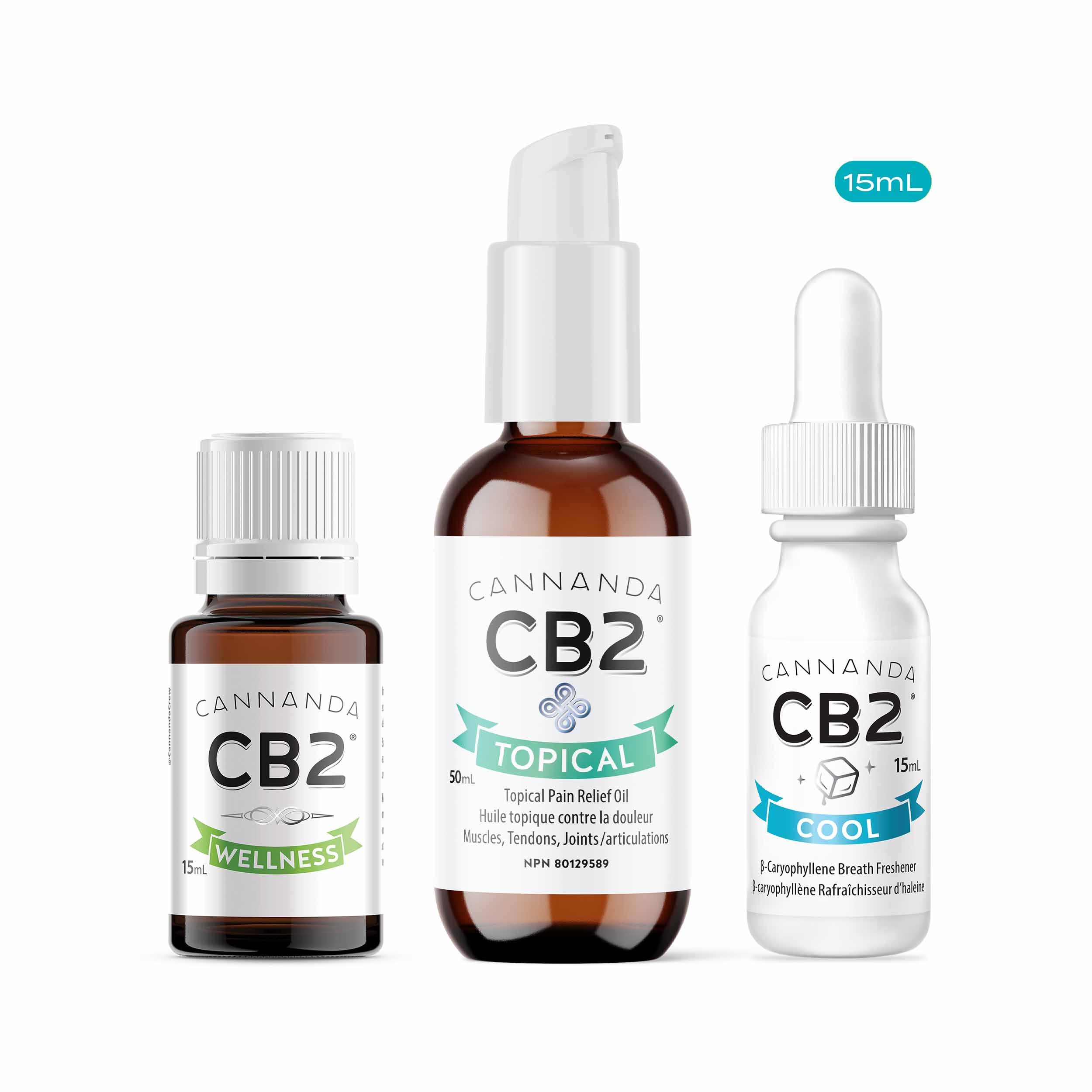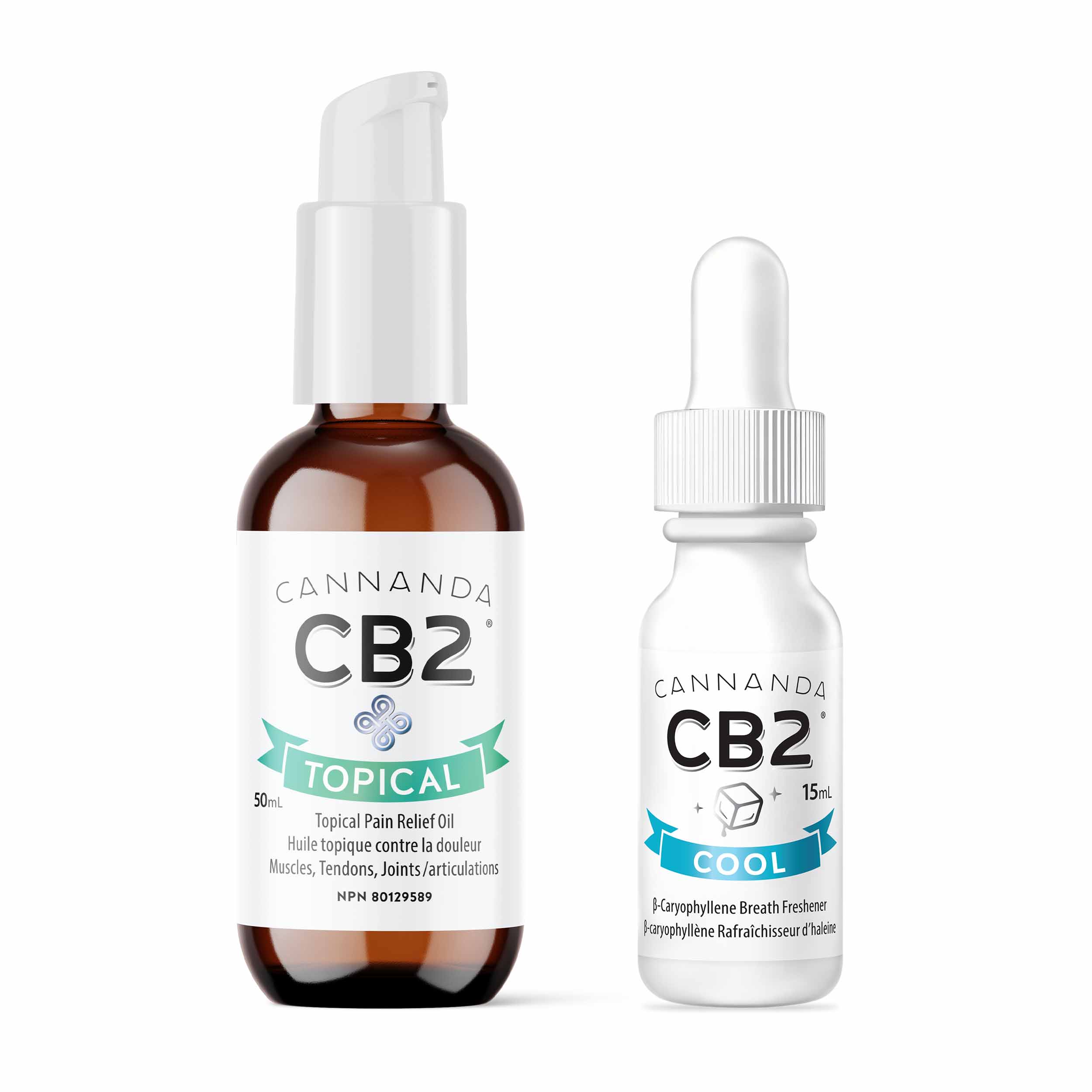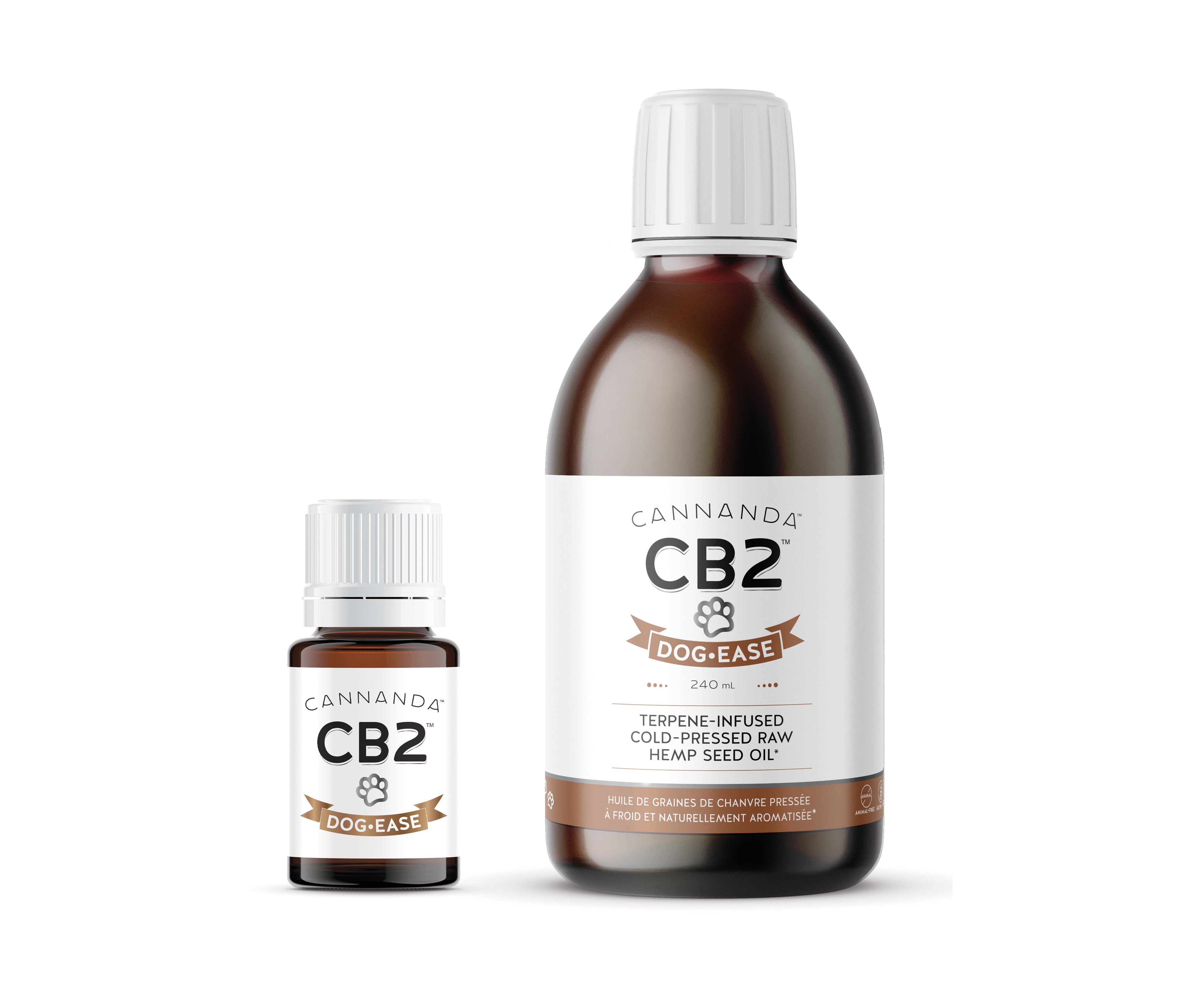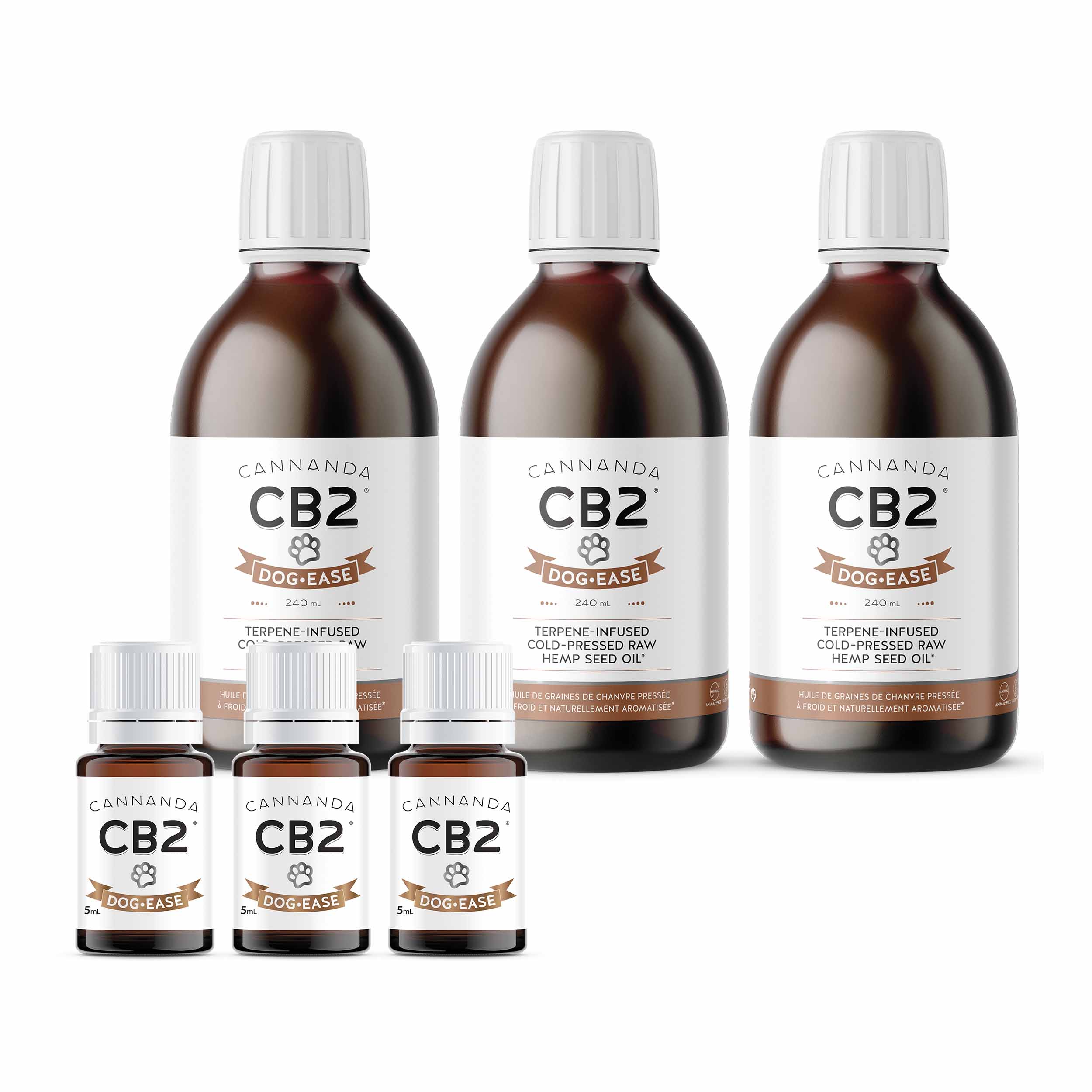
Cannanda Issues Warning: Don't Confuse CB2 Oil with CBD Oil
Cannanda CB2 oils, which are based on beta-caryophyllene, are often confused with CBD, sometimes with critical consequences
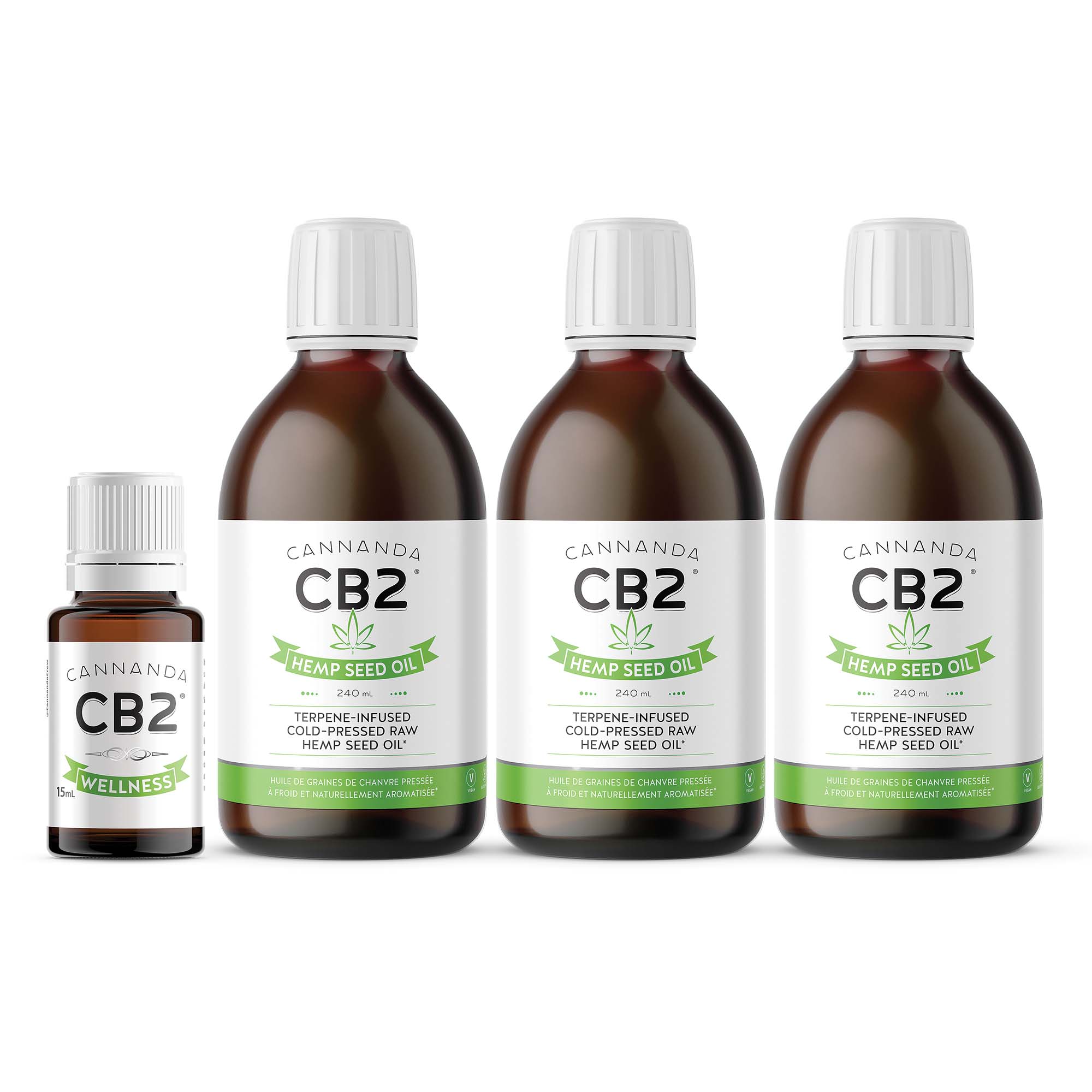
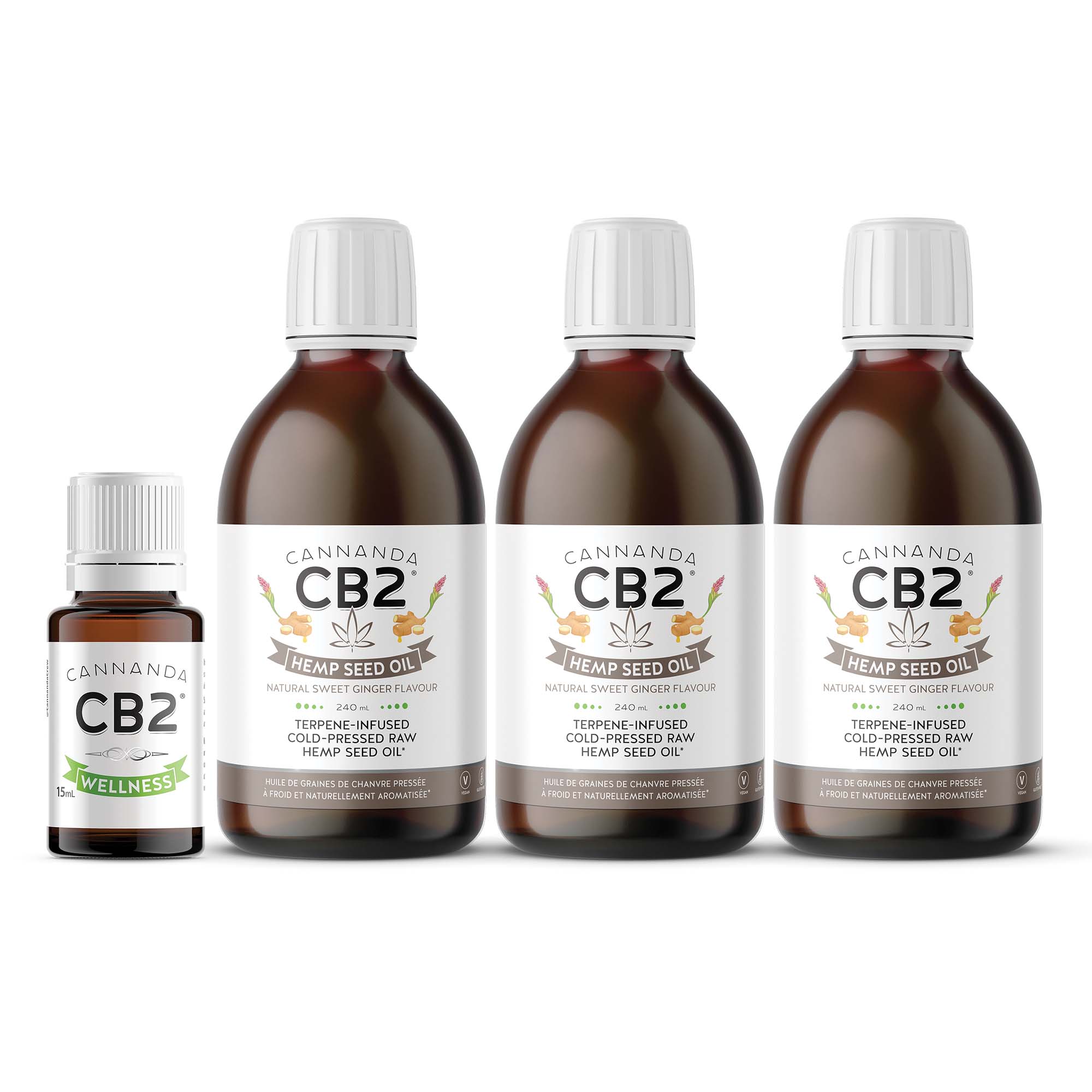
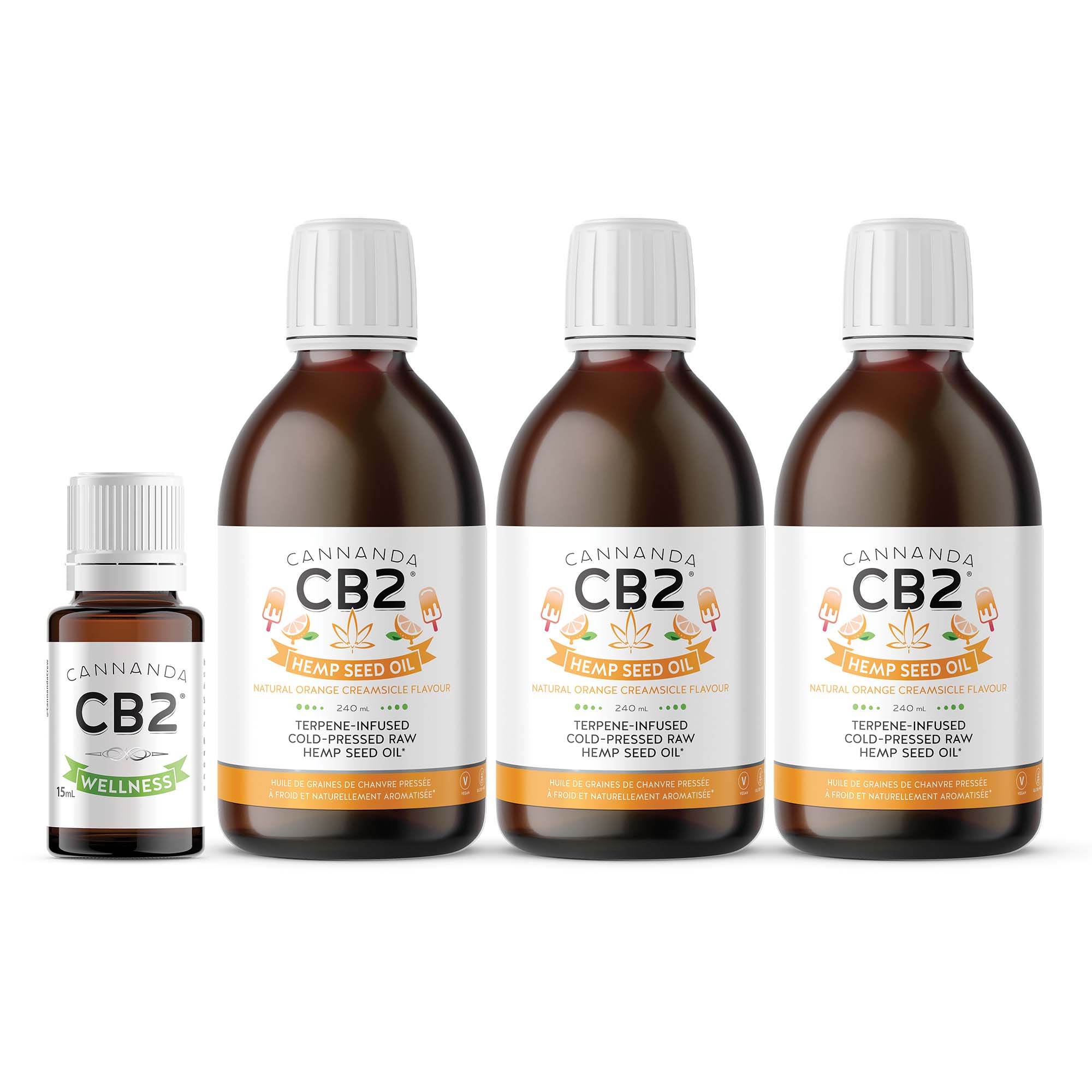
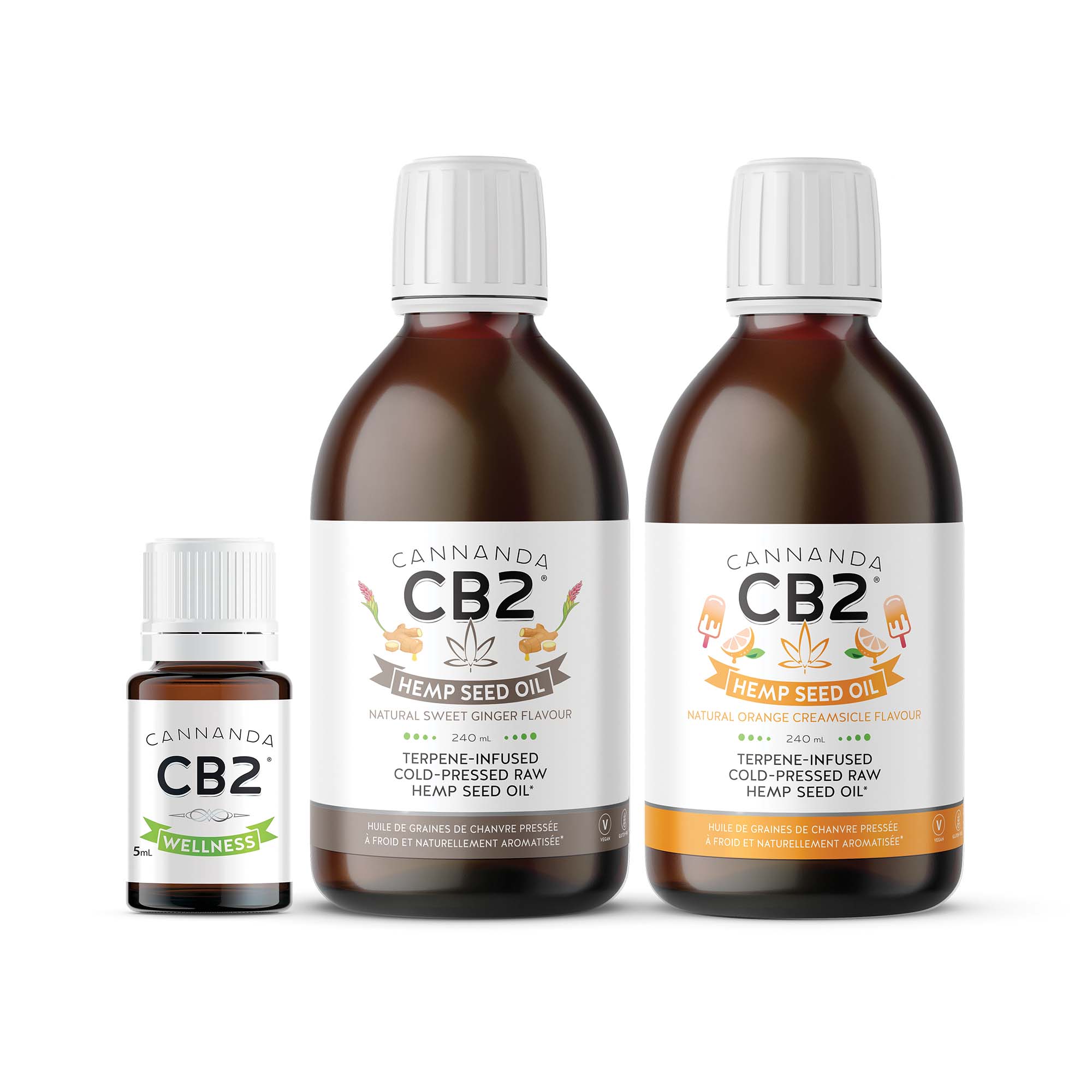
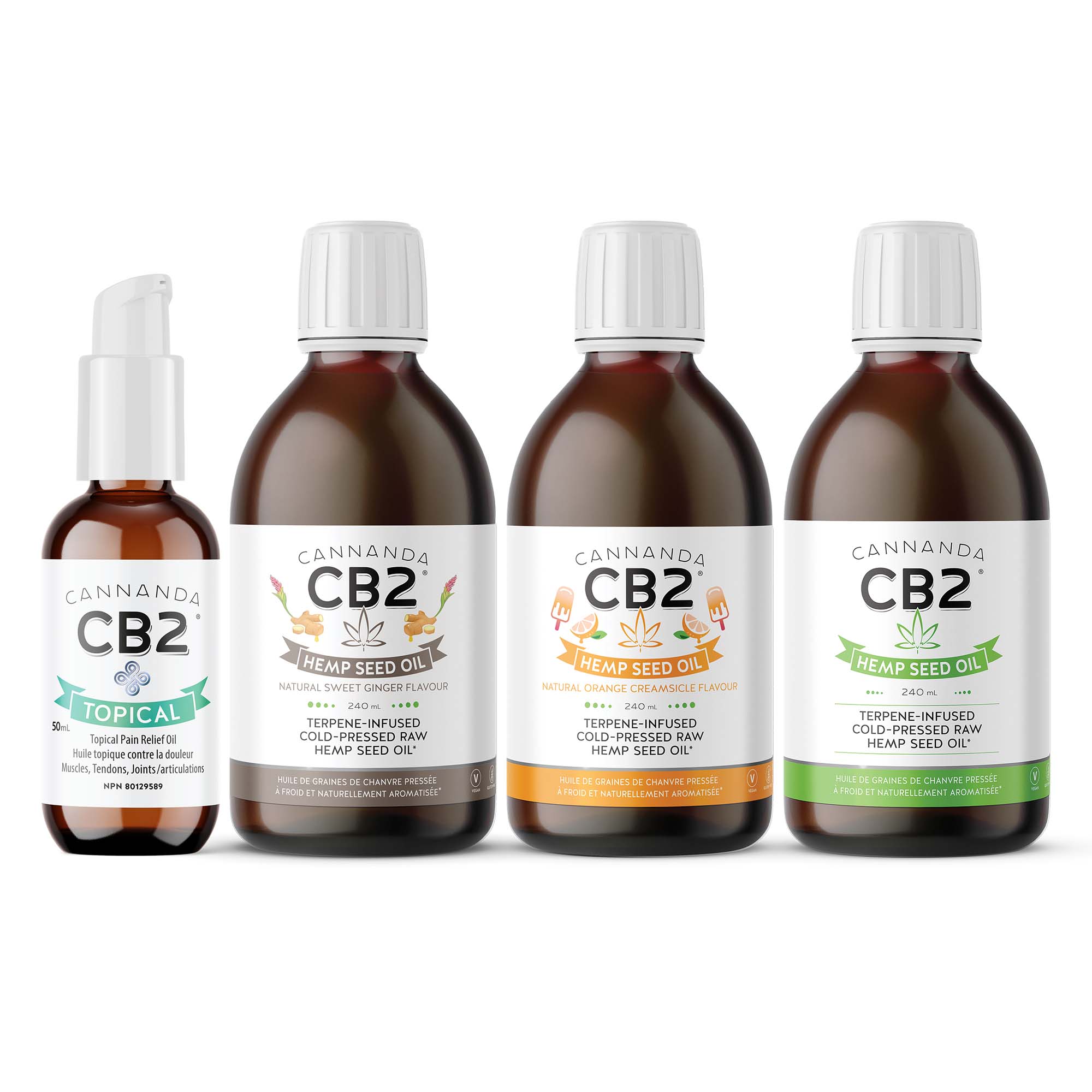
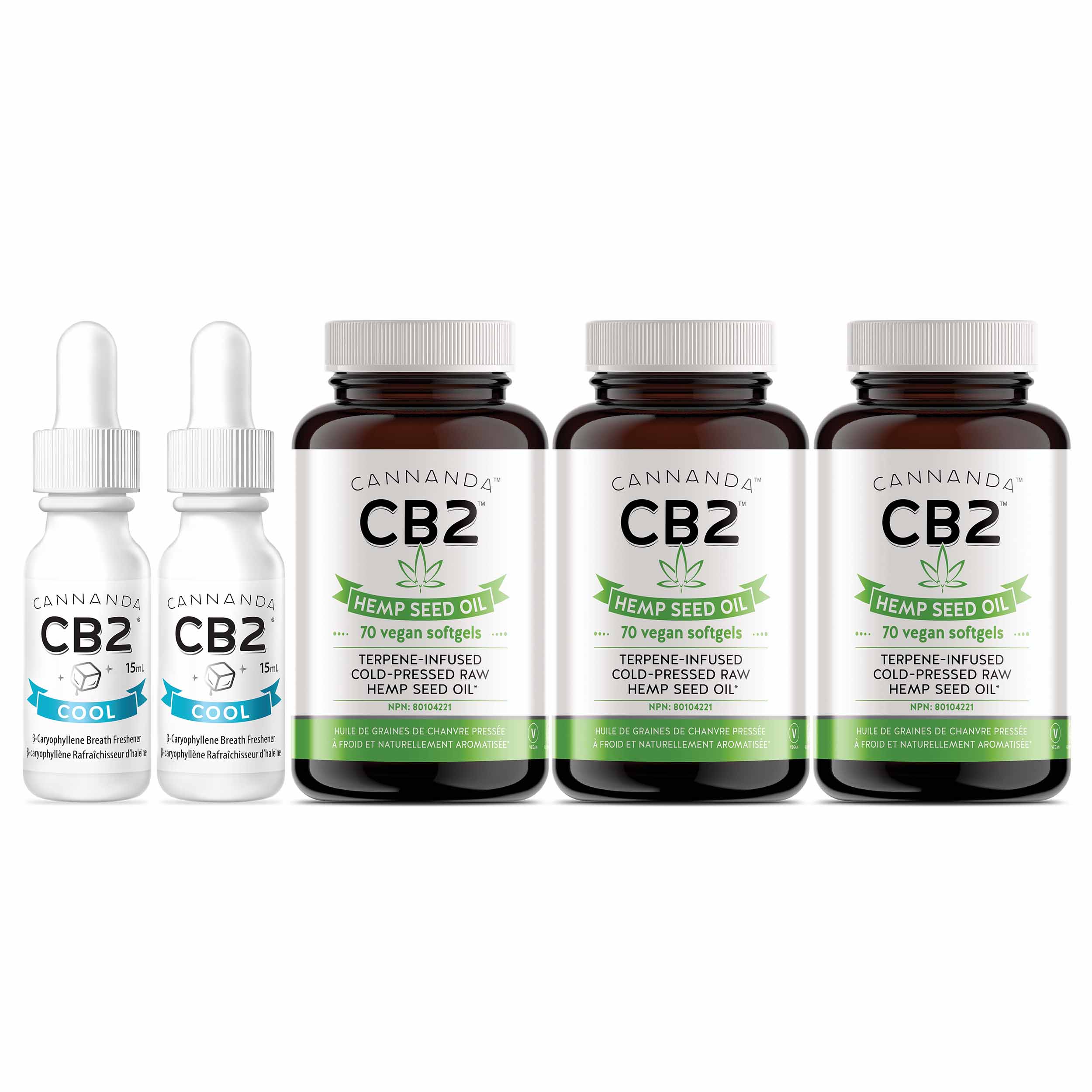
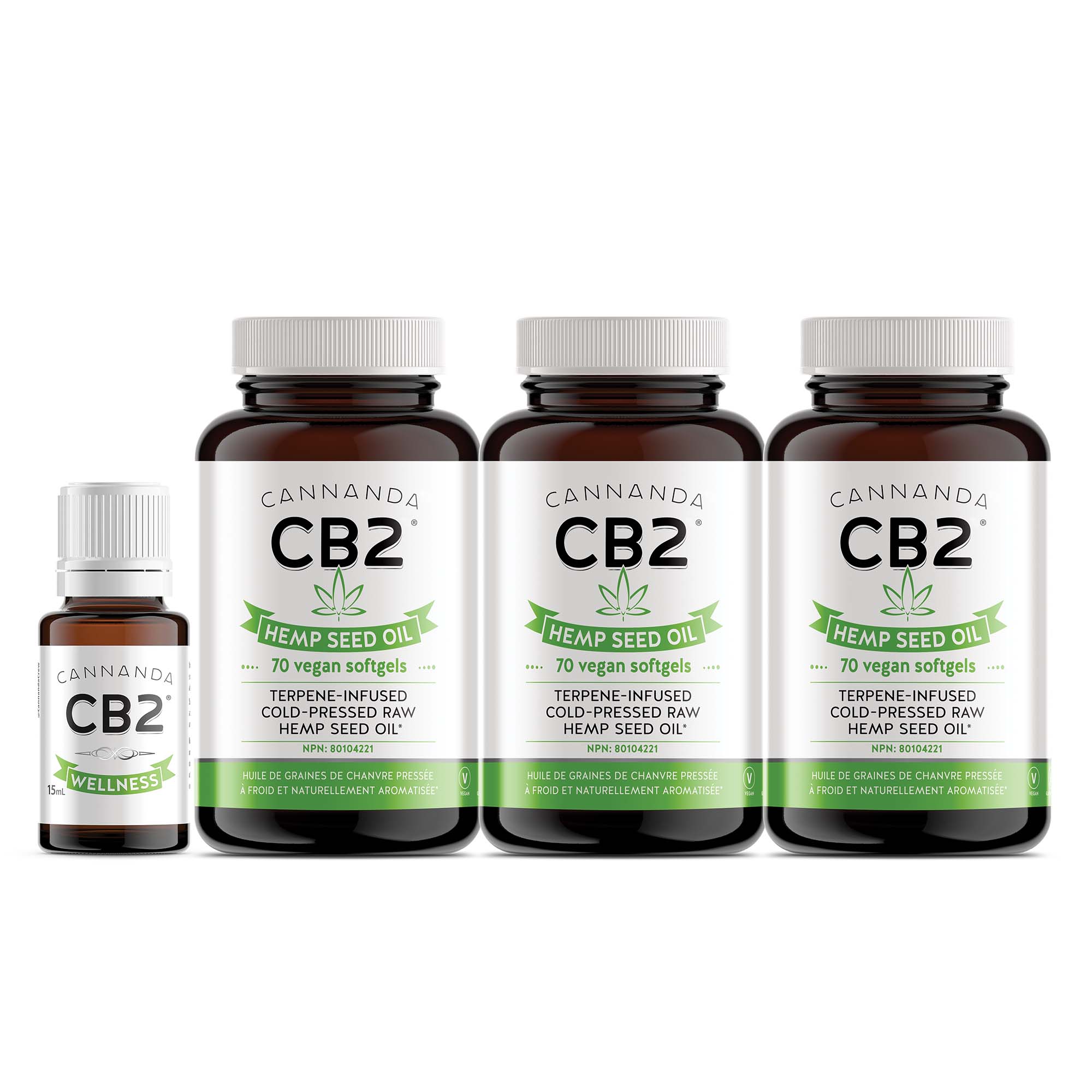
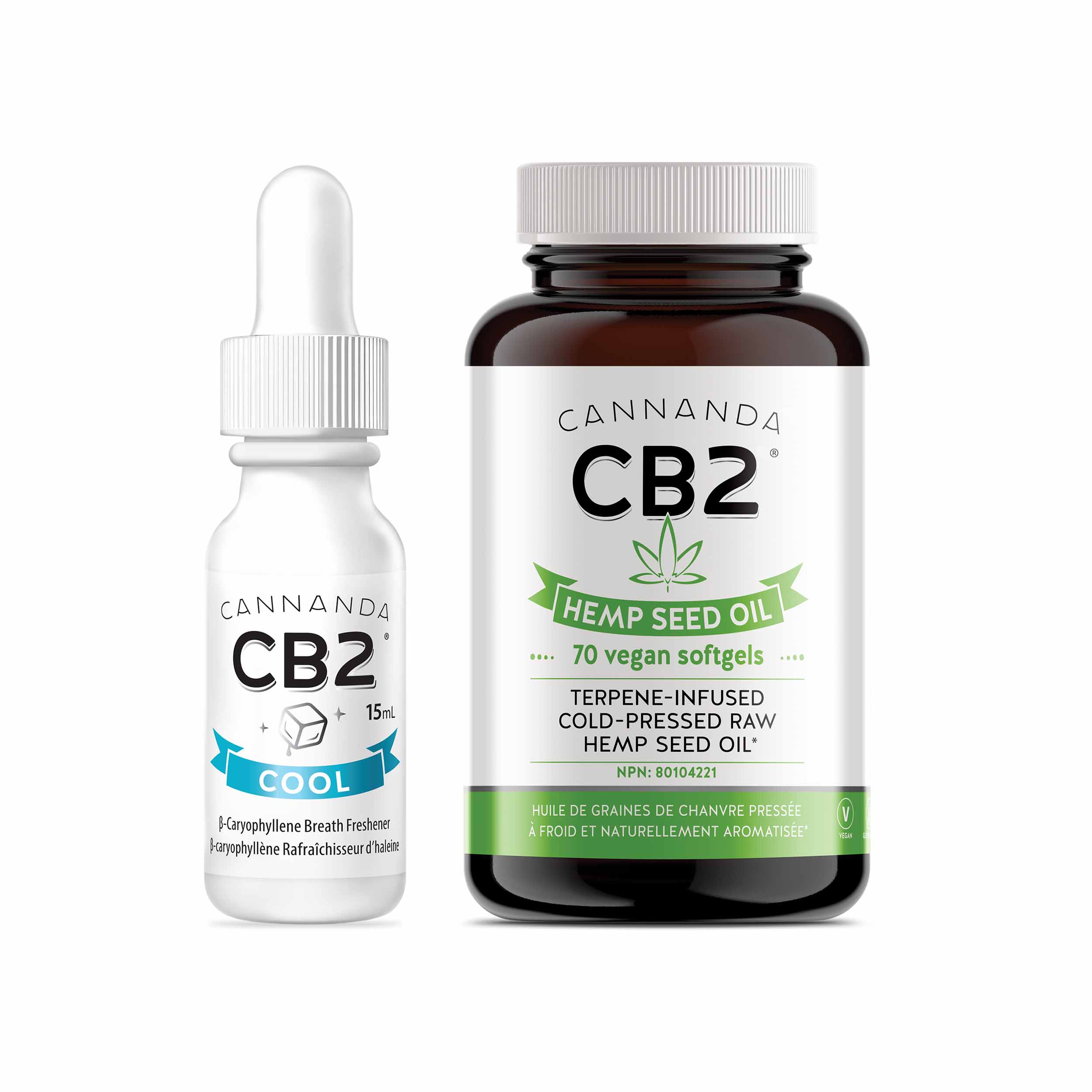
Cannanda, the pioneering creator of CB2 oil, has issued a crucial warning to consumers: don't confuse Cannanda CB2 oils, based on beta-caryophyllene (BCP), with CBD oil. As the demand for natural health alternatives rises, it is imperative to understand the unique benefits and distinctions between these two products.
Beta-caryophyllene is an incredible therapeutic compound with so many potential health benefits. We really need to emphasize, and have a duty to educate, that CBD is not a suitable replacement for BCP.
Understanding Beta-Caryophyllene and Its Unique Benefits
CB2 oil is a breakthrough in natural health, providing a safe, legal, and affordable alternative to CBD. It harnesses the power of beta-caryophyllene (BCP), a powerful dietary terpene-cannabinoid that has gained recognition among health practitioners and consumers seeking natural solutions for a wide range of conditions.
Key Differentiators Between Beta-Caryophyllene and CBD
It is crucial to differentiate between CB2 oil and CBD oil to make informed decisions about health and wellness. These are not interchangeable products. They work through fundamentally different mechanisms, have very different safety profiles, and the gap in effectiveness for CB2-receptor-mediated conditions is significant.
Beta-caryophyllene directly activates CB2 receptors in the body, offering targeted relief through the endocannabinoid system's primary immune-regulating receptor. In contrast, CBD does not activate CB2 receptors; it offers indirect benefits to the endocannabinoid system through other pathways. A CB2 receptor agonist cannot be substituted with a compound that doesn't activate CB2 receptors and achieve the same outcome.
BCP has shown a remarkable safety profile with no known adverse drug interactions at recommended doses, with one exception: if you're on a medication with a narrow therapeutic window, such as warfarin, talk to your doctor before starting BCP. CBD, on the other hand, inhibits key CYP450 liver enzymes (CYP3A4 and CYP2D6), which are responsible for metabolizing most commonly prescribed medications including warfarin, statins, antiepileptics, SSRIs, and benzodiazepines. For anyone on multiple medications, substituting CBD for BCP could have serious clinical consequences. Full drug interaction comparison.
As CB2 oils are free of THC and CBD, they are legal for international shipping and travel as food-grade terpene supplements. CBD's legal status varies significantly between countries, and traveling with CBD products across international borders can result in legal consequences. Some consumers have gotten into legal trouble believing they could substitute CBD for Cannanda CB2 oils while traveling abroad.
Why activating CB2 receptors matters for chronic conditions
CB2 receptors are a vital component of the endocannabinoid system, which plays a crucial role in maintaining homeostasis throughout the body. Activating CB2 receptors with beta-caryophyllene helps modulate inflammation, reduce pain signals, and promote overall balance. This targeted approach is particularly beneficial for chronic conditions, offering a natural and effective solution that works through the body's own regulatory infrastructure.
The volume of research being devoted to both beta-caryophyllene and CB2 receptor activation is a strong indication of their therapeutic potential. CBD does not activate CB2 receptors, which is widely regarded as one of the primary reasons why CBD's effectiveness and reported success rate falls short compared to beta-caryophyllene. Cannanda urges consumers to educate themselves on these distinctions and choose products that align with their actual health goals.
Choose the supplement that actually targets CB2 receptors
Direct CB2 activation. No drug interactions. GRAS food status. Zero THC. Legal worldwide. The original and world's best-selling BCP supplement.
Frequently Asked Questions
What is the difference between CB2 oil (BCP) and CBD oil?
BCP directly and selectively activates CB2 receptors in the endocannabinoid system. CBD does not directly activate any cannabinoid receptor; it works indirectly through other mechanisms. This fundamental difference in mechanism means CBD cannot replicate the therapeutic effects of BCP on CB2 receptors, and the two are not interchangeable substitutes.
Can CBD replace BCP for health benefits?
No. CBD and BCP work through different mechanisms. BCP directly activates CB2 receptors, producing targeted anti-inflammatory and immune-modulating effects. CBD does not activate CB2 receptors and cannot replicate this mechanism. Using CBD as a BCP substitute will not produce CB2 receptor-mediated therapeutic effects, and may introduce drug interaction risks that BCP does not carry at recommended doses (with the exception of narrow therapeutic window medications, where BCP also warrants a doctor's input first).
Is CBD safer than BCP for people on medications?
No; CBD is significantly riskier for people on medications. CBD inhibits CYP450 liver enzymes (particularly CYP3A4 and CYP2D6), altering blood levels of many commonly prescribed drugs including warfarin, statins, antiepileptics, SSRIs, and benzodiazepines. BCP does not significantly inhibit CYP450 enzymes at recommended doses and has no known drug interactions, other than an exception for medications with a narrow therapeutic window, such as warfarin, where a doctor should be consulted before starting BCP too. For anyone on medications, this safety difference is clinically critical.
Is BCP legal where CBD is legal?
BCP is legal in more places than CBD because it is a food-grade terpene rather than a cannabinoid. CBD's legal status varies significantly between countries. BCP is sourced from non-cannabis plants (black pepper, cloves) and is sold legally as a food ingredient and natural health product anywhere in the world, without cannabis licensing or medical authorization.
About Cannanda
Cannanda® is a pioneering force in natural health, committed to providing innovative solutions for individuals seeking effective natural approaches to wellness. As the inventor of the CB2 oil product category, Cannanda has introduced the world to beta-caryophyllene as a targeted dietary cannabinoid. All products are manufactured under GMP certification with over 95% Canadian-sourced raw materials and third-party tested for purity and potency.
For more information: cannanda.com
SOURCE: 3DMC Press