How Beta-Caryophyllene (BCP) and CB2 Receptors May Help Combat Alzheimer's Disease
A comprehensive look at the preclinical evidence, and why BCP plus alpha-pinene together address five distinct Alzheimer's pathological pathways.
This article reviews preclinical research on beta-caryophyllene in Alzheimer's disease models. No completed human RCTs for BCP specifically in Alzheimer's have been published. Nothing here constitutes medical advice, and no natural supplement should be used to replace or delay evidence-based medical care for Alzheimer's disease. Always involve a healthcare provider in any supplement decisions for someone living with Alzheimer's or dementia.
You're a caregiver, family member, or individual concerned about Alzheimer's risk who wants to understand what the science actually shows about BCP and brain health. You want to know which mechanisms are relevant, how strong the evidence is, what the limitations are, and how natural supplements like Cannanda CB2 oil and High Achievers Focus fit into a broader brain-protective approach.
Alzheimer's is driven by neuroinflammation, amyloid plaques, tau pathology, cholinergic neuron loss, and mitochondrial dysfunction, simultaneously. That's why single-target drugs have largely failed. Beta-caryophyllene (BCP) addresses at least four of these pathways through CB2 receptor activation and PPAR-gamma engagement, reducing neuroinflammation, promoting amyloid clearance via microglial M2 polarization, restoring BDNF and synaptic plasticity, and protecting neurons from oxidative stress. A fifth pathway, the cholinergic deficit, is addressed by alpha-pinene in High Achievers Focus, which inhibits acetylcholinesterase through the same mechanism as first-line Alzheimer's medications. The evidence is preclinical; human trials are needed. But the biology is genuinely compelling.
Alzheimer's disease (AD) affects over 55 million people worldwide and remains one of medicine's greatest unsolved problems. Despite decades of research and billions spent on drug development, no approved treatment has successfully slowed the underlying disease progression in the broader population. The compounds that have shown the most promise in laboratory models share a common feature: they target multiple pathological pathways simultaneously, rather than a single target. That is precisely what beta-caryophyllene (BCP) does, through CB2 receptor activation, PPAR-gamma engagement, and a newly identified endocannabinoid-boosting mechanism.
This article walks through what actually drives Alzheimer's at the cellular level, why conventional treatments have limited reach, and what the preclinical evidence shows about BCP's multiple mechanisms of neuroprotection. It also introduces a critical but underappreciated connection: the cholinergic deficit that defines AD, and how alpha-pinene in Cannanda High Achievers Focus addresses it through the same mechanism as the world's most widely prescribed Alzheimer's medications.
What actually drives Alzheimer's disease
Most people associate Alzheimer's with memory loss, the visible symptom. The underlying biology is a cascade of pathological changes that interact and amplify each other over years or decades before symptoms appear:
Abnormal protein fragments that accumulate between neurons, disrupting synaptic communication and triggering immune activation. Present decades before symptom onset.
Hyperphosphorylated tau proteins that collapse the internal transport system of neurons, disrupting cell function and causing neuronal death.
Chronic microglial overactivation releasing inflammatory cytokines that damage healthy neurons. Both a consequence of plaques and an independent driver of further damage.
Early degeneration of acetylcholine-producing neurons in the basal forebrain, directly causing the memory and attention deficits that characterize early AD.
Energy production failures in neurons, producing excessive reactive oxygen species (oxidative stress) that accelerate cell death and impair neural signalling.
Declining BDNF and synaptic protein levels erode the connections between neurons, the physical substrate of memory, learning, and cognitive function.
Why conventional treatments have such limited reach
| Treatment | What it does | What it misses |
|---|---|---|
| Donepezil / Aricept (cholinesterase inhibitor) | Slows acetylcholine breakdown, temporarily improves symptoms | Does not slow disease progression; only symptomatic; doesn't address plaques, neuroinflammation, or tau |
| Memantine (NMDA antagonist) | Reduces glutamate excitotoxicity, moderate symptomatic benefit | Symptomatic only; does not modify underlying pathology |
| Lecanemab / Aducanumab (amyloid antibodies) | Reduces amyloid plaques | Modest cognitive benefit; serious side effects (brain bleeds); does not address tau, neuroinflammation, or cholinergic loss |
| NSAIDs (attempted in prevention trials) | Anti-inflammatory | Failed in trials; GI damage; don't specifically target neuroinflammation pathways |
| Statins (attempted in prevention trials) | Cholesterol reduction | No benefit shown in AD clinical trials |
The pattern is consistent: single-target approaches address one pathway while leaving the others unaddressed. The multi-pathway pathology of AD means multi-target approaches have stronger theoretical rationale, which is exactly why BCP's combination of CB2 receptor activation, PPAR-gamma engagement, BDNF support, and MAGL inhibition deserves serious attention.
CB2 receptors and Alzheimer's: a unique biological signal
One of the most telling findings in Alzheimer's ECS research is that CB2 receptors are significantly upregulated in microglia and macrophages near beta-amyloid plaques in the AD brain, present at far higher density than in healthy brain tissue. This is not coincidental. It suggests the endocannabinoid system is actively attempting to respond to the amyloid pathology, deploying CB2 receptors to the sites of damage in an attempt to regulate the inflammatory response and facilitate plaque clearance. The ECS is already trying to fight AD. BCP helps it do its job more effectively by supplying the CB2 agonist the system is primed to receive.
How BCP addresses Alzheimer's pathology: five mechanisms
The core inflammatory mechanism
Neuroinflammation in Alzheimer's is mediated primarily by microglia, the brain's resident immune cells. In healthy brain tissue, microglia exist in a surveillance state, monitoring for damage and pathogens. In AD, chronic amyloid deposition and oxidative stress drive microglia into a persistent inflammatory M1 state, where they release pro-inflammatory cytokines (TNF-α, IL-1β, IL-6, COX-2) that damage healthy neurons as collateral damage, creating a vicious cycle where inflammation drives more damage, which drives more inflammation.
CB2 receptor activation shifts this balance. It drives microglia away from M1 (inflammatory, damaging) toward M2 (neuroprotective, clearing) activity:
- Releases TNF-α, IL-1β, IL-6
- Produces reactive oxygen species
- Damages healthy neurons
- Worsens amyloid accumulation
- Releases anti-inflammatory IL-10
- Phagocytoses beta-amyloid
- Promotes tissue repair
- Supports neuron survival
The plaque clearance mechanism
Beta-amyloid plaques are one of the defining pathological features of AD and a target of the most recent pharmaceutical approvals (lecanemab, aducanumab). These drugs use antibodies to remove amyloid, at significant cost and with meaningful side effects. BCP achieves amyloid clearance through the M2 microglial polarization described above: M2-state microglia physically engulf and break down amyloid deposits through enhanced phagocytosis.
The fact that this effect in the APP/PS1 model required both CB2 activation and PPAR-gamma engagement points to why BCP is particularly relevant: it is one of the few natural compounds that activates both pathways simultaneously.
Why BDNF is critical in Alzheimer's
Brain-derived neurotrophic factor (BDNF) is the brain's principal neuronal maintenance molecule, supporting neuron survival, synaptic growth, and the plasticity underlying memory formation. BDNF levels are significantly reduced in Alzheimer's patients relative to age-matched controls, and lower BDNF correlates with faster cognitive decline. The physical connections between neurons (synapses) degrade as BDNF levels fall, and this synaptic loss is the mechanism most directly linked to the memory deficits of AD.
Synaptophysin and NCAM are structural proteins found at synapses, their restoration by BCP indicates genuine synaptic recovery, not just symptom management. This is the neurological basis for memory improvement seen in the animal models.
Why PPAR-gamma matters in AD
PPAR-gamma (Peroxisome Proliferator-Activated Receptor Gamma) is a nuclear receptor that regulates inflammation, metabolism, and cell survival. In Alzheimer's research, PPAR-gamma activation has three relevant effects: it reduces amyloid burden independently of CB2 pathways, it protects neurons from oxidative stress (the mitochondrial dysfunction component of AD), and it enhances microglial phagocytosis of amyloid deposits through a pathway distinct from CB2-mediated clearance.
BCP activates PPAR-gamma in addition to CB2 receptors, giving it a genuinely dual mechanism that single-target CB2 agonists don't replicate. The Cheng 2014 APP/PS1 mouse study demonstrated that blocking PPAR-gamma partially reversed BCP's neuroprotective effects, confirming both pathways are active. This makes BCP not just a CB2 agonist but a multitarget neuroprotective compound.
A newly identified mechanism, relevant to AD
A 2024 study published in Molecular Pharmacology (Keck et al., University of Colorado) found that BCP inhibits monoacylglycerol lipase (MAGL), the enzyme that breaks down 2-arachidonoylglycerol (2-AG), one of the body's primary endocannabinoids. By inhibiting MAGL, BCP raises 2-AG levels in vivo.
Why this matters for Alzheimer's: 2-AG activates both CB1 and CB2 receptors. In the AD brain, endocannabinoid deficiency (including reduced 2-AG) is documented, and supporting endogenous ECS tone through MAGL inhibition is being studied as an independent AD therapeutic target. Pharmaceutical MAGL inhibitors are in early-stage investigation for neurodegeneration. BCP achieves this effect through a natural dietary terpene with GRAS food-ingredient status. This adds a third mechanism to BCP's ECS-relevant activity: direct CB2 activation + PPAR-gamma engagement + MAGL inhibition raising 2-AG.
The cholinergic deficit, and the alpha-pinene connection
Five of Alzheimer's six core pathological features are addressed by BCP's mechanisms above. The sixth, cholinergic neuron loss, is addressed by a different Cannanda product, and the connection is remarkably direct.
The acetylcholine deficiency in Alzheimer's disease is so fundamental to the condition that the three most widely prescribed AD medications, donepezil (Aricept), rivastigmine (Exelon), and galantamine (Razadyne), all work by inhibiting acetylcholinesterase, the enzyme that breaks down acetylcholine. By slowing this breakdown, they maintain higher acetylcholine levels in the brain, temporarily compensating for the loss of cholinergic neurons.
Alpha-pinene, the active ingredient in Cannanda High Achievers Focus, inhibits acetylcholinesterase through a natural mechanism. This was documented by Perry et al. in 2000, and the inhibitory effect of alpha-pinene (and the pine-based essential oils containing it) on this enzyme is well-established in the literature. The physiological result is the same: more acetylcholine preserved in the synaptic cleft, supporting memory and attention.
Combined, CB2 oil (BCP) and High Achievers Focus (alpha-pinene) address five of Alzheimer's six pathological features through complementary, non-overlapping mechanisms:
- Neuroinflammation → BCP via CB2/M2 polarization
- Beta-amyloid clearance → BCP via CB2 + PPAR-gamma
- Synaptic plasticity and BDNF → BCP via CB2/BDNF restoration
- Oxidative stress and neuroprotection → BCP via PPAR-gamma
- Cholinergic deficit → Alpha-pinene via acetylcholinesterase inhibition
No other natural health company's product line addresses this breadth of AD pathology through peer-reviewed mechanisms in a single combination.
Supporting brain health: natural approaches alongside BCP
Exercise is the most robustly evidence-backed intervention for BDNF elevation, more so than any supplement. Aerobic exercise (150 min/week) has consistently shown the ability to increase hippocampal volume, raise BDNF levels, and reduce Alzheimer's risk in epidemiological studies. It also reduces neuroinflammation, improves cerebral blood flow, and supports sleep, all relevant to AD pathology. Any comprehensive approach to brain health must include regular physical activity.
The brain's glymphatic system, which clears metabolic waste including amyloid-beta, operates primarily during sleep. Chronic sleep deprivation dramatically impairs amyloid clearance, accelerating plaque accumulation. People with chronic insomnia have measurably higher amyloid burden. BCP's sleep-supporting properties through ECS modulation are therefore doubly relevant to AD: directly neuroprotective and supporting the glymphatic clearance that reduces amyloid accumulation overnight.
DHA (docosahexaenoic acid) is the predominant omega-3 in brain tissue and essential for neuronal membrane fluidity, synaptogenesis, and anti-neuroinflammatory signalling. DHA deficiency is documented in Alzheimer's patients. Epidemiological studies consistently associate higher fish consumption with lower AD risk, though RCT results have been mixed in already-established AD. DHA is best as a preventive approach, started early and maintained. Note: EPA and DHA are not found in plant sources; fish or algae-based supplements are required.
Curcumin activates PPAR-gamma (the same pathway as BCP) and has direct anti-amyloid and anti-neuroinflammatory effects in preclinical models. The major limitation is bioavailability, standard curcumin is poorly absorbed, and meaningful brain concentrations require enhanced formulations (nanoparticulate, phospholipid complex, or piperine co-administration). With appropriate bioavailability enhancement, curcumin and BCP together provide complementary PPAR-gamma and CB2 activation from independent compounds.
The MIND diet (Mediterranean-DASH Intervention for Neurodegenerative Delay) emphasizes leafy greens, berries, nuts, olive oil, fish, and limited red meat and processed foods. Observational studies show MIND diet adherents have meaningfully lower Alzheimer's risk and slower cognitive decline. The diet provides omega-3s, polyphenols, vitamin E, and B vitamins relevant to brain health, many of which support the same pathways (neuroinflammation, oxidative stress) that BCP addresses through CB2 activation.
A practical brain health protocol
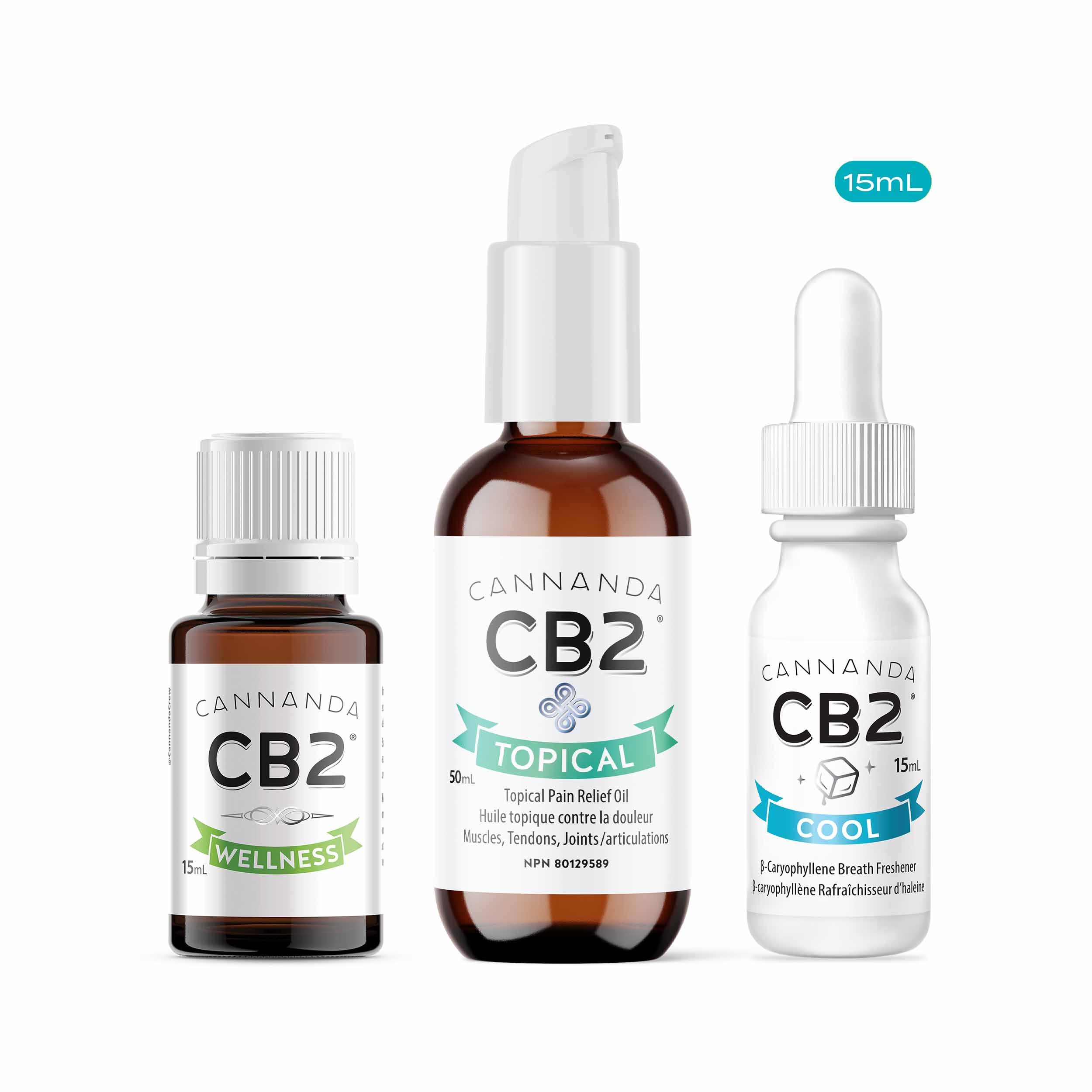
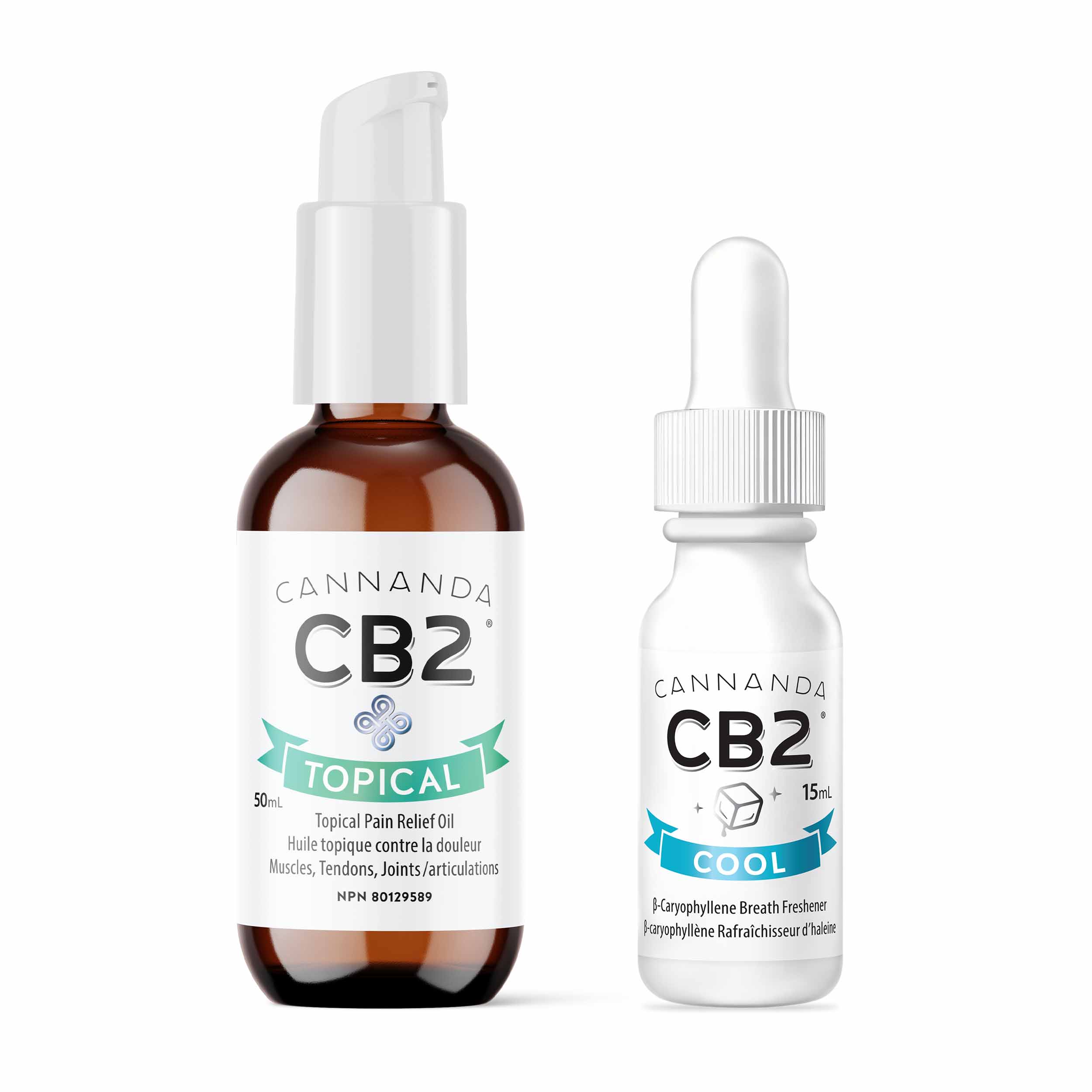
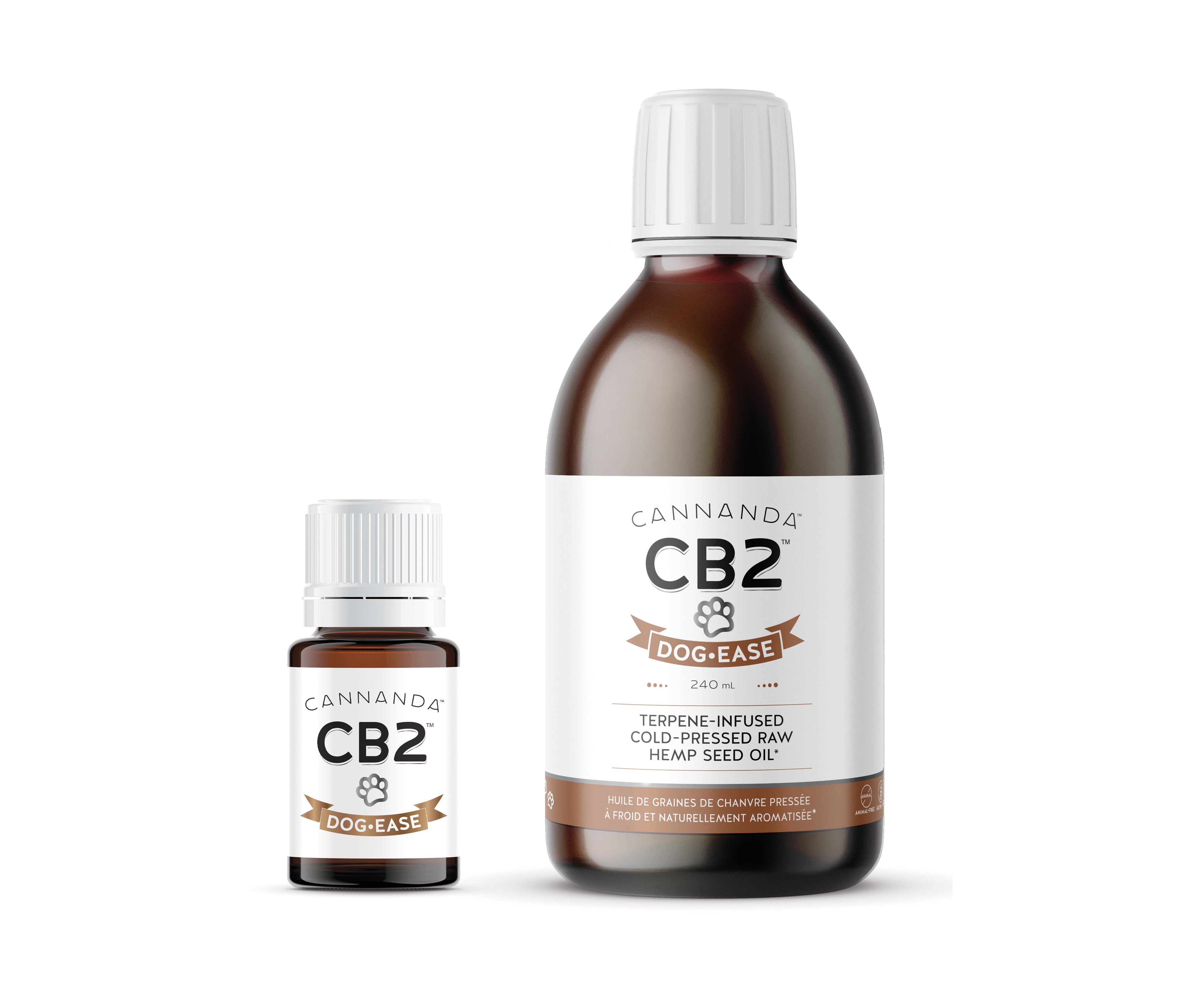
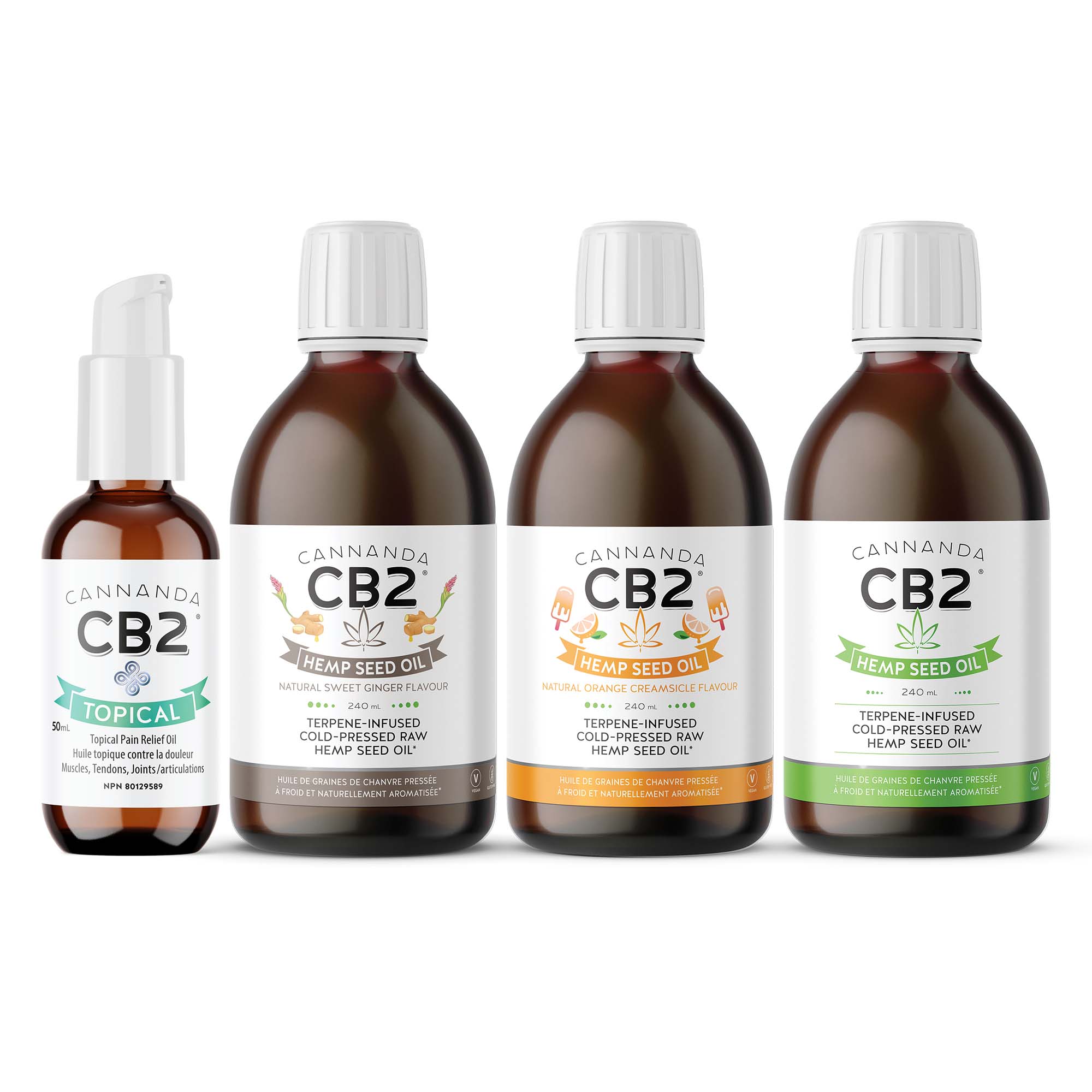
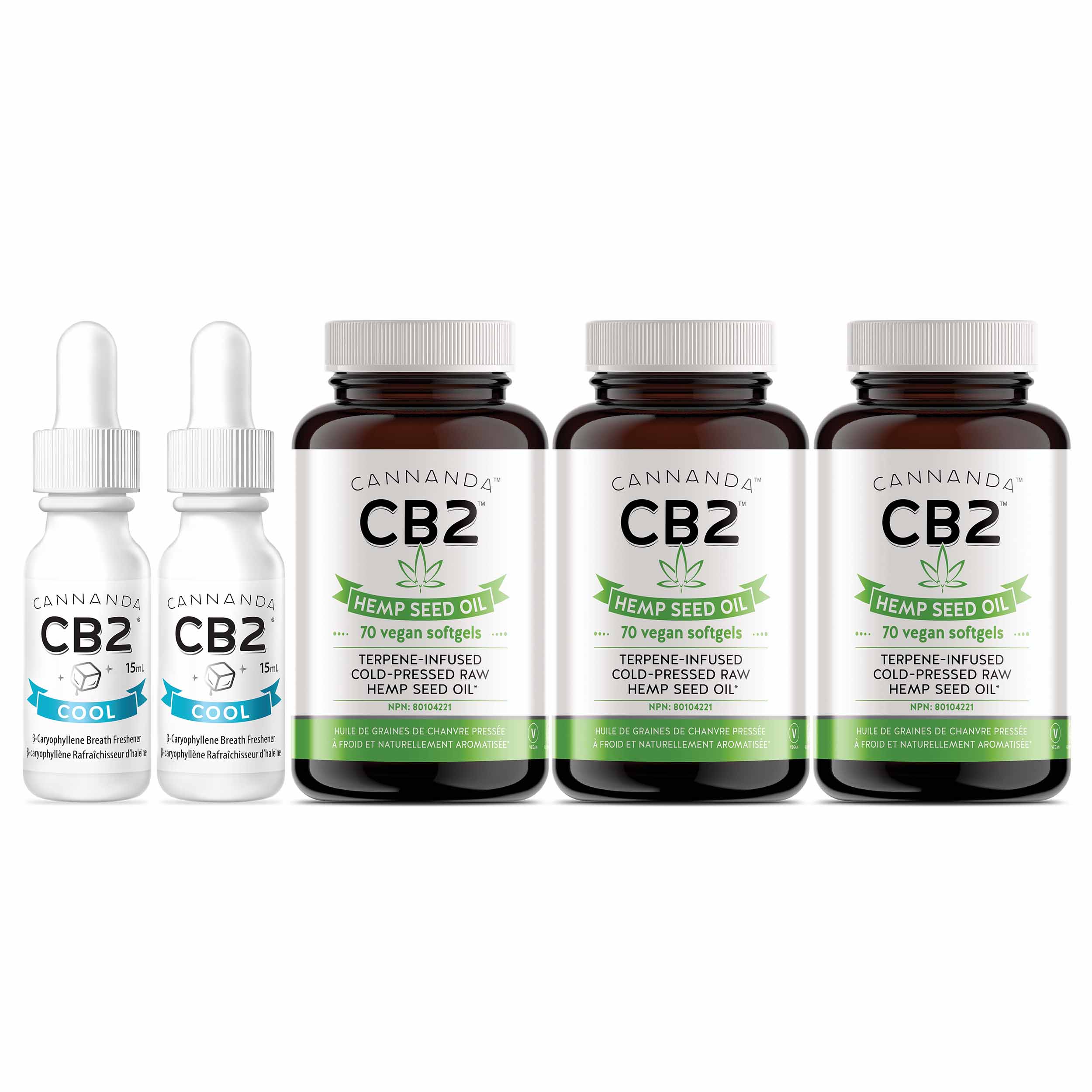
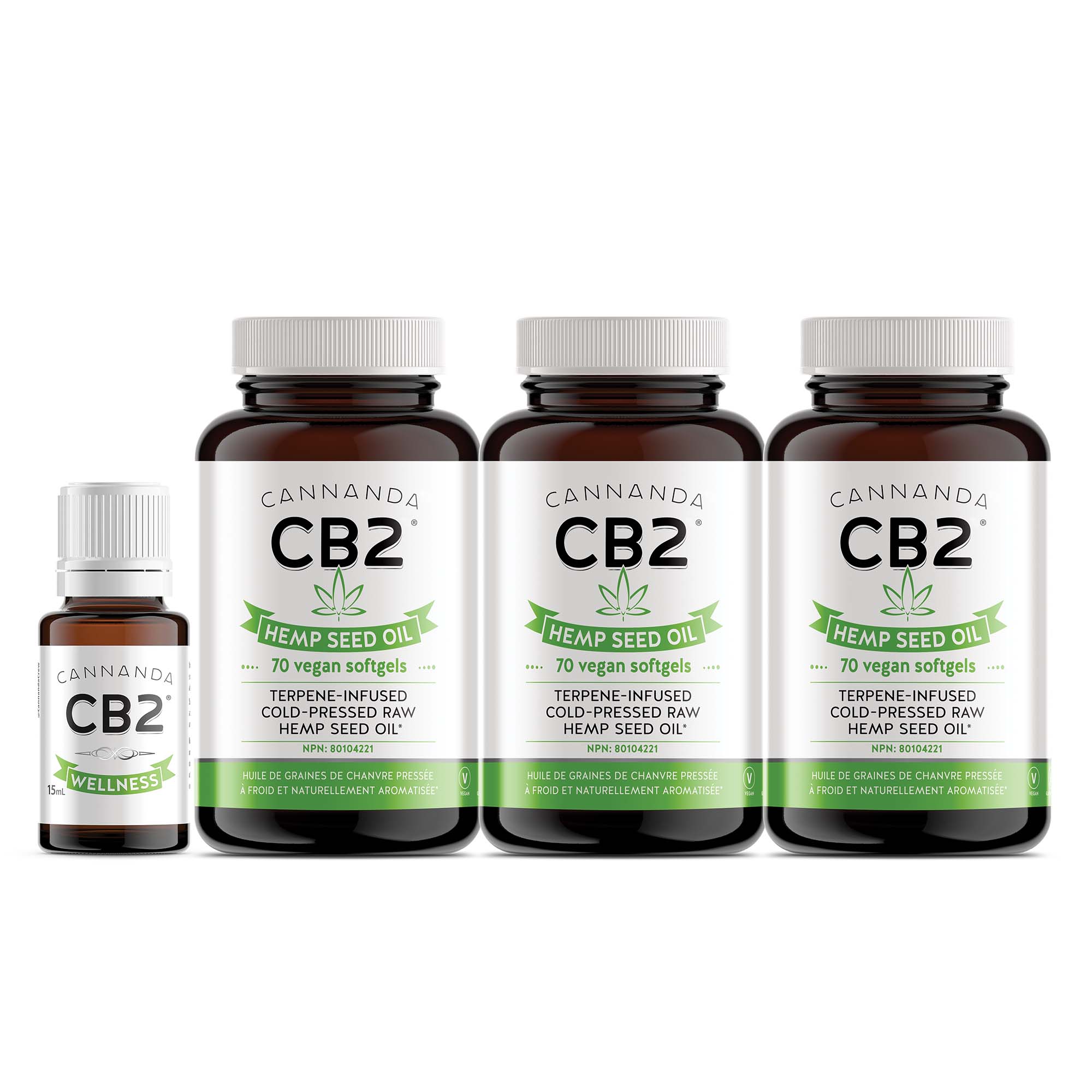
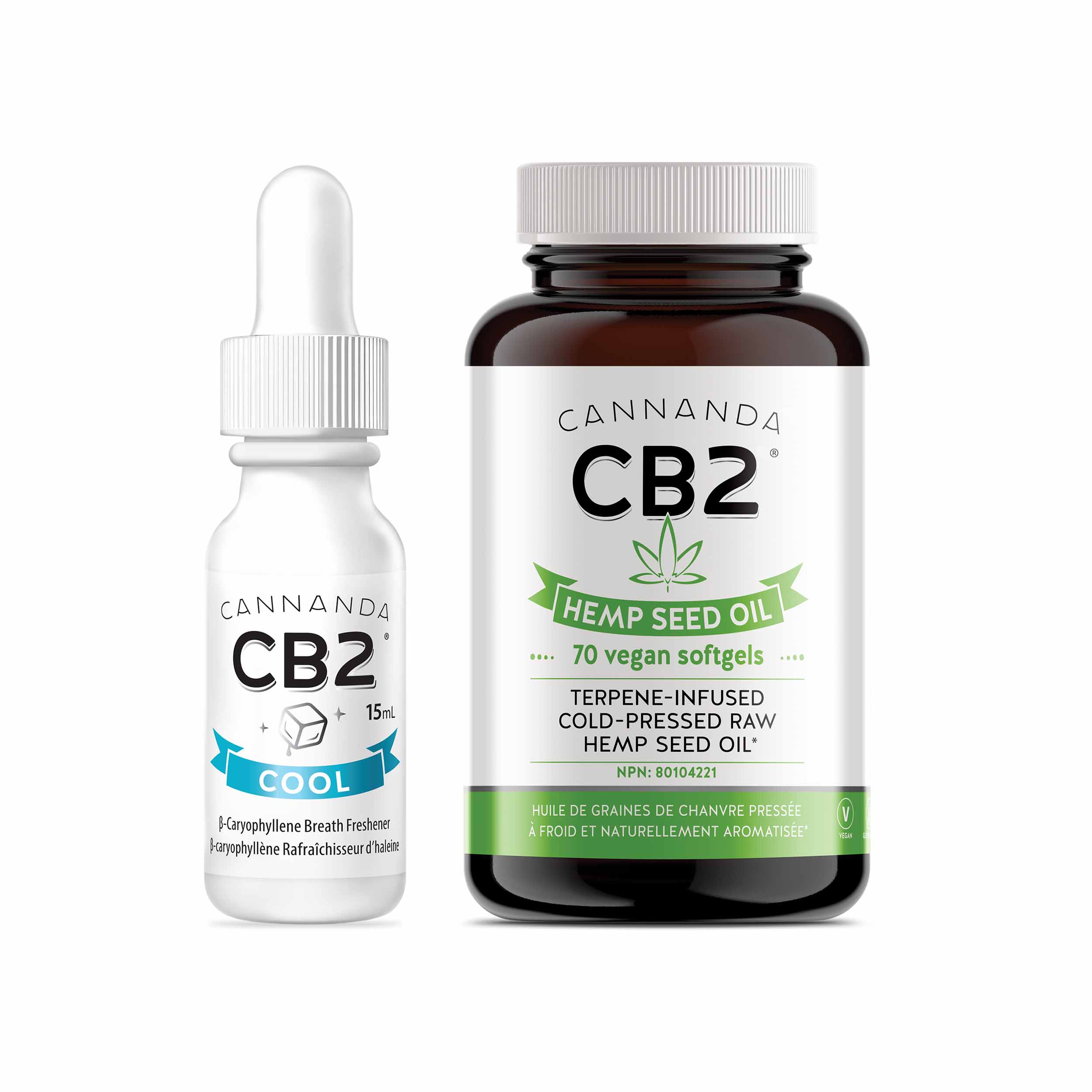
CB2 Hemp Seed Oil taken with meals provides sustained daily BCP for CB2 receptor activation, PPAR-gamma engagement, and MAGL inhibition. Cannanda's recommended range is 60-120 mg BCP/day. BCP is fat-soluble, taking with food maximizes absorption. Consistent daily use over weeks and months is what builds sustained neuroprotective effects.
High Achievers Focus delivers alpha-pinene for acetylcholinesterase inhibition, preserving acetylcholine levels and supporting memory and attention. For cognitive support, consistent use is more valuable than acute dosing. Can be used sublingually or aromatically (a few drops inhaled), both routes deliver alpha-pinene to the brain efficiently.
Seven to nine hours of quality sleep supports the glymphatic system's nightly amyloid clearance cycle. BCP's sleep-supporting properties help here indirectly. Additional sleep hygiene (consistent wake time, dark room, cool temperature, no screens 90 min before bed) removes the behavioural barriers that BCP alone can't fix.
150 minutes per week of moderate-intensity aerobic activity is the single strongest lifestyle intervention for BDNF elevation and AD risk reduction. Even 30-minute daily walks support hippocampal volume over time. For people already experiencing cognitive decline, supervised exercise with physiotherapy guidance is worth the investment.
Fish or algae-based DHA (500mg-1g/day) addresses the DHA brain membrane component. Curcumin with enhanced bioavailability (with piperine, or in a phospholipid formulation) provides complementary PPAR-gamma activation alongside BCP. These three together address neuroinflammation from three independent biochemical angles.
For anyone living with Alzheimer's or significant cognitive decline, supplements should complement, never replace, medical care. BCP and alpha-pinene have no known drug interactions with standard AD medications (donepezil, memantine) at recommended doses, with one exception: if the person is on a medication with a narrow therapeutic window, check with their doctor before adding either supplement. All supplement decisions for someone on a complex medication regimen should involve their prescribing physician.
Five AD pathways. Two products. One natural approach.
BCP for neuroinflammation, amyloid clearance, BDNF, and PPAR-gamma. Alpha-pinene for acetylcholinesterase inhibition. Non-intoxicating. No drug interactions for most people. GRAS-status ingredients.
Frequently Asked Questions
Does BCP actually help clear beta-amyloid plaques?
In preclinical studies, yes. BCP signals microglia to shift from a destructive M1 inflammatory state to a phagocytic M2 state, physically engulfing and breaking down beta-amyloid deposits. The Cheng et al. 2014 study in APP/PS1 Alzheimer's mice showed BCP significantly reduced amyloid burden in hippocampal and cortical tissue through CB2 and PPAR-gamma activation. Rathod 2025 confirmed similar effects. These are animal model findings; human clinical trials are not yet completed.
How exactly does CB2 oil work in the Alzheimer's brain?
CB2 receptors act as a dimmer switch for the brain's inflammatory response. In AD, microglia are stuck in an overactive M1 state, releasing cytokines that damage healthy neurons. Crucially, CB2 receptors are upregulated near amyloid plaques in the AD brain, the ECS is already responding. BCP activates these receptors, shifting microglia toward neuroprotective M2 activity, calming inflammation while enhancing amyloid clearance.
What is the PPAR-gamma pathway and why does it matter for Alzheimer's?
PPAR-gamma is a nuclear receptor that regulates inflammation, metabolism, and neuroprotection. In AD, PPAR-gamma activation reduces amyloid burden, protects neurons from oxidative stress, and enhances microglial phagocytosis. BCP activates PPAR-gamma in addition to CB2, providing a dual neuroprotective mechanism that more selective CB2 agonists don't replicate. The Cheng 2014 APP/PS1 study showed blocking PPAR-gamma partially reversed BCP's effects, confirming both pathways are active.
What is acetylcholine and why is it important in Alzheimer's disease?
Acetylcholine is the neurotransmitter most associated with memory, learning, and attention. In AD, the cholinergic neurons that produce it are among the first to degenerate. The most prescribed AD medications, donepezil (Aricept), rivastigmine (Exelon), and galantamine, all inhibit acetylcholinesterase to preserve acetylcholine. Alpha-pinene in High Achievers Focus inhibits the same enzyme through a natural mechanism, providing complementary support to BCP's anti-inflammatory and amyloid-clearing effects.
What is BDNF and why does it matter for Alzheimer's?
BDNF is a protein that supports neuron survival, synaptic growth, and the plasticity underlying memory formation. BDNF levels are significantly reduced in AD, and lower BDNF correlates with faster cognitive decline. BCP increases BDNF expression in hippocampal neurons, restores synaptic proteins (synaptophysin, NCAM, CNTF), and improves spatial learning and memory in AD models (Rathod, 2025).
Is BCP better than other cannabinoids for brain health in Alzheimer's?
For Alzheimer's, BCP has a significant advantage in selectivity. It targets CB2 receptors without activating CB1. CB1 activation (as from THC) can cause confusion, disorientation, and intoxication, deeply problematic for someone with cognitive impairment. BCP provides neuroprotective and anti-neuroinflammatory benefits without any CB1-mediated effects, making it far safer for people with or at risk of dementia.
Is there human clinical trial evidence for BCP in Alzheimer's?
To date, the evidence is preclinical, primarily from cell culture and animal studies. No completed human RCTs for BCP specifically in Alzheimer's have been published. The preclinical evidence is substantial and mechanistically coherent, but this distinction matters: animal models don't always predict human outcomes. BCP's safety profile, GRAS status, and generally clean drug interaction profile make it a reasonable complement to standard care while awaiting human trial data.
What natural approaches have the most evidence for supporting brain health against Alzheimer's risk?
The approaches with meaningful evidence include: aerobic exercise (strongest evidence for BDNF elevation and AD risk reduction); quality sleep (essential for glymphatic amyloid clearance); BCP/CB2 oil (neuroinflammation, amyloid clearance, BDNF, PPAR-gamma); alpha-pinene via High Achievers Focus (acetylcholinesterase inhibition); omega-3 DHA (brain membrane health); curcumin with enhanced bioavailability (PPAR-gamma, anti-amyloid); and the MIND diet. These work through different non-overlapping mechanisms and are most effective in combination.
References
- Aso, E., & Ferrer, I. (2016). CB2 cannabinoid receptor as potential target against Alzheimer's disease. Frontiers in Neuroscience, 10, 243. https://doi.org/10.3389/fnins.2016.00243
- Rathod, S. S. (2025). β-Caryophyllene ameliorates STZ-induced Alzheimer's disease-like conditions in rats via modulation of brain-derived neurotrophic factor, synaptic plasticity, and neuroinflammation. European Journal of Neuroscience, 62(10), e70317. https://doi.org/10.1111/ejn.70317
- Cheng, Y., Dong, Z., & Liu, S. (2014). β-Caryophyllene ameliorates the Alzheimer-like phenotype in APP/PS1 mice through CB2 receptor activation and the PPARγ pathway. Pharmacology, 94(1-2), 1-12. https://doi.org/10.1159/000362689
- Magham, S. V., et al. (2021). Cannabinoid receptor 2 selective agonists and Alzheimer's disease: An insight into the therapeutic potentials. Journal of Neuroscience Research, 99(11), 2888-2905. https://doi.org/10.1002/jnr.24933
- Askari, V. R., & Shafiee-Nick, R. (2019). The protective effects of β-caryophyllene on LPS-induced primary microglia M1/M2 imbalance: A mechanistic evaluation. Life Sciences, 219, 40-73. https://doi.org/10.1016/j.lfs.2018.12.059
- Keck, J., et al. (Todorovic lab, University of Colorado). (2024). β-Caryophyllene inhibits monoacylglycerol lipase activity and increases 2-arachidonoyl glycerol levels in vivo. Molecular Pharmacology, 105(2), 75. https://doi.org/10.1124/molpharm.123.000668
- Perry, N. S., et al. (2000). In-vitro inhibition of human erythrocyte acetylcholinesterase by salvia lavandulaefolia essential oil and constituent terpenes. Journal of Pharmacy and Pharmacology, 52(7), 895-902. (Alpha-pinene acetylcholinesterase inhibition.)
- Gertsch, J., et al. (2008). Beta-caryophyllene is a dietary cannabinoid. PNAS, 105(26), 9099-9104. https://doi.org/10.1073/pnas.0803601105