Holistic Care: Combining CB2 Oil with Other Natural Therapies
CB2 oil doesn't compete with your other wellness practices. It deepens them by addressing the endocannabinoid system foundation that all of them draw on.
You already use natural therapies (acupuncture, massage, yoga, herbal supplements, or some combination) and want to understand how Cannanda CB2 oil fits alongside them. This article explains the synergies, the practical timing, and why BCP's mechanism makes it a genuinely complementary addition to virtually any wellness practice.
Beta-caryophyllene (BCP) works synergistically with acupuncture, massage, aromatherapy, yoga, chiropractic care, exercise, and nutrition because it addresses the endocannabinoid system that all of these practices draw on. It has no known drug interactions at recommended doses (with an exception for medications that have a narrow therapeutic window), no intoxicating effects, multiple routes of administration (oral, sublingual, aromatic, topical), and builds rather than competes with what your other therapies are already doing. It is one of the most versatile additions to a holistic wellness routine available.
In our pursuit of optimal health and wellness, many of us are exploring holistic therapies alongside or instead of conventional medicine. While prescription medications certainly have their place, traditional and natural therapies offer an additional layer of support that addresses the whole person. Among these, Cannanda CB2 oil, containing the natural compound beta-caryophyllene (BCP), is one of the most versatile additions to any holistic health routine, not because it does everything alone, but because it strengthens the biological foundation that all wellness practices draw on.
Why CB2 oil pairs well with any wellness practice
The endocannabinoid system (ECS) is the body's master regulatory network, governing pain perception, inflammation, stress response, sleep, immune function, mood, and gut health. Most natural therapies (acupuncture, massage, yoga, meditation, exercise) produce at least some of their benefits by stimulating endocannabinoid activity. BCP directly activates CB2 receptors in this same system, which is why it doesn't merely add to other therapies; it amplifies what they're already doing.
Unlike CBD, BCP has no known adverse interactions with prescription medications, herbal supplements, or other natural therapies at recommended doses. The one exception is medications with a narrow therapeutic window, where you should check with your doctor first. Otherwise, it can be layered into any existing routine without concern.
BCP reduces the underlying inflammatory and ECS dysregulation that most chronic conditions share. Other therapies then work more effectively on a body that's less inflamed and better regulated.
CB2 oil can be taken orally with food for sustained effects, sublingually for faster onset, inhaled aromatically for immediate limbic system access, or applied topically for localized action. Different combinations suit different therapies.
BCP can be taken before therapy sessions (to prime anti-inflammatory and pain-modulating pathways), during (aromatic inhalation), or after (to support recovery and consolidate the session's effects). It adapts to whatever your protocol needs.
BCP produces calm without cognitive impairment. It is safe to use before, during, and after any activity requiring full mental and physical function, including exercise, creative work, and professional responsibilities.
Consistent daily BCP use builds ECS tone progressively, improving baseline inflammation levels and stress resilience over 2-4 weeks. This creates a better environment for every other therapy to operate in; the benefits compound, not just add.
Six powerful combinations
Acupuncture is a time-tested healing practice originating in ancient China. It involves inserting thin needles into specific points on the body to stimulate energy flow and support healing. It is commonly used for pain, inflammation, chronic conditions, digestive issues, stress, and mobility problems.
Why they work together
Research has revealed that one of the mechanisms by which acupuncture produces its effects is through endocannabinoid system activation: acupuncture stimulates local endocannabinoid release and upregulates CB2 receptor expression at treatment points. BCP directly activates these same CB2 receptors through a different pathway. Used together, they address ECS regulation from two complementary angles simultaneously, producing stronger combined effects than either approach alone.
Benefits of combining CB2 oil with acupuncture
- Enhanced pain relief: BCP's CB2-mediated anti-inflammatory effects complement acupuncture's pain-relieving mechanisms, producing more significant results than either alone.
- Accelerated healing: CB2 oil can help speed recovery from injuries or surgeries, working in harmony with acupuncture to support the body's natural healing processes.
- Improved mobility: BCP reduces joint stiffness and inflammation, improving flexibility and movement, directly supporting acupuncture's goals for musculoskeletal conditions.
- Stress reduction: Acupuncture promotes relaxation through the parasympathetic nervous system, while CB2 oil helps modulate the HPA axis and cortisol response, creating a calmer, more balanced state.
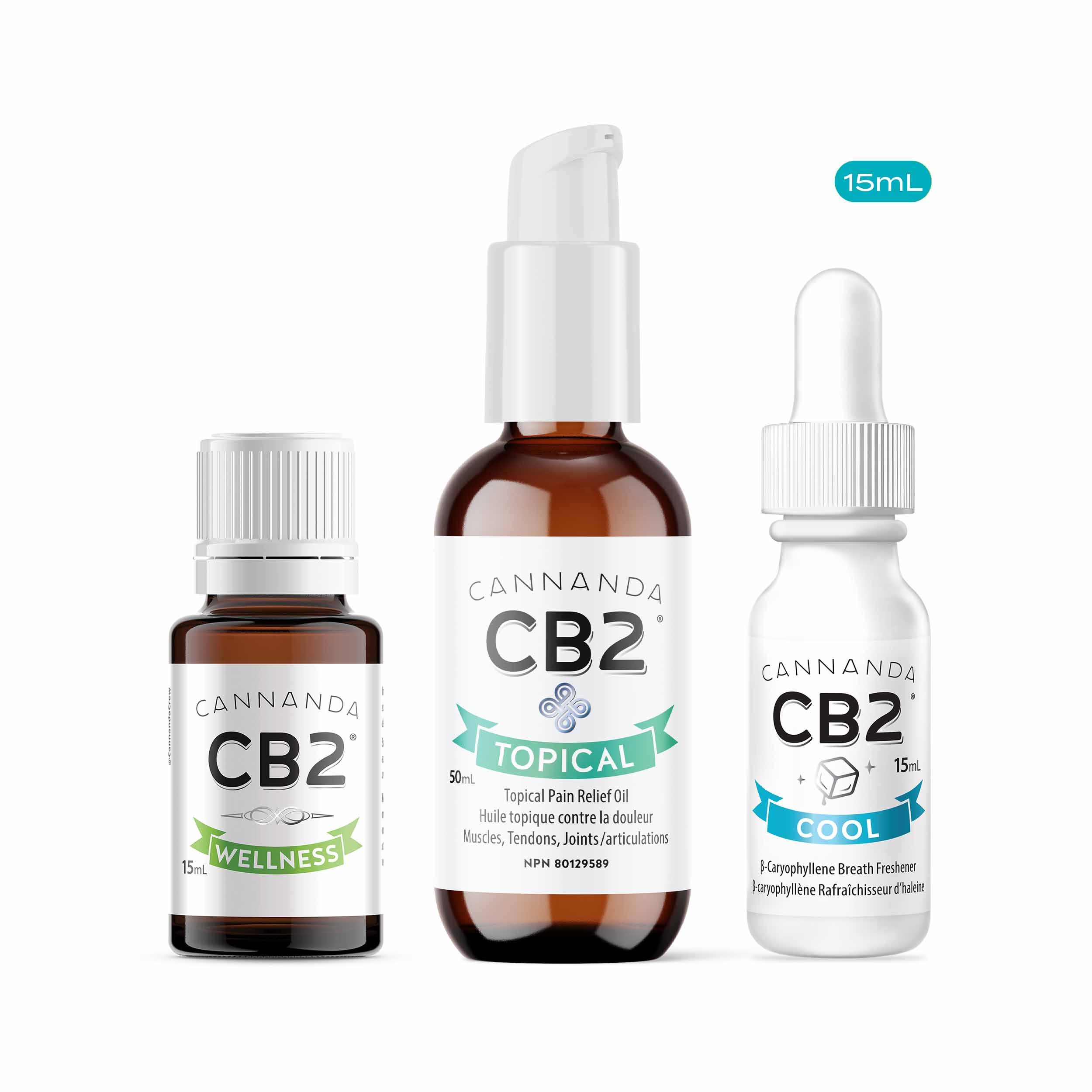
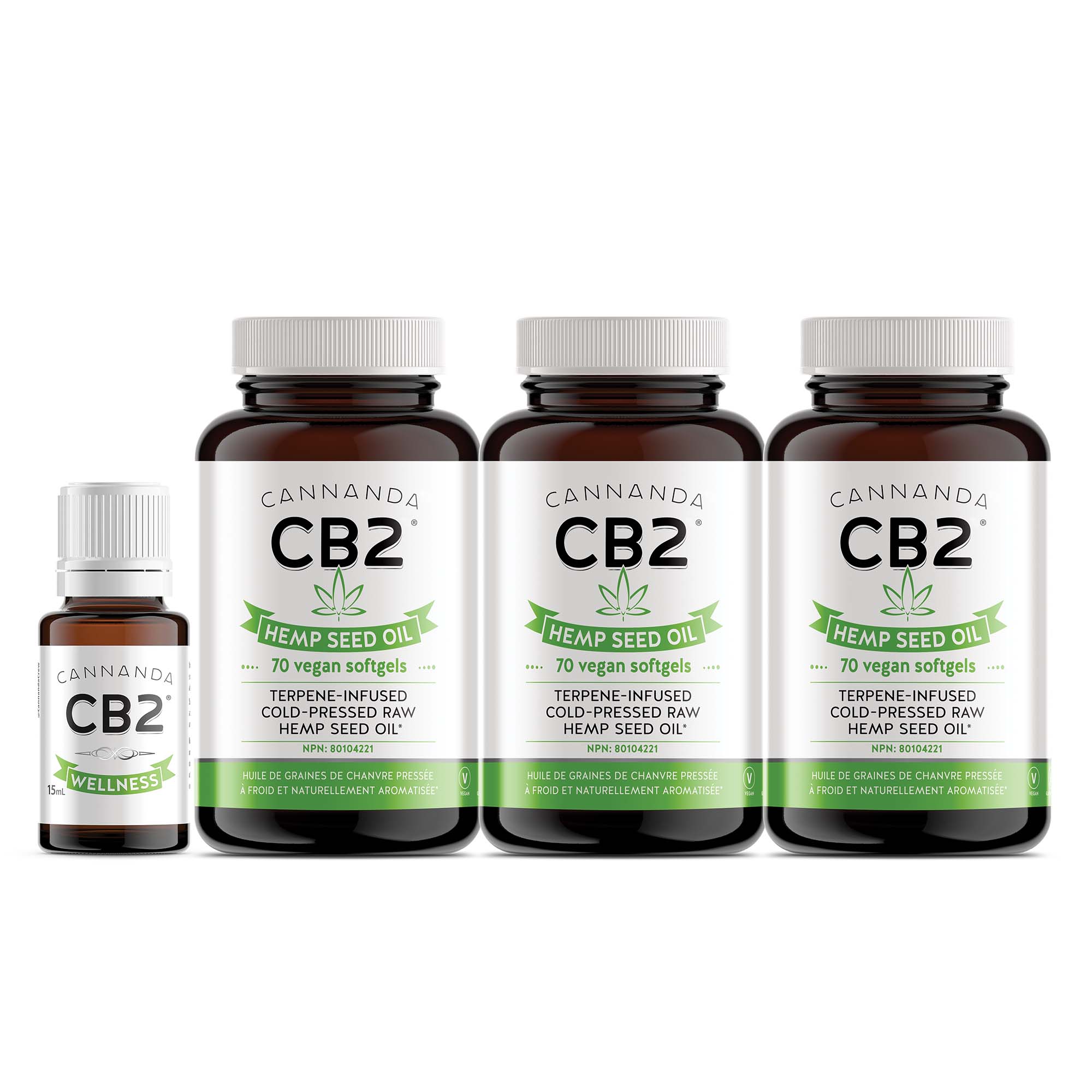
Practical timing: Take CB2 Wellness sublingually 30-60 minutes before an acupuncture session to prime CB2 receptor activation. The aromatic inhalation route can also be used in the treatment room itself.
Massage therapy reduces muscle tension, improves circulation, promotes deep relaxation, and accelerates recovery. It is especially beneficial for chronic pain, muscle soreness, and high stress levels. It is one of the most universally effective manual therapies available.
Why they work together
Massage therapy and CB2 oil address the same underlying conditions through different mechanisms. Massage works mechanically and neurologically: it stimulates mechanoreceptors in skin and muscle, improves lymphatic drainage, releases fascial restrictions, and activates the parasympathetic nervous system. CB2 oil works biochemically through receptor activation: reducing pro-inflammatory cytokines, modulating pain pathway transmission, and supporting ECS tone. The combination addresses both the mechanical and biochemical dimensions of pain and tension simultaneously.
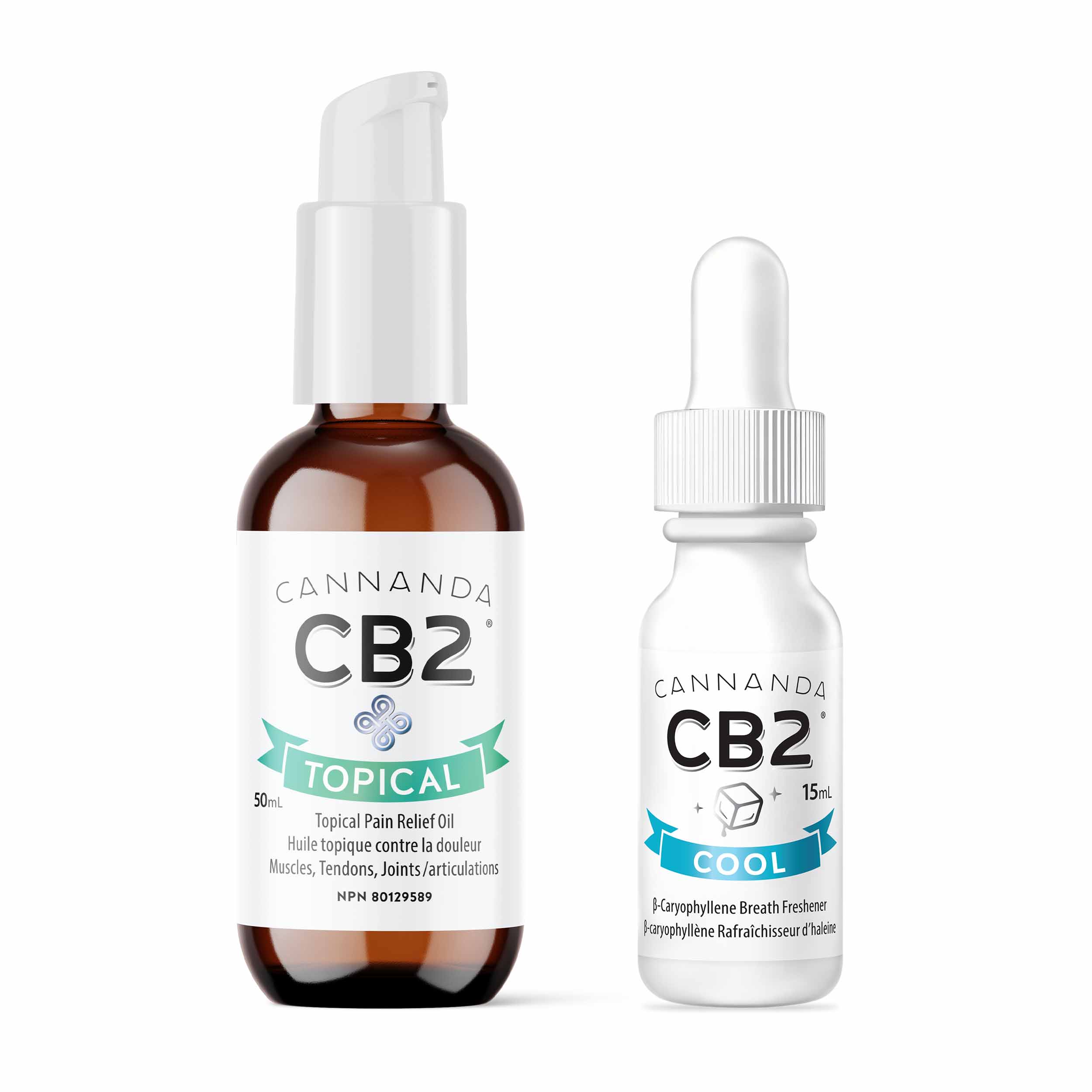
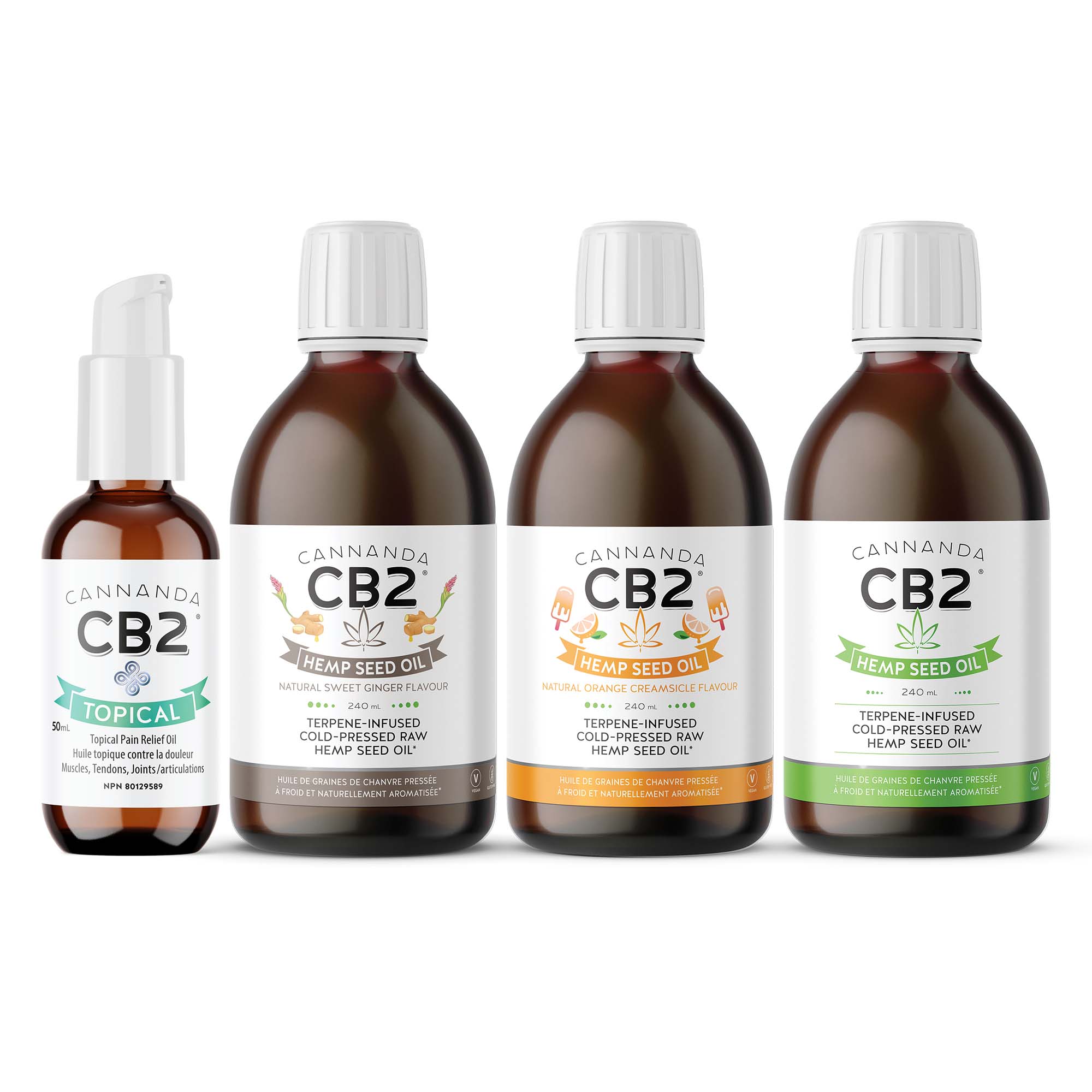
CB2 Topical Oil can also be applied directly to areas of tension or inflammation during massage, giving the therapist a potent anti-inflammatory carrier to work with. CB2 receptors are expressed throughout skin tissue and peripheral nerve endings, making topical application directly effective for localized conditions.
Benefits of combining CB2 oil with massage
- Pain relief and muscle relaxation: CB2 oil reduces inflammation and muscle tension, enhancing the relaxing effects of massage and making tight muscles more responsive to manual therapy.
- Improved circulation: Massage stimulates blood flow, which helps deliver BCP's anti-inflammatory effects to different areas of the body more effectively.
- Stress reduction: Both therapies work to relax the nervous system through complementary pathways, providing deeper relief from stress than either alone.
- Increased flexibility: Regular massage combined with BCP's anti-inflammatory effects can improve joint mobility and flexibility, especially in people with arthritis or musculoskeletal conditions.
Practical timing: Take oral CB2 oil with a meal 1-2 hours before a massage session. Ask your massage therapist about incorporating CB2 Topical Oil into the session for localized conditions.
Aromatherapy uses essential oils to promote emotional and physical well-being through diffusers, topical applications, or inhalation. Essential oils like lavender, chamomile, peppermint, and eucalyptus are used to reduce stress, improve mood, support sleep, and promote relaxation.
Why they work together
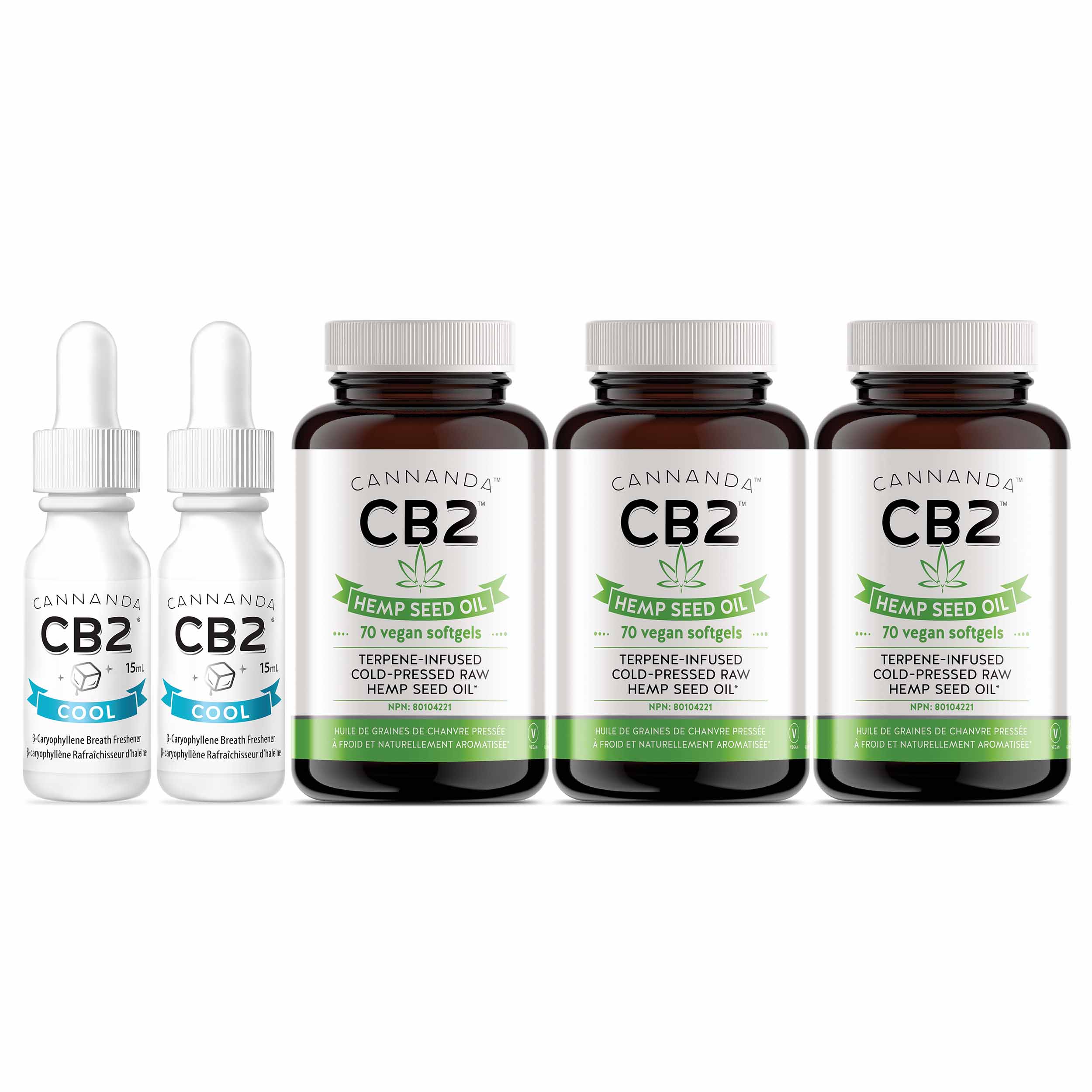
Beta-caryophyllene is itself a terpene, in the same chemical family as the aromatic compounds that make aromatherapy work. When you inhale CB2 Wellness drops directly, BCP travels through the olfactory epithelium along the olfactory nerve directly into the limbic system, the brain's emotional regulation centre. This is the same neural pathway that makes aromatherapy effective for mood and stress. Combining CB2 Wellness with complementary essential oils means supporting the olfactory-limbic pathway and the endocannabinoid system simultaneously: two independent routes to the same calming, regulating outcome.
Lavender's linalool and BCP together, for example, address the olfactory and CB2-receptor dimensions of stress response at the same time. Peppermint's menthol with BCP can support mental clarity and focus. Eucalyptus with BCP can support respiratory and anti-inflammatory pathways together.
Benefits of combining CB2 oil with aromatherapy
- Stress relief: Aromatherapy relaxes through the olfactory-limbic pathway; CB2 oil reduces physical tension and cortisol through CB2 receptor activation. Together, they address both the neurological and physiological dimensions of stress.
- Enhanced mood: Aromatherapy boosts emotional well-being; BCP helps balance mood and emotional stability through CB2-mediated neurotransmitter support.
- Better sleep: Lavender and calming essential oils promote sleep onset; CB2 oil supports deeper sleep architecture through ECS regulation.
- Pain management: BCP's anti-inflammatory CB2 effects complement aromatherapy's ability to reduce stress-driven physical discomfort.
Practical timing: Add a few drops of CB2 Wellness to your wrist and inhale alongside your diffuser. Or blend CB2 Wellness into a carrier oil with your preferred essential oils for topical aromatherapy application.
Yoga and meditation are among the most evidence-backed practices for reducing chronic stress, improving emotional regulation, supporting cardiovascular health, and building mind-body awareness. Their benefits operate through multiple pathways including HPA axis regulation, parasympathetic nervous system activation, and direct endocannabinoid release.
Why they work together
Regular yoga and meditation have been shown to raise anandamide levels, the body's primary endocannabinoid, and improve ECS tone over time. BCP directly activates CB2 receptors through a complementary, non-overlapping mechanism. Used together, they build ECS tone from two directions simultaneously: yoga and meditation raise endogenous endocannabinoid production; BCP directly activates the receptors those endocannabinoids bind to. The combined effect is more consistent ECS regulation, deeper states of calm, and better outcomes from the practices themselves.
For those with pain or stiffness that limits yoga practice, BCP's anti-inflammatory effects on joint health can reduce the physical barriers to engagement, making it possible to practice more fully and more consistently.
Benefits of combining CB2 oil with yoga or meditation
- Deeper relaxation: BCP's calming effects through the ECS help quiet the mental chatter that makes meditation difficult for beginners, supporting faster entry into meditative states.
- Reduced physical discomfort: Pre-practice CB2 oil reduces joint and muscle inflammation, making asanas more accessible and comfortable, particularly for people with chronic pain conditions.
- Enhanced mind-body integration: Both yoga and CB2 oil support parasympathetic nervous system dominance: the physiological state of rest, recovery, and heightened body awareness.
- Better sleep outcomes: The combination of evening yoga, meditation, and CB2 Wellness before bed is particularly effective for sleep quality, addressing both the mental and physiological dimensions of sleep disruption.
Practical timing: Take CB2 Wellness sublingually 20-30 minutes before a yoga or meditation session. For evening practice aimed at supporting sleep, combine with sublingual CB2 Wellness at bedtime.
Exercise is the single most evidence-backed intervention for physical health, mental health, cardiovascular function, and longevity. Among its many mechanisms, exercise is one of the most potent natural raises of endocannabinoid levels, particularly anandamide, which is responsible for the "runner's high" that builds motivation and post-exercise mood elevation.
Why they work together
Exercise raises anandamide (which primarily activates CB1 receptors); BCP directly activates CB2 receptors. The two together provide comprehensive ECS activation through complementary pathways. BCP's anti-inflammatory effects are particularly valuable for exercise recovery: post-exercise inflammation (the mechanism of delayed onset muscle soreness) responds well to CB2-mediated cytokine reduction, accelerating recovery time and reducing the pain that discourages consistent training.
BCP contains 0% THC and 0% CBD, and is not classified as a cannabinoid; it is safe for drug-tested athletes with no risk of a positive test.
Benefits of combining CB2 oil with exercise
- Faster recovery: CB2-mediated reduction in pro-inflammatory cytokines reduces delayed onset muscle soreness and supports tissue repair after training.
- Joint protection: For activities with high joint stress (running, lifting, team sports), BCP's anti-inflammatory effects help protect cartilage and synovial tissue over time.
- Mental performance: CB2 oil's mood and stress-modulating effects support the mental clarity and motivation needed for consistent training, without sedation or impairment.
- Safe for drug testing: 0% THC, 0% CBD: Cannanda CB2 oil is safe for competitive athletes under WADA and all sport-specific anti-doping codes.
Practical timing: Take oral CB2 oil with a pre-workout meal 1-2 hours before exercise for sustained anti-inflammatory support. Post-workout, aromatic inhalation of CB2 Wellness supports the anandamide elevation from exercise with complementary CB2 receptor activation.
A holistic approach to health includes dietary interventions and herbal support. Anti-inflammatory nutrients and compounds like omega-3 fatty acids, turmeric (curcumin), ginger, boswellia, and quercetin are well-supported by research for their benefits in reducing chronic inflammation, supporting immune function, and improving metabolic health.
Why they work together
Most herbal anti-inflammatories work through NF-kB suppression and COX-2 inhibition pathways. BCP reduces inflammation through CB2 receptor activation and PPAR receptor pathways, which are entirely distinct and non-overlapping. Combining BCP with herbal anti-inflammatories therefore addresses inflammation through multiple independent pathways simultaneously, which is generally more effective than higher doses of any single compound targeting one pathway.
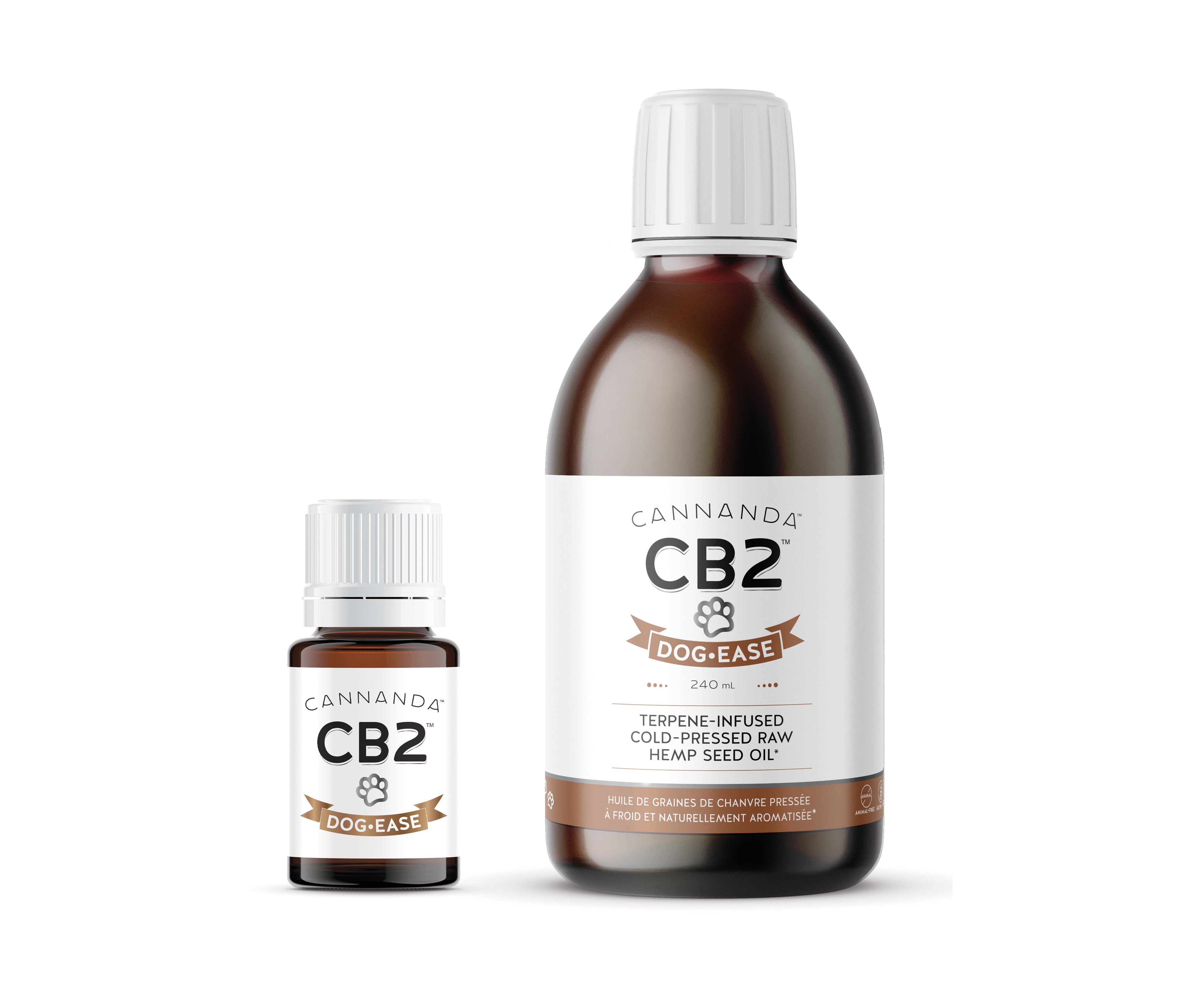
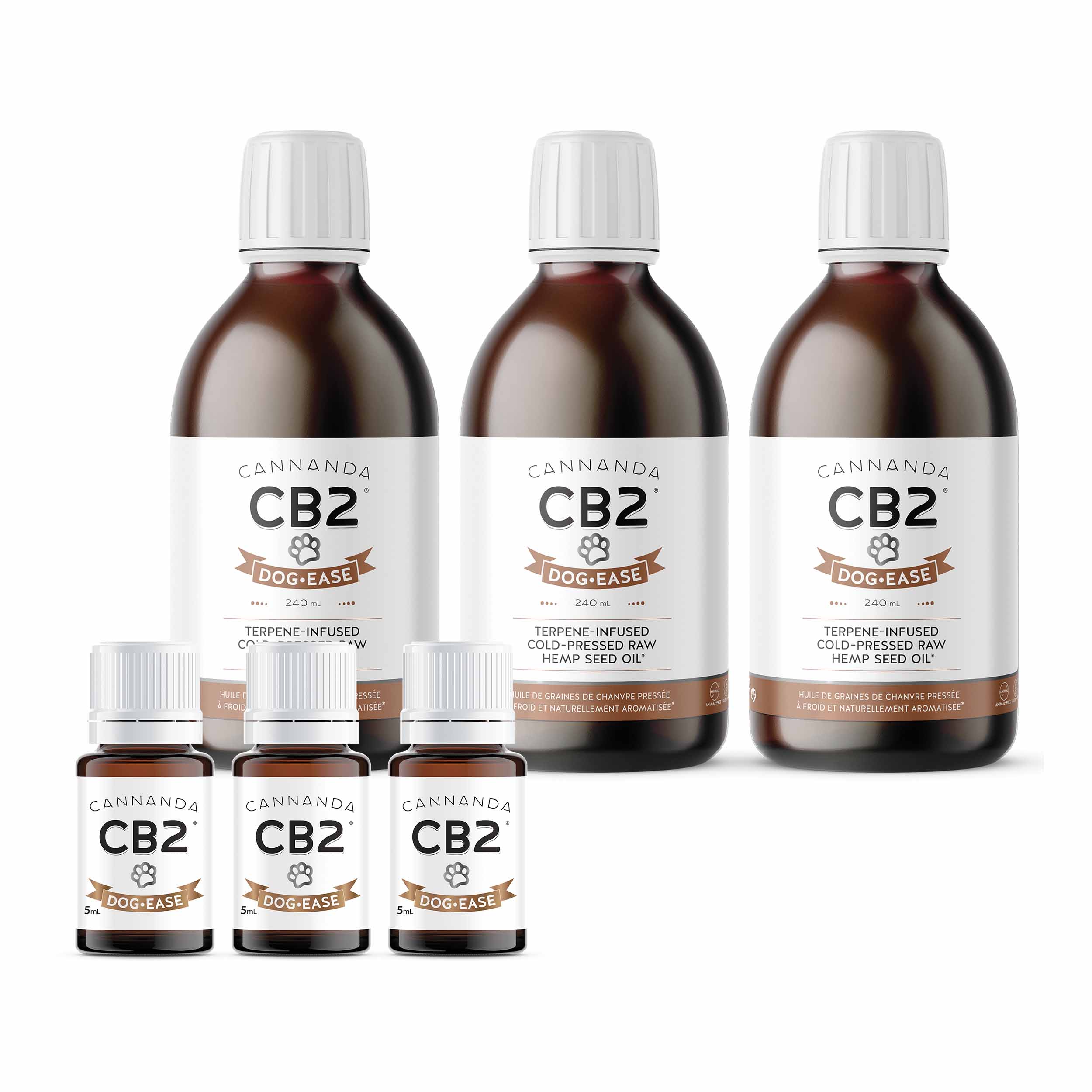
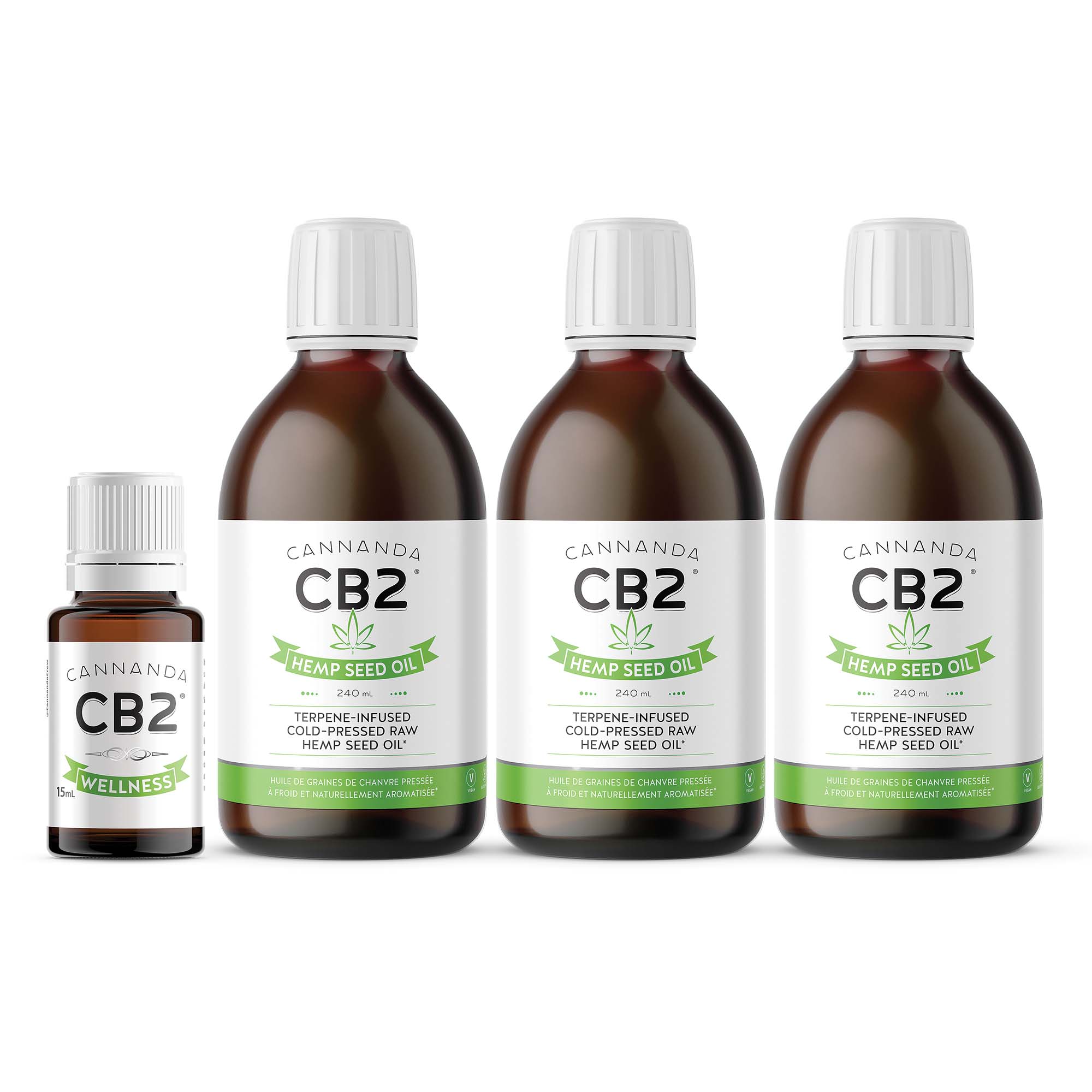
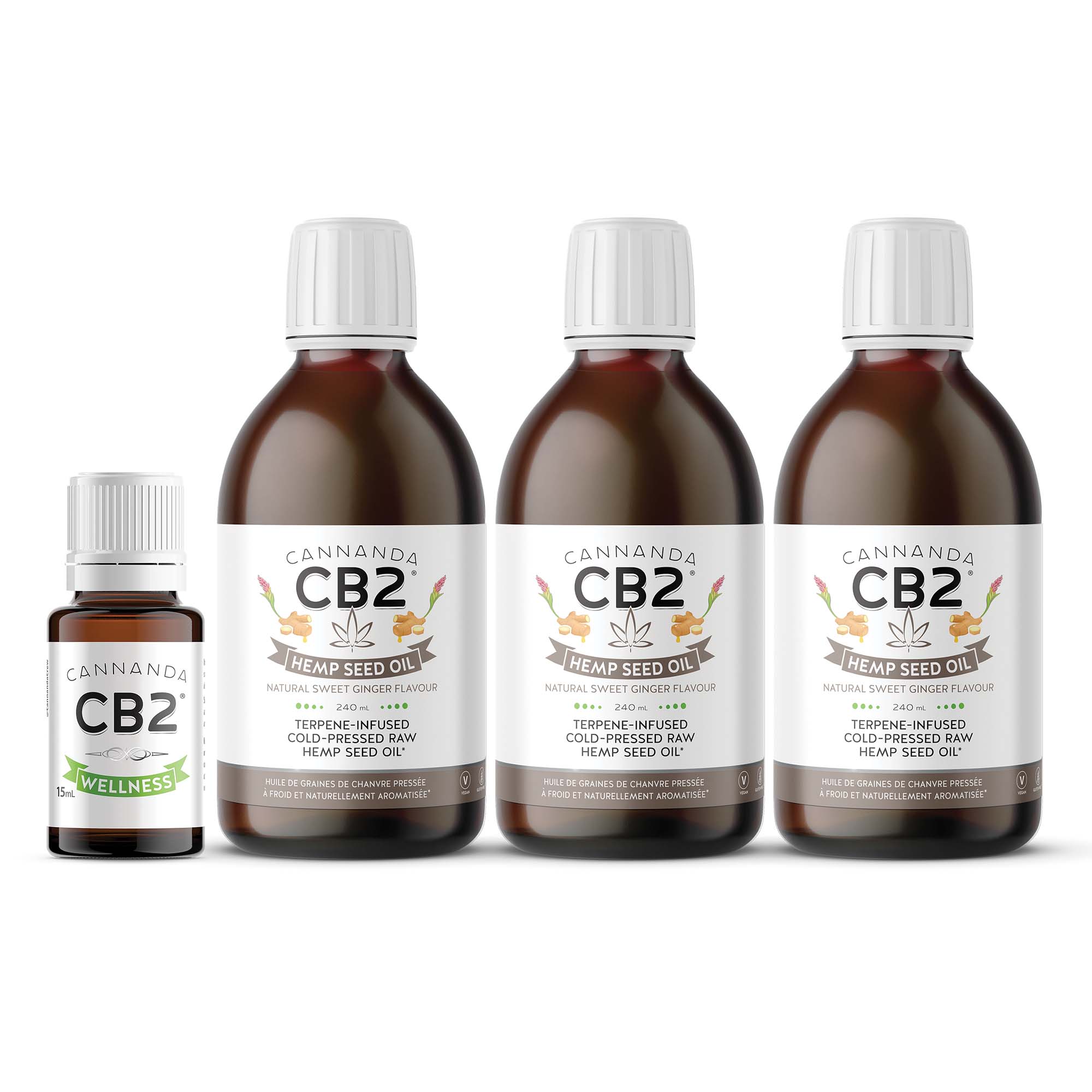
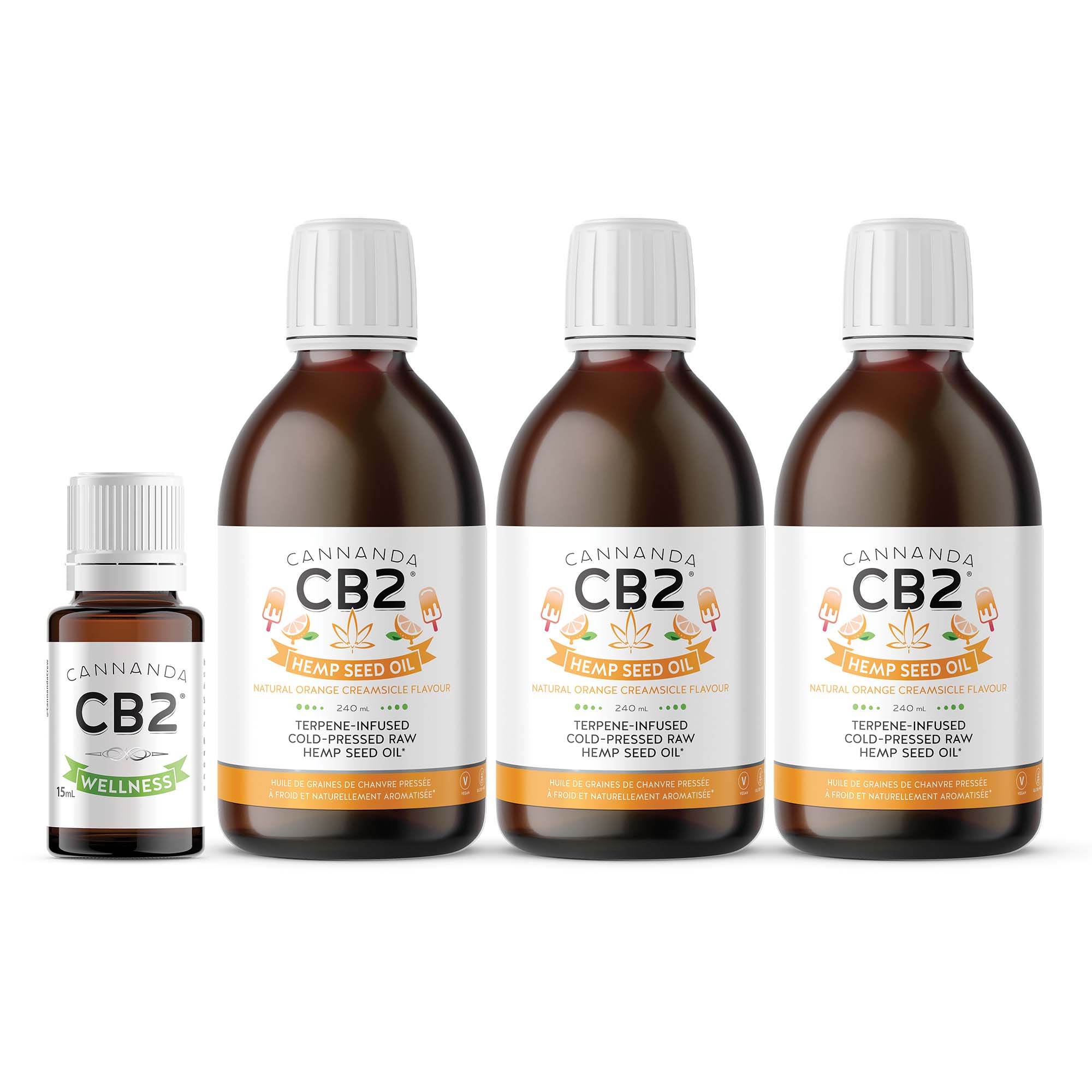
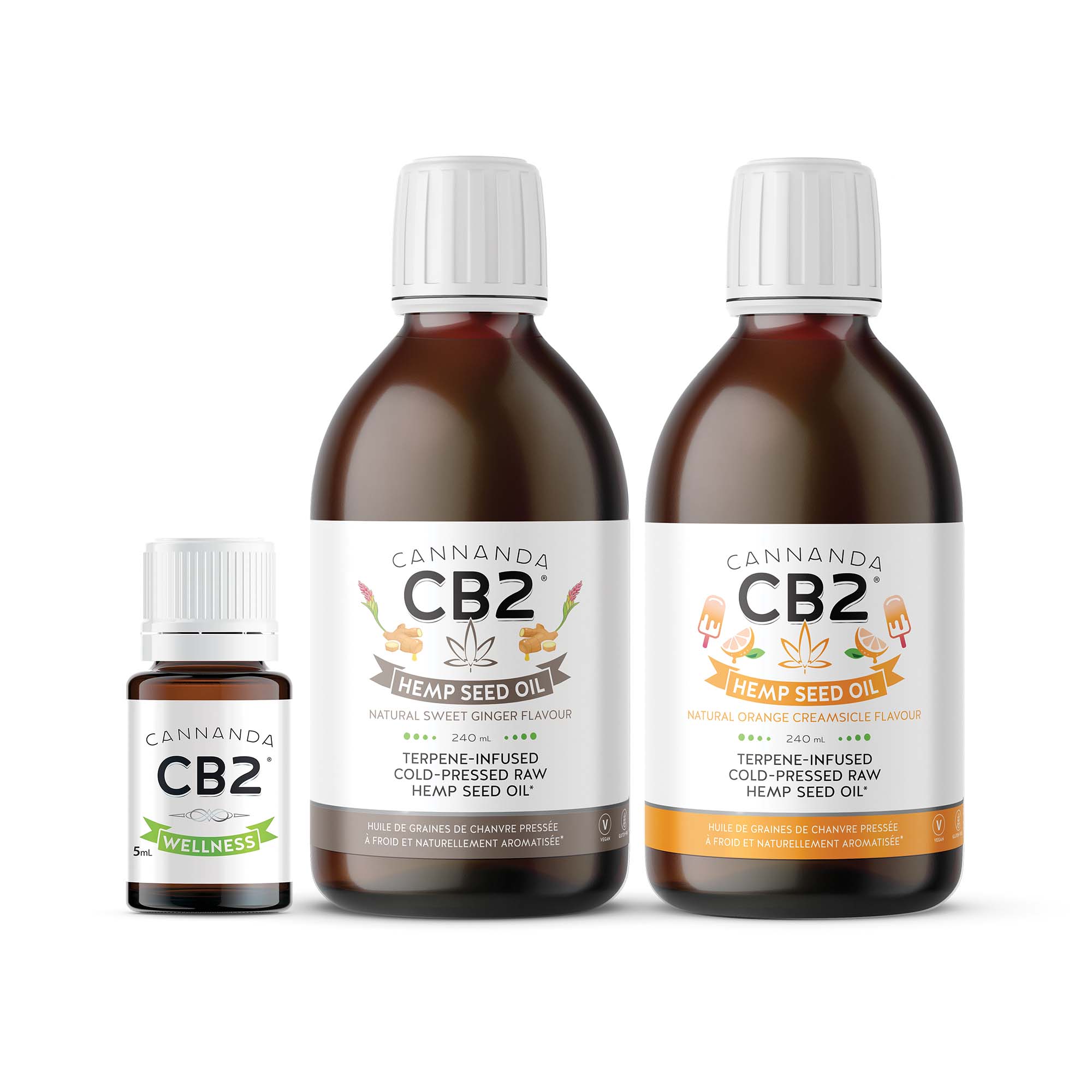
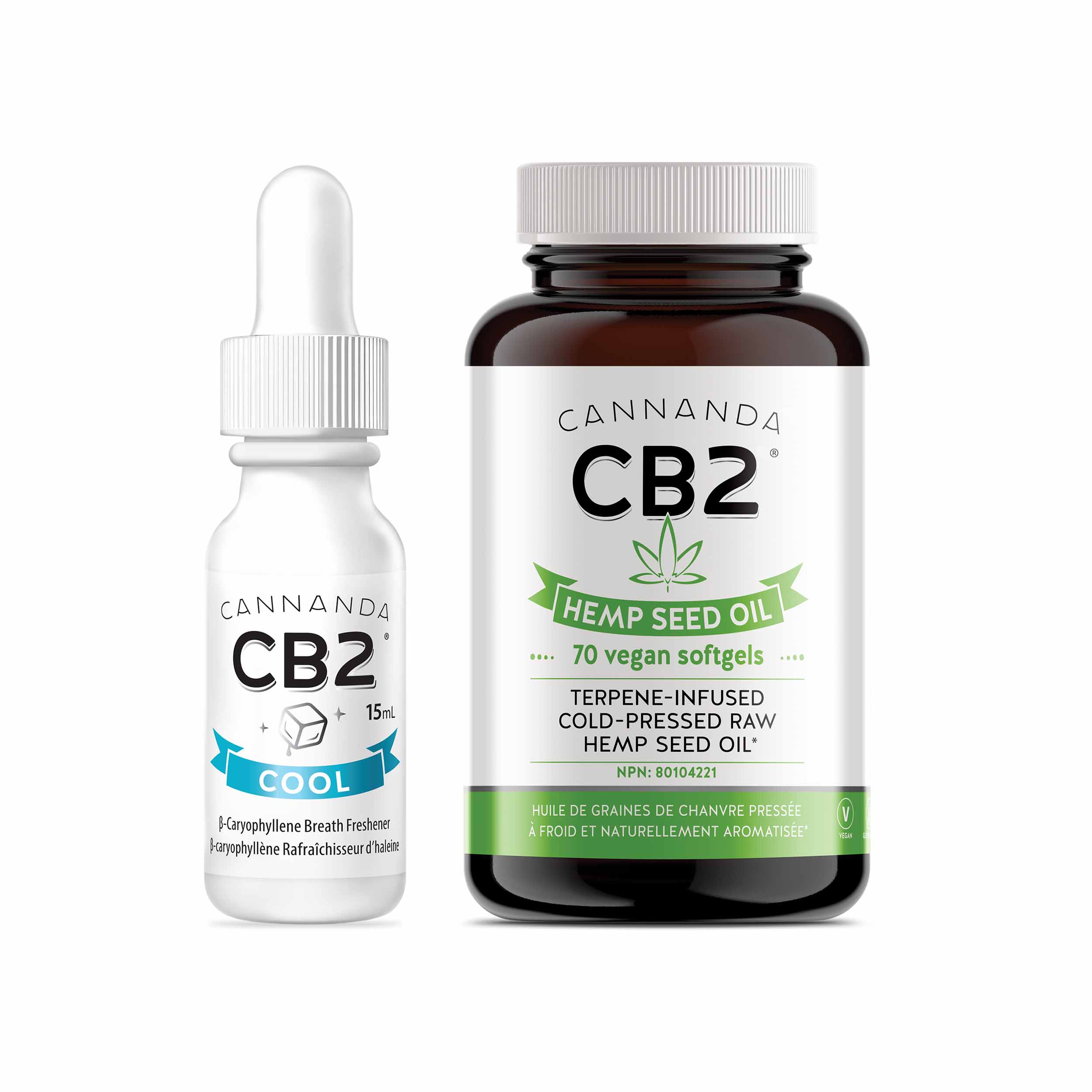
CB2 Hemp Seed Oil adds omega-3 fatty acids (ALA and SDA) that support anti-inflammatory prostaglandin production independently of BCP's receptor-mediated effects, making the full product a genuine nutritional addition to an already healthy diet.
Additional holistic practices that complement CB2 oil
- Herbal treatments: Turmeric, ginger, and boswellia reduce inflammation through COX-2 and NF-kB pathways that complement BCP's CB2 and PPAR pathways. No known interactions between BCP and these herbs.
- Proper nutrition: A diet rich in antioxidants, omega-3 fatty acids, and polyphenols supports the body's healing processes and reduces the inflammatory load that BCP then helps manage. See: BCP and metabolic health.
- Regular movement: Gentle activities like yoga, walking, or swimming maintain mobility, support circulation, and provide the anandamide boost that complements BCP's CB2 activation.
- Consistent sleep: BCP for sleep is one of the most commonly reported and appreciated benefits, and adequate sleep is the foundation without which all other interventions are less effective.
Practical guide: when to take CB2 oil with your therapies
Holistic care is about more than addressing physical ailments; it's about achieving balance and harmony across all dimensions of health. CB2 oil, with its ability to reduce inflammation and support the endocannabinoid system, plays a valuable role in this picture. It has an excellent safety profile, no known drug interactions at recommended doses (with the exception of medications that have a narrow therapeutic window), and FDA GRAS food-ingredient status.
As always, consult with your healthcare provider before incorporating new supplements or therapies into your routine, particularly if you are managing specific health conditions or taking prescription medications. Inform your acupuncturist, massage therapist, or other practitioners that you are using CB2 oil so they can tailor their approach accordingly.
The natural foundation for a holistic wellness routine
Non-intoxicating. No drug interactions for most people. Multiple routes of administration. GRAS-status ingredients. Physician-formulated. Works with everything you're already doing.
Frequently Asked Questions
Can I use CB2 oil alongside prescription medications?
Yes, for most people. Unlike CBD, which inhibits CYP450 liver enzymes that metabolize most medications, BCP has no known adverse drug interactions at recommended doses. The one exception is medications with a narrow therapeutic window (such as warfarin or certain seizure or thyroid medications), where you should check with your doctor before adding BCP. This makes CB2 oil one of the most medication-compatible natural supplements available. Always inform your healthcare provider about supplements you are taking, particularly if you are managing specific health conditions.
How does CB2 oil enhance the effects of acupuncture?
Both acupuncture and BCP activate the body's endocannabinoid system. Acupuncture has been shown to stimulate endocannabinoid release and upregulate cannabinoid receptor expression at acupuncture points. BCP directly activates CB2 receptors independently. Used together, they address ECS regulation through complementary pathways, providing enhanced pain relief, reduced inflammation, and deeper relaxation than either therapy alone.
Can CB2 oil be used topically for massage?
Cannanda CB2 Topical Oil is specifically formulated for topical application and can be incorporated into massage sessions for localized anti-inflammatory and pain-relieving effects. CB2 receptors are expressed throughout skin tissue and peripheral nerve endings, making topical application particularly effective for arthritis, muscle soreness, and joint inflammation.
How does CB2 oil work with aromatherapy?
Beta-caryophyllene is itself a terpene, in the same chemical family as the aromatic compounds used in aromatherapy. Aromatic inhalation of CB2 Wellness delivers BCP to the limbic system via the olfactory pathway within minutes. Combining this with complementary essential oils (lavender for calm, peppermint for alertness, eucalyptus for respiratory support) creates synergistic effects through both the olfactory and ECS pathways simultaneously.
Is CB2 oil safe to use before or after exercise?
Yes. BCP has no sedative or performance-impairing effects, making it safe before, during, and after exercise. Its anti-inflammatory properties support post-exercise recovery by reducing the inflammatory response causing delayed onset muscle soreness. It contains 0% THC and is safe for drug-tested athletes. Taking CB2 oil after exercise also aligns with exercise's own ability to raise anandamide levels, creating complementary ECS support.
Can I use CB2 oil with herbal supplements like turmeric or ginger?
Yes. BCP has no known interactions with herbal supplements at recommended doses. Turmeric, ginger, and boswellia reduce inflammation through NF-kB and COX-2 pathways. BCP reduces inflammation through CB2 receptor and PPAR receptor pathways. These mechanisms are complementary and non-overlapping, meaning combining them addresses inflammation through multiple independent pathways simultaneously.
When is the best time to take CB2 oil alongside other therapies?
For physical treatments (acupuncture, massage, chiropractic), take CB2 oil 30-60 minutes before the session. For aromatherapy and meditation, aromatic inhalation of CB2 Wellness immediately before or during practice provides the fastest ECS support. For exercise, oral CB2 oil with a pre-workout meal and aromatic inhalation post-session supports both performance and recovery. For daily foundation, CB2 Hemp Seed Oil with meals morning and evening builds sustained ECS tone over time.