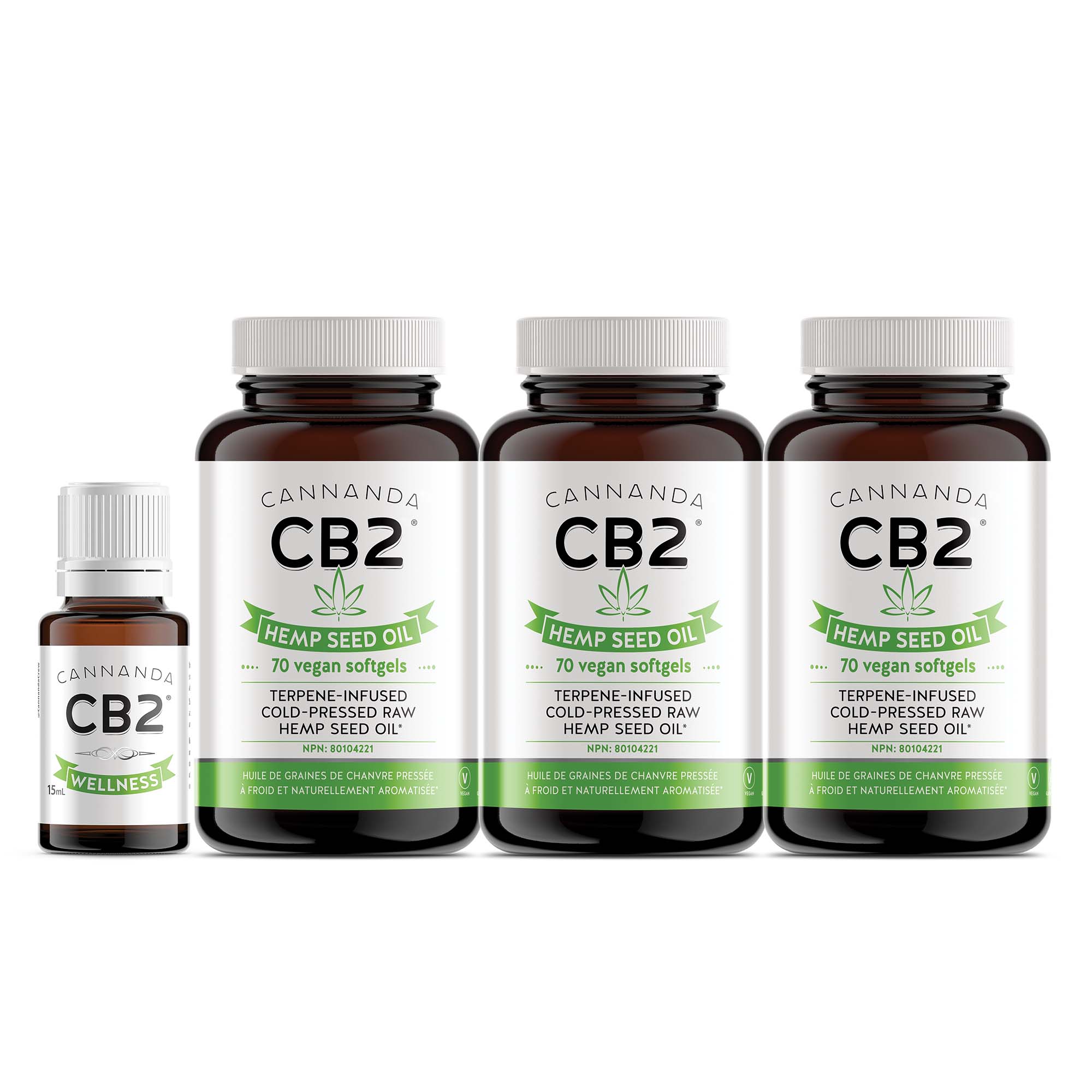
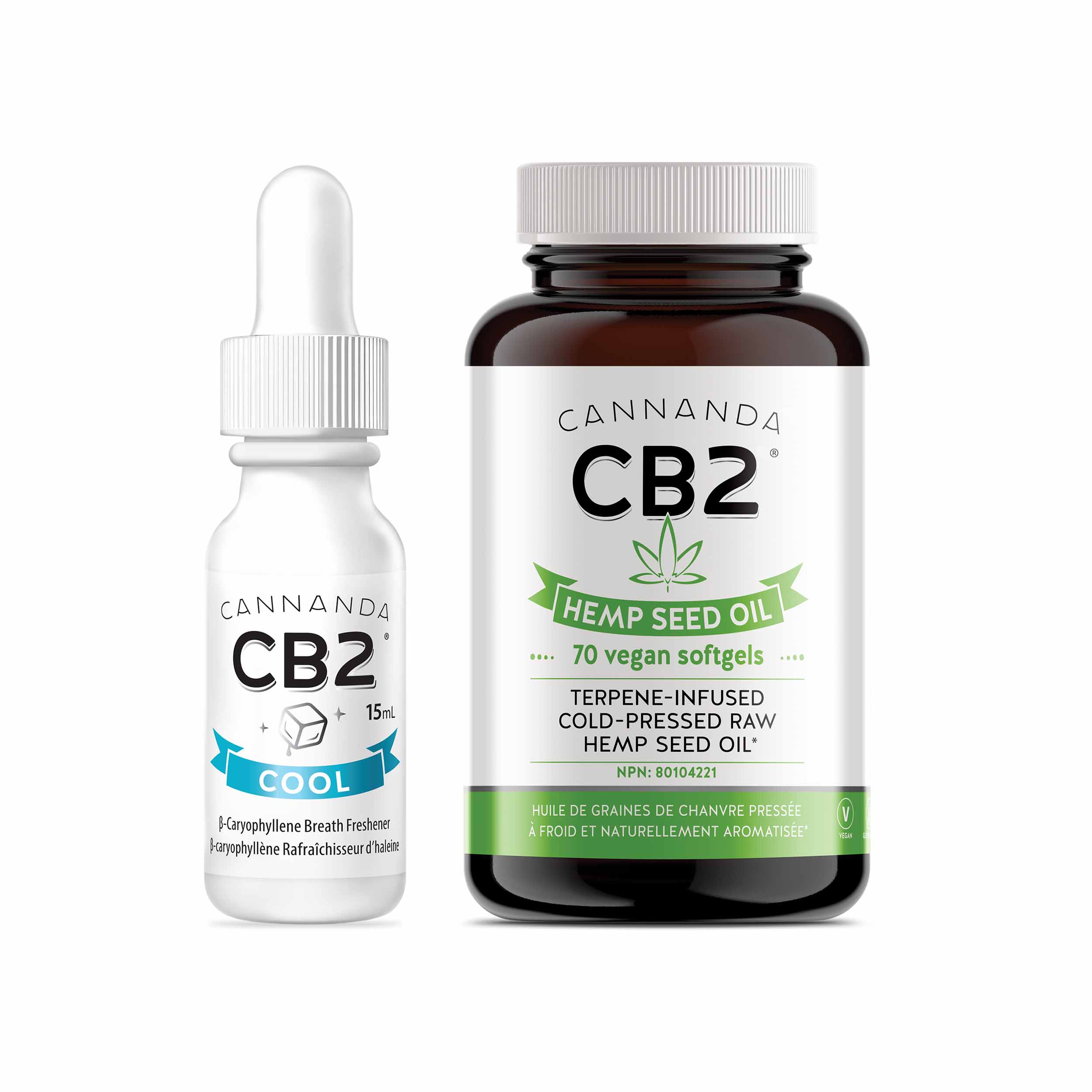
CBD vs. CB2 Oil for Dogs: Safety, Efficacy, and Drug Interactions Compared
An honest look at how these two natural options differ, and which one is the better starting point for most dogs

This article is for dog owners considering CBD or CB2 oil for a dog dealing with joint pain, arthritis, anxiety, or general wellness. It's especially relevant if your dog is already on medication, the drug interaction differences between CBD and CB2 oil are significant and worth understanding before you start either one.
Both CBD and CB2 oil can help dogs, but they're not equivalent:
- CB2 oil has a higher success rate: ~60-70% vs ~33% for CBD for pain
- CB2 oil is Health Canada approved for dogs. CBD is not. Health Canada hasn't approved a single CBD product for dogs and has raised liver health concerns
- CB2 oil is safer for dogs on medication. CBD inhibits liver enzymes that metabolize many common drugs; CB2 oil does not at recommended doses (still not recommended with drugs that have a narrow therapeutic window)
- CB2 oil won't sedate your dog. It doesn't affect CB1 receptors in the brain, so there's no drowsiness or cognitive change
Start with CB2 oil. Only consider CBD if CB2 oil hasn't worked after a fair trial.
How They Work Differently in Your Dog's Body
Both CBD and CB2 oil interact with your dog's endocannabinoid system (ECS), the network of receptors that helps regulate pain, immune response, mood, and inflammation. But they take very different routes to get there.
How CBD Works
Cannabidiol (CBD) is a non-psychoactive compound found in hemp and marijuana plants. It doesn't bind directly to cannabinoid receptors, instead, it works indirectly, modulating the ECS and interacting with several other receptor systems and enzymes throughout the body. This broad pharmacology is part of why CBD can address so many different conditions, but it's also why it comes with a more complex side effect and drug interaction profile.
How CB2 Oil Works
Cannanda CB2® oil is built around beta-caryophyllene (BCP), a food-grade terpene that directly activates CB2 receptors, the receptors in your dog's immune system and peripheral tissues that govern inflammation and pain response. Because BCP is selective for CB2 receptors and doesn't affect CB1 receptors in the brain, it delivers targeted anti-inflammatory and pain support without any central nervous system effects.
Think of it this way: CBD casts a wide net across the ECS and beyond, while CB2 oil puts the active compound exactly where inflammation and immune activity live, the CB2 receptor, and nothing else.
Side-by-Side Comparison
| Factor | CBD Oil | CB2 Oil (BCP) |
|---|---|---|
| Mechanism | Indirect ECS modulation, multiple receptors | Direct CB2 receptor activation |
| Success rate (pain) | ~33% (1 in 3) | ~60-70% (2 in 3) |
| Health Canada approved for dogs | No: not a single product approved | Yes: joint pain, stress, immune, wellness |
| Liver health concerns | Raised by Health Canada, UK, US FDA | No known concerns at recommended doses |
| Drug interactions | Inhibits CYP450 liver enzymes | No known interactions at recommended doses* |
| Sedation / drowsiness | Possible: affects CB1 receptors | No: CB2 selective only |
| Appetite changes | Possible | Not reported |
| Best for dogs on medication | Requires vet consultation (interaction risk) | Preferred choice for medicated dogs |
| Arthritis and joint pain | Effective for some dogs | First-line recommendation. Health Canada approved. |
| Anxiety support | Effective for some dogs | Effective, especially via inhalation for acute moments |
* Do not use (or consult your vet prior to use) if your dog is taking any prescription medication with a narrow therapeutic window.
Safety: Where the Real Differences Are
CBD and Liver Health
Health Canada has not approved any CBD product for dogs, and has specifically raised questions about CBD's impact on liver health in animals. This concern is shared by regulatory authorities in the UK (which has limited available doses) and the US FDA (which removed CBD's GRAS status as a safe food ingredient). These aren't fringe concerns, they're regulatory flags from multiple jurisdictions independently arriving at the same place.
For a supplement you're giving your dog daily over months or years, liver health matters. CBD may be fine for many dogs, but it's worth knowing this regulatory picture before you start.
CB2 Oil and Liver Health
Beta-caryophyllene has FDA GRAS status as a food ingredient. It's found in black pepper, cloves, oregano, and other everyday foods. No liver health concerns have been raised by Health Canada, the FDA, or any other regulatory body at the doses Cannanda recommends. This is a meaningful distinction from CBD.
Drug Interactions: The Most Important Difference for Medicated Dogs
This is where the gap between CBD and CB2 oil is most clinically significant. CBD inhibits a group of liver enzymes called CYP450, the same enzymes that metabolize a long list of common medications. When CBD slows down these enzymes, drugs stay in the bloodstream longer and at higher concentrations than intended. For a dog on anti-seizure medication, heart drugs, or strong painkillers, that's a real risk.
BCP does not inhibit CYP450 enzymes at Cannanda's recommended doses. This is why CB2 oil is specifically recommended as the safer option for dogs on prescription medication. You should still let your vet know you're adding any new supplement, but the interaction concern that applies to CBD simply doesn't apply to CB2 oil at normal use levels.
If your dog takes anti-seizure drugs, heart medications, insulin, or any other prescription medication with a narrow therapeutic window, do not use either CBD or CB2 oil without consulting your vet first.
Efficacy: What the Numbers Actually Say
The success rate difference is the most compelling practical argument for trying CB2 oil first. Based on data gathered from thousands of users, both human and canine, Cannanda CB2 oil has an estimated success rate of 60-70% for pain and inflammation. That puts it roughly in line with popular over-the-counter pharmaceutical medications for pain relief.
By contrast, CBD's success rate for pain based on human data is approximately 33%, around 1 in 3. Some dogs will do very well on CBD. But if you flip a coin and it lands on tails, you've spent money and time on something that isn't working, while your dog is still in pain.
The logical sequence is: try CB2 oil first, give it a genuine trial of 2-4 weeks, and only move to CBD if CB2 oil doesn't produce meaningful improvement. This isn't anti-CBD, it's just working from higher probability of success to lower probability, and from safer to less safe.
What Conditions Benefit from CB2 Oil in Dogs
CB2 oil is Health Canada approved for dogs specifically for:
- Joint pain and arthritis
- Stress and anxiety
- Immune system support
- General wellness
Beyond the label indications, dog owners commonly report benefits for hip dysplasia, chronic pain from injuries, noise phobia (fireworks, thunder), separation anxiety, post-surgical recovery, and general slowing of age-related decline. The mechanism, CB2 receptor activation reducing inflammation and modulating immune response, is relevant to all of these.
When to Use CBD Instead
CBD does have a broader pharmacological profile than CB2 oil, and for some dogs it may be the better fit, particularly in cases where CB2 oil hasn't worked after a fair trial.
The recommendation is straightforward:
- Start with CB2 oil if your dog has joint pain, arthritis, inflammation, anxiety, or general wellness needs. It's Health Canada approved, has a higher success rate, costs less per effective dose, and is safer for dogs on medication.
- Consider CBD if your dog has tried CB2 oil for at least 3-4 weeks without meaningful improvement. Consult your vet first, especially if your dog is on other medications.
Dosage and Administration
CB2 Oil for Dogs
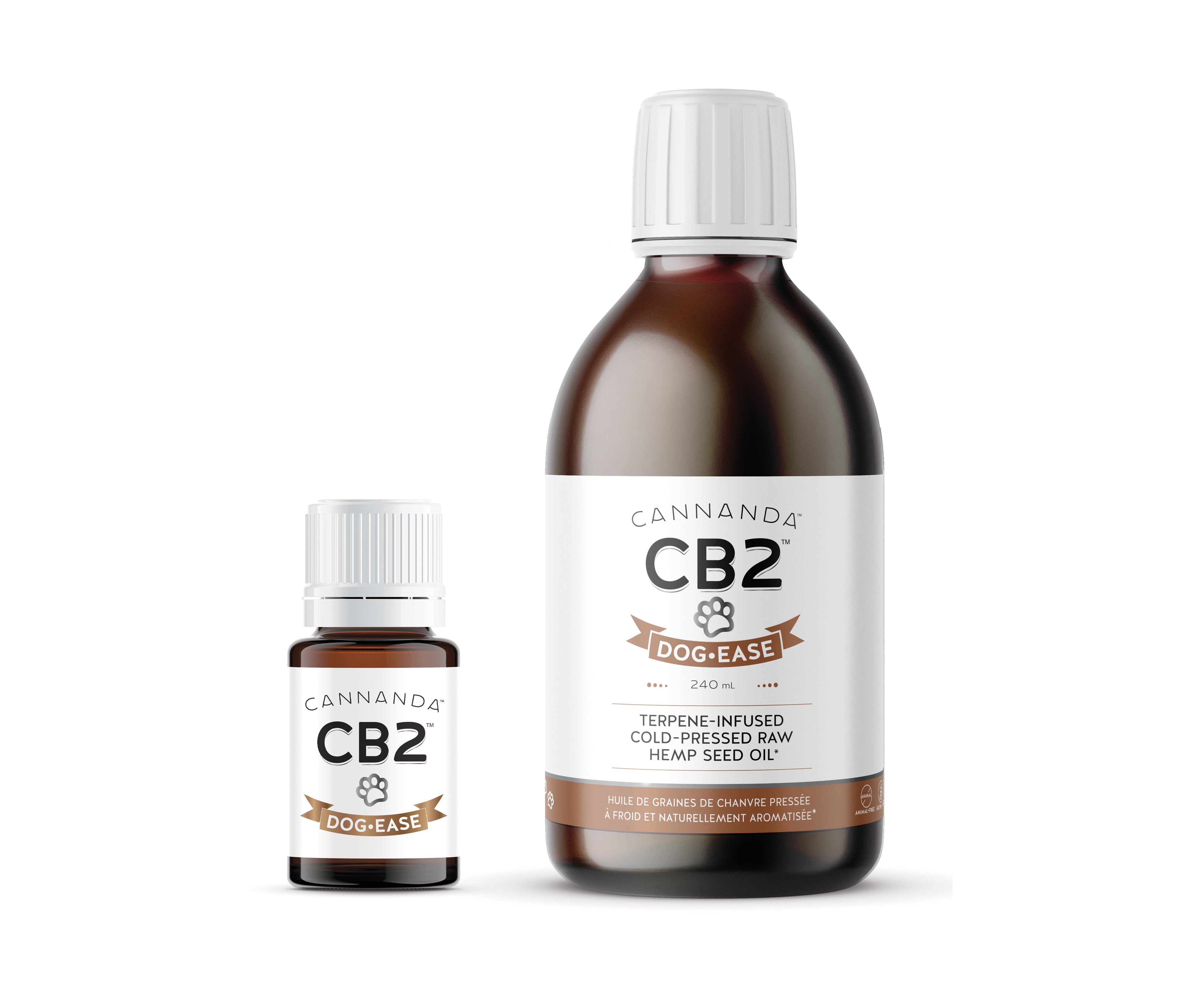
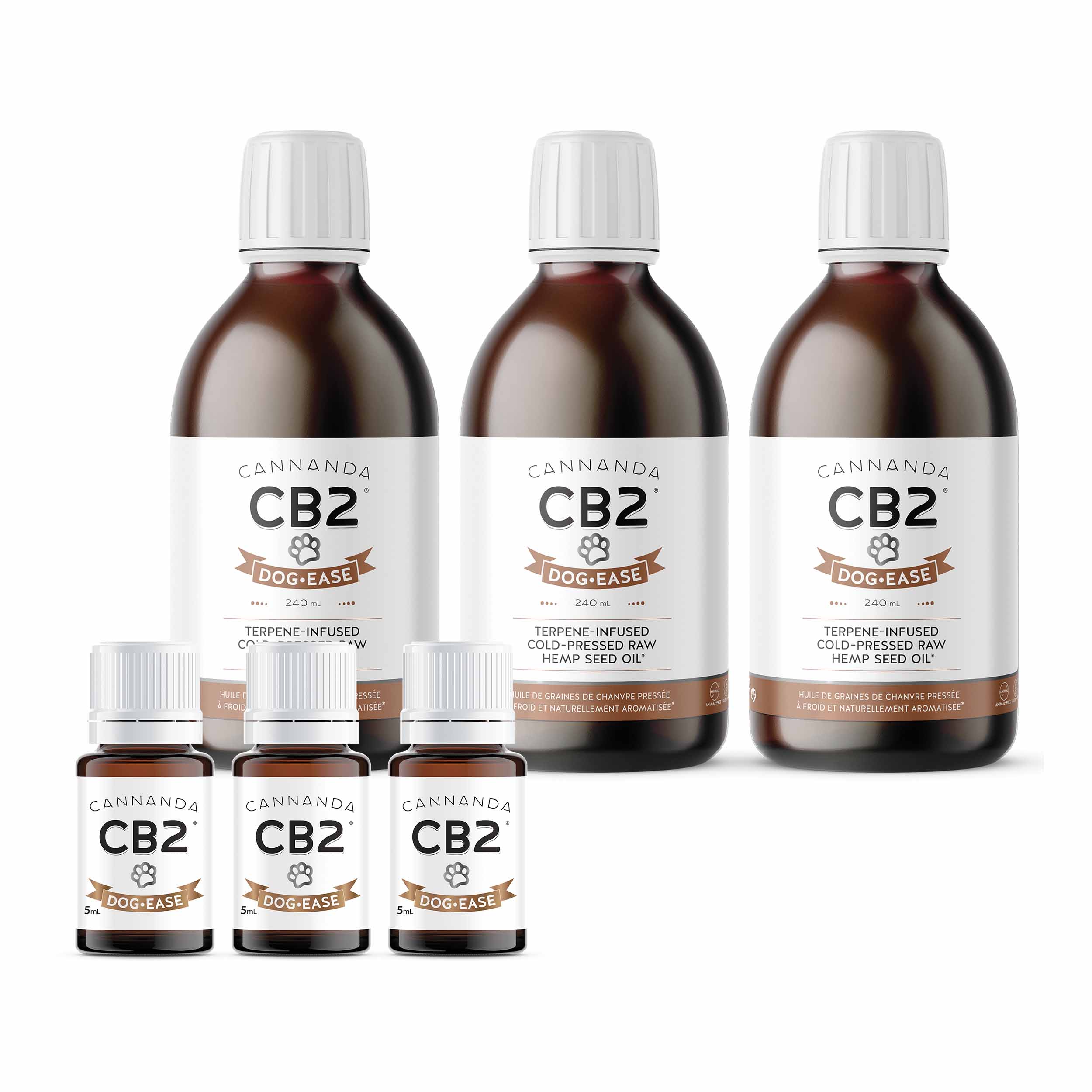
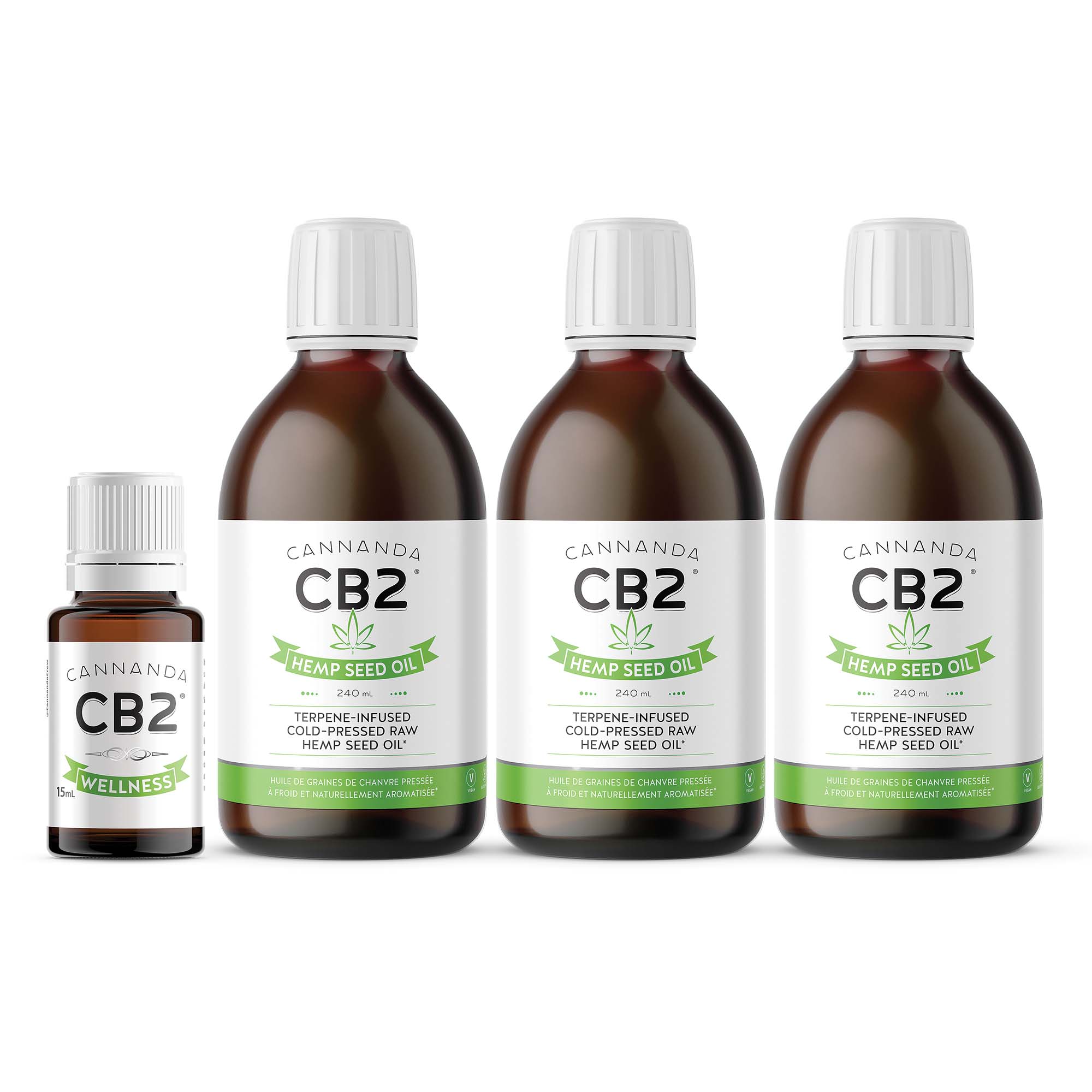
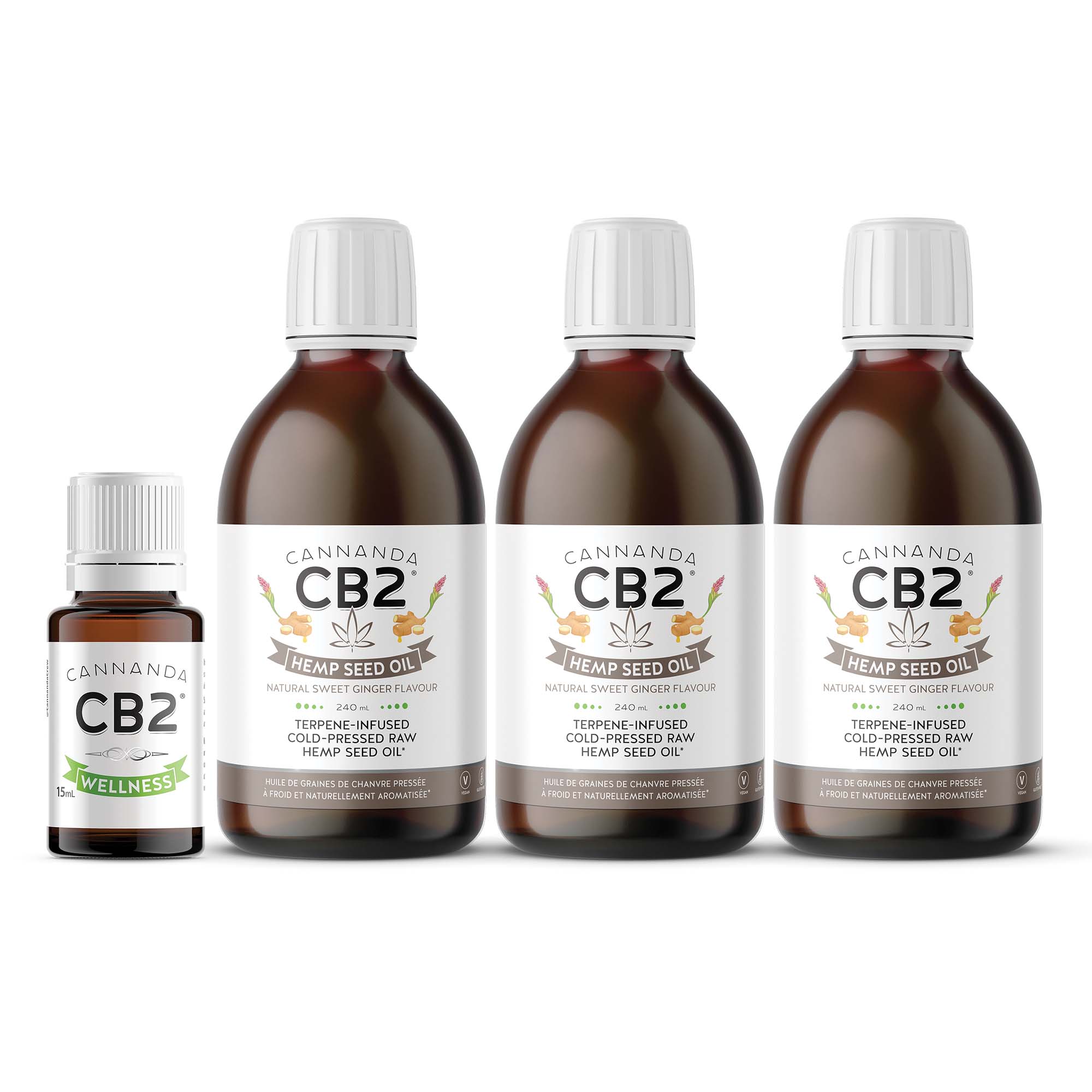
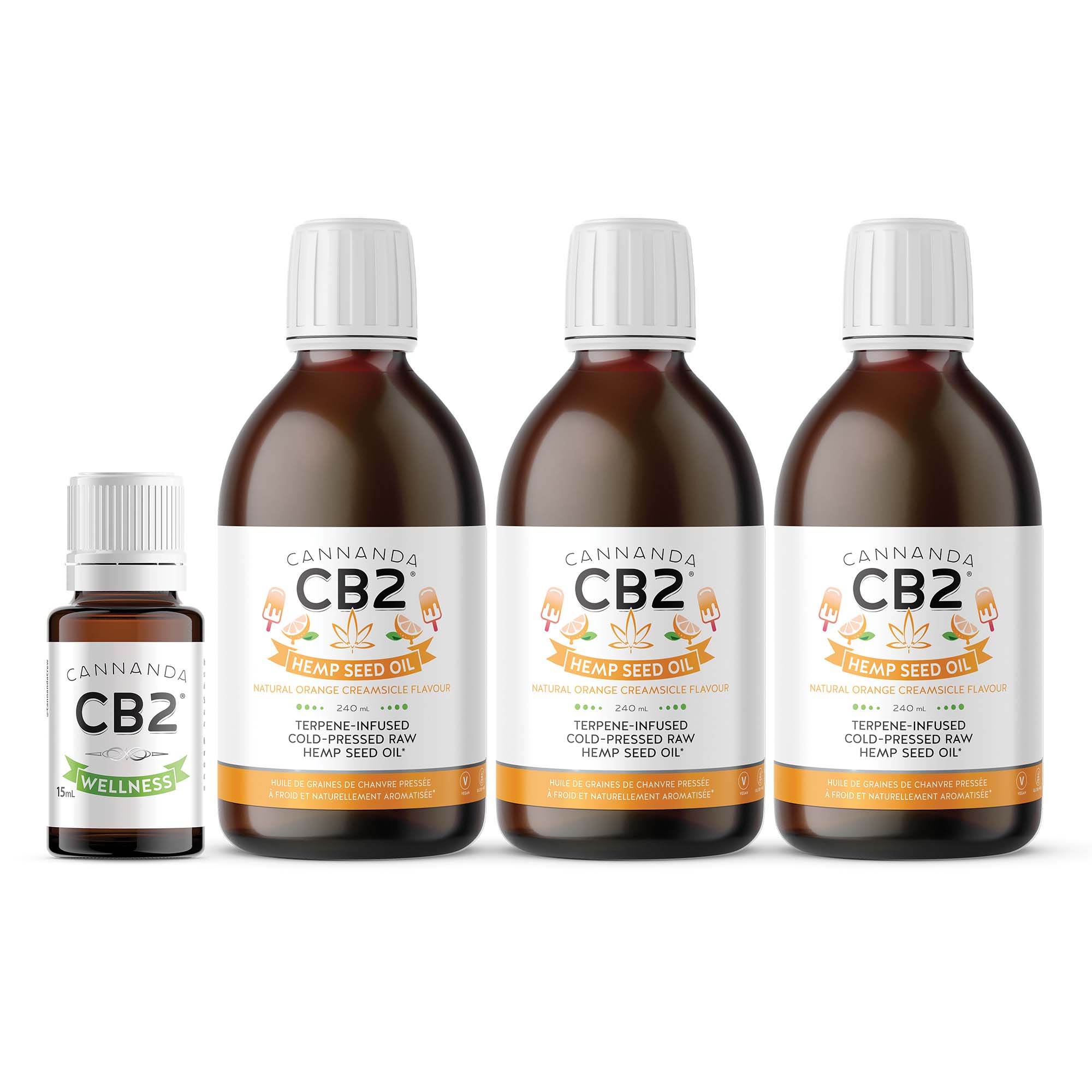
Cannanda's Dog-Ease products come in two formats. The CB2 Dog-Ease Hemp Seed Oil can be added directly to your dog's food, it blends easily with wet food and most dogs tolerate the taste well. The CB2 Dog-Ease Terpene Blend can be given orally or used in an aromatherapy diffuser, which is particularly useful for anxiety situations like fireworks or car travel (and can be used topically for injuries, bug bites, and hot spots). Both come with weight-based dosing guidelines. Start at the low end and adjust over the first 1-2 weeks based on your dog's response.
CBD Oil for Dogs
CBD dosage for dogs varies based on weight, age, and condition severity. It's important to start with a low dose and increase gradually while monitoring for side effects like drowsiness, changes in appetite, or digestive upset. If your dog is on any prescription medications, consult your vet before starting CBD, the drug interaction risk is real and needs to be managed.
Recommended CB2 Products for Dogs

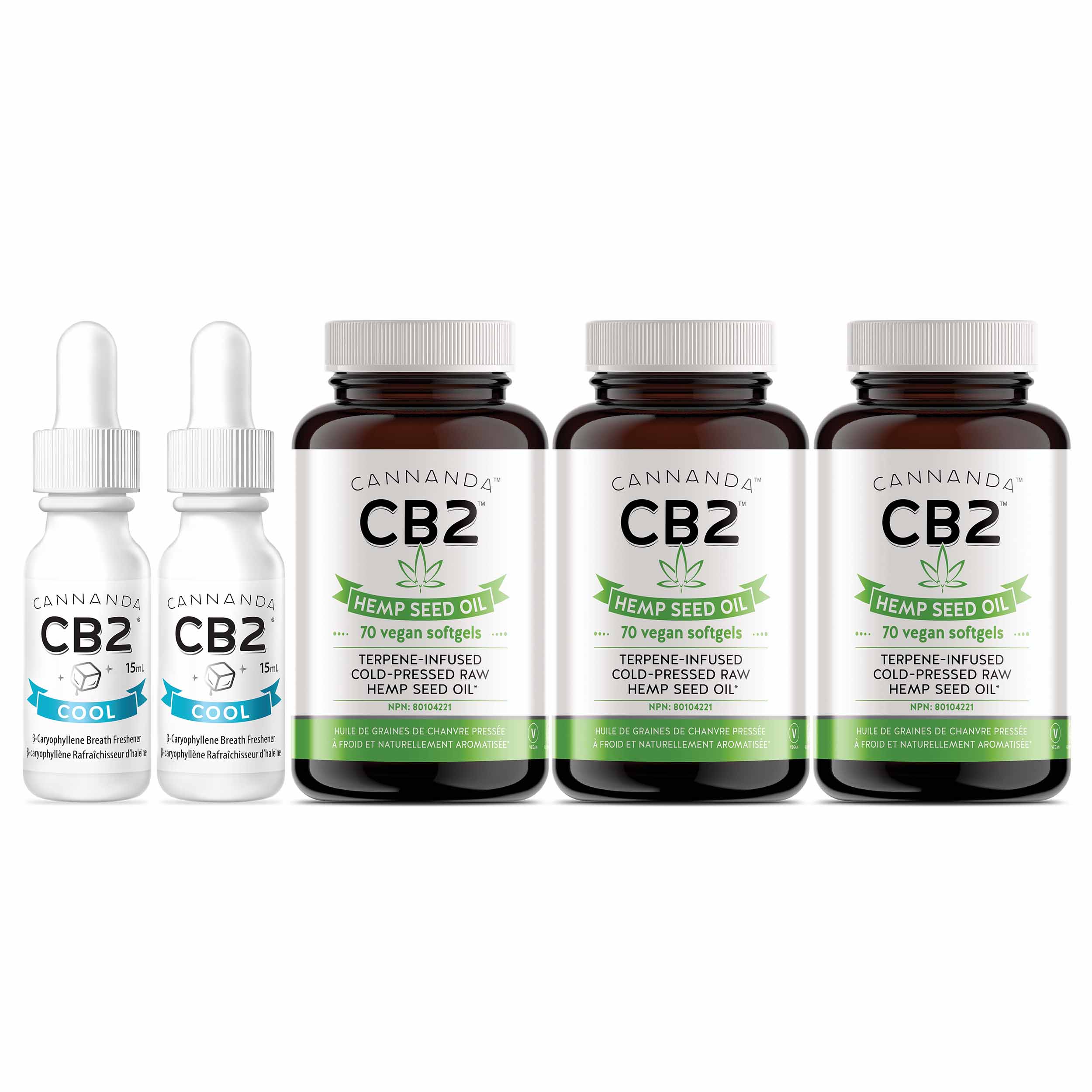
Shop the full Dog-Ease range →
Frequently Asked Questions
Is CB2 oil or CBD better for dogs with arthritis?
CB2 oil is generally the better first choice. It directly activates CB2 receptors in joint tissue involved in inflammation, is Health Canada approved for joint pain in dogs, has a 60-70% estimated success rate, and carries no drug interaction risk at recommended doses. CBD can also help with arthritis, but has a lower success rate and can interact with medications commonly prescribed for older dogs.
Can I give my dog CB2 oil if they're already on medication?
CB2 oil is the safer choice for dogs on medication. CBD inhibits CYP450 liver enzymes that metabolize many drugs including anti-seizure medications, heart medications, and painkillers. BCP does not affect these enzymes at Cannanda's recommended doses. Always let your vet know when adding any new supplement, but CB2 oil is specifically the better choice with medicated dogs for this reason. The only exception is where a dog is on a prescription drug with a narrow therapeutic window (insulin, some seizure medications, etc.)
Is CBD oil approved for dogs in Canada?
No. Health Canada has not approved any CBD product for use in dogs and has raised questions about CBD's impact on liver health in animals. Cannanda's CB2 oil for dogs is Health Canada approved for joint pain, stress, immune system support, and general wellness.
What is the success rate of CB2 oil for dogs?
Based on data from thousands of users, Cannanda CB2 oil has an estimated success rate of 60-70%, which is roughly 2 out of 3 dogs will experience meaningful benefit. CBD's estimated success rate for pain is around 33%, or about 1 in 3.
What conditions can CB2 oil help with in dogs?
CB2 oil is Health Canada approved for joint pain, stress, immune system support, and general wellness in dogs. Common uses also include hip dysplasia, chronic pain, anxiety (noise phobia, separation anxiety), post-surgical recovery, and healthy aging support.
Does CB2 oil make dogs drowsy or high?
No. BCP selectively activates CB2 receptors in peripheral tissue and immune cells, it doesn't affect CB1 receptors in the brain. There's no sedation, intoxication, or cognitive change. CBD can sometimes cause drowsiness in dogs; CB2 oil does not.
Can I use CB2 oil alongside CBD for my dog?
Yes. BCP and CBD work through different receptor pathways and don't negatively interact. Some owners use CB2 oil daily and add CBD for specific situations. That said, for most dogs CB2 oil alone is sufficient, and starting with it first makes sense given its higher success rate and cleaner safety profile.
How do I give CB2 oil to my dog?
Dog-Ease CB2 Hemp Seed Oil can be added directly to your dog's food. The Dog-Ease Terpene Blend can be given orally, used in a diffuser, or used topically. Both come with weight-based dosing guidelines. Start at the low end and adjust over 1-2 weeks.
Is CB2 oil safe for long-term daily use in dogs?
Yes. BCP is a food-grade terpene with FDA GRAS status found naturally in black pepper, cloves, and other everyday foods. It has an excellent safety profile with no known toxicity at normal doses. Many dog owners use it daily for months or years, particularly for chronic conditions like arthritis.