

Beta-Caryophyllene (BCP) for Sleep: Benefits and Dosage Guidelines
A natural approach to better sleep. How beta-caryophyllene addresses the root causes of sleep disruption, and the exact dosage guidelines for using Cannanda CB2 oil.
You struggle with sleep, whether that's falling asleep, staying asleep, or waking up feeling unrefreshed. You've looked at natural options and you're curious about BCP for sleep. This article explains the mechanism clearly and gives you specific dosage numbers to work with.
Beta-caryophyllene (BCP) supports sleep through three mechanisms: it reduces inflammation and pain that disrupt sleep, alleviates anxiety that prevents sleep onset, and supports the endocannabinoid system's role in circadian rhythm regulation. It does not cause sedation, dependency, or morning grogginess. Starting dose: 25–50 mg BCP in the evening. Cannanda's recommended daily range: 60–120 mg/day. Some people find their sweet spot up to 240 mg/day. Use CB2 Hemp Seed Oil with dinner or CB2 Wellness sublingually at bedtime.
Beta-caryophyllene (BCP) is a naturally occurring compound that interacts with the CB2 receptors in the endocannabinoid system. Known for its anti-inflammatory and analgesic properties, BCP also holds genuine promise for improving sleep quality. Unlike sedative sleep aids, it doesn't suppress REM sleep, cause next-morning grogginess, or create dependency.
Most natural sleep aids work by sedating the nervous system (the same approach as pharmaceutical sleep medications, just milder). BCP works differently. It addresses the three most common biological reasons people can't sleep well: inflammation, pain, and anxiety. Fix those, and sleep usually improves on its own.
Why good sleep is so hard when inflammation is high
Poor sleep and chronic inflammation have a bidirectional relationship: inflammation disrupts sleep, and poor sleep worsens inflammation. This is why people with chronic pain conditions (e.g., fibromyalgia, arthritis, neuropathy) almost universally report sleep problems. It's also why treating the inflammation directly is a more fundamental approach to sleep than sedating the nervous system.
The endocannabinoid system plays a direct role in regulating sleep-wake cycles and circadian rhythms. CB2 receptors are expressed in brain regions involved in sleep regulation. When those receptors are activated, as they are by BCP, the result is support for deeper, more restorative sleep phases without the grogginess associated with sedative approaches.
Three ways BCP supports sleep
BCP activates CB2 receptors, reducing pro-inflammatory cytokines and neuroinflammation that interfere with sleep architecture. Helps manage conditions like fibromyalgia, arthritis, and chronic pain that cause chronic pain-related sleep disturbances.
BCP alleviates anxiety and promotes relaxation through CB2 receptor-mediated mood regulation, improving sleep onset and overall mood without sedation. Unlike benzodiazepines, it doesn't impair cognition or create dependency. Improves overall mood, which positively affects sleep quality.
Reduces pain that can hinder restful sleep through direct CB2 receptor activation, which is particularly beneficial for individuals with chronic pain conditions like arthritis, fibromyalgia, and neuropathy. When pain doesn't wake you up at 3am, you stay in deeper sleep stages longer.
BCP vs conventional sleep aids
| Factor | Conventional sleep aids | BCP (CB2 oil) |
|---|---|---|
| Mechanism | Sedates nervous system | Reduces root cause disruptions |
| Suppresses REM sleep | Yes (many types) | No |
| Morning grogginess | Common | None |
| Dependency risk | Yes (especially benzodiazepines) | No |
| Rebound insomnia on stopping | Common | No |
| Drug interactions | Yes, multiple | None documented at recommended doses* |
| Safe long-term | Concerns with chronic use | Yes, GRAS-status ingredients |
| Addresses pain and anxiety too | Partially | Yes, same mechanism |
*Except for those on a medication with a narrow therapeutic window, who should talk to a doctor before starting.
Benefits of BCP for sleep
- Improved sleep onset: Helps fall asleep faster by reducing anxiety and promoting relaxation through CB2 receptor-mediated calming effects.
- Better sleep quality: Enhances the quality of sleep, leading to fewer awakenings and deeper sleep stages. The endocannabinoid system directly regulates sleep architecture (CB2 activation supports healthy transitions between sleep phases).
- Reduced pain and discomfort overnight: Alleviates pain that can disrupt sleep, particularly beneficial for those with chronic pain conditions.
Dosage guidelines for BCP for sleep
Cannanda CB2 oil is the most established BCP supplement for sleep. Here are specific dosage recommendations based on Cannanda's official guidance and body-surface-area extrapolation from the research:
| Stage | BCP dose | Notes |
|---|---|---|
| Starting dose | 25–50 mg/evening | General wellness range. Start here and assess over 1–2 weeks. |
| Typical effective range | 60–120 mg/day | Cannanda's official recommendation. Where most people find their sweet spot. |
| Higher end | 120–240 mg/day | Some people need more due to body weight, metabolism, or severity. Consult a healthcare provider if on medications. |
| Practical ceiling | ~240 mg/day | Upper limit based on customer experience and study extrapolation. If you reach this without effect, CB2 may not be a fit for your body. |
Studies relevant to sleep support studies suggest 100–250 mg/day of BCP as the human-equivalent dose for anxiety and relaxation effects in a 60 kg adult. Cannanda's official guidance caps at 120 mg/day as the safe, well-tolerated daily target for most people. Those who need more based on body weight or individual response may find up to 240 mg/day beneficial (this is the observed practical ceiling from years of customer feedback, and aligns with what the study extrapolation predicts). Take BCP with a fat-containing meal to maximize absorption; BCP is fat-soluble and absorbs poorly on an empty stomach.
Which product to use for sleep
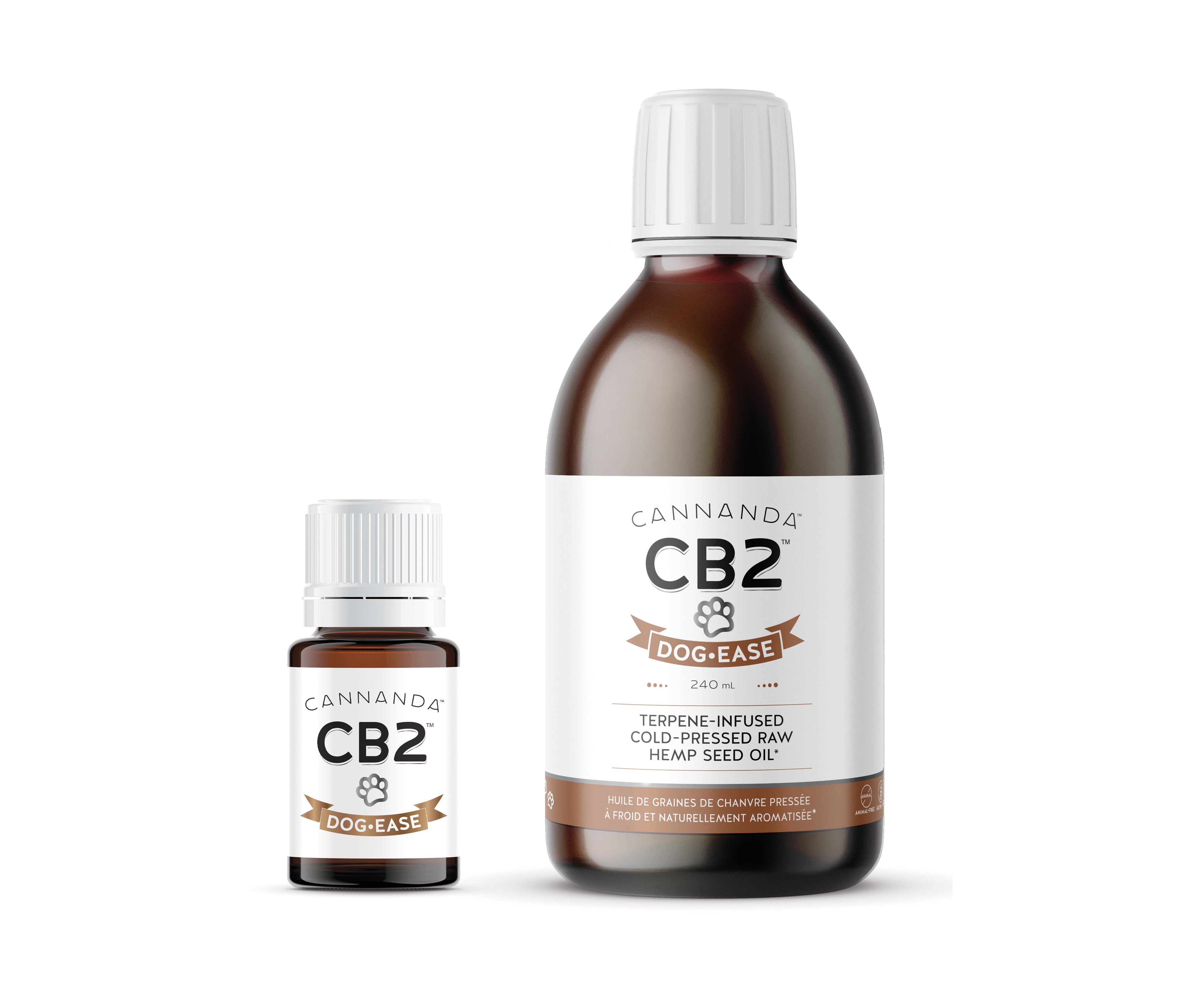
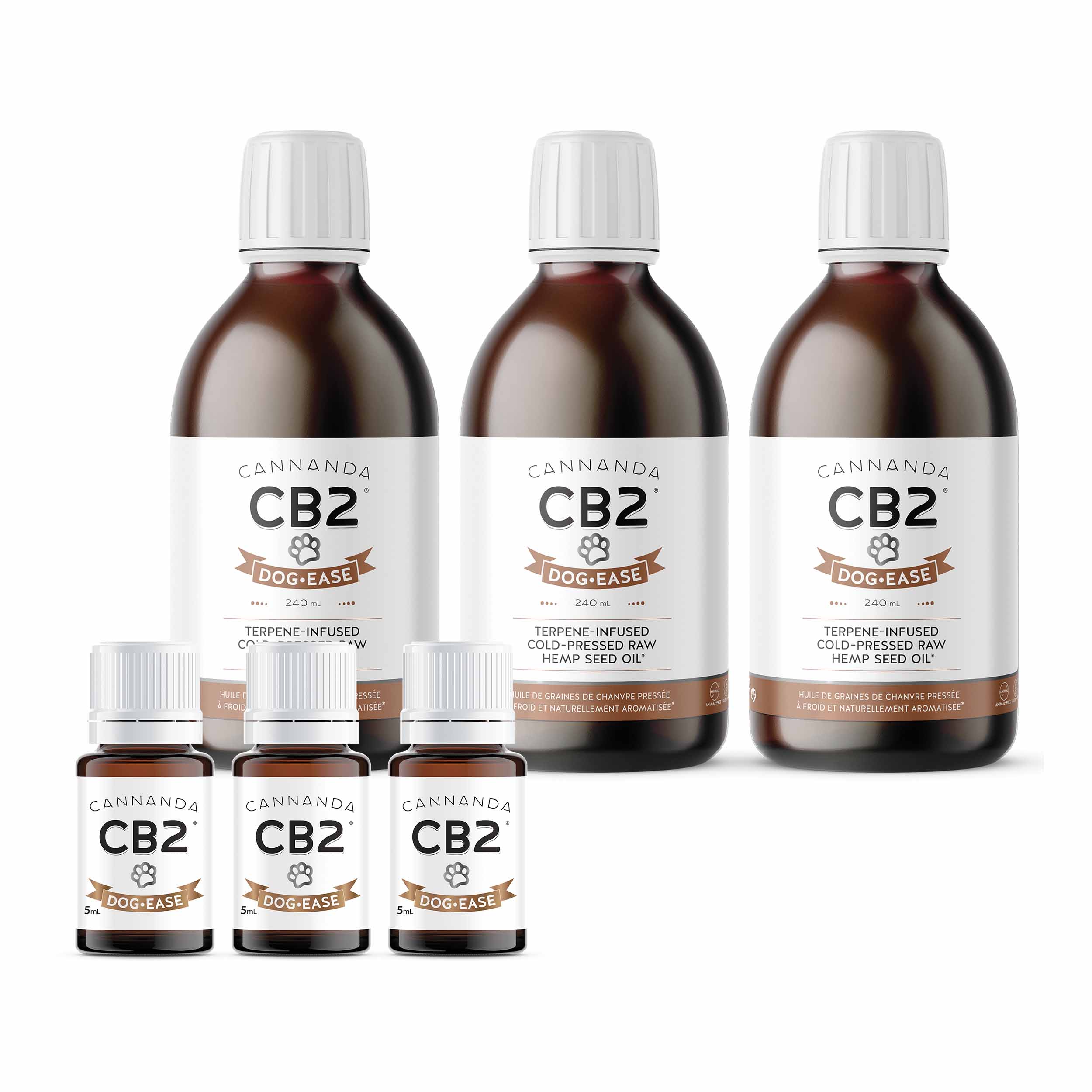
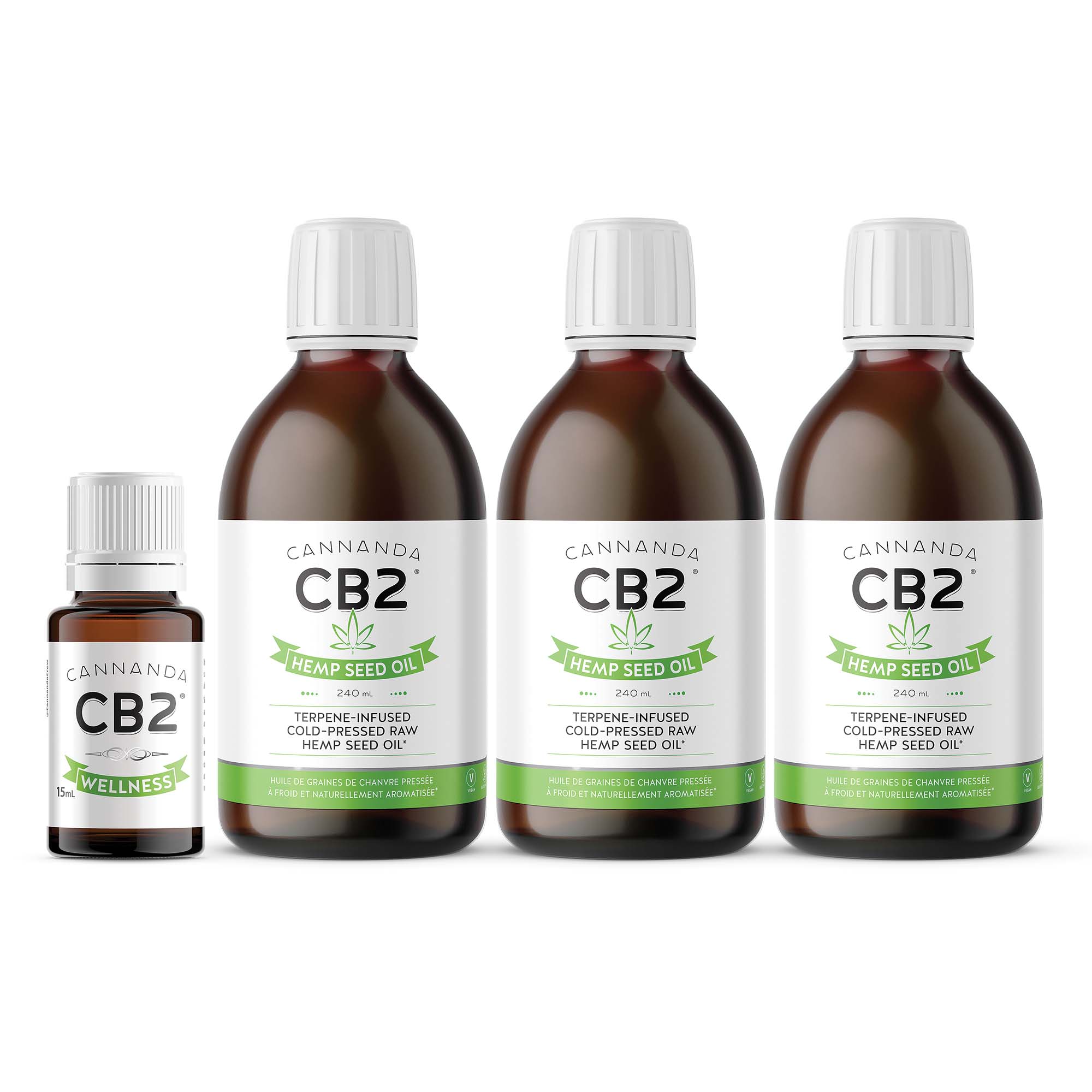
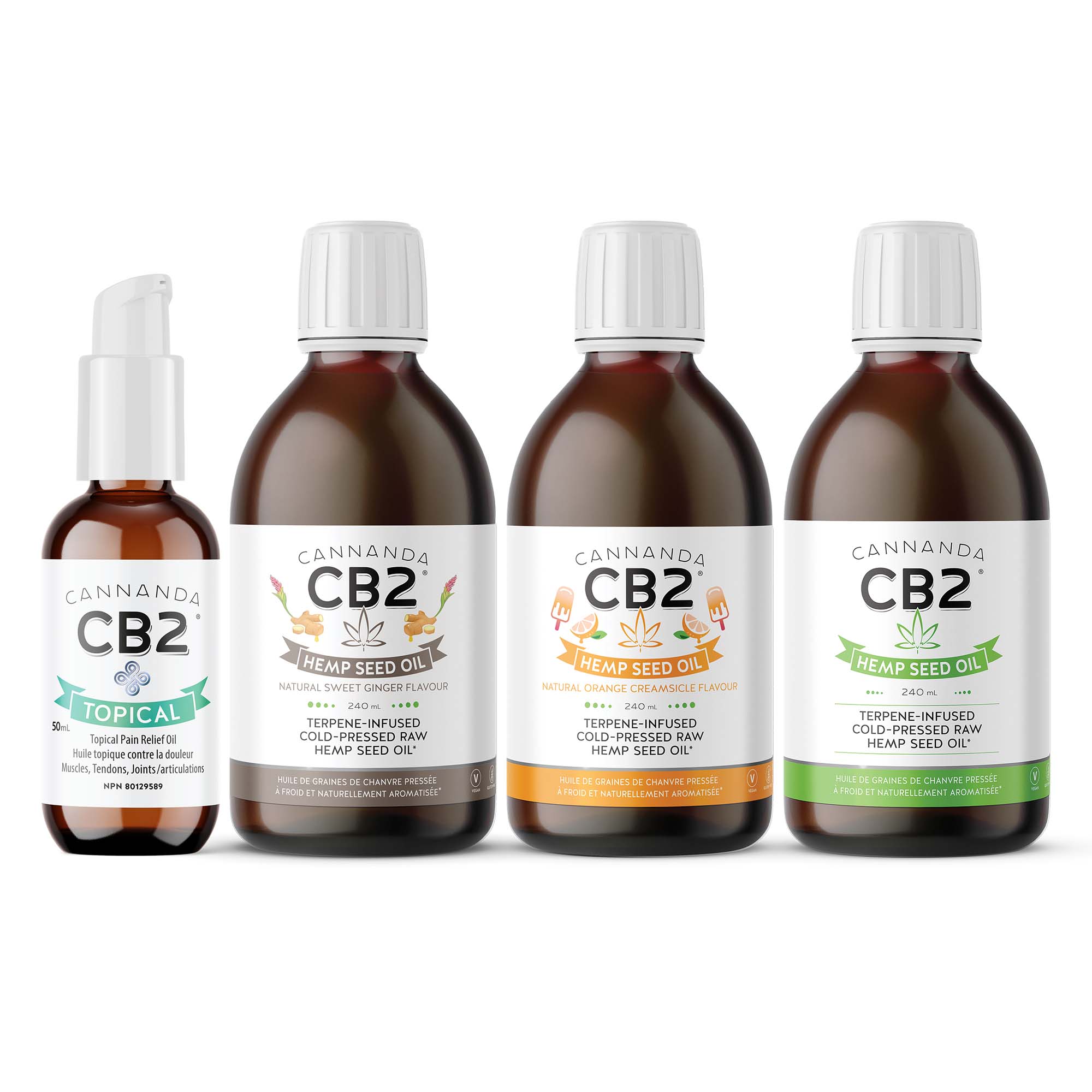
Take with dinner. The oil format taken with food provides sustained release of BCP through digestion, supporting background anti-inflammatory and pain-relieving effects through the evening and overnight.
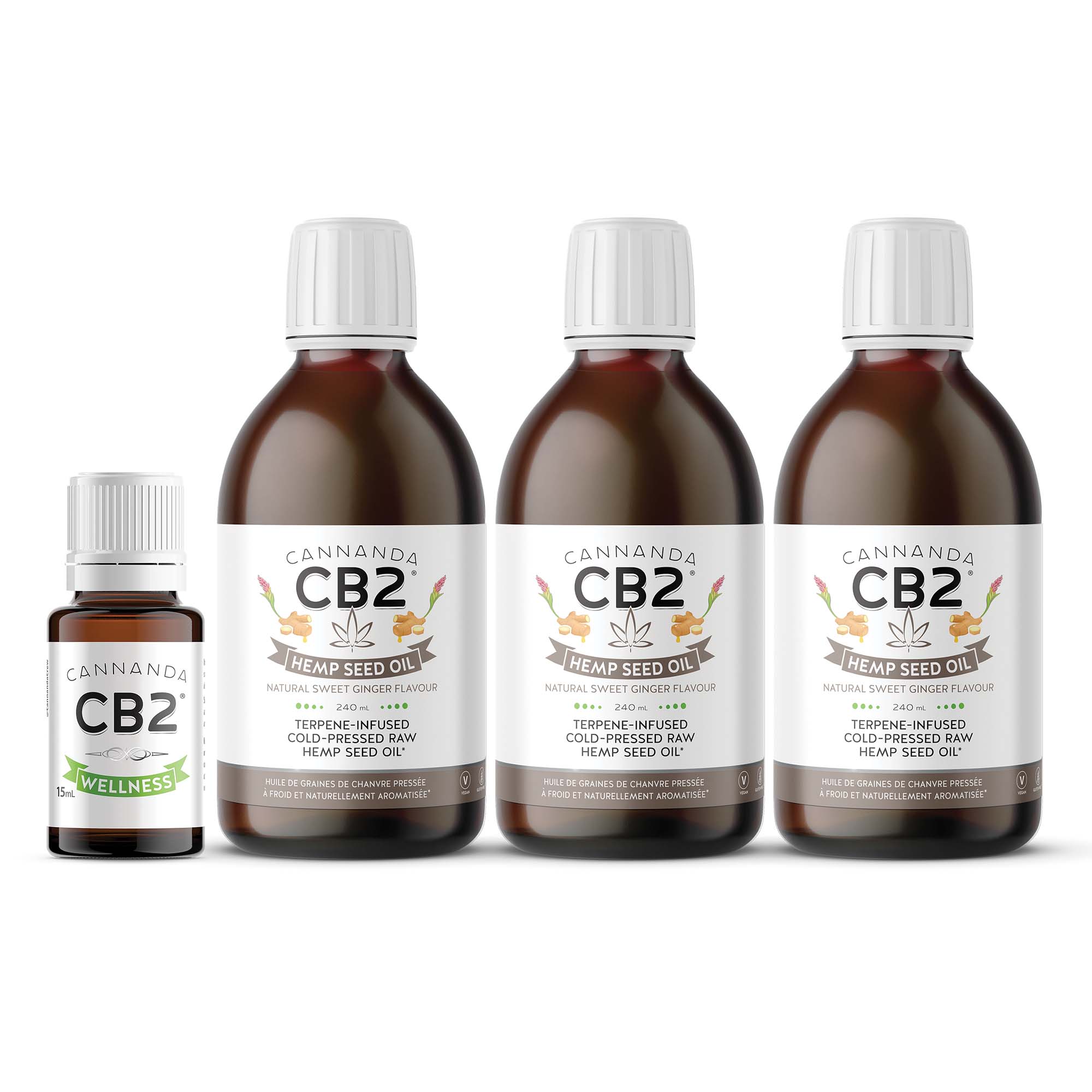
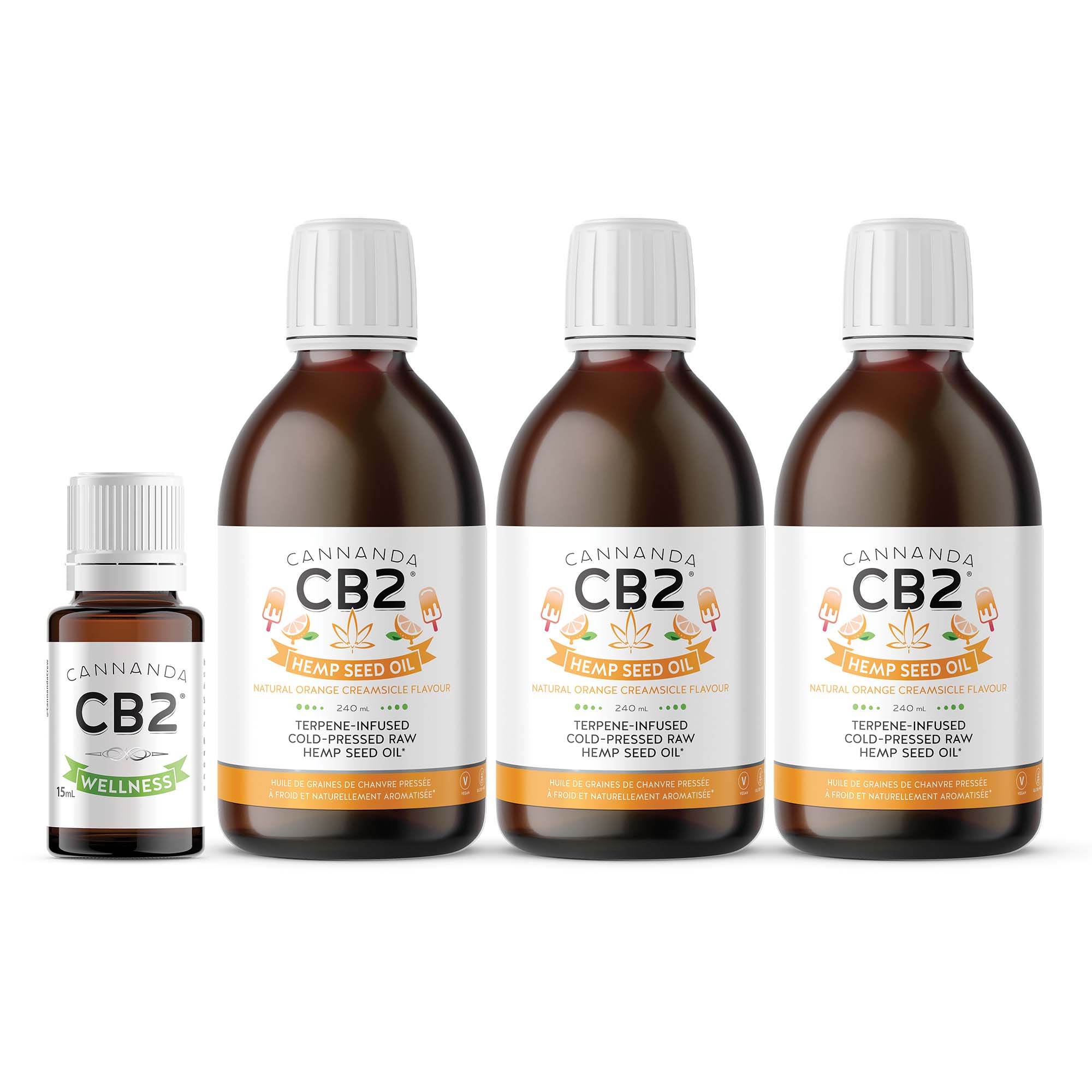
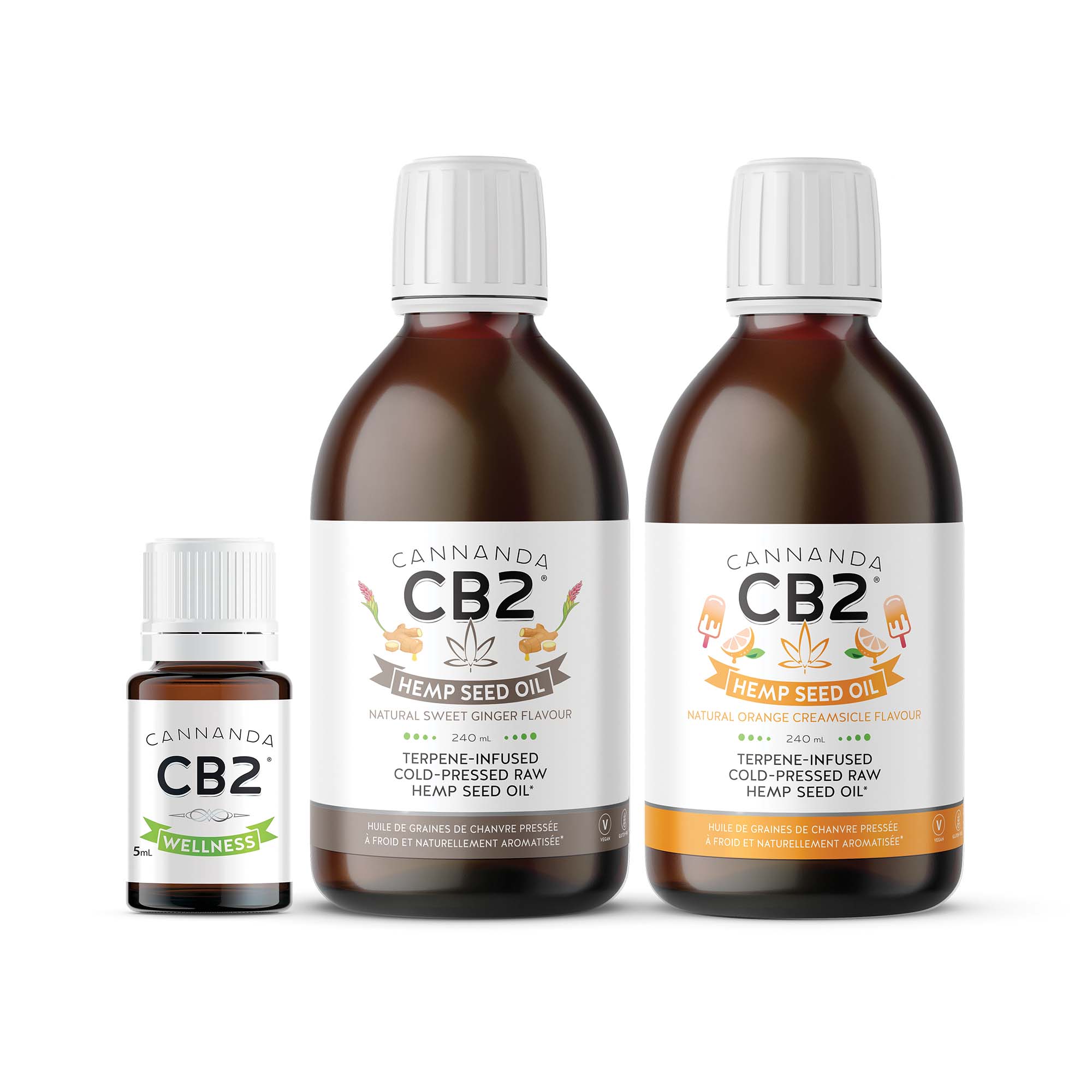
Also available in Sweet Ginger and Orange Creamsicle flavours and as vegan softgels for convenience.
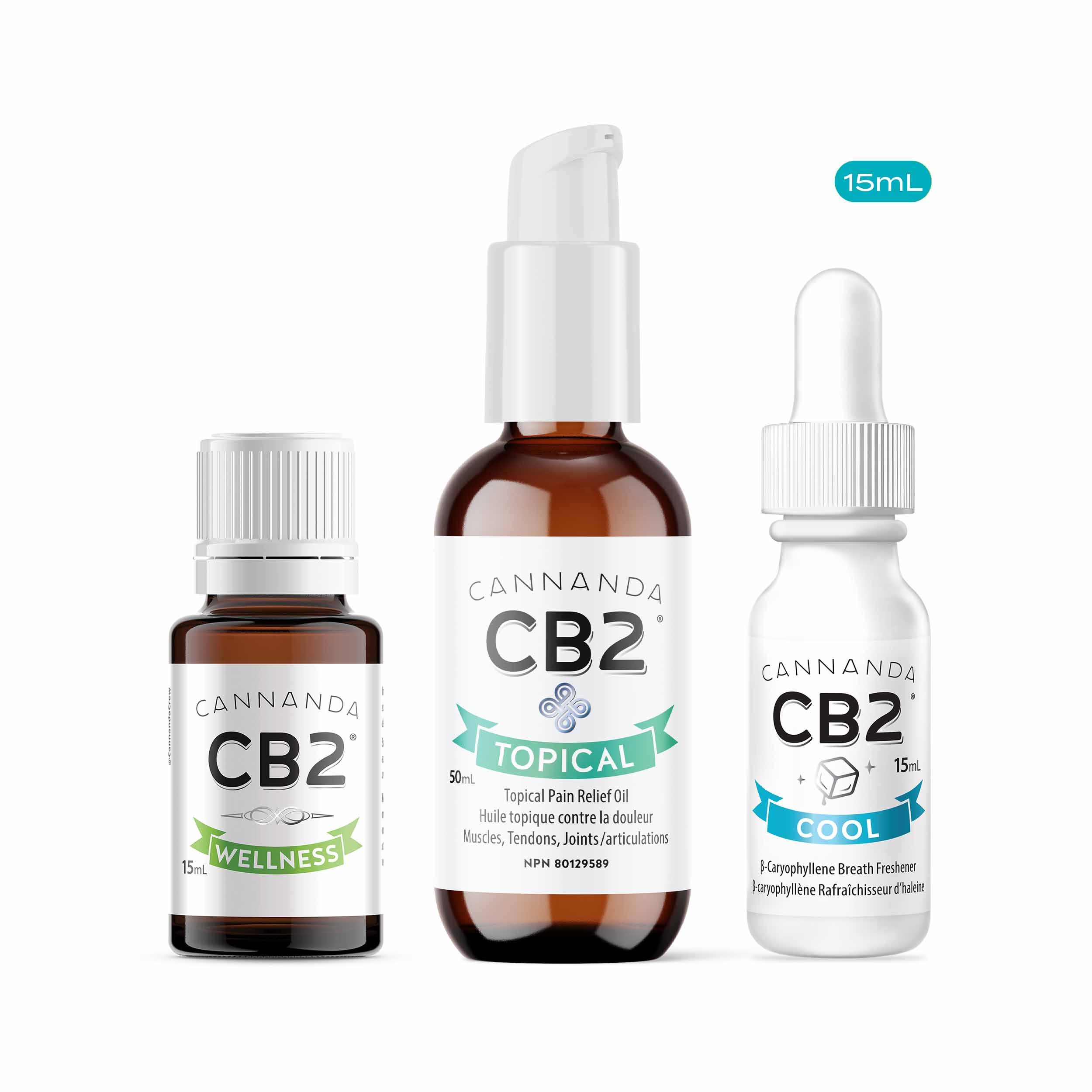
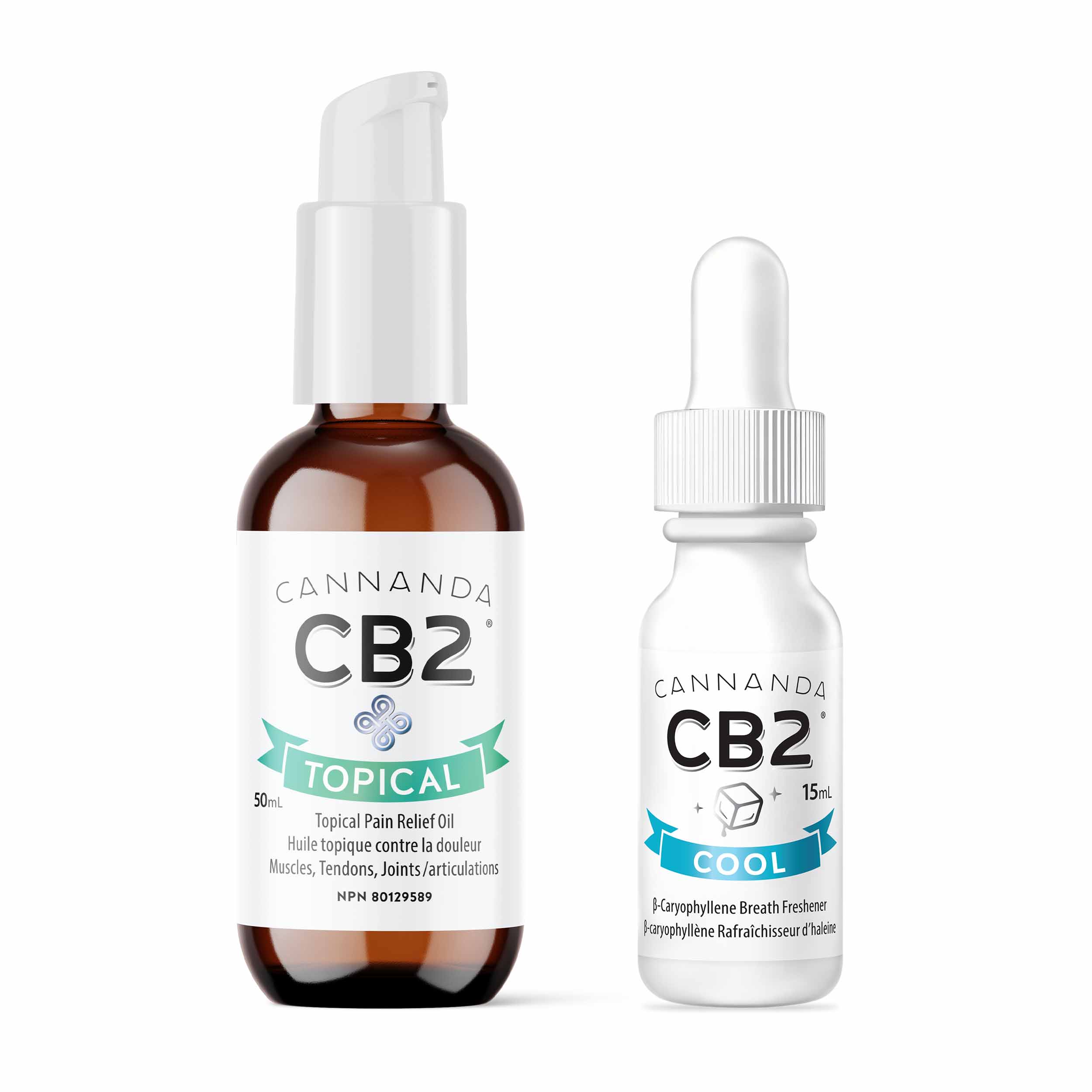
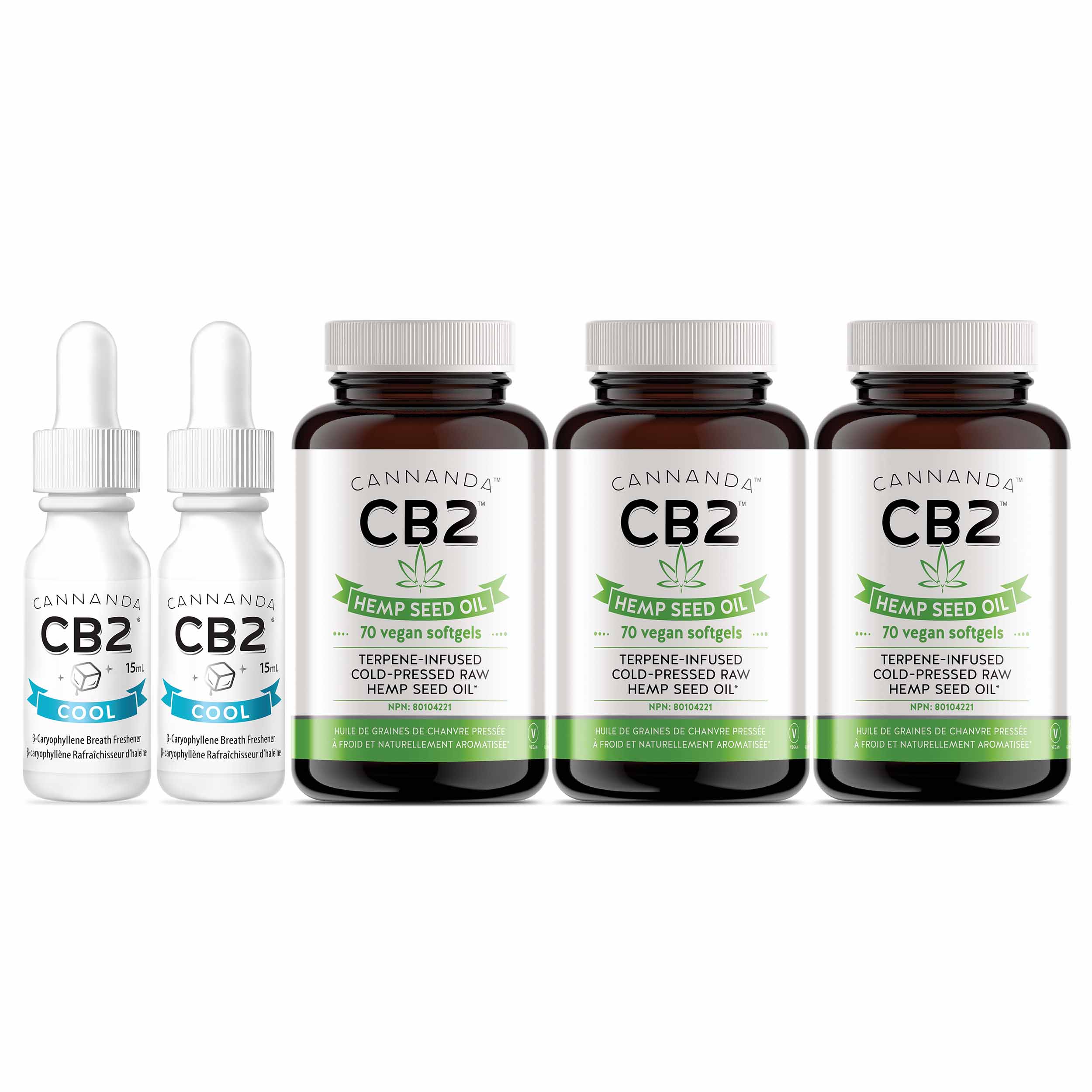
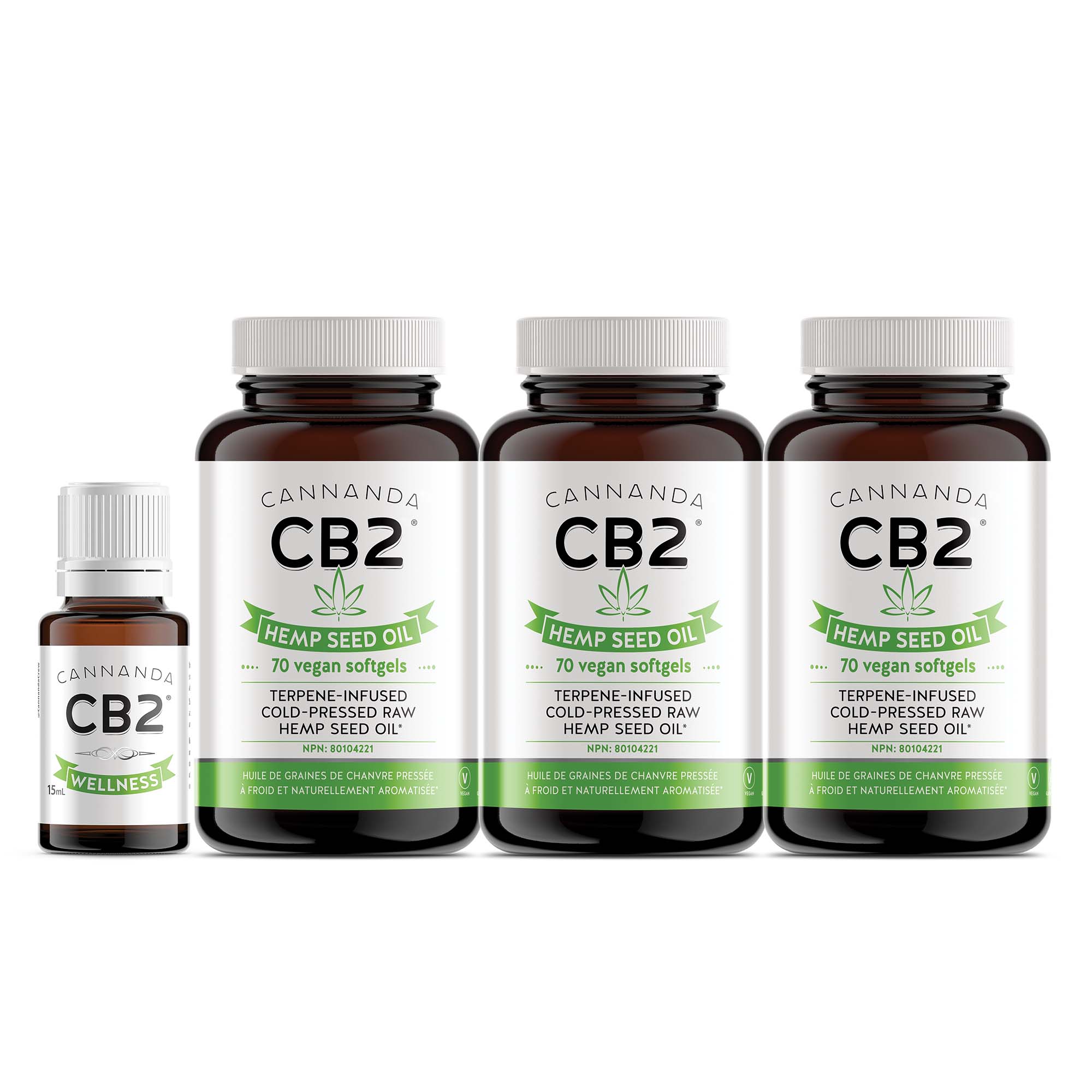
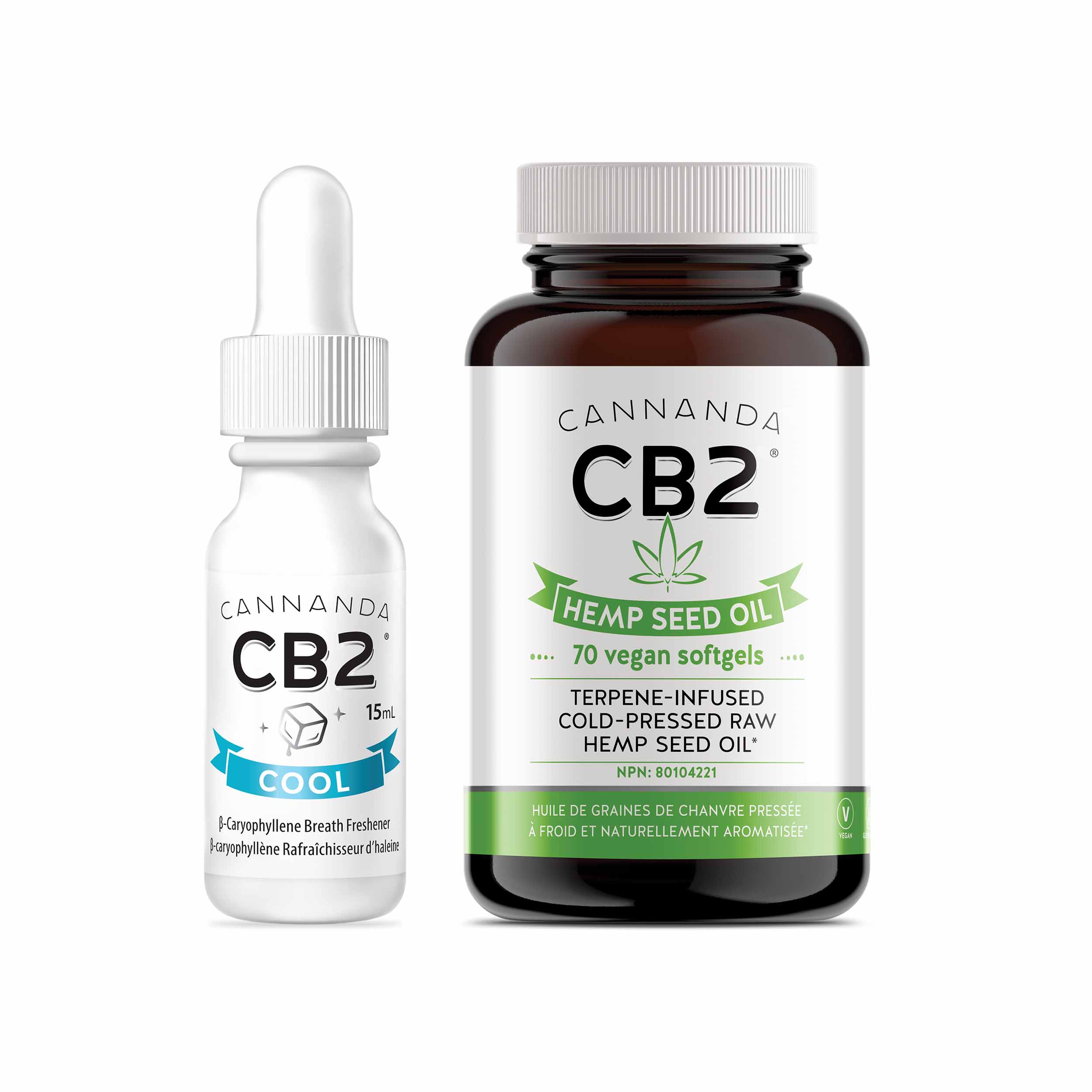
Take sublingually just before bed. Sublingual absorption bypasses first-pass metabolism for faster onset, and well-suited for supporting sleep onset specifically. Hold under the tongue for 60 seconds before swallowing.
Many users combine both: CB2 Hemp Seed Oil with dinner for sustained background support and CB2 Wellness or Cool at bedtime for faster onset.
Safety and side effects
BCP has an excellent safety profile for sleep use specifically:
- Common side effects: Generally well-tolerated with minimal side effects. Some may experience mild digestive upset with higher doses of CB2 Hemp Seed Oil. The simple fix: reduce dosage and ensure it's taken with dinner, not on an empty stomach.
- Medication interactions: When used as recommended, BCP has no known adverse drug interactions. One exception: if you're on a medication with a narrow therapeutic window, talk to your doctor before starting. Consult a healthcare provider before using doses greater than 120 mg/day if taking other medications.
- Long-term use: Long-term use appears to be safe. CB2 receptors don't build tolerance the way CB1 receptors do, meaning you won't need increasing doses over time to maintain the same effect.
Practical tips for using BCP for sleep
- Consistency: Take BCP at the same time every evening to establish a routine and maintain stable BCP levels in the body. Cannanda CB2 oils often work quickly (sometimes from the first use) but for others it may take a few weeks to notice significant improvements.
- Quality products: Choose authentic Cannanda CB2 oil, which are third-party tested for purity and potency. There are a growing number of copycat CB2 products using the "CB2" brand name that are known to contain contaminants including heavy metals and pesticide residues. Only buy authentic Cannanda CB2 products.
- Complementary practices: Combine BCP use with good sleep hygiene: maintain a regular sleep schedule, keep the bedroom cool and dark, avoid caffeine after 2pm, and reduce screen exposure in the 90 minutes before bed. BCP addresses the biological disruptions, good sleep hygiene removes the behavioural ones.
Better sleep starts with the right foundation
Natural, non-habit-forming, no morning grogginess. CB2 oil for sleep, by the company that invented it.
Shop CB2 Oil for SleepFrequently Asked Questions
How does beta-caryophyllene help with sleep?
BCP supports sleep through three complementary mechanisms. First, its anti-inflammatory effects reduce conditions like fibromyalgia, arthritis, and chronic pain that interfere with sleep. Second, its anxiolytic properties alleviate anxiety and promote relaxation, making it easier to fall asleep. Third, CB2 receptor activation supports the endocannabinoid system's role in regulating circadian rhythms and sleep-wake cycles. Unlike sedative sleep aids, BCP does not suppress REM sleep, create dependency, or cause morning grogginess.
What is the recommended dosage of BCP for sleep?
Start with 25–50 mg of BCP in the evening (the general wellness range from study extrapolation). Cannanda's official recommended daily range is 60–120 mg/day, which is where most customers find their sweet spot for sleep support. Some people, particularly those with higher body weight or whose biology responds better at higher amounts, find up to 240 mg/day works better for them. That figure is the practical ceiling based on years of customer feedback, and it aligns with what the body-surface-area math from animal studies predicts for mood and stress support. Always take BCP with a fat-containing meal for best absorption. Consult a healthcare provider if you're on medications and considering doses above Cannanda's 120 mg/day recommendation.
How long does it take for BCP to improve sleep?
Many people notice improvement within the first few uses. Cannanda CB2 oils often work quickly, sometimes from the first use. For others, particularly where chronic inflammation or pain is the underlying disruption, it may take a few weeks of consistent nightly use to notice significant improvements. Taking it at the same time every evening helps maintain stable BCP levels.
Does BCP cause morning grogginess?
No. Unlike pharmaceutical sleep aids or sedative herbs, BCP does not cause morning grogginess. It works by reducing the inflammation, pain, and anxiety that disrupt sleep, addressing root causes rather than sedating the nervous system. CB2 receptor activation does not suppress REM sleep or produce sedative effects that linger into the next day.
Can I take CB2 oil for sleep if I'm on sleep medications?
CB2 oil has no known adverse drug interactions at Cannanda's recommended doses. One exception: if you're on a medication with a narrow therapeutic window, talk to your doctor before starting. Unlike CBD, it is not metabolized through the CYP450 liver enzyme pathway. When combining any supplements with prescription sleep medications, inform your healthcare provider, particularly since good results with CB2 oil may allow for a gradual reduction in prescription medication use.
Which Cannanda product is best for sleep?
CB2 Hemp Seed Oil taken with dinner provides sustained BCP release through digestion. CB2 Wellness taken sublingually at bedtime offers faster onset. Many customers use both: Hemp Seed Oil with dinner for background support and Wellness drops at bedtime for immediate relaxation. Vegan softgels are a convenient alternative for those who prefer capsules.
Is BCP safe for long-term use as a sleep aid?
Yes. All ingredients in Cannanda CB2 oil carry FDA GRAS status. Long-term use appears safe, and CB2 receptors don't down-regulate or build tolerance the way CB1 receptors do, meaning you can use it daily without losing effectiveness. There is no dependency risk and no rebound insomnia when you stop, unlike pharmaceutical sleep aids.
Does BCP address the root causes of sleep problems or just mask symptoms?
It addresses root causes. BCP reduces the most common biological drivers of sleep disruption (inflammation, chronic pain, and anxiety) through CB2 receptor activation. It also supports the endocannabinoid system's direct role in circadian rhythm regulation. This makes it one of the few natural approaches that addresses multiple sleep disruption mechanisms simultaneously, rather than simply suppressing awareness of the problem the way sedatives do.











Comments
hi i just bought the sleep bundle how do you measure the dosages to mgs when it is liquid ?sorry for the dumb questions