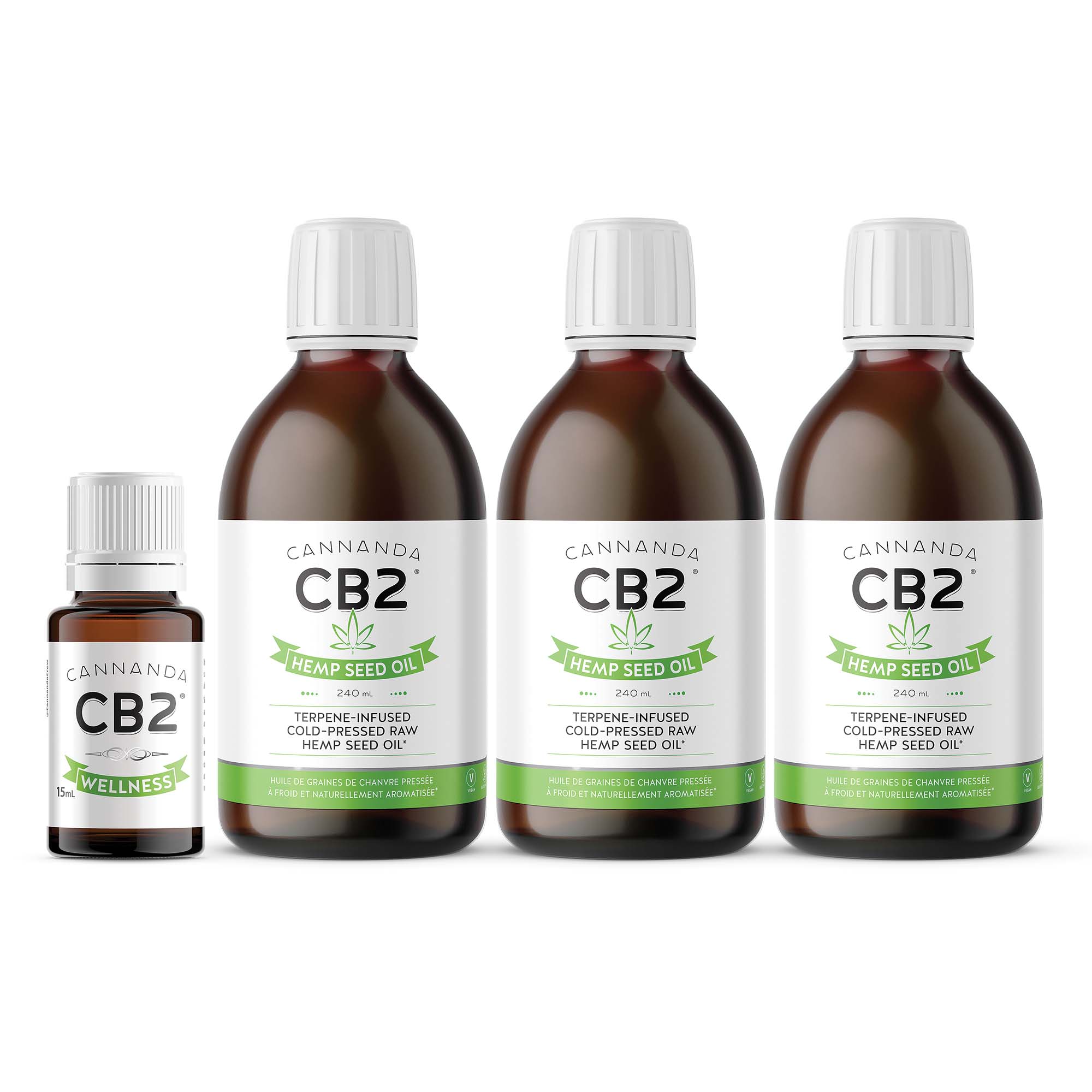
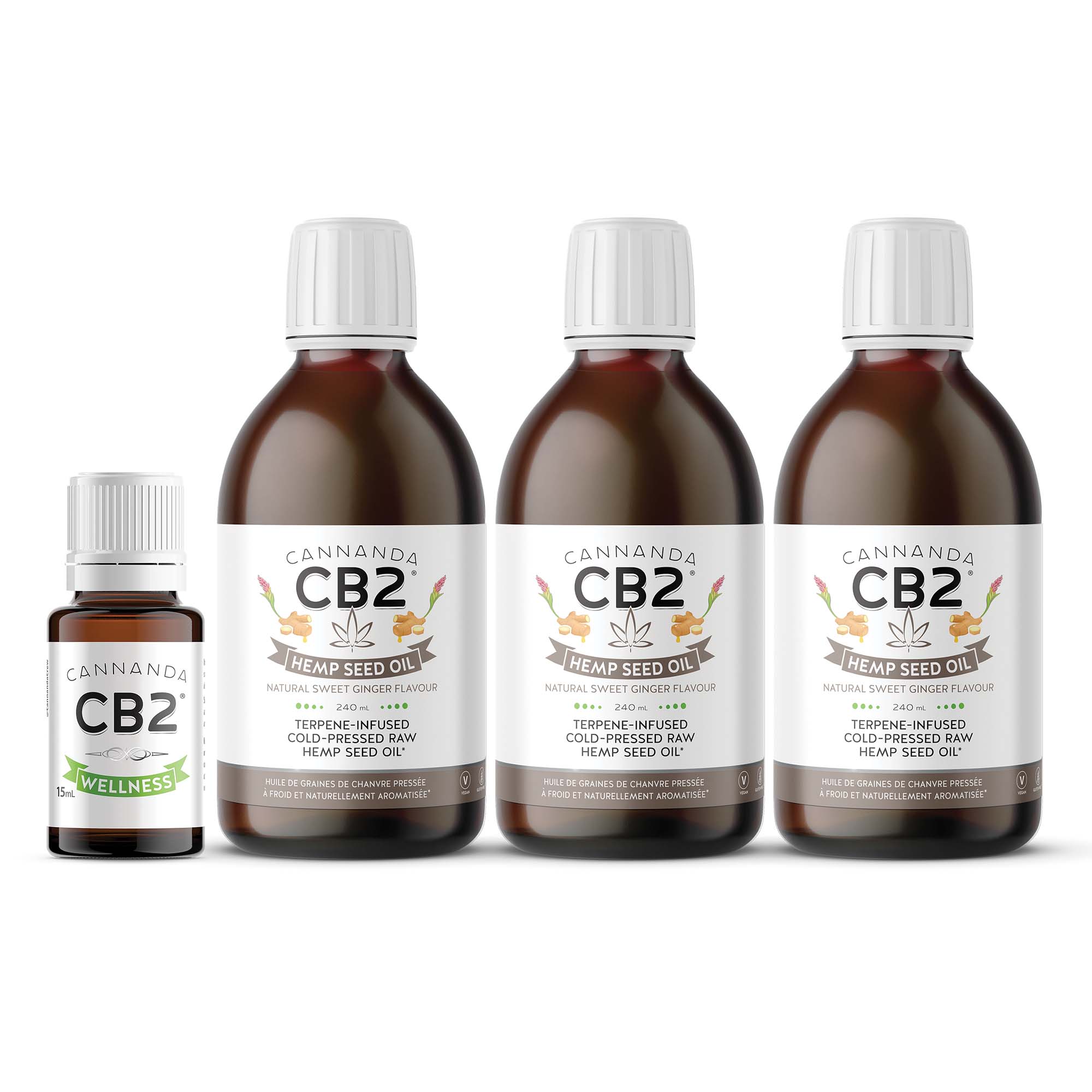
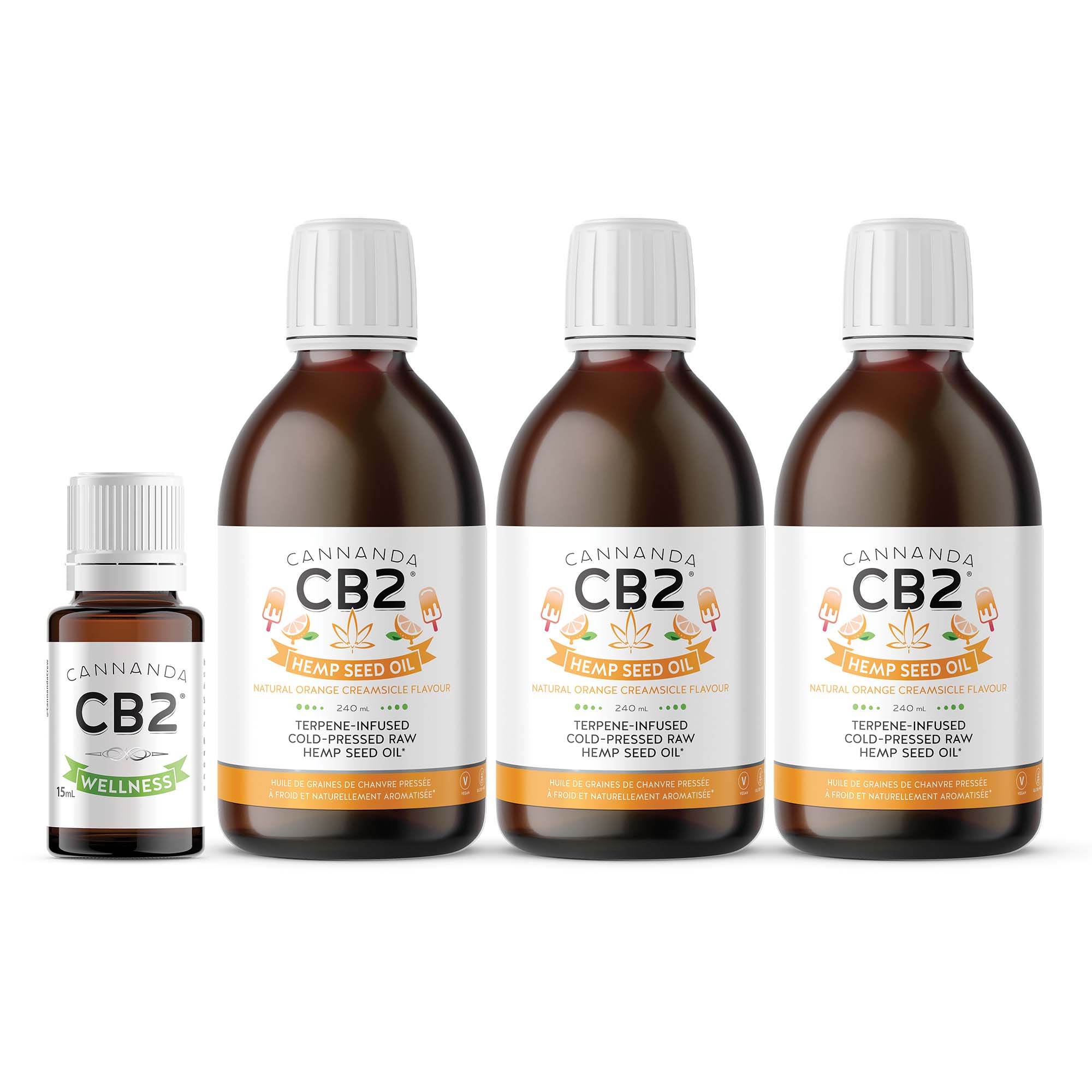
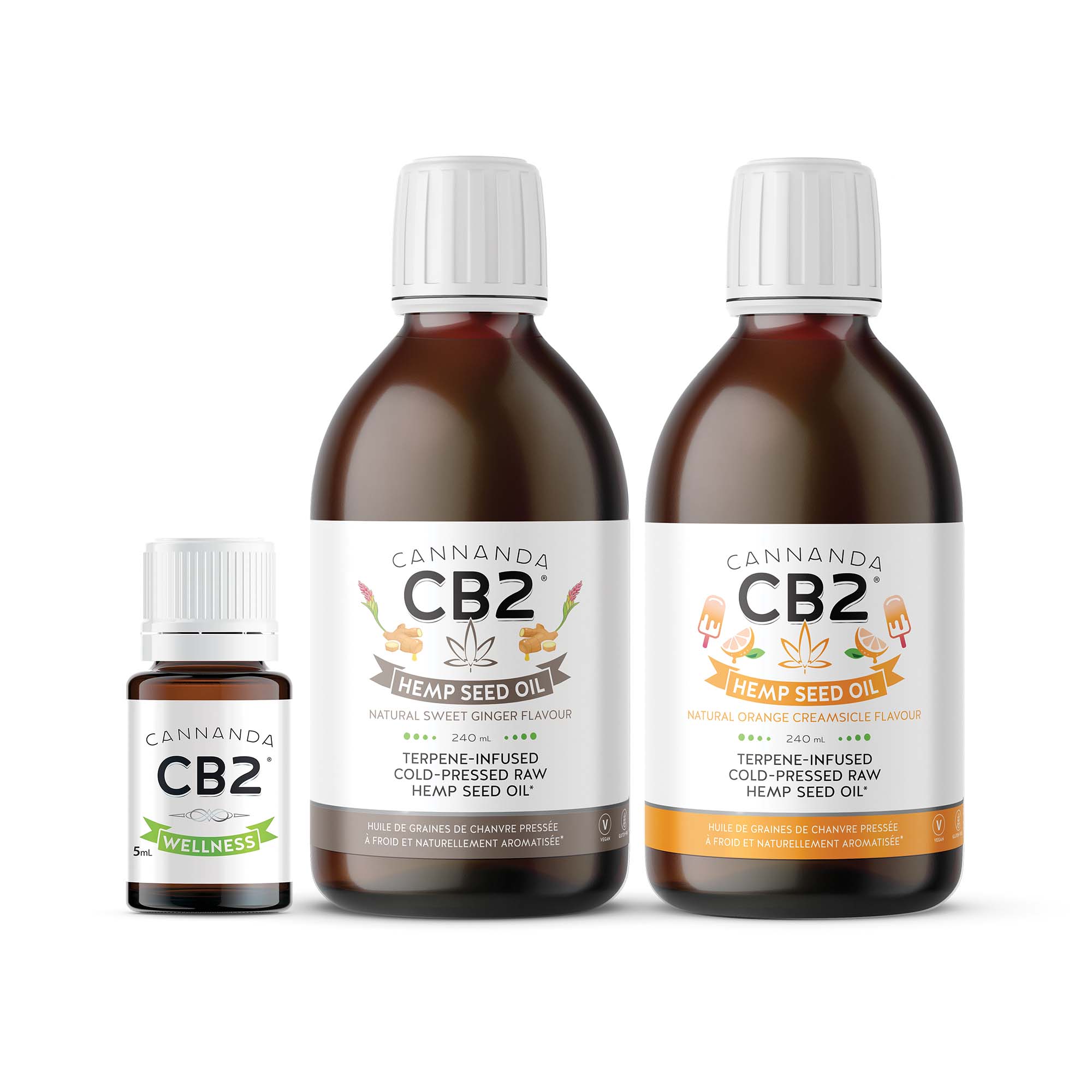
Updated July 2026
Beta-Caryophyllene (BCP): A Natural Way to Support Female Sexual Desire and Intimacy
Female sexual desire is shaped by hormones, neurotransmitters, stress, and inflammation, not just psychology. Research shows beta-caryophyllene (BCP), the active compound in Cannanda CB2 oil, may support female libido by increasing bioavailable (salivary) testosterone and helping the body maintain a healthy balance of dopamine, norepinephrine, and serotonin. By activating CB2 receptors, BCP helps calm inflammation and stress, two of the biggest suppressors of desire, offering a natural, non-intoxicating option for women looking for something beyond prescription drugs like Addyi.
Desire Isn't a Single Switch
Female sexual desire is the result of a delicate conversation between hormones, neurotransmitters, inflammation, stress levels, and nervous system balance. When any of those signals get disrupted, whether by chronic stress, pain, hormonal shifts, medications, or inflammation, desire tends to fade quietly. For many women, that loss affects far more than sex. It touches confidence, connection, and quality of life.
Emerging research suggests that beta-caryophyllene (BCP), the active compound in Cannanda CB2 oil, may help support female sexual desire by working with the body's own chemistry rather than overriding it.
Understanding Low Sexual Desire in Women
What's clinically described as Hypoactive Sexual Desire Disorder (HSDD) is a persistent lack of sexual desire that causes personal distress, and it isn't explained by relationship problems alone. Women navigating this often notice reduced interest in sex, fewer sexual thoughts, emotional frustration, and strain on intimate relationships. It affects millions of women across all ages, yet remains under-discussed, especially among those looking for natural, non-pharmaceutical options.
The Neurotransmitters Behind Desire
Sexual desire isn't just hormonal. It's neurochemical too. Three signals play a particularly important role.
Dopamine
Drives sexual interest, anticipation, and reward. Chronic stress and inflammation reduce dopamine signaling, blunting motivation and pleasure.
Norepinephrine
Supports alertness and physical responsiveness, helping the body shift into a state that's receptive to intimacy.
Serotonin
Regulates mood and anxiety, but too much serotonin activity can suppress desire. That's part of why some antidepressants lower libido.
How Addyi Works, and Why Some Women Look for Alternatives
Addyi (flibanserin) works by artificially adjusting serotonin, dopamine, and norepinephrine levels in the brain. This can increase desire for some women, but it comes with tradeoffs: daily dosing, fatigue, dizziness, nausea, strict alcohol restrictions, and effects that work centrally in the brain rather than system-wide. Many women prefer an approach that supports the body's own natural regulation instead of forcing a shift in brain chemistry.
What Makes BCP Different
Beta-caryophyllene is a plant-based compound found in black pepper, cloves, and rosemary. Unlike cannabinoids such as THC, BCP selectively activates CB2 receptors, does not stimulate CB1 receptors in the brain, and has no intoxicating or sedating effects. CB2 receptors play a key role in immune regulation, inflammation control, nervous system balance, and hormonal signaling, which is what makes CB2 oil uniquely suited to supporting sexual desire indirectly.
BCP, Testosterone, and Sexual Desire
A study published in Sexual Medicine Open Access found that beta-caryophyllene intake significantly increased salivary testosterone levels in women. That matters because salivary testosterone reflects bioavailable testosterone, which is closely linked to libido and influences dopamine-driven desire and motivation. In simple terms: higher bioavailable testosterone tends to mean stronger desire signals. This gives a clear biological explanation for why many women report increased sexual interest with Cannanda CB2 oil, particularly with inhalation, which was the route used in the study. Sublingual use and ingestion are expected to have similar effects, though this hasn't been studied directly.
How CB2 Activation Supports Neurotransmitter Balance
Rather than forcing neurotransmitter levels up or down, BCP works upstream by easing the factors that disrupt them in the first place.
- Lowering inflammation that suppresses dopamine. Chronic inflammation interferes with dopamine production and signaling. BCP's anti-inflammatory action via CB2 receptors helps restore dopamine responsiveness, supporting desire and pleasure.
- Supporting stress regulation. Stress raises cortisol, which suppresses norepinephrine and testosterone. CB2 activation helps calm immune-driven stress responses, allowing arousal signals to surface more naturally.
- Promoting nervous system balance. A balanced nervous system is essential for intimacy. When the body feels safe, relaxed, and present, desire tends to follow.
Addyi vs. CB2 Oil, Side by Side
| Factor | Addyi (flibanserin) | Cannanda CB2 Oil (BCP) |
|---|---|---|
| Mechanism | Directly alters brain neurotransmitters | Supports the body's own hormonal and neurotransmitter balance via CB2 receptors |
| Dosing | Daily, prescription required | Daily, available without a prescription |
| Common side effects | Fatigue, dizziness, nausea | Generally well tolerated at recommended doses |
| Alcohol restriction | Strict | None specified |
| THC / intoxicating effects | N/A | 0% THC, non-intoxicating |

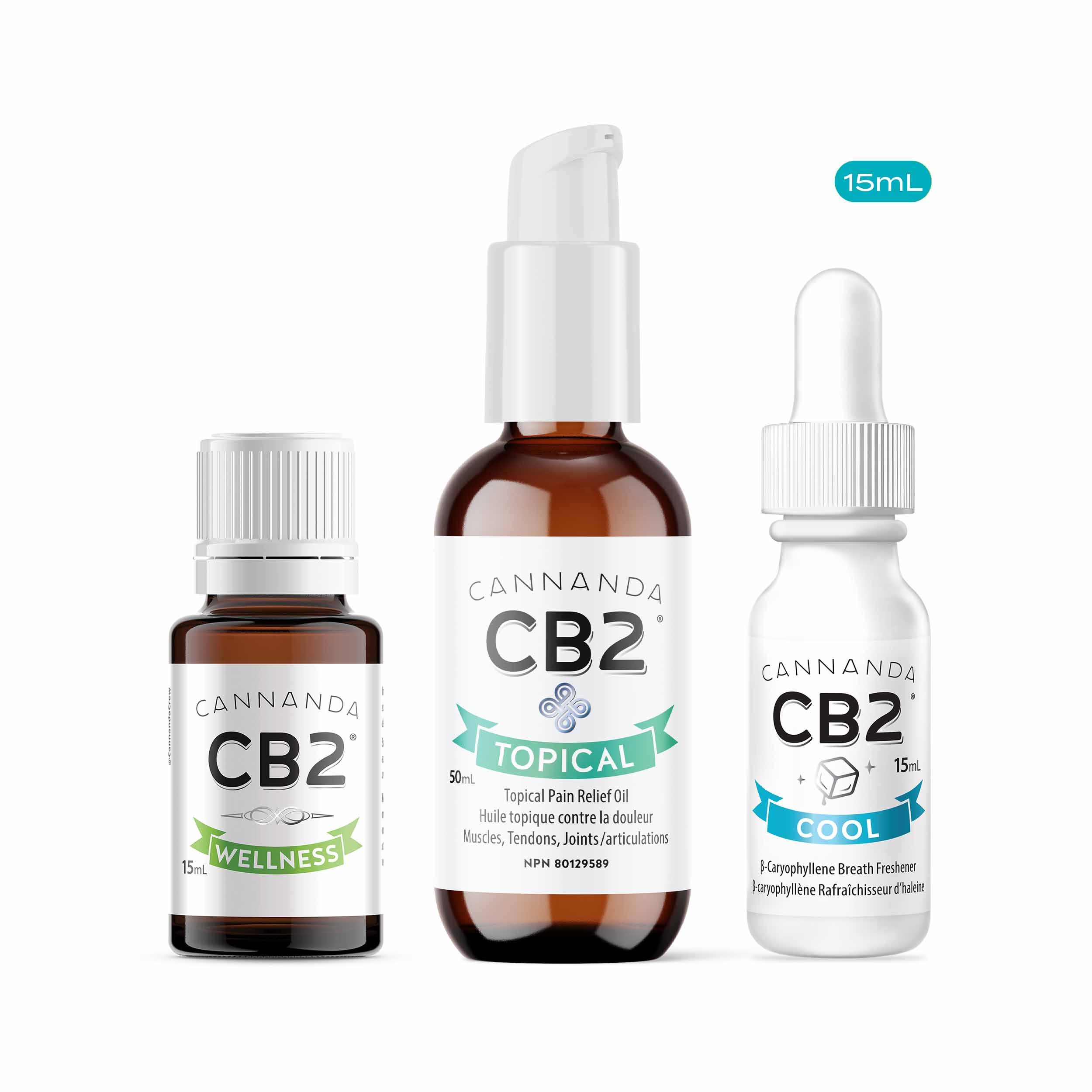
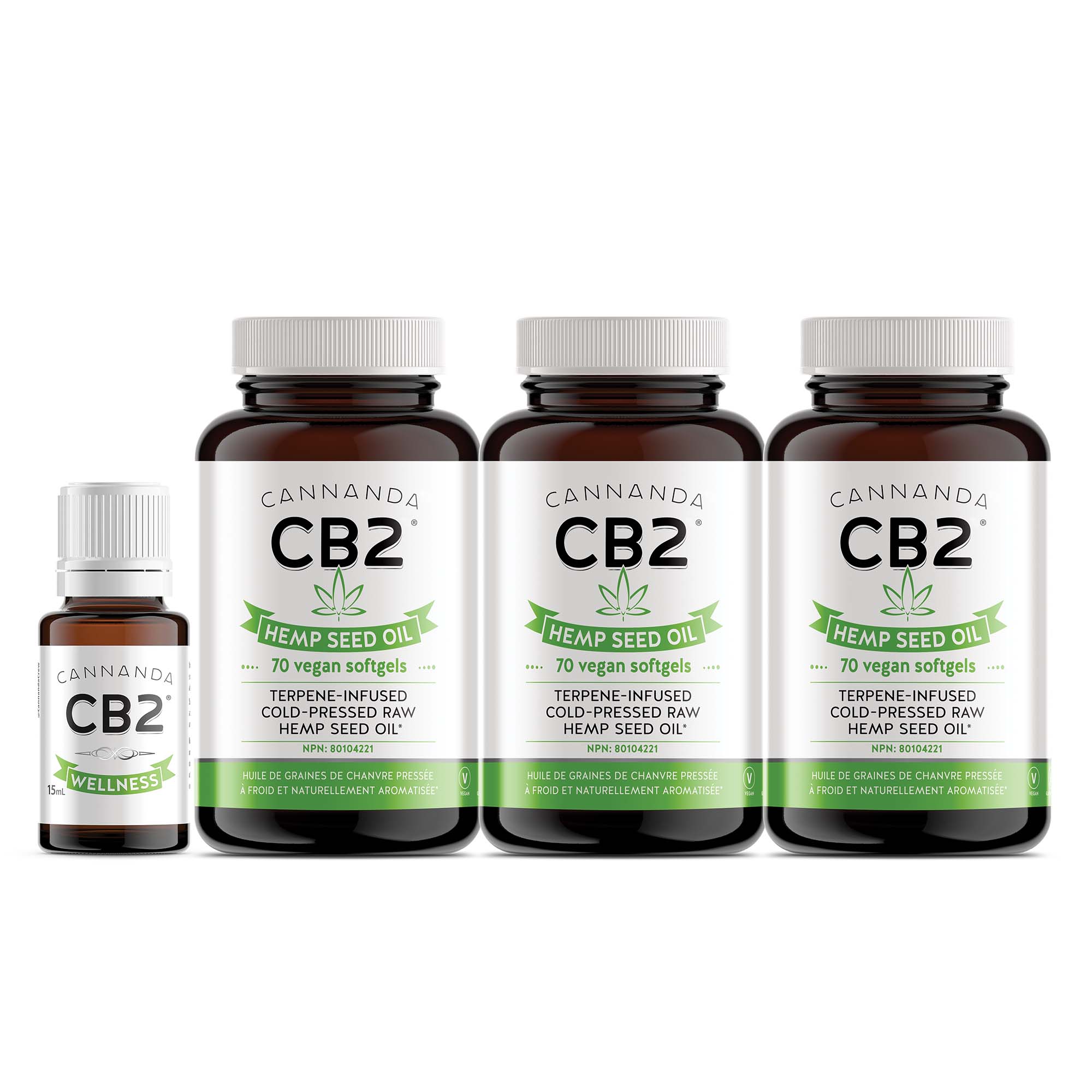
CB2 Wellness
A concentrated beta-caryophyllene terpene blend, formulated for whole-body CB2 receptor support. 0% THC, 0% CBD, non-intoxicating.
Shop CB2 WellnessWhat Women Commonly Report
While experiences vary, many Cannanda users report increased sexual thoughts and interest, improved arousal and responsiveness, reduced anxiety around intimacy, stronger emotional connection, and better sleep and overall wellbeing. These effects often show up alongside reduced pain, stress, and inflammation, all of which are known contributors to low libido.
The Takeaway
Female sexual desire isn't missing. It's often out of balance. By supporting bioavailable testosterone, dopamine-driven motivation, nervous system regulation, and reduced inflammation and stress, beta-caryophyllene and Cannanda CB2 oil offer a science-backed, natural approach to restoring desire without forcing it.
Frequently Asked Questions
- Is Cannanda CB2 oil similar to Addyi?
- No. Addyi directly alters neurotransmitters in the brain. Cannanda CB2 oil supports the body's own hormonal and neurotransmitter balance through CB2 receptor activation, rather than forcing a chemical shift.
- Will CB2 oil affect dopamine or serotonin?
- Indirectly, yes. By reducing inflammation and stress, CB2 activation helps normalize dopamine, norepinephrine, and serotonin signaling rather than forcing changes to them.
- How long before I notice changes in desire?
- Some women notice subtle shifts within days. Others see gradual improvement over several weeks as balance is restored. Consistency matters more than speed here.
- Is it safe for long-term use?
- Yes. Beta-caryophyllene is naturally occurring, non-habit forming, and well tolerated for long-term wellness support.
- Is it safe to use CB2 oil alongside other medications?
- At recommended doses, there are no known adverse drug interactions with BCP. The one exception is medications with a narrow therapeutic window. If you take one of these, check with your doctor before starting CB2 oil.
- Can post-menopausal women benefit?
- Many post-menopausal women report improvements in desire, comfort, and emotional wellbeing, though individual results vary. It's worth reading more in our menopause and CB2 oil article.
- Does CB2 oil work the same way for everyone?
- No two people respond identically, since desire is shaped by individual hormone levels, stress, and health history. Most women find the clearest results with consistent daily use over several weeks.
- How is BCP different from CBD?
- BCP is a terpene, not a cannabinoid like CBD. It works by selectively activating CB2 receptors rather than the broader mechanisms CBD engages, and it contains 0% CBD and 0% THC.
Support Desire the Way Your Body Actually Works
CB2 Wellness is formulated around a single, well-studied mechanism, non-intoxicating and free of THC or CBD.
Shop CB2 WellnessReferences
- Gertsch J, Leonti M, Raduner S, et al. Beta-caryophyllene is a dietary cannabinoid. Proc Natl Acad Sci USA. 2008;105(26):9099-9104. DOI: 10.1073/pnas.0803601105
- Study on beta-caryophyllene intake and salivary testosterone in women. Sexual Medicine Open Access.
- Klauke AL, Racz I, Pradier B, et al. The cannabinoid CB2 receptor-selective phytocannabinoid beta-caryophyllene exerts analgesic effects in mouse models of inflammatory and neuropathic pain. Eur Neuropsychopharmacol. 2014;24(4):608-620. DOI: 10.1016/j.euroneuro.2013.10.008
- Kersten S, Desvergne B, Wahli W. Roles of PPARs in health and disease. Nature. 2000;405(6785):421-424. DOI: 10.1038/35016071