BCP Dosage for Fibromyalgia: How Much CB2 Oil to Take and What to Expect
A practical guide to finding your effective dose, and why patience is the most important part of the protocol

This article is for people with fibromyalgia who are considering CB2 oil and want to know: how much to take, which product to choose, how to adjust, and how long to give it before deciding if it's working. If you've tried many things without lasting relief, this is written with that history in mind.
Here's the short version of the dosing protocol:
- Start: 20–40 mg/day, split morning and evening.
- Every 4–7 days: increase by 20 mg until you reach 60 mg/day, which is where many people find their sweet spot.
- If needed: continue building every 4–7 days up to 120 mg/day.
- Some people notice benefits within 1–2 days. Others need 4+ weeks. Both are normal, and it depends on your physiology and genetics. Give it a full month at up to 120 mg/day before deciding.
- Split your dose: morning for daytime support, after dinner for sleep and overnight recovery.
Ready to start? See the products recommended for fibromyalgia →
Why Fibromyalgia Responds Differently to BCP
If you have fibromyalgia, you've probably noticed that your body doesn't respond to treatments the way other people's do. Medications that help others often don't help you, or help only partially, or cause side effects that aren't worth the trade-off. This isn't in your head. Fibromyalgia involves central sensitization: the nervous system becomes hypersensitive, amplifying pain signals that would be minor for someone without the condition.
Beta-caryophyllene (BCP) is relevant to fibromyalgia through its CB2 receptor activation. CB2 receptors are found throughout the immune system and peripheral tissues, and critically, in the microglial cells of the brain that regulate neuroinflammation. The chronic, widespread inflammation that characterises fibromyalgia responds to CB2 modulation in ways that localized inflammation does not.
The implication for dosing: fibromyalgia is not an acute condition. It requires consistent, patient supplementation, not a quick therapeutic hit. The dosing protocol below reflects that reality.
The Four-Week Dosing Protocol
Some people feel a meaningful difference within the first day or two, particularly with sleep and pain. Others notice nothing for several weeks. This wide variability is real and comes down to individual physiology and genetics (the same reason one person responds immediately to a medication while another needs a month, or doesn't respond at all). It's the same with every drug or supplement anyone with fibromyalgia has ever tried. Most people who report that CB2 oil "didn't work" stopped within the first two weeks, often at a dose that was still building. The recommendation is a full month at up to 120 mg/day before drawing any conclusions.
Dosing by Product: How to Translate mg to Drops and Servings
Knowing you want 80 mg per day is one thing. Knowing what that looks like in the bottle you have is another. Here's the translation for each product.
| Product | BCP per serving | 40 mg/day | 60 mg/day | 80–100 mg/day | 120 mg/day |
|---|---|---|---|---|---|
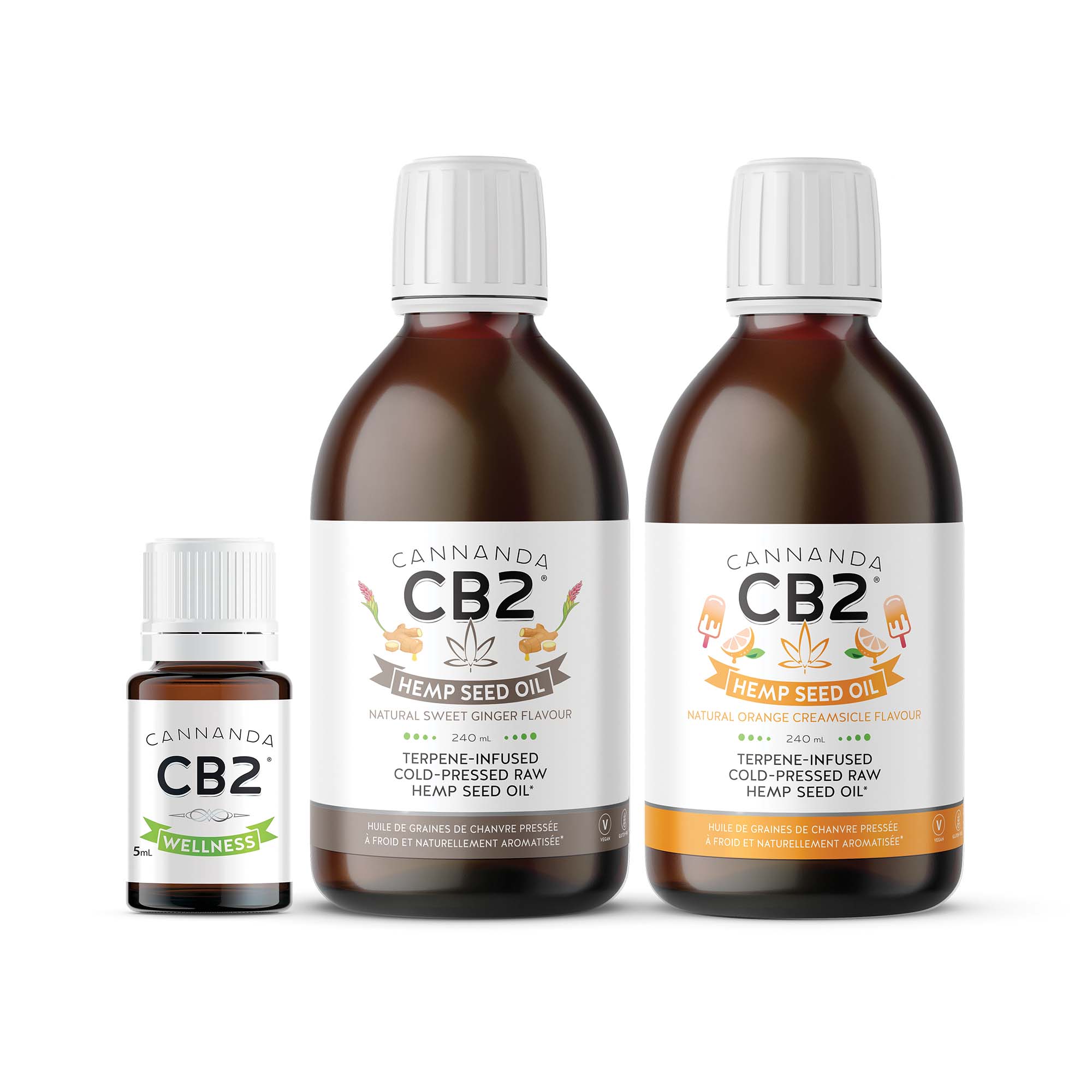
| CB2 Wellness | 20 mg per drop | 2 drops | 3 drops | 4–5 drops | 6 drops |
| CB2 Cool | 10 mg per drop | 4 drops | 6 drops | 8–10 drops | 12 drops |
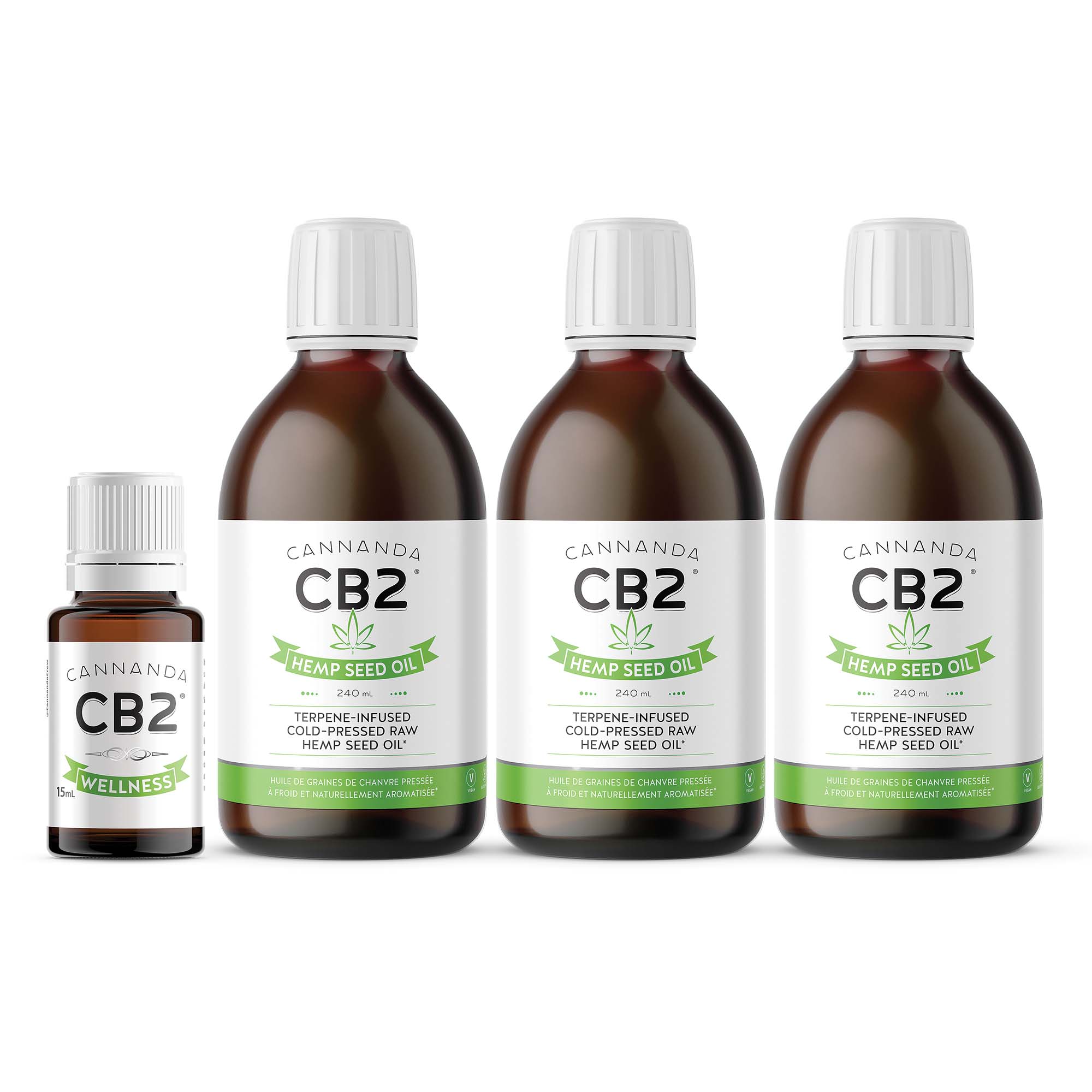
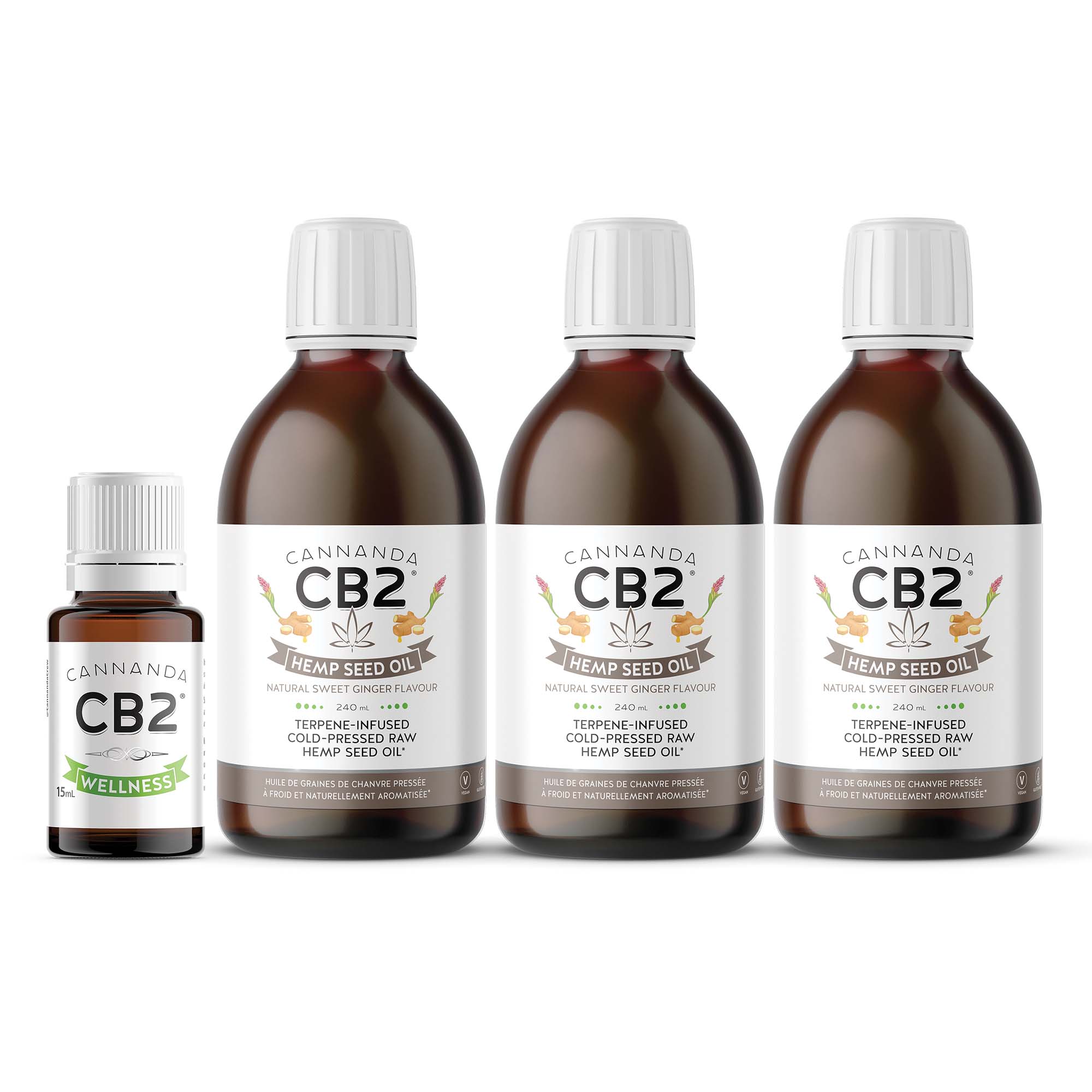
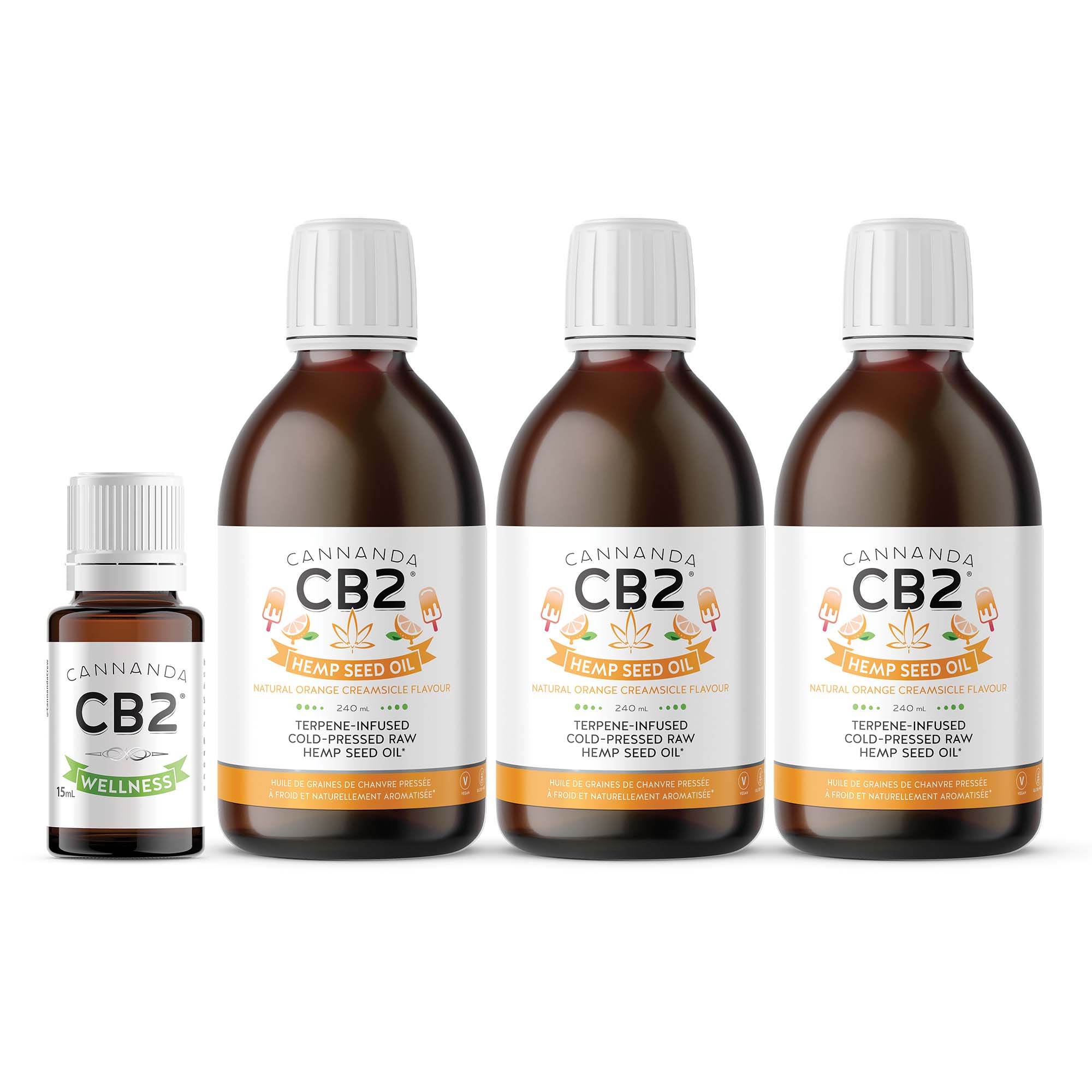
| CB2 Hemp Seed Oil | 20 mg per tsp | 2 tsp | 3 tsp | 4–5 tsp | 6 tsp |
| CB2 Softgels | 10 mg per softgel | 4 softgels | 6 softgels | 8–10 softgels | 12 softgels |
Split whichever daily total you're aiming for roughly in half: one portion in the morning with breakfast, the rest after dinner. Taking the evening dose with dinner rather than at bedtime gives BCP time to absorb before you sleep, which is relevant for sleep quality specifically.
Specific Fibromyalgia Considerations
Pain and Inflammation
The 60–100 mg/day range is where most fibromyalgia users report meaningful pain reduction. BCP's anti-inflammatory action through CB2 and immune modulation is directly relevant to the widespread, systemic inflammation that characterises the condition. For people who want additional anti-inflammatory support, CB2 Hemp Seed Oil delivers BCP alongside omega-3 fatty acids, which provide complementary anti-inflammatory benefit through a different pathway.
Sleep
Sleep is often one of the most debilitating aspects of fibromyalgia: pain disrupts sleep, and poor sleep worsens pain sensitivity in a feedback loop that's hard to break. Many fibromyalgia users report that BCP's evening dose makes a noticeable difference in sleep quality within the first 1–2 weeks. For people struggling with sleep onset specifically, CB2 Wellness inhalation just before bed can provide faster-acting support than waiting for an oral dose to absorb.
Mood, Anxiety, and Brain Fog
Fibromyalgia frequently comes with co-occurring anxiety, low mood, and cognitive fog, all of which have a neuroinflammatory component. BCP's CB2-mediated reduction of neuroinflammation addresses these alongside the physical pain. Some users notice mood and clarity improvements before the physical pain fully responds, which can be an encouraging early signal that the supplement is working even before the pain relief is obvious.
Tender Points and Localized Flares
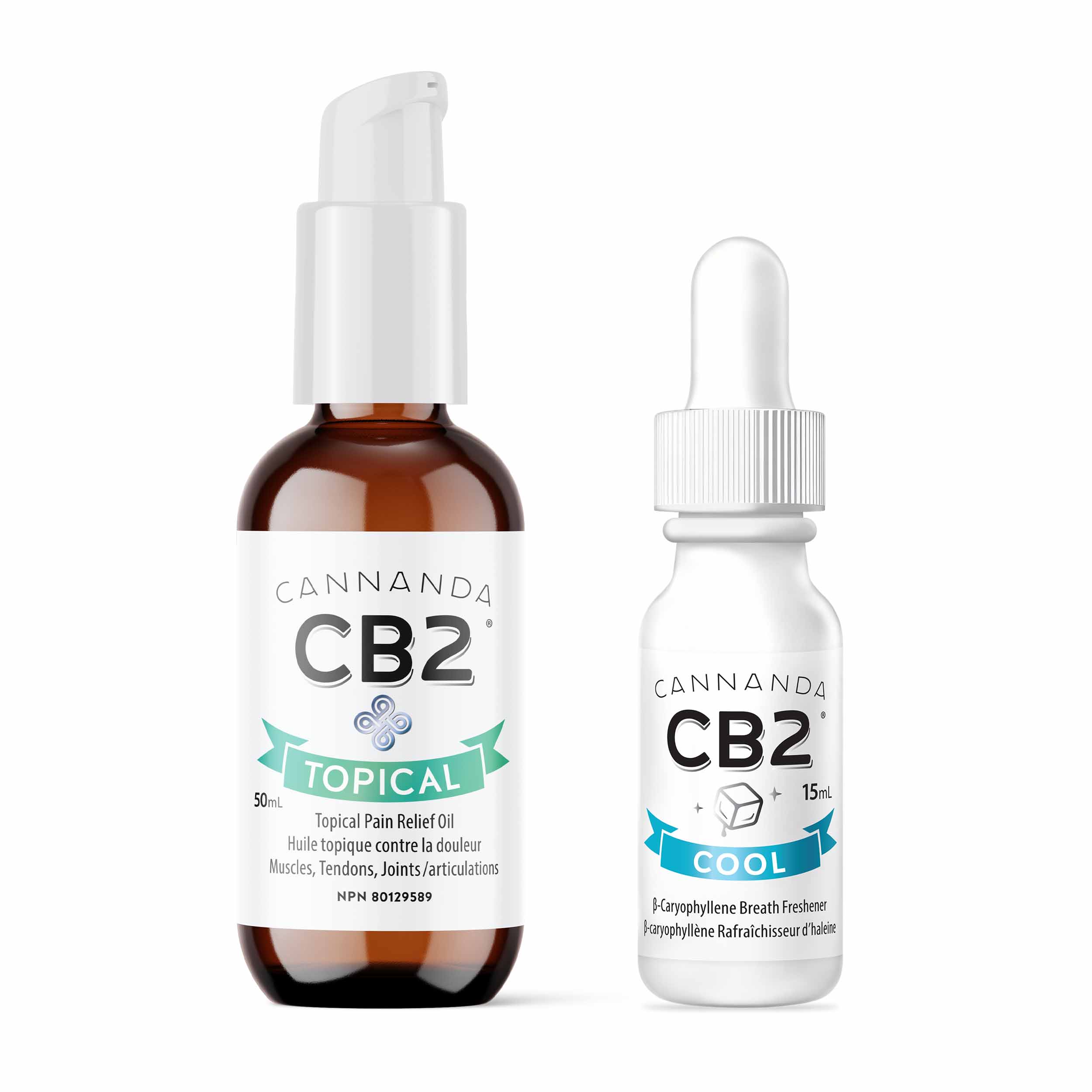
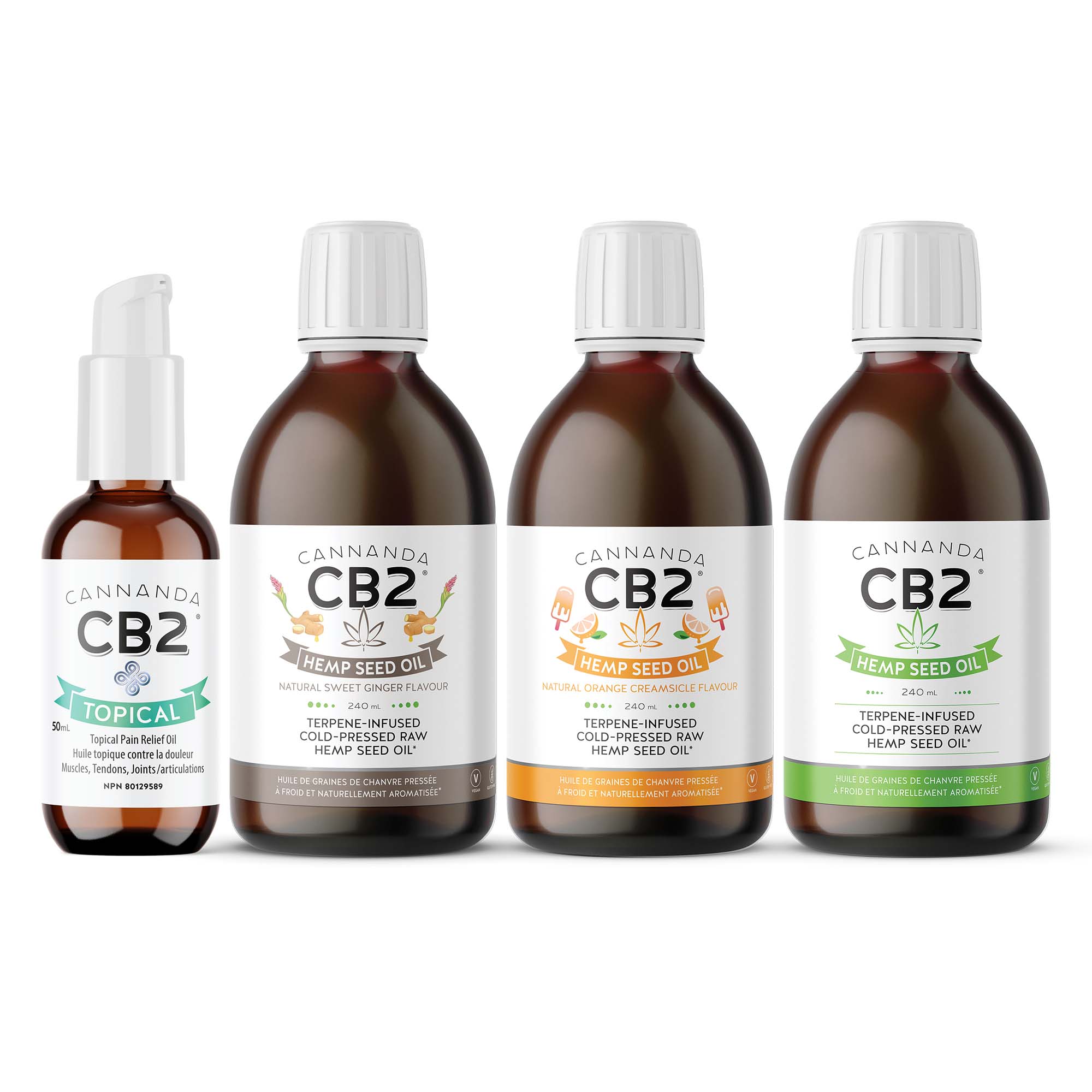
For specific tender points (hips, shoulders, neck, upper back) CB2 Topical Oil can be applied directly to the area in addition to the daily oral dose. Topical and oral BCP work through the same CB2 mechanism but in different locations. They don't interfere with each other and you don't need to count topical use toward your daily oral total.
Which Product to Choose
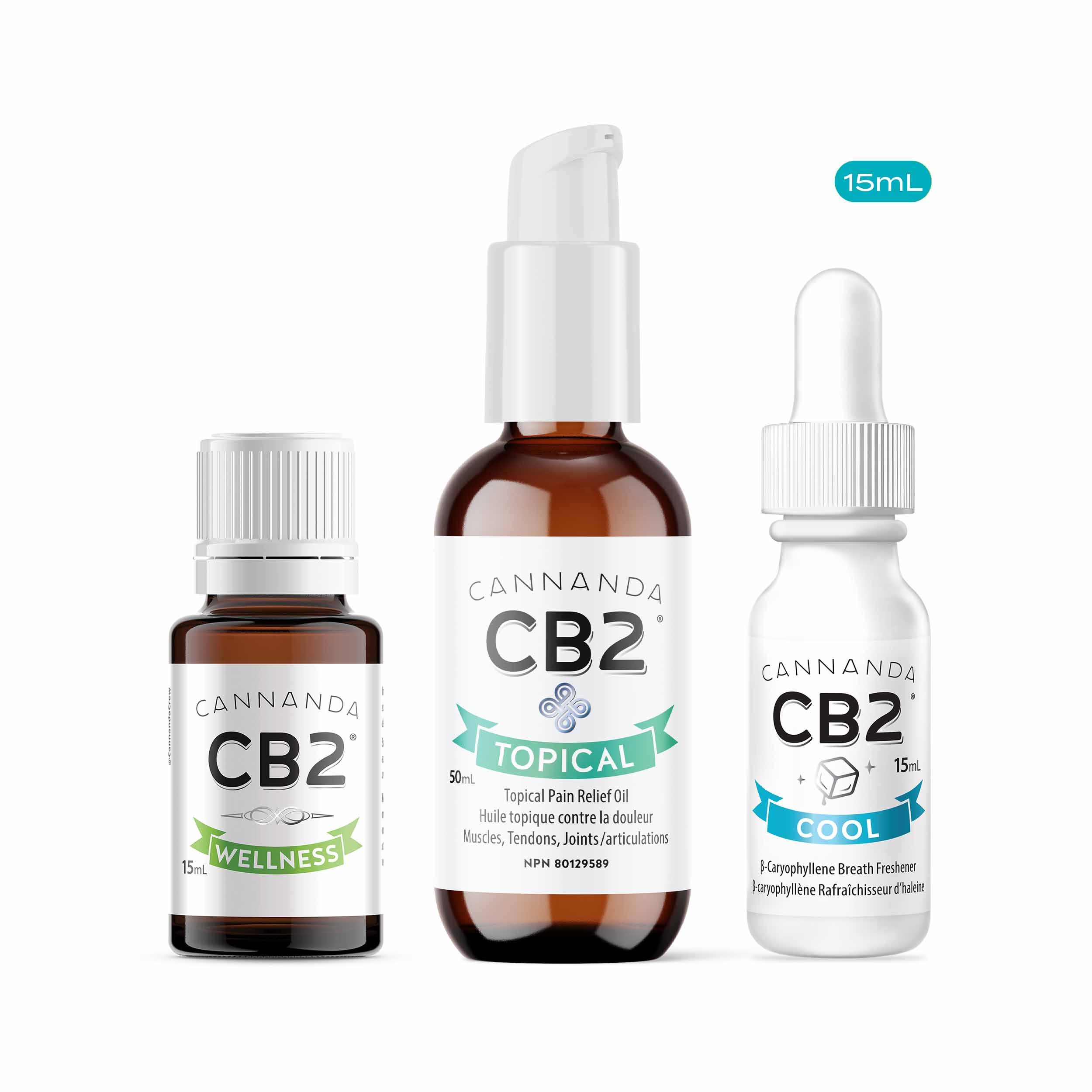
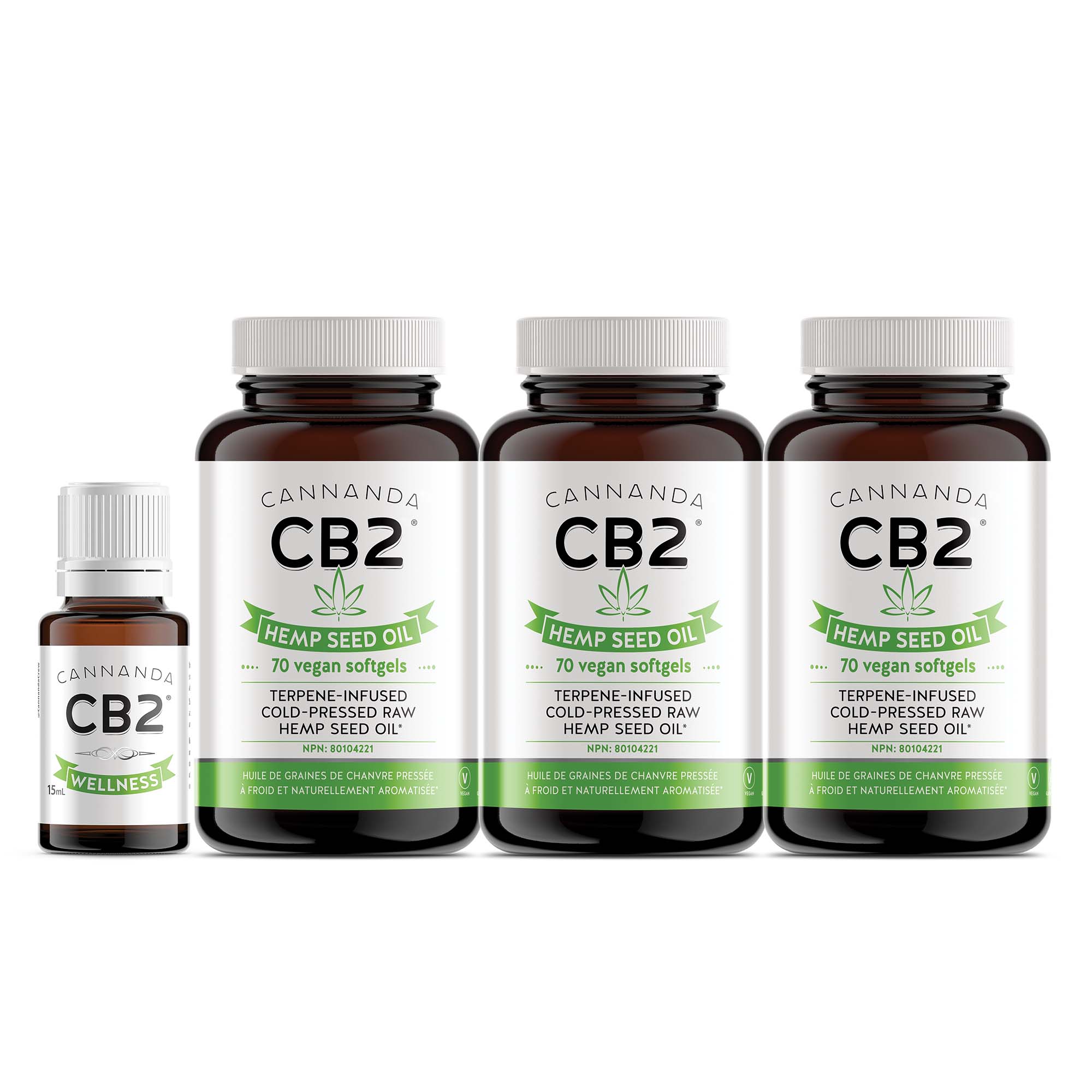
Most flexible for dose adjustment. Can be used sublingually or inhaled for flares. Best all-around choice for fibromyalgia.
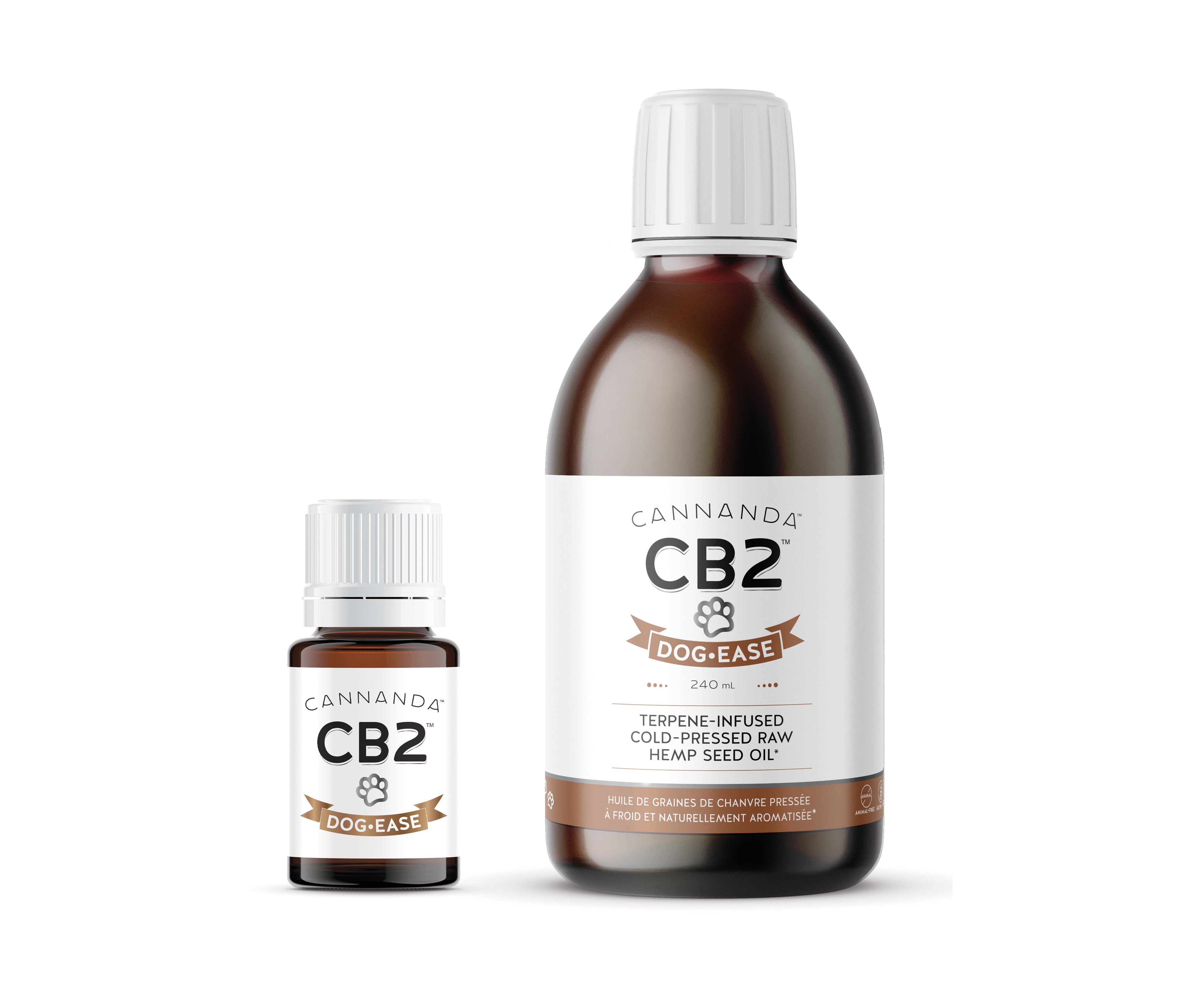
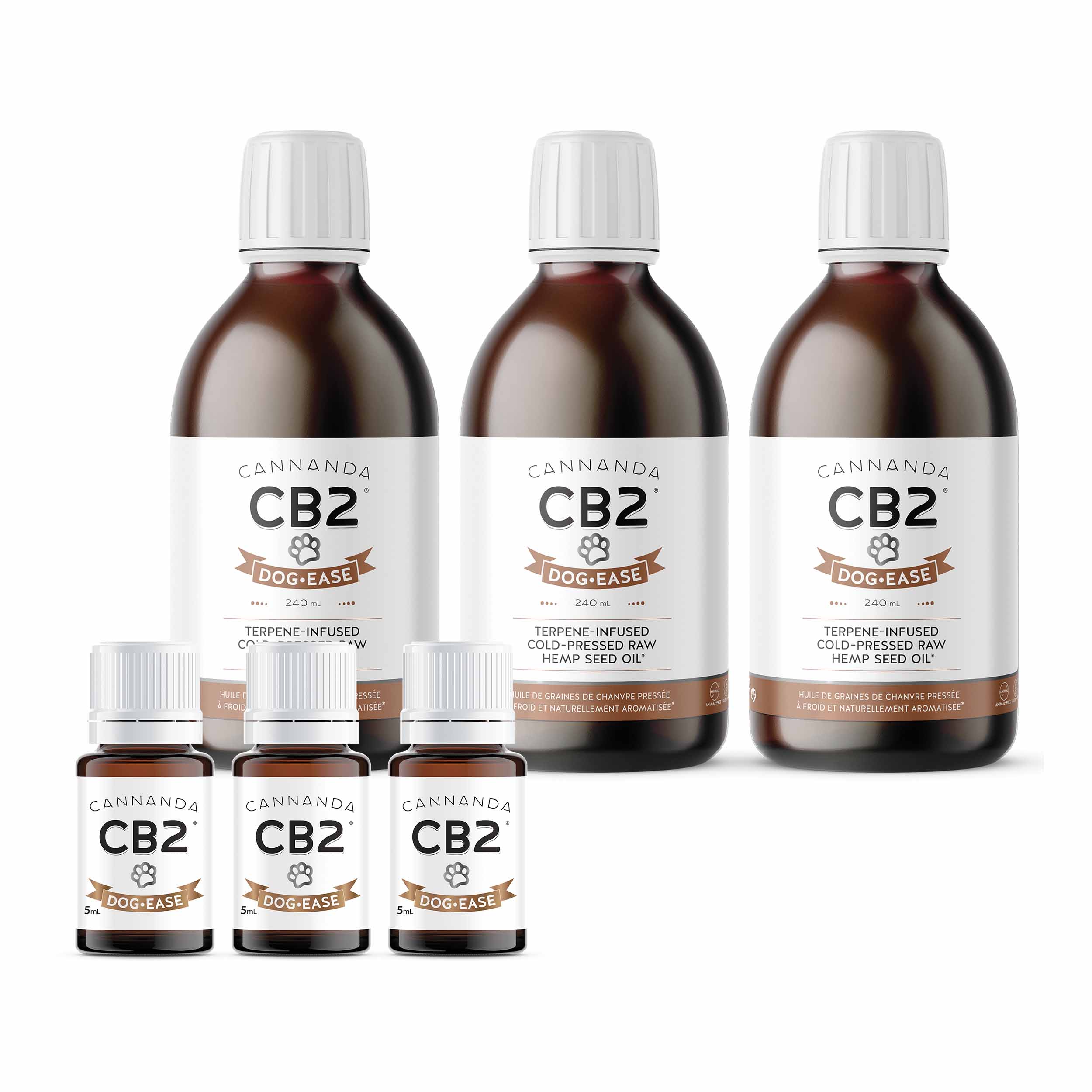
Shop CB2 WellnessBCP plus omega-3 and omega-6 for added anti-inflammatory support. Good for adding to food or smoothies.
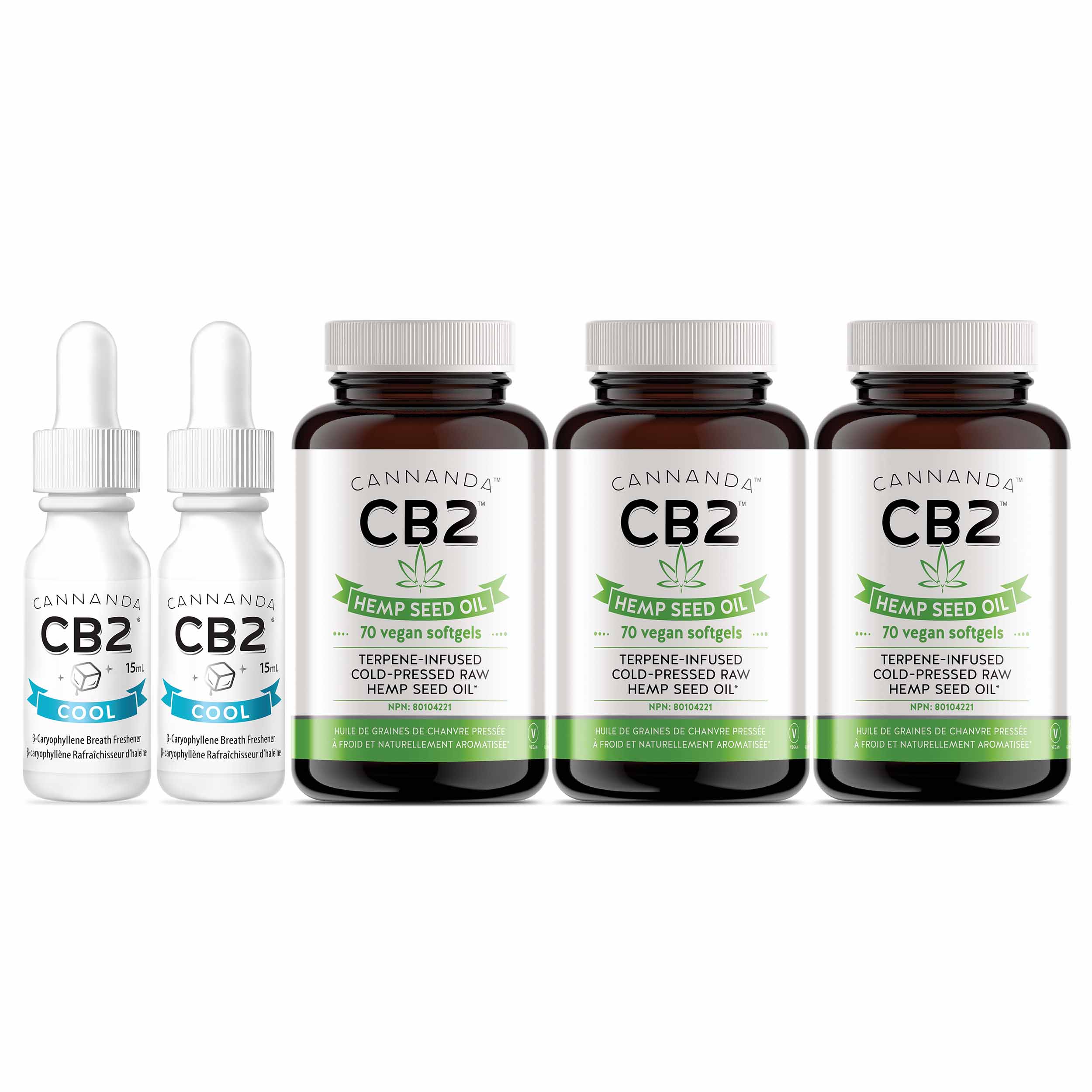
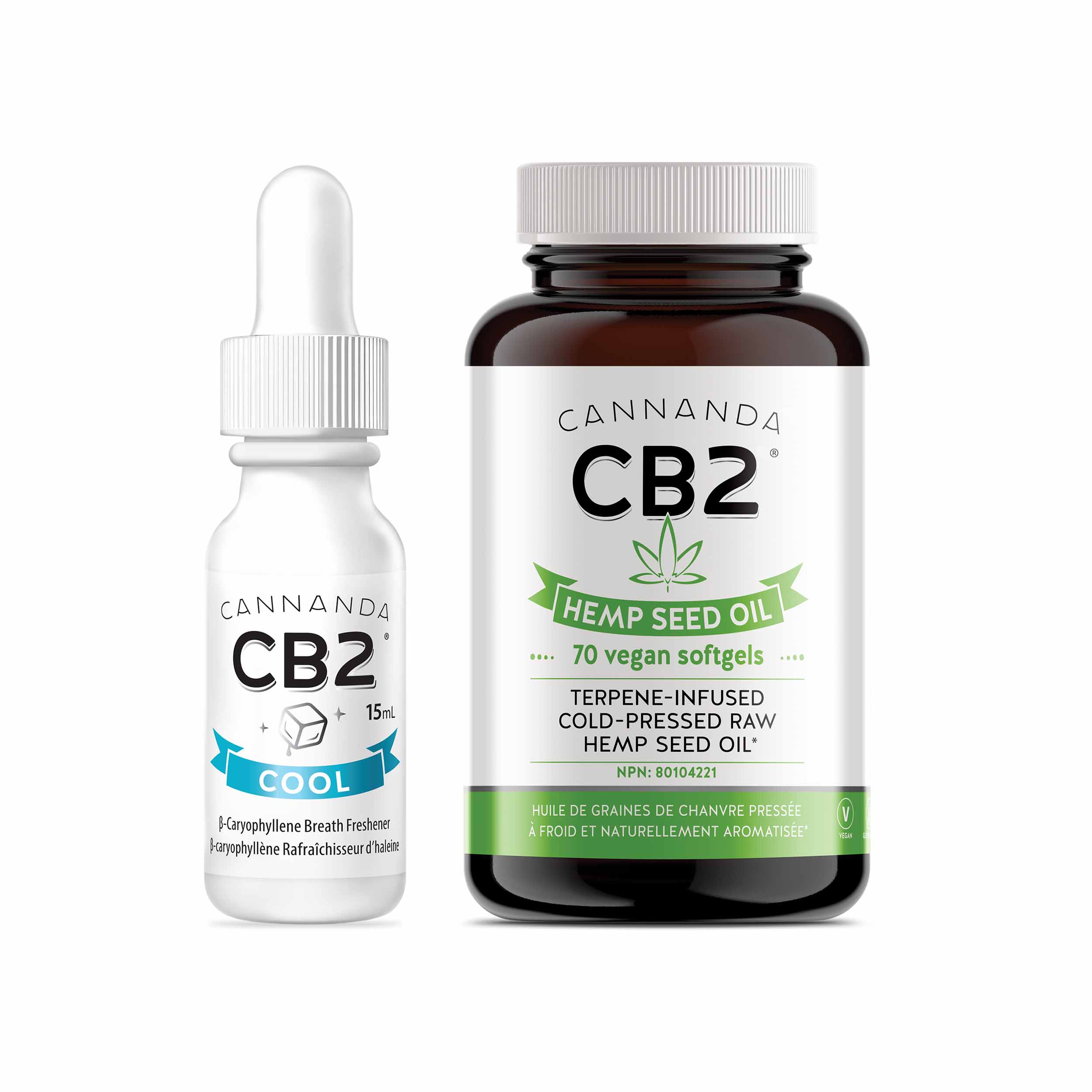
Shop Hemp Seed OilSublingual drops for faster absorption. Good if you find CB2 Wellness too concentrated or want sublingual ease.
Shop CB2 CoolMost convenient for a consistent daily routine. Take with a fat-containing meal for best absorption.
Shop SoftgelsMany people with fibromyalgia use two products: CB2 Wellness as their primary daily supplement (for dose flexibility and flare management via inhalation), plus CB2 Topical Oil for direct application to specific tender points. This combination covers both systemic and localized needs without over-complicating the routine.
Safety, Side Effects, and Medications
BCP is a food-grade terpene with FDA GRAS status, found naturally in black pepper, cloves, and other everyday foods. It has an excellent safety profile. A few practical notes:
- GI sensitivity: A small number of people experience mild digestive upset with CB2 Hemp Seed Oil, particularly at first. This is almost always resolved by taking it with food rather than on an empty stomach, and by starting at a lower dose and building slowly.
- Medications: At Cannanda's recommended doses (up to 120 mg/day), there are no known adverse drug interactions with BCP, including common fibromyalgia medications like duloxetine (Cymbalta), pregabalin (Lyrica), and amitriptyline. One exception: if you're on a medication with a narrow therapeutic window, talk to your doctor before starting BCP. Always let your healthcare provider know you're adding a new supplement.
- Higher doses: Above 120 mg/day, the possibility of interactions with liver-processed medications increases. Don't go above 120 mg/day without consulting a healthcare provider.
- Long-term use: Long-term daily use is not only safe, it's encouraged. BCP is one of the few supplements where the recommendation is to keep using it consistently for the long term, because the benefit comes from sustained CB2 receptor activation, not acute doses.
Practical Tips That Make a Difference
- Keep a simple symptom journal. Fibromyalgia symptom fluctuation is normal and can make it hard to tell whether something is working. A brief daily note (pain level, sleep quality, mood, energy) over 4+ weeks gives you a clear picture that moment-to-moment perception doesn't.
- Take with fat. BCP is fat-soluble. If you're swallowing the oil, always take it with a meal that has some fat in it. Avocado, eggs, nuts, full-fat yogurt, anything works. Sublingual use is less dependent on dietary fat.
- Increase every 4–7 days. Add 20 mg every 4–7 days. Going faster means you can't tell which dose level is working or causing a reaction.
- Give it a full month. Some people feel benefits within the first day or two. Others need 4+ weeks. Don't quit before you've reached 120 mg/day and held it for at least a week.
- Pair with lifestyle support. BCP works best as part of a broader approach including an anti-inflammatory diet, gentle movement within your tolerance, stress management. It's not a magic bullet, but it's a meaningful piece of a well-structured management plan.
What a 60–70% Success Rate Actually Means for You
Cannanda CB2 oil has an estimated success rate of 60–70% across its customer base, roughly 2 in 3 people experience meaningful benefit. For fibromyalgia specifically, the most consistently reported improvements are pain reduction, better sleep, and improved mood. For the 30–40% who don't respond as well to a standard dose, the most common reasons are: dose too low, trial too short, or biological mismatch (reality is, just like any other drug or therapy, CB2 oil won't work for everyone).
However, this success rate puts CB2 oil roughly in line with the most popular pharmaceutical options for fibromyalgia, but without the side effects, without the dependency concerns, and with a much broader set of additional health benefits. The people who get the best results are consistent, patient, and willing to find their personal effective dose rather than stopping at the first dose they try.
Browse the full range of CB2 oil products formulated for fibromyalgia and inflammation: Cannanda CB2 Oil for Fibromyalgia →
For a deeper dive into the science of BCP dosing, including how animal study doses translate to humans, see the full BCP dosing guide.
Frequently Asked Questions
How much BCP should I take for fibromyalgia?
The typical effective range is 60–120 mg of BCP per day. Start at 20–40 mg/day, increasing by 20 mg every 4–7 days up to 60 mg, then 80–120 mg if needed. Split doses between morning and evening. Many people find their sweet spot at 60–100 mg/day. Going higher than 120 mg/day doesn't always improve results, some research shows lower doses can be more effective.
How long does BCP take to work for fibromyalgia?
Some people notice benefits within the first one or two days, often better sleep or reduced pain. Others need 4+ weeks before feeling a meaningful difference. This variability reflects real differences in physiology and genetics, the same reason responses to medications vary so widely. It's not a sign the product isn't working. Give it a full month at up to 120 mg/day before deciding.
Which CB2 oil product is best for fibromyalgia?
CB2 Wellness is the most commonly recommended: highest BCP concentration per drop, most flexible for dose adjustment, and can be used sublingually or inhaled during flares. CB2 Hemp Seed Oil adds omega-3 support for inflammation. Many fibromyalgia users combine CB2 Wellness for daily use and CB2 Topical Oil for tender point relief.
Can I take CB2 oil with my fibromyalgia medications?
At recommended doses (up to 120 mg/day), there are no known adverse interactions with common fibromyalgia medications including duloxetine (Cymbalta), pregabalin (Lyrica), and amitriptyline. One exception: if you're on a medication with a narrow therapeutic window, talk to your doctor before starting BCP. Always let your healthcare provider know when adding any new supplement.
Should I take CB2 oil in the morning or at night for fibromyalgia?
Both. Split your daily dose: morning with breakfast for daytime support, after dinner for sleep quality and overnight inflammation management. The evening dose is specifically valuable for fibromyalgia because sleep disruption is one of the most common and debilitating symptoms.
Is higher dose always better for fibromyalgia?
Not necessarily. Some research shows a non-linear dose-response curve with BCP, where lower doses can outperform higher ones for certain outcomes. Many people find 60–120 mg/day is optimal and going higher doesn't improve results. Start low, increase gradually, and find your effective dose rather than assuming more is better.
Can BCP help with the sleep problems caused by fibromyalgia?
Yes, sleep improvement is one of the most commonly reported benefits among fibromyalgia users. Taking a portion of the daily dose after dinner supports overnight inflammation management and sleep quality. CB2 Wellness inhalation before bed provides faster-acting support for sleep onset specifically.
What is the success rate of CB2 oil for fibromyalgia?
Based on data from thousands of users, the estimated success rate is approximately 60–70%. For fibromyalgia specifically, customer feedback most consistently highlights pain reduction, improved sleep, and better mood as the primary benefits. People who see the best results are consistent with daily use and patient with the timeline. Response time varies significantly. Some people notice benefits within the first 1–2 days, others need 4+ weeks, and this reflects individual differences in physiology and genetics rather than whether the product is working.