How Beta-Caryophyllene (BCP) Supports Women's Hormonal Health in Perimenopause and Menopause
Balance mood, ease menopausal discomfort, and support hormonal transition naturally, through CB2 receptor activation and the GLA advantage you probably haven't considered.
This article is for educational purposes. Perimenopause and menopause are medical transitions that benefit from healthcare provider guidance. Nothing here constitutes medical advice or replaces consultation with your doctor, particularly for decisions about hormone therapy. Always discuss supplements with your healthcare provider, especially if you are on medications.
You're navigating perimenopause or menopause and looking for evidence-based natural support, not just "try some herbs." You want to understand the actual mechanisms, what the research shows, and how CB2 oil fits into a broader approach to managing the transition well. You may also be wondering what the GLA in CB2 Hemp Seed Oil actually does, and how it compares to the evening primrose oil you've heard about.
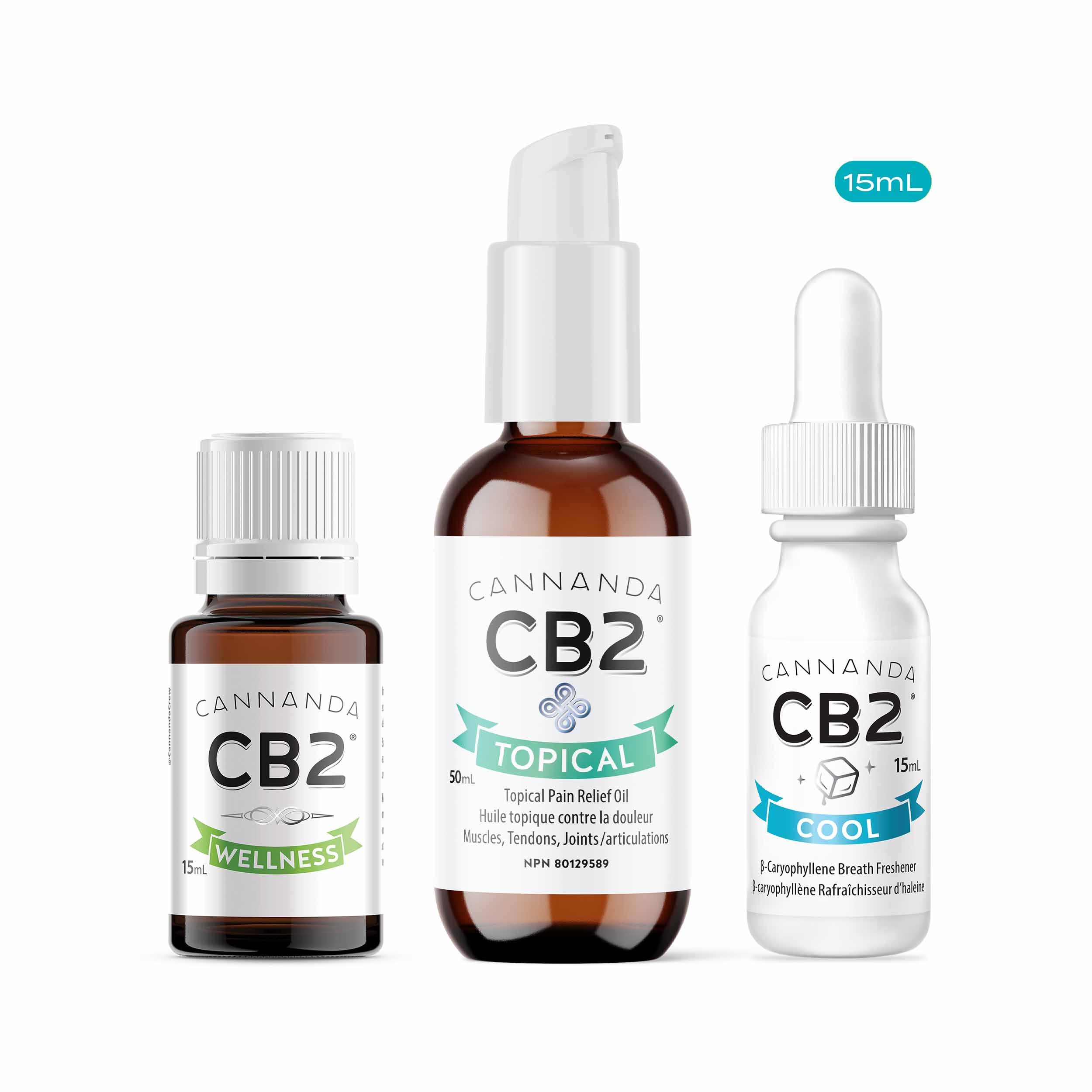
Oestrogen helps regulate the endocannabinoid system. When oestrogen declines in perimenopause and menopause, ECS tone shifts, and many of the symptoms that emerge (hot flashes, sleep disruption, mood changes, joint pain, brain fog) have neuroinflammatory roots that beta-caryophyllene (BCP) addresses through CB2 receptor activation. Cannanda CB2 Hemp Seed Oil also provides GLA, the same highly sought fatty acid in evening primrose oil and borage oil, matching or exceeding EPO's GLA content per serving. It's a dual-action product purpose-built for menopausal women, without the downsides of either HRT or CBD.
Women's health is closely tied to hormonal balance, impacting everything from mood and energy to sleep, cognition, joint comfort, and body temperature. During perimenopause and menopause, the hormonal transition that most women begin in their 40s, oestrogen and progesterone decline in ways that cascade through nearly every bodily system simultaneously. Beta-caryophyllene (BCP), the active ingredient in Cannanda CB2 Oil, has shown genuine relevance to this transition, addressing several of its most disruptive symptoms through CB2 receptor activation and the endocannabinoid system.
But there's an additional dimension most people haven't considered. Cannanda CB2 Hemp Seed Oil is also an exceptional source of GLA, the fatty acid women seek in evening primrose oil and borage oil for hormonal support. That makes it something uniquely valuable: a single product delivering both CB2 receptor activation and the GLA your hormonal health needs during this transition.
Understanding perimenopause and menopause
These terms are often used interchangeably but refer to distinct phases of the same hormonal transition:
- Irregular periods, fluctuating hormones
- First symptoms often appear
- Can last 4-10 years
- FSH rising, oestrogen erratic
- Joint pain often appears early
- 12 months without a period
- Oestrogen has significantly declined
- Hot flashes typically peak around this time
- A single point in time, not a phase
- Ongoing low oestrogen state
- Many symptoms persist years later
- Bone density, cardiovascular risk shift
- Long-term health considerations
The symptoms, and why they're so widespread
The sheer number of symptoms that can emerge during this transition surprises many women. It's not just hot flashes. That's because oestrogen receptors are found throughout the body, in the brain, joints, gut, skin, immune system, and cardiovascular system. When oestrogen declines, all of these systems feel the effect simultaneously.
Vasomotor symptoms driven by hypothalamic thermostat dysregulation. Partly neuroinflammatory in origin.
Night sweats interrupt sleep; anxiety prevents onset; declining oestrogen alters sleep architecture directly.
Hormonal fluctuations alter serotonin, GABA, and ECS tone, producing irritability, anxiety, and low mood.
Driven by neuroinflammation and reduced cerebral blood flow as oestrogen's neuroprotective effects decline.
One of the most underrecognized perimenopause symptoms, oestrogen has direct anti-inflammatory protection in joint tissue.
Declining oestrogen shifts fat distribution to visceral (abdominal) fat; insulin sensitivity changes; metabolic rate slows.
Declining oestrogen, testosterone, and vaginal tissue changes; also driven by poor sleep, mood, and pain reducing interest.
Oestrogen protects bone density; rapid decline post-menopause increases osteoporosis risk significantly over 5-10 years.
The oestrogen-endocannabinoid connection: why CB2 oil is particularly relevant
Research shows that oestrogen directly influences the endocannabinoid system. Oestrogen modulates CB1 and CB2 receptor expression, regulates endocannabinoid levels (particularly anandamide, the body's natural "bliss molecule"), and helps maintain ECS tone throughout the body. When oestrogen declines in perimenopause and menopause, this ECS modulation is lost.
The result is a simultaneous dysregulation of ECS-dependent functions, mood regulation, pain modulation, sleep architecture, temperature control, immune balance, and inflammation control, which helps explain why menopausal symptoms affect so many systems at once rather than just one. Supporting ECS function through CB2 receptor activation with BCP provides a mechanistically coherent response to this oestrogen-withdrawal disruption. This connection also suggests why so many perimenopausal and menopausal women respond particularly well to CB2 oil.
How BCP addresses menopausal symptoms: the key mechanisms
Why neuroinflammation matters for menopause
Hot flashes are not simply about low oestrogen, they're about the hypothalamic thermostat becoming dysregulated when it loses oestrogen's regulatory influence. The thermoregulatory dysfunction has a significant neuroinflammatory component: activated microglia in the hypothalamus produce inflammatory signals that narrow the thermoneutral zone, triggering the sweating cascade at temperatures that wouldn't normally cause it.
Brain fog, mood instability, and the cognitive changes of menopause also have neuroinflammatory roots. As oestrogen's anti-neuroinflammatory protection declines, microglial activation increases, impairing neural signalling and cognitive processing.
How BCP helps
BCP activates CB2 receptors in brain microglia and peripheral immune cells, suppressing pro-inflammatory cytokines (TNF-α, IL-1β, IL-6) and reducing the neuroinflammatory load that drives hot flashes, brain fog, and mood dysregulation. By reducing neuroinflammation through a different pathway than oestrogen, BCP supports the same end result, a calmer, less reactive neural environment, without hormonal mechanisms.
Why joint pain is a perimenopause symptom
Joint pain is consistently listed among the most surprising perimenopause symptoms by women who experience it. The reason is pharmacological: oestrogen has direct anti-inflammatory protection in joint tissue, it suppresses the pro-inflammatory cytokines and immune cell activity that drive joint inflammation. When oestrogen declines, that protective effect is lost, and joint inflammation can emerge or worsen significantly. This is often the first perimenopause symptom that appears, sometimes years before hot flashes begin.
BCP's direct analgesic and anti-inflammatory action
CB2 receptors are expressed throughout joint tissue, immune cells, and the spinal pain pathways that process joint pain signals. BCP's direct CB2 agonism reduces joint inflammation and pain through the same mechanisms documented in arthritis and neuropathic pain research, no tolerance development over prolonged use means it remains effective long-term.
Why menopause disrupts sleep so severely
Menopausal sleep disruption has multiple overlapping drivers: night sweats (thermoregulatory dysregulation) physically interrupt sleep; anxiety and cortisol dysregulation prevent sleep onset; declining oestrogen directly alters sleep architecture; and the accumulated effects of poor sleep feed back into worsening inflammation, mood, and hot flashes the next day, a feedback loop that can make menopause progressively harder over months.
How BCP helps across multiple sleep-disruption mechanisms
BCP supports sleep quality through CB2-mediated ECS regulation of circadian rhythms and sleep-wake cycles. It reduces the neuroinflammation that disrupts sleep architecture. Its anxiolytic effects help quiet the mental hyperarousal that prevents sleep onset. And by reducing joint pain, which commonly wakes women at night, it removes another key sleep disruptor. The result is often both faster sleep onset and fewer nighttime awakenings, which many users report as one of the earliest and most appreciated benefits.
Why menopause affects mood so dramatically
Oestrogen influences serotonin production, GABA receptor sensitivity, and endocannabinoid levels, all of which regulate mood and stress response. As oestrogen fluctuates during perimenopause and then declines in menopause, these mood-regulating systems become unstable. Many women describe mood changes as one of the most disorienting aspects of the transition, particularly when the connection to hormonal change isn't recognized and symptoms are attributed to external stressors.
BCP's anxiolytic mechanism
BCP's interaction with the endocannabinoid system promotes relaxation and reduces stress levels, making it easier to navigate hormonal fluctuations. CB2 receptor activation reduces neuroinflammation, increasingly recognized as a contributor to anxiety and depression, without the sedation or dependency associated with pharmaceutical anxiolytics. BCP's effects on mood operate through CB2 pathways, not through serotonin or GABA receptor manipulation.
Menopause and metabolic changes
Declining oestrogen shifts fat distribution toward visceral (abdominal) fat, reduces insulin sensitivity, and slows metabolic rate. These metabolic changes are a significant contributor to the weight gain many women experience during the transition, and they increase cardiovascular risk. Standard advice to "eat less and move more" often feels frustratingly insufficient against these biological shifts.
BCP's PPAR pathway activation
Beyond CB2 receptor activation, BCP also activates PPAR-alpha and PPAR-gamma receptors, key regulators of glucose and lipid metabolism, fat oxidation, and insulin sensitivity. These are the same receptors targeted by several pharmaceutical metabolic medications. BCP's PPAR activation supports the body's fat-burning and glucose regulation pathways at a time when declining oestrogen is working against them. For a deeper look at this mechanism, see our article on BCP and metabolic health.
The GLA advantage: why CB2 Hemp Seed Oil outperforms evening primrose oil
Gamma-linolenic acid (GLA) is an omega-6 fatty acid that women have used for decades to support hormonal health during menstrual cycles and menopause. It's the reason evening primrose oil and borage oil are among the top-selling women's supplements globally. GLA supports hormonal balance by serving as a precursor to prostaglandin E1 (PGE1), an anti-inflammatory prostaglandin that helps modulate the hormonal signalling dysregulation driving cramps, hot flashes, and mood instability.
Here's what most women haven't been told: Cannanda CB2 Hemp Seed Oil is an excellent source of GLA, as much, if not more, per serving than evening primrose oil. But it delivers that GLA alongside beta-caryophyllene for CB2 receptor activation, plus omega-3, omega-6, and omega-9 fatty acids for broader cardiovascular and anti-inflammatory support. Evening primrose oil provides GLA only. CB2 Hemp Seed Oil provides GLA plus a CB2 receptor agonist plus a complete fatty acid profile.
The testosterone connection: BCP and libido
Declining libido during perimenopause and menopause is driven partly by oestrogen and vaginal tissue changes, but also by declining testosterone, a hormone that affects libido, energy, and mood in women as well as men, and which decreases naturally with age.
An important nuance: this study used olfactory exposure, inhaling the scent of BCP, not oral supplementation. This is relevant to how Cannanda CB2 products are used. CB2 Wellness drops can be used aromatically (a few drops diffused or inhaled directly), which would replicate the study's exposure method. The mechanism is believed to involve the olfactory-hypothalamic axis, BCP's volatile aroma molecules interact with olfactory receptors that connect to the hypothalamus, which regulates testosterone production. This is a preliminary finding warranting further research, but it is peer-reviewed, statistically significant, and published in a reputable journal.
How CB2 oil compares to conventional approaches
HRT is the gold standard for moderate-to-severe menopausal symptoms and the most effective intervention for hot flashes and night sweats. For women without contraindications, modern low-dose HRT has a significantly more favorable risk-benefit profile than older preparations. CB2 oil is not a replacement for HRT in women who need it and can safely use it, it's a complement or an alternative for women who prefer non-hormonal approaches, have contraindications, or want additional support.
Low-dose SSRIs and SNRIs (particularly venlafaxine, desvenlafaxine, escitalopram) have evidence for reducing hot flash frequency. Side effect profiles include nausea, sexual side effects, and withdrawal difficulties. They are also metabolized through the CYP450 pathway, which means CBD has potential interactions here. BCP generally does not, though the narrow-therapeutic-window exception still applies. For women already on SSRIs for depression or anxiety, BCP's generally clean drug interaction profile makes it a particularly safe complementary option to discuss with their doctor.
Black cohosh has modest evidence for reducing hot flash frequency. It's not a phytoestrogen, it doesn't bind oestrogen receptors, but appears to work through serotonin pathways. Phytoestrogens (soy isoflavones) have inconsistent evidence; they may provide modest benefit for women who can metabolize equol, a soy metabolite. Neither addresses joint pain, brain fog, or sleep directly the way BCP does.
Magnesium glycinate or citrate (300-400mg/day) supports sleep quality, reduces anxiety, and is critical for bone density maintenance alongside vitamin D3 + K2. These are not alternatives to CB2 oil, they address different mechanisms (bone metabolism, NMDA receptor regulation) and work synergistically with BCP. Combined with CB2 oil, they address sleep, mood, and bone health from different complementary angles.
A practical daily protocol for menopausal women
1-2 tablespoons with breakfast and dinner provides sustained BCP for daily CB2 receptor activation, plus GLA for hormonal balance, plus omega-3 for anti-inflammatory support. Taking it with fat-containing meals maximizes absorption of all components. Start with 1 tablespoon twice daily and assess after 2-3 weeks.
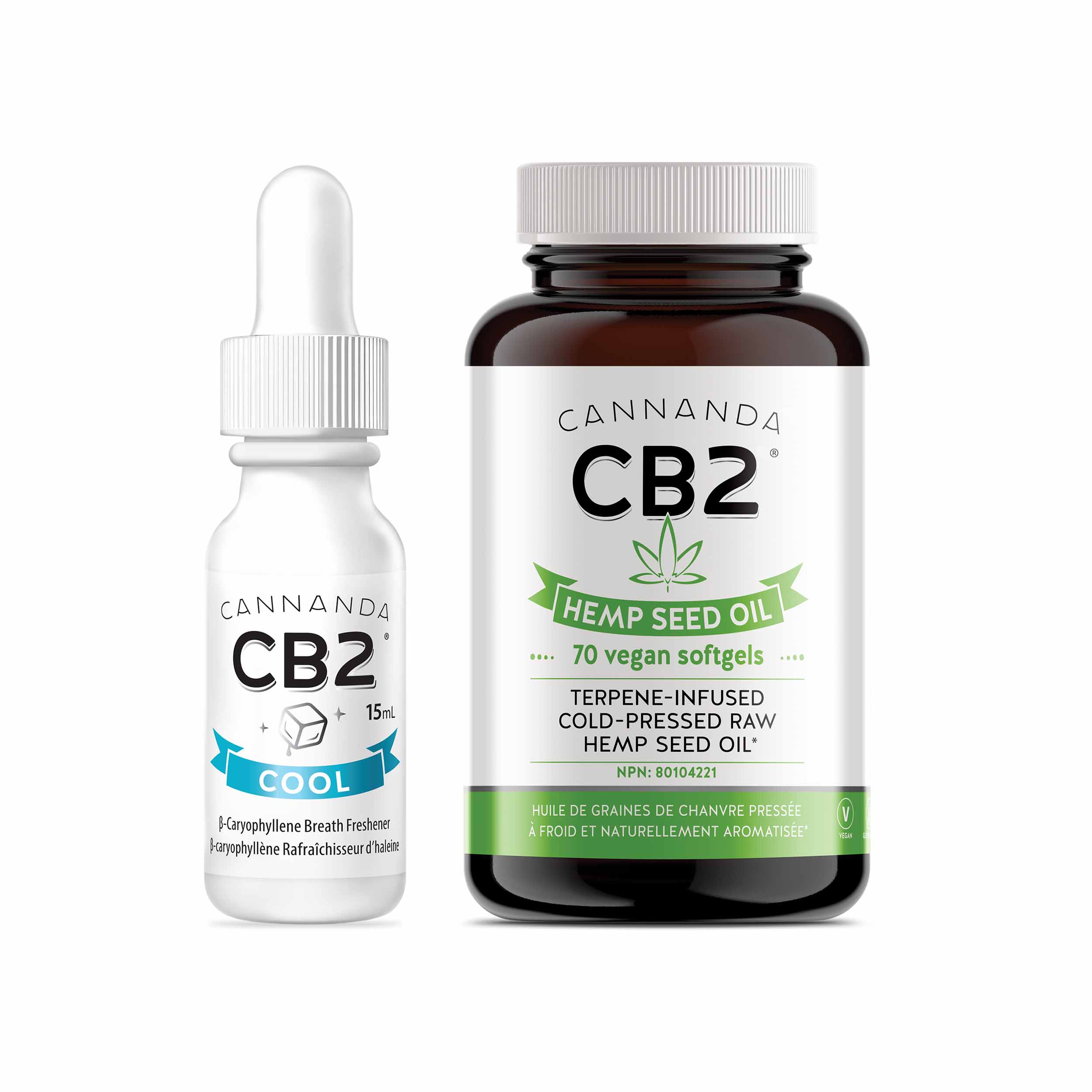
Sublingual CB2 Wellness at bedtime provides faster-onset BCP for sleep onset support. Hold under the tongue for 60 seconds before swallowing. The concentrated format is also useful during acute anxiety episodes or a particularly bad hot flash day.
Based on the Tarumi & Shinohara (2020) olfactory testosterone study, inhaling CB2 Wellness aroma, a few drops on the wrists or inhaled directly, may support libido and testosterone levels. This is a simple, low-effort addition that takes seconds and costs nothing extra if you're already using CB2 Wellness.
Magnesium glycinate (300-400mg before bed) supports sleep and reduces the anxiety and muscle tension that worsen hot flashes. Vitamin D3 (1000-2000 IU) with K2 (100mcg MK-7 form) supports bone density, critical from perimenopause onward when oestrogen's bone-protective effect is declining.
The neuroinflammatory changes of menopause took time to develop and take time to shift. Some women notice improvements within days, particularly sleep and joint pain. Mood stabilization and hot flash reduction typically build over 2-6 weeks. Consistency matters more than any individual dose.
Natural support designed for this transition
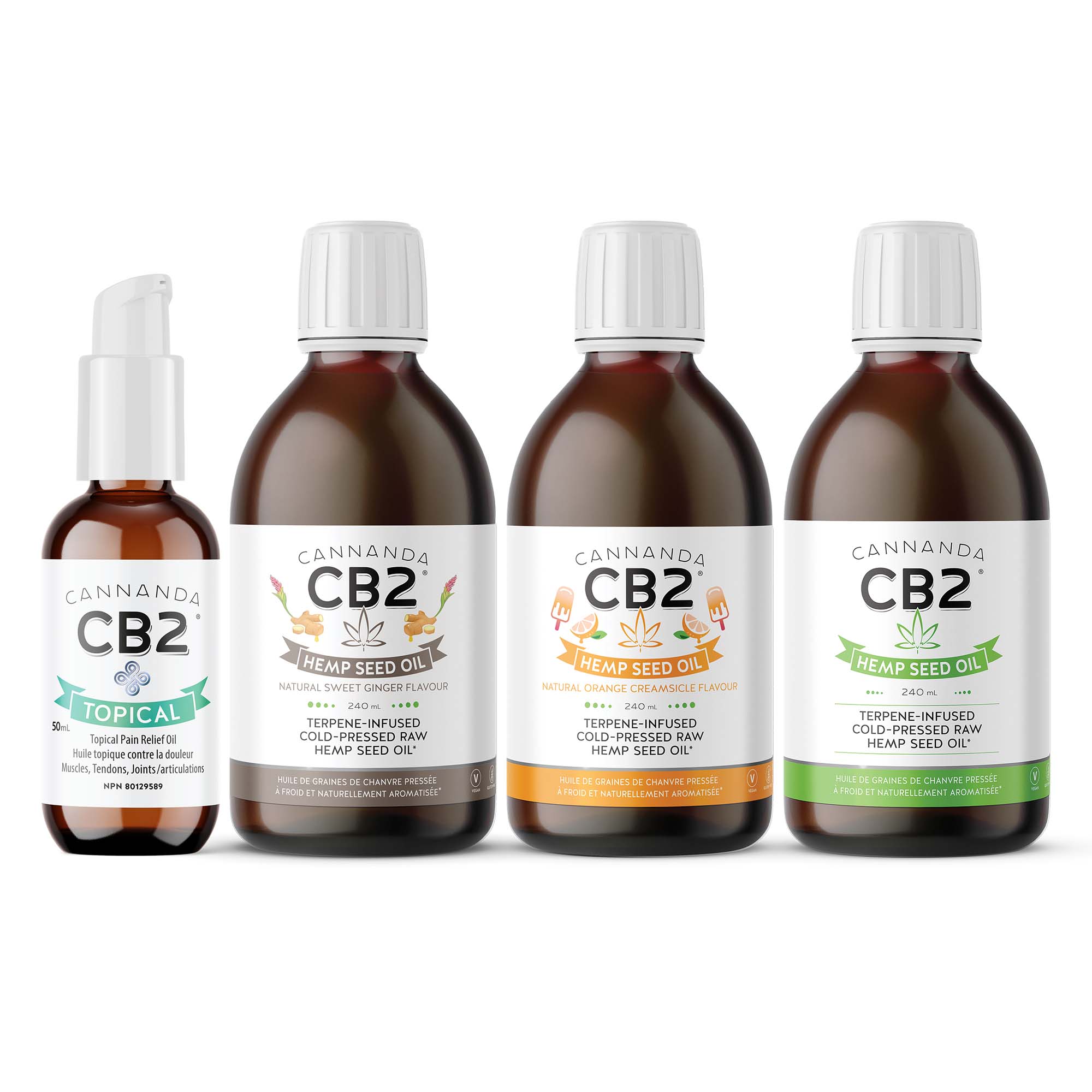
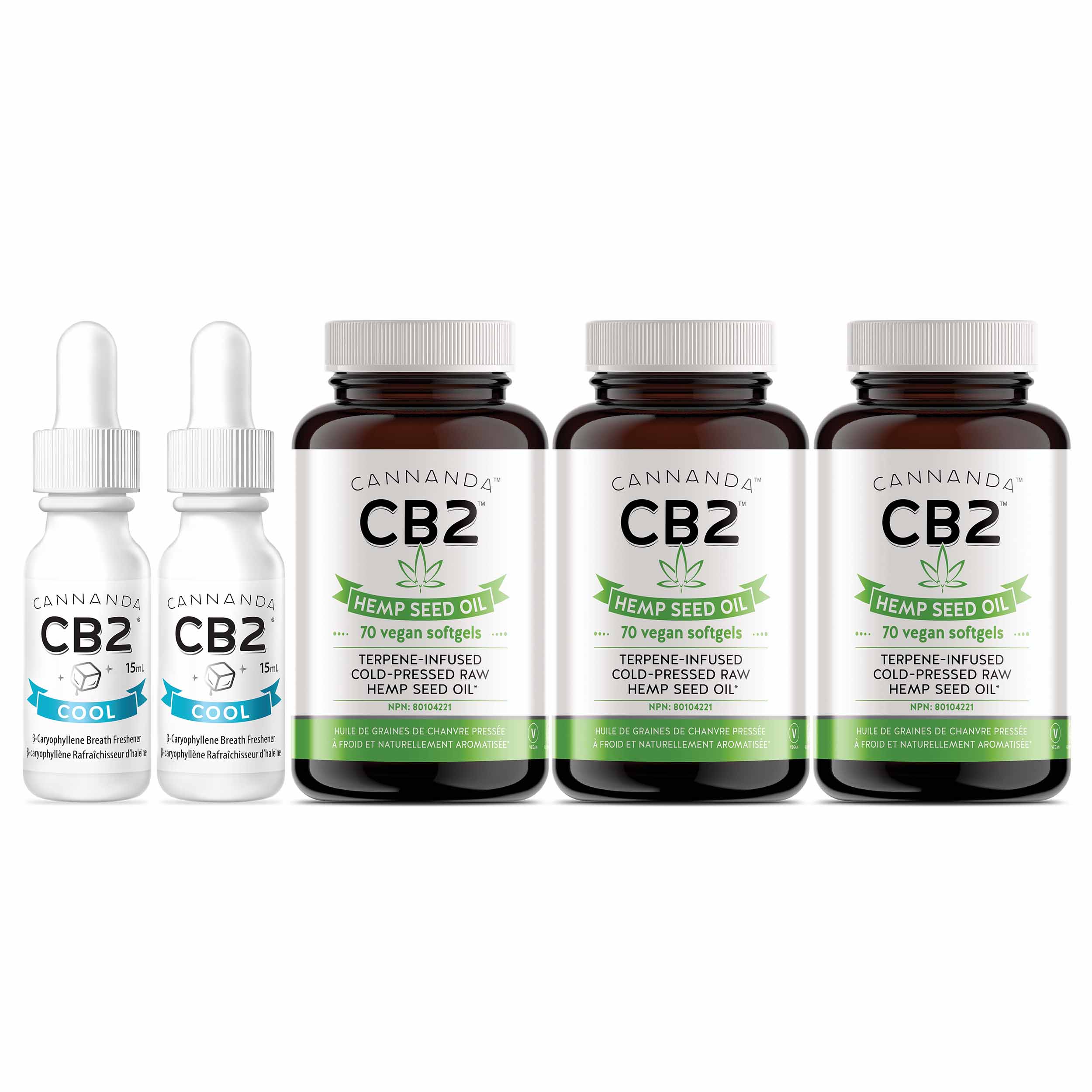
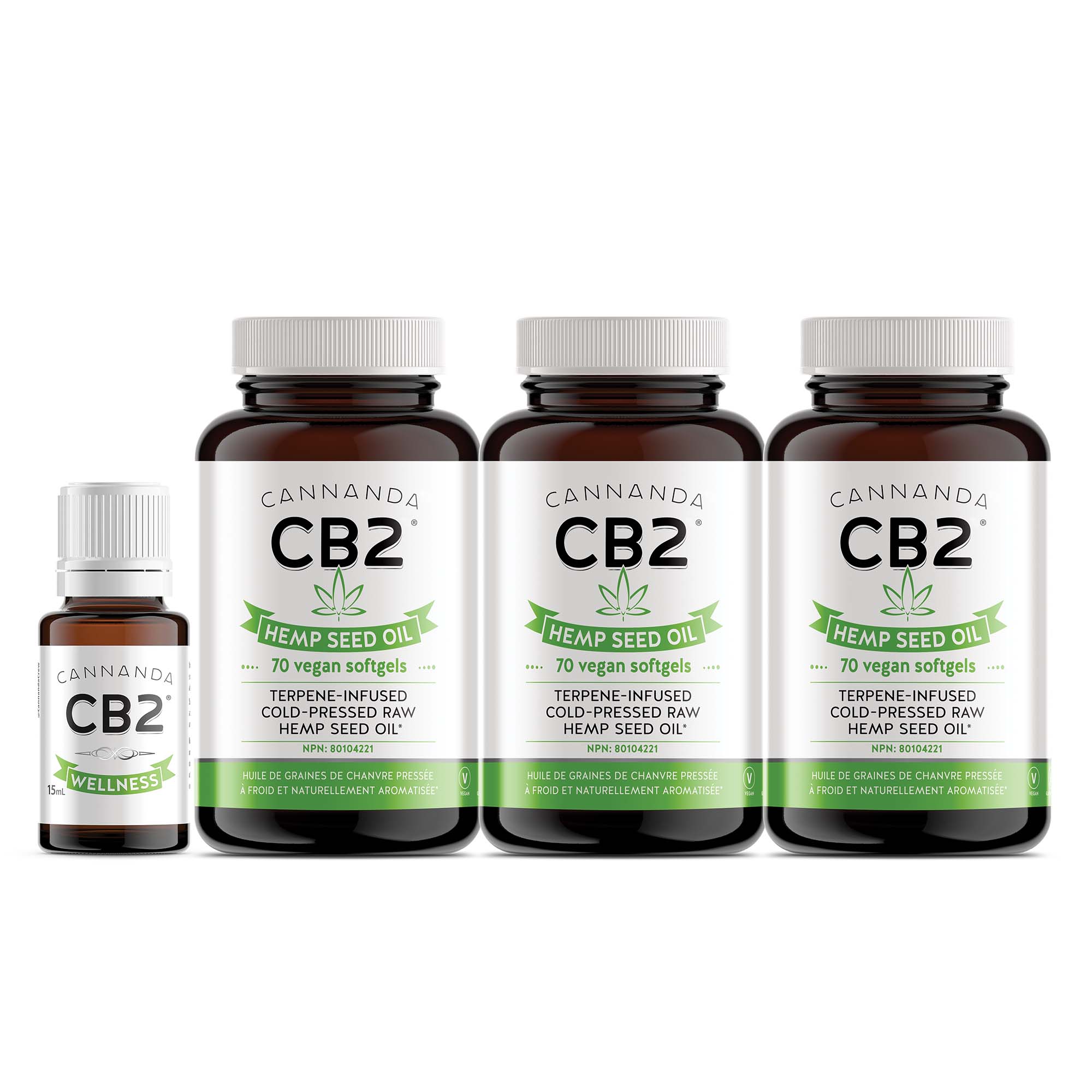
CB2 receptor activation + GLA in one product. Non-intoxicating. No drug interactions for most people. Physician-formulated for women's health.
Frequently Asked Questions
How does BCP help ease menstrual cramps and inflammation?
BCP exerts anti-inflammatory effects by activating CB2 receptors, reducing the prostaglandin-driven inflammation that causes menstrual cramping. It suppresses pro-inflammatory cytokines (TNF-α, IL-1β, IL-6) through CB2 receptor-mediated pathways. For perimenopausal women with irregular, often heavier and more painful periods during the transition, consistent BCP use may reduce cramping severity through sustained anti-inflammatory CB2 activation.
Can BCP help stabilize mood swings during PMS or hormonal shifts?
Yes. BCP's interaction with the endocannabinoid system promotes relaxation and emotional equilibrium by reducing neuroinflammation and supporting CB2-mediated mood regulation. Research confirms BCP produces anxiolytic and antidepressant-like effects through CB2 receptor activation. During perimenopause, when hormonal fluctuations are most erratic, daily CB2 oil provides the consistent ECS support that may help smooth mood variability.
How might BCP support women experiencing menopause?
Through CB2 receptor activity, BCP addresses the neuroinflammatory drivers of hot flashes and brain fog, supports sleep quality through ECS regulation, reduces joint pain that peaks in perimenopause, eases anxiety through CB2-mediated mood pathways, and provides GLA for hormonal balance. As a PPAR receptor activator, it also supports the metabolic changes that accompany declining oestrogen.
Does BCP support overall hormone balance or just symptoms?
BCP supports the systemic conditions that allow the body to manage hormonal changes better, reducing neuroinflammation, supporting ECS tone (which oestrogen normally helps regulate), and providing GLA for prostaglandin balance. Direct oestrogen or progesterone modulation hasn't been established for oral BCP. However, by addressing the downstream consequences of hormonal change through multiple mechanisms simultaneously, it supports wellness throughout the transition.
Is there evidence that BCP affects hormone levels in women?
A 2020 study in Sexual Medicine (Tarumi & Shinohara) found that olfactory exposure to BCP significantly increased salivary testosterone in women (p=0.00) without affecting oestrogen levels. This was via inhalation of BCP aroma, not oral supplementation. Testosterone naturally declines with age in women, affecting libido, energy, and mood. The researchers suggested BCP may be a relatively safe remedy for decreased libido, while calling for further clinical investigation.
Is CB2 Hemp Seed Oil similar to evening primrose oil for menopause?
Yes, and significantly more comprehensive. CB2 Hemp Seed Oil contains GLA, the same active fatty acid that makes evening primrose oil popular for women's hormonal health. A serving provides as much GLA as, or more than, a serving of evening primrose oil. But CB2 Hemp Seed Oil also delivers BCP for CB2 receptor activation, plus omega-3, omega-6, and omega-9 fatty acids. Evening primrose oil provides GLA only. CB2 Hemp Seed Oil provides GLA plus a CB2 receptor agonist plus a complete fatty acid profile, in a single product.
Can BCP help with joint pain during menopause?
Yes. Joint pain is one of the earliest and most common symptoms of perimenopause, caused by declining oestrogen's loss of anti-inflammatory protection in joint tissue. BCP's CB2 receptor activation directly reduces joint inflammation and pain, with peer-reviewed research confirming no tolerance development over prolonged treatment. Many women in perimenopause report this as one of the most immediate and appreciated benefits of consistent CB2 oil use.
Is CB2 oil safe for menopausal women on medications?
CB2 oil has no documented adverse drug interactions at Cannanda's recommended doses for most people. Unlike CBD, it is not metabolized through the CYP450 enzyme pathway, the same pathway used by SSRIs, SNRIs, statins, blood pressure medications, and antidepressants commonly used by perimenopausal and menopausal women. The one exception is medications with a narrow therapeutic window, where you should check with your doctor before adding BCP. This makes it broadly compatible with the medication landscape of this life stage. Always inform your healthcare provider about supplements you're taking.
References
- Gertsch, J., et al. (2008). Beta-caryophyllene is a dietary cannabinoid. PNAS, 105(26), 9099-9104.
- Bahi, A., et al. (2014). β-Caryophyllene, a CB2 receptor agonist produces multiple behavioral changes relevant to anxiety and depression in mice. Physiology & Behavior, 135, 119-124.
- Klauke, A.-L., et al. (2014). The cannabinoid CB2 receptor-selective phytocannabinoid beta-caryophyllene exerts analgesic effects in mouse models of inflammatory and neuropathic pain. European Journal of Neuropsychopharmacology, 24(4), 608-620.
- Rom, S. & Persidsky, Y. (2013). Cannabinoid Receptor 2: Potential Role in Immunomodulation and Neuroinflammation. Journal of Neuroimmune Pharmacology, 8, 608-620.
- Tarumi, W. & Shinohara, K. (2020). Olfactory exposure to β-caryophyllene increases testosterone levels in women's saliva. Sexual Medicine, 8(3), 525-531. https://doi.org/10.1016/j.esxm.2020.06.001
- Hanna, M. & Trottier, V. (2021). Endocannabinoid system and sex hormones: An intimate relationship. Cannabis and Cannabinoid Research, 6(5), 390-405. (ECS-oestrogen interaction.)
- Russo, E. B. (2016). Clinical endocannabinoid deficiency reconsidered. Cannabis and Cannabinoid Research, 1(1), 154-165.
- Simopoulos, A. P. (2002). Omega-3 fatty acids in inflammation and autoimmune diseases. Journal of the American College of Nutrition, 21(6), 495-505. (GLA and omega fatty acids.)
- Freeman, E. W., et al. (2014). Associations of hormones and menopausal status with depressed mood in women with no history of depression. Archives of General Psychiatry, 63(4), 375-382.