This article is for informational purposes only and does not constitute medical advice, diagnosis, or treatment. If you have a health condition or take prescription medication, speak with your healthcare provider before adding any supplement to your routine.
- Adults 40+ noticing that joints are stiffer, recovery takes longer, sleep is lighter, or energy has a ceiling it didn't used to have
- Anyone wondering whether their aging symptoms have a specific biological explanation, not just "getting older"
- People looking for evidence-based, non-pharmaceutical approaches to healthy aging and long-term inflammatory balance
- Anyone curious about BCP, CB2 receptors, or why Cannanda's approach is fundamentally different from CBD
- Inflammaging is the chronic, low-grade, systemic inflammation that builds silently with age and drives most age-related decline.
- It's fundamentally different from protective, short-term inflammation — it never fully shuts off, and conventional anti-inflammatories don't touch its root causes.
- Its main biological engines include cellular senescence (zombie cells), mitochondrial dysfunction, gut dysbiosis, immune system drift, and chronic oxidative stress.
- Beta-caryophyllene (BCP) is a food-grade dietary terpene that activates CB2 receptors and PPAR-gamma, two independent anti-inflammatory pathways directly relevant to the inflammaging process.
- Daily BCP-based CB2 oil use is among the most mechanistically grounded natural strategies for long-term inflammatory balance support.
- 0% THC. 0% CBD. Not a cannabinoid, it's a terpene. Completely different category, completely different regulatory and safety profile.
Inflammaging: How Chronic Low-Grade Inflammation Accelerates Aging
You eat well. You move your body. You take your vitamins. And yet somewhere around 40 or 50, something shifts. Joints that used to feel fine are stiff in the morning. Recovery after exercise takes longer. Sleep is lighter. Energy has a ceiling it didn't used to have.
Most people chalk this up to "just getting older." But there's a specific biological mechanism behind it. It's documented in the research literature, it's measurable in your blood, and importantly, it's something you can actually do something about.
It's called inflammaging.
It's not a disease. Your doctor probably won't test for it at your annual checkup. But the science on it has been building for over two decades, and the research community increasingly sees it as one of the central forces driving how fast, and how well, we age. Understanding it changes what you should actually be doing every day.
What Is Inflammaging?
The term was coined in 2000 by Italian immunologist Claudio Franceschi and his colleagues. They combined "inflammation" and "aging" into a single word to describe something very specific: the chronic, low-grade, systemic inflammation that increases with age and appears to underlie most age-related conditions.[1]
To understand why this matters, you need to understand the difference between two types of inflammation.
Acute inflammation is what happens when you sprain your ankle or catch a cold. It's fast, targeted, and purposeful. Your immune system floods the area with chemical signals, sends in repair crews, neutralizes the threat, and when the job is done, dials everything back down. This kind of inflammation is your friend. You need it to survive and heal.
Inflammaging is the opposite. It's not fast. It's not purposeful. It's a persistent low-level hum of immune activation that never fully shuts off. Your body is constantly fighting a low-grade war against an enemy it can't clearly identify. The collateral damage from this ongoing immune attack (to tissues, blood vessels, joints, and even the brain) is what researchers increasingly believe drives a broad range of age-related concerns.[2]
Research consistently shows that key markers of systemic inflammation — particularly interleukin-6 (IL-6), tumor necrosis factor-alpha (TNF-α), and C-reactive protein (CRP) — tend to rise steadily with age, even in people who appear outwardly healthy. This silent, chronic inflammatory state is measurable. It's real. And it's not an inevitable part of aging you just have to accept.
The 5 Main Engines of Inflammaging
Inflammaging doesn't have a single cause. It builds from several converging biological processes. Understanding these engines is useful because the most effective natural strategies tend to address more than one of them at the same time.
Cellular Senescence — The "Zombie Cell" Problem
As cells age and accumulate damage, they hit a biological stop sign and stop dividing. This is called senescence, and it's initially protective; it prevents damaged cells from replicating. The problem is that senescent cells don't just sit quietly. They actively secrete a cocktail of inflammatory signals known as the Senescence-Associated Secretory Phenotype (SASP): cytokines, chemokines, and enzymes that promote inflammation in surrounding tissues.[3] As these cells accumulate over decades, their SASP output keeps feeding the inflammatory fire. More zombie cells means more chronic inflammatory signalling, a slow burn that never goes out.
Mitochondrial Dysfunction
Mitochondria are your cells' energy generators. As they age or sustain cumulative damage, they start leaking fragments called damage-associated molecular patterns (DAMPs) into the cellular environment. Your immune system reads these fragments as danger signals and responds with inflammation. Dysfunctional mitochondria also produce more reactive oxygen species (free radicals), creating a reinforcing cycle: more oxidative stress leads to more mitochondrial damage, which leads to more inflammatory signalling, which creates more oxidative stress.[4]
Gut Dysbiosis and Intestinal Permeability
Your gut microbiome, roughly 38 trillion microbial cells, plays a central role in regulating immune function. As we age, this community tends to shift toward lower diversity and more pro-inflammatory bacterial species. When the gut lining simultaneously becomes more permeable (often called "leaky gut"), bacterial fragments like lipopolysaccharide (LPS) cross into the bloodstream. The immune system flags these as threats and mounts a response. Repeated over years, this becomes a persistent, systemic inflammatory driver that few people ever connect back to gut health.[5]
Immune System Drift (Immunosenescence)
The immune system itself ages. T-cells, B-cells, and other immune components accumulate in less functional forms over time, and the immune system's ability to "remember" and respond efficiently to known threats declines. The paradox is that this reduced adaptive immunity comes alongside a persistent activation of innate immune signalling, producing background inflammatory output without a clear purpose or off-switch. This combination (a weaker immune defence and a louder inflammatory signal) is a defining feature of inflammaging.[2]
Oxidative Stress Feedback Loop
Free radicals are a normal byproduct of cellular metabolism. Under normal conditions, your antioxidant systems keep them in check. With age, this balance tips. Elevated oxidative stress directly activates NF-κB, the master transcriptional switch for inflammatory gene expression. Activated NF-κB drives the production of pro-inflammatory cytokines, which in turn generate more free radicals. More oxidative stress leads to more inflammation. More inflammation leads to more oxidative stress. Once established, this cycle tends to be self-reinforcing.
Why Conventional Approaches Miss the Mark
When most people experience joint discomfort or general signs of elevated inflammation, the default response is over-the-counter anti-inflammatory drugs: NSAIDs like ibuprofen or naproxen. For short-term, acute situations, they do what they're designed to do. For the chronic, multi-pathway biology of inflammaging, their limitations are significant.
NSAIDs work by blocking COX-1 and COX-2 enzymes, reducing prostaglandin production through one specific pathway. They don't address NF-κB signalling. They don't touch cellular senescence. They have no effect on mitochondrial signalling, gut permeability, or immunosenescence. And long-term use is associated with gut mucosal damage, cardiovascular effects, and kidney stress, which can compound the very biological problems driving inflammaging in the first place.
The mismatch is fundamental. NSAIDs are designed for a targeted, short-term, one-pathway problem. Inflammaging is a chronic, systemic, multi-pathway process. The most effective long-term strategies are ones with the mechanistic breadth to match.
Here's a direct look at how different anti-inflammatory approaches stack up against what inflammaging actually requires:
| What you need to address inflammaging | NSAIDs (e.g., ibuprofen) | CBD | BCP — CB2 Oil |
|---|---|---|---|
| CB2 receptor activation (immune modulation) | ✗ No | ~ Indirect | ✓ Direct & selective |
| PPAR-gamma activation (NF-κB suppression) | ✗ No | ~ Some evidence | ✓ Yes |
| NF-κB pathway support | ✗ No | ~ Indirect | ✓ Yes (via PPAR-γ) |
| Crosses blood-brain barrier (neuroinflammation) | ~ Limited | ~ Some | ✓ Yes |
| Antioxidant activity (oxidative stress support) | ✗ No | ~ Some | ✓ Yes |
| Gut-friendly long-term use | ✗ GI risk | ~ Limited data | ✓ Food-grade, well tolerated |
| 0% THC / 0% CBD | ✓ | ✗ Is CBD | ✓ Yes |
| Food-grade, classified dietary compound | ✗ Pharmaceutical | ✗ Cannabis-derived | ✓ Health Canada & FDA listed |
| Non-intoxicating | ✓ | ~ Generally | ✓ No CB1 activation |
Natural Strategies for Inflammaging Support
The most effective natural strategies for inflammaging share a common trait: they work across multiple pathways rather than targeting a single point in the cascade. Here are the approaches with the strongest mechanistic and clinical basis, starting with the one that maps most directly to the biology of inflammaging.
Beta-Caryophyllene (BCP) — CB2 Receptor Activation Strongest multi-pathway evidence
BCP is a dietary sesquiterpene, a food-grade aromatic compound found naturally in black pepper, cloves, rosemary, oregano, and several other culinary plants. It's been part of the human food supply for as long as people have used spices. Health Canada and the FDA both classify it as a food additive. What makes BCP genuinely exceptional in the context of inflammaging is what it does at the receptor level.
Mechanism 1: Direct, Selective CB2 Receptor Activation
In 2008, a landmark paper in the Proceedings of the National Academy of Sciences identified BCP as the first dietary cannabinoid, the first food-derived compound confirmed to directly activate cannabinoid receptors.[6] Specifically, CB2 receptors.
CB2 receptors are found throughout your immune system: on macrophages, T-cells, B-cells, NK cells, neutrophils, and mast cells — essentially every major immune player. When activated, CB2 receptors signal cells to reduce the production of pro-inflammatory cytokines, including the same TNF-α, IL-1β, and IL-6 that rise progressively with inflammaging. This is a direct, targeted, and well-characterized anti-inflammatory mechanism at the immune cell level.
One critical distinction worth stating clearly: CB2 is not CB1. CB1 receptors are the ones involved in cannabis's intoxicating effects. BCP doesn't activate CB1. At all. This is why it's completely non-intoxicating, and why it's a categorically different compound from CBD, THC, or any cannabis-derived product.
Mechanism 2: PPAR-Gamma Activation
BCP's second anti-inflammatory mechanism operates through a completely independent pathway. Research has shown that BCP activates peroxisome proliferator-activated receptor gamma (PPAR-γ), a nuclear receptor that directly suppresses NF-κB signalling.[7] NF-κB is essentially the master regulatory switch for inflammatory gene expression. When it's suppressed, the downstream production of inflammatory cytokines drops across the board.
The significance here is the dual-pathway picture: BCP simultaneously activates CB2 receptors (reducing cytokine production at the immune cell level) and activates PPAR-γ (suppressing the master genetic switch for inflammation). These are two independent mechanisms addressing inflammaging from two different angles, with a single food-grade compound.
Why this matters for inflammaging specifically:
BCP addresses three of the five main inflammaging engines directly. CB2 activation modulates immune cell cytokine output (immunosenescence). PPAR-γ/NF-κB suppression helps interrupt the oxidative stress feedback loop. BCP crosses the blood-brain barrier, making it relevant for neuroinflammation, a key component of cognitive aging. And some emerging research suggests BCP may support gut health and mucosal integrity, which connects to the gut dysbiosis driver.[8]
Omega-3 Fatty Acids (EPA & DHA)
EPA and DHA, the long-chain omega-3s found in fatty fish and algae, are among the most researched anti-inflammatory nutrients in existence.[9] They work by competing with arachidonic acid for the same metabolic enzymes that produce pro-inflammatory eicosanoids, effectively shifting the balance of metabolic products toward less inflammatory outputs. Omega-3s also generate specialized pro-resolving mediators (SPMs), a class of lipid compounds that actively help resolve inflammation rather than simply suppress it. Research consistently links higher omega-3 intake with lower CRP and IL-6 levels, two of the primary inflammaging markers. A healthy omega-3 to omega-6 ratio is foundational to managing the chronic inflammatory background that drives inflammaging. One important caveat: commercially processed omega-3 supplements are highly susceptible to oxidation. Rancid fish oil can actually add to the oxidative burden rather than reduce it. Quality and freshness matter.
Quercetin
Quercetin is a flavonoid found in onions, apples, capers, and berries. It's drawn significant research interest in the context of inflammaging for two distinct reasons. First, it inhibits NF-κB signalling and has well-documented antioxidant activity, helping address the oxidative stress feedback loop. Second, and more uniquely, emerging research suggests quercetin may have mild senolytic properties: meaning it may help selectively clear senescent "zombie cells" that would otherwise keep secreting pro-inflammatory SASP signals. This makes it one of the few natural compounds with potential relevance to the cellular senescence driver of inflammaging. Research is still early, but the mechanistic rationale is sound.
Curcumin
Curcumin is the active compound in turmeric and one of the most studied anti-inflammatory botanical compounds in existence. It inhibits NF-κB activation, suppresses inflammatory cytokine production, and has broad antioxidant activity, hitting multiple inflammaging pathways simultaneously. Bioavailability is a well-known limitation: plain curcumin absorbs poorly on its own, but absorption improves significantly with piperine (black pepper extract) or formulated lipid carriers. Multiple clinical trials in humans show meaningful reductions in CRP, IL-6, and other inflammatory markers with bioavailable curcumin formulations. It pairs well with BCP. In fact, because BCP is naturally found in black pepper alongside piperine, they work together by design in nature.
Resveratrol and Broad Polyphenols
Resveratrol, found in red grapes and berries, activates SIRT1, a protein involved in cellular stress response, mitochondrial biogenesis, and longevity signalling. Research links it to NF-κB inhibition and improved mitochondrial function, addressing two of the core inflammaging engines. More broadly, a high polyphenol intake from diverse, colourful plant foods is consistently associated with lower inflammatory marker levels in population studies. The combination of antioxidant activity, NF-κB suppression, and positive effects on mitochondrial health makes polyphenols broadly useful in a daily inflammaging protocol, even if the human RCT evidence for individual polyphenols like resveratrol is still developing.
Consistent Moderate Movement
Regular moderate exercise is one of the most evidence-backed strategies for managing inflammaging, full stop. It reduces circulating inflammatory markers, improves mitochondrial function and turnover, supports gut microbiome diversity, and stimulates the production of anti-inflammatory myokines (proteins secreted by working muscles that suppress systemic inflammation). It even has indirect effects on cellular senescence by promoting cellular autophagy (the clearance of damaged cell components). The key qualifier is "moderate." Evidence suggests that chronic very high-intensity training without adequate recovery can paradoxically elevate inflammatory markers in some individuals. Consistency over intensity is the governing principle here.
How Each Approach Stacks Up Against the 5 Drivers
Not every strategy hits every driver. Some approaches are narrow. Some are broad. Here's a direct comparison across all five inflammaging engines — so you can see exactly what you're covering, what you're missing, and why BCP is the logical centrepiece of any daily inflammaging protocol.
| Approach | Cellular Senescence | Mitochondrial Dysfunction | Gut Dysbiosis | Immune Drift / Cytokines | Oxidative Stress |
|---|---|---|---|---|---|
| BCP — CB2 Oil | ~ Some | ~ Some | ~ Emerging | ✓✓ Strongest | ✓ Yes |
| Omega-3s (EPA/DHA) | ~ Some | ~ Some | ✓ Yes | ✓ Yes | ~ Some |
| Quercetin | ✓ Senolytic | ~ Some | ~ Some | ✓ Yes | ✓ Yes |
| Curcumin | ~ Some | ~ Some | ~ Some | ✓ Yes | ✓ Yes |
| Resveratrol / Polyphenols | ~ Some (SIRT1) | ✓ Yes | ~ Some | ~ Some | ✓ Yes |
| Exercise | ✓ Via autophagy | ✓✓ Strongest | ✓ Yes | ✓ Yes | ✓ Yes |
✓✓ Strongest = most direct, multi-study evidence for this driver · ✓ Yes = supported by evidence · ~ Some/Emerging = partial or early evidence
A few things jump out from this table. BCP is the only approach with dedicated CB2 receptor and PPAR-γ mechanisms, the immune-level pathways most directly tied to how inflammaging generates its persistent inflammatory signal. Quercetin is the standout for cellular senescence. Exercise is the most broadly active intervention of all. And the reason these approaches stack well is precisely because they don't fully overlap: each one brings something the others don't.
A Practical Daily Inflammaging Protocol
If you're building a daily routine focused on inflammaging support, here's how the pieces fit together. The most important word in this section is daily. Inflammaging is a chronic, cumulative process. The strategies that address it work the same way: through consistent, stacked habits rather than occasional intervention.
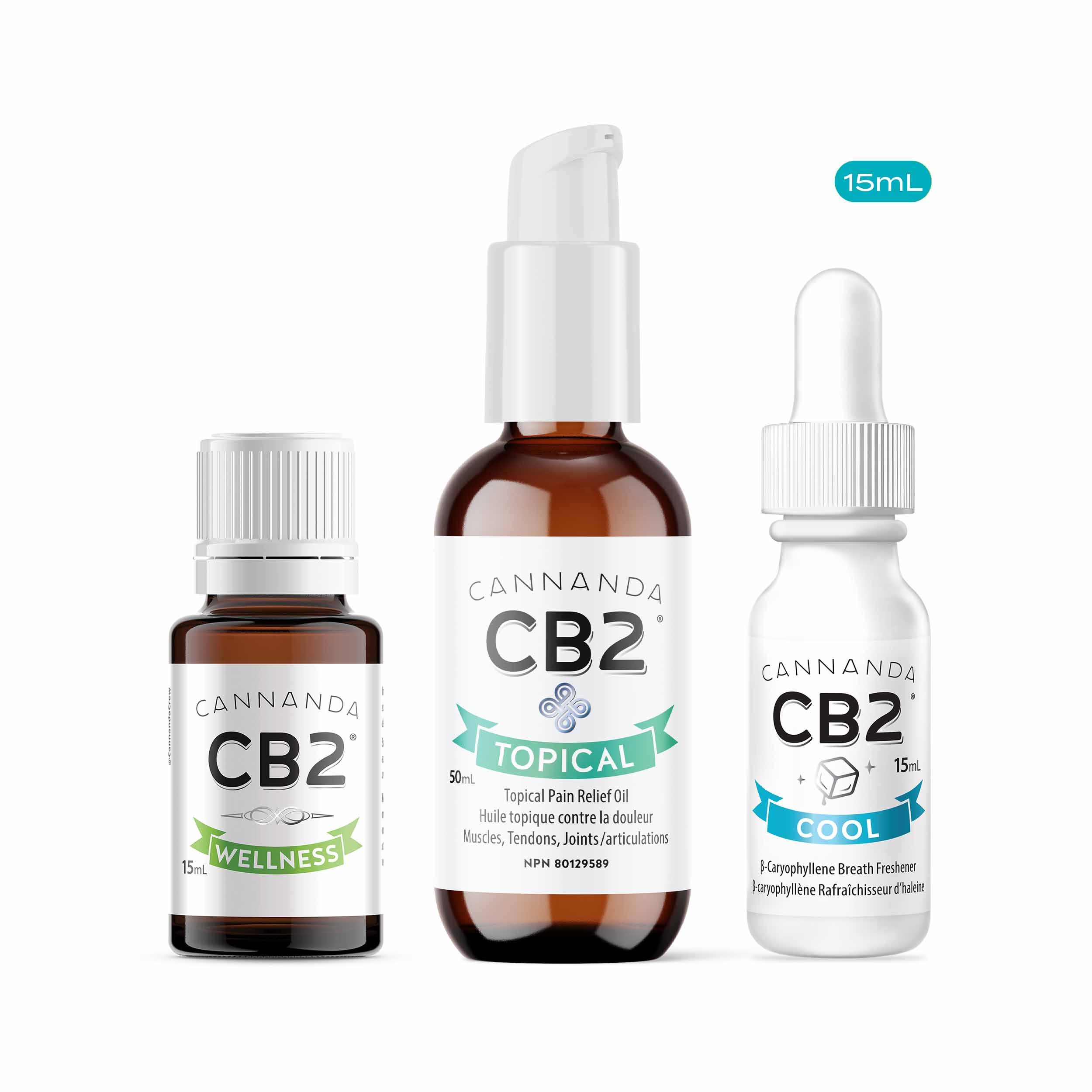
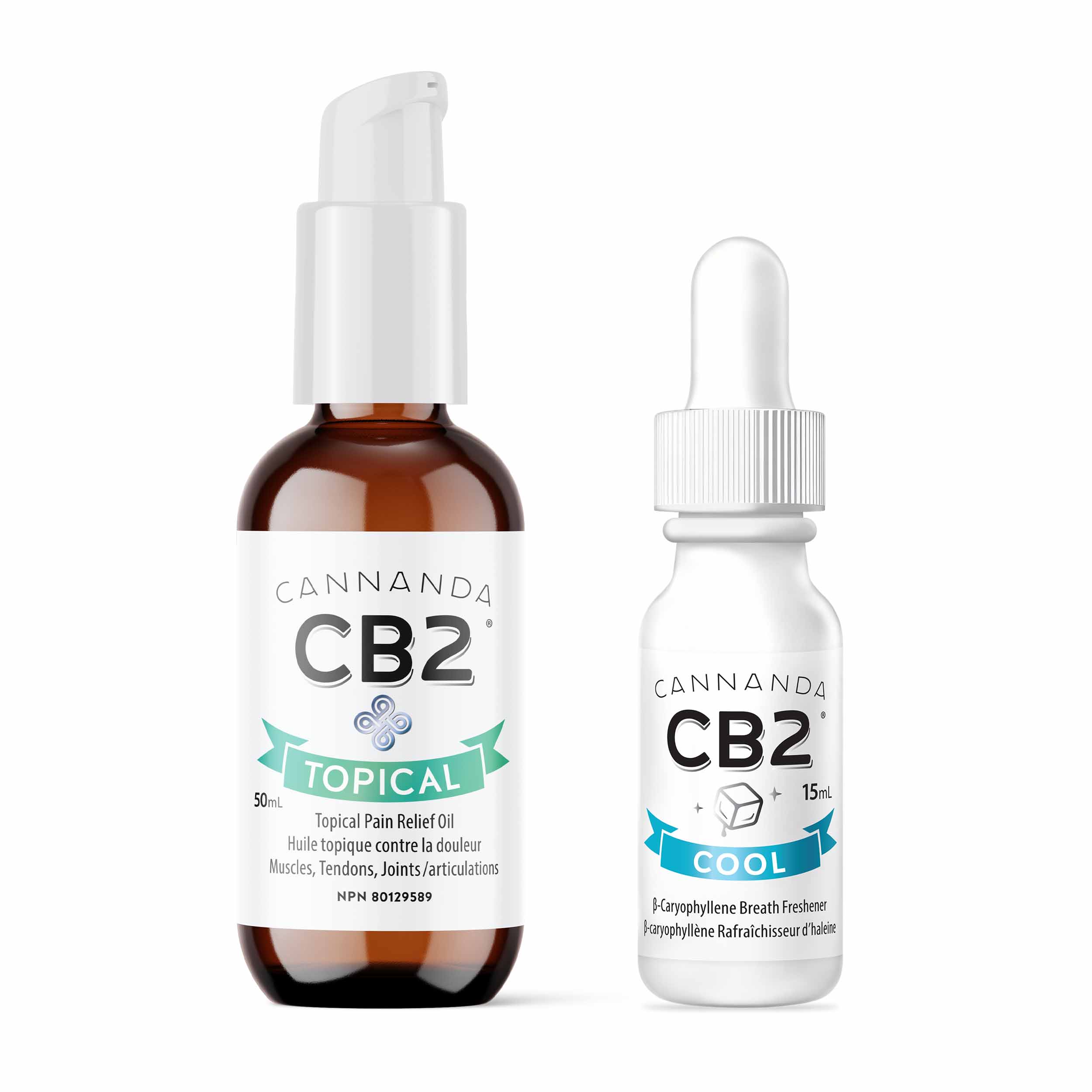
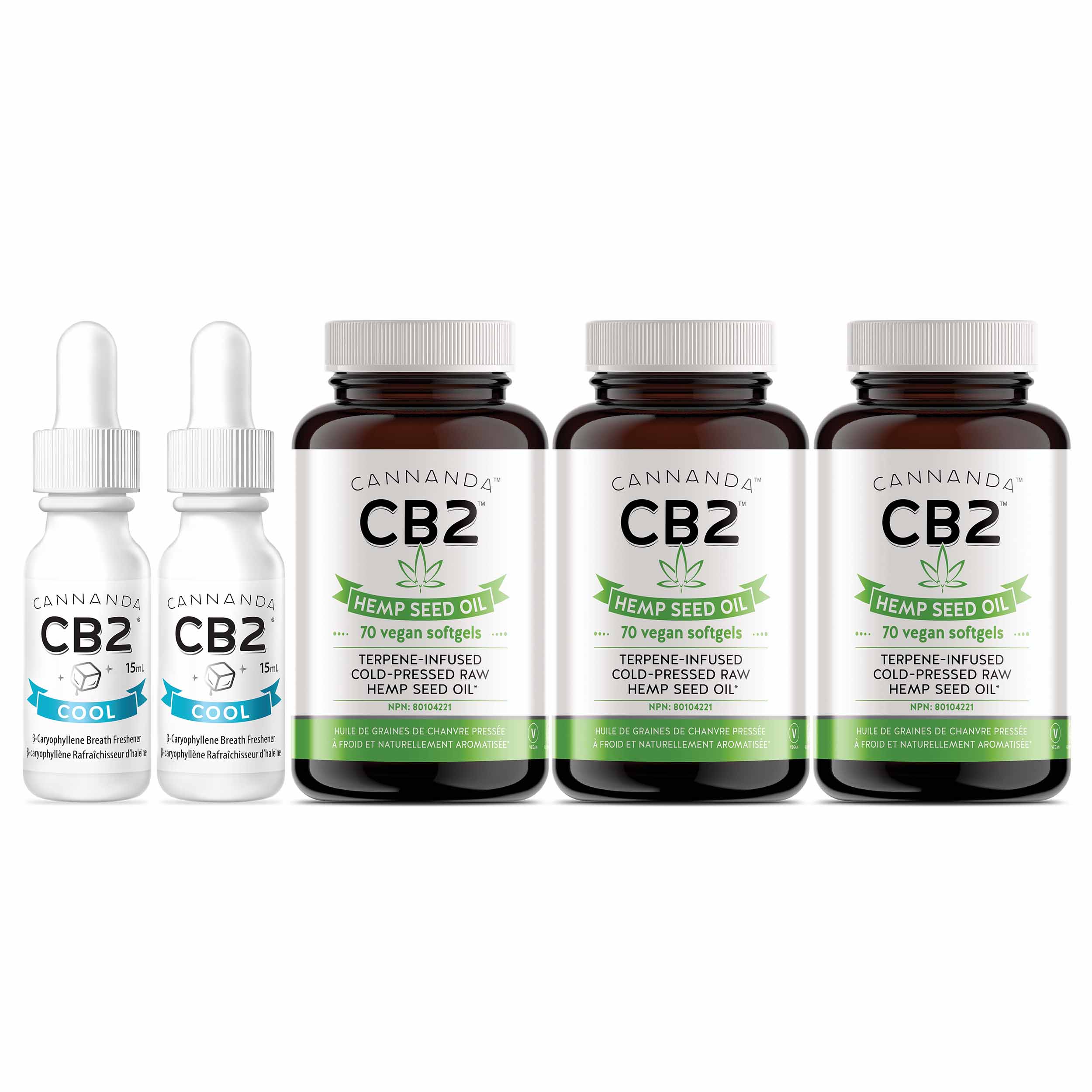
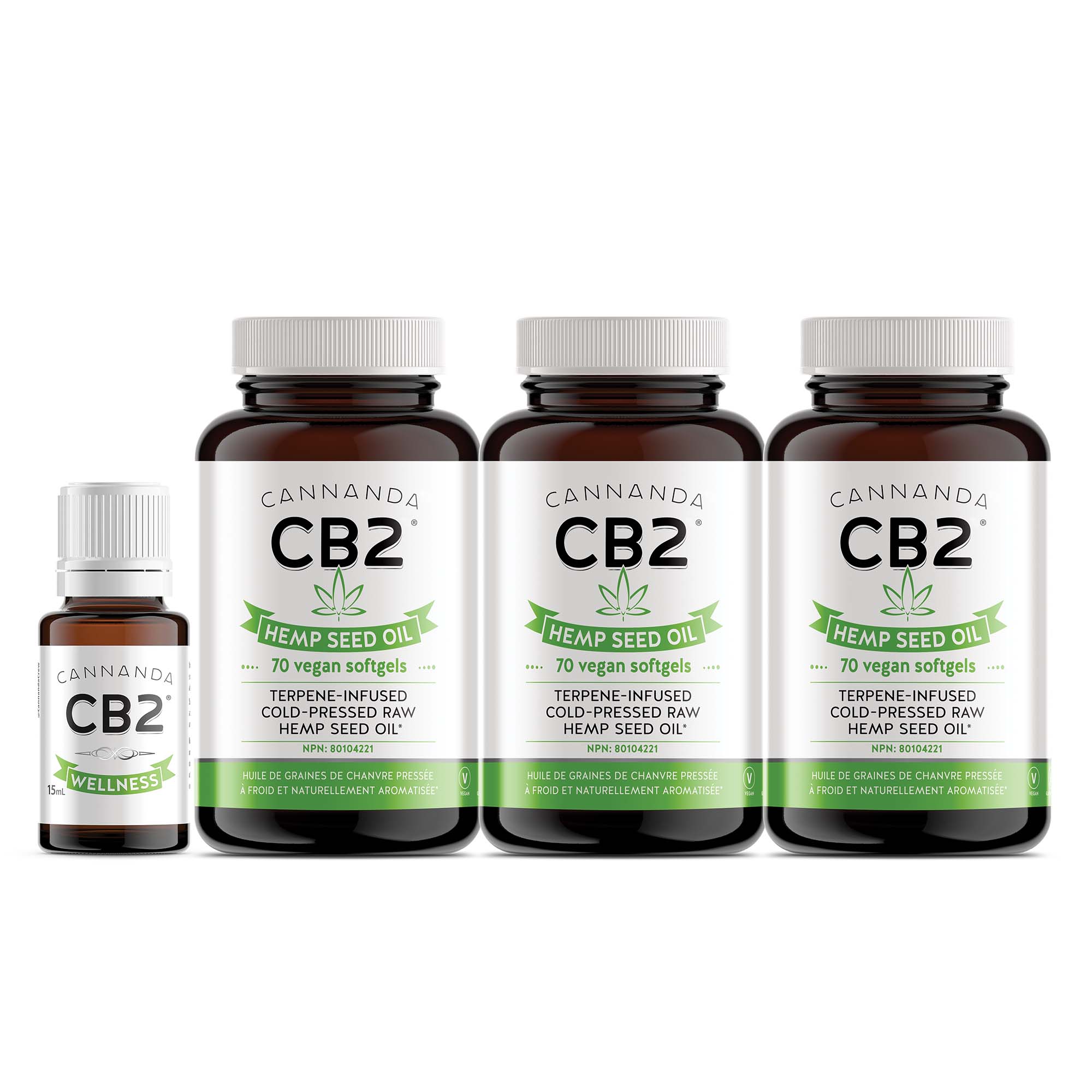
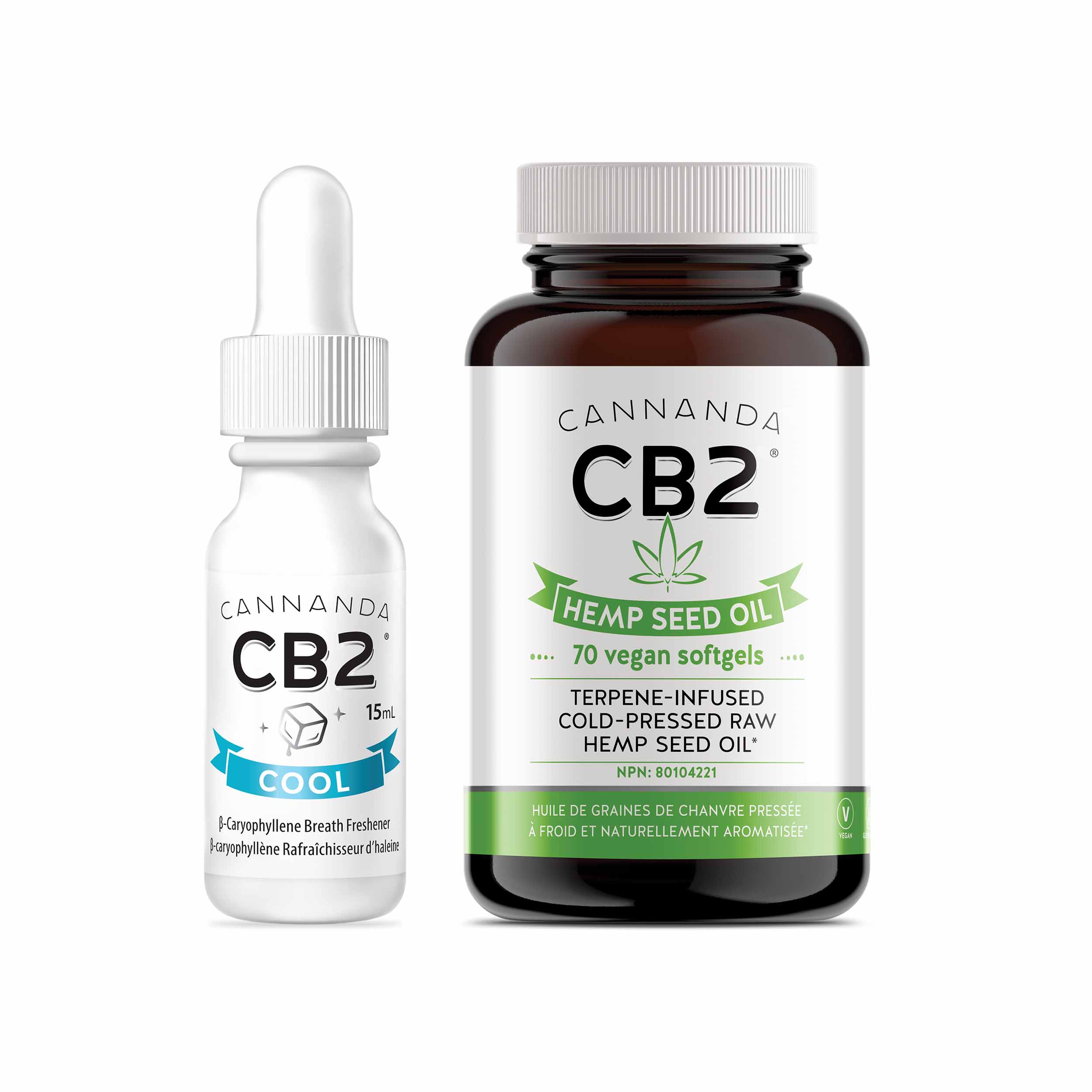
CB2 Wellness or CB2 Cool — your daily BCP dose to start the day. Taking BCP in the morning sets up your body's inflammatory signalling for the rest of the day. CB2 Wellness delivers a concentrated BCP terpene blend; CB2 Cool gives you the same CB2 receptor support in a convenient oral drop format. Either works, the key is consistency.
Eat colourfully. Prioritize omega-3-rich foods, but choose carefully. Small, wild-caught fish (sardines, anchovies, herring) are low in mercury and PCBs and can be eaten 1–2 times per week safely. Larger, longer-lived fish like salmon, tuna, and swordfish accumulate more contaminants and are best limited to a couple of times per month. Algae-based omega-3 supplements are a clean alternative that sidesteps the contamination question entirely. Round out your plate with polyphenol-dense plants (berries, dark leafy greens, extra virgin olive oil) and prebiotic foods (garlic, onions, leeks, asparagus) to support gut microbiome diversity. Every meal is a direct input into the gut dysbiosis driver of inflammaging.
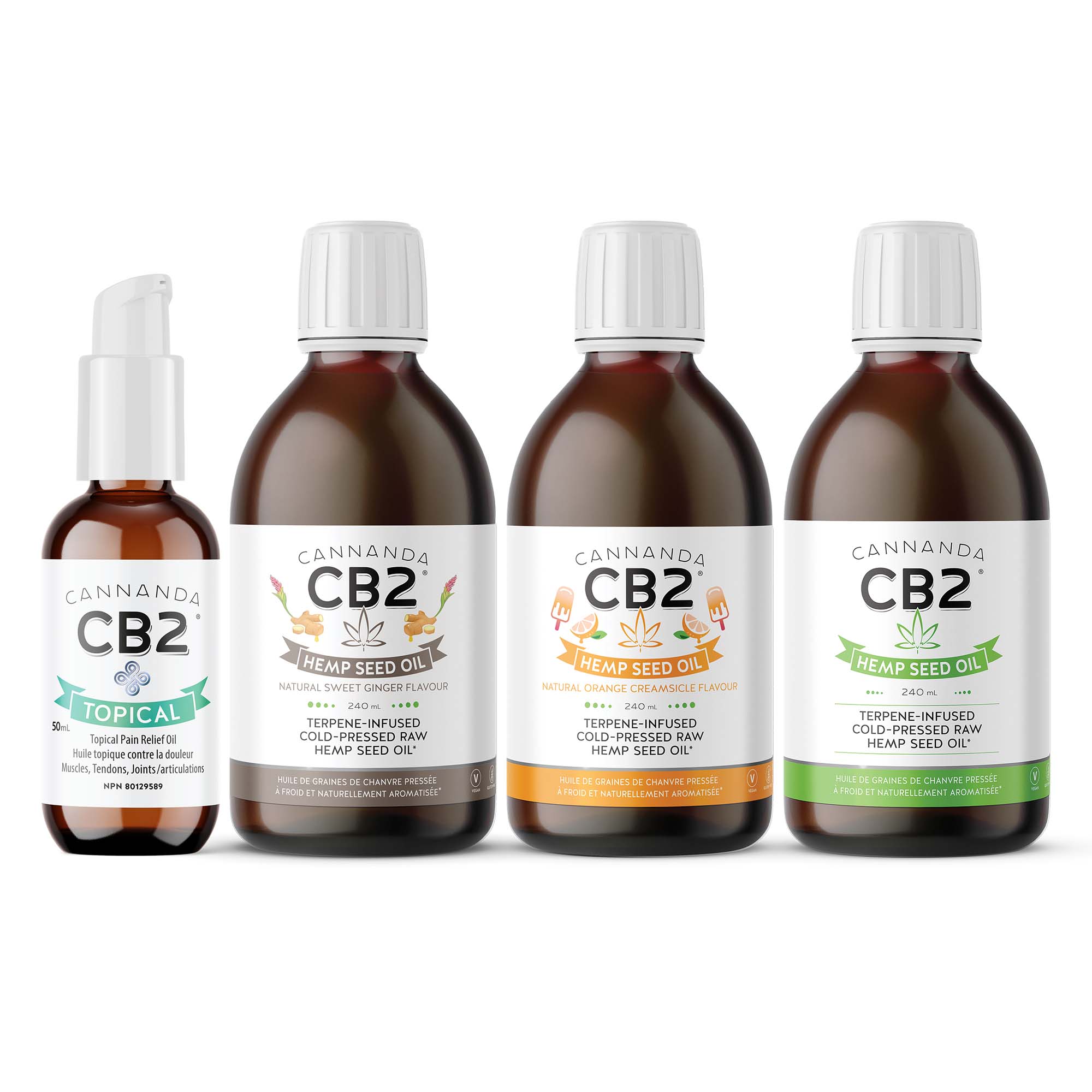
CB2 Hemp Seed Oil — 1–2 tsp with dinner. Taking hemp seed oil with your evening meal is ideal: the dietary fat in your meal improves absorption of fat-soluble compounds, and the omega-3s support overnight recovery. Cannanda's hemp seed oil is cold-pressed and processed using methods that preserve its natural polyphenol content, making it a richer source of these anti-inflammatory plant compounds than conventionally processed hemp oils. You're getting CB2 receptor support, omega-3s, and polyphenols all in one daily dose.
30–45 minutes of moderate activity most days. Walking, cycling, swimming, resistance training, etc. (the specific type matters less than the regularity). The anti-inflammatory and mitochondrial benefits of exercise compound over time the same way BCP's receptor-level effects do.
Think in weeks and months, not days. The biological processes driving inflammaging built up over years. You're not going to unwind them in a week. What you're doing with a consistent daily protocol is shifting the trajectory, reducing the inflammatory load your body carries, and building a biological environment that ages more slowly. Stick with it.
CB2 Oils for Daily Inflammaging Support
Cannanda's CB2 oil line is built entirely on BCP, the only dietary compound identified as a direct, selective CB2 receptor agonist. Every product is 0% THC, 0% CBD, formulated for daily use, and made with Canadian-sourced ingredients. This is not a cannabis product. It's the food-grade terpene category, a fundamentally different regulatory and biological profile.
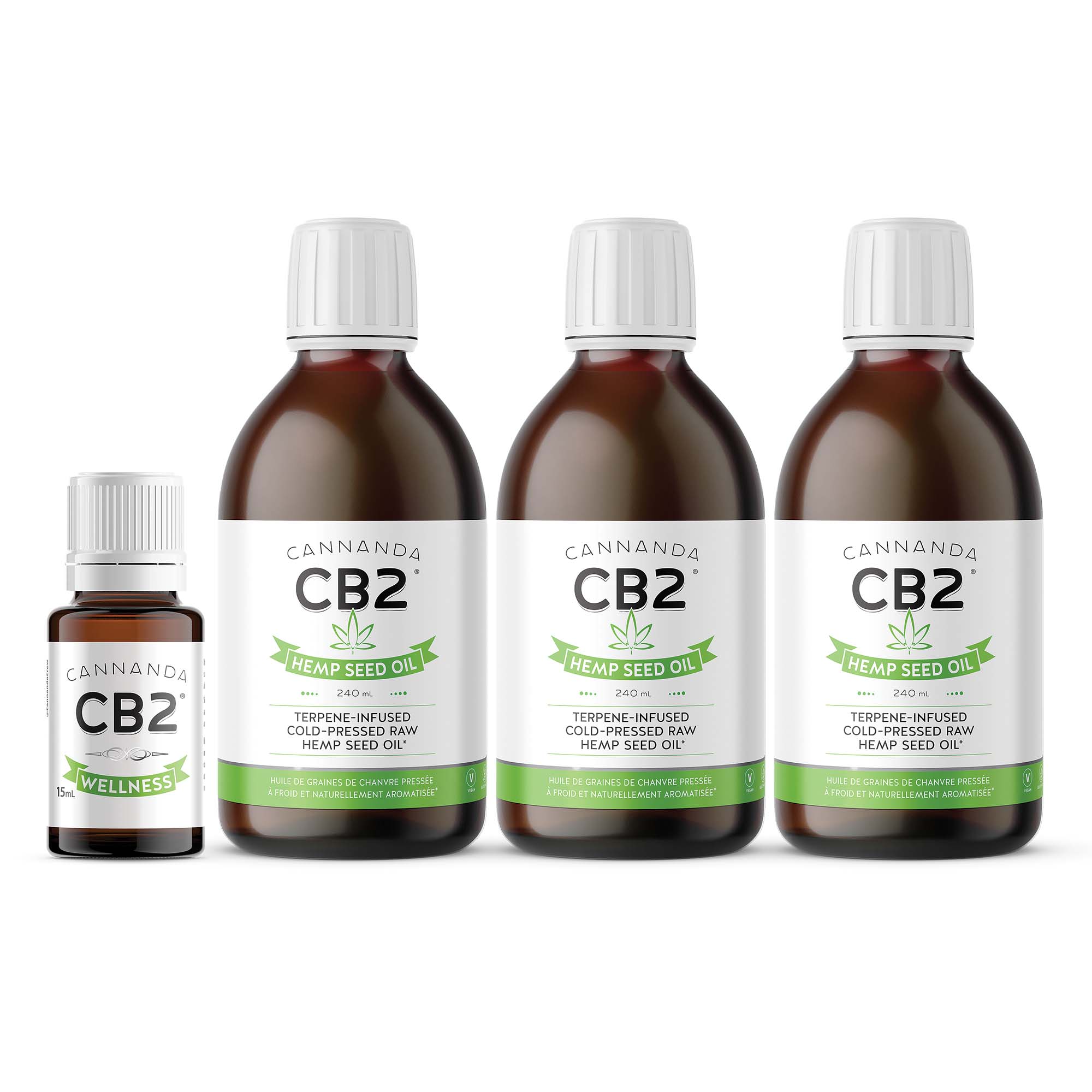
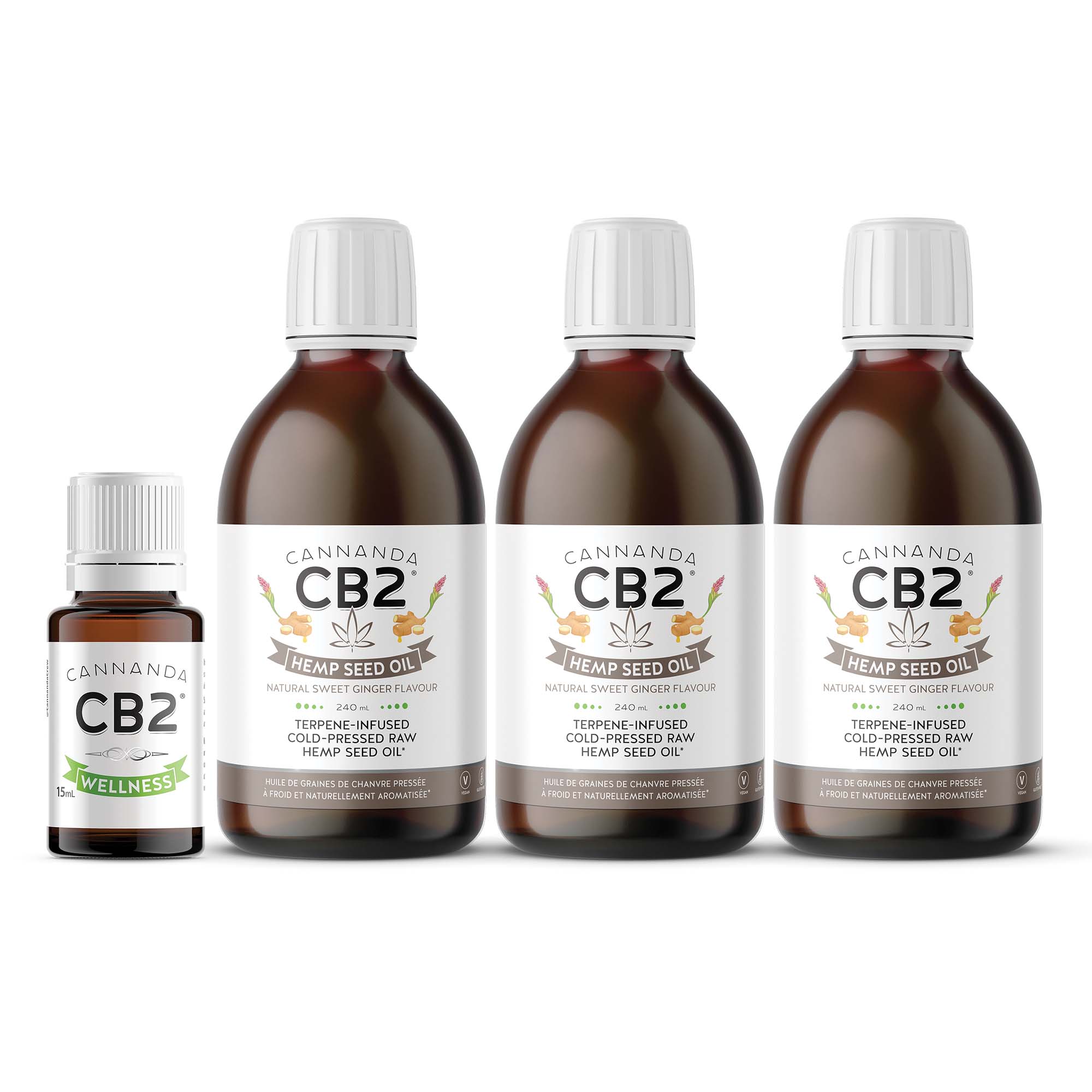
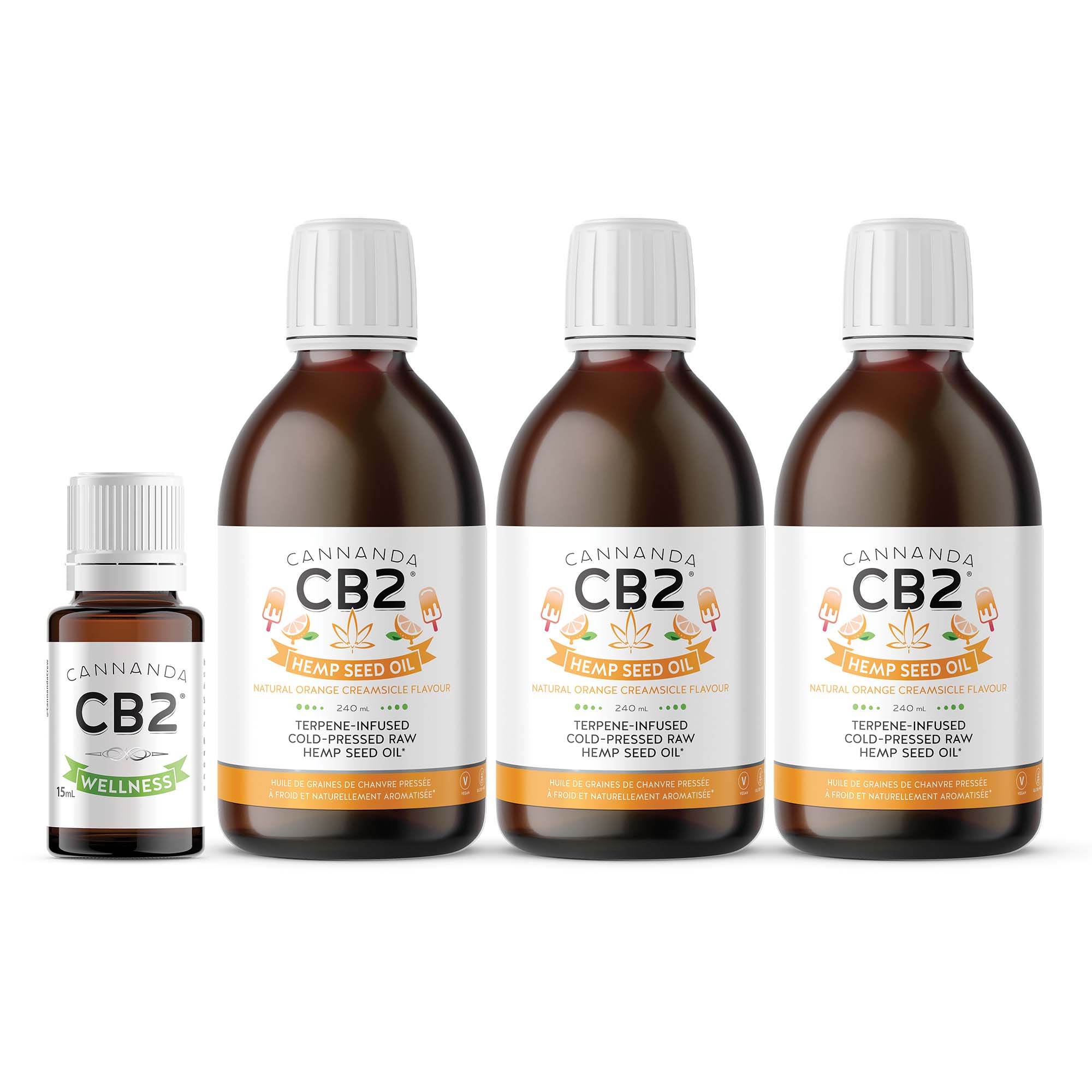
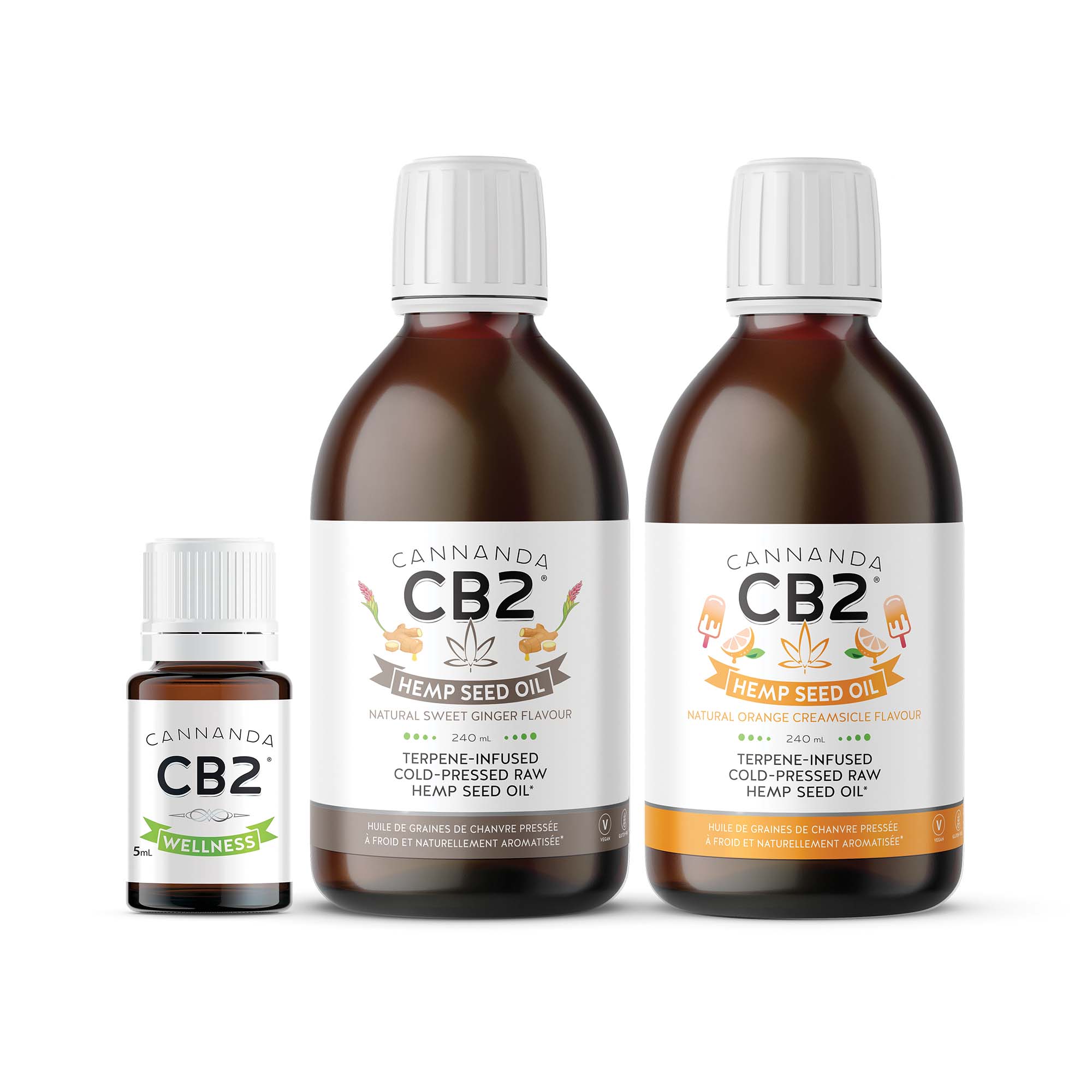
CB2 Hemp Seed Oil
Cold-pressed Canadian hemp seed oil with BCP. Balanced omega-3/omega-6 ratio plus CB2 receptor activation every day. Cannanda's proprietary processing preserves the oil's natural polyphenol content, making it a richer anti-inflammatory source than conventionally processed hemp oils. CB2 receptor support, omega-3s, and polyphenols in a single daily dose.
Shop CB2 Hemp OilCB2 Wellness
A concentrated BCP terpene blend formulated for sublingual or inhalation use. For targeted, potent CB2 receptor activation, the highest BCP concentration in the Cannanda line.
Shop CB2 WellnessCB2 Cool
BCP delivered in a convenient oral drop format. Simple, consistent, portable. A great option for building a sustainable daily BCP habit without any complexity.
Shop CB2 CoolChronic inflammation doesn't wait.
Every day is either building it or managing it.
CB2 oil gives your body the BCP it needs to activate CB2 receptors and PPAR-gamma, the pathways that directly regulate the inflammatory balance that long-term health depends on. Non-intoxicating. 0% THC. 0% CBD. Physician-formulated. Made in Canada from 95%+ Canadian-sourced ingredients.
Start Managing Inflammaging Daily →30-day money-back guarantee for first-time customers · Free shipping on orders $59+ CAD
Frequently Asked Questions
- What exactly is inflammaging?
- Inflammaging is the chronic, low-grade, systemic inflammation that increases with age. Unlike acute inflammation, a protective short-term immune response that turns on, does its job, and turns off, inflammaging is a persistent background state of immune activation that never fully resolves. The term was coined in 2000 by immunologist Claudio Franceschi, and over two decades of research has built a compelling picture linking this chronic inflammatory background to a wide range of age-related concerns. It's not a disease. It's a biological process. And understanding it is the first step to addressing it.
- How do I know if inflammaging is affecting me?
- Standard bloodwork can give you clues. High-sensitivity C-reactive protein (hs-CRP), interleukin-6 (IL-6), and erythrocyte sedimentation rate (ESR) are all markers of systemic inflammation your doctor can order. Beyond bloodwork, the most common functional signs include persistent joint discomfort (especially morning stiffness), slower recovery from exercise, lighter or less restorative sleep, lower energy reserves, and a general sense of decreased physical resilience compared to how you felt a decade ago. These experiences are extremely common in adults over 40, and inflammaging is a significant biological driver of all of them.
- Is inflammaging the same as regular inflammation?
- No, and the distinction matters. Regular (acute) inflammation is protective and time-limited: it has a trigger, a job, and an off-switch. Inflammaging is chronic: it's always "on" at a low level, doesn't have a clear trigger, and doesn't resolve on its own. The biology is also partially different. Inflammaging involves cellular senescence, mitochondrial signalling, and gut-immune interactions that standard acute inflammation doesn't. This is why anti-inflammatory strategies designed for acute inflammation (like NSAIDs) often fail to make a meaningful dent in the chronic inflammaging process.
- How is BCP different from CBD for inflammation?
- They're fundamentally different compounds with fundamentally different mechanisms. BCP is a terpene, a food-grade dietary aromatic compound found in black pepper, cloves, and culinary herbs. It directly and selectively activates CB2 receptors. CBD is a cannabinoid extracted from the cannabis plant. It works through multiple indirect mechanisms and does not selectively activate CB2. BCP is classified as a food additive by Health Canada and the FDA. CBD is cannabis-derived, which comes with a different regulatory category, more complex safety data, and legal variability across jurisdictions. Cannanda's CB2 oils are 0% CBD and 0% THC. They're not cannabis products at all. For a full breakdown of how these two categories compare, see BCP vs CBD: What's the Difference?
- Does BCP actually affect the inflammatory pathways relevant to inflammaging?
- Yes, and the mechanism is well-characterized. CB2 receptors are found throughout the immune system on macrophages, T-cells, B-cells, NK cells, and other immune cells. CB2 activation reduces the production of TNF-α, IL-1β, and IL-6 — the same inflammatory markers that rise with age in inflammaging. BCP also activates PPAR-γ, which suppresses NF-κB, the master switch for inflammatory gene expression. These are two independent pathways. Most of the direct research is mechanistic and animal-based; we don't have large-scale human RCTs with inflammaging as the primary endpoint. But the mechanistic evidence is strong, and the safety profile is established.
- Is BCP safe to take every day?
- BCP has a strong safety profile. It's classified as a food additive by Health Canada and the FDA, meaning it's part of the established food supply (it's been in your diet via spices all along). The research literature does not identify significant adverse effects at typical supplemental doses. That said, if you take prescription medications (particularly immunosuppressants or medications with a narrow therapeutic window) mention BCP to your pharmacist or physician before starting. This is standard good practice with any supplement, not a red flag specific to BCP.
- What role does gut health play in inflammaging?
- A very significant one. As the gut microbiome changes with age, typically toward lower diversity and more pro-inflammatory bacterial species, it creates two compounding problems for inflammaging. First, reduced production of short-chain fatty acids like butyrate, which normally help maintain gut lining integrity and regulate immune responses. Second, increased intestinal permeability (leaky gut) allows bacterial fragments like LPS to enter the bloodstream, triggering persistent low-grade systemic immune activation. This is one of the most underappreciated drivers of inflammaging, and supporting gut microbiome diversity through diverse plant foods, fermented foods, and prebiotic fibre is one of the most direct interventions available.
- Can I take CB2 oil with curcumin or other anti-inflammatory supplements?
- Yes, and there's a good reason to stack them. BCP and curcumin address inflammaging through largely complementary pathways, BCP via CB2 and PPAR-γ activation, curcumin via broad NF-κB inhibition and antioxidant activity. There are no known adverse interactions between them. Interestingly, black pepper (where BCP is naturally found in high concentration) also contains piperine, the compound known to dramatically improve curcumin absorption. So in nature, BCP and curcumin's bioavailability enhancer already travel together. For most supplement combinations, there are no known interactions with BCP at typical doses. When managing prescription medications, check with your pharmacist as a routine precaution.
- How long does it take to notice results with CB2 oil for inflammaging?
- This varies by person, dose, and what you're paying attention to. Some people notice differences in joint comfort, morning stiffness, and sleep quality within 2–4 weeks of consistent daily use. For others, the changes are more gradual and better appreciated over 6–8 weeks. The key framing is this: inflammaging is a chronic process that built up over years. The strategies that address it are also long-game strategies. CB2 oil works best understood as a daily foundation you build on, not a supplement you take for a week and evaluate. Consistent daily use over a meaningful trial period, at least 4 weeks, gives you a much more accurate picture of its impact on your system.
References
- Franceschi C, Bonafè M, Valensin S, et al. Inflamm-aging: An evolutionary perspective on immunosenescence. Ann N Y Acad Sci. 2000;908:244–254. doi:10.1111/j.1749-6632.2000.tb06651.x
- Furman D, Campisi J, Verdin E, et al. Chronic inflammation in the etiology of disease across the life span. Nat Med. 2019;25(12):1822–1832. doi:10.1038/s41591-019-0675-0
- Campisi J, d'Adda di Fagagna F. Cellular senescence: when bad things happen to good cells. Nat Rev Mol Cell Biol. 2007;8(9):729–740. doi:10.1038/nrm2233
- López-Otín C, Blasco MA, Partridge L, Serrano M, Kroemer G. The hallmarks of aging. Cell. 2013;153(6):1194–1217. doi:10.1016/j.cell.2013.05.039
- Thevaranjan N, Puchta A, Schulz C, et al. Age-associated microbial dysbiosis promotes intestinal permeability, systemic inflammation, and macrophage dysfunction. Cell Host Microbe. 2017;21(4):455–466. doi:10.1016/j.chom.2017.03.002
- Gertsch J, Leonti M, Raduner S, et al. Beta-caryophyllene is a dietary cannabinoid. Proc Natl Acad Sci USA. 2008;105(26):9099–9104. doi:10.1073/pnas.0803601105
- Bento AF, Marcon R, Dutra RC, et al. β-Caryophyllene inhibits dextran sulfate sodium-induced colitis in mice through CB2 receptor activation and PPARγ pathway. Am J Pathol. 2011;178(3):1153–1166. doi:10.1016/j.ajpath.2010.11.052
- Fernandes ES, Passos GF, Medeiros R, et al. Anti-inflammatory effects of compounds alpha-humulene and (-)-trans-caryophyllene isolated from the essential oil of Cordia verbenacea. Eur J Pharmacol. 2007;569(3):228–236. doi:10.1016/j.ejphar.2007.05.016
- Calder PC. Omega-3 fatty acids and inflammatory processes: from molecules to man. Biochem Soc Trans. 2017;45(5):1105–1115. doi:10.1042/BST20160474
- Younis NS, Mohamed ME. β-Caryophyllene as a potential protective agent against myocardial injury. Molecules. 2019;24(23):4408. doi:10.3390/molecules24234408
- Franceschi C, Campisi J. Chronic inflammation (inflammaging) and its potential contribution to age-associated diseases. J Gerontol A Biol Sci Med Sci. 2014;69(Suppl 1):S4–9. doi:10.1093/gerona/glu057