Beta-Caryophyllene for Pain, Sleep, and Anxiety: What the Research Says
It's in your spice rack, and it's one of the most researched natural compounds for managing chronic pain, improving sleep, and calming anxiety--without any intoxication.
You're dealing with chronic pain, disrupted sleep, anxiety, or some combination of all three, and you want to understand what the science says about beta-caryophyllene before trying it. This article walks through the research on each condition clearly, without overpromising or dumbing it down.
Beta-caryophyllene (BCP) is a dietary terpene and selective CB2 receptor agonist found in everyday plants like black pepper, cloves, and hemp. Peer-reviewed research supports its role in reducing inflammatory and neuropathic pain, improving sleep quality, and lowering anxiety--all through the endocannabinoid system, and all without intoxicating effects. It's classified as a food ingredient with FDA GRAS status, has no known adverse drug interactions at recommended doses, and produces no positive drug test.
The spice that gives black pepper its heat contains one of the most therapeutically interesting compounds in the natural world. Beta-caryophyllene (BCP) is a terpene (a plant aromatic) that does something no other terpene does: it directly activates CB2 receptors in the endocannabinoid system. That one property connects it to pain, sleep, anxiety, and inflammation all at once.
This isn't a fringe claim. A landmark 2008 study published in PNAS by Gertsch et al. identified BCP as the first dietary compound known to directly activate cannabinoid receptors, coining the term "dietary cannabinoid." Since then, the research base has grown substantially. Here's what the science actually says about the three areas people ask about most.
The endocannabinoid system (ECS) is a biological signalling network that runs throughout your body, regulating pain, inflammation, sleep, mood, and immune function. It has two main receptors: CB1 (found mostly in the brain and central nervous system, responsible for the intoxicating effects of THC) and CB2 (found mainly in immune cells and peripheral tissues, responsible for anti-inflammatory and immune-modulating effects). BCP is a selective CB2 agonist--it activates CB2 specifically, without touching CB1. That's why it has no psychoactive effects, and why its therapeutic benefits look the way they do.
Four areas where BCP research is strongest
Pain research on BCP is the most developed of the three areas. CB2 receptors are expressed throughout immune cells, spinal cord tissue, and peripheral pain pathways, which puts them directly in the middle of how the body generates and modulates pain signals.
Studies referenced in the NCBI database confirm that beta-caryophyllene has potent anti-inflammatory properties through CB2 activation, suppressing key inflammatory mediators including COX-2 and pro-inflammatory cytokines. This matters for pain because most chronic pain (joint pain, back pain, fibromyalgia, inflammatory arthritis) has an inflammatory driver that traditional analgesics only partially address.
But BCP isn't just an anti-inflammatory. Research published in the European Journal of Neuropsychopharmacology specifically tested BCP in animal models of both inflammatory pain and neuropathic pain--two very different mechanisms. Results showed that orally administered BCP reduced late-phase inflammatory pain responses in a CB2-dependent manner, and attenuated both thermal hyperalgesia (heat sensitivity) and mechanical allodynia (touch sensitivity) in neuropathic pain models. Crucially, no tolerance developed over prolonged treatment — something that cannot be said for most pharmaceutical pain options.
Additional research in the European Journal of Pharmacology has reinforced BCP's anti-inflammatory role, showing significant reduction of inflammatory markers in tissue models relevant to arthritis, bowel inflammation, and other chronic inflammatory conditions.
Poor sleep is often downstream of something else--pain keeping you awake, anxiety preventing you from switching off, or inflammation disrupting normal sleep architecture. BCP can address all three pathways, which is part of why it's useful for sleep even though it isn't a sedative.
Research in the Journal of Pharmacology and Experimental Therapeutics documented BCP's sleep-enhancing effects through ECS interaction (1). The endocannabinoid system plays a direct role in regulating circadian rhythms and sleep-wake cycles. CB2 receptors are expressed in the brain regions involved in sleep regulation, and their activation appears to support transitions into deeper, more restorative sleep phases without the grogginess associated with pharmaceutical sleep aids.
Unlike conventional sleep medications, BCP doesn't suppress REM sleep or create dependency. It doesn't leave you foggy the next morning. People who use Cannanda CB2 oil for sleep consistently report two distinct improvements: faster sleep onset, and fewer nighttime awakenings — particularly when chronic pain or anxiety is the underlying disruption.
BCP's anxiety-reducing effects come from a different direction than most natural or pharmaceutical anxiolytics. It doesn't act on GABA receptors (like benzodiazepines), doesn't manipulate serotonin directly (like SSRIs), and doesn't sedate you. Instead, it works through CB2 receptors and their downstream effects on neuroinflammation and stress-response regulation.
Scientific evidence published in the Journal of Psychopharmacology found that BCP exhibits anxiolytic properties through its influence on mood via CB2 receptor activation (2). Research by Bahi et al. further demonstrated that BCP produces anti-anxiety and antidepressant-like effects in animal models, with clear CB2-receptor dependency (blocking CB2 receptors eliminated the anxiolytic effects, confirming the mechanism).
This matters because anxiety and inflammation are more connected than most people realize. Neuroinflammation (chronic low-grade inflammation in the brain) is a recognized contributor to anxiety disorders, depression, and mood dysregulation. By reducing neuroinflammation through CB2 activation, BCP addresses one of the root causes of anxiety rather than just masking symptoms.
The result is a calming effect that doesn't compromise cognitive function. You can take it during the day, drive, work, and think clearly. It supports the nervous system without switching it off.
If you look at pain, poor sleep, and anxiety through a clinical lens, you'll notice that chronic inflammation sits underneath all three. Inflammation drives pain. Inflammation disrupts sleep architecture. Neuroinflammation fuels anxiety and depression. BCP's anti-inflammatory mechanism isn't a separate benefit--it's the mechanism that connects all the others.
Studies in the European Journal of Pharmacology document BCP's ability to suppress NF-κB activation (one of the master switches of the inflammatory response). Research published in the American Journal of Pathology demonstrated that BCP significantly reduced intestinal inflammation in a colitis model through CB2 activation and PPARγ pathway interaction. A study in the Journal of Neuroinflammation found meaningful reductions in neuroinflammation in an MS model.
This systemic anti-inflammatory action is why many people with complex, multi-symptom chronic conditions (fibromyalgia, autoimmune conditions, chronic fatigue) find that BCP helps across several symptoms at once rather than targeting just one.
Where BCP comes from — and why food sources aren't enough
Beta-caryophyllene is genuinely present in everyday plants. You consume small amounts of it every time you eat black pepper or use dried herbs. But the therapeutic doses used in the research above are significantly higher than what you'd get from diet alone.
| Food / Plant | BCP Content (approx.) | Notes |
|---|---|---|
| Black pepper (Piper nigrum) | Up to 35% of essential oil | One of the richest dietary sources |
| Cloves (Syzygium aromaticum) | Up to 12% of essential oil | High concentration, strong flavour |
| Copaiba balsam | Up to 50% of essential oil | Used in traditional medicine for centuries |
| Hemp (Cannabis sativa) | Varies; up to 35% of terpene fraction | Highly variable by cultivar |
| Rosemary (Salvia rosmarinus) | 5–15% of essential oil | Common kitchen herb |
| Basil (Ocimum basilicum) | 2–10% of essential oil | Varies significantly by variety |
| Oregano (Origanum vulgare) | 3–12% of essential oil | Common Mediterranean herb |
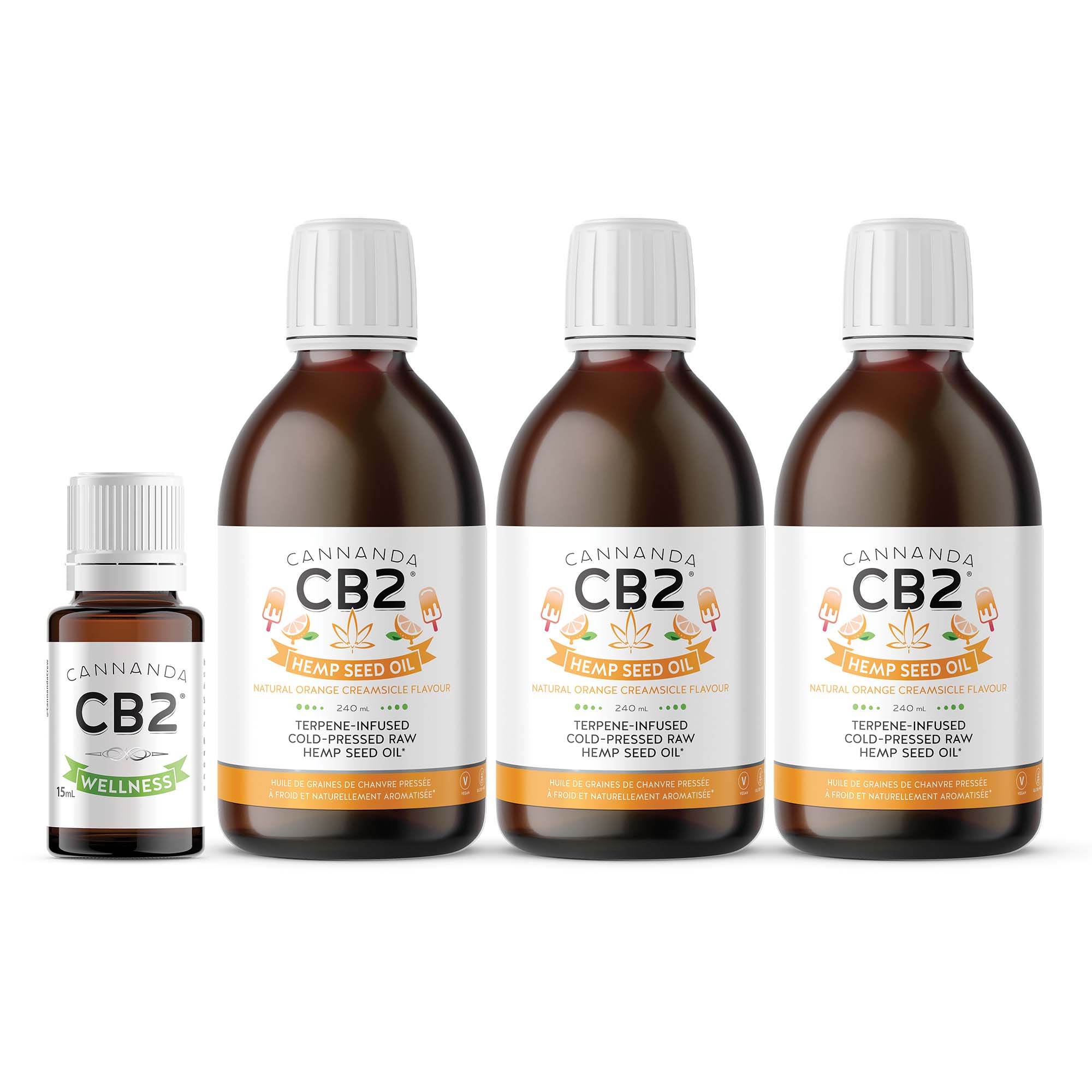
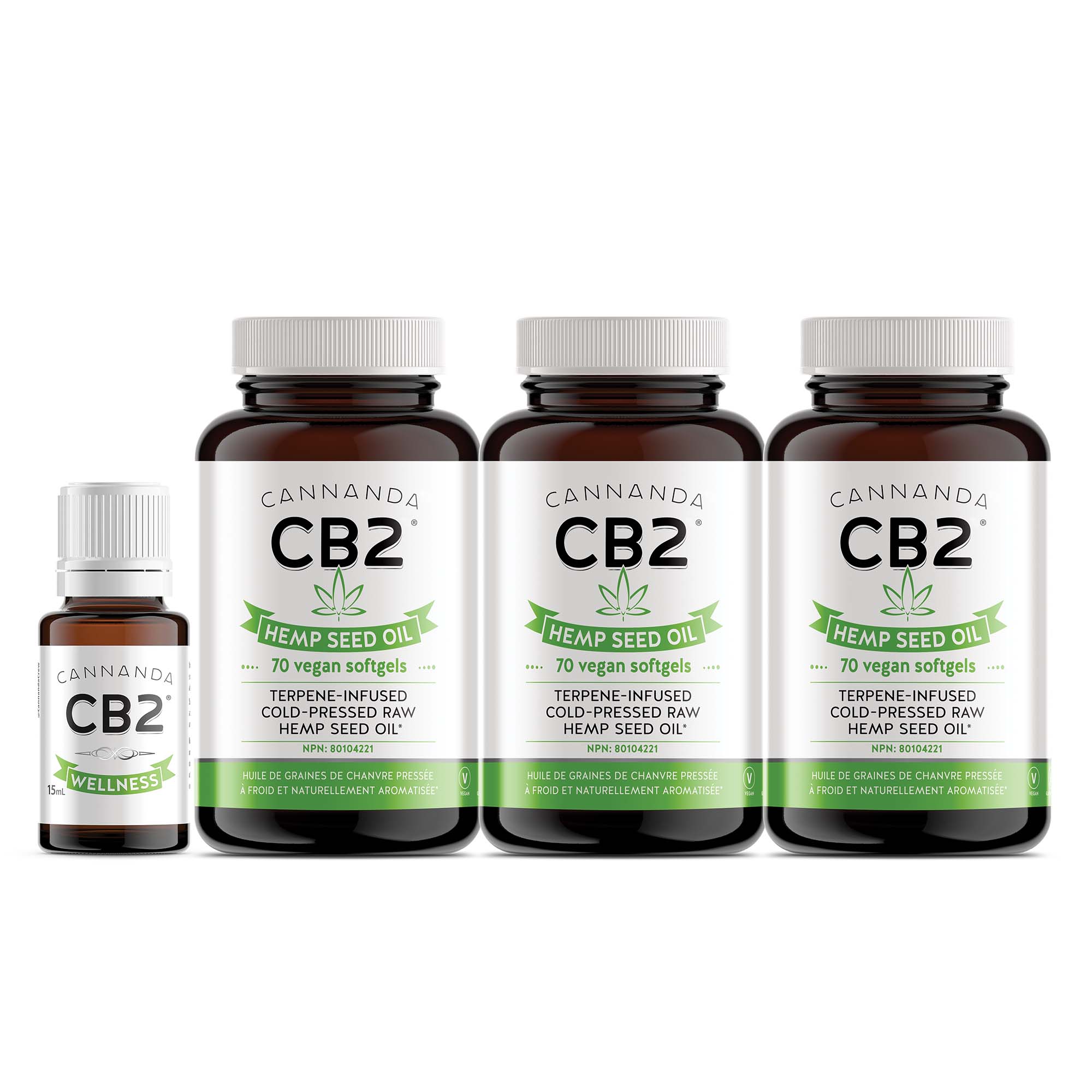
The practical reality is that getting therapeutic amounts of BCP from food would require consuming unrealistic quantities of these ingredients daily. A concentrated supplement--formulated to deliver consistent, meaningful doses--is the only practical way to use BCP at the levels the research supports. Cannanda CB2 oil was designed specifically for this purpose, with a proprietary terpene blend that delivers BCP in a bioavailable form, alongside complementary terpenes that contribute to the entourage effect, the formulation's stability, and absorption.
What makes Cannanda CB2 oil different from other BCP products
Cannanda invented CB2 oil. We were the first company in the world to bring a BCP-based CB2 supplement to market, and we've been refining the formula for over a decade. The key differences from other BCP products on the market:
- Proprietary terpene blend. Not just BCP in a carrier oil. The full terpene profile enhances absorption, stability, and the entourage effect.
- All GRAS-status ingredients. Every component carries FDA GRAS status as a food ingredient.
- 0% THC, 0% CBD. No cannabinoids, no drug test risk, legal everywhere.
- No CYP450 drug interactions. At recommended doses, it's safe for people on multiple medications.
- Health Canada approval. For our Dog-Ease Hemp Seed Oil is an approved Veterinary Health Product--a level of regulatory scrutiny no CBD product has achieved.
If you're looking at other products using the "CB2 oil" name, be aware that Cannanda built this category. Some of those products are using BCP without the formulation expertise behind it, and some have been found to contain contaminants including heavy metals and pesticide residues. Look for the Cannanda name, verified third-party testing, and a full disclosed ingredient list. For a full breakdown of the differences, see our CB2 oil vs CBD oil comparison.
Try the original CB2 oil
Physician-formulated. Multi-award-winning. Over 60% reported efficacy. Made by the company that invented the category.
Shop Cannanda CB2 OilFrequently Asked Questions
What is beta-caryophyllene and where does it come from?
Beta-caryophyllene (BCP) is a natural terpene found in common plants including black pepper, cloves, rosemary, basil, copaiba balsam, and hemp. It gives black pepper its characteristic spice. Unlike most terpenes, BCP can directly activate CB2 receptors in the body's endocannabinoid system, which is why it's classified as a dietary cannabinoid in the scientific literature. It's been part of the human food supply for thousands of years.
How does beta-caryophyllene relieve pain?
Beta-caryophyllene relieves pain primarily through CB2 receptor activation. CB2 receptors are found in immune cells, peripheral tissues, and the spinal cord. When BCP activates them, it reduces inflammatory signalling and modulates pain perception pathways. Research published in the European Journal of Neuropsychopharmacology found that BCP reduced both inflammatory and neuropathic pain in animal models, with no tolerance developing over time. Importantly, BCP only activates CB2 receptors (not CB1) so it produces no psychoactive effects.
Does beta-caryophyllene help with sleep?
Yes. Research in the Journal of Pharmacology and Experimental Therapeutics found that BCP has sleep-enhancing properties through its interaction with the endocannabinoid system. BCP can improve sleep both directly (through ECS modulation) and indirectly (by reducing the pain and anxiety that so often disrupt sleep). Unlike sedative sleep aids, it doesn't suppress REM sleep, create dependency, or leave you groggy the next morning.
How does beta-caryophyllene reduce anxiety?
Beta-caryophyllene has documented anxiolytic effects. Research in the Journal of Psychopharmacology found that BCP reduces anxiety-like behaviours through CB2 receptor activation and related effects on mood-regulating pathways. Because it works through CB2 receptors rather than GABA or serotonin receptors, BCP reduces anxiety without sedation, dependency, or impaired cognition. You can use it during the day without any effect on your ability to think and function.
Is beta-caryophyllene the same as CBD?
No. Beta-caryophyllene is a terpene, not a cannabinoid. CBD is a cannabinoid from the cannabis plant. BCP directly activates CB2 receptors, CBD does not. BCP has FDA GRAS status as a food ingredient and has no known adverse drug interactions at recommended doses. CBD's self-affirmed GRAS status was revoked by the US FDA, and CBD has known CYP450 enzyme interactions with common medications. For a full comparison, see our CB2 oil vs CBD oil guide.
Does beta-caryophyllene get you high?
No. Beta-caryophyllene only activates CB2 receptors, not CB1. CB1 activation is what produces the psychoactive effects associated with THC and cannabis. BCP produces no intoxication, no impairment, and no psychoactive effects. It works entirely in the peripheral endocannabinoid system without affecting cognition.
What foods are highest in beta-caryophyllene?
Black pepper, cloves, copaiba balsam, hemp, rosemary, basil, and oregano are among the highest dietary sources. That said, getting therapeutic amounts from food alone isn't realistic--you'd need to consume far more than any normal diet provides. Concentrated supplements like Cannanda CB2 oil are the practical way to reach the doses that peer-reviewed research supports for pain, sleep, and anxiety.
How long does it take for beta-caryophyllene to work?
Many people notice effects within their first few doses. For chronic conditions involving ongoing inflammation, more meaningful improvements typically build over 2 to 4 weeks of consistent daily use, because you're shifting an established inflammatory pattern rather than blocking a single pain signal. For acute anxiety or sleep support, some people find relief the same day. Consistency matters more than dose timing for long-term results.
Is beta-caryophyllene safe to take every day?
Yes. All ingredients in Cannanda CB2 oil carry FDA GRAS status--they're considered as safe as food. BCP has been part of the human diet for thousands of years through black pepper and spices. Unlike compounds that activate CB1 receptors, BCP works on CB2 receptors, which don't down-regulate or build tolerance the same way. Many Cannanda customers have taken it daily for years without losing its effectiveness.
References
- Gertsch, J., Leonti, M., Raduner, S., Racz, I., Chen, J. Z., Xie, X. Q., ... & Zimmer, A. (2008). Beta-caryophyllene is a dietary cannabinoid. PNAS, 105(26), 9099–9104. https://doi.org/10.1073/pnas.0803601105
- Klauke, A.-L., Racz, I., Pradier, B., Markert, A., Zimmer, A. M., Gertsch, J., & Zimmer, A. (2014). The cannabinoid CB2 receptor-selective phytocannabinoid beta-caryophyllene exerts analgesic effects in mouse models of inflammatory and neuropathic pain. European Neuropsychopharmacology, 24(4), 608–620. https://doi.org/10.1016/j.euroneuro.2013.10.008
- Bento, A. F., Marcon, R., Dutra, R. C., Claudino, R. F., Cola, M., Leite, D. F., & Calixto, J. B. (2011). β-Caryophyllene inhibits dextran sulfate sodium-induced colitis in mice through CB2 receptor activation and PPARγ pathway. American Journal of Pathology, 178(3), 1153–1166.
- Bahi, A., Al Mansouri, S., Al Memari, E., Al Tunaiji, H., Nurulain, S. M., & Bhatt, D. L. (2014). β-Caryophyllene, a CB2 receptor agonist produces multiple behavioral changes relevant to anxiety and depression in mice. Physiology & Behavior, 135, 119–124.
- Research referenced in the Journal of Pharmacology and Experimental Therapeutics on sleep-enhancing effects of beta-caryophyllene through endocannabinoid system interaction. (Reference 1 from original Cannanda article.)
- Scientific evidence published in the Journal of Psychopharmacology on anxiolytic effects of beta-caryophyllene via CB2 receptor activation. (Reference 2 from original Cannanda article.)
- European Journal of Pharmacology studies on beta-caryophyllene anti-inflammatory properties and NF-κB pathway suppression. (Reference 3 from original Cannanda article.)
- Mödinger, Y., Schön, C., Wilhelm, M., & Hahn, A. (2022). Enhanced oral bioavailability of β-caryophyllene in healthy subjects using the VESIsorb formulation technology. Molecules, 27(9), 2860.