Beta-Caryophyllene (BCP): How It Works With Your Body's Master Regulatory System to Restore Balance
The endocannabinoid system coordinates everything from pain and inflammation to mood, sleep, digestion, and brain health. BCP is the only dietary compound that directly activates it.
You want to understand why BCP works, not just that it helps with inflammation or pain, but the deeper biology that connects those effects. This article explains the endocannabinoid system, the concept of homeostasis, why modern life systematically disrupts both, and why BCP is uniquely positioned to help restore balance across virtually every major body system.
Your body has a built-in master regulatory system called the endocannabinoid system (ECS) that coordinates homeostasis: the internal balance that keeps you healthy. Modern life (chronic stress, ultra-processed food, poor sleep, inflammation) systematically depletes ECS function. Beta-caryophyllene (BCP) is the only known dietary compound to directly activate CB2 receptors in the ECS, supporting balance across pain, mood, digestion, sleep, immune function, and brain health simultaneously. It is non-intoxicating, has FDA GRAS food-ingredient status, and no drug interactions at recommended doses.
Think about the last time you felt genuinely well. Not just the absence of obvious symptoms, but truly balanced: sleeping soundly, thinking clearly, managing stress without effort, and moving through the day with energy and resilience. That state is homeostasis: your body's internal balance. And maintaining it is the most fundamental thing your physiology does, every second of every day.
Modern life is remarkably effective at disrupting homeostasis. Chronic stress, inflammatory diets, disrupted sleep, environmental toxins, and sedentary behavior collectively erode the regulatory systems that keep your body in balance. One of the most important of those systems is the endocannabinoid system (ECS), which most people have never heard of, despite it coordinating more bodily functions than almost any other regulatory network.
Cannanda CB2 oil's active ingredient, beta-caryophyllene (BCP), is the only dietary compound known to directly activate CB2 receptors in the ECS. That single biological fact connects BCP to an unusually broad range of health benefits, not because it does everything, but because the system it activates regulates everything.
What homeostasis actually means: and why disrupting it matters
Homeostasis is your body's ability to maintain stable internal conditions despite external change. Right now, your body is simultaneously regulating your body temperature to within a fraction of a degree, keeping blood pH in a razor-thin range, modulating immune activity to fight pathogens without attacking healthy tissue, balancing hormones, managing blood glucose, and coordinating hundreds of other variables. When any of these systems drift out of range, you get sick. When multiple systems drift simultaneously, you get the chronic, multi-symptom conditions that define modern illness.
What most people experience as "feeling unwell" is often the cumulative effect of multiple homeostatic disruptions happening at once. That's why so many people describe a cluster of problems (poor sleep, low energy, diffuse pain, mood instability, digestive issues) that don't seem to have a single explanation. They share one: disrupted homeostasis, often rooted in a depleted endocannabinoid system.
How modern life attacks your homeostasis
Ultra-processed foods, seed oils, and sugar drive systemic inflammation that depresses ECS function, amplifies pain, disrupts mood, and accelerates aging. Neuroinflammation specifically drives brain fog, cognitive decline, and mood disorders.
Sustained cortisol output dysregulates the HPA axis, suppresses immune function, impairs sleep, and depletes endocannabinoid levels. The ECS is supposed to modulate this stress response, but chronic stress overwhelms its capacity.
The ECS directly regulates sleep-wake cycles. Chronic sleep deprivation depletes endocannabinoid tone, worsens inflammation, impairs the brain's glymphatic waste-clearance cycle, and creates a feedback loop that makes sleep harder still. See: BCP for sleep.
The gut contains the highest concentration of ECS receptors in the body outside the brain. Dysbiosis, inflammatory diets, and NSAID overuse disrupt gut-ECS signaling, contributing to conditions like IBS and impaired nutrient absorption.
Pesticide residues, plasticizers, heavy metals, and other environmental toxins can impair ECS receptor function and endocannabinoid metabolism. These exposures are nearly impossible to avoid entirely in modern environments.
Physical movement is one of the primary drivers of endocannabinoid production, particularly anandamide (the "bliss molecule"). A sedentary lifestyle directly reduces endogenous ECS tone, contributing to low mood, poor stress resilience, and reduced pain threshold.
The endocannabinoid system: your body's master regulator
The endocannabinoid system (ECS) is one of the most recently discovered and least understood major regulatory networks in human physiology, despite being one of the most important. It was only identified in the 1990s, which is why it wasn't taught in most medical schools for decades. It consists of:
- Receptors: CB1 and CB2, distributed throughout the body
- Endocannabinoids: anandamide and 2-arachidonoylglycerol (2-AG), the body's own signaling molecules
- Enzymes: responsible for synthesizing and breaking down endocannabinoids on demand
The ECS operates differently from most signaling systems: it works backwards. When a cell needs to send a regulatory signal to the cell that's activating it, the ECS makes that possible, allowing the body to fine-tune signals in real time rather than just amplifying them. This "retrograde signaling" is what makes the ECS such a precise regulatory tool.
- Primarily in the brain and central nervous system
- Regulate pain perception, mood, memory, and appetite
- Target of THC, responsible for intoxicating effects
- BCP does not activate CB1 receptors
- Throughout the immune system, peripheral tissues, gut, and skin
- Also found in the hippocampus and on brain microglia
- Regulate inflammation, immune response, pain, and tissue repair
- No intoxicating effects when activated
What is beta-caryophyllene (BCP)?
Beta-caryophyllene is a terpene, the aromatic compound responsible for the scent and flavor of many plants, including black pepper, cloves, rosemary, basil, and cannabis. You already consume it regularly in food. What makes it exceptional is something no other dietary compound has been shown to do: it directly and selectively activates CB2 receptors in the endocannabinoid system.
This discovery (published in PNAS in 2008 by Gertsch et al.) established BCP as the world's first known "dietary cannabinoid." It's technically a terpene by chemical classification and a cannabinoid by function. You can find it in the foods you already eat, but modern dietary patterns provide only tiny amounts, far below the levels that produce meaningful therapeutic effects. Supplementing with concentrated BCP bridges that gap.
Thousands of plant compounds have anti-inflammatory or antioxidant effects, most through indirect, non-specific pathways. BCP is different: it binds directly and selectively to CB2 receptors with the same specificity as pharmaceutical CB2 agonists, but as a naturally occurring food compound with FDA GRAS status and no known drug interactions at recommended doses. This specificity is what makes BCP's effects so consistent and its safety profile so clean.
Unlike CBD (which lost its FDA GRAS status, carries CYP450 drug interactions, and affects multiple receptor types unpredictably), BCP has a targeted, well-characterized mechanism and a safety record built on decades of food use. It also activates PPAR-alpha and PPAR-gamma receptors, adding metabolic and cardiovascular benefits through a second independent pathway.
How BCP supports homeostasis: six key mechanisms
Chronic inflammation is the most common disruption to homeostasis in the modern world. It underlies joint disease, skin conditions, migraines, metabolic disorders, and neurodegenerative conditions. BCP is a powerful anti-inflammatory agent: by binding to CB2 receptors on immune cells, it reduces the production of pro-inflammatory cytokines (TNF-α, IL-1β, IL-6) and promotes the regulatory M2 immune state over the destructive M1 state.
This isn't a general antioxidant effect; it's targeted immune modulation through a specific receptor pathway, which is why BCP's anti-inflammatory effects are consistent and well-characterized across dozens of independent studies.
Pain is a signal, not a problem in itself, but when pain becomes chronic, the signaling system has lost homeostasis. CB2 receptor activation with BCP addresses pain through two pathways: reducing the underlying inflammation generating the pain signal, and directly modulating pain pathway transmission in peripheral and spinal tissues.
This is meaningfully different from how conventional pain medications work. NSAIDs suppress the inflammatory enzymes producing pain signals (with GI, kidney, and cardiovascular side effects). Opioids block pain perception in the brain (with sedation, dependency, and cognitive impairment). BCP works upstream, at the level of immune regulation and CB2-mediated pain pathway modulation, without organ toxicity, sedation, or dependency risk.
The ECS is deeply involved in emotional homeostasis: regulating fear extinction, stress resilience, emotional reactivity, and the neuroinflammatory processes that underlie anxiety and depression. When the ECS is depleted by chronic stress, mood regulation fails and the HPA axis (your stress response system) becomes dysregulated, locked in a state of chronic cortisol output that keeps the nervous system hyperactivated.
BCP's CB2 activation reduces neuroinflammation, modulates HPA axis activity, and supports the ECS tone that underlies emotional resilience. Peer-reviewed research has confirmed both anxiolytic (anti-anxiety) and antidepressant-like effects through CB2-dependent mechanisms, and when CB2 receptors are pharmacologically blocked, those effects disappear, confirming the mechanism.
The gut contains one of the highest concentrations of ECS receptors in the body. CB2 receptors in the gut regulate intestinal motility, gut immune activity, the integrity of the intestinal barrier, and the gut-brain signaling axis. When gut ECS function is disrupted (by dysbiosis, inflammatory food, or NSAID overuse), conditions like IBS, Crohn's disease, and generalized digestive dysfunction follow.
BCP's anti-inflammatory effects via CB2 receptor activation have been shown to reduce gut inflammation, support intestinal barrier integrity, and modulate gut immune responses. Unlike NSAIDs (which damage the gut lining), BCP actively supports it, which is why it's described as GI-safe alongside its pain-relieving effects.
Sleep is one of the most important homeostatic processes the body performs, and it is directly regulated by the ECS. Anandamide levels follow a circadian rhythm, peaking in the evening to promote sleep onset. The ECS modulates NREM and REM sleep architecture, and ECS deficiency is associated with both insomnia and non-restorative sleep.
Poor sleep creates a compounding disruption of homeostasis: it elevates inflammatory markers, impairs the brain's glymphatic waste-clearance system, dysregulates cortisol, and reduces stress resilience the following day. BCP supports sleep quality through CB2-mediated ECS regulation, its anxiolytic effects reducing nighttime mental hyperarousal, and its anti-inflammatory action reducing the pain that wakes people at night.
Neuroinflammation (chronic overactivation of the brain's immune cells, microglia) is now understood as a central driver of cognitive decline, dementia, depression, and the cognitive effects of long-COVID. CB2 receptors are expressed on brain microglia and in the hippocampus, and their density increases near sites of neurological damage; this signals that the brain is calling for CB2 activity during neuroinflammatory crises.
BCP crosses the blood-brain barrier and activates CB2 receptors on brain microglia, shifting them from a destructive M1 inflammatory state to a neuroprotective M2 state. Preclinical research demonstrates neuroprotective effects in models of Alzheimer's, Parkinson's, stroke, and brain fog. For more, see the full BCP brain health and neuroprotection article.
When the ECS itself becomes deficient
In 2016, Dr. Ethan Russo published a paper proposing that many chronic treatment-resistant conditions may represent a state of clinical endocannabinoid deficiency (CECD), insufficient ECS tone, in the same way that vitamin D deficiency causes rickets or thyroid deficiency causes hypothyroidism.
The conditions Russo identified as potentially involving CECD share common features: chronic pain without a fully explained mechanism, mood dysregulation, sleep disruption, and immune imbalance. They include migraine, fibromyalgia, irritable bowel syndrome, PTSD, and post-viral syndromes. Many of these conditions respond poorly to conventional treatment because those treatments don't address the underlying ECS deficiency.
Supporting ECS function through CB2 receptor activation with BCP is a mechanistically coherent response to CECD, not because BCP "treats" these conditions, but because it addresses a root-level deficiency in the regulatory system meant to keep them in balance. This is why so many people with multiple overlapping chronic symptoms find consistent improvement across several areas simultaneously when using CB2 oil regularly.
Where homeostasis actually happens: the interstitium
There's a dimension to BCP's homeostatic support that most discussions overlook. In 2018, scientists formally recognized a previously unnamed organ: the interstitium, the fluid-filled connective tissue network surrounding every cell in your body. It controls how nutrients reach cells, how waste gets cleared, and critically, how inflammation spreads or stays contained.
CB2 receptors are expressed in interstitial tissue, and BCP's anti-inflammatory effects extend into this system. For homeostasis to actually function at the cellular level, the interstitium must remain clear and unobstructed, and chronic inflammation is one of the primary forces that compromises it. BCP's CB2 activation in interstitial tissue is part of why it supports such a broad range of outcomes: it's working at the cellular-homeostasis level, not just in specific organs.
Explore the full range of BCP's homeostatic effects
Because BCP works through the master regulatory system rather than targeting individual conditions, its benefits extend across many health areas. Each article below dives deeper into a specific dimension of BCP's homeostatic support:
Pain and physical health
Mental health, mood, and cognitive function
Metabolism, cardiovascular health, and body composition
Hormones, sexual health, and specialist topics
Understanding BCP and getting started
Start restoring your body's balance
The world's best-selling beta-caryophyllene supplement. Non-intoxicating. No drug interactions. FDA GRAS-status ingredients. Physician-formulated. Money-back guaranteed.
Frequently Asked Questions
What is beta-caryophyllene (BCP)?
Beta-caryophyllene is a natural terpene found in plants like black pepper, cloves, and rosemary. It is the only known dietary compound to directly and selectively activate CB2 receptors in the endocannabinoid system, providing a range of health benefits without intoxicating effects. It has FDA GRAS food-ingredient status and no known drug interactions at recommended doses.
What is homeostasis and why does it matter?
Homeostasis is your body's ability to maintain stable internal conditions (temperature, pH, blood glucose, immune activity, hormones) within tight ranges. When homeostasis is disrupted by chronic stress, inflammation, poor diet, inadequate sleep, or environmental toxins, health deteriorates across multiple systems simultaneously. The endocannabinoid system is the primary biological network coordinating this homeostatic balance.
What is the endocannabinoid system (ECS)?
The endocannabinoid system is a regulatory network of receptors (CB1 and CB2), endogenous signaling molecules (anandamide and 2-AG), and enzymes distributed throughout the body. It regulates mood, pain perception, immune function, sleep, appetite, digestion, memory, stress response, and inflammation, essentially coordinating homeostasis across all other body systems.
How does BCP support homeostasis?
BCP supports homeostasis by activating CB2 receptors throughout the body, reducing pro-inflammatory cytokine production, modulating pain signals, supporting HPA axis regulation, regulating gut motility and inflammation, supporting healthy sleep-wake cycles, and protecting brain cells from neuroinflammatory damage. Because CB2 receptors are found in immune tissue, peripheral organs, the gut, the skin, and parts of the brain, BCP's effects span virtually every major body system.
What is clinical endocannabinoid deficiency (CECD)?
Clinical endocannabinoid deficiency (CECD) is a theory by Dr. Ethan Russo suggesting that many chronic conditions (including migraines, fibromyalgia, and IBS) may partly result from insufficient endocannabinoid tone. Just as vitamin D deficiency causes rickets, low ECS function may contribute to conditions characterized by chronic pain, mood disruption, and immune dysregulation. Supporting ECS function with BCP is a mechanistically coherent approach to this deficiency.
Is BCP safe to take every day?
Yes. BCP has FDA GRAS food-ingredient status, 28-day and 90-day toxicity studies showing no adverse effects at any dose tested, and no known drug interactions at recommended doses (one exception: consult your doctor prior to using CB2 oil if you take any drug with a narrow therapeutic window). It is present naturally in spices you already eat daily. Daily use is both safe and recommended; the ECS-regulatory benefits build with consistent supplementation over 2–4 weeks.
How can I incorporate beta-caryophyllene into my routine?
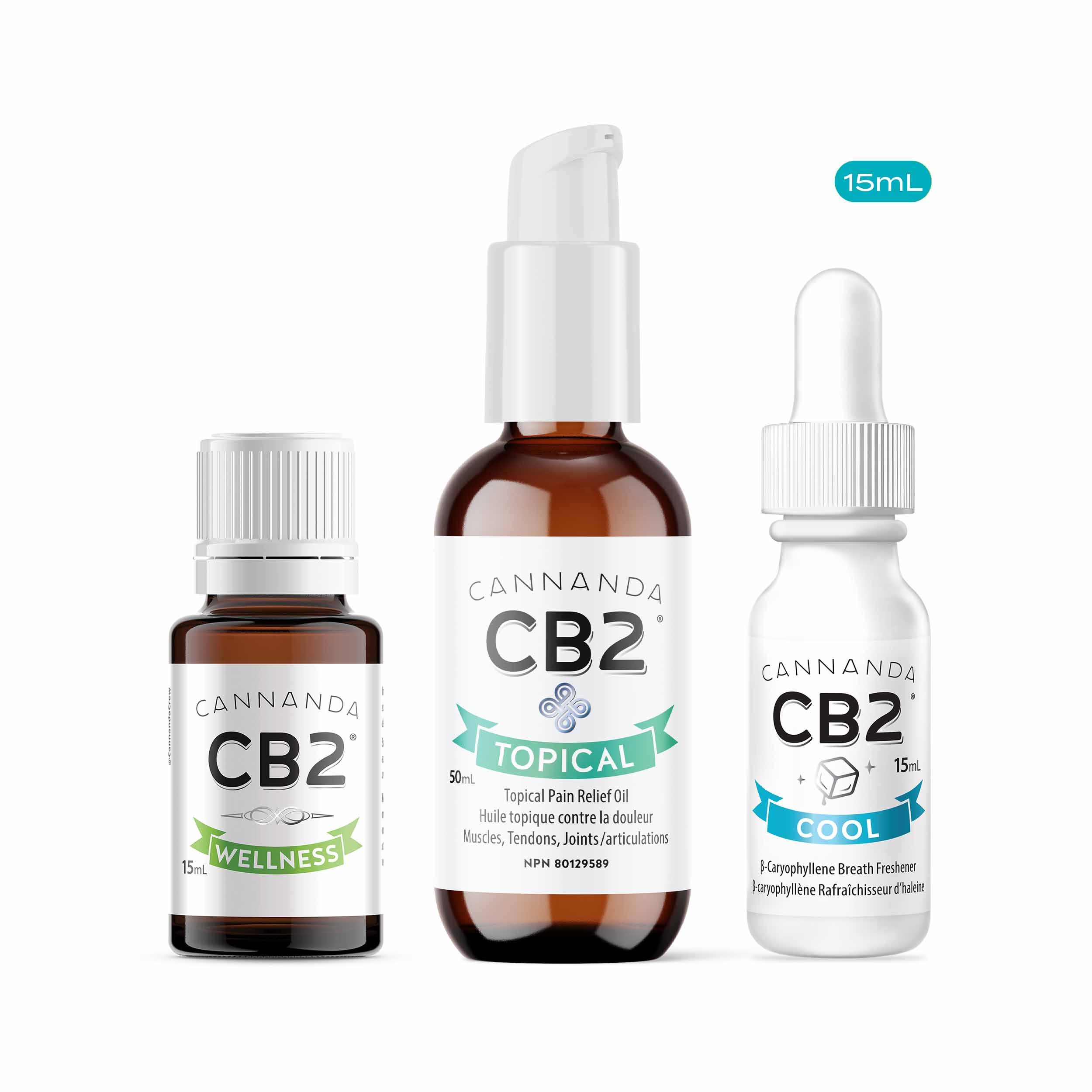
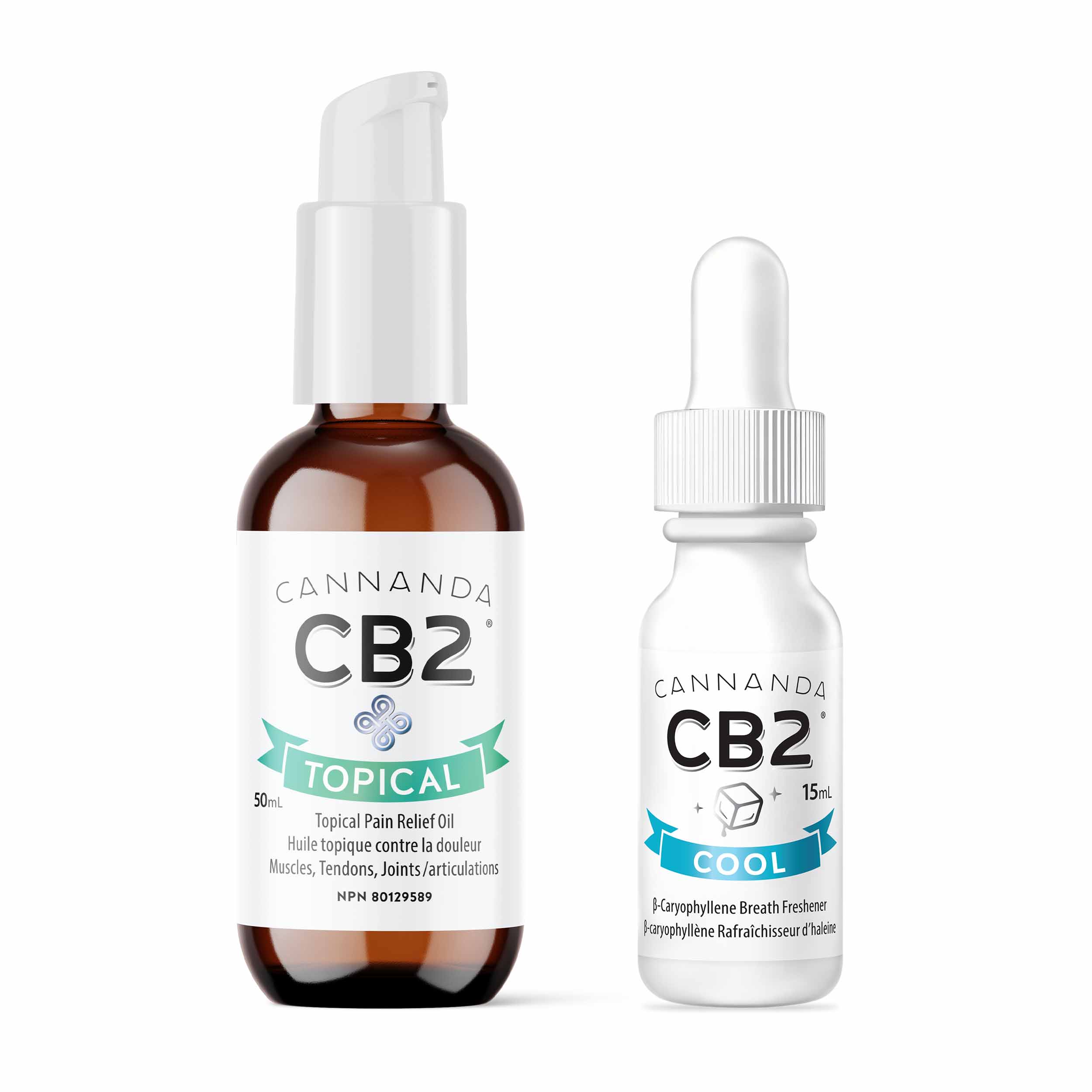
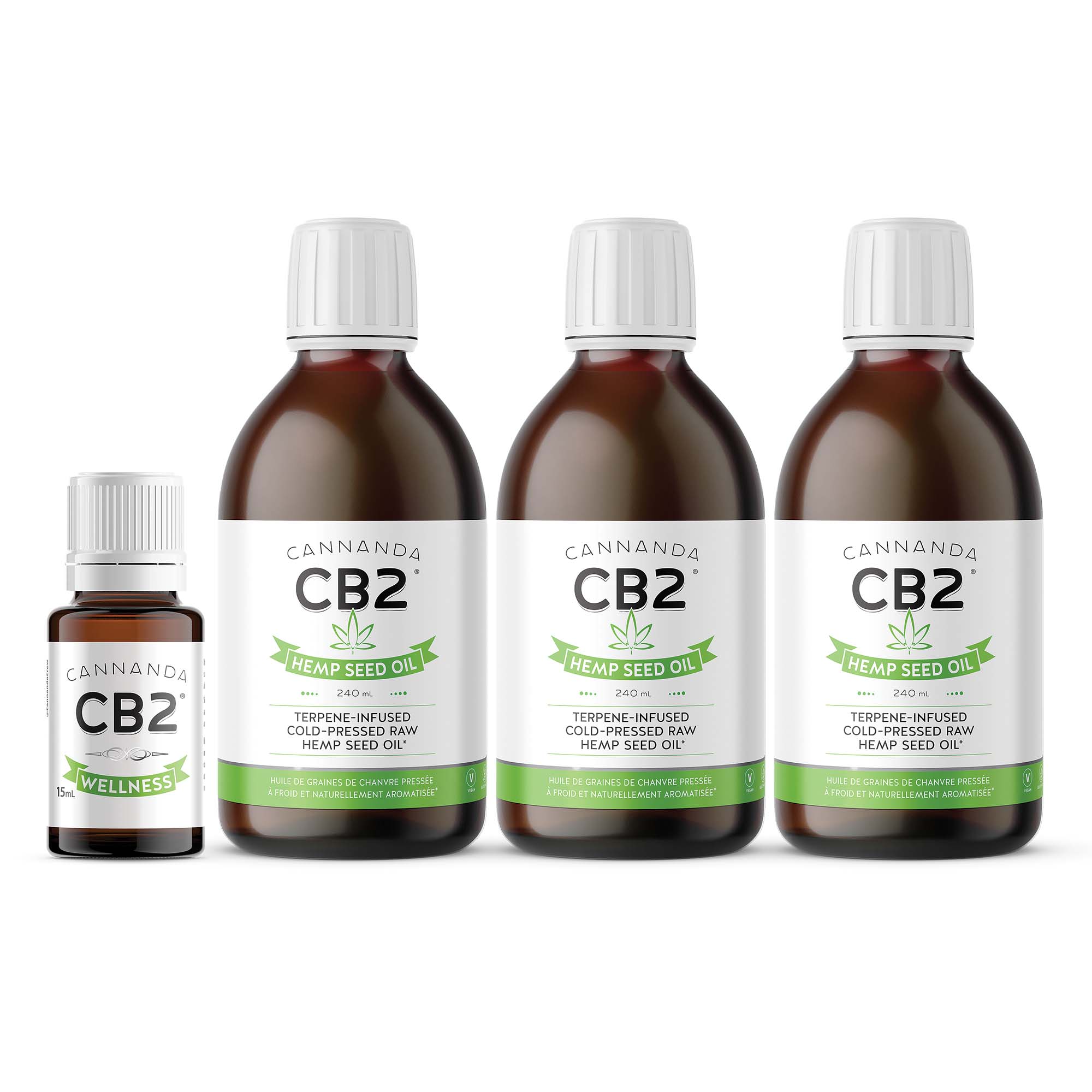
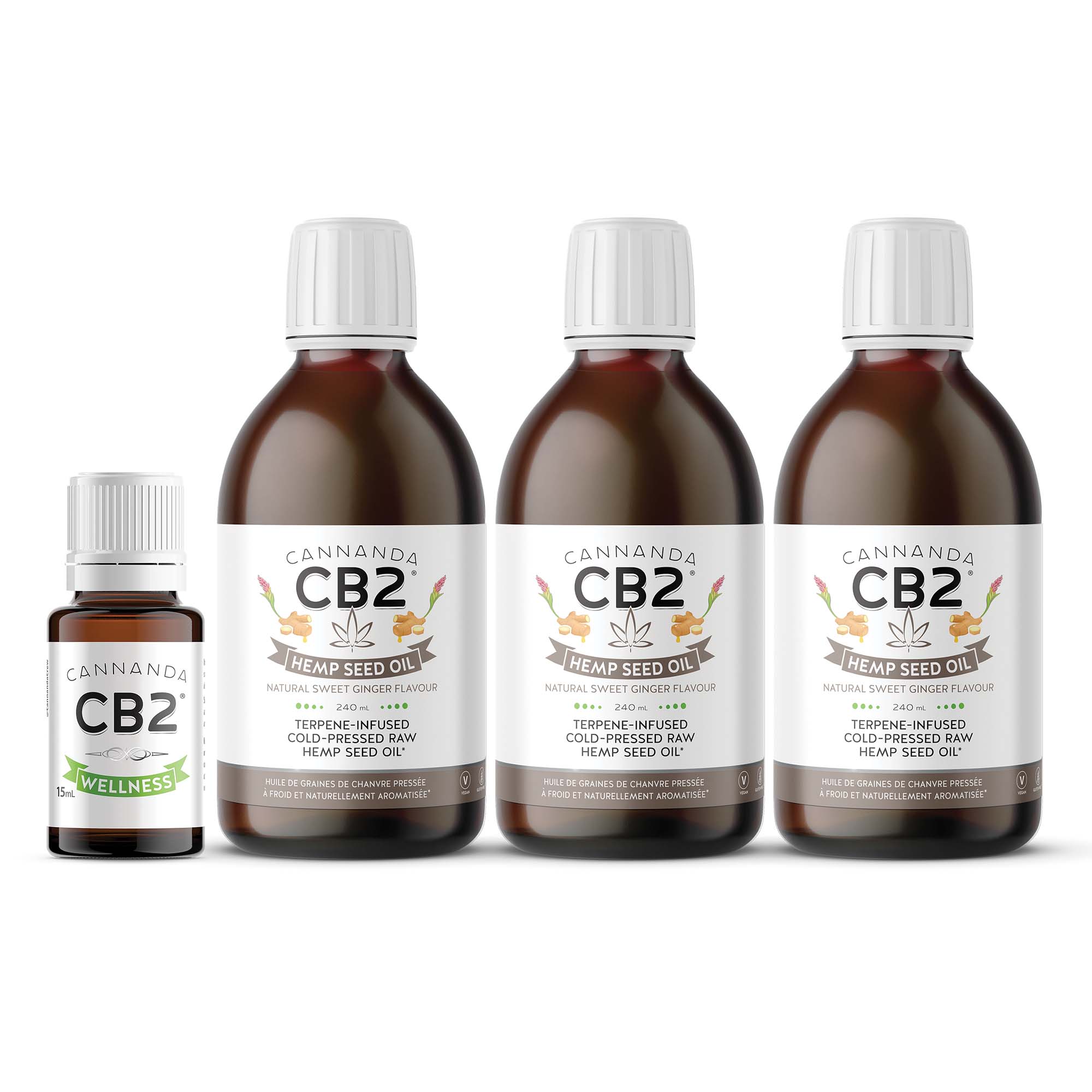
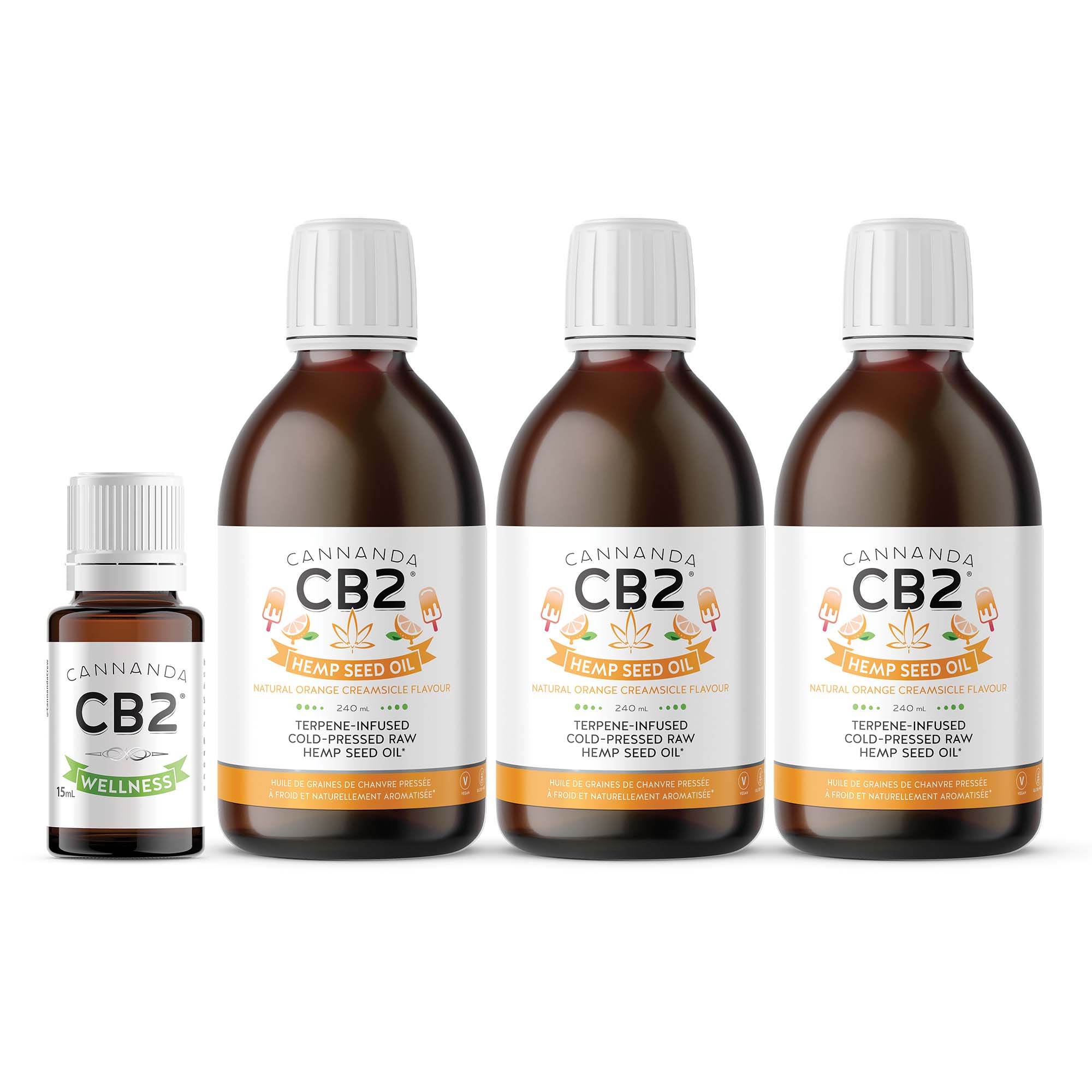
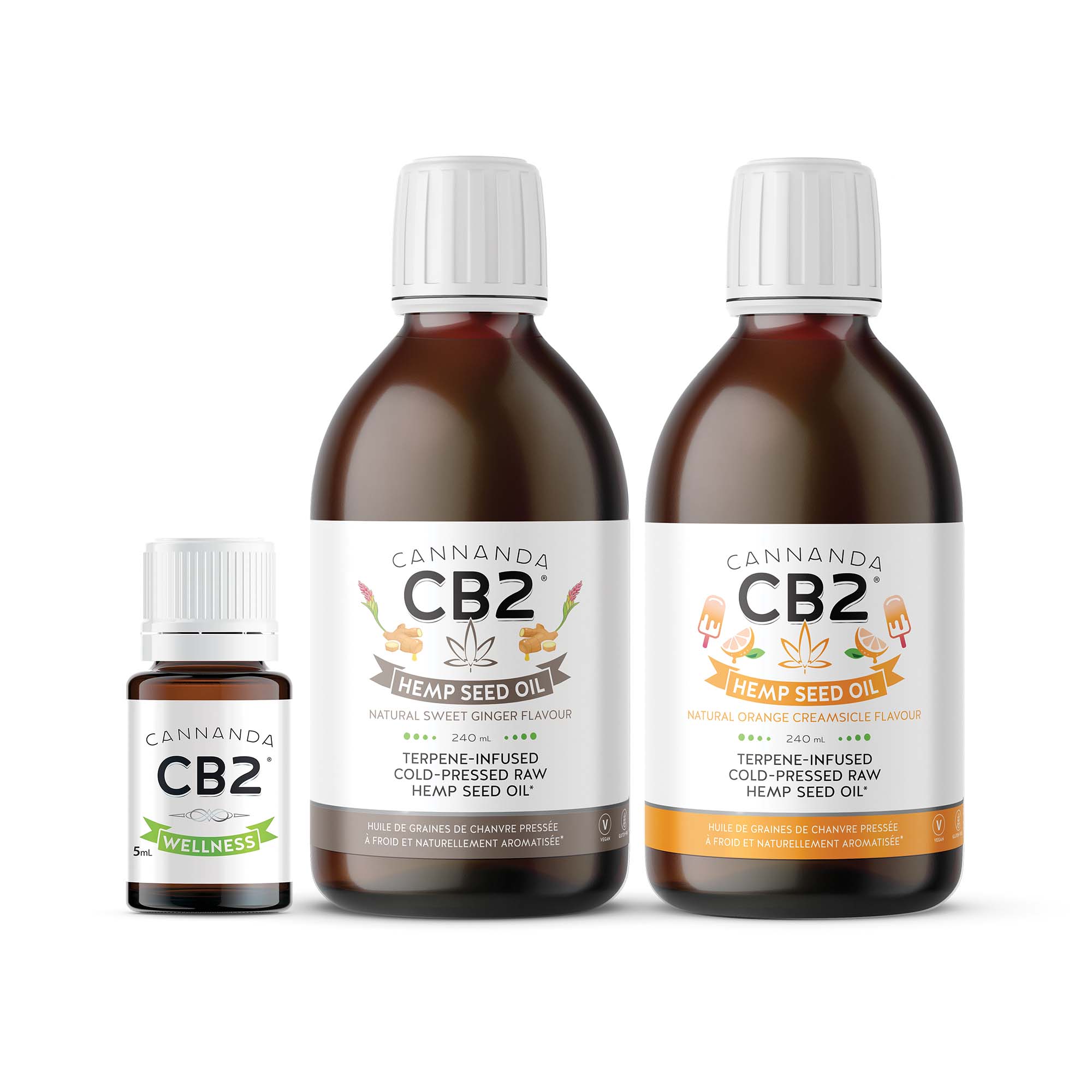
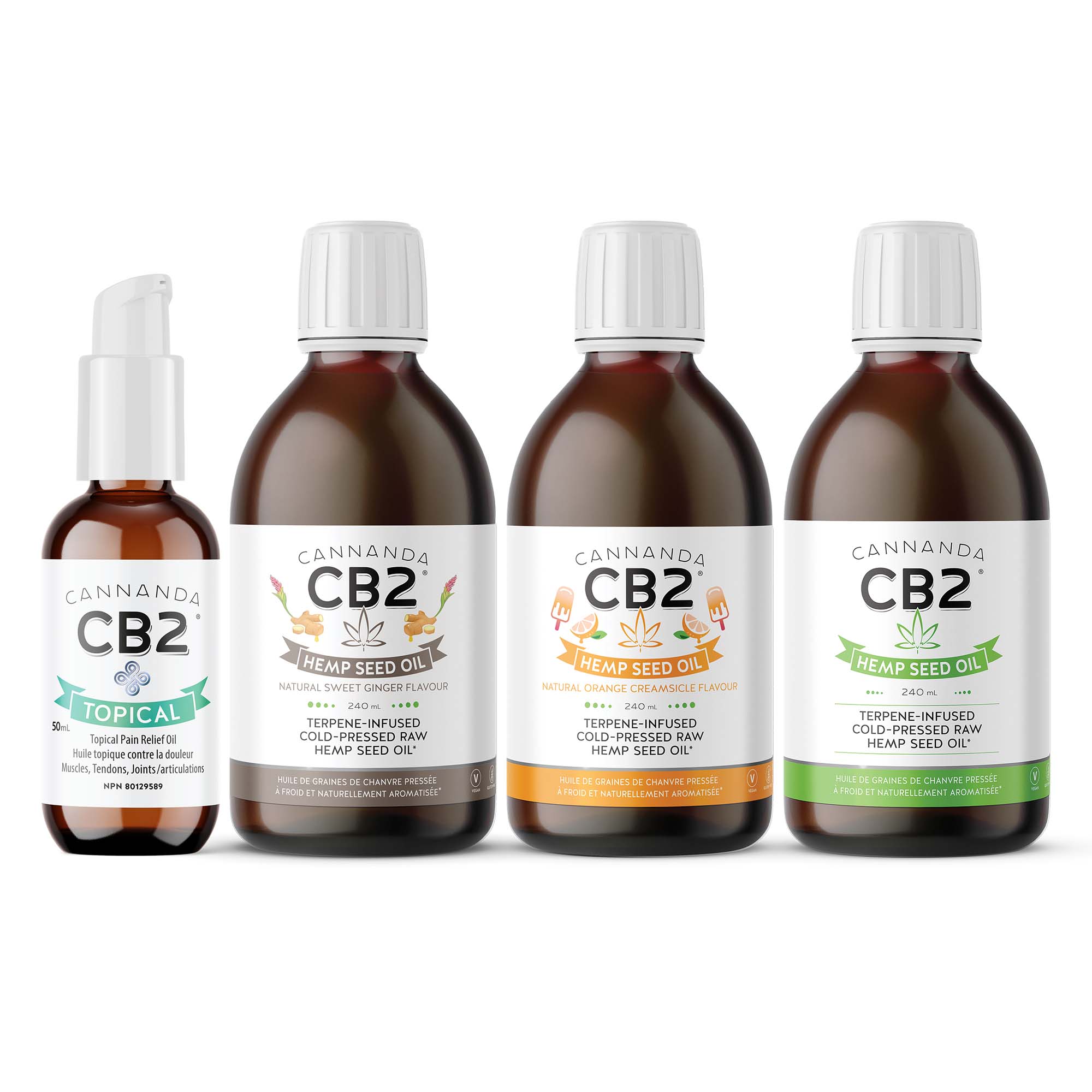
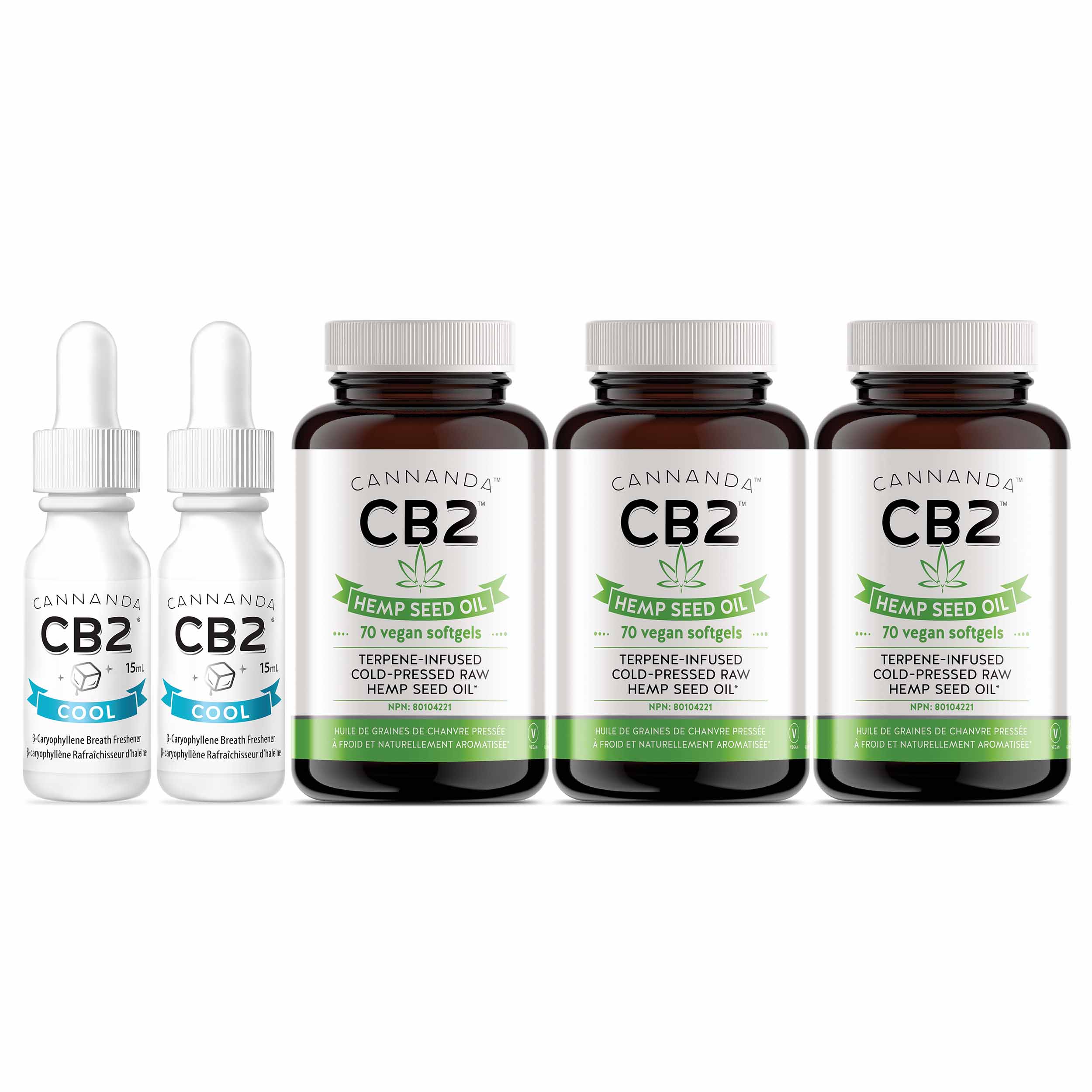
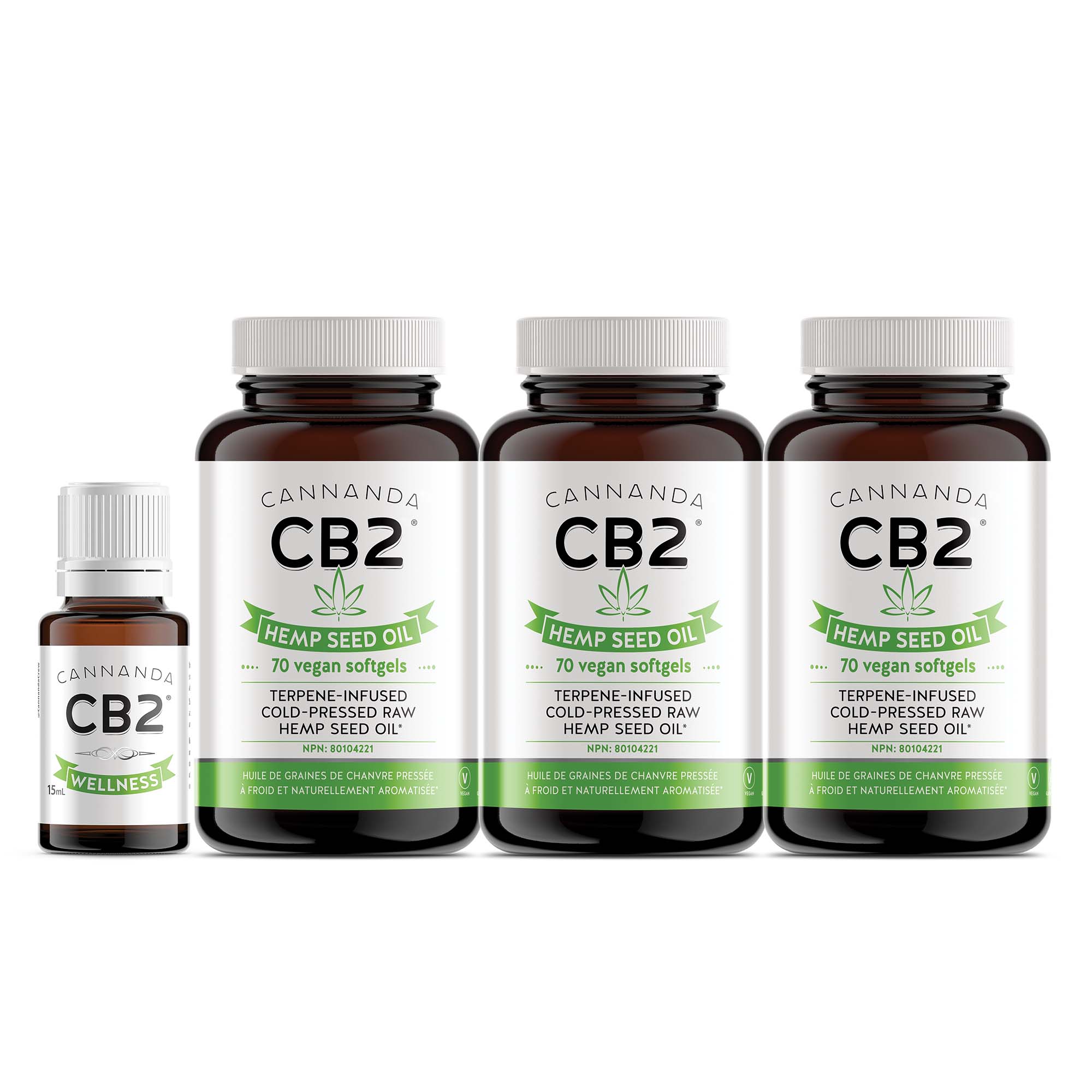
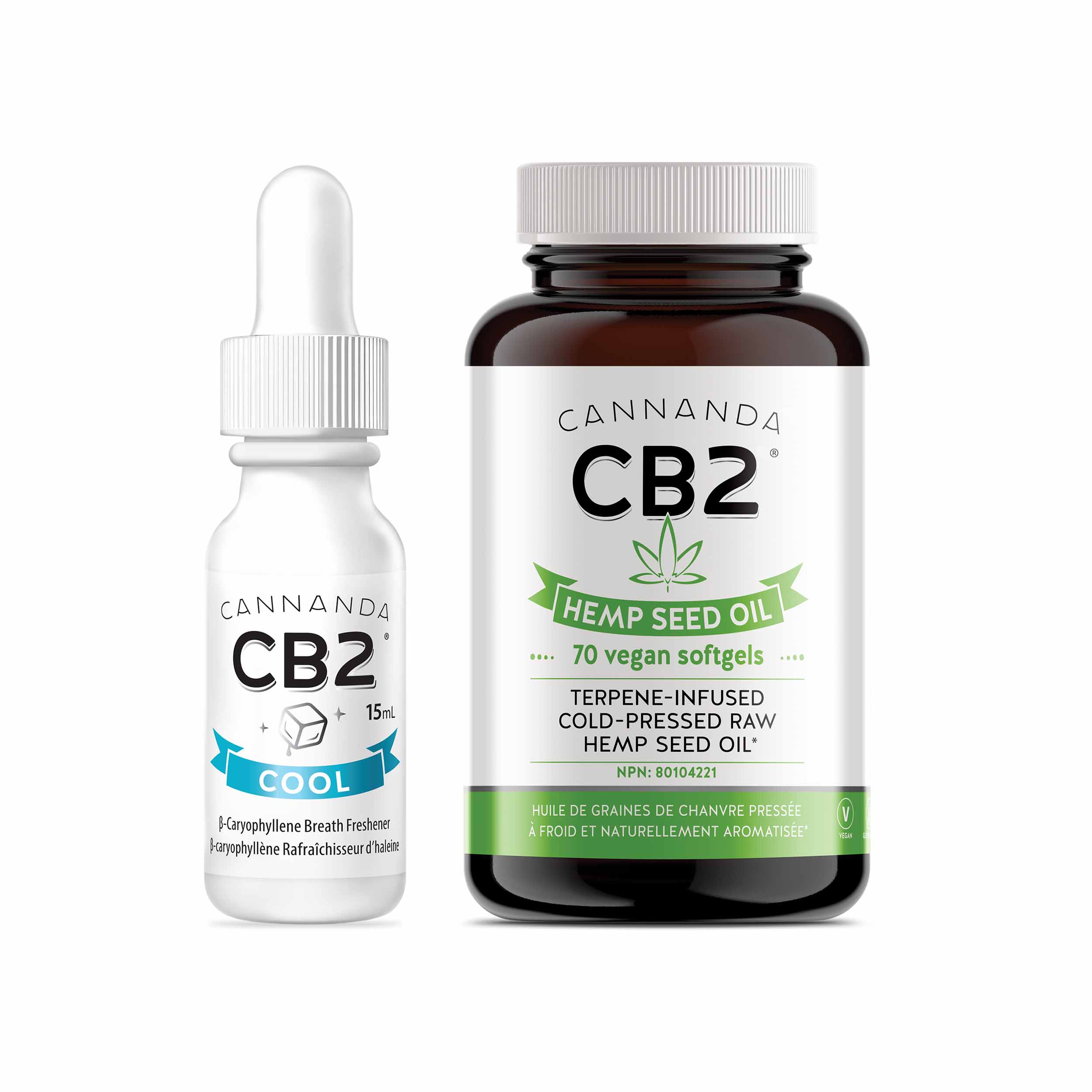
BCP can be incorporated through Cannanda CB2 Oil products: available as CB2 Wellness drops (sublingual, fastest onset), CB2 Hemp Seed Oil (daily dietary use with omega-3 added benefits), and flavoured oil options. Cannanda's recommended range is 60–120 mg BCP per day. See the complete dosing guide for detailed guidance.
References
- Gertsch J, et al. (2008). Beta-caryophyllene is a dietary cannabinoid. PNAS, 105(26), 9099–9104. https://doi.org/10.1073/pnas.0803601105
- Russo EB. (2016). Clinical endocannabinoid deficiency reconsidered: current research supports the theory in migraine, fibromyalgia, irritable bowel, and other treatment-resistant syndromes. Cannabis and Cannabinoid Research, 1(1), 154–165.
- Bahi A, et al. (2014). β-Caryophyllene produces multiple behavioral changes relevant to anxiety and depression in mice. Physiology & Behavior, 135, 119–124.
- Klauke AL, et al. (2014). The cannabinoid CB2 receptor-selective phytocannabinoid beta-caryophyllene exerts analgesic effects in mouse models of inflammatory and neuropathic pain. European Journal of Neuropsychopharmacology, 24(4), 608–620.
- Brigham and Women's Hospital/NYU Langone. (2018). Structure and Distribution of an Unrecognized Interstitium in Human Tissues. Scientific Reports, 8, 4947. (Interstitium as organ.)
- Devane WA, et al. (1992). Isolation and structure of a brain constituent that binds to the cannabinoid receptor. Science, 258(5090), 1946–1949. (Discovery of anandamide.)