What Foods Contain Beta-Caryophyllene? Your Complete Guide to Dietary Sources
Where BCP hides in your kitchen, how much you're actually getting, and when food sources aren't enough

You already eat beta-caryophyllene (BCP) regularly--it's in black pepper, cloves, oregano, rosemary, cinnamon, and many other spices and herbs. The richest everyday sources are:
- Black pepper — highest concentration of any common culinary spice (10–35% of essential oil), and the most consistent daily source given how widely it's used
- Cloves — extremely high concentration (5–12%), most potent by weight of the spices you'd use in small amounts
- Oregano — partly explains the Mediterranean diet's anti-inflammatory reputation
- Rosemary, cinnamon, basil, thyme, sage — all meaningful contributors
But dietary amounts are small. Typical daily food intake gives you maybe 10–50 mg of BCP depending on how herb-heavy your cooking is. Research uses 50–300 mg or more for therapeutic effects. For targeted support (pain, inflammation, anxiety, sleep) a standardized supplement fills the gap food can't close.
One of the most interesting things about beta-caryophyllene (BCP) is that you already eat it, probably every day. If you cook with spices, season your food, or drink certain herbal teas, you're consuming this dietary cannabinoid regularly without knowing it. BCP is the only compound found in food that directly activates CB2 receptors in the body's endocannabinoid system.
Here's a complete guide to where it's found, how much you're getting, and what it means for your health.
The Richest Food Sources of Beta-Caryophyllene
BCP is widespread across the plant kingdom, but concentrations vary significantly from one source to another. Here's a breakdown of the major dietary sources, from highest to lowest everyday relevance.
Cloves (Syzygium aromaticum)
Cloves contain some of the highest BCP concentrations of any culinary spice. Clove essential oil is 5–12% BCP by composition, and whole dried cloves retain meaningful amounts. Whether you're using them in chai tea, mulled wine, holiday baking, or savory dishes like biryanis and stews, you're getting a genuine dose of BCP. Cloves are also one of the most potent antioxidant spices overall, and BCP is part of what makes them so.
Black Pepper (Piper nigrum)
Black pepper essential oil is 10–35% BCP, one of the highest concentrations of any common spice. Because most people use black pepper daily across multiple meals, it's probably the most consistent dietary BCP source in the average diet. Every crack of a pepper mill delivers a small but real dose. Freshly cracked whole peppercorns contain more BCP than pre-ground powder, since grinding accelerates the evaporation of volatile terpenes.
Oregano (Origanum vulgare)
Oregano essential oil is 2–8% BCP. This is part of why Mediterranean diets (heavy on oregano, especially in dried form) are consistently associated with lower rates of chronic inflammation and cardiovascular disease. Mediterranean populations have been eating large amounts of BCP-rich herbs for generations without knowing the mechanism. BCP is one likely contributor to those health outcomes.
Rosemary (Rosmarinus officinalis)
Rosemary essential oil contains 1–12% BCP alongside its well-known antioxidant compounds like rosmarinic acid and carnosol. Both fresh and dried rosemary contribute meaningful BCP. It's particularly stable when used in roasting and longer cooking methods compared to more delicate herbs.
Cinnamon (Cinnamomum spp.)
Both Ceylon cinnamon (true cinnamon) and cassia cinnamon contain BCP, typically at 1–8% of essential oil composition. Concentrations vary by variety, processing, and origin. Cinnamon is interesting because it's used both in savory cooking and sweet applications, meaning it's one of the few BCP sources that shows up across the full range of meals throughout the day.
Basil (Ocimum spp.)
Basil essential oil is typically 1–5% BCP. Holy basil (tulsi) tends to be higher than sweet basil. Fresh basil retains more BCP than dried, and adding it raw to dishes (like in a Caprese salad or fresh pesto) preserves more of its terpene content than cooking it.
Thyme (Thymus vulgaris)
Thyme is 1–5% BCP by essential oil composition and is used widely in European and Middle Eastern cooking. Like oregano, it's a staple in cuisines associated with lower chronic disease rates.
Sage (Salvia officinalis)
Sage contains 1–4% BCP and has been used medicinally for centuries. It's also one of the traditional herbs used for cognitive support, potentially relevant given BCP's documented role in neuroinflammation reduction.
Lavender (Lavandula spp.)
Lavender essential oil is 1–7% BCP. Culinary lavender is used in Herbes de Provence blends and in some baked goods and infused syrups. Lavender is also commonly used aromatically, and BCP inhaled from lavender contributes to its calming effects via the same olfactory-to-brain pathway documented in other BCP inhalation research.
Hops (Humulus lupulus)
Hops contain BCP, which contributes to the characteristic slightly spicy, bitter flavor of beer. Concentrations are modest compared to culinary spices, and this isn't a recommendation to increase beer consumption, but it's an interesting example of how widespread BCP is across the plant kingdom.
Cannabis (Cannabis sativa)
Cannabis contains some of the highest BCP concentrations of any plant: 3.8% to 35% of the flower's essential oil, depending on the strain. This is primarily relevant for people in legal cannabis markets. It's also part of why certain cannabis strains have more pronounced anti-inflammatory and calming effects than others--high-BCP strains are activating CB2 receptors alongside the CB1 receptor activity that produces psychoactive effects.
Other Notable Sources
Other plants with meaningful BCP content include: ginger, carrot seed, allspice, fig leaves, ylang-ylang, bay laurel, marjoram, lemon balm, and copaiba resin.
Copaiba resin and essential oil are extremely high in BCP and have been used in traditional South American medicine for centuries. However, copaiba also contains diterpene compounds that research has identified as toxic to the liver. Despite its impressive BCP content, it's not recommended as a daily supplement. Cannanda CB2 oil is specifically formulated to deliver synergistic BCP benefits using only GRAS-status food-grade ingredients, without the liver safety concerns associated with copaiba.
BCP Concentration at a Glance
Here's a quick-reference table of approximate BCP concentrations in the essential oils of common food sources. Concentrations in the whole food or spice are lower, but these figures show the relative richness of each source.
| Food / Spice | BCP in essential oil | Relative concentration | Best used as |
|---|---|---|---|
| Black pepper | 10–35% | Daily seasoning — freshly cracked | |
| Cloves | 5–12% | Spice blends, chai, mulled drinks | |
| Rosemary | 1–12% | Roasting, marinades, oils | |
| Oregano | 2–8% | Dried in sauces, pizza, grilled meats | |
| Lavender | 1–7% | Culinary and aromatic use | |
| Cinnamon | 1–8% | Sweet and savory dishes, teas | |
| Basil | 1–5% | Fresh in salads, pesto, raw dishes | |
| Thyme | 1–5% | Soups, roasts, Mediterranean cooking | |
| Sage | 1–4% | Butter sauces, stuffings, herbal teas | |
| Ginger | 1–3% | Teas, stir-fries, baking |
How Much BCP Are You Actually Getting from Food?
While you consume BCP in food every day, the amounts are small. A teaspoon of freshly cracked black pepper contains roughly 1–3 mg of BCP. A dish seasoned generously with oregano might contribute another 2–5 mg. Add up a full day of spice-heavy cooking and you might reach 10–50 mg, more if you're cooking in a Mediterranean or South Asian style with heavy herb use.
That's not nothing. This daily background exposure supports ongoing CB2 receptor activation and contributes to endocannabinoid system balance. Cultures with consistently spice-heavy diets (Mediterranean, South Asian, Middle Eastern) do tend to have lower rates of chronic inflammatory diseases, and BCP is likely one of several reasons why.
But for targeted therapeutic effects--the kind seen in research studies on pain, inflammation, anxiety, sleep, blood sugar, or cognitive support--the doses used are typically 50–300 mg per day or more. Consistently reaching those levels through food alone would require eating implausibly large amounts of spices at every meal. It's not realistic.
This is why concentrated BCP products like Cannanda CB2 oil exist. It's the same logic as vitamin C: you get it from food, and that matter's for general wellness, but if you want a therapeutic dose, you need to supplement. The food intake is a good baseline as a nutrient dose. The supplement takes you to the therapeutic dose.
Does Cooking Destroy BCP?
Yes, partially. BCP is a volatile terpene, which means heat and air cause it to evaporate over time. A few practical implications:
- Add spices late. Adding black pepper, herbs, and aromatic spices toward the end of cooking retains more BCP than cooking them at high heat for a long time. Toast spices briefly if you want to release aroma, but add them late in the process for maximum terpene content.
- Crack whole peppercorns fresh. Pre-ground black pepper loses a significant portion of its terpene content during storage. Freshly cracked whole peppercorns at the table or at the end of cooking retain considerably more BCP.
- Use fresh herbs when possible. Fresh basil added to a dish just before serving retains more BCP than dried basil cooked into a sauce. Dried herbs retain meaningful amounts but less than fresh.
- Infuse rather than boil. Steeping herbs in warm oil or making cold-press herb oils preserves terpene content better than high-heat extraction or long simmering.
- Raw preparations are richest. Fresh herb salads, raw spice rubs, pesto, chimichurri, and cold-pressed oils preserve the most BCP.
The most BCP-rich single thing you can add to your daily diet is freshly cracked black pepper used generously across multiple meals. Second is a generous use of dried oregano and rosemary in cooking. Neither will get you to therapeutic doses, but they're genuinely good for your endocannabinoid system baseline, they're free (you're already buying these spices), and they complement any BCP supplement you take.
Can You Eat Your Way to a Therapeutic Dose?
Technically, you could get more BCP by eating large amounts of the richest sources, but practically, it's not a viable strategy for therapeutic goals. The amounts you'd need to consume would be unrealistic and in some cases unpleasant (nobody is eating tablespoons of cloves).
What you can realistically do is eat a spice-forward diet that keeps your dietary BCP intake in the higher range of normal if you're cooking with black pepper, oregano, rosemary, cinnamon, and cloves consistently. This is meaningful for background endocannabinoid system support.
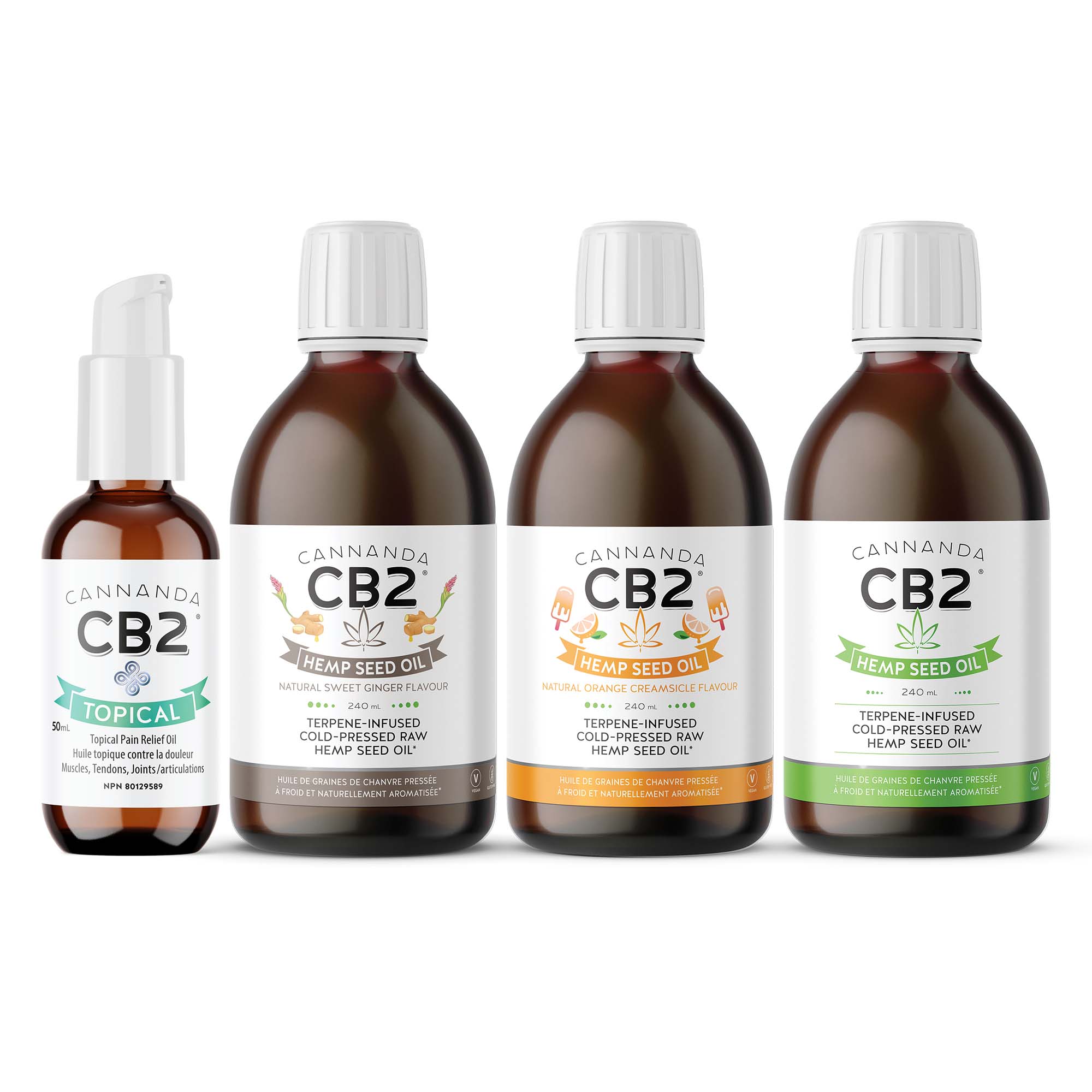
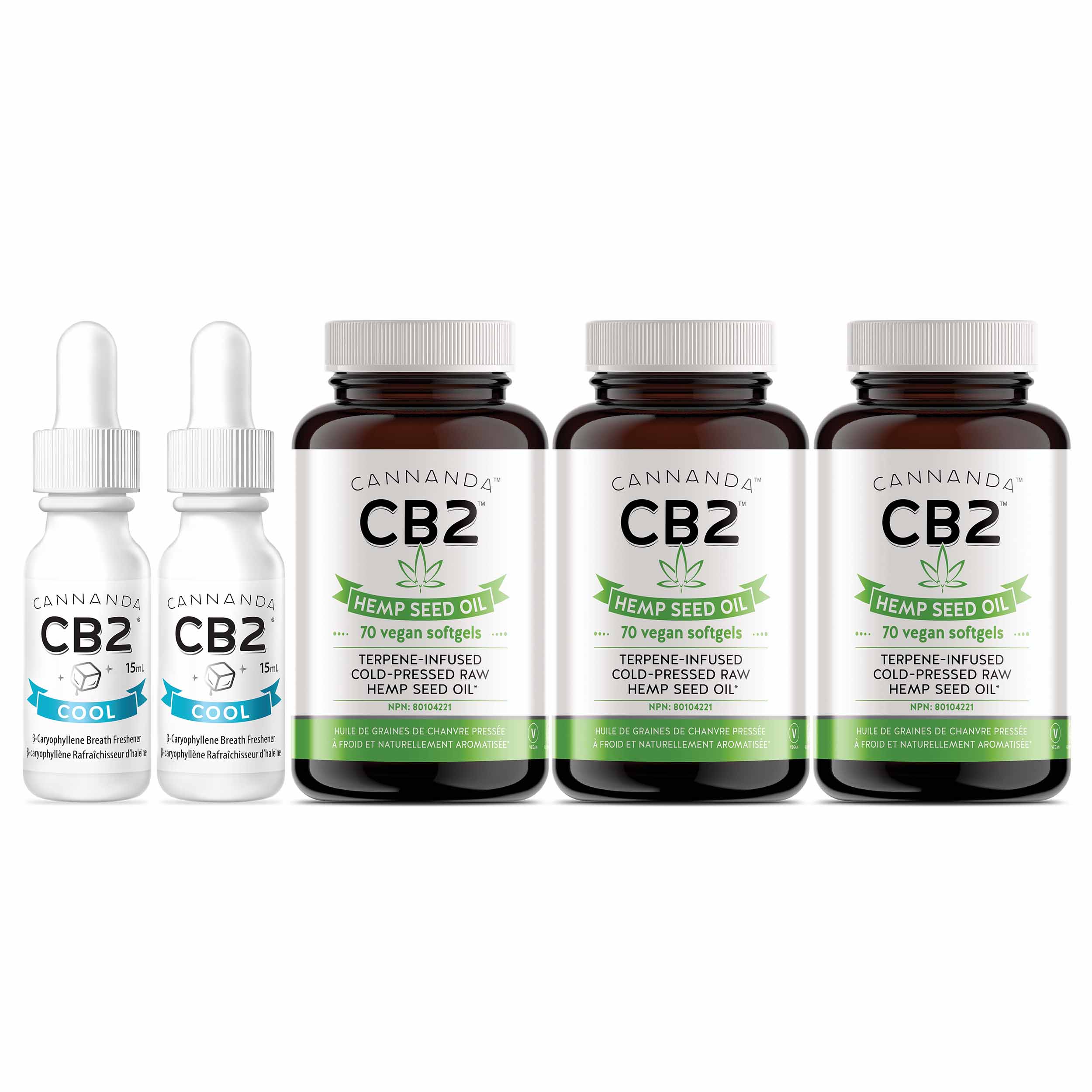
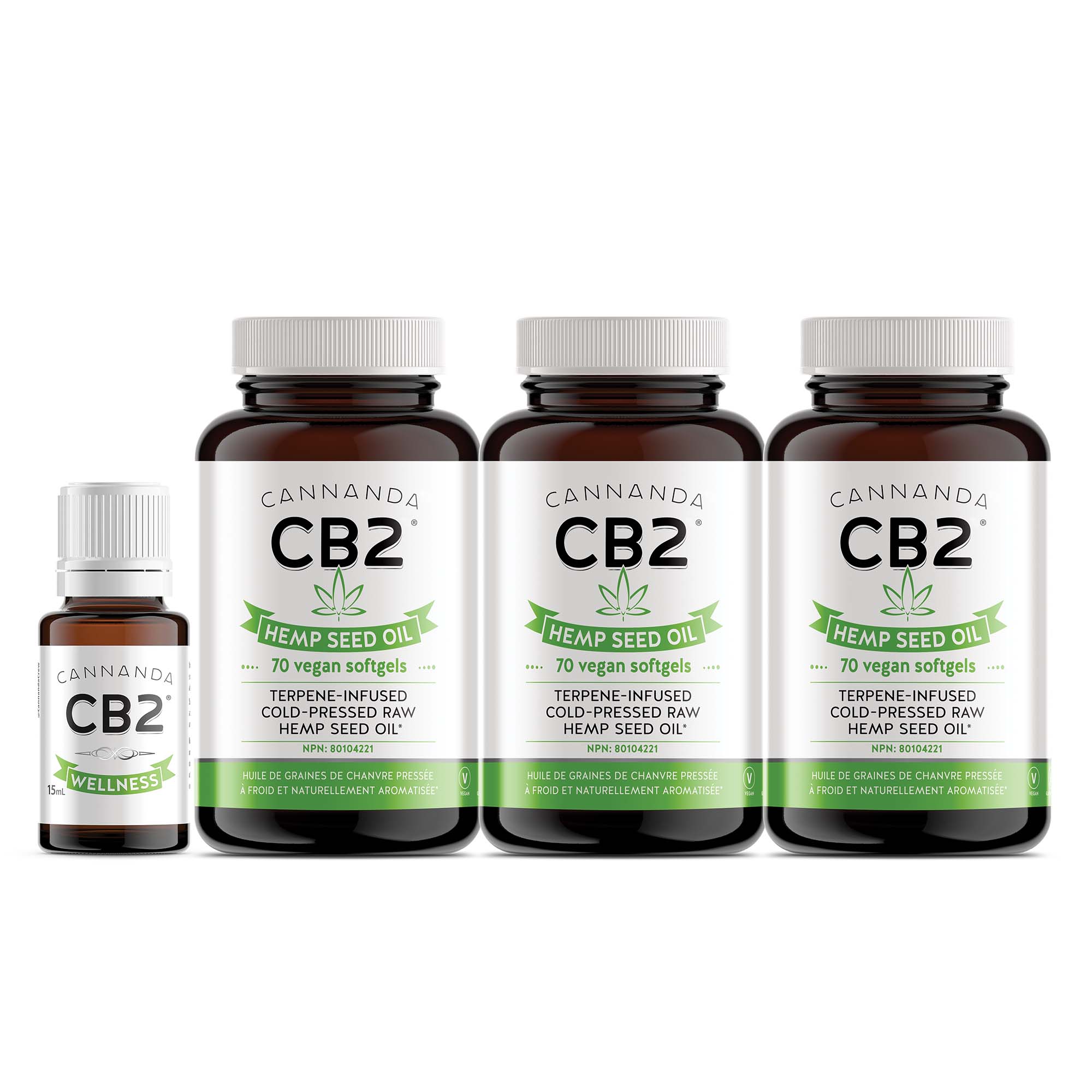
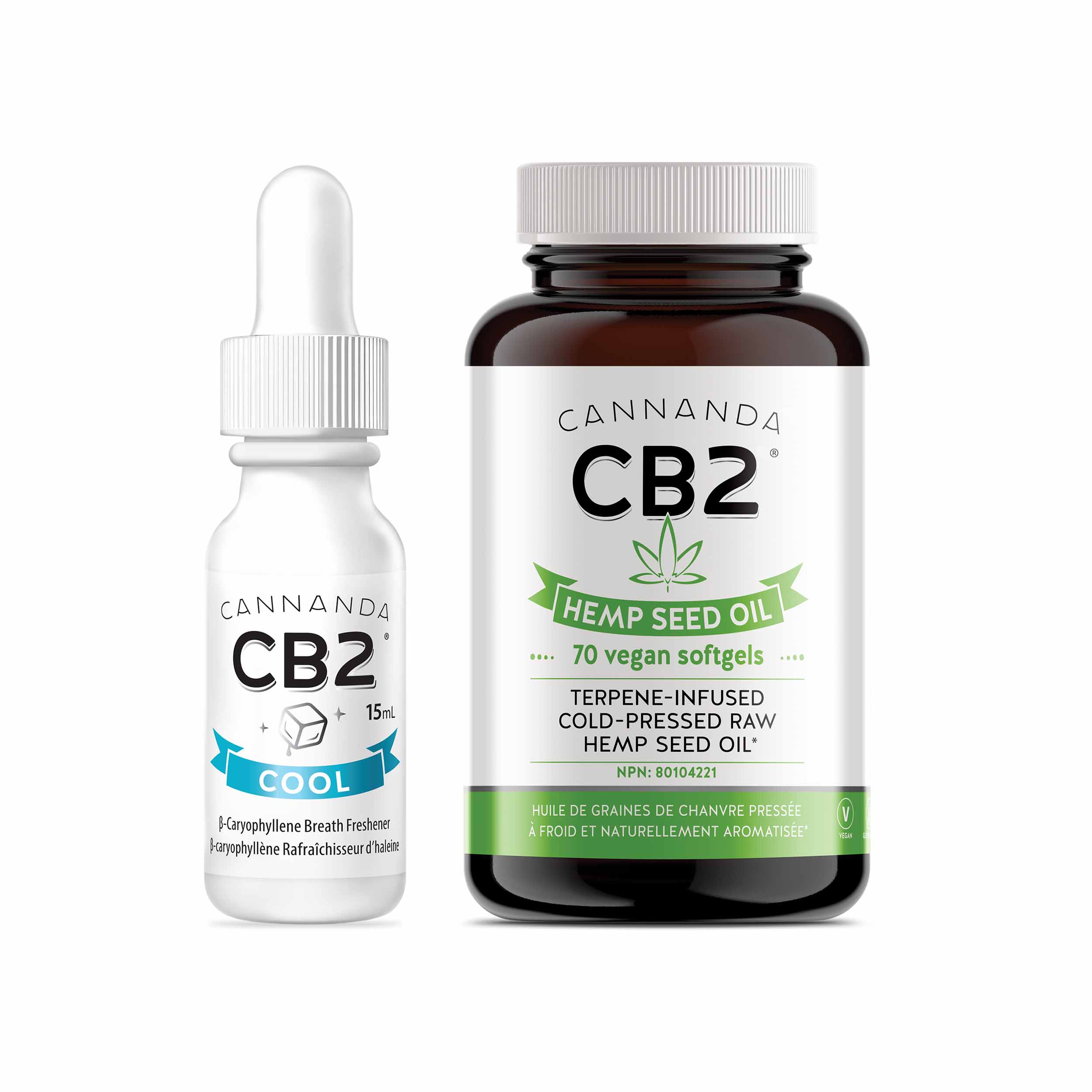
For anything more targeted (chronic pain, significant inflammation, anxiety, sleep issues, blood sugar management, cognitive support) a concentrated supplement is the practical path. CB2 Wellness delivers a standardized, consistent dose of BCP in a form that's easy to take daily. CB2 Hemp Seed Oil combines BCP with the omega fatty acid benefits of hemp seed oil in a format that works well added to food or taken directly. And for anyone who prefers capsules, CB2 Softgels make daily dosing effortless.
The two approaches aren't either/or. Eating a spice-rich diet builds your dietary baseline. A supplement gets you the rest of the way to where the research shows meaningful effects. For a full breakdown of dose ranges by goal, see our BCP dosing guide.
Why BCP in Food Matters Even at Low Doses
Even at dietary doses well below the therapeutic range, regular BCP consumption from food does something useful: it keeps your CB2 receptors gently stimulated on an ongoing basis. The endocannabinoid system is a regulatory system, it responds to tonic (ongoing) input, not just acute doses. Daily dietary BCP contributes to the kind of baseline CB2 activation that supports immune regulation, inflammation management, and general physiological homeostasis.
This is part of why the Clinical Endocannabinoid Deficiency (CED) theory, proposed by researcher Dr. Ethan Russo, suggests that many modern chronic conditions (fibromyalgia, IBS, migraines) may be partly explained by insufficient endocannabinoid system activation. Modern diets are significantly less herb- and spice-heavy than traditional diets. One consequence may be lower baseline BCP intake and less consistent CB2 activation than our ancestors maintained.
Cooking with BCP-rich herbs and spices is a genuinely good practice for long-term health, independent of any supplement. It's not a replacement for a targeted supplement when you need one, but it's a real contribution to your body's regulatory baseline.
Frequently Asked Questions
What foods are highest in beta-caryophyllene?
The richest everyday dietary sources are cloves, black pepper, oregano, rosemary, cinnamon, and basil. Cannabis and copaiba resin are extremely high but aren't practical everyday food sources.
How much beta-caryophyllene is in black pepper?
Black pepper essential oil is 10–35% BCP. A teaspoon of ground black pepper (about 2–3g) contains roughly 1–3 mg of BCP--small, but meaningful as a consistent daily contributor. Freshly cracked whole peppercorns retain more BCP than pre-ground powder.
Can you get enough beta-caryophyllene from food alone?
Not for therapeutic purposes. Typical daily dietary BCP is 10–200 mg depending on how spice-heavy your cooking is. Research uses 50–300 mg or more for measurable therapeutic effects. A standardized supplement like Cannanda CB2 oil is the practical way to consistently reach those levels, the same logic as supplementing vitamin C beyond what food provides.
Does cooking destroy beta-caryophyllene?
Heat reduces BCP since it's a volatile terpene. To preserve more: add spices toward the end of cooking, crack black pepper fresh rather than using pre-ground, use fresh herbs where possible, and favour raw preparations like pesto or chimichurri. Infusing herbs in oil at lower temperatures also preserves more BCP than high-heat cooking.
What is beta-caryophyllene and why does it matter?
BCP is a terpene found in many spices and plants, and the only dietary compound known to directly activate CB2 receptors in the body's endocannabinoid system. CB2 receptor activation supports immune function, reduces inflammation, and helps modulate pain. This is one reason spice-heavy diets like the Mediterranean style are associated with lower rates of chronic inflammatory conditions.
Is copaiba a good source of beta-caryophyllene?
Copaiba resin is extremely high in BCP, among the highest of any natural source. However, copaiba also contains diterpene compounds identified as toxic to the liver. It's not recommended as a daily supplement despite its high BCP content. Cannanda CB2 oil delivers synergistic BCP benefits using only GRAS-status food-grade ingredients, without the liver concerns associated with copaiba.
Do Mediterranean diets contain a lot of beta-caryophyllene?
Yes. The Mediterranean diet is heavy on oregano, rosemary, basil, black pepper, and other BCP-rich herbs. This is one proposed reason Mediterranean-style eating is associated with lower rates of chronic inflammation, cardiovascular disease, and cognitive decline, the consistent dietary BCP intake supports ongoing CB2 receptor activation and endocannabinoid system balance.
Which herbs and spices have the most beta-caryophyllene?
In approximate order by essential oil concentration: black pepper (10–35%), cloves (5–12%), rosemary (1–12%), cinnamon (1–8%), oregano (2–8%), lavender (1–7%), basil (1–5%), thyme (1–5%), sage (1–4%), and ginger (1–3%). Concentrations vary by variety, growing region, and how the spice is processed and stored.
References
- Gertsch J, et al. Beta-caryophyllene is a dietary cannabinoid. PNAS. 2008;105(26):9099–9104.
- Francomano F, et al. β-Caryophyllene: A Sesquiterpene with Countless Biological Properties. Applied Sciences. 2019;9(24):5420.
- Sköld M, et al. The fragrance chemical beta-caryophyllene: air oxidation and skin sensitization. Food Chem Toxicol. 2006;44(4):538–545.
- Orav A, et al. Effect of storage on the essential oil composition of Piper nigrum L. J Agric Food Chem. 2004;52(9):2582–2586.