Natural Alternatives to Opioids: How CB2 Oil Can Help Manage Chronic Pain
BCP reduces chronic pain without addiction, tolerance, or intoxication, and research shows it can synergize with opioids to allow lower doses with equivalent relief.
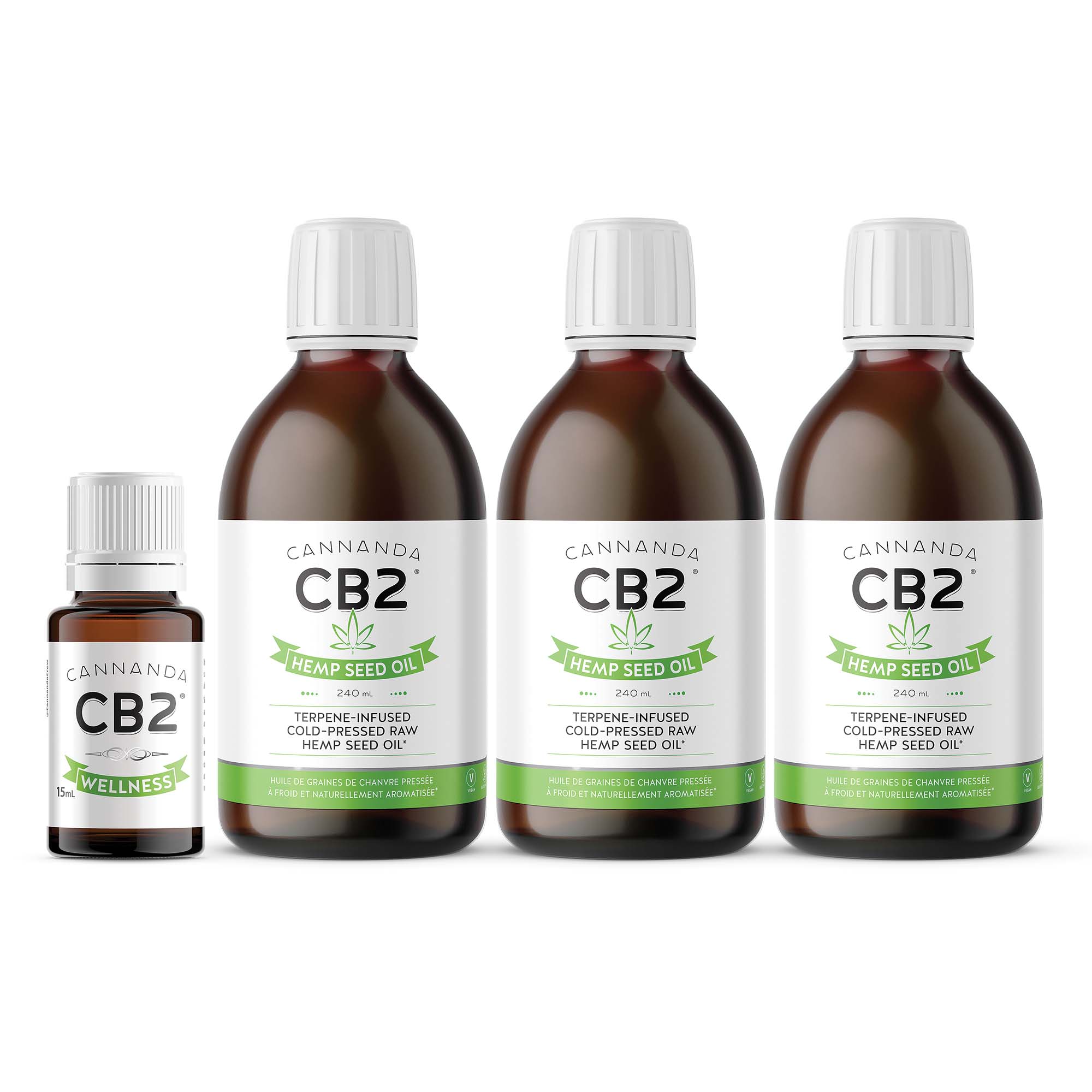
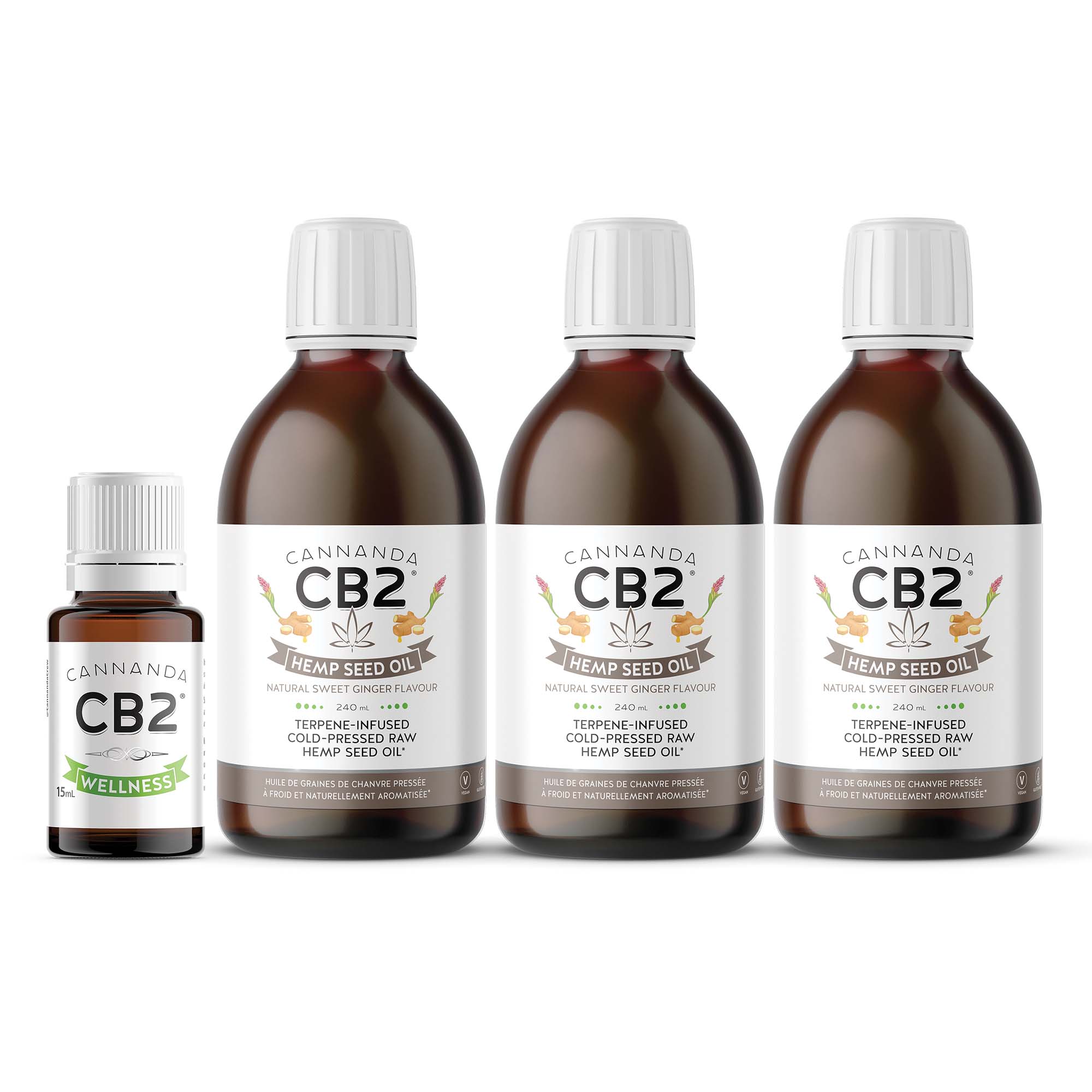
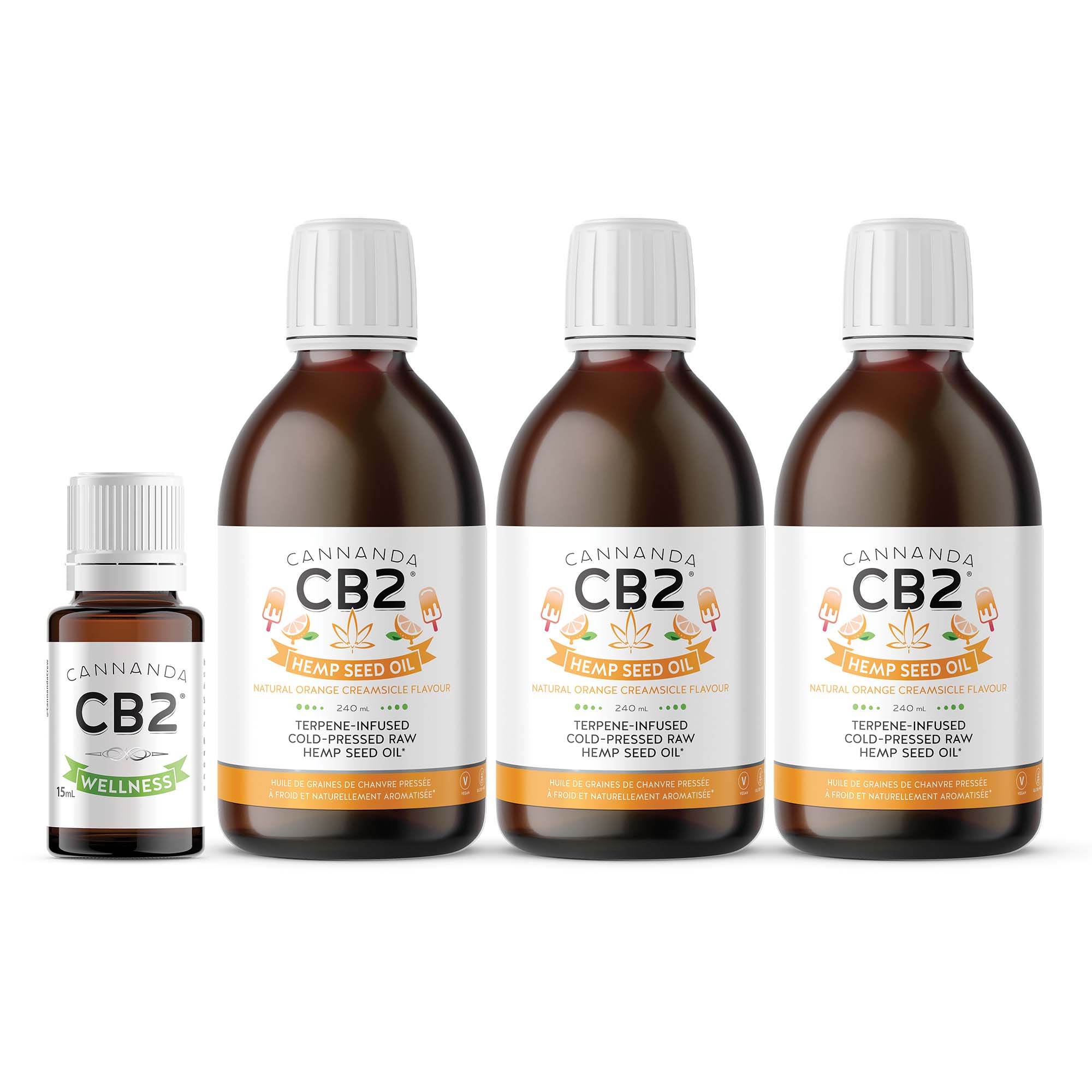
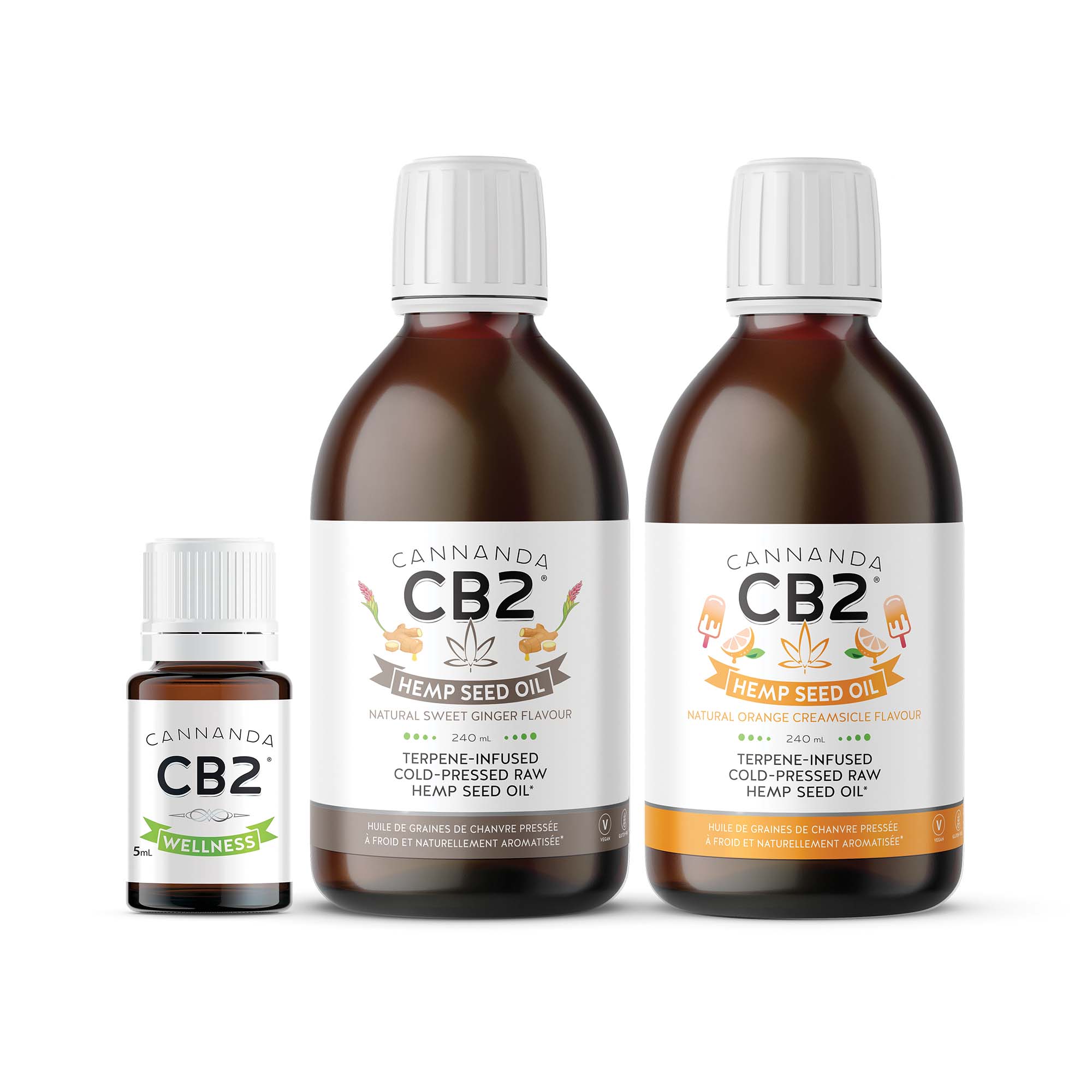
You're managing chronic pain and looking for a natural approach, either instead of opioids or alongside them to reduce the dose you need. This article covers the mechanism, the research, and a practical protocol for using Cannanda CB2 oil with beta-caryophyllene (BCP) for pain management.
BCP directly activates CB2 receptors to reduce inflammatory pain without opioid-like addiction risk, tolerance, or respiratory depression. It is non-intoxicating, has GRAS food safety status, and has no known drug interactions at recommended doses (with one exception for those on medications with a narrow therapeutic window). Critically, research shows BCP synergizes with opioids, enhancing their pain relief while reducing the required opioid dose. If you're managing chronic pain with opioids and want to reduce your dose, BCP is worth discussing with your physician. All findings referenced are preclinical; discuss any changes to pain management with your healthcare provider.
Chronic pain is a debilitating condition affecting millions worldwide. While opioids have long been the most powerful tool for severe pain relief, their potential for addiction, tolerance development, and life-threatening side effects have fueled a public health crisis that affects every country prescribing them. Natural alternatives like Cannanda CB2 oil, featuring beta-caryophyllene (BCP), offer a promising path, both as a standalone pain management approach and as a way to reduce opioid dependence for those who are already using them.
Understanding chronic pain
Chronic pain is defined as pain lasting more than 12 weeks. It can stem from many conditions, all sharing a common biological driver: sustained inflammation and altered pain pathway signaling that the body cannot resolve on its own.
The opioid crisis in context
The late 1990s saw a dramatic surge in opioid prescriptions, driven in part by pharmaceutical industry messaging that these medications were minimally addictive for patients in pain. The consequences were catastrophic: widespread dependence, a wave of overdose deaths, and a public health crisis that continues today.
The need for effective pain management is real. The problem is that opioids are the only tool with sufficient efficacy for many chronic pain patients, and their harms accumulate with exactly the long-term daily use that chronic pain requires. This is why natural pain management approaches that work through non-opioid mechanisms are urgently needed.
How BCP manages pain through CB2 receptors
BCP is a dietary cannabinoid that selectively binds to and activates CB2 receptors in the endocannabinoid system (ECS). CB2 receptors are distributed throughout the immune system, peripheral nervous system, and gut, not in the brain regions responsible for intoxication or respiratory control.
When activated, CB2 receptors reduce the production of pro-inflammatory cytokines (TNF-alpha, IL-1beta, IL-6) and increase anti-inflammatory signaling. This directly targets the inflammatory driver of most chronic pain, addressing the root cause rather than just suppressing the pain signal downstream. BCP also has documented local anesthetic properties, contributing to more immediate pain modulation when applied topically or taken sublingually.
Crucially, BCP does not activate CB1 receptors, which are concentrated in the brain and are responsible for the intoxicating effects of cannabis and the respiratory suppression of opioids. BCP produces no intoxication, no tolerance, and no physical dependence. You cannot overdose on it.
The research on BCP and chronic pain
The synergy finding: BCP alongside opioids
BCP may allow lower opioid doses to achieve the same pain relief
This is the most important finding in this article for anyone already managing pain with opioids. Research has shown that combining BCP with opioids like morphine produces a synergistic analgesic effect: the combination produces more pain relief than either compound alone at the same individual doses.
The practical implication is significant: BCP's CB2-mediated anti-inflammatory pain relief operates through a completely different pathway from opioid analgesia. When both pathways are activated simultaneously, lower opioid doses can achieve the same overall pain relief that higher opioid doses would achieve alone. This means less tolerance development, less dependence risk, and fewer dose-dependent opioid side effects.
The study also showed that adding BCP to morphine treatment reduced the development of opioid tolerance over time, suggesting that BCP may help maintain opioid efficacy in long-term pain management and reducing the dose escalation that typically leads to the most serious opioid-related harms.
Opioids vs CB2 oil: a comparison
- High efficacy for acute and severe pain
- Tolerance develops with continued use
- Physical dependence and addiction risk
- Respiratory depression risk; overdose is fatal
- Numerous drug interactions
- Cognitive impairment and drowsiness
- Hormonal disruption with long-term use
- Requires prescription
- Reduces inflammatory pain through CB2 receptors
- No tolerance development
- No physical dependence or addiction potential
- No respiratory effects; cannot cause overdose
- No known drug interactions at recommended doses (exception: narrow therapeutic window medications)
- Non-intoxicating; no cognitive impairment
- Supports hormonal and immune balance
- Available without prescription; GRAS food status
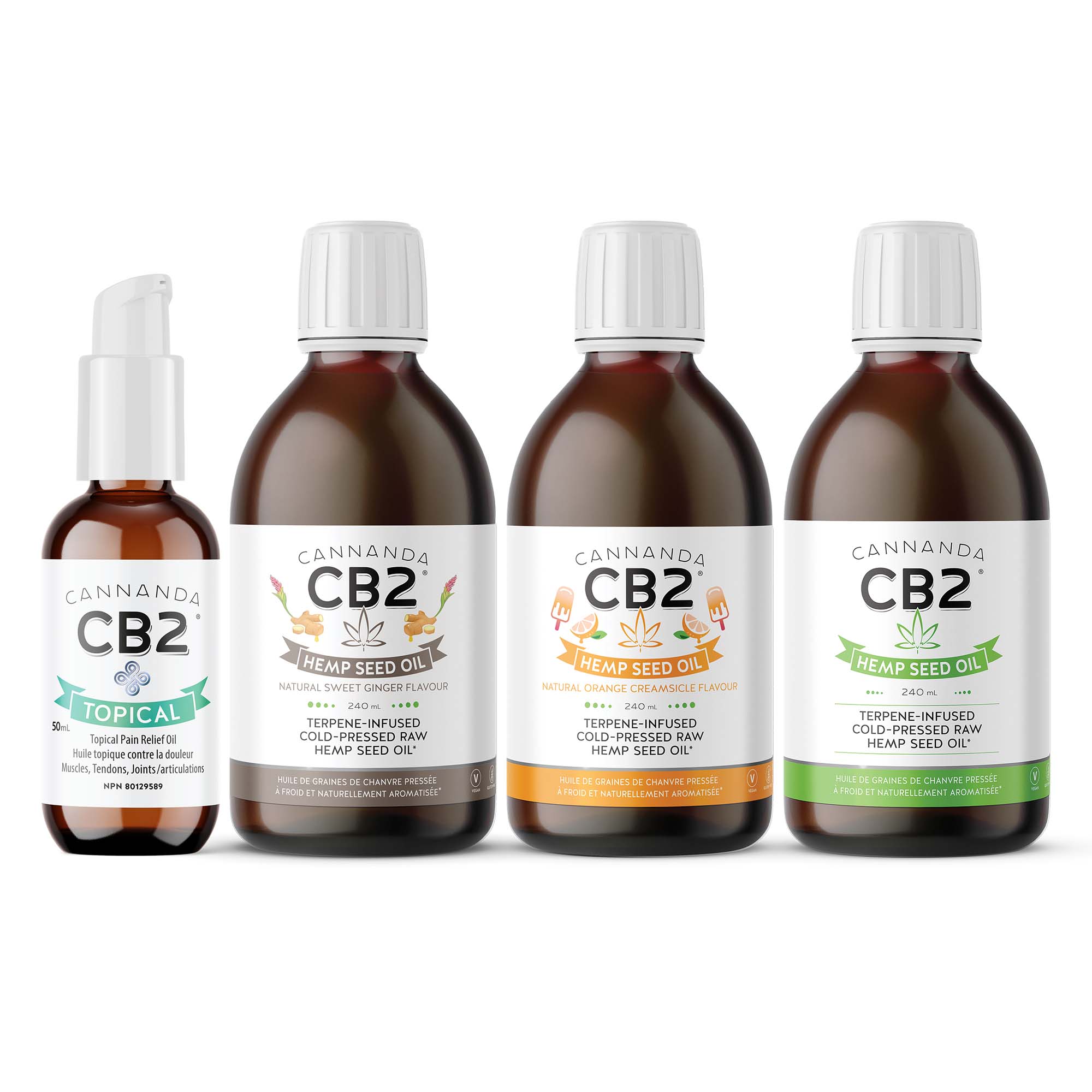
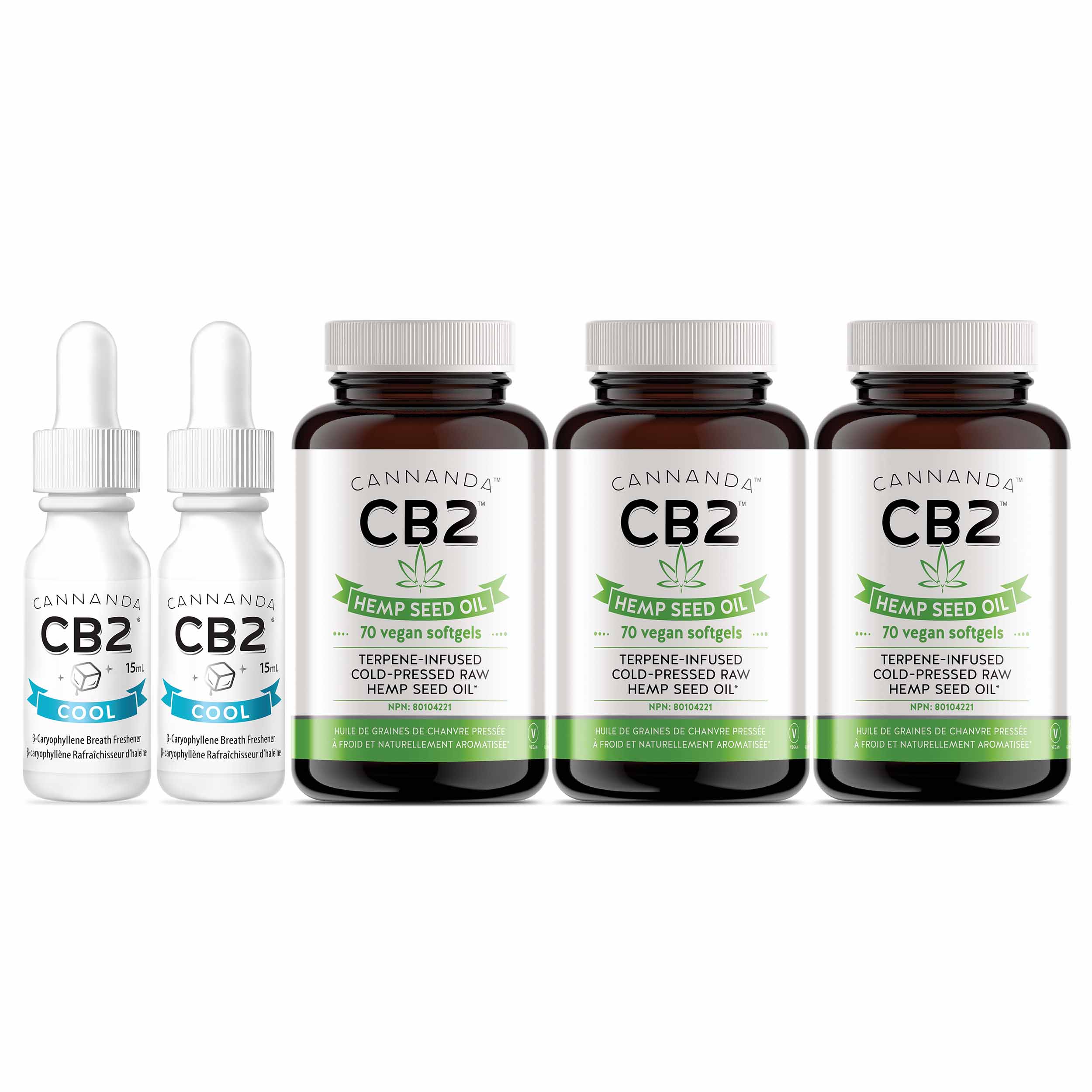
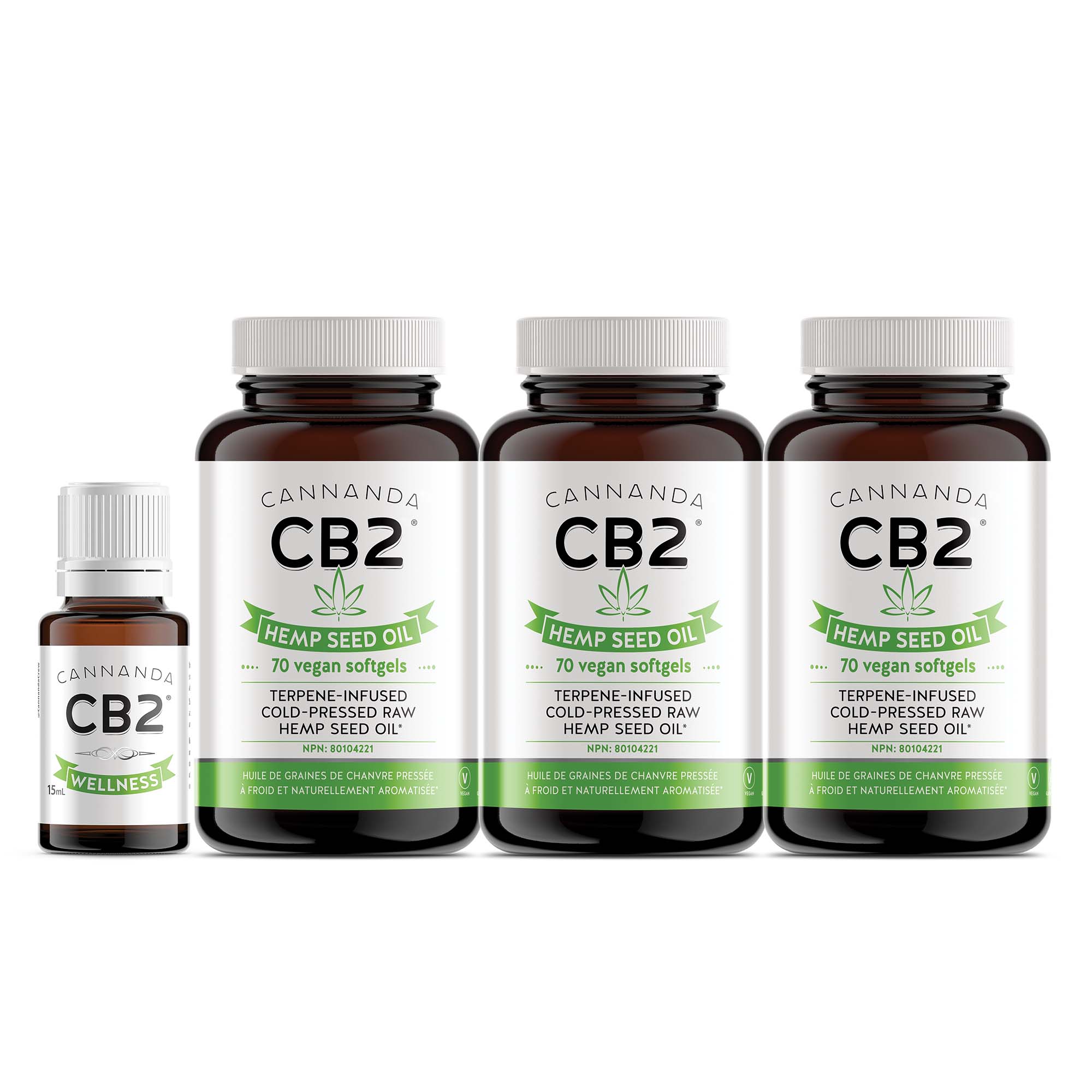
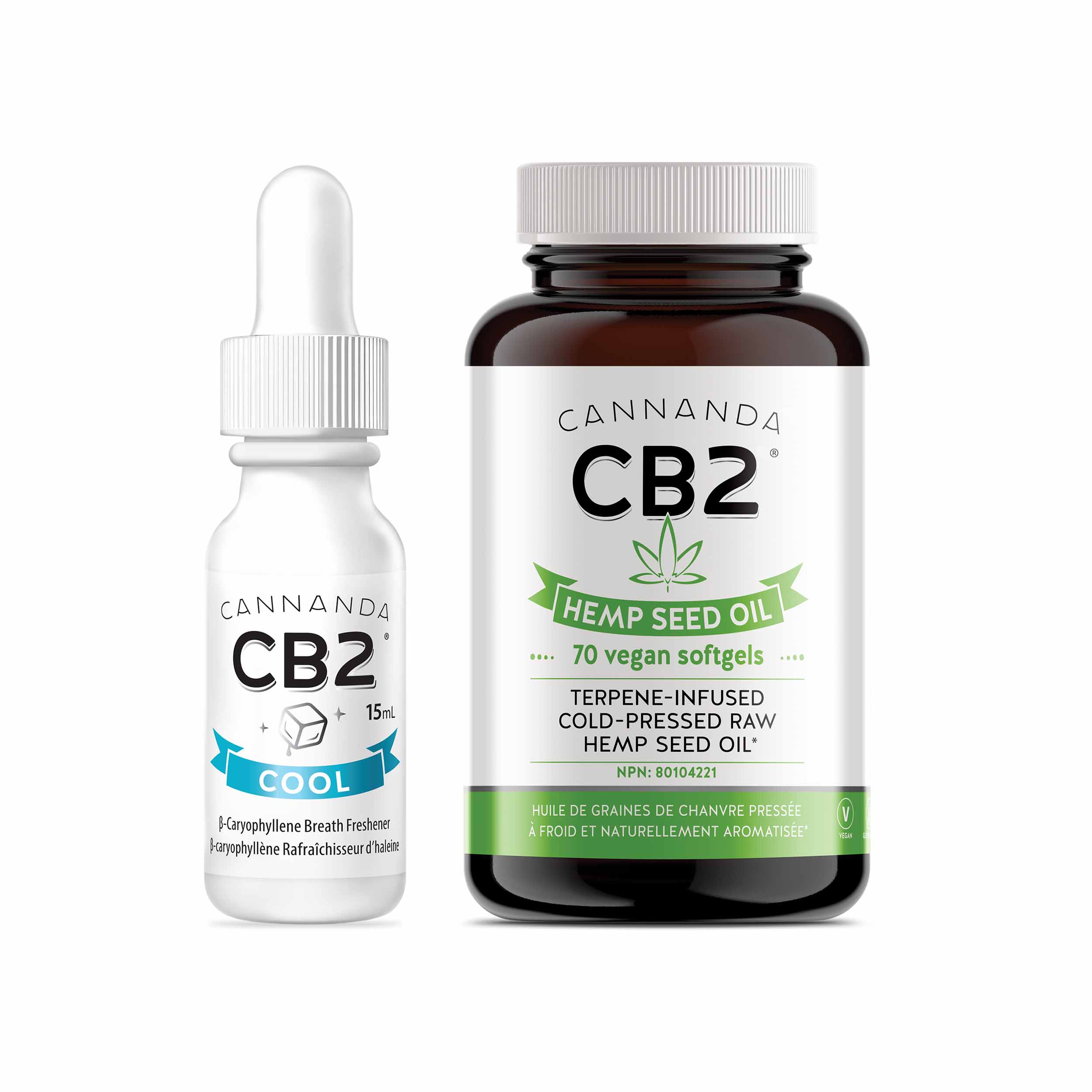
How to use CB2 oil for chronic pain
Natural chronic pain support, without the risks of opioids
Direct CB2 activation. No addiction. No tolerance. No respiratory risk. No drug interactions. GRAS food status. Non-intoxicating. Physician-formulated.
Frequently Asked Questions
Can CB2 oil be used as an alternative to opioids for chronic pain?
CB2 oil with BCP is a meaningful natural pain management approach, but it works differently from opioids. Opioids suppress pain perception through opioid receptors; BCP reduces the inflammatory and immune-mediated drivers of pain through CB2 receptor activation. For many people with inflammatory chronic pain, BCP provides meaningful relief without addiction risk, tolerance development, or respiratory depression. It is best used as part of a comprehensive pain management plan developed with a healthcare provider.
How does BCP synergize with opioids?
Research has shown that combining BCP with opioids like morphine enhances pain relief while reducing the required opioid dose. BCP's CB2 receptor activation addresses the inflammatory component of pain through a completely different pathway from opioid analgesia. This allows lower opioid doses to achieve equivalent analgesia, reducing tolerance development, addiction risk, and dose-dependent side effects. Never change opioid dosing without guidance from a prescribing physician.
Will CB2 oil interact with opioids or other pain medications?
BCP has no known drug interactions at recommended doses and does not significantly inhibit CYP450 liver enzymes, meaning it does not alter the blood levels of opioids or other medications. One exception: if you're on a medication with a narrow therapeutic window, talk to your doctor before starting BCP. This is different from CBD, which inhibits CYP3A4 and can raise blood levels of opioids and many other drugs. BCP is safe alongside pain medications, but any changes to pain management protocols should involve a healthcare provider.
How long does it take for CB2 oil to reduce chronic pain?
Some people notice acute pain modulation within the first few days, particularly when using CB2 Wellness by direct inhalation. The deeper anti-inflammatory benefits typically develop over 2–4 weeks of consistent daily use as ECS inflammatory regulatory tone improves. Consistency matters more than dose level.
Is CB2 oil addictive?
No. BCP is a food-grade terpene with FDA GRAS status that activates CB2 receptors without producing intoxication, tolerance, or physical dependence. It carries no addiction potential and produces no withdrawal symptoms on discontinuation. This stands in stark contrast to opioids, which produce tolerance, physical dependence, and carry significant addiction risk with long-term use.
References
- Gertsch J, et al. (2008). Beta-caryophyllene is a dietary cannabinoid. PNAS, 105(26), 9099–9104. (Foundational: BCP CB2 receptor activation mechanism.)
- Katsuyama S, et al. Multiple publications examining BCP's antinociceptive effects in inflammatory and neuropathic pain models. Journal of Pain Research and related journals.
- Research on BCP in the European Journal of Pharmacology demonstrating chronic pain reduction and opioid dose-sparing synergistic effects in preclinical models.
- Bento AF, et al. (2011). β-Caryophyllene inhibits dextran sulfate sodium-induced colitis in mice through CB2 receptor activation and PPARgamma pathway. European Journal of Pharmacology, 656, 12–18. (Demonstrates CB2-mediated anti-inflammatory mechanism.)
- Ghelardini C, et al. (2001). Local anaesthetic activity of beta-caryophyllene. Farmaco, 56(5-7), 387–389. (Local anesthetic properties of BCP.)
Note: All referenced studies are preclinical (animal models or in vitro). Human clinical trials specifically examining BCP for chronic pain management are still limited. References 2 and 3 include published research; links to specific papers are available through PubMed searches for "beta-caryophyllene pain." Never adjust existing medications including opioids without physician guidance.