Why CB2 Oil Is a Safer Alternative to CBD for Those on Medications or Supplements
CBD inhibits the same liver enzymes that metabolize most medications. BCP in CB2 oil does not. Here's what that means for you.
You take prescription medications or supplements regularly, and you've been considering CBD for pain, inflammation, stress, or sleep, but you're concerned about how it might interact with what you're already taking. This article explains the drug interaction problem with CBD specifically, why CB2 oil's beta-caryophyllene avoids it, and which of your medications are most likely affected.
CBD inhibits CYP3A4 and CYP2D6, the liver enzymes responsible for metabolizing most commonly prescribed medications, including warfarin, statins, SSRIs, benzodiazepines, antiepileptics, and many others. Inhibiting these enzymes raises drug blood levels unpredictably, amplifying side effects and toxicity risk. BCP in Cannanda CB2 oil does not affect CYP450 enzymes at recommended doses, making it safe to use alongside essentially all medications where CBD carries interaction risk. Same ECS benefits. No drug interaction problem.
In recent years, cannabidiol (CBD) has gained widespread popularity as a natural remedy for anxiety, chronic pain, inflammation, and insomnia. For most people looking at CBD as an option, it sounds straightforward: natural, plant-based, widely available. What isn't widely communicated is the drug interaction problem, a clinically significant issue for the large proportion of people who take prescription medications regularly.
This is where Cannanda CB2 oil, based on beta-caryophyllene (BCP), offers a genuinely safer alternative. BCP activates the same CB2 receptors in the endocannabinoid system that underlie many of CBD's health benefits, without touching the liver enzymes where the interaction problem lives.
Understanding CBD and its drug interactions
CBD is one of many compounds found in cannabis plants, touted for its potential across a range of conditions. It has a complex interaction profile that most users are unaware of.
The CYP450 enzyme system: your body's drug metabolism factory
The cytochrome P450 (CYP450) enzyme system is the liver's primary mechanism for breaking down medications. Roughly 70–80% of commonly prescribed drugs are metabolized by CYP450 enzymes, particularly CYP3A4 and CYP2D6. When these enzymes work normally, they break down drugs at a rate that keeps blood levels within the therapeutic window: enough to be effective, not so much as to cause toxicity.
When a substance inhibits CYP450 enzymes, drugs are broken down more slowly. Blood levels rise higher than intended. The drug's effects amplify. Side effects and toxicity risk increase. This is the same reason many medications warn against grapefruit: grapefruit also inhibits CYP3A4 in a similar way.
CBD inhibits CYP3A4 and CYP2D6. This means CBD can raise blood levels of any medication metabolized by these enzymes, which covers most commonly prescribed drugs.
Medications with documented or potential CBD interactions
The following categories represent the most commonly prescribed medications that share CYP450 metabolic pathways with CBD. If you are taking any of these, CBD carries meaningful drug interaction risk.
Warfarin (Coumadin), clopidogrel (Plavix), apixaban (Eliquis): CBD can significantly raise warfarin levels, increasing bleeding risk
Fluoxetine (Prozac), sertraline (Zoloft), venlafaxine: CYP2D6 inhibition raises blood levels, amplifying both effects and side effects
Diazepam (Valium), alprazolam (Xanax), lorazepam (Ativan): CYP3A4 inhibition raises sedative blood levels
Clobazam, valproate, carbamazepine, phenytoin: CBD has documented interactions that can trigger seizures or toxicity with existing medications
Atorvastatin (Lipitor), simvastatin (Zocor): CYP3A4 inhibition can raise statin levels, increasing muscle damage risk (rhabdomyolysis)
Amlodipine (Norvasc), diltiazem (Cardizem: CYP3A4 inhibition raises blood pressure medication levels
Cyclosporine, tacrolimus (Prograf): narrow therapeutic window medications where CBD interaction is particularly dangerous
Amiodarone, digoxin: interaction risk in medications already requiring careful blood level monitoring
Warfarin is perhaps the clearest example. It is a blood thinner with a very narrow therapeutic window; small changes in blood levels have large consequences. The medication requires regular INR monitoring to ensure levels stay in range. CBD inhibits CYP2C9, the primary enzyme that metabolizes warfarin. Multiple case reports have documented dangerous INR elevation in patients who added CBD to their existing warfarin regimen. BCP does not affect CYP2C9 at recommended doses. For warfarin users specifically, this difference is clinically significant.
Why BCP does not have this problem
Beta-caryophyllene is a dietary terpene, not a cannabinoid. It is found in black pepper, cloves, hops, rosemary, and many other culinary plants. You already consume small amounts of BCP every time you use black pepper. It reaches its therapeutic target (CB2 receptors in the endocannabinoid system) through a mechanism that does not involve the CYP450 enzyme pathway.
CBD's CYP450 inhibition is a function of its chemical structure and how the liver processes it. BCP has a fundamentally different chemical structure (it's a sesquiterpene, not a cannabinoid) and a different metabolic profile. At supplement doses, BCP does not meaningfully inhibit CYP3A4 or CYP2D6. This isn't a matter of BCP being "weaker" than CBD; BCP operates through CB2 receptors rather than competing with the liver enzymes that metabolize medications.
Think of it this way: CBD and most medications both use the same door (CYP450 enzymes) to enter and exit the body. When CBD walks through that door, it blocks it for other drugs too. BCP uses a completely different door (CB2 receptors) and doesn't interact with the medication door at all.
CB2 oil vs CBD: a direct comparison
| Factor | CBD oil | CB2 oil (BCP) |
|---|---|---|
| CYP3A4 inhibition | Yes, affects most medications | None at recommended doses |
| CYP2D6 inhibition | Yes, affects antidepressants, beta-blockers | None at recommended doses |
| Safe with warfarin | Documented interaction; raises INR | No known interaction |
| Safe with SSRIs/antidepressants | Raises blood levels; amplifies effects | No known interaction |
| Safe with benzodiazepines | Raises sedative blood levels | No known interaction |
| Safe with statins | Raises statin levels; increases muscle damage risk | No known interaction |
| FDA food-ingredient status | GRAS revoked by US FDA | GRAS, approved by FDA and EFSA |
| Sedation risk | Yes at higher doses | None documented |
| CB2 receptor activation | Indirect only | Direct and selective |
The benefits of CB2 oil: same ECS support, without the risk
Choosing a CB2 oil: what to look for and what to avoid
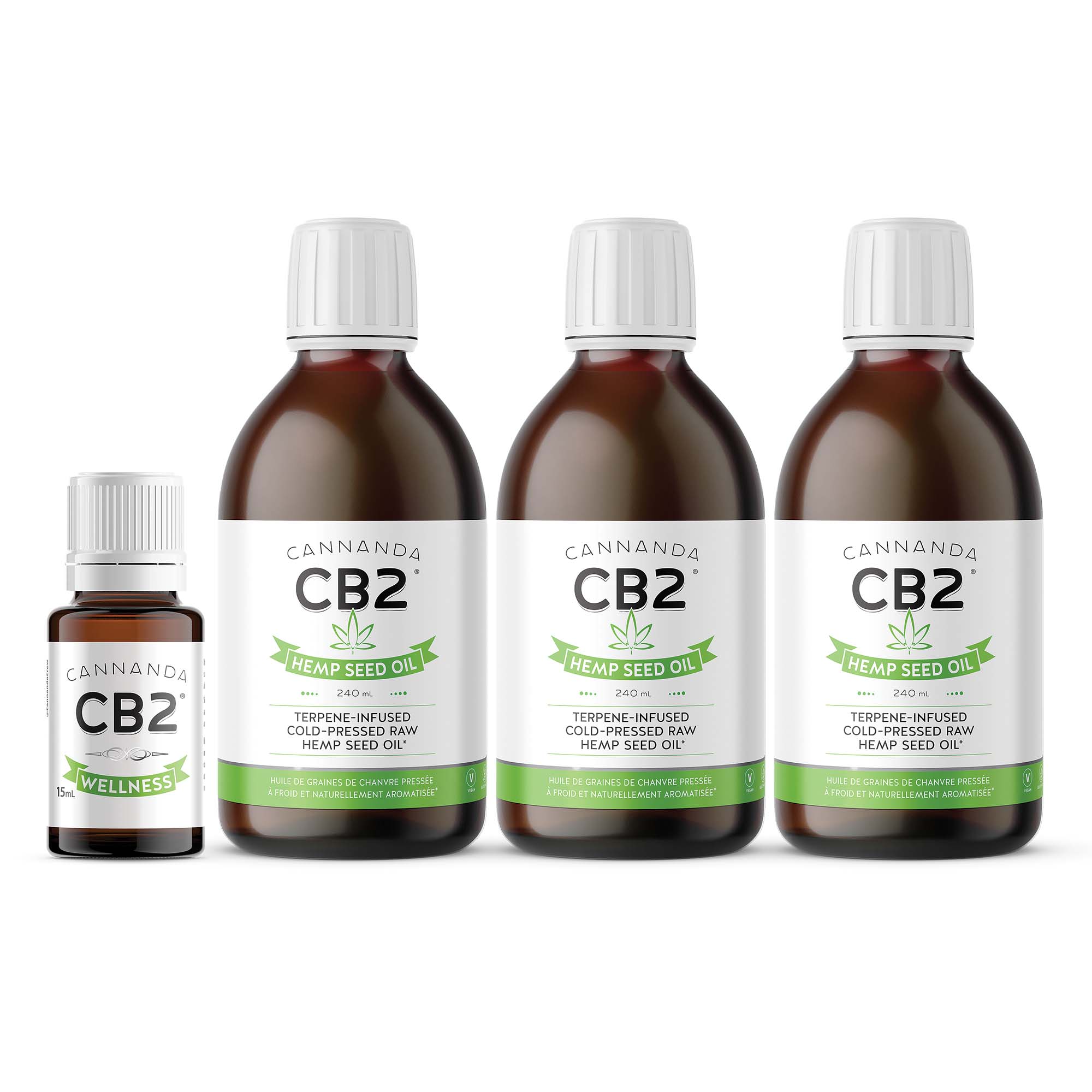
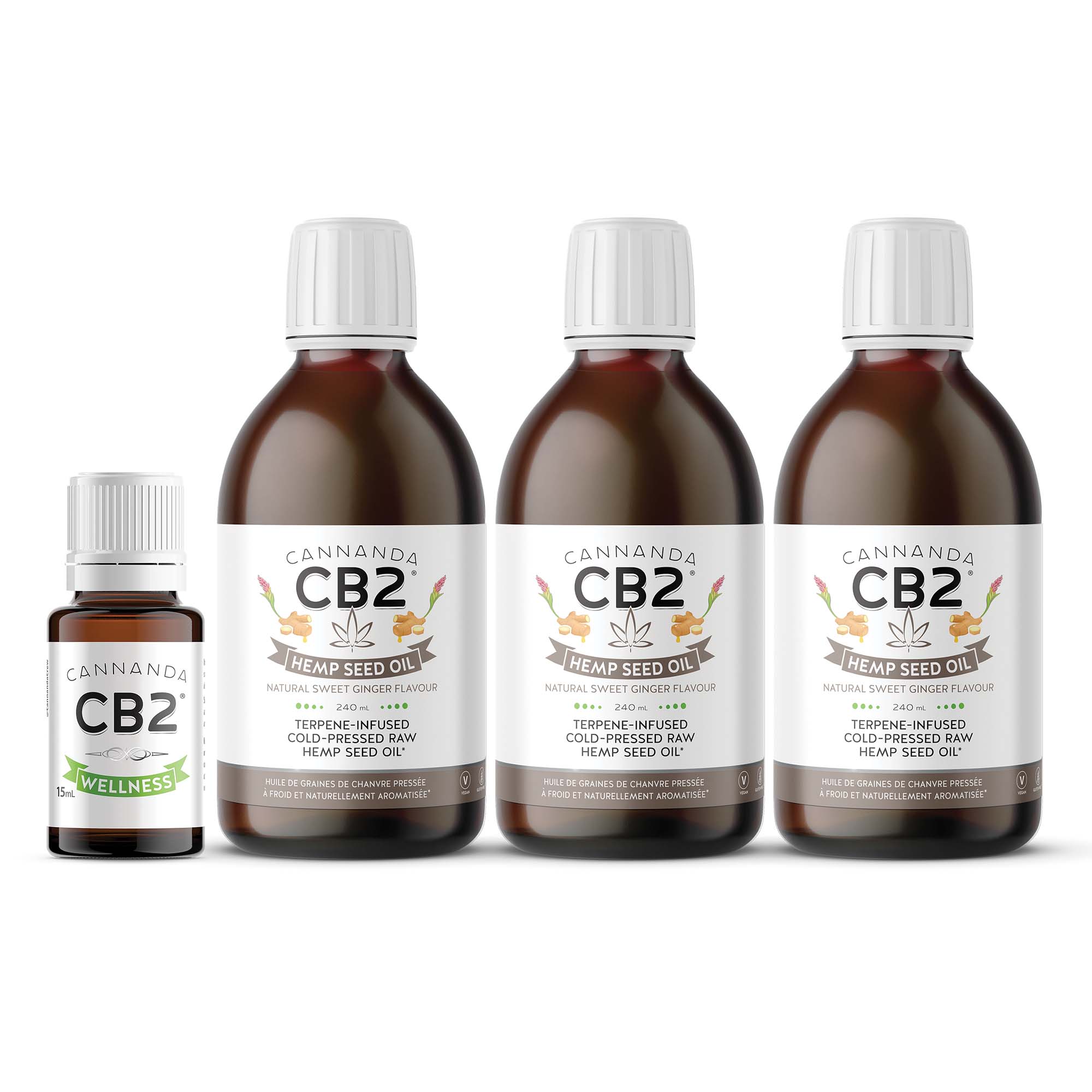
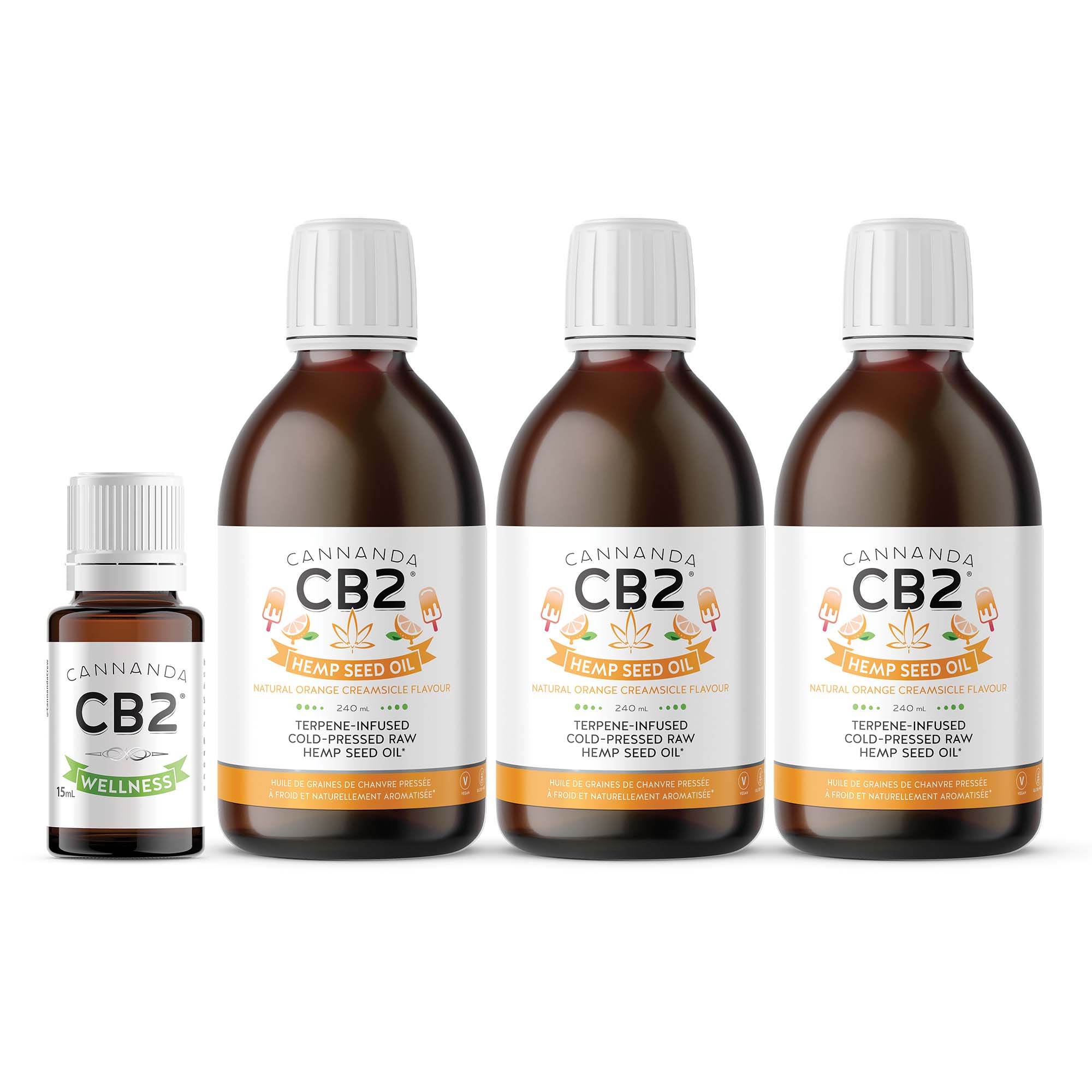
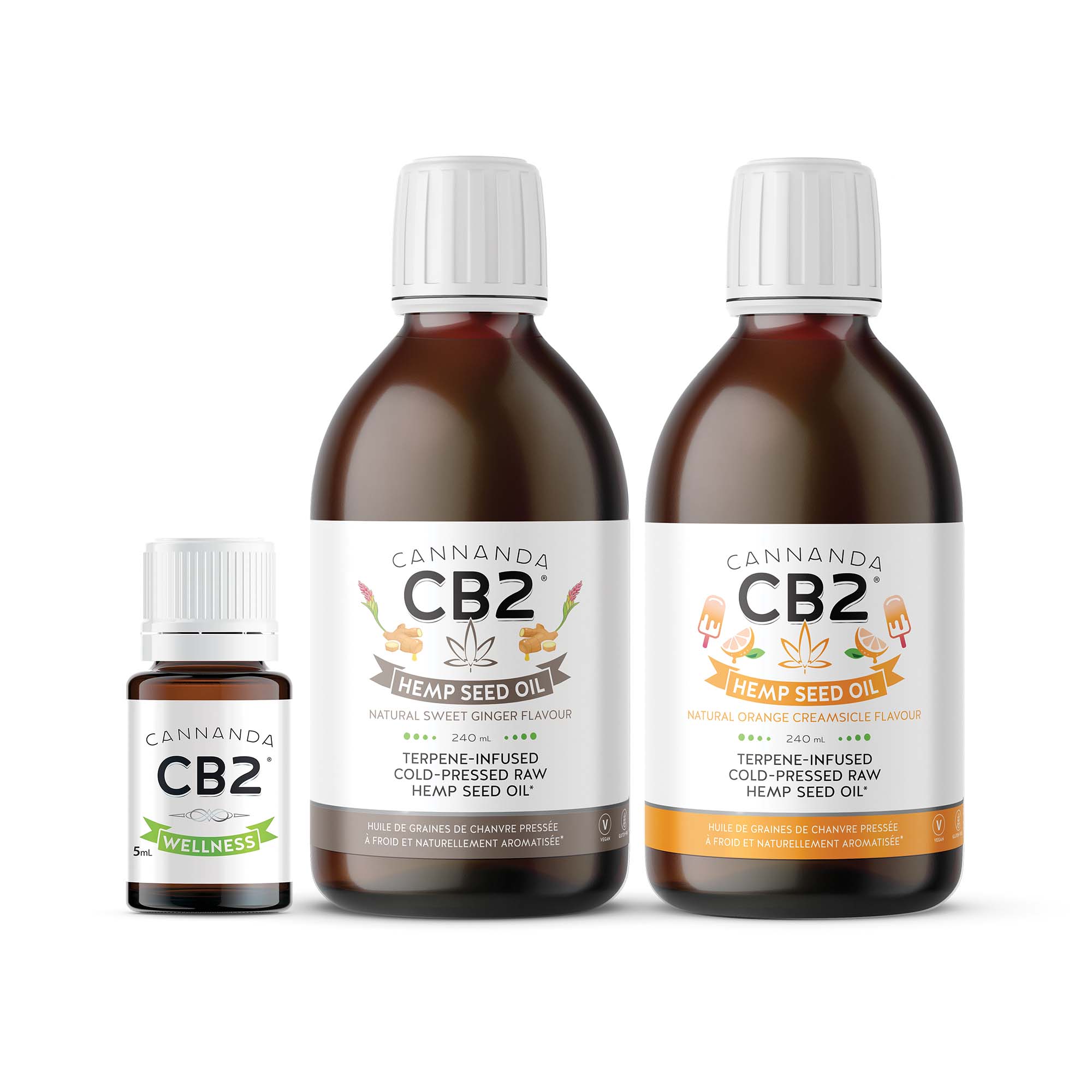
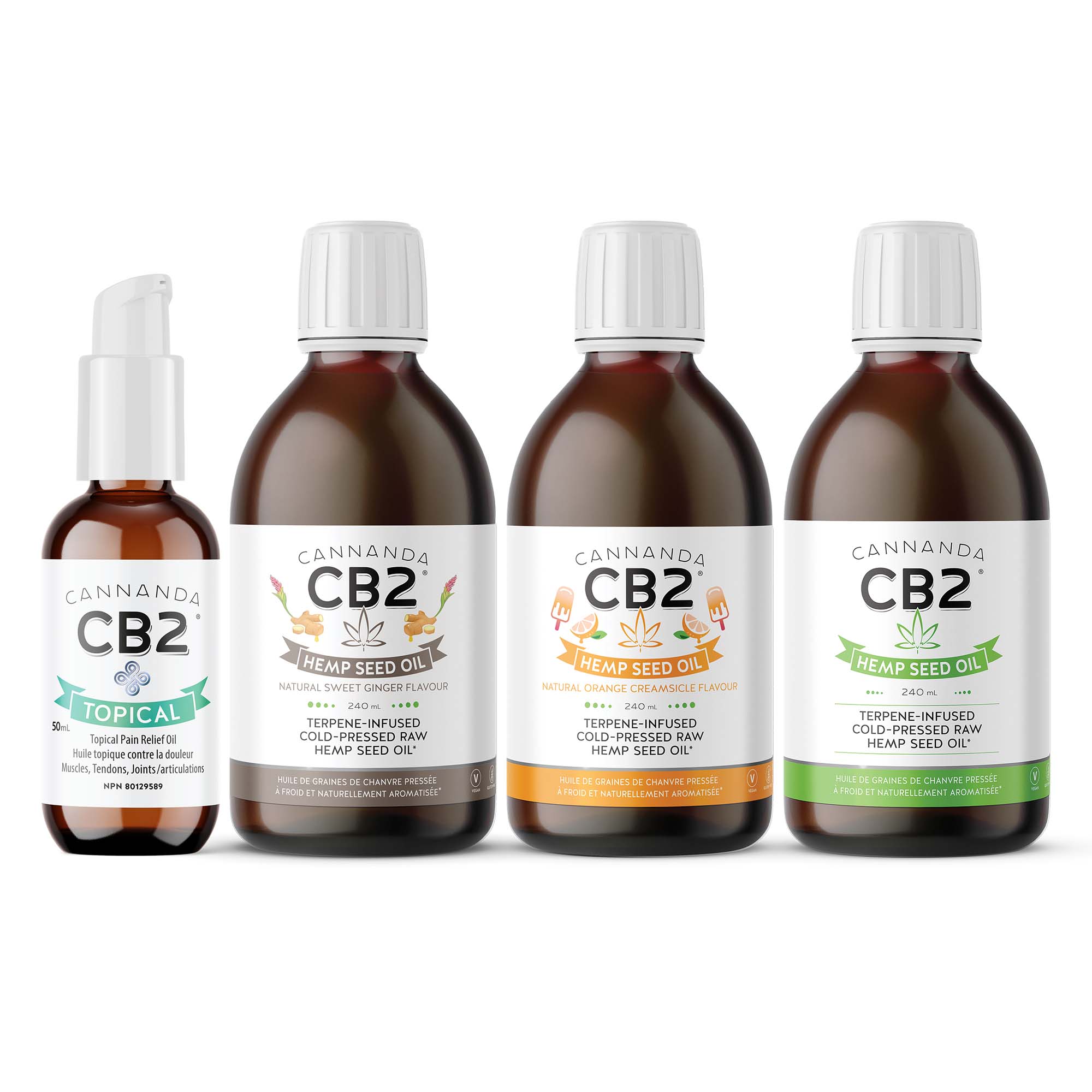
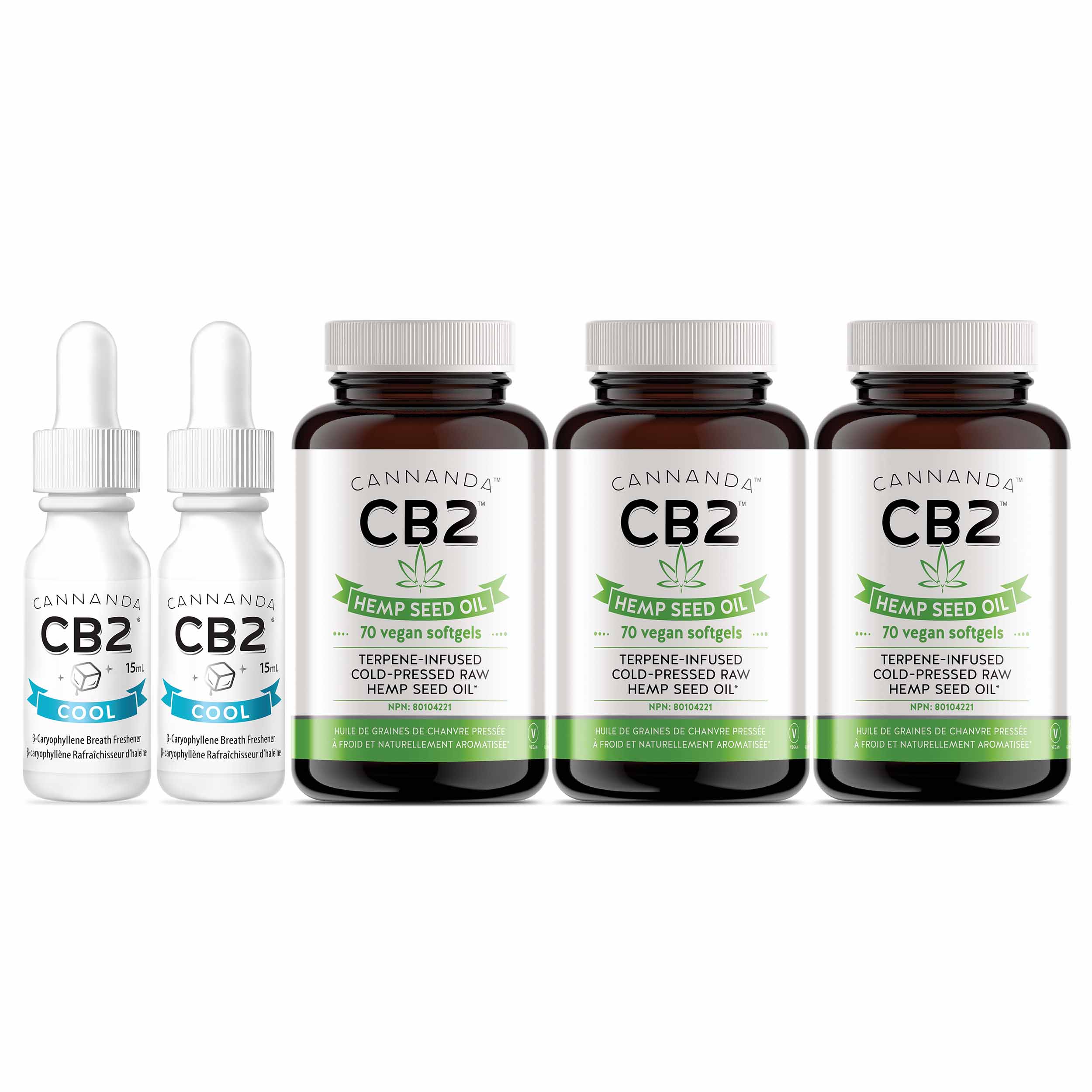
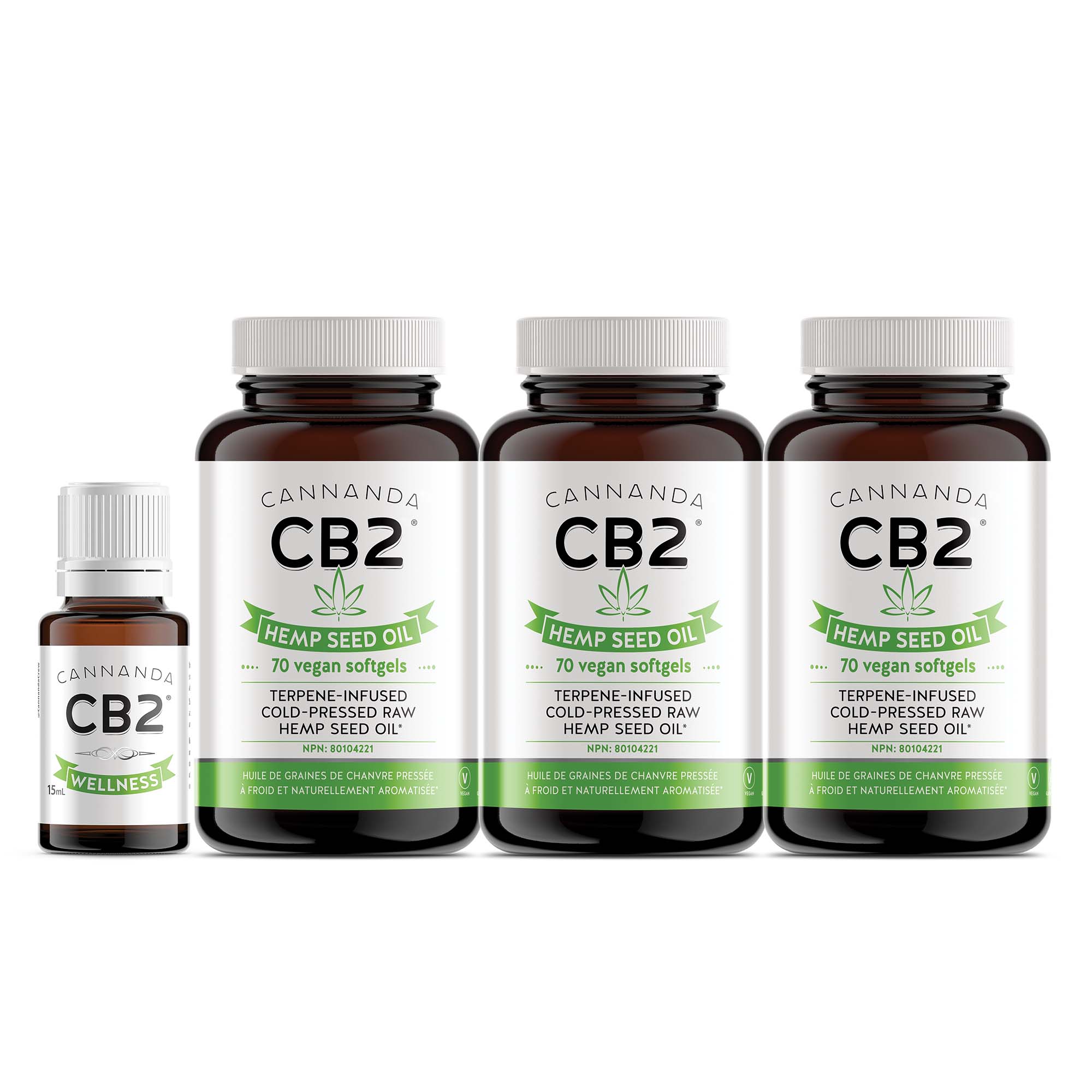
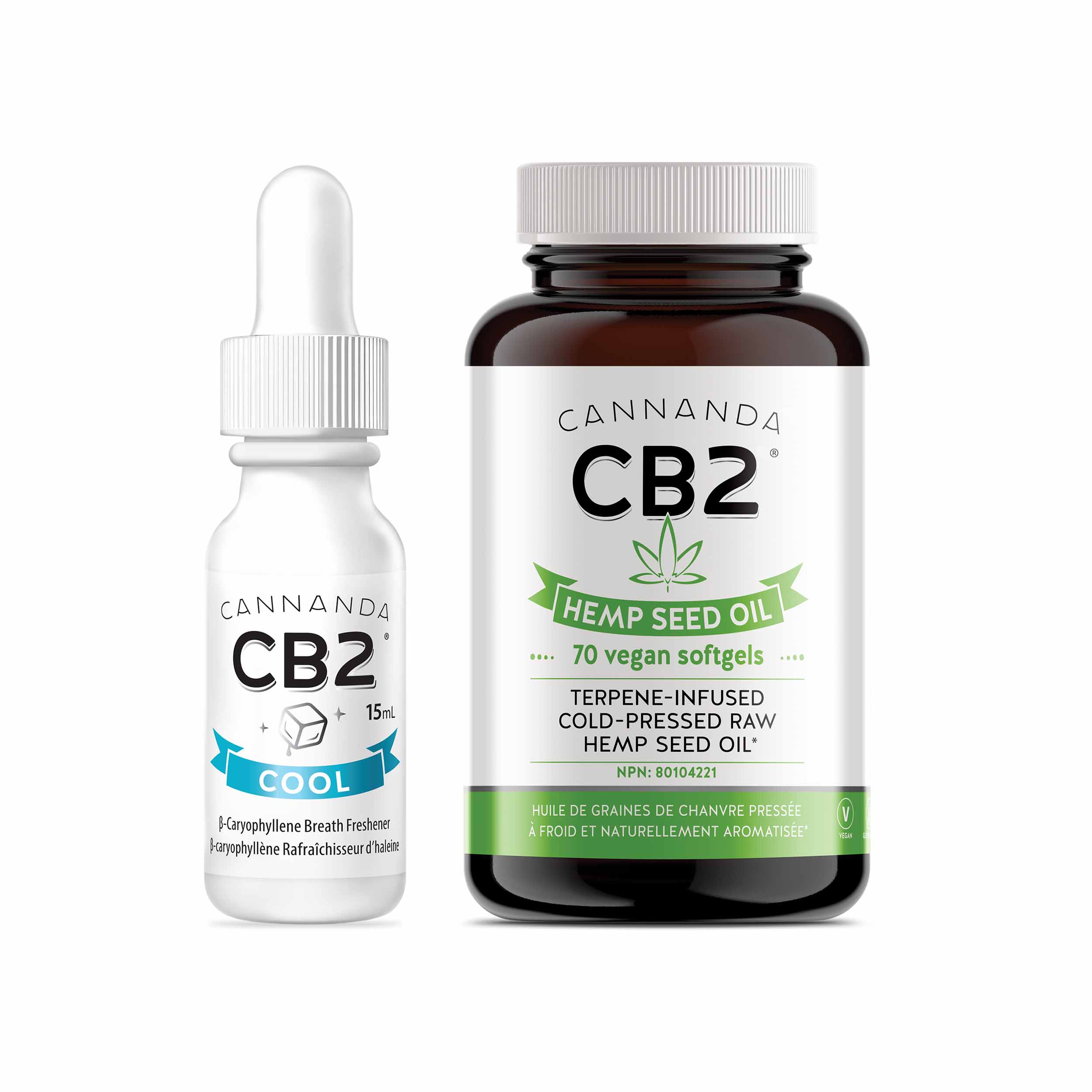
If you consider switching from CBD to CB2 oil or adding CB2 oil to your regimen, product quality matters. Look for the Cannanda CB2® registered trademark, a sign that the product is sourced from licensed manufacturers and undergoes third-party testing for purity and potency.
There are a growing number of counterfeit CB2 oils on the market, particularly in Australia. Independent testing has found fake CB2 products contaminated with heavy metals, pesticide residues, and solvent residues. This is particularly concerning for people on medications, as these contaminants can create their own drug interaction risks. Cannanda originated the CB2 oil product category, holds registered trademarks in multiple countries, and third-party tests every batch.
For more on why CBD may not be right for you, particularly if you're on medications, the linked guide covers nine specific considerations beyond drug interactions.
Natural ECS support that works alongside your medications
No CYP450 interactions. No warfarin risk. No SSRI amplification. GRAS-status food ingredient. Non-intoxicating. Physician-formulated. The safe choice for medicated patients.
Frequently Asked Questions
Why does CBD pose risks when combined with medications?
CBD inhibits cytochrome P450 liver enzymes, specifically CYP3A4 and CYP2D6, that metabolize most commonly prescribed medications. When these enzymes are inhibited, drugs are broken down more slowly, their blood levels rise higher than intended, and the risk of side effects and toxicity increases. The effect is similar to the grapefruit interaction that many medications warn about.
How is CB2 oil safer than CBD for people on medications?
Beta-caryophyllene (BCP) does not significantly affect CYP450 enzymes at recommended doses. It activates CB2 receptors through a mechanism that doesn't involve competing with medication metabolism. This means BCP can be taken alongside the same medications where CBD carries interaction risk, without altering their blood levels or effectiveness.
Which medications interact with CBD?
CBD has documented or potential interactions with blood thinners (warfarin, clopidogrel), antiepileptics (clobazam, valproate, carbamazepine), antidepressants (SSRIs like fluoxetine and sertraline), benzodiazepines (diazepam, alprazolam), statins (atorvastatin, simvastatin), calcium channel blockers (amlodipine, diltiazem), immunosuppressants (cyclosporine, tacrolimus), and certain heart medications. These represent many of the most commonly prescribed medications worldwide.
What therapeutic benefits does CB2 oil offer compared to CBD?
CB2 oil delivers many similar benefits including anti-inflammatory effects, pain relief, digestive support, stress modulation, sleep support, immune balance, and neuroprotection, without impairing liver enzyme metabolism or raising drug interaction risk. BCP also activates PPAR-alpha and PPAR-gamma receptors, adding metabolic and cardiovascular benefits that CBD does not provide.
Are there side effects with CB2 oil?
CB2 oil is generally very well tolerated. Unlike CBD, which can cause dry mouth, dizziness, and appetite changes, BCP has no documented side effects at recommended doses in formal toxicity studies. As with any oil supplement, some people find taking it with food more comfortable. BCP has FDA GRAS food-ingredient status, reflecting decades of safe use as a food compound.
Why is CBD's GRAS status different from CB2 oil?
CBD's self-affirmed GRAS status was revoked by the FDA due to unresolved safety concerns including questions about liver toxicity at higher doses. Beta-caryophyllene's GRAS status has never been challenged. BCP has been a recognized food flavoring ingredient for decades and its safety has been independently reviewed by both FDA and EFSA without concern.
Can I use CB2 oil if I take warfarin?
CBD has a documented interaction with warfarin through CYP2C9 inhibition that can significantly raise warfarin levels and increase bleeding risk. BCP does not affect CYP2C9 at recommended doses, making it considerably safer for warfarin users. However, anyone on warfarin or other anticoagulants should always inform their healthcare provider before adding any supplement, and INR monitoring should continue as prescribed.
What should I look for when choosing a CB2 oil?
Look for the Cannanda CB2® registered trademark: a sign of quality that the product is sourced from licensed manufacturers and undergoes third-party testing for purity and potency. Avoid counterfeit CB2 oils, particularly products from outside reputable supply chains, which have been found contaminated with heavy metals, pesticide residues, and solvent residues. Cannanda originated the CB2 oil product category and holds registered trademarks in multiple countries.