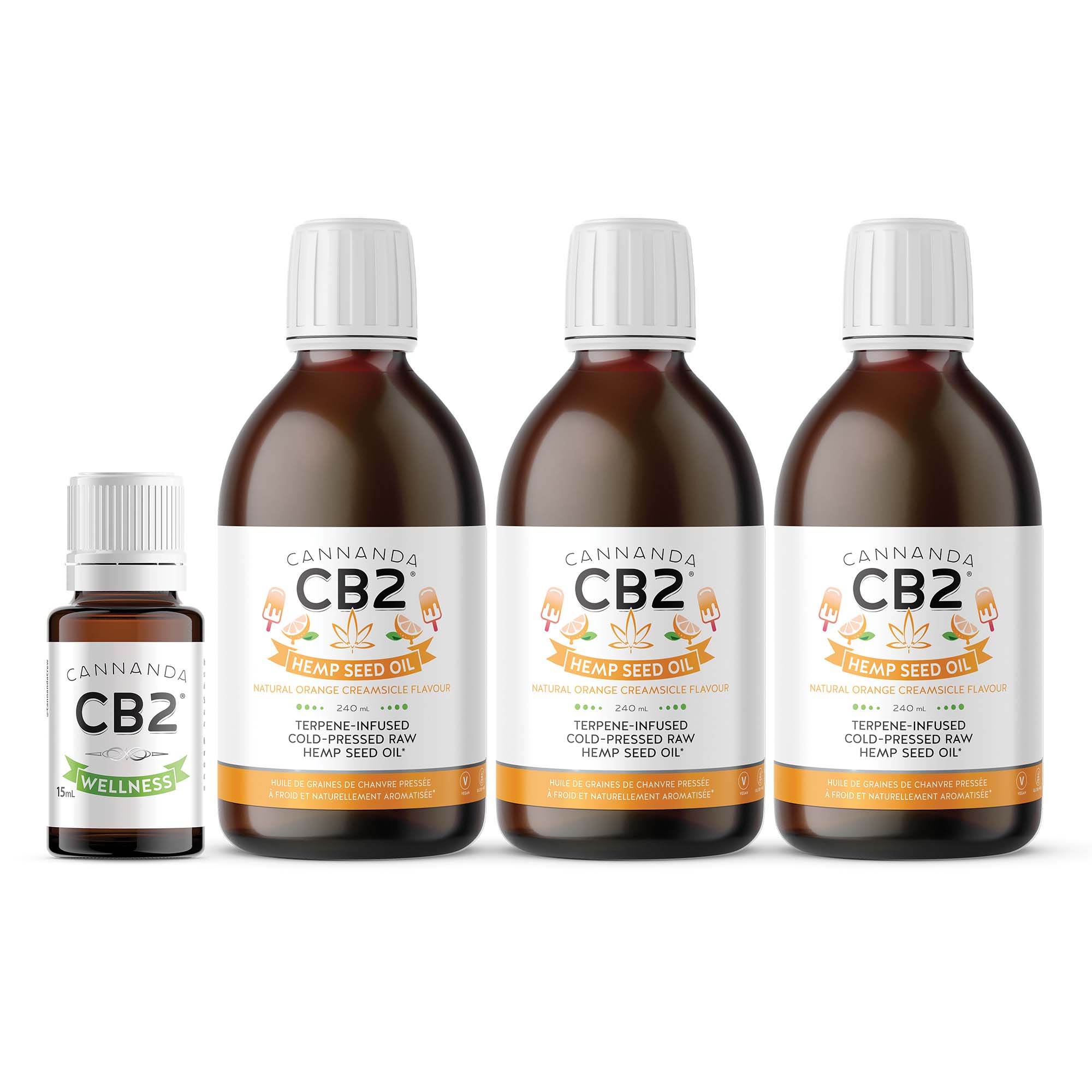
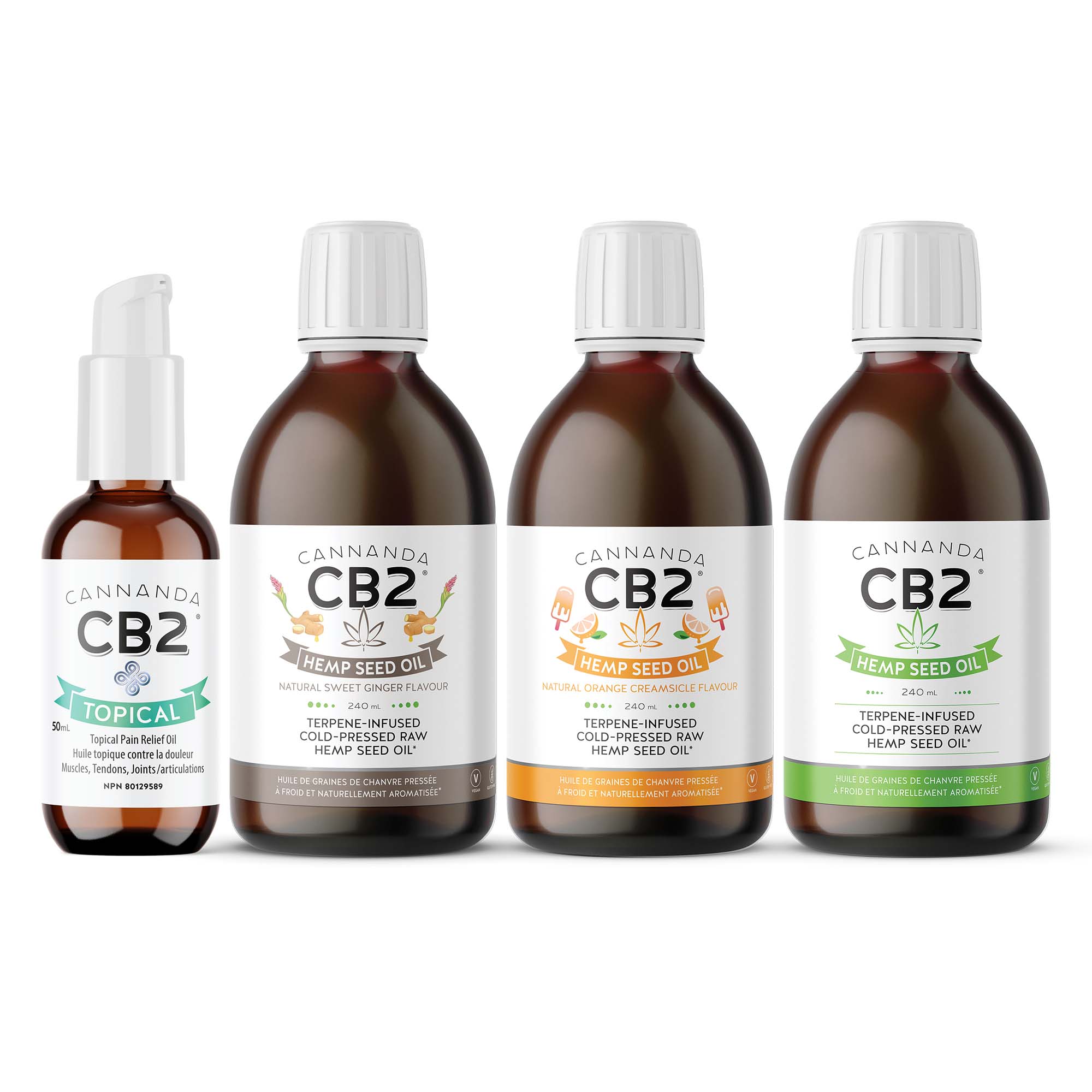
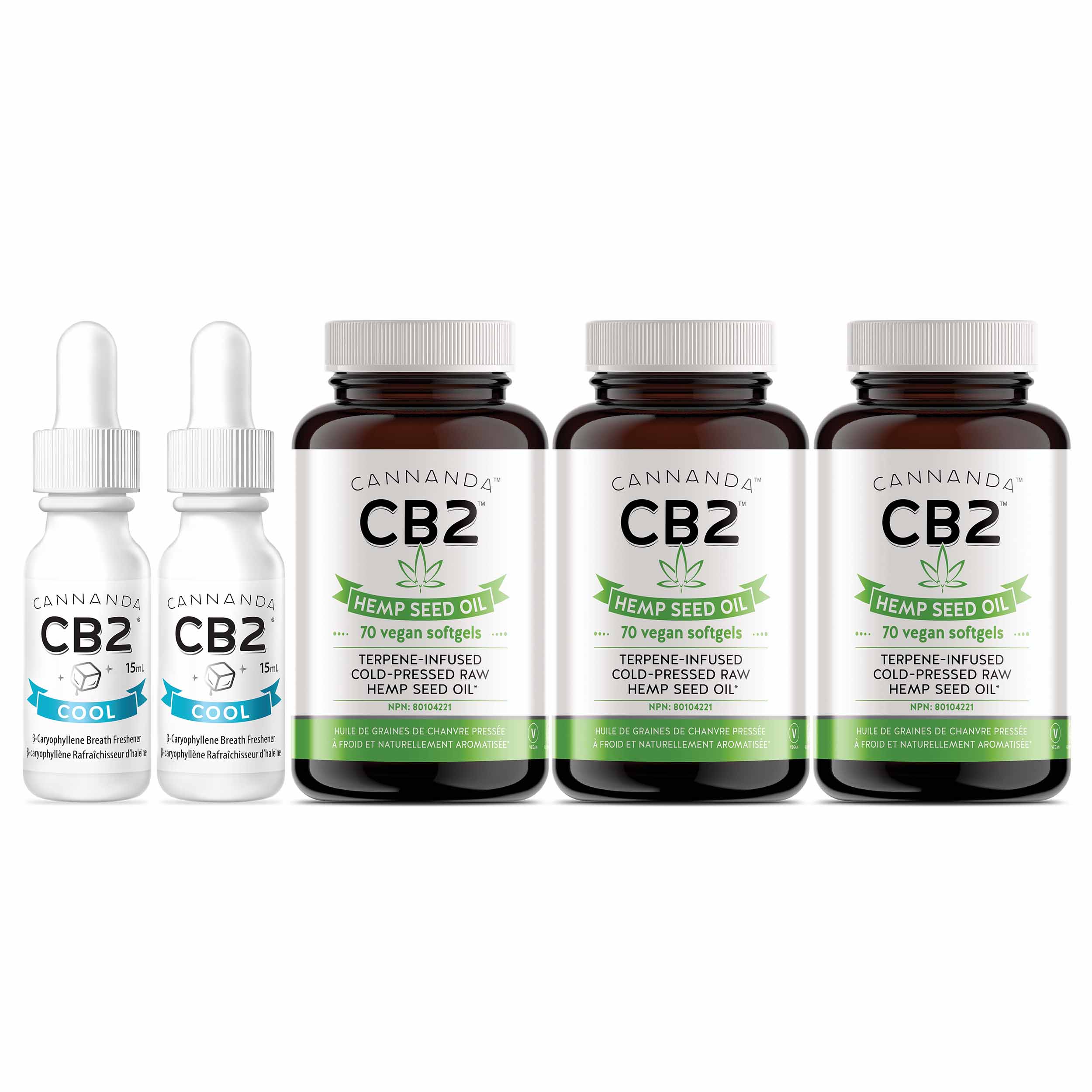
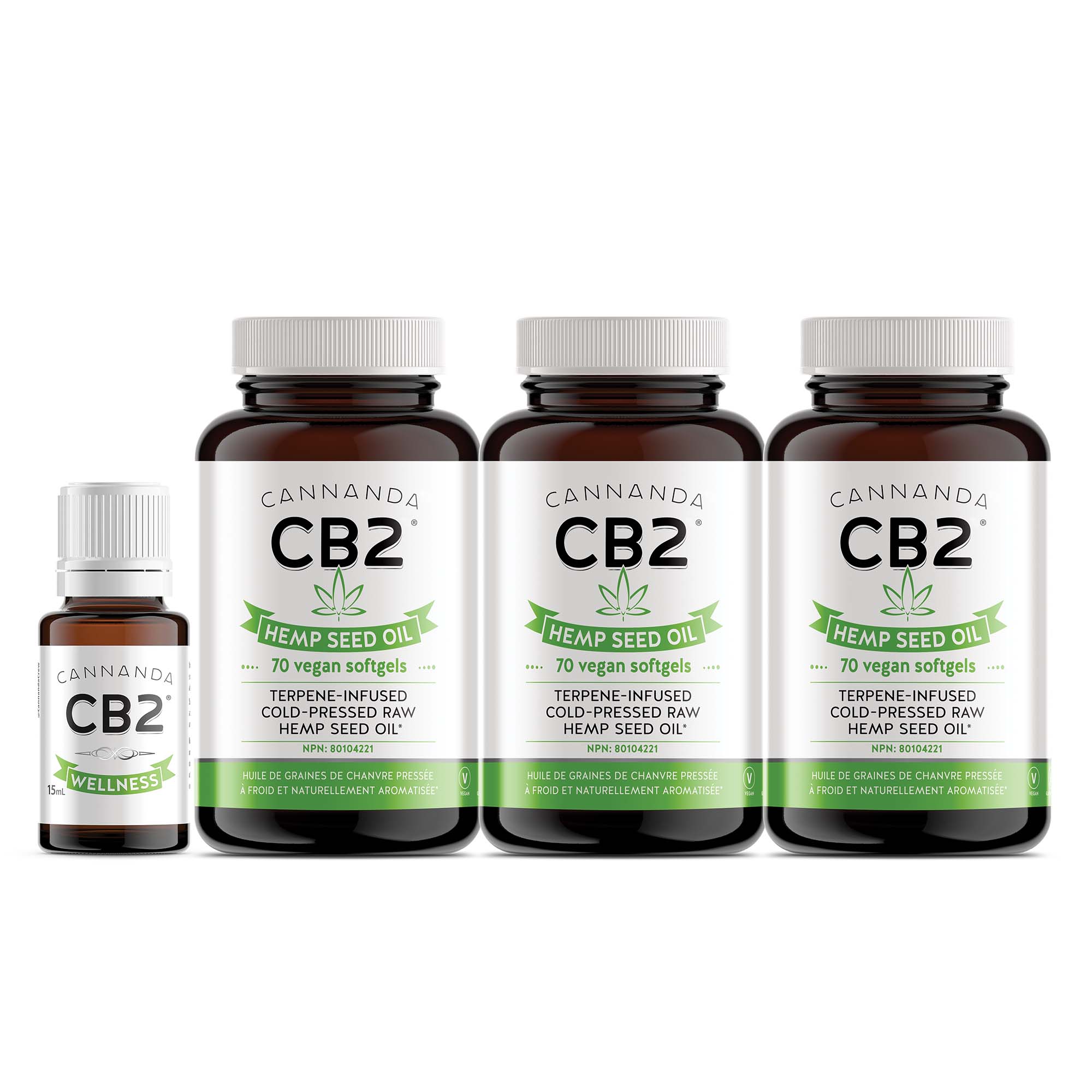
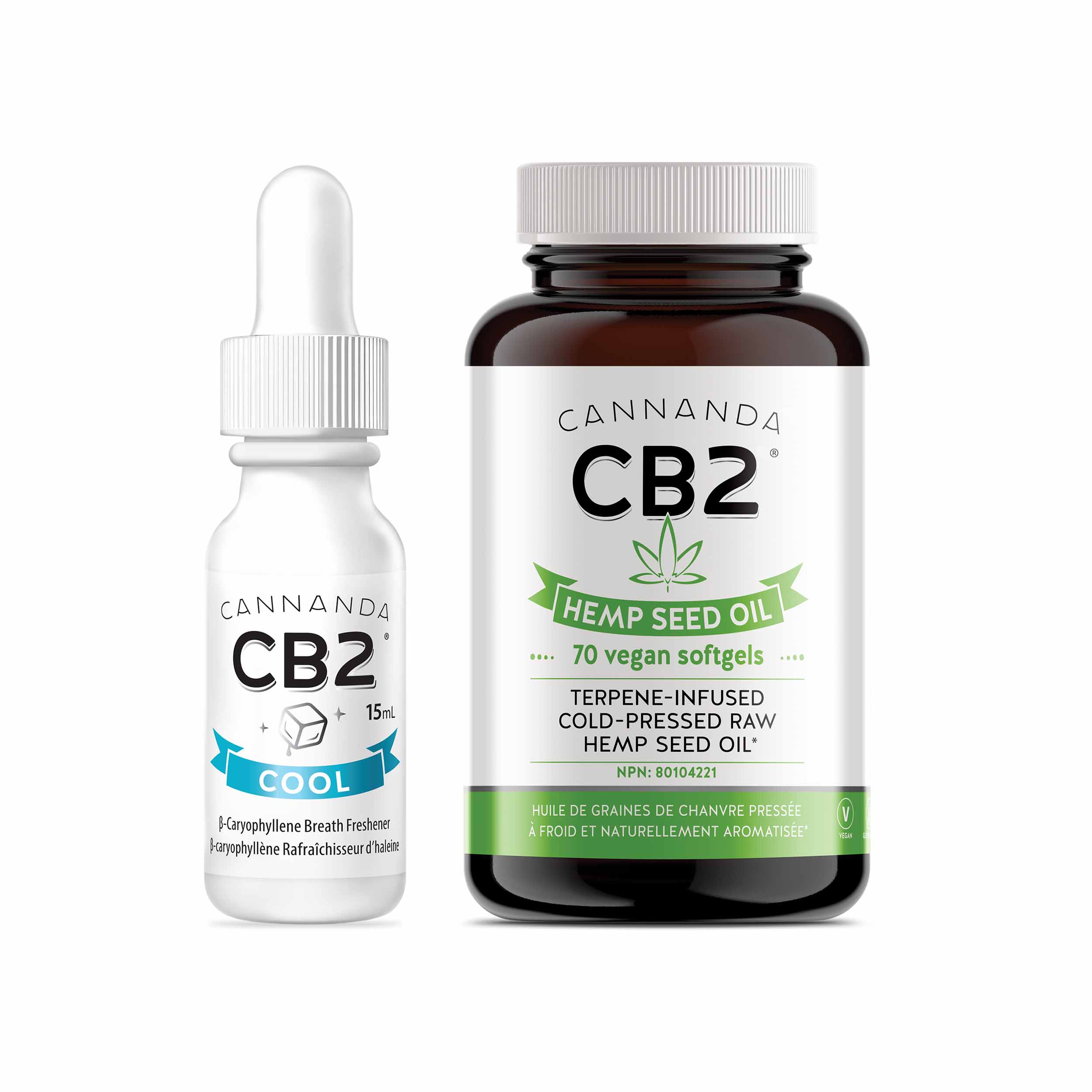
Why "Natural Flavours" on the Cannanda Label Means Something Different
The concerns about natural flavours in food products are legitimate. But not all natural flavours are the same, and Cannanda's terpenes are as far from industrial natural flavour formulations as you can get.
When you see "natural flavour" on an industrial food product label, the concerns are valid — the category can include MSG, organic solvents used in extraction, processing aids, and compounds not required to be individually disclosed. But Cannanda's terpenes, including beta-caryophyllene, are also classified as natural flavours because they're aromatic plant-derived compounds, not because they're made the same way. They are extracted exclusively by steam distillation or cold pressing, with purified water as the only process medium. No solvents. No processing aids. No co-ingredients. The regulatory category is the same; the product is fundamentally different.
Why people are concerned about natural flavours
In recent years, health-conscious consumers and practitioners have raised concerns about "natural flavours" as an ingredient category. These concerns are not unfounded. Under both FDA and Health Canada regulations, the "natural flavour" label covers an extremely broad category, and it permits a level of opacity that runs counter to informed consumer choice.
The specific concerns include:
- MSG (monosodium glutamate) — can be classified as a natural flavour, meaning products containing it may not list it explicitly.
- Organic solvents in extraction — many industrial natural flavour formulations are produced using organic solvents (propylene glycol, hexane, etc.) that can leave residues in the final extract. These residues are not required to be disclosed separately on product labels.
- Processing aids — various chemicals used as processing aids during flavour production (including siloxanes and other industrial compounds) may remain in trace amounts without being listed.
- Undisclosed co-ingredients — natural flavour formulations can contain dozens of individual compounds, none of which are required to be individually identified.
Given this regulatory landscape, the concern is entirely rational. If a product says "natural flavour," you genuinely don't know what's behind it without transparency from the manufacturer. That transparency is exactly what Cannanda provides, and it's why understanding the difference between industrial natural flavours and Cannanda's terpenes matters.
Terpenes are naturally occurring aromatic compounds found in plants. They're responsible for the scent of pine, the spiciness of black pepper, the fragrance of lavender, and the character of countless essential oils and herbs. Because they are aromatic compounds derived from natural sources, terpenes fall within the regulatory definition of "natural flavours" under both FDA (21 CFR 501.22) and Health Canada labelling standards.
This means beta-caryophyllene, the active ingredient in Cannanda CB2 oils, is technically a natural flavour by regulation. But this regulatory categorization says nothing about how it was produced, what else is in it, or whether any processing aids were used. Those distinctions are entirely down to the manufacturer's approach, which is where Cannanda differs from industrial natural flavour producers.
The two fundamentally different ways to produce a "natural flavour"
- Solvent extraction (ethanol, propylene glycol, hexane)
- May use processing aids not disclosed on label
- Complex formulations with dozens of undisclosed compounds
- May contain MSG or MSG precursors
- Residual processing chemicals possible
- No GRAS status required for all components
- Steam distillation (water only) or cold pressing
- No processing aids — ever
- Single-compound or defined terpene blend
- No MSG, no synthetic compounds
- Zero residual chemicals — only the terpene
- All ingredients carry GRAS status
How Cannanda's terpenes are actually extracted
Steam distillation — the cleanest possible method
In steam distillation, steam passes through plant material (flowers, seeds, leaves, spices). The heat volatilizes the aromatic terpene compounds, which travel with the steam. When the steam condenses, the terpenes are collected. The only "solvent" involved is water, and it doesn't remain in the final product. The output is pure terpene extract: no solvents, no processing aids, no co-ingredients. This is the same method used for millennia to produce essential oils. It simply does not allow for chemical contamination.
Cold pressing — mechanical extraction only
Cold pressing applies mechanical pressure to plant material to extract oil or aromatic compounds. No heat, no solvents, no chemistry. This is how Cannanda CB2 Hemp Seed Oil is produced, and how Cannanda sources certain components. Mechanical extraction preserves the natural character of the compound without any opportunity for chemical contamination.
What Cannanda's transparency actually looks like
- Every ingredient in every Cannanda product carries FDA GRAS (Generally Recognized As Safe) food-ingredient status
- The formulator — Dr. Lee Know, ND — is publicly identified and professionally accountable
- Extraction methods are disclosed: steam distillation and cold pressing only
- Third-party batch testing confirms the absence of solvents, heavy metals, pesticides, and processing aids
- No MSG, no synthetic flavour compounds, no undisclosed co-ingredients
- Over 95% of raw materials are sourced within Canada, a jurisdiction with stringent quality standards
"Terpenes have demonstrated significant therapeutic potential, and our mission is to unlock these benefits without compromising on safety and quality. Our clean extraction methods set us apart from the common misconceptions associated with natural flavours. As a health company, we believe in providing consumers with products that are both effective and safe for consumption."
— Dr. Lee Know, ND, Founder and Managing Director, Cannanda
The label says "natural flavour." What that means at Cannanda is pure, steam-distilled or cold-pressed ingredients. The regulatory category is the same. The product is not.
Natural flavours the way they should be
Pure steam-distilled terpenes. No solvents. No processing aids. GRAS-status ingredients. Physician-formulated transparency.
Shop Cannanda CB2 OilFrequently Asked Questions
Why are "natural flavours" controversial?
Under FDA and Health Canada regulations, "natural flavours" is a broad category that can include MSG, and permits the use of processing aids and solvents not individually disclosed on product labels. Concerns about natural flavours are legitimate, they reflect a genuine lack of transparency in how industrial flavour formulations are made and labelled.
Why are Cannanda's terpenes listed as "natural flavour"?
Terpenes, including beta-caryophyllene, are naturally occurring aromatic compounds from plant sources. Under both FDA and Health Canada regulations, aromatic plant-derived compounds fall within the definition of natural flavours. However, Cannanda's terpenes are extracted by steam distillation or cold pressing only, with no solvents, processing aids, or co-ingredients. The regulatory category is shared; the production method is entirely different from industrial natural flavour formulations.
Does Cannanda use MSG or synthetic ingredients?
No. Cannanda does not use MSG, synthetic flavour compounds, processing aids, or organic solvents in any of its products. All terpenes are extracted using only steam distillation (water only) or cold pressing (mechanical pressure only). There are no chemical residues and no processing compounds of any kind.
What extraction method does Cannanda use for terpenes?
Cannanda uses exclusively physical extraction: steam distillation (steam passes through plant material, terpenes are collected as steam condenses — water is the only medium) and cold pressing (mechanical pressure only). Neither method uses organic solvents, processing aids, or chemical treatments. The result is pure terpene extract with no residual chemicals.
How can I verify what is in Cannanda's products?
Every ingredient carries FDA GRAS status. Batch testing documents confirm the absence of solvents, heavy metals, pesticides, and processing aids. The formulator, Dr. Lee Know, ND, is publicly identified. Cannanda is transparent about extraction methods and sourcing. This level of disclosure is the standard Cannanda holds itself to, one that most natural flavour manufacturers don't approach.