SDA Omega-3: Why Hemp Seed Oil Is the Best Vegan Alternative to Fish Oil
The conversion bottleneck that makes most plant omega-3s ineffective, and the one fatty acid that bypasses it entirely

This article is for vegans, vegetarians, people with fish allergies, and anyone concerned about the sustainability of fish oil who wants to know whether plant-based omega-3 supplements actually work. It explains why most don't, and why hemp seed oil is the exception. It's also relevant if you're already taking CB2 Hemp Seed Oil and want to understand why it works for inflammation beyond just the BCP content.
Most plant omega-3 supplements (flaxseed, chia, walnuts) rely on ALA, which your body converts to the useful forms EPA and DHA at an efficiency rate below 5–10%. The conversion bottleneck is an enzyme called D6D (delta-6-desaturase).
SDA (stearidonic acid), found in hemp seed oil, bypasses D6D entirely. It's already downstream from the bottleneck, making it the most bioavailable plant-based omega-3 available, sometimes called a "pro-EPA" fatty acid. Hemp seed oil is also one of the best sources of GLA, a beneficial omega-6 that bypasses the same bottleneck and converts to powerful anti-inflammatory compounds.
Cannanda CB2 Hemp Seed Oil combines up to 190 mg SDA and 480 mg GLA per serving with concentrated BCP, making it the only supplement that delivers a high-efficiency plant omega-3, a potent anti-inflammatory omega-6, and a CB2 receptor activator in a single daily product.
If you're into health and nutrition, you already know omega-3 fatty acids are essential, and that most people aren't getting enough of the right kinds. The most discussed types are ALA (found in plants like flax and chia), and EPA and DHA (mostly from fatty fish and fish oil supplements).
The problem: if you don't eat fish, you've probably been told to take flaxseed oil or a plant-based supplement. And if you've actually looked into whether that works, you may have discovered that it mostly doesn't, at least not efficiently. Here's why, and what actually does.
The Conversion Bottleneck: Why ALA Falls Short
ALA is the omega-3 found in flaxseed, chia seeds, walnuts, and most plant-based omega-3 supplements. To do its job in the body, ALA has to be converted into EPA and then DHA, the forms that are actually active in reducing inflammation, supporting cardiovascular health, and maintaining brain function.
That conversion requires an enzyme called delta-6-desaturase, or D6D. Here's the problem: D6D is a rate-limiting enzyme, meaning it's always in short supply relative to demand. The conversion from ALA to EPA is genuinely inefficient, and most estimates put it at somewhere between 0.2% and 8% depending on the individual. Most of the ALA you consume never becomes EPA or DHA.
This is why people eating plant-based diets often have lower EPA and DHA blood levels than omnivores, even when they're eating plenty of flaxseed and chia.
D6D doesn't just process ALA. It's also required for converting the most common omega-6 (LA, found in almost all vegetable oils) into downstream metabolites. The modern Western diet is so high in omega-6 fatty acids that D6D is constantly tied up processing them, leaving very little capacity for ALA-to-EPA conversion. This is one reason the typical Western omega-6 to omega-3 ratio is 15:1 or higher, far from the ideal 3:1 or better.
SDA: The Omega-3 That Bypasses the Bottleneck
Stearidonic acid (SDA) is an omega-3 found in hemp seed oil, blackcurrant seed oil, and a handful of other plant sources. What makes it different is its position in the conversion pathway: SDA is already downstream from D6D. It doesn't need D6D to begin its conversion to EPA.
By skipping the D6D step entirely, SDA converts to EPA far more efficiently than ALA. Some researchers call SDA a "pro-EPA" omega-3, a plant-based pathway to EPA that actually works at meaningful conversion rates. For vegans, vegetarians, and anyone avoiding fish oil, this matters enormously.
GLA: The Beneficial Omega-6 That Also Bypasses D6D
Hemp seed oil's anti-inflammatory story doesn't stop at SDA. It's also one of the richest natural sources of GLA (gamma-linolenic acid).
GLA is the reason people take evening primrose oil and borage oil. Like SDA on the omega-3 side, GLA is a beneficial omega-6 that bypasses D6D (it's already downstream from the bottleneck). GLA converts to DGLA, a precursor to a family of powerful anti-inflammatory compounds. This is a completely different anti-inflammatory pathway from omega-3s, working through complementary mechanisms.
Most plant-based omega-3 supplements give you ALA. Hemp seed oil gives you SDA and GLA, the two fatty acids that actually bypass the bottleneck on both sides of the pathway. Cannanda CB2 Hemp Seed Oil contains up to 190 mg SDA and 480 mg GLA per serving.
Hemp Seed Oil vs. Fish Oil: A Complete Picture
| Factor | Fish Oil | ALA Supplements (Flax, Chia) | CB2 Hemp Seed Oil |
|---|---|---|---|
| Primary omega-3 | EPA + DHA (direct) | ALA (requires conversion) | SDA (bypasses D6D bottleneck) |
| Conversion efficiency | No conversion needed | 0.2–8% of ALA becomes EPA | High — bypasses rate-limiting step |
| GLA (anti-inflammatory omega-6) | None | None | Up to 480 mg per serving |
| Vegan / plant-based | No | Yes | Yes |
| Environmental sustainability | Significant concerns | Sustainable | Sustainable, organic, non-GMO |
| CB2 receptor activation (BCP) | None | None | Yes, with concentrated BCP added |
| Polyphenols, phytosterols, vitamins | Minimal | Some | Rich in tocopherols, carotenes, minerals |
| Suitable for fish allergies | No | Yes | Yes |
What Makes CB2 Hemp Seed Oil Different from Regular Hemp Seed Oil
Regular hemp seed oil is genuinely good--the SDA, GLA, and balanced omega ratio are real benefits. But Cannanda CB2 Hemp Seed Oil adds something no other hemp seed oil contains: concentrated beta-caryophyllene (BCP).
BCP is a terpene found in black pepper, cloves, and rosemary--and it's the only known dietary compound that directly activates CB2 receptors in the endocannabinoid system. CB2 receptor activation provides anti-inflammatory, pain-modulating, and immune-regulatory effects through a completely separate pathway from the fatty acids. The result is a product that works on inflammation from three distinct angles simultaneously:
- SDA: efficient plant-based pathway to EPA and DHA, supporting systemic inflammatory balance via the omega-3 pathway
- GLA: anti-inflammatory omega-6 that converts to DGLA, supporting inflammatory resolution via a separate lipid mediator pathway
- BCP: CB2 receptor activation providing direct modulation of inflammatory cytokines and immune response
No fish oil, no regular hemp seed oil, and no standard omega-3 supplement covers all three mechanisms. CB2 Hemp Seed Oil does.
"We have a lot of vegetarian patients of South Asian background. Most require an omega-3 supplement and will not use fish oils. This is why we rely on Cannanda's CB2 Hemp Seed Oil. We also treat a lot of joint pain and injuries with injection therapies, and CB2 oil is a great adjunct to their treatment protocol. It's an excellent nutrient-dense oil for restricted diets."— Dr. Victor Chan, ND, SCIMEDICA Health Group, Surrey, BC
This Canadian innovation won the National Nutrition Innovation Award in 2019, and is recommended by naturopathic doctors, medical doctors, chiropractors, massage therapists, nutritionists, and pharmacists across Canada and the US.
Who Should Consider CB2 Hemp Seed Oil
- Vegans and vegetarians who need an effective omega-3 that isn't from fish
- People with fish allergies or cultural or religious restrictions on seafood
- Anyone concerned about sustainability--overfishing, ocean pollution, and marine disease are real problems with fish oil supply chains
- People already taking CB2 oil for pain, inflammation, or sleep who want to add the omega fatty acid benefits without adding another supplement
- Anyone managing chronic inflammation who wants a multi-pathway approach rather than a single mechanism
- Dog owners--dogs have the same D6D conversion problem as humans, making SDA from hemp seed oil relevant for canine joint and inflammation support too
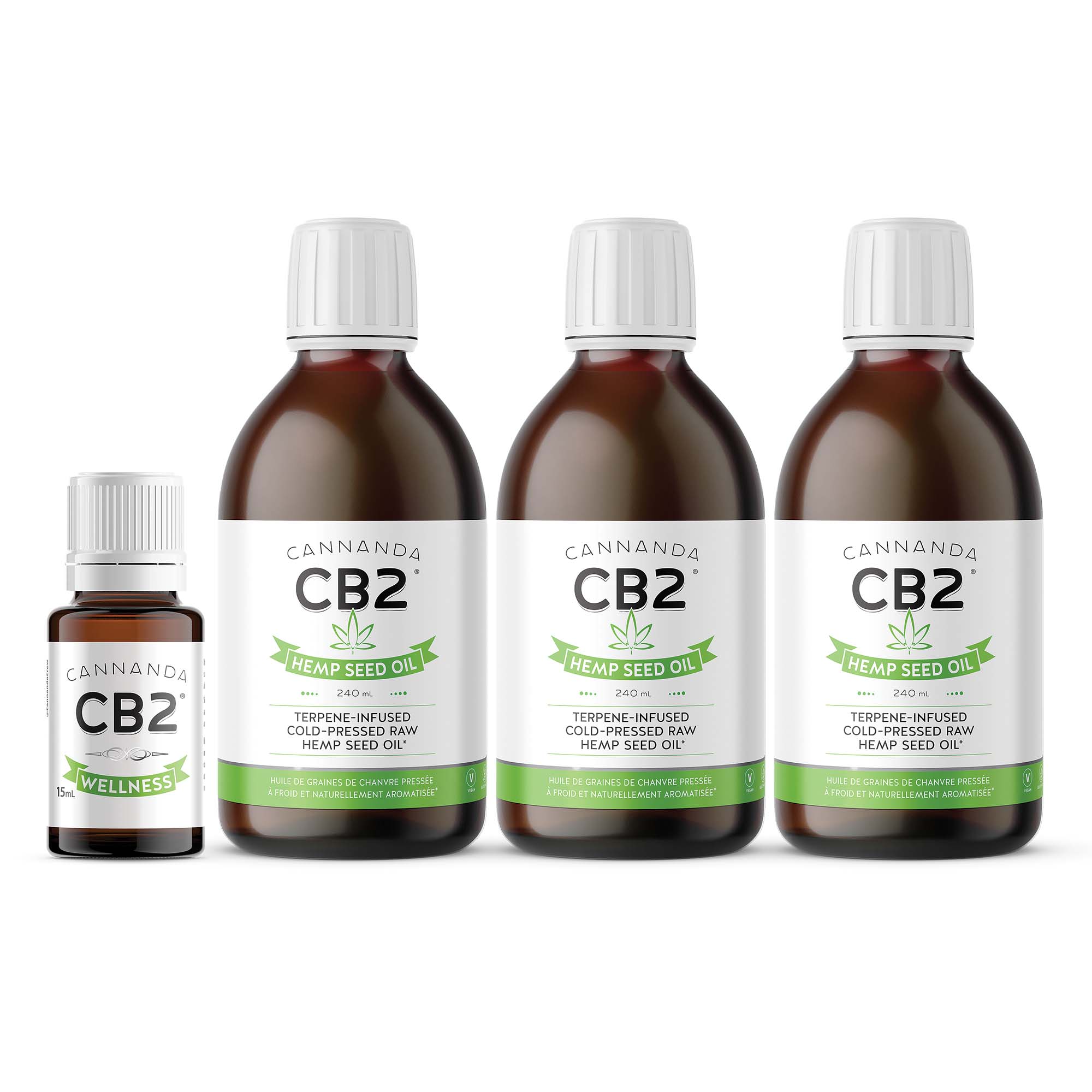
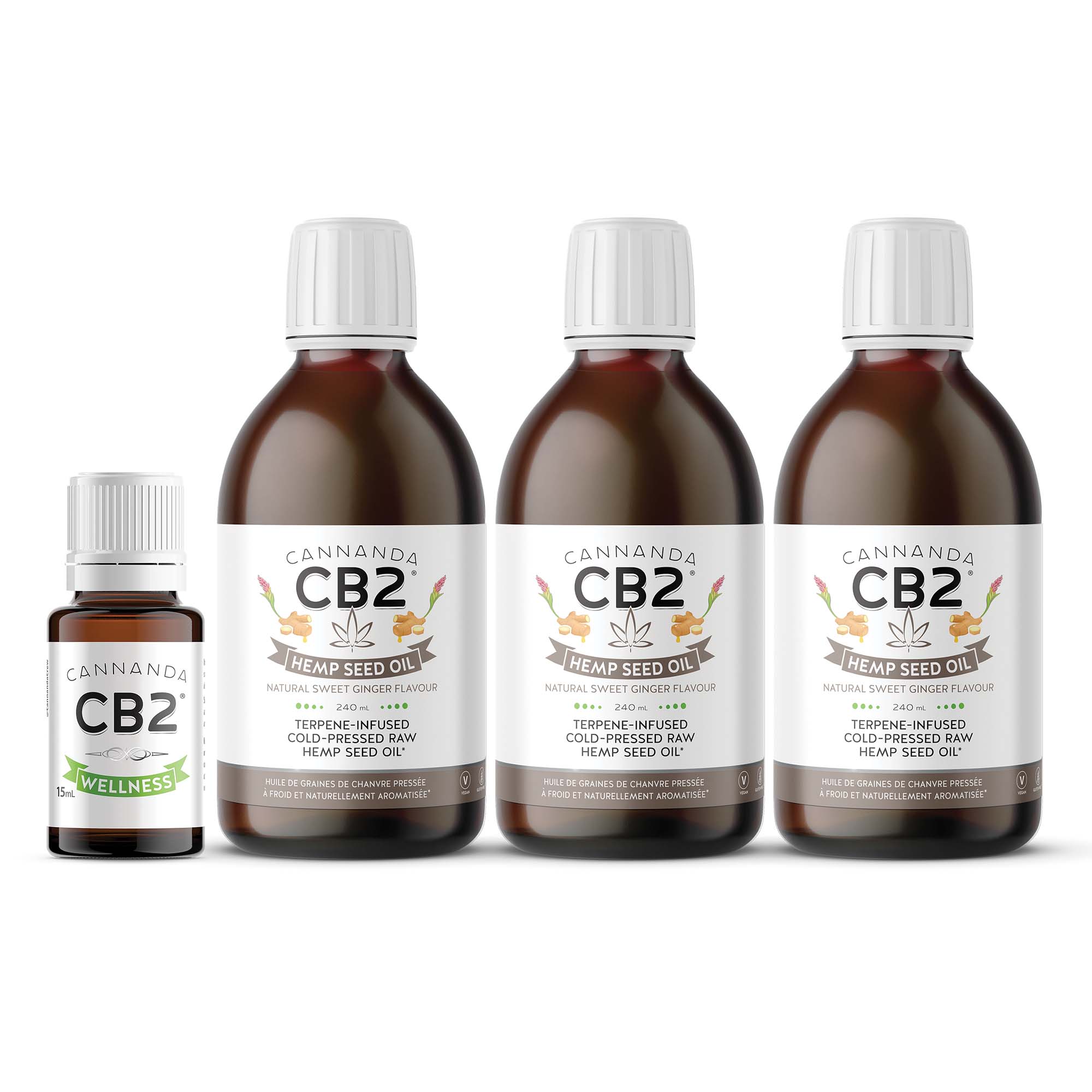
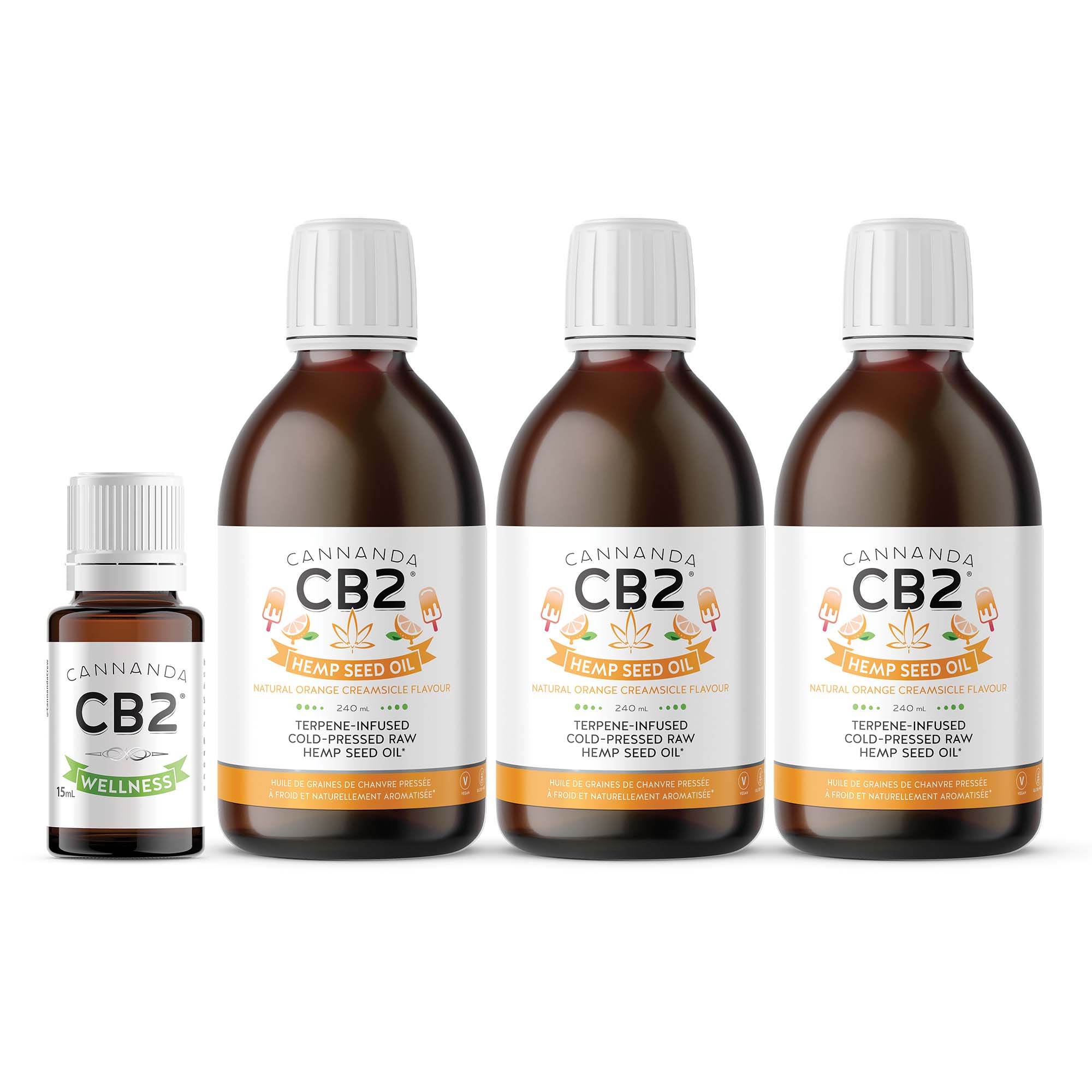
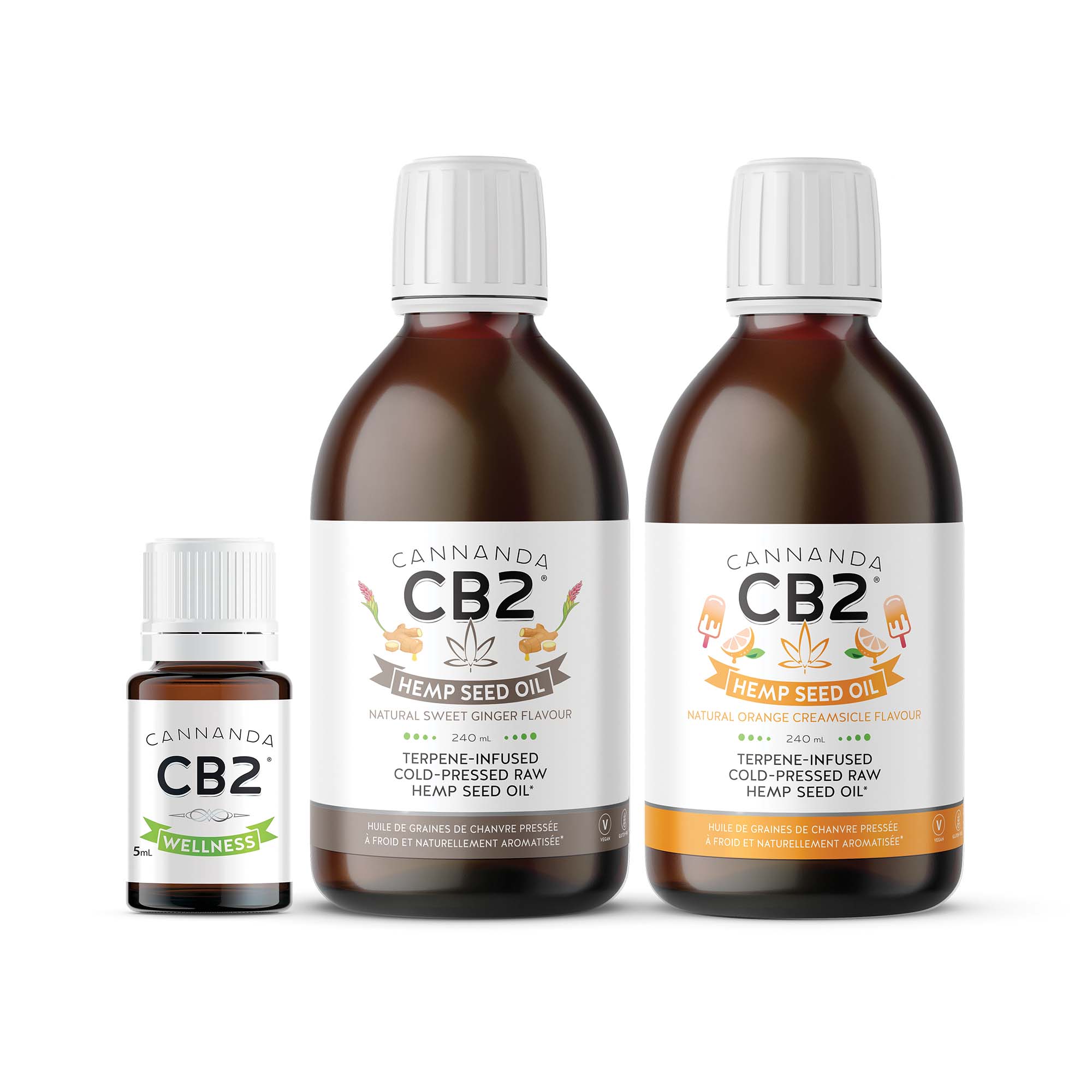
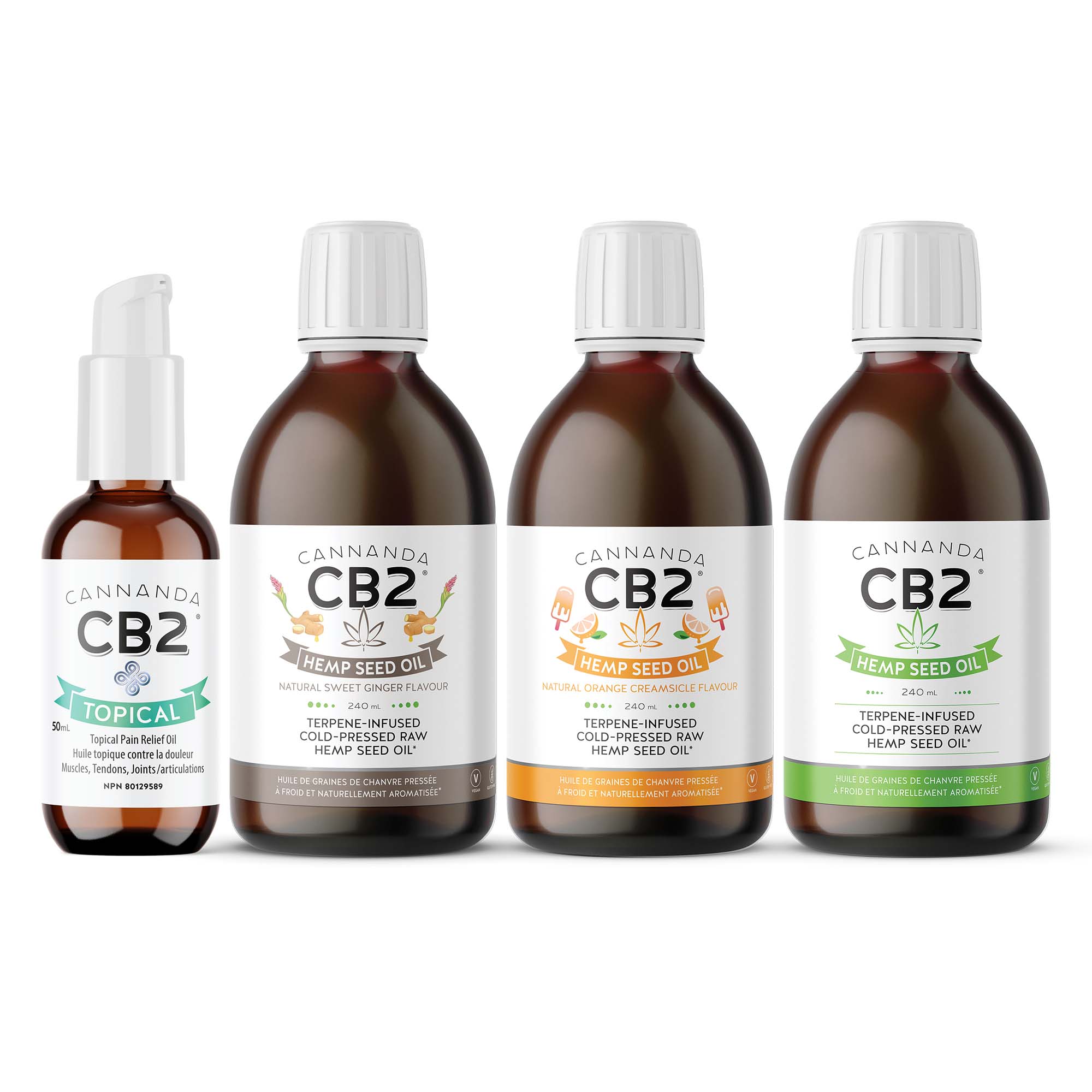
- CB2 Hemp Seed Oil: original, sweet ginger, and orange creamsicle flavours. Add to food or take directly.
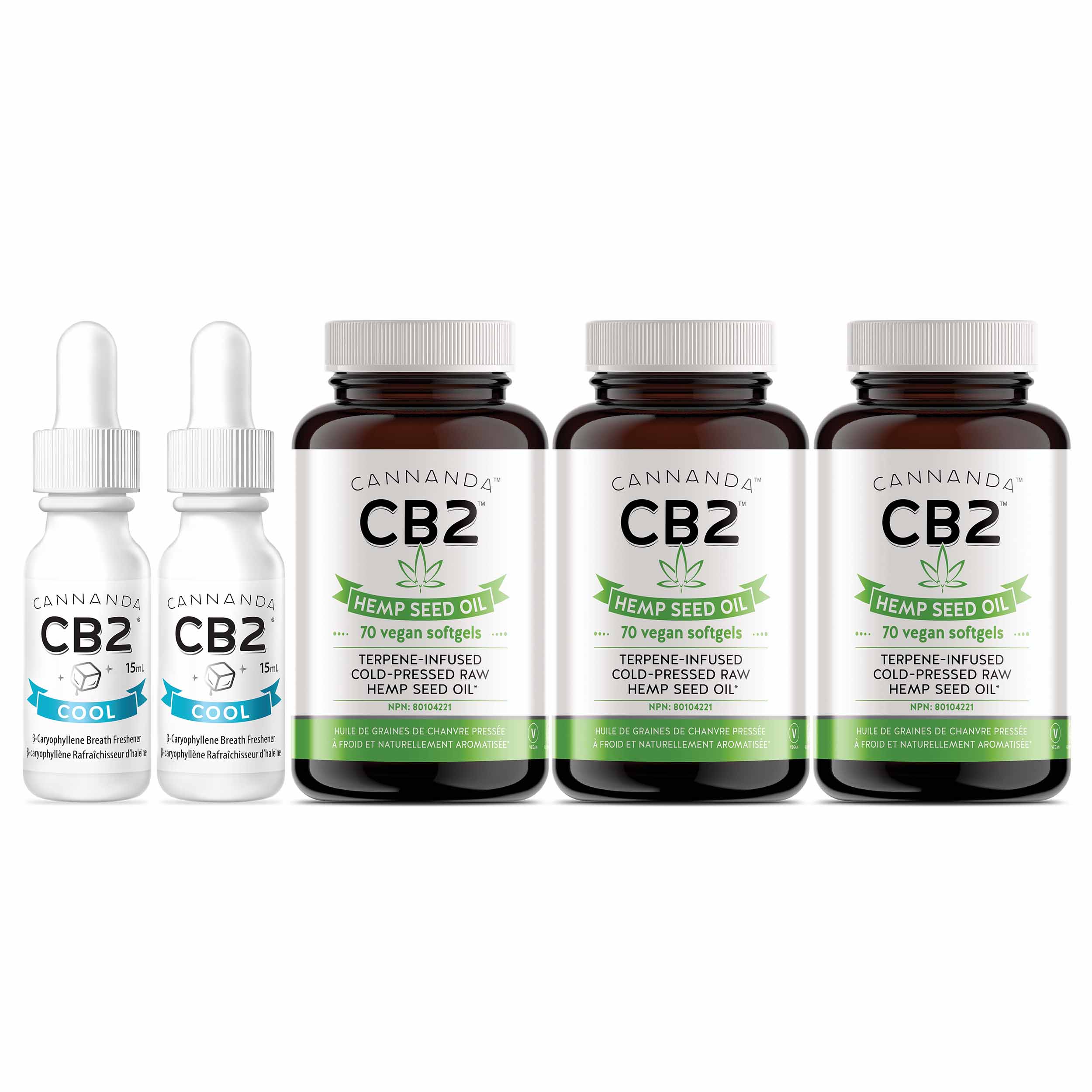
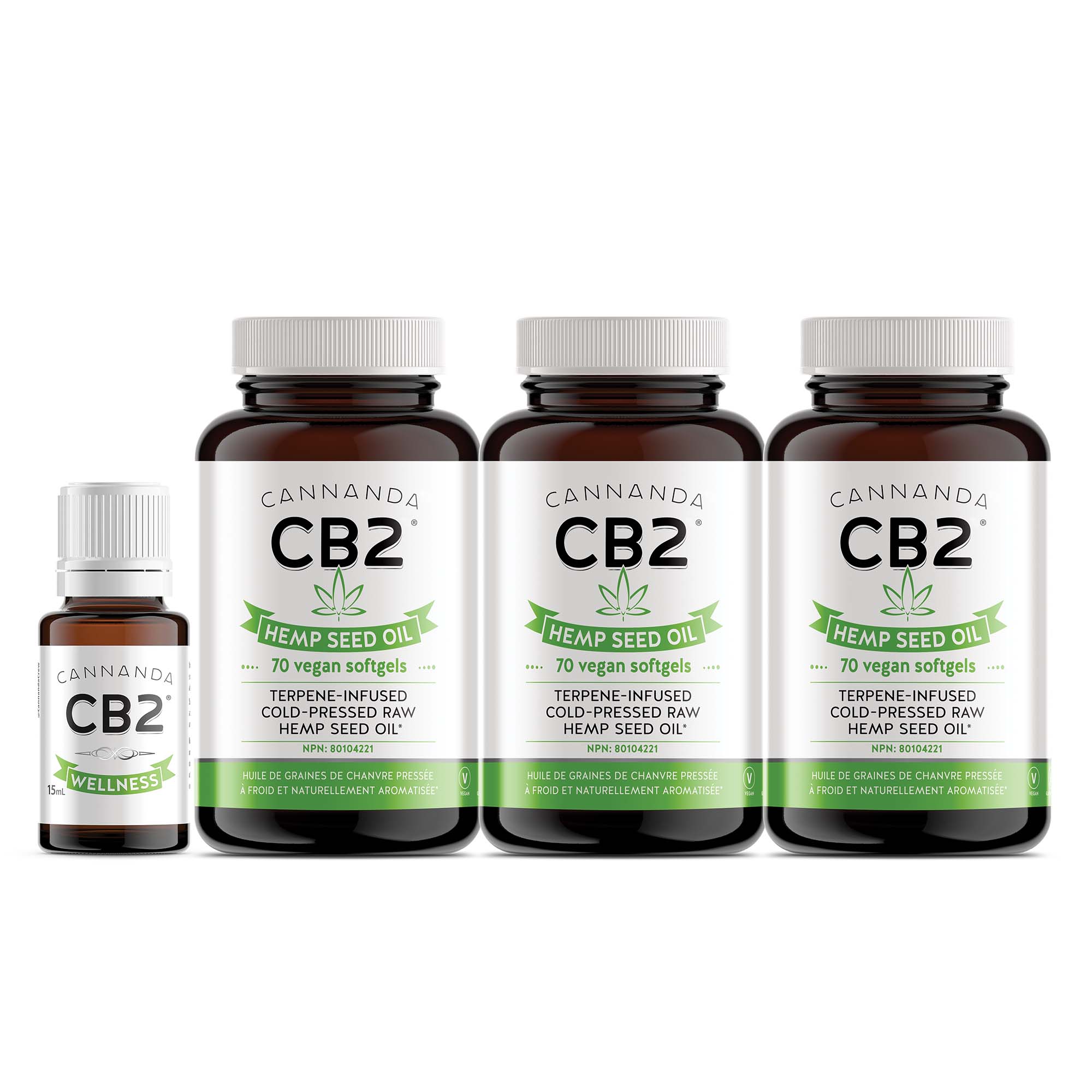
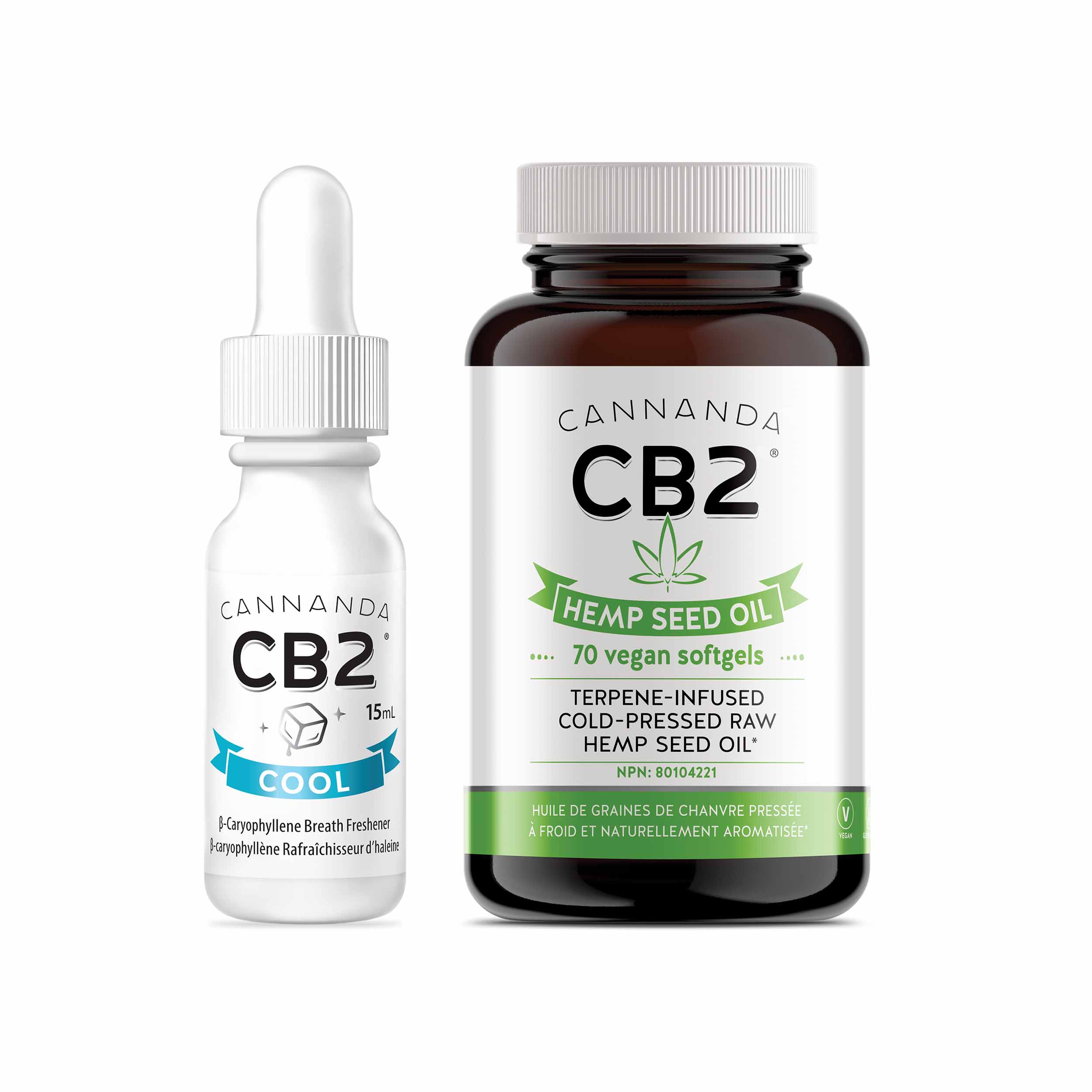
- CB2 Hemp Seed Oil Vegan Softgels: convenient capsule format for daily use. Take with a fat-containing meal.
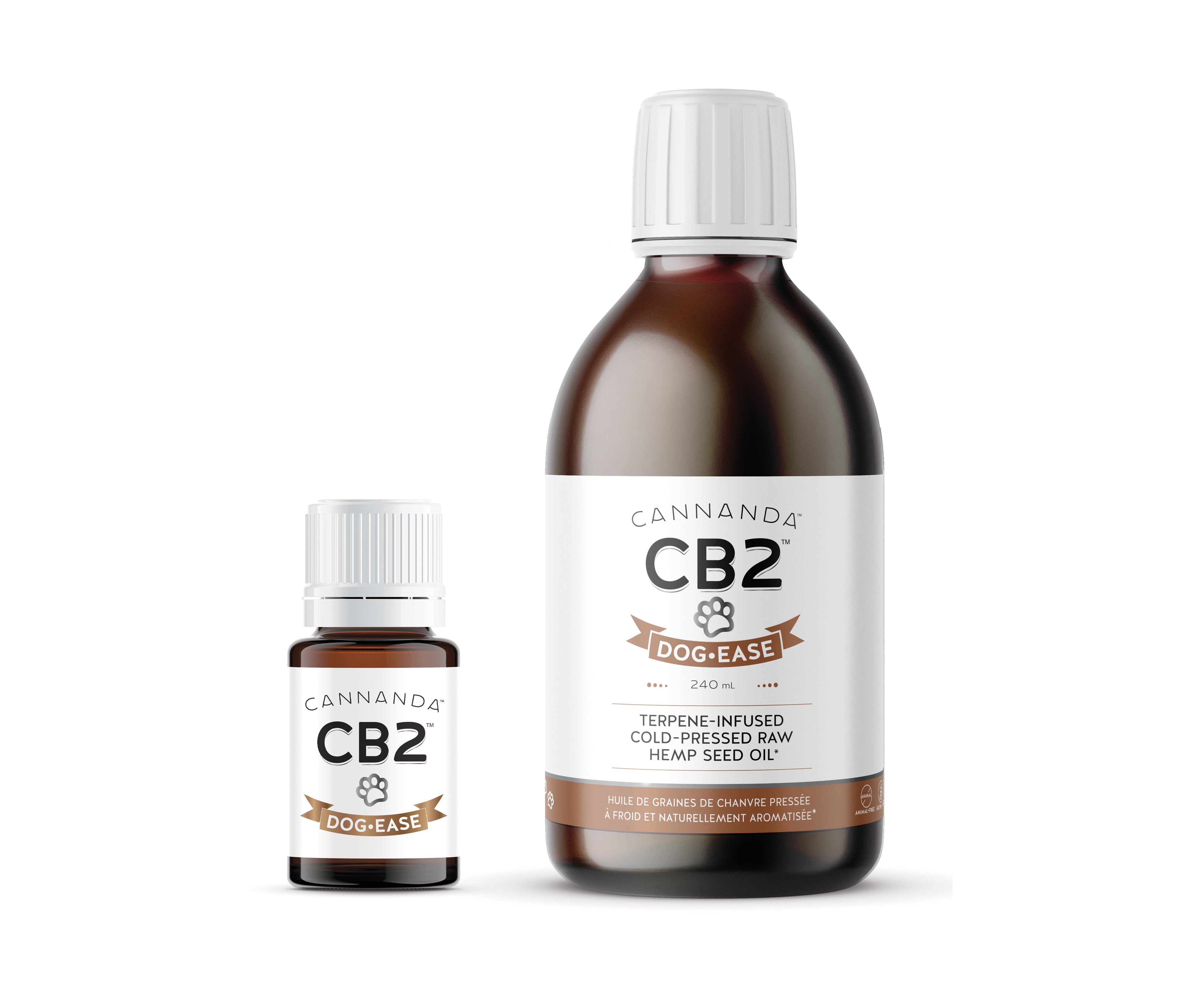
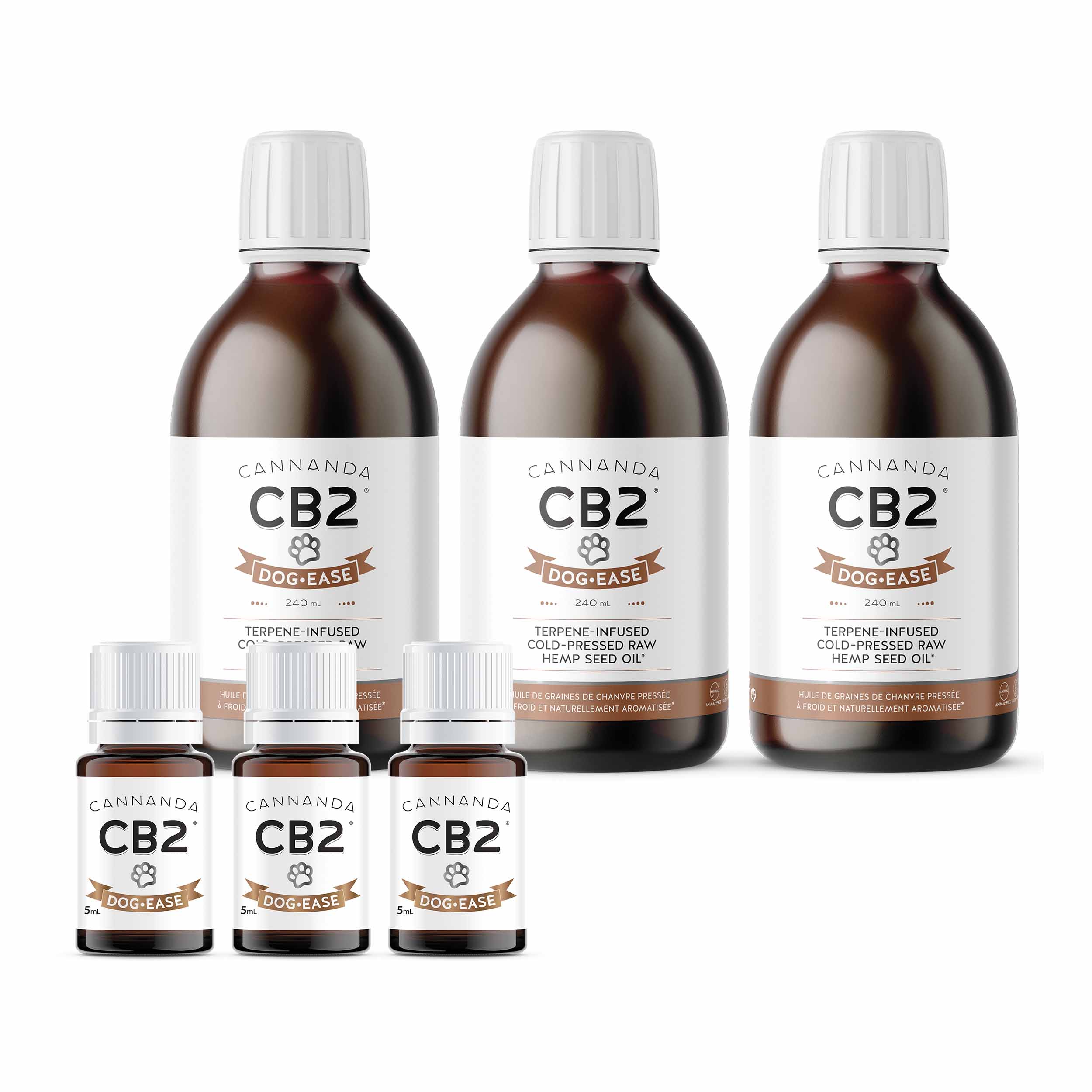
- Dog-Ease CB2 Hemp Seed Oil: specifically labelled and dosed for canine use.
Available directly from Cannanda.com or at retail outlets across Canada. Ships to Canada, US, UK, EU, and Australia.
Frequently Asked Questions
What is SDA omega-3 and why is it better than ALA?
SDA (stearidonic acid) bypasses the D6D enzyme bottleneck that makes ALA so inefficient. ALA converts to EPA at a rate of roughly 0.2–8% in most people. SDA is already downstream from that bottleneck and converts to EPA much more efficiently, making it genuinely useful as a plant-based omega-3, unlike most ALA supplements.
Is hemp seed oil a good source of omega-3?
Yes, specifically because of its SDA content. Hemp seed oil is one of the richest plant sources of SDA, along with significant GLA (a beneficial anti-inflammatory omega-6). Its natural omega-6 to omega-3 ratio of approximately 3:1 is also close to the ideal range for healthy inflammatory balance.
What is GLA and why does it matter?
GLA (gamma-linolenic acid) is a beneficial omega-6 that, like SDA, bypasses the D6D bottleneck. It converts to DGLA, a precursor to powerful anti-inflammatory compounds. It's the reason people take evening primrose oil and borage oil. CB2 Hemp Seed Oil contains up to 480 mg of GLA per serving, one of the highest concentrations in any natural supplement.
Why is hemp seed oil better than fish oil for vegans?
Fish oil provides EPA and DHA directly, but it comes with sustainability concerns, allergy issues, and dietary restrictions that make it unsuitable for many people. Hemp seed oil with SDA provides a highly bioavailable plant pathway to EPA and DHA, plus GLA, polyphenols, phytosterols, vitamins, and minerals that fish oil doesn't contain, from a clean, vegan, non-GMO, sustainable source.
What makes CB2 Hemp Seed Oil different from regular hemp seed oil?
CB2 Hemp Seed Oil adds concentrated BCP, the only dietary compound known to directly activate CB2 receptors in the endocannabinoid system. This provides a third anti-inflammatory mechanism (CB2-mediated cytokine regulation) alongside the SDA (omega-3 pathway) and GLA (DGLA pathway). No regular hemp seed oil or fish oil covers all three.
How much SDA and GLA is in CB2 Hemp Seed Oil?
Up to 190 mg of SDA and up to 480 mg of GLA per serving, making it one of the highest natural sources of both fatty acids in a single supplement.
Can dogs take CB2 Hemp Seed Oil for omega-3 benefits?
Yes. Dogs have the same D6D conversion problem as humans, making SDA particularly relevant for canine joint and inflammation support. Cannanda makes Dog-Ease CB2 Hemp Seed Oil specifically formulated and dosed for dogs.
What is the ideal omega-3 to omega-6 ratio and does hemp seed oil hit it?
Most health authorities recommend an omega-6 to omega-3 ratio between 4:1 and 1:1. The Western diet typically sits at 15:1 to 20:1--heavily skewed toward omega-6s. Hemp seed oil has a naturally balanced ratio of approximately 3:1, making it one of the most naturally balanced essential fatty acid sources available from plants.