Beta-Caryophyllene for Joint Health and Arthritis: Research and Benefits
BCP targets the inflammatory cascade in joint tissue directly through CB2 receptor activation, with a safety profile that makes it far more appropriate for long-term daily use than NSAIDs.
You or someone you care about is dealing with joint pain (arthritis, bone health concerns, or general joint stiffness) and want to understand what the research actually shows about BCP before trying it. This article covers the mechanism, the studies, how BCP compares to NSAIDs, and the practical protocol for best results.
BCP activates CB2 receptors expressed throughout joint tissue, reducing inflammatory cytokines, modulating immune infiltration, supporting cartilage integrity, and promoting balanced bone metabolism. One remarkable study found BCP enhanced the effectiveness of both methotrexate and leflunomide while reducing their side effects. Unlike NSAIDs, BCP is gastroprotective rather than gastrically damaging, making it appropriate for the long-term daily use that chronic joint conditions require.
Joint problems are one of the most common health complaints worldwide. Arthritis alone affects hundreds of millions of people globally. Conventional treatments, while helpful, come with real limitations: NSAIDs damage the stomach, corticosteroids carry significant long-term side effects, and biologics are expensive with broad immune suppression.
Beta-caryophyllene (BCP) offers a genuinely different approach. It targets the specific inflammatory pathways driving joint damage through CB2 receptor activation (the same receptors that regulate immune activity in joint tissue), and the research is particularly compelling for both arthritis and bone health.
What happens in an arthritic joint
Understanding why BCP works for joint health starts with understanding what goes wrong in arthritis. Whether the condition is rheumatoid arthritis (an autoimmune attack on joints) or osteoarthritis (mechanical wear with secondary inflammation), the end result in the joint space is similar: an inflammatory cascade that gradually destroys the tissue it's supposed to protect.
The inflammatory cascade in arthritic joints
CB2 receptors are expressed throughout joint tissue: on synovial cells, on the immune cells (macrophages, T-cells) that drive this process, and on the bone cells that determine whether the underlying bone is maintained or eroded. Activating them with BCP addresses the inflammatory cascade at multiple points simultaneously.
How BCP supports joint health: four mechanisms
The most direct mechanism: BCP activates CB2 receptors on immune cells in the joint, reducing the production of TNF-alpha, IL-1beta, and IL-6, the primary cytokines driving joint destruction. This doesn't suppress the immune system broadly (as biologics do); it modulates the specific immune overactivation in inflamed joint tissue through the CB2 receptor's regulatory function.
One of the most clinically significant findings in the BCP-joint-health literature is that BCP appears to work synergistically with established arthritis drugs, rather than simply in parallel with them.
If you are currently on arthritis medications and considering adding BCP, this study provides a basis for discussing it with your rheumatologist. Always work with your prescribing physician before changing doses or adding supplements alongside disease-modifying drugs.
CB2 receptors are directly involved in bone metabolism. They are expressed on both osteoblasts (cells that build new bone) and osteoclasts (cells that break down old bone). The balance between these two cell types determines bone density. When osteoclast activity outpaces osteoblast activity, bone density decreases and osteoporosis risk rises.
Research suggests that BCP may act as a therapeutic agent for bone health by promoting osteogenesis (bone building) while reducing osteoclastogenesis and adipogenesis in bone marrow. This dual action on both sides of bone metabolism is particularly valuable because most pharmaceutical osteoporosis drugs address only one side of the equation.
Beyond its anti-inflammatory effects, BCP has documented local anesthetic properties, a separate mechanism that provides direct pain relief in addition to the longer-term inflammation-reducing effects. When applied topically, this local anesthetic action provides relatively fast pain relief in the treated area while the anti-inflammatory effects develop over longer-term use.
CB2 receptor activation also modulates pain pathway transmission at the spinal and peripheral level, providing a second independent pain-relief mechanism beyond local anesthesia. For people with neuropathic components to their joint pain, a common feature of advanced arthritis, this CB2-mediated pain modulation is particularly relevant.
How BCP compares to NSAIDs for joint pain
NSAIDs (ibuprofen, naproxen, diclofenac, and prescription-strength versions) are the most commonly used medications for joint pain. They work by inhibiting COX enzymes, which reduces prostaglandin production and thereby reduces inflammation and pain. They're effective in the short term. Long-term, the safety profile is more problematic.
| Factor | NSAIDs (ibuprofen, naproxen) | BCP (Cannanda CB2 Oil) |
|---|---|---|
| Mechanism | COX enzyme inhibition, reduces prostaglandins | CB2 receptor activation, modulates immune response |
| GI effects | Damages stomach lining; causes ulcers and bleeding with long-term use | Gastroprotective, protecting the stomach lining |
| Kidney effects | Kidney damage risk with regular use | No kidney toxicity in formal studies |
| Cardiovascular risk | Increases cardiovascular event risk with long-term use | No documented cardiovascular risk; may support cardiovascular health |
| Cartilage repair | May impair cartilage repair with long-term use | Supports tissue integrity through CB2 activation |
| Drug interactions | Multiple CYP450 interactions | No known drug interactions at recommended doses, except for medications with a narrow therapeutic window |
| Long-term suitability | Limited by accumulating organ risk | GRAS-status food ingredient; appropriate for long-term daily use |
BCP works through an entirely different mechanism from NSAIDs: CB2 activation rather than COX inhibition. This means it avoids gastrointestinal, kidney, and cardiovascular risks. For people who need long-term anti-inflammatory support for chronic joint conditions, this safety advantage is significant. See the full BCP safety research article for a complete comparison.
The inside-out approach: oral plus topical
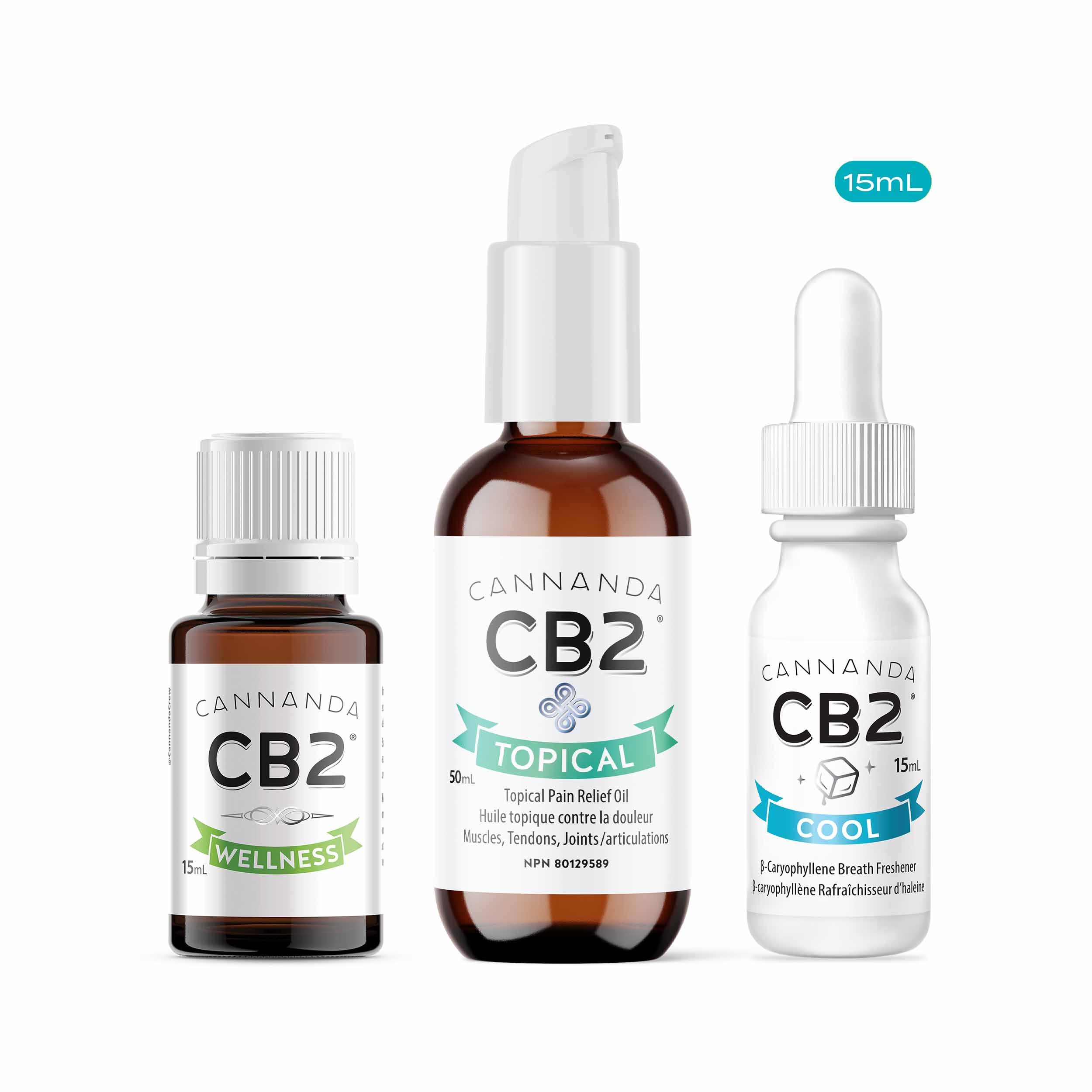
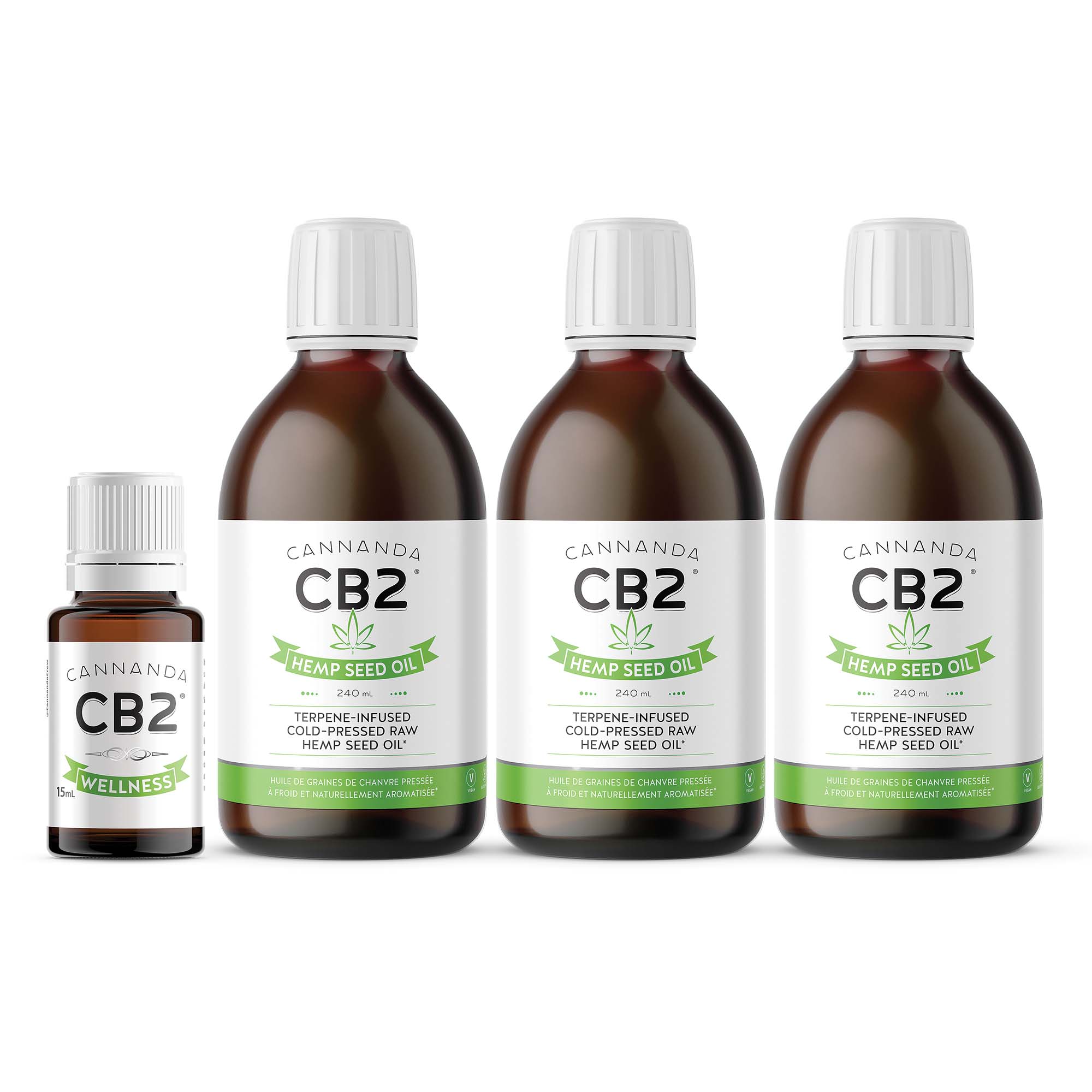
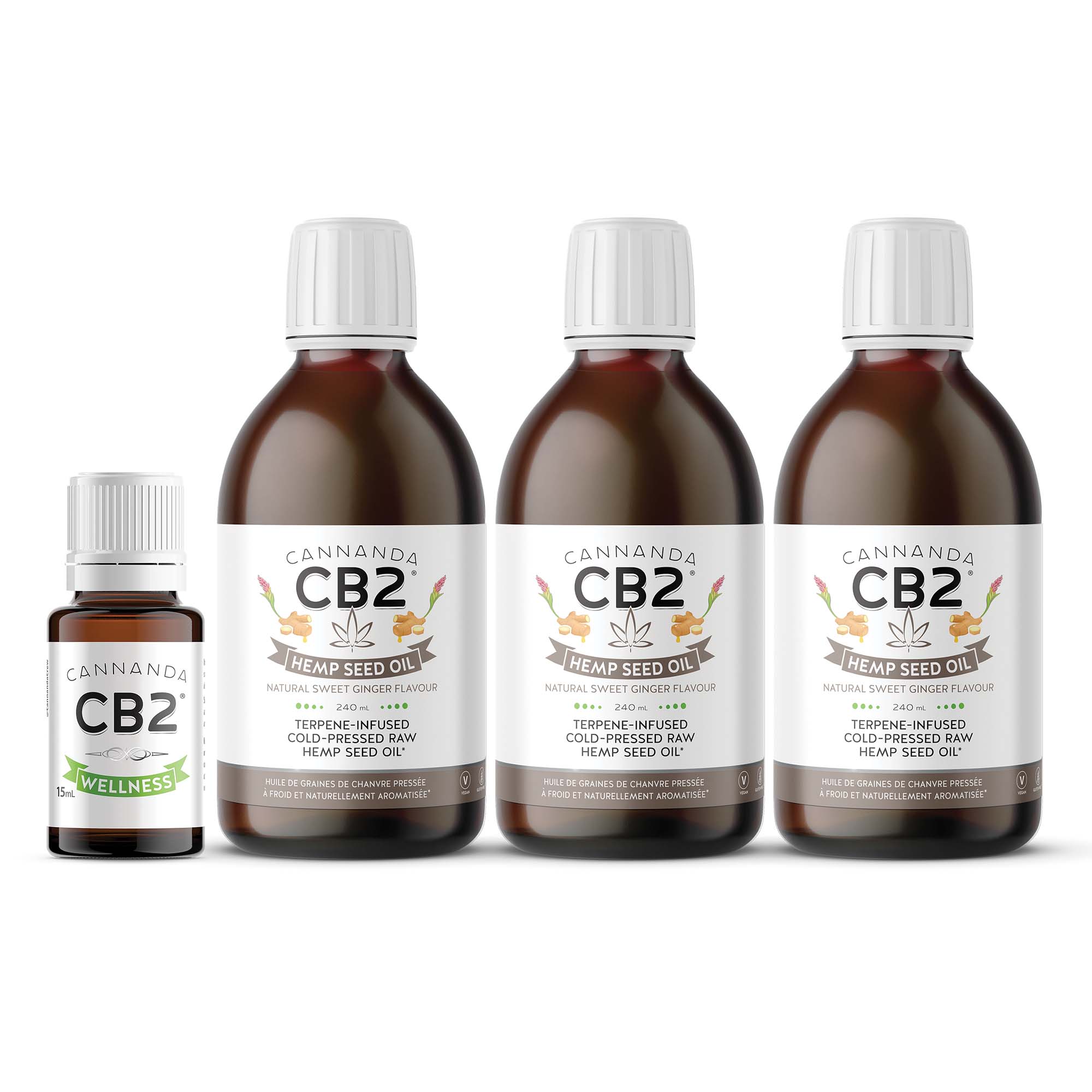
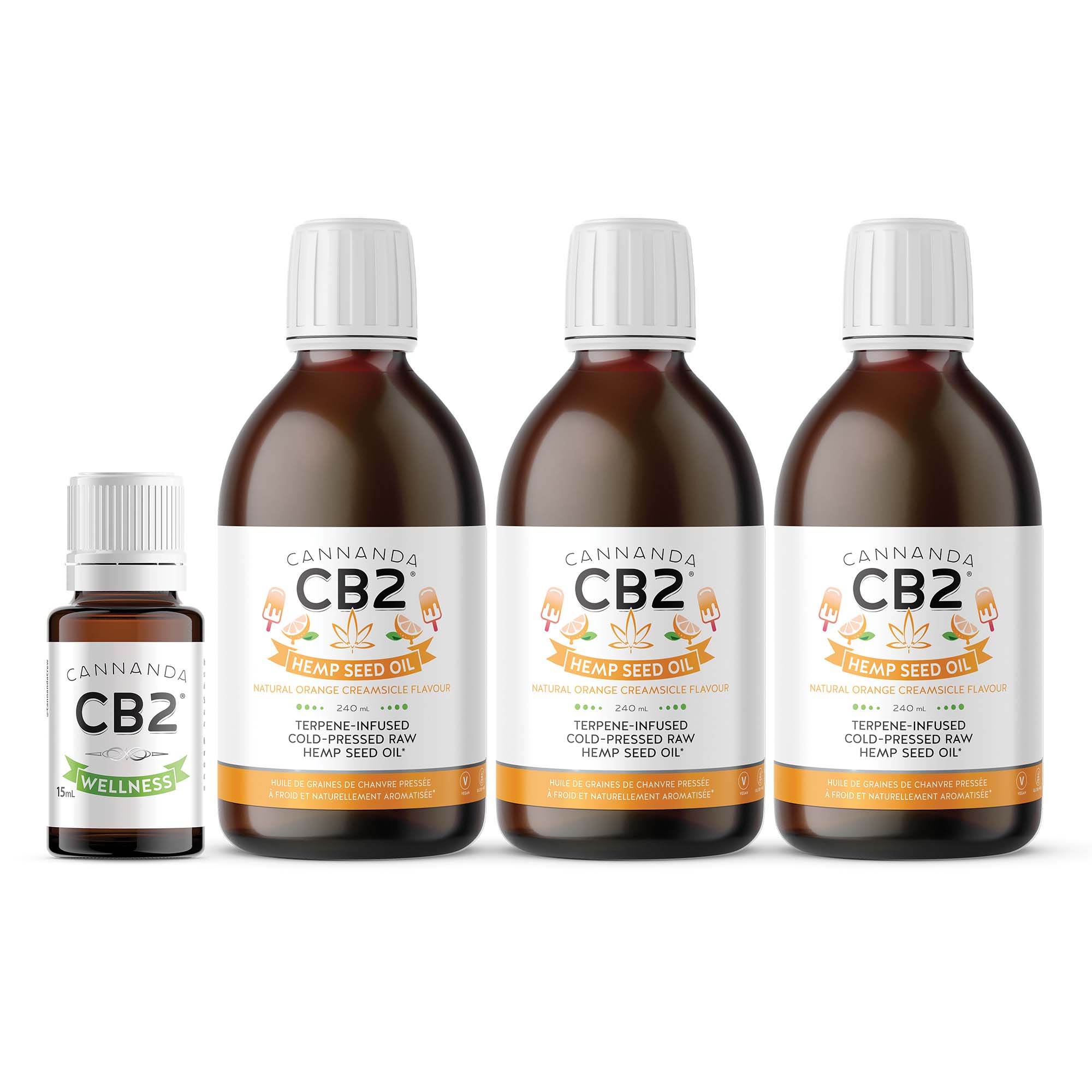
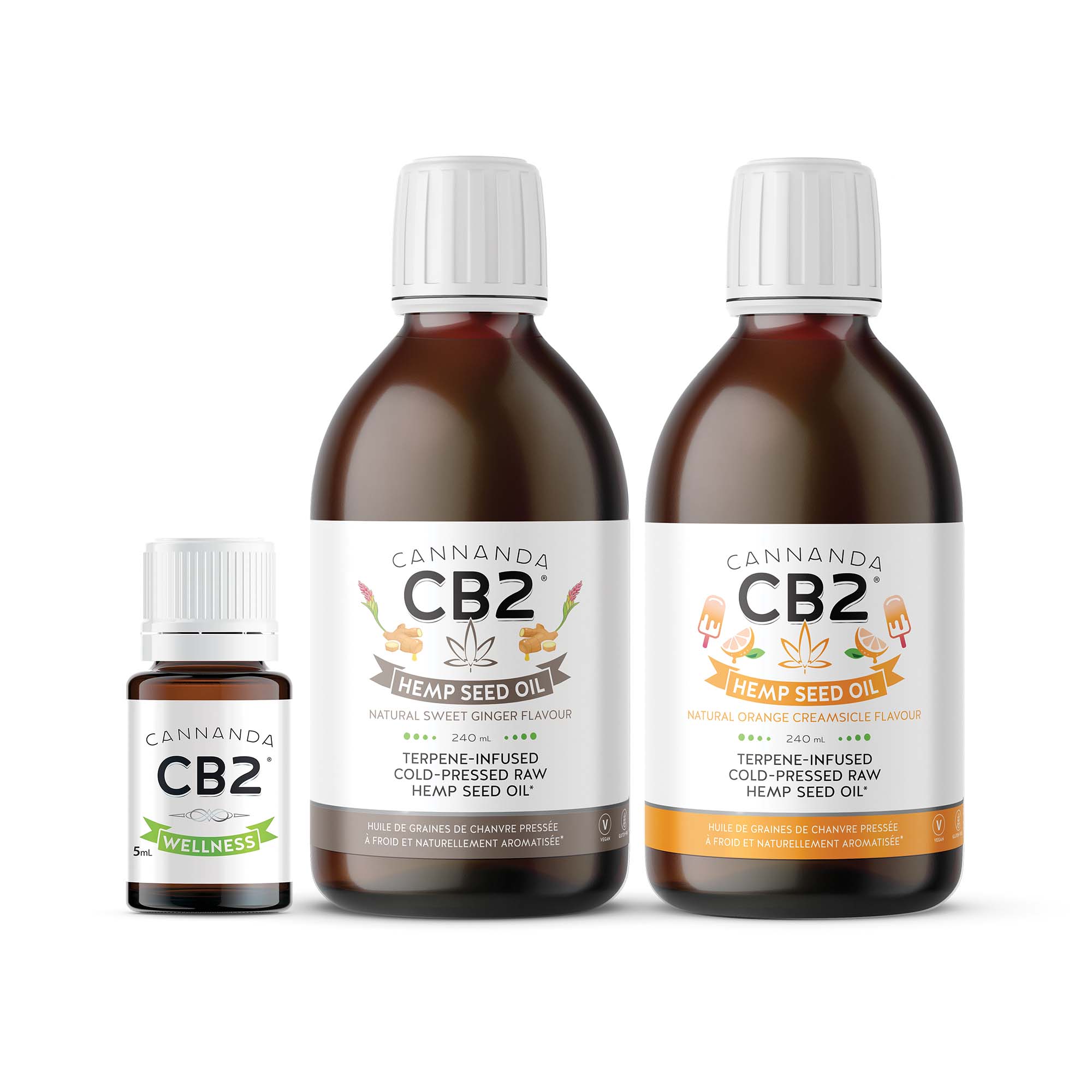
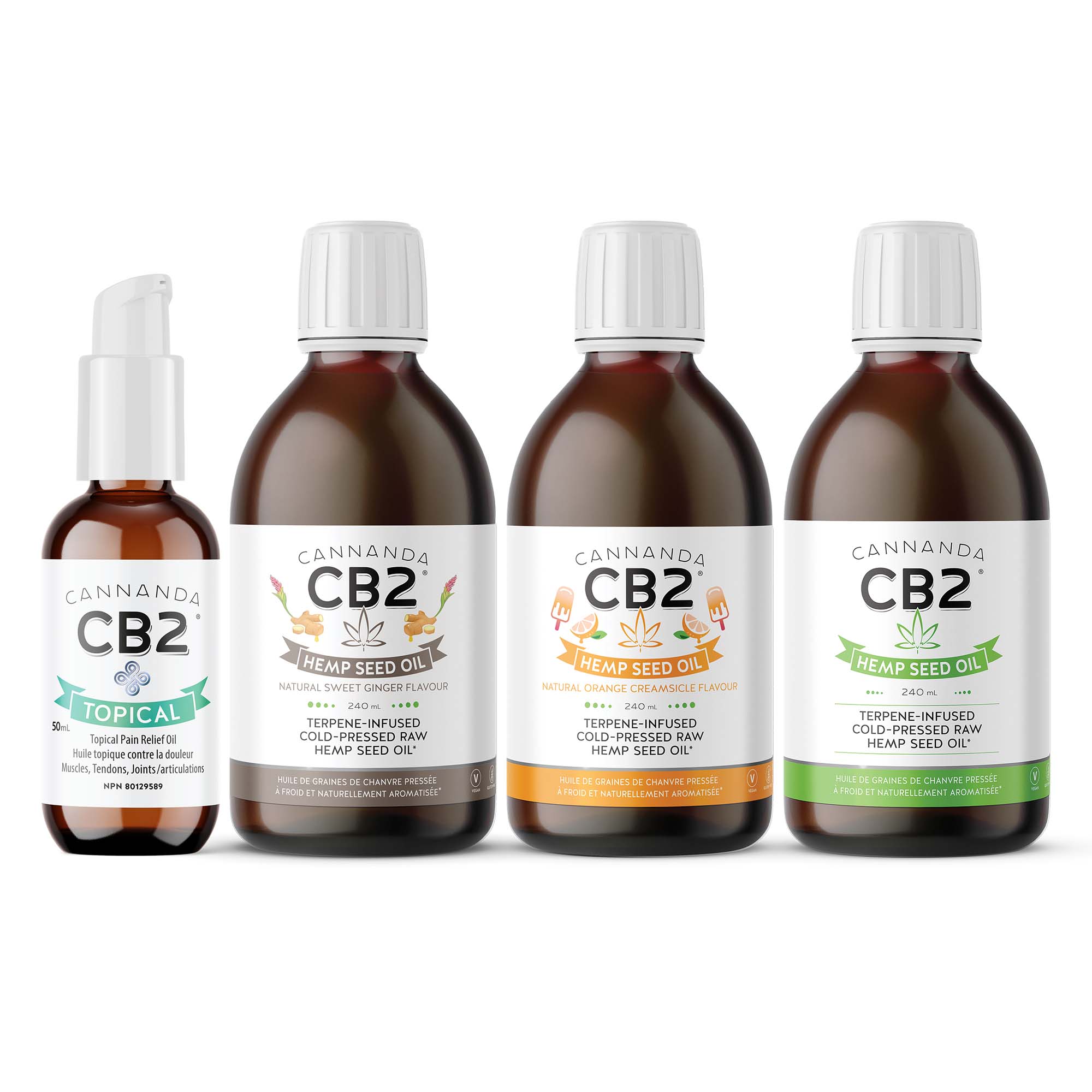
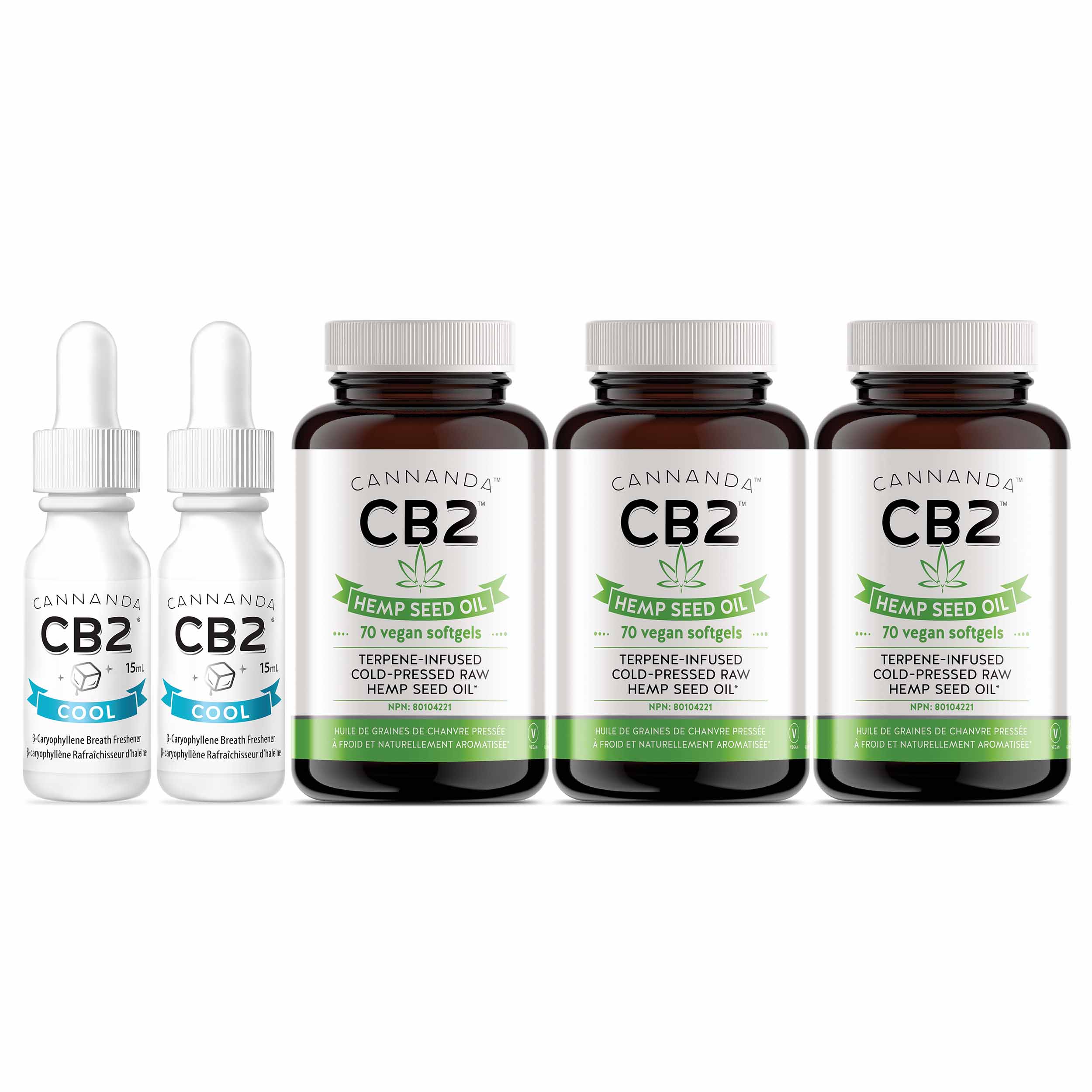
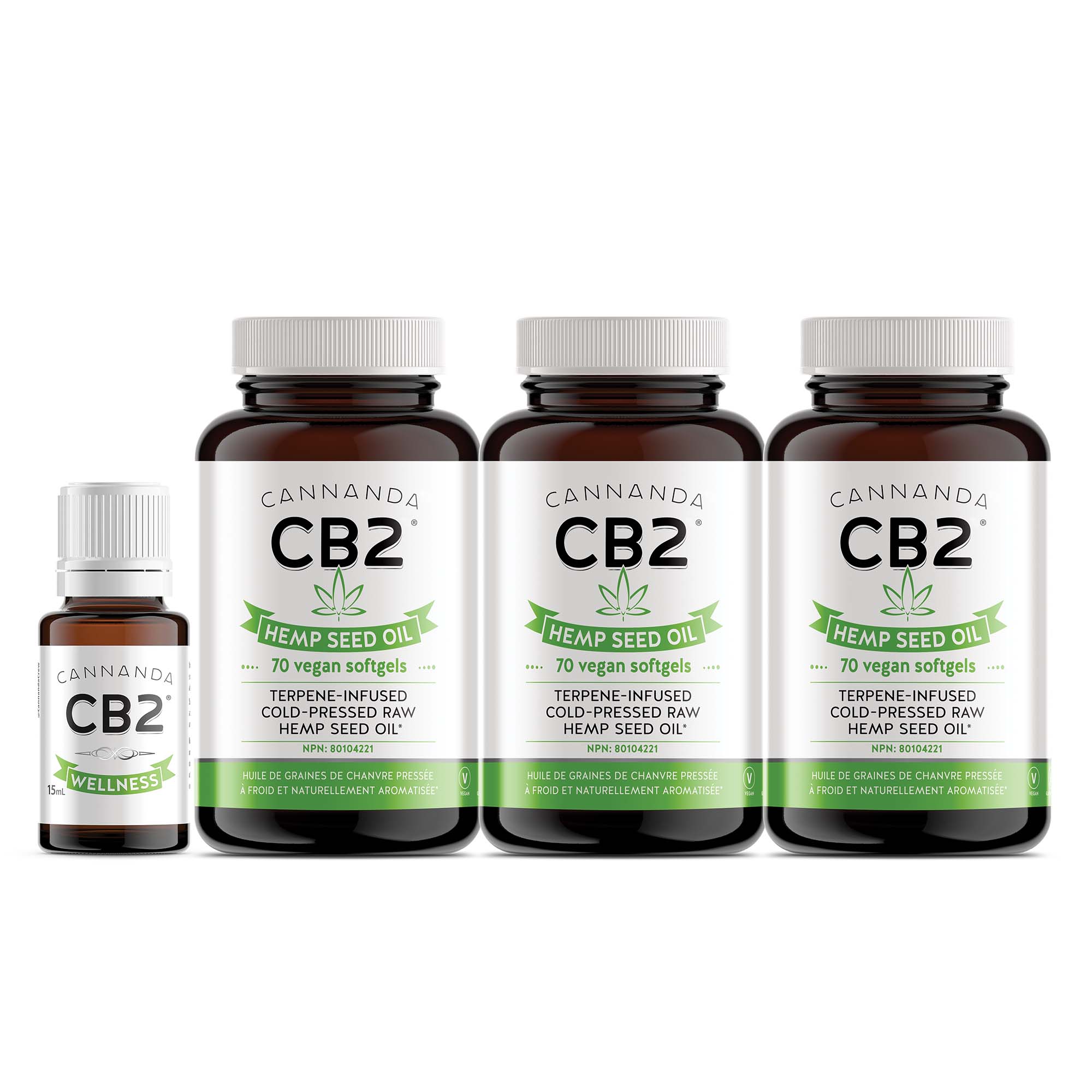
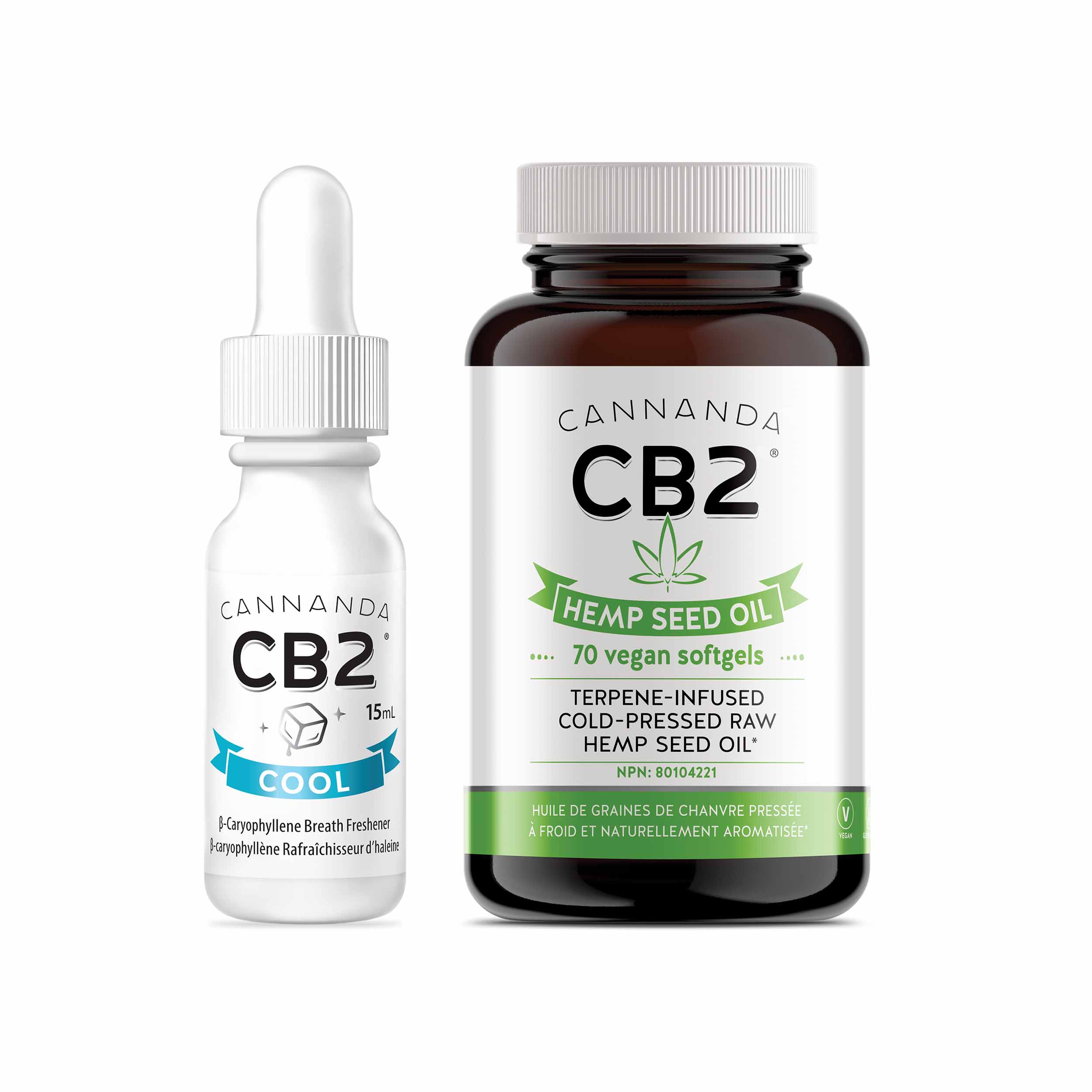
CB2 Hemp Seed Oil or CB2 Wellness taken orally provides systemic anti-inflammatory support, reducing the body-wide inflammatory load that contributes to joint flares. The sustained release from oil taken with food provides steady-state CB2 receptor activation throughout the day, addressing systemic drivers of arthritis including circulating inflammatory cytokines, immune dysregulation, and bone metabolism.
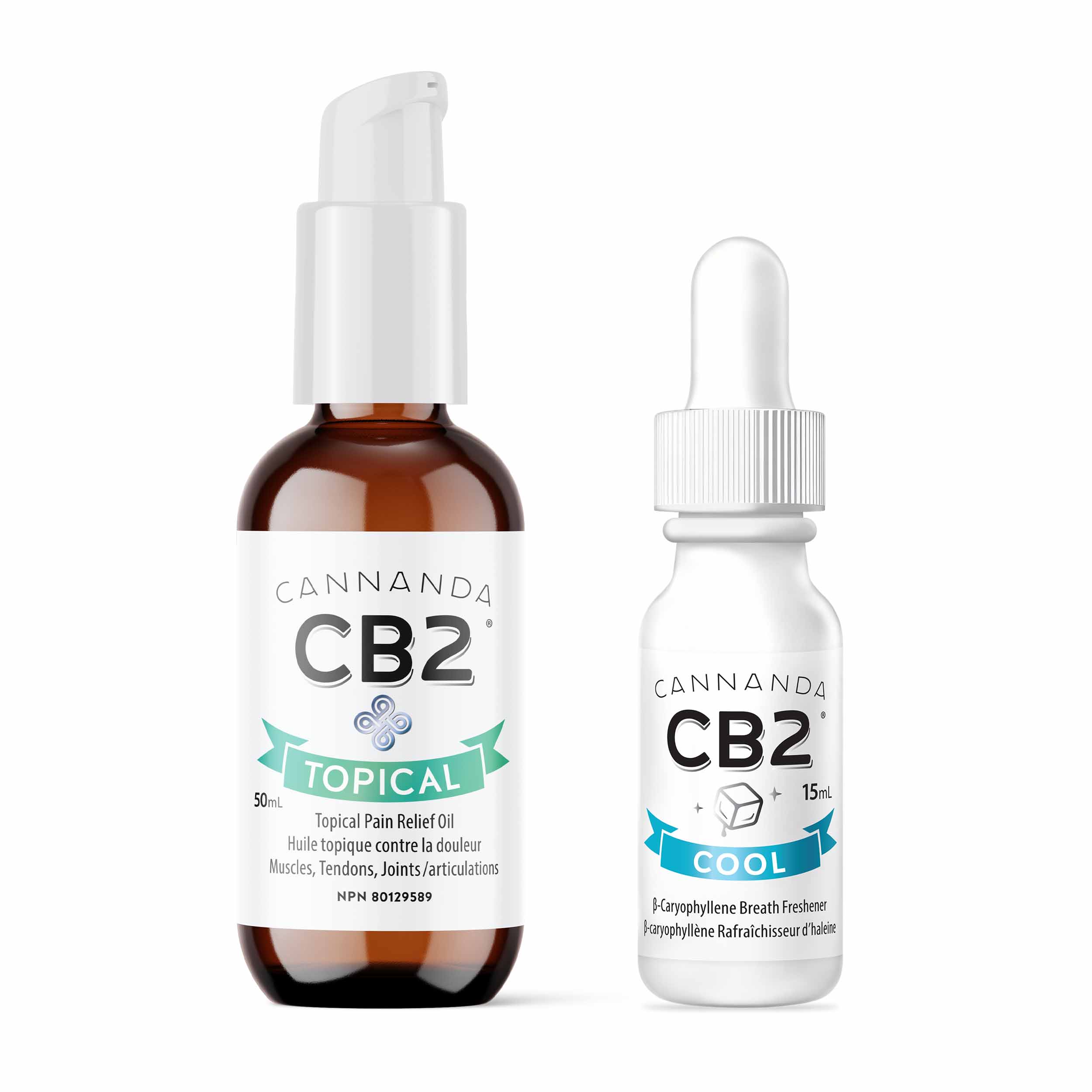
CB2 Topical Oil applied directly over affected joints provides targeted relief: BCP penetrates the skin and reaches underlying joint tissue directly, providing localized anti-inflammatory effects and local anesthetic action right where they're needed. Avoids the systemic route entirely for people who prefer targeted treatment. Can be reapplied as needed throughout the day.
A practical protocol for joint health
Joint health without the GI damage, kidney risk, or cardiovascular concern
CB2 receptor activation for arthritis. Gastroprotective rather than gastric-damaging. No drug interactions for most people. GRAS-status food ingredient. Topical and oral options. Physician-formulated.
Frequently Asked Questions
How does BCP help with arthritis?
BCP activates CB2 receptors expressed throughout joint tissue, including on the immune cells that drive inflammatory joint destruction. This reduces production of pro-inflammatory cytokines (TNF-alpha, IL-1beta, IL-6), modulates immune cell infiltration into the joint space, reduces joint swelling and tissue damage, and provides pain relief through CB2-mediated pain pathway modulation. In adjuvant-induced arthritis models, BCP significantly reduced the arthritis index, decreased paw swelling, improved joint tissue histology, and lowered serum TNF-alpha levels.
Does BCP help with osteoporosis and bone density?
Potentially. CB2 receptors are expressed on both osteoblasts (bone-building cells) and osteoclasts (bone-breakdown cells). Research suggests BCP may promote osteogenesis while reducing osteoclastogenesis, supporting balanced bone metabolism. The foundational CB2 bone research (Ofek et al., 2006, PNAS) showed CB2 receptor activity is required for normal bone density maintenance. Human clinical trials specifically for BCP and bone density are still needed for definitive conclusions.
Can I use BCP alongside arthritis medications like methotrexate?
Research suggests BCP may be a valuable adjunct to conventional arthritis medications. One study found BCP enhanced the effectiveness of both methotrexate and leflunomide while reducing their side effects when used in combination. BCP has no known CYP450 drug interactions at recommended doses, with one exception: if you're on a medication with a narrow therapeutic window, check with your doctor before adding BCP. Always discuss changes to your supplement or medication routine with your rheumatologist before making adjustments.
How does BCP compare to ibuprofen or NSAIDs for joint pain?
BCP and NSAIDs address joint pain through completely different mechanisms. NSAIDs inhibit COX enzymes to reduce prostaglandin production, which is effective short-term but damages the stomach lining and carries cardiovascular and kidney risk long-term. BCP activates CB2 receptors to modulate the inflammatory immune response. BCP has gastroprotective properties, no documented cardiovascular risk, and no known kidney toxicity, making it more appropriate for the long-term daily use that chronic joint conditions require.
Can CB2 Topical Oil help joint pain?
Yes. CB2 Topical Oil provides targeted relief for localized joint issues. When applied over an affected joint, BCP penetrates the skin and reaches underlying tissue directly, providing localized anti-inflammatory effects and acting as a mild local anesthetic (confirmed in Ghelardini et al., 2001). It can be combined with oral CB2 oil for an inside-out approach: systemic anti-inflammatory support orally plus targeted local relief topically.
How long does BCP take to work for joint pain?
Many people report meaningful pain relief within the first few days, particularly with topical application. The deeper anti-inflammatory and tissue-protective effects build over 2-4 weeks of consistent daily use as inflammatory cytokine levels progressively normalize. Give it at least two weeks of daily use before evaluating results. Chronic joint inflammation built up over months or years takes time to reduce consistently.
Can I use BCP with other natural anti-inflammatory supplements for joints?
Yes. BCP has no known interactions with natural supplements at recommended doses. Turmeric, boswellia, omega-3 fatty acids, and collagen all address joint health through different mechanisms from BCP's CB2 pathway. Combining them addresses joint inflammation through multiple independent pathways simultaneously. CB2 Hemp Seed Oil also provides omega-3 fatty acids alongside BCP, making it nutritionally comprehensive on its own.
References
- Vijayalaxmi A, et al. (2015). Antiarthritic activity of β-Caryophyllene. Journal of Basic and Clinical Pharmacy.
- Yamaguchi M & Levy RM. (2016). β-Caryophyllene promotes osteoblastic mineralization. International Journal of Molecular Medicine.
- Sawsan AZ, et al. (2018). β-caryophyllene as adjunctive therapy for rheumatoid arthritis with methotrexate and leflunomide. Biomedicine and Pharmacotherapy.
- Ghelardini C, et al. (2001). Local anaesthetic activity of beta-caryophyllene. Farmaco, 56(5-7), 387-389.
- Ofek O, et al. (2006). Peripheral cannabinoid receptor, CB2, regulates bone mass. PNAS, 103(3), 696-701.
- Gertsch J, et al. (2008). Beta-caryophyllene is a dietary cannabinoid. PNAS, 105(26), 9099-9104.